Storage rarely leads a Bangkok condo viewing, yet it strongly shapes whether the home remains comfortable after suitcases, work equipment, cleaning supplies and everyday belongings arrive. Expat buyers should measure storage as carefully as bedrooms and balconies.
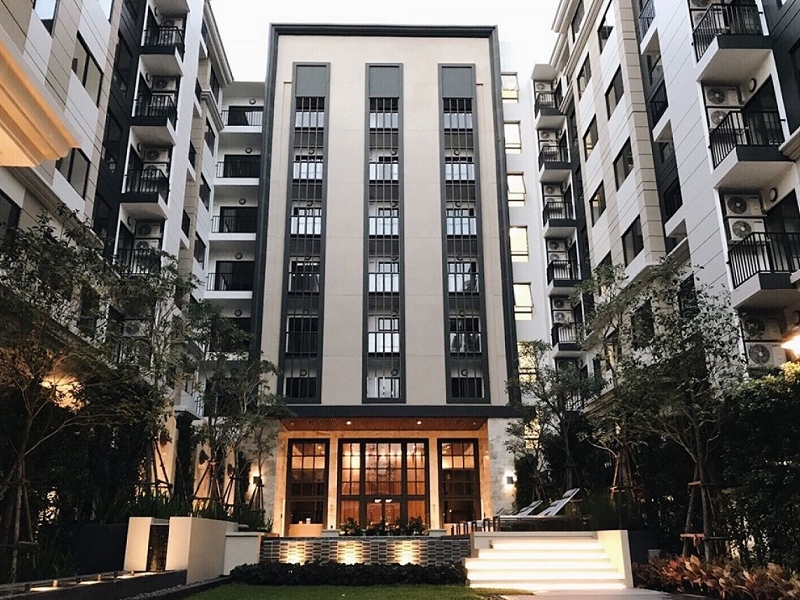
Storage works best when it supports daily routines without narrowing circulation or blocking light.
The right amount depends on lifestyle, household size and travel patterns. The aim is not to fill every wall with cupboards. It is to give necessary items sensible places without reducing circulation, light, ventilation or flexibility.
List what the home must hold
Before viewing, make a realistic inventory: daily clothes, formal wear, shoes, luggage, sports equipment, work materials, documents, household tools, cleaning items, spare linen and anything used for children or pets. Separate daily, seasonal and rarely used items.
Measure bulky belongings. A wardrobe can look generous but fail to fit long garments or large suitcases. Buyers relocating internationally should decide what will actually come to Bangkok rather than designing around possessions they plan to sell or store elsewhere.
Measure usable volume, not cupboard doors
Open cupboards with permission and check depth, shelf spacing, hinges, pipes, electrical panels and awkward corners. Count the space that can be reached and used safely. Tall cabinets are less helpful when upper shelves require unstable access.
Then examine the room around them. Drawers need clearance, wardrobes should not block doors and added cabinets should not narrow essential routes. Photograph and measure each storage zone so the furniture plan can be tested after the viewing.
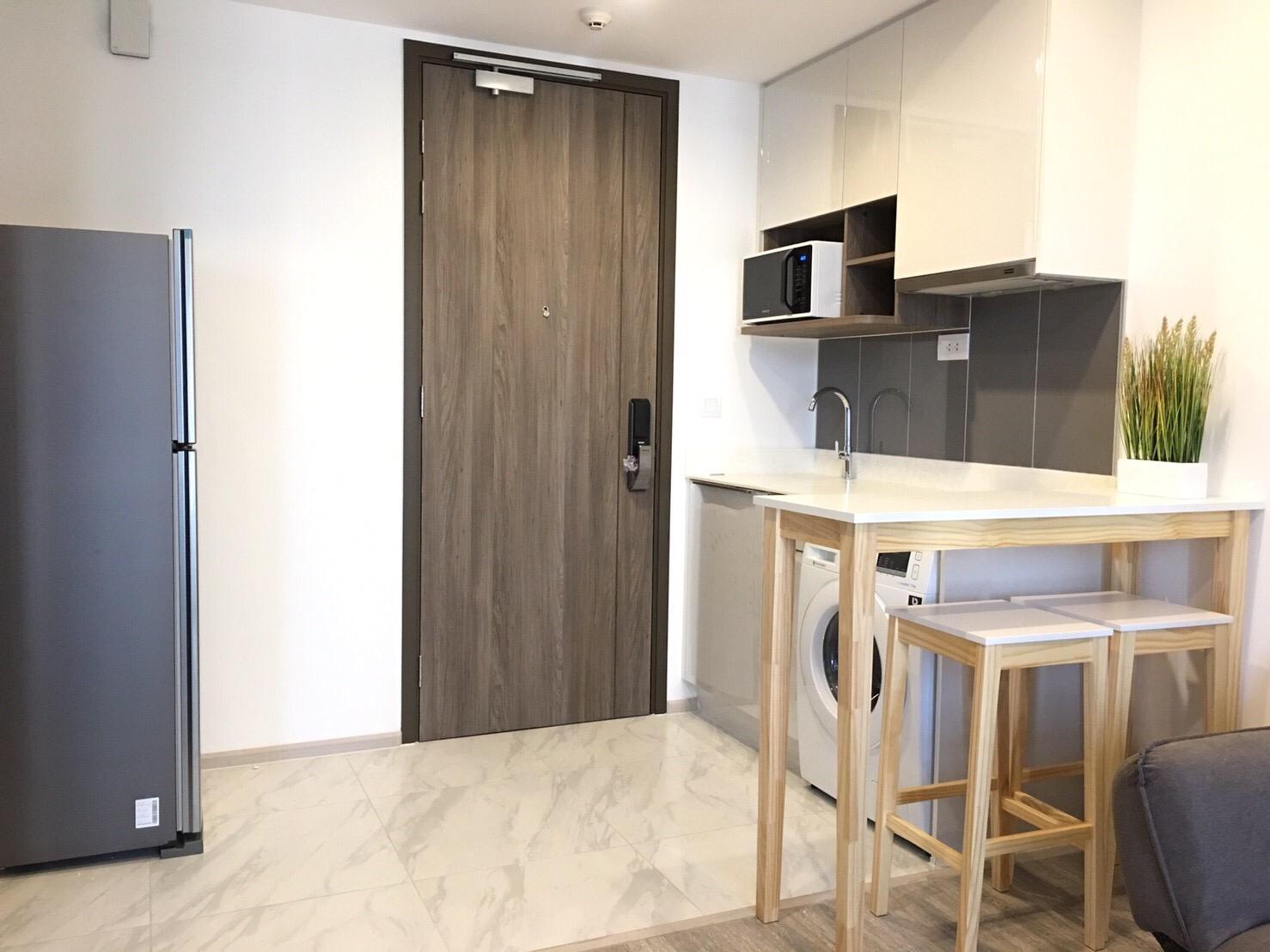
Buyers should count usable cupboards after allowing for appliances, pipes, ventilation and easy access.
Give the kitchen an item-by-item test
Kitchen storage must accommodate food, cookware, small appliances, waste sorting and cleaning supplies after built-in equipment has taken its share. Check ventilation and access around sinks, hobs, refrigerators and service points.
A deep cabinet is not automatically efficient. Pull-out fittings, clear shelf heights and easy-to-clean surfaces can matter more than nominal volume. Ask where drinking water, bulk groceries and infrequently used appliances would go without occupying the worktop.
Plan for Bangkok’s climate
Heat and humidity affect clothing, leather goods, paper and electronics. Inspect enclosed cupboards for odour, staining, swelling, corrosion or signs of poor air movement. Ask how the unit is ventilated when unoccupied and how air-conditioning is normally used.
Avoid pressing belongings against damp surfaces or blocking ventilation. Sensitive documents and valuables may need more controlled storage. If a unit shows moisture or pest clues, investigate the underlying condition rather than hiding it behind new cabinetry.
Protect circulation and safety
Storage should not obstruct exits, sprinklers, detectors, electrical panels, air-conditioning access, balcony drains or maintenance routes. Heavy objects belong on stable supports, while tall furniture may need appropriate professional securing where permitted.
A measured furniture plan reveals whether wardrobes, luggage and household items have realistic places to go.
Confirm building and fire-safety requirements before adding built-ins, drilling, changing walls or placing anything in common corridors. A contractor should check services and load considerations. Written juristic approval may be required for work that appears minor.
Use flexible furniture carefully
Ottomans, beds with drawers and modular shelving can add capacity without permanent work. Test whether they remain easy to operate in the actual room. A lift-up bed is not practical when its lid collides with a wall shelf or requires moving a desk.
Choose pieces that suit the unit’s proportions and can move through lifts, doors and corridors. For an investor, neutral flexible furniture may serve a wider tenant group than highly customised cabinets designed around one person’s belongings.
Decide where luggage lives
Frequent travellers need luggage storage that does not consume the entrance or bedroom floor. Measure nesting cases and consider whether they can be stored above wardrobes, under a bed or in a dedicated utility area without trapping moisture.
Do not assume the building provides secure external storage. If lockers or store rooms are advertised, confirm the right to use them, access rules, security, climate and whether they form part of the transaction.
Keep documents and owner equipment organised
Foreign owners should maintain a secure file for transaction records, warranties, manuals, inventories, insurance papers and juristic correspondence. Digital copies help, but original documents may still need protected physical storage.
Landlords also need a place for spare keys, appliance information and approved replacement items without cluttering tenant space. Access to any owner cupboard should be documented clearly in the lease and inventory.
Think about resale and tenant flexibility
Practical storage can help a compact unit feel calm and usable. Poorly placed cabinetry can make the same unit feel smaller. Buyers should compare how easily the home accommodates a couple, a home worker or a frequent traveller within the target market.
Avoid spending heavily on built-ins before the layout has been tested through real living. Well-made neutral additions may support appeal, while unusual finishes and fixed furniture can narrow the next resident’s options.
Storage checklist for a condo viewing
List and measure the belongings that will move.
Open cupboards and record clear internal dimensions.
Check kitchen, laundry, luggage and document needs.
Inspect for moisture, pests and damaged fittings.
Protect exits, services and maintenance access.
Test flexible furniture in the measured floor plan.
Confirm rules before adding cabinets or drilling.
Keep enough open space for changing routines.
Good storage makes a Bangkok condo easier to live in without asking the resident to own less than intended. Browse IBP’s expat living guides and foreign buyer guides, or contact IBP Real Estate for a layout-led viewing shortlist.
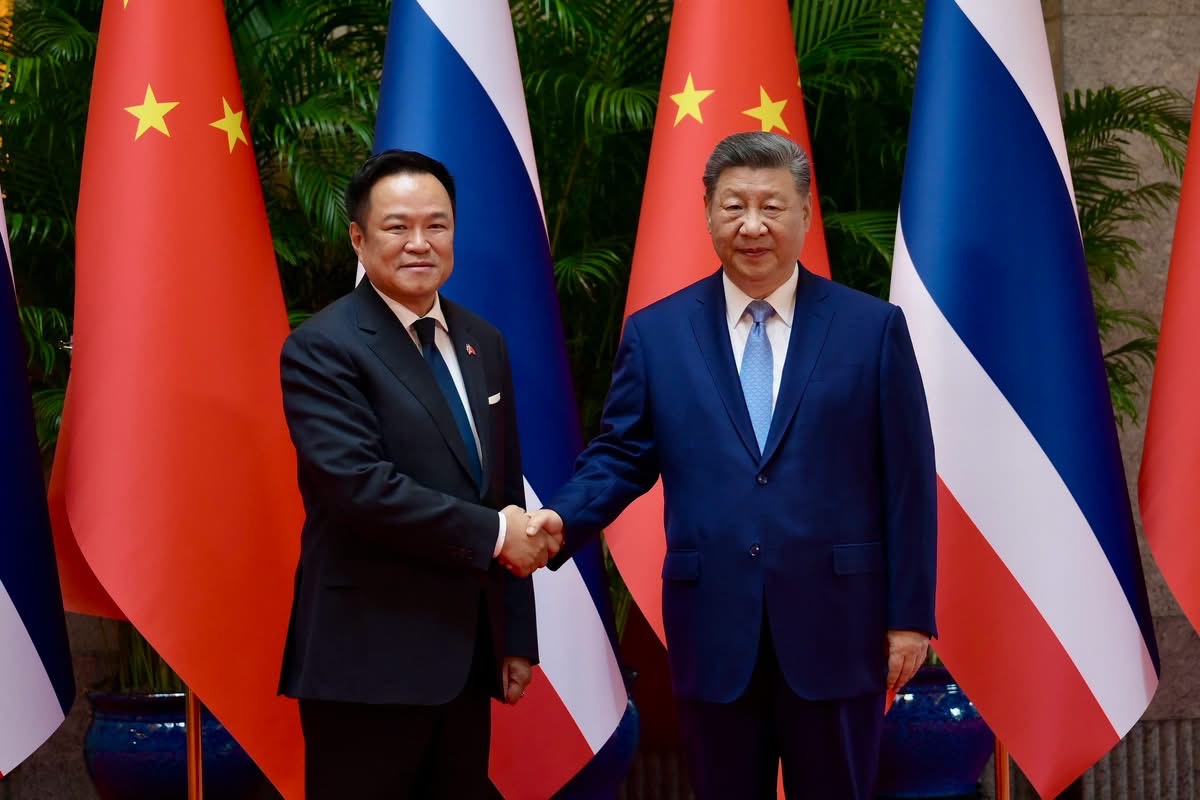
Thailand’s July 2026 engagement with China combined government diplomacy, corporate meetings and a new investment-promotion presence in western China. For Bangkok property buyers, the relevance is not a direct price prediction. It is the longer-term link between international investment networks, skilled employment, business travel and the capital’s role as Thailand’s main corporate gateway.
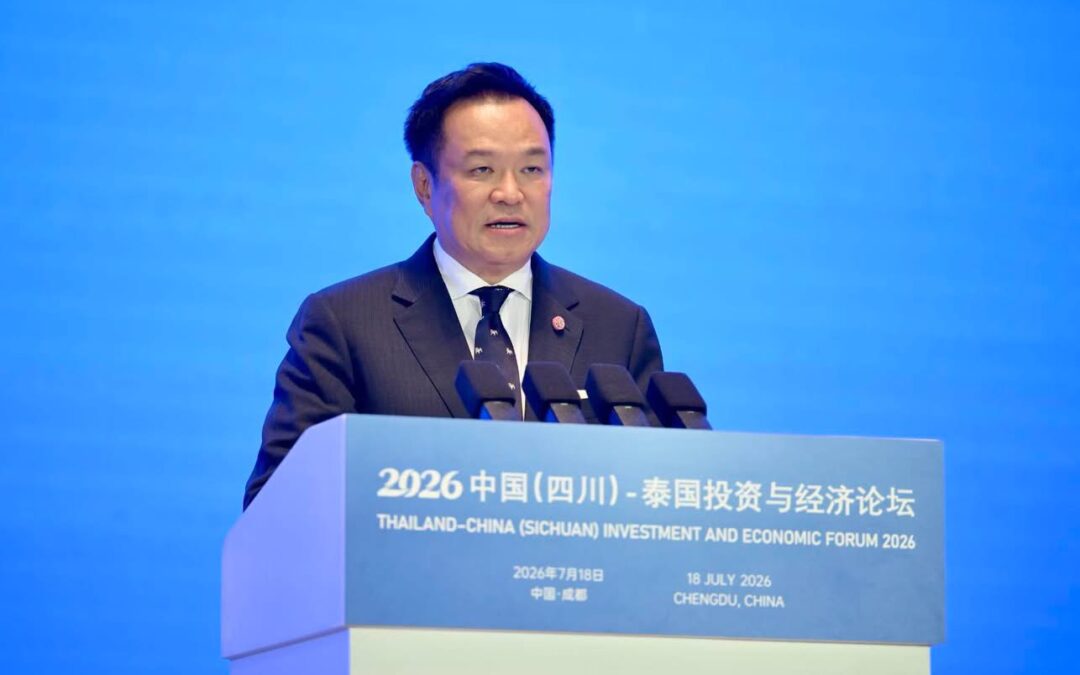
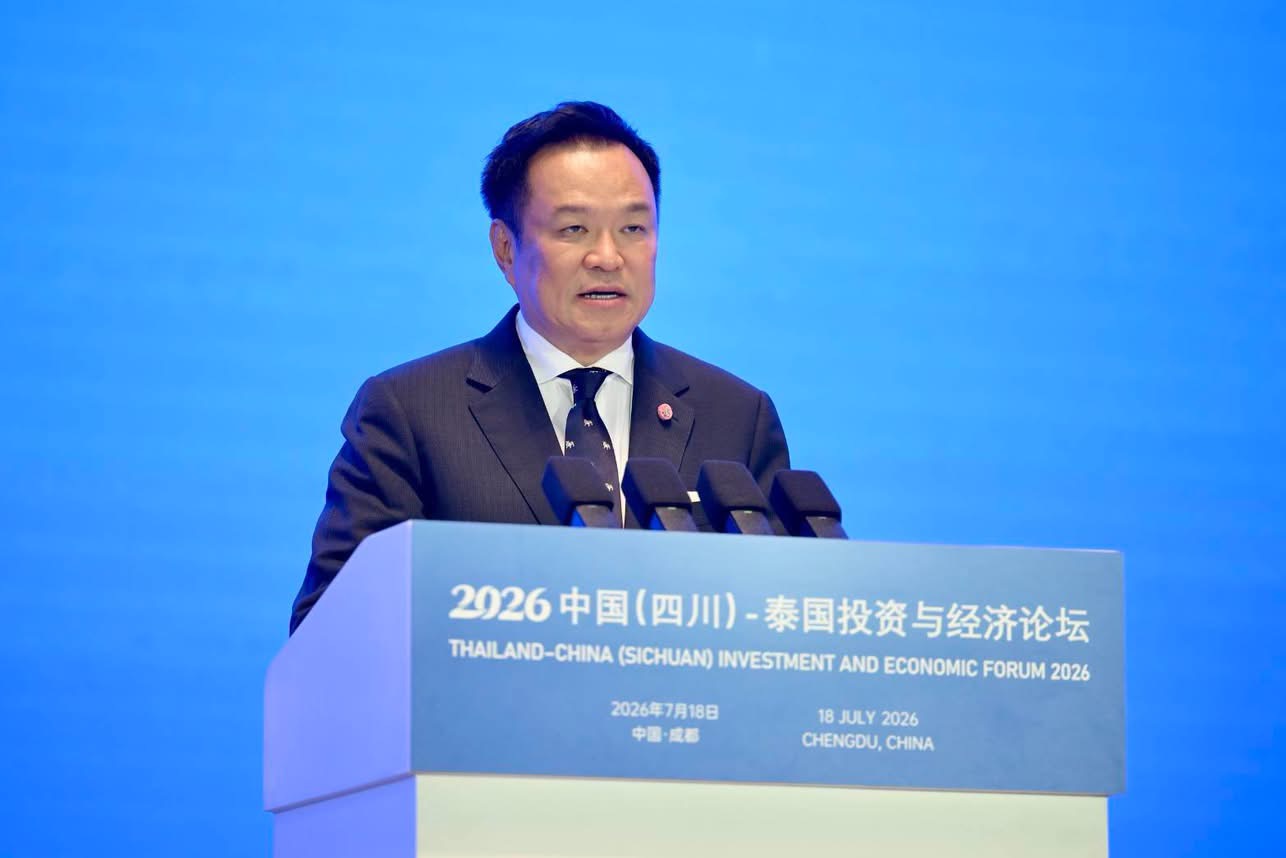
The Prime Minister opened the forum and the new BOI section in Chengdu on 18 July 2026.
The useful investor response is to separate completed institutional steps from future ambition, then watch whether company interest becomes operating activity. National investment momentum can support Bangkok, but individual condo performance still depends on entry price, building quality and a real resident market.
What happened in Chengdu
Thailand’s Government Public Relations Department reported that the Prime Minister opened the Thailand-China (Sichuan) Investment and Economic Forum and a new Board of Investment section in Chengdu on 18 July 2026. The event was held at the Tianfu International Convention Center.
The official account says more than 750 people attended, including over 150 representatives from Thai private businesses. Sectors represented included food, clean energy, healthcare and wellness, chemicals, automotive, industrial estates and banking.
Corporate engagement focused on target industries
The Prime Minister also met executives from companies including Xiaomi, ChangAn Automobile, InnoLight Technology and Eoptolink Technology. The announcement describes discussions around Thailand’s target industries rather than confirmed projects from every participant.
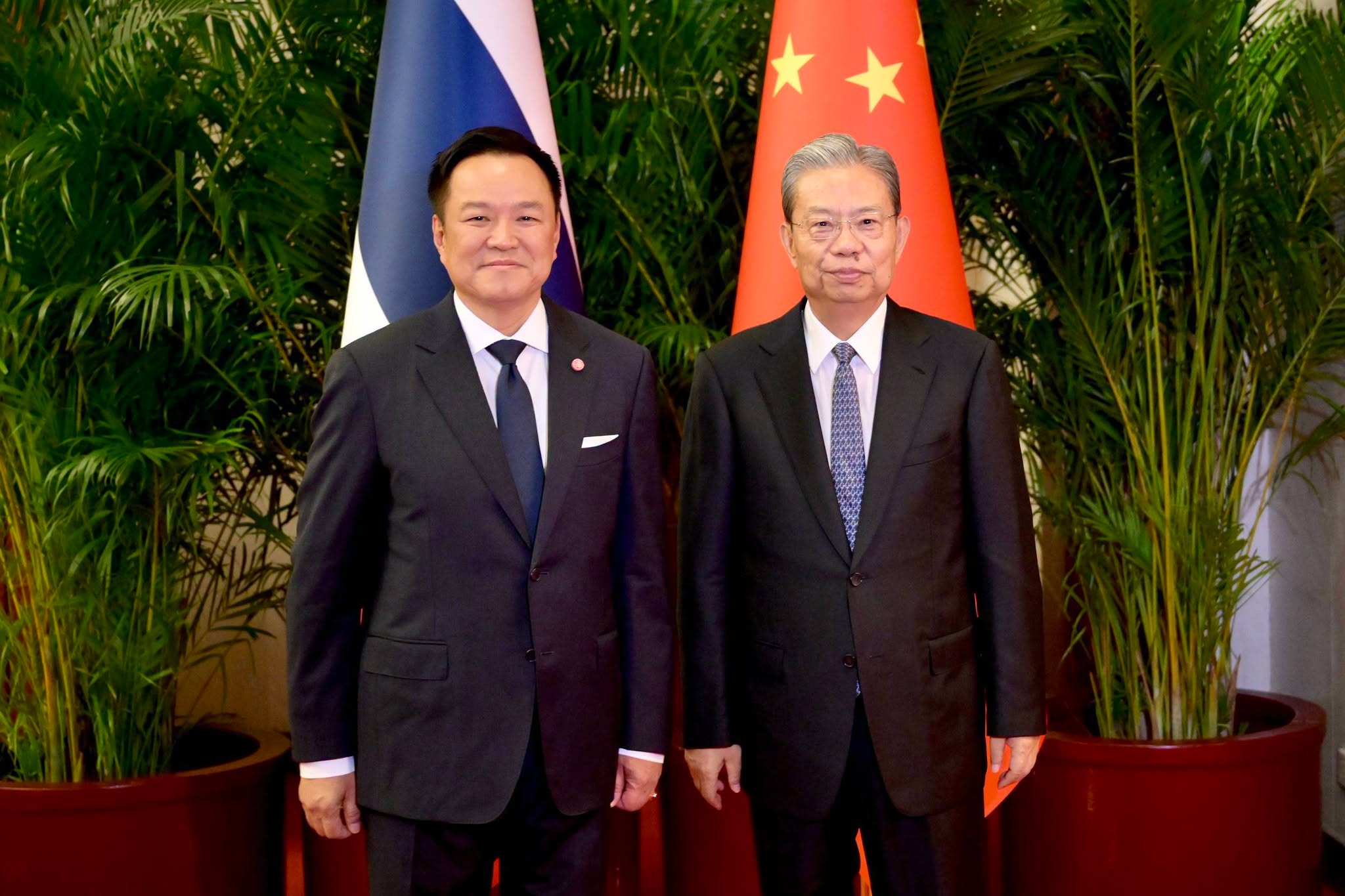
The official visit included talks on green, digital and technology cooperation alongside wider bilateral ties.
That distinction matters. Meetings and forums can open channels, clarify policy and identify opportunities, but buyers should wait for company announcements, regulatory approvals, construction, hiring and operating evidence before assuming a local property effect.
The new BOI presence expands the investment network
Opening a BOI section in Chengdu gives Thailand a dedicated investment-promotion point in western China. The region contains significant technology, manufacturing, consumer and tourism activity, while Thailand presents itself as an ASEAN production and services base.
The government framed its approach around faster procedures, stronger business and workforce capability, and domestic economic development. Those priorities indicate the intended direction. Their impact should be judged through implementation and measurable investment outcomes over time.
Wider talks included future industries
Separate official accounts of the visit describe cooperation discussions covering the green economy, science, digital technology and artificial intelligence. Talks in Beijing also included electric vehicles, healthcare, environmental protection and clean energy.
The two sides also discussed trade, future industries, technology and sustainable development.
These fields matter to Bangkok because the capital concentrates headquarters, finance, professional services, international education, healthcare and air connectivity even when a factory or energy project is located elsewhere. Executives and specialist teams often use Bangkok as a regional operating base.
How economic links can reach the property market
Corporate investment can influence housing through employment, relocations, supplier activity and business travel. The effect is strongest where a project creates sustained jobs and where a district offers suitable transport, services and homes for the relevant workforce.
However, national investment announcements do not make every Bangkok condo investable. A unit far from the resident’s routine, priced above comparable stock or poorly managed may not benefit. The property connection must be demonstrated at district and building level.
Bangkok’s gateway role is broad but uneven
International firms often need legal, banking, consulting, technology, logistics and recruitment support. Bangkok concentrates many of these services, together with airports, hotels, meeting venues and international schools. This can reinforce the city’s usefulness even when new industrial capacity is developed in another province.
The housing effect will still vary by company and worker. Senior executives, project teams, local specialists and visiting partners may choose different districts and housing formats. Investors should identify a credible resident route from business activity to the exact building rather than assume all foreign investment creates premium-condo demand.
What foreign buyers should monitor next
Named investment applications and approvals tied to the engagement.
Company announcements on Thai facilities, offices or hiring.
Implementation evidence from faster investment procedures.
Growth in skilled employment and business-service activity.
Transport and service districts used by the relevant workforce.
Achieved rents and vacancy in shortlisted buildings.
Use the news as context, not a shortcut
The forum strengthens Thailand’s institutional and corporate links with a major economic partner. It also supports Bangkok’s narrative as a connected base for international business. Those are constructive signals, but they should sit beside conservative property underwriting.
For a shortlisted unit, ask what employment or service cluster supports demand today, how much competing stock serves the same residents and whether achieved leasing evidence confirms the story. Revisit those checks as investment announcements progress from meetings to approvals, construction and hiring.
Sena Nikhom sits on the northern section of the BTS Sukhumvit Line, offering a residential alternative to Bangkok’s better-known central stations. For foreign buyers, its appeal is less about a single landmark and more about access to established neighbourhood routines, education and employment areas, and the wider Phahonyothin corridor.
Sena Nikhom buyers should test the full walk and platform journey at the times they expect to travel.
That case needs building-level discipline. Buyers should test the real station walk, compare project generations and identify who would choose the exact unit. A station name can introduce the area, but it cannot establish fair value, rent or resale demand on its own.
Understand the northern Bangkok position
Sena Nikhom is north of Bangkok’s traditional core and should be assessed as part of a connected corridor rather than as a substitute for every central district. The BTS provides a direct rail spine, while road connections and local transport shape journeys that do not follow the line.
Map the resident’s likely destinations. A buyer linked to universities, government offices, local businesses or workplaces in northern Bangkok may find the location practical. Someone who travels daily to another part of the city should test the complete peak-time journey and interchange burden.
Walk the station catchment yourself
Map pins do not show heat, rain exposure, pavement quality, crossings, lighting, traffic or the effort of carrying luggage. Walk from the station to each shortlisted entrance at the times you expect to travel. Check both directions and the correct station exits.
A slightly longer but shaded and continuous route may be more usable than a nominally shorter route with difficult crossings. Repeat the walk in the evening and, if possible, after rain. Last-mile comfort affects owner-occupiers and tenants long after the viewing day.
The wider corridor combines established residential routines with education, work, retail and rail connections.
Judge everyday convenience, not only rail access
Record where a resident would buy groceries, eat, exercise, receive deliveries, obtain healthcare and handle daily errands. Check which services are genuinely walkable and which require a motorcycle taxi, car or connection to another station.
Neighbourhood convenience is personal. A quiet lane may suit a resident who values privacy, while another tenant may prefer visible retail immediately outside the building. Visit on weekdays and weekends to understand the actual rhythm and closing times.
Separate local demand from marketing claims
Ask agents for evidence from comparable units in the same building and nearby projects. Look for achieved rents where available, vacancy periods, tenant profiles, renewal patterns and the number of similar listings. Do not rely on a single optimistic advertisement.
The most defensible units usually solve a clear resident need: efficient station access, sensible layout, manageable total rent, quiet bedrooms or practical facilities. Define that need in one sentence. If the target resident remains vague, the investment case needs more work.
Compare different building generations
The area can present buyers with projects of different ages, scales and design priorities. Newer does not automatically mean better. Compare usable layout, ceiling and window design, lift capacity, common areas, parking arrangements, maintenance condition and management quality.
Project age, management, unit design and competing supply matter more than the station name alone.
In an older building, investigate planned major works and the condition of shared systems. In a newer project, examine defect handling, early management performance and how many units are reaching the rental market together. Each stage brings a different evidence set.
Check unit orientation and urban conditions
Visit the exact unit rather than an equivalent floor plan. Assess sun, heat, outlook, privacy, traffic, rail, school, aircraft or construction noise where relevant. Open and close windows and doors with permission, and listen from the bedroom as well as the balcony.
Investigate neighbouring plots if an open view or quiet outlook supports the asking price. Present conditions are not permanent. A professional adviser can help examine planning and ownership information, while repeated visits reveal ordinary activity that a short appointment may miss.
Review building management and owner evidence
Request the condominium records that your lawyer and adviser consider relevant. Examine budgets, common fees, major repairs, meeting decisions, rules and the handling of outstanding owner payments. Good facilities are useful only when they are maintained and governed effectively.
Ask how deliveries, visitors, contractors, pets, renovations and leasing are managed. These procedures affect daily life and landlord operations. Obtain the current written rules rather than assuming practices from another condominium.
Stress-test the rental case
Build a cash-flow model from conservative rent and realistic costs. Include common fees, management, maintenance, insurance, vacancy, leasing, furnishing replacement and tax advice appropriate to your circumstances. Allow time for a new unit to build a leasing record.
Compare the result with other districts at a similar total budget. Sena Nikhom may offer a different balance of space, access and resident demand, but a lower entry price does not compensate for weak tenant fit or an inefficient unit.
Plan the resale audience
Identify who could buy the property later: local owner-occupiers, investors, families, professionals or buyers connected to the corridor. Check how the total ticket compares with competing new and resale stock. Foreign ownership eligibility should be verified for the exact transaction.
Resale depth matters more than a theoretical percentage gain. A sensibly priced, well-kept unit with clear documents and broad practical appeal may be easier to explain than a highly personalised unit dependent on one narrow story.
Sena Nikhom viewing checklist
Walk the exact door-to-platform route.
Test peak journeys to real destinations.
Map groceries, dining, healthcare and daily services.
Compare achieved leasing evidence and competing listings.
Inspect the exact unit for heat, noise and privacy.
Review management, rules and planned works.
Model full operating costs and a longer vacancy.
Define the future buyer as clearly as the tenant.
A Sena Nikhom BTS condo can suit buyers whose routines align with northern Bangkok and who value a residential rail corridor. Browse IBP’s district and station guides and foreign buyer guides, or contact IBP Real Estate for a building-by-building comparison.
A foreign buyer can understand the commercial idea of a Bangkok condo purchase and still miss an important obligation because the operative document is in Thai. Translation is therefore part of transaction control, not a final courtesy added immediately before signing.
A controlled document set helps the buyer compare the Thai text, any translation and the version presented for signature.
The safest approach is to identify every document that affects ownership, payment, use or liability, keep the versions controlled and have material wording explained by independent qualified professionals. A smooth English summary is helpful, but it should not be mistaken for legal review of the Thai text.
Start with a complete document list
Ask your lawyer to identify the documents expected at each stage: reservation, sale and purchase agreement, title and ownership records, foreign-quota evidence, payment instructions, building rules, disclosure material, powers of attorney and transfer paperwork where relevant. The exact set depends on the deal.
Mark which documents are Thai only, bilingual or accompanied by an informal English rendering. Record who prepared each version, its date and whether it is intended to be signed. This prevents an early draft from being confused with the final document.
Know which language controls
A bilingual document may state that one language prevails if the texts differ. That clause matters. Ask an independent Thai lawyer to explain the legal effect and whether the translation accurately communicates the obligations that matter to you.
Do not assume matching page layout means matching meaning. Defined terms, exceptions, schedules and annexes can alter the practical result. If the Thai version controls, the buyer needs advice on that version even when discussions have taken place in English.
Control versions before comments begin
Give every draft a clear file name and date. Keep the original file as well as any marked copy. When changes are agreed, request a clean final version and a comparison showing what changed. Check that annexes, plans and payment schedules belong to the same revision.
Last-minute changes deserve the same attention as the first draft. A translated summary prepared earlier may no longer describe the final Thai wording. Pause the signing process if the document set changes without enough time for review.
Names, amounts, currencies, deadlines and payment instructions need independent confirmation across the transaction file.
Check names and identity details character by character
Names may appear in passports, contracts, bank records and transfer documents. Transliteration can vary, so consistency should be checked rather than assumed. Confirm passport numbers, nationality, address details, unit identifiers and the names and authority of the seller or signatory.
Where a Thai spelling or transliteration is required, ask your lawyer how it should be recorded and used across the file. Small inconsistencies can create avoidable questions when banks, lawyers, the juristic office and public officials compare documents.
Translate the commercial terms that move money
Check the price, deposit, instalments, currency, bank details, due dates, conditions, default consequences and allocation of transfer-day costs. These points should agree across the contract, invoices, receipts and written payment instructions.
Never rely on a translated chat message to override a formal document. If a commercial concession is agreed, have the correct document amended through the proper process. Independently confirm payment details using a trusted contact channel before transferring funds.
Review unit and building descriptions
The translation should identify the exact unit and any included items correctly. Compare building name, unit number, floor, registered area, parking rights if any, fixtures, furniture lists and plans with the transaction evidence.
Translated wording should be checked against the exact unit, building records and deal structure, not read in isolation.
Descriptions used in marketing may not match the legal treatment of space or facilities. Ask the lawyer to explain the operative records and ask the juristic office to clarify current building procedures. Treat photographs and brochures as context unless they are properly incorporated into the agreement.
Use an interpreter for live discussions when needed
A written translation does not solve every communication problem. Transfer meetings, inspections and negotiations can involve questions that arise in real time. Arrange an independent interpreter when the buyer cannot confidently follow the discussion.
The interpreter helps communication; the lawyer advises on legal effect. Those roles should not be blurred. Brief both professionals beforehand on the buyer’s priorities, and make sure important answers are recorded in the correct formal document.
Do not sign blank or incomplete pages
Check that every page, schedule and attachment is present before signing. Do not sign a document containing blanks to be completed later. Confirm how initials, witnesses, company seals, notarisation, legalisation or powers of attorney apply to the specific transaction.
If signing remotely, ask for the entire final pack in advance and verify how originals will be handled. Keep copies of exactly what was signed and evidence of delivery. Remote convenience should not weaken version control.
Build a permanent bilingual transaction file
After completion, retain the operative Thai documents, translations, lawyer explanations, receipts, bank evidence and key correspondence. Store a secure digital copy and keep originals protected. Future leasing, insurance, estate planning and resale work may depend on the record.
Note which translations were certified, which were working documents and which were summaries. A future adviser should be able to understand the status of each item without reconstructing the purchase from scattered messages.
Translation checklist before signing
List every material Thai and bilingual document.
Confirm which language controls if wording differs.
Match dates, versions, schedules and annexes.
Check names, unit details and signatory authority.
Verify price, deadlines, bank details and default terms.
Arrange an independent interpreter where needed.
Pause if final wording changes without review time.
Owning more than one Bangkok condo can feel diversified because the investor holds several titles and receives several rent payments. Yet the portfolio may still depend on one building, one neighbourhood, one tenant profile or one exit window. That hidden concentration can turn a manageable setback into a portfolio-wide problem.
Several units can still represent one concentrated bet when they depend on the same district and demand cycle.
Foreign investors should examine what drives each unit’s income and resale appeal before adding another property. The goal is not to avoid every overlap. It is to understand which risks are shared, decide whether the expected return justifies them and keep enough flexibility to hold through an unfavourable period.
Count economic exposures, not only units
Two units in different towers may both rely on the same office district, rail line and expatriate tenant pool. Three studios in one project may depend on the same juristic management, common-area budget and group of competing landlords. In both cases, the number of titles overstates the amount of genuine diversification.
List the main drivers for every unit: district, transport route, employment anchors, unit size, likely resident, building age, developer or manager, price band, lease pattern and probable resale buyer. Shared drivers reveal where the portfolio could weaken at the same time.
Building concentration is operational risk
Buying repeatedly in a well-run project can be efficient. The owner understands the management, rules, contractors and tenant expectations. However, a large exposure to one condominium also ties several assets to the same maintenance decisions, insurance arrangements, common-property condition and reputation.
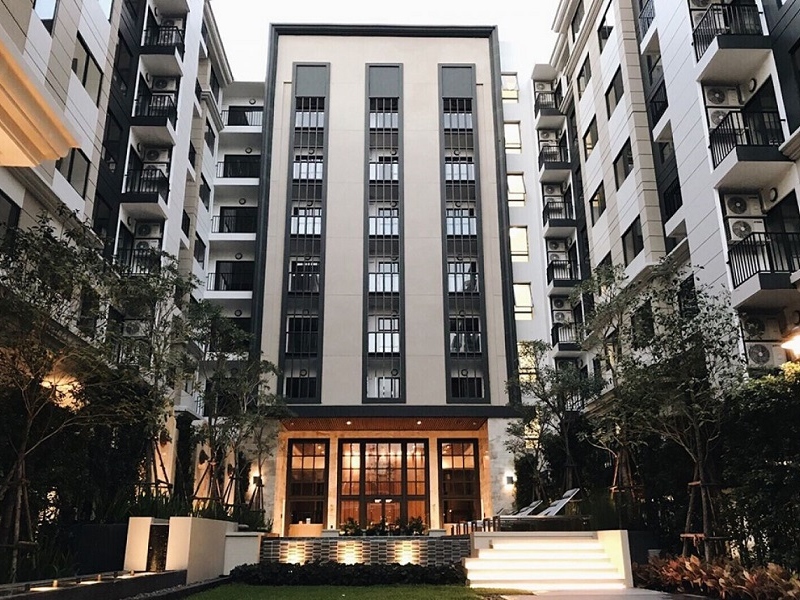
Building-level exposure includes management quality, maintenance decisions and competing listings in the same project.
Review meeting records, budgets, outstanding owner payments, major works and competing listings before buying an additional unit. Ask what would happen if a costly repair, prolonged facility closure or management dispute affected every holding in that building. Convenience should be priced against the size of that shared risk.
District concentration can hide behind project variety
Several projects along one corridor may still respond to the same tenant demand and transport conditions. A rail disruption, large wave of nearby completions or change in a major employment cluster can affect all of them. Conversely, deep and varied local demand can make some district overlap reasonable.
Map each unit by the actual routines it serves rather than by postal address. Identify where residents work, study, shop, receive healthcare and connect to airports. A portfolio spanning different demand ecosystems may be more resilient than one spread across nearby station names that serve the same market.
Tenant concentration affects cash flow
If every unit targets the same narrow resident group, leasing cycles may align. Similar corporate relocation calendars, university terms or seasonal visitor patterns can create simultaneous vacancy. Units with identical layouts and furnishings can also compete directly with one another.
Compare tenant budgets, household types, lease lengths and reasons for choosing the area. Diversification may come from a different unit size, a resident-led building or a neighbourhood with broader local demand. Do not chase variety for its own sake; each additional segment must still be understandable and serviceable.
Layout, ticket size and resident profile determine whether a second purchase truly diversifies the portfolio.
Entry price concentration matters too
Investors sometimes buy several units during one optimistic phase, using similar assumptions for rent, vacancy and resale. Even across different districts, that creates timing concentration. If all purchases were made at demanding prices, the portfolio may have little room for slower leasing or a longer sale period.
Record the evidence available at each purchase and stress-test it independently. Use achievable rent rather than the most attractive listing, include recurring and irregular costs, and model a longer marketing period. A later purchase should not inherit the first unit’s assumptions without fresh checks.
Plan exits before exposure becomes urgent
Concentrated portfolios are most vulnerable when the owner needs to sell several units together. Similar properties can reach the market at the same time and compete with each other. Transfer costs, preparation work and agent capacity may also cluster.
Rank units by likely buyer depth, condition, documentation and time required to sell. Decide which asset would be the first candidate if capital were needed, and keep its file current. A clear sequence is more useful than assuming every unit can be sold quickly at the desired price.
Keep liquidity outside the property portfolio
Diversification inside real estate does not replace cash reserves. Owners need capacity for vacancy, repairs, common fees, taxes, insurance, legal work and travel without being forced to sell. The appropriate reserve depends on the units, financing and personal circumstances.
Separate operating cash for each property from a portfolio contingency reserve. Update both after real turnover events and major maintenance decisions. If a new purchase would consume the buffer, the investor should compare the incremental return with the loss of flexibility.
A practical concentration scorecard
How many units share the same building or management?
Which districts rely on the same jobs, transport and tenant groups?
How similar are the layouts, price bands and lease cycles?
Were several units bought using the same market assumptions?
Could multiple assets need repairs or leasing work together?
Is there enough liquidity to avoid a rushed sale?
Which unit has the clearest independent exit audience?
Use diversification as a decision test
A second or third Bangkok condo should improve the portfolio, not merely enlarge it. Compare the proposed purchase with the existing holdings line by line. If it adds the same risks, require a particularly strong price and operating case. If it opens a different demand pool, confirm that the owner can manage that segment well.