
Sena Nikhom sits on the northern section of the BTS Sukhumvit Line, offering a residential alternative to Bangkok’s better-known central stations. For foreign buyers, its appeal is less about a single landmark and more about access to established neighbourhood routines, education and employment areas, and the wider Phahonyothin corridor.
That case needs building-level discipline. Buyers should test the real station walk, compare project generations and identify who would choose the exact unit. A station name can introduce the area, but it cannot establish fair value, rent or resale demand on its own.
Understand the northern Bangkok position
Sena Nikhom is north of Bangkok’s traditional core and should be assessed as part of a connected corridor rather than as a substitute for every central district. The BTS provides a direct rail spine, while road connections and local transport shape journeys that do not follow the line.
Map the resident’s likely destinations. A buyer linked to universities, government offices, local businesses or workplaces in northern Bangkok may find the location practical. Someone who travels daily to another part of the city should test the complete peak-time journey and interchange burden.
Walk the station catchment yourself
Map pins do not show heat, rain exposure, pavement quality, crossings, lighting, traffic or the effort of carrying luggage. Walk from the station to each shortlisted entrance at the times you expect to travel. Check both directions and the correct station exits.
A slightly longer but shaded and continuous route may be more usable than a nominally shorter route with difficult crossings. Repeat the walk in the evening and, if possible, after rain. Last-mile comfort affects owner-occupiers and tenants long after the viewing day.

Judge everyday convenience, not only rail access
Record where a resident would buy groceries, eat, exercise, receive deliveries, obtain healthcare and handle daily errands. Check which services are genuinely walkable and which require a motorcycle taxi, car or connection to another station.
Neighbourhood convenience is personal. A quiet lane may suit a resident who values privacy, while another tenant may prefer visible retail immediately outside the building. Visit on weekdays and weekends to understand the actual rhythm and closing times.
Separate local demand from marketing claims
Ask agents for evidence from comparable units in the same building and nearby projects. Look for achieved rents where available, vacancy periods, tenant profiles, renewal patterns and the number of similar listings. Do not rely on a single optimistic advertisement.
The most defensible units usually solve a clear resident need: efficient station access, sensible layout, manageable total rent, quiet bedrooms or practical facilities. Define that need in one sentence. If the target resident remains vague, the investment case needs more work.
Compare different building generations
The area can present buyers with projects of different ages, scales and design priorities. Newer does not automatically mean better. Compare usable layout, ceiling and window design, lift capacity, common areas, parking arrangements, maintenance condition and management quality.
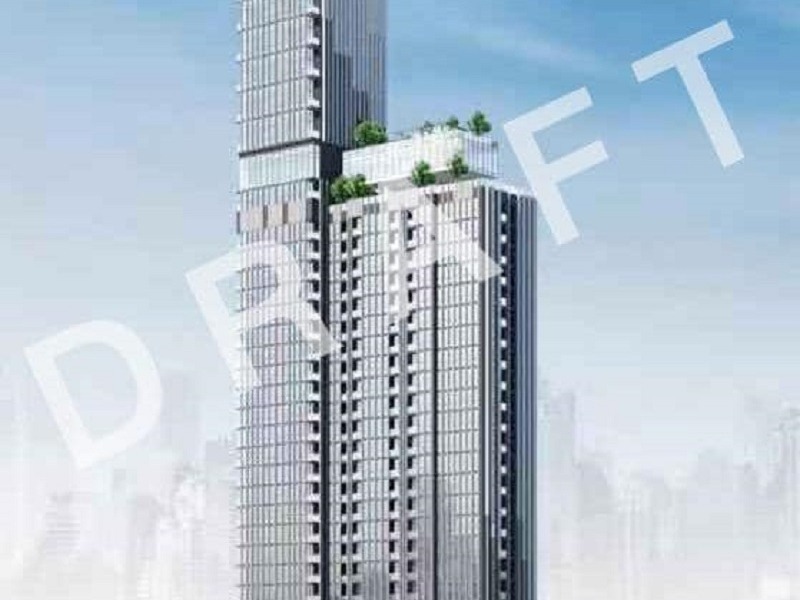
In an older building, investigate planned major works and the condition of shared systems. In a newer project, examine defect handling, early management performance and how many units are reaching the rental market together. Each stage brings a different evidence set.
Check unit orientation and urban conditions
Visit the exact unit rather than an equivalent floor plan. Assess sun, heat, outlook, privacy, traffic, rail, school, aircraft or construction noise where relevant. Open and close windows and doors with permission, and listen from the bedroom as well as the balcony.
Investigate neighbouring plots if an open view or quiet outlook supports the asking price. Present conditions are not permanent. A professional adviser can help examine planning and ownership information, while repeated visits reveal ordinary activity that a short appointment may miss.
Review building management and owner evidence
Request the condominium records that your lawyer and adviser consider relevant. Examine budgets, common fees, major repairs, meeting decisions, rules and the handling of outstanding owner payments. Good facilities are useful only when they are maintained and governed effectively.
Ask how deliveries, visitors, contractors, pets, renovations and leasing are managed. These procedures affect daily life and landlord operations. Obtain the current written rules rather than assuming practices from another condominium.
Stress-test the rental case
Build a cash-flow model from conservative rent and realistic costs. Include common fees, management, maintenance, insurance, vacancy, leasing, furnishing replacement and tax advice appropriate to your circumstances. Allow time for a new unit to build a leasing record.
Compare the result with other districts at a similar total budget. Sena Nikhom may offer a different balance of space, access and resident demand, but a lower entry price does not compensate for weak tenant fit or an inefficient unit.
Plan the resale audience
Identify who could buy the property later: local owner-occupiers, investors, families, professionals or buyers connected to the corridor. Check how the total ticket compares with competing new and resale stock. Foreign ownership eligibility should be verified for the exact transaction.
Resale depth matters more than a theoretical percentage gain. A sensibly priced, well-kept unit with clear documents and broad practical appeal may be easier to explain than a highly personalised unit dependent on one narrow story.
Sena Nikhom viewing checklist
- Walk the exact door-to-platform route.
- Test peak journeys to real destinations.
- Map groceries, dining, healthcare and daily services.
- Compare achieved leasing evidence and competing listings.
- Inspect the exact unit for heat, noise and privacy.
- Review management, rules and planned works.
- Model full operating costs and a longer vacancy.
- Define the future buyer as clearly as the tenant.
A Sena Nikhom BTS condo can suit buyers whose routines align with northern Bangkok and who value a residential rail corridor. Browse IBP’s district and station guides and foreign buyer guides, or contact IBP Real Estate for a building-by-building comparison.