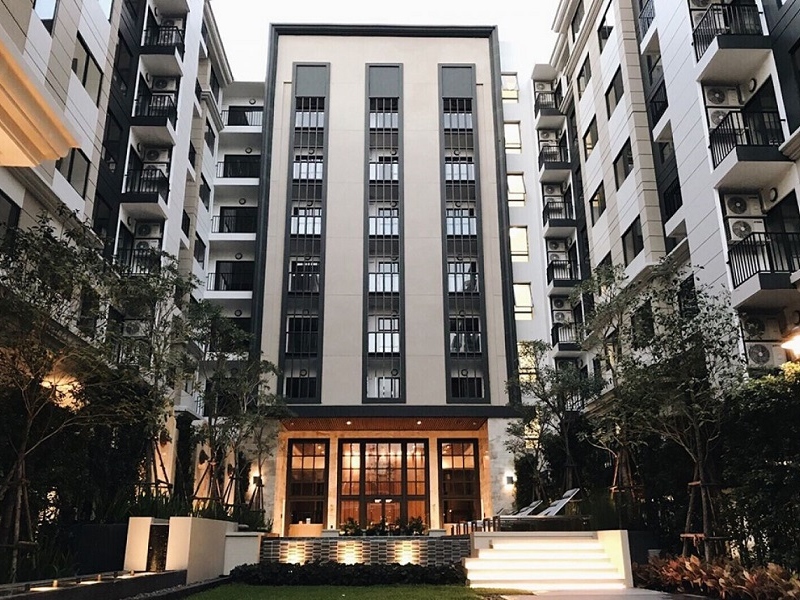
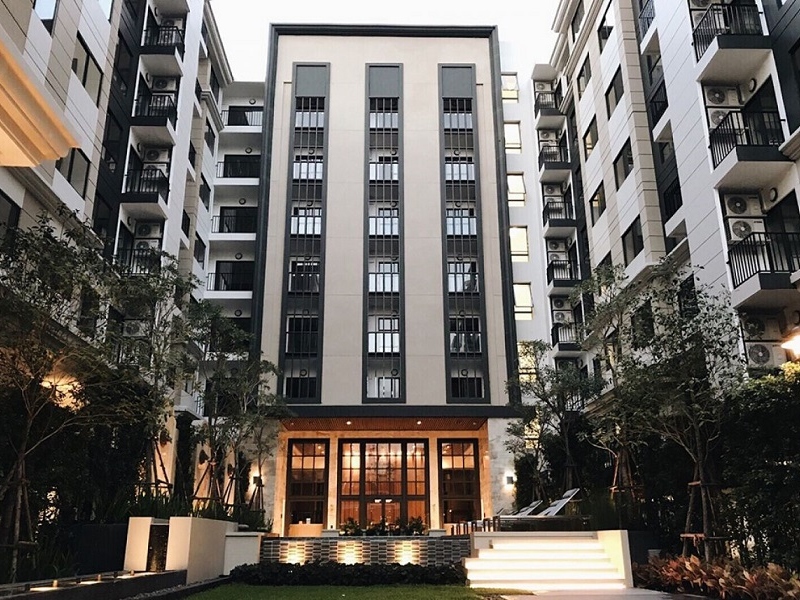
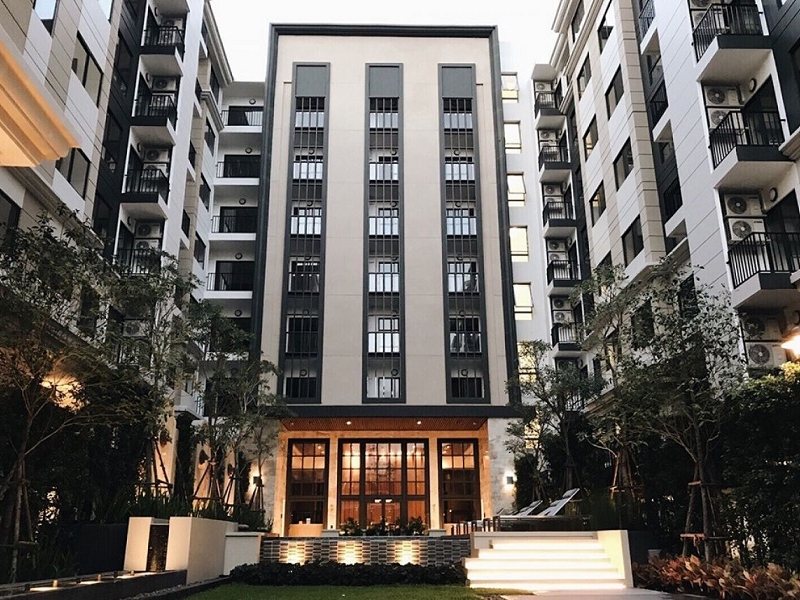
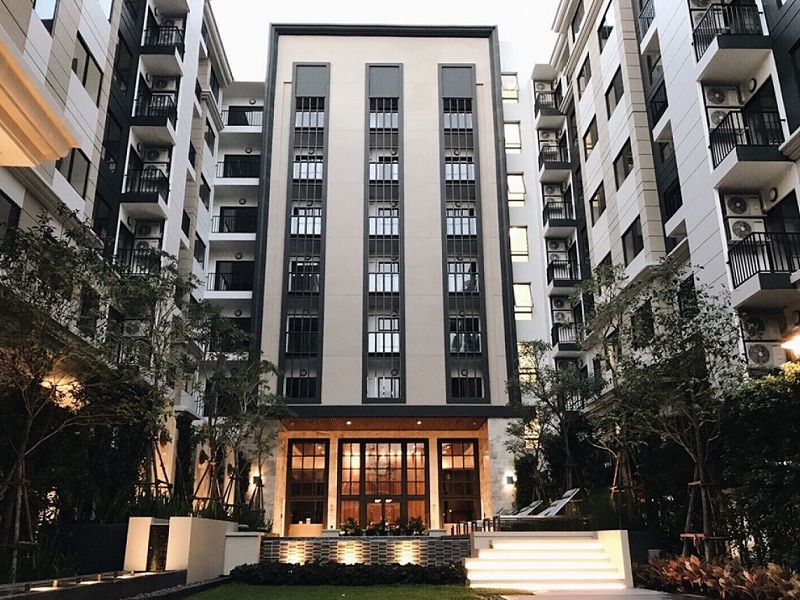
A foreign-owned Bangkok condominium is both a home or investment and an asset governed by Thai registration procedures. If an owner dies without an organised plan, family members may face uncertainty across languages, countries, banks, courts and the condominium juristic office.
Estate planning connects a Bangkok asset with the owner’s wider family, legal and financial arrangements.
Estate planning is not a form to complete after purchase and forget. It is a coordinated file covering the title, valid instructions, the people who may act, the intended beneficiary, tax questions and the practical operation of the unit while the estate is administered. Thai and home-country professional advice is essential because nationality, domicile, family status and other assets can change the answer.
Start with the exact ownership record
Confirm the name on the condominium title deed, passport details used at transfer, unit number, ownership share and whether anyone else has a registered interest. Review the sale agreement, land-office documents, foreign remittance evidence and any mortgage or other obligation.
Do not rely on a family member’s memory of how the property was bought. Small differences in names, renewed passports or marital status can create extra work later. A Thai lawyer should reconcile the title and personal details before drafting estate instructions.
Coordinate Thai and overseas wills
An owner may have assets and legal relationships in several jurisdictions. Ask qualified advisers whether a Thai will for Thai assets, a wider home-country will or coordinated documents are appropriate. One document should not accidentally revoke another or create inconsistent instructions.
Identify the condo precisely and name beneficiaries in a way that remains clear. Discuss substitutes if the first beneficiary dies or cannot receive the asset. Signing, witnesses, language and storage should follow professional advice; copying an online template is a poor substitute for a plan that fits the owner.
The exact title, ownership structure and building records should be reviewed before instructions are drafted.
Choose the right estate representative
The person trusted by the family may not be the person best placed to handle Thai procedures. Discuss who can communicate with a Thai lawyer, collect records, deal with the juristic office, protect the unit and follow court or land-office requirements. The role can involve time, travel and decisions about rent, repairs or sale.
Tell the proposed representative before naming them. Record reliable contact details and consider what happens if they are unable to act. A power of attorney used during life does not automatically answer what happens after death; obtain advice on the correct authority for estate administration.
Create a concise property file
The file should show where to find the original title deed, purchase and transfer papers, passport copies used in the transaction, inward-remittance records, tax information, juristic correspondence, common-fee receipts, insurance, keys, tenant agreement and manager contact.
Keep sensitive originals secure and provide a location index rather than circulating the whole archive. The executor or family should know which Thai lawyer and local manager to contact, but a tenant or contractor does not need access to private banking and identity records.
Plan for the period before transfer
An estate may need to pay common fees, insurance, utilities and urgent repairs while legal steps continue. If the condo is rented, someone must collect rent, respond to the tenant and preserve records under lawful authority. If it is empty, the unit still needs inspection, ventilation and protection from leaks or security problems.
Prepare a modest operating reserve and written contact chain. Do not give a manager unlimited authority. Their role should be limited to practical preservation within an agreed process, with legal decisions left to the properly authorised representative and advisers.
A concise asset file can save heirs from searching across countries during an already difficult period.
Understand the beneficiary’s position
The intended heir may be foreign, live outside Thailand or prefer cash rather than the condo. Ask a Thai lawyer to explain the current conditions for receiving and registering the unit, the building’s foreign ownership position, required certificates and the options if the beneficiary cannot or does not wish to hold it.
Also discuss the beneficiary’s home-country reporting, tax and succession obligations. Thai registration is only one part of the outcome. A transfer may affect estate filings, future rental income and a later sale in more than one jurisdiction.
Budget for administration and tax advice
Estate costs can include legal work, court or administrative steps, certified translations, registration, valuation, building clearances, tax advice, travel and ongoing ownership expenses. Rates and liability depend on the facts and current law, so avoid leaving the family a fixed estimate copied from an old article.
Ask advisers to identify which Thai taxes, fees and filings may apply to the estate and beneficiary and whether home-country rules also matter. Keep enough liquidity outside the property so the family is not forced into a hurried sale merely to fund administration.
Tell the family what the investment is for
A legal document states who receives the asset, but a short owner memorandum can explain the practical intention. Note whether the condo is a long-term family base, an income investment or an asset that may be sold. Include the normal rent, core costs, trusted contacts and known building issues.
The memorandum should not override the will. It gives context so heirs can make informed decisions and recognise unrealistic offers. Update it after a new lease, renovation, major building decision or change in the owner’s family circumstances.
Estate-planning checklist
Verify the Thai title and personal details used at registration.
Coordinate Thai and overseas wills with qualified advisers.
Name willing representatives and backup contacts.
Index the title, remittance, tax, building and tenancy records.
Fund common fees, insurance and urgent preservation costs.
Confirm the intended heir’s legal and practical position.
Review Thai and home-country tax questions.
Update the plan after major family, passport or property changes.
Owner takeaway
Thai condo estate planning reduces avoidable uncertainty without pretending that every cross-border estate is simple. The strongest plan connects valid legal documents with a clean asset file, willing representatives and enough practical capacity to protect the unit.
An overseas owner may hear about a leak, power problem, broken door, damaged appliance or security concern while several time zones away. The incident is easier to control when roles, access and spending authority were agreed before anything went wrong.
A concise emergency file gives the local responder the information needed without exposing the owner’s full private archive.
A Bangkok condo emergency plan should be short enough to use under pressure and specific enough to prevent improvisation. It does not replace the juristic person’s safety procedures, an insurer’s requirements or professional advice. It connects those systems with the owner, local representative, tenant and unit records.
Define what counts as urgent
Not every maintenance request is an emergency. A useful plan separates immediate threats to people or property from repairs that can wait for normal approval. Fire, smoke, active water escape, electrical danger, forced entry, a failed entrance lock or a person needing medical help requires a different response from a noisy appliance or a loose cabinet hinge.
Write a simple escalation rule. Life safety should go first to the relevant emergency service and building team. Active damage should be contained where safe, then reported to the owner, manager and insurer as required. Routine faults should enter the normal maintenance process with photographs and quotations.
Build a local contact chain
List the juristic office, security desk, property manager, insurer or broker, trusted repair coordinator and one owner-side decision maker. Include normal and after-hours contact methods where the building provides them. The list should show who calls whom, rather than expecting every person to contact the overseas owner separately.
Confirm that the juristic office has the owner’s current email, telephone number and approved local contact. If the unit is tenanted, the tenant should know the manager’s role and the building’s reporting route. Conflicting instructions can waste the first hour of a genuine incident.
The juristic office, building security and property manager should have clear and compatible contact instructions.
Arrange lawful, controlled access
Ask how the building handles urgent entry when the owner is absent. Some buildings may hold keys or support managed access; others will not. Confirm the written policy, identity checks, witness process and record of entry. Do not assume that security staff can open a private unit simply because the owner sends a late-night message.
If a manager or representative holds a key, document the key number, purpose, storage and return process. Avoid broad informal authority. A lawyer should advise if a power of attorney or other formal document is required for particular decisions. Access for an urgent inspection is not the same as authority to sign contracts, settle claims or dispose of property.
Create a safe emergency file
The responder may need the unit number, owner identity confirmation, insurer details, appliance information, utility contacts, shut-off locations, manager agreement and a concise inventory. Keep this operational file separate from the owner’s full passport, banking and purchase archive.
Store sensitive records securely and share only what each person needs. The tenant does not need the owner’s complete transaction file, and a repair technician does not need financial records. Review the file after a passport renewal, new tenant, new manager, insurance renewal or change of telephone number.
Set spending and approval limits
An emergency can become worse while a manager waits for the owner to wake up and approve a modest containment cost. Agree a written limit for necessary steps such as stopping water, securing a door or obtaining an urgent inspection. Larger repairs should usually require evidence, quotations and owner approval unless immediate action is needed to prevent further harm.
Clarify how funds are provided and how invoices will be issued. The manager should not have unlimited discretion, but they should understand what can be done without delay. Insurance conditions may affect notification, evidence and contractor selection, so those requirements belong in the plan.
Record before, during and after
Keep a time-stamped incident log with the first report, photographs, videos, people contacted, access record, containment steps, quotations, approvals and invoices. If another unit or common property may be involved, ask the juristic office to document its observations.
Evidence helps the owner understand what happened and supports conversations with the tenant, neighbour, contractor, building and insurer. It also distinguishes emergency containment from the permanent repair, which may require a different specialist and approval process.
Urgent access should be followed by photographs, invoices and a documented handback to the owner.
Plan for common scenarios
Water escape
The plan should identify who can contact security, inspect the unit, stop the water where safe and notify affected neighbours or common-area management. Afterwards, investigate the cause rather than treating visible drying as the complete repair.
Power or air-conditioning failure
First establish whether the issue affects the building, the unit or one appliance. A tenant should know how to report warning signs without attempting unsafe electrical work. For air-conditioning failure, the response may depend on heat, occupants and whether another room remains usable.
Security and access
A lost card, damaged lock or suspicious entry should follow building security procedures. Replacement access should be recorded, and old credentials should be cancelled where the system allows. Do not ask an unverified messenger or technician to collect keys.
Storm or external disruption
Owners should follow official and building instructions, confirm the tenant’s safety and avoid sending contractors into unsafe conditions. A temporary service interruption may require communication and monitoring rather than immediate private work.
Coordinate with the lease
A landlord’s lease should explain how the tenant reports urgent issues, permits reasonable access and protects the unit from further damage where safe. It should also separate tenant responsibilities from owner repairs without encouraging the tenant to make major decisions alone.
Give the tenant one clear reporting channel and a backup. At move-in, show where available instructions, building contacts and basic isolation points are located. Do not wait for the first leak to discover that nobody knows who manages the unit.
Emergency-plan checklist
Define urgent, priority and routine incidents.
Confirm building and after-hours contact routes.
Name one accountable local representative.
Document lawful access, key control and authority limits.
Prepare a minimal operational record set.
Agree a containment budget and evidence rules.
Align the plan with the lease and insurance requirements.
Test contacts and review the plan at least annually.
Owner takeaway
A Bangkok condo emergency plan gives an overseas owner controlled local capacity. The aim is not to anticipate every event. It is to protect people, limit damage, preserve evidence and make sure the right person can act without receiving unsafe or excessive authority.
Contractors are part of ordinary Bangkok condo ownership. An air-conditioner may need servicing, a leak may require investigation, furniture may need installation or a unit may need repair between tenancies. For overseas owners, the main risk is often not the work itself but uncontrolled access, unclear authority and a weak record of what happened.
Written scope, worker details and building approvals should be organised before access is granted.
A good contractor-access process protects the private unit, common areas, neighbours and the owner. It begins before anyone arrives at the lobby and ends only when keys, cards, deposits, waste and completion evidence have been accounted for.
Confirm the building procedure first
Ask the condominium juristic office for its current written requirements. Buildings may control worker registration, identification, work hours, noisy activity, lift protection, parking, deliveries, deposits, waste removal and advance notice in different ways. Do not rely on rules remembered from a previous project.
Clarify whether the owner must sign the application, whether an authorised representative can do so and how long approval normally takes. Emergency repairs may follow a separate process, but the juristic office should still know who is entering and why.
Define the scope in writing
A quotation should identify the unit, work areas, materials, labour, exclusions, dates, payment stages and the person responsible on site. Photographs or marked plans can reduce ambiguity. If the job may affect plumbing, electrical systems, waterproofing, structure, facade elements or common services, obtain appropriate technical and legal advice before approval.
Owners should not allow a vague instruction such as “fix the bathroom” to become open-ended access. Break the job into inspection, diagnosis, priced recommendation, approval and completion. This gives an overseas owner decision points without forcing them to supervise every movement remotely.
Check identity, responsibility and insurance
Keep the contractor’s business details, lead contact, worker list and emergency number. Ask what insurance or professional credentials the building and the nature of the work require, then verify documents rather than accepting a verbal assurance. Regulated work should be handled by appropriately qualified people.
Record who is responsible for damage to lifts, corridors, neighbouring units and the owner’s property. A building deposit does not necessarily cover every loss, and paying a deposit does not remove the contractor’s responsibilities.
Every condominium controls deliveries, lifts, noisy work and common areas through its own procedures.
Control keys and access cards
Use the narrowest practical access. If the building offers temporary contractor cards, prefer them to handing over a resident’s full access set. Record card numbers, keys, parking passes and the date and person receiving each item. Avoid labelling a key with a complete address where a lost set could identify the unit.
For occupied rentals, access must be coordinated with the tenant and the lease. Give reasonable notice, agree the time window and explain who will attend. An owner or contractor should not assume that a repair request creates unrestricted entry rights.
Appoint a local representative carefully
An overseas owner may use a property manager, trusted representative or professional inspector. Their authority should be written and limited. State whether they can admit workers, approve variations, release payments, collect keys, sign building forms or accept completion.
Set a financial threshold for minor decisions and require approval above it. Ask for dated photographs, short progress notes and immediate reporting of any unexpected condition. The representative should not be placed in a position where speed depends on making unlimited commitments for the owner.
Protect common areas and neighbours
Confirm the permitted route from loading area to unit, service-lift arrangements, floor and wall protection and rules for tools, dust and odour. Materials should not block corridors, fire exits or shared facilities. Waste should leave through the approved route rather than being placed in residential rubbish rooms without permission.
Noise and vibration can travel further than expected in a high-rise. Keep disruptive work within approved hours and ensure the contractor has a contact who can respond if the juristic office or a neighbour reports a problem.
Keep the unit secure during work
Before access, remove or secure passports, title documents, banking records, jewellery, spare cards, medicines and tenant information. Photograph the relevant rooms and valuable fixtures. Decide whether workers may enter bedrooms, storage cupboards or balconies that are outside the agreed scope.
Internet routers, smart-home devices and camera systems also need attention. Do not share permanent passwords when a temporary code or supervised access will do. Any monitoring must respect privacy, building rules and applicable law, especially when a tenant occupies the unit.
A recorded inspection and controlled handback reduce disputes about damage, keys and unfinished work.
Inspect before final payment
Completion should be checked against the written scope. Test the repaired item where practical, inspect finishes, photograph the result and note any remaining work. For technical jobs, use a suitable independent professional where the risk justifies it.
Collect invoices, warranties, model numbers, manuals and maintenance instructions. Confirm that waste has been removed, common areas are undamaged and building deposits can be released under the juristic procedure. Retrieve every key and card, or change access where control is uncertain.
Create an access record
Juristic approval and current building rules.
Written scope, quotation and approved variations.
Contractor identity, worker list and contact details.
Insurance or qualifications required for the work.
Keys, cards, passes and who holds each item.
Before, progress and completion photographs.
Invoices, warranties and maintenance information.
Final inspection, handback and deposit status.
Owner takeaway
Bangkok condo contractor access should be a controlled ownership process, not an informal favour at the lobby. Clear scope, building approval, narrow access, local supervision and a complete handback record make repairs easier to manage from abroad and reduce avoidable disputes.
Bangkok condo fire safety deserves attention before purchase, after move-in and whenever a unit is rented out. A polished lobby or new interior does not by itself show how well residents can detect a problem, leave the building or receive help during an emergency.
Fire safety should be assessed at building level as well as inside the unit.
Foreign owners should treat safety as a whole-building issue. The unit, corridor, stairways, equipment, management procedures and resident behaviour all interact. This guide provides practical questions to raise, but it does not replace inspection by qualified professionals or advice on Thai building requirements.
Walk the escape route from the exact unit
Start at the front door and follow the designated route to a safe exit. Note the number and position of stairways, direction signs, emergency lighting, fire doors and any level changes. The route should be understood without assuming that lifts will be available.
Repeat the walk at night and consider how smoke, low visibility or a power interruption could affect it. Check whether corridor storage, decorative furniture, bicycles or renovation materials obstruct movement. Ask the juristic office how obstructions are reported and removed.
Understand alarms and resident notifications
Identify detection and alarm equipment inside the unit and in shared areas. Ask how the building communicates an incident, whether announcements are made in languages residents understand and how management contacts owners who are overseas.
An alarm is useful only if residents recognise it and know what to do. Request the building’s emergency instructions, save relevant contact numbers and discuss the procedure with every household member. Tenants should receive the same information at handover rather than discover it during an emergency.
Check fire doors and stairways
Fire doors and protected stairways are part of the escape strategy, not ordinary convenience features. Observe whether doors close correctly, are damaged, are held open or are difficult to use. Do not alter shared safety components or prop doors open for deliveries.
Look at the route all the way to ground level or the building’s designated discharge point. A stairwell that appears clear near the unit may have a problem on another floor. Any concern should be recorded and raised with management for professional assessment.
Residents should know the usable route from the unit to a safe exit without relying on a lift.
Review in-unit electrical and cooking risks
Overloaded extensions, damaged plugs, poor-quality chargers and unsuitable adapters can create avoidable risk. Have the unit’s electrical condition checked where age, renovation history or visible workmanship creates concern. Use equipment appropriate to the local supply and replace damaged items promptly.
Cooking needs similar discipline. Keep combustible items away from heat, do not leave active cooking unattended and clean grease from appliances and extraction areas. Confirm which cooking equipment the building permits, especially before buying or installing high-load appliances.
Treat renovations as a safety event
Renovation can affect wiring, detectors, sprinklers, doors, partitions and access routes. Obtain written building approval where required and use properly qualified contractors. The cheapest proposal is not good value if it bypasses permissions or leaves undocumented changes.
Before work begins, agree how alarms, dust controls, hot work, material storage and waste removal will be handled. After completion, keep invoices, approvals, drawings and test records in the ownership file. A later buyer, tenant or insurer may need to understand what changed.
Ask for building-level records
Through the appropriate legal and management channels, ask about inspection, testing, drills, maintenance and known defects affecting safety systems. The purpose is not to collect certificates without reading them, but to understand whether the building follows a consistent maintenance programme and closes identified issues.
Minutes and notices may reveal recurring concerns such as blocked routes, failed equipment, access problems or delayed repairs. Have important Thai-language material translated accurately and let a qualified adviser explain anything that affects the purchase decision.
Plan for children, older residents and pets
Households differ in mobility, hearing, vision and language. Decide who assists children or an older family member and how essential medication, mobility aids or pet carriers can be reached without delaying evacuation. Keep routes clear inside the unit.
Do not create a plan that depends on one person always being home. Guests, domestic staff and short-term visitors should know the basics. If a household member needs specific assistance, discuss realistic arrangements with building management rather than assuming they are already in place.
Clear management procedures, maintenance records and resident communication support a safer building.
Coordinate insurance and documentation
Building insurance and an owner’s own cover may protect different interests. Ask an insurance professional to explain the scope, exclusions, declared use, contents, liability, temporary accommodation and claim requirements. A landlord should disclose the actual tenancy arrangement accurately.
Photograph important contents, retain purchase and renovation records and keep policy details securely accessible outside the unit. Overseas owners should nominate a reliable local contact within a clearly documented authority while keeping control of personal and financial information.
Give tenants a proper safety handover
A rental handover should identify the escape route, alarms, emergency contacts, building rules and permitted appliances. Demonstrate relevant equipment where appropriate and record that information was provided. Avoid presenting safety as a page of rules that the tenant is unlikely to read.
Schedule periodic checks through an agreed management process and provide a simple way to report faults. Safety-related repairs should be distinguished from cosmetic requests and escalated promptly to the responsible party.
Foreign-owner fire-safety checklist
Walk the full escape route from the unit.
Identify alarms and resident notification methods.
Inspect visible doors, signs, lighting and obstructions.
Review electrical, cooking and renovation risks.
Ask about testing, drills, maintenance and open defects.
A Bangkok condominium contract is not a formality to review after paying a substantial deposit. It is the document that identifies the property, controls the payment sequence and allocates risk if transfer, handover or performance does not proceed as expected. Foreign buyers should understand the commercial effect of the clauses before signing.
The reservation form, sale agreement, schedules and attachments should form one consistent transaction file.
This guide is a practical reading framework, not legal advice. Contract wording, transaction structure and facts differ. A buyer should appoint an independent Thai lawyer who acts for the buyer, can review the Thai-language documents and can explain how the proposed terms apply to the exact deal.
Confirm the parties and signing authority
The seller’s name should match the ownership or development records relevant to the transaction. If a company, representative, attorney or authorised signatory is involved, ask the lawyer to verify capacity and supporting authority. Names, identification details and addresses should be consistent across the reservation, agreement, invoices and payment instructions.
A buyer should also decide who will own the unit before the contract is finalised. Changing from an individual to another person or entity later may require consent, additional documents, cost or a new agreement. Do not assume a nomination or assignment is automatically permitted.
Identify the property precisely
The contract should clearly identify the condominium, unit number or intended unit, floor, approximate area and any parking or accessory rights included. For a new development, plans, specifications, furniture schedules and promised finishes should be attached or incorporated in a way the lawyer considers effective.
For a completed resale unit, compare the contract description with the title deed, physical inspection and inventory. Clarify which furniture, appliances, access cards, remotes and fixtures remain. Marketing images and verbal assurances are difficult to rely on when they are absent from the signed transaction record.
Address foreign ownership eligibility
Foreign buyers commonly focus on the statutory foreign-ownership limit and the evidence required for qualifying inward remittance. The contract should be reviewed for what happens if the unit cannot be transferred to the buyer as intended, which party must obtain relevant condominium documentation and when that evidence must be available.
Do not rely on a casual statement that foreign quota is available. Ask for current written confirmation at the appropriate stage and let the lawyer check the ownership route, funds documentation and Land Office requirements. The payment path should be planned with the receiving bank before money is sent.
Amounts, currency, deadlines, recipient accounts and refund rights should be clear before funds move.
Map every payment and condition
Create a schedule showing the reservation amount, contract deposit, instalments, balance at transfer and any retention or adjustment. Each entry should show the amount or calculation, due date, recipient and condition that triggers payment. Check whether tax, bank or currency movements could cause a shortfall.
Pay particular attention to refund language. A clause may treat one payment differently from another or make a refund dependent on a narrow event. Ask what happens if legal due diligence reveals a problem, financing is unavailable, foreign ownership eligibility fails, the seller misses a condition or the unit materially differs from the agreed specification.
Understand default and termination
Default clauses should not be read only as penalties for late buyer payment. Compare the remedies available to both sides, notice requirements, cure periods, interest, forfeiture, refund timing and the right to terminate. Identify which breaches are material and whether the consequences are proportionate to the risk.
Long-stop dates matter in off-plan transactions. A projected completion date may not be the same as an enforceable deadline. Ask how extensions operate, what notice must be given and what options the buyer has after the final permitted period. For resale, clarify what happens if either side is not ready at the agreed transfer appointment.
Allocate transfer costs and adjustments
The agreement should say who pays transfer fees, taxes, duties, withholding amounts, juristic charges and professional costs. The actual legal incidence and negotiated allocation are separate questions, so have the lawyer and tax adviser explain both. Avoid using an informal percentage shortcut without knowing what it covers.
For a resale, common fees, utilities, rent, deposits and other property outgoings may need to be apportioned at completion. Confirm how arrears are cleared and which certificates or receipts the seller must provide. For a new unit, identify any sinking fund, advance common fee, meter, connection or handover charges.
Set a workable inspection and handover process
New-build contracts should be checked for inspection rights, notice, defect reporting, rectification and the relationship between handover and transfer. A short inspection window can be difficult for an overseas buyer, so plan representation early. Technical inspection is different from legal review and may require a qualified specialist.
For resale, record condition close to transfer and agree how vacant possession, keys, access devices and the signed inventory will be delivered. If a tenant remains, the transaction requires additional review of the lease, deposit, rent, notices and the buyer’s intended use.
Independent advice should address the exact language presented for signature, not a generic sample contract.
Check language, attachments and the entire agreement
Where Thai and English versions are provided, ask which text prevails and obtain advice on the Thai wording. A convenient translation helps understanding but does not replace review of the operative document. Version control is essential: every page, schedule and amendment should belong to the same agreed set.
Entire-agreement and non-reliance clauses can make it especially important to capture promises in writing. If a view, furniture package, rental arrangement, completion feature or repair influenced the purchase, ask the lawyer how it should appear in the contract rather than relying on messages or a brochure.
Contract review checklist
Verify identity, ownership and signing authority.
Match the unit description to title, plans and inspection.
Confirm the intended foreign ownership and funds route.
Map all payments, conditions and refund rights.
Compare buyer and seller default remedies.
Allocate transfer costs, arrears and adjustments.
Document inspection, defects and handover.
Control Thai and English versions and every attachment.
Obtain independent legal and tax advice before signing.
Mail is easy to overlook when a foreign owner spends much of the year outside Thailand. Yet building notices, bank correspondence, service documents and parcels can continue arriving at a Bangkok condo. A clear handling plan reduces missed deadlines, privacy problems and confusion between owner, tenant and juristic office.
A controlled address record helps owners know which organisations still send important correspondence to the condo.
The right system depends on the building and the legal importance of each item. A reception desk that accepts ordinary parcels may not be authorised to accept registered correspondence or formal notices. Confirm the position rather than assuming that a familiar face at reception solves every issue.
Create an address register
List every organisation that uses the condo address: juristic person, utilities, bank, insurer, internet provider, government office where applicable, property manager, contractors, online retailers and any company connected to the unit. Note which communications are digital and which may still arrive physically.
Keep the register with the property file and update it after a sale, tenant change, account closure or new service. This makes it easier to redirect correspondence and prevents an old address from remaining active simply because nobody remembers where it was used.
Confirm the building’s procedure
Ask the juristic office how ordinary letters, registered items, courier parcels and oversized deliveries are handled. Check identification requirements, storage time, notification method, collection hours and what happens when an item is unclaimed.
Request the current written rule where available. Some buildings use lockers or an app; others maintain a reception log. Owners should also ask whether staff will contact an overseas number, email an alert or communicate only through a local channel.
Collection, storage and notification practices differ by building and should be confirmed in writing.
Separate convenience from legal significance
Do not treat reception acceptance as proof that a legally important document has been properly received by the owner. Service rules, contract notice clauses and government processes can have specific requirements. Obtain qualified advice when a communication may affect rights, payment, insurance, tax or a deadline.
Tell any authorised helper to escalate official-looking correspondence immediately without deciding its importance alone. The owner should receive a clear image of the envelope, sender, arrival date and any collection receipt before the item is opened or forwarded.
Use a narrow written authority
If a property manager, lawyer, trusted contact or tenant will collect items, define the role in writing. State what the person may collect, whether envelopes may be opened, how images are shared, how originals are stored and when they must be couriered.
Avoid handing over broad powers for a simple administrative task. The building may require its own authorisation form or identification copy. Confirm the current requirement and limit personal data to what is reasonably needed.
Protect privacy and account security
Mail can reveal names, account numbers, signatures, travel patterns and ownership details. Use a secure sharing channel and restrict access to the smallest practical group. Sensitive pages should not remain in an informal chat history or an unlocked reception tray.
Agree how unwanted documents are destroyed. Shredding is safer than placing financial or identity material in ordinary waste. If a scan is retained, give it a clear filename, store it securely and remove duplicate copies that no longer serve a purpose.
Any person authorised to handle correspondence needs a narrow role, a clear record and secure disposal instructions.
Plan for parcels and failed deliveries
Before ordering, check size limits, refrigeration needs, restricted items and the building’s policy on cash-on-delivery. A juristic office may decline bulky, valuable or perishable deliveries. Delivery riders may also be restricted from residential floors.
Use tracking and a reachable local contact. For furniture, appliances and contractor materials, book the service lift and delivery window if required. Parcel convenience should not bypass move-in deposits, protective covering or contractor registration rules.
Define the landlord and tenant boundary
When the unit is rented, the tenant should receive private correspondence addressed to them without owner inspection. The owner should redirect personal mail and explain which property-related notices need to be shared under the lease and applicable rules.
At handover, record mailbox keys, access cards, locker access and the agreed contact method. When a tenancy ends, ask both parties to update addresses promptly. Do not rely indefinitely on the next occupant to forward private material.
Prepare for periods when the unit is empty
Vacant units still need a named contact. Give the juristic office current owner details and a defined local contact where appropriate. Arrange periodic checks at a sensible interval and require the helper to report correspondence without removing unrelated property.
Combine mail handling with a wider absence plan covering utilities, leaks, air-conditioning, insurance conditions and emergency access. The goal is a documented routine, not constant informal monitoring.
Close the loop when selling
Before completion, change addresses with service providers and close accounts that should not transfer. Agree how correspondence arriving after handover will be treated, but do not make the buyer responsible for an open-ended forwarding service.
Remove owner details from shopping apps and saved delivery profiles. Return or transfer mailbox and locker access according to the transaction documents and juristic procedure. Keep evidence of important address changes in the sale file.
Overseas-owner mail checklist
Maintain a register of organisations using the condo address.
Confirm separate rules for letters, registered items and parcels.
Use qualified advice for legally significant correspondence.
Give any helper a limited written role.
Protect scans, identity details and disposal.
Define landlord and tenant responsibilities.
Keep a current contact during vacancy.
Redirect accounts before a sale or long absence.
A small administrative system can protect a valuable asset from avoidable confusion. Browse IBP’s foreign buyer guides and landlord guidance, or contact IBP Real Estate to discuss practical ownership support.
A foreign buyer can understand the commercial idea of a Bangkok condo purchase and still miss an important obligation because the operative document is in Thai. Translation is therefore part of transaction control, not a final courtesy added immediately before signing.
A controlled document set helps the buyer compare the Thai text, any translation and the version presented for signature.
The safest approach is to identify every document that affects ownership, payment, use or liability, keep the versions controlled and have material wording explained by independent qualified professionals. A smooth English summary is helpful, but it should not be mistaken for legal review of the Thai text.
Start with a complete document list
Ask your lawyer to identify the documents expected at each stage: reservation, sale and purchase agreement, title and ownership records, foreign-quota evidence, payment instructions, building rules, disclosure material, powers of attorney and transfer paperwork where relevant. The exact set depends on the deal.
Mark which documents are Thai only, bilingual or accompanied by an informal English rendering. Record who prepared each version, its date and whether it is intended to be signed. This prevents an early draft from being confused with the final document.
Know which language controls
A bilingual document may state that one language prevails if the texts differ. That clause matters. Ask an independent Thai lawyer to explain the legal effect and whether the translation accurately communicates the obligations that matter to you.
Do not assume matching page layout means matching meaning. Defined terms, exceptions, schedules and annexes can alter the practical result. If the Thai version controls, the buyer needs advice on that version even when discussions have taken place in English.
Control versions before comments begin
Give every draft a clear file name and date. Keep the original file as well as any marked copy. When changes are agreed, request a clean final version and a comparison showing what changed. Check that annexes, plans and payment schedules belong to the same revision.
Last-minute changes deserve the same attention as the first draft. A translated summary prepared earlier may no longer describe the final Thai wording. Pause the signing process if the document set changes without enough time for review.
Names, amounts, currencies, deadlines and payment instructions need independent confirmation across the transaction file.
Check names and identity details character by character
Names may appear in passports, contracts, bank records and transfer documents. Transliteration can vary, so consistency should be checked rather than assumed. Confirm passport numbers, nationality, address details, unit identifiers and the names and authority of the seller or signatory.
Where a Thai spelling or transliteration is required, ask your lawyer how it should be recorded and used across the file. Small inconsistencies can create avoidable questions when banks, lawyers, the juristic office and public officials compare documents.
Translate the commercial terms that move money
Check the price, deposit, instalments, currency, bank details, due dates, conditions, default consequences and allocation of transfer-day costs. These points should agree across the contract, invoices, receipts and written payment instructions.
Never rely on a translated chat message to override a formal document. If a commercial concession is agreed, have the correct document amended through the proper process. Independently confirm payment details using a trusted contact channel before transferring funds.
Review unit and building descriptions
The translation should identify the exact unit and any included items correctly. Compare building name, unit number, floor, registered area, parking rights if any, fixtures, furniture lists and plans with the transaction evidence.
Translated wording should be checked against the exact unit, building records and deal structure, not read in isolation.
Descriptions used in marketing may not match the legal treatment of space or facilities. Ask the lawyer to explain the operative records and ask the juristic office to clarify current building procedures. Treat photographs and brochures as context unless they are properly incorporated into the agreement.
Use an interpreter for live discussions when needed
A written translation does not solve every communication problem. Transfer meetings, inspections and negotiations can involve questions that arise in real time. Arrange an independent interpreter when the buyer cannot confidently follow the discussion.
The interpreter helps communication; the lawyer advises on legal effect. Those roles should not be blurred. Brief both professionals beforehand on the buyer’s priorities, and make sure important answers are recorded in the correct formal document.
Do not sign blank or incomplete pages
Check that every page, schedule and attachment is present before signing. Do not sign a document containing blanks to be completed later. Confirm how initials, witnesses, company seals, notarisation, legalisation or powers of attorney apply to the specific transaction.
If signing remotely, ask for the entire final pack in advance and verify how originals will be handled. Keep copies of exactly what was signed and evidence of delivery. Remote convenience should not weaken version control.
Build a permanent bilingual transaction file
After completion, retain the operative Thai documents, translations, lawyer explanations, receipts, bank evidence and key correspondence. Store a secure digital copy and keep originals protected. Future leasing, insurance, estate planning and resale work may depend on the record.
Note which translations were certified, which were working documents and which were summaries. A future adviser should be able to understand the status of each item without reconstructing the purchase from scattered messages.
Translation checklist before signing
List every material Thai and bilingual document.
Confirm which language controls if wording differs.
Match dates, versions, schedules and annexes.
Check names, unit details and signatory authority.
Verify price, deadlines, bank details and default terms.
Arrange an independent interpreter where needed.
Pause if final wording changes without review time.
A foreign buyer should be able to answer a simple question before reserving a Bangkok condominium: who has the legal authority to sell this exact unit? A familiar building, polished agent presentation or convincing video call does not replace identity and authority checks.
The seller’s identity, ownership record and signing authority should form one consistent file.
The objective is to make the person, ownership record, contract and payment trail consistent. This guide is a practical briefing rather than case-specific legal advice. Buyers should appoint an independent qualified Thai lawyer to examine the documents and current Land Office requirements.
Identify the seller named in the ownership record
Ask the lawyer to inspect the relevant ownership evidence and compare the registered owner’s details with the seller’s identification. Names may appear differently across languages or documents, so unexplained spelling, sequence or transliteration differences should be resolved before signing.
Do not rely on a photograph of one page or a name copied into a sales brochure. The legal review should consider the complete current record, the unit particulars and any registered matters that affect transfer. A physical inspection should also confirm that the unit being shown is the unit described in the transaction file.
Check identification as a current document
The seller’s passport or Thai identification should be current and legible. Compare the photograph, identifying details and signature with the person participating in the transaction. Where certified copies are used, the lawyer should advise what certification and witnessing are appropriate for the purpose.
A copy sent through a messaging app is information, not a complete safeguard. Buyers should use a controlled process for collecting and storing personal data, sharing it only with professionals who need it. Sensitive documents should not circulate casually among unverified contacts.
Names, payment instructions and contractual capacity should be verified before money moves.
Establish who is signing
Sometimes the registered owner signs personally. In other cases, an attorney, corporate representative, executor, guardian or other authorised person may act. Each arrangement requires evidence that the signatory has valid authority for the specific transaction.
If a power of attorney is involved, have the lawyer review its scope, form, execution, dates and intended Land Office use. Confirm that it covers the necessary acts and that the seller is still able and willing to grant the authority. Never assume a person described as a relative, assistant or local representative can bind the owner.
Corporate sellers need an authority chain
Where the seller is a company, the buyer needs more than an individual’s business card. The legal team should examine the company’s current registration information, authorised directors, signing conditions and any internal approvals relevant to the sale.
Check that the name on the ownership record matches the legal entity in the contract and payment instructions. A trading name, project brand or related company is not automatically interchangeable with the registered owner.
Life events can change the file
Marriage, divorce, death, incapacity or insolvency can affect who must consent or who is able to transfer. The implications depend on the facts and applicable law. Buyers should tell their lawyer about anything in the documents or communications that suggests the ownership position has changed.
Do not try to resolve an estate or family-law question through informal assurances. Pause the timetable while the correct evidence and authority are established. The cost of delay is usually smaller than the risk of paying a party who cannot complete the sale.
Building records and an on-site inspection provide useful cross-checks for the transaction file.
Cross-check with building records
The condominium juristic office is not a substitute for legal due diligence, but its records can provide useful practical checks. With appropriate authorisation, ask about the recorded owner contact, outstanding common expenses, access arrangements and the process for documents needed at transfer.
Unexpected answers should be investigated. A different owner name, an unknown occupant or resistance to ordinary checks does not prove wrongdoing, but it is a reason to slow down and obtain clarity.
Control where money goes
Reservation money, deposits and completion funds should follow written instructions that match the reviewed transaction structure. Verify account changes through an independent known channel. Email compromise and impersonation risks make last-minute payment changes especially important to check.
Do not send funds to an unrelated personal account simply because someone says it is convenient. If an agent, lawyer or stakeholder is to hold money, understand the written terms, release conditions, refund process and identity of the regulated or responsible party.
Make remote checks stronger
Remote transactions need more structure, not less. Arrange a live identity check through trusted professionals, compare original documents where required and confirm how signatures will be witnessed or authenticated. Keep a clear record of who sent each document and when.
Use independently obtained contact details for the law firm, agency and other professionals. A phone number contained only in the same suspicious email does not provide an independent check. Buyers should also agree a verbal payment-confirmation step before any material transfer.
Keep the contract consistent
The seller name, unit details, price, payment account and signing capacity should remain consistent across the reservation, sale agreement, receipts and transfer preparation. If the commercial structure changes, the documents should be updated and reviewed rather than patched with informal messages.
Allow enough time for translation and questions. A buyer who does not read Thai should obtain a reliable explanation of the documents they are asked to sign. Pressure to sign immediately is a poor reason to bypass an identity or authority concern.
Seller identity checklist
Match the seller to the current ownership evidence.
Resolve name and transliteration differences.
Check current identification and signing capacity.
Review any power of attorney for the specific purpose.
Verify corporate authority where a company sells.
Ask whether life events affect consent or transfer.
Cross-check relevant building information.
Verify payment instructions independently.
Keep one consistent, lawyer-reviewed transaction file.
Condominium house rules can change whether a Bangkok property is suitable for a foreign buyer. They affect pets, guests, renovations, deliveries, parking, amenity use, noise and the practical management of a rental unit. A buyer who reads them only after transfer may discover that an intended lifestyle or ownership plan is difficult to operate.
Buyers should obtain the current written rules and identify which points affect their intended use.
Rules vary by condominium and can be updated through the building’s proper processes. This checklist is therefore a method for reviewing the exact property, not a statement that every Bangkok building follows the same policy. Obtain the current written documents, ask the juristic office about recent changes and use professional translation or legal advice where the meaning matters.
Request the complete rule set early
Ask for the registered condominium regulations where available, current resident handbook, juristic notices and any separate policies for renovations, moving, parking, pets, amenities and letting. A short welcome sheet may not contain every obligation. Compare documents from the seller, agent and juristic office so an old copy is not mistaken for the current version.
Identify how future changes are communicated and where formal records are kept. Buyers should also ask whether an English translation exists, while recognising that a translated convenience copy may not be the controlling document. Important rights and restrictions should be reviewed with the buyer’s own adviser before a binding commitment.
Match the rules to the intended use
An owner-occupier, long-term landlord and occasional-use buyer will focus on different points. The owner-occupier may care most about pets, family visits, deliveries and amenity hours. A landlord needs to understand lease registration procedures, tenant documents, move-in deposits, access cards, inventories and who may deal with the juristic office on the owner’s behalf.
Write down the proposed use before reading the rules. If the buyer expects to renovate, keep a pet, receive regular guests, employ household help or rent to a particular tenant type, test each activity explicitly. Do not rely on the fact that another resident appears to be doing the same thing.
Practical rules shape how residents, guests, deliveries and contractors use the building every day.
Check access, guests and deliveries
Understand how residents receive access cards, parking stickers and digital credentials, and what happens when a card is lost or an owner is overseas. Ask how guests register, whether overnight visitors require notice and how household staff or carers are admitted. These procedures affect daily convenience as well as security.
Delivery policies matter in a city where food, parcels and services are part of ordinary life. Some buildings use a lobby counter or parcel room; others restrict riders from residential floors. Check cold-food handling, large-item delivery, service-lift booking and collection hours. A rule that looks minor on paper may shape the resident’s routine every week.
Review letting and tenant procedures
Confirm the building’s current requirements for leases, tenant identification, owner authorisation, move-in booking and deposits. Ask who communicates with a tenant when the owner lives abroad and whether a property manager needs a letter of authority. Keep building procedures separate from wider legal, tax and immigration obligations that may also apply to the owner or occupant.
Do not buy on an assumption that short stays or hotel-like use are acceptable. The intended rental model should be checked against the law, contract documents and the condominium’s own rules. If the investment depends on a particular lease length or tenant process, obtain advice before treating projected income as reliable.
Pets need precise questions
A building described informally as pet-friendly may still limit species, size, number, lift use, common-area routes or registration. Ask about deposits, vaccination records, cleaning duties and complaint procedures. Also inspect the unit and surrounding streets to decide whether the actual environment suits the animal.
For landlords, clarify whether a tenant’s pet needs separate owner consent and how damage is handled in the lease and inventory. A permissive rule does not remove the need for sensible flooring, furnishings and neighbour consideration.
Renovation approvals, work hours, deposits and lift protection should be understood before completion.
Understand renovation controls before completion
Renovation rules can affect the cost and timetable for making a unit usable. Ask about approved working hours, contractor registration, owner deposits, lift and corridor protection, rubbish removal, noisy-work periods and drawings or engineering documents. Plumbing, electrical, structural, facade, balcony and air-conditioning changes may receive different treatment.
Show the proposed scope to the juristic office before committing to a contractor or assuming a refurbishment budget. If the seller has already altered the unit, request evidence that important work was approved where required. A beautiful renovation can still create risk if services are difficult to maintain or building procedures were ignored.
Inspect amenity and conduct rules
Check operating hours, booking systems, guest limits, dress or age conditions and any additional charges for pools, gyms, lounges, work rooms, play areas or shared kitchens. Observe whether the rules are enforced consistently. Amenities have limited value when they are difficult to book, poorly maintained or regularly disrupted.
Noise, smoking, balcony use, waste disposal and common-corridor storage deserve attention. Buyers should understand both the written standard and the complaint process. Ask how the juristic office records repeated problems and what an owner must do if a tenant causes them.
Check parking, bicycles and electric mobility
Parking may be attached, allocated, rotating or subject to registration and vehicle limits. Confirm the position through the correct documents rather than assuming a sales listing guarantees a particular bay. Ask about visitor parking, bicycle storage, motorcycle access and present procedures for electric-vehicle charging where relevant.
If these facilities are essential, inspect them at a busy time. A nominal right is less useful if access is awkward, spaces are routinely full or the vehicle does not fit the building’s limits.
Keep evidence in the ownership file
Save the version reviewed before purchase, any written answers from the juristic office and later notices of change. Give a property manager or tenant the rules relevant to their role instead of expecting them to discover procedures after a problem. Written records reduce confusion when staff change or the owner is in another time zone.
House-rules checklist
Obtain the current complete documents.
Translate important provisions professionally.
Match rules to occupation, letting and renovation plans.
Confirm guest, delivery and access procedures.
Verify pet conditions precisely.
Review amenity, parking and conduct rules.
Check how changes and complaints are recorded.
Keep the reviewed version with the ownership file.
House rules are not a minor after-sale detail. They are part of whether a condominium works for the intended resident and remains manageable for an overseas owner. Browse IBP’s foreign buyer guides and due-diligence articles, or contact IBP Real Estate to compare buildings against a practical ownership brief.
A Bangkok condo viewing is most useful when it produces evidence for the next decision. Attractive staging, a bright view and a short walk from the station can create a strong first impression, but foreign buyers also need to understand the unit, the building, the ownership file and the practical route they would use every day.
A useful viewing records condition, measurements and unanswered questions instead of relying on first impressions.
This checklist is designed for an initial or second viewing. It does not replace a professional inspection, legal due diligence, title review, foreign-quota confirmation or advice on the buyer’s own structure and remittance. Its purpose is to help buyers ask better questions early and avoid spending time on a property that fails basic practical tests.
Prepare before arriving
Ask the agent for the unit number, floor, stated area, asking price, furnishing position, occupancy status and viewing arrangements. Request a floor plan if one is available. Confirm whether photographs show the actual unit or a representative room. If the property is tenanted, understand what can be inspected without disturbing the occupant.
Bring a phone or camera, notes, a tape measure or measuring app and a shortlist of non-negotiables. Decide in advance what matters most: a desk, separate kitchen, storage, quiet bedroom, accessible shower, balcony, parking or proximity to a particular workplace. A disciplined list makes comparison easier after several viewings.
Check the arrival route
Start observing before entering the lobby. Walk from the BTS or MRT station, or approach by the transport mode you expect to use. Look at pavements, crossings, shade, lighting, drainage, taxi pickup, motorcycle traffic and the final building entrance. A location described as near a station may feel very different in heat, rain or after dark.
Notice nearby construction, vacant land, nightlife, schools, places of worship, loading areas and major roads. Visit at more than one time if noise or traffic matters. Check everyday services such as food, groceries, pharmacy, laundry and a practical route for airport travel. These details influence both personal comfort and the future tenant or resale audience.
Usable space, storage, privacy and furniture clearances matter more than the stated floor area alone.
Test whether the layout is genuinely usable
Do not judge a unit by stated area alone. Walk the route from entrance to kitchen, bathroom, bedroom and balcony. Check where doors collide, whether curtains block storage, how a dining table fits and whether there is room to work without turning the bedroom into an office. Measure furniture clearances that matter to you.
Open wardrobes, drawers and kitchen cabinets with permission. Look for luggage storage, cleaning equipment space and a sensible place for shoes. Confirm appliance positions, ventilation and access for maintenance. A visually polished room can still be awkward if circulation consumes too much space or essential storage is missing.
Look, listen and smell
Spend a few quiet minutes in each room. Listen for road traffic, trains, lifts, pumps, neighbouring doors and mechanical equipment. Check natural light and orientation, while remembering that heat and glare can change through the day. Open and close windows and balcony doors where permitted.
Look for staining, cracked sealant, swollen cabinetry, uneven flooring, damaged ceilings, condensation and signs of repeated patching. Check water flow, drainage, hot water and air-conditioning operation when access allows. A viewing can identify questions, but hidden defects and technical condition require an appropriately qualified inspector.
Record exactly what is included
Ask which furniture, appliances, curtains, lighting and decorative items remain. Do not assume that everything in the photographs forms part of the sale. Note model numbers or visible condition for expensive appliances and built-ins. If the unit is sold furnished, the agreement should eventually identify the inventory clearly.
Also clarify whether a parking right, storage area or access cards are attached to the unit and how they are documented. Building practices differ. Any important inclusion should be checked against the ownership and contract documents rather than left as a verbal promise.
The inspection should extend from the unit to common areas, building management and the surrounding street.
Extend the viewing to the building
Inspect corridors, lifts, fire exits, refuse areas, mailboxes, parking access and amenities. Look for consistent maintenance rather than one impressive lobby. Ask how access control works, how visitors enter and whether deliveries create congestion. Observe whether common areas feel proportionate to the number of units.
Meet the condominium juristic office if possible. The viewing is a good time to identify which records and answers will be needed later: common fees, outstanding amounts, sinking-fund position, major planned work, house rules, renovation procedures, insurance arrangements and any restrictions relevant to ownership or letting. Formal review should follow through the buyer’s lawyer and advisers.
Ask about the sale context
Understand why the owner is selling, how long the property has been offered, whether it is occupied and what completion timing is expected. These answers are context, not proof. Ask for supporting documents rather than reading too much into a sales explanation.
Foreign buyers should confirm early that the unit can be transferred within the applicable foreign-ownership position and that the buyer can meet remittance and Land Office requirements. A viewing agent can flag the issue, but legal and documentary confirmation should come before a binding commitment.
Create a comparable viewing record
After leaving, score the property using the same categories as every other option: access, layout, condition, noise, light, building management, surrounding area, asking price and unresolved risk. Label photographs immediately so units are not confused. Write down claims that still need documents.
A simple traffic-light system is useful. Green items are evidenced and acceptable. Amber items need an answer, inspection or cost allowance. Red items conflict with the buying brief or present a risk the buyer is unwilling to carry. Do not let one beautiful feature erase several unresolved amber or red items.
Before making an offer
Revisit the route and unit at a different time if practical.
Confirm the actual unit, area and included inventory.
Arrange professional inspection where appropriate.
Give the lawyer the title and seller documents for review.
Check foreign ownership, remittance and transfer requirements.
Request relevant juristic-person evidence.
Price repairs, replacement items and ownership costs.
Thai condo ownership documents are easiest to organise when a foreign buyer treats the purchase as the beginning of a long record, not the end of a transaction. Years later, the owner may need evidence for a bank, condominium juristic person, tenant, insurer, accountant, lawyer or future purchaser. Reconstructing that file from overseas can be slow and expensive.
A complete ownership file should be assembled at purchase rather than reconstructed when a problem or resale arises.
The exact documents depend on the property, payment route, parties and advice received. A resale unit will not produce exactly the same file as a developer purchase. The practical principle is consistent: keep the signed and issued evidence that explains how the unit was checked, paid for, transferred, operated and maintained.
Build a permanent purchase file
Start with the documents that identify the transaction. These may include the reservation or booking form, sale and purchase agreement, amendments, developer or seller correspondence, due-diligence report, title-related copies, foreign-quota evidence, completion statement, powers of attorney and receipts. Keep the final signed versions rather than a trail of unmarked drafts.
Ask the Thai lawyer which originals should remain with the owner, which certified copies are useful and whether any document should be stored in Thailand. A scan is excellent for access but may not replace an original when a bank, government office or future transaction requires one.
Bank and remittance evidence should remain linked to the unit, transfer and future sale file.
Keep the money trail connected to the property
Foreign buyers should preserve the banking record behind the purchase. This can include transfer instructions, inward-remittance evidence, bank advices, foreign-exchange documents, account statements, payment receipts and correspondence explaining returned or corrected transfers. File these records by payment date and label the property or contract they relate to.
The value is practical. A future sale, remittance enquiry, audit or bank review can be easier when the original funding path is clear. Buyers should ask the receiving bank and lawyer which records apply to their transaction, because document names and bank processes can vary. Do not rely on an agent’s messaging history as the only evidence.
Transfer and registration records deserve special care
The transfer-day file may include official receipts, registration papers, tax or fee calculations, updated title-related evidence and identity or authority documents used at the Land Office. Review the completed file soon after transfer while the lawyer and parties still have the matter readily available.
Check names, passport details, unit identifiers and payment references for consistency. If a passport is later renewed or contact details change, keep a clear link between the old identity record and current documents. Ask an adviser how the change should be reflected in future transactions rather than altering an old record yourself.
Juristic-person records, receipts and building correspondence are part of practical ownership evidence.
Maintain a condominium building file
Ownership also creates an operational record with the condominium juristic person. Keep common-fee invoices and receipts, sinking-fund records where relevant, insurance information provided by the building, access-card records, parking information, renovation approvals, move-in forms and important notices. Minutes or voting papers that affect the unit can also be worth retaining.
This file helps an overseas owner prove payments and understand decisions affecting the building. It can also make resale due diligence smoother because a prospective buyer is likely to ask about management, fees, major works, rules and outstanding obligations.
Add the rental and maintenance history
If the condo is rented, keep signed leases, inventories, move-in and move-out reports, tenant payment records, deposit records, agent agreements, repair approvals and invoices. Photographs should be dated and organised by tenancy. Separate owner spending from tenant reimbursements so that the financial history remains intelligible.
For owner-occupied units, maintenance evidence still matters. Air-conditioning service, appliance replacement, water-leak repairs, renovation approvals and contractor warranties can explain the condition of the property to a future buyer. A well-kept history is not a guarantee of value, but it reduces avoidable uncertainty.
Keep tax and insurance advice with the year concerned
Tax treatment and filing duties depend on circumstances. Retain the calculations, receipts, invoices and professional advice used for each year rather than assuming that a spreadsheet alone is sufficient. The same applies to unit insurance: keep policy schedules, payment receipts, claims correspondence and evidence of insured improvements.
Foreign owners should obtain advice from a qualified Thai professional for their facts. The filing system is not a substitute for legal, tax, banking or insurance advice. Its purpose is to make accurate advice easier because the relevant evidence can be produced promptly.
Create a secure digital index
A useful archive has both access and control. Scan documents clearly, use descriptive filenames and organise folders by purchase, banking, transfer, building, rental, maintenance, tax and insurance. Maintain a one-page index that lists important originals and where they are held. Back up the archive securely in more than one location.
Avoid sending the whole file casually by email or messaging apps. Passports, bank records, signatures and title information are sensitive. Share only what a verified adviser or counterparty needs, through a secure method, and revoke access when it is no longer required.
Prepare for absence and eventual resale
An overseas owner should appoint a trusted contact or property manager with clearly limited authority. That person should know where routine records are held without automatically receiving unrestricted access to every original. Review the file annually, especially after a new lease, passport, bank account, renovation or juristic-person decision.
Before resale, ask the lawyer and agent what a buyer will require. A clean file can help answer questions about transfer, remittance, common fees, repairs, tenancy and authority without last-minute searches across several countries.
Owner checklist
Keep final signed purchase and due-diligence documents.
Preserve the complete banking and remittance trail.
Review transfer records soon after registration.
File juristic-person invoices, receipts and approvals.
Maintain lease, inventory, repair and insurance histories.
Index originals and protect digital copies securely.
Buyer takeaway
Thai condo ownership documents support safe holding, renting and resale. Foreign buyers should assemble the file while evidence is easy to obtain, keep the money trail connected to the unit and review the archive as ownership changes. Good records cannot fix a weak purchase, but they can prevent a sound purchase becoming unnecessarily difficult to manage.
IBP helps foreign buyers coordinate Bangkok condo due diligence and practical ownership preparation. Read our foreign buyer guides or contact IBP Real Estate for a purchase checklist.
Insurance is easy to overlook when buying a Bangkok condominium. The transfer, foreign quota, funds remittance and rental plan usually receive more attention. Yet insurance can determine how quickly an owner recovers after water damage, fire, tenant damage, injury claims or a dispute over responsibility between the unit owner and the juristic person.
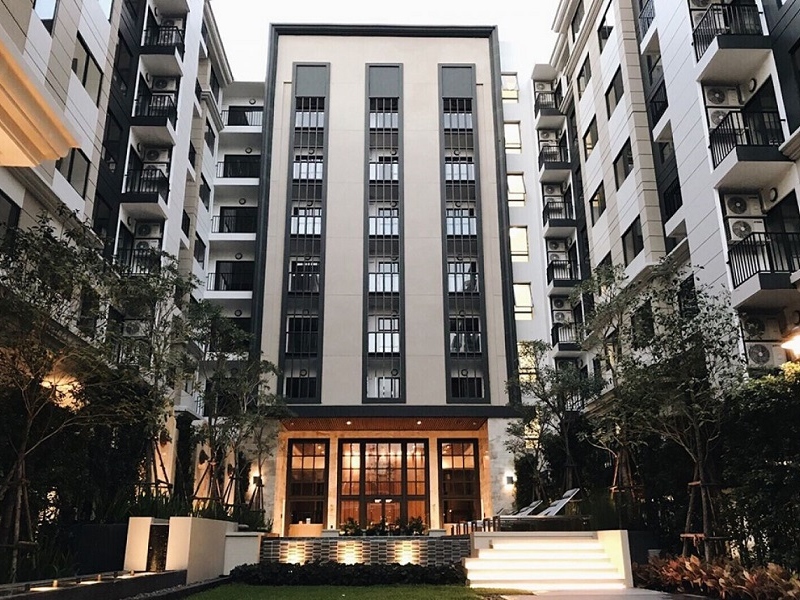
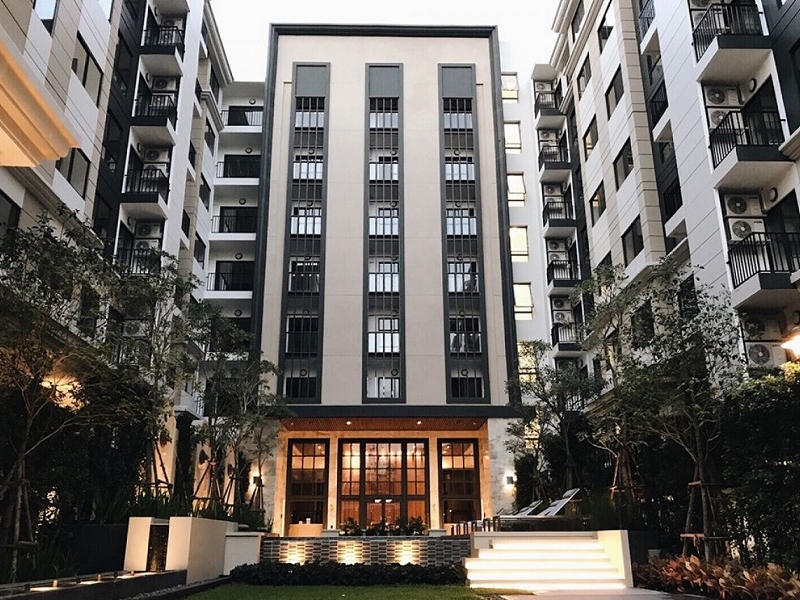
Shared facilities and landscaped areas make insurance questions more practical than they first appear.
Foreign owners should not assume that the building policy protects everything inside their apartment. A condominium commonly has insurance arranged at building level, but that may not cover the owner’s contents, improvements, loss of rent, personal liability or tenant-related issues. The safest approach is to understand each layer before completion, then keep the documents accessible after handover.
This guide is a practical checklist rather than legal or insurance advice. Policy wording, exclusions and claims handling vary, so foreign buyers should ask their lawyer, broker, property manager and insurer to confirm the position for the specific unit and building.
Separate building cover from owner cover
The first check is whether the condominium juristic person maintains building insurance and what that policy actually covers. A buyer should ask for the insurer name, policy period, sum insured, broad categories of cover, deductible or excess, and the process for claims that affect individual units.
Building-level cover may focus on the structure and common property. It does not automatically mean the owner’s furniture, appliances, fitted wardrobes, loose items, artwork, personal belongings or landlord fixtures are protected. If the unit has been renovated, the owner should ask whether improvements are treated as part of the insured building or as the owner’s separate responsibility.
This distinction matters because water leakage, electrical faults and fire damage can cross boundaries. A burst pipe may affect the owner’s unit, the unit below and common areas. Without clear cover and a clear claims process, the owner may face delay while the building, neighbours and insurers decide responsibility.
Check contents, fixtures and fit-out value
Many foreign owners furnish a Bangkok condo for rental or for part-time personal use. The replacement cost of furniture, curtains, appliances, mattresses, televisions, kitchenware and work-from-home equipment can be higher than expected. A contents policy should be based on realistic replacement value, not a rough guess made at purchase.
Owners should photograph the unit after furnishing, keep invoices where possible and list higher-value items. This is useful for insurance and for property management. If a claim arises while the owner is overseas, clear records make it easier for the manager to deal with the insurer and contractors.
Also check whether the policy treats fitted furniture differently from loose contents. Built-in wardrobes, kitchen cabinets and bathroom upgrades may sit in a grey area unless the policy wording is clear.
Foreign owners should separate building-level cover from their own unit, contents and liability needs.
Include public liability and tenant risk
Public liability cover is important for owners who rent out their unit. A guest, tenant, contractor or neighbour may suffer loss or injury connected with the unit. Even where the owner is not at fault, the practical cost of responding to a claim can be significant.
Ask whether the policy covers liability arising from tenant use, short visits by family and friends, contractors entering for repairs, and damage spreading to neighbouring units. If the owner plans to use a rental agent, the lease and management agreement should be consistent with the insurance position.
Landlords should also ask whether malicious damage by tenants, accidental tenant damage, loss of rent after an insured event and legal expenses are available or excluded. These items are not always standard, but they can be relevant for an overseas landlord who depends on local rental income to support holding costs.
Look at exclusions before the claim
Insurance problems often arise from exclusions rather than the headline cover. Common areas to review include vacant periods, unoccupied-unit rules, wear and tear, gradual leakage, mould, defective workmanship, illegal use, unapproved renovations and commercial use of a residential unit.
If the owner will be outside Thailand for long periods, unoccupied-unit conditions deserve careful attention. Some policies require inspections, water shut-off, security measures or prompt notice if the unit is vacant beyond a certain period. A property manager can help, but the owner should know the rule before a claim occurs.
Renovation is another important issue. If contractors work in the unit, ask what insurance they carry, whether the building requires deposits or permits, and whether the owner’s policy remains valid during the works. Do not rely only on verbal assurances.
Coordinate insurance with building rules
The condominium juristic office may have rules on contractors, water systems, air-conditioning drainage, balcony use, pets, smoking, short-term stays and deliveries. These rules can affect risk and claims. An owner who ignores building rules may weaken their practical position if damage occurs.
For example, an unauthorised alteration to plumbing or electrical systems can create difficulties if it contributes to a loss. A rental arrangement that conflicts with building rules may also complicate responsibility between owner, tenant, agent and juristic person.
Foreign buyers should review building rules as part of due diligence, not after a tenant has moved in. If the unit is intended for rental, the lease should require the tenant to follow building rules and notify problems promptly.
Insurance review should include how guests, tenants and contractors use shared and private spaces.
Keep claims readiness simple
The best insurance plan is easy to activate. Keep copies of policies, receipts, photos, juristic contacts, property manager details, emergency repair contacts and lease documents in one shared folder. Give the property manager authority to take urgent protective steps, such as stopping water leakage or arranging emergency access, while preserving evidence for the claim.
Owners should also decide who will communicate with the insurer. If the owner is abroad, the manager may need a power of attorney or written authorisation. It is better to prepare this before a problem than during a late-night emergency.
Questions to ask before completion
Before transfer, ask the seller, juristic office and your adviser these questions: What building insurance is in place? What is excluded? Are recent claims or recurring defects known? Does the unit have any renovations that need approval? What contents and liability cover should the owner buy separately? What documents will a property manager need to handle an urgent claim?
The answers will not make every risk disappear, but they will give the foreign owner a cleaner operating plan. That is the point of good due diligence: not perfection, but fewer surprises.