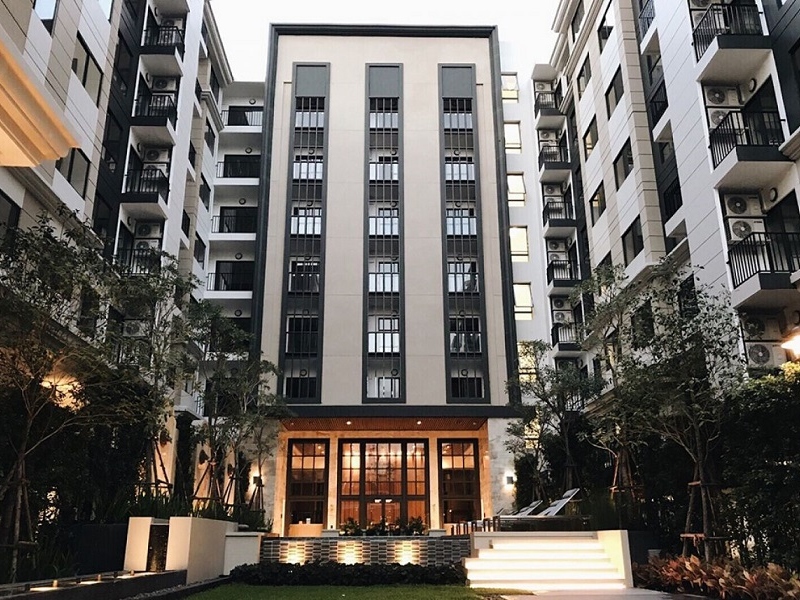
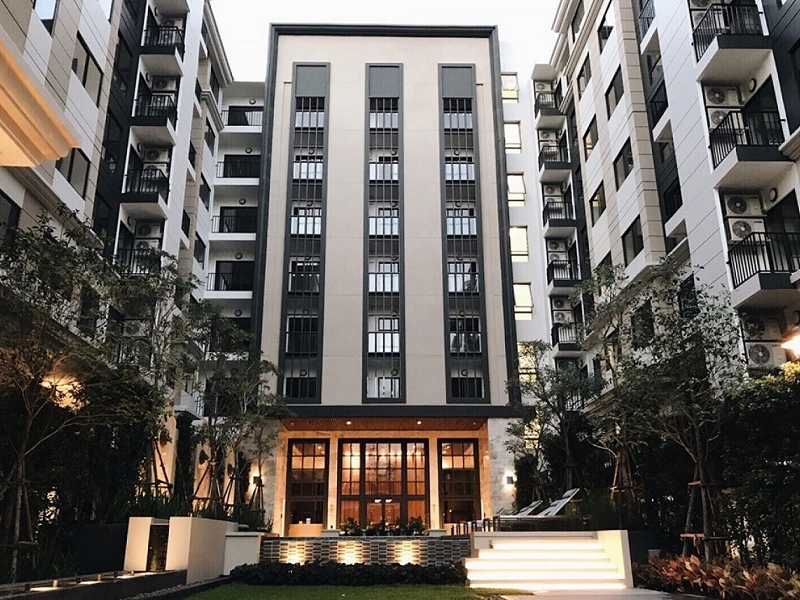
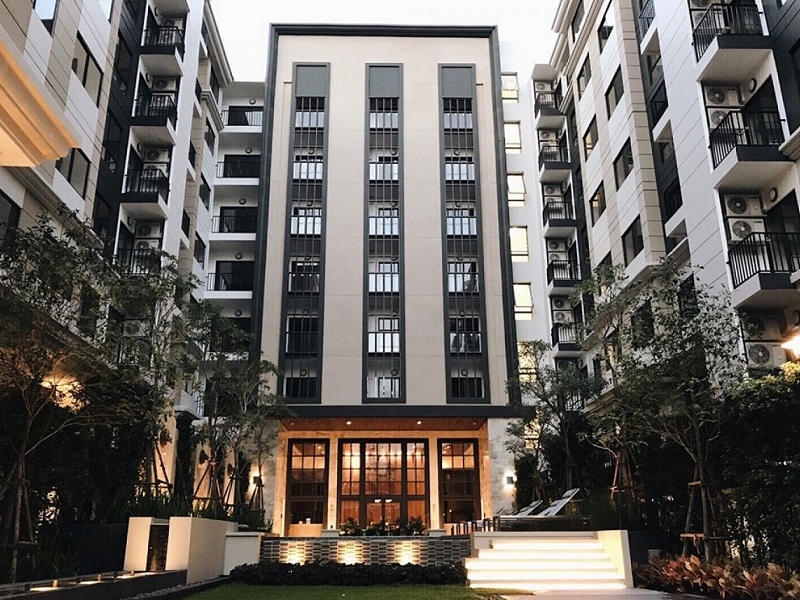
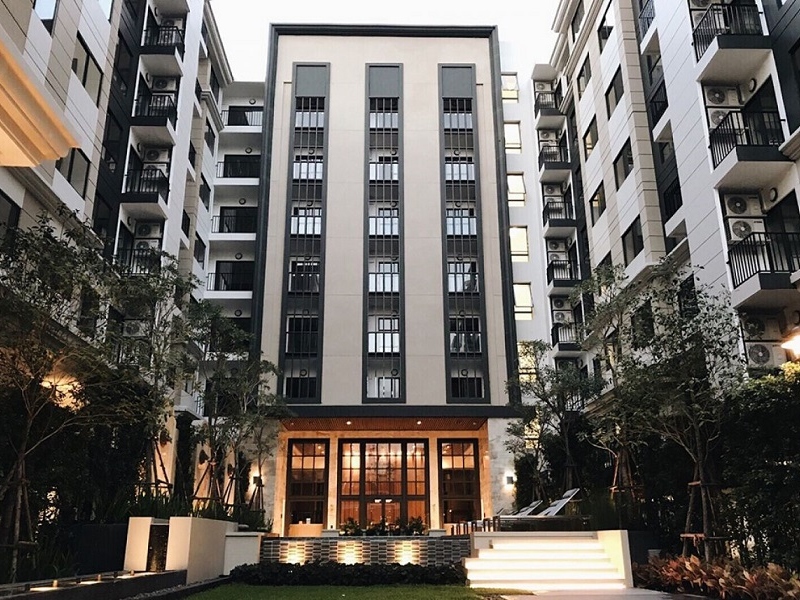
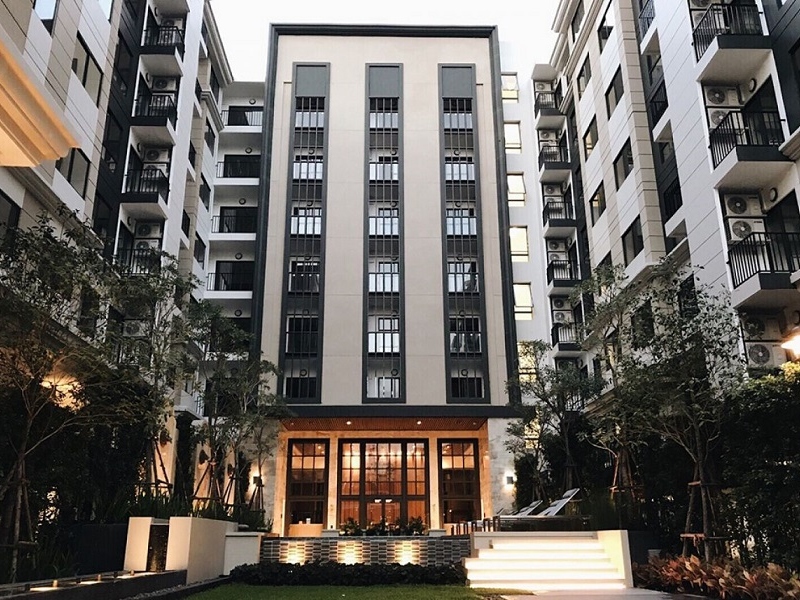
A Bangkok condo investment should not run indefinitely on the assumptions used at purchase. Rent changes, tenants move, buildings age, nearby projects open and an owner’s own priorities evolve. A structured annual review helps a foreign investor decide whether the unit still deserves its capital and attention.
An annual review should reconnect the unit with current district demand rather than rely on the original purchase story.
The review is not a prediction exercise. It is a disciplined comparison between the original plan and the evidence available now. Done well, it can reveal small problems before they become forced decisions and can also confirm when a good asset simply needs patient ownership.
Begin with the original investment case
Retrieve the purchase memo, offer comparison or spreadsheet used when the condo was acquired. Record the expected holding period, target tenant, assumed rent, vacancy allowance, owner costs, furnishing budget and likely exit audience. If there was no written case, create a short one from the best records available.
Then ask which assumptions remain true. The building may still serve the same expatriate tenant group, or a new office, school, retail project or transport pattern may have changed demand. The unit may have performed well but required more repairs than expected. An honest baseline prevents the owner from judging the asset only by the latest rent payment or an optimistic asking price.
Review income as cash received
Use rent actually collected during the review period. Separate contracted rent from late payments, concessions, free periods, repair reimbursements and deposits. If the unit was vacant, record the dates and the reason: pricing, condition, slow agent response, seasonal timing or a mismatch between the unit and the target tenant.
Compare the current lease with genuinely similar units where evidence is available. The closest comparison is normally the same building, layout band, furnishing standard and condition. Online asking rents can be useful context, but they should not be treated as completed transactions. Ask the letting agent what tenants rejected and why, not only what they eventually accepted.
Building management, maintenance and competing listings can change while the title remains the same.
Rebuild the ownership cost
An annual review should include common fees, property management, leasing commission, cleaning, repairs, appliance replacement, insurance, accounting support, bank charges and owner-paid utilities. Spread irregular expenses over a realistic holding period rather than pretending they do not exist in quiet years.
Furnishing deserves its own line. Mattresses, sofas, curtains, air-conditioners and kitchen equipment wear at different rates. A unit can show acceptable gross rent while losing competitiveness because the owner repeatedly delays ordinary refresh work. The goal is a realistic operating return, not a perfect headline yield.
Inspect the building like a future buyer
Walk the lobby, corridors, lifts, parking, pool, gym, service areas and immediate street route. Note changes in cleanliness, staffing, security, maintenance and resident behaviour. Ask for current information on common fees, major works, insurance, meeting decisions and any arrears or disputes that may affect ownership.
A strong juristic person can protect daily comfort and resale confidence. Weak maintenance can erode both even when the private unit is attractive. Foreign owners should not assume that silence from the building means nothing has changed; make the review an active request for information.
Measure rental competitiveness
Count competing units that a tenant would realistically consider, then compare layout, floor, view, furniture, light, storage, internet readiness and access. A unit does not need to be the cheapest. It needs a clear reason to be chosen at its rent.
Review the leasing process as well as the product. Slow approvals, missing keys, poor photographs and unclear viewing access can extend vacancy. An overseas owner may need one accountable local manager with authority to arrange cleaning, small repairs and viewings within an agreed budget.
The unit should be reviewed as a tenant, owner and future buyer would experience it today.
Test resale depth without assuming a sale
Identify who would buy the unit today: a Thai owner-occupier, another foreign investor, a regional family, a lifestyle buyer or an existing tenant. Compare the unit with active alternatives and any credible completed-sale evidence available. Check whether foreign quota, title documents, fee clearances and the original inward-remittance file remain organised.
Resale readiness is useful even when the owner intends to hold. A clean file and presentable unit preserve options. If the likely buyer pool has narrowed, the owner can respond early through pricing discipline, maintenance, improved records or a longer planned selling window.
Separate asset problems from temporary friction
One repair or a short vacancy does not automatically invalidate the investment. Look for patterns. Repeated leaks, falling tenant interest, unresolved building works, rising costs without better service or many identical listings may point to a structural issue. A single quiet month or normal appliance replacement may simply be part of ownership.
The decision should reflect severity, recurrence and control. Problems the owner can solve through presentation, management or pricing are different from a deteriorating building or a permanently difficult location.
Choose one action for the next year
Conclude the review with a clear action: hold with no change, refresh and re-let, adjust the management arrangement, build a larger reserve, prepare for resale or obtain professional advice on a specific legal or tax issue. Assign dates, budgets and responsibility rather than leaving the conclusion as a general intention.
If a sale is being considered, work backwards from document preparation, repairs, photography, tenant status, bank coordination and a realistic marketing period. If holding, decide which indicators would trigger another review before the next annual date.
Annual investor checklist
Compare the original plan with current rent and tenant evidence.
Reconcile cash received, vacancy and every owner-paid cost.
Inspect the unit, building and street route in current conditions.
Review juristic information, planned works and management quality.
Compare realistic rental and resale alternatives.
Confirm that ownership, banking and tax records remain complete.
Choose a funded action for the next twelve months.
Investor takeaway
A Bangkok condo annual review turns passive ownership into an informed hold, rent or sell decision. Bangkok can remain an attractive long-term base because of its transport, services, healthcare, hospitality and regional connections, but every unit still needs to earn its place in the portfolio.
“Scarce freehold” is one of the most persuasive phrases in Bangkok property marketing. It can describe a genuine investment advantage, but it can also compress several untested assumptions into two words. Foreign buyers should ask what is scarce, who values it and whether the specific unit will remain competitive when it is time to rent or sell.
Scarcity begins with the precise location and the alternatives a future buyer can realistically consider.
Freehold tenure alone does not create scarcity. Many condominiums are freehold, and buyers usually compare several locations, buildings and unit types. A defensible scarcity case needs a limited substitute set, durable resident demand, sound building management and a purchase price that does not already overcharge for the story.
Define the claim precisely
Start by rewriting the sales claim in plain language. Is developable land limited within a short walk of a particular BTS or MRT station? Is the building one of few options with a certain unit size, outlook or residential character? Is the wider district tightly supplied, or is only one sales phase nearly sold out?
These are different propositions. A sold-out project may still face many resale competitors. A rare large layout may appeal to families but have a smaller buyer pool. A tightly held central address may be genuinely difficult to reproduce, yet an inefficient unit in that address can still be slow to sell.
Map realistic substitutes
Scarcity should be tested from the future buyer’s perspective. List the buildings and districts that someone with the same budget could reasonably choose. Include resale stock, completed developer inventory, nearby launches and locations one or two rail stops away. Buyers rarely restrict themselves to the boundary used in a brochure.
Compare total ticket size, usable area, station route, building age, common areas, ownership cost and the likely work required after transfer. A project can look unique until the search is widened to include an older but larger building or a newer project with a better daily routine.
Separate land scarcity from product scarcity
Central Bangkok land can be difficult and expensive to assemble, but land scarcity does not automatically make every unit on that land desirable. The building may contain many similar compact units, face weak views or offer layouts that date quickly. The property product still needs its own reason to win.
A scarce address cannot compensate for weak management, ageing systems or an undifferentiated building.
Product scarcity is more specific. It might come from a practical three-bedroom plan, a genuinely protected outlook, unusually low residential density, strong privacy, direct park access or a building quality that has been maintained over time. Each point should be observable and compared with alternatives.
Test whether demand is broad enough
A scarce asset has limited supply, but an investable scarce asset also needs buyers or tenants who care. Define the likely audience: local owner-occupiers, regional families, foreign executives, retirees, professionals or collectors of prime residences. Then ask what that group prioritises and whether the unit meets those priorities without explanation.
For example, a large unit can be rare but expensive to furnish and hold. A high-floor view can be distinctive but exposed to afternoon heat. A boutique building can feel private but have fewer owners sharing major maintenance costs. Scarcity is useful only when the trade-offs remain acceptable to the target market.
Inspect the building’s ability to preserve value
A rare address can lose appeal if the building is poorly managed. Review juristic-person records through suitable professional due diligence, common-fee collection, planned major work, sinking-fund position where relevant, lift and facade condition, security, fire systems and the quality of resident communication.
Buyers should also study the owner mix and resale environment. If many comparable units appear at once, the building can become its own largest competitor. If owners maintain units to very different standards, future buyers may use the weakest listings to negotiate against the strongest.
Do not pay twice for the same story
The most important investment question is price. A property can be genuinely scarce and still be a poor purchase if the asking price assumes flawless future demand. Compare the unit with documented live alternatives and, where available through appropriate advisers, relevant transaction evidence. Adjust for condition, floor, orientation, view, size, furnishing and transfer structure.
Build at least three scenarios: the intended holding case, a slower resale case and a case in which competing supply improves. The unit should not depend on rapid appreciation to cover an aggressive entry price, high ongoing costs or a narrow exit audience.
The unit itself must remain easy to understand, occupy, rent and resell even when the wider location is tightly supplied.
Check foreign-buyer relevance
Foreign purchasers also need to confirm that the transaction structure, ownership eligibility, foreign-quota position and fund-transfer evidence suit their circumstances. Marketing language about freehold does not replace legal due diligence on the precise unit and condominium.
Liquidity may differ between local and foreign buyer segments. A future foreign buyer may value English-language records, transparent management, an easy transfer file and a location that can be understood remotely. An owner should preserve those practical strengths throughout the holding period.
A simple scarcity scorecard
State exactly what is limited and within what geographic boundary.
List realistic new-build, resale and neighbouring-district substitutes.
Identify the resident group that values the scarce feature.
Test building management and future capital-work exposure.
Compare the unit’s layout, orientation and condition with direct rivals.
Check whether the entry price already captures an excessive premium.
Model a slower resale without relying on appreciation.
Confirm the foreign-ownership and transaction file independently.
Investor takeaway
Bangkok condo freehold scarcity can support value, but only when the scarce feature is precise, useful and difficult to replace. The strongest investment case combines a defensible location, a practical unit, a well-run building, broad enough demand and a price that leaves room for uncertainty.
Foreign investors often ask whether a new-build or resale Bangkok condo is the better purchase. Neither route is automatically superior. The useful question is which option offers the stronger evidence, risk control and exit path for a particular budget and holding plan.
New-build and resale options should be compared within the same demand corridor and buyer budget.
A fair comparison keeps location, unit size, target resident and total capital broadly aligned. Comparing a compact completed unit beside an MRT station with a larger off-plan unit in an emerging district says more about the locations than about new-build and resale property.
Define what each label means
A new-build purchase may involve an off-plan contract, a building under construction or a newly completed project with developer inventory. A resale purchase normally means acquiring from an existing owner after the unit has been transferred at least once.
Those categories contain important variations. A completed developer unit has different risks from an early off-plan purchase. A lightly used resale in a recent building differs from an older unit needing renovation. Record the actual transaction structure before comparing headline prices.
Compare the all-in acquisition cost
Begin with the agreed unit price, then add every amount needed to reach a rentable or liveable condition. The list can include reservation and contract payments, transfer-related costs, furniture, appliances, inspection, legal work, repairs, curtains, connectivity and a contingency allowance.
Promotions can obscure the comparison. A developer package may include furniture or fee support but still require upgrades. A resale may appear cheaper yet need air-conditioning work, replacement appliances or a full refresh. Assign a realistic value only to items the buyer would otherwise purchase.
Use evidence appropriate to the stage
With a completed resale, the buyer can inspect the exact view, noise, light, common areas and wear. The building also has an operating history. Ask for juristic records, common-fee information, maintenance evidence and details of known major works through the appropriate professional review.
A new-build buyer relies more heavily on contractual specifications, approved information, developer capability and construction progress. Study the unit plan, dimensions, material schedule, payment milestones, completion provisions and the process for recording and correcting defects.
A completed unit offers observable condition and layout evidence, while a new-build purchase requires careful specification checks.
Separate design appeal from functional value
New projects may offer modern finishes, efficient shared amenities and presentation designed for current buyers. Resale units may offer larger rooms, established landscaping or a location where developable land is limited. Neither advantage is universal.
Test the home against daily use. Check furniture walls, storage, kitchen function, laundry position, bathroom ventilation, work space and circulation. A photogenic show unit can be inefficient, while an older plan can remain highly practical after sensible maintenance.
Measure the route to rental income
A completed resale can potentially enter the leasing market sooner, subject to transfer, preparation and building rules. It also allows the investor to examine comparable listings and, where lawfully available, documented leasing history. That evidence still needs careful interpretation.
An off-plan unit creates a period before possession when no rent is available and the future competitive set can change. Model the holding plan from actual payment dates, not only from completion. Include furnishing, defects, marketing and vacancy after handover before assuming normal occupancy.
Study building competition
At launch, many similar units may be sold with the same marketing story. At completion, owners can list comparable layouts together. A resale building may already show how often units become available, how listings differ and whether maintained homes command better attention.
Count competing units within the building and nearby projects that target the same resident. Compare floor, orientation, condition, furniture, view and asking history. The relevant competition is rarely every condo in the district.
Building records, competing listings and ongoing maintenance can materially change the resale case.
Assess management and maintenance risk
For a resale, inspect how the juristic person handles cleaning, security, plant, lifts, water systems and repairs. Review records with qualified advisers and understand planned expenditure. Visible presentation is useful, but financial and operational documents can reveal different issues.
For a new-build, the future management culture is not yet observable. Examine the proposed common budget, handover arrangements, warranty process and developer record without assuming that every earlier project will perform identically.
Plan the exit before choosing
A new-build buyer should consider what will distinguish the unit once it becomes a resale competing with developer stock and other owners. A resale buyer should consider the building’s future age, maintenance trajectory and likely buyer pool at the intended exit date.
Ask who may buy next: an owner-occupier, local investor, foreign buyer or landlord seeking a ready tenant. Ticket size, foreign-quota availability, transfer documentation and the ease of viewing can all influence the practical exit.
Build a matched comparison sheet
Keep district, budget, size and target resident comparable.
Calculate total cash required through rental readiness.
Record what can be inspected and what remains contractual.
Model the period before income and a realistic vacancy allowance.
Compare actual competing units, not marketing averages.
Review building management, maintenance and planned expenditure.
Stress-test completion, repair, furnishing and exit scenarios.
Use independent legal and technical professionals where appropriate.
The better purchase is the one whose risks the investor can understand, finance and manage. Explore IBP’s investment analysis and resale strategy guides, or contact IBP Real Estate for a matched new-build and resale shortlist.
Owning more than one Bangkok condo can feel diversified because the investor holds several titles and receives several rent payments. Yet the portfolio may still depend on one building, one neighbourhood, one tenant profile or one exit window. That hidden concentration can turn a manageable setback into a portfolio-wide problem.
Several units can still represent one concentrated bet when they depend on the same district and demand cycle.
Foreign investors should examine what drives each unit’s income and resale appeal before adding another property. The goal is not to avoid every overlap. It is to understand which risks are shared, decide whether the expected return justifies them and keep enough flexibility to hold through an unfavourable period.
Count economic exposures, not only units
Two units in different towers may both rely on the same office district, rail line and expatriate tenant pool. Three studios in one project may depend on the same juristic management, common-area budget and group of competing landlords. In both cases, the number of titles overstates the amount of genuine diversification.
List the main drivers for every unit: district, transport route, employment anchors, unit size, likely resident, building age, developer or manager, price band, lease pattern and probable resale buyer. Shared drivers reveal where the portfolio could weaken at the same time.
Building concentration is operational risk
Buying repeatedly in a well-run project can be efficient. The owner understands the management, rules, contractors and tenant expectations. However, a large exposure to one condominium also ties several assets to the same maintenance decisions, insurance arrangements, common-property condition and reputation.
Building-level exposure includes management quality, maintenance decisions and competing listings in the same project.
Review meeting records, budgets, outstanding owner payments, major works and competing listings before buying an additional unit. Ask what would happen if a costly repair, prolonged facility closure or management dispute affected every holding in that building. Convenience should be priced against the size of that shared risk.
District concentration can hide behind project variety
Several projects along one corridor may still respond to the same tenant demand and transport conditions. A rail disruption, large wave of nearby completions or change in a major employment cluster can affect all of them. Conversely, deep and varied local demand can make some district overlap reasonable.
Map each unit by the actual routines it serves rather than by postal address. Identify where residents work, study, shop, receive healthcare and connect to airports. A portfolio spanning different demand ecosystems may be more resilient than one spread across nearby station names that serve the same market.
Tenant concentration affects cash flow
If every unit targets the same narrow resident group, leasing cycles may align. Similar corporate relocation calendars, university terms or seasonal visitor patterns can create simultaneous vacancy. Units with identical layouts and furnishings can also compete directly with one another.
Compare tenant budgets, household types, lease lengths and reasons for choosing the area. Diversification may come from a different unit size, a resident-led building or a neighbourhood with broader local demand. Do not chase variety for its own sake; each additional segment must still be understandable and serviceable.
Layout, ticket size and resident profile determine whether a second purchase truly diversifies the portfolio.
Entry price concentration matters too
Investors sometimes buy several units during one optimistic phase, using similar assumptions for rent, vacancy and resale. Even across different districts, that creates timing concentration. If all purchases were made at demanding prices, the portfolio may have little room for slower leasing or a longer sale period.
Record the evidence available at each purchase and stress-test it independently. Use achievable rent rather than the most attractive listing, include recurring and irregular costs, and model a longer marketing period. A later purchase should not inherit the first unit’s assumptions without fresh checks.
Plan exits before exposure becomes urgent
Concentrated portfolios are most vulnerable when the owner needs to sell several units together. Similar properties can reach the market at the same time and compete with each other. Transfer costs, preparation work and agent capacity may also cluster.
Rank units by likely buyer depth, condition, documentation and time required to sell. Decide which asset would be the first candidate if capital were needed, and keep its file current. A clear sequence is more useful than assuming every unit can be sold quickly at the desired price.
Keep liquidity outside the property portfolio
Diversification inside real estate does not replace cash reserves. Owners need capacity for vacancy, repairs, common fees, taxes, insurance, legal work and travel without being forced to sell. The appropriate reserve depends on the units, financing and personal circumstances.
Separate operating cash for each property from a portfolio contingency reserve. Update both after real turnover events and major maintenance decisions. If a new purchase would consume the buffer, the investor should compare the incremental return with the loss of flexibility.
A practical concentration scorecard
How many units share the same building or management?
Which districts rely on the same jobs, transport and tenant groups?
How similar are the layouts, price bands and lease cycles?
Were several units bought using the same market assumptions?
Could multiple assets need repairs or leasing work together?
Is there enough liquidity to avoid a rushed sale?
Which unit has the clearest independent exit audience?
Use diversification as a decision test
A second or third Bangkok condo should improve the portfolio, not merely enlarge it. Compare the proposed purchase with the existing holdings line by line. If it adds the same risks, require a particularly strong price and operating case. If it opens a different demand pool, confirm that the owner can manage that segment well.
Tenant turnover is easy to treat as a short gap between leases. For a Bangkok condo investor, it is better understood as a complete operating event: the outgoing tenant leaves, condition is documented, repairs and cleaning are arranged, the unit is marketed, viewings take place and a suitable new tenant moves in.
Turnover assumptions should reflect the unit’s real tenant pool and competing supply.
Each step can absorb cash or time. A unit with an attractive gross rent may therefore produce disappointing results if tenants change frequently or the property is slow and expensive to reset. Foreign owners should build a turnover allowance before purchase and update it with real evidence after every tenancy.
Turnover cost is more than vacant days
Lost rent is the most visible cost, but it is not the whole calculation. The investor may also face agent fees, professional cleaning, linen or consumable replacement, touch-up painting, small repairs, appliance servicing, inventory work, photography, access-card administration and utilities carried during the gap.
Some spending may be recoverable from a deposit when the tenancy documents and evidence support a lawful deduction. Ordinary wear, owner maintenance and improvements are different. A prudent model does not assume the entire reset can be charged to the former tenant.
Build a unit-specific turnover allowance
Start with the expected length of a tenancy, not an optimistic assumption that every tenant renews. Estimate the realistic marketing period, preparation time and time needed to approve a new tenant under the building’s procedures. Add the cash items that typically arise for the unit’s specification and intended audience.
Convert the total into an annual planning allowance. If a turnover event is expected every two years, for example, spread a cautious event budget across that holding period rather than pretending the cost does not exist until it happens. The purpose is not a universal percentage; it is a transparent line in the investor’s own cash-flow model.
Cleaning, repairs, inventory checks and marketing time all affect the cost of a changeover.
Measure the gap in stages
A single vacancy figure can hide where performance is being lost. Record the date notice is received, the move-out date, inspection and cleaning dates, the date marketing goes live, first viewing, accepted offer and new lease commencement. This separates avoidable operational delay from genuine market time.
If preparation repeatedly takes too long, the owner may need a clearer contractor panel or earlier inspection. If enquiries arrive but offers do not, price, presentation or unit-market fit may be the issue. If there are no enquiries, the marketing strategy or demand assumptions deserve review.
Condition records protect the process
A signed inventory and dated photographs at move-in and move-out make the handover more disciplined. Record furniture, appliances, keys, access cards, meters and visible defects. The aim is not to create conflict; it is to give landlord, tenant and property manager a common factual record.
Agree who has authority to approve urgent work, obtain quotations and release the unit for marketing. Overseas owners can lose valuable days when every small decision waits for a different time zone. Written approval limits allow routine work to proceed while larger expenditure still receives direct consent.
Clear condition records help separate ordinary wear from chargeable damage.
Design and specification affect reset costs
Durable finishes, accessible appliances and replaceable furniture can make a unit easier to operate. Highly bespoke items may look distinctive but become costly when one component fails. Light-coloured upholstery, delicate surfaces and complicated smart-home equipment may demand more careful management than the target rent supports.
Investors should inspect how easily walls can be refreshed, curtains cleaned, air-conditioners serviced and furniture moved through lifts and corridors. A practical one-bedroom that can be reset predictably may outperform a more dramatic unit with fragile finishes and long replacement lead times.
Reduce downtime before the lease ends
Good turnover management begins before move-out. Review the notice provisions, confirm the inspection timetable and ask whether compliant viewings are possible while the tenant is still in occupation. Respect quiet enjoyment, privacy and building rules; aggressive access can damage cooperation and create risk.
Prepare marketing materials early, but use current photographs and disclose the real condition. Confirm what furniture remains, what will be repaired and when the unit can genuinely be handed over. A realistic availability date is more useful than attracting enquiries for a home that is not ready.
Compare property managers on execution
Management fees should be assessed alongside outcomes. Ask how a manager conducts inventories, handles deposits, supervises contractors, reports viewing feedback and controls keys. Request examples of owner reporting and clarify whether leasing, inspections, cleaning and repair supervision are separately charged.
A low headline fee can be poor value if the unit sits empty while decisions drift. Equally, a premium service is not automatically efficient. Investors need measurable timelines, clear authorisation and evidence of work completed.
Use turnover data when reviewing rent
The highest advertised rent is not necessarily the most profitable target. Holding out for a small monthly increase can destroy value if it adds several weeks of vacancy or requires incentives. Compare the expected additional rent with the cost of the longer gap and any higher leasing expense.
Retention also has value, but renewal should not be automatic. Review payment history, care of the unit, current market evidence and upcoming maintenance. A reliable tenant at a defensible rent may create a stronger net result than frequent re-leasing at ambitious asking levels.
Investor turnover checklist
Estimate realistic tenancy length and marketing time.
Budget lost rent, leasing, cleaning and repairs separately.
Keep signed inventories and dated condition photographs.
Set written repair-approval limits for the manager.
Track every stage from notice to new lease.
Choose durable, serviceable furniture and equipment.
Compare rent decisions on net cash flow, not asking price.
Update the allowance after each real changeover.
Tenant turnover costs do not make a Bangkok condo unattractive; they make disciplined underwriting necessary. IBP can help foreign investors compare rent evidence, operating demands and building fit. Browse our investment analysis and rental market guides, or contact IBP Real Estate for a unit-level assessment.
Break-even rent is the monthly income a Bangkok condominium needs to cover the costs an investor has chosen to include. It is not the highest rent shown in a listing, and it is not the same as gross yield. Used properly, it gives foreign buyers a disciplined way to test whether a unit can carry itself under realistic leasing conditions.
Break-even rent should be tested against the exact unit, building costs and realistic tenant market.
The calculation is most useful before purchase. It reveals whether the investment depends on an unusually strong rent, perfect occupancy or very low maintenance. It also helps compare two properties with different common fees, furnishing needs and tenant profiles. A lower-priced unit is not automatically safer if it needs a high rent relative to competing stock.
Choose what break-even means
There is more than one valid break-even figure. A basic operating break-even can cover recurring property costs such as common fees, management, insurance where applicable, routine maintenance and an allowance for vacancy. A cash-flow break-even can also include financing payments if the buyer uses debt. A full-return target can add an expected return on the capital invested.
Keep these versions separate. Calling every target “break-even” can disguise the difference between avoiding an annual cash loss and earning an acceptable return. A unit may cover common costs while still producing too little income for the purchase price, transfer expenses, furnishing and the owner’s opportunity cost.
Build the annual cost base
List recurring costs line by line. Depending on the property and ownership plan, these may include condominium common fees, management, insurance, accounting or tax support, routine servicing, utilities paid by the owner, internet, minor repairs and replacement of furniture or appliances. Use evidence from the actual building and management proposal where possible.
Add irregular costs through annual allowances rather than pretending they will never occur. Air-conditioning service, repainting, appliance replacement, deep cleaning and inventory refresh may not happen every year, but they belong in a long-hold model. Keep major capital work separate so the buyer can see whether a future building contribution or unit refurbishment would materially change the result.
Layout, condition and furnishing influence achievable rent as well as preparation and replacement costs.
Allow for vacancy and leasing costs
Break-even rent should be based on collected months, not automatically divided across twelve occupied months. If the model assumes a gap between leases, divide the annual cost by the expected number of rent-paying months. Keep leasing commission, tenant-finding costs and preparation expenses visible as their own lines.
This is where optimistic models often fail. The investor may quote a monthly asking rent, multiply it by twelve and treat the result as income, even though the unit needs time to prepare, market and hand over. A modest vacancy allowance can raise the rent needed to break even, especially when turnover costs are high.
Separate achievable rent from required rent
Calculate the required rent first, then estimate achievable rent independently. Use evidence from comparable units in the same building or a genuinely similar competitive set. Compare layout, floor, view, condition, furnishing, parking, pet policy and the walking route to transport. Asking rents are useful context but do not prove what tenants agreed to pay.
If achievable rent is only slightly above break-even, the margin for error is thin. A repair, a rent reduction or a longer vacancy can remove the surplus. A wider gap does not guarantee a strong investment, but it provides more resilience and more freedom to price competitively when the leasing market softens.
Run three practical cases
A base case should reflect the evidence the buyer considers most likely. A softer case can use lower rent, an extra vacant month or higher maintenance. A stress case can combine a longer gap with a major appliance replacement or one-off building cost. The objective is not to predict the precise future; it is to see which assumptions can break the plan.
Record every assumption beside the figure. That makes it easier to update the model when a new common-fee statement, management quote or comparable lease becomes available. It also prevents a buyer from unconsciously using conservative costs for one property and optimistic costs for another.
A useful break-even figure is compared with evidence from the real tenant pool and competing stock.
Use the tenant market as a reality check
The required rent must make sense for the resident who is likely to choose the unit. A compact unit near offices may compete on access and efficient furnishing. A family unit may depend on bedrooms, storage, school routes and building management. A luxury property may face a smaller tenant pool and higher expectations for service and condition.
Ask how many competing units are offered, how long similar stock remains available and whether owners are using incentives. If the break-even figure sits above well-presented competition, the investor needs a clear, defensible advantage. Hope that the market will “catch up” is not a substitute for present evidence.
Do not confuse break-even with investment quality
A low break-even rent can result from a sensible purchase price and controlled costs. It can also hide deferred maintenance, underfunded management or a unit that needs future capital. Review the building’s financial and physical condition alongside the spreadsheet. Cheap ownership today can become expensive when essential work is postponed.
Currency also matters to an overseas owner. Thai-baht rent may cover Thai-baht property costs while producing a different return in the owner’s home currency. Keep property break-even and personal currency objectives as related but distinct questions.
Break-even rent checklist
Define operating, cash-flow and return-target versions separately.
Use actual common fees and management terms.
Annualise maintenance and replacement allowances.
Model collected months rather than perfect occupancy.
Keep leasing commission and turnover work visible.
Compare required rent with achieved evidence.
Run base, softer and stress cases.
Update the calculation before every lease renewal.
A clear break-even figure does not promise profit, but it exposes fragile assumptions before money is committed. IBP helps foreign buyers compare rent evidence, building costs and tenant demand. Explore our investment analysis and rental market guides, or contact IBP Real Estate for a rental-led shortlist.
Vacancy is not an occasional surprise to add after buying a Bangkok condominium. It is a normal investment risk that should be budgeted before an offer is made. A unit can lose income between tenants, during repairs, while it is being marketed or when its asking rent no longer matches competing stock.
Vacancy risk should be assessed at building and unit level rather than inferred from a citywide headline.
For a foreign owner, the cash impact can feel larger because common fees, utilities, insurance, management and maintenance continue while rent stops. A realistic Bangkok condo vacancy budget therefore protects decision quality. It lets buyers compare units on a consistent basis and reduces the temptation to treat twelve months of headline rent as twelve months of collected income.
Start with the annual cash-flow model
List the gross rent a unit could reasonably achieve under a normal lease, then deduct a separate vacancy allowance before calculating net income. Keep common fees, leasing commission, management, repairs, insurance and tax-related costs on their own lines. Combining every uncertainty into one percentage makes it difficult to see which assumption is driving the result.
The vacancy allowance should represent lost rent, not every cost associated with changing tenants. Reletting commission, cleaning, inventory replacement and minor preparation deserve separate entries. This distinction helps an investor understand whether a weak result comes from time without a tenant, high turnover costs or an optimistic rent assumption.
Use unit-level evidence
A citywide figure is rarely precise enough for a purchase decision. Two units in the same district can face different leasing outcomes because of layout, view, floor, furniture, condition, management, parking, pet policy or walking route to transport. Ask for evidence from the same building and, where possible, the same unit type.
Useful questions include how many comparable units are currently offered, how long recent listings remained available, whether achieved rent differed from asking rent and how often tenants renewed. Treat agent estimates as working inputs to test, not guaranteed outcomes. A building with many near-identical investor units may require a larger buffer than one with a broader owner-occupier mix and scarce rental stock.
Layout, condition, furniture and pricing affect how quickly a particular unit can find the right tenant.
Model three vacancy cases
A single forecast can hide risk. Build a base case, a softer case and a stress case. The base case can reflect the evidence you consider most likely. The softer case might assume a longer marketing period or a lower renewal probability. The stress case should test what happens when vacancy coincides with an appliance replacement, repainting or a weaker rent.
The purpose is not to predict the exact number of empty days. It is to see whether the investment remains manageable when events are less favourable than planned. If the owner would be forced to accept the first tenant, defer necessary work or sell quickly after one weak leasing cycle, the purchase may be relying on too little liquidity.
Allow for the leasing calendar
Tenant demand can change through the year and by target audience. Corporate transfers, school calendars, project completions and local business activity can affect when suitable tenants search. A lease ending at an awkward time may take longer to replace than one aligned with stronger demand for that unit type.
Ask when the current lease expires and whether the owner has enough notice to photograph, prepare and market the unit. For an empty purchase, confirm how quickly ownership, furnishing, utility setup and building access can be completed. A theoretical tenant cannot move in while practical work remains unfinished.
Price discipline can shorten vacancy
Holding out for a higher headline rent is not always the best economic choice. Compare the value of the extra monthly rent with the income lost during additional vacancy. Also consider any incentives, agent fees or tenant-specific items needed to secure the higher figure.
This does not mean underpricing automatically. It means making a measured decision using competing listings, achieved evidence and the unit’s genuine advantages. Review the asking rent at agreed intervals instead of leaving a stale listing unchanged. Strong presentation, complete information and prompt responses can improve leasing speed without sacrificing price.
A defensible vacancy allowance considers the real tenant pool, leasing season and competing stock nearby.
Build a reserve that can survive turnover
A vacancy budget belongs in the forecast; a cash reserve belongs in the bank. The owner should be able to meet common fees, utilities, management and essential repairs while the unit produces no income. The appropriate reserve depends on the property, the owner’s other commitments and the time needed to transfer funds to Thailand.
Keep the reserve separate from money earmarked for tax, major capital work or personal spending. Overseas owners should also decide who can authorise ordinary preparation and how invoices will be approved. Delays caused by unclear authority can turn a short gap into a longer one.
Check vacancy before resale as well
Vacancy assumptions matter to a future buyer. A unit with clear leasing records, realistic rent evidence and organised cost history is easier to assess than one marketed only with a headline yield. Keep lease dates, rent receipts, repair invoices, listing history and move-in or move-out records together.
At resale, be transparent about whether the unit is tenanted, vacant or approaching lease expiry. Each position can suit a different buyer. An investor may value immediate income, while an owner-occupier may prefer vacant possession. The strongest exit plan recognises both audiences and does not depend on one perfect handover date.
Practical vacancy-budget checklist
Use achieved evidence from comparable units where available.
Separate lost rent from commission, cleaning and repairs.
Run base, softer and stress cases.
Test lease timing and preparation lead times.
Compare extra asking rent with the cost of waiting.
Hold a dedicated cash reserve.
Keep leasing records for the eventual resale.
A conservative allowance will not make a weak property strong, but it can expose an over-optimistic return before money is committed. IBP helps foreign buyers assess rental evidence, building competition and ownership costs. Explore our investment analysis and rental market guides, or contact IBP Real Estate for an investment-focused shortlist.
Thai condo ownership documents are easiest to organise when a foreign buyer treats the purchase as the beginning of a long record, not the end of a transaction. Years later, the owner may need evidence for a bank, condominium juristic person, tenant, insurer, accountant, lawyer or future purchaser. Reconstructing that file from overseas can be slow and expensive.
A complete ownership file should be assembled at purchase rather than reconstructed when a problem or resale arises.
The exact documents depend on the property, payment route, parties and advice received. A resale unit will not produce exactly the same file as a developer purchase. The practical principle is consistent: keep the signed and issued evidence that explains how the unit was checked, paid for, transferred, operated and maintained.
Build a permanent purchase file
Start with the documents that identify the transaction. These may include the reservation or booking form, sale and purchase agreement, amendments, developer or seller correspondence, due-diligence report, title-related copies, foreign-quota evidence, completion statement, powers of attorney and receipts. Keep the final signed versions rather than a trail of unmarked drafts.
Ask the Thai lawyer which originals should remain with the owner, which certified copies are useful and whether any document should be stored in Thailand. A scan is excellent for access but may not replace an original when a bank, government office or future transaction requires one.
Bank and remittance evidence should remain linked to the unit, transfer and future sale file.
Keep the money trail connected to the property
Foreign buyers should preserve the banking record behind the purchase. This can include transfer instructions, inward-remittance evidence, bank advices, foreign-exchange documents, account statements, payment receipts and correspondence explaining returned or corrected transfers. File these records by payment date and label the property or contract they relate to.
The value is practical. A future sale, remittance enquiry, audit or bank review can be easier when the original funding path is clear. Buyers should ask the receiving bank and lawyer which records apply to their transaction, because document names and bank processes can vary. Do not rely on an agent’s messaging history as the only evidence.
Transfer and registration records deserve special care
The transfer-day file may include official receipts, registration papers, tax or fee calculations, updated title-related evidence and identity or authority documents used at the Land Office. Review the completed file soon after transfer while the lawyer and parties still have the matter readily available.
Check names, passport details, unit identifiers and payment references for consistency. If a passport is later renewed or contact details change, keep a clear link between the old identity record and current documents. Ask an adviser how the change should be reflected in future transactions rather than altering an old record yourself.
Juristic-person records, receipts and building correspondence are part of practical ownership evidence.
Maintain a condominium building file
Ownership also creates an operational record with the condominium juristic person. Keep common-fee invoices and receipts, sinking-fund records where relevant, insurance information provided by the building, access-card records, parking information, renovation approvals, move-in forms and important notices. Minutes or voting papers that affect the unit can also be worth retaining.
This file helps an overseas owner prove payments and understand decisions affecting the building. It can also make resale due diligence smoother because a prospective buyer is likely to ask about management, fees, major works, rules and outstanding obligations.
Add the rental and maintenance history
If the condo is rented, keep signed leases, inventories, move-in and move-out reports, tenant payment records, deposit records, agent agreements, repair approvals and invoices. Photographs should be dated and organised by tenancy. Separate owner spending from tenant reimbursements so that the financial history remains intelligible.
For owner-occupied units, maintenance evidence still matters. Air-conditioning service, appliance replacement, water-leak repairs, renovation approvals and contractor warranties can explain the condition of the property to a future buyer. A well-kept history is not a guarantee of value, but it reduces avoidable uncertainty.
Keep tax and insurance advice with the year concerned
Tax treatment and filing duties depend on circumstances. Retain the calculations, receipts, invoices and professional advice used for each year rather than assuming that a spreadsheet alone is sufficient. The same applies to unit insurance: keep policy schedules, payment receipts, claims correspondence and evidence of insured improvements.
Foreign owners should obtain advice from a qualified Thai professional for their facts. The filing system is not a substitute for legal, tax, banking or insurance advice. Its purpose is to make accurate advice easier because the relevant evidence can be produced promptly.
Create a secure digital index
A useful archive has both access and control. Scan documents clearly, use descriptive filenames and organise folders by purchase, banking, transfer, building, rental, maintenance, tax and insurance. Maintain a one-page index that lists important originals and where they are held. Back up the archive securely in more than one location.
Avoid sending the whole file casually by email or messaging apps. Passports, bank records, signatures and title information are sensitive. Share only what a verified adviser or counterparty needs, through a secure method, and revoke access when it is no longer required.
Prepare for absence and eventual resale
An overseas owner should appoint a trusted contact or property manager with clearly limited authority. That person should know where routine records are held without automatically receiving unrestricted access to every original. Review the file annually, especially after a new lease, passport, bank account, renovation or juristic-person decision.
Before resale, ask the lawyer and agent what a buyer will require. A clean file can help answer questions about transfer, remittance, common fees, repairs, tenancy and authority without last-minute searches across several countries.
Owner checklist
Keep final signed purchase and due-diligence documents.
Preserve the complete banking and remittance trail.
Review transfer records soon after registration.
File juristic-person invoices, receipts and approvals.
Maintain lease, inventory, repair and insurance histories.
Index originals and protect digital copies securely.
Buyer takeaway
Thai condo ownership documents support safe holding, renting and resale. Foreign buyers should assemble the file while evidence is easy to obtain, keep the money trail connected to the unit and review the archive as ownership changes. Good records cannot fix a weak purchase, but they can prevent a sound purchase becoming unnecessarily difficult to manage.
IBP helps foreign buyers coordinate Bangkok condo due diligence and practical ownership preparation. Read our foreign buyer guides or contact IBP Real Estate for a purchase checklist.
Rental incentives can make a Bangkok condominium appear to achieve one rent while producing a lower economic return. A foreign investor may see an attractive monthly figure in a listing or agent update, yet the signed lease can also include free days, furniture upgrades, internet, cleaning, repairs, commissions or other support paid by the owner.
Headline rent should be tested against every incentive and leasing cost needed to secure the tenant.
None of these concessions is automatically a problem. They can be sensible tools for shortening vacancy, securing a reliable tenant or protecting the headline rent. The investment mistake is to ignore them. Buyers should compare effective rent after incentives and leasing costs, not treat the first number on the lease as the complete income story.
Headline rent and effective rent are different
Headline rent is the recurring amount written into the lease. Effective rent spreads the real value received by the landlord across the full lease period after agreed concessions. If a tenant receives a rent-free period, the landlord still owns an occupied unit but collects less cash over that term. If the owner supplies a new appliance or pays for internet, the cost also belongs in the lease decision.
A practical calculation begins with total rent due over the contracted term. Subtract the value of free occupation, owner-paid extras, leasing commission, tenant-specific furniture and any immediate work needed to win the lease. Then divide the remaining amount across the same lease period. That produces a more useful figure for comparison with another unit, another tenant proposal or the investor’s original budget.
Building competition and unit condition influence how much support a landlord may need to offer.
Common forms of rental support
Bangkok landlords may encounter several types of support. A tenant may ask for a lower first month, an extra item of furniture, professional cleaning, replacement curtains, internet, minor redecoration, a shorter commitment or flexibility on the starting date. An agent may recommend a commission structure that differs according to lease length or service scope.
The correct response depends on the unit and the tenant. A modest appliance replacement that improves the property for several future leases can be more defensible than a permanent rent reduction. A short free period may be cheaper than another month of vacancy. By contrast, expensive tenant-specific work can destroy the benefit of a seemingly strong rent if it has little value after move-out.
Compare incentives with the cost of waiting
Investors should not reject every concession simply to protect a headline number. Vacancy has a cost: missed rent, electricity and cleaning visits, common fees, property-management time and the risk that a stale listing begins to look undesirable. A concession can be rational when its cost is lower than the realistic cost of waiting for a better offer.
This comparison should use evidence from the same building and immediate tenant market. How many similar units are available? How does the target unit compare on condition, view, layout and furniture? Is demand seasonal? Is the proposed tenant ready to move promptly and provide the documents or payments required by the lease? A broad city average cannot answer these building-level questions.
A well-prepared unit can reduce concessions, vacancy and avoidable negotiation at the start of a lease.
Separate reusable upgrades from one-off concessions
Not every owner expense should be treated in the same way. A new washing machine, better mattress or improved curtains may strengthen the property for several years. Free internet for one tenant is a recurring concession. A repaint may be normal preparation rather than an incentive. A customised desk removed at move-out is closer to a one-off leasing cost.
Keep a simple schedule with four columns: cost, who requested it, how long it will be useful and whether it can support future rent. This helps the investor distinguish capital improvement from a concession that should be charged fully against the current lease.
Protect the lease record
Every agreed incentive should appear in writing. The lease or an attached schedule should identify free periods, included services, furniture supplied, payment dates, repair responsibilities and what happens at renewal. Verbal promises create confusion for tenants, agents, property managers and overseas owners.
Foreign landlords should also make sure that deposits, advance rent and incentive credits are recorded separately. Bank receipts, invoices, inventory photographs and agent statements should be filed together. If legal, tax or consumer-protection questions arise, the owner should obtain advice for the specific arrangement rather than rely on an informal market habit.
Renewal can reveal the true rent
The first lease may contain more support because the unit is new to the market or needed preparation. At renewal, the owner can assess whether the tenant pays on time, cares for the unit and intends to stay. A reliable tenant may justify a measured concession because avoiding vacancy, remarketing and cleaning has real value.
However, landlords should not allow temporary incentives to become invisible. Before renewal, compare the effective rent achieved, the condition of the unit, competing listings and the owner’s next-year costs. The aim is a sustainable relationship, not the highest nominal number or the lowest possible concession.
Investor checklist
Calculate total cash rent across the full lease term.
Deduct free periods, commissions and owner-paid extras.
Separate reusable property upgrades from tenant-specific spending.
Compare the concession with the realistic cost of further vacancy.
Record every promise in the lease or an attached schedule.
Review effective rent, not only headline rent, before renewal.
Buyer takeaway
Bangkok condo rental incentives are useful when they are measured. Foreign investors should translate every concession into effective rent, compare it with vacancy risk and keep the agreement documented. A lease with a slightly lower headline can be the stronger investment if the tenant is reliable, the costs are controlled and the unit is protected.
IBP helps foreign buyers assess rental evidence, unit competition and landlord costs before purchase. Explore our rental market guides or contact IBP Real Estate for an investment-focused condo shortlist.
Foreign buyers often compare Bangkok condominiums by asking price first, then rent second. That is understandable, but it is too narrow for an investment decision in a city where two buildings on the same road can have very different juristic finances, tenant demand, maintenance standards and resale depth.
Prime mixed-use surroundings can influence how investors compare Bangkok condo value.
A useful benchmark is not a single number. It is a disciplined comparison of how a unit performs against realistic alternatives. The best question is not whether a condo looks cheap in isolation, but whether it looks sensible after you have compared its price, rental evidence, building quality, ownership costs, exit route and neighbourhood support.
For overseas investors, that discipline is especially important because they may not see the building every month. A calm framework reduces the risk of buying the most persuasive sales story instead of the most resilient asset.
Start with genuinely comparable buildings
Benchmarking begins by narrowing the comparison set. A 35-square-metre leasehold unit in a hotel-branded tower should not be compared directly with a 35-square-metre freehold resale in a standard condominium, even if both sit near the same BTS station. The right comparison set should share a similar district, tenure, age band, grade, transport access and buyer profile.
For a central Bangkok condo, compare against buildings that compete for the same tenant and future buyer. A Japanese corporate tenant, a regional executive, a long-stay medical visitor and a local owner-occupier may all value different features. If the unit is likely to depend on expat rental demand, the benchmark should include buildings with proven expat appeal rather than the cheapest stock nearby.
Investors should also separate completed resale buildings from off-plan launches. A completed building gives evidence of actual rents, actual maintenance standards and actual resale listings. A launch may offer newer design, payment staging and developer incentives, but the investor is underwriting future delivery and future tenant demand.
Compare the full cost, not just the sale price
The quoted price per square metre is only the opening line. Foreign buyers should calculate the acquisition cost, transfer-related costs, furnishings, appliance replacement, sinking fund exposure, common fees, agency fees, vacancy allowance and likely refresh costs over the intended holding period.
A unit that is slightly cheaper at purchase can become less attractive if the building has high monthly charges, weak maintenance discipline or near-term capital works. A slightly more expensive unit can be the better investment if it rents faster, holds condition better and appeals to a wider buyer pool when it is time to sell.
Benchmark common fees against building grade and facility depth. A full-service tower with extensive amenities should have higher running costs than a simple low-rise building, but those costs should still feel proportionate to occupancy, staffing, maintenance and the tenant profile. If the fee looks unusually low, ask whether the building is underfunding maintenance. If it looks unusually high, ask whether the rent can support it.
Location depth should be judged by transport, parks, retail, offices and daily convenience together.
Use rental evidence cautiously
Rental adverts are not the same as achieved rents. Asking rents show owner ambition; signed leases show market evidence. Where possible, compare recent leases in the same building, nearby buildings of similar grade and units with similar furnishing standards. A renovated corner unit with open views should not set the rent expectation for a lower-floor unit facing a neighbouring wall.
Investors should also look at speed of letting. A high theoretical rent is less useful if the unit sits empty for months. For practical modelling, it is better to use a conservative rent that can be achieved repeatedly than an optimistic rent that depends on a rare tenant.
Foreign landlords should include vacancy and tenant-change costs in the benchmark. Bangkok rentals can be steady in strong locations, but leases still expire, furniture wears out and market sentiment changes. A yield calculation that assumes twelve perfect months every year may overstate the result.
Score the building as a business, not a postcard
Every condominium has a small operating business behind it: the juristic person, the committee, the property manager, the budget, the reserve fund and the rules. Investors should benchmark that operating business as carefully as they benchmark the pool, lobby or view.
Ask for the latest financial statements, AGM minutes where available, common fee position, major repair discussions and any known disputes. A building with good governance can protect long-term value. A building with poor collection, recurring disputes or deferred maintenance can turn a good location into a difficult hold.
This is also where overseas ownership changes the risk profile. A foreign owner who lives abroad needs predictable administration, clear communication and a management team that can coordinate repairs, tenant access and documents without constant intervention.
Test the exit route before buying
A buyer-focused benchmark should include resale liquidity. Check how many similar units are listed, how long they appear to have been on the market, and whether the building has a consistent buyer audience. If many similar units compete at the same time, the owner may need to price patiently when exiting.
Liquidity is not only about the district. It can depend on unit size, layout, view, floor, parking, furnishing condition, ownership quota and the reputation of the building. A compact one-bedroom in a known rental building may sell more readily than an unusual layout in a quieter tower, even if the second unit looks larger on paper.
Investors planning a shorter hold should be stricter. The shorter the intended holding period, the less time there is for market recovery, rental income and capital improvements to offset a weak entry price.
Amenity depth around a building can matter as much as the headline district name.
Neighbourhood depth matters
Foreign buyers should benchmark the neighbourhood as a living system. BTS or MRT access is important, but so are supermarkets, hospitals, schools, parks, restaurants, offices, embassies, hotels, serviced apartments and evening activity. These features help create a broader tenant base and can make the unit easier to explain to a future buyer.
A station name alone is not enough. Walk the route at different times of day, check shade and crossings, consider traffic patterns and ask whether the daily life around the building matches the target tenant. For example, a quiet residential pocket may suit families, while a denser business district may suit executives who value short commutes.
A practical scoring method
Before making an offer, give each shortlisted unit a simple score out of five for entry price, rent evidence, building governance, maintenance condition, neighbourhood depth, tenant pool, resale liquidity and ownership simplicity. The exact scoring is less important than the discipline of comparing each unit in the same way.
If a unit scores strongly on location but weakly on governance, the investor knows what to investigate next. If it scores strongly on price but weakly on tenant demand, the investor can adjust rent assumptions. If it scores strongly across most categories, it may justify paying a fair price rather than waiting for a bargain that never appears.
IBP can help foreign buyers compare shortlisted Bangkok condos against realistic alternatives, including rental assumptions, exit risk and practical ownership checks. You can also review our Bangkok investment analysis and our recent guide to holding-period checks before committing to an offer.
Foreign buyers often compare Bangkok condos by price, rental yield, location and building age. Those checks matter, but they are incomplete until the buyer decides how long the asset is likely to be held. A condo bought for a three-year plan should be judged differently from one intended for a decade of ownership, family use or eventual retirement in Thailand.
The holding period affects almost every practical decision: how much renovation makes sense, whether a tenant profile is deep enough, how much cash reserve to keep, and how patient the owner can be during resale. It also disciplines the buying process. Instead of asking whether a unit is simply attractive, an investor can ask whether the unit still looks attractive after ownership costs, vacancy risk, agency fees, currency movement and a realistic exit window.
A clear holding period helps investors compare income, resale timing and district depth.
Why the holding period comes before the offer
A Bangkok condo can be a long-term base, an income asset, a future relocation option or a blend of all three. The same unit may serve one purpose well and another poorly. A compact unit near a major BTS interchange might be easy to rent, but if the building has heavy near-term competition it may not suit a short resale plan. A larger family unit in a quieter district may be slower to lease, yet can make sense for an owner who wants personal use and is prepared to wait for the right tenant or buyer.
For foreign investors, the main advantage of defining the hold early is that it keeps the numbers honest. Gross yield can look tidy on a listing sheet. Net return is shaped by furnishing, repairs, juristic-person charges, management, vacant months, tax advice, currency conversion and the cost of selling. A longer hold gives those costs more time to be absorbed. A short hold leaves less room for mistakes.
Match the unit to the exit plan
A buyer expecting to sell within a few years should focus on liquidity first. Liquidity does not mean a guaranteed quick sale. It means the unit has a wide pool of plausible buyers: clear title, sensible layout, fair building condition, useful transport access and a price point that is not dependent on one unusual buyer preference. The most fragile short-hold investments are often highly personalised units, over-furnished units, unusual floor plans or units bought at a premium that is hard to explain later.
A buyer planning a five-to-ten-year hold can accept a different set of trade-offs. Building management, sinking fund discipline, upcoming capital works and neighbourhood development become more important. The question shifts from, “Can I resell this quickly?” to “Will this still be easy to own, rent and explain after several market cycles?” That approach is especially useful in Bangkok because districts mature at different speeds.
Unit layout, maintenance and tenant appeal should match the intended investment horizon.
Costs that can punish a short hold
Thai condo ownership has transaction costs at both entry and exit. The exact amount depends on the transaction structure, ownership period, assessed value and tax position, so buyers should check the latest calculation with a lawyer or tax adviser before relying on a net return. The broader point is simple: the shorter the hold, the more those costs matter.
Investors should also budget for the less visible costs of preparing a unit for rent or resale. Air-conditioning servicing, appliance replacement, painting, deep cleaning, curtain replacement and minor furniture upgrades can be small individually, but meaningful when a sale is brought forward. A unit bought with no cash reserve can force the owner to delay repairs, accept a weaker tenant or sell before the presentation is strong.
Rental income is often used to justify the hold, but rental depth varies by district, building, unit size and tenant type. A one-bedroom unit near employment and lifestyle demand may have a larger tenant pool than a larger unit in the same building. A premium riverfront or park-side unit may attract fewer tenants, but those tenants may value quiet, view and services more than headline rent per square metre.
For a shorter hold, the investor should model at least one vacant month between tenants and allow time for listing, cleaning and repairs. For a longer hold, the investor should ask whether the building can keep its tenant appeal as newer projects launch nearby. A low-maintenance unit with broad tenant demand is often more valuable than a unit that only looks good under a perfect rent assumption.
The Bangkok rental yield guide gives a useful framework for checking gross and net income before committing to a rental-led plan.
Building age changes the holding-period calculation
Building age is not automatically a negative. Some older Bangkok condos have larger layouts, established addresses and proven management. The issue is whether the building’s future costs and buyer perception have been properly priced. Lifts, facade works, common-area refreshes, waterproofing, parking systems and major mechanical equipment can all influence resale confidence.
A short-hold buyer should be careful with a building that is approaching a large maintenance cycle unless the discount is clear and the juristic-person records are strong. A long-hold buyer can still consider the building, but should understand the likely cash calls, common-fee trajectory and owner-committee culture. The best building for a long hold is not always the newest one; it is the one where future ownership feels predictable.
Exit planning starts before transfer, not when an owner decides to sell.
A practical holding-period checklist
Before making an offer, foreign investors should write down the intended hold and test the unit against it. The checklist should include the expected years of ownership, target tenant profile, likely furnishing spend, annual maintenance reserve, ownership structure, currency plan and expected exit route. If the plan depends on rapid capital growth or a perfect tenant, the risk is probably being understated.
Investors should also ask what would happen if the plan changes. Could the unit be rented if personal use is delayed? Could it be sold if currency movement creates pressure? Would the building still appeal if two new projects launch nearby? A good Bangkok condo investment gives the owner options. A weak one requires the market to behave exactly as hoped.
How foreign buyers should use this check
The holding period should not make a buyer timid. It should make the buyer selective. Bangkok remains attractive because it combines urban convenience, international connectivity, deep rental demand in selected districts and a wide range of price points compared with many global gateway cities. Those advantages are most useful when the purchase is matched to a realistic ownership plan.
Before buying, compare the unit against IBP’s condo due diligence checklist and exit strategy guide. A short conversation about hold period, resale depth and rental management can prevent a foreign buyer from choosing a unit that is attractive today but difficult to own tomorrow.
Absorption risk is one of the quieter checks foreign investors should make before buying a Bangkok condominium. It is not only a developer problem, and it is not limited to off-plan launches. Absorption risk is the chance that a unit, building or district has more competing supply than the target tenant or resale buyer can comfortably absorb at the price being assumed.
Absorption risk is strongest when investors compare the target unit with the supply that buyers and tenants will see next.
For a foreign buyer, this matters because a condo can be attractive in isolation yet still struggle if too many similar units are available. The investor may face longer vacancy, weaker rent negotiations, slower resale or a need to upgrade furniture and pricing just to stand out. A disciplined purchase starts by asking who else the unit will compete with.
What absorption risk means in practice
Absorption is often discussed in market reports, but investors can translate it into practical questions. How many similar units are available in the same building? How many comparable buildings sit within the same station catchment? Are new handovers adding similar one-bedroom or two-bedroom stock? Do tenants have many alternatives at the same budget?
The risk is not automatically bad. A district with many units can still perform if demand is deep, transport is strong and pricing is realistic. The danger appears when the investor pays as if demand is scarce while tenants and resale buyers can easily choose something similar.
Building quality, handover timing and competing units all shape how quickly a condo can find demand.
Check the building before the district
A broad Bangkok supply story is less useful than a building-level comparison. Start with the target building. Look at active listings, asking rents, furniture quality, view differences, floor levels, unit sizes and how long units appear to stay online. If many owners are advertising almost identical layouts, the unit needs a clear reason to win.
That reason might be a better view, stronger furniture package, cleaner condition, lower rent, more flexible lease terms, a better parking arrangement, superior management or a more convenient floor. If the target unit has no advantage, absorption risk should be priced into the offer.
New supply can reset tenant expectations
Newly completed projects can affect older buildings nearby, especially when developers or first owners offer fresh furniture, promotions or modern facilities. Tenants may prefer a newer gym, cleaner lobby, better parcel systems or a more current room design. Older buildings can still compete, but only if they have strengths such as larger layouts, lower total rent, better location or stronger management.
Investors should ask whether future handovers are likely to put similar units into the rental market during the planned holding period. This does not require a precise forecast. It requires humility about competition and a willingness to avoid paying a premium for a unit that will not be scarce.
A unit should be judged against the real alternatives tenants and resale buyers can choose from.
Absorption risk affects resale too
Resale buyers compare listings just as tenants do. If a future buyer can choose from many similar units in the same building or station area, the seller may need to compete on price, renovation quality, speed and flexibility. A unit that rented acceptably may still be difficult to sell if the resale audience has stronger alternatives.
This is why investors should think about exit before purchase. Ask whether the future buyer is likely to be an owner-occupier, landlord, Thai buyer, regional investor or another foreign buyer. If the answer is vague, the resale strategy may depend too much on general market optimism.
How to reduce absorption risk
Choose buildings with clear management quality and resident appeal.
Avoid paying a high premium for layouts that are widely available nearby.
Compare active rental and resale listings before making an offer.
Check future handover pressure in the same station or district catchment.
Buy units with practical advantages: light, storage, condition, view, privacy or access.
Keep rent assumptions conservative when competing supply is visible.
When supply can be an advantage
Not all competition is negative. A district with multiple buildings, offices, retail and transport can become easier for tenants to understand. Agents may bring more enquiries to an active area. Services improve when there is a resident base. The key is whether the chosen unit sits in the stronger part of that district story.
Foreign investors should therefore avoid simplistic thinking. A low-supply building in a weak location can still be hard to rent. A high-supply district can work when the unit is priced well and selected carefully. Absorption risk is about matching the asset to real demand, not avoiding competition altogether.
Model a slower start
Investors should be especially careful around handover periods, renovation periods and lease-up seasons. If several owners in the same building list units at once, the first lease may take longer or require a sharper rent. A conservative buyer should keep enough cash for furnishing, marketing, vacancy and minor price adjustment rather than assuming the unit will rent immediately.
Buyer takeaway
Bangkok condo absorption risk is best handled before purchase, not after a unit sits vacant. Foreign investors should compare competing units, future handovers, building quality and exit audience before accepting rent or resale assumptions. The safest investment is not always the most unusual unit. It is the one that gives tenants and buyers a clear reason to choose it.
IBP helps foreign buyers compare Bangkok condos by supply risk, rental logic and resale defensibility. Read more in our investment analysis archive or contact IBP Real Estate for a focused buyer shortlist.