A Bangkok condo balcony can look generous in photographs yet prove too hot, wet, noisy or exposed for regular use. Expat buyers should assess it as part of the home rather than as decorative floor area, checking climate, safety, privacy, building rules and maintenance.
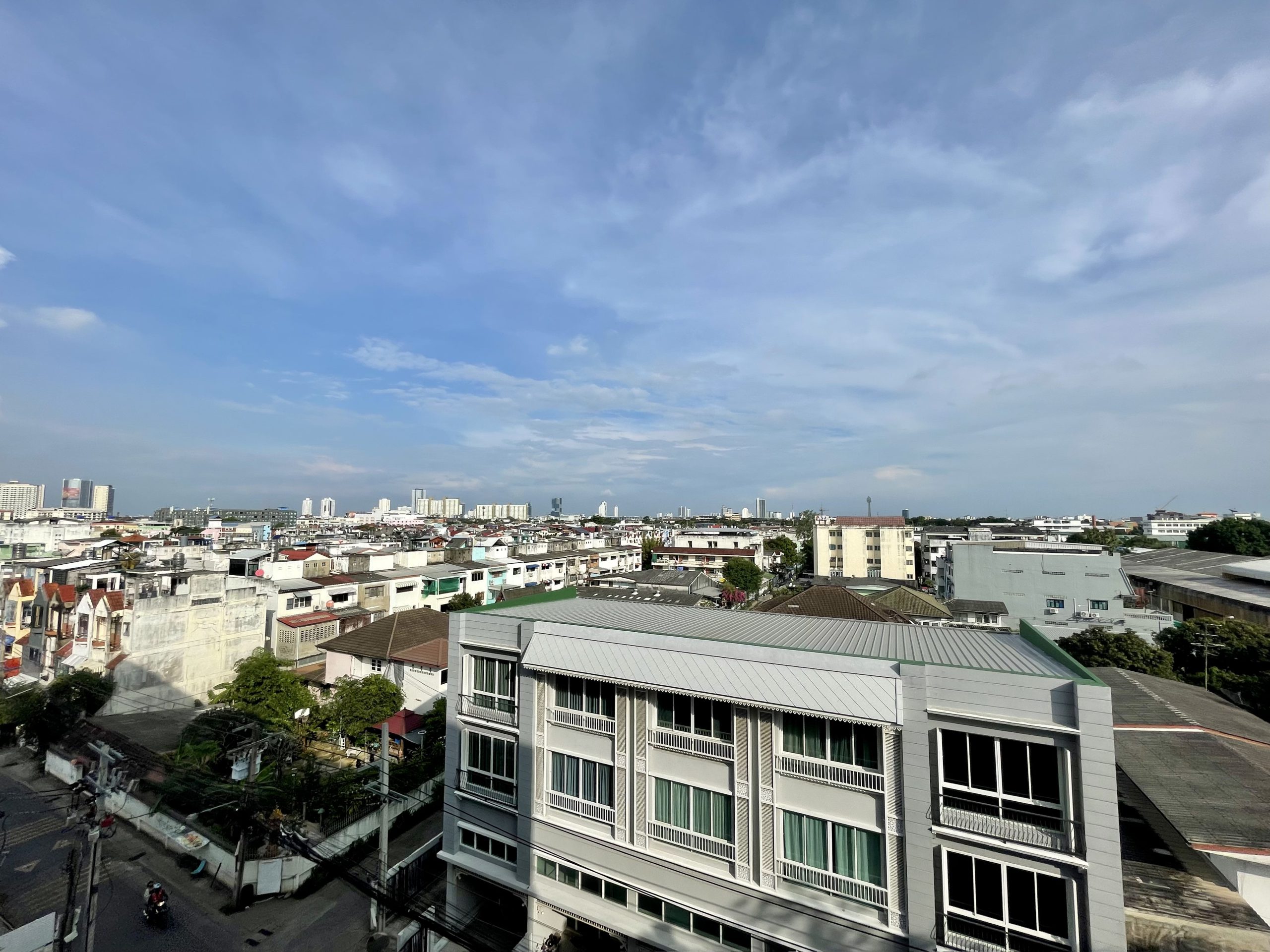
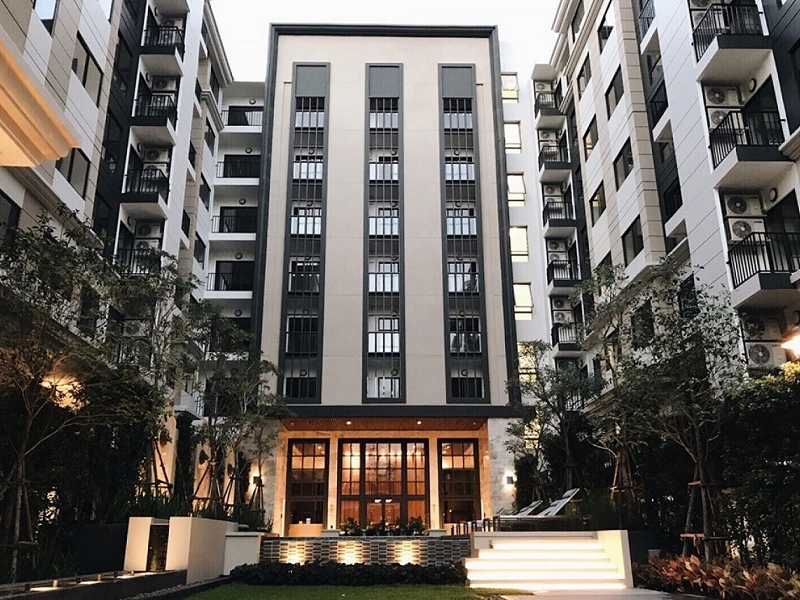
A balcony should be judged in Bangkok’s real heat, rain, wind and neighbouring context.
The right balcony depends on the resident. One person may want morning coffee and plants; another needs a utility zone or values only the outlook. Investors should also consider whether the space adds useful tenant appeal or creates an area that is difficult to maintain.
Measure usable space
Record the clear depth and width after allowing for doors, drains, air-conditioning equipment, railings and maintenance access. A balcony may appear large on a plan but accommodate little once circulation and door swing are considered.
If furniture matters, mark its dimensions and leave safe movement around it. Do not assume built-in seating, screens or storage can be added. Facade elements and visible alterations are commonly controlled by condominium rules and require confirmation.
Visit at different times
Orientation changes how the balcony feels. Morning and afternoon sun, reflected heat, prevailing rain and seasonal wind can all affect comfort. Visit at the time the resident expects to use the space and return after rain if possible.
Check whether shade comes from the building design, an overhang or a neighbouring tower. Temporary shade can disappear if nearby land changes, while deep overhangs may reduce daylight inside the unit. Balcony and interior light should be assessed together.
Depth, drainage, door clearance and shade determine whether outdoor space is genuinely usable.
Inspect drainage and waterproofing clues
Look for ponding, staining, cracked finishes, loose tiles, blocked drains and sealant failure around doors and thresholds. Ask how rainwater leaves the balcony and whether overflow paths could affect the unit below. Do not obstruct drains with furniture or planters.
Water marks do not diagnose the cause on their own. A professional inspection can help distinguish maintenance needs from a larger waterproofing or facade issue. Review how the juristic person manages shared exterior repairs and what is treated as an owner’s responsibility.
Check doors, levels and indoor impact
Open and close the balcony door with permission. Inspect locks, tracks, seals and the threshold. Consider whether wind-driven rain, dust or insects enter the living area and whether curtains or furniture block access.
The balcony should not compromise air-conditioning efficiency or make the interior difficult to furnish. If equipment is installed outside, listen for vibration and check that technicians can reach it safely without moving everything through the home.
An attractive outlook can improve daily enjoyment, but buyers should also investigate future obstruction and maintenance.
Treat safety as non-negotiable
Check railing condition, height, gaps, climbable elements and any changes made by a previous owner. Families with children and residents with pets need specialist advice on the exact risk. Never rely on improvised netting or screens without building approval and safe installation.
High-rise wind can move light furniture, pots and unsecured objects. Buyers should ask what the rules require during storms and whether anything may be attached to railings or the facade. A visually attractive setup is not worthwhile if it creates danger for residents or people below.
Listen and look beyond the view
A broad outlook may come with expressway, rail, construction or entertainment noise. Stand outside long enough to hear the normal background and sudden peaks. Then close the door and assess how much reaches the bedroom and living space.
Look down as well as outward. Service areas, car parks, loading zones and neighbouring balconies affect privacy and sound. Ask what can be built on adjacent plots and have a professional investigate planning and ownership information where the outlook is central to the purchase decision.
Understand permitted uses
Confirm the condominium’s current rules on plants, drying clothes, smoking, cooking, pets, storage, satellite equipment, screens and exterior furniture. Rules vary by building and can change through proper governance. A use seen on another balcony is not proof that it is permitted.
Also check whether the balcony is part of the unit’s registered area and how it is treated in the documents and sale calculation. Your lawyer can explain the transaction papers; the juristic office can explain current operating rules.
Plan plants for Bangkok conditions
Plants can add shade and enjoyment, but species, containers, drainage and wind exposure matter. Heavy pots may create load or movement concerns, while water runoff can affect neighbours. Choose a restrained arrangement that leaves drains and maintenance routes clear.
Consider how plants will be watered during travel and whether leaves or soil can blow from the balcony. Building management may have specific restrictions. A simple, well-maintained setup is usually more sustainable than a dense garden that depends on constant care.
Consider rental and resale appeal
For an investor, a balcony adds value only when the target tenant can use or appreciate it. A shaded, well-proportioned balcony may widen appeal, while an exposed ledge beside noisy equipment may add little despite being included in the floor area.
Keep maintenance and approval records for any permitted work. Avoid highly personal additions that narrow the next resident’s options. Buyers comparing units should price the balcony according to practical benefit, not simply its photographed view.
Balcony viewing checklist
Measure clear usable depth and door swing.
Visit during sun, rain and evening conditions.
Inspect drains, thresholds, tiles and staining.
Check railings, wind exposure and child or pet risk.
Listen for traffic, rail, equipment and venue noise.
Investigate neighbouring plots and privacy.
Confirm building rules for every intended use.
Compare practical benefit with the price paid.
A well-designed balcony can make Bangkok condo life more enjoyable, but only when it works safely in the city’s real climate and building context. Browse IBP’s expat living guides and district guides, or contact IBP Real Estate for a lifestyle-led property shortlist.
Thailand is accelerating operational improvements at Suvarnabhumi Airport, with passenger flow, inter-agency data sharing and immigration technology at the centre of a review announced by the Tourism Authority of Thailand on 17 July 2026.
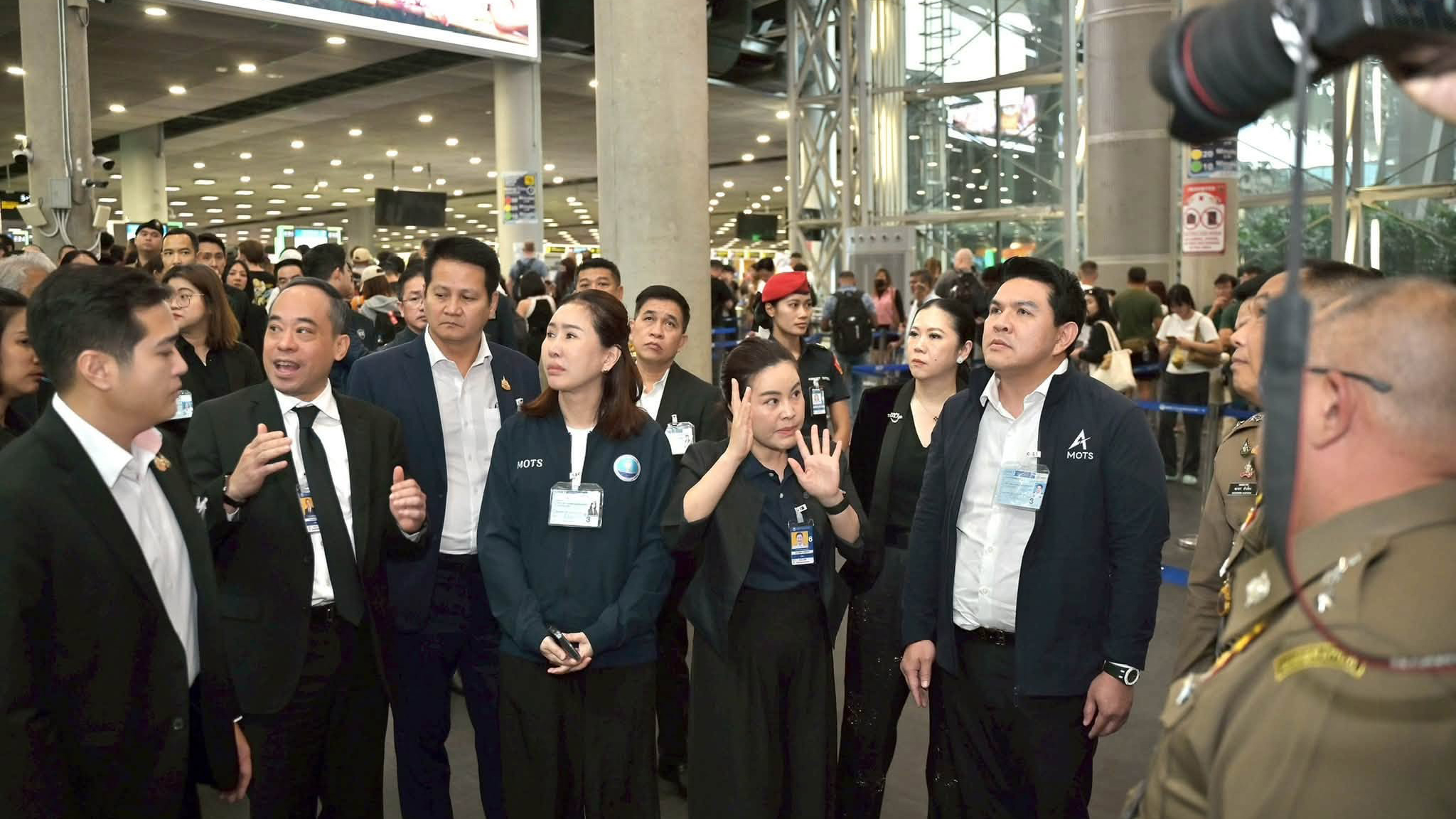
A multi-agency review on 16 July 2026 focused on passenger flow, coordination and service standards.
The programme matters to Bangkok property as part of the city’s international-connectivity story. A smoother gateway can support visitor confidence, business travel and Thailand’s premium positioning. It is not, by itself, a reason to expect higher condominium prices, and investors still need evidence for the exact district and unit.
What the official announcement covers
TAT said the Tourism and Sports Minister led a strategic review and operational inspection at Suvarnabhumi on 16 July. The Ministry of Transport, TAT, Department of Tourism, Tourist Police Bureau, Immigration Bureau and Airports of Thailand participated.
The agencies reviewed congestion management, passenger movement and service coordination. The stated approach builds on existing work rather than presenting a new terminal or rail project. Its focus is how the gateway operates for travellers now and through the next technology phase.
Data sharing is part of the capacity response
The release says agencies will strengthen real-time exchange of flight schedules and passenger-volume information. Better data can help staffing respond to peaks and allow airport, immigration and tourism services to coordinate more quickly when pressure builds.
Operational capacity is not only a question of floor area. Queue design, staff deployment, temporary waiting space and timely information can affect how effectively existing facilities handle demand. The review also covers passenger movement through immigration and other busy points.
The programme includes stronger data sharing, queue management and operational coordination at busy points.
Biometrics and automated channels are expanding
Technology is a central element. TAT reports that biometric identity checking will be expanded and automated passport-control capacity increased. At the time of the announcement, those channels were available to eligible passport holders from Singapore and Hong Kong.
The second phase is scheduled to begin in September 2026, and authorities will consider eligibility for travellers from other lower-risk markets. The official release says expanded automated-channel capacity is expected to reduce congestion in immigration areas by more than 50 per cent. That is an operational expectation to watch, not a completed result.
Why gateway quality matters to Bangkok
For an international buyer, the airport is often the first and last experience of the city. Predictable arrival, immigration and baggage processes make short business visits, viewing trips and repeat travel easier to plan. They also matter to executives, tourists, conference delegates and families moving between Bangkok and overseas markets.
Bangkok’s global appeal rests on a network: air services, airport access, urban rail, roads, hospitality, healthcare, retail and professional services. Improving one part can strengthen the whole journey, although the benefit will vary by traveller and location.
Expanded biometric and automated passport-control capacity is central to the announced improvements.
The property connection is indirect
Airport service improvements can reinforce confidence in Bangkok as a connected regional city. They may support hospitality, meetings, retail and corporate activity that feed the wider urban economy. However, an airport announcement does not establish rental demand for a particular condominium.
Investors should ask which tenant groups genuinely value frequent air access, how they travel to the airport and whether the unit also works for everyday life. A home still needs a defensible price, suitable layout, maintained building and realistic rent.
Different districts use connectivity differently
Residents near the Airport Rail Link may value a rail-led journey, while others choose expressways, taxis or private transport. Central business districts can benefit from broad international connectivity even when they are not geographically closest to Suvarnabhumi. East-Bangkok locations may offer road access but require careful peak-time testing.
Buyers should make the actual trip from a shortlisted building with luggage at a relevant time. Include the first and last mile, transfers, waiting and resilience when one route is disrupted. A map distance is not a complete connectivity measure.
What foreign buyers should monitor
First, watch whether the September phase begins as scheduled and which travellers become eligible. Second, look for measured changes in queue performance rather than relying only on targets. Third, track how flight schedules, passenger demand and ground transport interact with the service programme.
For property decisions, compare these gateway signals with leasing evidence, employment anchors and resident services. Connectivity is most valuable when it complements a neighbourhood that already works on ordinary weekdays.
A disciplined way to use the news
Treat the announcement as operational infrastructure context.
Distinguish scheduled measures from completed outcomes.
Test the real airport journey from a shortlisted building.
Identify tenants or residents who genuinely value air access.
Verify unit economics independently of the airport narrative.
Monitor the September technology phase and measured results.
Suvarnabhumi’s service programme supports Bangkok’s long-term case as an accessible international city, while careful property selection remains decisive. Read IBP’s infrastructure coverage and Thailand economy and investment news, or contact IBP Real Estate to connect citywide signals with a defensible shortlist.
Bang Chak sits on the Sukhumvit Line between On Nut and Punnawithi, offering foreign buyers a lower-Sukhumvit address with direct BTS access and a more residential character than Bangkok’s central luxury districts. Its appeal is practical rather than theatrical: everyday travel, local services and a range of condominium generations.
Bang Chak buyers should test the complete walk and platform journey at the times they expect to travel.
That does not make every Bang Chak BTS condo a sound purchase. The station label covers different walking routes, road conditions, building ages and unit types. Buyers should test the exact property against the resident they expect to live there and the audience likely to rent or buy it later.
Start with the complete BTS journey
Measure from the building entrance to the correct platform, including crossings, footpath quality, stairs, lifts and weather exposure. A short straight-line distance can become less convenient if the resident must cross Sukhumvit Road, navigate a narrow soi or wait for a shuttle.
Repeat the route during a busy morning and after dark. Check lighting, drainage and the final approach to the building. Buyers comparing several stations should use door-to-destination time, not only the number of stops shown on a rail map.
Understand the lower-Sukhumvit position
Bang Chak can suit residents whose routines run along the Sukhumvit corridor and who want rail access without paying purely for a central postcode. It also provides a comparison point between On Nut’s larger retail concentration and the Punnawithi-Bang Na business and technology direction farther east.
The best location depends on the commute. Someone working near an eastern office cluster may value the position differently from a tenant travelling daily to Asoke or beyond. Interchange time, crowding and last-mile transport should be tested in person.
Bang Chak includes different building ages and scales, so project-level comparison remains essential.
Compare building generations carefully
The district includes older condominiums, lower-rise projects and newer developments. An older building may offer a more generous layout or established management record, while a newer one may provide a modern specification and more efficient common areas. Neither age is automatically superior.
Inspect maintenance, lifts, water systems, parking, fire-safety arrangements, security and the condition of the facade and shared spaces. Review common fees, reserve planning, recent major work and meeting records with professional help. The future cost profile matters as much as the purchase price.
Judge the unit as a home
Bang Chak buyers should pay particular attention to orientation, road and rail noise, nearby construction, ventilation and privacy. Visit with windows open and closed. Check whether the balcony, bedroom and living area face traffic, another tower or land that could change.
Efficient layouts often travel better across tenant and resale markets than unusual shapes or excessive corridors. Measure furniture, storage and working space. A compact unit needs to function comfortably, not merely achieve an attractive price per square metre.
Map everyday convenience
Walk to the places a resident will use weekly: groceries, prepared food, cafes, pharmacy, laundry, banking, exercise and basic healthcare. Large destinations in nearby districts can be useful, but daily liveability is strongest when simple needs do not require a train or taxi.
Check delivery and visitor access at the building. Ask how riders are managed, where parcels wait and whether vehicles can collect passengers safely. These operational details influence both owner-occupiers and tenants.
Everyday groceries, food, services and last-mile convenience shape how the location feels to residents.
Define the likely tenant
A defensible investment case identifies a real tenant group. Possible audiences include professionals working along the BTS corridor, couples seeking a practical Sukhumvit base and residents who prefer value and space over a central nightlife address. The exact building and unit determine which group is realistic.
Compare achieved evidence where available, current competing listings, furnishing standard and time on market. Do not import rent assumptions from Thong Lo, Phrom Phong or a neighbouring new launch. Bang Chak should be underwritten on its own demand and the unit’s actual position.
Price must reflect alternatives
Buyers can compare Bang Chak with On Nut, Punnawithi, Udom Suk and other eastern-line locations. On Nut may offer broader retail and a larger rental profile. Punnawithi can appeal through specific office and lifestyle anchors. Udom Suk may suit residents looking farther towards Bang Na.
Compare total acquisition and holding cost, usable layout, walk quality and building condition. A nominal discount is not enough if the unit requires immediate renovation, faces higher operating risk or is difficult to distinguish from competing stock.
Keep resale broad
A future exit is more resilient when both Thai and foreign buyers can understand the property. Clear station access, sensible proportions, maintained common areas and documented costs widen the audience. A highly personalised fit-out or optimistic price can narrow it.
Retain juristic documents, maintenance invoices, leasing records and approved renovation papers. Evidence gives a future buyer more confidence and helps the unit stand out from listings that provide only photographs and claims.
Bang Chak viewing checklist
Walk the exact route to the correct BTS entrance.
Test common journeys at realistic times.
Inspect noise, heat, outlook and future obstruction risk.
Compare several building ages and management records.
Map groceries, food, health and daily services.
Define the credible tenant and resale audience.
Check competing units and achieved evidence.
Review common costs and planned building work.
A Bang Chak BTS condo can offer connected, practical Bangkok living when the exact unit supports the resident’s routine. Browse IBP’s district and rail guides and investment analysis, or contact IBP Real Estate for a lower-Sukhumvit comparison.
A foreign buyer should be able to answer a simple question before reserving a Bangkok condominium: who has the legal authority to sell this exact unit? A familiar building, polished agent presentation or convincing video call does not replace identity and authority checks.
The seller’s identity, ownership record and signing authority should form one consistent file.
The objective is to make the person, ownership record, contract and payment trail consistent. This guide is a practical briefing rather than case-specific legal advice. Buyers should appoint an independent qualified Thai lawyer to examine the documents and current Land Office requirements.
Identify the seller named in the ownership record
Ask the lawyer to inspect the relevant ownership evidence and compare the registered owner’s details with the seller’s identification. Names may appear differently across languages or documents, so unexplained spelling, sequence or transliteration differences should be resolved before signing.
Do not rely on a photograph of one page or a name copied into a sales brochure. The legal review should consider the complete current record, the unit particulars and any registered matters that affect transfer. A physical inspection should also confirm that the unit being shown is the unit described in the transaction file.
Check identification as a current document
The seller’s passport or Thai identification should be current and legible. Compare the photograph, identifying details and signature with the person participating in the transaction. Where certified copies are used, the lawyer should advise what certification and witnessing are appropriate for the purpose.
A copy sent through a messaging app is information, not a complete safeguard. Buyers should use a controlled process for collecting and storing personal data, sharing it only with professionals who need it. Sensitive documents should not circulate casually among unverified contacts.
Names, payment instructions and contractual capacity should be verified before money moves.
Establish who is signing
Sometimes the registered owner signs personally. In other cases, an attorney, corporate representative, executor, guardian or other authorised person may act. Each arrangement requires evidence that the signatory has valid authority for the specific transaction.
If a power of attorney is involved, have the lawyer review its scope, form, execution, dates and intended Land Office use. Confirm that it covers the necessary acts and that the seller is still able and willing to grant the authority. Never assume a person described as a relative, assistant or local representative can bind the owner.
Corporate sellers need an authority chain
Where the seller is a company, the buyer needs more than an individual’s business card. The legal team should examine the company’s current registration information, authorised directors, signing conditions and any internal approvals relevant to the sale.
Check that the name on the ownership record matches the legal entity in the contract and payment instructions. A trading name, project brand or related company is not automatically interchangeable with the registered owner.
Life events can change the file
Marriage, divorce, death, incapacity or insolvency can affect who must consent or who is able to transfer. The implications depend on the facts and applicable law. Buyers should tell their lawyer about anything in the documents or communications that suggests the ownership position has changed.
Do not try to resolve an estate or family-law question through informal assurances. Pause the timetable while the correct evidence and authority are established. The cost of delay is usually smaller than the risk of paying a party who cannot complete the sale.
Building records and an on-site inspection provide useful cross-checks for the transaction file.
Cross-check with building records
The condominium juristic office is not a substitute for legal due diligence, but its records can provide useful practical checks. With appropriate authorisation, ask about the recorded owner contact, outstanding common expenses, access arrangements and the process for documents needed at transfer.
Unexpected answers should be investigated. A different owner name, an unknown occupant or resistance to ordinary checks does not prove wrongdoing, but it is a reason to slow down and obtain clarity.
Control where money goes
Reservation money, deposits and completion funds should follow written instructions that match the reviewed transaction structure. Verify account changes through an independent known channel. Email compromise and impersonation risks make last-minute payment changes especially important to check.
Do not send funds to an unrelated personal account simply because someone says it is convenient. If an agent, lawyer or stakeholder is to hold money, understand the written terms, release conditions, refund process and identity of the regulated or responsible party.
Make remote checks stronger
Remote transactions need more structure, not less. Arrange a live identity check through trusted professionals, compare original documents where required and confirm how signatures will be witnessed or authenticated. Keep a clear record of who sent each document and when.
Use independently obtained contact details for the law firm, agency and other professionals. A phone number contained only in the same suspicious email does not provide an independent check. Buyers should also agree a verbal payment-confirmation step before any material transfer.
Keep the contract consistent
The seller name, unit details, price, payment account and signing capacity should remain consistent across the reservation, sale agreement, receipts and transfer preparation. If the commercial structure changes, the documents should be updated and reviewed rather than patched with informal messages.
Allow enough time for translation and questions. A buyer who does not read Thai should obtain a reliable explanation of the documents they are asked to sign. Pressure to sign immediately is a poor reason to bypass an identity or authority concern.
Seller identity checklist
Match the seller to the current ownership evidence.
Resolve name and transliteration differences.
Check current identification and signing capacity.
Review any power of attorney for the specific purpose.
Verify corporate authority where a company sells.
Ask whether life events affect consent or transfer.
Cross-check relevant building information.
Verify payment instructions independently.
Keep one consistent, lawyer-reviewed transaction file.
Tenant turnover is easy to treat as a short gap between leases. For a Bangkok condo investor, it is better understood as a complete operating event: the outgoing tenant leaves, condition is documented, repairs and cleaning are arranged, the unit is marketed, viewings take place and a suitable new tenant moves in.
Turnover assumptions should reflect the unit’s real tenant pool and competing supply.
Each step can absorb cash or time. A unit with an attractive gross rent may therefore produce disappointing results if tenants change frequently or the property is slow and expensive to reset. Foreign owners should build a turnover allowance before purchase and update it with real evidence after every tenancy.
Turnover cost is more than vacant days
Lost rent is the most visible cost, but it is not the whole calculation. The investor may also face agent fees, professional cleaning, linen or consumable replacement, touch-up painting, small repairs, appliance servicing, inventory work, photography, access-card administration and utilities carried during the gap.
Some spending may be recoverable from a deposit when the tenancy documents and evidence support a lawful deduction. Ordinary wear, owner maintenance and improvements are different. A prudent model does not assume the entire reset can be charged to the former tenant.
Build a unit-specific turnover allowance
Start with the expected length of a tenancy, not an optimistic assumption that every tenant renews. Estimate the realistic marketing period, preparation time and time needed to approve a new tenant under the building’s procedures. Add the cash items that typically arise for the unit’s specification and intended audience.
Convert the total into an annual planning allowance. If a turnover event is expected every two years, for example, spread a cautious event budget across that holding period rather than pretending the cost does not exist until it happens. The purpose is not a universal percentage; it is a transparent line in the investor’s own cash-flow model.
Cleaning, repairs, inventory checks and marketing time all affect the cost of a changeover.
Measure the gap in stages
A single vacancy figure can hide where performance is being lost. Record the date notice is received, the move-out date, inspection and cleaning dates, the date marketing goes live, first viewing, accepted offer and new lease commencement. This separates avoidable operational delay from genuine market time.
If preparation repeatedly takes too long, the owner may need a clearer contractor panel or earlier inspection. If enquiries arrive but offers do not, price, presentation or unit-market fit may be the issue. If there are no enquiries, the marketing strategy or demand assumptions deserve review.
Condition records protect the process
A signed inventory and dated photographs at move-in and move-out make the handover more disciplined. Record furniture, appliances, keys, access cards, meters and visible defects. The aim is not to create conflict; it is to give landlord, tenant and property manager a common factual record.
Agree who has authority to approve urgent work, obtain quotations and release the unit for marketing. Overseas owners can lose valuable days when every small decision waits for a different time zone. Written approval limits allow routine work to proceed while larger expenditure still receives direct consent.
Clear condition records help separate ordinary wear from chargeable damage.
Design and specification affect reset costs
Durable finishes, accessible appliances and replaceable furniture can make a unit easier to operate. Highly bespoke items may look distinctive but become costly when one component fails. Light-coloured upholstery, delicate surfaces and complicated smart-home equipment may demand more careful management than the target rent supports.
Investors should inspect how easily walls can be refreshed, curtains cleaned, air-conditioners serviced and furniture moved through lifts and corridors. A practical one-bedroom that can be reset predictably may outperform a more dramatic unit with fragile finishes and long replacement lead times.
Reduce downtime before the lease ends
Good turnover management begins before move-out. Review the notice provisions, confirm the inspection timetable and ask whether compliant viewings are possible while the tenant is still in occupation. Respect quiet enjoyment, privacy and building rules; aggressive access can damage cooperation and create risk.
Prepare marketing materials early, but use current photographs and disclose the real condition. Confirm what furniture remains, what will be repaired and when the unit can genuinely be handed over. A realistic availability date is more useful than attracting enquiries for a home that is not ready.
Compare property managers on execution
Management fees should be assessed alongside outcomes. Ask how a manager conducts inventories, handles deposits, supervises contractors, reports viewing feedback and controls keys. Request examples of owner reporting and clarify whether leasing, inspections, cleaning and repair supervision are separately charged.
A low headline fee can be poor value if the unit sits empty while decisions drift. Equally, a premium service is not automatically efficient. Investors need measurable timelines, clear authorisation and evidence of work completed.
Use turnover data when reviewing rent
The highest advertised rent is not necessarily the most profitable target. Holding out for a small monthly increase can destroy value if it adds several weeks of vacancy or requires incentives. Compare the expected additional rent with the cost of the longer gap and any higher leasing expense.
Retention also has value, but renewal should not be automatic. Review payment history, care of the unit, current market evidence and upcoming maintenance. A reliable tenant at a defensible rent may create a stronger net result than frequent re-leasing at ambitious asking levels.
Investor turnover checklist
Estimate realistic tenancy length and marketing time.
Budget lost rent, leasing, cleaning and repairs separately.
Keep signed inventories and dated condition photographs.
Set written repair-approval limits for the manager.
Track every stage from notice to new lease.
Choose durable, serviceable furniture and equipment.
Compare rent decisions on net cash flow, not asking price.
Update the allowance after each real changeover.
Tenant turnover costs do not make a Bangkok condo unattractive; they make disciplined underwriting necessary. IBP can help foreign investors compare rent evidence, operating demands and building fit. Browse our investment analysis and rental market guides, or contact IBP Real Estate for a unit-level assessment.