
Storage rarely leads a Bangkok condo viewing, yet it strongly shapes whether the home remains comfortable after suitcases, work equipment, cleaning supplies and everyday belongings arrive. Expat buyers should measure storage as carefully as bedrooms and balconies.
The right amount depends on lifestyle, household size and travel patterns. The aim is not to fill every wall with cupboards. It is to give necessary items sensible places without reducing circulation, light, ventilation or flexibility.
List what the home must hold
Before viewing, make a realistic inventory: daily clothes, formal wear, shoes, luggage, sports equipment, work materials, documents, household tools, cleaning items, spare linen and anything used for children or pets. Separate daily, seasonal and rarely used items.
Measure bulky belongings. A wardrobe can look generous but fail to fit long garments or large suitcases. Buyers relocating internationally should decide what will actually come to Bangkok rather than designing around possessions they plan to sell or store elsewhere.
Measure usable volume, not cupboard doors
Open cupboards with permission and check depth, shelf spacing, hinges, pipes, electrical panels and awkward corners. Count the space that can be reached and used safely. Tall cabinets are less helpful when upper shelves require unstable access.
Then examine the room around them. Drawers need clearance, wardrobes should not block doors and added cabinets should not narrow essential routes. Photograph and measure each storage zone so the furniture plan can be tested after the viewing.
Give the kitchen an item-by-item test
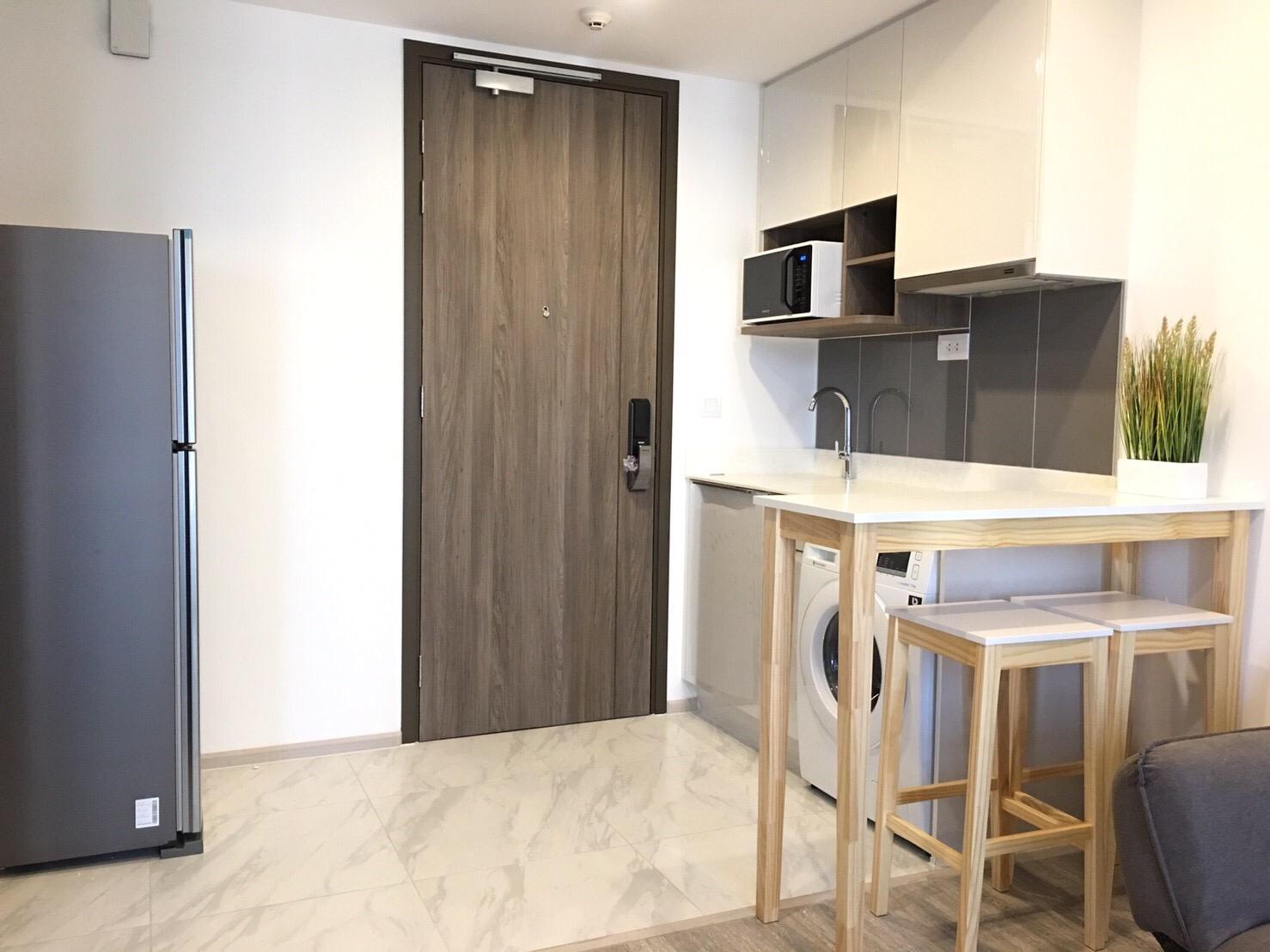
Kitchen storage must accommodate food, cookware, small appliances, waste sorting and cleaning supplies after built-in equipment has taken its share. Check ventilation and access around sinks, hobs, refrigerators and service points.
A deep cabinet is not automatically efficient. Pull-out fittings, clear shelf heights and easy-to-clean surfaces can matter more than nominal volume. Ask where drinking water, bulk groceries and infrequently used appliances would go without occupying the worktop.
Plan for Bangkok’s climate
Heat and humidity affect clothing, leather goods, paper and electronics. Inspect enclosed cupboards for odour, staining, swelling, corrosion or signs of poor air movement. Ask how the unit is ventilated when unoccupied and how air-conditioning is normally used.
Avoid pressing belongings against damp surfaces or blocking ventilation. Sensitive documents and valuables may need more controlled storage. If a unit shows moisture or pest clues, investigate the underlying condition rather than hiding it behind new cabinetry.
Protect circulation and safety
Storage should not obstruct exits, sprinklers, detectors, electrical panels, air-conditioning access, balcony drains or maintenance routes. Heavy objects belong on stable supports, while tall furniture may need appropriate professional securing where permitted.
Confirm building and fire-safety requirements before adding built-ins, drilling, changing walls or placing anything in common corridors. A contractor should check services and load considerations. Written juristic approval may be required for work that appears minor.
Use flexible furniture carefully
Ottomans, beds with drawers and modular shelving can add capacity without permanent work. Test whether they remain easy to operate in the actual room. A lift-up bed is not practical when its lid collides with a wall shelf or requires moving a desk.
Choose pieces that suit the unit’s proportions and can move through lifts, doors and corridors. For an investor, neutral flexible furniture may serve a wider tenant group than highly customised cabinets designed around one person’s belongings.
Decide where luggage lives
Frequent travellers need luggage storage that does not consume the entrance or bedroom floor. Measure nesting cases and consider whether they can be stored above wardrobes, under a bed or in a dedicated utility area without trapping moisture.
Do not assume the building provides secure external storage. If lockers or store rooms are advertised, confirm the right to use them, access rules, security, climate and whether they form part of the transaction.
Keep documents and owner equipment organised
Foreign owners should maintain a secure file for transaction records, warranties, manuals, inventories, insurance papers and juristic correspondence. Digital copies help, but original documents may still need protected physical storage.
Landlords also need a place for spare keys, appliance information and approved replacement items without cluttering tenant space. Access to any owner cupboard should be documented clearly in the lease and inventory.
Think about resale and tenant flexibility
Practical storage can help a compact unit feel calm and usable. Poorly placed cabinetry can make the same unit feel smaller. Buyers should compare how easily the home accommodates a couple, a home worker or a frequent traveller within the target market.
Avoid spending heavily on built-ins before the layout has been tested through real living. Well-made neutral additions may support appeal, while unusual finishes and fixed furniture can narrow the next resident’s options.
Storage checklist for a condo viewing
- List and measure the belongings that will move.
- Open cupboards and record clear internal dimensions.
- Check kitchen, laundry, luggage and document needs.
- Inspect for moisture, pests and damaged fittings.
- Protect exits, services and maintenance access.
- Test flexible furniture in the measured floor plan.
- Confirm rules before adding cabinets or drilling.
- Keep enough open space for changing routines.
Good storage makes a Bangkok condo easier to live in without asking the resident to own less than intended. Browse IBP’s expat living guides and foreign buyer guides, or contact IBP Real Estate for a layout-led viewing shortlist.