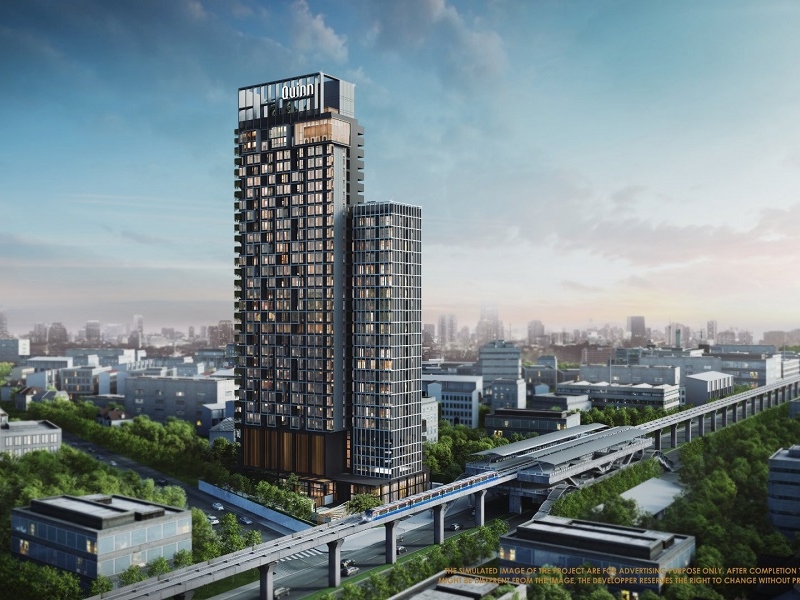
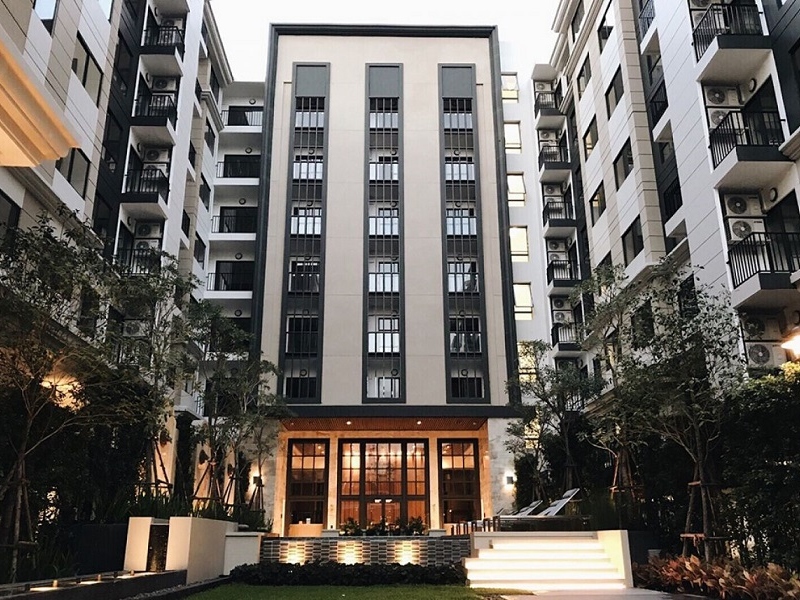
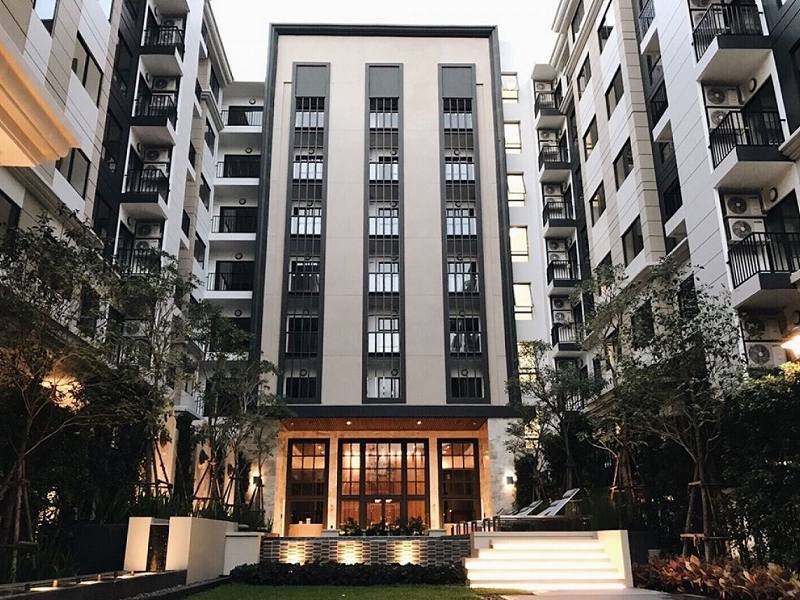
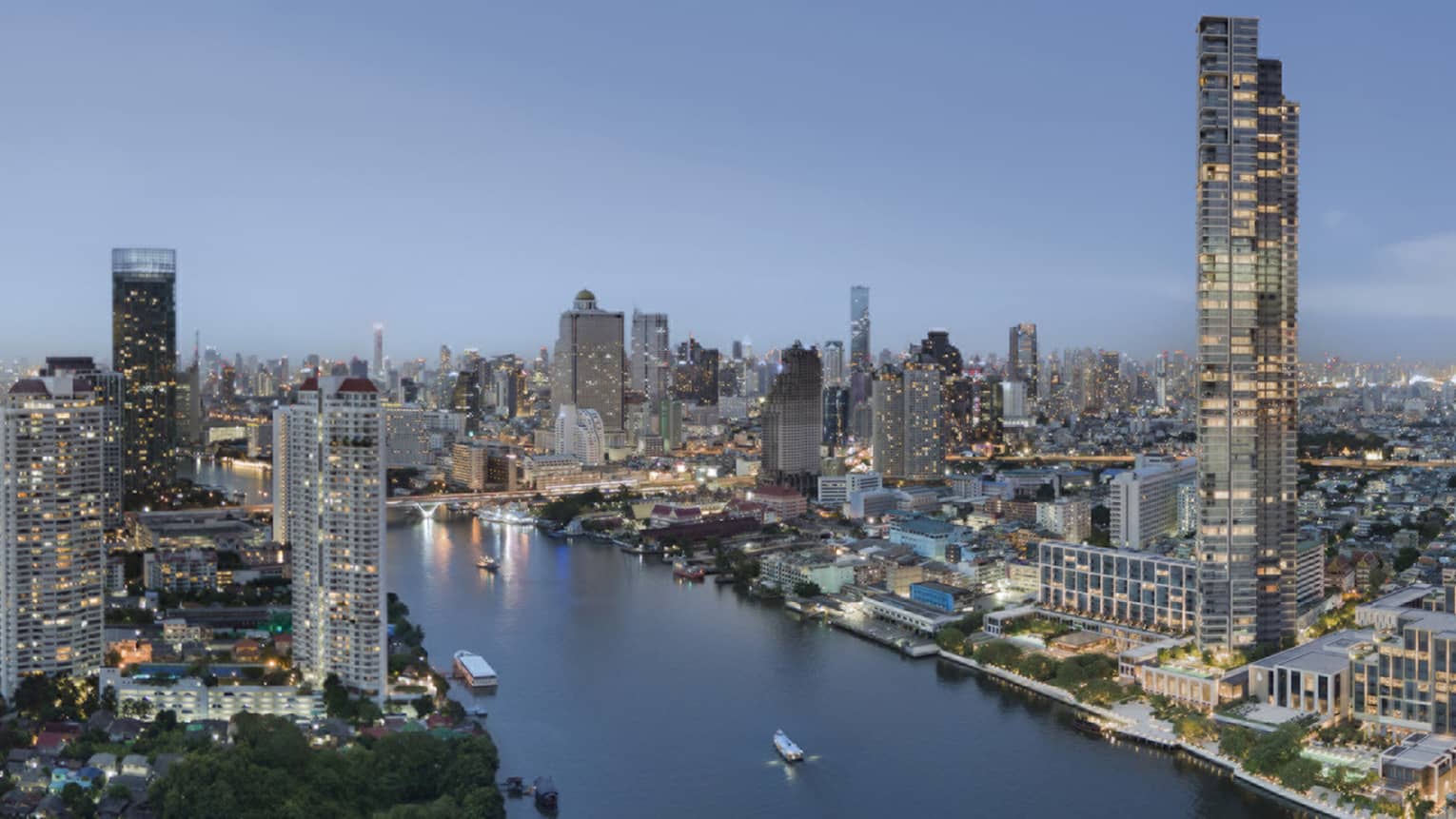
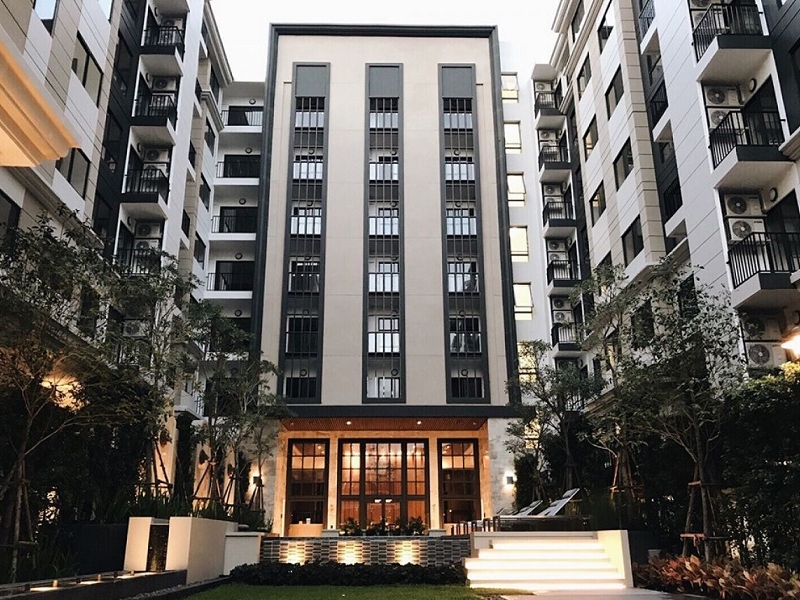
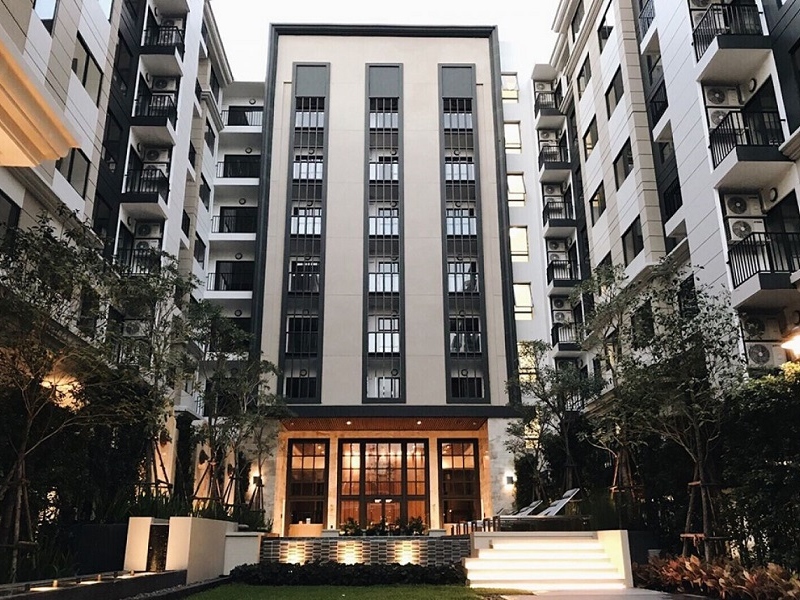
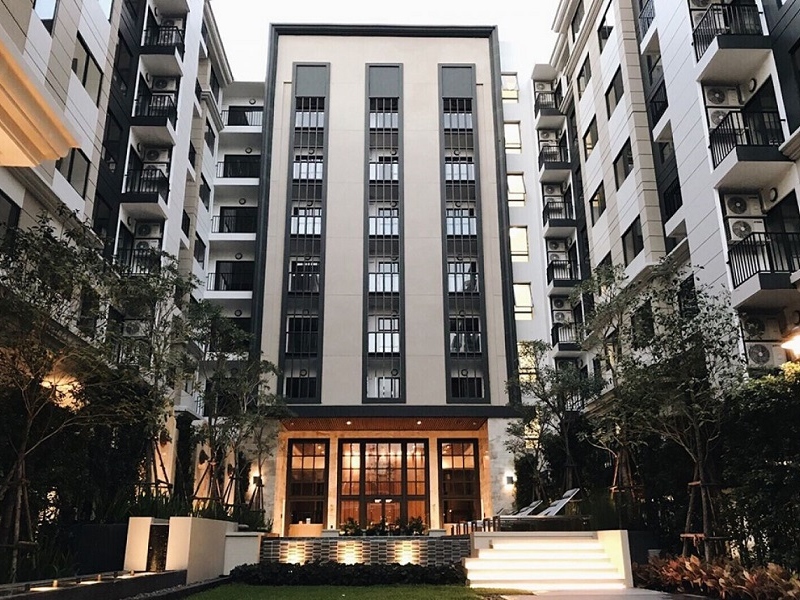
Bearing BTS sits near the eastern edge of Bangkok’s Sukhumvit Line, giving residents a direct rail connection into established employment, shopping and interchange districts. For foreign buyers, it can offer a more residential Upper Sukhumvit setting and a wider choice of budgets than prime central addresses.
Bearing belongs to a wider Upper Sukhumvit corridor, but buyers should judge the exact micro-location.
The station name alone is not an investment case. Bearing covers different street environments on both sides of Sukhumvit Road, and some buildings depend on shuttles, motorbike taxis or local driving. A strong decision therefore starts with the exact route, unit and likely resident.
Understand Bearing’s position
Bearing is on the BTS Sukhumvit Line beyond Bang Na and before Samrong. That places it within a corridor connecting central Bangkok with eastern residential and commercial areas. Rail access can be valuable for residents whose work or study fits the line, while road users can assess Sukhumvit Road and connections towards the wider east of the city.
Buyers should map real destinations rather than describe the area as generally connected. A tenant travelling to an office beside the Sukhumvit Line has a different routine from someone commuting across town, serving an industrial location or driving children to school.
Walk the station catchment
Measure the route from lobby to platform, not a marketing map’s straight line. Check pavement continuity, crossings, shade, lighting, drainage and the need to cross large roads or side-street traffic. Repeat the walk in heat, rain and the evening if those conditions matter to the household.
A short distance can still feel inconvenient when the entrance is on the wrong side of the road or the route is exposed. A slightly more distant building with a reliable shuttle, safe crossing and comfortable entrance may work better in daily life. Confirm shuttle hours and capacity rather than treating the service as permanent.
Building management and unit competition often matter more than the district label alone.
Define the likely tenant or resident
Bearing may suit professionals who use the eastern Sukhumvit corridor, residents seeking more space for their budget, couples with mixed rail and car routines, and people who value access towards Samrong or Bang Na. It will not suit every prime-city tenant, and investors should not assume demand simply moves outward when central rents rise.
Choose a target profile and test the unit against that person’s alternatives. A practical one-bedroom, family-sized layout or pet-friendly building each serves a different market. Furniture, storage, work-from-home space, parking and building rules should support the intended resident.
Compare the building, not only the district
Upper Sukhumvit contains projects of different ages, densities and management standards. Inspect the lobby, lifts, corridors, pool, gym, parking, security and service areas. Ask about common fees, sinking-fund planning, major works, insurance and the condominium juristic person’s record.
Count competing listings in the same building. If many units share the same layout and furniture package, price may become the main distinction. A better view, quieter position, useful storage or well-maintained interior can help, but only if the asking rent or sale price remains sensible.
Review retail and everyday services
Test the services residents use weekly: groceries, prepared food, cafés, pharmacy, fitness, banking, deliveries and medical access. Some needs may be beside the station; others may require a short ride or journey along the line. The right answer depends on the household, not the number of icons on a sales brochure.
Visit on a weekday morning and evening. Observe traffic, food options, taxi pickup, street comfort and how the building handles delivery riders. A district can feel convenient at midday and quite different during the commuter peak.
Daily convenience should be tested on foot and at the times a resident will actually use it.
Check rail and road resilience
BTS access is an important advantage, but a resident still needs alternatives. Examine taxi availability, parking, pickup space and routes to work, airport transfers or schools. If the investment depends on a precise journey time, test it repeatedly and allow for interchange and waiting.
For car users, review parking allocation, visitor parking, ramp design and peak traffic around the building. A unit marketed on rail access may still attract households with a car, particularly farther from the centre.
Inspect micro-location risks
Noise can come from trains, Sukhumvit traffic, side streets, nearby commercial uses or construction. Visit the exact unit with windows closed and open, and listen at different times. Check orientation, afternoon sun, outlook and nearby plots that may change.
Low-rise surroundings can provide an open view today without guaranteeing it for the holding period. Ask what is known about adjacent land and compare units whose value does not rely entirely on one view. Flood resilience, drainage and the covered route also deserve attention during wet weather.
Underwrite rent and resale conservatively
Use live competing units and credible achieved evidence where available. Separate asking rent from completed leases, and include vacancy, agent fees, common fees, repairs, furnishing replacement and management in the net-return model.
For resale, identify the next buyer. A foreign investor, Thai owner-occupier and local household may compare different features and financing. Confirm foreign quota and title details for the exact project. A lower entry price does not guarantee liquidity if many similar units are marketed at once.
Bearing viewing checklist
Time the full lobby-to-platform route in realistic conditions.
Map the target resident’s actual work and household journeys.
Compare unit layouts, furniture and competing listings.
Review juristic management, fees and planned building work.
Test groceries, food, healthcare, taxis and deliveries.
Inspect noise, heat, outlook, drainage and nearby plots.
Model net rent and a realistic resale audience.
Buyer takeaway
A Bearing BTS condo can be a practical Bangkok home or investment when rail access, building quality and resident fit align. Its appeal is strongest when a buyer values the eastern Sukhumvit corridor for real daily reasons, not merely because it appears cheaper than central Bangkok.
A Bangkok condominium can perform well in Thai baht while producing a different result when translated into an investor’s home currency. Rent, common fees, repairs and the eventual sale happen in Thailand, but many foreign owners compare the investment with savings, pensions or opportunities denominated elsewhere.
The property performs in Bangkok, while the investor may judge the result in a different reporting currency.
The answer is not to predict the next exchange-rate move. A more useful approach is to keep two return views: the operating performance of the property in baht and the cash outcome in the currency that matters to the investor. That separation makes the asset easier to review without confusing property skill with currency luck.
Choose the currency that answers the decision
The reporting currency should match the question. A Bangkok resident who expects to spend rental income in Thailand may care most about the baht return. An overseas investor saving for retirement in sterling, euros, dollars or another currency may also need to know what the cash is worth at home. A family with future expenses in two countries may need both.
Write the purpose beside the calculation. It prevents the investor from switching currencies simply because one view looks better. The baht result answers whether the unit is operating well in its local market. The home-currency result answers how the investment contributes to a wider balance sheet.
Record every capital transfer
Build a ledger for the purchase deposit, balance, taxes, legal work, furnishing, renovations and later capital spending. For each transfer, record the baht received, the foreign-currency amount sent, the exchange rate used and bank or transfer charges. Keep the original inward-remittance evidence required for the ownership and future transfer file.
Do not reconstruct the investment from today’s rate. The historical cash cost is what was actually exchanged at each date. If several transfers were used, each belongs in the ledger. This method also reveals how much apparent investment performance came from the property and how much came from currency movement.
A clean record of transfers, fees and exchange rates makes the investment result easier to explain.
Measure rental income in two stages
First calculate the local operating result. Start with rent collected, then deduct vacancy, leasing commission, management, common fees, repairs, insurance, owner-paid utilities, tax support and a realistic allowance for replacement. This produces a baht cash result that can be compared across years.
Only then translate the amount. Use the rate applicable when cash was actually converted or transferred. If rent remained in a Thai account for local expenses, labelling it as though it had been remitted at a chosen year-end rate can overstate precision. Show retained baht cash separately from converted cash.
Separate income return from capital return
Rental cash flow and sale proceeds behave differently. Income arrives throughout the holding period, while most capital is released at exit. An owner can therefore experience acceptable annual rent in baht but a weaker home-currency sale result, or the reverse.
For a review, show gross rent, net operating cash, capital spending and any sale proceeds as separate lines. Apply the relevant exchange rate to each real cash movement. Avoid turning an asking price into a realised return. Until a sale completes and costs are known, the resale figure is only a scenario.
Model an exit range, not one exchange rate
A sensible exit model uses several exchange-rate scenarios rather than a single forecast. Combine those scenarios with conservative, central and stronger baht sale prices and realistic selling costs. The result is a range showing which assumption matters most.
This does not predict the market. It shows sensitivity. If a small change in the baht or sale price turns the plan from comfortable to unacceptable, the investment may have too little margin. A longer selling period, lower leverage, better cash reserve or different unit may produce a more resilient position.
Currency movement can change the reported return, but it cannot rescue weak rent, costs or building quality.
Keep property quality at the centre
Currency movement can improve or weaken the reported return, but it does not change the unit’s layout, tenant appeal, building management or resale competition. A weak asset should not be defended because the exchange rate moved favourably. A sound asset should not automatically be sold because one translation date looks unfavourable.
Review rentability, vacancy, maintenance, juristic management, nearby supply and the likely buyer pool in baht terms. These are the variables an owner and adviser can investigate. Currency is a portfolio exposure to manage, not a substitute for due diligence.
Avoid expensive reaction trading
Foreign owners sometimes delay essential repairs, rush a sale or transfer money repeatedly in response to short-term currency moves. Each action can create fees, poor timing or damage to the property’s competitiveness. Define in advance which cash must stay in Thailand for costs and which may be remitted.
Where a large future transfer is expected, ask a regulated bank or qualified adviser about practical options, documentation and risks. Do not use unlicensed transfer channels, and do not assume a financial product is suitable simply because it reduces one currency exposure.
Build a currency-aware property dashboard
Show purchase and capital costs at their actual historical exchange rates.
Calculate net property cash flow in baht before translation.
Separate retained Thai cash from amounts actually remitted.
Track bank and transfer charges rather than hiding them in the rate.
Model sale price, selling cost and exchange rate as separate variables.
Compare the result with the investor’s real future spending currency.
Keep title, remittance, tax and bank records organised for exit.
Investor takeaway
Bangkok condo foreign-currency returns are clearest when local asset performance and portfolio translation are measured separately. Bangkok’s deep service economy, regional connections and varied rental districts can support a long-term case, but the unit must work in baht before currency movement is allowed into the story.
A private lift is one of the clearest signals used to position a Bangkok condominium as premium. It can create a discreet arrival, reduce corridor traffic and make a large residence feel more like a private home. It can also add service complexity, maintenance dependence and space that does not automatically improve the investment case.
A luxury purchase should be judged as one operating experience, from arrival and lifts to facilities and management.
Foreign buyers should judge the feature as part of the entire building. The useful question is not whether the brochure says private lift. It is how access, security, circulation, backup systems, service routes and long-term operating costs work for the exact unit.
Understand what is actually private
The term can describe different arrangements. A lift may open directly into one residence, serve a small group of units, stop at a controlled private foyer or be shared but programmed with access cards. Ask who can call the lift, which floors it serves and whether residents, staff, deliveries and contractors use the same car.
Inspect the space outside the apartment entrance as carefully as the living room. Is the foyer on the title area, common property or an area the owner merely uses? Who cleans it, maintains finishes and controls alterations? A lawyer should confirm title and use rights rather than relying on a floor plan label.
Test security as a complete sequence
A direct lift should not bypass good identity and visitor control. Follow the route from vehicle drop-off or parking through the lobby, access gate, lift call, floor arrival and apartment door. Ask how visitors are admitted, how deliveries are handled and whether a lost card can be disabled promptly.
The private foyer still needs a secure apartment entrance. Buyers should understand whether the lift can arrive when the residence is empty, whether doors or cameras cover the arrival area and how building staff respond to a system fault. Privacy is strongest when technology, staffing and resident procedures support each other.
Private arrival is valuable only when the whole tower delivers strong security, maintenance and resident service.
Separate resident and service movement
Luxury living involves ordinary work: housekeeping, luggage, groceries, repairs, rubbish removal and furniture delivery. A well-designed building may provide a service lift, back entrance or controlled service route so the formal arrival remains calm. If every task uses the private foyer, privacy may be more visual than operational.
Ask how cleaners and technicians are registered, where they wait and which lift they use. Test whether large items can reach the unit without damaging finishes. Overseas owners should also know how an authorised manager gains access when the resident is away.
Inspect lift capacity and waiting time
Low unit density can support short waits, but only if the number of lifts, zoning and maintenance are suitable. Visit during morning and evening periods where possible. Check travel time, ventilation, sound, card response and how smoothly the doors align with the foyer.
A private destination does not guarantee a dedicated lift car. If the same lift serves many floors, daily performance still depends on traffic and programming. Ask how many units share each lift bank and what happens when one car is out of service.
Ask about backup and emergency operation
Buyers should understand the building’s plan for power failure, fire alarms, maintenance shutdown and medical access. Confirm which stairs or alternative lifts reach the residence and how residents are notified about planned work. Never assume that direct access means the lift can be used during every emergency.
The route should suit the household. Older residents, children, staff and frequent guests may need particularly clear backup access. If the apartment occupies a high floor, lift reliability becomes a daily liveability issue rather than a decorative amenity.
Buyers should test how the lift lobby connects with the entrance, bedrooms, service route and everyday privacy.
Review the floor plan around arrival
A good private foyer creates a graceful transition without consuming excessive saleable area. Check whether guests enter into a view of the living space, a dark enclosed box or a route that exposes bedrooms and household work areas. Storage for shoes, coats, umbrellas and deliveries may be more useful than a large but empty lobby.
Consider noise and privacy at both doors. Lift machinery, door chimes, conversations and service movement may be audible. The apartment entrance should provide suitable separation, and the floor plan should allow residents to receive a visitor without opening private family areas.
Examine maintenance and cost
Lifts are shared building systems even when the arrival feels exclusive. Ask about maintenance contracts, service history, inspection routines, expected replacement planning and how costs sit within common fees and sinking-fund strategy. The juristic person’s records and meeting decisions can be more revealing than polished finishes.
In a low-density building, strong service can be expensive because fewer owners share the operating cost. That may be entirely appropriate for the target market, but an investor should include the real common fee and future capital-work risk in net-return planning.
Consider tenant and resale demand
A private lift can appeal to senior executives, families, high-profile residents and owner-occupiers who value discretion. It can improve the emotional experience of a viewing and help a large unit feel distinct. The rent or resale benefit is not automatic; tenants also compare location, view, layout, service, furnishing and total monthly cost.
For resale, ask whether the next buyer understands the feature and can support the building’s operating costs. A strong address with reliable management and scarce large-format units may defend the feature better than a project where private arrival is used to distract from weak fundamentals.
Private-lift viewing checklist
Confirm the lift, foyer and access arrangement for the exact unit.
Follow resident, visitor, delivery and service routes.
Test security, card control and apartment-door separation.
Inspect waiting time, ride quality and backup access.
Review emergency and maintenance procedures.
Check title, common-property and alteration boundaries.
Model common fees and long-term lift capital works.
Compare the feature with real tenant and resale demand.
Buyer takeaway
A Bangkok luxury condo private lift is valuable when it improves privacy, circulation and service inside a well-managed building. It is weaker when access is confusing, backup is poor or the price assumes a prestige premium that future residents may not pay.
IBP can help foreign buyers compare premium Bangkok residences through building operations as well as design. Explore our investment analysis and foreign buyer guides, or contact IBP Real Estate for a luxury-condo shortlist.
A Bangkok condo investment should not run indefinitely on the assumptions used at purchase. Rent changes, tenants move, buildings age, nearby projects open and an owner’s own priorities evolve. A structured annual review helps a foreign investor decide whether the unit still deserves its capital and attention.
An annual review should reconnect the unit with current district demand rather than rely on the original purchase story.
The review is not a prediction exercise. It is a disciplined comparison between the original plan and the evidence available now. Done well, it can reveal small problems before they become forced decisions and can also confirm when a good asset simply needs patient ownership.
Begin with the original investment case
Retrieve the purchase memo, offer comparison or spreadsheet used when the condo was acquired. Record the expected holding period, target tenant, assumed rent, vacancy allowance, owner costs, furnishing budget and likely exit audience. If there was no written case, create a short one from the best records available.
Then ask which assumptions remain true. The building may still serve the same expatriate tenant group, or a new office, school, retail project or transport pattern may have changed demand. The unit may have performed well but required more repairs than expected. An honest baseline prevents the owner from judging the asset only by the latest rent payment or an optimistic asking price.
Review income as cash received
Use rent actually collected during the review period. Separate contracted rent from late payments, concessions, free periods, repair reimbursements and deposits. If the unit was vacant, record the dates and the reason: pricing, condition, slow agent response, seasonal timing or a mismatch between the unit and the target tenant.
Compare the current lease with genuinely similar units where evidence is available. The closest comparison is normally the same building, layout band, furnishing standard and condition. Online asking rents can be useful context, but they should not be treated as completed transactions. Ask the letting agent what tenants rejected and why, not only what they eventually accepted.
Building management, maintenance and competing listings can change while the title remains the same.
Rebuild the ownership cost
An annual review should include common fees, property management, leasing commission, cleaning, repairs, appliance replacement, insurance, accounting support, bank charges and owner-paid utilities. Spread irregular expenses over a realistic holding period rather than pretending they do not exist in quiet years.
Furnishing deserves its own line. Mattresses, sofas, curtains, air-conditioners and kitchen equipment wear at different rates. A unit can show acceptable gross rent while losing competitiveness because the owner repeatedly delays ordinary refresh work. The goal is a realistic operating return, not a perfect headline yield.
Inspect the building like a future buyer
Walk the lobby, corridors, lifts, parking, pool, gym, service areas and immediate street route. Note changes in cleanliness, staffing, security, maintenance and resident behaviour. Ask for current information on common fees, major works, insurance, meeting decisions and any arrears or disputes that may affect ownership.
A strong juristic person can protect daily comfort and resale confidence. Weak maintenance can erode both even when the private unit is attractive. Foreign owners should not assume that silence from the building means nothing has changed; make the review an active request for information.
Measure rental competitiveness
Count competing units that a tenant would realistically consider, then compare layout, floor, view, furniture, light, storage, internet readiness and access. A unit does not need to be the cheapest. It needs a clear reason to be chosen at its rent.
Review the leasing process as well as the product. Slow approvals, missing keys, poor photographs and unclear viewing access can extend vacancy. An overseas owner may need one accountable local manager with authority to arrange cleaning, small repairs and viewings within an agreed budget.
The unit should be reviewed as a tenant, owner and future buyer would experience it today.
Test resale depth without assuming a sale
Identify who would buy the unit today: a Thai owner-occupier, another foreign investor, a regional family, a lifestyle buyer or an existing tenant. Compare the unit with active alternatives and any credible completed-sale evidence available. Check whether foreign quota, title documents, fee clearances and the original inward-remittance file remain organised.
Resale readiness is useful even when the owner intends to hold. A clean file and presentable unit preserve options. If the likely buyer pool has narrowed, the owner can respond early through pricing discipline, maintenance, improved records or a longer planned selling window.
Separate asset problems from temporary friction
One repair or a short vacancy does not automatically invalidate the investment. Look for patterns. Repeated leaks, falling tenant interest, unresolved building works, rising costs without better service or many identical listings may point to a structural issue. A single quiet month or normal appliance replacement may simply be part of ownership.
The decision should reflect severity, recurrence and control. Problems the owner can solve through presentation, management or pricing are different from a deteriorating building or a permanently difficult location.
Choose one action for the next year
Conclude the review with a clear action: hold with no change, refresh and re-let, adjust the management arrangement, build a larger reserve, prepare for resale or obtain professional advice on a specific legal or tax issue. Assign dates, budgets and responsibility rather than leaving the conclusion as a general intention.
If a sale is being considered, work backwards from document preparation, repairs, photography, tenant status, bank coordination and a realistic marketing period. If holding, decide which indicators would trigger another review before the next annual date.
Annual investor checklist
Compare the original plan with current rent and tenant evidence.
Reconcile cash received, vacancy and every owner-paid cost.
Inspect the unit, building and street route in current conditions.
Review juristic information, planned works and management quality.
Compare realistic rental and resale alternatives.
Confirm that ownership, banking and tax records remain complete.
Choose a funded action for the next twelve months.
Investor takeaway
A Bangkok condo annual review turns passive ownership into an informed hold, rent or sell decision. Bangkok can remain an attractive long-term base because of its transport, services, healthcare, hospitality and regional connections, but every unit still needs to earn its place in the portfolio.
Sanam Pao offers a central Bangkok address with a quieter residential character than the busiest interchange districts nearby. It sits on the BTS Sukhumvit Line between Ari and Victory Monument, giving residents a direct rail connection while keeping much of the immediate neighbourhood lower key.
Sanam Pao buyers should measure the complete lobby-to-platform journey at the times they normally travel.
For foreign condo buyers, the appeal is not a single landmark. It is the combination of central access, established offices and institutions, nearby dining districts and side streets that can feel calmer than major commercial nodes. The investment question is whether a particular building turns that location into an easy daily routine.
Understand Sanam Pao’s position
Sanam Pao should be viewed as part of the wider Phahonyothin corridor. Ari lies one stop north with a stronger cafe and neighbourhood identity. Victory Monument lies one stop south with intensive transport and everyday services. Phaya Thai and Siam are further along the line, connecting residents to major employment, retail and airport-transfer routes.
This position can suit residents who want central movement without living directly above the busiest retail or nightlife zones. It can also appeal to people whose work or study takes them across north-central Bangkok. Buyers still need to test the exact journey rather than treating every address near the station as equally convenient.
Walk the full station route
Measure from the unit door to the platform, including lifts, lobby exit, pavements, crossings and station access. A short map distance can feel longer in heat or rain, particularly where a route has limited shade, uneven surfaces or heavy traffic. Visit during a normal weekday commute and again after dark.
Buildings deeper in side streets may offer greater quiet or larger plots, but residents may rely on motorcycle taxis, ride-hailing or shuttle services. Check whether that arrangement remains comfortable for the intended resident, including visitors, older family members and people carrying work bags or groceries.
Assess the neighbourhood as a weekly routine
Sanam Pao is less retail-saturated than Siam, Asoke or Phrom Phong. That can be a benefit for residents seeking calm, but it makes the immediate service check more important. Map groceries, pharmacies, cafes, casual food, laundry, clinics, fitness, parcel services and evening transport from the exact building.
Side-street character, daily services and comfortable walking routes shape the district’s residential appeal.
Many residents will use nearby Ari and Victory Monument for a wider choice. The question is whether those trips feel like useful optional variety or a requirement for every basic errand. A strong residential location should handle ordinary weekdays without unnecessary friction.
Compare Sanam Pao with nearby districts
Ari usually carries a more recognisable lifestyle story and can attract buyers who prioritise restaurants and neighbourhood atmosphere. Victory Monument offers broader transport intensity and everyday services but can feel busier. Phaya Thai adds Airport Rail Link relevance and stronger interchange logic.
Sanam Pao can win for a buyer who values balance: direct BTS access, a central location and a less commercial immediate environment. It can lose when a building is too far inside a soi, lacks useful nearby services or is priced as though it offers Ari’s lifestyle depth or Phaya Thai’s interchange advantage.
Match the unit to a real resident
Potential residents may include professionals, healthcare or public-sector staff, university-linked households, couples and people who want fast access to central Bangkok without a heavy nightlife environment. Each group has different expectations for size, parking, desk space, storage and building services.
Compact one-bedroom units need efficient plans and a clear rent position. Larger units need a strong reason for families or owner-occupiers to choose Sanam Pao over Ari, Phaya Thai or quieter residential areas elsewhere. Do not assume that centrality automatically creates demand for every unit type.
Building management, unit efficiency and competing stock matter more than the station name alone.
Inspect building quality closely
The area contains buildings of different ages, scales and management standards. Review lifts, lobby control, corridors, facade, pool and gym condition, water systems, fire safety information, parking, parcel handling and juristic communication. Older stock may offer more space, while newer stock may present better but contain many similar units.
Ask how many comparable units are currently marketed in the building and nearby. If several one-bedroom units compete, furniture, light, view, condition and asking rent can decide which one receives enquiries. A station label is not enough differentiation.
Check noise, privacy and orientation
Phahonyothin Road, the elevated railway, institutional activity, schools, construction and side-street movement can create different sound patterns. Visit with windows open and closed, stand quietly in the bedroom and check the corridor and lift position. Higher floors are not automatically silent.
Orientation also affects afternoon heat, glare and outlook. Look at neighbouring plots and low-rise buildings that could change over a long holding period. A pleasant current view should be valued conservatively unless its protection is clear.
Rental and resale strategy
Landlords should compare live alternatives across Sanam Pao, Ari, Victory Monument and Phaya Thai using the same budget and unit size. Allow for furnishing, vacancy, management, common fees, repairs and the time required to prepare a unit between tenancies.
For resale, the listing needs a simple explanation. The strongest story may be a genuinely short BTS walk, a quiet position, an efficient plan or good building management. If the explanation relies only on “central Bangkok”, future buyers may find many substitutes.
Sanam Pao buyer checklist
Walk the exact lobby-to-platform route at realistic times.
Map daily services within a comfortable radius.
Compare Ari, Victory Monument and Phaya Thai alternatives.
Define the likely tenant or owner-occupier before choosing a layout.
Inspect building management, lifts, parking and common areas.
Check road, rail, corridor and neighbouring-property noise.
Review live rental and resale competition in the same budget.
Complete legal and foreign-ownership due diligence on the exact unit.
Buyer takeaway
A Sanam Pao BTS condo can suit foreign buyers who want central access with a more residential feel than nearby transport and lifestyle hubs. The best choices make the station walk easy, the weekly routine practical and the unit competitive on its own merits.
IBP can help buyers compare Sanam Pao with Ari, Victory Monument, Phaya Thai and other rail-connected districts. Browse our Bangkok district guides or contact IBP Real Estate for a location-led shortlist.
“Scarce freehold” is one of the most persuasive phrases in Bangkok property marketing. It can describe a genuine investment advantage, but it can also compress several untested assumptions into two words. Foreign buyers should ask what is scarce, who values it and whether the specific unit will remain competitive when it is time to rent or sell.
Scarcity begins with the precise location and the alternatives a future buyer can realistically consider.
Freehold tenure alone does not create scarcity. Many condominiums are freehold, and buyers usually compare several locations, buildings and unit types. A defensible scarcity case needs a limited substitute set, durable resident demand, sound building management and a purchase price that does not already overcharge for the story.
Define the claim precisely
Start by rewriting the sales claim in plain language. Is developable land limited within a short walk of a particular BTS or MRT station? Is the building one of few options with a certain unit size, outlook or residential character? Is the wider district tightly supplied, or is only one sales phase nearly sold out?
These are different propositions. A sold-out project may still face many resale competitors. A rare large layout may appeal to families but have a smaller buyer pool. A tightly held central address may be genuinely difficult to reproduce, yet an inefficient unit in that address can still be slow to sell.
Map realistic substitutes
Scarcity should be tested from the future buyer’s perspective. List the buildings and districts that someone with the same budget could reasonably choose. Include resale stock, completed developer inventory, nearby launches and locations one or two rail stops away. Buyers rarely restrict themselves to the boundary used in a brochure.
Compare total ticket size, usable area, station route, building age, common areas, ownership cost and the likely work required after transfer. A project can look unique until the search is widened to include an older but larger building or a newer project with a better daily routine.
Separate land scarcity from product scarcity
Central Bangkok land can be difficult and expensive to assemble, but land scarcity does not automatically make every unit on that land desirable. The building may contain many similar compact units, face weak views or offer layouts that date quickly. The property product still needs its own reason to win.
A scarce address cannot compensate for weak management, ageing systems or an undifferentiated building.
Product scarcity is more specific. It might come from a practical three-bedroom plan, a genuinely protected outlook, unusually low residential density, strong privacy, direct park access or a building quality that has been maintained over time. Each point should be observable and compared with alternatives.
Test whether demand is broad enough
A scarce asset has limited supply, but an investable scarce asset also needs buyers or tenants who care. Define the likely audience: local owner-occupiers, regional families, foreign executives, retirees, professionals or collectors of prime residences. Then ask what that group prioritises and whether the unit meets those priorities without explanation.
For example, a large unit can be rare but expensive to furnish and hold. A high-floor view can be distinctive but exposed to afternoon heat. A boutique building can feel private but have fewer owners sharing major maintenance costs. Scarcity is useful only when the trade-offs remain acceptable to the target market.
Inspect the building’s ability to preserve value
A rare address can lose appeal if the building is poorly managed. Review juristic-person records through suitable professional due diligence, common-fee collection, planned major work, sinking-fund position where relevant, lift and facade condition, security, fire systems and the quality of resident communication.
Buyers should also study the owner mix and resale environment. If many comparable units appear at once, the building can become its own largest competitor. If owners maintain units to very different standards, future buyers may use the weakest listings to negotiate against the strongest.
Do not pay twice for the same story
The most important investment question is price. A property can be genuinely scarce and still be a poor purchase if the asking price assumes flawless future demand. Compare the unit with documented live alternatives and, where available through appropriate advisers, relevant transaction evidence. Adjust for condition, floor, orientation, view, size, furnishing and transfer structure.
Build at least three scenarios: the intended holding case, a slower resale case and a case in which competing supply improves. The unit should not depend on rapid appreciation to cover an aggressive entry price, high ongoing costs or a narrow exit audience.
The unit itself must remain easy to understand, occupy, rent and resell even when the wider location is tightly supplied.
Check foreign-buyer relevance
Foreign purchasers also need to confirm that the transaction structure, ownership eligibility, foreign-quota position and fund-transfer evidence suit their circumstances. Marketing language about freehold does not replace legal due diligence on the precise unit and condominium.
Liquidity may differ between local and foreign buyer segments. A future foreign buyer may value English-language records, transparent management, an easy transfer file and a location that can be understood remotely. An owner should preserve those practical strengths throughout the holding period.
A simple scarcity scorecard
State exactly what is limited and within what geographic boundary.
List realistic new-build, resale and neighbouring-district substitutes.
Identify the resident group that values the scarce feature.
Test building management and future capital-work exposure.
Compare the unit’s layout, orientation and condition with direct rivals.
Check whether the entry price already captures an excessive premium.
Model a slower resale without relying on appreciation.
Confirm the foreign-ownership and transaction file independently.
Investor takeaway
Bangkok condo freehold scarcity can support value, but only when the scarce feature is precise, useful and difficult to replace. The strongest investment case combines a defensible location, a practical unit, a well-run building, broad enough demand and a price that leaves room for uncertainty.
Thailand’s investment applications rose strongly in the first half of 2026, led by digital infrastructure and artificial-intelligence data centres. The official figures strengthen the case for watching Thailand as a regional business platform, but Bangkok property investors should read them as a pipeline signal rather than immediate proof of housing demand.
The BOI reported a sharp rise in investment applications during the first half of 2026, led by digital infrastructure.
The Board of Investment reported on 23 July that foreign and domestic applications reached about 1.47 trillion baht across 1,299 projects, up 37% from the same period a year earlier. Digital-sector applications accounted for about 1.12 trillion baht, making the composition as important as the headline total.
FDI drove most of the increase
According to the BOI release, foreign direct investment applications rose 80% year on year to about 1.37 trillion baht across 877 projects. Singapore submitted the largest value, followed by the United Kingdom, China, Taiwan and Japan.
Those origin rankings need context. Corporate structures, project size and sector concentration can produce large swings. The more useful takeaway is that investors from several major markets continue to evaluate Thailand for digital, electronics, automotive, food, logistics and advanced-industry activity.
Digital infrastructure dominated the pipeline
Data centres, hosting and cloud services were central to the first-half surge. This fits Thailand’s effort to build digital capacity for companies serving domestic and regional markets. Related demand extends beyond server buildings to power, cooling, networks, engineering, security and professional services.
The concentration also creates questions. Data centres require significant infrastructure and can be capital intensive without employing as many people per baht as some labour-heavy industries. Property buyers should therefore focus on the mix of headquarters, technical teams, suppliers and service companies that develops around the investment, not the capital value alone.
Digital projects dominated the value of first-half applications, but investors should distinguish approvals and applications from completed operations.
Other sectors broaden the story
The BOI also reported applications in electrical appliances and electronics, agriculture and food processing, logistics and high-value services, automotive production, materials, chemicals and automation. This breadth matters because a resilient economy is less dependent on one project type.
Energy investment accompanied the digital pipeline. The BOI counted 198 clean-energy initiatives within the first-half energy and utilities applications. Reliable, cleaner power and grid capacity will be important if Thailand is to convert digital interest into operating assets over time.
Applications are not completed investment
The BOI figures include several distinct stages. Applications indicate interest, while promotion approvals represent another point in the process. The agency separately reported approvals for 1,300 projects valued at about 1.31 trillion baht in the first half.
Neither figure means that every baht has already been spent. Projects still require land, permits, utilities, financing, construction, equipment and hiring. For property analysis, announcements should be followed by implementation milestones and evidence of sustained business activity.
Employment is the bridge to housing demand
The BOI said projects approved in the first half are expected to generate more than 82,000 jobs. The property relevance depends on where those jobs are located, the skills and incomes involved, and whether employees choose central Bangkok, suburban nodes or locations near industrial estates.
Bangkok can benefit as the country’s headquarters, finance, legal, consulting, education and international-services hub even when physical projects sit elsewhere. Senior staff, regional teams, vendors and visiting specialists may support rental and owner-occupier demand, but the effect will vary sharply by district and transport corridor.
For Bangkok property, the durable signals are implementation, skilled hiring, supplier activity and sustained international business presence.
What Bangkok property buyers should monitor
First, look for confirmed office expansion and sustained hiring rather than treating a national application total as a city-wide rent forecast. Second, watch infrastructure delivery, especially power, digital networks and transport. Third, identify districts that connect efficiently to major employment and airport routes.
Buyers should also follow actual leasing conditions. Comparable rents, vacancy, tenant profiles and competing completions remain more reliable for a particular condo than macroeconomic headlines. Strong national investment interest can support confidence while a poorly selected unit still underperforms.
A positive signal, not an investment guarantee
The first-half figures show that Thailand remains capable of attracting substantial project interest during a period of global uncertainty. The digital share points to a more technology-intensive investment cycle, while the broader sector mix provides supporting depth.
For foreign Bangkok property buyers, the disciplined conclusion is constructive but measured: follow the pipeline into operations, jobs and recurring corporate activity, then connect that evidence to specific residential markets. Do not substitute national capital applications for property-level due diligence.
Branded residences and luxury condos in Bangkok can occupy the same premium streets, offer impressive amenities and target similar international buyers. The distinction is not simply that one carries a famous name. It lies in the operating model, service promise, contracts, ongoing cost and buyer audience.
A recognised hospitality brand can shape service expectations, but buyers still need to assess the residence as property.
A foreign buyer should compare both formats as long-term homes and assets rather than as showroom experiences. The stronger choice is the one whose location, unit, management and cost structure match the buyer’s actual use, holding period and exit strategy.
Define the product before comparing it
A branded residence usually operates under an agreement involving a hotel, hospitality, design or lifestyle brand. The brand may influence design standards, resident services, operating procedures and marketing. The exact role varies, so the name alone does not explain the product.
A luxury condominium can deliver premium architecture, large units, concierge-style staffing and extensive facilities without an international residential brand. Some are developed and managed by highly experienced Thai groups. Compare what is contractually and operationally provided rather than assuming one label guarantees superiority.
Understand who does what
Identify the developer, landowner, sales entity, condominium juristic person, property manager and brand operator. Ask how responsibilities change after completion and which organisation residents will deal with day to day. A strong launch team does not necessarily remain the long-term operating team.
For a branded project, have independent counsel review the agreements and disclosures relevant to the brand relationship. Understand its term, renewal arrangements, standards, fees and consequences if the relationship changes. Buyers should not assume a brand name remains attached forever under every circumstance.
Compare service you will actually use
Branded residences may offer hotel-informed concierge, housekeeping coordination, dining access, wellness support or other personalised services. Ask which services are included, which are charged separately, operating hours, booking rules and whether availability depends on an adjacent hotel.
A luxury condo may provide fewer named services but still offer efficient reception, security, engineering and resident support. For many owners, prompt maintenance and consistent management are more valuable than a long service menu. Rank services by realistic frequency of use.
Location, outlook and mixed-use connections can be as important as the brand attached to a residence.
Analyse recurring cost, not just purchase price
Request a clear schedule of common charges, reserve or sinking-fund contributions, service fees and pay-per-use items. Check how budgets can change and which facilities the residence is responsible for maintaining. Mixed-use shared areas require particular clarity.
Compare cost per year and over the intended holding period. A higher operating charge may be reasonable where staffing and service genuinely support the owner’s lifestyle and preserve the building, but it reduces net rental income and affects the pool of future buyers.
Study the exact unit
Premium shared spaces cannot correct an unsuitable home. Measure room proportions, furniture walls, storage, kitchen function, privacy, service access, laundry, lift journey and parking. Test light, heat, noise and the likelihood that the view remains protected.
Large branded residences may target owner-occupiers and long stays, while smaller luxury units may serve a broader leasing market. These are tendencies, not rules. Compare the exact floor plan with the household or tenant profile rather than relying on project positioning.
Test hotel and mixed-use relationships
An adjacent hotel, retail centre, office or park can add dining, security, convenience and destination value. It can also create traffic, events, shared access and operating complexity. Walk all routes between the residence, arrival areas, parking and public realm.
Ask which facilities are exclusive, shared or merely nearby. A marketing illustration can make separate components appear seamlessly connected. Legal rights, access rules, hours and future operating decisions determine how the relationship works after purchase.
Model rental fit carefully
A recognised brand can help an overseas tenant understand service expectations, yet rent still depends on unit size, location, supply, lease rules and affordability. Do not convert a brand premium automatically into a yield premium.
Check minimum lease terms, management requirements, furnishing standards, pet rules and any restrictions on rental activity. Estimate agency costs, vacancy, service charges, maintenance and replacement before comparing net outcomes with an unbranded luxury condo.
Wellness and hotel-style amenities need to be tested against actual use, operating cost and long-term maintenance.
Plan for resale from the start
Ask who is likely to buy the unit later. A distinctive branded residence may appeal to a focused international and domestic luxury audience, while a well-located luxury condo may have a broader pool. Neither is automatically more liquid.
Review competing inventory, developer-held units, future phases and the number of similar layouts. Consider how a buyer will judge the building after the launch period: management quality, condition, resident experience and transparent operating cost become more important than early publicity.
Review the brand and developer separately
The hospitality or lifestyle brand and the property developer contribute different capabilities. Research the developer’s completion record, build quality, defect handling and after-sales process. Separately, understand the brand’s experience in residences and the scope of its role in Bangkok.
Independent legal, tax, technical and financial review remains necessary in both formats. A global name does not replace title, foreign-quota, contract, remittance or physical checks, and an established local luxury developer should be assessed with the same discipline.
Comparison checklist
Identify every party and its long-term role.
Read the terms governing the brand relationship.
Price included and optional services separately.
Compare recurring charges over the full holding period.
Inspect the exact unit and access routes.
Clarify shared and exclusive mixed-use facilities.
Bangkok condo rent growth can improve an investment outcome, but it should never be the figure that rescues a weak purchase. Foreign buyers are better served by underwriting today’s achievable rent carefully and treating future increases as a scenario to test, not an entitlement.
Rent growth needs support from real tenant demand, income and mobility within the exact employment corridor.
The city contains many separate rental markets. A new office cluster, improved transport connection or stronger international hiring may support one corridor while an oversupply of similar units limits another. The useful analysis therefore begins with the likely tenant, the exact building and current competing stock.
Start with an evidence-based current rent
Before forecasting growth, establish the rent a normal tenant would pay now. Use recent completed leases where credible evidence is available, then compare current asking rents in the same building and genuinely competing projects. Deduplicate listings that show the same unit through several agents.
Record unit size, layout, floor, view, condition, furnishing, parking, lease date and inclusions. A high advertised figure for a renovated corner unit should not automatically set the baseline for an ordinary interior-facing home. If the starting rent is overstated, every later forecast compounds the error.
Define the tenant and affordability ceiling
Write down who is expected to rent the unit, where they work or study, the household size and which transport routes matter. Corporate expatriates, internationally mobile professionals, local managers, students and families can respond differently to changes in rent and building quality.
Rent cannot rise indefinitely because tenants can move, renegotiate, reduce space or switch districts. Compare the proposed rent with credible alternatives that offer a similar commute and lifestyle. An investor should understand the point at which the target resident gains too many better-value choices.
Separate market growth from unit improvement
A higher rent after replacing appliances, improving storage or refreshing furniture does not necessarily prove that the market grew. Part of the change may be a return on capital expenditure or simply the removal of a condition discount. Keep these effects separate in the model.
List any work required to achieve the improved rent and include downtime, contractor costs, delivery, management and future replacement. A modest rent increase may be worthwhile, but only after the full cost and remaining useful life of the upgrade are understood.
Building management, ageing and competing units influence whether higher asking rents can be sustained.
Measure competing supply inside the building
Tenants often compare several units during one visit. Count similar homes advertised in the building, note how long they remain available and identify repeated price reductions or incentives. A large pool of near-identical inventory can hold rents down even when the wider district is popular.
Future supply matters as well. New completions can introduce fresh amenities and launch promotions, while ageing buildings may require stronger management and refurbishment to remain competitive. Compare the likely handover dates and unit mix of nearby projects without assuming every announced unit will target the same resident.
Use renewals as a separate decision
A rent review for a reliable existing tenant is not identical to pricing an empty unit for the open market. Renewal preserves occupancy and may avoid agency fees, cleaning, repairs, marketing and a vacant period. Those savings should be considered before demanding the highest visible asking rent.
Ask how the tenant values continuity, whether the unit still matches alternatives and what service issues need resolving. A smaller evidence-led increase with a dependable tenant may produce a stronger net result than a larger target followed by turnover and vacancy.
Model three rent paths
Build a conservative, central and upside case. The conservative path can hold rent flat for a period and include normal vacancy. The central path should reflect the best available building and tenant evidence. The upside path should require identifiable drivers such as proven demand, limited competing supply or a completed improvement.
Do not apply one annual percentage mechanically across a long holding period. Rent changes are often uneven: a lease may remain unchanged during occupancy, move at renewal or reset after refurbishment. Model the actual lease cycle so cash-flow timing is visible.
Keep gross rent and net income apart
Higher rent does not flow entirely to the owner. Allow for agency fees, common charges where owner-paid, repairs, insurance, taxes, management, furnishing replacement and vacancy. Overseas owners should also budget for currency movement and the cost of sending or retaining funds.
Track net operating cash flow beside gross rent. If costs rise faster than rent, the owner can receive less despite an apparently stronger market. This is why a durable building, efficient layout and sensible maintenance plan matter to the investment case.
A better-finished unit may defend its position, but improvements should be tested against the rent tenants will actually pay.
Look for evidence before each increase
Refresh the comparison set before marketing, renewal and any major refurbishment. Ask agents for recently completed transactions, not only current listings, and record what was included. Review tenant feedback, days on market and concessions so the effective rent is not hidden by headline pricing.
For an off-plan purchase, rerun the analysis before handover because the original sales forecast may be several years old. Competing buildings, resident preferences and operating costs can change during construction. The first lease should be based on conditions at completion, not the launch brochure.
Rent-growth underwriting checklist
Establish an achievable current rent before forecasting.
Define the likely tenant and realistic alternatives.
Separate market movement from money spent on the unit.
Count similar available units inside the building.
Model renewals differently from new tenancies.
Use conservative, central and upside paths.
Track net income after vacancy and operating costs.
Refresh the evidence before every leasing decision.
Charoen Nakhon offers a distinctive Bangkok proposition: Chao Phraya river frontage, established local streets, major hospitality and retail, and a short Gold Line connection to the wider BTS network. For foreign buyers, the district can combine premium city living with a different rhythm from the central Sukhumvit corridor.
Branded riverside residences illustrate Charoen Nakhon's premium positioning, but buyers should compare the exact unit, service model and price.
The name, however, covers varied micro-locations. A tower beside a river pier, a condominium near Charoen Nakhon station and a lower-rise building deeper in Khlong San can deliver very different journeys, views and tenant markets. Buyers should judge the exact route and building rather than buying the district label.
Understand the transport pattern
The Gold Line has three stations—Krung Thon Buri, Charoen Nakhon and Khlong San—and connects with the Silom Line at Krung Thon Buri. This short feeder function is useful, but a resident’s real journey may include walking, waiting, interchanging and a second train before reaching work.
Test the route at the time it will be used. Note pavement continuity, shade, major-road crossings, station entrances and the distance from the platform to the Silom Line connection. A building marketed as close to rail may still require an uncomfortable or indirect walk.
Treat the river as transport and environment
Boat services can expand access to destinations on both banks, depending on the pier, timetable and operating conditions. They can also make leisure trips more enjoyable. A buyer who intends to rely on a boat should verify the exact service rather than assume every nearby pier offers the same connections.
River proximity also shapes outlook, wind, humidity, noise and building maintenance. Inspect the unit in different weather and at different times. Ask how the project manages facade care, water ingress, drainage, basement protection and emergency procedures. A dramatic view does not replace technical due diligence.
Choose the right Charoen Nakhon micro-location
Near ICONSIAM and Charoen Nakhon station, the appeal is immediate access to retail, restaurants, services and a recognised destination. The trade-off can be visitor traffic, event activity, pickup congestion and a more commercial atmosphere. Walk the surrounding streets beyond the mall to understand weekday life.
Closer to Krung Thon Buri, the Silom Line interchange can simplify commuting towards Sathorn and central Bangkok. Other parts of Khlong San may feel more residential and local, but last-mile transport becomes more important. Compare the same journey from several buildings before assigning a location premium.
The district's amenity depth adds convenience, while daily liveability still depends on groceries, transport and street access.
Match the unit to the likely resident
A compact unit aimed at a single professional needs an efficient plan, practical storage and a dependable commute. A larger riverfront home may appeal to couples, families or owner-occupiers who value views, dining and hotel-style facilities. These groups do not necessarily pay for the same features.
Check whether the unit’s furniture and room sizes support actual living. Large balconies and full-height glazing can be attractive, but heat exposure, privacy and maintenance matter. In family-oriented layouts, review kitchen ventilation, bedroom separation, laundry space and access to schools and healthcare.
Compare building generations carefully
Charoen Nakhon includes established condominiums and newer high-profile projects. Older buildings may offer larger rooms or proven management, while newer properties may provide modern amenities, efficient systems and stronger presentation. Neither age nor branding is a substitute for records and inspection.
Review common-area condition, lift capacity, fire-safety arrangements, reserve planning, common fees and major works. Ask about owner-occupier and rental patterns, competing listings and any restrictions relevant to the intended use. For a resale, investigate alterations and verify what is included.
Analyse views without overpaying
A river view can support personal enjoyment and market differentiation, but its value depends on width, orientation, permanence and the unit’s overall quality. Visit in daylight and after dark. Look across nearby land parcels and ask what could legally be developed rather than treating open space as protected.
Compare the premium with alternative units in the same building and competing river locations. A partial view from an efficient, quiet unit may have stronger rental logic than an expensive frontage with difficult heat or layout. Use completed transactions where available, not only asking prices.
Project management, flood resilience, unit efficiency and competing supply need building-level investigation.
Plan for rental and resale liquidity
For landlords, define the real tenant pool: nearby office workers, hospitality executives, families, long-stay residents or people prioritising river lifestyle. Test achievable rent against unit-specific comparables and include vacancy, agency, furnishing and maintenance costs.
For resale, ask who is likely to buy the unit later and how many similar homes may compete. Very high floors, unusual layouts and premium views can be differentiators, but a narrow buyer pool may require patience. Foreign quota availability must be checked for the specific transaction and timing.
Complete foreign-buyer due diligence
Foreign buyers should obtain independent legal advice on eligibility, title, contract, funds remittance and Land Office transfer. Confirm the condominium’s foreign ownership position through appropriate current documentation. Inspect the property technically and reconcile plans, title information and the physical unit.
Build a complete acquisition budget covering price, negotiated transfer-cost allocation, professional advice, furnishing, common fees, sinking fund where relevant, insurance and a maintenance reserve. A premium address is investable only when the numbers and ownership process remain workable.
Charoen Nakhon viewing checklist
Test the full walk, Gold Line ride and interchange.
Verify any boat service you expect to use.
Visit the street on a weekday, weekend and evening.
Inspect heat, privacy, noise and view protection.
Review drainage, maintenance and building records.
Compare unit-specific rent and resale evidence.
Confirm foreign ownership eligibility and funds documents.
Budget for operating costs and future maintenance.
A projected yield is only as dependable as the rent behind it. For a foreign investor, Bangkok condo rental comps are the bridge between an attractive listing and a realistic operating plan. The objective is not to find the highest advertised rent, but to identify what a comparable tenant is likely to pay for the exact unit in normal market conditions.
Rental evidence is most useful when it comes from the same tenant market, budget band and commute pattern.
Bangkok is not one rental market. Demand changes by station, street, building, unit type and tenant profile. A carefully built comparison set helps an investor separate genuine pricing power from optimistic marketing and makes later decisions about furnishing, negotiation and cash reserves more disciplined.
Start with the tenant, not the headline yield
Define who is likely to rent the unit and why. A compact one-bedroom near a major office cluster may serve a different market from a larger two-bedroom near international schools. Their search channels, lease budgets, commuting tolerances and expectations are not interchangeable.
Write a short tenant hypothesis before collecting listings. Include likely household size, workplace or school corridor, preferred transport, lease length, furnishing standard and essential services. This prevents unrelated high rents from entering the comparison merely because the properties share a postcode.
Build a tight comparison set
Begin inside the same condominium. Recent rentals in the same building are usually the best starting point because they share management, facilities, access and brand perception. If evidence is thin, widen the search gradually to genuinely competing buildings rather than the whole district.
Record the building, floor area, bedroom count, floor, orientation, view, condition, furniture, parking, advertised rent, known agreed rent, listing date and current status. Note where information is unverified. A simple spreadsheet is more valuable than a collection of screenshots with no dates or context.
Separate asking rent from achieved rent
Public portals show what owners hope to receive, not necessarily what tenants finally pay. Repeated listings may also represent the same unit through several agents. Deduplicate by photographs, layout, floor, size and description before treating the results as separate evidence.
Ask active local agents about recent completed deals and how long comparable units took to lease. Owners and juristic offices may offer useful context, subject to privacy and accuracy limits. Give the greatest weight to evidence with a credible leasing date, clear unit specification and confirmed transaction status.
Layout, condition, furnishing and view can explain why two units in one building achieve different rents.
Adjust for differences that tenants notice
A raw price-per-square-metre calculation can conceal important differences. Tenants experience room proportions, storage, privacy, daylight and noise rather than abstract floor area. An efficient 45-square-metre plan may compete better than a larger unit with awkward circulation.
Review view protection, afternoon heat, lift proximity, traffic noise, balcony usability, appliance quality, internet readiness and work-from-home space. Treat branded furniture cautiously: condition and functionality usually matter more than the original retail cost. Adjustments should be modest and evidence-led, not invented to justify a target rent.
Use time and availability correctly
A rent agreed eighteen months ago may not represent the market at the next handover. Record when each comparable was marketed or leased and whether it reflects a peak relocation period, an unusually urgent owner or a corporate tenancy. A small, current set can be more useful than a large collection of stale listings.
Also count competing units available now. If many similar homes are advertised in one building, a tenant can negotiate or choose the best-presented option. Scarcity can support pricing, but only when demand is real. Availability should therefore sit beside achieved rent in the analysis.
Normalise what the rent includes
Confirm whether the quoted rent includes common-area charges, parking, internet, cleaning, servicing or other benefits. Check the expected deposit, advance payment and minimum lease term. Two apparently equal rents may produce different net outcomes when the inclusions and owner obligations differ.
For a furnished unit, prepare a replacement schedule for air conditioners, appliances, mattresses, curtains and small equipment. A premium rent that requires frequent refreshes can be less attractive than a slightly lower, stable rent with simpler upkeep.
Convert the evidence into three cases
Use a conservative case, a central case and an upside case. The conservative figure should reflect slower leasing or stronger competition without assuming a crisis. The central figure should be supported by the best current comparables. The upside figure should require identifiable advantages, not general confidence about Bangkok.
Apply the same discipline to vacancy, agency fees, repairs, insurance, taxes and management. Gross rent is not distributable income. A purchase still needs to work after realistic operating costs and an allowance for periods between tenants.
A comparable becomes stronger when its condition, leasing date and included items can be checked rather than assumed.
Recheck the comps before making an offer
Rental evidence can change during a long purchase process, especially for an off-plan unit. Refresh the comparison shortly before reservation, before major non-refundable payments and again when planning the first tenancy. For a resale purchase, compare the seller’s claimed history with supporting documents where lawfully available.
Do not assume that a guaranteed or suggested rent proves open-market demand. Read the commercial terms, identify who carries vacancy and operating risk, and test the property against ordinary competing leases. Independent legal and tax advice remains important for the ownership structure and rental activity.
Rental-comparable checklist
Define the likely tenant and their practical search area.
Start with the same building and widen only to true competitors.
Deduplicate repeated listings and date every item.
Distinguish asking rents from completed leases.
Adjust for layout, condition, view, noise and included services.
Count current competing inventory and leasing time.
Sutthisan sits on Bangkok’s MRT Blue Line in the broader Ratchada corridor. For foreign buyers, its appeal is practical rather than ceremonial: rail access, established neighbourhood routines and a range of condominium ages. The investment case still depends on the exact street and building.
The useful measure is the complete home-to-platform journey at the times a resident normally travels.
A station name is only the beginning of the search. Sutthisan includes busy roads, quieter residential lanes and routes whose comfort changes with traffic and weather. Buyers should walk the complete journey and compare buildings with the resident profile they genuinely intend to serve.
Place Sutthisan in the wider network
The Blue Line connects the area with major interchange and employment districts across Bangkok. That can support residents whose routines span offices, education, retail and services in different parts of the city. It does not make every nearby condo equally convenient.
Test the direction of travel, interchange burden and late-evening return. A resident who works north of the station may value different access from one commuting towards central business areas. Verify current rail information before relying on a particular route.
Measure the real station walk
Map distances can hide crossings, narrow pavements, slopes, construction, poorly lit sections and the position of station entrances. Walk from lobby to platform during a weekday morning, after dark and, if possible, in rain.
Note whether the route passes useful shops or creates extra errands. A slightly longer walk with lighting, shade and simple crossings may feel better than a short but uncomfortable route. Ask how residents handle the final stretch when carrying groceries or luggage.
Street crossings, lighting, drainage and daily services shape whether a short map distance feels convenient.
Read each micro-location
Properties on a main road may offer direct movement but face traffic, dust or noise. Units deeper in a soi can feel more residential but depend on motorcycle taxis, walking conditions or a building shuttle. Visit at several times before deciding which trade-off suits the target resident.
Check nearby food, supermarkets, pharmacies, clinics, exercise options and everyday services. Local convenience can support long-term liveability, but investors should avoid assuming that every tenant wants the same mix of street activity and privacy.
Compare condominium generations
The district search may include newer towers, established mid-rise buildings and older projects. Newer does not always mean better, while a lower asking price in an older building can conceal future work. Compare condition, layout, management and total ownership cost.
Inspect lifts, corridors, parking, security, water systems, fire-safety arrangements and shared facilities with suitable professionals where needed. Review juristic records and planned expenditure through proper due diligence. Fresh decoration should not replace operational evidence.
Choose the unit for a defined resident
A compact unit may suit a single commuter who prioritises rail access. A larger one-bedroom may appeal to a couple or home worker but compete at a different rent and purchase budget. Write the likely resident profile before accepting an agent’s broad demand claim.
Test kitchen storage, laundry space, working area, natural light, heat, noise and furniture placement. In a competitive rental market, functional differences can matter more than a long amenity list.
Project age, management, unit efficiency and nearby competition matter more than the district label alone.
Examine rental competition building by building
Collect current comparable listings in the same project and nearby alternatives. Separate asking figures from documented transactions where evidence is lawfully available. Note how long listings remain visible and whether many owners present almost identical units.
Model rent after common fees, management, repairs, furnishing, vacancy and leasing costs. Do not transfer a yield assumption from another Ratchada station without adjusting for the exact building, unit and tenant segment.
Protect the resale path
Future buyers will compare station access, building condition, unit efficiency and price against a changing set of projects. Prefer characteristics that can be demonstrated: a workable plan, maintained common areas, clear documents and a route people are comfortable using.
Ask how many similar units exist in the building, whether the foreign ownership quota is relevant to the intended transaction and who is likely to buy next. A low entry price is less useful if the eventual buyer pool is narrow.
Consider car and road access separately
Rail convenience does not remove the need to understand road movement. Check parking entitlement, visitor parking, pickup points, taxi access and congestion around the building. Residents who travel across Bangkok for work may combine MRT, taxis and driving.
Observe service access for deliveries and moves. A lobby beside a busy road can create different practical issues from a building deep inside a lane. These details affect daily comfort and landlord operations.
Use a disciplined viewing shortlist
Walk the complete route in several conditions.
Compare main-road and inner-soi trade-offs.
Define the target resident and unit size.
Inspect building operations and maintenance evidence.
Review competing listings within the same project.
Model net income with unit-specific costs.
Check resale competition and likely buyer groups.
Confirm current legal, quota and transfer details independently.
Before making an offer, revisit the preferred building without the first viewing’s sales momentum. Recheck the route, lobby activity, unit noise and surrounding streets, then compare the notes with the original investment criteria.
Sutthisan can suit buyers who value an established MRT-connected neighbourhood and are prepared to choose carefully at street and building level. Explore more Bangkok district guides, or contact IBP Real Estate for a criteria-led Sutthisan viewing plan.