ASEAN’s Digital Economy Framework Agreement is not a Bangkok property policy, but it is relevant to the confidence story behind Bangkok real estate. The Government Public Relations Department reported on 9 June 2026 that ASEAN member states had concluded negotiations on the agreement, with legal scrubbing underway before an expected signing by regional leaders at the ASEAN Summit in November 2026.
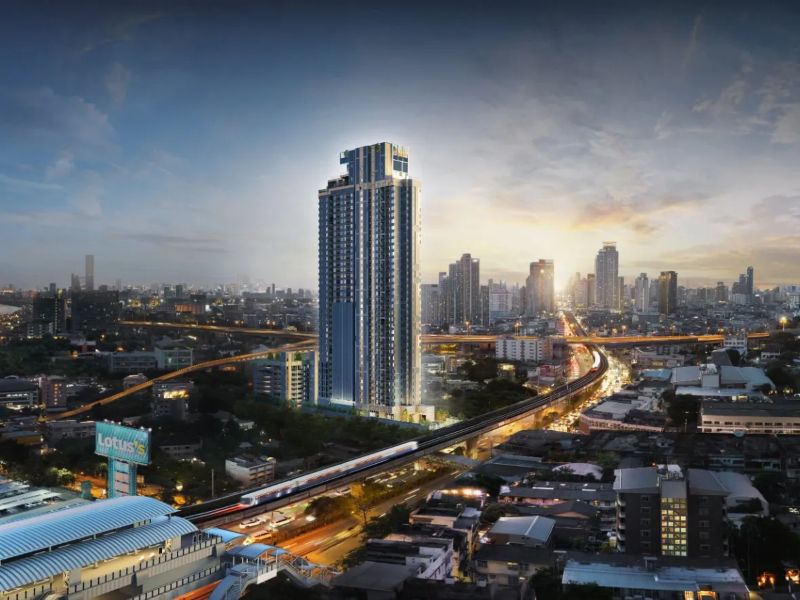
ASEAN’s digital-economy framework is a regional policy signal rather than a single-project property catalyst.
For foreign property buyers, the important point is not to treat DEFA as a direct trigger for condo prices. The more useful reading is structural. A more harmonised ASEAN digital economy can support business formation, cross-border services, digital payments, data flows, cybersecurity standards and regional investor confidence. Bangkok benefits when Thailand is seen as a credible operating base inside that wider system.
What DEFA is trying to change
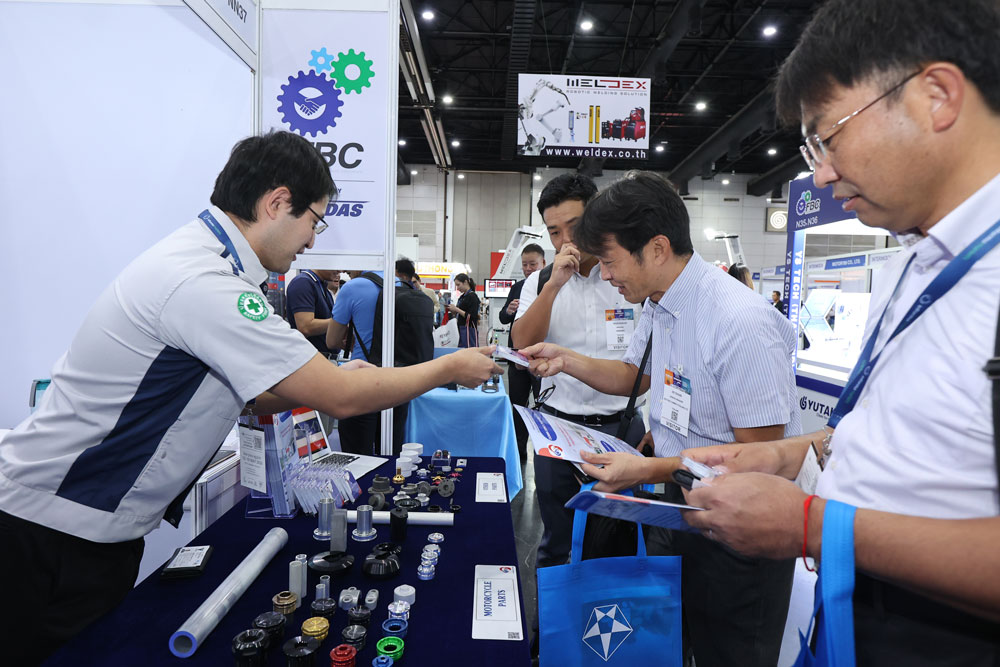
According to PRD, the agreement is intended to unify fragmented national regulations into a higher-standard regional digital trade framework. The official release also says DEFA is projected to more than double ASEAN’s digital economy, reaching US$2 trillion by 2030. Those are regional figures, not Bangkok property forecasts, but they show the scale of policy ambition.
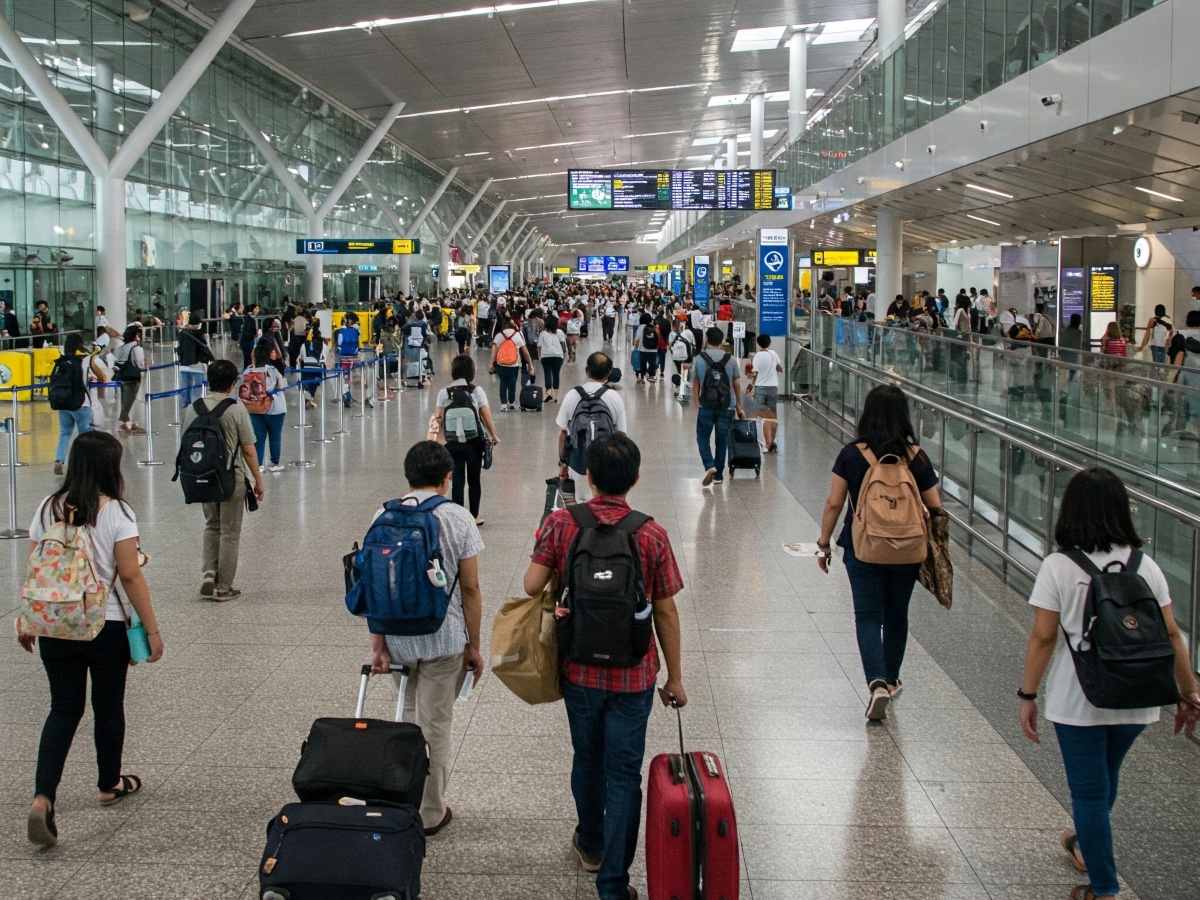
Digital-economy rules matter because companies choose locations partly on operating friction. If cross-border payments, e-commerce, data and cybersecurity standards become easier to navigate, regional firms may find it simpler to serve several ASEAN markets. Bangkok’s appeal then depends on how well it combines those rules with talent, transport, offices, housing, lifestyle and airport access.
Digital trade and data standards matter most to property when they support real business activity.
Why Bangkok remains part of the conversation
Bangkok is already Thailand’s central hub for finance, law, corporate services, hospitality, media, retail and international travel. Digital-economy growth does not remove the need for physical cities. It often increases demand for places where executives, product teams, investors, consultants and regional managers can meet, hire, live and travel easily.
This is where property buyers should pay attention. The strongest real estate demand tends to form where economic activity and daily liveability overlap. A digital firm may not rent a large office in the same way as an older industrial company, but its staff and founders still need housing, transport, healthcare, schools, dining and flexible work settings. Bangkok districts that serve those routines can remain relevant.
What investors should not assume
DEFA should not be used as a reason to buy any condominium at any price. A regional digital agreement does not rescue a weak building, an awkward layout or an overpaid unit. Property performance still depends on rent evidence, resale depth, building management, common fees, future supply and the buyer’s holding period.
Investors should also avoid assuming that digital-economy growth benefits only one district. Bangkok’s demand map is varied. Central Sukhumvit, Silom-Sathorn, Rama IV, Phaya Thai, Ari, Punnawithi, Bang Na and other areas can each serve different parts of the employment and lifestyle market. The right question is which tenant or future buyer a specific unit can realistically attract.
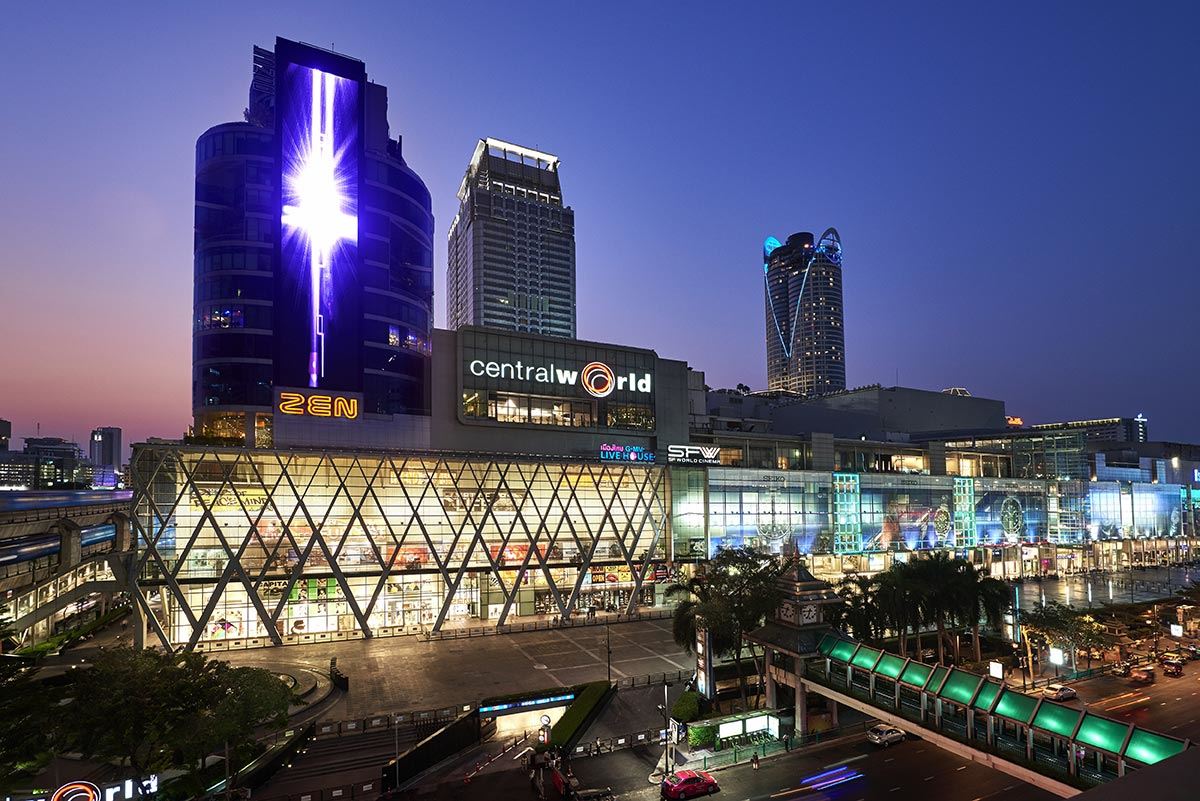
Bangkok’s regional role depends on digital rules, transport, talent and corporate mobility working together.
How foreign buyers can use the signal
Use DEFA as part of a broader confidence checklist. Does Thailand continue to position itself for regional business? Are transport links, digital infrastructure and corporate services improving? Are companies still choosing Bangkok for regional functions, meetings or specialist teams? If the answer is yes, Bangkok’s long-term property case becomes easier to explain, but the purchase still needs building-level discipline.
For buy-to-let investors, this means focusing on units that suit mobile professionals, entrepreneurs, executives and regional staff. For owner-occupiers, it means choosing a district that makes Bangkok feel globally connected without sacrificing daily comfort. For resale buyers, it means avoiding assets that depend only on a broad macro story.
Buyer takeaway
ASEAN DEFA reinforces the idea that Thailand wants to compete in a more integrated regional digital economy. For Bangkok property buyers, the value is indirect but meaningful: stronger regional rules can support corporate confidence, mobility and the city’s business narrative. The correct response is not speculation. It is to use the macro signal while buying only units with a clear tenant, owner and resale case.
IBP can help foreign buyers connect Thailand economic news with district and building-level property decisions. Read more in our Thailand economy and investment news archive or contact IBP Real Estate for a Bangkok property brief.
On Nut is one of Bangkok’s most understandable Sukhumvit locations for foreign buyers who want rail access, daily convenience and a more practical price conversation than the prime inner-city stations. It is not as polished as Phrom Phong or Thonglor, and that is part of the point. Buyers usually consider On Nut because they want a usable Bangkok base with a broad tenant audience and straightforward daily life.
On Nut is easiest to assess when buyers connect station access with real unit and building quality.
The district works best when buyers avoid treating it as one uniform market. A unit beside the station, a quieter low-rise on a side street, an older resale building and a newer high-density tower can produce very different ownership experiences. The right On Nut purchase depends on walking routes, building management, unit layout, rent evidence and the buyer’s exit plan.
Why On Nut appeals to foreign buyers
On Nut sits on the BTS Sukhumvit Line, east of the more expensive central stations but still connected to the city’s main rail spine. That gives it a clear commuting story for tenants who work in central Sukhumvit, Ploen Chit, Siam, Asoke, Phra Khanong, Ekkamai or office districts that connect through the wider network. It also makes the area easy for visiting owners to understand quickly.
Daily convenience is another part of the appeal. Buyers look for grocery access, casual dining, gyms, pharmacies, laundry services, cafes and practical retail rather than only high-end malls. A tenant can live comfortably in the area without needing a car for every errand. For investors, that daily-use quality can support tenant retention when the unit itself is well chosen.
The district includes different building types, from mass-market towers to quieter low-rise options.
Station distance is only the first test
Many listings describe a building as close to On Nut BTS. Buyers should test that claim on foot. The actual route may involve heat, narrow pavements, traffic, difficult crossings, construction, poor lighting or motorcycle-taxi dependence. A five-minute map distance can feel different during rain, at night or with luggage.
Walk from the station to the building entrance at the time a tenant would commute. Check shade, pedestrian crossings, security and the availability of taxis or ride-hailing pickup points. If the building depends on a shuttle, ask how often it runs, who pays for it and whether it is reliable outside peak hours.
Which units tend to work best
On Nut’s strength is practical demand, so the unit should be practical as well. Compact one-bedroom units can work if the layout avoids wasted corridors, gives enough storage and has a proper work or dining surface. Larger units need a clearer reason to exist: family use, better views, strong building facilities, parking, or a rent level supported by real tenant demand.
Investors should be careful with units that are cheap only because they are difficult to use. Poor light, awkward columns, weak kitchen space, tired furniture, noisy exposure or a long walk from the station can reduce the tenant pool. A slightly more expensive but easier-to-rent unit may be the better long-term choice.
Daily convenience is one reason On Nut remains understandable to tenants and owner-occupiers.
Building age and management
On Nut has a range of building ages. Older resale buildings may offer larger layouts or lower entry prices, but buyers should inspect lifts, corridors, water systems, parking, security, facade condition and the juristic office’s responsiveness. Newer buildings may offer better facilities and presentation, but investors should still check density, lift waiting time, common fees, rental competition and future maintenance planning.
Ask for recent common-fee information, sinking fund position, AGM minutes where available and any major upcoming repairs. The building’s governance record can be more important than a small difference in asking price. Foreign buyers should remember that a tenant rents the whole experience, not only the private unit.
Rental and resale logic
On Nut can appeal to tenants who want Sukhumvit access without paying prime-station rents. That is useful, but it also means rent ceilings must be respected. Do not buy a unit that requires a premium rent simply to make the numbers work unless there is strong evidence that tenants will pay it. Compare active listings with completed leases where possible, and ask how long similar units remain vacant.
For resale, the future buyer may compare On Nut with Phra Khanong, Ekkamai, Udom Suk, Punnawithi and other east-Sukhumvit stations. Your unit needs a defensible story: better station convenience, stronger layout, better building management, lower total ticket, clearer tenant history or a more comfortable living environment.
Buyer checklist
Walk the exact route from BTS On Nut to the building entrance.
Compare the unit’s total price with realistic rent, not only price per square metre.
Inspect light, noise, storage, air-conditioning, balcony usability and furniture quality.
Review building density, lift capacity, common fees and juristic-office responsiveness.
Check nearby competing buildings before assuming easy resale.
Buyer takeaway
On Nut can make sense for foreign buyers who want a practical Bangkok condo with rail access and daily convenience. It is not a shortcut around due diligence. The best purchases are those where the station route, unit layout, building management, tenant profile and resale story all line up. Buy the building and daily routine, not only the station name.
IBP can help foreign buyers compare On Nut with other Sukhumvit and BTS-led districts. Browse our district guides or contact IBP Real Estate for a neighbourhood shortlist.
Insurance is rarely the most exciting part of buying a Bangkok condominium, but it is one of the practical checks that protects foreign owners after transfer. A buyer may understand the title deed, foreign quota and payment flow, yet still be unclear about what happens if there is water leakage, fire damage, tenant damage, a damaged appliance, injury in the unit, or a claim involving common property.
Insurance questions should sit beside title, juristic and transfer documents in the ownership file.
The first rule is simple: do not assume the building’s insurance protects everything inside your private unit. Condominium buildings normally separate common property from private ownership. The juristic person’s policy, the owner’s contents cover and any landlord-related protection may have different limits, exclusions and claim procedures. Foreign owners should ask direct questions before completion, not after a problem occurs.
Separate building cover from private-unit cover
Start by asking the juristic office what insurance the condominium carries for common areas and building systems. Then ask what is excluded from that policy. Lifts, corridors, structure, machinery, fire systems and other shared assets may sit under building-level arrangements, while furniture, appliances, personal belongings and improvements inside the unit may require private cover.
This separation matters because many disputes begin with assumptions. An owner may believe a leak from above will be handled automatically by the building. In reality, the claim may involve another owner, the juristic office, a contractor, the owner’s own insurer and evidence of fault or maintenance. The clearer the document trail, the easier it is to respond.
A physical inspection helps owners understand the risks that insurance may or may not cover.
Questions to ask before transfer
What building-level insurance is currently in place?
When does the policy renew, and who keeps the policy documents?
Does the policy cover common areas only, or any part of private units?
What excess, exclusions and claim notification rules apply?
Have there been recent claims for fire, flood, leaks, lifts or major building systems?
Does the juristic office provide English summaries or claim guidance?
These questions are not meant to turn a buyer into an insurance specialist. They help the buyer understand whether the building manages risk professionally. A strong juristic office should be able to explain the basics, provide documents and describe the claim process without confusion.
Private contents and landlord risk
For owner-occupiers, private-unit insurance may focus on contents, fixtures, appliances and personal liability. For landlords, the review should go further. Ask whether the policy responds to tenant-caused damage, loss of rent after an insured event, public liability inside the unit, replacement of appliances, and damage caused by water, electrical faults or air-conditioning systems.
Policy wording matters. A low premium is not useful if the relevant risk is excluded. Foreign owners should compare cover in English where possible and ask the insurer or broker to explain exactly what is included. Keep policy documents, receipts, photographs and inventory lists in a cloud folder that can be accessed quickly from overseas.
Common-area and private-unit responsibilities should be separated before a policy is chosen.
Use inspection evidence
Insurance works best when the owner has evidence. Before handover, photograph walls, ceilings, floors, bathrooms, kitchens, appliances, air-conditioning units, balcony drains and built-in furniture. After furnishing, keep purchase receipts and photos of the finished unit. If the property is rented, attach an inventory to the lease and repeat photo documentation at move-in and move-out.
This is especially important for overseas landlords. A tenant may report damage late, a neighbour may discover a leak first, or a contractor may need authority to enter the unit. Clear records help the property manager act quickly and reduce arguments over whether damage existed before the lease.
Common problems foreign owners should plan for
Water leakage is one of the most common practical concerns in condominium living. It can involve bathrooms, air-conditioning drains, balcony drainage, washing machines or pipes hidden behind walls. Fire and electrical incidents are less frequent but more serious. Storm damage, broken glass, appliance failure and accidental tenant damage also deserve attention, especially in higher-value furnished units.
Owners should also understand emergency access rules. If a leak from your unit affects another property while you are overseas, the juristic office and manager need a way to contact you or your representative. Insurance is only one layer of protection; response speed is another.
Check the insurer and complaint route
Thailand’s insurance industry is regulated by the Office of Insurance Commission. Foreign owners do not need to become experts in the regulatory system, but they should use licensed insurers, keep policy documents, and know who to contact if a claim is disputed. If a broker is involved, confirm who is responsible for renewal reminders, English communication and claim follow-up.
Do not let insurance lapse because an email goes to an old address or a Thai mobile number is inactive. Renewal administration sounds basic, but it is a real risk for non-resident owners. Put renewal dates into a calendar and ask your property manager to check them each year.
Buyer takeaway
Insurance is part of Bangkok condo due diligence, not an afterthought. Foreign buyers should separate common-property cover from private-unit cover, inspect the unit carefully, keep evidence, understand landlord risks and maintain renewal discipline. The aim is not to eliminate every risk. It is to make sure a manageable problem does not become expensive because the owner assumed the wrong cover was in place.
IBP can help foreign buyers review ownership documents, juristic records and practical handover files before buying. Start with our foreign buyer guides or contact IBP Real Estate for a due diligence checklist.
Furnishing is one of the easiest Bangkok condo costs for foreign investors to underestimate. A unit can look rental-ready during a viewing, yet still need a practical spend on mattress quality, curtains, appliance replacement, kitchenware, lighting, storage, work-from-home furniture and minor repairs before a tenant will compare it seriously with competing listings.
A furnishing budget should begin with the tenant profile and how the unit will actually be used.
The point is not to overdecorate. The better question is whether the furnishing budget matches the tenant profile, the rent bracket and the holding plan. A compact Sukhumvit unit aimed at a single professional needs a different approach from a larger family unit, a serviced-residence alternative, or a value-led condo near a commuter station. Investors should decide the operating standard before they negotiate the purchase price.
Why furnishing affects the investment case
Furnishing changes three parts of the return model. First, it affects how quickly the unit can be photographed, listed and occupied after transfer. Second, it influences rent expectations and tenant quality. Third, it creates a replacement cycle that will return during ownership. A cheap sofa that looks tired after one lease can cost more over five years than a sturdier choice that survives several tenants.
Foreign buyers often focus on price per square metre, transfer costs and common fees. Those items matter, but the first rental year can be shaped by smaller operational details. If the unit needs a new washing machine, better blackout curtains, deep cleaning, a work desk, a router, lamps, linens and kitchen basics, the investor’s cash requirement is higher than the acquisition spreadsheet suggests.
The building, rent bracket and likely lease length should guide furnishing quality.
Set the standard before buying
A useful pre-purchase exercise is to write a one-paragraph tenant profile. Is the likely tenant a Japanese executive, a regional digital worker, a couple with one child, a hospital visitor on a longer lease, or a Thai professional seeking a practical rail-led home? The answer should guide the furnishing standard. The best rental units feel intentional, not merely filled with items.
For a compact one-bedroom unit, storage, bed quality, desk space and appliance reliability may matter more than decorative accessories. For a larger unit, dining capacity, wardrobe space, sofa comfort and a proper second bedroom setup become more important. For a premium unit, mismatched furniture can weaken the entire presentation even if the building is strong.
Do not confuse showroom style with rental durability
Developer showrooms are designed to sell the dream of a unit. Rental furnishing must survive normal use. Choose finishes that photograph cleanly, resist stains, and can be repaired without hunting for unusual parts. Tenants do not need every surface to be expensive, but they will notice weak mattresses, poor lighting, noisy air-conditioners, awkward curtains and a lack of practical storage.
Durability is especially important for foreign owners who will not be in Bangkok for every repair. If a property manager has to replace fragile pieces repeatedly, the owner loses time and margin. A slightly higher initial budget can be sensible when it reduces vacancy, complaint handling and replacement friction.
Office, school and lifestyle demand around the building will influence how hard the furniture works.
Budget categories to model
Loose furniture, including sofa, bed, dining set, desk, chairs and storage.
Appliances, including refrigerator, washing machine, microwave, television and small kitchen items.
Soft furnishings, including curtains, bedding, towels, cushions and rugs where appropriate.
Lighting, internet setup, smart television access and basic work-from-home needs.
Deep cleaning, minor repairs, touch-up painting and air-conditioner servicing before listing.
Replacement reserve for items likely to wear out during the holding period.
How furnishing changes negotiation
If a resale unit is poorly furnished, the buyer should not simply accept the seller’s statement that it is ready to rent. Ask what will remain in the unit, whether appliances work, whether warranties or manuals are available, and whether any items belong to a tenant. Photograph everything. If the furniture is not suitable for the target tenant, treat replacement as part of the purchase cost.
Conversely, a well-furnished unit can be valuable if the style is neutral, the quality is appropriate and the items are genuinely included. The buyer should still inspect condition carefully. A unit can look good in online photos but reveal worn upholstery, weak appliances or poor mattress quality in person.
Plan for the second tenant
Many first-time landlords budget for the first listing only. A better model includes the second tenant. After one lease, the owner may need repainting, steam cleaning, linen replacement, appliance servicing and small repairs. If the deposit is insufficient or the damage is normal wear rather than tenant misuse, the owner pays. This is not a reason to avoid Bangkok rentals; it is a reason to model them honestly.
The strongest furnishing budget is practical, not theatrical. It supports a clear rent level, keeps the unit easy to maintain and gives the property manager fewer problems to solve. For foreign buyers, that discipline can be the difference between a smooth rental asset and an attractive unit that quietly leaks margin.
Buyer takeaway
Furnishing is part of investment underwriting. Before buying, foreign investors should test whether the unit can be made rental-ready at a sensible cost, whether the furniture suits the tenant pool, and how replacement will be handled from overseas. A good Bangkok condo does not need extravagant styling, but it does need a coherent operating budget.
IBP can help foreign buyers compare Bangkok condos by rentability, furnishing requirements and holding cost. Explore our investment analysis archive or contact IBP Real Estate for a rental-ready buyer brief.
Bangkok’s Chao Phraya river is not only a view. For many residents, it is a practical transport layer, a weekend routine and a reason certain condo districts feel different from inland Bangkok. Foreign buyers considering riverside or near-river condominiums should understand how ferry access changes daily life before paying a premium for scenery.
A river-facing unit can feel calm and distinctive, but the best purchase is not simply the one with the widest view. It is the condo that connects river lifestyle with work, schools, healthcare, shopping and airport journeys in a way the owner or tenant will actually use.
River transport can be a practical part of daily life when pier access is easy.
How river transport fits into daily life
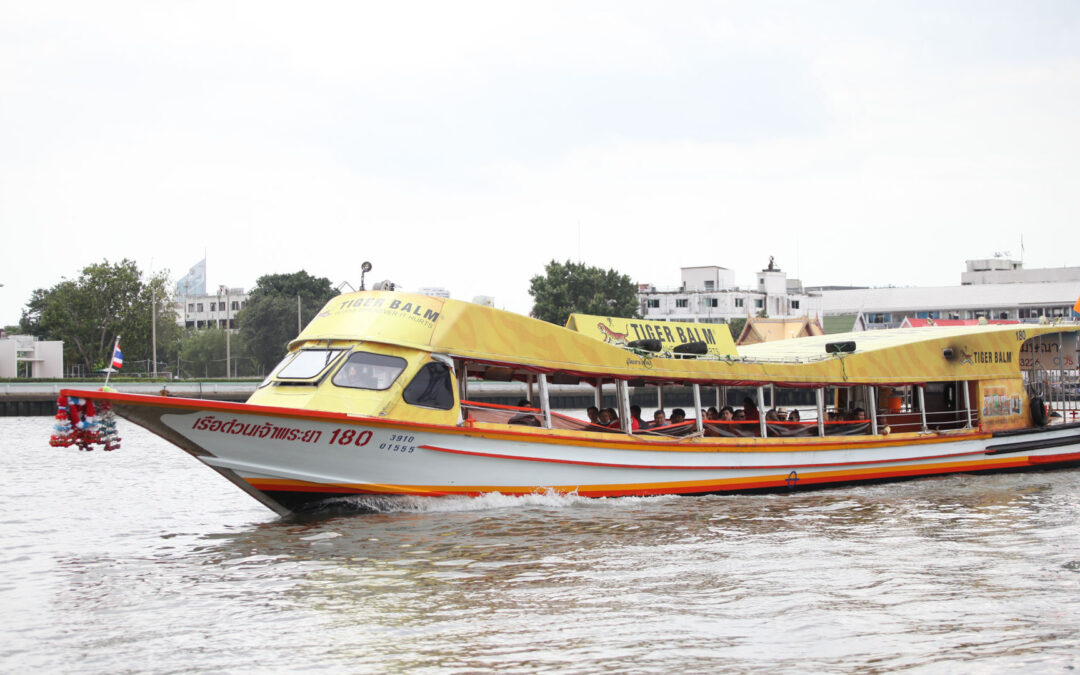
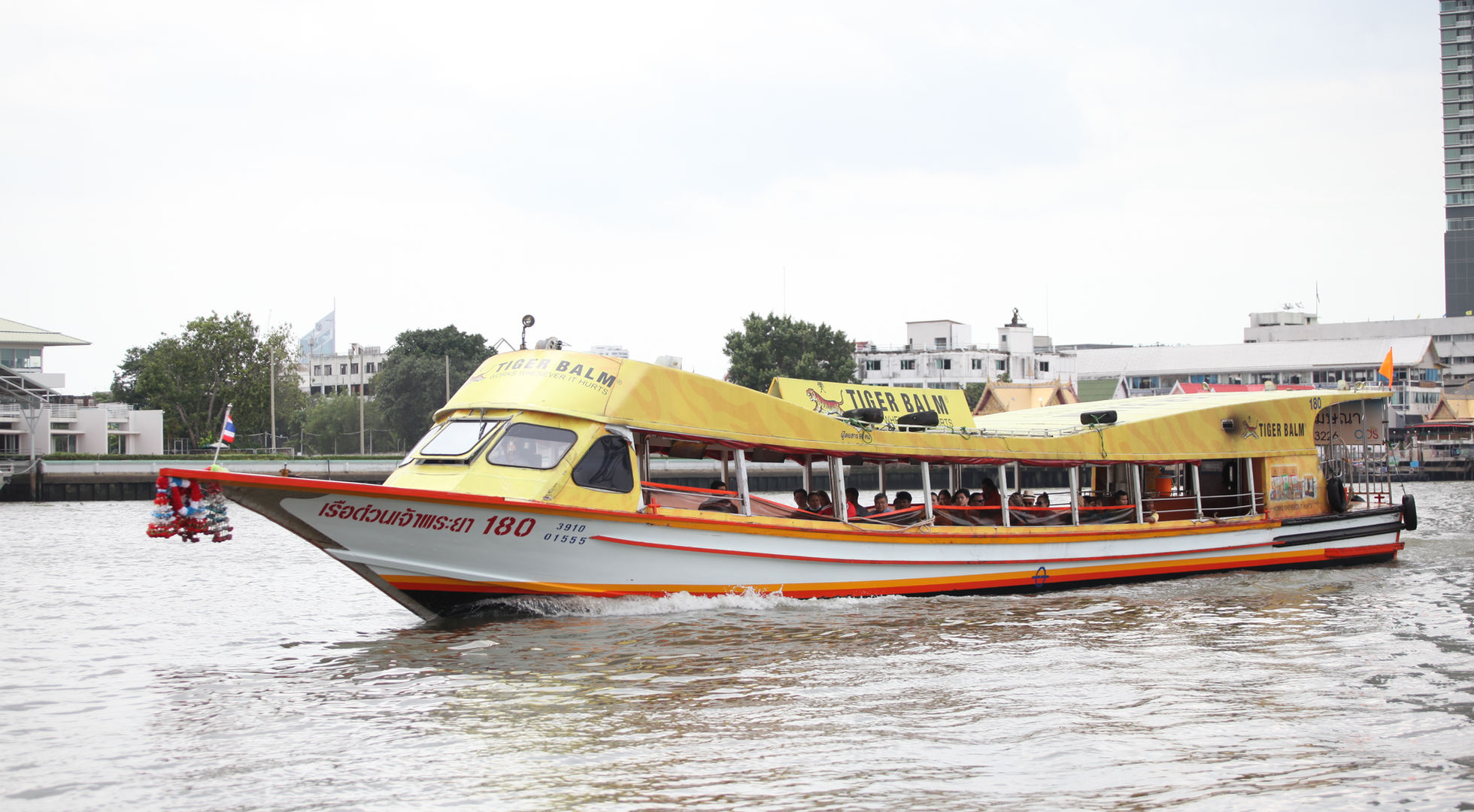
The Chao Phraya Express Boat has operated passenger services on the river for decades and connects communities from Nonthaburi through central Bangkok to southern piers. The company’s current public information lists regular colour-flag services, including routes linking Nonthaburi, Sathorn, Pak Kret and Wat Rajsingkorn, with fares varying by service.
For condo buyers, the most important pier is often Sathorn, because it connects with Saphan Taksin BTS. That interchange allows residents to combine river and rail rather than depending only on road traffic. Other piers can support Chinatown, the old town, ICONSIAM, Charoen Nakhon, hotels, offices and weekend cultural routes.
River commuting is not for every day or every person. Rain, heat, pier access, waiting time and operating hours all matter. But when it works, it gives Bangkok residents a route that feels less stressful than sitting in traffic and more connected to the city’s heritage.
Which condo locations benefit most
The strongest river-ferry locations usually have three things: a realistic walk or shuttle to a pier, a sensible onward link to BTS or key destinations, and a building that is easy to reach by road when ferry use is inconvenient. Buyers should be cautious if a project sells a river story but the pier is awkward, poorly lit or impractical during rain.
Charoen Nakhon, Khlong San, Sathorn, Charoen Krung and selected Thonburi pockets can all appeal to different residents. Some buyers want direct hotel and mall access. Others prefer heritage streets, galleries, temples, food and quieter residential lanes. The right district depends on how often the owner will use the river and where the household needs to go on weekdays.
For tenants, ferry access can be a differentiator when it is clear. A listing that explains the nearest pier, BTS connection and weekend lifestyle is easier to understand than a generic river view claim. Clarity helps leasing because tenants can imagine the routine.
The walk to the pier is part of the real value of a riverside condo.
Buyer checks before paying for a river premium
First, test the walk. Do it in the morning, at night and after rain if possible. Footpaths, crossings, security, shade and pier crowding are part of the real value. A short distance on a map can feel inconvenient if the route is exposed or confusing.
Second, test the alternatives. If the ferry is not running, can the resident still reach BTS, MRT, expressways, hospitals, schools or offices without excessive delay? Riverside living works best when it gives options, not when it replaces every other route.
Third, check building operations. Shuttle boats, shuttle vans, parking, parcel handling, visitor access and taxi pickup points can shape daily comfort. A well-managed riverside building can make river living feel effortless; a poorly managed one can make every trip feel improvised.
Lifestyle advantages beyond transport
River districts can offer a strong sense of place. Morning light, hotel terraces, temple views, old commercial streets, galleries, design shops and riverside dining create a daily texture that many expatriates value. This matters for owner enjoyment and for tenant appeal, especially among renters who want Bangkok to feel distinctive rather than purely functional.
The river can also support weekend routines. Residents may use boats for dining, cultural visits, markets, hotel brunches or family outings. For buyers who spend part of the year in Bangkok, this lifestyle value can be as important as rent. A unit that encourages frequent use is usually easier to justify than a unit kept only as a distant investment.
A useful river location gives residents options, not only a view.
Common mistakes
The first mistake is overpaying for an unprotected view. River outlooks can be valuable, but buyers should ask what future construction could affect the view corridor. Floor level, orientation, heat, glare and noise are also part of the view premium.
The second mistake is ignoring service charges. Riverside buildings with large facilities, shuttles, pools, gardens or hotel-style management can have higher running costs. The owner should compare common fees with realistic rent and resale audience, not only with personal enjoyment.
The third mistake is assuming all tenants want the same lifestyle. Some tenants prioritise the shortest office commute, others value space and atmosphere. A river condo should be marketed to the second group unless its transport links genuinely compete with inner-CBD locations.
How IBP can help compare river options
Foreign buyers can use IBP’s Bangkok lifestyle coverage and district guides to compare river areas with Sukhumvit, Sathorn, Rama IX and emerging BTS/MRT corridors. The decision should combine lifestyle, rentability, holding cost and exit strategy.
A good riverside purchase gives the owner more than a view. It gives a workable routine, a clear tenant story and a reason to keep choosing Bangkok. Before reserving, test the pier, the road access, the building management and the actual room plan together.