

ASEAN’s Digital Economy Framework Agreement is not a Bangkok property policy, but it is relevant to the confidence story behind Bangkok real estate. The Government Public Relations Department reported on 9 June 2026 that ASEAN member states had concluded negotiations on the agreement, with legal scrubbing underway before an expected signing by regional leaders at the ASEAN Summit in November 2026.

For foreign property buyers, the important point is not to treat DEFA as a direct trigger for condo prices. The more useful reading is structural. A more harmonised ASEAN digital economy can support business formation, cross-border services, digital payments, data flows, cybersecurity standards and regional investor confidence. Bangkok benefits when Thailand is seen as a credible operating base inside that wider system.
What DEFA is trying to change
According to PRD, the agreement is intended to unify fragmented national regulations into a higher-standard regional digital trade framework. The official release also says DEFA is projected to more than double ASEAN’s digital economy, reaching US$2 trillion by 2030. Those are regional figures, not Bangkok property forecasts, but they show the scale of policy ambition.
Digital-economy rules matter because companies choose locations partly on operating friction. If cross-border payments, e-commerce, data and cybersecurity standards become easier to navigate, regional firms may find it simpler to serve several ASEAN markets. Bangkok’s appeal then depends on how well it combines those rules with talent, transport, offices, housing, lifestyle and airport access.

Why Bangkok remains part of the conversation
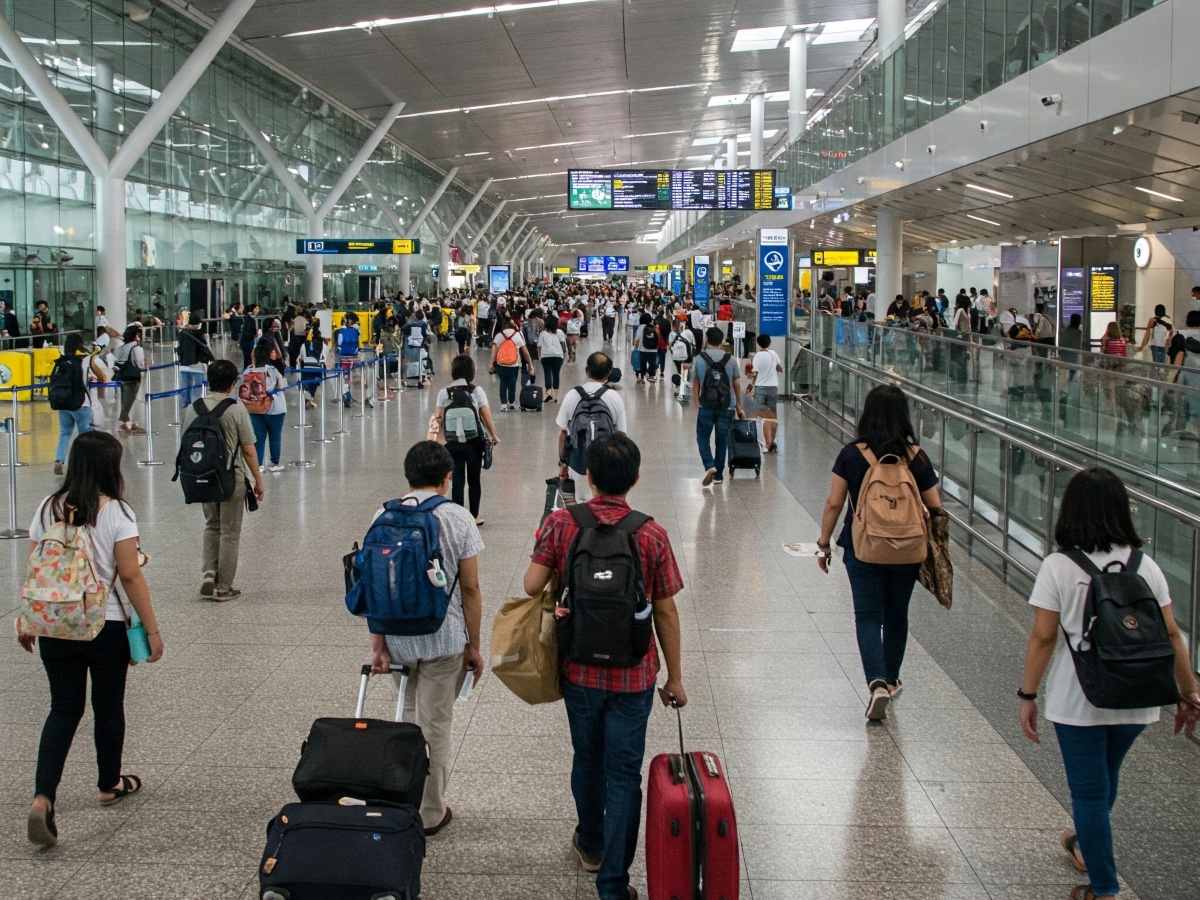
Bangkok is already Thailand’s central hub for finance, law, corporate services, hospitality, media, retail and international travel. Digital-economy growth does not remove the need for physical cities. It often increases demand for places where executives, product teams, investors, consultants and regional managers can meet, hire, live and travel easily.
This is where property buyers should pay attention. The strongest real estate demand tends to form where economic activity and daily liveability overlap. A digital firm may not rent a large office in the same way as an older industrial company, but its staff and founders still need housing, transport, healthcare, schools, dining and flexible work settings. Bangkok districts that serve those routines can remain relevant.
What investors should not assume
DEFA should not be used as a reason to buy any condominium at any price. A regional digital agreement does not rescue a weak building, an awkward layout or an overpaid unit. Property performance still depends on rent evidence, resale depth, building management, common fees, future supply and the buyer’s holding period.
Investors should also avoid assuming that digital-economy growth benefits only one district. Bangkok’s demand map is varied. Central Sukhumvit, Silom-Sathorn, Rama IV, Phaya Thai, Ari, Punnawithi, Bang Na and other areas can each serve different parts of the employment and lifestyle market. The right question is which tenant or future buyer a specific unit can realistically attract.
How foreign buyers can use the signal
Use DEFA as part of a broader confidence checklist. Does Thailand continue to position itself for regional business? Are transport links, digital infrastructure and corporate services improving? Are companies still choosing Bangkok for regional functions, meetings or specialist teams? If the answer is yes, Bangkok’s long-term property case becomes easier to explain, but the purchase still needs building-level discipline.
For buy-to-let investors, this means focusing on units that suit mobile professionals, entrepreneurs, executives and regional staff. For owner-occupiers, it means choosing a district that makes Bangkok feel globally connected without sacrificing daily comfort. For resale buyers, it means avoiding assets that depend only on a broad macro story.
Buyer takeaway
ASEAN DEFA reinforces the idea that Thailand wants to compete in a more integrated regional digital economy. For Bangkok property buyers, the value is indirect but meaningful: stronger regional rules can support corporate confidence, mobility and the city’s business narrative. The correct response is not speculation. It is to use the macro signal while buying only units with a clear tenant, owner and resale case.
IBP can help foreign buyers connect Thailand economic news with district and building-level property decisions. Read more in our Thailand economy and investment news archive or contact IBP Real Estate for a Bangkok property brief.