
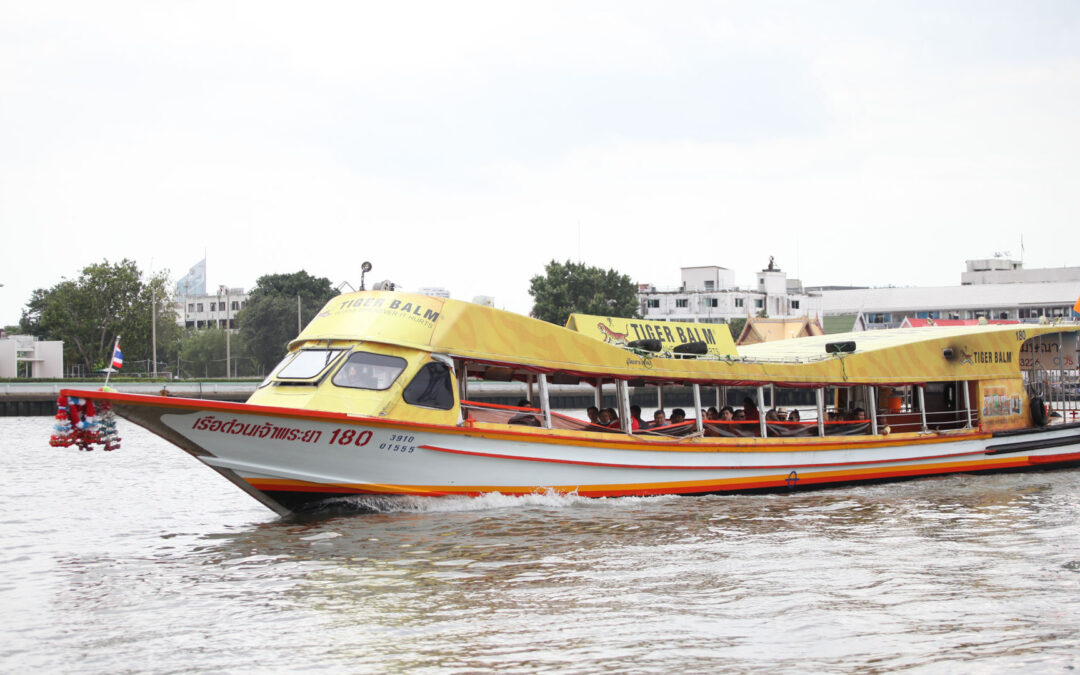
Bangkok’s Chao Phraya river is not only a view. For many residents, it is a practical transport layer, a weekend routine and a reason certain condo districts feel different from inland Bangkok. Foreign buyers considering riverside or near-river condominiums should understand how ferry access changes daily life before paying a premium for scenery.
A river-facing unit can feel calm and distinctive, but the best purchase is not simply the one with the widest view. It is the condo that connects river lifestyle with work, schools, healthcare, shopping and airport journeys in a way the owner or tenant will actually use.
How river transport fits into daily life
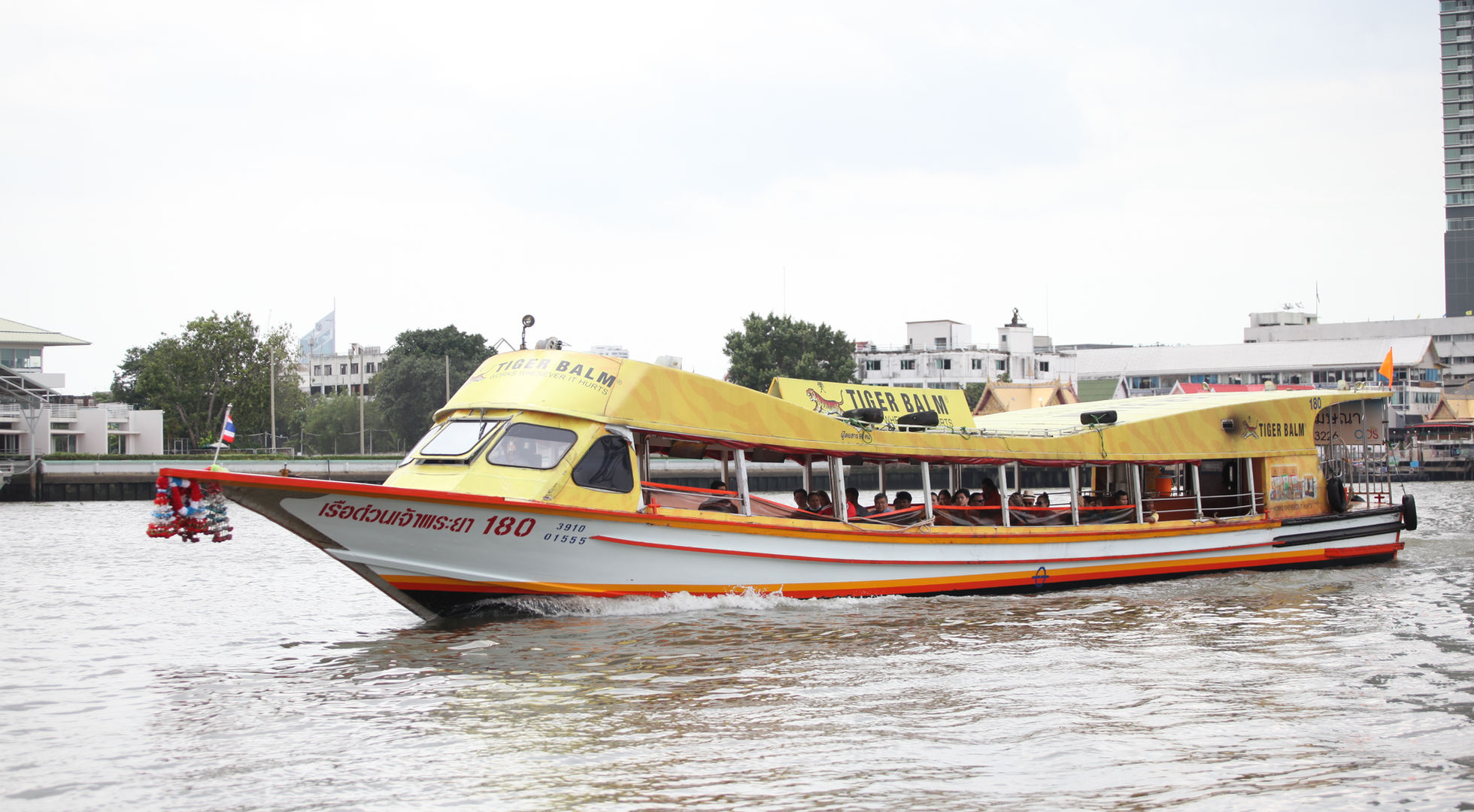
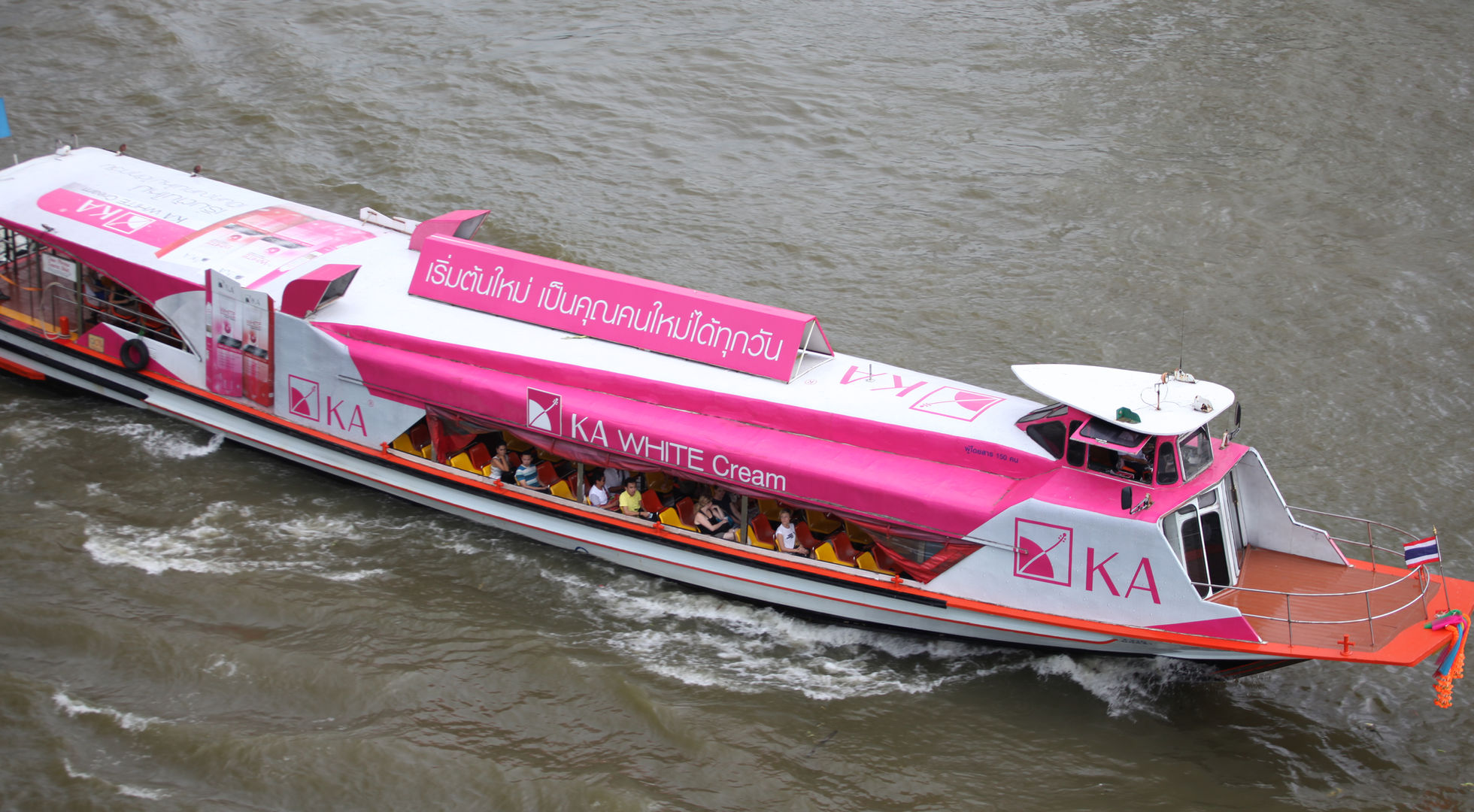
The Chao Phraya Express Boat has operated passenger services on the river for decades and connects communities from Nonthaburi through central Bangkok to southern piers. The company’s current public information lists regular colour-flag services, including routes linking Nonthaburi, Sathorn, Pak Kret and Wat Rajsingkorn, with fares varying by service.
For condo buyers, the most important pier is often Sathorn, because it connects with Saphan Taksin BTS. That interchange allows residents to combine river and rail rather than depending only on road traffic. Other piers can support Chinatown, the old town, ICONSIAM, Charoen Nakhon, hotels, offices and weekend cultural routes.
River commuting is not for every day or every person. Rain, heat, pier access, waiting time and operating hours all matter. But when it works, it gives Bangkok residents a route that feels less stressful than sitting in traffic and more connected to the city’s heritage.
Which condo locations benefit most
The strongest river-ferry locations usually have three things: a realistic walk or shuttle to a pier, a sensible onward link to BTS or key destinations, and a building that is easy to reach by road when ferry use is inconvenient. Buyers should be cautious if a project sells a river story but the pier is awkward, poorly lit or impractical during rain.
Charoen Nakhon, Khlong San, Sathorn, Charoen Krung and selected Thonburi pockets can all appeal to different residents. Some buyers want direct hotel and mall access. Others prefer heritage streets, galleries, temples, food and quieter residential lanes. The right district depends on how often the owner will use the river and where the household needs to go on weekdays.
For tenants, ferry access can be a differentiator when it is clear. A listing that explains the nearest pier, BTS connection and weekend lifestyle is easier to understand than a generic river view claim. Clarity helps leasing because tenants can imagine the routine.
Buyer checks before paying for a river premium
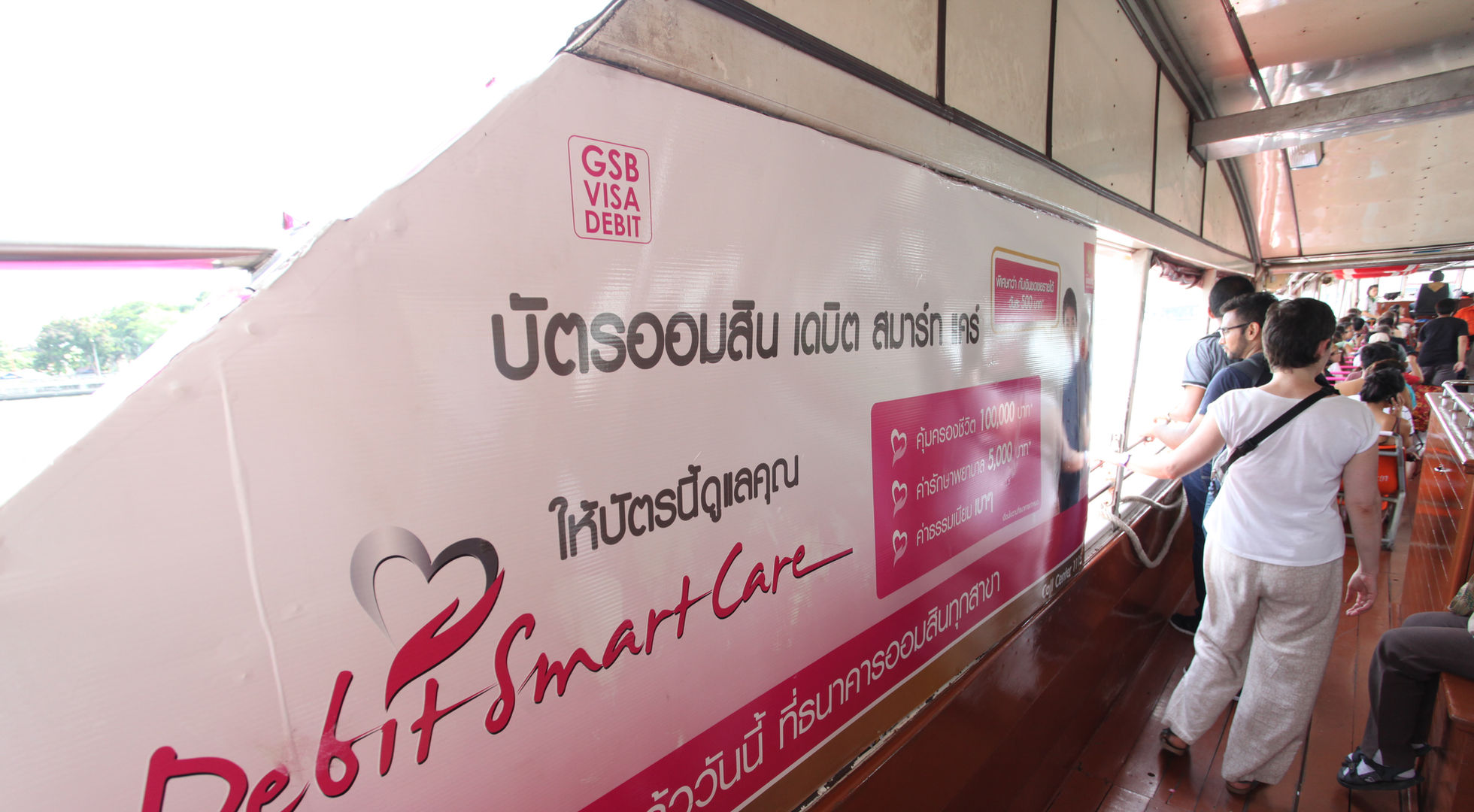
First, test the walk. Do it in the morning, at night and after rain if possible. Footpaths, crossings, security, shade and pier crowding are part of the real value. A short distance on a map can feel inconvenient if the route is exposed or confusing.
Second, test the alternatives. If the ferry is not running, can the resident still reach BTS, MRT, expressways, hospitals, schools or offices without excessive delay? Riverside living works best when it gives options, not when it replaces every other route.
Third, check building operations. Shuttle boats, shuttle vans, parking, parcel handling, visitor access and taxi pickup points can shape daily comfort. A well-managed riverside building can make river living feel effortless; a poorly managed one can make every trip feel improvised.
Lifestyle advantages beyond transport
River districts can offer a strong sense of place. Morning light, hotel terraces, temple views, old commercial streets, galleries, design shops and riverside dining create a daily texture that many expatriates value. This matters for owner enjoyment and for tenant appeal, especially among renters who want Bangkok to feel distinctive rather than purely functional.
The river can also support weekend routines. Residents may use boats for dining, cultural visits, markets, hotel brunches or family outings. For buyers who spend part of the year in Bangkok, this lifestyle value can be as important as rent. A unit that encourages frequent use is usually easier to justify than a unit kept only as a distant investment.
Common mistakes
The first mistake is overpaying for an unprotected view. River outlooks can be valuable, but buyers should ask what future construction could affect the view corridor. Floor level, orientation, heat, glare and noise are also part of the view premium.
The second mistake is ignoring service charges. Riverside buildings with large facilities, shuttles, pools, gardens or hotel-style management can have higher running costs. The owner should compare common fees with realistic rent and resale audience, not only with personal enjoyment.
The third mistake is assuming all tenants want the same lifestyle. Some tenants prioritise the shortest office commute, others value space and atmosphere. A river condo should be marketed to the second group unless its transport links genuinely compete with inner-CBD locations.
How IBP can help compare river options
Foreign buyers can use IBP’s Bangkok lifestyle coverage and district guides to compare river areas with Sukhumvit, Sathorn, Rama IX and emerging BTS/MRT corridors. The decision should combine lifestyle, rentability, holding cost and exit strategy.
A good riverside purchase gives the owner more than a view. It gives a workable routine, a clear tenant story and a reason to keep choosing Bangkok. Before reserving, test the pier, the road access, the building management and the actual room plan together.