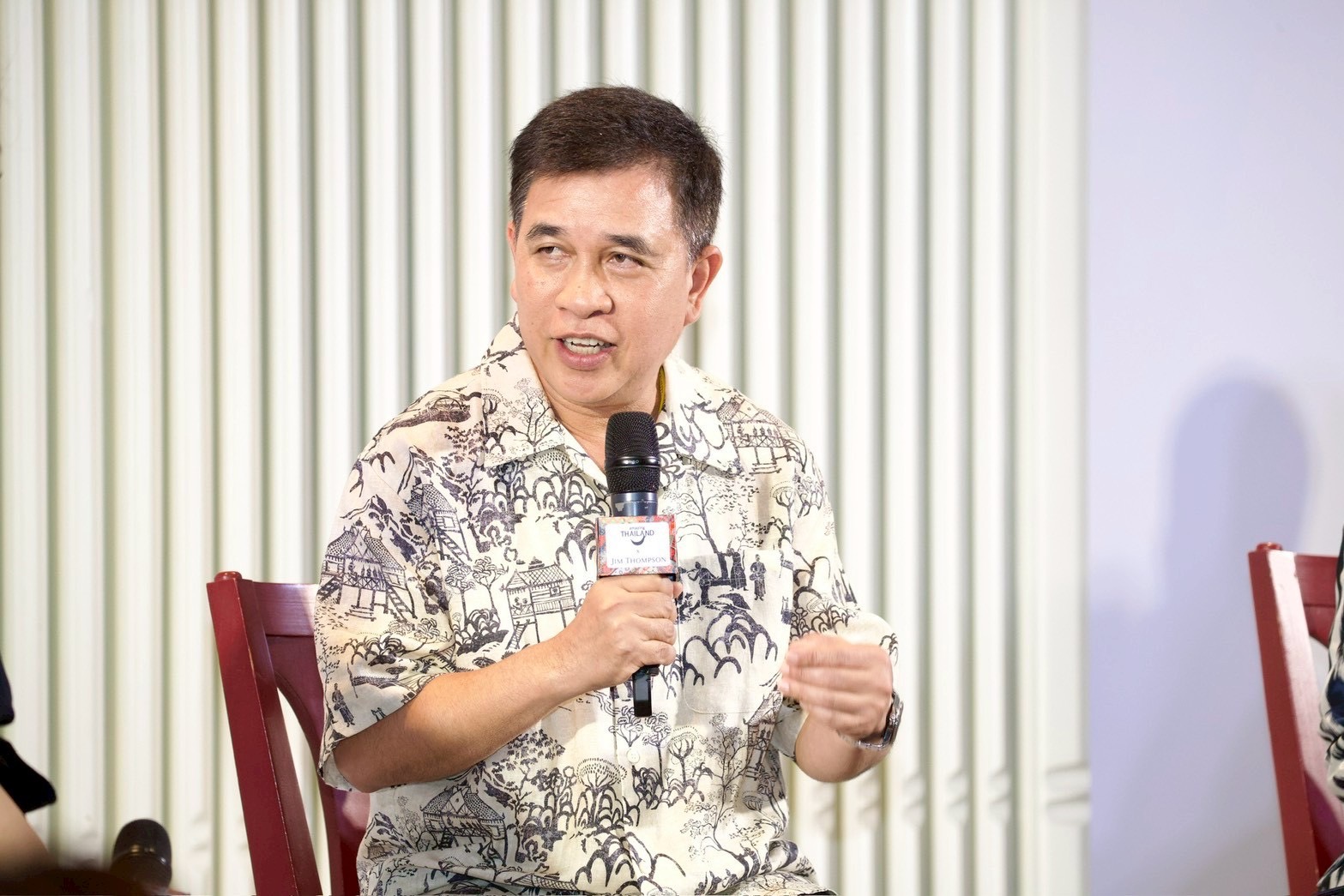
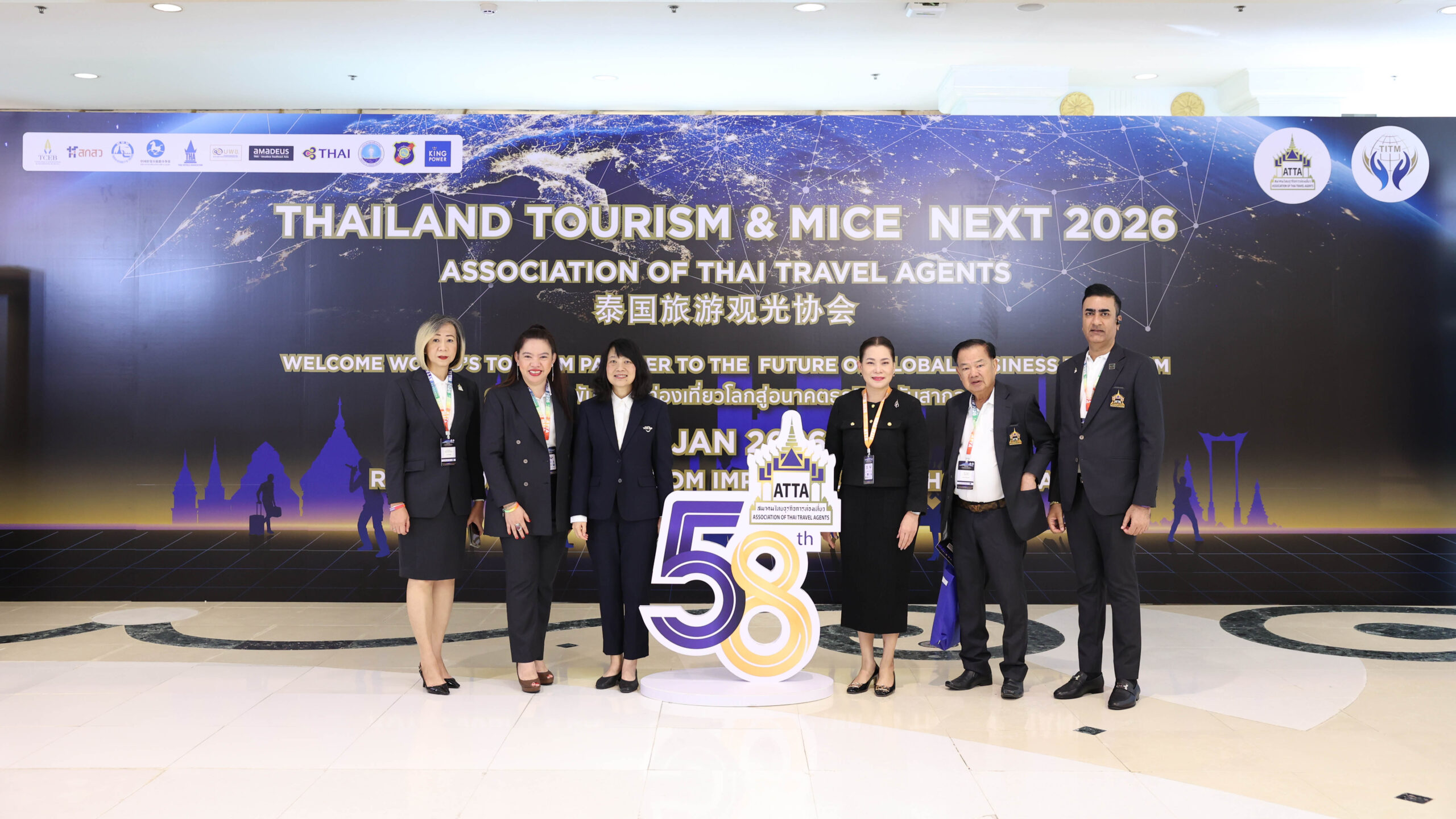
The Tourism Authority of Thailand’s latest Jim Thompson collaboration is not a property launch, but it does say something useful about Bangkok’s premium positioning. TAT Newsroom reported that on 19 June 2026, TAT and Jim Thompson launched the Amazing Thailand x Jim Thompson collection in Bangkok, linking Thai silk, contemporary design, cultural storytelling and high-value travel.
TAT’s collaboration with Jim Thompson connects Thai silk, design heritage and premium travel storytelling.
For foreign property buyers, the relevance is indirect. Bangkok’s best long-term appeal does not come only from office towers and transport lines. It also comes from culture, design, hospitality, retail, food, heritage and the city’s ability to turn Thai identity into experiences that international residents and visitors remember.
Why this collaboration matters
The release positions the collection under TAT’s Luxury Tourism initiative, Soul of Siam: Crafted Luxury. TAT describes the aim as creating greater value from tourism by connecting cultural strengths with meaningful travel experiences. Jim Thompson is named as one of 15 participating brands, recognised for Thai silk heritage, craftsmanship, lifestyle, retail and hospitality.
That matters because Thailand’s tourism strategy has increasingly emphasised quality, value and distinctive experiences rather than simple visitor volume. For Bangkok property, this helps explain why central districts with culture, retail, transport and premium services can remain attractive to internationally mobile buyers, even when they are not the cheapest locations.
Heritage-led retail and cultural programming can strengthen Bangkok’s appeal to high-value visitors.
Bangkok as a cultural base, not just a gateway
Bangkok is often described as a gateway to Thailand, but the Jim Thompson story reminds buyers that the city is also a destination in its own right. The TAT article highlights a Bangkok journey from the Jim Thompson House Museum, where visitors can learn about teak architecture, silk demonstrations, private art collections and the Baan Krua weaving community, to the Jim Thompson Art Center and the Surawong Flagship Store.
This type of route is important because it gives high-value visitors reasons to spend time in the city, not only pass through it. It links shopping, heritage, museums, canals, art, dining and neighbourhood movement. Those are exactly the details that make a city feel more livable to foreign residents evaluating whether Bangkok could be a second home or long-term base.
What property buyers should not overread
A cultural tourism collaboration does not mean condo prices will rise. Buyers should not use it as a reason to overpay for a weak unit, ignore building due diligence or assume all central locations benefit equally. Property performance still depends on entry price, rent evidence, building management, layout, ownership costs and resale depth.
The better reading is confidence-based. When TAT and major Thai brands invest in premium storytelling, Bangkok’s wider brand becomes richer. That can support demand for areas where international visitors, residents and tenants can access culture, retail, hospitality, transport and daily convenience together.
Premium destination positioning works best when it is linked to real places, retail, culture and hospitality.
Districts that can benefit from premium positioning
The most obvious beneficiaries are central districts with a strong lifestyle and cultural offer: Siam, Ratchaprasong, Chit Lom, Langsuan, Silom, Sathorn, riverside areas, Phrom Phong and parts of Sukhumvit. But the lesson is broader. Foreign buyers should look for districts where Bangkok’s premium story is easy to experience from the front door.
A good condo location should make it simple to reach galleries, restaurants, shops, hotels, hospitals, parks, offices and transport. The more those features overlap, the easier it becomes to explain the unit to a future tenant or buyer. A beautifully branded city story is useful only when the property also sits inside a practical daily routine.
How investors can use the signal
Investors can use this news as part of a macro confidence checklist. Is Thailand still investing in high-value tourism? Are major brands connecting Bangkok with culture, craftsmanship and premium travel? Are central districts continuing to attract residents who want a refined urban lifestyle? If the answer is yes, the city remains easy to explain to foreign buyers, but the unit still needs a disciplined purchase case.
For owner-occupiers, the takeaway is personal as much as financial. Bangkok’s appeal lies in how easily a resident can move from home to culture, dining, retail, wellness and travel. The strongest properties are those that make this lifestyle feel natural, not forced.
Buyer takeaway
The Amazing Thailand x Jim Thompson collection strengthens Bangkok’s premium cultural narrative. It gives foreign buyers another example of how Thailand presents heritage, design and hospitality to global audiences. The correct property response is not speculation. It is to choose condos where location, building quality and daily lifestyle genuinely connect with Bangkok’s high-value positioning.
IBP can help foreign buyers connect Thailand economic and tourism news with district-level property decisions. Read more in our Thailand economy and investment news archive or contact IBP Real Estate for a Bangkok property brief.
Rama 9 is a useful Bangkok district for foreign buyers who want MRT access, office demand, retail convenience and a city-fringe price conversation that is different from prime Sukhumvit. It is not a single neat neighbourhood. The buyer has to compare Ratchadaphisek, Phra Ram 9, Thailand Cultural Centre, Asoke-Din Daeng and nearby side streets as one connected but uneven market.
Rama 9 decisions should begin with the real door-to-station journey, not only the station name.
The area can work for investors and owner-occupiers, but only when the unit, building and walking route are chosen carefully. Rama 9’s appeal comes from connectivity and mixed-use activity. Its risk comes from competition, traffic, building density and the temptation to buy a generic unit simply because the district sounds active.
Why foreign buyers look at Rama 9
Rama 9 sits on the MRT Blue Line, giving residents access to Asoke-Sukhumvit, Phetchaburi, Queen Sirikit National Convention Centre, Silom, Hua Lamphong, Bang Sue and the wider rail network through interchanges. For tenants who work across several parts of Bangkok, that rail spine can be more useful than a location tied to one road corridor.
The district also has retail, offices, hotels, supermarkets, casual dining, entertainment and daily services. That mix can make it easier for new arrivals to settle quickly. For investors, it broadens the potential tenant audience beyond one narrow expatriate group. Thai professionals, regional staff, office workers, students, consultants and digital workers may all consider the area at the right rent level.
Rail convenience is strongest when it fits daily work, retail and airport-transfer routines.
Station access needs a walking test
A listing may describe a building as near Rama 9 MRT, but the real route matters. Buyers should walk from the station to the lobby during the times a resident would actually travel. Check pavements, crossings, shade, lighting, construction, motorcycle-taxi reliance and rainy-season comfort. A route that is acceptable for a single adult may be less convenient for a family or an older resident.
Also test how the building handles taxi pickup, ride-hailing, deliveries and parking. Rama 9 can be busy. A good lobby, clear drop-off area and responsive security team can make daily life easier even when the surrounding roads are congested.
Understand the competing buildings
Rama 9 has many condominium options across different ages and price brackets. That is good for choice, but it means investors must understand competition. A tenant comparing several buildings may focus on rent, furniture, lift waiting times, pool and gym quality, internet, building condition and walking comfort. If your unit is ordinary, it may need to compete on price.
Buyers should compare active listings in the same building and nearby alternatives. If many similar units are available, do not assume quick leasing. A better unit may have a stronger layout, better light, easier station route, more professional juristic management or a rent level that sits clearly below better-known prime districts.
The wider Ratchada-Rama 9 business corridor gives buyers several demand angles to test.
Office and retail demand: useful, not automatic
Office and retail activity gives Rama 9 a practical demand story. It does not guarantee every condo will rent well. Tenants still choose homes based on daily comfort. A building with poor maintenance, weak lifts, noisy exposure or tired common areas can underperform even in a busy district.
For owner-occupiers, retail access can be valuable because groceries, fitness, dining and errands are close by. For landlords, it can support tenant retention. But buyers should avoid paying a premium for convenience unless the specific unit also works on layout, condition and total cost.
It is also worth checking the evening and weekend atmosphere. Some parts of the corridor feel office-led during the day and quieter after work. Others are busier because of malls, restaurants and entertainment. The best fit depends on whether the buyer wants a practical working-week base, a family home, or a rental unit that feels active beyond office hours.
What types of units can make sense
Compact one-bedroom units can appeal to single professionals if they have efficient layouts, good storage and a realistic rent. Larger one-bedroom or two-bedroom units need a clearer target audience: couples, small families, work-from-home tenants or owner-occupiers wanting more space than central Sukhumvit might offer at the same budget.
High floors, corner positions and open views can help, but they should be priced carefully. Future obstruction, heat, noise and building competition still need to be checked. In a dense district, privacy and orientation can matter as much as floor number.
Buyer checklist
Walk the route to Rama 9 MRT and nearby retail in normal conditions.
Compare lift capacity, lobby management and common-area maintenance.
Review competing units before accepting rent assumptions.
Check traffic, noise, construction and night-time activity around the building.
Match unit size to a real tenant or owner-occupier profile.
Ask how the resale story compares with Asoke, Phetchaburi and Ratchada alternatives.
Buyer takeaway
Rama 9 can be a practical MRT-led choice for foreign buyers who want business access, retail convenience and a broader rent conversation than prime Sukhumvit. It rewards careful selection. Buy the walking route, building management, layout and realistic tenant profile, not only the district name.
IBP can help foreign buyers compare Rama 9 with Sukhumvit, Ratchada and other MRT-led districts. Browse our district guides or contact IBP Real Estate for a neighbourhood shortlist.
Moving into a Bangkok condominium is usually straightforward when the owner understands the building’s rules before delivery day. For foreign buyers, the friction often comes from small details: access cards, lift protection, move-in deposits, contractor registration, parking permissions, internet installation, rubbish disposal, delivery hours and communication with the juristic office.
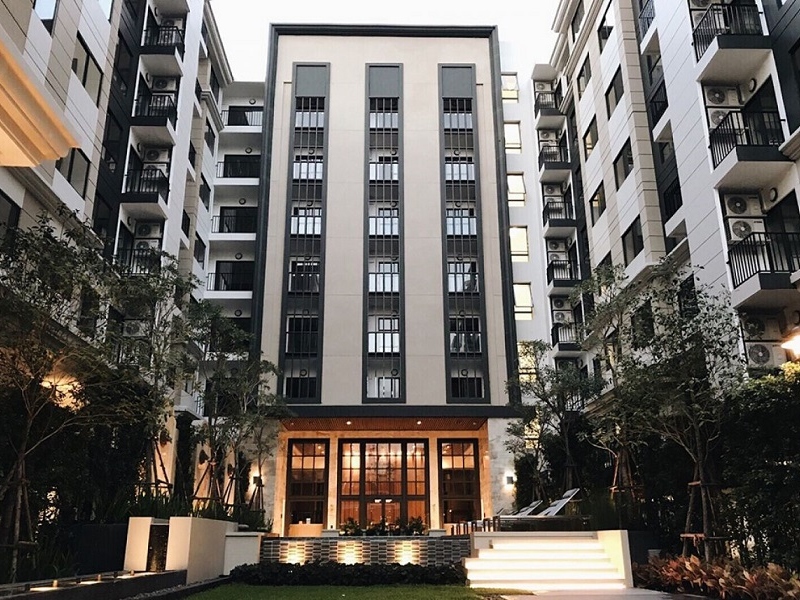
Move-in planning should start with the building file, not only with the furniture delivery date.
These are not glamorous checks, but they shape the first week of ownership. A buyer who has completed transfer can still be delayed by a building rule that was never discussed during viewing. The best approach is to request the move-in procedure as soon as completion is likely, then organise furniture, utilities and contractors around that procedure.
Start with the juristic office
Every condominium has its own practical system. Some buildings require owners to book a move-in slot. Some require a refundable damage deposit before large deliveries. Some restrict moving hours to avoid disturbing residents. Some require protective padding in lifts or corridors. Some will not allow contractors to enter unless they are registered in advance with identification documents.
Foreign owners should ask for written instructions in English where available. If the building provides only Thai forms, ask your agent, lawyer or property manager to translate the operational points. Do not assume that a furniture company, interior contractor or internet provider already knows the building’s rules.
The juristic office sets the practical rhythm for access cards, deposits, deliveries and contractor rules.
Documents to prepare
Passport copy and owner contact details.
Title transfer evidence or owner authorisation where requested.
Power of attorney if a representative will deal with the building.
Contractor or delivery company names, ID details and vehicle information.
Move-in date, time window and list of large items.
Proof of deposit payment if the building requires one.
The exact list varies by condominium, so owners should confirm it with the juristic office. The aim is to prevent a delivery team from arriving at the lobby with no permission to use the lift.
Access cards, keys and parking
Access control is one of the first practical ownership tests. Confirm how many keycards, mailbox keys, room keys and parking stickers are included. Ask whether replacement cards require a fee, whether cards must be registered to named users and whether tenants can receive cards directly or only through the owner.
If parking is important, check whether the right is fixed, rotational, first-come-first-served or separately documented. A buyer should also understand whether movers and contractors can use loading bays, service lifts or visitor parking. Good logistics can save hours on move-in day.
A final inspection helps owners separate handover defects from move-in damage or later wear.
Contractors and minor works
Even a finished condo may need curtain installation, appliance replacement, furniture assembly, wall mounting, air-conditioning service or small repairs. Building rules may limit drilling hours, noisy works, rubbish removal and the use of common areas. Some buildings require contractors to leave ID cards at the security desk. Others require advance approval for anything that affects walls, floors, plumbing or electrical systems.
Foreign owners should be especially cautious with work that could affect neighbours: bathroom repairs, balcony drainage, air-conditioning pipes, water heaters, kitchen equipment and wall mounting. If damage occurs in common areas or another unit, the owner may be responsible even if a contractor caused the problem.
Utilities and internet timing
Move-in planning should include electricity billing, water billing, internet installation and appliance testing. If the owner will not be in Bangkok, a representative should be authorised to meet installers and sign simple completion forms. Internet providers may need building access, room access and appointment flexibility. A missed appointment can delay a tenant’s start date or the owner’s first stay.
Before accepting the unit as ready, test lights, sockets, air-conditioning, water pressure, drainage, water heaters, appliances, door locks, intercoms and internet connection where possible. Photograph any defects immediately and keep messages with the seller, developer, juristic office and contractors in one file.
Furnished rental owners need an inventory
If the unit will be rented, build the inventory before the first tenant arrives. Photograph furniture, appliances, remote controls, keycards, curtains, mattress condition, walls, floors, bathrooms, kitchen surfaces and balcony areas. The inventory should match the lease and move-in report. This protects both owner and tenant because it reduces arguments at move-out.
Overseas landlords should also decide who can approve repairs. A property manager needs clear authority for urgent issues, spending limits and preferred contractors. Without that authority, a small problem can become larger while everyone waits for permission across time zones.
Common mistakes to avoid
Booking furniture delivery before confirming lift and delivery rules.
Assuming a seller’s keycard count is complete.
Letting contractors drill or alter fixtures without building approval.
Failing to photograph the unit before furniture arrives.
Ignoring rubbish, packaging and common-area damage rules.
Leaving utility or internet setup until a tenant is ready to move in.
Buyer takeaway
Bangkok condo move-in rules are manageable when foreign owners treat them as part of completion. Ask the juristic office early, prepare documents, book deliveries properly, record the unit condition and give representatives clear authority. The result is a smoother first week and fewer avoidable problems after transfer.
IBP can help foreign buyers coordinate viewing, transfer, handover and move-in planning. Explore our foreign buyer guides or contact IBP Real Estate for a practical ownership checklist.
A Bangkok condo view can make a unit easier to love at first sight. It can also make investors careless. A skyline, river, park or open outlook may support photography, tenant interest and resale appeal, but only if the buyer understands how secure that view is, how it affects daily comfort and whether the price already assumes too much future value.
A strong view can help a listing, but investors should test how durable that advantage really is.
Foreign buyers should treat view risk as part of investment underwriting. The question is not simply whether the unit has a good view today. The better question is whether the outlook is durable enough to support the rent, resale and holding period being modelled. A premium paid for a view that later disappears can be difficult to recover.
Why views matter to the return case
A strong view can improve listing photos, create emotional appeal during viewings and help a unit stand out in a building with many similar layouts. This can matter in competitive rental markets, especially when tenants compare units online before visiting. A bright, open unit may also feel larger and more comfortable than a darker unit with the same registered area.
However, views do not produce returns by themselves. Investors still need a sensible entry price, efficient layout, good building management, realistic rent evidence and a clear resale audience. A weak building with a nice outlook can still be a poor investment. A well-managed building with an ordinary view may perform better if the total package is easier for tenants and future buyers to understand.
View, orientation, heat, noise and layout should be assessed together, not in isolation.
Check what could be built nearby
The most obvious view risk is future obstruction. Empty land, low-rise buildings, old commercial blocks, surface parking and ageing houses can all change over a long holding period. A buyer cannot know every future development decision, but they can walk the immediate area, look at neighbouring plots, ask about land ownership where possible and compare the building’s position with nearby roads and parcels.
Do not rely only on a sales agent’s statement that a view is protected. Ask why it is protected. Is there a river, park, school, temple, public facility, road or permanent low-rise use in the sight line? Or is the view simply open because the neighbouring land has not yet been redeveloped? Those are very different risk profiles.
Orientation can be as important as scenery
A view that photographs well may be uncomfortable if the unit receives hard afternoon sun, has poor shading, or becomes too hot to use without heavy air-conditioning. For owner-occupiers, this affects daily comfort. For landlords, it can affect tenant satisfaction and electricity costs. A pleasant morning view with softer light may be more useful than a dramatic west-facing view that overheats the living room.
Buyers should visit at different times if possible. Check glare on screens, balcony usability, curtain quality, heat near the windows and whether the air-conditioning can cool the room efficiently. The view should support liveability, not only marketing.
Building position and surrounding land use can matter as much as the view seen on viewing day.
Noise and privacy are part of the same check
Open outlooks can come with traffic noise, construction noise, elevated rail exposure or nearby office towers looking directly into the unit. Higher floors are not automatically quieter, especially near expressways or rail curves. A buyer should open balcony doors, stand quietly for a few minutes and listen. If the unit is shown with music, closed curtains or closed windows, ask to inspect it in normal conditions.
Privacy is also important. A unit with a direct view into another tower may feel less premium even if it is high up. Tenants may keep curtains closed, reducing natural light and the sense of space. Resale buyers will notice the same issue.
How to price view risk
Investors should separate the base value of the unit from the view premium. Compare similar units in the same building and nearby buildings. If the target unit is materially more expensive because of its view, ask whether that premium is justified by rent evidence or likely resale demand. If the view could be blocked, the buyer should be cautious about paying as if it were permanent.
For resale units, check historical listing behaviour where available. Some view units sell quickly because they are genuinely rare. Others sit on the market because sellers overprice the outlook. A good view is an advantage only if the next buyer also accepts the premium.
Investor checklist
Walk the surrounding plots and identify what could plausibly change.
Check orientation, heat, glare and air-conditioning load.
Listen for traffic, rail, school, nightlife or construction noise.
Test privacy from neighbouring towers and common areas.
Compare the view premium with realistic rent and resale evidence.
Ask whether the unit would still be attractive if the view weakened.
Buyer takeaway
A Bangkok condo view can be valuable, but only when it is bought with discipline. Foreign investors should pay for a view only after testing obstruction risk, orientation, privacy, noise and resale defensibility. The safest view premium is the one that still leaves the unit attractive on fundamentals if the skyline changes.
IBP helps foreign buyers compare Bangkok condos by layout, building quality, view risk and exit strategy. Read more in our investment analysis archive or contact IBP Real Estate for a buyer shortlist.
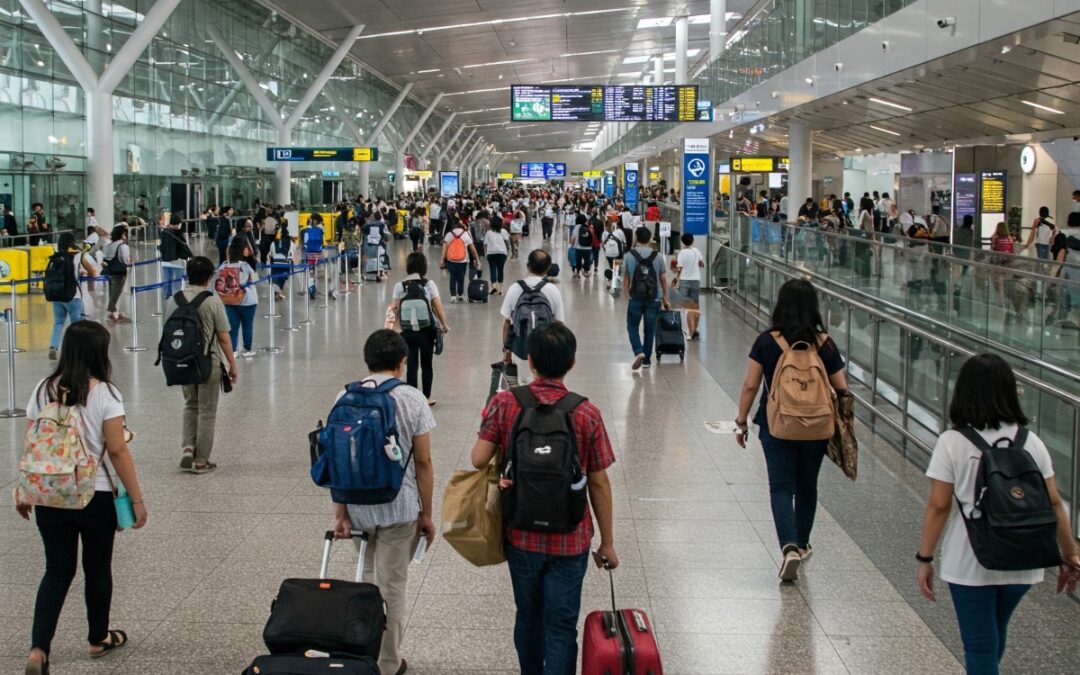
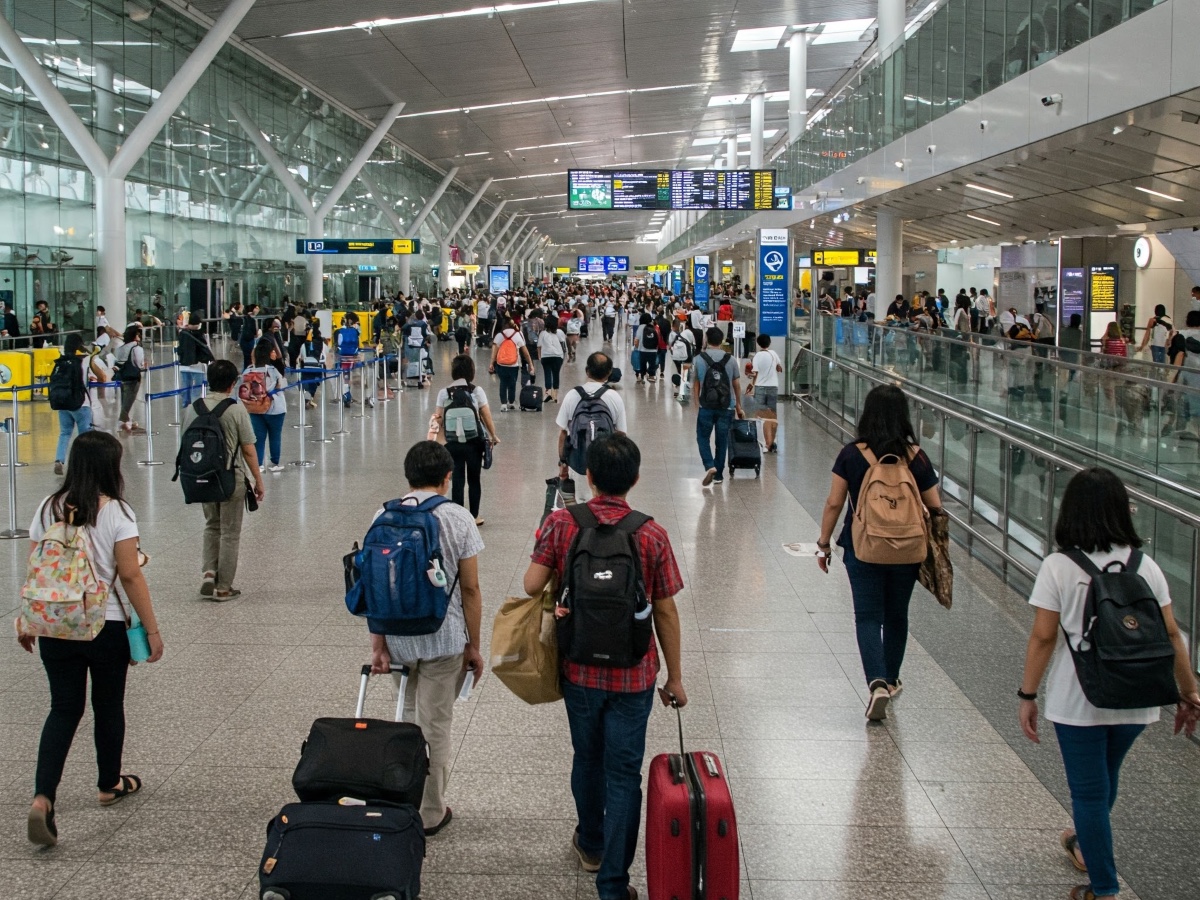
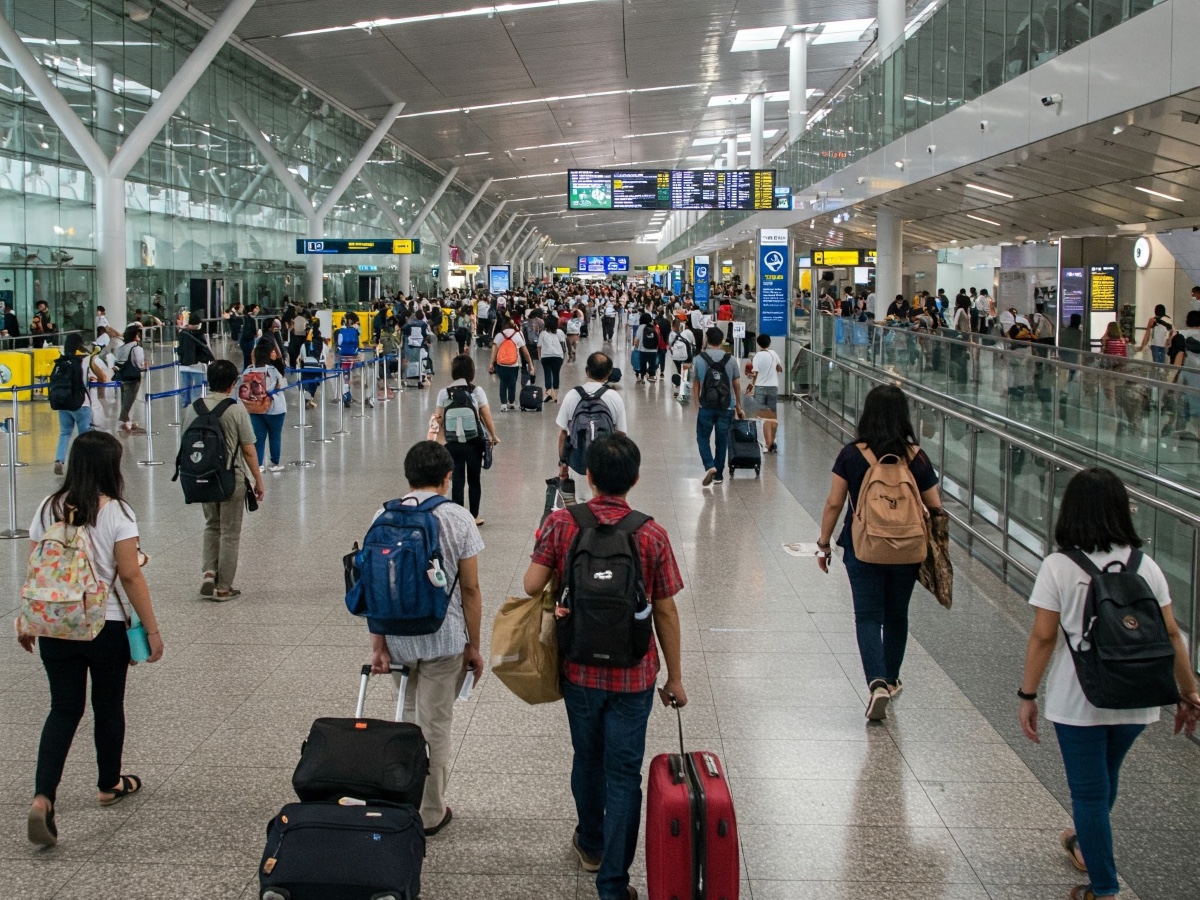
Airport access is one of Bangkok’s quiet liveability tests. It rarely decides a purchase on its own, but it can shape how comfortable a condo feels for foreign owners who fly regularly, families who host visitors, executives who work across the region, and tenants who need reliable travel links. A beautiful unit can still be frustrating if every airport trip is stressful.
Airport access matters most when it fits the owner’s real travel rhythm, not only a map distance.
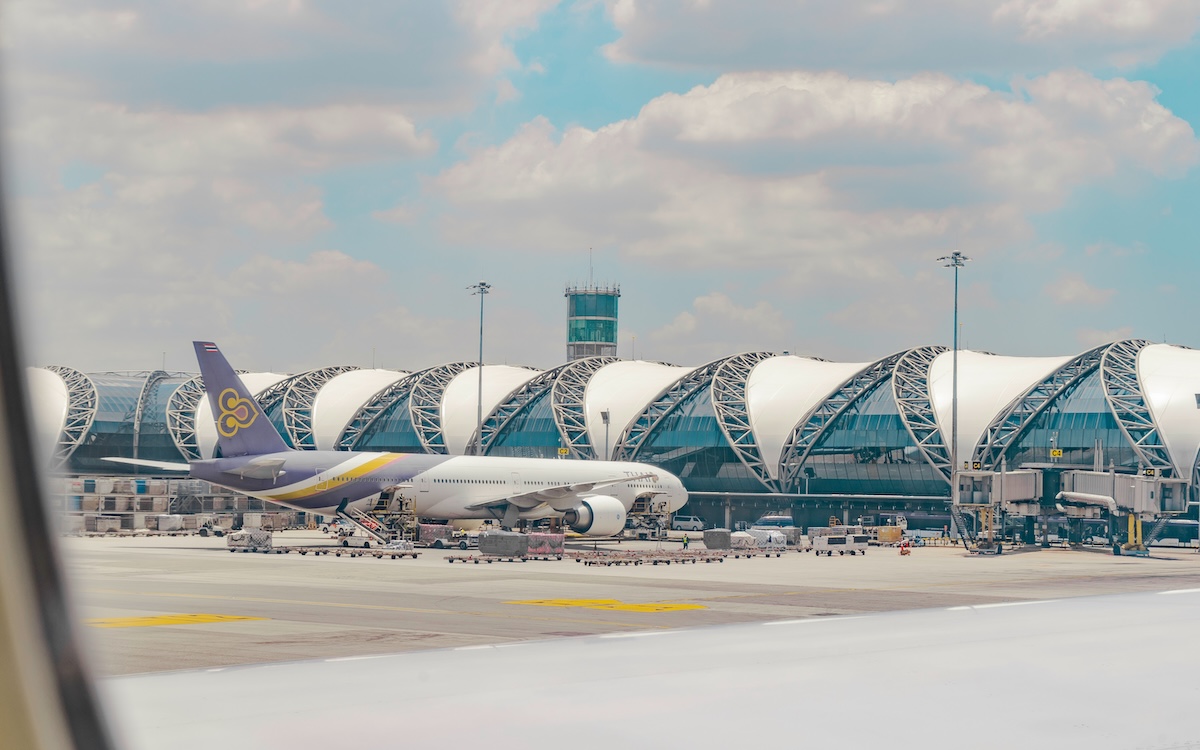
Foreign buyers should assess airport access as part of daily life, not as a marketing phrase. Bangkok has more than one travel pattern. Some owners use Suvarnabhumi for long-haul and regional flights. Others use Don Mueang for domestic and low-cost regional routes. Many residents also care about the route to the Airport Rail Link, expressways, taxis and ride-hailing pickup points.
Why airport access matters to ownership
For non-resident owners, airport access affects every viewing trip, handover visit, furnishing trip and annual inspection. For owner-occupiers, it affects work travel, family visits and holidays. For tenants, it can be a deciding factor when choosing between similar units, especially for regional managers, consultants, airline staff, medical visitors, academics and internationally mobile families.
The value is not only speed. Predictability matters. A district that gives residents two or three workable airport routes can feel more resilient than a location that depends on one congested road. Buyers should ask how the journey works in the morning, evening, rain and holiday periods, not only on a quiet weekend afternoon.
Suvarnabhumi access supports Bangkok’s appeal as a regional base for mobile households.
Rail, road and the final kilometre
Rail access can be useful, especially when a building connects conveniently to the BTS, MRT or Airport Rail Link network. But rail is only part of the journey. The final kilometre from the condo to the station, luggage handling, escalators, lifts, weather and interchange comfort all matter. A route that looks efficient on a map may be awkward with suitcases or children.
Road access also needs a practical test. Ask how quickly taxis arrive, where cars can stop, whether the lobby pickup point works during rain, and how the route changes during peak traffic. Buildings with clear drop-off areas, helpful security teams and easy ride-hailing access often feel better for frequent travellers.
Which districts benefit from airport logic
There is no single best airport district. Phaya Thai and Ratchaprarop can appeal because of Airport Rail Link access. Asoke, Phrom Phong, Thonglor and Ekkamai may suit residents who balance airport trips with central Sukhumvit work and lifestyle. Sathorn and Silom can work for business travellers who prioritise office access. Bang Na, On Nut and eastern Sukhumvit may appeal to buyers who use expressway routes or prefer a less central base.
The right choice depends on the buyer’s wider routine. A family may prefer school and hospital convenience over shaving ten minutes from an airport trip. A consultant who flies weekly may accept a smaller unit if the travel route is more predictable. A retiree may care more about easy taxi access, lift comfort and nearby healthcare than proximity to a rail interchange.
The best location decision balances airport movement with schools, hospitals, offices and daily errands.
How landlords should think about airport access
Airport access can help rental marketing, but it should not be exaggerated. Tenants still compare rent, layout, furniture, building facilities, noise, internet, grocery access and management quality. A unit near a travel route is stronger when it also works as a home. Good photos, clear directions and honest journey descriptions are more useful than vague claims about being close to everything.
For furnished rentals, consider the traveller’s first hour in the unit. Is the arrival process clear? Can a taxi stop easily? Is there a place for luggage? Does the building allow smooth move-in? Are instructions available in English? These details can influence reviews, renewals and tenant referrals.
Inspection checklist
Test the airport route at realistic times, not only during a viewing slot.
Check taxi pickup, lobby access, luggage movement and station lifts.
Compare Suvarnabhumi and Don Mueang routes if both airports matter.
Balance airport convenience with schools, hospitals, offices and grocery access.
Ask whether building staff can support arrivals, deliveries and move-in coordination.
Buyer takeaway
Bangkok airport access is a liveability factor, not a stand-alone investment thesis. Foreign buyers should choose a condo that fits their real travel pattern while still meeting the fundamentals of layout, building quality, district convenience and resale appeal. The best location is the one that makes both ordinary weeks and travel days easier.
IBP can help foreign buyers compare Bangkok districts by travel access, lifestyle fit and ownership practicality. Browse our Bangkok lifestyle guides or contact IBP Real Estate for a location-led shortlist.