Air quality is part of Bangkok liveability, but it cannot be judged from one viewing or a fixed reputation attached to a district. Conditions change by day, season, weather and nearby activity. A condo buyer therefore needs a repeatable way to read official information and assess how the building manages the indoor environment.
Air quality varies over time, so buyers should combine official monitoring with repeat visits and building checks.
The goal is not to declare one neighbourhood permanently clean or unsuitable. It is to understand exposure, household sensitivity and practical choices. Anyone with asthma, heart or lung disease, pregnancy concerns or other medical questions should follow official health advice and consult a qualified clinician.
Begin with official monitoring
Use Thailand’s official air-quality services and Bangkok’s city information before relying on a social-media screenshot or a single commercial sensor. Check the time, station location, pollutant and averaging period. A reading from another part of the city may not describe the street outside the condo.
Follow conditions over several weeks and across the times the household is active. This creates a better picture than viewing only on a clear afternoon. Save the official channels that residents will use after moving, because air quality is an ongoing routine rather than a one-time property check.
Visit the micro-location repeatedly
Walk the building’s frontage, side streets and route to rail. Note idling traffic, bus stops, loading bays, construction, open-air cooking, generators and the distance from major roads. These observations do not replace monitoring, but they help explain local conditions and daily patterns.
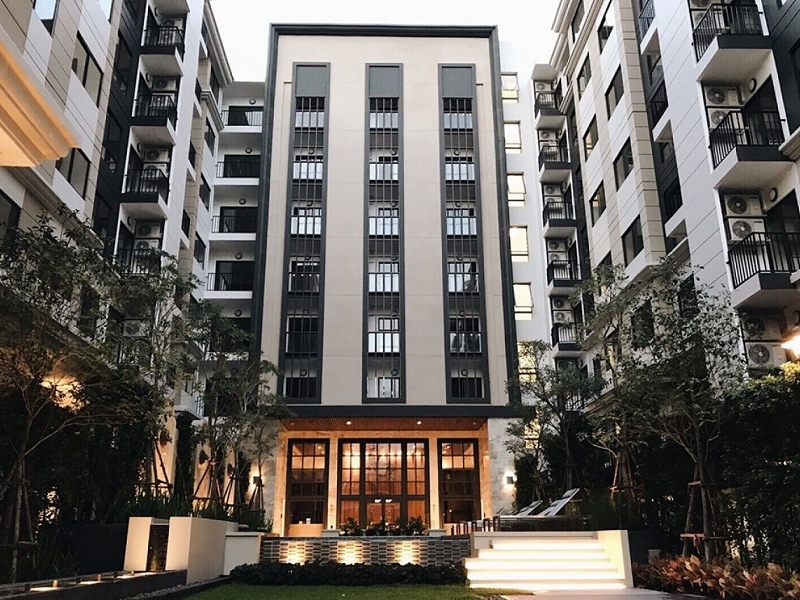
Visit in the morning and evening, on a weekday and after rain if practical. Check whether the lobby doors remain open, where vehicles wait and how air moves through common areas. A higher floor or park view should not be assumed to guarantee a particular indoor reading.
Window seals, ventilation, air-conditioning maintenance and filtration influence the indoor experience.
Inspect the unit as an air system
Check window and balcony-door seals, visible gaps, odours, dampness, mould and the condition of air-conditioning units. Ask whether the system recirculates indoor air, introduces outside air or operates differently by room. A technician can explain the exact equipment and safe maintenance requirements.
Look at the kitchen hood and bathroom exhaust. Ask where they discharge and whether unwanted smells travel between units or corridors. Indoor air can also be affected by smoking, cleaning products, new furniture, pets, cooking and moisture, so an outdoor reading is only one part of comfort.
Ask how the building is managed
The condominium juristic person should be able to explain air-conditioning maintenance in common areas, cleaning schedules, smoking rules, renovation controls and the response to construction dust. Inspect lift lobbies, corridors, gyms and children’s rooms for ventilation, odour and visible maintenance.
Ask how filters are serviced and whether replacement records exist for central systems. Do not assume that a premium lobby means the hidden equipment is well maintained. Building management quality affects whether procedures continue after the sales gallery closes.
Evaluate filtration carefully
Portable air cleaners may be useful for some households, but equipment should be matched to room size, airflow and the pollutants of concern. Check independently verified specifications, replacement-filter availability, noise and electricity use. A device that is too loud to run at night may not support the intended routine.
Air-conditioning filters and particle-removal filters do different jobs. Do not force an unsuitable filter into equipment or block necessary ventilation. Ask a qualified specialist where needed, and follow manufacturer instructions for cleaning and replacement.
Residents can adapt exercise and travel plans using current official readings and health advice.
Plan daily routines around current conditions
Residents can use current readings and official advice to decide when to exercise outdoors, open windows or adjust travel. A building near a park may still offer valuable recreation, but the time and intensity of activity can be adapted when conditions are poor.
Consider the whole journey. A comfortable indoor unit may be undermined by a long exposed walk beside traffic. Covered access, reliable rail, a safe taxi pickup and indoor exercise options can make an air-quality-aware routine easier without giving up urban convenience.
Think about children, older residents and pets
Different household members may have different needs and activity patterns. Families should inspect school transport, play spaces and the route to parks. Older residents may value close healthcare and indoor walking options. Pet owners should examine outdoor access and building rules.
A buyer should not make health assumptions for another person. Use a clinician’s advice for individual concerns and make sure the home supports that advice in practical ways, including space for equipment, easy filter changes and a manageable daily route.
Include air quality in rental and resale thinking
Tenants increasingly ask about window seals, filtration, smoking rules and nearby construction. An investor should answer with accurate building and unit information rather than promising clean air. Well-maintained systems and clear records can strengthen confidence, but they do not create a guaranteed rent premium.
At resale, buyers will compare the whole living experience: location, transport, noise, heat, air, management and cost. Good air-quality preparation is one component of a resilient unit, not a substitute for layout, price or building health.
Air-quality viewing checklist
Track official readings across different days and times.
Walk the exact street, station route and vehicle pickup area.
Inspect windows, doors, dampness, odours and air-conditioning.
Ask about common-area ventilation and filter maintenance.
Review smoking, renovation and construction-dust procedures.
Match any air cleaner to the room and household need.
Plan outdoor exercise and travel using current official advice.
Liveability takeaway
A Bangkok air quality guide should help buyers make measured decisions, not create fear or false certainty. Bangkok remains highly liveable for many foreign residents because of its transport, healthcare, food, culture and services. The right condo adds a well-managed indoor environment and practical routines to those city advantages.
Bangkok libraries and reading spaces give expats more than a quiet place with books. They can provide cultural orientation, children’s routines, community events, study areas and an alternative to spending every free hour in a café or shopping mall.
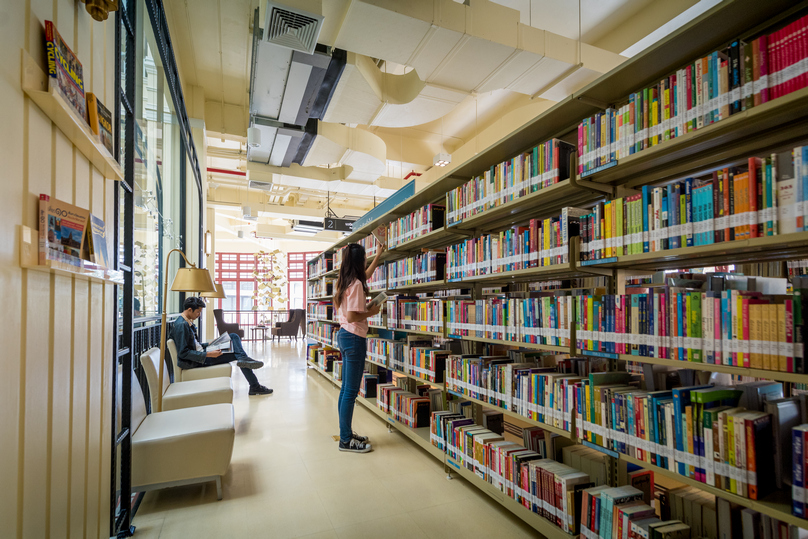
Bangkok City Library combines reading areas with exhibitions and learning spaces for residents and visitors.
For condo buyers, access to these spaces is a useful liveability test. A home may be close to work yet feel disconnected from the activities that make a long stay rewarding. Libraries, bookshops and learning venues help reveal whether a neighbourhood supports curiosity, family life and time away from the unit.
Bangkok offers several kinds of reading space
The city’s options range from public libraries and historic membership institutions to university collections, art-centre libraries and book-led retail spaces. They serve different needs. Some prioritise borrowing and research, while others combine reading with exhibitions, talks, food or informal work.
Before choosing a regular venue, check current access conditions, identification or membership requirements, language coverage, opening arrangements and policies for laptops, calls and children. These details can change, and a beautiful room is not automatically suitable for every routine.
Bangkok City Library: a civic learning space
Bangkok City Library stands on Ratchadamnoen Klang Road in the historic centre. Official government information describes reading, magazine, children’s, exhibition and foreign-language areas, making it relevant to adults, students and families exploring the city.
Its location encourages visitors to combine reading with an understanding of older Bangkok, nearby civic architecture and cultural sites. For residents farther east, the trip may be a planned weekend activity rather than a daily walk, so the full transport route matters more than district prestige.
Neilson Hays Library: books, heritage and community
Neilson Hays Library on Surawong Road has served Bangkok’s English-reading community since the nineteenth century, with its present neoclassical building opening in 1922. The institution’s own history presents it as both a library and a continuing cultural hub.
For expats in Bang Rak, Silom and Sathorn, it demonstrates how a neighbourhood amenity can combine international accessibility with local heritage. Membership, events, children’s activities and exhibitions can turn a reading habit into a social connection rather than an isolated pursuit.
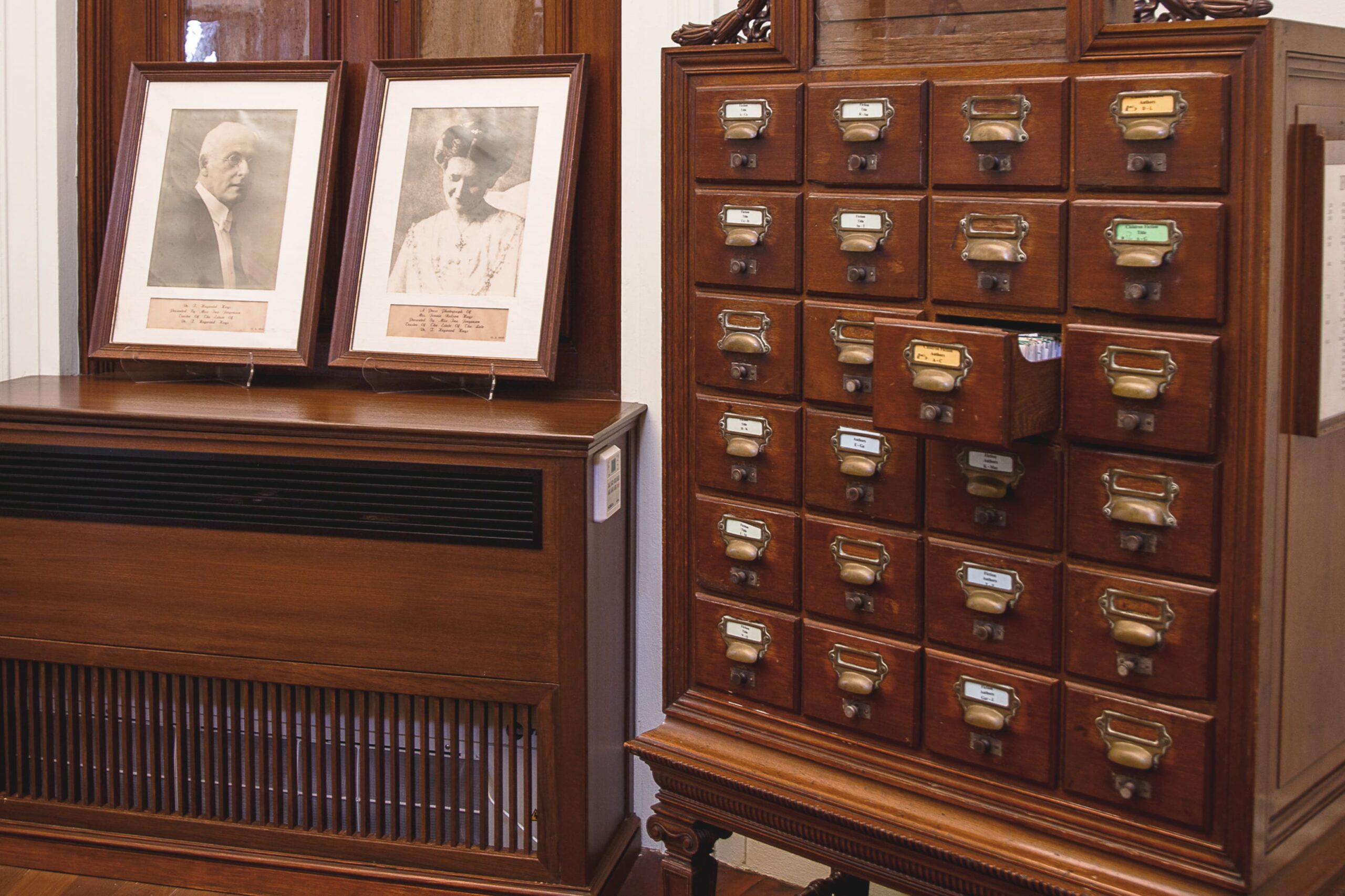
Neilson Hays Library adds English-language reading, heritage architecture and community programmes to the Surawong area.
Open House: reading inside a mixed-use destination
Open House at Central Embassy combines a bookshop and co-thinking areas with dining, art and other leisure uses. It is not the same as a public lending library, yet it can suit residents who want books, informal work and meetings in one centrally connected environment.
This kind of retail-led space also illustrates a Bangkok strength: useful third places can sit directly above rail connections and beside offices, hotels and homes. The trade-off is that atmosphere, seating and noise may vary by time, event and visitor volume.
Open House at Central Embassy shows how bookshops, co-thinking areas, dining and retail can share one premium urban setting.
Match the venue to your real routine
A family may prioritise children’s collections, toilets, food options and an easy journey home. A remote worker may care about dependable seating, power, quiet and call rules. A researcher needs collection depth and access permissions, while a casual reader may value atmosphere and nearby errands.
Visit at the time you are most likely to use the space. Test the door-to-seat journey, including the walk from rail or bus, shade, road crossings and evening return. A venue that requires several inconvenient transfers may remain an occasional pleasure rather than a weekly habit.
Use reading access to compare condo locations
Add cultural and learning access to the normal location scorecard beside commute, food, healthcare, green space and total housing cost. The aim is not to buy beside one favourite venue, which may change, but to choose a district with several workable options.
A rail-connected condo can widen the practical cultural radius of home. Conversely, a short map distance can be misleading when crossings, heat or limited pavements make the journey uncomfortable. Test the route rather than relying on a property brochure’s list of nearby landmarks.
Why this matters to landlords
Libraries and reading spaces will not determine rent by themselves, but they can strengthen the lived experience around a home. They may appeal to families, educators, students, creative professionals and long-stay residents who value more than nightlife and shopping.
Landlords should describe such access accurately and avoid promising membership, seats or opening hours. The stronger rental proposition remains a suitable unit with good management and transport, supported by a neighbourhood that offers varied reasons to stay.
Reading-space liveability checklist
Identify public, membership and retail-led options.
Confirm present access and programme information directly.
Check language coverage and children’s facilities.
Visit at the hour you expect to use the venue.
Test rail, bus and walking connections both ways.
Compare quiet, seating, power and call policies.
Look for several alternatives rather than one landmark.
Score cultural access alongside essential daily needs.
Bangkok condo comfort is not defined by air-conditioning alone. Sun exposure, glazing, room depth, shade, airflow, humidity and equipment condition all influence how a home feels through the day. Expat buyers should test thermal comfort before committing, especially if they work from home or travel frequently.
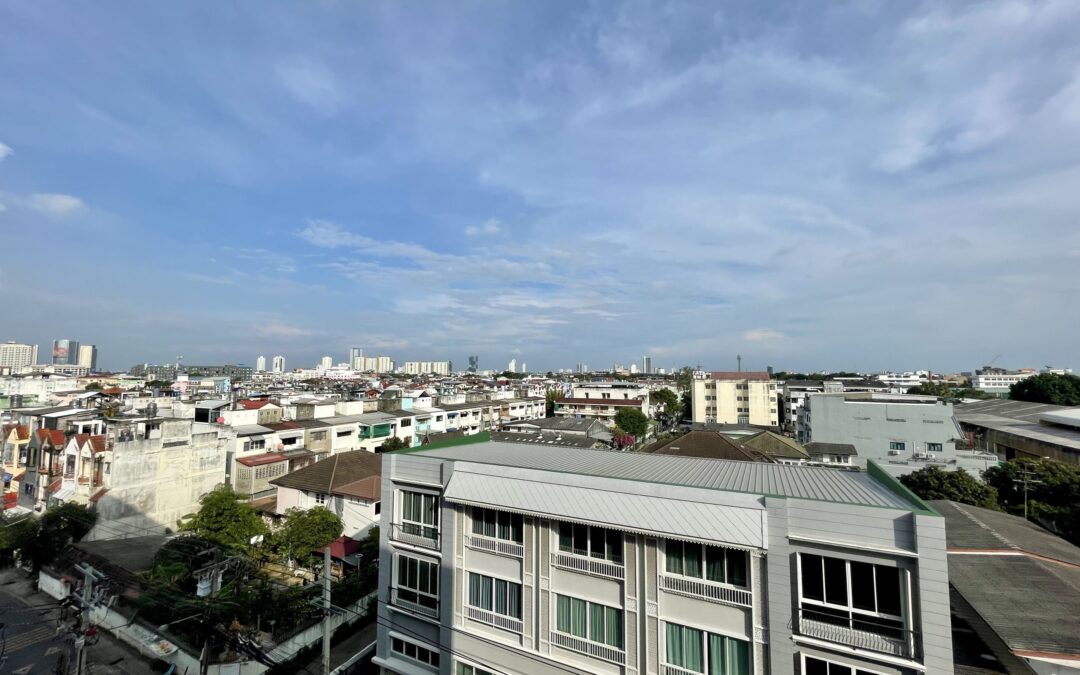
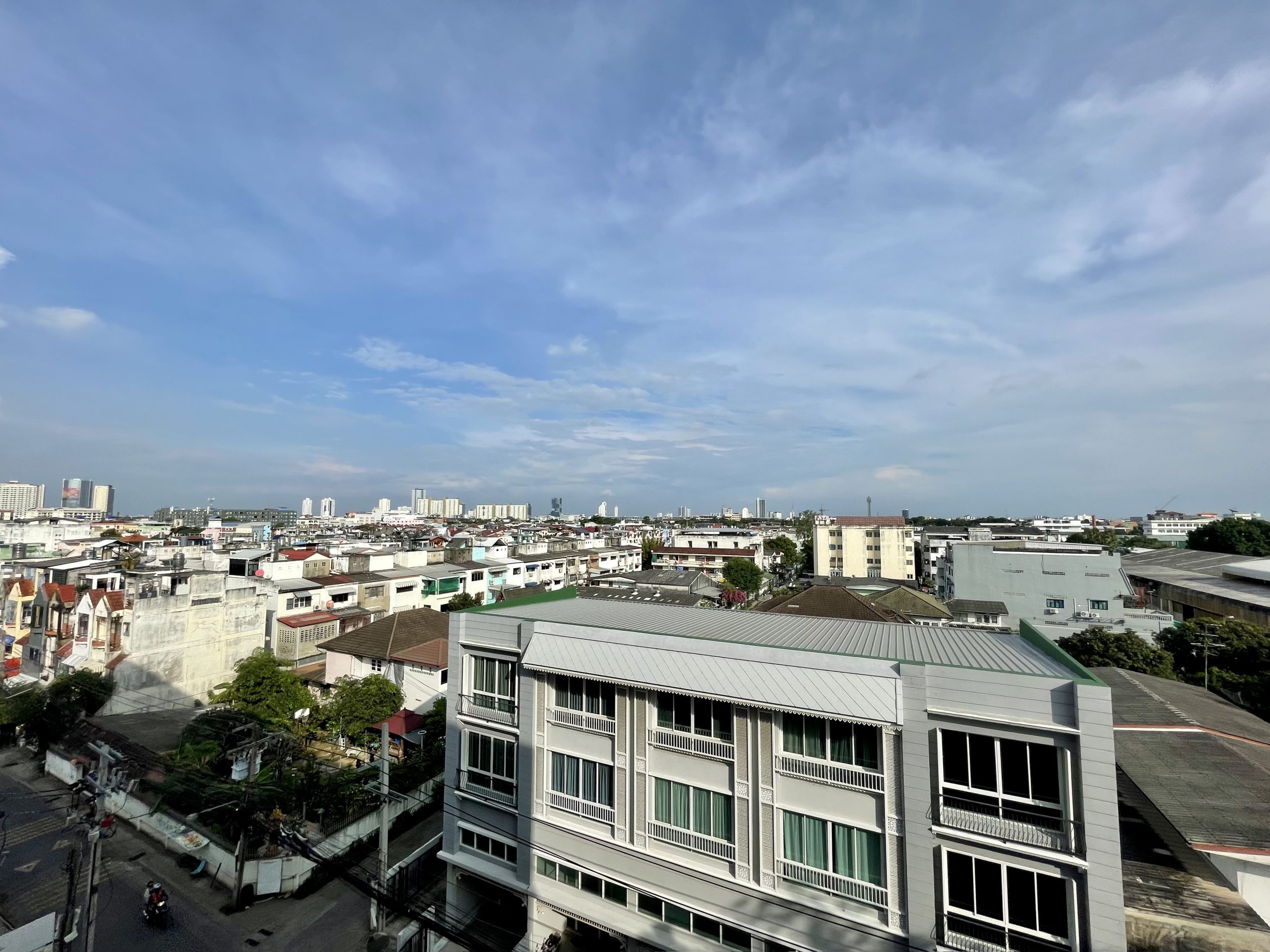
Direction, surrounding buildings and exposed glass can change how heat reaches a unit through the day.
A cool five-minute viewing proves very little when the system has been running before arrival. The aim is to understand how the exact unit gains and loses heat, how efficiently occupied rooms can be cooled and what happens when the home is closed for several days.
Visit when heat exposure is visible
Ask which direction the main windows face and return when direct sun is likely to affect them. Observe warm glass, heated walls, glare and rooms that remain uncomfortable after cooling starts. Nearby towers, balconies and fixed shading can change exposure floor by floor.
Do not judge orientation from a compass label alone. A corner unit may receive sun from more than one direction, while a recessed window may be protected. Note where curtains or blinds are essential and whether they reduce the natural light that attracted you.
Test the whole layout
Stand in the kitchen, bedroom, work area and bathroom, not only under the living-room air conditioner. Long plans, closed doors and poorly placed equipment can create uneven temperatures. Check whether cooling one occupied zone requires conditioning the entire unit.
Room use matters. A sunny space may work as an occasional dining area but become tiring as a daily office. A bedroom that cools slowly can affect sleep even when the living room feels comfortable.
Room depth, doors and air-conditioning positions determine whether cooling reaches the spaces people actually use.
Inspect air-conditioning condition
Ask for maintenance history where available and operate each unit with permission. Listen for unusual noise, check airflow and look for staining, dripping or damaged insulation. A professional inspection can assess performance and installation more reliably than a short viewing.
Confirm who maintains equipment during a tenancy and how condensate lines are accessed. Replacement cost and disruption should be included in the ownership plan, particularly where outdoor units or service routes are difficult to reach.
Understand airflow without making unsafe changes
Openable windows and balcony doors may help at suitable times, but outdoor heat, rain, pollution, insects and security affect when natural ventilation is practical. Check screens, seals, door operation and the building’s facade rules before planning alterations.
Internal airflow should not depend on propping open fire doors or changing common areas. Fans can improve perceived comfort in some rooms, but placement, noise and electrical access need to suit the layout.
Look for humidity and moisture clues
Inspect wardrobes, window edges, bathroom ceilings, cabinets and walls behind furniture. Odour, swelling, discolouration or repeated repainting can indicate a condition that deserves closer investigation. Do not assume that strong cooling has resolved the underlying issue.
Ask how the unit is managed when empty. Sensitive clothing, leather, paper and electronics may need a considered plan. Any equipment left operating during absence should be used in accordance with safety, insurance and manufacturer guidance.
Shade and a comfortable walking approach can matter as much as indoor cooling for everyday life.
Assess the journey beyond the front door
Thermal comfort includes the walk to transport and daily services. Shade, covered routes, trees, road crossings and waiting areas influence whether the location feels manageable in hot or wet conditions.
Check corridor and lift-lobby ventilation, car-park access and pickup points. A comfortable unit can still feel inconvenient if every daily journey begins with a long exposed walk.
Compare comfort with running cost
Request unit-specific electricity history where the owner can lawfully provide it, but interpret past use carefully. Household size, thermostat choices, occupancy and equipment condition can create very different bills in similar units.
Compare glazing area, ceiling height, appliance efficiency, shading and cooling zones. Build a conservative monthly allowance rather than relying on a salesperson’s estimate. Comfort and cost should be tested together.
Consider landlords and future residents
A thermally difficult unit can generate complaints, maintenance calls and shorter tenancies. Landlords should document equipment condition, provide clear operating information and respond promptly to leaks or failures.
Neutral window treatments, maintained seals and accessible equipment can support a wider tenant group. Avoid irreversible work before checking juristic rules and obtaining suitable technical advice.
Thermal comfort viewing checklist
Visit during the unit’s likely sun exposure.
Test every occupied room and cooling zone.
Inspect equipment, drainage and service access.
Check glazing, seals, blinds and fixed shade.
Look for moisture and humidity clues.
Walk the route to transport in realistic conditions.
Compare unit-specific use rather than generic bill estimates.
Confirm building rules before altering windows or facade elements.
A comfortable Bangkok condo is one whose climate can be managed without fighting the layout every day. Explore IBP’s expat living guides and buyer checklists, or contact IBP Real Estate for a comfort-led viewing shortlist.
Storage rarely leads a Bangkok condo viewing, yet it strongly shapes whether the home remains comfortable after suitcases, work equipment, cleaning supplies and everyday belongings arrive. Expat buyers should measure storage as carefully as bedrooms and balconies.
Storage works best when it supports daily routines without narrowing circulation or blocking light.
The right amount depends on lifestyle, household size and travel patterns. The aim is not to fill every wall with cupboards. It is to give necessary items sensible places without reducing circulation, light, ventilation or flexibility.
List what the home must hold
Before viewing, make a realistic inventory: daily clothes, formal wear, shoes, luggage, sports equipment, work materials, documents, household tools, cleaning items, spare linen and anything used for children or pets. Separate daily, seasonal and rarely used items.
Measure bulky belongings. A wardrobe can look generous but fail to fit long garments or large suitcases. Buyers relocating internationally should decide what will actually come to Bangkok rather than designing around possessions they plan to sell or store elsewhere.
Measure usable volume, not cupboard doors
Open cupboards with permission and check depth, shelf spacing, hinges, pipes, electrical panels and awkward corners. Count the space that can be reached and used safely. Tall cabinets are less helpful when upper shelves require unstable access.
Then examine the room around them. Drawers need clearance, wardrobes should not block doors and added cabinets should not narrow essential routes. Photograph and measure each storage zone so the furniture plan can be tested after the viewing.
Buyers should count usable cupboards after allowing for appliances, pipes, ventilation and easy access.
Give the kitchen an item-by-item test
Kitchen storage must accommodate food, cookware, small appliances, waste sorting and cleaning supplies after built-in equipment has taken its share. Check ventilation and access around sinks, hobs, refrigerators and service points.
A deep cabinet is not automatically efficient. Pull-out fittings, clear shelf heights and easy-to-clean surfaces can matter more than nominal volume. Ask where drinking water, bulk groceries and infrequently used appliances would go without occupying the worktop.
Plan for Bangkok’s climate
Heat and humidity affect clothing, leather goods, paper and electronics. Inspect enclosed cupboards for odour, staining, swelling, corrosion or signs of poor air movement. Ask how the unit is ventilated when unoccupied and how air-conditioning is normally used.
Avoid pressing belongings against damp surfaces or blocking ventilation. Sensitive documents and valuables may need more controlled storage. If a unit shows moisture or pest clues, investigate the underlying condition rather than hiding it behind new cabinetry.
Protect circulation and safety
Storage should not obstruct exits, sprinklers, detectors, electrical panels, air-conditioning access, balcony drains or maintenance routes. Heavy objects belong on stable supports, while tall furniture may need appropriate professional securing where permitted.
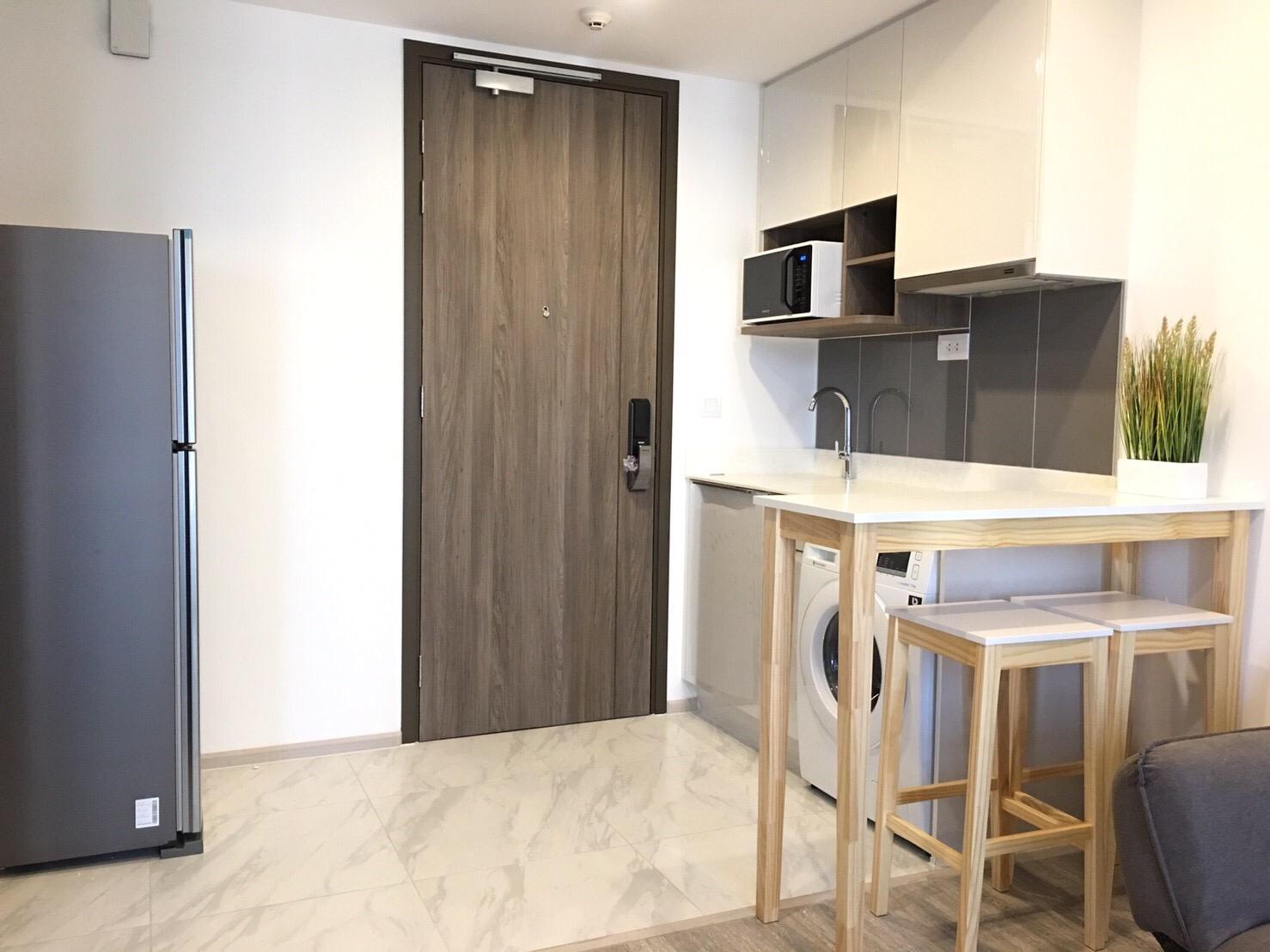
A measured furniture plan reveals whether wardrobes, luggage and household items have realistic places to go.
Confirm building and fire-safety requirements before adding built-ins, drilling, changing walls or placing anything in common corridors. A contractor should check services and load considerations. Written juristic approval may be required for work that appears minor.
Use flexible furniture carefully
Ottomans, beds with drawers and modular shelving can add capacity without permanent work. Test whether they remain easy to operate in the actual room. A lift-up bed is not practical when its lid collides with a wall shelf or requires moving a desk.
Choose pieces that suit the unit’s proportions and can move through lifts, doors and corridors. For an investor, neutral flexible furniture may serve a wider tenant group than highly customised cabinets designed around one person’s belongings.
Decide where luggage lives
Frequent travellers need luggage storage that does not consume the entrance or bedroom floor. Measure nesting cases and consider whether they can be stored above wardrobes, under a bed or in a dedicated utility area without trapping moisture.
Do not assume the building provides secure external storage. If lockers or store rooms are advertised, confirm the right to use them, access rules, security, climate and whether they form part of the transaction.
Keep documents and owner equipment organised
Foreign owners should maintain a secure file for transaction records, warranties, manuals, inventories, insurance papers and juristic correspondence. Digital copies help, but original documents may still need protected physical storage.
Landlords also need a place for spare keys, appliance information and approved replacement items without cluttering tenant space. Access to any owner cupboard should be documented clearly in the lease and inventory.
Think about resale and tenant flexibility
Practical storage can help a compact unit feel calm and usable. Poorly placed cabinetry can make the same unit feel smaller. Buyers should compare how easily the home accommodates a couple, a home worker or a frequent traveller within the target market.
Avoid spending heavily on built-ins before the layout has been tested through real living. Well-made neutral additions may support appeal, while unusual finishes and fixed furniture can narrow the next resident’s options.
Storage checklist for a condo viewing
List and measure the belongings that will move.
Open cupboards and record clear internal dimensions.
Check kitchen, laundry, luggage and document needs.
Inspect for moisture, pests and damaged fittings.
Protect exits, services and maintenance access.
Test flexible furniture in the measured floor plan.
Confirm rules before adding cabinets or drilling.
Keep enough open space for changing routines.
Good storage makes a Bangkok condo easier to live in without asking the resident to own less than intended. Browse IBP’s expat living guides and foreign buyer guides, or contact IBP Real Estate for a layout-led viewing shortlist.
A Bangkok condo balcony can look generous in photographs yet prove too hot, wet, noisy or exposed for regular use. Expat buyers should assess it as part of the home rather than as decorative floor area, checking climate, safety, privacy, building rules and maintenance.
A balcony should be judged in Bangkok’s real heat, rain, wind and neighbouring context.
The right balcony depends on the resident. One person may want morning coffee and plants; another needs a utility zone or values only the outlook. Investors should also consider whether the space adds useful tenant appeal or creates an area that is difficult to maintain.
Measure usable space
Record the clear depth and width after allowing for doors, drains, air-conditioning equipment, railings and maintenance access. A balcony may appear large on a plan but accommodate little once circulation and door swing are considered.
If furniture matters, mark its dimensions and leave safe movement around it. Do not assume built-in seating, screens or storage can be added. Facade elements and visible alterations are commonly controlled by condominium rules and require confirmation.
Visit at different times
Orientation changes how the balcony feels. Morning and afternoon sun, reflected heat, prevailing rain and seasonal wind can all affect comfort. Visit at the time the resident expects to use the space and return after rain if possible.
Check whether shade comes from the building design, an overhang or a neighbouring tower. Temporary shade can disappear if nearby land changes, while deep overhangs may reduce daylight inside the unit. Balcony and interior light should be assessed together.
Depth, drainage, door clearance and shade determine whether outdoor space is genuinely usable.
Inspect drainage and waterproofing clues
Look for ponding, staining, cracked finishes, loose tiles, blocked drains and sealant failure around doors and thresholds. Ask how rainwater leaves the balcony and whether overflow paths could affect the unit below. Do not obstruct drains with furniture or planters.
Water marks do not diagnose the cause on their own. A professional inspection can help distinguish maintenance needs from a larger waterproofing or facade issue. Review how the juristic person manages shared exterior repairs and what is treated as an owner’s responsibility.
Check doors, levels and indoor impact
Open and close the balcony door with permission. Inspect locks, tracks, seals and the threshold. Consider whether wind-driven rain, dust or insects enter the living area and whether curtains or furniture block access.
The balcony should not compromise air-conditioning efficiency or make the interior difficult to furnish. If equipment is installed outside, listen for vibration and check that technicians can reach it safely without moving everything through the home.
An attractive outlook can improve daily enjoyment, but buyers should also investigate future obstruction and maintenance.
Treat safety as non-negotiable
Check railing condition, height, gaps, climbable elements and any changes made by a previous owner. Families with children and residents with pets need specialist advice on the exact risk. Never rely on improvised netting or screens without building approval and safe installation.
High-rise wind can move light furniture, pots and unsecured objects. Buyers should ask what the rules require during storms and whether anything may be attached to railings or the facade. A visually attractive setup is not worthwhile if it creates danger for residents or people below.
Listen and look beyond the view
A broad outlook may come with expressway, rail, construction or entertainment noise. Stand outside long enough to hear the normal background and sudden peaks. Then close the door and assess how much reaches the bedroom and living space.
Look down as well as outward. Service areas, car parks, loading zones and neighbouring balconies affect privacy and sound. Ask what can be built on adjacent plots and have a professional investigate planning and ownership information where the outlook is central to the purchase decision.
Understand permitted uses
Confirm the condominium’s current rules on plants, drying clothes, smoking, cooking, pets, storage, satellite equipment, screens and exterior furniture. Rules vary by building and can change through proper governance. A use seen on another balcony is not proof that it is permitted.
Also check whether the balcony is part of the unit’s registered area and how it is treated in the documents and sale calculation. Your lawyer can explain the transaction papers; the juristic office can explain current operating rules.
Plan plants for Bangkok conditions
Plants can add shade and enjoyment, but species, containers, drainage and wind exposure matter. Heavy pots may create load or movement concerns, while water runoff can affect neighbours. Choose a restrained arrangement that leaves drains and maintenance routes clear.
Consider how plants will be watered during travel and whether leaves or soil can blow from the balcony. Building management may have specific restrictions. A simple, well-maintained setup is usually more sustainable than a dense garden that depends on constant care.
Consider rental and resale appeal
For an investor, a balcony adds value only when the target tenant can use or appreciate it. A shaded, well-proportioned balcony may widen appeal, while an exposed ledge beside noisy equipment may add little despite being included in the floor area.
Keep maintenance and approval records for any permitted work. Avoid highly personal additions that narrow the next resident’s options. Buyers comparing units should price the balcony according to practical benefit, not simply its photographed view.
Balcony viewing checklist
Measure clear usable depth and door swing.
Visit during sun, rain and evening conditions.
Inspect drains, thresholds, tiles and staining.
Check railings, wind exposure and child or pet risk.
Listen for traffic, rail, equipment and venue noise.
Investigate neighbouring plots and privacy.
Confirm building rules for every intended use.
Compare practical benefit with the price paid.
A well-designed balcony can make Bangkok condo life more enjoyable, but only when it works safely in the city’s real climate and building context. Browse IBP’s expat living guides and district guides, or contact IBP Real Estate for a lifestyle-led property shortlist.