
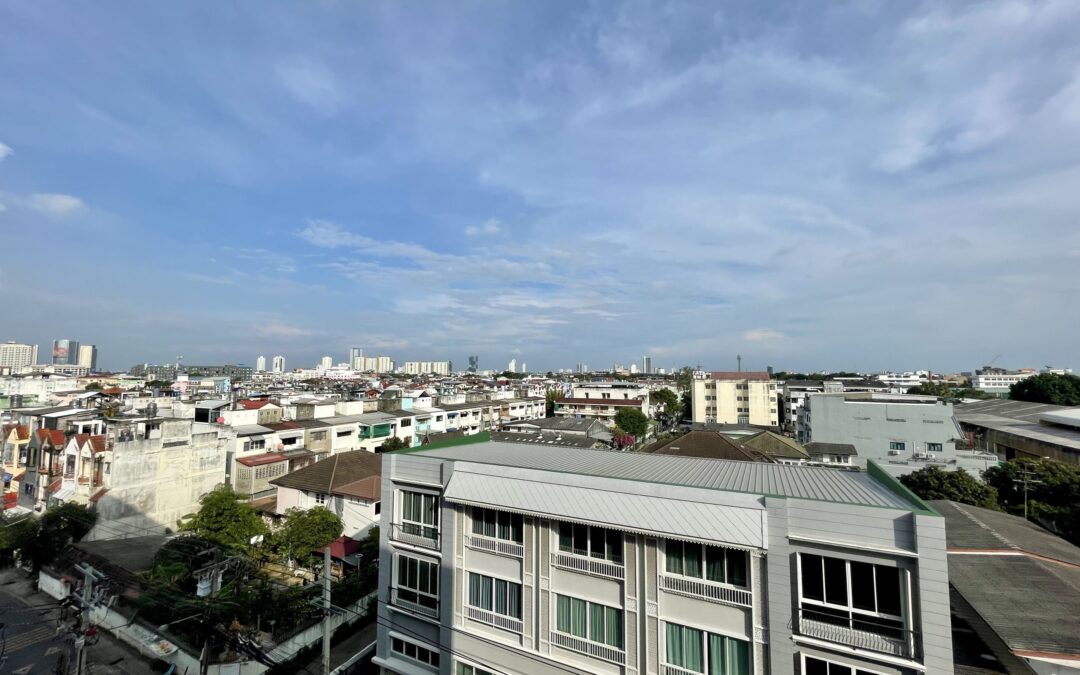
Bangkok condo comfort is not defined by air-conditioning alone. Sun exposure, glazing, room depth, shade, airflow, humidity and equipment condition all influence how a home feels through the day. Expat buyers should test thermal comfort before committing, especially if they work from home or travel frequently.
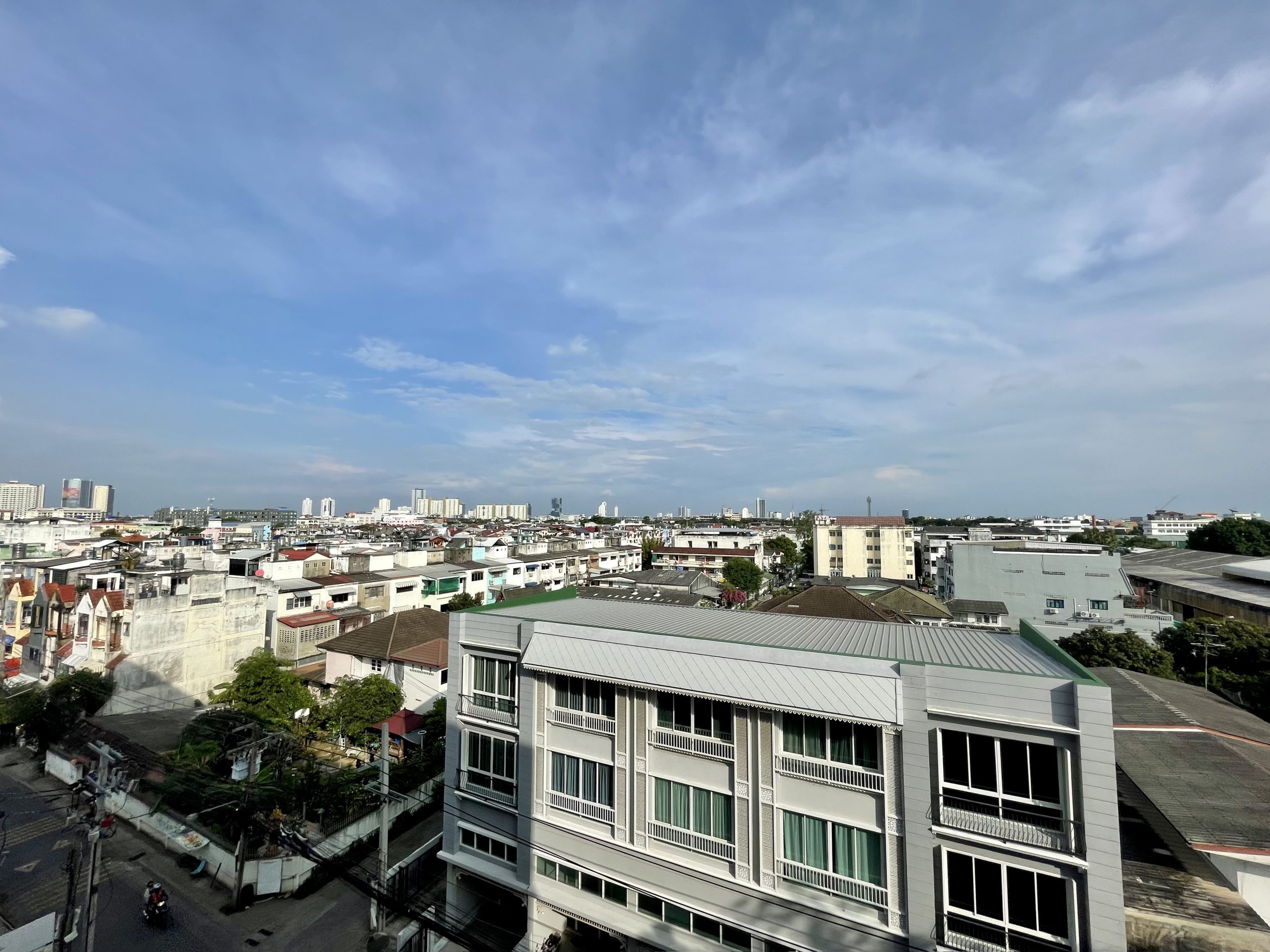
A cool five-minute viewing proves very little when the system has been running before arrival. The aim is to understand how the exact unit gains and loses heat, how efficiently occupied rooms can be cooled and what happens when the home is closed for several days.
Visit when heat exposure is visible
Ask which direction the main windows face and return when direct sun is likely to affect them. Observe warm glass, heated walls, glare and rooms that remain uncomfortable after cooling starts. Nearby towers, balconies and fixed shading can change exposure floor by floor.
Do not judge orientation from a compass label alone. A corner unit may receive sun from more than one direction, while a recessed window may be protected. Note where curtains or blinds are essential and whether they reduce the natural light that attracted you.
Test the whole layout
Stand in the kitchen, bedroom, work area and bathroom, not only under the living-room air conditioner. Long plans, closed doors and poorly placed equipment can create uneven temperatures. Check whether cooling one occupied zone requires conditioning the entire unit.
Room use matters. A sunny space may work as an occasional dining area but become tiring as a daily office. A bedroom that cools slowly can affect sleep even when the living room feels comfortable.
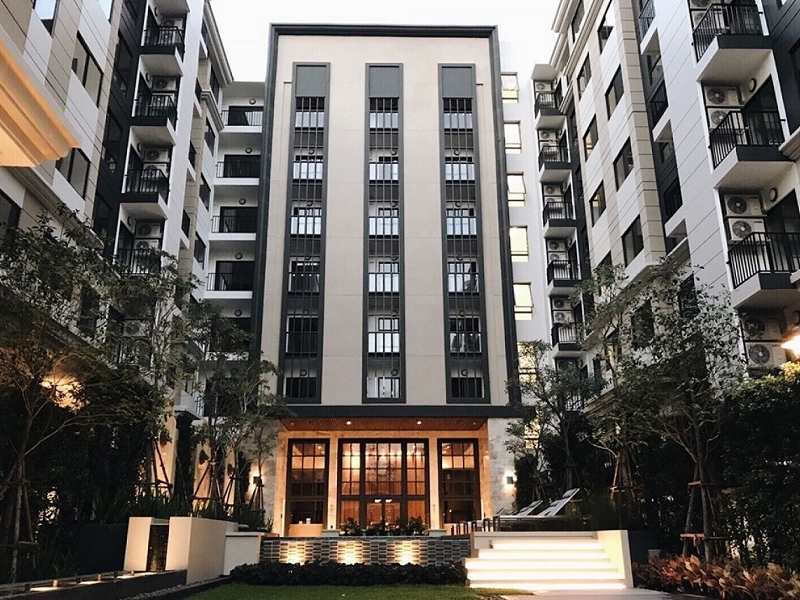
Inspect air-conditioning condition
Ask for maintenance history where available and operate each unit with permission. Listen for unusual noise, check airflow and look for staining, dripping or damaged insulation. A professional inspection can assess performance and installation more reliably than a short viewing.
Confirm who maintains equipment during a tenancy and how condensate lines are accessed. Replacement cost and disruption should be included in the ownership plan, particularly where outdoor units or service routes are difficult to reach.
Understand airflow without making unsafe changes
Openable windows and balcony doors may help at suitable times, but outdoor heat, rain, pollution, insects and security affect when natural ventilation is practical. Check screens, seals, door operation and the building’s facade rules before planning alterations.
Internal airflow should not depend on propping open fire doors or changing common areas. Fans can improve perceived comfort in some rooms, but placement, noise and electrical access need to suit the layout.
Look for humidity and moisture clues
Inspect wardrobes, window edges, bathroom ceilings, cabinets and walls behind furniture. Odour, swelling, discolouration or repeated repainting can indicate a condition that deserves closer investigation. Do not assume that strong cooling has resolved the underlying issue.
Ask how the unit is managed when empty. Sensitive clothing, leather, paper and electronics may need a considered plan. Any equipment left operating during absence should be used in accordance with safety, insurance and manufacturer guidance.

Assess the journey beyond the front door
Thermal comfort includes the walk to transport and daily services. Shade, covered routes, trees, road crossings and waiting areas influence whether the location feels manageable in hot or wet conditions.
Check corridor and lift-lobby ventilation, car-park access and pickup points. A comfortable unit can still feel inconvenient if every daily journey begins with a long exposed walk.
Compare comfort with running cost
Request unit-specific electricity history where the owner can lawfully provide it, but interpret past use carefully. Household size, thermostat choices, occupancy and equipment condition can create very different bills in similar units.
Compare glazing area, ceiling height, appliance efficiency, shading and cooling zones. Build a conservative monthly allowance rather than relying on a salesperson’s estimate. Comfort and cost should be tested together.
Consider landlords and future residents
A thermally difficult unit can generate complaints, maintenance calls and shorter tenancies. Landlords should document equipment condition, provide clear operating information and respond promptly to leaks or failures.
Neutral window treatments, maintained seals and accessible equipment can support a wider tenant group. Avoid irreversible work before checking juristic rules and obtaining suitable technical advice.
Thermal comfort viewing checklist
- Visit during the unit’s likely sun exposure.
- Test every occupied room and cooling zone.
- Inspect equipment, drainage and service access.
- Check glazing, seals, blinds and fixed shade.
- Look for moisture and humidity clues.
- Walk the route to transport in realistic conditions.
- Compare unit-specific use rather than generic bill estimates.
- Confirm building rules before altering windows or facade elements.
A comfortable Bangkok condo is one whose climate can be managed without fighting the layout every day. Explore IBP’s expat living guides and buyer checklists, or contact IBP Real Estate for a comfort-led viewing shortlist.