
Air quality is part of Bangkok liveability, but it cannot be judged from one viewing or a fixed reputation attached to a district. Conditions change by day, season, weather and nearby activity. A condo buyer therefore needs a repeatable way to read official information and assess how the building manages the indoor environment.

The goal is not to declare one neighbourhood permanently clean or unsuitable. It is to understand exposure, household sensitivity and practical choices. Anyone with asthma, heart or lung disease, pregnancy concerns or other medical questions should follow official health advice and consult a qualified clinician.
Begin with official monitoring
Use Thailand’s official air-quality services and Bangkok’s city information before relying on a social-media screenshot or a single commercial sensor. Check the time, station location, pollutant and averaging period. A reading from another part of the city may not describe the street outside the condo.
Follow conditions over several weeks and across the times the household is active. This creates a better picture than viewing only on a clear afternoon. Save the official channels that residents will use after moving, because air quality is an ongoing routine rather than a one-time property check.
Visit the micro-location repeatedly
Walk the building’s frontage, side streets and route to rail. Note idling traffic, bus stops, loading bays, construction, open-air cooking, generators and the distance from major roads. These observations do not replace monitoring, but they help explain local conditions and daily patterns.
Visit in the morning and evening, on a weekday and after rain if practical. Check whether the lobby doors remain open, where vehicles wait and how air moves through common areas. A higher floor or park view should not be assumed to guarantee a particular indoor reading.
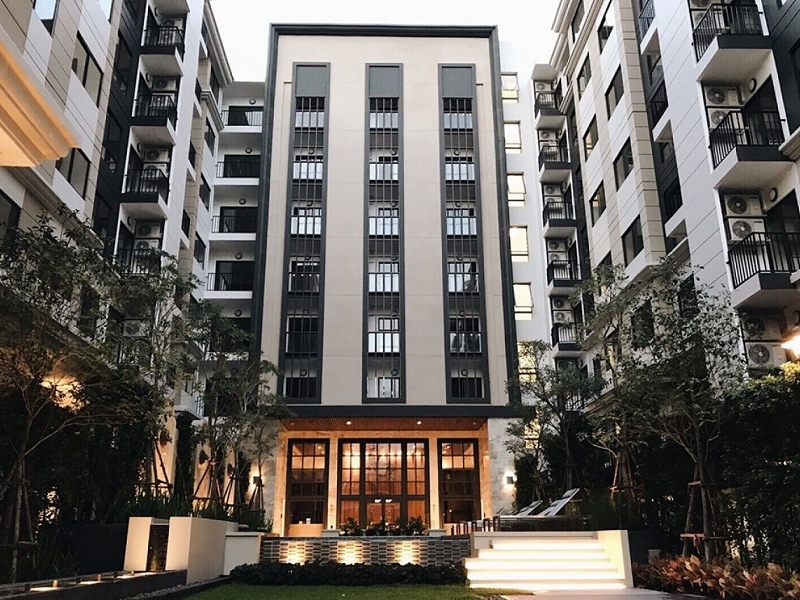
Inspect the unit as an air system
Check window and balcony-door seals, visible gaps, odours, dampness, mould and the condition of air-conditioning units. Ask whether the system recirculates indoor air, introduces outside air or operates differently by room. A technician can explain the exact equipment and safe maintenance requirements.
Look at the kitchen hood and bathroom exhaust. Ask where they discharge and whether unwanted smells travel between units or corridors. Indoor air can also be affected by smoking, cleaning products, new furniture, pets, cooking and moisture, so an outdoor reading is only one part of comfort.
Ask how the building is managed
The condominium juristic person should be able to explain air-conditioning maintenance in common areas, cleaning schedules, smoking rules, renovation controls and the response to construction dust. Inspect lift lobbies, corridors, gyms and children’s rooms for ventilation, odour and visible maintenance.
Ask how filters are serviced and whether replacement records exist for central systems. Do not assume that a premium lobby means the hidden equipment is well maintained. Building management quality affects whether procedures continue after the sales gallery closes.
Evaluate filtration carefully
Portable air cleaners may be useful for some households, but equipment should be matched to room size, airflow and the pollutants of concern. Check independently verified specifications, replacement-filter availability, noise and electricity use. A device that is too loud to run at night may not support the intended routine.
Air-conditioning filters and particle-removal filters do different jobs. Do not force an unsuitable filter into equipment or block necessary ventilation. Ask a qualified specialist where needed, and follow manufacturer instructions for cleaning and replacement.
Plan daily routines around current conditions
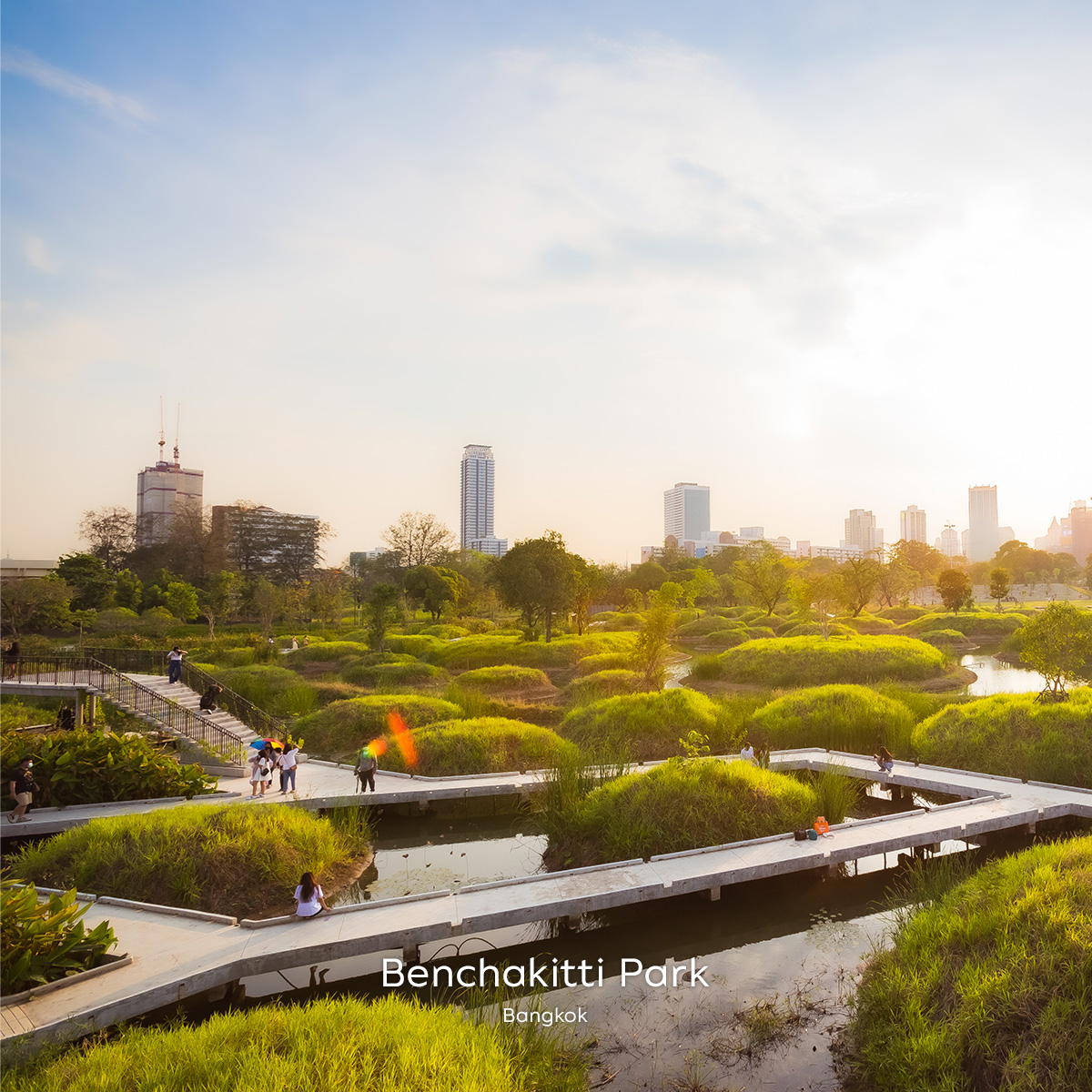
Residents can use current readings and official advice to decide when to exercise outdoors, open windows or adjust travel. A building near a park may still offer valuable recreation, but the time and intensity of activity can be adapted when conditions are poor.
Consider the whole journey. A comfortable indoor unit may be undermined by a long exposed walk beside traffic. Covered access, reliable rail, a safe taxi pickup and indoor exercise options can make an air-quality-aware routine easier without giving up urban convenience.
Think about children, older residents and pets
Different household members may have different needs and activity patterns. Families should inspect school transport, play spaces and the route to parks. Older residents may value close healthcare and indoor walking options. Pet owners should examine outdoor access and building rules.
A buyer should not make health assumptions for another person. Use a clinician’s advice for individual concerns and make sure the home supports that advice in practical ways, including space for equipment, easy filter changes and a manageable daily route.
Include air quality in rental and resale thinking
Tenants increasingly ask about window seals, filtration, smoking rules and nearby construction. An investor should answer with accurate building and unit information rather than promising clean air. Well-maintained systems and clear records can strengthen confidence, but they do not create a guaranteed rent premium.
At resale, buyers will compare the whole living experience: location, transport, noise, heat, air, management and cost. Good air-quality preparation is one component of a resilient unit, not a substitute for layout, price or building health.
Air-quality viewing checklist
- Track official readings across different days and times.
- Walk the exact street, station route and vehicle pickup area.
- Inspect windows, doors, dampness, odours and air-conditioning.
- Ask about common-area ventilation and filter maintenance.
- Review smoking, renovation and construction-dust procedures.
- Match any air cleaner to the room and household need.
- Plan outdoor exercise and travel using current official advice.
Liveability takeaway
A Bangkok air quality guide should help buyers make measured decisions, not create fear or false certainty. Bangkok remains highly liveable for many foreign residents because of its transport, healthcare, food, culture and services. The right condo adds a well-managed indoor environment and practical routines to those city advantages.
IBP can help foreign buyers compare Bangkok homes through real daily conditions. Explore our expat living guides and foreign buyer coverage, or contact IBP Real Estate for a liveability-led shortlist.