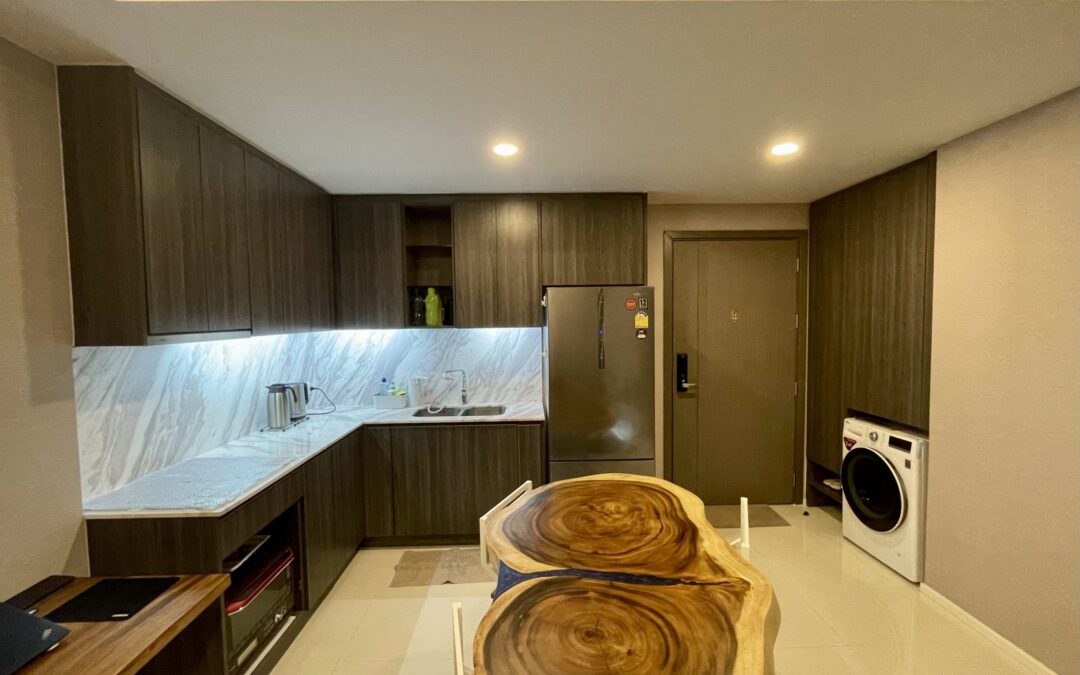
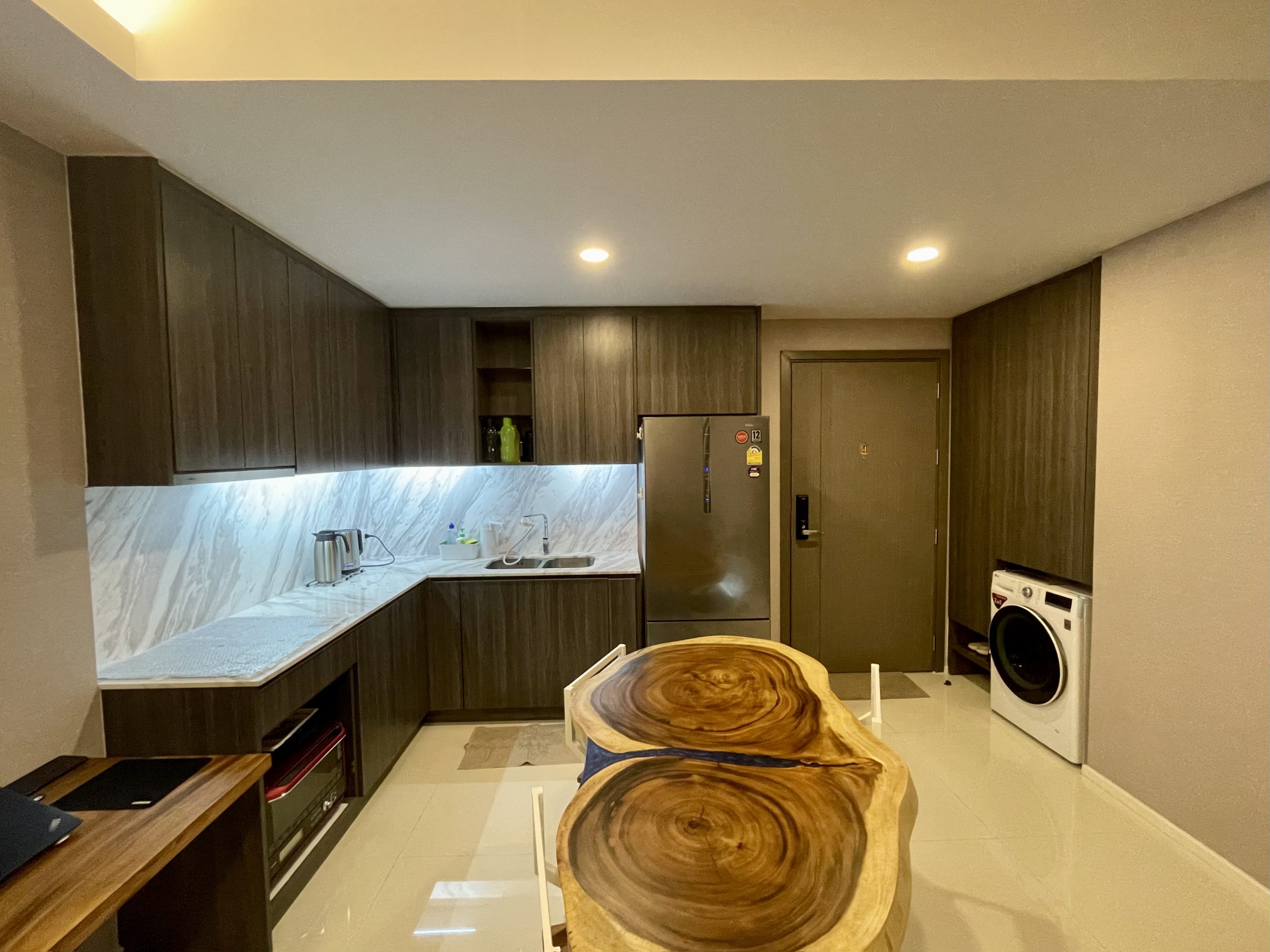
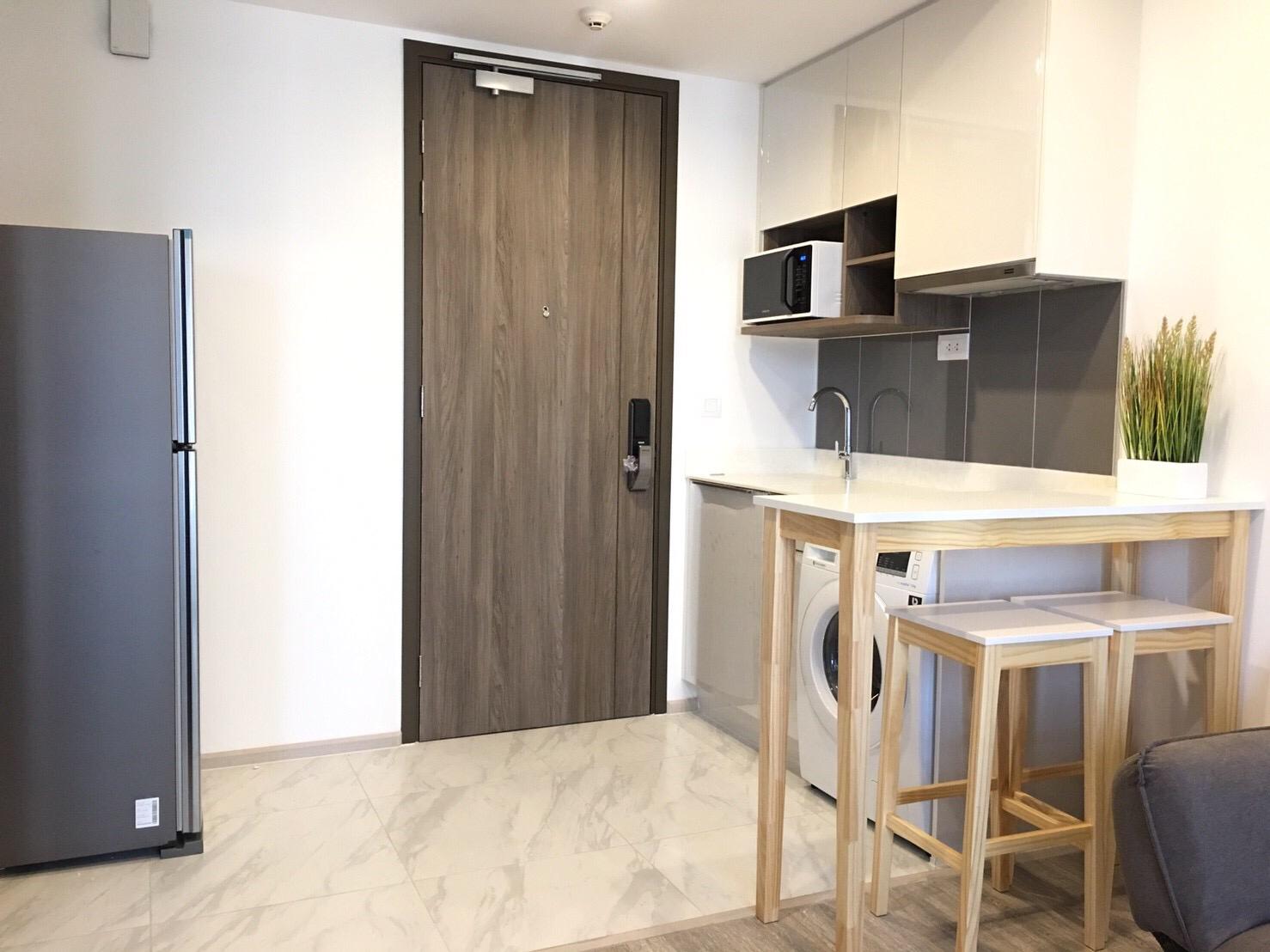
A Bangkok condo kitchen can be a beautiful backdrop and still be frustrating to use. Expat buyers should look beyond cabinet colour and appliance brands to ventilation, worktop space, storage, electrical capacity, cleaning and the way food actually fits into their Bangkok routine.
A kitchen should be judged by the resident’s real cooking and dining routine, not only by styling.
The right kitchen depends on the resident. Someone who mainly reheats food needs a different layout from a family cooking every day. An investor also needs to consider future tenants: a compact kitchen can be perfectly suitable when it is honest, robust and matched to the likely audience.
Start with the cooking brief
List how often the resident cooks, which appliances they use and whether meals are simple, aromatic, high-heat or prepared for several people. Check whether the kitchen must support baking, coffee equipment, a large refrigerator, water filtration or storage for imported ingredients. A clear brief stops buyers from paying for decorative features they will not use.
Also consider dining. A breakfast counter may suit one resident but become awkward for a couple working from home or a family hosting friends. Measure the table, chairs and circulation rather than trusting wide-angle photography.
Test ventilation carefully
Look at whether the kitchen is open to the living room or enclosed, where the hood vents and whether windows can be used safely. Switch on the extraction system with permission and listen to it. A hood that is too noisy may be ignored; one that only recirculates air may perform differently from an externally ducted system.
Check odour paths to bedrooms, curtains and air-conditioning returns. Buyers planning frequent high-heat or aromatic cooking may prefer an enclosed kitchen, balcony utility zone or stronger verified extraction. Any alteration to ducts, facade openings or services should be approved through the building’s proper process.
Storage, worktop depth, electrical capacity and appliance access determine how usable a compact kitchen feels.
Measure worktop and storage
Compact kitchens often lose usable worktop to a sink, hob, drying rack and small appliances. Place the expected coffee machine, kettle, rice cooker or preparation board on the plan and see what remains. Check drawer depth, corner access, overhead cabinets and space for bins, cleaning products and dry food.
Open doors and drawers with permission. Confirm that they do not collide with appliances or the main circulation route. Tall residents should check worktop and hood height, while families may care about child access and secure storage. Good design uses a small footprint efficiently without making every task sequential.
Inspect appliances as equipment
Record what is included in the sale or lease, including model, approximate age and visible condition. Open the refrigerator, oven, microwave and dishwasher where present. Check ventilation clearances and whether appliances can be removed for repair without dismantling the entire cabinet run.
Ask who services the brands in Bangkok and whether manuals or warranties remain. Imported premium equipment can be attractive but expensive or slow to repair. For a rental unit, robust, familiar appliances may be more valuable than a complicated specification the target tenant does not need.
Check power, water and drainage
Count accessible sockets and consider the load from appliances that may run together. Do not add high-load equipment or move electrical points without qualified advice and any required building approval. Look for staining, swollen cabinets, poor sealant, slow drainage and evidence of leaks around sinks and appliances.
Confirm hot-water arrangements where relevant and check access to shut-off valves. A practical kitchen allows maintenance without damaging finished joinery. In an older unit, a professional inspection can help assess concealed services and the consequences of previous alterations.
Shared facilities can add flexibility, but buyers should confirm booking, cleaning and guest rules.
Understand gas and building rules
Do not assume a preferred cooking fuel is permitted. Ask the juristic office for current rules on gas, extraction, fire safety, balcony equipment, deliveries and renovation. The rules can differ by building and may be more restrictive than the resident expects from another country.
If a condominium provides a shared cooking or dining facility, inspect how it is booked, cleaned and supervised. Ask about guest limits, charges and operating hours. Shared space can add flexibility for occasional larger meals, but it should not be treated as a substitute for a missing facility unless access is reliable.
Connect the kitchen to Bangkok food life
Part of Bangkok’s liveability is choice. Residents can combine home cooking with markets, supermarkets, food courts, restaurants and delivery. Map where groceries actually come from, how heavy shopping reaches the unit and whether parcels or food deliveries are easy to collect.
A smaller kitchen may work well when daily food options are excellent and the resident cooks lightly. A family or keen cook may value a larger refrigerator, pantry and enclosed preparation area more than an extra decorative amenity. The neighbourhood and the kitchen should be assessed together.
Consider tenants and resale
For investors, the kitchen should match the unit’s likely audience. A studio aimed at a single professional needs clean storage, a usable refrigerator and simple maintenance. A two- or three-bedroom home may be judged more critically on worktop, ventilation, dining and family storage.
Avoid highly personal alterations that reduce flexibility or are difficult to reverse. Keep approval records, appliance details and renovation invoices. A future tenant or buyer can assess the property more confidently when the kitchen is maintained and its equipment is clearly documented.
Kitchen viewing checklist
Define the resident’s real cooking routine.
Test extraction and odour paths.
Measure clear worktop and dining circulation.
Open storage and appliance doors.
Check included equipment and service access.
Inspect water, drainage and visible sealant.
Confirm power and building restrictions.
Map groceries, deliveries and waste disposal.
A well-matched kitchen can make Bangkok condo life more comfortable and sustainable, while a poor one creates friction every day. Browse IBP’s expat living guides and district guides, or contact IBP Real Estate for a lifestyle-focused property shortlist.
Bangkok green space is not only a weekend amenity. For a long-stay resident, access to a park, shaded route or smaller pocket of planting can change how often it feels comfortable to walk, exercise, meet friends or take a break from a high-rise home. Foreign condo buyers should therefore assess green space as part of everyday liveability, not as a decorative map feature.
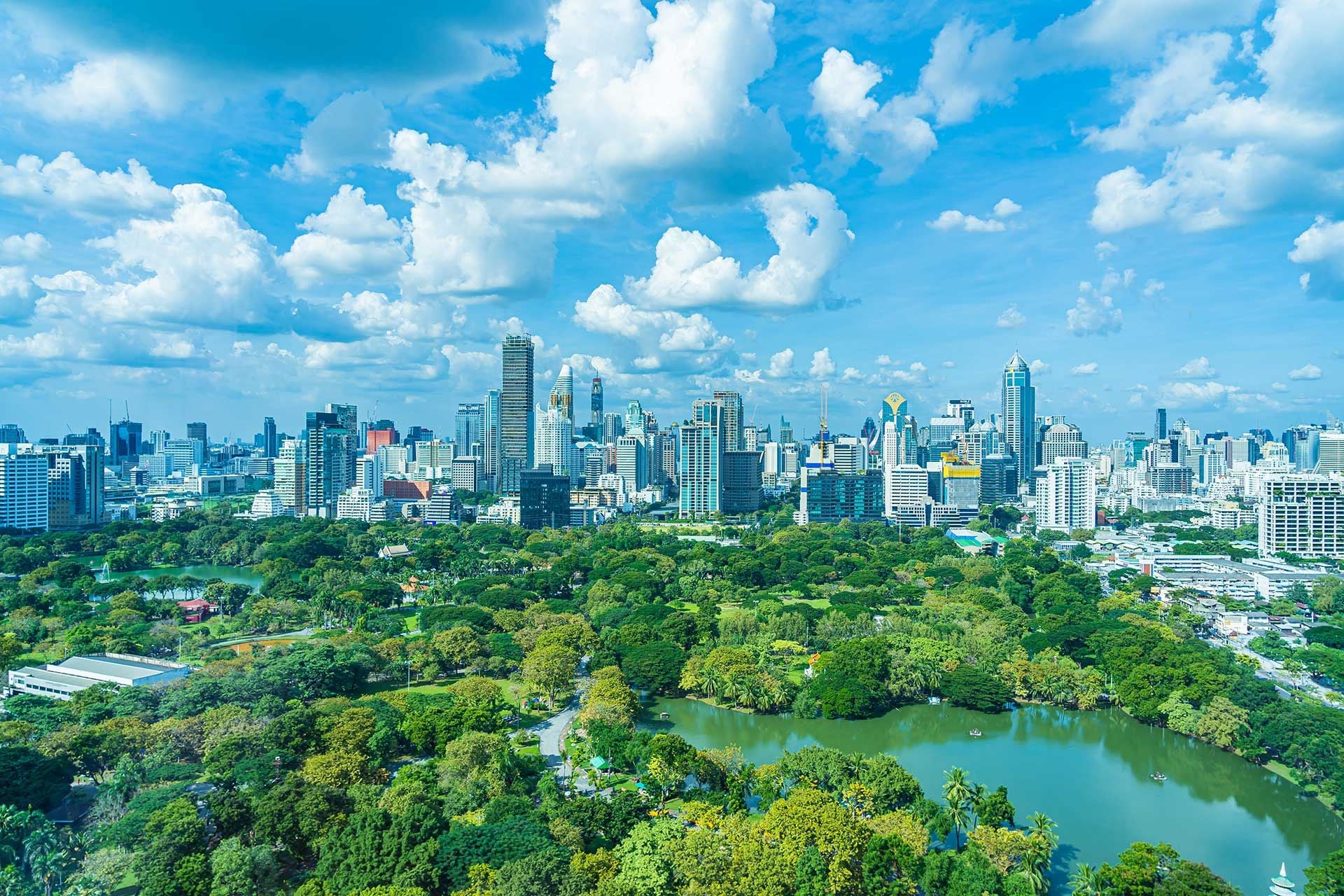
Major parks can add exercise, shade and a calmer rhythm to high-density city living.
Major parks such as Lumphini, Benchakitti and Suan Luang Rama IX offer distinctive experiences, but proximity alone does not settle the property decision. Entrances, crossings, opening times, heat, rain, traffic and the route from the lobby all affect whether a resident will actually use a space. A smaller local park reached easily may add more daily value than a famous park requiring an awkward journey.
Begin with the routine you want
Define what green space needs to do for you. A runner may value a continuous loop and early access. A family may look for play areas, toilets, seating and a route suitable for a pushchair. An older resident may prioritise shade, level paths and easy taxi pickup. A dog owner must check applicable rules rather than assume every open area is pet-friendly.
Write down frequency as well as purpose. A park used five mornings a week should be tested like a commute. A destination visited once a month can justify a longer trip. This distinction prevents buyers from paying a large location premium for an amenity that does not fit their real schedule.
Walk from the condo to the entrance
Property listings often measure distance to the edge of a park. Residents need an entrance they can use. Walk the complete route and note major roads, footbridges, junction waits, pavement condition, shade, lighting and drainage. Repeat the journey when traffic is busy and consider how it feels after dark.
Check whether the route works both ways when tired, carrying shopping or returning in rain. If a taxi or motorcycle ride is normally required, include that friction in the decision. The best green-space access is the one a resident can use consistently without turning a simple walk into a logistical exercise.
Usable access depends on entrances, crossings, opening times and the journey from the condominium.
Compare large parks with local greenery
Large parks can provide long routes, varied landscapes and a stronger sense of separation from the city. They may support running, cycling, group exercise and weekend gatherings. Their scale can also make nearby districts attractive to residents who want urban convenience without giving up outdoor time.
Local parks, canalside paths, landscaped setbacks and quiet tree-lined streets play a different role. They can support a short evening walk, children’s outdoor time or a calmer route to shops. Buyers should map several layers of green space rather than letting one landmark dominate the entire location assessment.
Inspect the condo’s own outdoor provision
A well-designed garden, terrace or pool deck can complement public space, especially during very hot or wet weather. Look at usable shade, seating, airflow, noise, maintenance and whether the area feels overcrowded at peak times. A photograph taken immediately after completion may not show how planting and surfaces have aged.
Ask how outdoor areas are maintained and whether major work is planned. Review common fees and the building’s financial position because extensive landscaping and water features require ongoing care. An attractive garden adds value only when management can sustain it.
Larger destination parks may reward a longer trip, while small local spaces can support daily routines.
Test comfort across Bangkok’s seasons
Green-space routines change with heat, heavy rain and air-quality conditions. Buyers should consider early-morning and evening access, sheltered alternatives and how the building supports indoor exercise when outdoor plans are uncomfortable. Keep expectations realistic: a nearby park does not remove the need to monitor conditions and adjust activity.
Observe water, mosquitoes, slippery surfaces and drainage after rain. Check the route during the season in which you are viewing, then ask how it changes at other times. A covered connection, convenient lift and practical lobby can be as important as the park itself when weather changes quickly.
Green space can widen the resident audience
For an investor, credible access to outdoor space may appeal to professionals, couples, families and longer-stay residents. It can make a compact unit feel more liveable because recreation is not limited to the condominium amenities. The benefit should be demonstrated through the actual route and neighbourhood rather than described with a vague claim of being near nature.
Do not assume a park view will remain open or that every tenant will pay a premium. Check orientation, heat, noise, surrounding land and competing units. A well-managed building with an easy entrance route may lease more defensibly than a higher-priced unit whose main selling point is a distant view.
Use green space to compare districts
When two condos meet the basic budget and transport brief, compare the complete liveability network: public parks, small open spaces, walkable errands, healthcare, food, culture and social life. Bangkok’s premium appeal comes from combining these choices, not from any single amenity.
A central buyer may value Lumphini or Benchakitti access alongside rail and office districts. A buyer farther east may prefer a larger home and planned trips to Suan Luang Rama IX. Neither is universally better. The right balance depends on how often the resident travels centrally, how much private space they need and what they enjoy doing outdoors.
Green-space viewing checklist
Identify the exact entrance and opening arrangements.
Walk the full route at the times you expect to use it.
Check crossings, shade, lighting and drainage.
Match facilities to running, family or mobility needs.
Assess smaller local spaces as well as major parks.
Inspect the condo’s gardens and maintenance quality.
Plan indoor alternatives for heat, rain and poor air.
Verify current rules directly before relying on a facility.
Green space rarely decides a purchase on its own, but it can make Bangkok condo life healthier, calmer and easier to sustain over many years. IBP helps foreign buyers compare homes by transport, neighbourhood and long-stay practicality. Browse our expat living guides and district guides, or contact IBP Real Estate for a lifestyle-focused shortlist.
Private hospital access is one of Bangkok’s practical advantages for many foreign condo buyers. It may not be the first feature shown in a property brochure, but it often matters once a buyer thinks beyond the viewing day. Expats, retirees, families, frequent visitors and second-home owners all benefit from knowing how quickly they can reach reliable healthcare when needed.
Healthcare access is a practical liveability factor for expats, retirees, families and repeat visitors.
This is not a medical recommendation and it is not a ranking of hospitals. It is a liveability check. A Bangkok condo should be assessed by how it supports real life: routine appointments, prescriptions, health screenings, family needs, insurance paperwork, emergencies, follow-up visits and transport during traffic or rain.
Why healthcare access affects liveability
Foreign residents often choose Bangkok because it combines city convenience with international services. Hospital access can reduce anxiety for families with children, older residents, people with regular medication, frequent travellers and buyers planning longer stays. It also matters for visiting parents, guests or tenants who may need English-language support and clear appointment processes.
A condo does not need to sit beside a hospital to be practical. It does need a realistic route. Buyers should understand taxi times, rail access, traffic patterns, ambulance access, nearby clinics and how easily a resident can manage follow-up appointments without disrupting the whole day.
Routine appointments, follow-ups and pharmacy access should be considered alongside commute and lifestyle.
Match the district to the household
Different buyers need different healthcare routines. A young professional may care about quick access to clinics and pharmacies. A family may prioritise paediatric services, school proximity and weekend urgent-care options. Retirees may value specialist appointments, international patient support, easy taxis and calm building access. Investors may consider whether healthcare access broadens the tenant pool.
Districts such as Sukhumvit, Ploenchit, Chit Lom, Langsuan, Silom, Sathorn, Rama 9 and parts of the riverside can offer different healthcare routes. The correct choice depends on the buyer’s daily pattern, not only the name of the nearest hospital.
Transport matters during stressful moments
Healthcare access should be tested in practical terms. How long does the journey take in morning traffic? Can taxis find the lobby easily? Is there a sheltered drop-off? Is the route manageable during heavy rain? Is there a nearby BTS or MRT option for routine visits? Can a family member reach the hospital from work or school?
For older buyers or families with small children, the building itself also matters. Lifts, lobby seating, parking, ramp access, security responsiveness and clear address instructions can make appointments easier. A premium unit can feel less livable if the building is awkward during a health-related trip.
The best location is the one that works during normal weeks and during urgent health or family situations.
Insurance and paperwork planning
Foreign owners should keep health insurance, passport copies, emergency contacts, allergies, medication lists and hospital registration details organised. If the condo is used by family members or tenants, make sure important contacts are easy to find. Overseas owners should also decide who can help locally if they are not in Bangkok.
Landlords should avoid making medical promises to tenants, but they can still provide practical neighbourhood information: nearby clinics, pharmacies, transport options and emergency building contacts. This is part of professional property preparation, especially for expatriate tenants.
What to inspect around the condo
Taxi and ride-hailing access from lobby to hospital areas.
Nearby clinics, pharmacies and routine health services.
Traffic patterns at appointment times, not only weekends.
Rail options for non-urgent visits.
Building access for older residents, children and visitors.
Emergency contacts, address clarity and security desk communication.
Rental and resale angle
Healthcare access can support rental appeal, especially for families, retirees, international staff and long-stay tenants. It is rarely the only reason someone rents a unit, but it can strengthen the overall decision when combined with schools, transport, retail, parks and good building management.
At resale, buyers may value a location that feels safe and convenient for real life. A condo near strong services is easier to explain than one that depends only on lifestyle buzz. The strongest locations give residents confidence on ordinary days and during urgent ones.
Buyer takeaway
Bangkok private hospital access is a quiet but important liveability factor. Foreign buyers should test healthcare routes, building access and neighbourhood services before choosing a condo for long stays, family use or rental investment. The right property is not only attractive; it is practical when life becomes less predictable.
IBP helps foreign buyers compare Bangkok condos by healthcare access, transport, schools, amenities and daily liveability. Browse our expat living guides or contact IBP Real Estate for a lifestyle-focused shortlist.
Bangkok heritage walks can change how a foreign buyer understands the city. The most obvious condo checks are transport, price, rent and building quality, but liveability also depends on whether the surrounding city feels interesting, layered and easy to enjoy. Heritage streets, river routes, museums, galleries, temples, shopfronts and old communities can make a Bangkok base feel richer than a purely functional address.
Neighbourhood heritage gives residents a reason to explore Bangkok beyond malls and work commutes.
This does not mean every buyer should live in an old-town district. It means cultural access should be part of neighbourhood due diligence, especially for owner-occupiers, long-stay expats and investors targeting tenants who want more than a short commute. Bangkok’s strongest locations often combine daily convenience with a sense of place.
Why heritage access supports liveability
Foreign residents settle faster when they can build routines that include culture, food, walking, learning and weekend exploration. A condo near heritage districts or easy rail and river connections can offer more than a place to sleep. It gives residents somewhere to take guests, spend slow mornings, understand Thai history and feel connected to the city.
Heritage access can also make repeat visits more appealing. A buyer using a Bangkok condo as a second home may value neighbourhood character, not only square metres. The ability to walk through Talat Noi, visit riverside galleries, reach old markets or spend an afternoon around museums can make the property feel like a personal base rather than a hotel substitute.
The strongest cultural districts mix history, food, art, river access and ordinary daily services.
Look for ordinary services as well as atmosphere
Historic areas can be charming, but buyers still need practical daily life. A beautiful street is less useful if grocery access, taxis, pharmacies, hospitals, parking, rail links or drainage are difficult. When comparing cultural neighbourhoods, test both the weekend walk and the weekday routine.
Ask simple questions. Can you reach the area comfortably in heat or rain? Is there a safe route home after dinner? Are pavements manageable? Can visiting family use taxis easily? Are cafes, convenience stores and daily services nearby? Does the building itself provide the quiet, security and maintenance standard you need?
Heritage routes are wider than one district
Bangkok offers several versions of cultural liveability. Talat Noi and Charoen Krung mix street art, river history, cafes, galleries and old shopfronts. The old town offers temples, museums, government-era architecture and river piers. The riverside connects hotels, galleries, dining, ferry routes and landmark views. Siam and National Stadium offer art, museums and easy central rail access.
Foreign buyers should choose based on routine. Some want to live beside the heritage area. Others prefer a modern condo district with easy access for weekends. Both can work. The important point is whether the chosen building makes cultural life easy enough to be used regularly.
Cultural access can make a Bangkok base feel richer for residents, guests and repeat visitors.
Rental and resale angle
Heritage access can help a rental listing when it is paired with practical transport and a well-managed building. Tenants may respond to a neighbourhood story that includes cafes, galleries, river walks, museums and food. This is especially useful for residents who work remotely, host visitors or want Bangkok to feel distinctive.
However, atmosphere should not replace fundamentals. Investors still need evidence of rent demand, sensible pricing, layout quality, building maintenance and exit liquidity. A cultural neighbourhood can support appeal, but it cannot fix a weak unit or an inconvenient building.
Viewing checklist
Walk the route between the condo, rail, river pier and cultural streets.
Visit during the day and evening to test noise, lighting and comfort.
Check grocery, pharmacy, clinic, taxi and delivery practicality.
Assess whether heritage access is usable in rainy and hot months.
Compare the building’s quietness and security with the surrounding street energy.
Ask whether the neighbourhood story matches the likely tenant or owner profile.
Buyer takeaway
Bangkok heritage walks can strengthen condo liveability when they are connected to real daily routines. Foreign buyers should look for a balance: cultural richness, practical services, transport access and a building that remains comfortable after the weekend charm has worn off. The best locations make Bangkok’s history part of everyday life without making ownership harder.
IBP helps foreign buyers compare Bangkok condos by lifestyle fit, neighbourhood character and practical ownership risk. Browse our Bangkok lifestyle guides or contact IBP Real Estate for a liveability-focused shortlist.
Bangkok’s dining scene is one of the reasons foreign residents settle into the city quickly. It is convenient, varied, social and increasingly connected to wellness, sustainability and local sourcing. TAT Newsroom’s early July 2026 feature on Thailand’s gastronomic turn toward wellness is useful for property buyers because it explains why food is part of Bangkok liveability, not only tourism marketing.
The feature frames Thai dining through the idea of Healing is the New Luxury, linking food, wellness, regional identity and sustainability. For condo buyers, the lesson is practical. A good Bangkok neighbourhood should make healthy, enjoyable and culturally rich daily routines easy. Dining access can help a condo feel like a home base rather than just an investment unit.
Food as everyday infrastructure
Foreign buyers often ask about BTS access, hospitals, schools and malls. Dining should sit in the same liveability conversation. Residents use food networks every day: morning coffee, quick lunches, healthy delivery, family dinners, local markets, grocery access and weekend restaurants. A condo that sits near varied dining options is easier for new arrivals, guests and tenants to enjoy.
Bangkok is strong because it offers several dining layers at once. Street food, mall dining, chef-led restaurants, hotel restaurants, regional Thai kitchens, vegan cafes, wellness menus, Japanese counters and casual neighbourhood spots can coexist within a short journey. This variety helps residents build routines that match budget, health, work schedule and social life.
Food is part of everyday liveability, not only a visitor attraction.
Wellness dining supports long-stay comfort
TAT’s feature links Thai food with herbs, broths, balance and regional depth. Property buyers should not treat that as a medical claim. The useful point is that residents can access food that feels fresh, varied and rooted in place. For expats who travel often or work long hours, convenient good food can make Bangkok feel easier than cities where daily dining is either expensive or repetitive.
Wellness dining also supports family and retirement decisions. Buyers thinking about a second home often want to know whether daily life can be comfortable without constant planning. Nearby supermarkets, markets, clean casual restaurants, cafes, pharmacies and delivery coverage all contribute to that answer.
Neighbourhoods where dining matters
Dining access is not limited to one district. Phrom Phong, Thonglor, Ekkamai, Ari, Silom, Sathorn, Chit Lom, Siam, Langsuan, riverside areas, Rama 9 and parts of On Nut all offer different versions of food-led liveability. The right choice depends on the buyer’s routine. Some want fine dining and hotels. Others want family restaurants, markets, cafes or easy delivery after work.
When comparing condos, buyers should walk the area at breakfast, lunch and evening. A street that feels quiet at 2pm may be lively after work. A mall may solve rainy-day dining but not late-night convenience. A neighbourhood with excellent restaurants may still lack grocery access, parking or easy taxi pickup.
Dining access can help a Bangkok neighbourhood feel easier to understand for new arrivals.
Rental and resale angle
Food access can help leasing, especially for compact city units, expatriate tenants and owner-occupiers who do not cook every meal. It gives agents a simple lifestyle story. Tenants can imagine where they will eat, meet friends, buy groceries and order delivery. That can make a viewing feel more concrete.
However, dining access should not be exaggerated. A weak unit does not become a strong investment just because there are good restaurants nearby. Investors still need to check rent evidence, competing units, building quality, noise, layout, management and total costs. Dining is a supporting factor, not a substitute for fundamentals.
Buyer checklist
Walk to daily food options, not only destination restaurants.
Check delivery access, lobby handling and rider waiting areas.
Look for supermarkets, markets, cafes, pharmacies and casual meals.
Visit in the evening to test noise, traffic and atmosphere.
Ask whether dining options match the likely tenant or resident profile.
Balance lifestyle appeal with price, layout and building management.
Buyer takeaway
Bangkok wellness dining strengthens the city’s liveability story because it connects food, culture, convenience and daily comfort. Foreign buyers should treat dining access as part of neighbourhood due diligence. The strongest condo locations are not only close to famous restaurants. They make ordinary meals, errands and social routines easy across the week.
IBP helps expats and foreign buyers compare Bangkok condos by lifestyle fit, transport, services and neighbourhood rhythm. Browse our Bangkok lifestyle guides or contact IBP Real Estate for a liveability-focused shortlist.