
Bangkok libraries and reading spaces give expats more than a quiet place with books. They can provide cultural orientation, children’s routines, community events, study areas and an alternative to spending every free hour in a café or shopping mall.
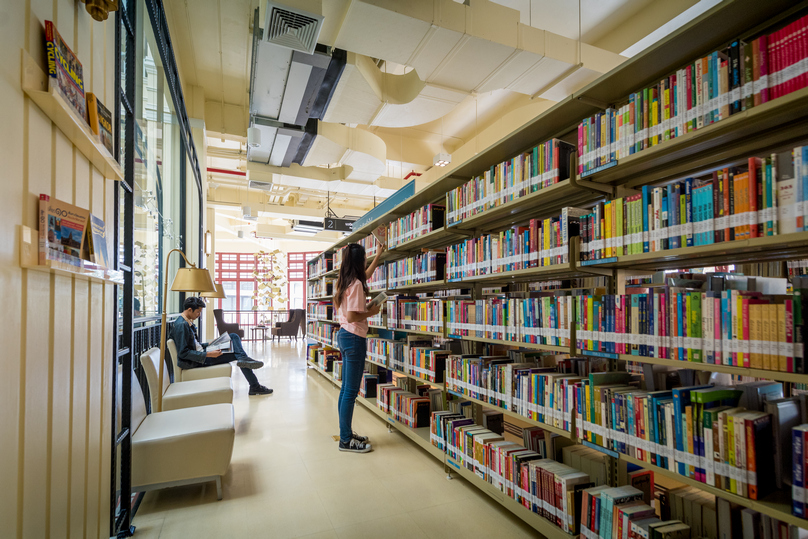
For condo buyers, access to these spaces is a useful liveability test. A home may be close to work yet feel disconnected from the activities that make a long stay rewarding. Libraries, bookshops and learning venues help reveal whether a neighbourhood supports curiosity, family life and time away from the unit.
Bangkok offers several kinds of reading space
The city’s options range from public libraries and historic membership institutions to university collections, art-centre libraries and book-led retail spaces. They serve different needs. Some prioritise borrowing and research, while others combine reading with exhibitions, talks, food or informal work.
Before choosing a regular venue, check current access conditions, identification or membership requirements, language coverage, opening arrangements and policies for laptops, calls and children. These details can change, and a beautiful room is not automatically suitable for every routine.
Bangkok City Library: a civic learning space
Bangkok City Library stands on Ratchadamnoen Klang Road in the historic centre. Official government information describes reading, magazine, children’s, exhibition and foreign-language areas, making it relevant to adults, students and families exploring the city.
Its location encourages visitors to combine reading with an understanding of older Bangkok, nearby civic architecture and cultural sites. For residents farther east, the trip may be a planned weekend activity rather than a daily walk, so the full transport route matters more than district prestige.
Neilson Hays Library: books, heritage and community
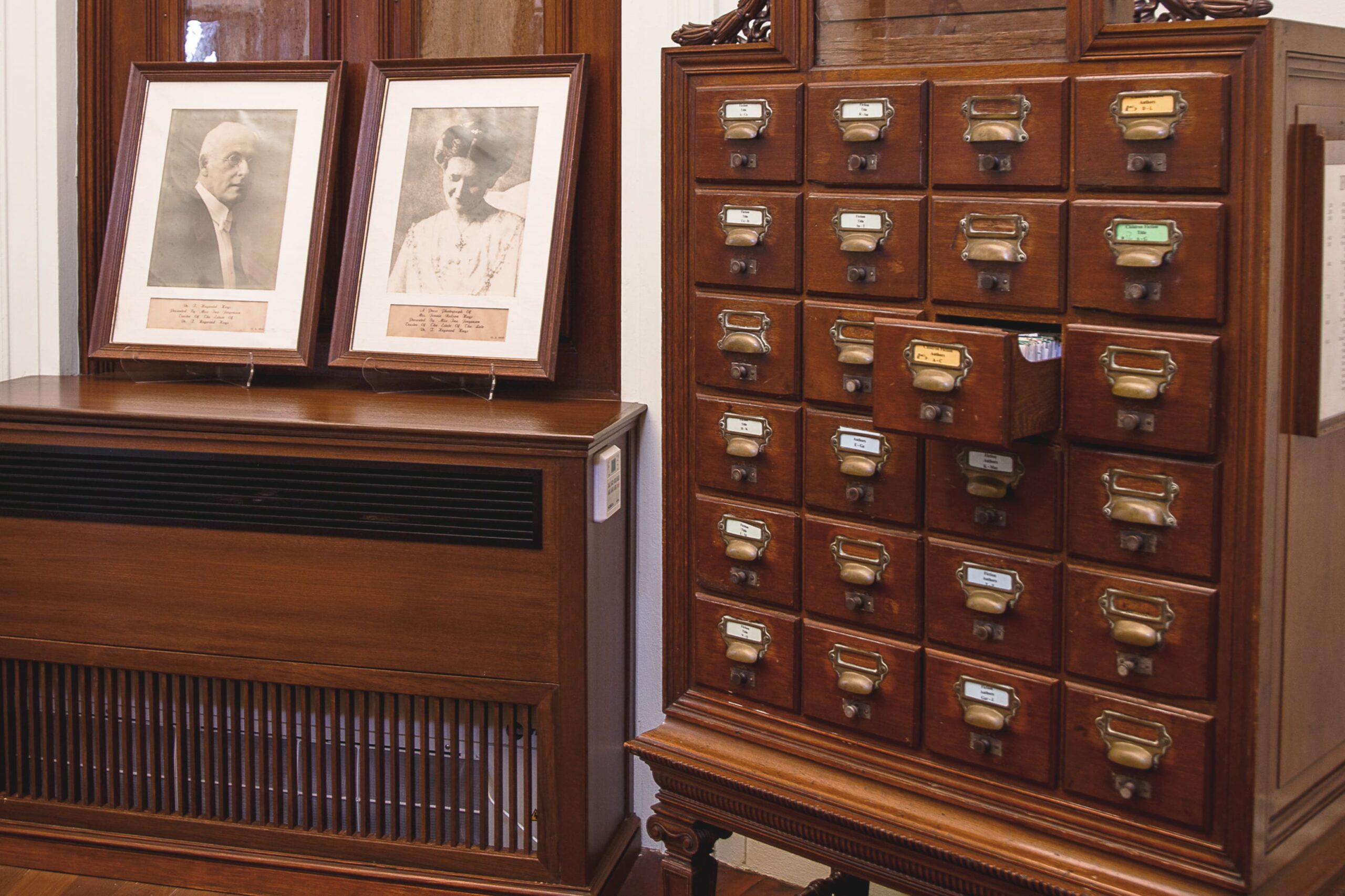
Neilson Hays Library on Surawong Road has served Bangkok’s English-reading community since the nineteenth century, with its present neoclassical building opening in 1922. The institution’s own history presents it as both a library and a continuing cultural hub.
For expats in Bang Rak, Silom and Sathorn, it demonstrates how a neighbourhood amenity can combine international accessibility with local heritage. Membership, events, children’s activities and exhibitions can turn a reading habit into a social connection rather than an isolated pursuit.
Open House: reading inside a mixed-use destination
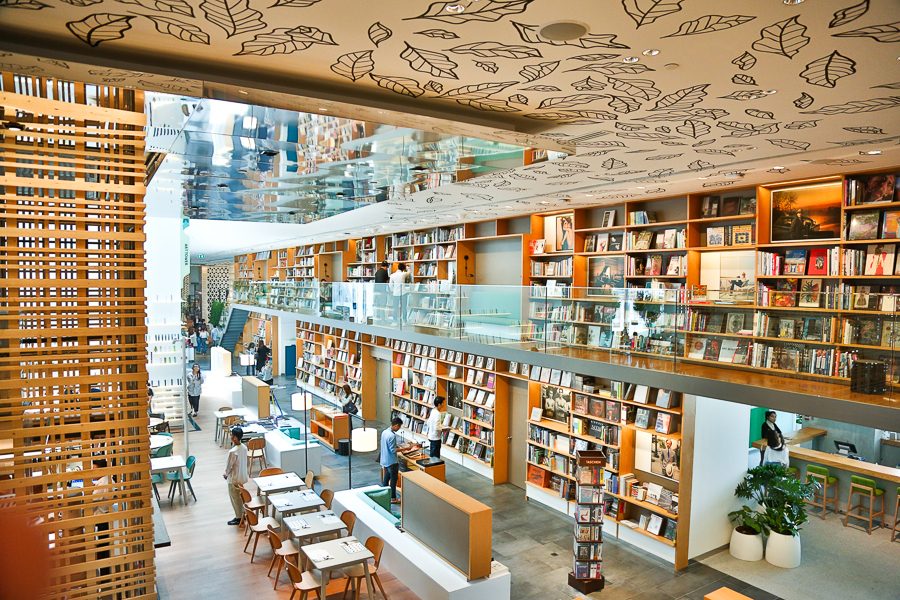
Open House at Central Embassy combines a bookshop and co-thinking areas with dining, art and other leisure uses. It is not the same as a public lending library, yet it can suit residents who want books, informal work and meetings in one centrally connected environment.
This kind of retail-led space also illustrates a Bangkok strength: useful third places can sit directly above rail connections and beside offices, hotels and homes. The trade-off is that atmosphere, seating and noise may vary by time, event and visitor volume.
Match the venue to your real routine
A family may prioritise children’s collections, toilets, food options and an easy journey home. A remote worker may care about dependable seating, power, quiet and call rules. A researcher needs collection depth and access permissions, while a casual reader may value atmosphere and nearby errands.
Visit at the time you are most likely to use the space. Test the door-to-seat journey, including the walk from rail or bus, shade, road crossings and evening return. A venue that requires several inconvenient transfers may remain an occasional pleasure rather than a weekly habit.
Use reading access to compare condo locations
Add cultural and learning access to the normal location scorecard beside commute, food, healthcare, green space and total housing cost. The aim is not to buy beside one favourite venue, which may change, but to choose a district with several workable options.
A rail-connected condo can widen the practical cultural radius of home. Conversely, a short map distance can be misleading when crossings, heat or limited pavements make the journey uncomfortable. Test the route rather than relying on a property brochure’s list of nearby landmarks.
Why this matters to landlords
Libraries and reading spaces will not determine rent by themselves, but they can strengthen the lived experience around a home. They may appeal to families, educators, students, creative professionals and long-stay residents who value more than nightlife and shopping.
Landlords should describe such access accurately and avoid promising membership, seats or opening hours. The stronger rental proposition remains a suitable unit with good management and transport, supported by a neighbourhood that offers varied reasons to stay.
Reading-space liveability checklist
- Identify public, membership and retail-led options.
- Confirm present access and programme information directly.
- Check language coverage and children’s facilities.
- Visit at the hour you expect to use the venue.
- Test rail, bus and walking connections both ways.
- Compare quiet, seating, power and call policies.
- Look for several alternatives rather than one landmark.
- Score cultural access alongside essential daily needs.
Explore IBP’s Bangkok lifestyle coverage and expat living guides. For a condo search built around the way you want to live in Bangkok, contact IBP Real Estate.