
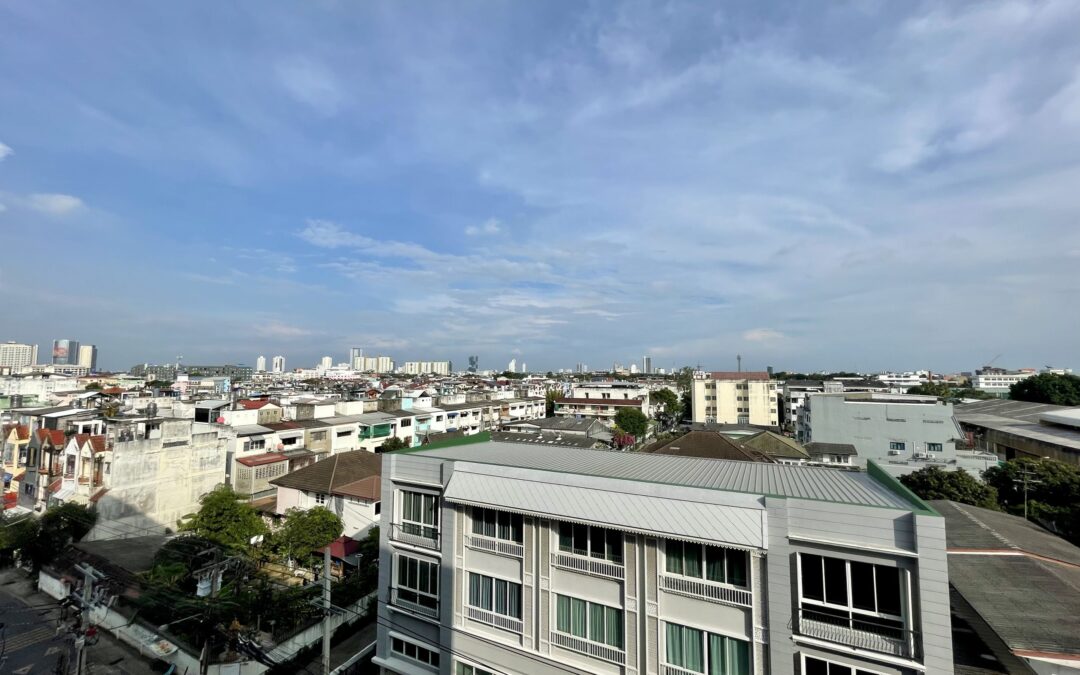
A Bangkok condo balcony can look generous in photographs yet prove too hot, wet, noisy or exposed for regular use. Expat buyers should assess it as part of the home rather than as decorative floor area, checking climate, safety, privacy, building rules and maintenance.
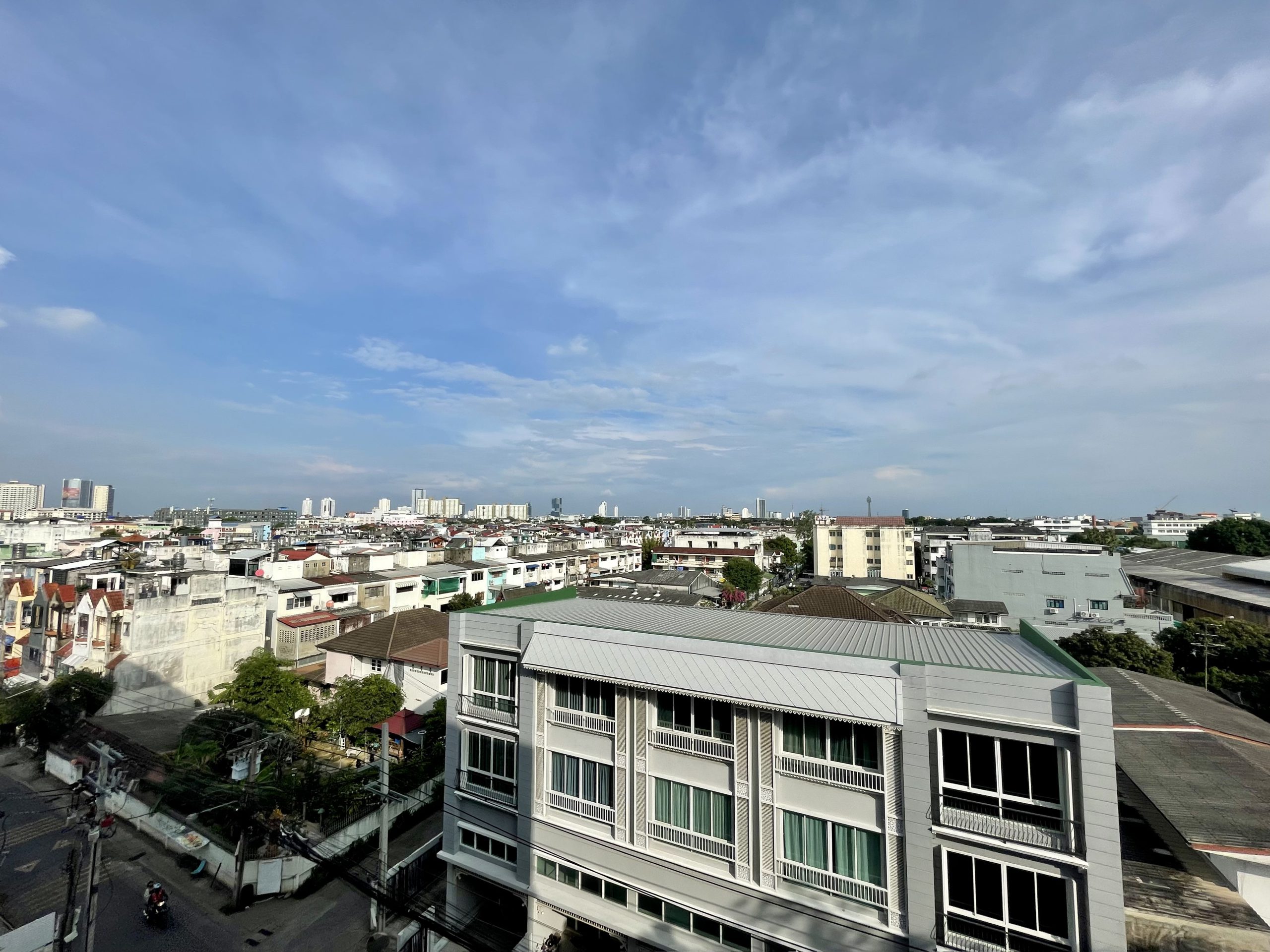
The right balcony depends on the resident. One person may want morning coffee and plants; another needs a utility zone or values only the outlook. Investors should also consider whether the space adds useful tenant appeal or creates an area that is difficult to maintain.
Measure usable space
Record the clear depth and width after allowing for doors, drains, air-conditioning equipment, railings and maintenance access. A balcony may appear large on a plan but accommodate little once circulation and door swing are considered.
If furniture matters, mark its dimensions and leave safe movement around it. Do not assume built-in seating, screens or storage can be added. Facade elements and visible alterations are commonly controlled by condominium rules and require confirmation.
Visit at different times
Orientation changes how the balcony feels. Morning and afternoon sun, reflected heat, prevailing rain and seasonal wind can all affect comfort. Visit at the time the resident expects to use the space and return after rain if possible.
Check whether shade comes from the building design, an overhang or a neighbouring tower. Temporary shade can disappear if nearby land changes, while deep overhangs may reduce daylight inside the unit. Balcony and interior light should be assessed together.
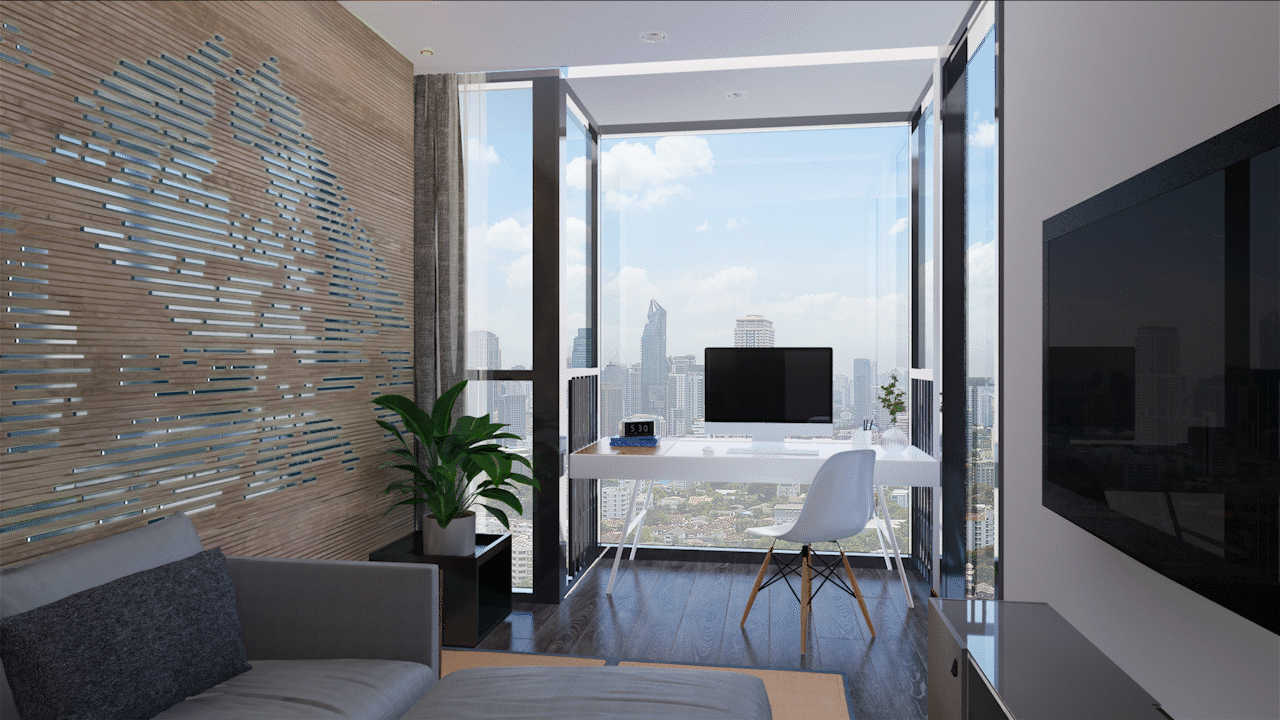
Inspect drainage and waterproofing clues
Look for ponding, staining, cracked finishes, loose tiles, blocked drains and sealant failure around doors and thresholds. Ask how rainwater leaves the balcony and whether overflow paths could affect the unit below. Do not obstruct drains with furniture or planters.
Water marks do not diagnose the cause on their own. A professional inspection can help distinguish maintenance needs from a larger waterproofing or facade issue. Review how the juristic person manages shared exterior repairs and what is treated as an owner’s responsibility.
Check doors, levels and indoor impact
Open and close the balcony door with permission. Inspect locks, tracks, seals and the threshold. Consider whether wind-driven rain, dust or insects enter the living area and whether curtains or furniture block access.
The balcony should not compromise air-conditioning efficiency or make the interior difficult to furnish. If equipment is installed outside, listen for vibration and check that technicians can reach it safely without moving everything through the home.

Treat safety as non-negotiable
Check railing condition, height, gaps, climbable elements and any changes made by a previous owner. Families with children and residents with pets need specialist advice on the exact risk. Never rely on improvised netting or screens without building approval and safe installation.
High-rise wind can move light furniture, pots and unsecured objects. Buyers should ask what the rules require during storms and whether anything may be attached to railings or the facade. A visually attractive setup is not worthwhile if it creates danger for residents or people below.
Listen and look beyond the view
A broad outlook may come with expressway, rail, construction or entertainment noise. Stand outside long enough to hear the normal background and sudden peaks. Then close the door and assess how much reaches the bedroom and living space.
Look down as well as outward. Service areas, car parks, loading zones and neighbouring balconies affect privacy and sound. Ask what can be built on adjacent plots and have a professional investigate planning and ownership information where the outlook is central to the purchase decision.
Understand permitted uses
Confirm the condominium’s current rules on plants, drying clothes, smoking, cooking, pets, storage, satellite equipment, screens and exterior furniture. Rules vary by building and can change through proper governance. A use seen on another balcony is not proof that it is permitted.
Also check whether the balcony is part of the unit’s registered area and how it is treated in the documents and sale calculation. Your lawyer can explain the transaction papers; the juristic office can explain current operating rules.
Plan plants for Bangkok conditions
Plants can add shade and enjoyment, but species, containers, drainage and wind exposure matter. Heavy pots may create load or movement concerns, while water runoff can affect neighbours. Choose a restrained arrangement that leaves drains and maintenance routes clear.
Consider how plants will be watered during travel and whether leaves or soil can blow from the balcony. Building management may have specific restrictions. A simple, well-maintained setup is usually more sustainable than a dense garden that depends on constant care.
Consider rental and resale appeal
For an investor, a balcony adds value only when the target tenant can use or appreciate it. A shaded, well-proportioned balcony may widen appeal, while an exposed ledge beside noisy equipment may add little despite being included in the floor area.
Keep maintenance and approval records for any permitted work. Avoid highly personal additions that narrow the next resident’s options. Buyers comparing units should price the balcony according to practical benefit, not simply its photographed view.
Balcony viewing checklist
- Measure clear usable depth and door swing.
- Visit during sun, rain and evening conditions.
- Inspect drains, thresholds, tiles and staining.
- Check railings, wind exposure and child or pet risk.
- Listen for traffic, rail, equipment and venue noise.
- Investigate neighbouring plots and privacy.
- Confirm building rules for every intended use.
- Compare practical benefit with the price paid.
A well-designed balcony can make Bangkok condo life more enjoyable, but only when it works safely in the city’s real climate and building context. Browse IBP’s expat living guides and district guides, or contact IBP Real Estate for a lifestyle-led property shortlist.