Bangkok feels different before the hottest and busiest part of the day. Parks are active, food stalls and markets settle into rhythm, cafés prepare for commuters and rail journeys begin to reveal how a neighbourhood actually works. A morning visit can therefore be one of the most useful tests in a condo search.
Morning access to parks and open space can turn exercise into a repeatable routine rather than a weekend plan.
Foreign buyers often view apartments in the late morning or afternoon, when a sales appointment is convenient. That can hide the routine that matters most to residents: waking light, breakfast, exercise, school traffic, the first commute and the route back to the lobby carrying groceries.
Start inside the unit
Visit early enough to understand natural light and heat. Check whether the bedroom becomes bright before the resident wants to wake, whether curtains provide enough control and whether the kitchen and living room feel pleasant without artificial lighting.
Listen with the air-conditioning and television off. Morning traffic, school activity, construction, temple sounds, deliveries and building housekeeping may be different from the afternoon soundscape. The aim is not silence; it is a level and pattern that fit the household.
Test the first ten minutes outside
Walk from the apartment to the street as a resident would. Note lift waiting, lobby traffic, service movement, taxi pickup and the condition of pavements or covered routes. A building can have excellent facilities and still create daily friction if leaving it during the weekday peak is awkward.
Check whether coffee, breakfast, convenience shopping and basic services are genuinely usable at the time needed. Opening patterns can change, so inspect the current neighbourhood rather than relying on an old listing description.
Make exercise easy enough to repeat
A good gym, pool, park or walking loop adds most value when residents can use it without complicated planning. Inspect the condominium gym during a realistic morning period. Check crowding, equipment condition, ventilation, changing areas and whether the space suits the intended routine.
For outdoor exercise, follow the entire route. A park shown on a map may require crossing busy roads or walking along an uncomfortable section. Shade, lighting, crossings, dogs, surface quality and access gates can matter more than the straight-line distance.
Local food and grocery access can make the first hours of the day practical, social and distinctly Bangkok.
Use food access as a liveability test
Bangkok’s markets, street vendors, bakeries, cafés and supermarkets allow different morning routines. Some residents want a quick coffee beside BTS; others want fresh produce, cooked Thai breakfast or a quiet table for an early meeting. The right district is the one where the preferred routine is easy on an ordinary weekday.
Buy a small grocery basket and carry it back to the unit. This simple exercise tests crossings, heat, lift access, kitchen storage and whether the neighbourhood supports regular cooking. It can reveal more than a list of nearby amenities.
Observe school and office traffic
Morning congestion can change a street completely. Families should examine school transport, drop-off queues and the route from lobby to car or rail. Professionals should test whether the walk to BTS or MRT remains comfortable when other commuters, deliveries and motorbikes are active.
A short mapped distance is not the same as a predictable journey. Measure the door-to-platform route, including lifts, ticket gates and crossings, and repeat it on the day and time most relevant to the household.
The most useful condo locations make the morning journey legible in heat, rain and weekday traffic.
Check heat and rain resilience
Even early mornings can be warm, and rain can arrive when residents are leaving for work or school. Look for shade, awnings, drainage, safe crossings and places where taxis can stop without blocking traffic. A covered connection may be more valuable in daily life than a slightly shorter exposed walk.
Inside the building, consider where umbrellas dry, whether wet shoes can be managed and whether lobby floors become slippery. These small design and management details influence how premium a residence feels during real weather.
Consider household differences
A single professional may prioritise fast rail access and coffee. A family may need breakfast, school logistics and space for bags. A retired resident may value a safe park route, pharmacy and quieter pace. A frequent traveller may care about early airport departures and luggage movement.
Investors should choose a likely resident profile before treating morning convenience as a rental advantage. A feature only supports rent when the target tenant will use it and the unit, building and price already make sense.
Morning-viewing checklist
Inspect bedroom light, heat and noise early in the day.
Time the lift, lobby and exit route during weekday activity.
Walk to rail, breakfast, groceries and exercise options.
Observe school, office, delivery and drop-off traffic.
Test shade, crossings, drainage and wet-weather access.
Carry a normal purchase back to the kitchen and storage.
Match the routine to the likely resident or tenant.
Liveability takeaway
Bangkok morning living shows whether a condo supports habits rather than just aspirations. When exercise, food, transport and household logistics fit together, the city can feel exceptionally convenient, energetic and liveable for foreign residents.
Thailand’s tourism relationship with China moved from broad policy dialogue to five practical partnership frameworks in July 2026. The Tourism Authority of Thailand announced Letters of Intent with three travel groups, a digital-map platform and a Thai consumer brand, covering multiple stages of the visitor journey.
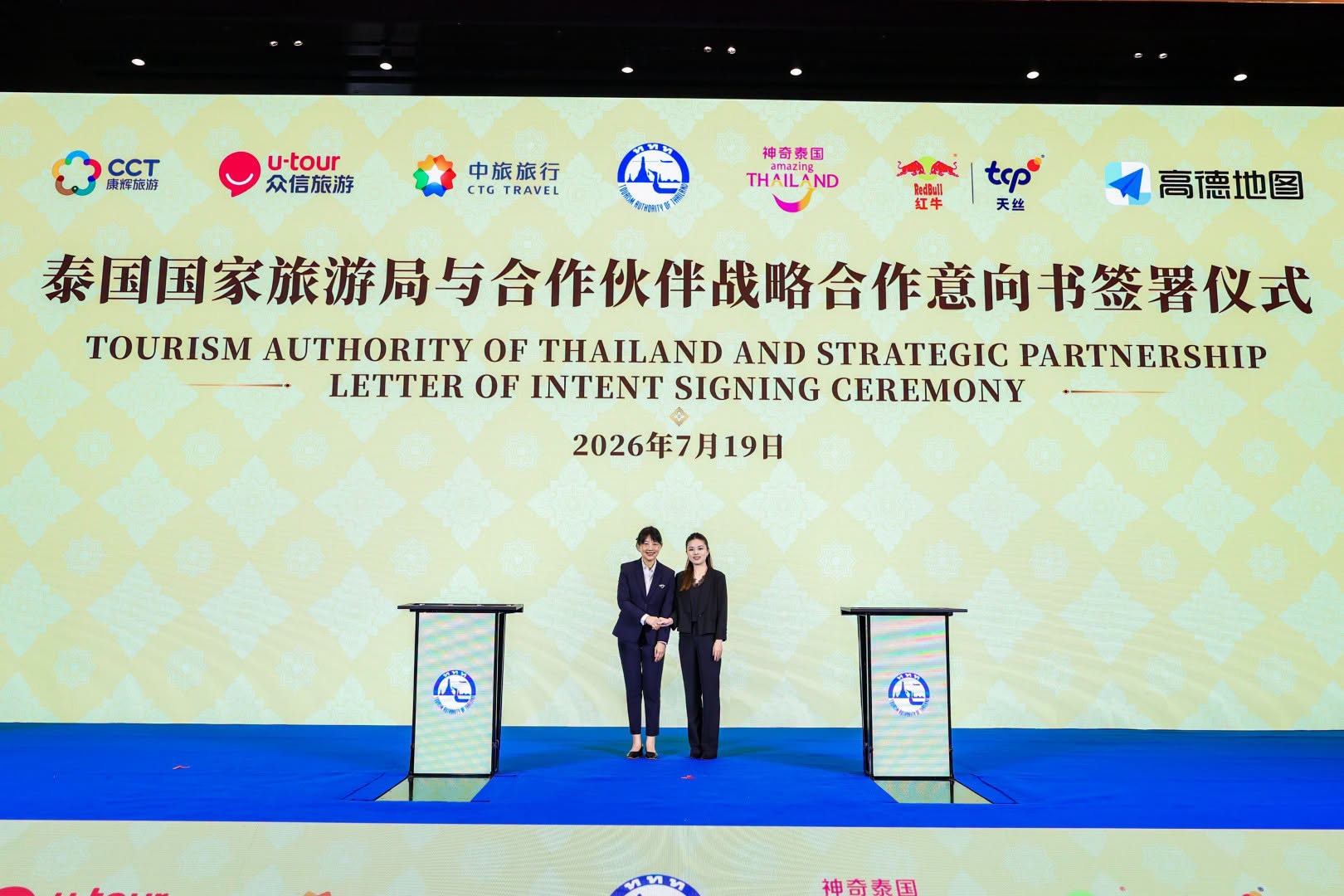
TAT signed five Letters of Intent in Beijing during the Thai Prime Minister’s official visit to China.
For foreign Bangkok property buyers, the announcement is relevant as a confidence signal rather than a direct demand forecast. International travel supports hotels, retail, restaurants, transport and business services. The property question is whether better visitor planning and higher-quality experiences contribute to repeat stays, corporate links and durable city activity.
What TAT announced
TAT said the agreements were signed on 19 July in Beijing during Prime Minister Anutin Charnvirakul’s official visit to China from 16 to 20 July. The five partners are China Tourism Group, Utour Group, China Comfort Travel Group, Amap and TCP Group.
The frameworks cover tour operations, smart travel, digital services, brand marketing and experiences in Thailand. That breadth matters because tourism confidence is not created by promotion alone. Travellers also need useful information, reliable booking, convenient movement and experiences that justify returning or staying longer.
Different partners cover different decisions
China Tourism Group is expected to help promote quality Thai tourism products through an integrated travel network. Utour Group’s framework includes leisure, wellness, honeymoons, weddings, study visits and cultural festivals, distributed through agents, retail outlets, online channels and social media.
China Comfort Travel Group’s cooperation includes destination promotion, group travel, business events, special-interest segments, service standards, safety, tourism intelligence and training. Amap is focused on smart travel, destination discovery and Thai-Chinese information for independent visitors. TCP Group’s Energetic Thailand concept connects sport, music, health and lifestyle experiences with brand communications and workforce development.
The agreements connect tour operations, digital promotion, mobility information and visitor experiences.
Why the connected visitor journey matters
A traveller may discover Bangkok online, compare routes in a mapping service, book through a travel group, navigate the city independently and join a branded event. When those steps are easier, Thailand can compete on confidence and experience rather than price alone.
This is consistent with a quality-tourism approach. Higher-value travel does not necessarily mean only expensive holidays. It can include longer stays, reliable services, wellness, learning, events, culture and repeat visits. Bangkok is well placed because it combines regional air access with hotels, hospitals, shopping, dining, offices, universities and extensive urban transport.
The Bangkok property connection
Tourism affects property through several channels, but they should not be confused. Visitor spending supports the city’s service economy. Business events and study visits can introduce professionals to Thailand. Wellness, weddings and lifestyle travel can deepen familiarity with Bangkok as a place to return, work or keep a second home.
These are city-level effects. They do not guarantee that a particular condominium will rent faster or rise in value. Long-stay residential demand still depends on employment, visas, schools, corporate movement, building rules, unit quality and sensible pricing. Daily or hotel-style letting should never be assumed for a normal condominium.
The practical test will be whether cooperation improves planning, confidence, service and repeat travel to Thailand.
What investors should watch next
The useful evidence will come from implementation: new products offered through the partner networks, improved Chinese-language travel information, business-event activity, service training and the mix between group and independent visitors. Buyers can also watch whether engagement produces more repeat travel and stronger links with Thai businesses.
At property level, focus on districts that work for ordinary residents as well as visitors. Airport access, rail connectivity, healthcare, retail and professional services can strengthen a location, but the unit still needs credible long-stay tenant demand and a clear resale audience.
Avoid turning tourism news into a price promise
One set of agreements should not be capitalised into a condo offer price. Tourism can be affected by consumer confidence, aviation capacity, currency, policy and international events. Partnership announcements need time and measurable delivery.
The more defensible use is to add the news to Bangkok’s broader international-connectivity case. Thailand is actively building channels with a major travel market, while Bangkok already has the infrastructure and service depth to receive many kinds of visitor. That supports long-term confidence without removing unit-level risk.
Property takeaway
TAT’s five China partnerships show practical work across travel distribution, digital navigation, visitor service and lifestyle experiences. For Bangkok property investors, the announcement strengthens the city’s connected-destination narrative, but it should remain one input among employment, infrastructure, tenant demand and building evidence.
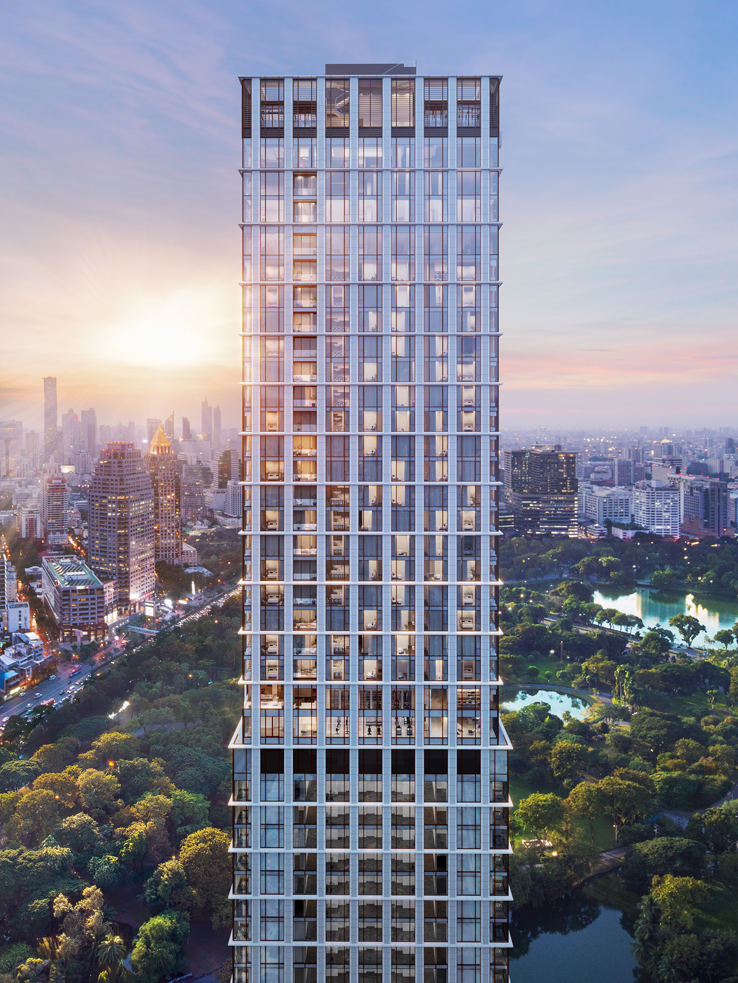
A private lift is one of the clearest signals used to position a Bangkok condominium as premium. It can create a discreet arrival, reduce corridor traffic and make a large residence feel more like a private home. It can also add service complexity, maintenance dependence and space that does not automatically improve the investment case.
A luxury purchase should be judged as one operating experience, from arrival and lifts to facilities and management.
Foreign buyers should judge the feature as part of the entire building. The useful question is not whether the brochure says private lift. It is how access, security, circulation, backup systems, service routes and long-term operating costs work for the exact unit.
Understand what is actually private
The term can describe different arrangements. A lift may open directly into one residence, serve a small group of units, stop at a controlled private foyer or be shared but programmed with access cards. Ask who can call the lift, which floors it serves and whether residents, staff, deliveries and contractors use the same car.
Inspect the space outside the apartment entrance as carefully as the living room. Is the foyer on the title area, common property or an area the owner merely uses? Who cleans it, maintains finishes and controls alterations? A lawyer should confirm title and use rights rather than relying on a floor plan label.
Test security as a complete sequence
A direct lift should not bypass good identity and visitor control. Follow the route from vehicle drop-off or parking through the lobby, access gate, lift call, floor arrival and apartment door. Ask how visitors are admitted, how deliveries are handled and whether a lost card can be disabled promptly.
The private foyer still needs a secure apartment entrance. Buyers should understand whether the lift can arrive when the residence is empty, whether doors or cameras cover the arrival area and how building staff respond to a system fault. Privacy is strongest when technology, staffing and resident procedures support each other.
Private arrival is valuable only when the whole tower delivers strong security, maintenance and resident service.
Separate resident and service movement
Luxury living involves ordinary work: housekeeping, luggage, groceries, repairs, rubbish removal and furniture delivery. A well-designed building may provide a service lift, back entrance or controlled service route so the formal arrival remains calm. If every task uses the private foyer, privacy may be more visual than operational.
Ask how cleaners and technicians are registered, where they wait and which lift they use. Test whether large items can reach the unit without damaging finishes. Overseas owners should also know how an authorised manager gains access when the resident is away.
Inspect lift capacity and waiting time
Low unit density can support short waits, but only if the number of lifts, zoning and maintenance are suitable. Visit during morning and evening periods where possible. Check travel time, ventilation, sound, card response and how smoothly the doors align with the foyer.
A private destination does not guarantee a dedicated lift car. If the same lift serves many floors, daily performance still depends on traffic and programming. Ask how many units share each lift bank and what happens when one car is out of service.
Ask about backup and emergency operation
Buyers should understand the building’s plan for power failure, fire alarms, maintenance shutdown and medical access. Confirm which stairs or alternative lifts reach the residence and how residents are notified about planned work. Never assume that direct access means the lift can be used during every emergency.
The route should suit the household. Older residents, children, staff and frequent guests may need particularly clear backup access. If the apartment occupies a high floor, lift reliability becomes a daily liveability issue rather than a decorative amenity.
Buyers should test how the lift lobby connects with the entrance, bedrooms, service route and everyday privacy.
Review the floor plan around arrival
A good private foyer creates a graceful transition without consuming excessive saleable area. Check whether guests enter into a view of the living space, a dark enclosed box or a route that exposes bedrooms and household work areas. Storage for shoes, coats, umbrellas and deliveries may be more useful than a large but empty lobby.
Consider noise and privacy at both doors. Lift machinery, door chimes, conversations and service movement may be audible. The apartment entrance should provide suitable separation, and the floor plan should allow residents to receive a visitor without opening private family areas.
Examine maintenance and cost
Lifts are shared building systems even when the arrival feels exclusive. Ask about maintenance contracts, service history, inspection routines, expected replacement planning and how costs sit within common fees and sinking-fund strategy. The juristic person’s records and meeting decisions can be more revealing than polished finishes.
In a low-density building, strong service can be expensive because fewer owners share the operating cost. That may be entirely appropriate for the target market, but an investor should include the real common fee and future capital-work risk in net-return planning.
Consider tenant and resale demand
A private lift can appeal to senior executives, families, high-profile residents and owner-occupiers who value discretion. It can improve the emotional experience of a viewing and help a large unit feel distinct. The rent or resale benefit is not automatic; tenants also compare location, view, layout, service, furnishing and total monthly cost.
For resale, ask whether the next buyer understands the feature and can support the building’s operating costs. A strong address with reliable management and scarce large-format units may defend the feature better than a project where private arrival is used to distract from weak fundamentals.
Private-lift viewing checklist
Confirm the lift, foyer and access arrangement for the exact unit.
Follow resident, visitor, delivery and service routes.
Test security, card control and apartment-door separation.
Inspect waiting time, ride quality and backup access.
Review emergency and maintenance procedures.
Check title, common-property and alteration boundaries.
Model common fees and long-term lift capital works.
Compare the feature with real tenant and resale demand.
Buyer takeaway
A Bangkok luxury condo private lift is valuable when it improves privacy, circulation and service inside a well-managed building. It is weaker when access is confusing, backup is poor or the price assumes a prestige premium that future residents may not pay.
IBP can help foreign buyers compare premium Bangkok residences through building operations as well as design. Explore our investment analysis and foreign buyer guides, or contact IBP Real Estate for a luxury-condo shortlist.
An overseas owner may hear about a leak, power problem, broken door, damaged appliance or security concern while several time zones away. The incident is easier to control when roles, access and spending authority were agreed before anything went wrong.
A concise emergency file gives the local responder the information needed without exposing the owner’s full private archive.
A Bangkok condo emergency plan should be short enough to use under pressure and specific enough to prevent improvisation. It does not replace the juristic person’s safety procedures, an insurer’s requirements or professional advice. It connects those systems with the owner, local representative, tenant and unit records.
Define what counts as urgent
Not every maintenance request is an emergency. A useful plan separates immediate threats to people or property from repairs that can wait for normal approval. Fire, smoke, active water escape, electrical danger, forced entry, a failed entrance lock or a person needing medical help requires a different response from a noisy appliance or a loose cabinet hinge.
Write a simple escalation rule. Life safety should go first to the relevant emergency service and building team. Active damage should be contained where safe, then reported to the owner, manager and insurer as required. Routine faults should enter the normal maintenance process with photographs and quotations.
Build a local contact chain
List the juristic office, security desk, property manager, insurer or broker, trusted repair coordinator and one owner-side decision maker. Include normal and after-hours contact methods where the building provides them. The list should show who calls whom, rather than expecting every person to contact the overseas owner separately.
Confirm that the juristic office has the owner’s current email, telephone number and approved local contact. If the unit is tenanted, the tenant should know the manager’s role and the building’s reporting route. Conflicting instructions can waste the first hour of a genuine incident.
The juristic office, building security and property manager should have clear and compatible contact instructions.
Arrange lawful, controlled access
Ask how the building handles urgent entry when the owner is absent. Some buildings may hold keys or support managed access; others will not. Confirm the written policy, identity checks, witness process and record of entry. Do not assume that security staff can open a private unit simply because the owner sends a late-night message.
If a manager or representative holds a key, document the key number, purpose, storage and return process. Avoid broad informal authority. A lawyer should advise if a power of attorney or other formal document is required for particular decisions. Access for an urgent inspection is not the same as authority to sign contracts, settle claims or dispose of property.
Create a safe emergency file
The responder may need the unit number, owner identity confirmation, insurer details, appliance information, utility contacts, shut-off locations, manager agreement and a concise inventory. Keep this operational file separate from the owner’s full passport, banking and purchase archive.
Store sensitive records securely and share only what each person needs. The tenant does not need the owner’s complete transaction file, and a repair technician does not need financial records. Review the file after a passport renewal, new tenant, new manager, insurance renewal or change of telephone number.
Set spending and approval limits
An emergency can become worse while a manager waits for the owner to wake up and approve a modest containment cost. Agree a written limit for necessary steps such as stopping water, securing a door or obtaining an urgent inspection. Larger repairs should usually require evidence, quotations and owner approval unless immediate action is needed to prevent further harm.
Clarify how funds are provided and how invoices will be issued. The manager should not have unlimited discretion, but they should understand what can be done without delay. Insurance conditions may affect notification, evidence and contractor selection, so those requirements belong in the plan.
Record before, during and after
Keep a time-stamped incident log with the first report, photographs, videos, people contacted, access record, containment steps, quotations, approvals and invoices. If another unit or common property may be involved, ask the juristic office to document its observations.
Evidence helps the owner understand what happened and supports conversations with the tenant, neighbour, contractor, building and insurer. It also distinguishes emergency containment from the permanent repair, which may require a different specialist and approval process.
Urgent access should be followed by photographs, invoices and a documented handback to the owner.
Plan for common scenarios
Water escape
The plan should identify who can contact security, inspect the unit, stop the water where safe and notify affected neighbours or common-area management. Afterwards, investigate the cause rather than treating visible drying as the complete repair.
Power or air-conditioning failure
First establish whether the issue affects the building, the unit or one appliance. A tenant should know how to report warning signs without attempting unsafe electrical work. For air-conditioning failure, the response may depend on heat, occupants and whether another room remains usable.
Security and access
A lost card, damaged lock or suspicious entry should follow building security procedures. Replacement access should be recorded, and old credentials should be cancelled where the system allows. Do not ask an unverified messenger or technician to collect keys.
Storm or external disruption
Owners should follow official and building instructions, confirm the tenant’s safety and avoid sending contractors into unsafe conditions. A temporary service interruption may require communication and monitoring rather than immediate private work.
Coordinate with the lease
A landlord’s lease should explain how the tenant reports urgent issues, permits reasonable access and protects the unit from further damage where safe. It should also separate tenant responsibilities from owner repairs without encouraging the tenant to make major decisions alone.
Give the tenant one clear reporting channel and a backup. At move-in, show where available instructions, building contacts and basic isolation points are located. Do not wait for the first leak to discover that nobody knows who manages the unit.
Emergency-plan checklist
Define urgent, priority and routine incidents.
Confirm building and after-hours contact routes.
Name one accountable local representative.
Document lawful access, key control and authority limits.
Prepare a minimal operational record set.
Agree a containment budget and evidence rules.
Align the plan with the lease and insurance requirements.
Test contacts and review the plan at least annually.
Owner takeaway
A Bangkok condo emergency plan gives an overseas owner controlled local capacity. The aim is not to anticipate every event. It is to protect people, limit damage, preserve evidence and make sure the right person can act without receiving unsafe or excessive authority.
A Bangkok condo investment should not run indefinitely on the assumptions used at purchase. Rent changes, tenants move, buildings age, nearby projects open and an owner’s own priorities evolve. A structured annual review helps a foreign investor decide whether the unit still deserves its capital and attention.
An annual review should reconnect the unit with current district demand rather than rely on the original purchase story.
The review is not a prediction exercise. It is a disciplined comparison between the original plan and the evidence available now. Done well, it can reveal small problems before they become forced decisions and can also confirm when a good asset simply needs patient ownership.
Begin with the original investment case
Retrieve the purchase memo, offer comparison or spreadsheet used when the condo was acquired. Record the expected holding period, target tenant, assumed rent, vacancy allowance, owner costs, furnishing budget and likely exit audience. If there was no written case, create a short one from the best records available.
Then ask which assumptions remain true. The building may still serve the same expatriate tenant group, or a new office, school, retail project or transport pattern may have changed demand. The unit may have performed well but required more repairs than expected. An honest baseline prevents the owner from judging the asset only by the latest rent payment or an optimistic asking price.
Review income as cash received
Use rent actually collected during the review period. Separate contracted rent from late payments, concessions, free periods, repair reimbursements and deposits. If the unit was vacant, record the dates and the reason: pricing, condition, slow agent response, seasonal timing or a mismatch between the unit and the target tenant.
Compare the current lease with genuinely similar units where evidence is available. The closest comparison is normally the same building, layout band, furnishing standard and condition. Online asking rents can be useful context, but they should not be treated as completed transactions. Ask the letting agent what tenants rejected and why, not only what they eventually accepted.
Building management, maintenance and competing listings can change while the title remains the same.
Rebuild the ownership cost
An annual review should include common fees, property management, leasing commission, cleaning, repairs, appliance replacement, insurance, accounting support, bank charges and owner-paid utilities. Spread irregular expenses over a realistic holding period rather than pretending they do not exist in quiet years.
Furnishing deserves its own line. Mattresses, sofas, curtains, air-conditioners and kitchen equipment wear at different rates. A unit can show acceptable gross rent while losing competitiveness because the owner repeatedly delays ordinary refresh work. The goal is a realistic operating return, not a perfect headline yield.
Inspect the building like a future buyer
Walk the lobby, corridors, lifts, parking, pool, gym, service areas and immediate street route. Note changes in cleanliness, staffing, security, maintenance and resident behaviour. Ask for current information on common fees, major works, insurance, meeting decisions and any arrears or disputes that may affect ownership.
A strong juristic person can protect daily comfort and resale confidence. Weak maintenance can erode both even when the private unit is attractive. Foreign owners should not assume that silence from the building means nothing has changed; make the review an active request for information.
Measure rental competitiveness
Count competing units that a tenant would realistically consider, then compare layout, floor, view, furniture, light, storage, internet readiness and access. A unit does not need to be the cheapest. It needs a clear reason to be chosen at its rent.
Review the leasing process as well as the product. Slow approvals, missing keys, poor photographs and unclear viewing access can extend vacancy. An overseas owner may need one accountable local manager with authority to arrange cleaning, small repairs and viewings within an agreed budget.
The unit should be reviewed as a tenant, owner and future buyer would experience it today.
Test resale depth without assuming a sale
Identify who would buy the unit today: a Thai owner-occupier, another foreign investor, a regional family, a lifestyle buyer or an existing tenant. Compare the unit with active alternatives and any credible completed-sale evidence available. Check whether foreign quota, title documents, fee clearances and the original inward-remittance file remain organised.
Resale readiness is useful even when the owner intends to hold. A clean file and presentable unit preserve options. If the likely buyer pool has narrowed, the owner can respond early through pricing discipline, maintenance, improved records or a longer planned selling window.
Separate asset problems from temporary friction
One repair or a short vacancy does not automatically invalidate the investment. Look for patterns. Repeated leaks, falling tenant interest, unresolved building works, rising costs without better service or many identical listings may point to a structural issue. A single quiet month or normal appliance replacement may simply be part of ownership.
The decision should reflect severity, recurrence and control. Problems the owner can solve through presentation, management or pricing are different from a deteriorating building or a permanently difficult location.
Choose one action for the next year
Conclude the review with a clear action: hold with no change, refresh and re-let, adjust the management arrangement, build a larger reserve, prepare for resale or obtain professional advice on a specific legal or tax issue. Assign dates, budgets and responsibility rather than leaving the conclusion as a general intention.
If a sale is being considered, work backwards from document preparation, repairs, photography, tenant status, bank coordination and a realistic marketing period. If holding, decide which indicators would trigger another review before the next annual date.
Annual investor checklist
Compare the original plan with current rent and tenant evidence.
Reconcile cash received, vacancy and every owner-paid cost.
Inspect the unit, building and street route in current conditions.
Review juristic information, planned works and management quality.
Compare realistic rental and resale alternatives.
Confirm that ownership, banking and tax records remain complete.
Choose a funded action for the next twelve months.
Investor takeaway
A Bangkok condo annual review turns passive ownership into an informed hold, rent or sell decision. Bangkok can remain an attractive long-term base because of its transport, services, healthcare, hospitality and regional connections, but every unit still needs to earn its place in the portfolio.