Air quality is part of Bangkok liveability, but it cannot be judged from one viewing or a fixed reputation attached to a district. Conditions change by day, season, weather and nearby activity. A condo buyer therefore needs a repeatable way to read official information and assess how the building manages the indoor environment.
Air quality varies over time, so buyers should combine official monitoring with repeat visits and building checks.
The goal is not to declare one neighbourhood permanently clean or unsuitable. It is to understand exposure, household sensitivity and practical choices. Anyone with asthma, heart or lung disease, pregnancy concerns or other medical questions should follow official health advice and consult a qualified clinician.
Begin with official monitoring
Use Thailand’s official air-quality services and Bangkok’s city information before relying on a social-media screenshot or a single commercial sensor. Check the time, station location, pollutant and averaging period. A reading from another part of the city may not describe the street outside the condo.
Follow conditions over several weeks and across the times the household is active. This creates a better picture than viewing only on a clear afternoon. Save the official channels that residents will use after moving, because air quality is an ongoing routine rather than a one-time property check.
Visit the micro-location repeatedly
Walk the building’s frontage, side streets and route to rail. Note idling traffic, bus stops, loading bays, construction, open-air cooking, generators and the distance from major roads. These observations do not replace monitoring, but they help explain local conditions and daily patterns.
Visit in the morning and evening, on a weekday and after rain if practical. Check whether the lobby doors remain open, where vehicles wait and how air moves through common areas. A higher floor or park view should not be assumed to guarantee a particular indoor reading.
Window seals, ventilation, air-conditioning maintenance and filtration influence the indoor experience.
Inspect the unit as an air system
Check window and balcony-door seals, visible gaps, odours, dampness, mould and the condition of air-conditioning units. Ask whether the system recirculates indoor air, introduces outside air or operates differently by room. A technician can explain the exact equipment and safe maintenance requirements.
Look at the kitchen hood and bathroom exhaust. Ask where they discharge and whether unwanted smells travel between units or corridors. Indoor air can also be affected by smoking, cleaning products, new furniture, pets, cooking and moisture, so an outdoor reading is only one part of comfort.
Ask how the building is managed
The condominium juristic person should be able to explain air-conditioning maintenance in common areas, cleaning schedules, smoking rules, renovation controls and the response to construction dust. Inspect lift lobbies, corridors, gyms and children’s rooms for ventilation, odour and visible maintenance.
Ask how filters are serviced and whether replacement records exist for central systems. Do not assume that a premium lobby means the hidden equipment is well maintained. Building management quality affects whether procedures continue after the sales gallery closes.
Evaluate filtration carefully
Portable air cleaners may be useful for some households, but equipment should be matched to room size, airflow and the pollutants of concern. Check independently verified specifications, replacement-filter availability, noise and electricity use. A device that is too loud to run at night may not support the intended routine.
Air-conditioning filters and particle-removal filters do different jobs. Do not force an unsuitable filter into equipment or block necessary ventilation. Ask a qualified specialist where needed, and follow manufacturer instructions for cleaning and replacement.
Residents can adapt exercise and travel plans using current official readings and health advice.
Plan daily routines around current conditions
Residents can use current readings and official advice to decide when to exercise outdoors, open windows or adjust travel. A building near a park may still offer valuable recreation, but the time and intensity of activity can be adapted when conditions are poor.
Consider the whole journey. A comfortable indoor unit may be undermined by a long exposed walk beside traffic. Covered access, reliable rail, a safe taxi pickup and indoor exercise options can make an air-quality-aware routine easier without giving up urban convenience.
Think about children, older residents and pets
Different household members may have different needs and activity patterns. Families should inspect school transport, play spaces and the route to parks. Older residents may value close healthcare and indoor walking options. Pet owners should examine outdoor access and building rules.
A buyer should not make health assumptions for another person. Use a clinician’s advice for individual concerns and make sure the home supports that advice in practical ways, including space for equipment, easy filter changes and a manageable daily route.
Include air quality in rental and resale thinking
Tenants increasingly ask about window seals, filtration, smoking rules and nearby construction. An investor should answer with accurate building and unit information rather than promising clean air. Well-maintained systems and clear records can strengthen confidence, but they do not create a guaranteed rent premium.
At resale, buyers will compare the whole living experience: location, transport, noise, heat, air, management and cost. Good air-quality preparation is one component of a resilient unit, not a substitute for layout, price or building health.
Air-quality viewing checklist
Track official readings across different days and times.
Walk the exact street, station route and vehicle pickup area.
Inspect windows, doors, dampness, odours and air-conditioning.
Ask about common-area ventilation and filter maintenance.
Review smoking, renovation and construction-dust procedures.
Match any air cleaner to the room and household need.
Plan outdoor exercise and travel using current official advice.
Liveability takeaway
A Bangkok air quality guide should help buyers make measured decisions, not create fear or false certainty. Bangkok remains highly liveable for many foreign residents because of its transport, healthcare, food, culture and services. The right condo adds a well-managed indoor environment and practical routines to those city advantages.
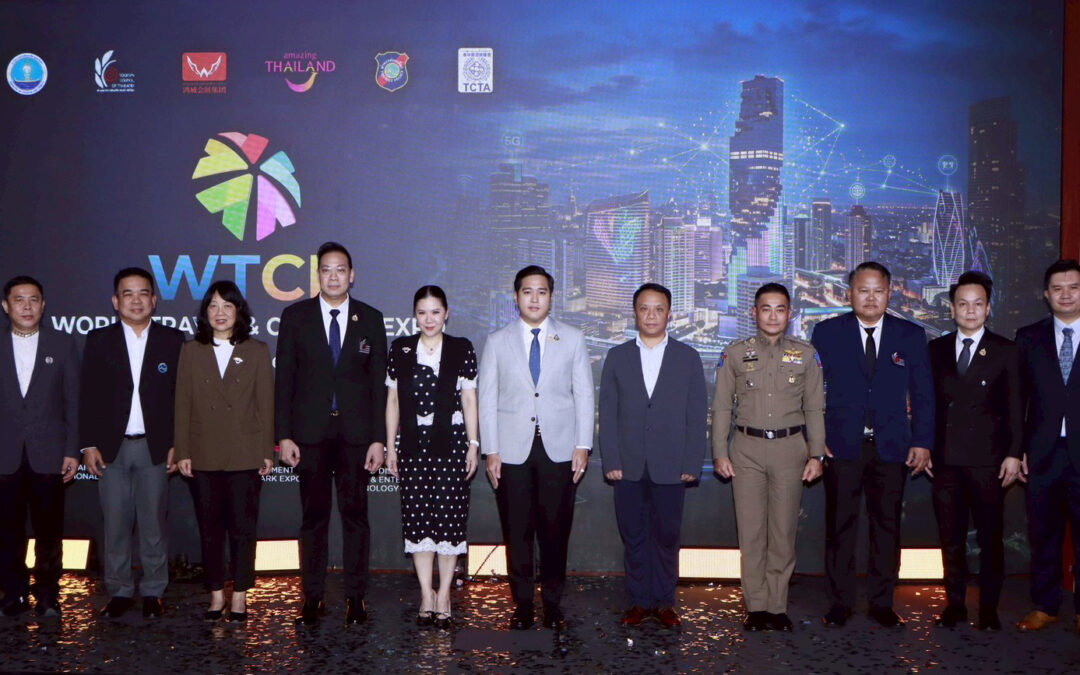
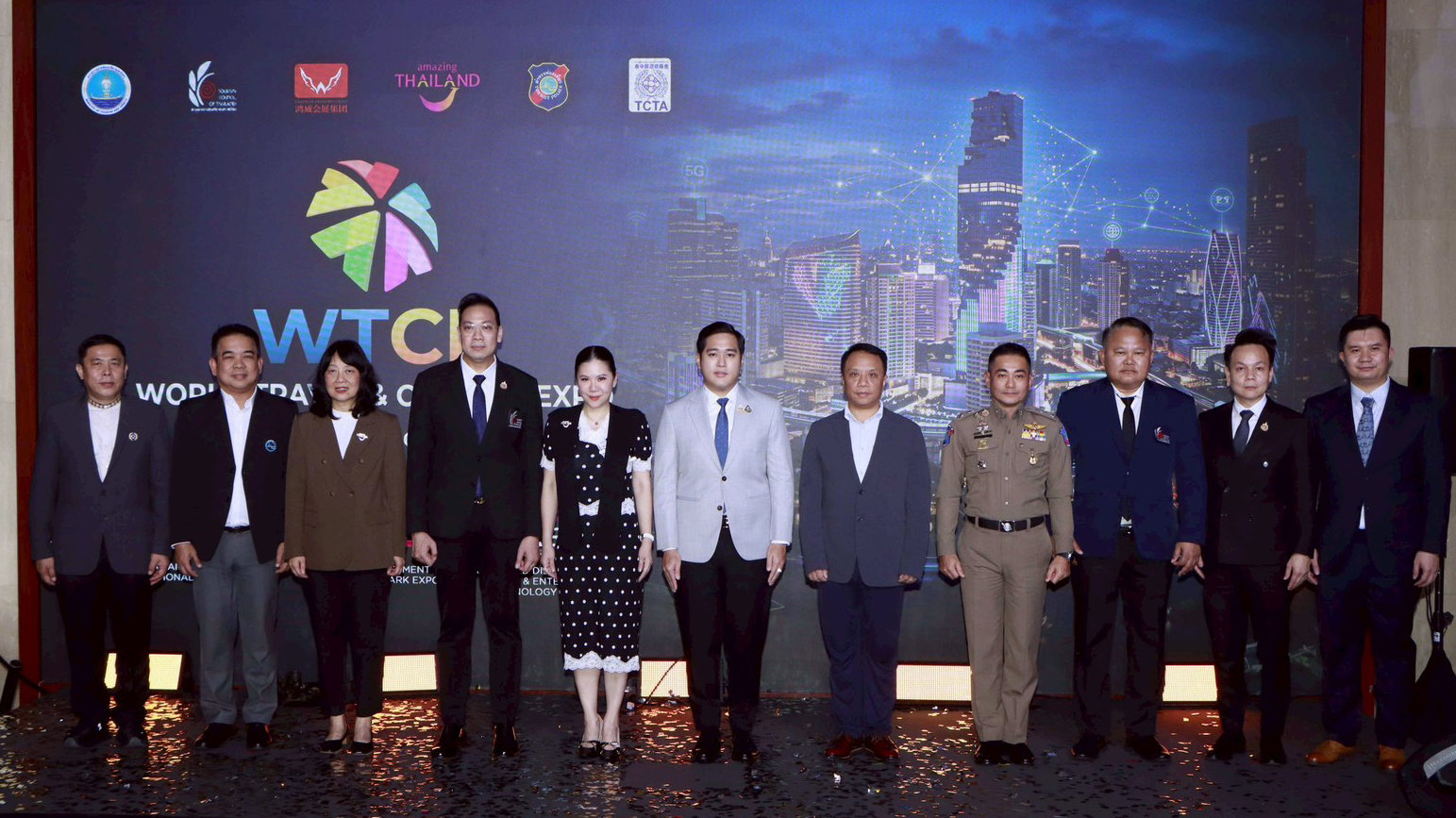
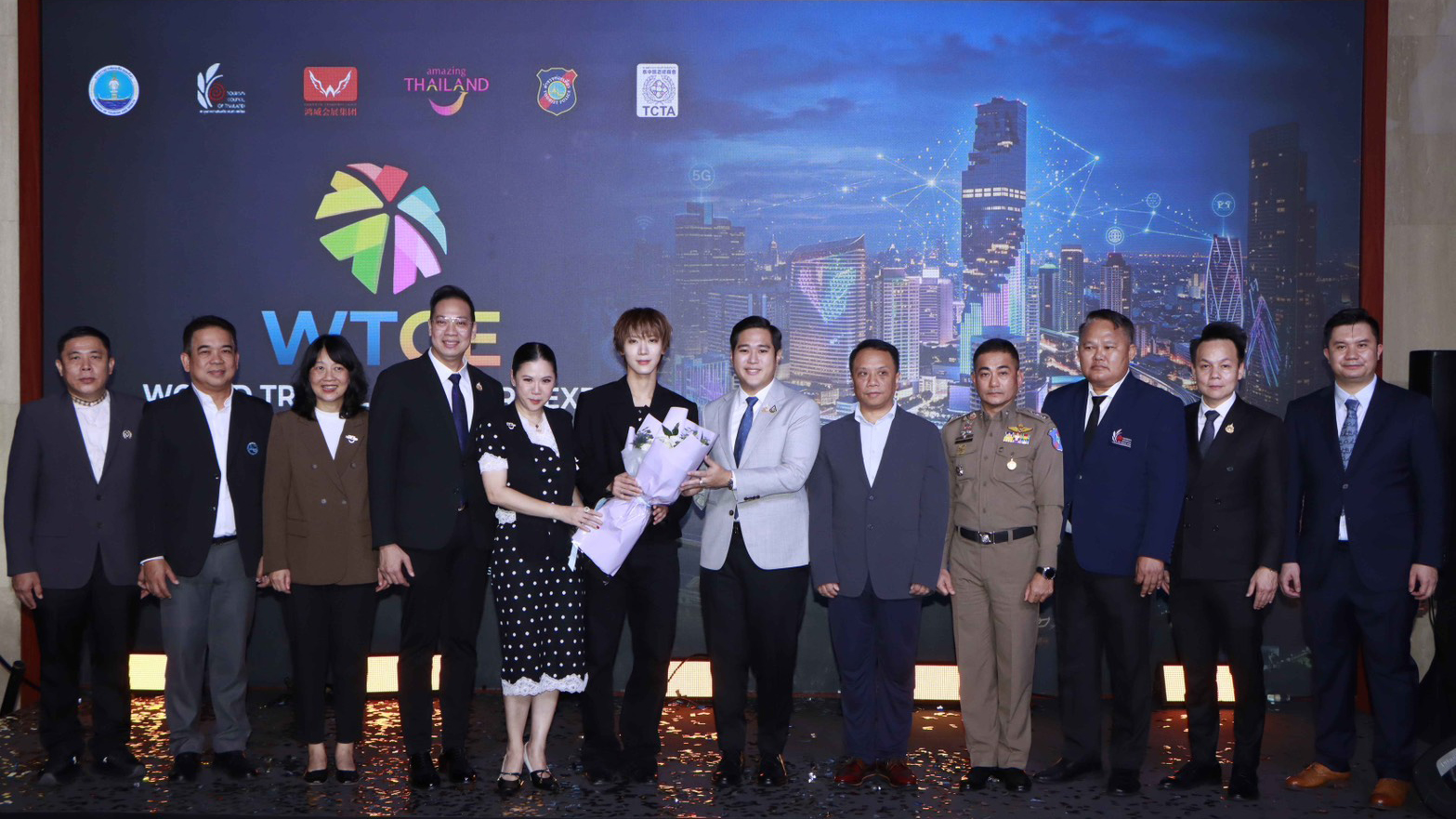
Bangkok will host World Travel & Culture Expo 2026 from 29 to 31 October at IMPACT Mueang Thong Thani. The Tourism Authority of Thailand announced the event with the Tourism Council of Thailand and Guangdong Grandeur International Exhibition Group on 22 July, presenting it as a platform linking tourism, culture, sport, entertainment and creative industries.
TAT and its partners announced the October 2026 expo as a platform for tourism, culture and commercial cooperation.
For foreign Bangkok property buyers, one expo is not a demand forecast. Its relevance is broader: international business events test a city’s venues, hotels, transport, services and ability to connect companies across borders. Repeated delivery can strengthen the ecosystem that makes Bangkok useful as a regional base.
What the October event will include
The 2026 programme is organised around five specialised exhibitions. These cover amusement and water parks, billiards and indoor leisure sport, LED and entertainment technology, film and virtual-production equipment, and intellectual property within the creative industries.
That mix goes beyond a consumer travel fair. It brings together destination operators, technology providers, content businesses, investors and professional networks. TAT says it will promote international participation and help connect Thai firms with investment, technology and creative-industry partners.
A Thai-Chinese business platform
The event reflects cooperation between Thai organisations and a Guangdong-based exhibition group. The official announcement also links the expo with a Chinese policy encouraging enterprises to expand internationally and build tourism, business and investment cooperation across Thailand, China and ASEAN.
For Bangkok, this matters because the city is not only a destination. It is also a place where regional relationships are introduced, negotiated and serviced. Hotels, meeting venues, professional advisers, retail, restaurants and transport all participate in that business-event economy.
The launch programme considered tourism safety, sustainability, visitor experience and immersive technology.
Why the previous edition provides context
According to the organisers, the 2025 edition featured 300 exhibition booths, brands from 23 countries and participants from 36 countries. They also reported a high success rate for negotiations and partnerships. Those figures provide a benchmark, although the 2026 outcome should be judged after attendance and commercial results are known.
The useful signal is continuity. A returning international event can deepen supplier knowledge, encourage repeat attendance and make Bangkok easier to choose for future meetings. Venue performance and participant experience will matter more than promotional numbers alone.
Creative industries broaden Bangkok’s economy
Film technology, virtual production, entertainment systems, attractions and intellectual property sit at the intersection of tourism and the creative economy. These sectors bring skilled work, studio and office requirements, visiting specialists, exhibitions and commercial partnerships.
Property investors should treat that as city-level economic diversity, not a direct instruction to buy a condo beside an event hall. The stronger long-term case is that Bangkok can host conventional corporate activity while also supporting media, design, entertainment, hospitality and technology networks.
The event links Thai and Chinese organisations with regional tourism, technology and creative-industry networks.
The property connection is indirect
International exhibitors and visitors support short-stay accommodation, venues, transport, dining and retail. Businesses that establish continuing Thai relationships may later create longer stays, offices or staff movement. These channels can reinforce confidence in Bangkok as a globally connected city.
Normal condominium investment still depends on lawful long-term residential demand. Buyers should not assume daily letting, event-driven occupancy or a guaranteed rental uplift. Building rules, Thai law, tenant profile, unit quality and pricing remain the decisive property evidence.
What buyers can monitor
Watch the confirmed international participation, exhibitor mix, business-matching programme and post-event results. Consider how attendees move between IMPACT, airports, central business areas and hospitality districts. Evidence of repeat events and continuing partnerships is more meaningful than a single launch announcement.
At unit level, favour locations that work throughout the year for residents. Rail or road access, employment, healthcare, retail and well-managed buildings provide a more durable foundation than proximity to one calendar event.
Avoid capitalising headlines into prices
The expo is a constructive sign of institutional coordination and Bangkok’s event capability, but it does not remove economic or property risk. Participation can change, commercial outcomes take time and international events compete for corporate budgets.
An investor can add WTCE 2026 to Bangkok’s wider connectivity evidence while continuing to demand a sensible purchase price, realistic rent, reserve for costs and a clear resale audience. Confidence is most useful when it improves due diligence rather than replacing it.
Property takeaway
World Travel & Culture Expo 2026 presents Bangkok as a meeting point for tourism, technology, sport and creative commerce. For foreign property buyers, the announcement supports the city’s regional-business narrative, but the investment decision must still be won by the exact district, building and unit.
Bearing BTS sits near the eastern edge of Bangkok’s Sukhumvit Line, giving residents a direct rail connection into established employment, shopping and interchange districts. For foreign buyers, it can offer a more residential Upper Sukhumvit setting and a wider choice of budgets than prime central addresses.
Bearing belongs to a wider Upper Sukhumvit corridor, but buyers should judge the exact micro-location.
The station name alone is not an investment case. Bearing covers different street environments on both sides of Sukhumvit Road, and some buildings depend on shuttles, motorbike taxis or local driving. A strong decision therefore starts with the exact route, unit and likely resident.
Understand Bearing’s position
Bearing is on the BTS Sukhumvit Line beyond Bang Na and before Samrong. That places it within a corridor connecting central Bangkok with eastern residential and commercial areas. Rail access can be valuable for residents whose work or study fits the line, while road users can assess Sukhumvit Road and connections towards the wider east of the city.
Buyers should map real destinations rather than describe the area as generally connected. A tenant travelling to an office beside the Sukhumvit Line has a different routine from someone commuting across town, serving an industrial location or driving children to school.
Walk the station catchment
Measure the route from lobby to platform, not a marketing map’s straight line. Check pavement continuity, crossings, shade, lighting, drainage and the need to cross large roads or side-street traffic. Repeat the walk in heat, rain and the evening if those conditions matter to the household.
A short distance can still feel inconvenient when the entrance is on the wrong side of the road or the route is exposed. A slightly more distant building with a reliable shuttle, safe crossing and comfortable entrance may work better in daily life. Confirm shuttle hours and capacity rather than treating the service as permanent.
Building management and unit competition often matter more than the district label alone.
Define the likely tenant or resident
Bearing may suit professionals who use the eastern Sukhumvit corridor, residents seeking more space for their budget, couples with mixed rail and car routines, and people who value access towards Samrong or Bang Na. It will not suit every prime-city tenant, and investors should not assume demand simply moves outward when central rents rise.
Choose a target profile and test the unit against that person’s alternatives. A practical one-bedroom, family-sized layout or pet-friendly building each serves a different market. Furniture, storage, work-from-home space, parking and building rules should support the intended resident.
Compare the building, not only the district
Upper Sukhumvit contains projects of different ages, densities and management standards. Inspect the lobby, lifts, corridors, pool, gym, parking, security and service areas. Ask about common fees, sinking-fund planning, major works, insurance and the condominium juristic person’s record.
Count competing listings in the same building. If many units share the same layout and furniture package, price may become the main distinction. A better view, quieter position, useful storage or well-maintained interior can help, but only if the asking rent or sale price remains sensible.
Review retail and everyday services
Test the services residents use weekly: groceries, prepared food, cafés, pharmacy, fitness, banking, deliveries and medical access. Some needs may be beside the station; others may require a short ride or journey along the line. The right answer depends on the household, not the number of icons on a sales brochure.
Visit on a weekday morning and evening. Observe traffic, food options, taxi pickup, street comfort and how the building handles delivery riders. A district can feel convenient at midday and quite different during the commuter peak.
Daily convenience should be tested on foot and at the times a resident will actually use it.
Check rail and road resilience
BTS access is an important advantage, but a resident still needs alternatives. Examine taxi availability, parking, pickup space and routes to work, airport transfers or schools. If the investment depends on a precise journey time, test it repeatedly and allow for interchange and waiting.
For car users, review parking allocation, visitor parking, ramp design and peak traffic around the building. A unit marketed on rail access may still attract households with a car, particularly farther from the centre.
Inspect micro-location risks
Noise can come from trains, Sukhumvit traffic, side streets, nearby commercial uses or construction. Visit the exact unit with windows closed and open, and listen at different times. Check orientation, afternoon sun, outlook and nearby plots that may change.
Low-rise surroundings can provide an open view today without guaranteeing it for the holding period. Ask what is known about adjacent land and compare units whose value does not rely entirely on one view. Flood resilience, drainage and the covered route also deserve attention during wet weather.
Underwrite rent and resale conservatively
Use live competing units and credible achieved evidence where available. Separate asking rent from completed leases, and include vacancy, agent fees, common fees, repairs, furnishing replacement and management in the net-return model.
For resale, identify the next buyer. A foreign investor, Thai owner-occupier and local household may compare different features and financing. Confirm foreign quota and title details for the exact project. A lower entry price does not guarantee liquidity if many similar units are marketed at once.
Bearing viewing checklist
Time the full lobby-to-platform route in realistic conditions.
Map the target resident’s actual work and household journeys.
Compare unit layouts, furniture and competing listings.
Review juristic management, fees and planned building work.
Test groceries, food, healthcare, taxis and deliveries.
Inspect noise, heat, outlook, drainage and nearby plots.
Model net rent and a realistic resale audience.
Buyer takeaway
A Bearing BTS condo can be a practical Bangkok home or investment when rail access, building quality and resident fit align. Its appeal is strongest when a buyer values the eastern Sukhumvit corridor for real daily reasons, not merely because it appears cheaper than central Bangkok.
A foreign-owned Bangkok condominium is both a home or investment and an asset governed by Thai registration procedures. If an owner dies without an organised plan, family members may face uncertainty across languages, countries, banks, courts and the condominium juristic office.
Estate planning connects a Bangkok asset with the owner’s wider family, legal and financial arrangements.
Estate planning is not a form to complete after purchase and forget. It is a coordinated file covering the title, valid instructions, the people who may act, the intended beneficiary, tax questions and the practical operation of the unit while the estate is administered. Thai and home-country professional advice is essential because nationality, domicile, family status and other assets can change the answer.
Start with the exact ownership record
Confirm the name on the condominium title deed, passport details used at transfer, unit number, ownership share and whether anyone else has a registered interest. Review the sale agreement, land-office documents, foreign remittance evidence and any mortgage or other obligation.
Do not rely on a family member’s memory of how the property was bought. Small differences in names, renewed passports or marital status can create extra work later. A Thai lawyer should reconcile the title and personal details before drafting estate instructions.
Coordinate Thai and overseas wills
An owner may have assets and legal relationships in several jurisdictions. Ask qualified advisers whether a Thai will for Thai assets, a wider home-country will or coordinated documents are appropriate. One document should not accidentally revoke another or create inconsistent instructions.
Identify the condo precisely and name beneficiaries in a way that remains clear. Discuss substitutes if the first beneficiary dies or cannot receive the asset. Signing, witnesses, language and storage should follow professional advice; copying an online template is a poor substitute for a plan that fits the owner.
The exact title, ownership structure and building records should be reviewed before instructions are drafted.
Choose the right estate representative
The person trusted by the family may not be the person best placed to handle Thai procedures. Discuss who can communicate with a Thai lawyer, collect records, deal with the juristic office, protect the unit and follow court or land-office requirements. The role can involve time, travel and decisions about rent, repairs or sale.
Tell the proposed representative before naming them. Record reliable contact details and consider what happens if they are unable to act. A power of attorney used during life does not automatically answer what happens after death; obtain advice on the correct authority for estate administration.
Create a concise property file
The file should show where to find the original title deed, purchase and transfer papers, passport copies used in the transaction, inward-remittance records, tax information, juristic correspondence, common-fee receipts, insurance, keys, tenant agreement and manager contact.
Keep sensitive originals secure and provide a location index rather than circulating the whole archive. The executor or family should know which Thai lawyer and local manager to contact, but a tenant or contractor does not need access to private banking and identity records.
Plan for the period before transfer
An estate may need to pay common fees, insurance, utilities and urgent repairs while legal steps continue. If the condo is rented, someone must collect rent, respond to the tenant and preserve records under lawful authority. If it is empty, the unit still needs inspection, ventilation and protection from leaks or security problems.
Prepare a modest operating reserve and written contact chain. Do not give a manager unlimited authority. Their role should be limited to practical preservation within an agreed process, with legal decisions left to the properly authorised representative and advisers.
A concise asset file can save heirs from searching across countries during an already difficult period.
Understand the beneficiary’s position
The intended heir may be foreign, live outside Thailand or prefer cash rather than the condo. Ask a Thai lawyer to explain the current conditions for receiving and registering the unit, the building’s foreign ownership position, required certificates and the options if the beneficiary cannot or does not wish to hold it.
Also discuss the beneficiary’s home-country reporting, tax and succession obligations. Thai registration is only one part of the outcome. A transfer may affect estate filings, future rental income and a later sale in more than one jurisdiction.
Budget for administration and tax advice
Estate costs can include legal work, court or administrative steps, certified translations, registration, valuation, building clearances, tax advice, travel and ongoing ownership expenses. Rates and liability depend on the facts and current law, so avoid leaving the family a fixed estimate copied from an old article.
Ask advisers to identify which Thai taxes, fees and filings may apply to the estate and beneficiary and whether home-country rules also matter. Keep enough liquidity outside the property so the family is not forced into a hurried sale merely to fund administration.
Tell the family what the investment is for
A legal document states who receives the asset, but a short owner memorandum can explain the practical intention. Note whether the condo is a long-term family base, an income investment or an asset that may be sold. Include the normal rent, core costs, trusted contacts and known building issues.
The memorandum should not override the will. It gives context so heirs can make informed decisions and recognise unrealistic offers. Update it after a new lease, renovation, major building decision or change in the owner’s family circumstances.
Estate-planning checklist
Verify the Thai title and personal details used at registration.
Coordinate Thai and overseas wills with qualified advisers.
Name willing representatives and backup contacts.
Index the title, remittance, tax, building and tenancy records.
Fund common fees, insurance and urgent preservation costs.
Confirm the intended heir’s legal and practical position.
Review Thai and home-country tax questions.
Update the plan after major family, passport or property changes.
Owner takeaway
Thai condo estate planning reduces avoidable uncertainty without pretending that every cross-border estate is simple. The strongest plan connects valid legal documents with a clean asset file, willing representatives and enough practical capacity to protect the unit.
A Bangkok condominium can perform well in Thai baht while producing a different result when translated into an investor’s home currency. Rent, common fees, repairs and the eventual sale happen in Thailand, but many foreign owners compare the investment with savings, pensions or opportunities denominated elsewhere.
The property performs in Bangkok, while the investor may judge the result in a different reporting currency.
The answer is not to predict the next exchange-rate move. A more useful approach is to keep two return views: the operating performance of the property in baht and the cash outcome in the currency that matters to the investor. That separation makes the asset easier to review without confusing property skill with currency luck.
Choose the currency that answers the decision
The reporting currency should match the question. A Bangkok resident who expects to spend rental income in Thailand may care most about the baht return. An overseas investor saving for retirement in sterling, euros, dollars or another currency may also need to know what the cash is worth at home. A family with future expenses in two countries may need both.
Write the purpose beside the calculation. It prevents the investor from switching currencies simply because one view looks better. The baht result answers whether the unit is operating well in its local market. The home-currency result answers how the investment contributes to a wider balance sheet.
Record every capital transfer
Build a ledger for the purchase deposit, balance, taxes, legal work, furnishing, renovations and later capital spending. For each transfer, record the baht received, the foreign-currency amount sent, the exchange rate used and bank or transfer charges. Keep the original inward-remittance evidence required for the ownership and future transfer file.
Do not reconstruct the investment from today’s rate. The historical cash cost is what was actually exchanged at each date. If several transfers were used, each belongs in the ledger. This method also reveals how much apparent investment performance came from the property and how much came from currency movement.
A clean record of transfers, fees and exchange rates makes the investment result easier to explain.
Measure rental income in two stages
First calculate the local operating result. Start with rent collected, then deduct vacancy, leasing commission, management, common fees, repairs, insurance, owner-paid utilities, tax support and a realistic allowance for replacement. This produces a baht cash result that can be compared across years.
Only then translate the amount. Use the rate applicable when cash was actually converted or transferred. If rent remained in a Thai account for local expenses, labelling it as though it had been remitted at a chosen year-end rate can overstate precision. Show retained baht cash separately from converted cash.
Separate income return from capital return
Rental cash flow and sale proceeds behave differently. Income arrives throughout the holding period, while most capital is released at exit. An owner can therefore experience acceptable annual rent in baht but a weaker home-currency sale result, or the reverse.
For a review, show gross rent, net operating cash, capital spending and any sale proceeds as separate lines. Apply the relevant exchange rate to each real cash movement. Avoid turning an asking price into a realised return. Until a sale completes and costs are known, the resale figure is only a scenario.
Model an exit range, not one exchange rate
A sensible exit model uses several exchange-rate scenarios rather than a single forecast. Combine those scenarios with conservative, central and stronger baht sale prices and realistic selling costs. The result is a range showing which assumption matters most.
This does not predict the market. It shows sensitivity. If a small change in the baht or sale price turns the plan from comfortable to unacceptable, the investment may have too little margin. A longer selling period, lower leverage, better cash reserve or different unit may produce a more resilient position.
Currency movement can change the reported return, but it cannot rescue weak rent, costs or building quality.
Keep property quality at the centre
Currency movement can improve or weaken the reported return, but it does not change the unit’s layout, tenant appeal, building management or resale competition. A weak asset should not be defended because the exchange rate moved favourably. A sound asset should not automatically be sold because one translation date looks unfavourable.
Review rentability, vacancy, maintenance, juristic management, nearby supply and the likely buyer pool in baht terms. These are the variables an owner and adviser can investigate. Currency is a portfolio exposure to manage, not a substitute for due diligence.
Avoid expensive reaction trading
Foreign owners sometimes delay essential repairs, rush a sale or transfer money repeatedly in response to short-term currency moves. Each action can create fees, poor timing or damage to the property’s competitiveness. Define in advance which cash must stay in Thailand for costs and which may be remitted.
Where a large future transfer is expected, ask a regulated bank or qualified adviser about practical options, documentation and risks. Do not use unlicensed transfer channels, and do not assume a financial product is suitable simply because it reduces one currency exposure.
Build a currency-aware property dashboard
Show purchase and capital costs at their actual historical exchange rates.
Calculate net property cash flow in baht before translation.
Separate retained Thai cash from amounts actually remitted.
Track bank and transfer charges rather than hiding them in the rate.
Model sale price, selling cost and exchange rate as separate variables.
Compare the result with the investor’s real future spending currency.
Keep title, remittance, tax and bank records organised for exit.
Investor takeaway
Bangkok condo foreign-currency returns are clearest when local asset performance and portfolio translation are measured separately. Bangkok’s deep service economy, regional connections and varied rental districts can support a long-term case, but the unit must work in baht before currency movement is allowed into the story.