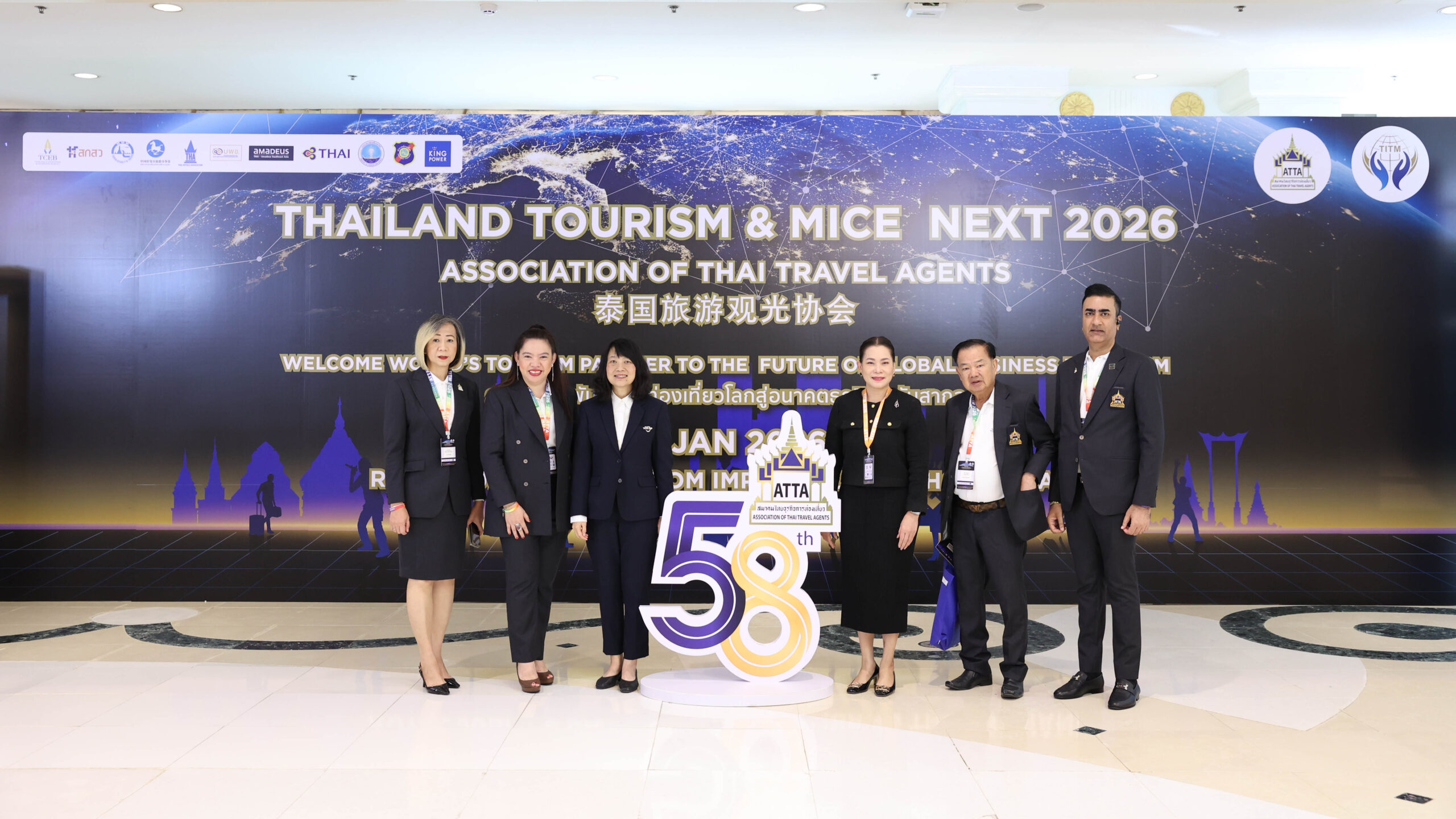
Thailand’s latest Road to Thailand activity for AM2026 is not a property-market announcement. It is still useful for foreign buyers because it shows how the country is framing Bangkok’s global-meetings moment: economic ideas, next-generation policy thinking, resilience and international visibility.
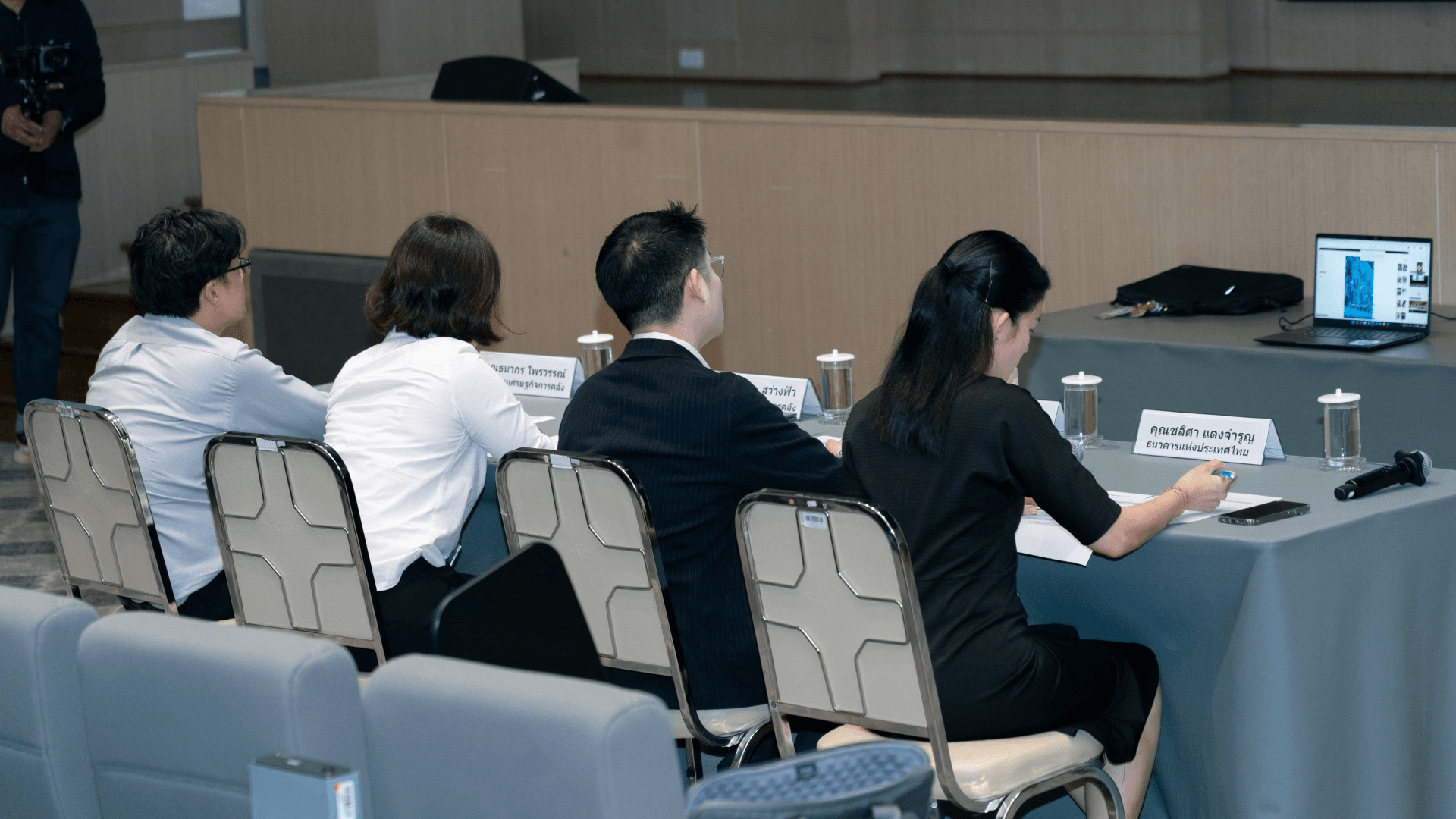
MOF and BOT used the Road to Thailand campaign to bring youth economic ideas into the AM2026 conversation.
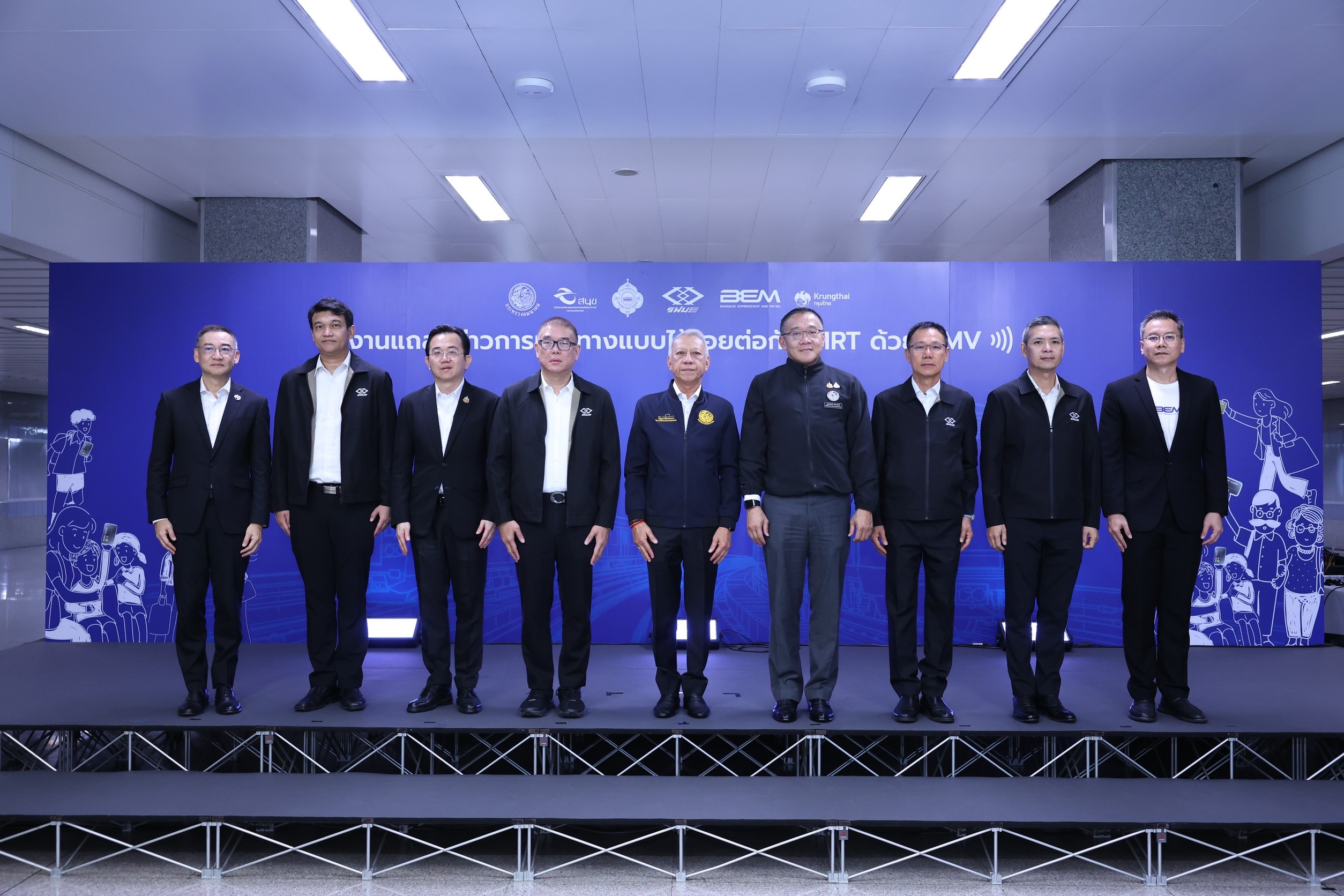
The official AM2026 Thailand site reported on 26 June 2026 that the Ministry of Finance and the Bank of Thailand announced the top five winners of a short-clip contest for youth economic-policy ideas. The contest sits within the Road to Thailand campaign leading up to the 2026 IMF-World Bank Group Annual Meetings in Bangkok.
What the official update says
The release says the contest invited university students aged 18 to 25 to present policy ideas through short vertical videos. The topics asked participants to think like international financial-institution leaders, identify policy priorities for new economic horizons, and consider Thailand’s priorities and challenges over the next 35 years.
It also says the Annual Meetings are scheduled for 12 to 18 October 2026 at the Queen Sirikit National Convention Center in Bangkok. The release describes the meetings as one of the world’s most critical economic and financial forums and says they will welcome over 15,000 global policymakers, economists, government representatives, private-sector leaders and press members from 191 countries.
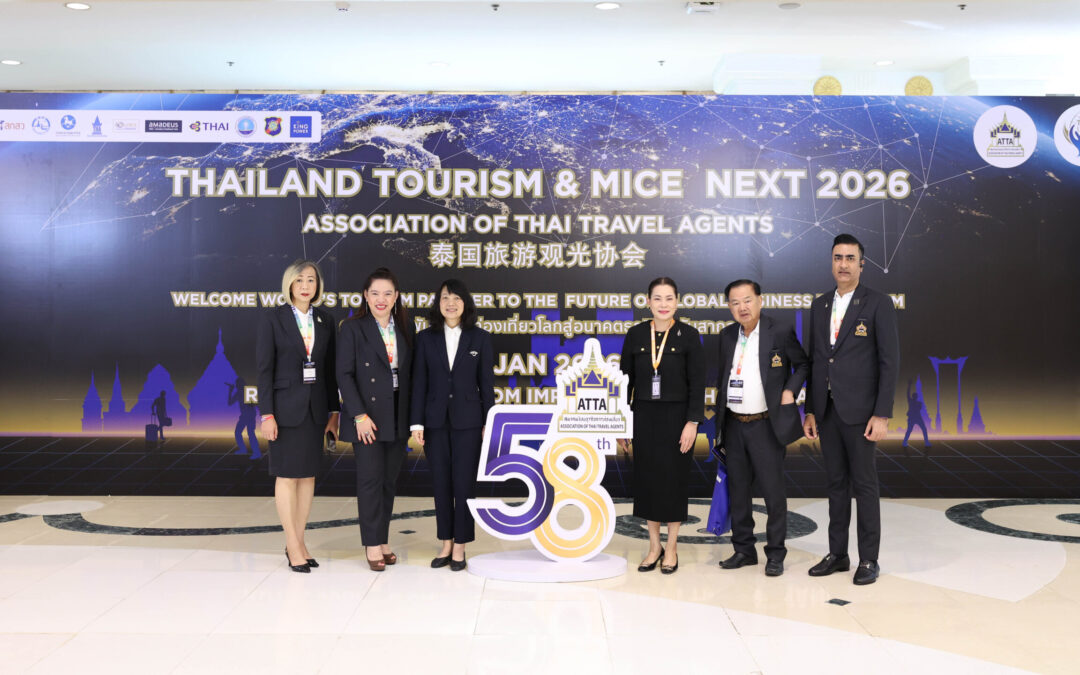
Youth policy ideas were presented as part of Thailand’s build-up to the 2026 global financial meetings.
Why youth economic ideas matter to the city story
Property buyers should not treat a student contest as a price signal. It does not prove rental growth or capital appreciation. The relevance is softer but still important: Thailand is using AM2026 to connect Bangkok with policy capability, public discussion and international economic engagement rather than only venue logistics.
That helps the city’s confidence story because Bangkok’s property appeal depends on more than lifestyle. Foreign buyers also ask whether the country is investing in institutions, human capital, policy conversation and international credibility. A campaign that gives young people a public stage around digital transformation, AI, green economy and global economic shifts supports that wider narrative.
Bangkok as host and classroom
The strongest cities do not only host visitors; they host ideas. AM2026 gives Bangkok a chance to bring policymakers, economists, media and private-sector leaders into the same urban setting as universities, businesses, hotels, retail, healthcare and cultural venues. The youth contest adds a domestic participation layer to that global event.
For foreign buyers, this matters because a livable investment city should feel dynamic. Bangkok’s appeal is stronger when it can offer not only shopping, dining and transport, but also education, professional networks, public debate, conferences and a sense of economic direction.
The contest linked public-policy thinking with Thailand’s wider AM2026 positioning.
What buyers should not overread
A policy contest and global meeting do not make every Bangkok condo attractive. Buyers should not overpay for a weak unit because Thailand is hosting a major event. Property performance still depends on entry price, title due diligence, foreign quota, building management, layout, rent evidence, common fees and resale competition.
The correct way to use the signal is at the location-screening level. Districts close to convention venues, offices, hotels, universities, rail, hospitals and lifestyle services may be easier to explain to internationally mobile tenants and future buyers. The individual building still needs to pass a disciplined checklist.
How this connects to investment confidence
The official release says more than 130 submissions were received and ten finalists presented concepts covering digital transformation and AI, green economy, and geopolitics and economic shifting. These are not abstract topics for property buyers. They are themes that influence where companies invest, where talent wants to live and how cities position themselves in regional competition.
Bangkok benefits when Thailand can show that younger professionals are engaging with the same themes global investors discuss. It supports the idea of the city as a place for meetings, education, services, policy and business, not only tourism. That wider positioning can help foreign buyers feel more comfortable studying Bangkok as a long-term base.
Buyer takeaway
The AM2026 youth economic ideas campaign is a confidence signal, not a purchase trigger. It shows Thailand using Bangkok’s 2026 global-meetings platform to highlight policy thinking, future skills and international engagement. Foreign buyers should connect that macro story to practical condo choices in districts with strong transport, services, education, offices and building fundamentals.
IBP helps foreign buyers connect Thailand economic news with Bangkok property decisions. Read more in our Thailand economy and investment news archive or contact IBP Real Estate for a Bangkok property brief.
Asoke is one of Bangkok’s most recognisable central condo districts for foreign buyers. The appeal is easy to understand: MRT and BTS interchange access, office demand, hotels, malls, restaurants, hospitals, international services and fast movement across Sukhumvit, Rama IV, Phetchaburi and Ratchadaphisek.
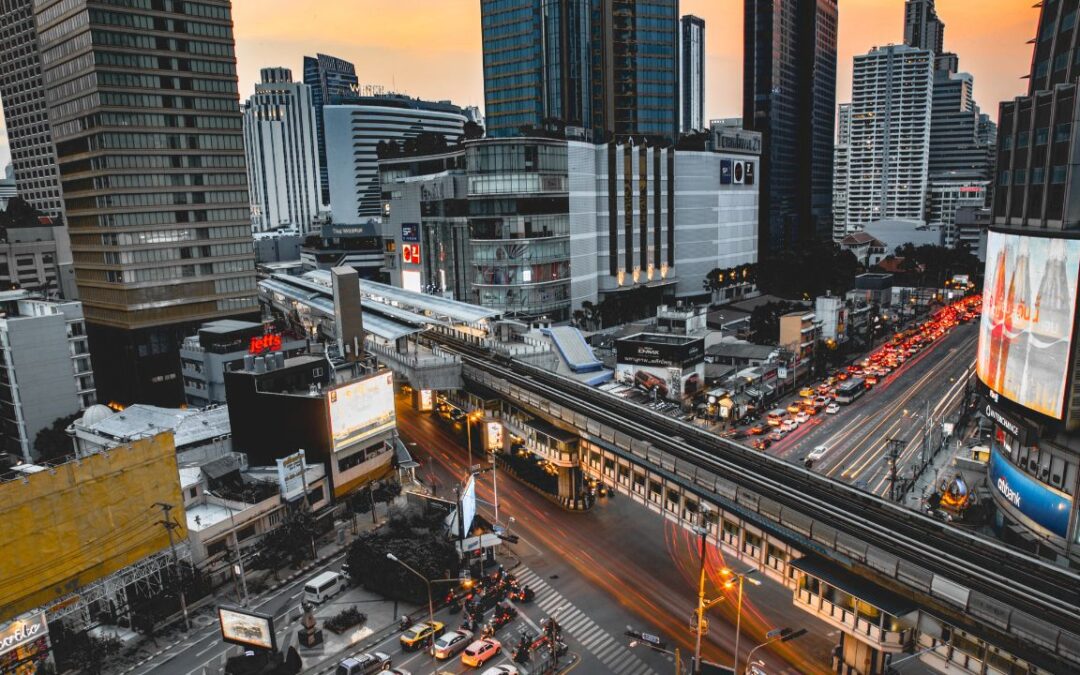
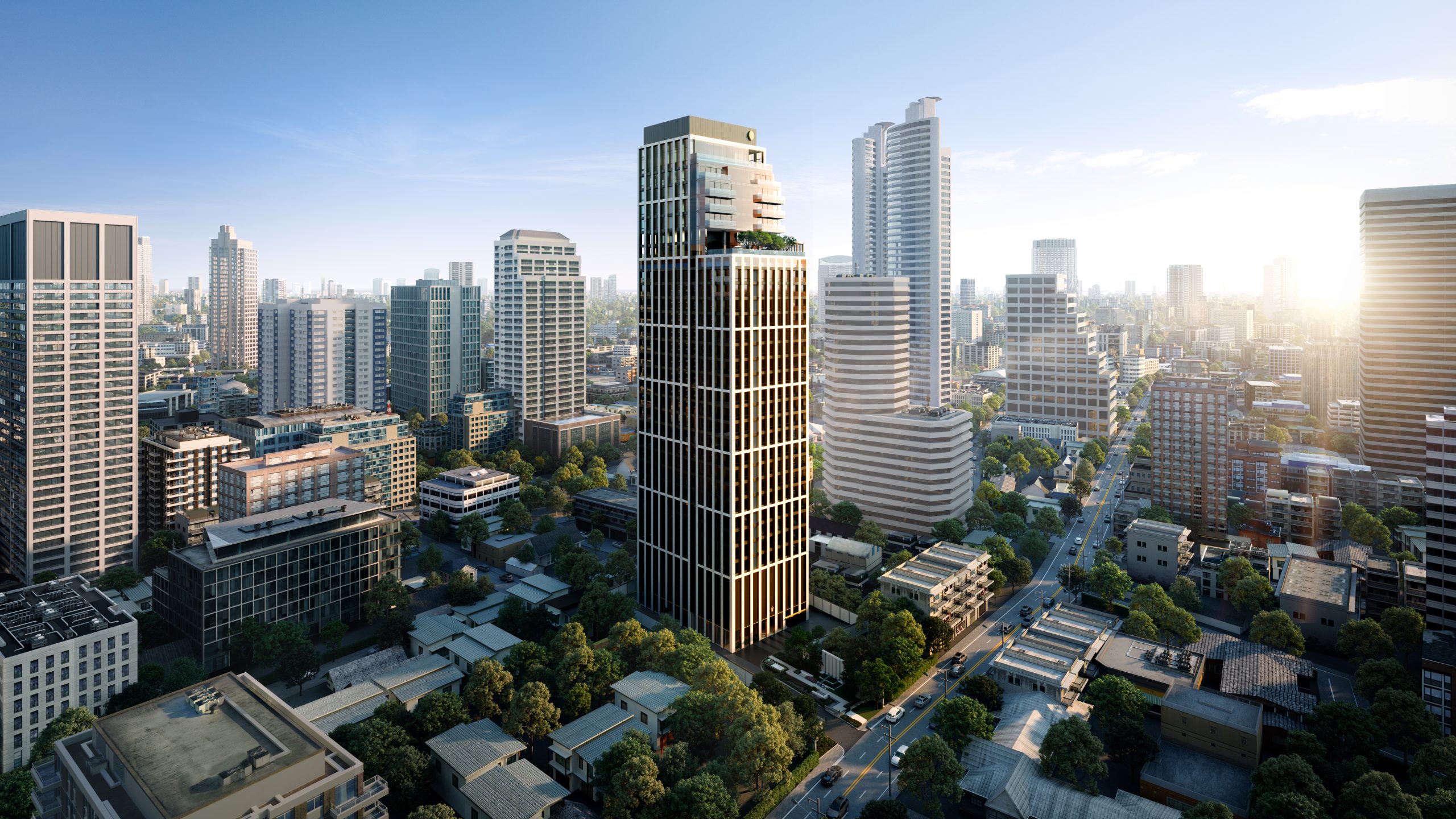
Asoke’s appeal comes from the overlap of MRT, BTS, offices, hotels, retail and central-city convenience.
That visibility is useful, but it can also make buyers overpay. Asoke is not a single product. A condo beside the interchange, a tower deeper in a soi, a branded residence, an older resale unit and a compact investment unit can all behave differently. Foreign buyers should judge the exact building and route, not only the district name.
Why foreign buyers consider Asoke
Asoke gives residents access to both the BTS Sukhumvit Line and the MRT Blue Line through the Sukhumvit-Asok interchange. That matters for tenants and owner-occupiers who move between Sukhumvit, Silom, Queen Sirikit National Convention Centre, Rama 9, Chatuchak, Bang Sue and central retail districts. Few Bangkok locations are easier to explain to a new arrival.
The district also has a deep weekday economy. Offices, embassies, hotels, serviced apartments, shopping centres, dining, nightlife, medical services and education options all support different types of demand. For landlords, this broad tenant base can be attractive. For owner-occupiers, it can make daily life convenient without needing a car for every errand.
The interchange premium needs discipline
Being near Asok BTS or Sukhumvit MRT can support value, but the premium should be tested. A building with a difficult walk, heavy traffic exposure, awkward pavement, poor drop-off or noisy surroundings may not feel as convenient as a map suggests. Buyers should walk the route from platform to lobby during office hours, evening rush and rainy conditions if possible.
Station access should be tested from the lobby to platform, not judged only by the district name.
Distance is not the only factor. Covered access, safe crossings, shaded pavements, lobby access, motorcycle-taxi reliance, traffic pinch points and lift queues all change the lived experience. A unit slightly farther away but easier to reach may be more comfortable than one that is technically closer but unpleasant to access.
Office demand is real, but tenants are selective
Asoke has strong office and hospitality demand, yet tenants still compare units closely. Rent, furniture, view, noise, building age, facilities, internet readiness, parcel handling and management quality all matter. A generic one-bedroom in a crowded building may need to compete on price if many similar units are available.
Foreign investors should define the target tenant. Is the unit for an expatriate executive, a regional consultant, a single professional, a couple, a hybrid worker or a long-stay visitor? The target audience affects size, furnishing, desk space, storage, kitchen expectations and tolerance for nightlife or traffic noise.
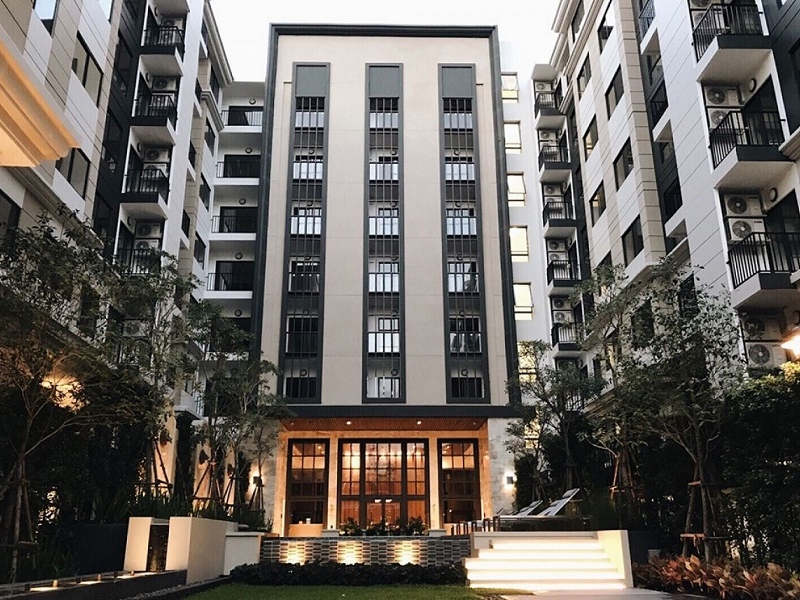
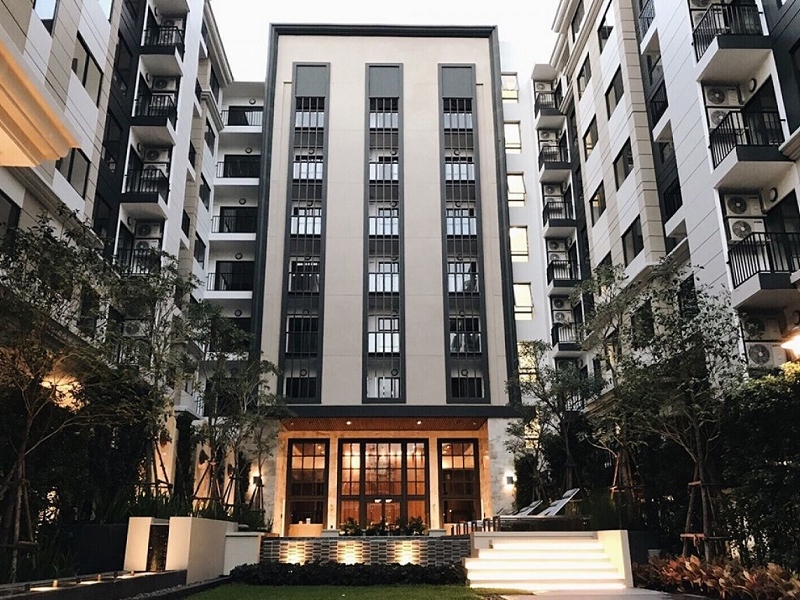
Premium Asoke condo choices still need building, layout and resale checks rather than brand-led assumptions.
Building quality separates similar locations
Asoke buyers should spend as much time inspecting the building as the view. Lift performance, common-area maintenance, lobby management, security, parcel handling, car access, swimming pool, gym and resident mix can make one tower more defensive than another. Older buildings may offer larger layouts, while newer or branded projects may offer sharper services and facilities.
Neither choice is automatically better. A larger older unit can be attractive if the building is well run and priced sensibly. A newer premium unit can be attractive if the entry price still leaves room for realistic rent and resale. The buyer’s job is to compare total cost and future competition, not follow a label.
Noise, privacy and light need real inspections
Asoke is busy. Road noise, rail exposure, nightlife, construction, office towers and hotel activity can all affect comfort. Buyers should inspect at more than one time if possible and should stand quietly with balcony doors open and closed. A strong district does not compensate for a unit that is difficult to live in.
Privacy also matters. Dense central locations can create direct views between towers. Tenants and future buyers may keep curtains closed if the exposure feels too close. This can reduce the practical value of natural light and view.
Resale logic in a famous district
A recognised district can help resale because buyers understand the location quickly. It does not guarantee liquidity. Asoke has many alternatives, and future buyers will compare across Sukhumvit, Phrom Phong, Nana, Phetchaburi, Rama 9 and Silom-Sathorn. The unit needs a clear reason to win.
That reason might be a rare layout, better access, stronger building management, attractive total price, durable view, larger usable area or premium service standard. If the unit’s only story is “Asoke”, the investor should be cautious.
Buyer checklist
Walk the route from BTS and MRT platform to lobby.
Inspect traffic, crossings, shade, rain exposure and night comfort.
Compare similar units in the building and nearby towers.
Check noise, privacy, light and air-conditioning load.
Define the likely tenant or future resale buyer.
Price the interchange premium against realistic alternatives.
Buyer takeaway
Asoke can be a strong Bangkok condo district for foreign buyers who value connectivity, services and a broad tenant base. It rewards precision. Buy the building, walk, layout and resale story, not only the interchange label.
IBP helps foreign buyers compare Asoke with Sukhumvit, Rama 9, Silom-Sathorn and other central Bangkok districts. Browse our district guides or contact IBP Real Estate for a location-led shortlist.
Foreign buyers often complete a Bangkok condo purchase carefully, then leave small owner-record details unfinished. The juristic office may have an old email address, the property manager may not know who can approve repairs, the tenant may message the wrong person, and emergency contacts may be missing or outdated.
Owner contact details should sit in the same file as transfer, juristic office and lease documents.
This sounds administrative, but it matters. Contact details are part of practical risk control for overseas owners. They help the building reach the right person for leaks, payments, access cards, fire-safety notices, common fee invoices, tenant issues, contractor access and future resale preparation.
Why owner records matter after transfer
The legal transfer makes the buyer the owner. The building record makes day-to-day ownership workable. If the juristic office has the wrong owner address, email, telephone number or emergency contact, important notices may be missed. If a tenant does not know who handles repairs, small problems can become larger. If a property manager lacks authority details, urgent decisions can stall.
Foreign owners should treat contact records as part of the same file as title documents, foreign quota papers, transfer receipts, inventory, lease, insurance, utility accounts and repair history. A clean file is especially important when the owner lives overseas or uses different representatives for purchase, leasing and maintenance.
Start with the juristic office
The juristic office is usually the first place to update after transfer. Ask what owner contact form the building uses and what supporting documents it needs. The building may ask for passport details, title copy, mailing address, Thai phone number, overseas phone number, email address, emergency contact and an authorised representative if the owner will not be in Bangkok.
The juristic office needs reliable owner, representative and emergency contacts after transfer.
Do not assume the agent’s contact details will automatically become the owner record. Agents may help during purchase, but the building should know who the owner is, who can receive notices, who can authorise access, and who should be called if water, security or common-area issues affect the unit.
Separate owner, representative and emergency contacts
A useful record separates roles. The owner is the legal decision-maker. A representative may be allowed to collect keys, arrange repairs, meet contractors or deal with the juristic office. An emergency contact may be called when the owner is unreachable. A tenant may report issues but should not be treated as the owner’s legal representative unless the owner has clearly authorised it.
This distinction protects everyone. The juristic office should not have to guess whether a tenant can approve repairs. A property manager should not have to chase three different people for the same decision. An emergency contact should know they are listed and what they are expected to do.
Contact records help the right person respond when access, repairs or tenant issues arise.
Repair authority should be written down
Owner contact records are closely linked to repair management. If a pipe leaks, air-conditioning fails or an appliance stops working, the property manager needs to know who can inspect, who can approve spending, who holds spare keys and what limit applies before owner approval is required.
Foreign owners should set a small urgent-repair authority where appropriate, then require photographs, invoices and a written record. Without this, a simple issue can become difficult because nobody wants to approve a cost while the owner is asleep in another time zone.
Invoice routing and common fee notices
Common fee invoices, sinking fund notices, repair assessments and building announcements should go to the right email address. If the condo is rented, decide whether notices go to the owner, property manager or both. Tenants may receive building notices about access, fire drills or facility closures, but owner-level financial notices should not depend only on tenant forwarding.
Owners should also ask how the building sends urgent notices: email, phone, messaging app, posted letter or building application. If the building uses Thai-language notices, the owner should arrange translation support with a manager or trusted contact.
Keep access and key records current
The owner file should list room keys, mailbox keys, access cards, parking stickers, lift cards and any spare sets held by a manager or tenant. If a tenant changes, cards are replaced, locks are changed or a manager is appointed, update the record. Lost-card fees and security concerns are easier to handle when the owner knows what exists.
For vacant units, the building and manager should know who can enter in an emergency. Owners should not leave emergency access unclear, especially if the unit has water connections, appliances, balcony drains or air-conditioning equipment that could affect neighbours.
What to review once a year
At least once a year, foreign owners should review owner email, phone, overseas address, Thai mailing address, emergency contact, property manager, tenant contact, keycard list, utility accounts, insurance records and lease dates. This is a simple habit, but it prevents many ownership problems.
The review is also useful before resale. A buyer, lawyer or agent will ask for building records, common fee status, keys, tenant information and maintenance history. Clean contact and access records make the future exit easier to organise.
Owner checklist
Update the juristic office after transfer with owner and emergency contacts.
Separate owner, representative, tenant and emergency-contact roles.
Set written repair authority and spending limits for urgent issues.
Confirm where common fee invoices and building notices are sent.
Keep a current list of keys, cards, parking stickers and spare sets.
Review contact, access and manager records at least once a year.
Buyer takeaway
Bangkok condo owner contact details are not just admin. They protect foreign owners when payments, repairs, access, tenants and building notices need fast coordination. A clean record helps the unit function smoothly while the owner is overseas.
IBP helps foreign buyers set up Bangkok ownership files, property-management routines and practical handover support. Browse our foreign buyer guides or contact IBP Real Estate for a practical ownership checklist.
Bangkok condo investors often ask what a unit might be worth when they sell. That question is useful, but it is incomplete. A future resale price will depend not only on the unit’s quality, but also on how many similar units a buyer can compare it with at the same time.
Resale competition should be tested before an investor relies on a future exit price.
Resale competition is therefore a practical risk check. A foreign investor should ask: if I list this condo in three, five or seven years, what else will a buyer see beside it? If the answer is many similar units in the same building, nearby buildings and newer projects, the exit strategy needs to be more conservative.
Why resale competition matters
A Bangkok condo can be well located and still face a difficult exit if it looks interchangeable. Buyers compare quickly online. They notice floor, view, furniture, layout, building age, asking price, transfer readiness, common-area condition and the number of listings available in the same tower. When many units look alike, price often becomes the easiest way to compete.
Investors should not assume that a strong rental location automatically creates a strong resale market. Tenant demand and buyer demand overlap, but they are not identical. A tenant may accept a compact unit for one year because it is convenient. A buyer may be more selective because they are committing capital and thinking about future resale.
Start inside the same building
The first resale competitor is usually the same building. Before buying, check how many similar units are being marketed, how long they appear to have been listed, and whether sellers are clustering around the same asking price. If a building has many near-identical one-bedroom units, a future buyer may have little reason to choose yours unless it has a better position, view, condition or price.
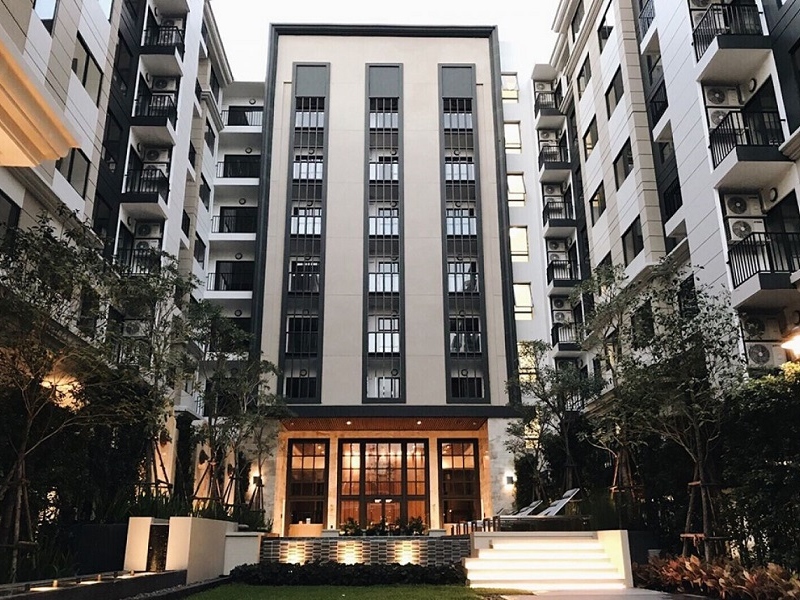
A building’s management, age, facilities and competing listings can all shape resale depth.
Floor and stack can help, but only when the premium is sensible. A high floor, corner unit, better orientation, clearer view, quieter side or larger balcony may create differentiation. The buyer should still ask whether the current purchase price already captures that advantage. Paying too much for a small difference can remove the resale benefit.
Compare nearby buildings
Future buyers will not only compare within one building. They will look across the district. A resale unit in a mature building may compete with newer projects, older larger units, branded residences, low-rise options and buildings closer to rail. The investor should map the competing set before purchase, not only at sale time.
This is especially important in districts with heavy condominium supply. A unit near rail or offices can still face pressure if several buildings offer similar layouts and facilities. Investors should ask what makes the target property easier to explain: a better walk, stronger management, larger usable area, lower total cost, more durable view, or clearer tenant profile.
Layout is a resale filter
Many Bangkok condos compete on size and headline room count, but resale buyers eventually judge usability. A one-bedroom with a proper work corner, storage, natural light and efficient circulation may compete better than a slightly larger unit with wasted corridor space. A two-bedroom unit with a usable second bedroom can be more defensible than one that looks like a study renamed as a bedroom.
Layout and unit type matter because future buyers compare alternatives quickly.
Foreign investors should test the floor plan as a future buyer would. Where does luggage go? Can two people eat comfortably? Is there a real desk position? Does the bedroom fit normal furniture? Is the balcony useful? Can the air-conditioning cool the living area efficiently? These details affect both tenant satisfaction and resale confidence.
Building management can widen or narrow demand
A well-managed building gives future buyers comfort. Clean common areas, reliable lifts, sensible security, good parcel handling, maintained facilities and clear juristic communication all support resale. A tired building can make even a renovated unit harder to sell because buyers worry about common fees, future repairs and resident quality.
Investors should inspect the building like a resident. Look at the lobby, corridors, car park, rubbish areas, gym, pool, noticeboards and staff interaction. Ask about upcoming works, common fees and any visible maintenance issues. A building with a calm management story is easier to defend in resale conversations.
Do not ignore new supply
New projects can change the resale conversation. A completed resale unit may offer better value, immediate occupation and a proven building, but a new launch may offer fresh facilities, developer promotions and stronger marketing. Foreign buyers should compare the target resale unit against likely new-build alternatives in the same broad budget.
The issue is not whether new supply is always better. It is not. The issue is whether the resale unit has a reason to remain relevant. Mature locations, larger layouts, lower entry price, better views or proven rental records can all help. Without a clear advantage, the resale unit may need a deeper discount to attract attention.
How investors can price the risk
A simple approach is to underwrite the exit at more than one price. Model a base case where the unit sells at a realistic comparable level, a softer case where competition forces a discount, and a delayed case where the unit takes longer to sell. Include selling costs, vacancy, common fees and any refresh budget needed before listing.
This exercise prevents the buyer from relying on a single optimistic exit number. It also clarifies the entry price. If the investment only works when the unit sells quickly at a premium to many similar units, the margin of safety is thin.
Investor checklist
Count similar listings in the same building before buying.
Compare nearby buildings in the same budget and tenant profile.
Check whether the unit has a genuine layout, view or position advantage.
Inspect common areas and juristic management as resale factors.
Test how newer projects could compete with the exit story.
Model a slower or discounted resale case before committing.
Buyer takeaway
Bangkok condo resale competition is one of the most useful checks for foreign investors. A good purchase should have a clear reason to stand out when future buyers compare alternatives. If that reason is weak, the buyer should demand a better entry price or choose a more defensible unit.
IBP helps foreign buyers compare Bangkok condos by demand, resale depth and exit strategy. Read more in our resale and exit strategy guides or contact IBP Real Estate for a buyer shortlist.
Work-from-home comfort has become a serious Bangkok condo buying factor. It matters for remote professionals, hybrid executives, entrepreneurs, long-stay owners, digital workers and tenants who may spend far more time in the unit than a traditional commuter. A condo that looks good for weekend stays can feel very different after full working days indoors.
Work-from-home comfort starts with layout, storage, light and a realistic desk position.
Foreign buyers should therefore inspect a Bangkok condo as both a home and a workplace. The question is not only whether a desk can fit somewhere. The better question is whether the unit supports focus, video calls, storage, light, cooling, quiet, breaks, deliveries and easy movement around the city when meetings or errands require it.
Start with the desk position
A proper desk position should have comfortable light, nearby power, enough width for a laptop and monitor, a chair that can stay in place, and a background that works for calls. Many compact condos can support this if the layout is efficient. Others force the desk into a corridor, bedroom corner or dining surface that becomes frustrating quickly.
Buyers should test where work equipment, documents, bags, printer, router and charging cables would go. A beautiful living room may still fail if there is no practical storage and every workday ends with clutter spread across the sofa.
Noise and cooling matter more than the view
Remote workers notice noise. Traffic, rail, construction, lift areas, pool decks, schools, nightlife and neighbouring units can all disrupt calls. Visit at different times, stand quietly in the room, and ask whether nearby construction or renovation is expected. A high floor is not automatically quiet if the building faces a loud road or elevated line.
A practical home office still needs easy access to meetings, services, visitors and transport.
Cooling also matters. A west-facing room with strong afternoon heat may look dramatic but become uncomfortable and expensive to cool during working hours. Check air-conditioning position, curtain quality, window heat and whether the desk area receives harsh glare. The best work-from-home unit feels comfortable at 2pm, not only at sunset.
Internet is a building question too
Buyers should ask what providers serve the building, how installation appointments are handled, where the router sits, and whether the unit has practical cable routes. For owners who will rent the unit, internet setup should be ready before tenant move-in. A remote worker may reject a unit quickly if connectivity is uncertain.
Building systems also affect working life. Parcel handling, visitor registration, lobby seating, delivery procedures, mobile reception, backup power policies and lift reliability all shape the weekday routine. A strong home-office unit needs a building that supports daily logistics.
Amenities can prevent cabin fever
Work-from-home residents need breaks. A usable gym, pool, garden, library room, co-working lounge, cafe access or nearby park can make a major difference. The amenity does not need to be extravagant. It needs to be clean, available, comfortable and easy to use without a complicated booking process.
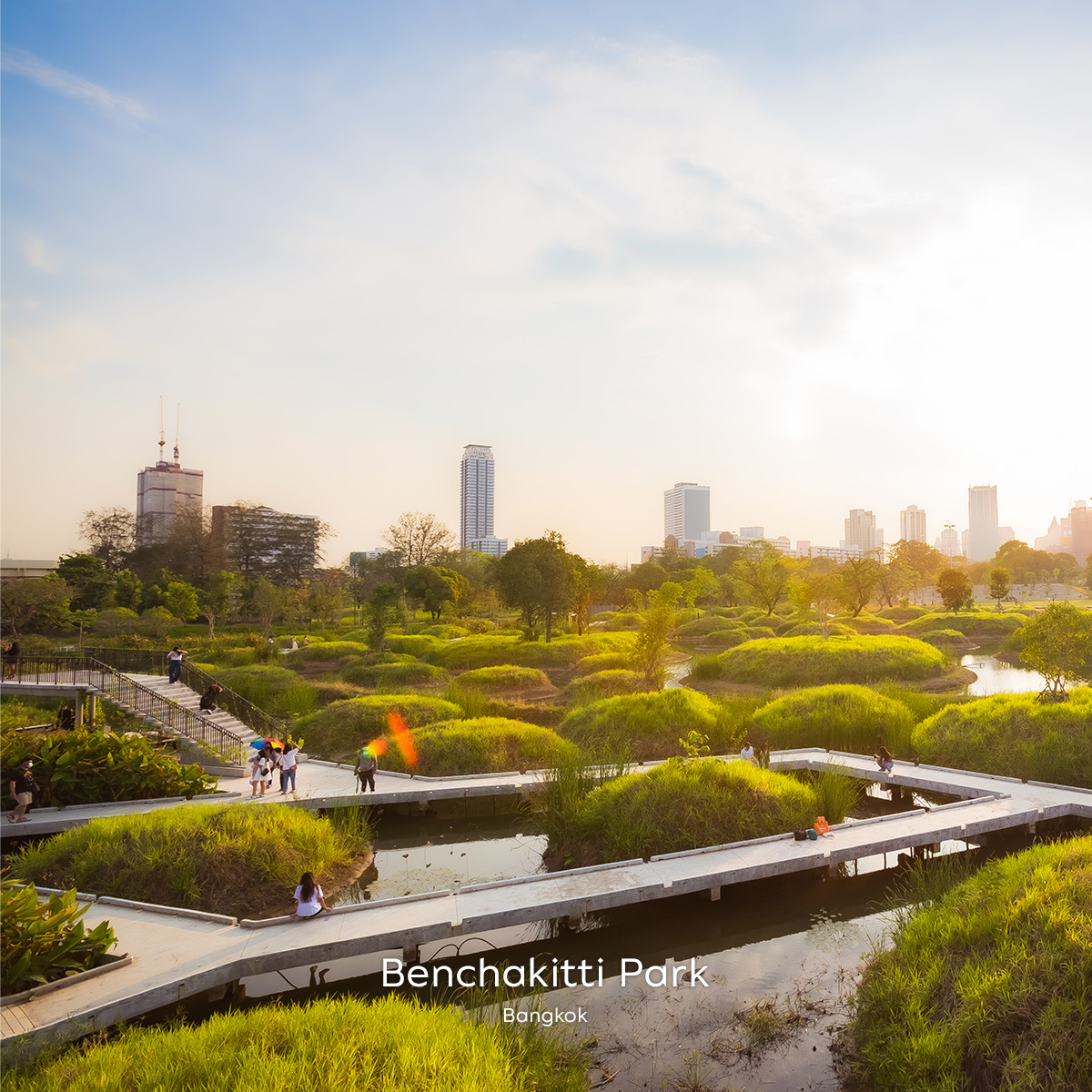
Green space, gyms, cafes and quiet walking routes help remote workers avoid feeling trapped indoors.
Neighbourhood support is just as important. Coffee, casual dining, groceries, pharmacies, laundry, taxis, rail, walking routes and calm evening options all help remote workers maintain a balanced routine. A district with useful daily services can feel more livable than a more fashionable address that requires travel for every errand.
Who is the target resident?
Investors should define the likely work-from-home tenant before buying. A single professional may accept a compact one-bedroom if the layout is efficient and the building is quiet. A couple may need a separate bedroom and living area so one person can work while the other rests. A senior executive may prefer a larger unit, better privacy and easier car access.
The furnishing package should match that audience. A real office chair, proper desk, task lighting, blackout curtains, storage and reliable appliances may do more for tenant retention than decorative accessories. The goal is a unit that works after the first week, not only in listing photos.
Buyer checklist
Place a real desk, chair, monitor and storage plan on the floor plan.
Check noise, glare and cooling during working hours.
Confirm internet providers, router position and installation process.
Inspect parcel handling, deliveries, lifts and visitor access.
Test nearby cafes, groceries, parks, gyms and walking routes.
Match the unit size and furnishing to the likely remote-worker profile.
Buyer takeaway
A Bangkok work-from-home condo should make ordinary weekdays easier. Foreign buyers should test layout, noise, internet, cooling, building logistics and neighbourhood breaks before assuming any central unit will work. The strongest choices support both living and focus.
IBP helps foreign buyers compare Bangkok condos by liveability, rental demand and long-stay comfort. Browse our expat living guides or contact IBP Real Estate for a practical location shortlist.