Thailand’s Pay Like a Local cross-border QR payment push is a useful signal for Bangkok property buyers because it speaks to something practical: visitor convenience. TAT Newsroom reported on 26 June 2026 that the Tourism Authority of Thailand is highlighting Thailand’s readiness for Cross-Border QR Payment across the tourism sector under the Pay Like a Local concept.
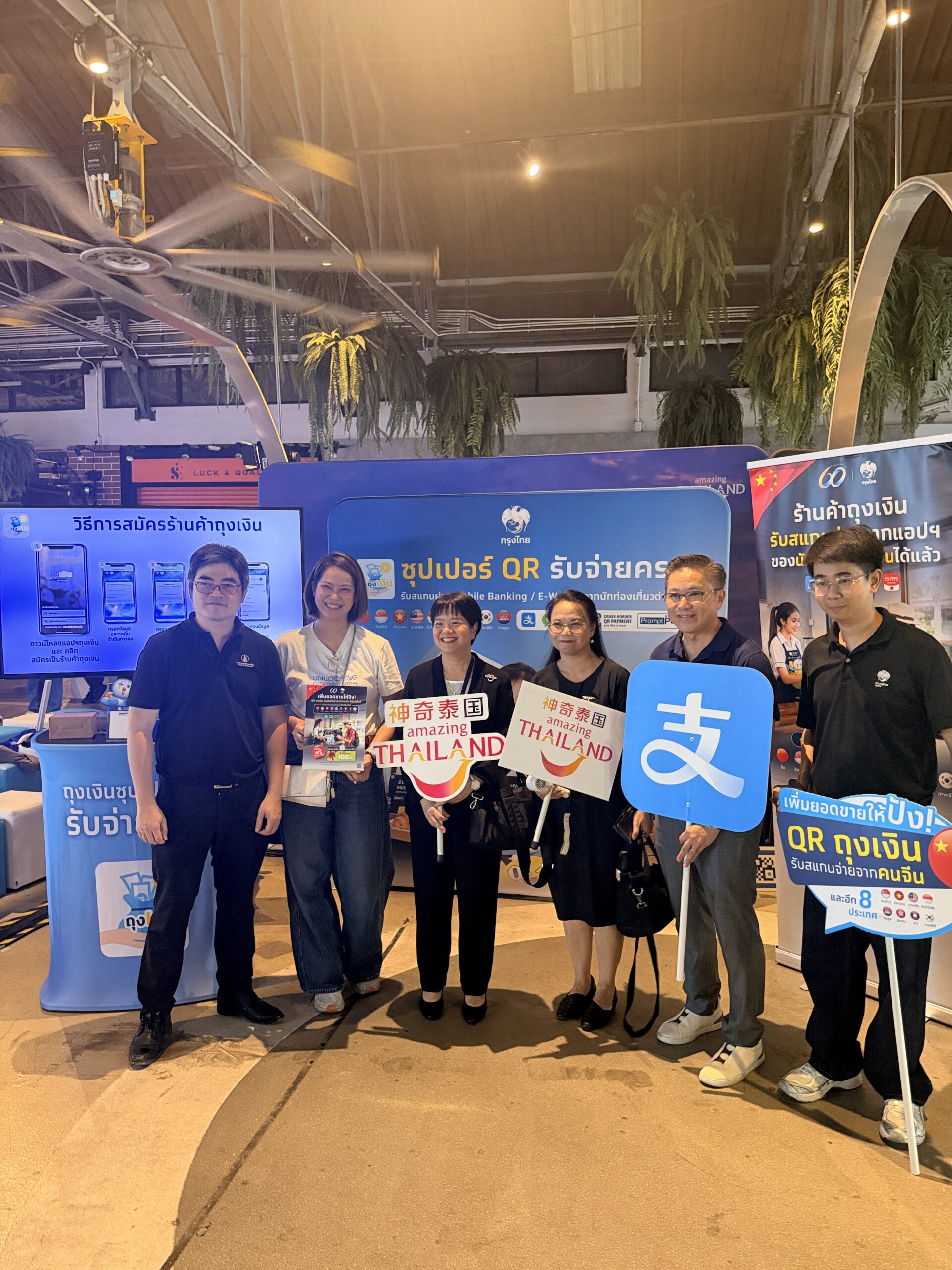
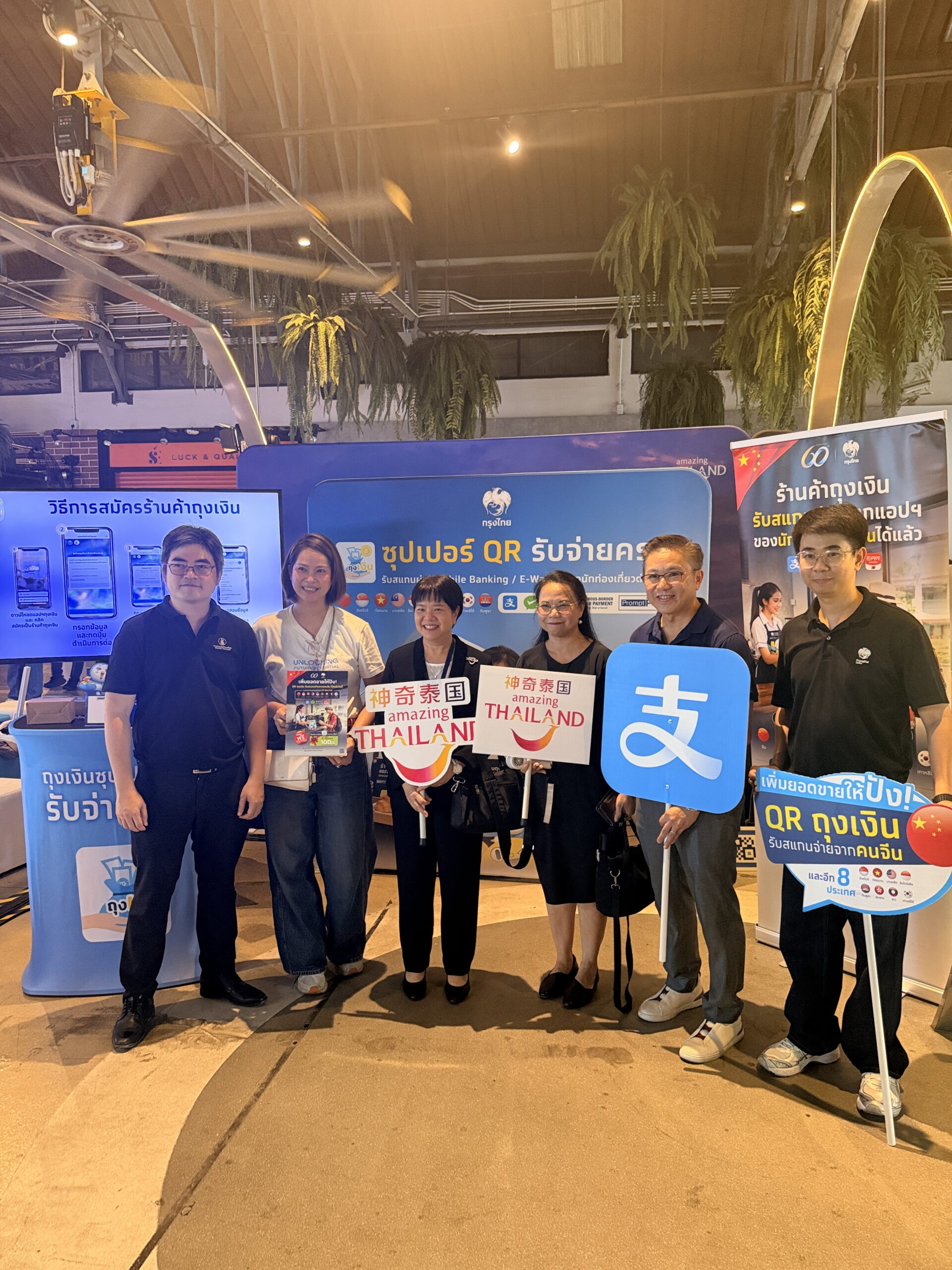
TAT is promoting cross-border QR payment readiness across Thailand’s visitor economy.
This is not a condo-price announcement. It should not be read as a reason to speculate. The property relevance is that Bangkok’s visitor economy becomes more comfortable when travellers can pay for food, shopping, attractions, taxis, services and tourism experiences in familiar digital ways. Convenience supports spending confidence, repeat visits and the city’s premium positioning.
What TAT announced
The official release says the initiative connects merchant adoption with traveller awareness, making digital payments more convenient for foreign visitors while opening new opportunities for Thai businesses. TAT is promoting QR payment convenience at attractions, shops, restaurants and tourism establishments nationwide through international marketing and publicity channels, particularly in East Asia.
The effort is advanced by the Bank of Thailand with eight participating banks: Krungthai Bank, Bangkok Bank, Kasikornbank, Siam Commercial Bank, Bank of Ayudhya, ICBC Thai, Bank for Agriculture and Agricultural Cooperatives, and CIMB Thai Bank. The release also names National ITMX, Alipay, WeChat Pay and UnionPay as payment and switching partners.
Merchant readiness matters because daily spending convenience shapes the visitor experience.
Why this matters to Bangkok
Bangkok is where many international visitors first experience Thailand’s retail, dining, medical, hospitality, cultural and transport ecosystem. A smooth payment environment makes the city easier for visitors from mobile-payment markets to navigate. TAT says the service is currently available to users from China, Singapore, Malaysia, Indonesia, Viet Nam, South Korea, Lao PDR, Cambodia and Hong Kong, with further expansion planned.
For property buyers, that matters because Bangkok’s strongest districts often depend on everyday convenience as much as headline attractions. Malls, restaurants, clinics, hotels, supermarkets, riverfront venues, night markets and cultural destinations all benefit when visitors can spend without friction. A city that is easy to use is easier to revisit, rent in and eventually consider as a second-home base.
The Asiatique activation
TAT said a Merchant Activation Roadshow was held at Asiatique The Riverfront Destination in Bangkok, between Warehouses 8 and 9. The event engaged shops, restaurants and tourism operators in preparing to accept QR payments. Participating merchants could consult partner banks, register for QR merchant services, visit partner booths and join awareness activities.
The Bangkok activation followed a pilot in Udon Thani on 31 March 2026, which TAT said prepared local operators for an expected rise in Chinese visitors. The first phase included a seminar for 52 operators and outreach to small businesses in local commercial areas.
Tourism, banking and payment partners are linking visitor behaviour with practical merchant adoption.
The property-confidence angle
Foreign buyers should use this news as background confidence, not a shortcut. Digital payment readiness helps the visitor economy, but an individual condo still has to stand on location, title due diligence, building management, unit layout, rent evidence and resale depth. A weak unit does not become a good investment because QR payments are easier.
The better lesson is that Thailand continues to modernise the practical visitor experience. For Bangkok, that reinforces the appeal of districts where international residents and visitors can move easily between rail, retail, healthcare, dining, riverfront attractions, hotels and work meetings. Buildings in these locations are easier to explain when they also offer strong management and sensible layouts.
What buyers should watch
Investors should look for locations where digital spending, retail depth and visitor services are visible in everyday life. This can include central shopping areas, hotel corridors, riverside destinations, medical hubs, mixed-use districts and station-led neighbourhoods. The more useful test is not whether a district appears in a press release, but whether a resident or tenant can live conveniently from the front door.
Pay Like a Local also shows why Bangkok’s investment story is increasingly about service infrastructure. Airports, rail, payments, hospitals, malls, tourism venues and hospitality all combine to make the city globally usable. Property buyers should connect that macro story to a disciplined unit-level checklist.
Buyer takeaway
Pay Like a Local supports Bangkok’s image as a modern, visitor-ready city. For foreign property buyers, the signal is practical rather than speculative: choose condos in districts where payment convenience, transport, services and lifestyle make daily life easier for tenants, visitors and future owners.
IBP helps foreign buyers connect Thailand tourism and economy news with Bangkok property decisions. Read more in our Thailand economy and investment news archive or contact IBP Real Estate for a Bangkok property brief.
Sam Yan is a compact but important central Bangkok district for foreign buyers who want MRT access, university demand, office links, retail convenience and quick movement between Silom, Sathorn, Siam and Rama IV. It is not a pure luxury address and it is not only a student area. Its appeal comes from how many daily-city uses overlap in a small radius.
Sam Yan decisions should begin with the real station, street and lobby journey.
For investors, Sam Yan can offer a practical tenant story if the building, route and unit size are chosen carefully. For owner-occupiers, it can work as a central base with a more mixed, local and education-led rhythm than some parts of prime Sukhumvit. The correct purchase decision depends on the exact walk, building management and resale audience.
Why foreign buyers look at Sam Yan
Sam Yan sits on the MRT Blue Line and gives residents straightforward rail access towards Silom, Sukhumvit through interchange, Hua Lamphong, Queen Sirikit National Convention Centre and the wider city. It is also close to Chulalongkorn University, Rama IV, Si Phraya, Silom and the broader business corridor. That mix creates demand from several groups rather than one narrow tenant profile.
Buyers may consider Sam Yan when they want centrality but do not need the most internationally recognised Sukhumvit address. The district can appeal to professionals, university-linked residents, medical and education users, office tenants, city workers and owner-occupiers who value access to both commercial and cultural Bangkok.
Sam Yan buyers should compare new-building convenience with long-term layout and management quality.
Station access needs a street-level test
Sam Yan is walkable in parts, but buyers should test the real route. Check the distance from MRT platform to lobby, the quality of pavements, crossings, shade, lighting, traffic and rainy-season shelter. Also consider whether the route feels comfortable at night and whether taxis or ride-hailing cars can stop easily near the building.
A short map distance is not enough. Some routes may be busy, exposed or awkward with luggage. Others may feel more convenient because they connect through retail, covered areas or calmer streets. The strongest condo choice is usually the one where daily movement feels simple, not merely close on paper.
University and office demand are useful, not automatic
Education and office proximity can support rental demand, but investors should not assume every unit will perform well. Tenants still compare rent, layout, furniture, building age, facilities, noise and management. A studio or one-bedroom unit may suit a different audience from a larger unit aimed at couples or owner-occupiers.
Foreign buyers should ask who the unit is really serving. Is it a professional who wants MRT access? A university-linked tenant who values walking convenience? A couple wanting central lifestyle without prime-Sukhumvit pricing? A future owner-occupier who wants proximity to Silom, Sathorn and Siam? Each audience has different expectations.
The district’s appeal comes from rail, education, offices, retail and central-city access working together.
Retail and daily services strengthen the liveability case
Sam Yan’s appeal is not only transport. Daily convenience matters: supermarkets, casual dining, cafes, clinics, gyms, pharmacies, co-working options, cultural venues and quick access to larger shopping districts all support long-stay comfort. A resident who can handle ordinary errands locally is more likely to treat the district as a real home base.
Buyers should still check the immediate surroundings. A building close to retail can be convenient but busy. A quieter side street can feel calmer but may require a longer walk to services. Noise from traffic, schools, nightlife, construction or delivery activity should be inspected at different times.
Building quality matters in a compact district
Because Sam Yan is central and dense, small building differences can matter. Lift performance, lobby management, parcel handling, parking, maintenance, common-area quality and resident mix can affect both tenant retention and resale. Older buildings may offer more space, while newer projects may offer sharper facilities and smaller plans.
Neither age profile is automatically better. The buyer should compare total cost, usable space, furnishing, common fees, repair condition and the number of similar listings. If several comparable units are available, rent and resale assumptions should stay conservative.
Resale audience and exit strategy
Sam Yan’s resale story should be clear before purchase. A future buyer needs to understand why the unit works compared with Silom, Sathorn, Siam, Ratchathewi, Asoke or Rama 9 alternatives. The answer may be MRT access, education proximity, a stronger layout, better price, calmer building, or easier daily services.
If the unit has no clear advantage, it may become one more central condo listing competing on price. Foreign investors should therefore choose units with a defined tenant and resale audience, not only a fashionable district name.
Buyer checklist
Walk from Sam Yan MRT to the lobby at realistic times.
Check traffic, noise, lighting, shade and rainy-season comfort.
Identify the likely tenant or owner-occupier profile.
Compare building management, lifts, facilities and maintenance.
Review nearby competition before accepting rent assumptions.
Test the resale story against Silom, Sathorn, Siam and Rama IV alternatives.
Buyer takeaway
Sam Yan MRT can be a practical central Bangkok condo district for foreign buyers who value rail, education, offices and daily services. It rewards careful inspection. Buy the walking route, building quality, layout and resale logic, not only the central-city label.
IBP helps foreign buyers compare Sam Yan with other MRT and BTS-led Bangkok districts. Browse our district guides or contact IBP Real Estate for a location-led shortlist.
Repair requests are part of owning a Bangkok condo, whether the unit is used personally, held vacant for occasional stays or rented to a tenant. Foreign owners often discover that the technical repair is only one part of the process. The harder part is deciding who inspects, who approves the cost, who gives building access, and how the repair record is kept.
Repair requests should sit in the same owner file as the lease, warranties, inventory and building rules.
A good repair system protects the owner, tenant and building. It also reduces emotional messages when something fails. Air-conditioners, water heaters, appliances, leaks, blocked drains, door locks, internet points, balcony drains and minor electrical problems are all easier to handle when the owner has a clear process before the first issue appears.
Start with one owner file
Every foreign owner should keep a simple digital file for the unit. It should include the title transfer documents, lease, inventory, appliance warranties, manuals, juristic office rules, contractor invoices, photographs, insurance details where relevant, and contact details for the property manager or local representative. Repair requests should be added to the same file.
This matters because repairs often repeat. If an air-conditioning unit has been serviced, a water heater replaced, or a leak inspected, the next person needs to see the history. Without a file, every repair begins again from memory.
Photographs and clear inspection notes make repair decisions easier for owners managing a unit from overseas.
Separate urgent and routine issues
Owners should agree in advance what counts as urgent. Water leaks, electrical risk, lock failure, major air-conditioning failure, broken windows, security issues and anything that could affect another unit usually need fast action. A scratched table, loose handle or small appliance issue may be routine unless the lease says otherwise.
The owner should give the property manager spending authority for small urgent repairs within a written limit. Without that authority, a problem can become worse while everyone waits for approval across time zones. Larger repairs should still require photographs, estimates and owner confirmation.
Use photographs and short notes
A tenant’s message saying something is broken is a starting point, not a complete repair request. Ask for clear photographs or short video, the time the issue started, whether water or electricity is involved, and whether building staff have already inspected it. A manager should then record what was found and what action was taken.
Good notes reduce disputes later. They show whether the issue was ordinary wear, tenant damage, developer defect, common-area problem, appliance age or contractor error. The purpose is not to blame quickly. It is to decide calmly and keep evidence.
Many repairs involve the juristic office, building access, contractor registration or common-area rules.
Keep tenant communication calm and specific
Tenants usually want acknowledgement first, then a clear next step. A useful reply confirms that the issue has been received, asks for any missing evidence, explains who will inspect, and gives a realistic timing update. Vague promises create frustration. Overly legal language can make a simple repair feel hostile. A professional repair trail should be short, dated and factual.
For landlords using an agent or property manager, the tenant should know who is authorised to coordinate repairs. Multiple channels can create confusion if the tenant messages the owner, agent, juristic office and contractor separately. One clear coordinator helps keep the process moving.
Check building rules before sending contractors
Many Bangkok condominiums control contractor access. The juristic office may require identification, owner authorisation, work-hour limits, lift protection, deposits, rubbish removal rules and advance booking for noisy work. Some repairs also need building staff to inspect common pipes, risers, balconies, drains or exterior equipment.
Foreign owners should not tell a contractor to enter without checking the building procedure. If a contractor damages a lift, corridor, neighbour’s unit or common-area system, the owner may face cost and relationship problems even when the repair began as a small job.
Clarify tenant responsibility carefully
Some issues are ordinary owner maintenance. Some may be tenant misuse. Some may be shared or unclear. The lease should explain the repair process, but owners should avoid making instant accusations without inspection. A calm response keeps the tenancy professional and protects the landlord’s reputation.
If a tenant caused damage, keep photographs, messages and invoices. If the owner is responsible, respond promptly and record the cost. If the issue relates to the building, involve the juristic office and keep their written response. The cleaner the trail, the easier it is to close the matter.
Use repairs to update the inventory
Whenever an appliance, mattress, curtain, lock, sofa, light fitting or fixture is replaced, update the inventory. Add the date, cost, warranty and photographs. If the unit is rented, the tenant should acknowledge major changes. This helps when the tenant moves out and prevents confusion over what was originally provided.
Owners should also track recurring repairs. Repeated air-conditioning failures, leaks or appliance breakdowns may signal that replacement is cheaper than temporary fixes. Good property management is not only about spending less today; it is about reducing repeat disruption.
Owner checklist
Keep repair history with the lease, inventory and building rules.
Define urgent issues and spending authority before problems occur.
Ask for photographs, short notes and inspection records.
Confirm contractor access rules with the juristic office.
Record invoices, warranties and replacement dates.
Update the inventory after any major repair or replacement.
Buyer takeaway
Bangkok condo repair requests are easier to manage when foreign owners set the process early. The goal is clear evidence, fast urgent response, controlled contractor access and a clean owner file. That discipline protects rental income, tenant relationships and long-distance ownership.
IBP helps foreign buyers set up Bangkok ownership files, landlord routines and property-management support. Browse our foreign buyer guides or contact IBP Real Estate for practical ownership support.
Bangkok condo investors often focus on the first lease. That is understandable: rent, vacancy period and entry price are easy to place in a spreadsheet. Tenant retention is less obvious, but it is one of the best practical tests of whether a unit can perform beyond the first year.
Tenant retention is a practical way to test whether a Bangkok condo income story can survive beyond the first lease.
A foreign landlord who keeps good tenants for longer can reduce advertising gaps, agent handover friction, cleaning costs, repainting cycles and management stress. Retention does not remove market risk, but it can make the income story less fragile. The question for buyers is simple: would a sensible tenant want to renew here, or would they leave as soon as a similar option appears nearby?
Why retention matters to returns
A headline rent can flatter an investment if it is achieved only once. The more useful question is whether the unit can keep tenants at a fair rent without repeated downtime. A unit that leases quickly but loses tenants every year may create hidden costs. A unit that feels comfortable, well-managed and easy to live in can be more resilient, even if the rent is not the highest in the building.
Retention also affects resale. Future buyers will often ask whether the unit has stable rental history, whether tenants complained, and whether the building is easy to manage. A clean record of renewals, repairs and payments can make the property easier to explain when the owner eventually sells.
Look beyond the rent number
Foreign buyers should test why a tenant would stay. A good location helps, but tenants renew because their daily routine works. The route to rail, office, school, shops, gym, restaurants and taxis must feel manageable. If a building is technically near a station but the walk is hot, noisy or awkward, tenants may move when they find a smoother option.
Inside the unit, retention depends on comfort. Light, storage, desk space, air-conditioning, water pressure, appliance quality, privacy and noise control all matter after the viewing excitement fades. Tenants usually forgive less over time, not more. A layout problem that looks minor during a 15-minute inspection can become the reason they leave.
A well-managed building can make renewal conversations easier for tenants and landlords.
Building management is part of the lease
Landlords do not control the juristic office, but they are affected by it. Lift waits, parcel handling, security, contractor access, pool rules, gym maintenance, parking, common-area cleanliness and communication all influence tenant satisfaction. A tenant who likes the unit but dislikes the building may still decide not to renew.
Investors should therefore inspect the building as a resident would. Read noticeboards, observe the lobby, check whether repairs are visible, ask about renovation rules and look at how staff handle visitors. A calm and predictable building can support renewals because tenants know what to expect.
Repair response shapes trust
Many lease renewals are won or lost through repairs. If the air-conditioner fails, a water leak appears, or an appliance breaks, the tenant wants a clear response. Overseas landlords should have a property manager or trusted representative who can inspect issues, approve small repairs within agreed limits and communicate quickly.
Slow or unclear repairs make tenants feel temporary. Even when the problem is not the landlord’s fault, poor coordination can damage trust. Before buying, investors should ask whether contractors can access the building easily, whether spare parts are common, and whether the unit has appliances that are practical to service.
Furniture should support real living
Decorative furnishing can help photographs, but retention depends on practicality. A tenant who works from home needs a proper desk area. A couple may need wardrobe space and a dining surface. A long-stay tenant may care about mattress quality, blackout curtains, washing machine condition and storage for luggage. Cheap or awkward furniture can create early frustration.
Comfortable layouts, storage and work space help a unit stay useful after the first viewing impression.
Investors should furnish for the target tenant, not for the broadest possible listing photo. A compact unit aimed at a professional tenant should feel efficient and easy to clean. A larger unit aimed at a couple or family should have seating, storage and appliances that support longer stays.
Do not overprice renewals
Retention can be damaged by unrealistic renewal demands. Bangkok tenants compare alternatives quickly. If similar units in the same building or nearby district are available at a better total package, a tenant may leave even if they like the current unit. A fair renewal rent can sometimes protect more value than pushing for a small increase and triggering a vacancy period.
Foreign landlords should review market listings before renewal, but they should also consider tenant quality. A reliable tenant who pays on time, reports issues early and treats the unit well has value. The best decision is not always the highest nominal rent.
Investor checklist
Ask why a tenant would renew after the first lease.
Test the daily route to rail, taxis, shops, offices and services.
Inspect noise, light, storage, desk space and appliance quality.
Review building management, lifts, parcel handling and contractor access.
Set repair approval rules before a tenant moves in.
Compare renewal rent with nearby alternatives before pushing increases.
Buyer takeaway
Bangkok condo tenant retention is a useful risk check for foreign investors. A unit should not only attract a tenant once; it should make practical sense to stay. When location, layout, building management, repairs and renewal pricing all support that answer, the rental case becomes easier to defend.
IBP helps foreign buyers compare Bangkok condos by tenant demand, rental management and exit strategy. Read more in our rental market guides or contact IBP Real Estate for a buyer shortlist.
Senior-friendly Bangkok condo living is not only a retirement topic. It matters for older foreign buyers, long-stay couples, visiting parents, multigenerational families and investors who want a unit that can appeal to residents who value comfort over novelty. A beautiful building can still be difficult if lifts are slow, crossings are stressful or basic services require too much effort.
Healthcare access is part of the senior-friendly location check, but it should be tested alongside daily routes.
The best senior-friendly condo is not defined by one amenity. It is the combination of building design, reliable management, calm daily routes, healthcare access, transport options, visitor convenience and a neighbourhood that feels manageable in Bangkok’s heat and rain. Buyers should test those details before assuming a central address will automatically be easy to live in.
Start with movement inside the building
Inspect the lobby, ramps, steps, lift access, corridor width, lighting, handrails, parking, drop-off area and route from taxi to front door. A building may look elegant but still be awkward for residents with luggage, mobility limitations or visiting relatives. Small level changes can become daily irritations.
Lift performance is especially important. Long waits, crowded lifts or poorly managed service-lift use can affect older residents more than younger tenants. Buyers should visit during busy periods and ask how the building manages deliveries, contractors and move-ins.
Parks, shade and calm walking routes can make long stays in Bangkok more comfortable.
Healthcare access is practical, not decorative
Bangkok’s hospitals and clinics are a major part of the city’s liveability for foreign residents. Buyers should check realistic travel time, taxi access, emergency routes, pharmacy proximity and whether the building staff can help with visitors or urgent coordination. The question is not only how close a hospital appears on a map, but how easy it is to reach when needed.
This article is not medical or insurance advice. Buyers should arrange their own healthcare, insurance and emergency planning. From a property perspective, the aim is to choose a location that makes ordinary appointments, pharmacy trips and family support easier.
Walkability needs a different standard
A route that feels acceptable to a young commuter may not be senior-friendly. Check shade, pavement quality, crossings, traffic speed, lighting, resting places, building setbacks and rain exposure. If every errand requires a motorcycle taxi, the location may not suit an older resident even if the district is fashionable.
Parks, quiet streets, malls with seating, covered links and nearby cafes can all improve long-stay comfort. The best locations give residents choices: walk when the weather is good, take a taxi easily when it is not, and access daily services without complicated transfers.
Senior-friendly living depends on reliable access to transport, services, visitors and everyday support.
Inside the unit, avoid clever but awkward layouts
Senior-friendly living favours clarity. Look for sensible bedroom access, easy bathroom movement, good lighting, enough storage, minimal trip hazards, practical kitchens and space for visitors or carers if needed. A dramatic design feature may not help if the unit is hard to navigate or maintain.
Noise also matters. Older residents may spend more time at home and may be more sensitive to traffic, nightlife, construction or lift noise. Visit at different times, stand quietly in each room and test whether windows and curtains control heat and sound well enough.
Management and services make the difference
A senior-friendly building needs responsive management. Security, reception, maintenance, parcel handling, visitor registration, repair coordination and communication all affect daily confidence. Foreign buyers should ask whether notices are clear, whether English support is available, and how emergency access or water leaks are handled when the owner is away.
If the condo is for visiting parents or future personal use, think beyond today’s lifestyle. A building that feels slightly less fashionable but much easier to use may be the better long-term choice. Investors should also remember that accessible, calm and well-managed units can appeal to a wider resident pool.
Buyer checklist
Test the route from taxi drop-off to the unit door.
Check lifts, ramps, lighting, parking and corridor comfort.
Measure real travel time to hospitals, clinics and pharmacies.
Walk nearby routes for shade, crossings, pavements and seating.
Inspect bathrooms, storage, lighting and trip hazards inside the unit.
Ask how building staff handle emergencies, visitors and repairs.
Buyer takeaway
A senior-friendly Bangkok condo is one that makes ordinary days easier. For foreign buyers, the right checks include building access, healthcare routes, walkability, unit layout, noise and management quality. These details can support comfort, resale appeal and a wider liveability story.
IBP helps foreign buyers compare Bangkok condos by lifestyle fit, healthcare access, transport and long-stay comfort. Browse our expat living guides or contact IBP Real Estate for a practical location shortlist.