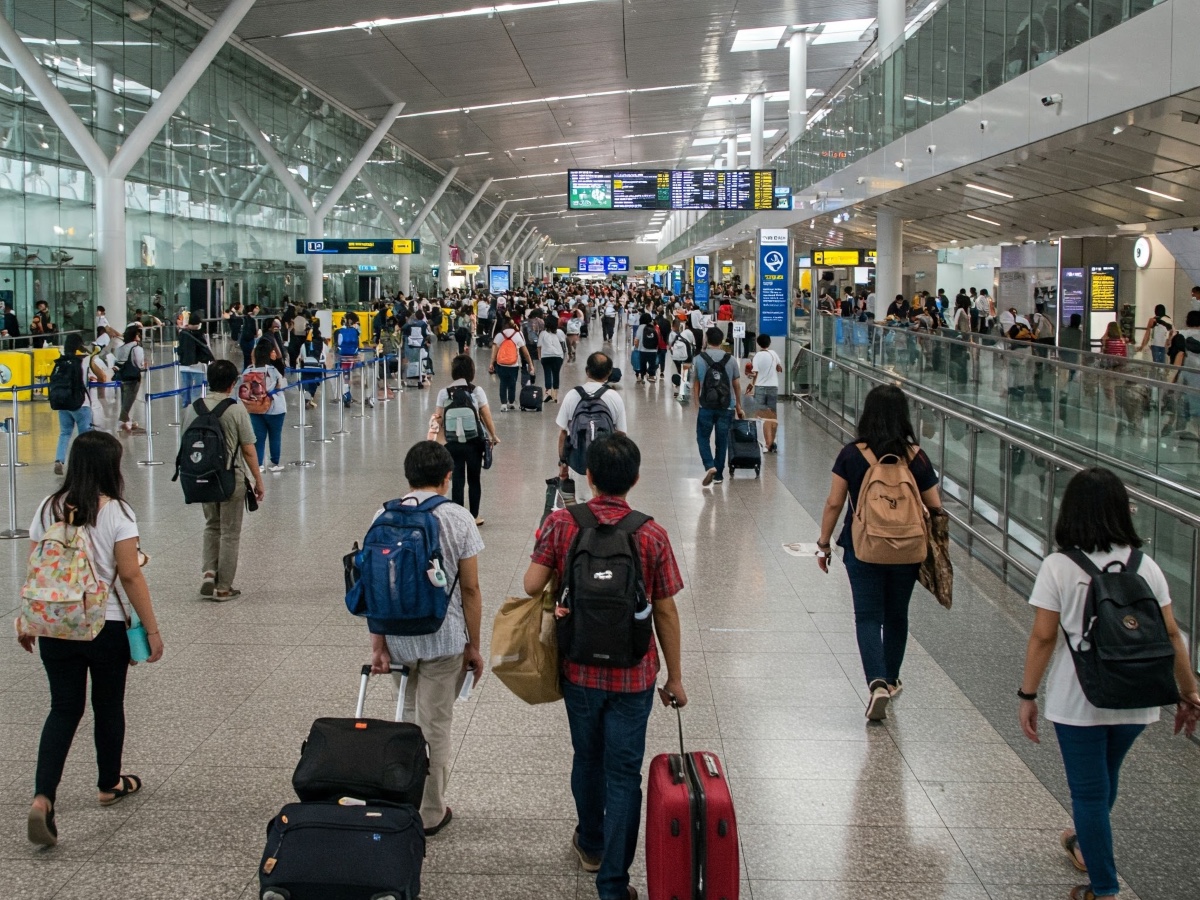
TAT’s July 2026 event calendar is not a condominium announcement, but it is useful evidence for foreign buyers trying to understand Thailand’s wider visitor economy. The calendar brings together religious festivals, motorsport, craft, music, family attractions, creative programming and Bangkok venue activity across the month.
TAT’s July 2026 event calendar highlights Thailand’s nationwide cultural and visitor-economy programme.
For Bangkok property, the relevance is indirect but practical. A city is easier to own in, rent out and revisit when it sits inside a country with a deep tourism calendar. Events encourage repeat travel, regional movement, hotel demand, retail spending, family trips and cultural visibility. They also remind buyers that Bangkok functions as both a destination and a gateway.
What the July calendar shows
The TAT calendar lists a wide range of July 2026 events, including Bangsaen Grand Prix, Samui Story Fun Fest, Isan Creative Festival, Hroi Raeng FEST, Tak Bat Dok Mai Khao Phansa and Ubon Ratchathani Candle Festival. The point for property buyers is not that every Bangkok condo benefits directly from each event. The point is that Thailand continues to present a broad calendar of reasons to visit and move around the country.
This matters because foreign buyers often assess Bangkok through more than unit price. They ask whether friends and family will visit, whether Thailand remains lively outside peak season, whether domestic travel is easy and whether a Bangkok base gives access to a full national lifestyle. A strong events calendar helps answer those questions.
Bangkok appears in the calendar through consumer, creative and family-friendly events at major venues.
Bangkok’s role in the programme
The calendar includes Bangkok-specific events such as Thailand Diecast Expo 2026 at ICONSIAM Hall from 10 to 12 July and Thailand Magic Arts Festival at Mr. FOX LIVE HOUSE on 18 and 19 July. These are not major infrastructure projects, but they are examples of Bangkok’s venue ecosystem: malls, halls, live houses and mixed-use destinations hosting specialised communities.
For residents, that makes the city feel active beyond offices and shopping. For landlords, it supports the idea that tenants choose Bangkok for convenience, events, retail, transport and lifestyle variety. For buyers of central and riverside condos, venue access can become part of the liveability story.
Tourism depth supports property confidence
Property confidence is strongest when it rests on several pillars. Bangkok has business districts, hospitals, schools, universities, transport links, retail, embassies and regional flights. Tourism adds another layer. When Thailand can offer beach events, cultural festivals, religious traditions, motorsport, creative festivals and family programming in one month, the country becomes easier to explain to internationally mobile buyers.
This does not mean investors should buy any unit near a mall or tourist route. It means they can use the tourism calendar as one macro signal among many. The unit still needs disciplined due diligence: sensible entry price, tenant profile, building quality, ownership costs and resale depth.
A varied events calendar helps position Bangkok as a resident city, visitor gateway and cultural base.
How foreign buyers can use the signal
Buyers should connect national tourism strength with district selection. A Bangkok condo that is easy to reach from airports, rail, riverside venues, retail centres and hotels can be more convenient for owners and visiting guests. A building near a strong lifestyle cluster may also appeal to tenants who want the city to feel active after work.
For owner-occupiers, the signal is personal. A Bangkok home can be a base for cultural weekends, family visits, beach trips, regional flights and city events. For investors, the signal is about tenant attraction and retention. People stay longer in cities that keep giving them things to do.
What not to overread
An event calendar does not guarantee rent growth or capital appreciation. Buyers should not use one tourism item to justify a weak purchase. Some event-driven demand is temporary and venue-specific. The more useful lesson is that Bangkok sits inside a country with a broad, continuing visitor proposition. That supports the city’s long-term attractiveness, but it does not replace unit-level diligence.
Foreign buyers should still compare competing buildings, check common fees, understand foreign quota, review title documents and model exit scenarios. Macro confidence is useful only when paired with a good asset.
Buyer takeaway
July 2026 Thailand events reinforce the country’s cultural depth and Bangkok’s role as a practical base for residents, visitors and investors. The right property response is not hype. It is to choose a condo where transport, venue access, building quality and daily liveability connect with Thailand’s wider tourism appeal.
IBP helps foreign buyers connect Thailand economy, tourism and lifestyle signals with Bangkok property decisions. Read more in our Thailand economy and investment news archive or contact IBP Real Estate for a Bangkok property brief.
Saphan Khwai is often overlooked by foreign buyers who already know Ari, Phaya Thai, Asoke or central Sukhumvit. That can be a mistake. The district sits on the BTS Sukhumvit Line, close to Ari’s lifestyle appeal, Chatuchak’s green and transport connections, and the practical Phahon Yothin corridor. For the right buyer, it can offer a useful blend of access, local life and value discipline.
Saphan Khwai and Phahon-Pradipat appeal to buyers who want BTS access with a less obvious central-Bangkok profile.
It is not a simple prestige district, and that is part of the point. Saphan Khwai requires careful building selection. Buyers should compare the real walking route, nearby services, unit layout, building age, management quality and resale audience before assuming the area is a cheaper substitute for Ari.
Why foreign buyers consider Saphan Khwai
The main appeal is rail-led convenience with a more local rhythm. Saphan Khwai BTS gives residents access south toward Ari, Phaya Thai, Siam, Chit Lom, Asoke and On Nut, and north toward Mo Chit and the wider northern corridor. For residents who work or study across several Bangkok districts, that can be practical.
The area also benefits from proximity to Chatuchak, Ari, Pradipat, Phahon Yothin, hospitals, local food, offices and weekend destinations. It can suit buyers who want Bangkok life to feel less polished than prime Sukhumvit but still connected enough for work, errands and visitors.
The district sits between Ari, Phahon Yothin, Chatuchak and northern Bangkok transport corridors.
Compare it with Ari, not only on price
Saphan Khwai is often discussed as an Ari-adjacent option. That comparison is useful, but price should not be the only lens. Ari has a stronger lifestyle brand, cafe scene and residential reputation with many expatriates and Thai professionals. Saphan Khwai may offer better value in some buildings, but the buyer needs to ask what they are giving up and what they are gaining.
If the unit is cheaper because the walk is less pleasant, the building is older, the facilities are weaker or the street feels less residential, the discount may be justified. If the building has a good route, efficient layout, calm management and practical services nearby, the value case becomes stronger. The investor should compare total liveability, not only station names.
Walking routes matter
A Saphan Khwai condo can look close to the BTS on a map but feel different in daily use. Buyers should walk from the station to the lobby at commute time, midday and evening if possible. Check crossings, shade, pavement quality, lighting, motorcycle-taxi conflict, food stalls, traffic noise and rainy-season comfort.
This is especially important for tenants. A tenant choosing between Ari, Saphan Khwai, Phaya Thai and Ladprao may accept a slightly less famous district if the route is easy and the rent is sensible. If the walk feels awkward, the unit may need to compete harder on price.
Building age, layout and management quality are especially important where buyers compare several nearby BTS options.
Building age and management can decide the investment
Saphan Khwai has a mix of older and newer condominium stock. Older buildings may offer larger layouts or lower entry prices, but they need careful checks on lifts, common areas, water systems, parking, security, juristic office responsiveness and future maintenance. Newer buildings may photograph better, but they can still face competition if many similar units are available.
Foreign buyers should inspect common areas slowly. Look at corridors, lobby condition, gym and pool maintenance, rubbish rooms, parking flow, staff communication and noticeboards. A building that feels well managed can support both tenant retention and resale confidence. A weak building can make a good location harder to monetise.
Tenant profile and resale audience
The likely tenant audience may include Thai professionals, young expatriates, hospital staff, consultants, students, creative workers and people who want access to Ari or Chatuchak without paying the highest central rents. That is a useful pool, but it is not unlimited. Investors should check active listings and understand what similar units are asking.
For resale, the buyer should be able to explain the property in one sentence. Examples include: a larger unit near BTS, a well-managed building with a practical Ari-adjacent lifestyle, a compact rental unit with a fair rent, or a home base with strong northern and central access. If the explanation is vague, the resale story may be weak.
What to inspect nearby
Daily services are part of the district’s value. Check supermarkets, local markets, pharmacies, clinics, cafes, gyms, laundries, parcel services and ride-hailing pickup points. Visit the area outside office hours. Some streets feel active and useful; others can feel noisy, narrow or less comfortable for walking.
Buyers should also consider weekend movement. Chatuchak and Mo Chit can bring crowds and traffic. That can be positive for lifestyle and retail access, but it may affect taxi times and quiet enjoyment. The right unit should benefit from access without sitting directly in the most disruptive movement pattern.
Buyer checklist
Walk the lobby-to-platform route in realistic conditions.
Compare the unit with Ari, Phaya Thai, Mo Chit and Ladprao alternatives.
Check building age, lifts, parking, security and common-area maintenance.
Test whether the rent assumption is supported by active competing listings.
Inspect noise, traffic, night-time atmosphere and weekend movement.
Choose a unit with a clear tenant and resale explanation.
Buyer takeaway
Saphan Khwai can make sense for foreign buyers who want BTS access, Ari proximity and a less obvious central-north Bangkok location. It rewards careful selection. Buy the route, building management, usable layout and realistic tenant profile, not only the idea of being one stop from Ari.
IBP can help foreign buyers compare Saphan Khwai with Ari, Phaya Thai, Ladprao and other BTS-led districts. Browse our district guides or contact IBP Real Estate for a neighbourhood shortlist.
Foreign owners usually think about bringing money into Thailand when they buy a Bangkok condo. They should think just as carefully about taking sale proceeds out when they eventually sell. Repatriation is not a last-minute task. It depends on a clean ownership file, bank records, sale documents and coordination between the owner, broker, lawyer, bank and buyer.
A clean resale file helps foreign owners prepare bank, transfer and tax conversations before completion.
This guide is a practical checklist, not legal or tax advice. Rules and bank procedures can vary, and each owner should confirm the exact process with their adviser and Thai bank before signing a sale agreement. The goal is to make the exit process predictable rather than rushed.
Start with the original purchase file
The most important sale-proceeds file often begins on the day the owner bought the condo. Foreign buyers should keep the title deed copy, sale and purchase agreement, land-office transfer documents, bank inward-remittance evidence, foreign-exchange transaction forms where issued, receipts, mortgage records if any, tax documents and correspondence with the bank.
When the owner later sells, the bank may need to understand how funds originally entered Thailand and how the sale proceeds relate to the property. If the file is incomplete, the owner may still be able to solve the issue, but it can take time. Starting early is easier than searching for old paperwork after a buyer has already set a transfer date.
Sale-proceeds planning should include the original inward remittance file and the outward-transfer process.
Confirm the bank process before listing
Before marketing the condo, contact the Thai bank that will handle the proceeds. Ask what documents it normally requires for outward remittance after a foreign-owned condominium sale. Ask whether the proceeds must pass through a specific account, whether the account holder’s name must match the title deed, what identification documents are needed and how long outward transfer processing usually takes.
Owners who live overseas should also ask whether they can complete any part of the process remotely. Some banks may require in-person steps, updated signatures or specific authorisations. If a representative will act for the owner, check the power of attorney format and whether it needs notarisation, legalisation or Thai translation.
Prepare the resale documents
A clean resale file helps both the sale and the remittance. Owners should prepare the title deed copy, passport copy, ownership registration details, unit address, sale agreement, buyer details, tax and fee estimates, juristic office clearance documents, utility settlement evidence and any mortgage release documents if relevant.
The exact list depends on the transaction. A lawyer or experienced broker should coordinate the land-office and bank requirements so the sale price, transfer date, tax handling and bank transfer steps are consistent. Do not assume the buyer’s preferred completion structure automatically suits the foreign seller’s remittance plan.
Exit planning starts before listing, because the buyer, bank, land office and building records all need to align.
Check tax and fee timing
Foreign sellers should understand which taxes and transfer costs will be paid at completion and which records they will receive. The net amount available for outward transfer is not the headline sale price. It is the amount left after agreed fees, taxes, agent commission, mortgage settlement, repairs, utility balances and any other closing items.
Because tax treatment can depend on the owner, holding period and transaction facts, sellers should get advice before agreeing the net proceeds they expect. A simple sale price can become confusing if the owner has not budgeted for deductions or if responsibility for costs is unclear in the sale agreement.
Power of attorney needs careful handling
Many overseas owners cannot travel to Bangkok for every step. A power of attorney can help, but it must be handled precisely. The owner should confirm who is authorised to sign the sale agreement, attend the land office, deal with the juristic office, receive documents, settle utilities and communicate with the bank. Different tasks may require different wording.
Do not give broad authority casually. Use a trusted representative and keep the authorisation aligned with the transaction. If the bank requires separate forms, prepare them early. A sale can be delayed when the land-office document is ready but the bank authorisation is not.
Coordinate currency conversion
Once sale proceeds are available, the owner should decide whether to hold Thai baht temporarily or convert immediately. That decision depends on personal needs, exchange-rate comfort and bank process. Sellers should avoid making the conversion decision under pressure on transfer day unless they have already considered the options.
Owners should also confirm the receiving overseas account details, beneficiary name, intermediary bank information where needed and any reporting requirements in their home country. A typo in international transfer details can create unnecessary delays.
Seller checklist
Locate the original inward-remittance and purchase documents.
Ask the Thai bank for outward-remittance requirements before listing.
Confirm whether the owner must be present or can use a representative.
Align the sale agreement with tax, fee and bank requirements.
Prepare juristic office clearance, utilities and keycard handover records.
Review the net proceeds after all deductions, not only the sale price.
Check overseas receiving-account details before completion.
Buyer takeaway
Thai condo sale proceeds repatriation is easiest when the owner prepares before the resale starts. Keep the original money trail, speak to the bank early, use a careful power of attorney when needed and make sure the sale documents support the outward-transfer plan. A clean exit file protects the seller’s time and reduces avoidable completion stress.
IBP helps foreign owners plan Bangkok condo purchases, rentals and exits with practical documentation in mind. Explore our resale and exit strategy guides or contact IBP Real Estate for a resale consultation.
Foreign investors often evaluate a Bangkok condo in Thai baht because the purchase price, common fees, rent and resale proceeds are usually discussed locally. That is necessary, but it is not enough. A buyer whose savings, future spending or reporting currency sits outside Thailand also needs to understand the investment in home-currency terms.
Foreign investors should test Bangkok condo returns in both Thai baht and their home currency.
Currency risk does not make Bangkok property unsuitable. It simply means the return case needs a second layer of discipline. A condo can hold its baht value and still deliver a weaker result after conversion. The opposite can also happen. The investor’s job is not to predict exchange rates with confidence, but to avoid a purchase that only works under one favourable currency scenario.
Why currency risk matters
Most foreign buyers bring funds into Thailand from another currency, then receive rental income or sale proceeds in Thai baht. Their personal comparison may be in dollars, pounds, euros, Singapore dollars, Hong Kong dollars, Australian dollars or another home currency. The exchange rate at purchase and the exchange rate at exit can materially change the realised result.
This matters for three decisions: how much to transfer before buying, whether rental income will be held in Thailand or converted regularly, and how much home-currency value the investor expects to recover when selling. Buyers should not treat these as administrative afterthoughts. They are part of the investment case.
Banking records, transfer timing and currency conversion assumptions should sit in the same investment file.
Separate the property decision from the currency decision
A common mistake is to mix two questions. The first question is whether the condo is a good Bangkok asset: sensible entry price, strong location logic, durable tenant audience, good building management, realistic ownership costs and a defensible resale story. The second question is whether the buyer is comfortable holding Thai baht exposure. Both need to be answered.
If the property case is weak, a favourable exchange rate should not rescue it. If the property case is strong, a buyer still needs to understand how currency movements could affect the final result. Treating currency as a separate risk makes the decision clearer.
Model the return in two currencies
Before buying, create a simple table. In one column, show the baht purchase price, expected costs, rental income, maintenance reserve and possible resale range. In another column, convert those numbers back to the buyer’s home currency under several exchange-rate assumptions. The purpose is not precision. The purpose is to see whether the investment remains acceptable if the currency moves against the buyer.
For example, an investor can test a base case, a stronger-baht case and a weaker-baht case. If the deal only looks attractive when the exit exchange rate is favourable, the buyer may be relying on a currency call rather than a property investment. That is a different level of risk.
A well-selected unit can still underperform in home-currency terms if exchange-rate risk is ignored.
Timing transfers needs a plan
Foreign buyers should avoid leaving transfer timing until the last moment. A purchase may require funds to arrive in Thailand before completion, with proper bank documentation and a clear relationship between the buyer, sending account and receiving account. If the buyer waits too long, operational pressure can lead to poor conversion decisions or incomplete paperwork.
The buyer should discuss transfer mechanics with the receiving Thai bank, broker and legal adviser early. Confirm what documents the bank will issue, how the transfer purpose should be described and how long the process usually takes. For resale planning, keep the inward remittance records with the title deed and purchase file.
Rental income and home-currency needs
Landlords should decide whether rent will remain in Thailand to cover local costs or be converted regularly. Holding rent in baht can be practical if common fees, repairs, insurance, tax filings and future furnishing are paid locally. Regular conversion may make sense if the owner needs income abroad. There is no single correct approach, but the decision should be deliberate.
Overseas landlords also need a reserve. Exchange-rate movements can make a repair budget feel larger or smaller in home-currency terms. A baht reserve in a Thai account can prevent every small building issue from becoming an international transfer decision.
Exit planning starts at purchase
Currency risk does not end at acquisition. When selling, the owner may need to repay local expenses, settle taxes and transfer proceeds overseas. The original inward remittance file, bank letters, sale agreement, tax receipts and land-office documents can all become important. A clean file helps the owner and bank understand the flow of funds.
Investors should also model the exit after selling costs and vacancy. A headline resale price can look attractive in baht, but the home-currency result may be less impressive once conversion, costs and time are included. This is why the entry price matters so much. A better entry price gives the investor more room to absorb currency and resale friction.
Investor checklist
Underwrite the condo in Thai baht and in the buyer’s home currency.
Test at least three exchange-rate scenarios before committing.
Confirm bank documentation requirements before transferring funds.
Keep inward remittance, title and purchase records together.
Decide whether rent will stay in Thailand or be converted regularly.
Hold a baht reserve for common fees, repairs and leasing gaps.
Review exit proceeds after sale costs and currency conversion.
Buyer takeaway
Bangkok condo currency risk is manageable when it is visible. Foreign investors should not try to forecast exchange rates as if they control them. They should buy assets with a disciplined baht case, model home-currency outcomes conservatively, keep proper bank records and avoid relying on a favourable future conversion to make the investment work.
IBP helps foreign buyers compare Bangkok condos by return logic, risk controls and exit strategy. Read more in our investment analysis archive or contact IBP Real Estate for a buyer shortlist.
Bangkok condo buyers often ask how close a building is to a BTS or MRT station. Distance matters, but comfort matters too. A five-minute route with shade, covered sections, safe crossings and easy drop-off can feel very different from a shorter route that is hot, exposed, noisy or awkward.
Covered-route living starts with the real route from lobby to rail, shops, taxis and services.
For foreign buyers, covered-route living is a practical liveability check. It affects work commutes, school runs, grocery trips, hospital visits, restaurant evenings, gym routines and how willing tenants are to stay after the first lease. The best route is not always the shortest; it is the one residents will actually use in Bangkok’s heat, rain and traffic.
Start at the unit door, not the station
The route begins inside the building. Check the lift wait, lobby layout, driveway, canopy, security desk, parcel area and the first pavement outside the gate. A building can be close to rail yet frustrating if the lobby exit is cramped, taxis cannot stop safely, or the first crossing is difficult.
Buyers should walk from the unit door to the station platform, not only from the building frontage to the station entrance. Include lift time, lobby exit, road crossings, ticket gates and platform access. This gives a more honest picture of the daily journey.
Covered links are useful, but only when they connect
Bangkok has valuable covered connections around some malls, office towers, skywalks, station entrances and mixed-use projects. These links can improve comfort, especially for residents who commute daily or carry laptops, shopping bags or children. But a covered section that ends at a difficult crossing may be less useful than it looks.
Transport choices, drop-off points and station links shape daily comfort in Bangkok.
Inspect whether the route links to the places residents need most: rail, supermarket, pharmacy, clinic, cafes, office lobby, school-bus pickup, taxi stand, mall, park or hospital shuttle. A covered route is most valuable when it supports ordinary errands, not only a marketing photograph.
Shade can matter as much as a roof
Not every useful route needs a full roof. Trees, arcades, building setbacks, awnings, station structures and mall frontage can all make walking more comfortable. Shade matters in Bangkok because a route that feels easy at 7pm may feel much harder at noon.
Foreign buyers should test the route at realistic times. A buyer inspecting after sunset may miss heat, glare and traffic. A tenant who works from home may care about midday errands. A family may care about school pickup. A retiree may prioritise calmer daytime walking and places to sit.
Crossings and pavement quality are part of the value
Covered access is less useful if the route requires unsafe crossings, broken pavements, narrow sections, steep stairs, poor lighting or awkward motorcycle-taxi conflict. Buyers should note every point where the route becomes uncomfortable. A single difficult crossing can change how often residents walk.
Accessibility also matters. Families with strollers, older residents, visitors with luggage and residents recovering from medical treatment may need lifts, ramps and smooth surfaces. A condo that feels premium inside should still work for real movement outside.
Comfortable routes should be balanced with nearby green space, services and places to pause.
How covered routes affect rental demand
Tenants often compare buildings by rent, furniture and station distance. After moving in, they judge convenience more practically. If the walk to rail is unpleasant, if taxis struggle to stop, or if grocery trips are difficult, a tenant may leave for a building that feels easier even if the map distance is similar.
For landlords, covered-route quality can support tenant retention. It can also widen the tenant pool to people who do not want a car, are new to Bangkok, work hybrid schedules, or expect easy access to malls and services. The owner should still price the unit realistically, but a comfortable route can help the property feel more useful.
Do not overpay for a weak link
Developers and agents may highlight proximity to a station, mall or skywalk. Buyers should test whether that link is complete, public, open at useful hours and comfortable in normal conditions. A private shortcut, limited-hours mall route or future promised connection should not be valued the same as a reliable public path.
If the route depends on a mall, office tower or private development, ask whether access hours could change. If the route depends on a future project, treat it as upside rather than a certainty unless it is complete and open.
Buyer checklist
Walk from the unit door to the platform, not only from gate to station.
Check shade, roof cover, crossings, pavement quality and lighting.
Test the route at commute time, midday and evening where possible.
Confirm whether mall or office links are public and open at useful hours.
Check taxi, ride-hailing, delivery and visitor drop-off points.
Compare the route with nearby buildings before paying a premium.
Buyer takeaway
Bangkok covered-route condo living is about practical comfort. Foreign buyers should inspect shade, crossings, station access, mall links, taxis, delivery points and daily services before assuming a short distance equals a convenient home. A better route can make a condo easier to live in, rent out and explain at resale.
IBP helps foreign buyers compare Bangkok condos by liveability, transport and practical ownership. Browse our expat living guides or contact IBP Real Estate for a neighbourhood shortlist.