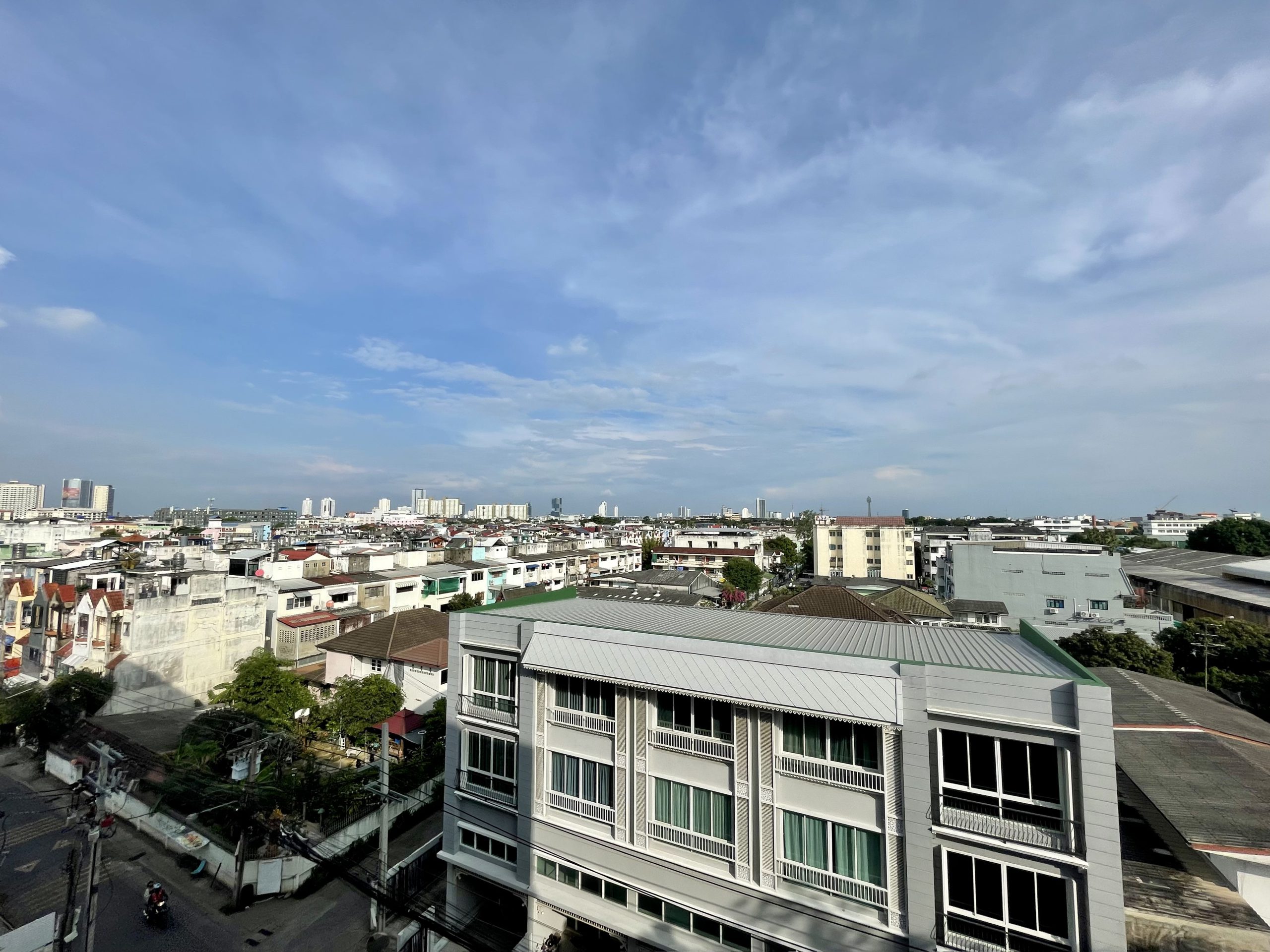
Bangkok feels different before the hottest and busiest part of the day. Parks are active, food stalls and markets settle into rhythm, cafés prepare for commuters and rail journeys begin to reveal how a neighbourhood actually works. A morning visit can therefore be one of the most useful tests in a condo search.
Morning access to parks and open space can turn exercise into a repeatable routine rather than a weekend plan.
Foreign buyers often view apartments in the late morning or afternoon, when a sales appointment is convenient. That can hide the routine that matters most to residents: waking light, breakfast, exercise, school traffic, the first commute and the route back to the lobby carrying groceries.
Start inside the unit
Visit early enough to understand natural light and heat. Check whether the bedroom becomes bright before the resident wants to wake, whether curtains provide enough control and whether the kitchen and living room feel pleasant without artificial lighting.
Listen with the air-conditioning and television off. Morning traffic, school activity, construction, temple sounds, deliveries and building housekeeping may be different from the afternoon soundscape. The aim is not silence; it is a level and pattern that fit the household.
Test the first ten minutes outside
Walk from the apartment to the street as a resident would. Note lift waiting, lobby traffic, service movement, taxi pickup and the condition of pavements or covered routes. A building can have excellent facilities and still create daily friction if leaving it during the weekday peak is awkward.
Check whether coffee, breakfast, convenience shopping and basic services are genuinely usable at the time needed. Opening patterns can change, so inspect the current neighbourhood rather than relying on an old listing description.
Make exercise easy enough to repeat
A good gym, pool, park or walking loop adds most value when residents can use it without complicated planning. Inspect the condominium gym during a realistic morning period. Check crowding, equipment condition, ventilation, changing areas and whether the space suits the intended routine.
For outdoor exercise, follow the entire route. A park shown on a map may require crossing busy roads or walking along an uncomfortable section. Shade, lighting, crossings, dogs, surface quality and access gates can matter more than the straight-line distance.
Local food and grocery access can make the first hours of the day practical, social and distinctly Bangkok.
Use food access as a liveability test
Bangkok’s markets, street vendors, bakeries, cafés and supermarkets allow different morning routines. Some residents want a quick coffee beside BTS; others want fresh produce, cooked Thai breakfast or a quiet table for an early meeting. The right district is the one where the preferred routine is easy on an ordinary weekday.
Buy a small grocery basket and carry it back to the unit. This simple exercise tests crossings, heat, lift access, kitchen storage and whether the neighbourhood supports regular cooking. It can reveal more than a list of nearby amenities.
Observe school and office traffic
Morning congestion can change a street completely. Families should examine school transport, drop-off queues and the route from lobby to car or rail. Professionals should test whether the walk to BTS or MRT remains comfortable when other commuters, deliveries and motorbikes are active.
A short mapped distance is not the same as a predictable journey. Measure the door-to-platform route, including lifts, ticket gates and crossings, and repeat it on the day and time most relevant to the household.
The most useful condo locations make the morning journey legible in heat, rain and weekday traffic.
Check heat and rain resilience
Even early mornings can be warm, and rain can arrive when residents are leaving for work or school. Look for shade, awnings, drainage, safe crossings and places where taxis can stop without blocking traffic. A covered connection may be more valuable in daily life than a slightly shorter exposed walk.
Inside the building, consider where umbrellas dry, whether wet shoes can be managed and whether lobby floors become slippery. These small design and management details influence how premium a residence feels during real weather.
Consider household differences
A single professional may prioritise fast rail access and coffee. A family may need breakfast, school logistics and space for bags. A retired resident may value a safe park route, pharmacy and quieter pace. A frequent traveller may care about early airport departures and luggage movement.
Investors should choose a likely resident profile before treating morning convenience as a rental advantage. A feature only supports rent when the target tenant will use it and the unit, building and price already make sense.
Morning-viewing checklist
Inspect bedroom light, heat and noise early in the day.
Time the lift, lobby and exit route during weekday activity.
Walk to rail, breakfast, groceries and exercise options.
Observe school, office, delivery and drop-off traffic.
Test shade, crossings, drainage and wet-weather access.
Carry a normal purchase back to the kitchen and storage.
Match the routine to the likely resident or tenant.
Liveability takeaway
Bangkok morning living shows whether a condo supports habits rather than just aspirations. When exercise, food, transport and household logistics fit together, the city can feel exceptionally convenient, energetic and liveable for foreign residents.
A Bangkok condominium contract is not a formality to review after paying a substantial deposit. It is the document that identifies the property, controls the payment sequence and allocates risk if transfer, handover or performance does not proceed as expected. Foreign buyers should understand the commercial effect of the clauses before signing.
The reservation form, sale agreement, schedules and attachments should form one consistent transaction file.
This guide is a practical reading framework, not legal advice. Contract wording, transaction structure and facts differ. A buyer should appoint an independent Thai lawyer who acts for the buyer, can review the Thai-language documents and can explain how the proposed terms apply to the exact deal.
Confirm the parties and signing authority
The seller’s name should match the ownership or development records relevant to the transaction. If a company, representative, attorney or authorised signatory is involved, ask the lawyer to verify capacity and supporting authority. Names, identification details and addresses should be consistent across the reservation, agreement, invoices and payment instructions.
A buyer should also decide who will own the unit before the contract is finalised. Changing from an individual to another person or entity later may require consent, additional documents, cost or a new agreement. Do not assume a nomination or assignment is automatically permitted.
Identify the property precisely
The contract should clearly identify the condominium, unit number or intended unit, floor, approximate area and any parking or accessory rights included. For a new development, plans, specifications, furniture schedules and promised finishes should be attached or incorporated in a way the lawyer considers effective.
For a completed resale unit, compare the contract description with the title deed, physical inspection and inventory. Clarify which furniture, appliances, access cards, remotes and fixtures remain. Marketing images and verbal assurances are difficult to rely on when they are absent from the signed transaction record.
Address foreign ownership eligibility
Foreign buyers commonly focus on the statutory foreign-ownership limit and the evidence required for qualifying inward remittance. The contract should be reviewed for what happens if the unit cannot be transferred to the buyer as intended, which party must obtain relevant condominium documentation and when that evidence must be available.
Do not rely on a casual statement that foreign quota is available. Ask for current written confirmation at the appropriate stage and let the lawyer check the ownership route, funds documentation and Land Office requirements. The payment path should be planned with the receiving bank before money is sent.
Amounts, currency, deadlines, recipient accounts and refund rights should be clear before funds move.
Map every payment and condition
Create a schedule showing the reservation amount, contract deposit, instalments, balance at transfer and any retention or adjustment. Each entry should show the amount or calculation, due date, recipient and condition that triggers payment. Check whether tax, bank or currency movements could cause a shortfall.
Pay particular attention to refund language. A clause may treat one payment differently from another or make a refund dependent on a narrow event. Ask what happens if legal due diligence reveals a problem, financing is unavailable, foreign ownership eligibility fails, the seller misses a condition or the unit materially differs from the agreed specification.
Understand default and termination
Default clauses should not be read only as penalties for late buyer payment. Compare the remedies available to both sides, notice requirements, cure periods, interest, forfeiture, refund timing and the right to terminate. Identify which breaches are material and whether the consequences are proportionate to the risk.
Long-stop dates matter in off-plan transactions. A projected completion date may not be the same as an enforceable deadline. Ask how extensions operate, what notice must be given and what options the buyer has after the final permitted period. For resale, clarify what happens if either side is not ready at the agreed transfer appointment.
Allocate transfer costs and adjustments
The agreement should say who pays transfer fees, taxes, duties, withholding amounts, juristic charges and professional costs. The actual legal incidence and negotiated allocation are separate questions, so have the lawyer and tax adviser explain both. Avoid using an informal percentage shortcut without knowing what it covers.
For a resale, common fees, utilities, rent, deposits and other property outgoings may need to be apportioned at completion. Confirm how arrears are cleared and which certificates or receipts the seller must provide. For a new unit, identify any sinking fund, advance common fee, meter, connection or handover charges.
Set a workable inspection and handover process
New-build contracts should be checked for inspection rights, notice, defect reporting, rectification and the relationship between handover and transfer. A short inspection window can be difficult for an overseas buyer, so plan representation early. Technical inspection is different from legal review and may require a qualified specialist.
For resale, record condition close to transfer and agree how vacant possession, keys, access devices and the signed inventory will be delivered. If a tenant remains, the transaction requires additional review of the lease, deposit, rent, notices and the buyer’s intended use.
Independent advice should address the exact language presented for signature, not a generic sample contract.
Check language, attachments and the entire agreement
Where Thai and English versions are provided, ask which text prevails and obtain advice on the Thai wording. A convenient translation helps understanding but does not replace review of the operative document. Version control is essential: every page, schedule and amendment should belong to the same agreed set.
Entire-agreement and non-reliance clauses can make it especially important to capture promises in writing. If a view, furniture package, rental arrangement, completion feature or repair influenced the purchase, ask the lawyer how it should appear in the contract rather than relying on messages or a brochure.
Contract review checklist
Verify identity, ownership and signing authority.
Match the unit description to title, plans and inspection.
Confirm the intended foreign ownership and funds route.
Map all payments, conditions and refund rights.
Compare buyer and seller default remedies.
Allocate transfer costs, arrears and adjustments.
Document inspection, defects and handover.
Control Thai and English versions and every attachment.
Obtain independent legal and tax advice before signing.
Storage rarely leads a Bangkok condo viewing, yet it strongly shapes whether the home remains comfortable after suitcases, work equipment, cleaning supplies and everyday belongings arrive. Expat buyers should measure storage as carefully as bedrooms and balconies.
Storage works best when it supports daily routines without narrowing circulation or blocking light.
The right amount depends on lifestyle, household size and travel patterns. The aim is not to fill every wall with cupboards. It is to give necessary items sensible places without reducing circulation, light, ventilation or flexibility.
List what the home must hold
Before viewing, make a realistic inventory: daily clothes, formal wear, shoes, luggage, sports equipment, work materials, documents, household tools, cleaning items, spare linen and anything used for children or pets. Separate daily, seasonal and rarely used items.
Measure bulky belongings. A wardrobe can look generous but fail to fit long garments or large suitcases. Buyers relocating internationally should decide what will actually come to Bangkok rather than designing around possessions they plan to sell or store elsewhere.
Measure usable volume, not cupboard doors
Open cupboards with permission and check depth, shelf spacing, hinges, pipes, electrical panels and awkward corners. Count the space that can be reached and used safely. Tall cabinets are less helpful when upper shelves require unstable access.
Then examine the room around them. Drawers need clearance, wardrobes should not block doors and added cabinets should not narrow essential routes. Photograph and measure each storage zone so the furniture plan can be tested after the viewing.
Buyers should count usable cupboards after allowing for appliances, pipes, ventilation and easy access.
Give the kitchen an item-by-item test
Kitchen storage must accommodate food, cookware, small appliances, waste sorting and cleaning supplies after built-in equipment has taken its share. Check ventilation and access around sinks, hobs, refrigerators and service points.
A deep cabinet is not automatically efficient. Pull-out fittings, clear shelf heights and easy-to-clean surfaces can matter more than nominal volume. Ask where drinking water, bulk groceries and infrequently used appliances would go without occupying the worktop.
Plan for Bangkok’s climate
Heat and humidity affect clothing, leather goods, paper and electronics. Inspect enclosed cupboards for odour, staining, swelling, corrosion or signs of poor air movement. Ask how the unit is ventilated when unoccupied and how air-conditioning is normally used.
Avoid pressing belongings against damp surfaces or blocking ventilation. Sensitive documents and valuables may need more controlled storage. If a unit shows moisture or pest clues, investigate the underlying condition rather than hiding it behind new cabinetry.
Protect circulation and safety
Storage should not obstruct exits, sprinklers, detectors, electrical panels, air-conditioning access, balcony drains or maintenance routes. Heavy objects belong on stable supports, while tall furniture may need appropriate professional securing where permitted.
A measured furniture plan reveals whether wardrobes, luggage and household items have realistic places to go.
Confirm building and fire-safety requirements before adding built-ins, drilling, changing walls or placing anything in common corridors. A contractor should check services and load considerations. Written juristic approval may be required for work that appears minor.
Use flexible furniture carefully
Ottomans, beds with drawers and modular shelving can add capacity without permanent work. Test whether they remain easy to operate in the actual room. A lift-up bed is not practical when its lid collides with a wall shelf or requires moving a desk.
Choose pieces that suit the unit’s proportions and can move through lifts, doors and corridors. For an investor, neutral flexible furniture may serve a wider tenant group than highly customised cabinets designed around one person’s belongings.
Decide where luggage lives
Frequent travellers need luggage storage that does not consume the entrance or bedroom floor. Measure nesting cases and consider whether they can be stored above wardrobes, under a bed or in a dedicated utility area without trapping moisture.
Do not assume the building provides secure external storage. If lockers or store rooms are advertised, confirm the right to use them, access rules, security, climate and whether they form part of the transaction.
Keep documents and owner equipment organised
Foreign owners should maintain a secure file for transaction records, warranties, manuals, inventories, insurance papers and juristic correspondence. Digital copies help, but original documents may still need protected physical storage.
Landlords also need a place for spare keys, appliance information and approved replacement items without cluttering tenant space. Access to any owner cupboard should be documented clearly in the lease and inventory.
Think about resale and tenant flexibility
Practical storage can help a compact unit feel calm and usable. Poorly placed cabinetry can make the same unit feel smaller. Buyers should compare how easily the home accommodates a couple, a home worker or a frequent traveller within the target market.
Avoid spending heavily on built-ins before the layout has been tested through real living. Well-made neutral additions may support appeal, while unusual finishes and fixed furniture can narrow the next resident’s options.
Storage checklist for a condo viewing
List and measure the belongings that will move.
Open cupboards and record clear internal dimensions.
Check kitchen, laundry, luggage and document needs.
Inspect for moisture, pests and damaged fittings.
Protect exits, services and maintenance access.
Test flexible furniture in the measured floor plan.
Confirm rules before adding cabinets or drilling.
Keep enough open space for changing routines.
Good storage makes a Bangkok condo easier to live in without asking the resident to own less than intended. Browse IBP’s expat living guides and foreign buyer guides, or contact IBP Real Estate for a layout-led viewing shortlist.
A Bangkok condo balcony can look generous in photographs yet prove too hot, wet, noisy or exposed for regular use. Expat buyers should assess it as part of the home rather than as decorative floor area, checking climate, safety, privacy, building rules and maintenance.
A balcony should be judged in Bangkok’s real heat, rain, wind and neighbouring context.
The right balcony depends on the resident. One person may want morning coffee and plants; another needs a utility zone or values only the outlook. Investors should also consider whether the space adds useful tenant appeal or creates an area that is difficult to maintain.
Measure usable space
Record the clear depth and width after allowing for doors, drains, air-conditioning equipment, railings and maintenance access. A balcony may appear large on a plan but accommodate little once circulation and door swing are considered.
If furniture matters, mark its dimensions and leave safe movement around it. Do not assume built-in seating, screens or storage can be added. Facade elements and visible alterations are commonly controlled by condominium rules and require confirmation.
Visit at different times
Orientation changes how the balcony feels. Morning and afternoon sun, reflected heat, prevailing rain and seasonal wind can all affect comfort. Visit at the time the resident expects to use the space and return after rain if possible.
Check whether shade comes from the building design, an overhang or a neighbouring tower. Temporary shade can disappear if nearby land changes, while deep overhangs may reduce daylight inside the unit. Balcony and interior light should be assessed together.
Depth, drainage, door clearance and shade determine whether outdoor space is genuinely usable.
Inspect drainage and waterproofing clues
Look for ponding, staining, cracked finishes, loose tiles, blocked drains and sealant failure around doors and thresholds. Ask how rainwater leaves the balcony and whether overflow paths could affect the unit below. Do not obstruct drains with furniture or planters.
Water marks do not diagnose the cause on their own. A professional inspection can help distinguish maintenance needs from a larger waterproofing or facade issue. Review how the juristic person manages shared exterior repairs and what is treated as an owner’s responsibility.
Check doors, levels and indoor impact
Open and close the balcony door with permission. Inspect locks, tracks, seals and the threshold. Consider whether wind-driven rain, dust or insects enter the living area and whether curtains or furniture block access.
The balcony should not compromise air-conditioning efficiency or make the interior difficult to furnish. If equipment is installed outside, listen for vibration and check that technicians can reach it safely without moving everything through the home.
An attractive outlook can improve daily enjoyment, but buyers should also investigate future obstruction and maintenance.
Treat safety as non-negotiable
Check railing condition, height, gaps, climbable elements and any changes made by a previous owner. Families with children and residents with pets need specialist advice on the exact risk. Never rely on improvised netting or screens without building approval and safe installation.
High-rise wind can move light furniture, pots and unsecured objects. Buyers should ask what the rules require during storms and whether anything may be attached to railings or the facade. A visually attractive setup is not worthwhile if it creates danger for residents or people below.
Listen and look beyond the view
A broad outlook may come with expressway, rail, construction or entertainment noise. Stand outside long enough to hear the normal background and sudden peaks. Then close the door and assess how much reaches the bedroom and living space.
Look down as well as outward. Service areas, car parks, loading zones and neighbouring balconies affect privacy and sound. Ask what can be built on adjacent plots and have a professional investigate planning and ownership information where the outlook is central to the purchase decision.
Understand permitted uses
Confirm the condominium’s current rules on plants, drying clothes, smoking, cooking, pets, storage, satellite equipment, screens and exterior furniture. Rules vary by building and can change through proper governance. A use seen on another balcony is not proof that it is permitted.
Also check whether the balcony is part of the unit’s registered area and how it is treated in the documents and sale calculation. Your lawyer can explain the transaction papers; the juristic office can explain current operating rules.
Plan plants for Bangkok conditions
Plants can add shade and enjoyment, but species, containers, drainage and wind exposure matter. Heavy pots may create load or movement concerns, while water runoff can affect neighbours. Choose a restrained arrangement that leaves drains and maintenance routes clear.
Consider how plants will be watered during travel and whether leaves or soil can blow from the balcony. Building management may have specific restrictions. A simple, well-maintained setup is usually more sustainable than a dense garden that depends on constant care.
Consider rental and resale appeal
For an investor, a balcony adds value only when the target tenant can use or appreciate it. A shaded, well-proportioned balcony may widen appeal, while an exposed ledge beside noisy equipment may add little despite being included in the floor area.
Keep maintenance and approval records for any permitted work. Avoid highly personal additions that narrow the next resident’s options. Buyers comparing units should price the balcony according to practical benefit, not simply its photographed view.
Balcony viewing checklist
Measure clear usable depth and door swing.
Visit during sun, rain and evening conditions.
Inspect drains, thresholds, tiles and staining.
Check railings, wind exposure and child or pet risk.
Listen for traffic, rail, equipment and venue noise.
Investigate neighbouring plots and privacy.
Confirm building rules for every intended use.
Compare practical benefit with the price paid.
A well-designed balcony can make Bangkok condo life more enjoyable, but only when it works safely in the city’s real climate and building context. Browse IBP’s expat living guides and district guides, or contact IBP Real Estate for a lifestyle-led property shortlist.
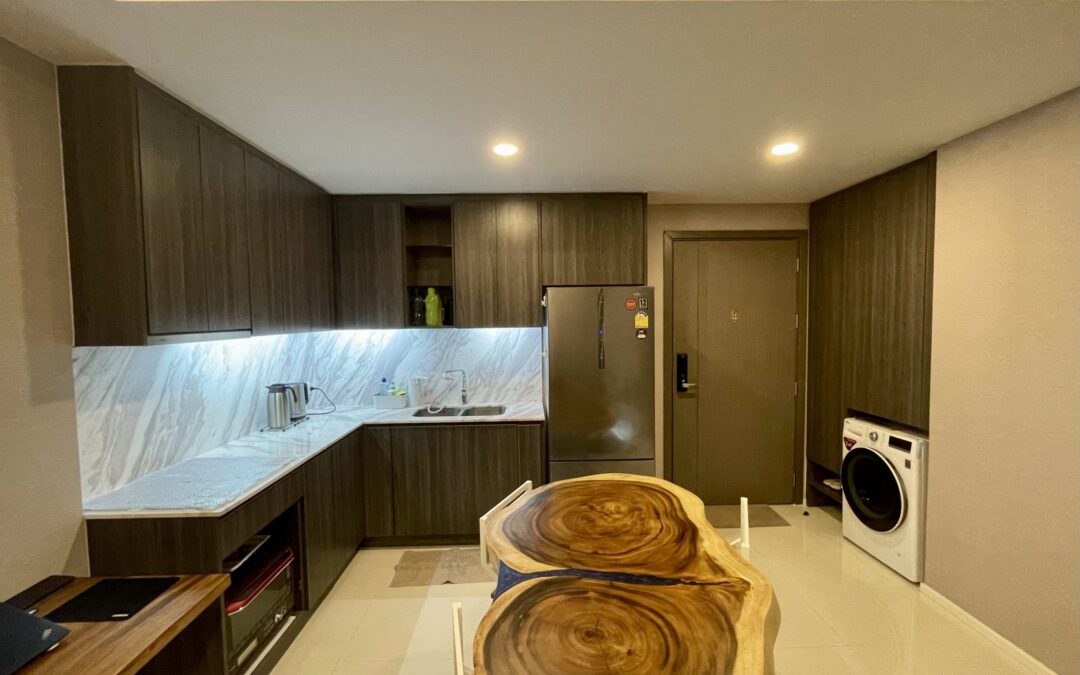
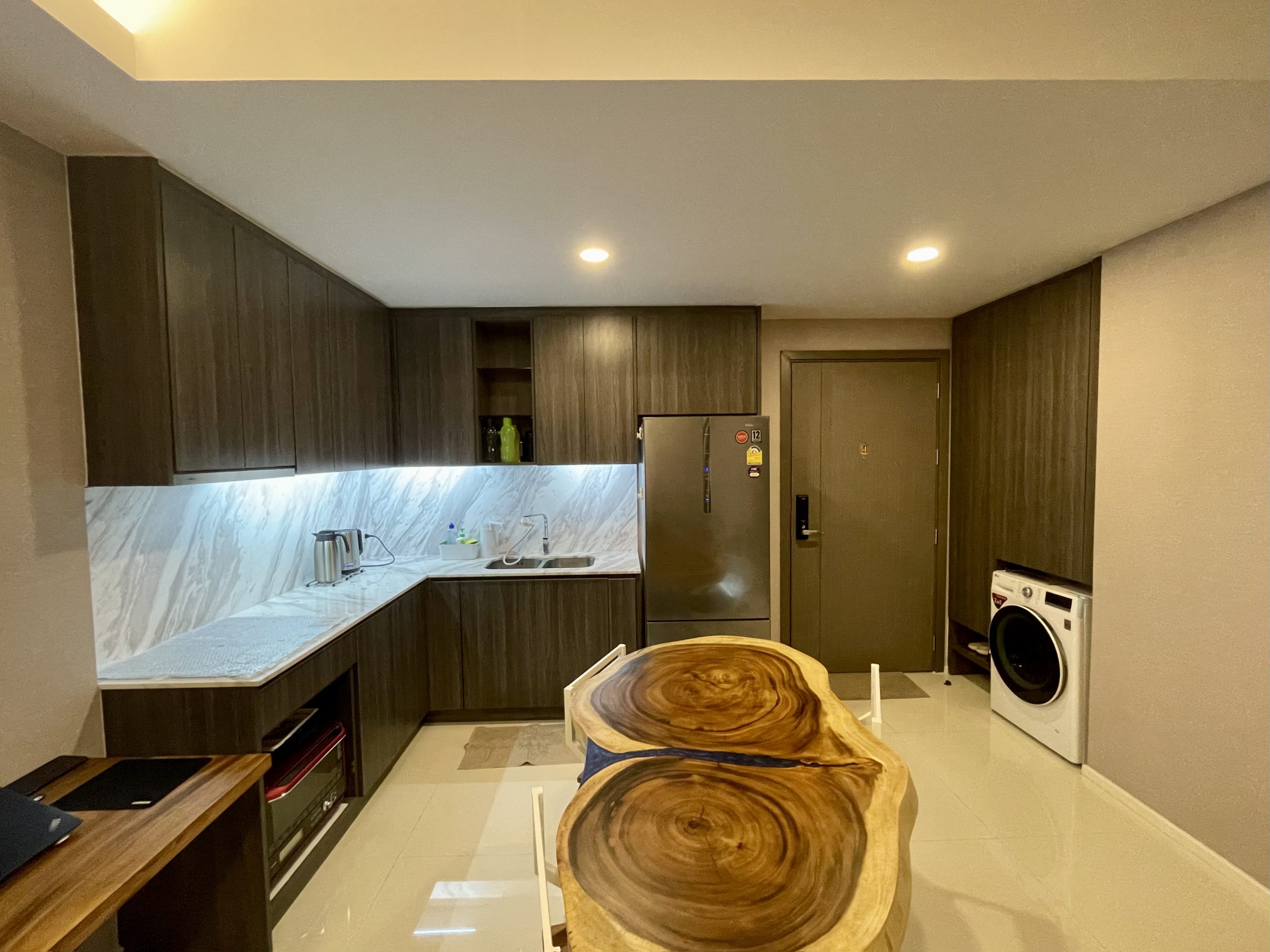
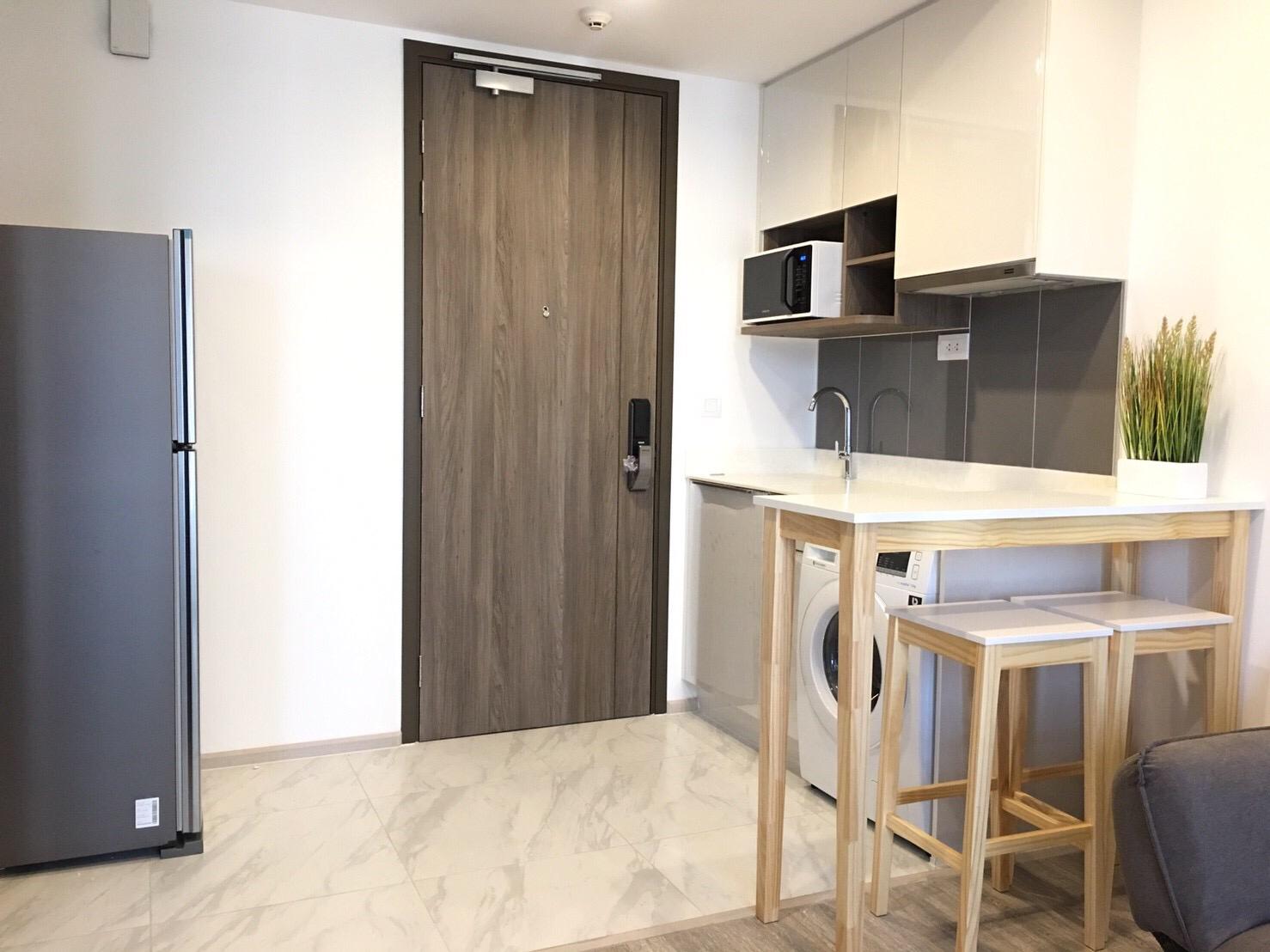
A Bangkok condo kitchen can be a beautiful backdrop and still be frustrating to use. Expat buyers should look beyond cabinet colour and appliance brands to ventilation, worktop space, storage, electrical capacity, cleaning and the way food actually fits into their Bangkok routine.
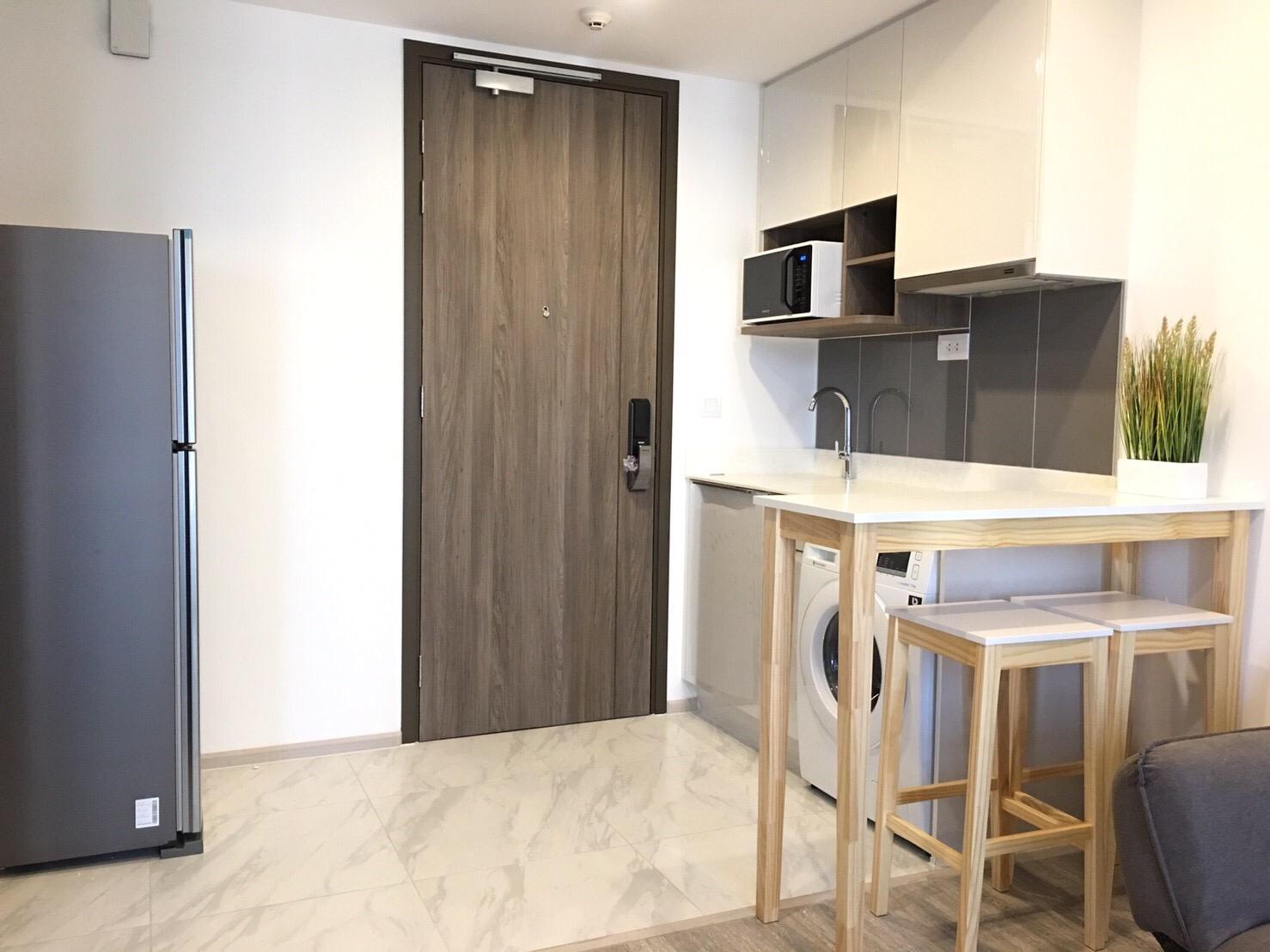
A kitchen should be judged by the resident’s real cooking and dining routine, not only by styling.
The right kitchen depends on the resident. Someone who mainly reheats food needs a different layout from a family cooking every day. An investor also needs to consider future tenants: a compact kitchen can be perfectly suitable when it is honest, robust and matched to the likely audience.
Start with the cooking brief
List how often the resident cooks, which appliances they use and whether meals are simple, aromatic, high-heat or prepared for several people. Check whether the kitchen must support baking, coffee equipment, a large refrigerator, water filtration or storage for imported ingredients. A clear brief stops buyers from paying for decorative features they will not use.
Also consider dining. A breakfast counter may suit one resident but become awkward for a couple working from home or a family hosting friends. Measure the table, chairs and circulation rather than trusting wide-angle photography.
Test ventilation carefully
Look at whether the kitchen is open to the living room or enclosed, where the hood vents and whether windows can be used safely. Switch on the extraction system with permission and listen to it. A hood that is too noisy may be ignored; one that only recirculates air may perform differently from an externally ducted system.
Check odour paths to bedrooms, curtains and air-conditioning returns. Buyers planning frequent high-heat or aromatic cooking may prefer an enclosed kitchen, balcony utility zone or stronger verified extraction. Any alteration to ducts, facade openings or services should be approved through the building’s proper process.
Storage, worktop depth, electrical capacity and appliance access determine how usable a compact kitchen feels.
Measure worktop and storage
Compact kitchens often lose usable worktop to a sink, hob, drying rack and small appliances. Place the expected coffee machine, kettle, rice cooker or preparation board on the plan and see what remains. Check drawer depth, corner access, overhead cabinets and space for bins, cleaning products and dry food.
Open doors and drawers with permission. Confirm that they do not collide with appliances or the main circulation route. Tall residents should check worktop and hood height, while families may care about child access and secure storage. Good design uses a small footprint efficiently without making every task sequential.
Inspect appliances as equipment
Record what is included in the sale or lease, including model, approximate age and visible condition. Open the refrigerator, oven, microwave and dishwasher where present. Check ventilation clearances and whether appliances can be removed for repair without dismantling the entire cabinet run.
Ask who services the brands in Bangkok and whether manuals or warranties remain. Imported premium equipment can be attractive but expensive or slow to repair. For a rental unit, robust, familiar appliances may be more valuable than a complicated specification the target tenant does not need.
Check power, water and drainage
Count accessible sockets and consider the load from appliances that may run together. Do not add high-load equipment or move electrical points without qualified advice and any required building approval. Look for staining, swollen cabinets, poor sealant, slow drainage and evidence of leaks around sinks and appliances.
Confirm hot-water arrangements where relevant and check access to shut-off valves. A practical kitchen allows maintenance without damaging finished joinery. In an older unit, a professional inspection can help assess concealed services and the consequences of previous alterations.
Shared facilities can add flexibility, but buyers should confirm booking, cleaning and guest rules.
Understand gas and building rules
Do not assume a preferred cooking fuel is permitted. Ask the juristic office for current rules on gas, extraction, fire safety, balcony equipment, deliveries and renovation. The rules can differ by building and may be more restrictive than the resident expects from another country.
If a condominium provides a shared cooking or dining facility, inspect how it is booked, cleaned and supervised. Ask about guest limits, charges and operating hours. Shared space can add flexibility for occasional larger meals, but it should not be treated as a substitute for a missing facility unless access is reliable.
Connect the kitchen to Bangkok food life
Part of Bangkok’s liveability is choice. Residents can combine home cooking with markets, supermarkets, food courts, restaurants and delivery. Map where groceries actually come from, how heavy shopping reaches the unit and whether parcels or food deliveries are easy to collect.
A smaller kitchen may work well when daily food options are excellent and the resident cooks lightly. A family or keen cook may value a larger refrigerator, pantry and enclosed preparation area more than an extra decorative amenity. The neighbourhood and the kitchen should be assessed together.
Consider tenants and resale
For investors, the kitchen should match the unit’s likely audience. A studio aimed at a single professional needs clean storage, a usable refrigerator and simple maintenance. A two- or three-bedroom home may be judged more critically on worktop, ventilation, dining and family storage.
Avoid highly personal alterations that reduce flexibility or are difficult to reverse. Keep approval records, appliance details and renovation invoices. A future tenant or buyer can assess the property more confidently when the kitchen is maintained and its equipment is clearly documented.
Kitchen viewing checklist
Define the resident’s real cooking routine.
Test extraction and odour paths.
Measure clear worktop and dining circulation.
Open storage and appliance doors.
Check included equipment and service access.
Inspect water, drainage and visible sealant.
Confirm power and building restrictions.
Map groceries, deliveries and waste disposal.
A well-matched kitchen can make Bangkok condo life more comfortable and sustainable, while a poor one creates friction every day. Browse IBP’s expat living guides and district guides, or contact IBP Real Estate for a lifestyle-focused property shortlist.