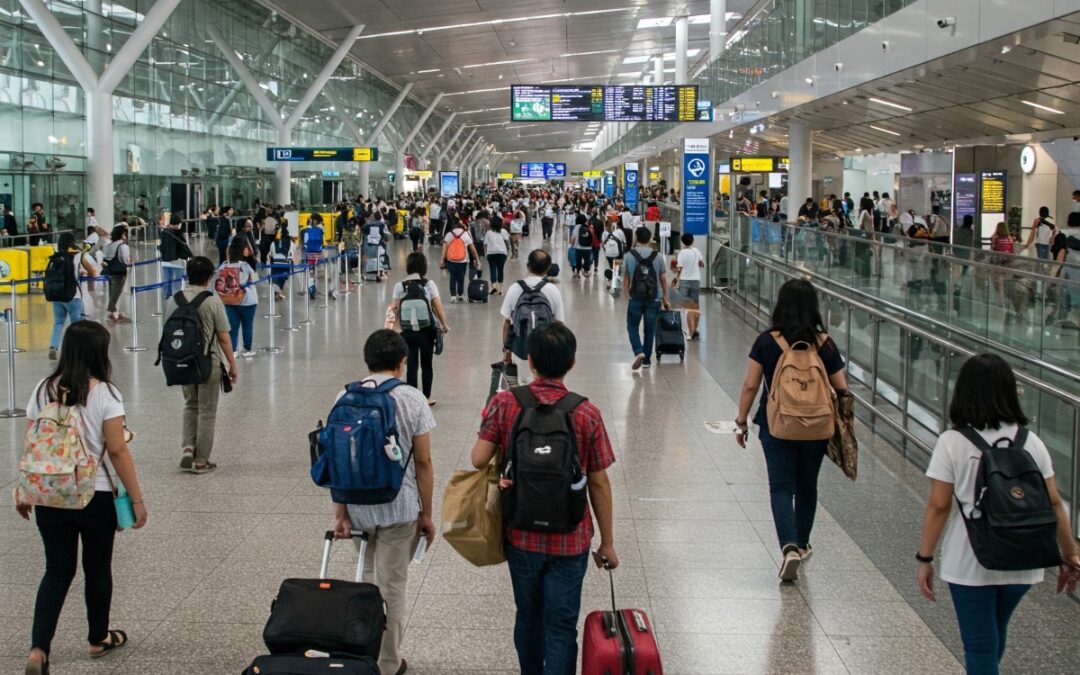
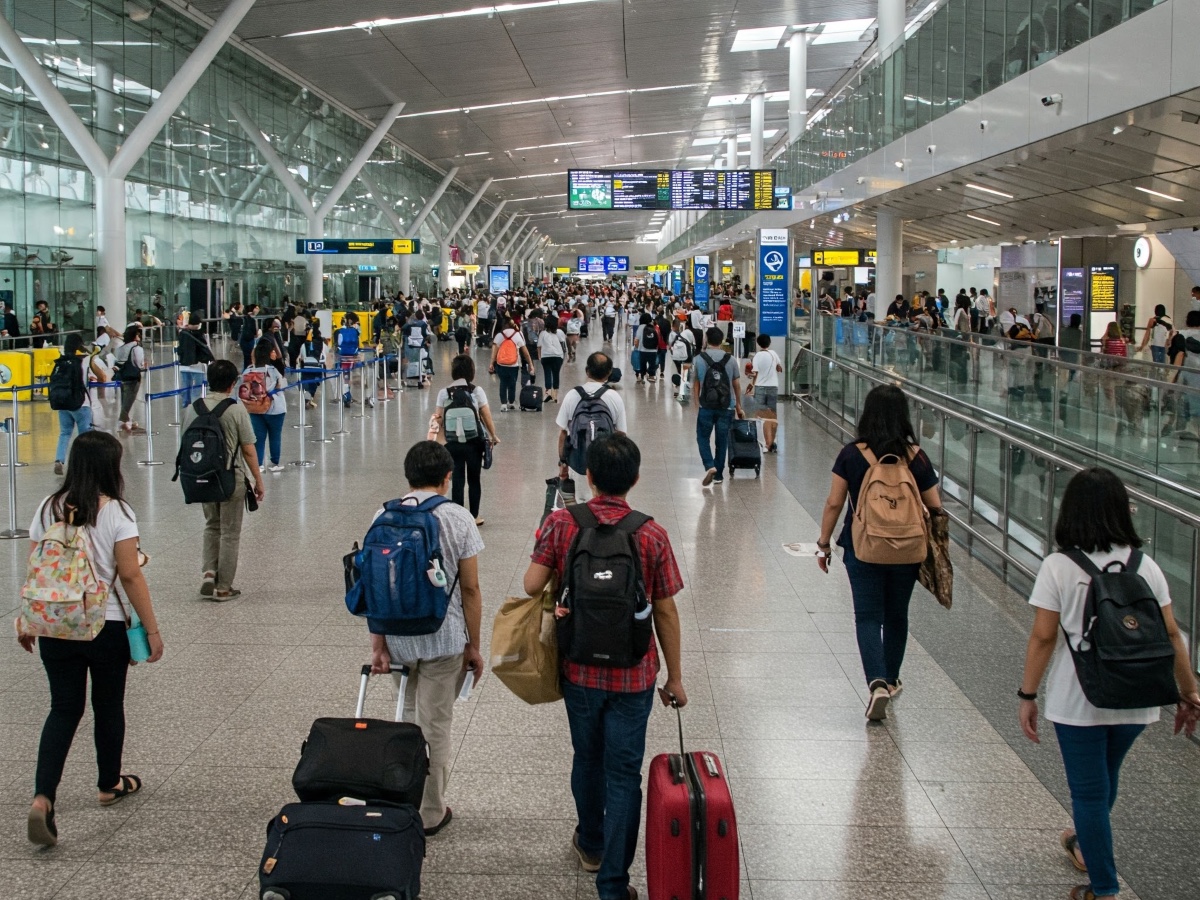
Airport access is one of Bangkok’s quiet liveability tests. It rarely decides a purchase on its own, but it can shape how comfortable a condo feels for foreign owners who fly regularly, families who host visitors, executives who work across the region, and tenants who need reliable travel links. A beautiful unit can still be frustrating if every airport trip is stressful.
Airport access matters most when it fits the owner’s real travel rhythm, not only a map distance.
Foreign buyers should assess airport access as part of daily life, not as a marketing phrase. Bangkok has more than one travel pattern. Some owners use Suvarnabhumi for long-haul and regional flights. Others use Don Mueang for domestic and low-cost regional routes. Many residents also care about the route to the Airport Rail Link, expressways, taxis and ride-hailing pickup points.
Why airport access matters to ownership
For non-resident owners, airport access affects every viewing trip, handover visit, furnishing trip and annual inspection. For owner-occupiers, it affects work travel, family visits and holidays. For tenants, it can be a deciding factor when choosing between similar units, especially for regional managers, consultants, airline staff, medical visitors, academics and internationally mobile families.
The value is not only speed. Predictability matters. A district that gives residents two or three workable airport routes can feel more resilient than a location that depends on one congested road. Buyers should ask how the journey works in the morning, evening, rain and holiday periods, not only on a quiet weekend afternoon.
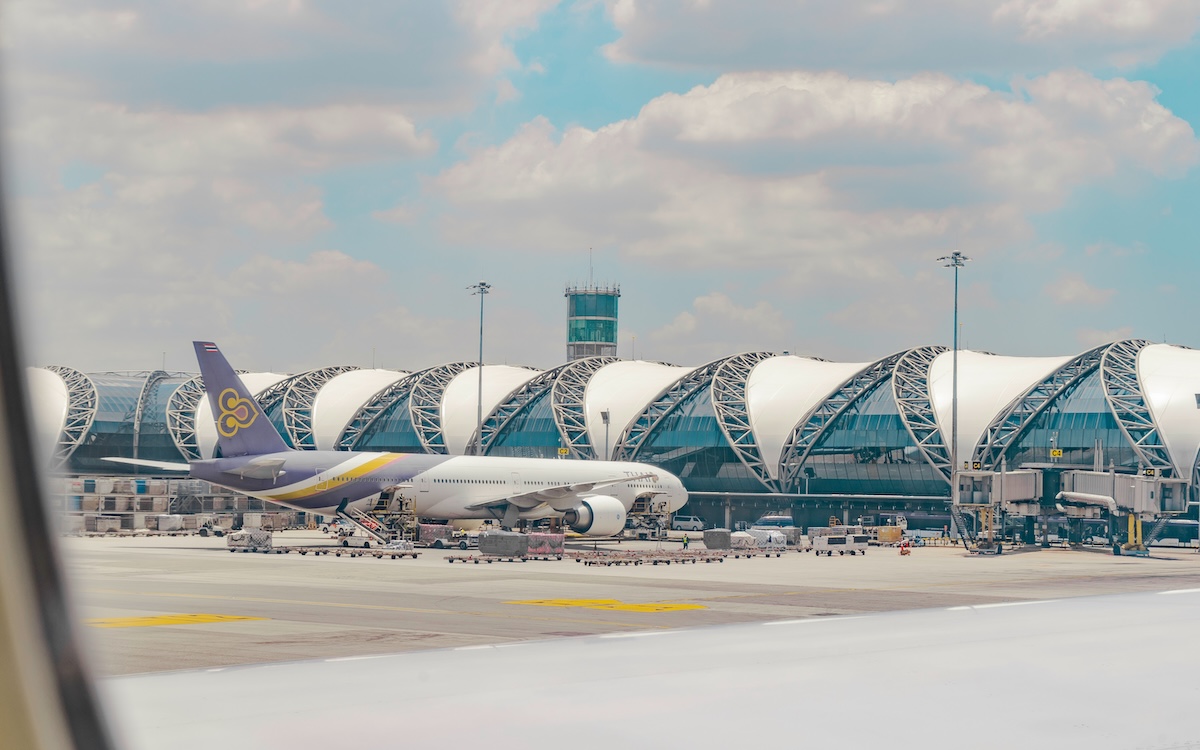
Suvarnabhumi access supports Bangkok’s appeal as a regional base for mobile households.
Rail, road and the final kilometre
Rail access can be useful, especially when a building connects conveniently to the BTS, MRT or Airport Rail Link network. But rail is only part of the journey. The final kilometre from the condo to the station, luggage handling, escalators, lifts, weather and interchange comfort all matter. A route that looks efficient on a map may be awkward with suitcases or children.
Road access also needs a practical test. Ask how quickly taxis arrive, where cars can stop, whether the lobby pickup point works during rain, and how the route changes during peak traffic. Buildings with clear drop-off areas, helpful security teams and easy ride-hailing access often feel better for frequent travellers.
Which districts benefit from airport logic
There is no single best airport district. Phaya Thai and Ratchaprarop can appeal because of Airport Rail Link access. Asoke, Phrom Phong, Thonglor and Ekkamai may suit residents who balance airport trips with central Sukhumvit work and lifestyle. Sathorn and Silom can work for business travellers who prioritise office access. Bang Na, On Nut and eastern Sukhumvit may appeal to buyers who use expressway routes or prefer a less central base.
The right choice depends on the buyer’s wider routine. A family may prefer school and hospital convenience over shaving ten minutes from an airport trip. A consultant who flies weekly may accept a smaller unit if the travel route is more predictable. A retiree may care more about easy taxi access, lift comfort and nearby healthcare than proximity to a rail interchange.
The best location decision balances airport movement with schools, hospitals, offices and daily errands.
How landlords should think about airport access
Airport access can help rental marketing, but it should not be exaggerated. Tenants still compare rent, layout, furniture, building facilities, noise, internet, grocery access and management quality. A unit near a travel route is stronger when it also works as a home. Good photos, clear directions and honest journey descriptions are more useful than vague claims about being close to everything.
For furnished rentals, consider the traveller’s first hour in the unit. Is the arrival process clear? Can a taxi stop easily? Is there a place for luggage? Does the building allow smooth move-in? Are instructions available in English? These details can influence reviews, renewals and tenant referrals.
Inspection checklist
Test the airport route at realistic times, not only during a viewing slot.
Check taxi pickup, lobby access, luggage movement and station lifts.
Compare Suvarnabhumi and Don Mueang routes if both airports matter.
Balance airport convenience with schools, hospitals, offices and grocery access.
Ask whether building staff can support arrivals, deliveries and move-in coordination.
Buyer takeaway
Bangkok airport access is a liveability factor, not a stand-alone investment thesis. Foreign buyers should choose a condo that fits their real travel pattern while still meeting the fundamentals of layout, building quality, district convenience and resale appeal. The best location is the one that makes both ordinary weeks and travel days easier.
IBP can help foreign buyers compare Bangkok districts by travel access, lifestyle fit and ownership practicality. Browse our Bangkok lifestyle guides or contact IBP Real Estate for a location-led shortlist.
A power of attorney can make a Bangkok condo purchase possible when a foreign buyer cannot be in Thailand for every signature, inspection or Land Office appointment. It can also create unnecessary risk if the authority is too broad, the document is inconsistent with the buyer’s passport details, or the representative is not properly instructed. The safest approach is to treat the power of attorney as a narrow completion tool, not a casual convenience.
A remote buyer should keep the authority narrow, documented and consistent with the transfer file.
When a buyer may need a power of attorney
Foreign buyers commonly consider a power of attorney when they live overseas, have work commitments, need a representative to inspect the unit, or cannot attend transfer day. It may be used for signing selected developer documents, submitting paperwork, coordinating with the juristic office, receiving keys, checking defects or attending the Land Office. The exact scope depends on the transaction, the developer or seller, the bank process and the Land Office handling the transfer.
The important point is that each authority should match a real task. If the representative only needs to receive documents and attend inspection, the document should not automatically allow price changes, new loan commitments or unrelated bank instructions. A narrow document reduces ambiguity and gives the buyer clearer control over the transaction.
Start with the correct form and wording
Before signing anything overseas, ask the developer, seller’s lawyer or transfer team which form will be accepted. Bangkok property transactions can involve project documents, juristic documents and Land Office documents, and the acceptable wording may vary. A document that is convenient for a private contract may not be accepted for a government transfer if it omits required details or uses a format the officer will not recognise.
At minimum, the buyer’s full name, nationality, passport number, address, authorised representative, project name, unit number and permitted actions should be consistent across the reservation, sale agreement, payment records and transfer file. Passport renewal can cause friction if the number changes during the transaction, so buyers should tell the legal team early if a passport is close to expiry.
Keep authority specific
A practical power of attorney should state exactly what the representative can do. For example, the representative may be authorised to submit documents, sign transfer forms, receive keys, liaise with the juristic office, pay government fees from buyer-provided funds, or sign a unit inspection acknowledgement. It should also state what the representative cannot do if there is any possibility of confusion.
Buyers should be especially careful with clauses that allow a representative to amend contract terms, accept substitutions, borrow money, give up claims, sign settlement documents or dispose of property. Those powers may be inappropriate unless the buyer has separate legal advice and a very clear commercial reason. Most overseas buyers want execution support, not open-ended decision-making.
Inspection authority should be clear before a representative signs acceptance paperwork.
Coordinate with payment evidence
The power of attorney does not replace foreign exchange and payment evidence. A foreign buyer still needs clean records showing how purchase funds entered Thailand and how payments were allocated. If the representative is making local payments, the buyer should keep written instructions, receipts and bank records. If a bank or remittance provider is involved, the buyer should confirm the wording and documentation needed before funds move.
This is where transaction sequencing matters. A representative may be able to attend transfer, but they cannot fix weak payment evidence at the last minute. Review the payment route at the same time as the signing route. IBP’s Bangkok condo financing guide for foreigners is useful for thinking through bank documentation, even where the purchase is made in cash.
Inspection and defect authority
For new-build condos, a representative may inspect the unit or sign a handover acknowledgement. This should be handled carefully. If the representative accepts a unit without recording defects, the buyer may lose leverage on repairs. The authority should say whether the representative can sign final acceptance or only record inspection findings for the buyer to approve later.
A foreign buyer should ask for a written inspection checklist, photographs, video where practical, meter readings, appliance checks, key count, access-card count and a record of any items promised by the developer. If the buyer is not present, the representative should report before irreversible documents are signed. The same discipline applies to resale handover, where loose ends may include furniture, maintenance receipts, outstanding juristic charges and tenant possession.
Signing overseas
Overseas signing can require witnessing, notarisation, embassy involvement, translation or legalisation depending on the document and receiving party. Buyers should not assume that a locally witnessed signature in their home country will be enough. Ask the Thai lawyer, developer or transfer coordinator what will be accepted before booking appointments or couriering originals.
Timelines are also important. Original documents may need to travel by courier, and some authorities will not accept scanned copies for completion. A buyer who signs too close to transfer day may create avoidable delay. Build in time for corrections, because a small mismatch in name order, passport number or unit details can require the document to be re-signed.
Building, juristic and Land Office requirements should be aligned before completion day.
Who should act as representative
The representative should be someone with a clear duty to the buyer and enough practical experience to handle the task. A lawyer, trusted adviser or properly instructed agent may be appropriate. A seller-side representative should be used cautiously because their incentives may not fully match the buyer’s. If the representative is also negotiating, inspecting and signing, the buyer should define reporting duties and approval points in writing.
Foreign buyers should also ask how the representative will hold documents, keys, receipts and access cards after completion. Remote ownership is safest when the paper trail is organised from day one. This includes copies of the title deed, sale agreement, tax receipts, juristic clearance, insurance documents where relevant, warranty records, manuals and tenant-ready handover notes.
Bottom line for foreign buyers
A power of attorney is useful when it is narrow, accurate and supported by a strong transaction file. It is risky when it becomes a broad shortcut. Before signing, align the authority with the contract, payment evidence, inspection plan, Land Office requirements and post-transfer management.
For overseas buyers comparing timelines, IBP can help coordinate the practical checklist alongside legal advisers. Start with the Bangkok condo due diligence checklist and then decide which tasks genuinely need a representative.
For many foreign buyers, Bangkok condominium handover is the moment when a purchase becomes real. The sales gallery, reservation form and payment schedule are behind you. Now the questions are practical: is the unit complete, are the documents ready, have utilities been transferred, are keys controlled, and can the property be occupied, furnished or rented without avoidable friction?
Handover should be treated as a document, payment and physical-condition checkpoint.
This guide is written for overseas buyers who may not be in Bangkok for every step. It is not legal advice and it does not replace the specific contract, juristic rules or developer handover process for your building. It is a working checklist to help you avoid accepting a unit too casually, missing a document, or losing weeks before the property can be used.
The safest approach is to treat handover as three connected checks: paperwork, physical condition and operating readiness. A unit can look attractive and still have unresolved administrative issues. It can also have correct paperwork but poor defects management. Both matter because they affect rental timing, resale evidence and the owner’s relationship with the building.
Confirm the transfer and payment position
Before handover day, confirm the final payment schedule, transfer fees, sinking fund, common-area fee advance, meter deposits and any developer promotions that are supposed to be delivered. Foreign buyers should also confirm that foreign exchange transfer evidence has been handled correctly where required for condominium ownership registration.
Ask for a written list of documents the developer, seller or juristic office will provide. Depending on whether the purchase is new launch or resale, this may include title-related documents, house registration copies, debt-free confirmation, foreign quota evidence, receipts, tax invoices, warranties, meter documents, access cards and juristic forms. Keep digital copies in a permanent folder.
Inspect before accepting the unit
A handover inspection should be systematic, not emotional. Start with the entrance door, lock, frame and access cards. Then move through ceilings, walls, floors, windows, balcony drainage, bathrooms, kitchen fittings, appliances, air-conditioning, electrical points, lighting, water pressure and cabinet alignment. Photograph every defect with a close-up and a wider shot that shows location.
New units may have paint marks, uneven silicone, loose handles, minor scratches or appliance issues. Resale units may have wear, leaks, mould, old air-conditioners or furniture damage. The key is to distinguish cosmetic defects from functional problems. Water leaks, drainage failure, electrical faults, door security problems and air-conditioning defects should be escalated quickly.
A careful snagging inspection helps separate minor defects from issues that should delay acceptance.
Use a clear snagging record
Do not rely on verbal promises. Create a snagging record with item number, room, description, photo, responsible party and target completion date. If the developer has its own form, use it, but keep your own copy as well. For overseas buyers, appoint one person to follow up and prevent instructions being spread across the agent, developer, contractor and property manager.
If the unit will be rented, check items that affect tenant satisfaction first. Air-conditioning should cool properly. Hot water should be stable. Wardrobe doors should slide or close cleanly. Curtains should fit. Internet installation should be possible. Washing machines should drain. A beautiful unit with small unresolved problems can produce a poor first tenant experience.
Check utilities and building access
Electricity and water meter details, deposits and payment channels.
Access cards, keys, mailbox key, parking card and remote controls.
Juristic registration forms and owner contact details.
Move-in, renovation and furniture-delivery rules.
Common-area fee payment schedule and penalties.
Internet provider options and installation rules.
These details matter because a foreign owner may leave Thailand soon after transfer. If a payment account is not set up or the juristic office cannot reach the owner, small issues can become late fees, access delays or missed notices. Ask your representative to test every card and key before handover is considered complete.
Building management, utilities and access rules matter immediately after transfer.
New launch versus resale handover
New launch handover usually focuses on defects, warranties, meters and developer obligations. Resale handover often focuses more on what is included in the sale, whether the seller has removed personal items, whether appliances still work, whether common fees are cleared and whether the condition matches what was agreed. A resale buyer should check the inventory against the sale agreement before accepting keys.
For new launches, ask how long defect rectification normally takes and whether access can be granted to a property manager during the process. For resale, inspect as close as possible to transfer day, because the unit condition may have changed since the first viewing. If a tenant was occupying the unit, obtain a clear handover from tenant to seller and from seller to buyer.
Rental readiness after handover
A rental-ready unit is not simply a transferred unit. It needs clean photos, functioning appliances, working air-conditioning, curtains, internet readiness, sensible furniture, clear house rules and a practical move-in process. If the handover is rushed, the first rental campaign may begin with weak photos or incomplete repairs, which can reduce negotiating power.
Foreign landlords should plan the handover, furnishing and listing calendar together. If the target tenant is an expatriate professional, the unit should feel easy from the first viewing. If it is a family unit, storage, washing facilities, blackout curtains and school-route convenience may matter more than decorative furniture.
Buyer takeaway
Bangkok condo handover is a risk-control step, not a ceremony. Foreign buyers should confirm documents, inspect the unit, record defects, set up utilities and prepare the property for its intended use before assuming the purchase is finished.
IBP can help overseas buyers manage transfer, snagging and rental-readiness steps with local coordination. Read our foreign buyer guides or contact IBP Real Estate for handover support.
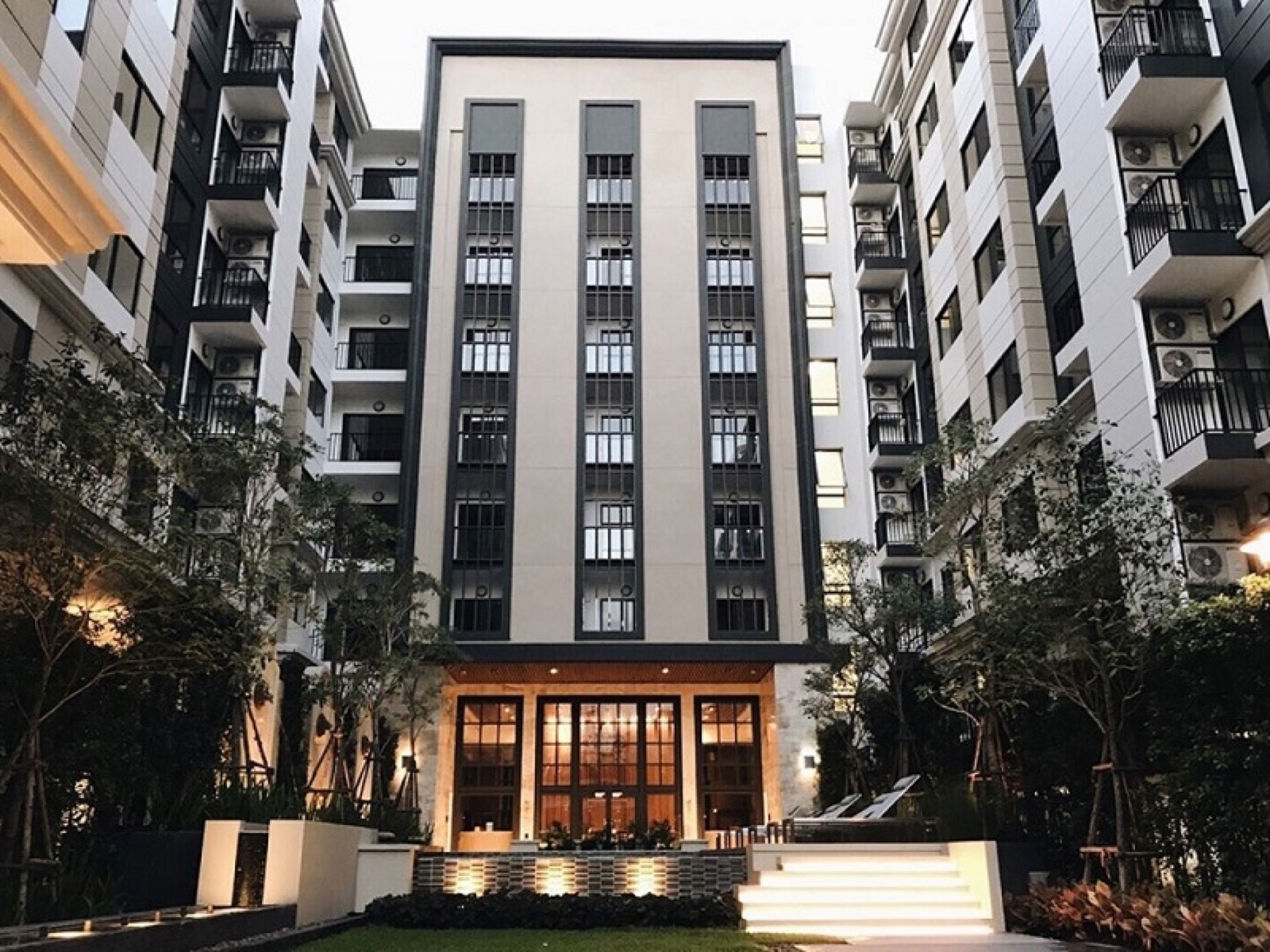
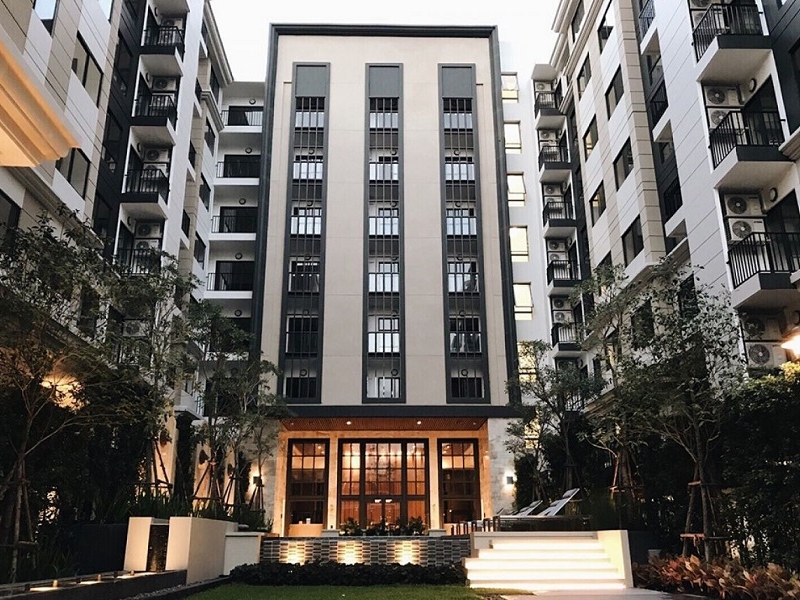
Ari is one of Bangkok’s most quietly confident residential districts. It does not have the global name recognition of Thonglor, Phrom Phong or Sathorn, but many long-stay residents understand its appeal quickly. The area around BTS Ari combines cafés, local restaurants, offices, low-rise residential streets, supermarkets, clinics and easy access to Siam, Phaya Thai, Mo Chit and Chatuchak. For foreign buyers who want Bangkok convenience without the full pace of prime Sukhumvit, Ari is worth studying.
Ari is valued for a neighbourhood feel that is less intense than the main Sukhumvit corridor.
The investment case is not that Ari is hidden or undiscovered. It is that Ari has a durable lifestyle pattern. People live there because daily routines are manageable: morning coffee, BTS commute, local dining, gyms, government and office access, weekend movement towards Chatuchak or central retail, and a calmer residential mood in selected sois. That kind of repeatable liveability can support rental demand when the building and price are right.
Where Ari sits in the Bangkok map
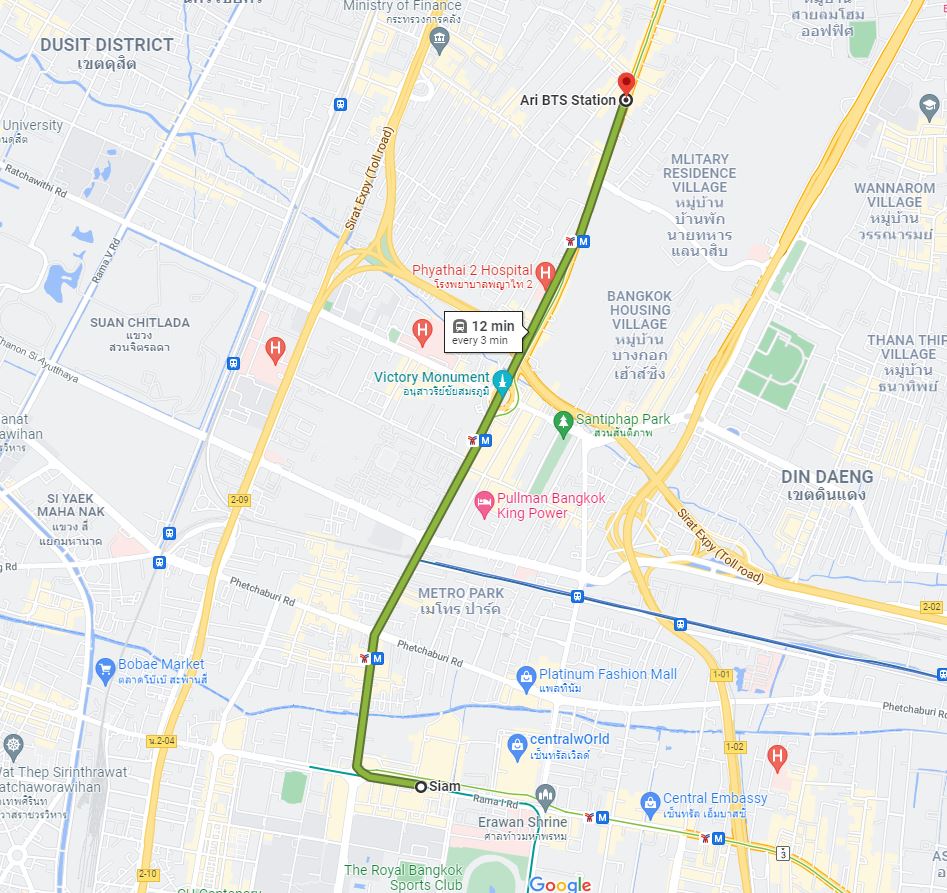
Ari is on the BTS Sukhumvit Line north of Siam, near Saphan Khwai, Sanam Pao and Phaya Thai. This puts residents within practical reach of central shopping and office areas while also connecting them to the northern side of Bangkok. The district is not a riverside address and not a nightlife address. Its appeal is more residential, with a mix of Thai professionals, expatriates, entrepreneurs, civil servants, creative workers and long-stay residents who want a neighbourhood rather than a hotel-zone feel.
Foreign buyers comparing Bangkok districts should treat Ari as a middle-prime lifestyle choice. It may not offer the same embassy, mall and luxury-hotel concentration as lower Sukhumvit or Lumphini, but it can offer better calm, more local character and a clearer residential identity. For some tenants, that is exactly the point.
Why the BTS station matters
BTS Ari is the anchor. Without the station, Ari would still be pleasant, but it would not have the same investment clarity for foreign buyers. The station connects residents to Siam, Chit Lom, Asok by interchange, Phaya Thai Airport Rail Link, Mo Chit and other business or leisure nodes. A condo within a comfortable walk of BTS Ari is easier to explain to a tenant and a future buyer.
Comfortable walk is the key phrase. A map may show a short distance, but the real walk can be affected by heat, pavement quality, crossings, rain, traffic and soi layout. Buyers should test the route in person or through a trusted inspection. Shuttle services help, but they should support the location rather than rescue it.
BTS access gives Ari a direct daily link to Siam, Phaya Thai, Mo Chit and central Bangkok.
The tenant profile
Ari can suit professionals who want to avoid heavier tourist zones, couples who like a café and dining neighbourhood, people working near Phaya Thai or northern Bangkok, and residents who move frequently between central Bangkok and Chatuchak or Don Mueang-side routes. It may also appeal to Thai buyers and renters who want a stronger neighbourhood feel than some high-rise corridors.
This mixed demand is useful. A district dependent only on expatriates can be vulnerable when corporate relocation slows. A district with Thai end-user appeal, local professional demand and some expatriate demand gives a condo owner more flexibility. Ari is not the highest-yield story in Bangkok, but it can be a balanced rent-and-resale story if the entry price is controlled.
What to inspect before buying in Ari
Soi depth
Some Ari condos are genuinely convenient; others are deeper than expected. A deeper soi may be quieter and more residential, but it can reduce tenant willingness to pay a premium. Test the daily route to BTS, supermarkets, restaurants and main roads.
Noise and street condition
Ari has calm pockets, but roads, restaurants, schools and construction can still affect specific units. Inspect during morning, evening and weekend periods if possible. A quiet afternoon viewing does not tell the whole story.
Building age and management
Ari includes both older and newer condominiums. Older buildings may offer larger layouts and better value, but the common areas must be checked carefully. Newer buildings may offer better facilities but can carry higher prices and smaller rooms. The correct choice depends on the target tenant and expected holding period.
Unit plan
Ari tenants often use their condo as a real home, not only as a sleeping base. Storage, kitchen usability, work space and daylight matter. Avoid layouts that are difficult to furnish or bedrooms that cannot take normal furniture comfortably.
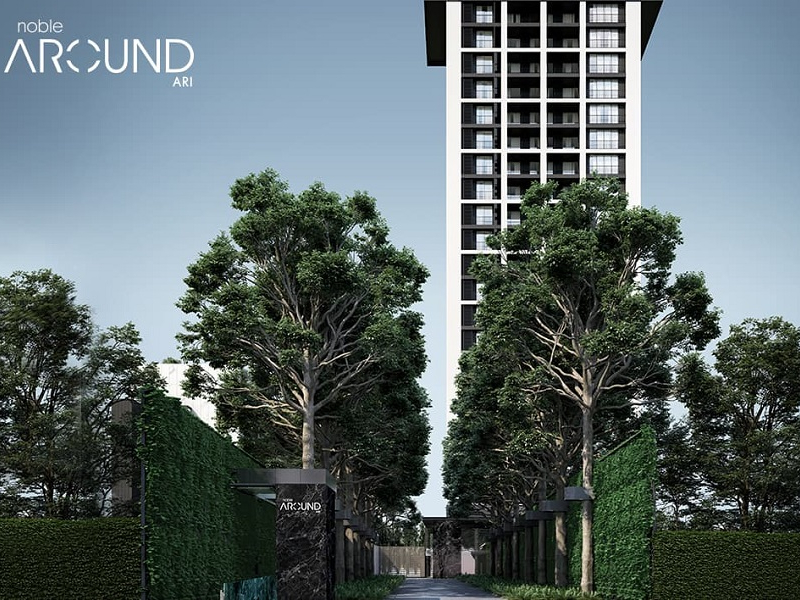
Condo choice in Ari should be tested by walking route, soi depth, layout and resale depth.
Who should consider Ari
Foreign buyers who want a calmer BTS neighbourhood with local character.
Investors targeting long-stay tenants rather than short-stay tourism.
Buyers comparing Sukhumvit prices and open to a north-central Bangkok lifestyle.
Owner-occupiers who value cafés, local dining and a more residential daily rhythm.
Who may prefer elsewhere
Buyers who want luxury retail, international hotel energy and immediate access to the core Sukhumvit expatriate zone may prefer Phrom Phong, Thonglor, Chit Lom or Lumphini. Buyers who need the strongest corporate rental pool may prefer Asok, Sathorn or Rama IV. Ari is not trying to be those districts. Its strength is a more relaxed version of central connectivity.
The main investment risk is paying a prime price for a non-prime resale position. If a unit is too far from BTS, too small, poorly managed or priced above comparable alternatives, the Ari lifestyle story will not be enough. Buyers should compare both Ari buildings and nearby BTS alternatives such as Sanam Pao, Saphan Khwai and Phaya Thai.
Buyer takeaway
Ari can be a strong Bangkok condo district for foreign buyers who value liveability, BTS access and a neighbourhood identity. It is best approached with careful building-level due diligence rather than broad district enthusiasm. The right unit should be easy to live in, easy to rent to a defined tenant profile and easy to explain when resale time comes.
IBP can help compare Ari condos with Phaya Thai, Saphan Khwai, Ratchathewi and Sukhumvit alternatives. Browse our district guides or contact IBP Real Estate for a shortlist based on rent evidence and resale logic.
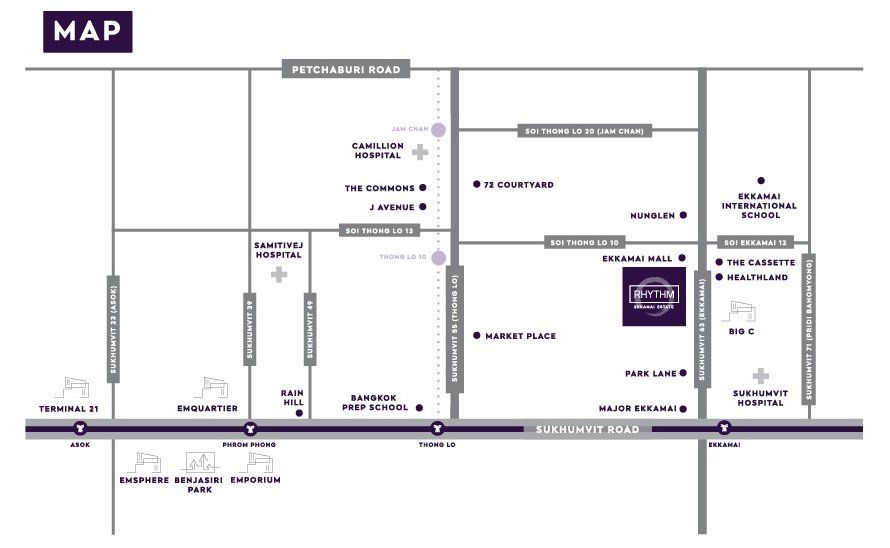
Ekkamai is often described as Thonglor’s quieter neighbour, but that undersells its appeal for foreign condo buyers. The district has BTS access, restaurants, cafes, supermarkets, community malls, clinics, schools, gyms and a residential rhythm that can feel easier than more intense parts of Sukhumvit. For overseas buyers who want Bangkok liveability without being in the middle of the busiest nightlife streets, Ekkamai deserves a careful look.
Ekkamai sits beside Thonglor but often feels more residential, which can suit long-stay foreign owners and tenants.
The buyer question is not whether Ekkamai is fashionable. It is whether a specific condo supports real daily life. The best Ekkamai units are easy to reach, quiet enough to live in, close to useful services and located in buildings that age well. A weaker unit can still carry the Ekkamai label while being too deep in a soi, too noisy, too investor-heavy or too awkwardly planned for long-stay tenants.
Why Ekkamai works for foreign residents
Ekkamai has a useful position on the Sukhumvit BTS line. It gives residents direct rail access to Phrom Phong, Asok, Siam and On Nut, while taxis and private cars can connect towards Phetchaburi Road, Rama IV and the expressway network. The district also sits close to Thonglor’s dining and nightlife without requiring every resident to live inside Thonglor’s busiest lanes.
That balance is attractive to several groups: young professionals, regional executives, couples, Japanese and Korean residents, digital workers, and families who want Sukhumvit convenience with a slightly more neighbourhood-led feel. For foreign owners, a district that appeals to multiple tenant types is usually safer than one dependent on a single trend.
The lifestyle pattern
Ekkamai is practical in the small ways that matter after the first week. Residents can find coffee, groceries, restaurants, salons, casual bars, fitness studios, pet services, medical clinics and schools within short travel distances. Gateway Ekkamai and nearby community retail add convenience, while Thonglor, Phrom Phong and On Nut broaden the dining and shopping field.
This daily convenience supports long-stay rental demand. Tenants who renew leases usually do so because the neighbourhood makes routines easy. A condo that is ten minutes from useful services in real traffic may perform better than a more glamorous unit that is inconvenient every morning.
Condominium selection in Ekkamai should balance BTS access, soi depth, noise, layout and building management.
How to judge an Ekkamai condo
Walkability to BTS
A map distance can be misleading. Some sois are pleasant to walk; others are narrow, broken, hot or difficult after rain. If BTS access is part of the investment case, test the walk at commuting time and at night. A shuttle service is helpful, but it should not be the only reason the location works.
Soi depth and traffic
Ekkamai Road and its side streets can be busy, especially around schools, restaurants and evening venues. A deeper soi may give more quiet, but it can also add time and reduce tenant convenience. Buyers should compare actual travel time to BTS, supermarkets and main roads, not just the project brochure.
Unit size and furnishing
Long-stay tenants in Ekkamai often value usable kitchens, storage, work areas and comfortable bedrooms. Overly compact layouts may rent quickly at the right price, but they can face more competition. A well-planned one-bedroom or two-bedroom unit with sensible furnishing can be more resilient than a flashy but cramped unit.
Who Ekkamai suits
Foreign buyers who want Sukhumvit access with a slightly calmer residential feel.
Owners targeting long-stay professional tenants rather than pure short-stay tourism.
Residents who use BTS but also rely on taxis, ride-hailing and nearby lifestyle services.
Buyers comparing Thonglor pricing but open to better value nearby.
Ekkamai can also work for families, but the unit and building must be chosen carefully. Larger layouts, parking, school routes, hospital access and noise control become more important. A family tenant will notice shortcomings that a single professional may tolerate for a shorter lease.
Daily routes to BTS, supermarkets, schools, cafes and hospitals matter more than a district name alone.
Where buyers should be cautious
Do not assume every Ekkamai condo has the same tenant pool. Some buildings are effectively priced as Thonglor alternatives, while others compete more directly with On Nut or Phra Khanong. The correct rent depends on age, facilities, walkability, view, furnishing and building reputation. Overpaying for a district label can reduce both yield and resale flexibility.
Noise is another issue. Restaurants, bars, roads, motorcycles and construction can all affect liveability. Inspect at more than one time of day and check whether the unit faces a busy road, school drop-off zone, entertainment venue or construction site.
Buyer takeaway
Ekkamai is one of Bangkok’s most livable middle-prime Sukhumvit districts because it combines convenience with a more residential mood. For foreign condo buyers, its strength is not only lifestyle; it is the practical tenant demand created by transport, amenities and proximity to stronger neighbouring districts. The right purchase should feel easy to live in, easy to rent and easy to explain at resale.
IBP can help you compare Ekkamai, Thonglor, Phrom Phong and On Nut units by real tenant demand and building condition. Explore our district guides or contact IBP Real Estate for a buyer-focused shortlist.