
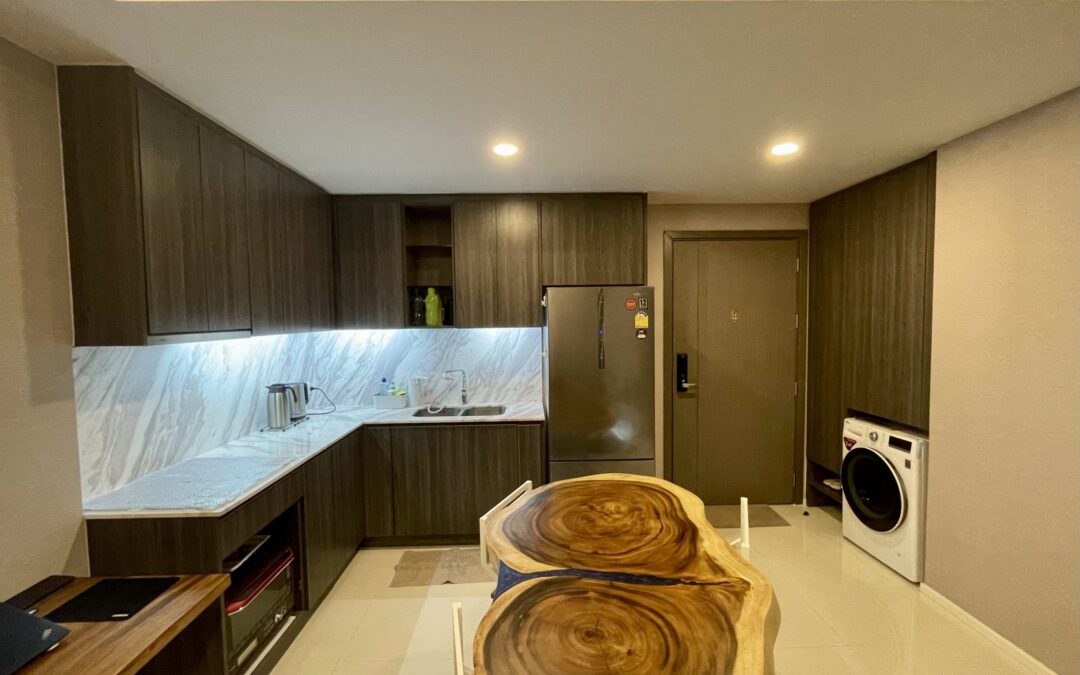
A Bangkok condo kitchen can be a beautiful backdrop and still be frustrating to use. Expat buyers should look beyond cabinet colour and appliance brands to ventilation, worktop space, storage, electrical capacity, cleaning and the way food actually fits into their Bangkok routine.
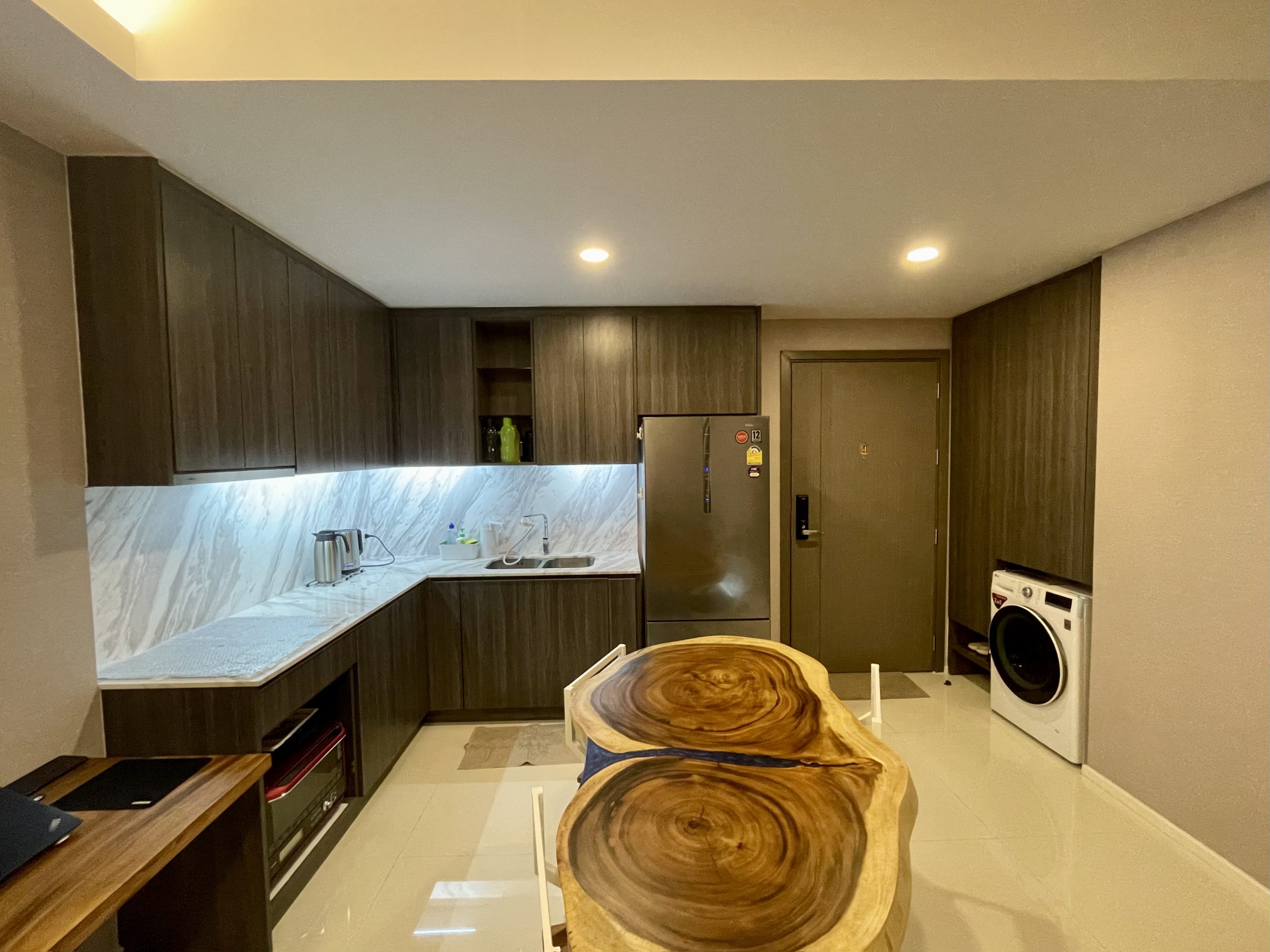
The right kitchen depends on the resident. Someone who mainly reheats food needs a different layout from a family cooking every day. An investor also needs to consider future tenants: a compact kitchen can be perfectly suitable when it is honest, robust and matched to the likely audience.
Start with the cooking brief
List how often the resident cooks, which appliances they use and whether meals are simple, aromatic, high-heat or prepared for several people. Check whether the kitchen must support baking, coffee equipment, a large refrigerator, water filtration or storage for imported ingredients. A clear brief stops buyers from paying for decorative features they will not use.
Also consider dining. A breakfast counter may suit one resident but become awkward for a couple working from home or a family hosting friends. Measure the table, chairs and circulation rather than trusting wide-angle photography.
Test ventilation carefully
Look at whether the kitchen is open to the living room or enclosed, where the hood vents and whether windows can be used safely. Switch on the extraction system with permission and listen to it. A hood that is too noisy may be ignored; one that only recirculates air may perform differently from an externally ducted system.
Check odour paths to bedrooms, curtains and air-conditioning returns. Buyers planning frequent high-heat or aromatic cooking may prefer an enclosed kitchen, balcony utility zone or stronger verified extraction. Any alteration to ducts, facade openings or services should be approved through the building’s proper process.
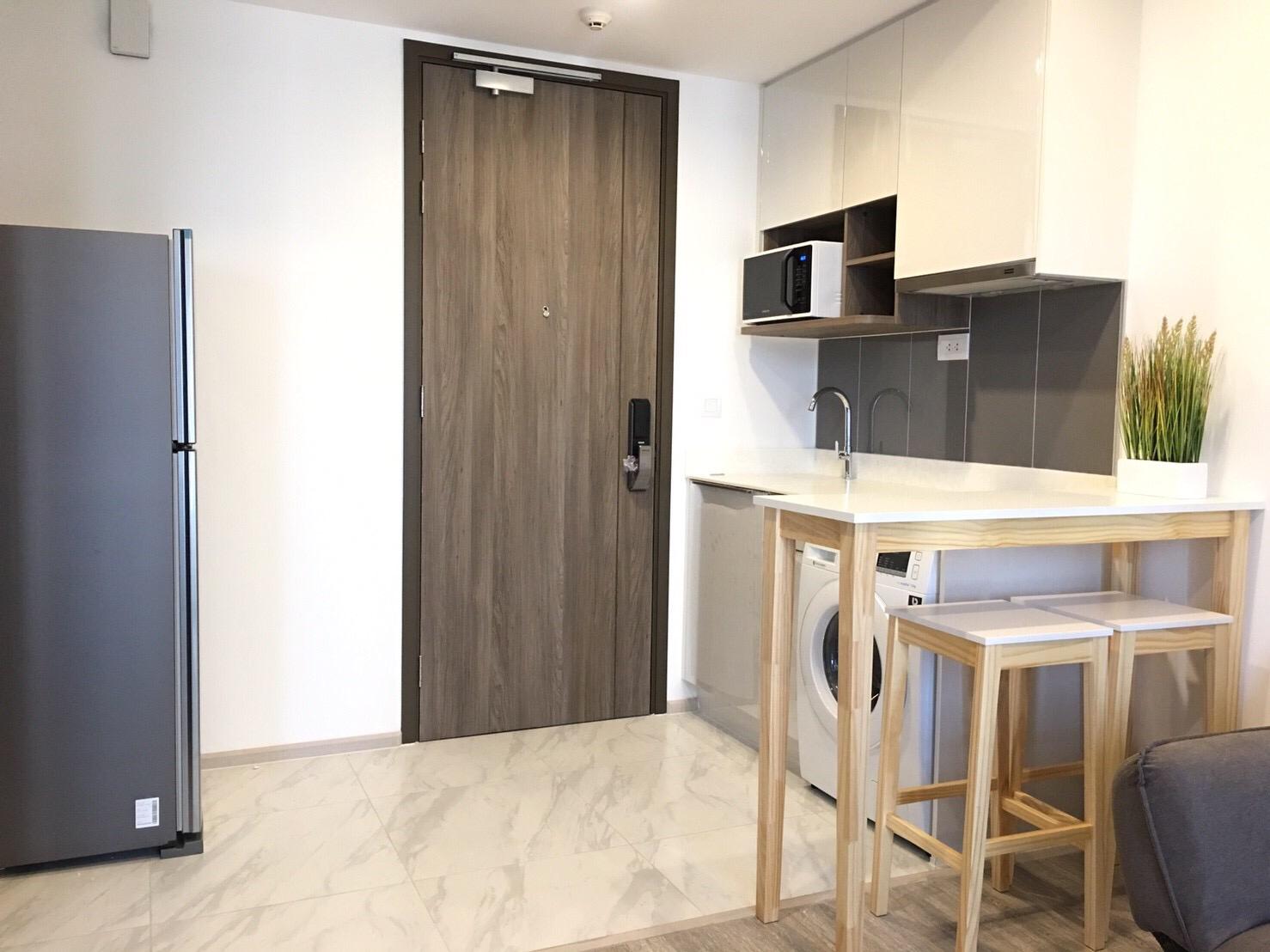
Measure worktop and storage
Compact kitchens often lose usable worktop to a sink, hob, drying rack and small appliances. Place the expected coffee machine, kettle, rice cooker or preparation board on the plan and see what remains. Check drawer depth, corner access, overhead cabinets and space for bins, cleaning products and dry food.
Open doors and drawers with permission. Confirm that they do not collide with appliances or the main circulation route. Tall residents should check worktop and hood height, while families may care about child access and secure storage. Good design uses a small footprint efficiently without making every task sequential.
Inspect appliances as equipment
Record what is included in the sale or lease, including model, approximate age and visible condition. Open the refrigerator, oven, microwave and dishwasher where present. Check ventilation clearances and whether appliances can be removed for repair without dismantling the entire cabinet run.
Ask who services the brands in Bangkok and whether manuals or warranties remain. Imported premium equipment can be attractive but expensive or slow to repair. For a rental unit, robust, familiar appliances may be more valuable than a complicated specification the target tenant does not need.
Check power, water and drainage
Count accessible sockets and consider the load from appliances that may run together. Do not add high-load equipment or move electrical points without qualified advice and any required building approval. Look for staining, swollen cabinets, poor sealant, slow drainage and evidence of leaks around sinks and appliances.
Confirm hot-water arrangements where relevant and check access to shut-off valves. A practical kitchen allows maintenance without damaging finished joinery. In an older unit, a professional inspection can help assess concealed services and the consequences of previous alterations.

Understand gas and building rules
Do not assume a preferred cooking fuel is permitted. Ask the juristic office for current rules on gas, extraction, fire safety, balcony equipment, deliveries and renovation. The rules can differ by building and may be more restrictive than the resident expects from another country.
If a condominium provides a shared cooking or dining facility, inspect how it is booked, cleaned and supervised. Ask about guest limits, charges and operating hours. Shared space can add flexibility for occasional larger meals, but it should not be treated as a substitute for a missing facility unless access is reliable.
Connect the kitchen to Bangkok food life
Part of Bangkok’s liveability is choice. Residents can combine home cooking with markets, supermarkets, food courts, restaurants and delivery. Map where groceries actually come from, how heavy shopping reaches the unit and whether parcels or food deliveries are easy to collect.
A smaller kitchen may work well when daily food options are excellent and the resident cooks lightly. A family or keen cook may value a larger refrigerator, pantry and enclosed preparation area more than an extra decorative amenity. The neighbourhood and the kitchen should be assessed together.
Consider tenants and resale
For investors, the kitchen should match the unit’s likely audience. A studio aimed at a single professional needs clean storage, a usable refrigerator and simple maintenance. A two- or three-bedroom home may be judged more critically on worktop, ventilation, dining and family storage.
Avoid highly personal alterations that reduce flexibility or are difficult to reverse. Keep approval records, appliance details and renovation invoices. A future tenant or buyer can assess the property more confidently when the kitchen is maintained and its equipment is clearly documented.
Kitchen viewing checklist
- Define the resident’s real cooking routine.
- Test extraction and odour paths.
- Measure clear worktop and dining circulation.
- Open storage and appliance doors.
- Check included equipment and service access.
- Inspect water, drainage and visible sealant.
- Confirm power and building restrictions.
- Map groceries, deliveries and waste disposal.
A well-matched kitchen can make Bangkok condo life more comfortable and sustainable, while a poor one creates friction every day. Browse IBP’s expat living guides and district guides, or contact IBP Real Estate for a lifestyle-focused property shortlist.