
Bangkok’s dining scene is one of the reasons foreign residents settle into the city quickly. It is convenient, varied, social and increasingly connected to wellness, sustainability and local sourcing. TAT Newsroom’s early July 2026 feature on Thailand’s gastronomic turn toward wellness is useful for property buyers because it explains why food is part of Bangkok liveability, not only tourism marketing.

The feature frames Thai dining through the idea of Healing is the New Luxury, linking food, wellness, regional identity and sustainability. For condo buyers, the lesson is practical. A good Bangkok neighbourhood should make healthy, enjoyable and culturally rich daily routines easy. Dining access can help a condo feel like a home base rather than just an investment unit.
Food as everyday infrastructure
Foreign buyers often ask about BTS access, hospitals, schools and malls. Dining should sit in the same liveability conversation. Residents use food networks every day: morning coffee, quick lunches, healthy delivery, family dinners, local markets, grocery access and weekend restaurants. A condo that sits near varied dining options is easier for new arrivals, guests and tenants to enjoy.
Bangkok is strong because it offers several dining layers at once. Street food, mall dining, chef-led restaurants, hotel restaurants, regional Thai kitchens, vegan cafes, wellness menus, Japanese counters and casual neighbourhood spots can coexist within a short journey. This variety helps residents build routines that match budget, health, work schedule and social life.

Wellness dining supports long-stay comfort
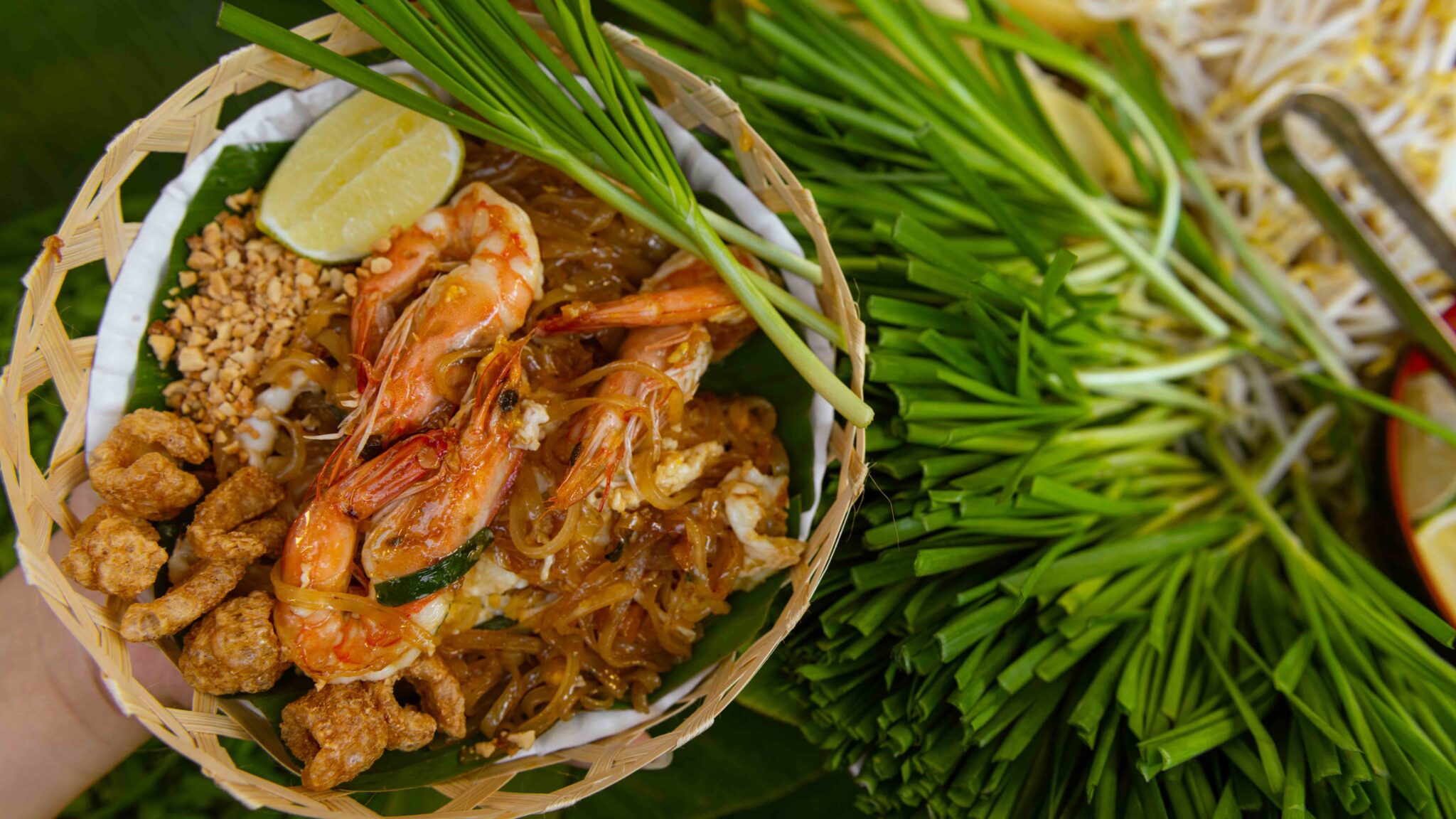
TAT’s feature links Thai food with herbs, broths, balance and regional depth. Property buyers should not treat that as a medical claim. The useful point is that residents can access food that feels fresh, varied and rooted in place. For expats who travel often or work long hours, convenient good food can make Bangkok feel easier than cities where daily dining is either expensive or repetitive.
Wellness dining also supports family and retirement decisions. Buyers thinking about a second home often want to know whether daily life can be comfortable without constant planning. Nearby supermarkets, markets, clean casual restaurants, cafes, pharmacies and delivery coverage all contribute to that answer.
Neighbourhoods where dining matters
Dining access is not limited to one district. Phrom Phong, Thonglor, Ekkamai, Ari, Silom, Sathorn, Chit Lom, Siam, Langsuan, riverside areas, Rama 9 and parts of On Nut all offer different versions of food-led liveability. The right choice depends on the buyer’s routine. Some want fine dining and hotels. Others want family restaurants, markets, cafes or easy delivery after work.
When comparing condos, buyers should walk the area at breakfast, lunch and evening. A street that feels quiet at 2pm may be lively after work. A mall may solve rainy-day dining but not late-night convenience. A neighbourhood with excellent restaurants may still lack grocery access, parking or easy taxi pickup.
Rental and resale angle
Food access can help leasing, especially for compact city units, expatriate tenants and owner-occupiers who do not cook every meal. It gives agents a simple lifestyle story. Tenants can imagine where they will eat, meet friends, buy groceries and order delivery. That can make a viewing feel more concrete.
However, dining access should not be exaggerated. A weak unit does not become a strong investment just because there are good restaurants nearby. Investors still need to check rent evidence, competing units, building quality, noise, layout, management and total costs. Dining is a supporting factor, not a substitute for fundamentals.
Buyer checklist
- Walk to daily food options, not only destination restaurants.
- Check delivery access, lobby handling and rider waiting areas.
- Look for supermarkets, markets, cafes, pharmacies and casual meals.
- Visit in the evening to test noise, traffic and atmosphere.
- Ask whether dining options match the likely tenant or resident profile.
- Balance lifestyle appeal with price, layout and building management.
Buyer takeaway
Bangkok wellness dining strengthens the city’s liveability story because it connects food, culture, convenience and daily comfort. Foreign buyers should treat dining access as part of neighbourhood due diligence. The strongest condo locations are not only close to famous restaurants. They make ordinary meals, errands and social routines easy across the week.
IBP helps expats and foreign buyers compare Bangkok condos by lifestyle fit, transport, services and neighbourhood rhythm. Browse our Bangkok lifestyle guides or contact IBP Real Estate for a liveability-focused shortlist.