
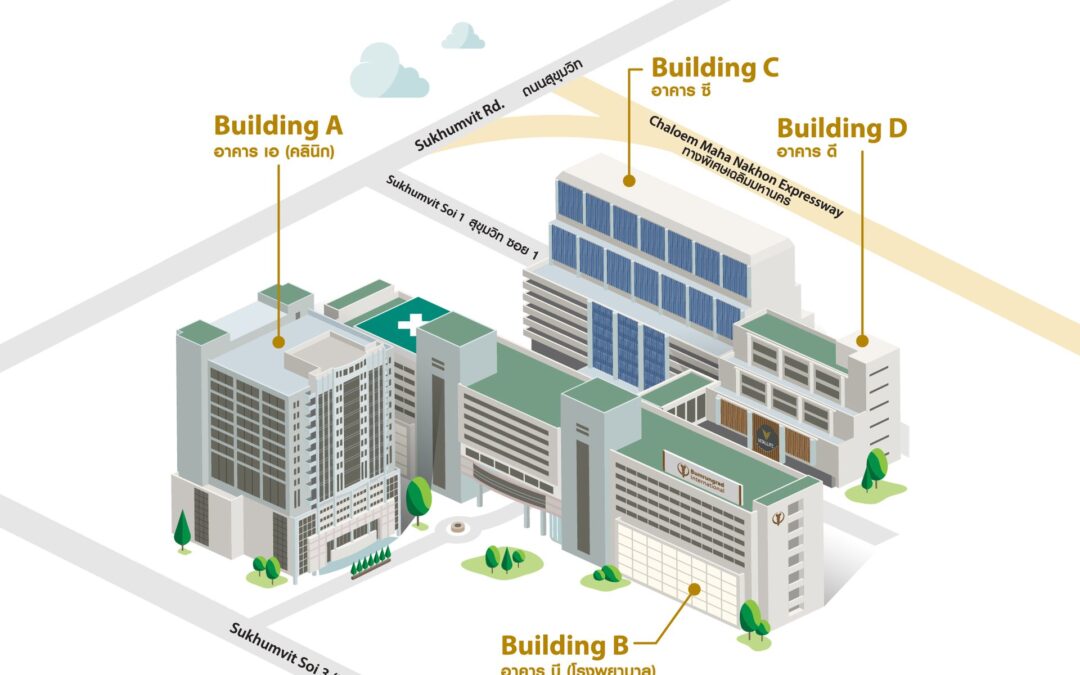
Private hospital access is one of Bangkok’s practical advantages for many foreign condo buyers. It may not be the first feature shown in a property brochure, but it often matters once a buyer thinks beyond the viewing day. Expats, retirees, families, frequent visitors and second-home owners all benefit from knowing how quickly they can reach reliable healthcare when needed.
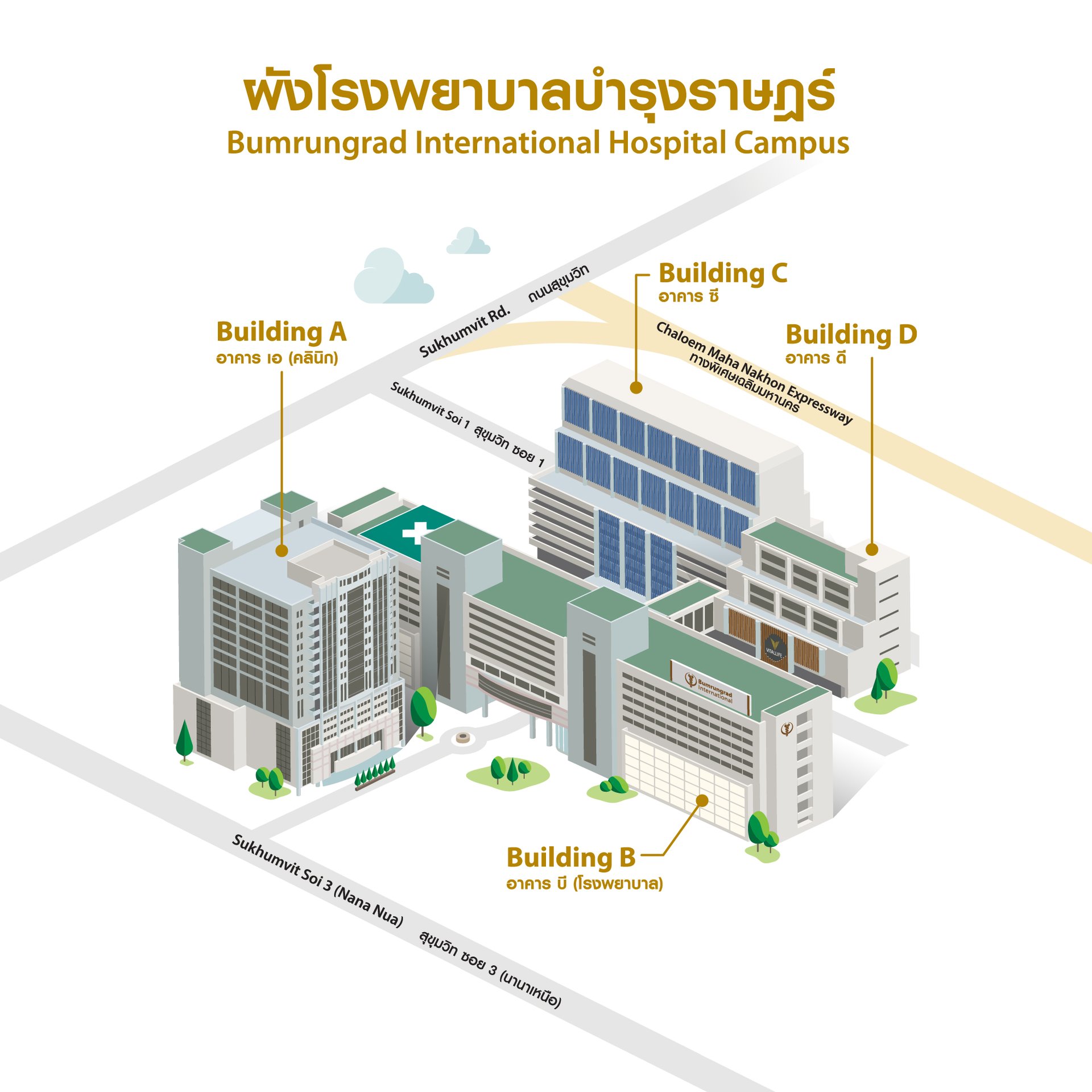
This is not a medical recommendation and it is not a ranking of hospitals. It is a liveability check. A Bangkok condo should be assessed by how it supports real life: routine appointments, prescriptions, health screenings, family needs, insurance paperwork, emergencies, follow-up visits and transport during traffic or rain.
Why healthcare access affects liveability
Foreign residents often choose Bangkok because it combines city convenience with international services. Hospital access can reduce anxiety for families with children, older residents, people with regular medication, frequent travellers and buyers planning longer stays. It also matters for visiting parents, guests or tenants who may need English-language support and clear appointment processes.
A condo does not need to sit beside a hospital to be practical. It does need a realistic route. Buyers should understand taxi times, rail access, traffic patterns, ambulance access, nearby clinics and how easily a resident can manage follow-up appointments without disrupting the whole day.
Match the district to the household
Different buyers need different healthcare routines. A young professional may care about quick access to clinics and pharmacies. A family may prioritise paediatric services, school proximity and weekend urgent-care options. Retirees may value specialist appointments, international patient support, easy taxis and calm building access. Investors may consider whether healthcare access broadens the tenant pool.
Districts such as Sukhumvit, Ploenchit, Chit Lom, Langsuan, Silom, Sathorn, Rama 9 and parts of the riverside can offer different healthcare routes. The correct choice depends on the buyer’s daily pattern, not only the name of the nearest hospital.
Transport matters during stressful moments
Healthcare access should be tested in practical terms. How long does the journey take in morning traffic? Can taxis find the lobby easily? Is there a sheltered drop-off? Is the route manageable during heavy rain? Is there a nearby BTS or MRT option for routine visits? Can a family member reach the hospital from work or school?
For older buyers or families with small children, the building itself also matters. Lifts, lobby seating, parking, ramp access, security responsiveness and clear address instructions can make appointments easier. A premium unit can feel less livable if the building is awkward during a health-related trip.

Insurance and paperwork planning
Foreign owners should keep health insurance, passport copies, emergency contacts, allergies, medication lists and hospital registration details organised. If the condo is used by family members or tenants, make sure important contacts are easy to find. Overseas owners should also decide who can help locally if they are not in Bangkok.
Landlords should avoid making medical promises to tenants, but they can still provide practical neighbourhood information: nearby clinics, pharmacies, transport options and emergency building contacts. This is part of professional property preparation, especially for expatriate tenants.
What to inspect around the condo
- Taxi and ride-hailing access from lobby to hospital areas.
- Nearby clinics, pharmacies and routine health services.
- Traffic patterns at appointment times, not only weekends.
- Rail options for non-urgent visits.
- Building access for older residents, children and visitors.
- Emergency contacts, address clarity and security desk communication.
Rental and resale angle
Healthcare access can support rental appeal, especially for families, retirees, international staff and long-stay tenants. It is rarely the only reason someone rents a unit, but it can strengthen the overall decision when combined with schools, transport, retail, parks and good building management.
At resale, buyers may value a location that feels safe and convenient for real life. A condo near strong services is easier to explain than one that depends only on lifestyle buzz. The strongest locations give residents confidence on ordinary days and during urgent ones.
Buyer takeaway
Bangkok private hospital access is a quiet but important liveability factor. Foreign buyers should test healthcare routes, building access and neighbourhood services before choosing a condo for long stays, family use or rental investment. The right property is not only attractive; it is practical when life becomes less predictable.
IBP helps foreign buyers compare Bangkok condos by healthcare access, transport, schools, amenities and daily liveability. Browse our expat living guides or contact IBP Real Estate for a lifestyle-focused shortlist.