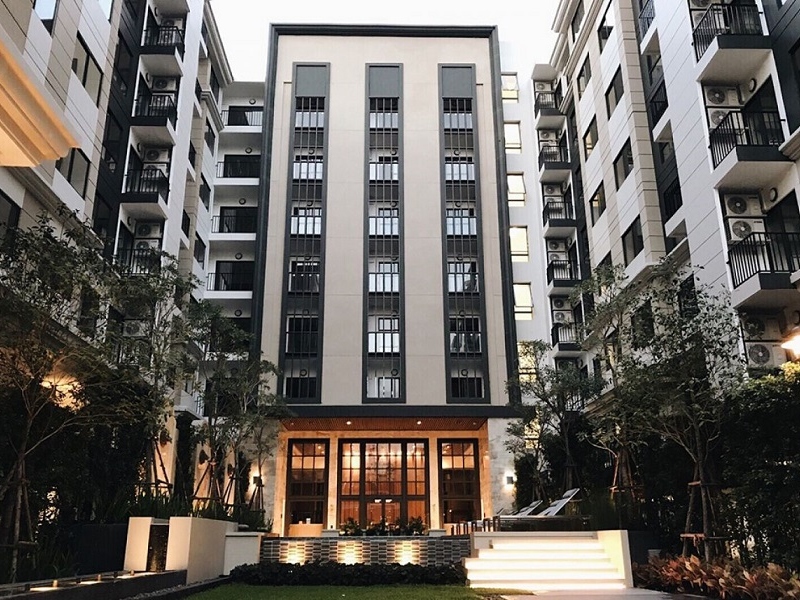
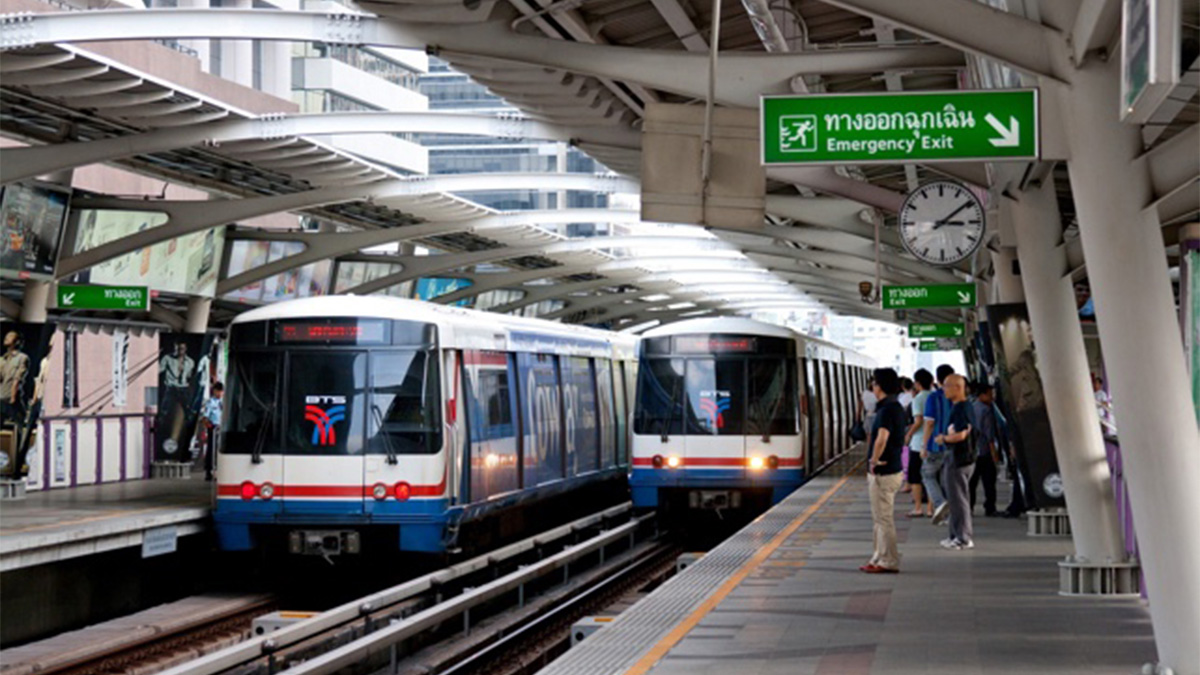
Bangkok condo walkability is not just a lifestyle preference. For foreign buyers, it affects daily comfort, tenant demand, resale appeal and how easy the unit is to use during short visits. A building can look close to a station, mall or park on a map, yet feel awkward in real life because of crossings, heat, rain, traffic, pavement quality or the final approach to the lobby.
Walkability is about the real daily route, not only the distance shown on a map.
The best way to judge walkability is to test the actual route. Do not rely only on distance. A five-minute walk with shade, a safe crossing and useful shops can be more valuable than a shorter route along a busy road with poor pavements. Buyers should inspect how the location works during normal weekday routines, not only during a quiet viewing.
Walk the routes that matter
Start with the routes a resident will use most: station, supermarket, coffee, pharmacy, gym, school pickup point, office shuttle, park, clinic, mall, taxi stand and food delivery area. If the condo is intended as a rental, walk the route as a tenant would. If it is for personal use, walk it with luggage, family members or the errands you expect to do in Bangkok.
Check both directions. A route that feels easy in the morning may be unpleasant at night. A crossing that seems manageable on Sunday may be difficult during office traffic. A pavement that works in dry weather may become uncomfortable in heavy rain.
Shade, crossings, traffic, dust and rainy-season comfort all affect how often residents walk.
Shade and weather change the decision
Bangkok’s heat and rainy season make shade, drainage and covered links important. A condo with trees, awnings, mall connections or short sheltered sections can feel more liveable than one with a completely exposed route. Buyers should also check whether puddles, uneven pavements or construction barriers make the route difficult after rain.
For older residents, children or frequent visitors, these details matter even more. A route that a young professional accepts may not suit parents, guests or tenants with mobility concerns. Good walkability broadens the potential resident pool.
Transport access is more than station distance
Being near BTS or MRT is helpful, but Bangkok residents often combine rail, taxi, motorcycle taxi, ride-hailing, ferries, airport links and walking. A strong location gives residents options. Check whether taxis can stop safely, whether ride-hailing cars can find the lobby, whether motorcycle taxis wait nearby, and whether the building has a practical drop-off during rain.
Investors should be realistic when a building depends on one inconvenient link. If tenants need to rely on a shuttle or motorcycle taxi for every journey, the rent should reflect that friction unless the unit offers other clear advantages.
The best condo locations make errands, transit and weekend routines feel simple.
Daily services create long-stay comfort
Walkability is strongest when useful services sit close together. A resident should be able to handle ordinary errands without turning every task into a car journey. Groceries, pharmacies, laundry, parcel drop-off, casual food, coffee, bank services, clinics and basic household shops all support long-stay comfort.
Foreign buyers should also check noise, smell, street lighting, nightlife, school traffic, construction and delivery activity. A lively street can be convenient, but it may affect sleep or privacy. A quiet street can feel calm, but it may be less comfortable after dark. The correct balance depends on the intended user.
How walkability affects resale
Future buyers and tenants make quick judgements. If the route from station to lobby feels obvious and comfortable, the condo is easier to explain. If the route needs a long caveat, the unit may be harder to market. Walkability can therefore support resale, especially when competing buildings offer similar layouts and facilities.
It also protects owner use. A foreign owner visiting Bangkok for short stays will notice daily friction quickly. A location that makes breakfast, transport, errands and evening plans simple is more likely to be used regularly and maintained well.
Buyer checklist
Walk the actual route to station, shops and daily services.
Test the area at peak hour, evening and after rain where possible.
Check crossings, shade, lighting, pavements and construction barriers.
Observe taxi, ride-hailing, delivery and drop-off routines.
Listen for traffic, nightlife, school and construction noise.
Ask whether the route suits the intended tenant, family or owner use.
Buyer takeaway
Bangkok walkability is a practical ownership filter. Foreign buyers should test the routes that define daily life, not only the distance shown online. The strongest condo locations make transport, errands and weekend routines feel natural, which supports liveability, rental appeal and resale confidence.
IBP helps foreign buyers compare Bangkok condos by district, walking route, transport access and lifestyle fit. Browse our Bangkok lifestyle guides or contact IBP Real Estate for a location shortlist.
A Bangkok condo purchase is not finished when the transfer is registered. For foreign owners, the first few weeks after handover should be used to make the unit practical: electricity, water, internet, access cards, appliance warranties, juristic office records and payment routines need to work before the owner, tenant or guest arrives.
Utilities setup is rarely difficult, but it can become slow when documents are scattered or the owner is overseas. The safest approach is to build a handover file that connects the title transfer, juristic office requirements, meter readings, bank payments and tenant-ready condition in one place.
The juristic office is usually the practical starting point after transfer.
Start with the juristic office
In most condominiums, the juristic office is the practical gateway for move-in. It can confirm the registered owner, common-area rules, access cards, parking stickers, renovation procedures, parcel handling, move-in deposits, lift protection and the normal process for tenant registration. Foreign buyers should visit or appoint a trusted representative immediately after transfer.
Ask for the current common-fee account, sinking-fund record, insurance details for the building, emergency contact numbers and the process for reporting water leakage, air-conditioning drainage or electrical issues. The answers vary by building. A premium tower may have a formal resident app and concierge system; an older building may rely on paper forms and direct contact with management.
Owners should also decide who is authorised to speak with management. If an agent, lawyer, family member or property manager will collect keys, book technicians or receive invoices, give the juristic office clear written instructions. Ambiguous authority can delay repairs and make overseas ownership more difficult than it needs to be.
The key is not to assume. A unit that looks complete can still be missing access cards, mailbox keys, internet permission, parking documentation or a clear payment reference. These small gaps matter if the owner plans to lease quickly.
Electricity and water checks
At handover, record the electricity and water meter readings with dated photographs. Check whether bills are paid directly to the utility provider, through the juristic office or through a building payment portal. Some owners prefer to keep bills under the owner name and recover them through the lease; others require the tenant to pay directly where the building process allows it.
Before a tenant moves in, test the distribution board, lighting circuits, water pressure, water heaters, air-conditioning units, extractor fans and any smart-home controls. A new-looking appliance is not enough. Owners should keep warranty cards, manuals and installer contacts in a shared file so repairs do not become a negotiation during the tenancy.
If the unit will be vacant for a period, ask the juristic office how often the room should be aired, whether water valves should be closed and how access can be arranged for emergency checks. Bangkok humidity makes prevention more useful than delayed repair.
Meter readings, appliances and internet readiness should be checked before occupancy.
Internet, mobile signal and work-from-home readiness
Internet setup is now part of the rental product. Many tenants work remotely or take regional calls from home, so a condo should be tested for fibre availability, router location, mobile signal, desk placement and video-call lighting. The best package is not always the most expensive; it is the one that can be installed cleanly and supported quickly.
Some buildings restrict where technicians can work, require advance booking or have preferred service providers. Check this before advertising the unit as tenant-ready. If the unit has thick walls or a deep layout, consider whether a mesh router or better cable routing is needed.
For owners who visit Bangkok several times a year, a reliable connection also protects personal use. It allows remote monitoring of appliance issues, smoother communication with managers and a better experience when the owner arrives after a long flight.
Payments, records and overseas management
Foreign owners should set up a simple payment routine for common fees, utilities, internet and property management. A Thai bank account can help, but the owner still needs clear reminders, invoice storage and a responsible person who checks whether payments are actually received. Missed common-fee payments can create avoidable friction with the building.
Keep a digital folder with the title deed copy, sale and purchase agreement, transfer receipt, passport copy, juristic contact sheet, meter readings, appliance warranties, insurance documents, photographs, lease template and tax-support records. This folder should be available to the owner and any appointed manager, but sensitive documents should not be casually shared with tenants.
If the unit is rented, the lease should state which utilities are included, how bills are settled, what happens if the tenant leaves unpaid bills, and how final meter readings are taken at check-out. A clear lease prevents small operational issues becoming deposit disputes.
A clean owner file makes overseas payments and tenant handover easier to manage.
Before you advertise the unit
Do a final tenant-readiness walk-through. Confirm keys, cards, internet, hot water, air-conditioning, curtains, appliance manuals, inventory list, emergency contacts and building move-in rules. Then photograph the unit in clean daylight. Strong utility preparation is invisible when it works, but very visible when it fails.
Foreign buyers can combine this checklist with IBP’s wider foreign buyer guides and expat living notes before transfer. The goal is a condo that is not only legally owned, but easy to occupy, lease and manage.
IBP can help buyers review a handover file, compare building management quality and plan a rental-ready setup before completion. That is usually cheaper than solving preventable problems after a tenant has already found them.
Bangkok’s rainy season is part of normal city life, but foreign condo buyers should not ignore it. A building that feels easy on a dry viewing day can feel very different when heavy rain arrives at school pick-up time, during an airport transfer or just before a tenant’s office commute. The best rainy season condo choices are not necessarily the highest or newest buildings. They are the ones with practical access, good management and routines that still work in wet weather.
Rainy season living is mostly about routines, access and building management rather than dramatic weather.
In May 2026, the Bangkok Metropolitan Administration said it was preparing for the season with drainage-pipe work, canal clearing and pumping readiness. That city-level preparation matters, but it does not replace building-level due diligence. A buyer still needs to ask how the street outside the condo behaves, whether the entrance floods, how residents reach transit, and how the juristic team manages leaks, lifts and car-park access during storms.
Rainy season should be treated as a liveability test. If a unit is intended for personal use, wet-weather routines will shape daily comfort. If it is intended for rental, tenants will judge the building by how easily they can get to work, receive deliveries, use ride-hailing, keep shoes and laundry dry, and avoid repeated inconvenience.
Start outside the lobby
A polished lobby tells only part of the story. Walk the route from the building to the nearest BTS, MRT, pier, office shuttle, supermarket or main road. Check whether the pavement is level, whether there is shelter, whether puddles collect at the entrance, and whether cars can safely stop without blocking traffic. During rainy season, a five-minute walk with no shelter can feel much longer.
Foreign buyers should also check the approach road. Some Bangkok sois drain quickly. Others hold water after heavy rain. The difference affects taxi access, food delivery, school runs and tenant satisfaction. Ask the juristic office and nearby shop staff what happens after a downpour. Local answers are often more useful than a dry-season map.
City drainage preparation is a reminder to check each building’s own flood and access management.
Read city preparation as context
BMA’s May 2026 update described a shift from reactive flood response to more coordinated preparation, including drainage-pipe clearing, canal work and pumping-station readiness. For residents, this is encouraging because it shows the city is treating intense rain as an operational issue. For buyers, it is a reminder to check the micro-location rather than assuming the city can solve every access problem equally.
A building near a major road, rail station, canal, park or underpass can experience rain differently from another building only a few blocks away. The safest due diligence includes visiting after rain if possible, asking for building incident history, and checking whether the car park, basement, generator room, electrical rooms and lift lobbies are protected.
Covered access can be more valuable than a longer facility list
Some of Bangkok’s most comfortable rainy season addresses are not the most dramatic. They have sheltered drop-off points, practical taxi circulation, covered links to retail, a short route to rail, good parcel handling and reliable maintenance. These features are easy to underestimate in a sales gallery because they are not as photogenic as a pool deck. Tenants notice them quickly.
For families, covered access to schools, supermarkets and clinics can matter. For executives, the ability to move between condo, car and office without disruption can support a higher rent. For older residents, step-free access and safe pavements become part of the property’s liveability value.
Check the building envelope
Inside the unit, rainy season checks should include window seals, balcony drainage, air-conditioning condensate, bathroom ventilation, ceiling stains, swollen timber, musty smells and evidence of past leaks. In high-rise units, wind-driven rain can reveal problems that are invisible during normal viewings. In older buildings, small leaks may have been patched repeatedly rather than repaired properly.
Ask when the facade, roof, balconies and drainage pipes were last inspected. For resale units, request repair records if there has been water ingress. A beautiful view is less valuable if the balcony drains poorly or the window frame lets water in during heavy storms.
Covered links, short walks and reliable transport matter more during wet-season commutes.
Think about tenant routines
A rainy season rental strategy should be practical. Tenants may ask about washing machines, dryers, shoe storage, parcel areas, ride-hailing pick-up points, parking, building apps and how quickly maintenance requests are handled. Small details can make a unit feel easier to live in. A landlord who provides dehumidifying habits, clear air-conditioning servicing and sensible storage may reduce complaints.
If the target tenant is a foreign executive, the commute matters. If the target is a family, school and clinic routes matter. If the unit is near a lifestyle district, sheltered access to malls, grocers and restaurants matters. Rain does not make Bangkok less liveable; it makes convenience more visible.
When rainy season can be an advantage
Viewing during wet weather can help buyers negotiate and choose better. It reveals which buildings function well, which streets drain quickly and which lobbies manage traffic calmly. A buyer who only inspects in perfect weather may miss operational weaknesses that local tenants already understand.
Rainy season also highlights why Bangkok remains attractive. The city has dense retail, food delivery, transport options, private healthcare, serviced residences and neighbourhood amenities that keep daily life moving. Buyers who select the right building can enjoy that depth without treating every storm as a disruption.
Practical buying takeaway
Before committing, test the walking route, ask about flooding history, inspect the unit for water marks, confirm basement and car-park protection, check lift and generator maintenance, and understand how the juristic team communicates during storms. These checks are simple, but they can protect comfort, rentability and resale value.
For buyers relocating to Bangkok or choosing a rental investment, rainy season is a useful reality check. IBP’s expat living guides can help connect lifestyle needs with building-level due diligence before a purchase decision is made.
Foreign buyers often compare Bangkok condominiums by BTS distance, view, price per square metre and building age. Those checks are important, but daily life usually depends on a quieter question: how easy is it to buy food, collect medicine, receive deliveries and handle small errands without turning every weekday into a trip across town?
Retail depth matters because residents need food, pharmacy, banking and daily services, not only restaurants.
Grocery access is one of the most practical liveability signals in Bangkok. It affects owner use, tenant satisfaction, family routines, ageing-in-place comfort and resale appeal. A condominium can be beautiful, but if the nearest supermarket is awkward to reach in heavy rain or evening traffic, the location may feel less convenient after the first month.
For foreign buyers, this is especially relevant because Bangkok living is often built around routines: school runs, gym visits, healthcare appointments, work commutes, delivery windows, weekend meals and airport trips. A good condo address should make those routines easy, not merely look impressive during a viewing.
Think beyond the nearest mall
A large mall nearby can be useful, but it is not the whole answer. Buyers should check whether there is a supermarket that suits the household’s actual diet, a pharmacy that stays open late, a convenience store for small items, cafes for quick meetings, dry cleaning, parcel handling and a reliable route for food deliveries. The most liveable areas offer layers of service at different price points.
This is where districts such as Phrom Phong, Thonglor, Ekkamai, Chit Lom, Ari, Sathorn, Silom, Rama 9 and selected riverside pockets can differ sharply from building to building. A unit may be in a recognised district but still sit on a soi that is difficult for walking, taxis or delivery riders. The detail matters more than the district label.
A good condo location makes weekday errands simple in heat, rain and evening traffic.
How grocery access affects rental demand
Tenants may not mention grocery access first, but they feel it quickly. A professional tenant wants to get home, eat, exercise and rest without losing time. A family wants predictable supermarkets and pharmacies near schools or hospitals. A second-home owner wants the unit to be usable immediately after landing in Bangkok. Daily convenience can help tenants renew because the location fits their life.
Foreign landlords should also think about furnishing and storage. If the building is near supermarkets and delivery services, tenants may cook more often and value a practical kitchen, full-height fridge, storage, washing machine and durable surfaces. A small unit can still feel liveable if the surrounding services reduce friction.
View the area like a resident
Walk from the building to the nearest supermarket in daytime and after dark.
Check whether the route works in heat, rain and peak traffic.
Look for pharmacies, convenience stores, banks, parcel services and dry cleaning.
Test delivery app coverage and whether riders can access the lobby efficiently.
Ask the juristic office about food delivery, parcel storage and visitor procedures.
Compare the routine for car owners, BTS or MRT users and residents who rely on taxis.
A viewing at 11 a.m. on a quiet weekday can hide the real experience. Try the location at the time a resident would actually shop, commute or return from dinner. Watch traffic at the soi entrance, pedestrian crossings, motorcycle flow, pavement condition and lighting. Bangkok rewards buyers who test the ordinary details.
The best liveability decisions match the building to a resident’s weekly routine.
Not every buyer needs the same pattern
A single executive may prioritise a high-quality supermarket, BTS access and quick food delivery. A family may need a larger grocery shop, international school route, paediatric clinic and car-friendly parking. A retiree or long-stay owner may care more about pharmacies, quiet walking routes, healthcare access and nearby cafes. The right condo depends on the intended resident, not on a universal lifestyle formula.
This is why foreign buyers should write a weekly routine before choosing a district. Where will the resident buy breakfast, refill medicine, receive parcels, exercise, shop for groceries and meet friends? If the answers are all easy within a small radius, the condominium has a stronger liveability base.
Buyer takeaway
Bangkok grocery access may sound ordinary, but it is one of the clearest tests of whether a condominium will work after transfer. Foreign buyers should judge daily services, delivery access, walkability and building procedures alongside price, view and facilities.
IBP can help buyers compare Bangkok districts by real living routines, not only headline addresses. Browse our Bangkok lifestyle guides or contact IBP Real Estate for neighbourhood-led advice.
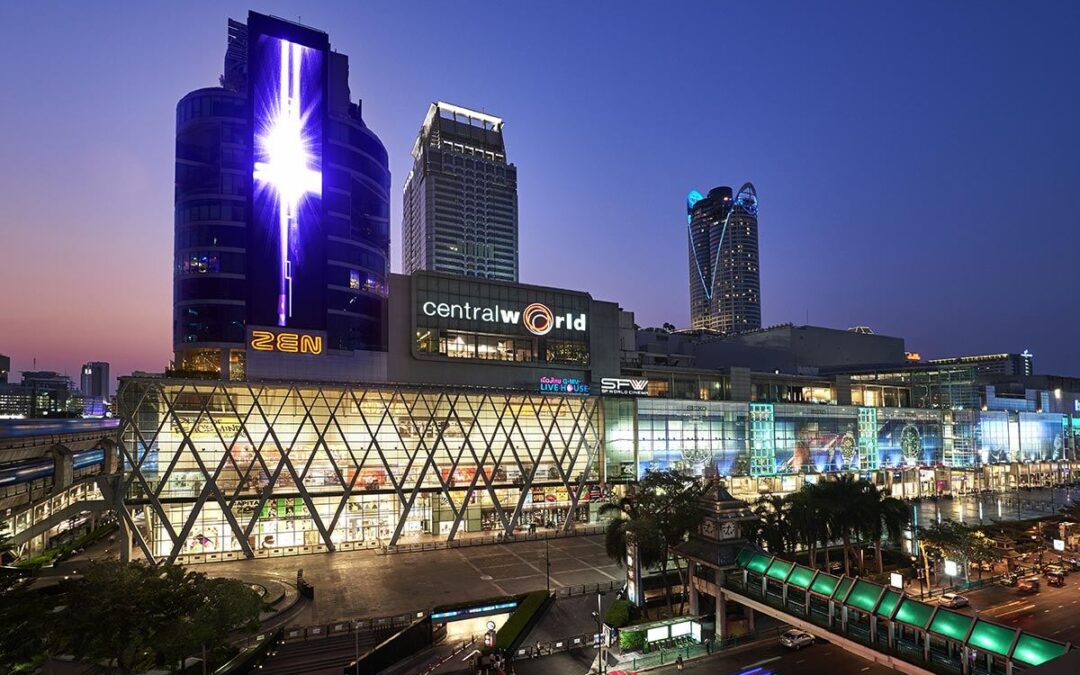
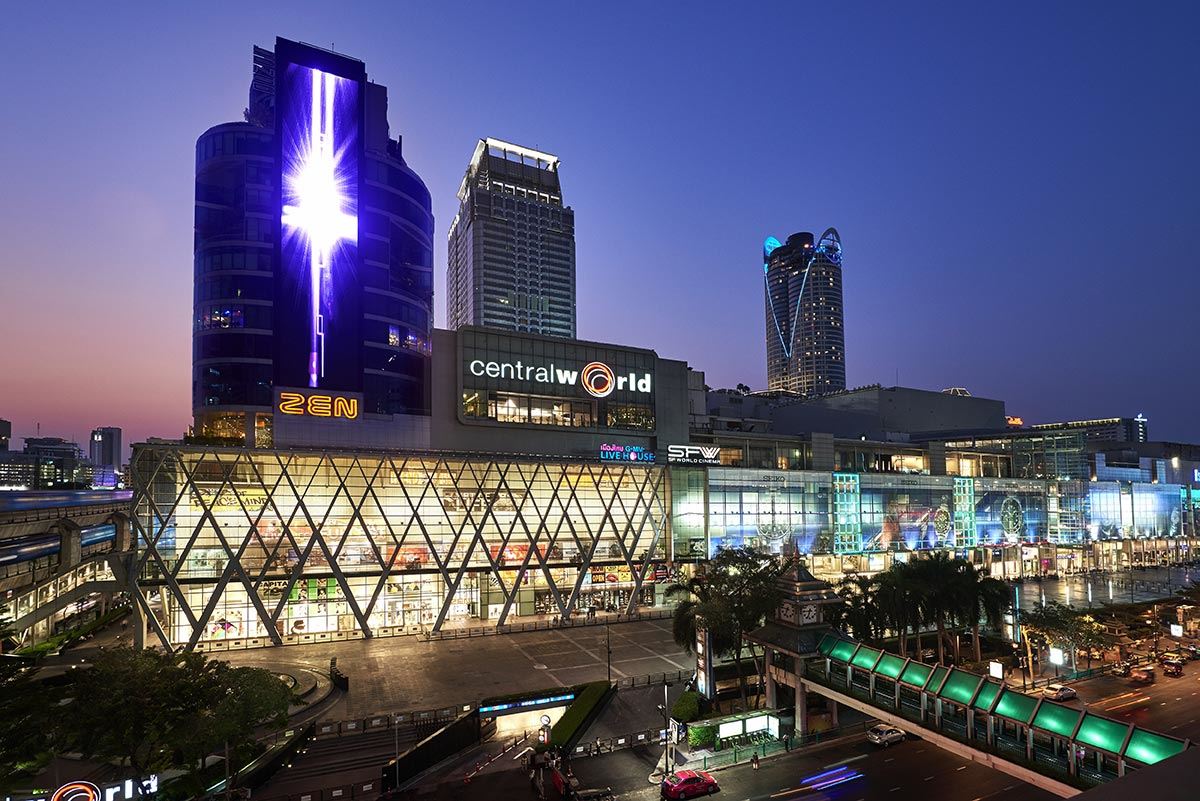
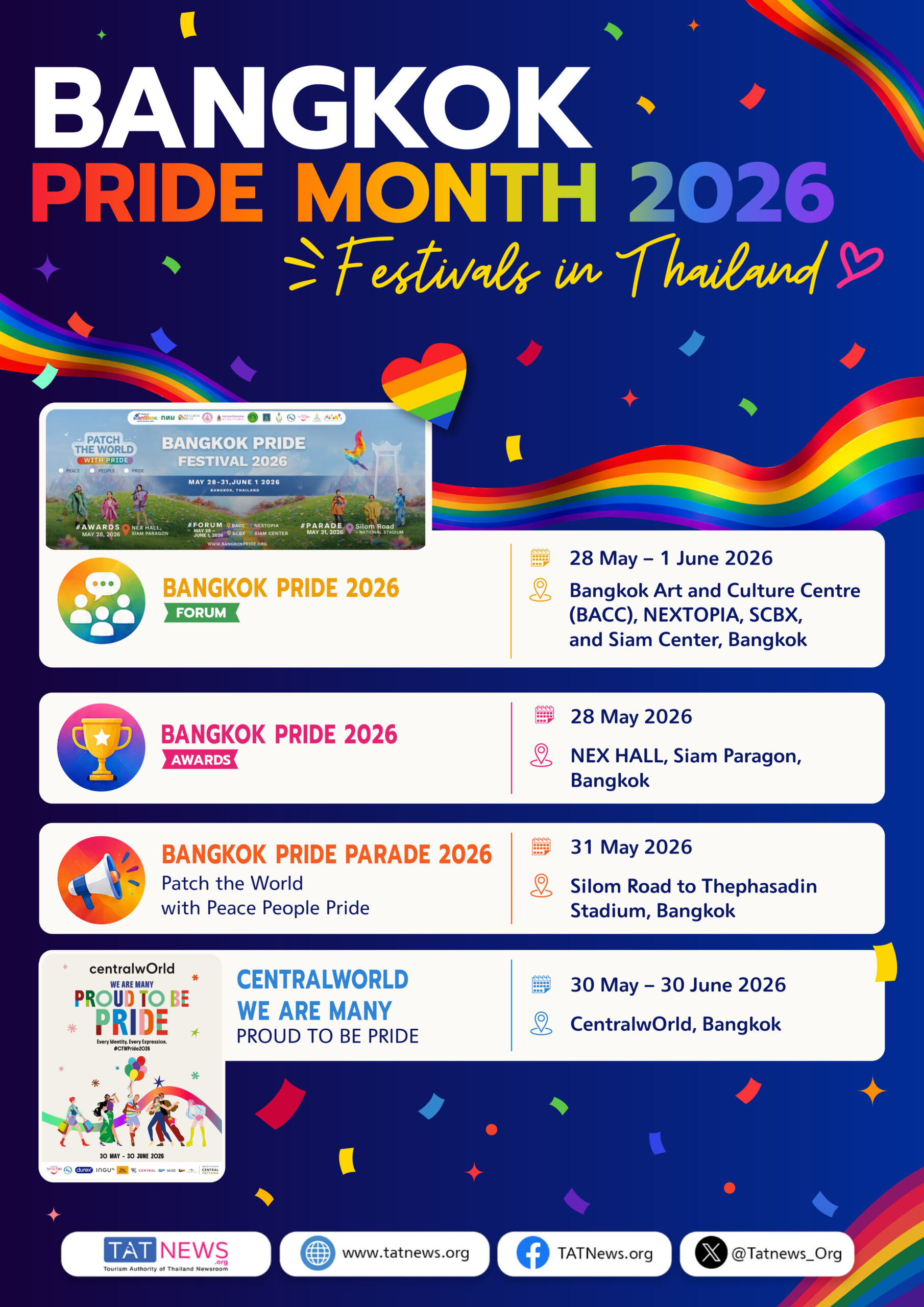
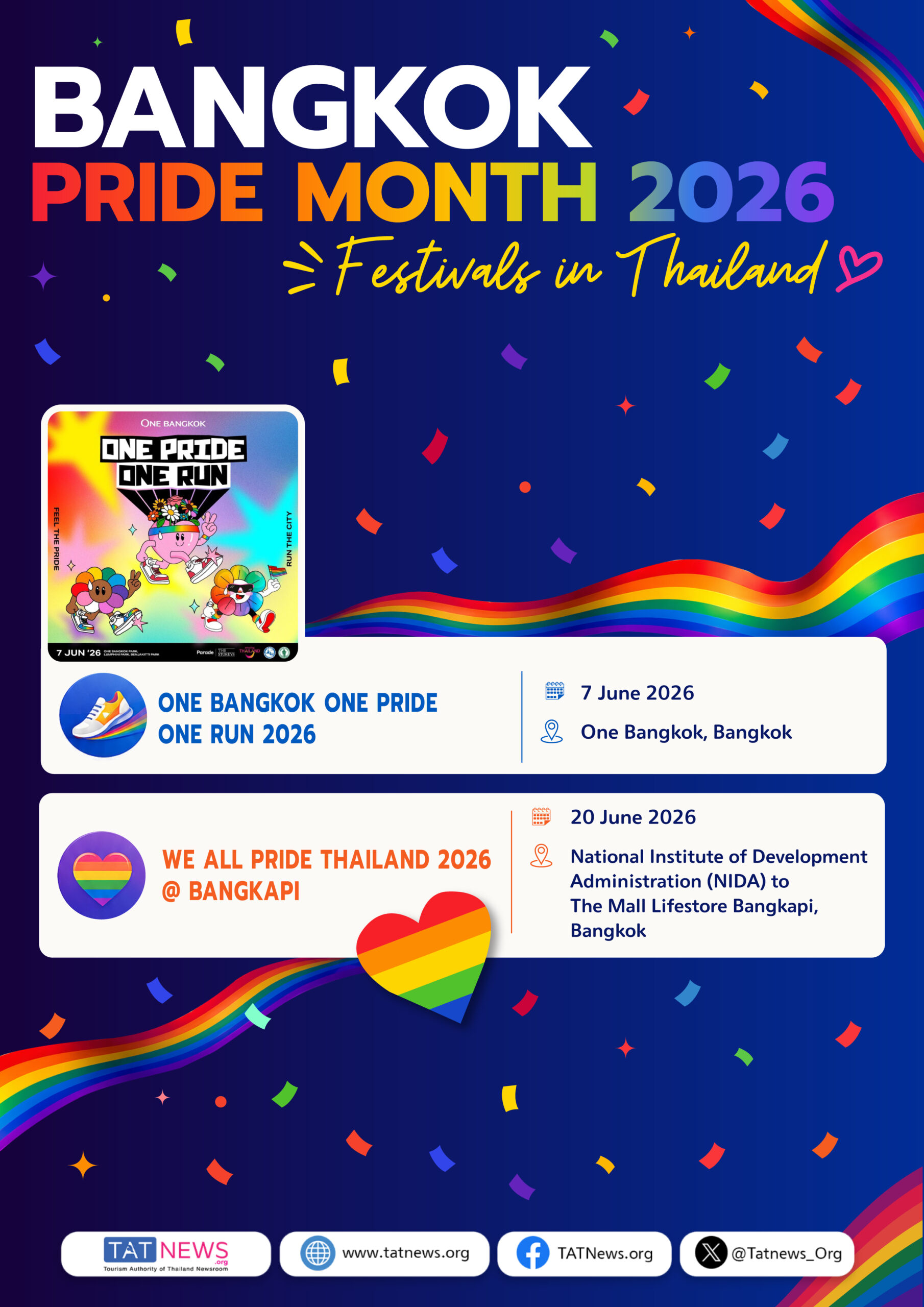
Bangkok Pride Month is useful evidence for foreign buyers because it shows the city as a lived environment, not only an investment market. TAT’s Pride Month Festivals 2026 calendar lists several Bangkok events, including Bangkok Pride 2026 awards at NEX HALL, Siam Paragon on 28 May, the Bangkok Pride Parade from Silom Road to Thephasadin Stadium on 31 May, a forum from 28 May to 1 June, CentralwOrld’s WE ARE MANY programme from 30 May to 30 June, and One Bangkok One Pride One Run 2026 on 7 June.
Pride Month programming adds another layer to Bangkok’s international city life.
For property buyers, this is not simply an events diary. Pride Month shows how Bangkok’s central districts handle identity, culture, public space, retail, mobility and social life. Those qualities influence whether a foreign resident feels comfortable using the city, inviting friends, staying longer and treating Bangkok as more than a short-term investment location.
Liveability is a property fundamental
Foreign buyers often begin with price per square metre, BTS distance and rental yield. Those are necessary, but they are not enough. A city that feels open, active and socially varied can support deeper residential demand. Events, parks, galleries, malls, dining districts and community programming all help residents build routines outside the building.
Bangkok’s Pride Month calendar touches several key zones: Siam, Silom, BACC, Siam Centre, CentralwOrld, Bangkapi and One Bangkok. This spread matters. It shows that lifestyle energy is not confined to one road. Buyers should look at how their target district connects to these civic and cultural nodes by BTS, MRT, walking routes and ride-hailing practicality.
Events along central corridors help buyers understand how neighbourhoods are used beyond office hours.
What Pride tells buyers about districts
Silom has long carried an international, office, nightlife and community identity. Siam and Ratchaprasong show the power of retail-led public programming. One Bangkok points to the newer integrated-district model, where offices, homes, retail, parks, hotels and events are planned together. Bangkapi reminds buyers that Bangkok liveability also extends beyond the most expensive central addresses.
A buyer does not need to purchase beside a parade route. The practical point is to judge whether the condominium connects to the Bangkok life the buyer wants. Some owners want a quiet building with quick access to events. Others want to be in the middle of activity. A good decision starts with that lifestyle fit before comparing unit finishes.
How to use events as neighbourhood due diligence
Visit the district during an event and on a normal weekday evening.
Check whether BTS, MRT, taxis and walking routes remain comfortable when crowds gather.
Look for restaurants, parks, supermarkets and services that work outside event periods.
Ask whether tenants in the building value culture, offices, schools, healthcare or nightlife most.
Balance private facilities with the public life available around the building.
Events can make a neighbourhood look exciting for one day, but buyers need to know what remains afterwards. The strongest liveability comes from repeated use: grocery shopping, coffee, exercise, commuting, healthcare, dinner, weekend culture and simple safety. Pride Month is a helpful lens because it makes public space and connectivity visible.
Inclusive public events can make Bangkok feel more open, social and globally connected for residents.
Why inclusion supports confidence
International buyers compare Bangkok with other regional cities. They think about property law, price, schools, healthcare, visas, transport and rental demand, but they also ask whether the city feels globally connected. Inclusive public programming helps answer that question. It signals that Bangkok can host residents and visitors with different identities, backgrounds and lifestyles.
This supports the city’s premium positioning when paired with practical strengths: airport access, private hospitals, international schools, retail depth, hospitality and established expat networks. A condominium in a well-connected district benefits when the wider city gives residents reasons to stay engaged year after year.
Buyer takeaway
Bangkok Pride Month 2026 is a liveability signal. It shows a city with public energy, cultural confidence and international reach. Foreign buyers should use events like these to test neighbourhood fit, transport comfort and lifestyle depth before choosing a condominium.
IBP can help overseas buyers compare Bangkok neighbourhoods by lifestyle, commute, tenant demand and investment logic. Browse our Bangkok lifestyle guides or contact IBP Real Estate for a neighbourhood-led shortlist.