
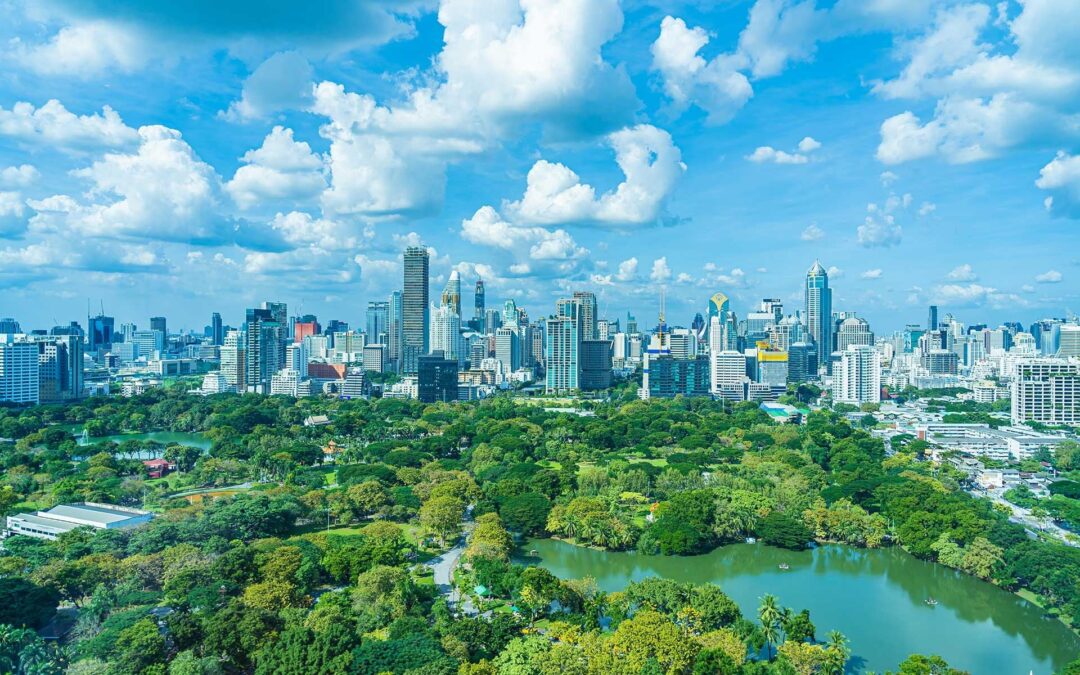
Bangkok green space is not only a weekend amenity. For a long-stay resident, access to a park, shaded route or smaller pocket of planting can change how often it feels comfortable to walk, exercise, meet friends or take a break from a high-rise home. Foreign condo buyers should therefore assess green space as part of everyday liveability, not as a decorative map feature.
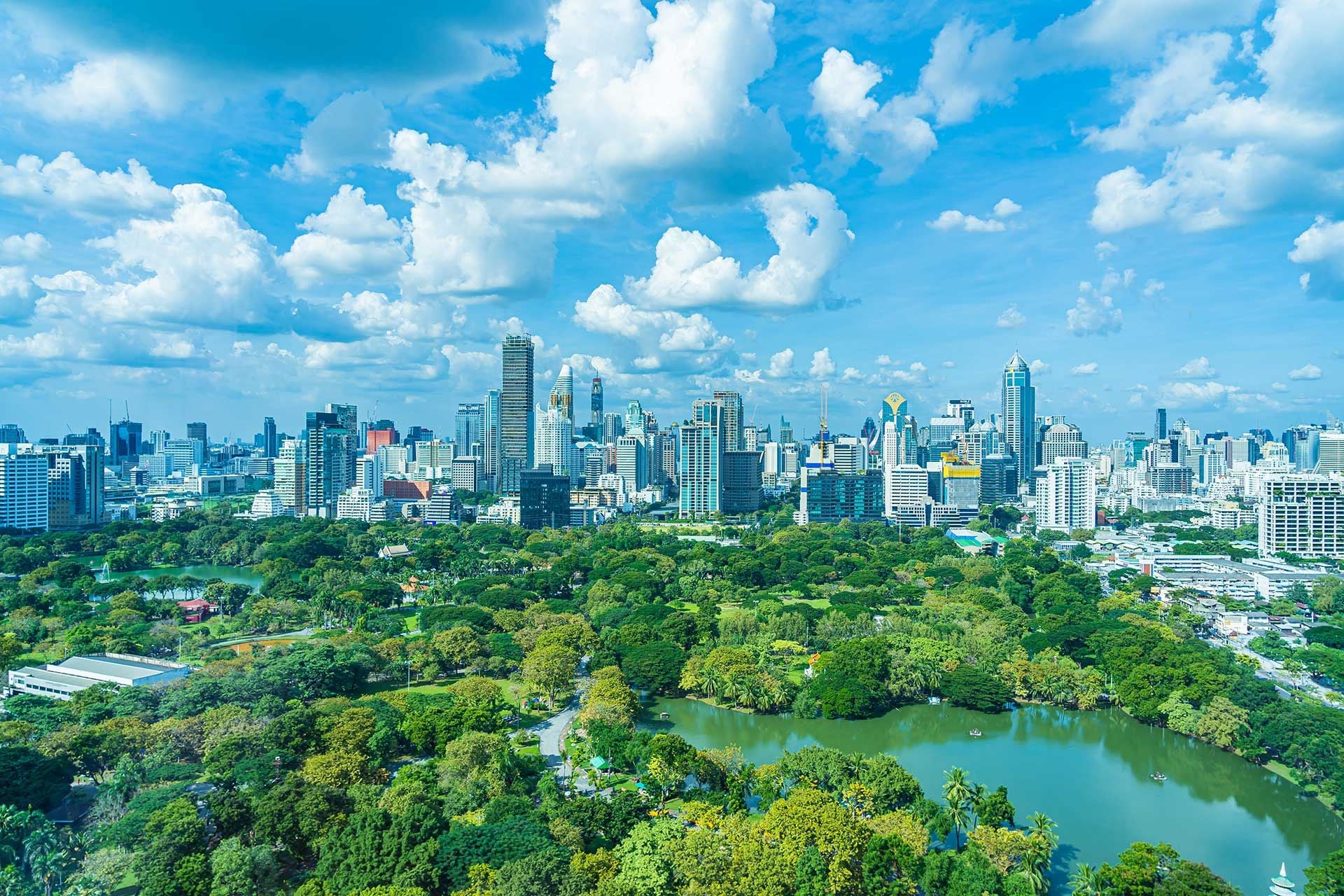
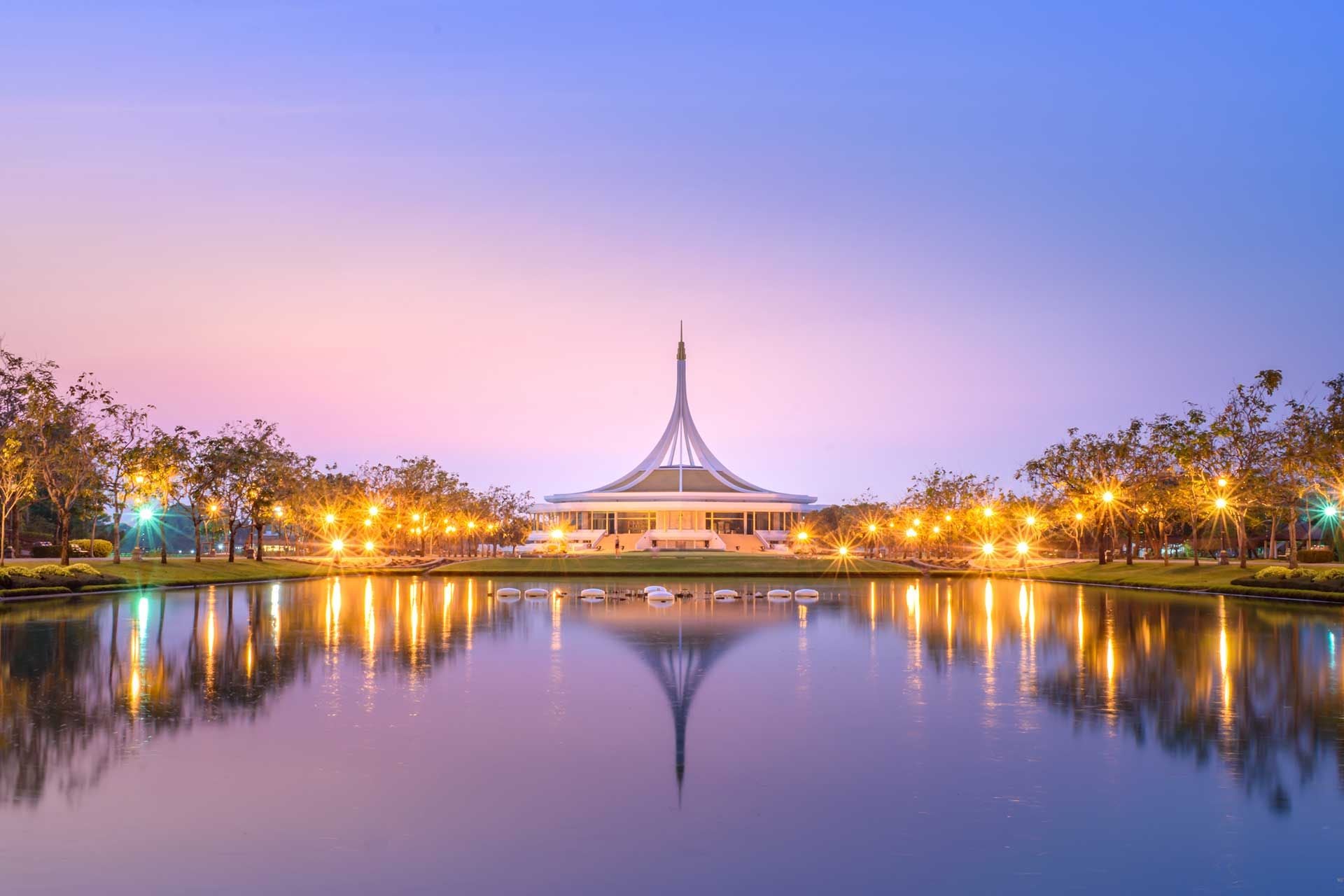
Major parks such as Lumphini, Benchakitti and Suan Luang Rama IX offer distinctive experiences, but proximity alone does not settle the property decision. Entrances, crossings, opening times, heat, rain, traffic and the route from the lobby all affect whether a resident will actually use a space. A smaller local park reached easily may add more daily value than a famous park requiring an awkward journey.
Begin with the routine you want
Define what green space needs to do for you. A runner may value a continuous loop and early access. A family may look for play areas, toilets, seating and a route suitable for a pushchair. An older resident may prioritise shade, level paths and easy taxi pickup. A dog owner must check applicable rules rather than assume every open area is pet-friendly.
Write down frequency as well as purpose. A park used five mornings a week should be tested like a commute. A destination visited once a month can justify a longer trip. This distinction prevents buyers from paying a large location premium for an amenity that does not fit their real schedule.
Walk from the condo to the entrance
Property listings often measure distance to the edge of a park. Residents need an entrance they can use. Walk the complete route and note major roads, footbridges, junction waits, pavement condition, shade, lighting and drainage. Repeat the journey when traffic is busy and consider how it feels after dark.
Check whether the route works both ways when tired, carrying shopping or returning in rain. If a taxi or motorcycle ride is normally required, include that friction in the decision. The best green-space access is the one a resident can use consistently without turning a simple walk into a logistical exercise.
Compare large parks with local greenery
Large parks can provide long routes, varied landscapes and a stronger sense of separation from the city. They may support running, cycling, group exercise and weekend gatherings. Their scale can also make nearby districts attractive to residents who want urban convenience without giving up outdoor time.
Local parks, canalside paths, landscaped setbacks and quiet tree-lined streets play a different role. They can support a short evening walk, children’s outdoor time or a calmer route to shops. Buyers should map several layers of green space rather than letting one landmark dominate the entire location assessment.
Inspect the condo’s own outdoor provision
A well-designed garden, terrace or pool deck can complement public space, especially during very hot or wet weather. Look at usable shade, seating, airflow, noise, maintenance and whether the area feels overcrowded at peak times. A photograph taken immediately after completion may not show how planting and surfaces have aged.
Ask how outdoor areas are maintained and whether major work is planned. Review common fees and the building’s financial position because extensive landscaping and water features require ongoing care. An attractive garden adds value only when management can sustain it.
Test comfort across Bangkok’s seasons
Green-space routines change with heat, heavy rain and air-quality conditions. Buyers should consider early-morning and evening access, sheltered alternatives and how the building supports indoor exercise when outdoor plans are uncomfortable. Keep expectations realistic: a nearby park does not remove the need to monitor conditions and adjust activity.
Observe water, mosquitoes, slippery surfaces and drainage after rain. Check the route during the season in which you are viewing, then ask how it changes at other times. A covered connection, convenient lift and practical lobby can be as important as the park itself when weather changes quickly.
Green space can widen the resident audience
For an investor, credible access to outdoor space may appeal to professionals, couples, families and longer-stay residents. It can make a compact unit feel more liveable because recreation is not limited to the condominium amenities. The benefit should be demonstrated through the actual route and neighbourhood rather than described with a vague claim of being near nature.
Do not assume a park view will remain open or that every tenant will pay a premium. Check orientation, heat, noise, surrounding land and competing units. A well-managed building with an easy entrance route may lease more defensibly than a higher-priced unit whose main selling point is a distant view.
Use green space to compare districts
When two condos meet the basic budget and transport brief, compare the complete liveability network: public parks, small open spaces, walkable errands, healthcare, food, culture and social life. Bangkok’s premium appeal comes from combining these choices, not from any single amenity.
A central buyer may value Lumphini or Benchakitti access alongside rail and office districts. A buyer farther east may prefer a larger home and planned trips to Suan Luang Rama IX. Neither is universally better. The right balance depends on how often the resident travels centrally, how much private space they need and what they enjoy doing outdoors.
Green-space viewing checklist
- Identify the exact entrance and opening arrangements.
- Walk the full route at the times you expect to use it.
- Check crossings, shade, lighting and drainage.
- Match facilities to running, family or mobility needs.
- Assess smaller local spaces as well as major parks.
- Inspect the condo’s gardens and maintenance quality.
- Plan indoor alternatives for heat, rain and poor air.
- Verify current rules directly before relying on a facility.
Green space rarely decides a purchase on its own, but it can make Bangkok condo life healthier, calmer and easier to sustain over many years. IBP helps foreign buyers compare homes by transport, neighbourhood and long-stay practicality. Browse our expat living guides and district guides, or contact IBP Real Estate for a lifestyle-focused shortlist.