

Absorption risk is one of the quieter checks foreign investors should make before buying a Bangkok condominium. It is not only a developer problem, and it is not limited to off-plan launches. Absorption risk is the chance that a unit, building or district has more competing supply than the target tenant or resale buyer can comfortably absorb at the price being assumed.

For a foreign buyer, this matters because a condo can be attractive in isolation yet still struggle if too many similar units are available. The investor may face longer vacancy, weaker rent negotiations, slower resale or a need to upgrade furniture and pricing just to stand out. A disciplined purchase starts by asking who else the unit will compete with.
What absorption risk means in practice
Absorption is often discussed in market reports, but investors can translate it into practical questions. How many similar units are available in the same building? How many comparable buildings sit within the same station catchment? Are new handovers adding similar one-bedroom or two-bedroom stock? Do tenants have many alternatives at the same budget?
The risk is not automatically bad. A district with many units can still perform if demand is deep, transport is strong and pricing is realistic. The danger appears when the investor pays as if demand is scarce while tenants and resale buyers can easily choose something similar.
Check the building before the district
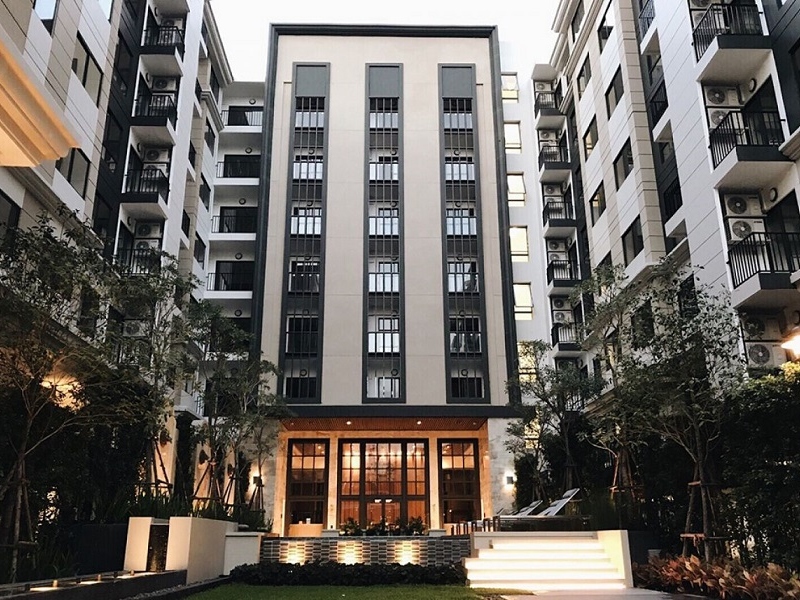
A broad Bangkok supply story is less useful than a building-level comparison. Start with the target building. Look at active listings, asking rents, furniture quality, view differences, floor levels, unit sizes and how long units appear to stay online. If many owners are advertising almost identical layouts, the unit needs a clear reason to win.
That reason might be a better view, stronger furniture package, cleaner condition, lower rent, more flexible lease terms, a better parking arrangement, superior management or a more convenient floor. If the target unit has no advantage, absorption risk should be priced into the offer.
New supply can reset tenant expectations
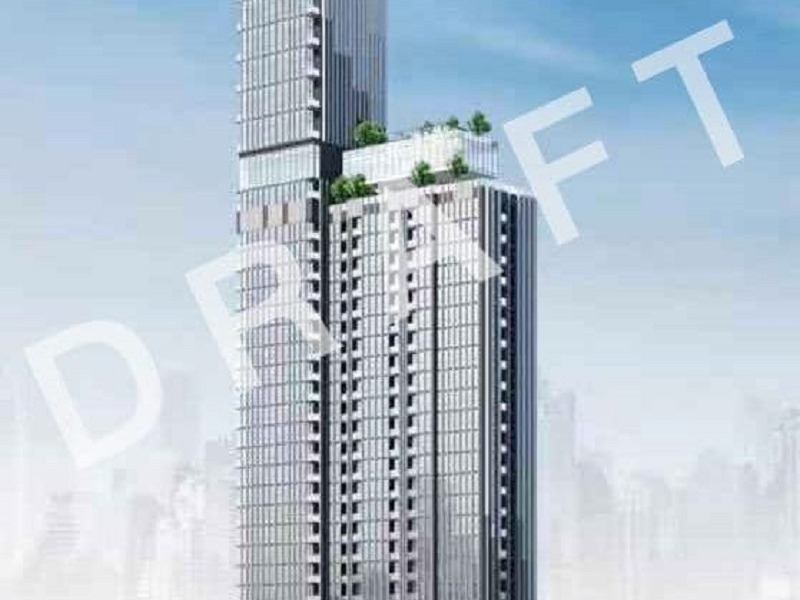
Newly completed projects can affect older buildings nearby, especially when developers or first owners offer fresh furniture, promotions or modern facilities. Tenants may prefer a newer gym, cleaner lobby, better parcel systems or a more current room design. Older buildings can still compete, but only if they have strengths such as larger layouts, lower total rent, better location or stronger management.
Investors should ask whether future handovers are likely to put similar units into the rental market during the planned holding period. This does not require a precise forecast. It requires humility about competition and a willingness to avoid paying a premium for a unit that will not be scarce.
Absorption risk affects resale too
Resale buyers compare listings just as tenants do. If a future buyer can choose from many similar units in the same building or station area, the seller may need to compete on price, renovation quality, speed and flexibility. A unit that rented acceptably may still be difficult to sell if the resale audience has stronger alternatives.
This is why investors should think about exit before purchase. Ask whether the future buyer is likely to be an owner-occupier, landlord, Thai buyer, regional investor or another foreign buyer. If the answer is vague, the resale strategy may depend too much on general market optimism.
How to reduce absorption risk
- Choose buildings with clear management quality and resident appeal.
- Avoid paying a high premium for layouts that are widely available nearby.
- Compare active rental and resale listings before making an offer.
- Check future handover pressure in the same station or district catchment.
- Buy units with practical advantages: light, storage, condition, view, privacy or access.
- Keep rent assumptions conservative when competing supply is visible.
When supply can be an advantage
Not all competition is negative. A district with multiple buildings, offices, retail and transport can become easier for tenants to understand. Agents may bring more enquiries to an active area. Services improve when there is a resident base. The key is whether the chosen unit sits in the stronger part of that district story.
Foreign investors should therefore avoid simplistic thinking. A low-supply building in a weak location can still be hard to rent. A high-supply district can work when the unit is priced well and selected carefully. Absorption risk is about matching the asset to real demand, not avoiding competition altogether.
Model a slower start
Investors should be especially careful around handover periods, renovation periods and lease-up seasons. If several owners in the same building list units at once, the first lease may take longer or require a sharper rent. A conservative buyer should keep enough cash for furnishing, marketing, vacancy and minor price adjustment rather than assuming the unit will rent immediately.
Buyer takeaway
Bangkok condo absorption risk is best handled before purchase, not after a unit sits vacant. Foreign investors should compare competing units, future handovers, building quality and exit audience before accepting rent or resale assumptions. The safest investment is not always the most unusual unit. It is the one that gives tenants and buyers a clear reason to choose it.
IBP helps foreign buyers compare Bangkok condos by supply risk, rental logic and resale defensibility. Read more in our investment analysis archive or contact IBP Real Estate for a focused buyer shortlist.