

Foreign investors often ask whether a new-build or resale Bangkok condo is the better purchase. Neither route is automatically superior. The useful question is which option offers the stronger evidence, risk control and exit path for a particular budget and holding plan.

A fair comparison keeps location, unit size, target resident and total capital broadly aligned. Comparing a compact completed unit beside an MRT station with a larger off-plan unit in an emerging district says more about the locations than about new-build and resale property.
Define what each label means
A new-build purchase may involve an off-plan contract, a building under construction or a newly completed project with developer inventory. A resale purchase normally means acquiring from an existing owner after the unit has been transferred at least once.
Those categories contain important variations. A completed developer unit has different risks from an early off-plan purchase. A lightly used resale in a recent building differs from an older unit needing renovation. Record the actual transaction structure before comparing headline prices.
Compare the all-in acquisition cost
Begin with the agreed unit price, then add every amount needed to reach a rentable or liveable condition. The list can include reservation and contract payments, transfer-related costs, furniture, appliances, inspection, legal work, repairs, curtains, connectivity and a contingency allowance.
Promotions can obscure the comparison. A developer package may include furniture or fee support but still require upgrades. A resale may appear cheaper yet need air-conditioning work, replacement appliances or a full refresh. Assign a realistic value only to items the buyer would otherwise purchase.
Use evidence appropriate to the stage
With a completed resale, the buyer can inspect the exact view, noise, light, common areas and wear. The building also has an operating history. Ask for juristic records, common-fee information, maintenance evidence and details of known major works through the appropriate professional review.
A new-build buyer relies more heavily on contractual specifications, approved information, developer capability and construction progress. Study the unit plan, dimensions, material schedule, payment milestones, completion provisions and the process for recording and correcting defects.
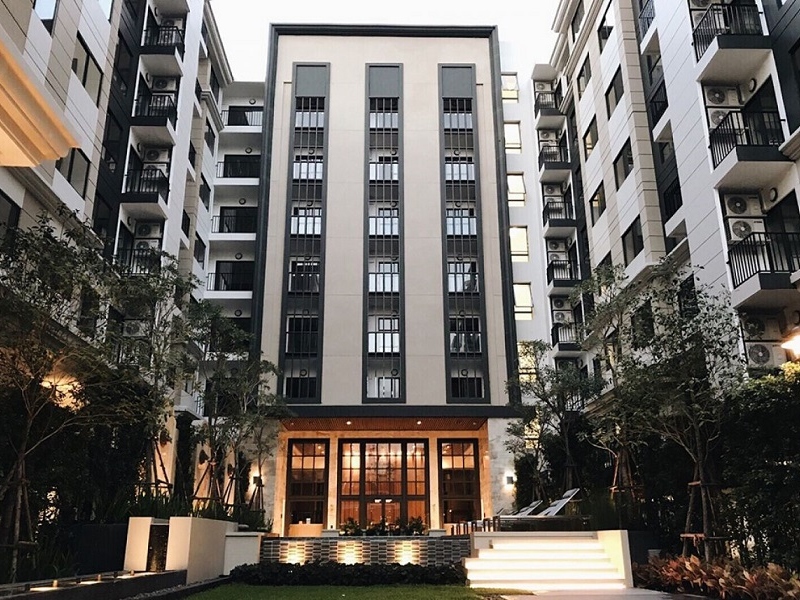
Separate design appeal from functional value
New projects may offer modern finishes, efficient shared amenities and presentation designed for current buyers. Resale units may offer larger rooms, established landscaping or a location where developable land is limited. Neither advantage is universal.
Test the home against daily use. Check furniture walls, storage, kitchen function, laundry position, bathroom ventilation, work space and circulation. A photogenic show unit can be inefficient, while an older plan can remain highly practical after sensible maintenance.
Measure the route to rental income
A completed resale can potentially enter the leasing market sooner, subject to transfer, preparation and building rules. It also allows the investor to examine comparable listings and, where lawfully available, documented leasing history. That evidence still needs careful interpretation.
An off-plan unit creates a period before possession when no rent is available and the future competitive set can change. Model the holding plan from actual payment dates, not only from completion. Include furnishing, defects, marketing and vacancy after handover before assuming normal occupancy.
Study building competition
At launch, many similar units may be sold with the same marketing story. At completion, owners can list comparable layouts together. A resale building may already show how often units become available, how listings differ and whether maintained homes command better attention.
Count competing units within the building and nearby projects that target the same resident. Compare floor, orientation, condition, furniture, view and asking history. The relevant competition is rarely every condo in the district.

Assess management and maintenance risk
For a resale, inspect how the juristic person handles cleaning, security, plant, lifts, water systems and repairs. Review records with qualified advisers and understand planned expenditure. Visible presentation is useful, but financial and operational documents can reveal different issues.
For a new-build, the future management culture is not yet observable. Examine the proposed common budget, handover arrangements, warranty process and developer record without assuming that every earlier project will perform identically.
Plan the exit before choosing
A new-build buyer should consider what will distinguish the unit once it becomes a resale competing with developer stock and other owners. A resale buyer should consider the building’s future age, maintenance trajectory and likely buyer pool at the intended exit date.
Ask who may buy next: an owner-occupier, local investor, foreign buyer or landlord seeking a ready tenant. Ticket size, foreign-quota availability, transfer documentation and the ease of viewing can all influence the practical exit.
Build a matched comparison sheet
- Keep district, budget, size and target resident comparable.
- Calculate total cash required through rental readiness.
- Record what can be inspected and what remains contractual.
- Model the period before income and a realistic vacancy allowance.
- Compare actual competing units, not marketing averages.
- Review building management, maintenance and planned expenditure.
- Stress-test completion, repair, furnishing and exit scenarios.
- Use independent legal and technical professionals where appropriate.
The better purchase is the one whose risks the investor can understand, finance and manage. Explore IBP’s investment analysis and resale strategy guides, or contact IBP Real Estate for a matched new-build and resale shortlist.