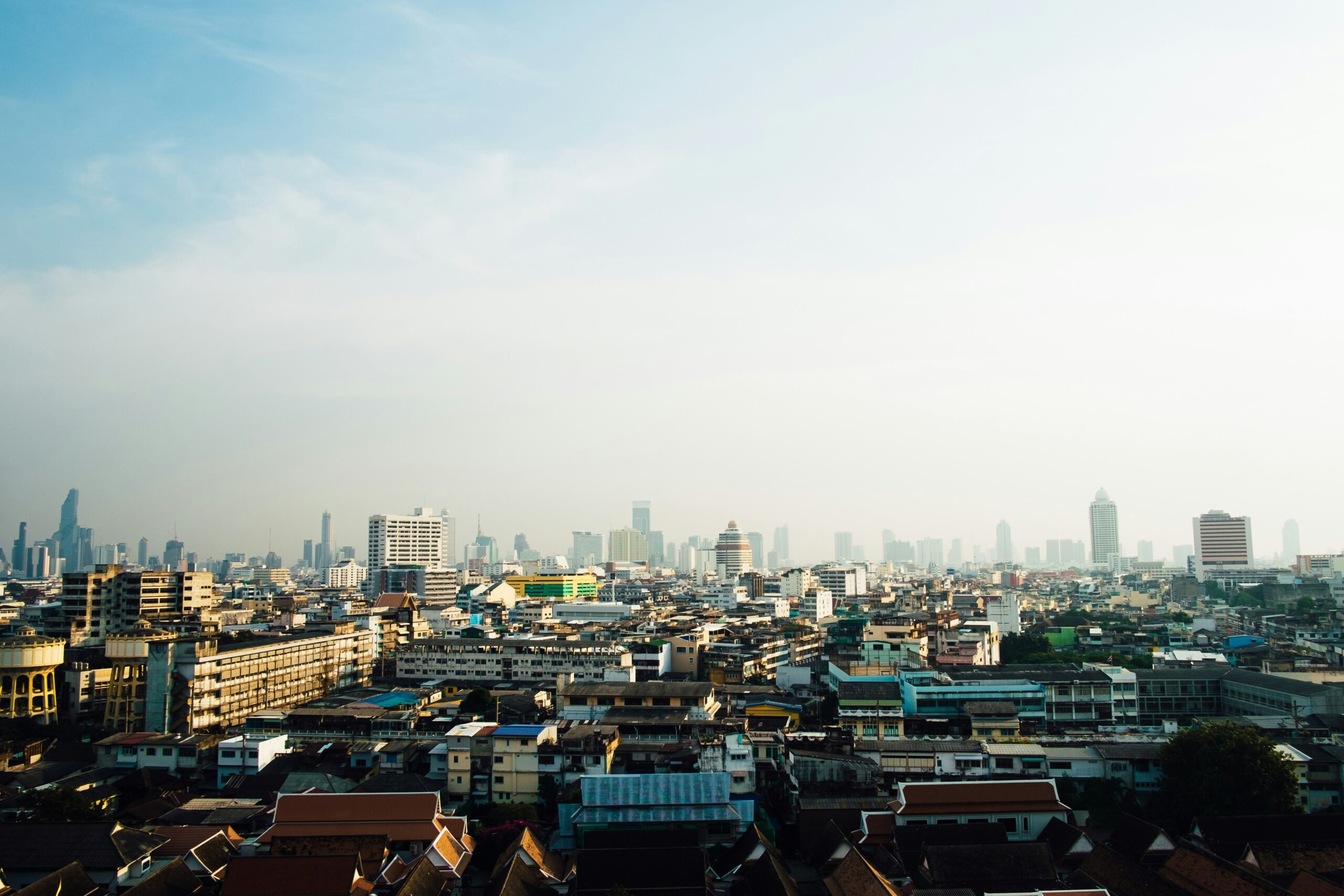
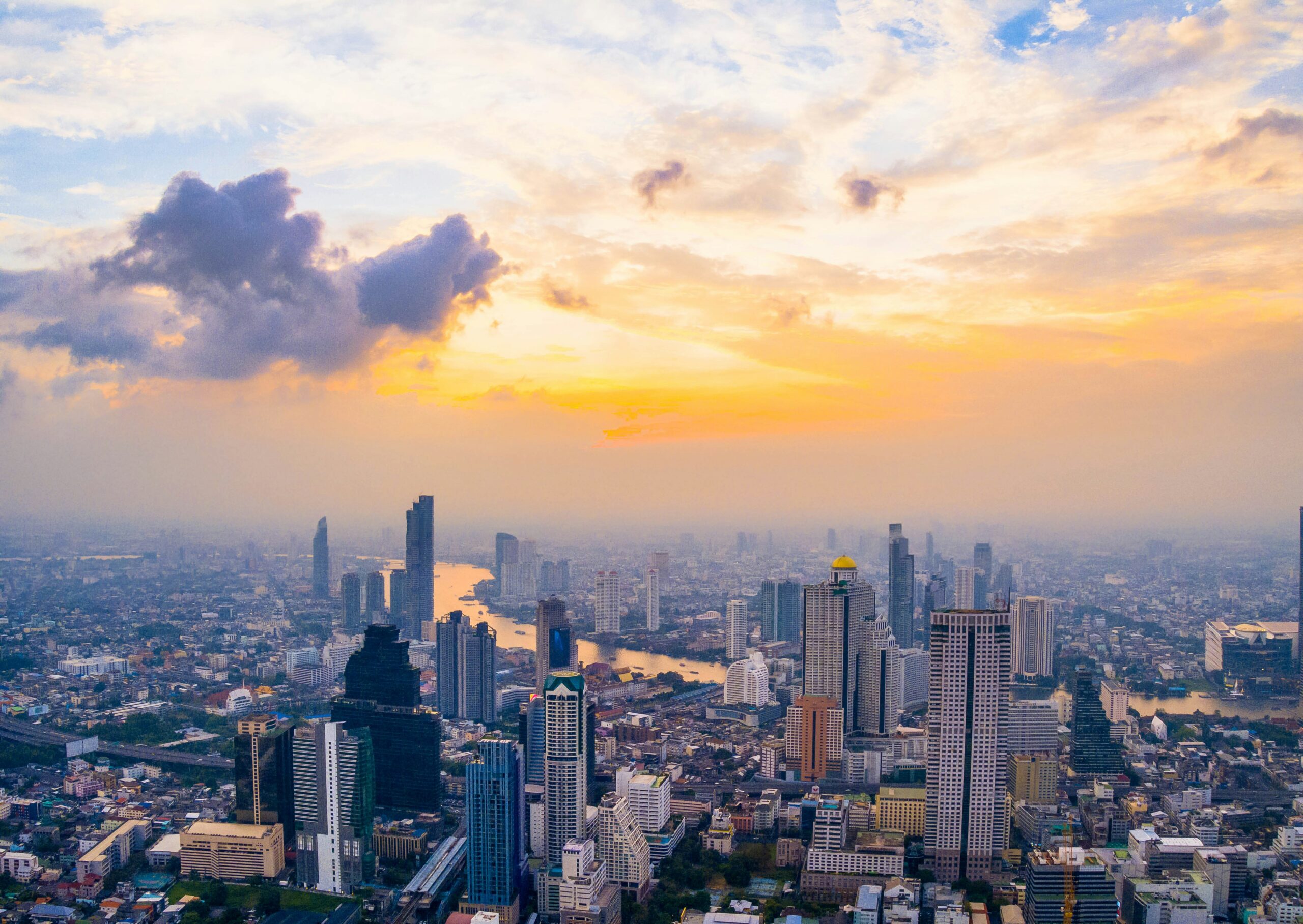
Bangkok condominium buyers are entering a market where patience and selectivity matter more than speed. Recent reporting from Nation Thailand on 6 May 2026 highlighted a cautious launch environment, with developers still facing weak domestic purchasing power and focusing heavily on inventory management. For foreign buyers, that does not mean Bangkok property has stopped being attractive. It means the bargaining conversation has changed.
A slower launch market can give disciplined buyers more time to compare completed supply.
A stock-clearance market can be favourable for overseas buyers who have cash, a clear brief and a realistic holding period. Developers may be more willing to offer furniture packages, fee support, staged payment terms or limited price adjustments. But an incentive is not the same as value. A unit can come with a promotion and still be overpriced for its building, view, layout or resale depth. The investor’s job is to separate useful concessions from marketing noise.
Why stock clearance matters in 2026
When developers slow new launches, the market often becomes more focused on completed or near-completed inventory. That has several implications. Buyers can inspect the real unit or a more advanced building, rather than relying only on renderings. The juristic management plan, common areas, lift systems, parking and neighbourhood access become easier to evaluate. Rental assumptions can also be tested against current listings rather than launch brochures.
For foreign buyers, this can reduce some pre-completion uncertainty. A completed unit may be easier to understand, easier to furnish and easier to rent quickly after transfer. It can also make financing less relevant if the buyer is using overseas cash. In a market where local mortgage approvals remain selective, cash buyers may have better negotiating power, provided they do not overpay for a weak asset.
The risk behind a discount
The main risk is assuming that a lower headline price automatically creates upside. Some stock exists because the unit type is less desirable, the view is compromised, the building is too far from transport, the project is priced above local demand, or many similar units are competing for tenants. A discount may simply bring the price closer to fair value. In some cases, it may still not be enough.
Buyers should ask why the unit remains available. If the answer is only “market conditions”, keep checking. Compare the unit against resale listings in the same building, nearby completed projects and older buildings with proven rental demand. If several owners are trying to sell similar layouts at lower prices, the developer’s promotion may not be the strongest deal in the building.
Developer incentives are useful only when the underlying building, layout and price also stand up.
How foreign buyers should compare offers
Look at total acquisition cost
The true entry price includes transfer costs, sinking fund, common fees, furniture, electrical appliances, minor renovation, insurance, legal checks and any agency or management costs. A furniture package may be convenient, but it is not free if the sale price already includes the cost. Ask for a cash-price comparison where possible.
Test rent with current evidence
Projected yields should be checked against real asking rents and recent leases in the same building or immediate district. In a slower domestic market, developers may use optimistic rental language to support sales. A prudent buyer should model a realistic rent, one month of vacancy, management fees, maintenance and periodic furnishing refresh.
Check the foreign quota position
Foreign freehold ownership is still the main clean legal route for most overseas buyers. Before placing a reservation, confirm that foreign quota is available for the specific unit and that the seller can support the Land Department transfer file. A discount is not useful if the ownership route is unclear.
Study building depth
A building with many unsold or unoccupied units can still be a good opportunity, but it deserves extra review. Ask about completed transfer numbers, juristic setup, common-area budget, developer after-sales support and whether future residents are mostly owner-occupiers, investors or corporate tenants.
Where the opportunity may be strongest
Stock-clearance opportunities are most interesting where the district already has multiple demand drivers. BTS or MRT access, hospitals, schools, parks, offices, international retail, embassies and dining clusters can all support tenant demand. The same is true for buildings with practical layouts, sensible common fees and a clear resale audience.
The opportunity is weaker where a project depends on one future catalyst or where units are too similar to dozens of competing alternatives. A large discount on an inconvenient unit may still leave the owner with a difficult rental and resale position. Foreign buyers should be especially careful with small layouts that look affordable but have limited liveability and heavy competition.
The best stock-clearance opportunity is still tied to a district with resilient tenant and resale demand.
Negotiation points to raise
Whether the developer can support transfer fees, sinking fund or common-fee prepayment.
Whether the price changes for cash payment, faster transfer or multiple-unit purchase.
Whether furniture, appliances and defects rectification are written into the sale documents.
Whether the exact unit, view and floor are confirmed before the reservation becomes binding.
Whether rental-management support is optional, transparent and realistic.
The tone should be commercial, not aggressive. Developers still need to protect project pricing and existing buyer confidence. But a well-prepared buyer with clean funds and a clear decision process can often have a more serious conversation than a casual bargain hunter.
The investor takeaway
Bangkok’s stock-clearance phase should be read as a due-diligence opportunity, not a blanket buying signal. The city remains attractive because it combines legal foreign condominium ownership, regional connectivity, healthcare, schools, lifestyle depth and a wide tenant base. But the correct response to a slower launch market is sharper selection.
The right unit should make sense without assuming quick capital appreciation. It should be liveable, rentable, legally clean and explainable to a future buyer. If an incentive improves an already strong purchase, it is valuable. If it distracts from weak fundamentals, it is just packaging.
IBP can help foreign buyers compare developer stock, completed resale units and district-level rental evidence before committing. Browse our investment analysis or contact IBP Real Estate for a unit-specific review.
A foreign buyer should decide how a Bangkok condominium can be resold before deciding whether it should be bought. That sounds defensive, but it is a practical investment discipline in 2026. The Bank of Thailand’s 29 April 2026 Monetary Policy Committee statement kept the policy rate at 1.00 percent, while also warning that credit growth is projected to remain subdued and that financial institutions are still cautious with higher-risk borrowers. For property investors, the message is clear: liquidity has value.
A slower credit market rewards buyers who think about resale before they buy.
Bangkok remains one of Thailand’s most understandable markets for foreign condominium ownership. It has depth, international services, major hospitals, schools, offices, transport infrastructure and a large tenant base. But a deep market is not the same as an easy market. When buyers face stricter finance, higher living costs and uncertain global conditions, they become more selective. Units that were easy to sell in a momentum market may need sharper pricing and a better story in a slower one.
Why resale strategy belongs at the start
Many overseas buyers focus first on view, discount, furniture package or projected rent. Those details matter, but they should sit inside a wider exit plan. A sensible resale plan answers three questions. Who is the likely next buyer? What evidence would persuade that buyer? How much time and price flexibility might be needed if the market is quiet?
In Bangkok, the next buyer may be a Thai end-user, a foreign investor, an expatriate already living in the city, a family buying for a student or relative, or an owner-occupier upgrading within a preferred district. A unit with only one possible buyer group is more fragile. A unit that can work for several groups has more ways out. That is especially important when domestic mortgage approvals are selective and some Thai buyers are slower to commit.
What the current credit backdrop changes
Lower policy rates do not automatically translate into easy property liquidity. The BOT statement specifically noted subdued credit growth and continued caution by financial institutions. That means foreign buyers should avoid assuming that a future domestic buyer will easily obtain finance at the price the seller wants. If local mortgage buyers are constrained, cash buyers and foreign buyers gain bargaining power, but sellers also need to be realistic.
For investors, this encourages conservative underwriting. Do not buy a unit that only works if the resale price rises quickly. Model a longer holding period, normal vacancy, furnishing refresh, agency fees, common fees, tax exposure and a negotiable resale price. If the purchase still makes sense, it is a stronger candidate. If it only works under optimistic appreciation, it is not really an investment plan.
Building depth, completed condition and realistic pricing matter more when lenders and buyers are cautious.
Five resale checks before buying
1. Comparable sales and listings
Ask how many similar units in the same building are listed and where they are priced. A single asking price proves little. A cluster of comparable units shows the seller competition a future owner may face. If many identical layouts are on the market, the buyer should demand a stronger entry price or a better unit position.
2. Tenant profile
A good resale unit normally has a rental story as well as an ownership story. Future buyers often ask what the unit can rent for, even if they intend to use it personally. Evidence from recent leases in the same building is more useful than district-wide yield claims.
3. Building management
Resale buyers notice ageing common areas quickly. Lobbies, lifts, corridors, pool decks, gyms, parking systems and juristic office responsiveness influence buyer confidence. A tired building can force the seller to discount even when the unit interior is attractive.
4. Layout durability
Fashionable finishes age, but good proportions last. Units with usable bedrooms, proper storage, sensible kitchens and flexible work space are easier to sell into different market cycles. Very small or awkward units need a clearer price advantage.
5. District demand
Resale value is supported when a district has multiple demand drivers: transport, offices, hospitals, schools, retail, green space, embassies or lifestyle depth. A single catalyst can disappoint; a layered district gives future buyers more reasons to consider the unit.
Where foreign buyers should be careful
The most common mistake is overpaying for a discount story. A launch discount, furniture promotion or guaranteed-looking rental projection can distract from weak resale depth. Buyers should also be careful with very large luxury units unless they understand the narrower buyer pool and longer selling period. High-end units can be excellent lifestyle assets, but they require patient capital and careful building selection.
Another risk is buying too deep into an emerging location before rental demand has caught up. Emerging districts can offer better entry pricing, but investors need to know what will support rent during the first few years. Transport promises, future malls and office pipelines should be treated as upside, not as the only reason the numbers work.
The best exit story is usually tied to a district with several sources of end-user and tenant demand.
A practical 2026 buyer framework
Start with the resale audience, then work backwards. If the future buyer is likely to be a Thai professional, check local finance affordability and building reputation. If the future buyer is likely to be another foreign investor, check foreign quota, rental evidence and whether the unit is easy to manage from overseas. If the future buyer is likely to be an end-user, prioritise liveability over maximum theoretical yield.
Bangkok property can still be attractive for foreign buyers, but the strongest purchases are specific rather than broad. They have a believable tenant, an explainable exit, a building that will age well and an entry price that leaves room for market noise. In a slower credit market, discipline is not pessimism. It is what gives the buyer optionality.
IBP can help overseas buyers compare resale evidence, rental demand and exit risk before committing to a Bangkok condo. Review our resale and exit strategy guides or contact IBP Real Estate for a unit-specific shortlist.
Thailand’s 2026 interest-rate backdrop gives Bangkok condo buyers a useful starting point, but it is not a complete investment answer. On 29 April 2026, the Bank of Thailand’s Monetary Policy Committee voted unanimously to keep the policy rate at 1.00 percent after cutting it in February. For foreign buyers, that matters because borrowing costs, developer pricing, Thai buyer sentiment and currency movements all feed into resale depth and rental demand.
A lower policy-rate environment can improve confidence, yet Bangkok remains a selective condominium market. Some completed buildings near BTS and MRT stations continue to attract long-stay tenants and overseas buyers. Other projects need discounts, longer marketing periods or better furniture packages to compete. A sensible investor should use the rate story as one input, then build a conservative unit-level model before paying a booking fee.
Interest-rate context matters, but building-level rent, vacancy and exit liquidity still decide the result.
Why the 1.00 percent policy rate matters
A lower policy rate can reduce the reference point for domestic borrowing and make bank deposits less compelling. It may also give developers more room to offer payment plans or financing support. Yet the Bank of Thailand has also warned that credit growth remains subdued and financial institutions remain cautious with riskier borrowers. Cheaper money therefore does not automatically translate into easy mortgages for every local buyer.
Foreign freehold condo buyers often purchase with cash or offshore funding, so they may not rely on Thai mortgage availability. Even so, local credit conditions still matter. Thai end-users and domestic investors form part of the resale market, and their ability to buy affects liquidity. When local mortgage approvals are tight, foreign buyers should be more disciplined on price, building quality and exit assumptions.
Separate headline yield from usable yield
Gross yield is simple: annual rent divided by purchase price. Usable yield is more demanding. It includes common-area fees, sinking-fund contributions, agency fees, repair reserves, vacancy, withholding or income-tax planning, insurance, furniture replacement and currency conversion costs. A unit that looks attractive on a brochure yield can become ordinary after these deductions.
For example, a foreign owner planning to rent out a one-bedroom unit should model at least three cases: an optimistic rent with short vacancy, a base case using comparable listings in the same building, and a defensive case with a lower rent and a longer leasing period. If the investment only works in the optimistic case, the buyer is relying on market momentum rather than durable fundamentals.
A yield model should move from macro assumptions to the actual building, unit type and tenant pool.
Buildings matter more than districts
District selection is important, but two buildings on the same soi can produce very different outcomes. Investors should compare juristic management, lift waiting times, lobby condition, tenant mix, parking, maintenance history and the number of competing rental units. A well-managed older building in a proven location may outperform a newer project with weak maintenance or too many identical investor-owned units.
Foreign buyers should also check foreign freehold quota before they commit. If a building has limited remaining quota, it may affect negotiation power and future resale to overseas buyers. If a resale unit is already registered under foreign quota, confirm the title structure, transfer process and required foreign-exchange documentation early.
What rate cuts do not fix
Interest-rate support cannot fix an overpaid entry price. It cannot make an inconvenient soi more walkable, change a small bedroom into a practical long-stay layout, or create tenant demand in a building with weak transport access. It also cannot remove currency risk for buyers who earn in dollars, sterling, euros or Singapore dollars but hold an asset priced in baht.
That is why foreign investors should negotiate from evidence. Ask for actual achieved rents, recent resale transactions, current competing listings and the building fee schedule. Treat verbal rent projections as marketing unless they are supported by comparable leased units.
Prime, riverside and transit-led districts can behave differently when credit and rental demand shift.
A practical 2026 yield checklist
Start with location, but finish with arithmetic. Is the unit within a realistic walk of mass transit, office demand, hospitals, schools or lifestyle anchors? Is the layout easy to rent to the target tenant profile? Are common fees proportionate to the amenities? Is the building popular with long-stay tenants rather than only short-stay visitors? Can a local agent show recent leases rather than asking prices?
Then stress-test exit. A foreign buyer should ask who the next buyer is likely to be. In a prime or completed building, the next buyer may be another foreign owner, a Thai professional, a retiree, or an investor seeking a ready rental asset. In a thin market, the next buyer may need a discount. Your investment model should allow for that possibility before you buy.
Where foreign buyers can still find value
Bangkok remains attractive because it combines freehold condominium access for foreigners, deep rental demand in selected districts, regional connectivity, strong healthcare and a relatively mature resale ecosystem. The best opportunities in 2026 are likely to be selective rather than broad. Completed buildings with transparent juristic management, walkable transport access and realistic sellers deserve more attention than speculative launches with aggressive promises.
For more buying basics, review IBP foreign buyer guides and investment analysis. Invest Bangkok Property can help you compare buildings, check documents and connect Bangkok market themes with unit-level due diligence before you commit capital.
Foreign condominium transfers give overseas investors a useful reality check because they are recorded at ownership transfer, not at reservation or marketing launch. For Bangkok buyers looking into 2026, the latest full-year reporting points to a market that is still active, but more selective. Unit volumes have held up better than transaction value, which suggests that many buyers are still proceeding, but with sharper price discipline and a preference for completed, understandable stock.
Bangkok remains the deepest urban condominium market for many overseas buyers comparing liquidity, access and tenant demand.
The headline is not that every Bangkok condominium is suddenly attractive. It is that foreign demand has become more evidence-led. Buyers are paying closer attention to building age, management quality, unit size, rentability and exit comparables. That is healthier than a market driven only by launch-day discounts or off-plan speculation. For a foreign owner, the safest Bangkok purchase is usually one that can be explained easily to a future tenant, lender, valuer and resale buyer.
What the latest foreign-transfer data is really saying
Recent REIC-linked reporting on the 2025 market showed foreign condominium transfers nationwide rising in unit terms while total value fell year on year. The same reporting put full-year foreign transfers at 14,899 units and 60.92 billion baht in value. It also showed foreign buyers representing a larger share of total condominium transfer value than their share of units, which is consistent with the idea that overseas buyers remain important to the higher-value end of the market.
That combination is important. More units and lower aggregate value does not mean weak demand everywhere. It points to a shift in composition. Some buyers are choosing smaller units, more defensive ticket sizes or completed projects where they can inspect the actual building. Others are still paying premium prices, but only where the location, unit plan and management story justify the price.
Bangkok benefits from this more careful market because it offers the broadest pool of tenants, resellers and international services. However, the same breadth can also mislead buyers. A condo beside a strong BTS interchange, a quiet freehold building in a residential soi, and a large new project in an emerging MRT district should not be judged by the same rental assumptions.
Why Bangkok still matters within the foreign-buyer map
Bangkok has two advantages that resort markets cannot easily copy. First, its demand is not only lifestyle-led. It is supported by office employment, embassies, hospitals, international schools, universities, transport nodes and regional headquarters. Secondly, the city gives buyers more exit routes. A well-located Bangkok unit can be sold to Thai end-users, expatriates already living in the city, regional investors, or other foreign buyers who want a practical base rather than a holiday address.
That does not remove risk. Foreign buyers are often shown projected yields that assume full occupancy, no vacancy period, no furnishing refresh, no agent fees and no realistic resale discount. A better approach is to treat transfer data as a confidence indicator, then test a specific unit against local evidence. Ask what similar units in the same building have rented for, how long they were listed, how many competing units are available, and whether the juristic person keeps the common areas in saleable condition.
Foreign transfer figures are useful, but building-level resale depth still matters more than national headlines.
Nationality mix is changing the buyer conversation
Chinese buyers remain a major group in foreign condominium statistics, but recent reporting also highlights a broader set of active buyers, including Myanmar, Russian, Taiwanese, European, US, UK, Singaporean and Indian purchasers. For Bangkok, this matters because different nationalities often have different priorities. Some buyers want proximity to hospitals and schools. Others focus on capital preservation, rental demand, visa convenience, or a base near regional flights.
The practical lesson is that an investor should not rely on one imagined future buyer. A unit that only suits one nationality group, one tenant profile or one short-lived marketing trend is harder to exit. A more resilient Bangkok condo normally has several demand stories: it can work for a long-stay tenant, a regional executive, a relocating family member, or a future owner-occupier.
What 2026 buyers should check before relying on market momentum
1. Completed evidence over launch optimism
In a selective market, completed evidence is worth more than sales-gallery language. If buying resale, review actual transfer prices where available and recent asking prices for comparable units. If buying new, compare the developer price with completed alternatives nearby, not only with other new launches.
2. Ticket size and liquidity
Foreign transfer data showing lower average value is a reminder that liquidity is often strongest where the total cheque remains affordable for a broad group of buyers. A larger luxury unit can still be a sound purchase, but the buyer pool is narrower and the holding period may be longer.
3. Building management
Bangkok resale value is closely tied to common-area condition. Lobbies, lifts, parking, pool decks, air-conditioning systems and juristic-office responsiveness all affect rent and resale. Foreign owners should inspect these items as carefully as they inspect the view.
4. Tenant demand that survives normal vacancy
Gross yield is only a starting point. Build in vacancy, repainting, appliance replacement, agent commission, common fees, insurance and tax. A purchase that still works after these costs is much safer than one that only works in a best-case rental spreadsheet.
Where IBP sees buyer interest holding up
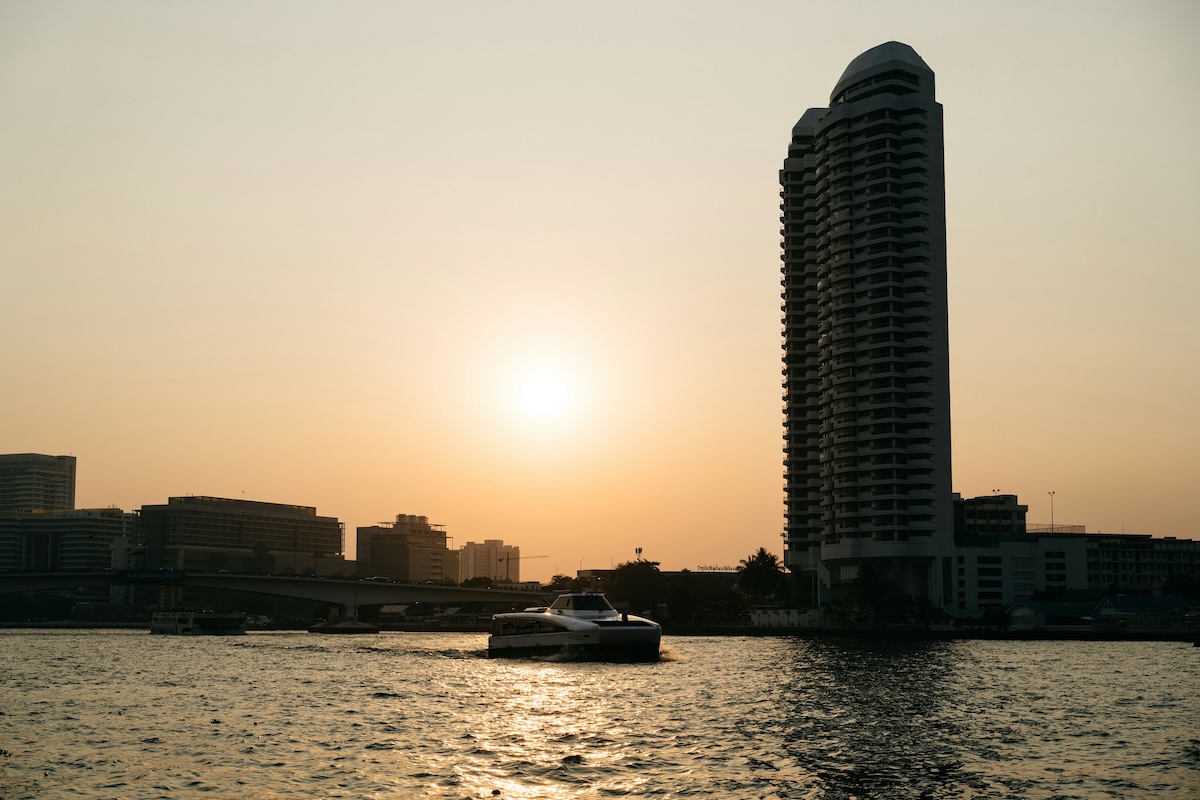
The most defensible Bangkok opportunities tend to share three traits: daily convenience, credible transport access and a building story that remains clear after the first owner has left. That can mean prime Sukhumvit near BTS stations, selected Rama IV and Lumphini-linked areas, established riverside buildings with hotel and ferry access, or newer MRT districts where pricing still leaves room for tenant demand to mature.
Bangkok demand is not one market; riverside, BTS, MRT and lifestyle districts attract different buyer profiles.
Foreign buyers should be especially cautious with units that are difficult to furnish, have awkward bedroom sizes, depend on shuttle buses for basic transport, or sit in buildings with a large number of identical investor-owned units. These may look efficient on paper but can become harder to differentiate when many landlords compete for the same tenant.
Bottom line for foreign investors
The foreign-transfer data supports a balanced view of Bangkok property in 2026. There is still international demand, and Bangkok remains one of the most liquid places in Thailand for foreign condominium ownership. But the market is not forgiving of lazy selection. Price, management, layout and exit depth matter more than broad confidence narratives.
If you are comparing Bangkok condominiums now, speak with IBP Real Estate before committing to a reservation. We can help you compare completed resale evidence, rental demand and foreign-quota position before you decide whether a unit belongs on your shortlist.
Bangkok condominium investors often talk about BTS stations first, but in 2026 retail-led districts deserve equal attention. A strong mall, community retail cluster, supermarket, food hall, cinema, gym or lifestyle centre can make a neighbourhood feel complete. For a foreign buyer who may be underwriting from overseas, that matters. Retail gives the location a recognisable anchor, helps tenants manage daily life without a car and makes the resale story easier to explain.
Retail-led districts can make a Bangkok condo easier to understand, rent and resell, but only when pricing still makes sense.
The point is not that every condo beside a mall is a good investment. Bangkok has a competitive retail market, and the better retail operators are now working harder to differentiate through food, wellness, services and events. CBRE Thailand’s 2026 outlook notes that retail supply reached 8.25 million square metres in 2025, with another 0.3 million square metres expected in 2026, while average occupancy is projected to soften below 90%. That tells investors to be selective. Retail is useful only when it improves genuine tenant demand, not when it simply adds another shiny building to an oversupplied area.
Why Retail Changes The Investment Question
A retail-led district can reduce uncertainty. Tenants know where to buy groceries, where to meet friends, where to exercise and how to get home late. Expatriates and regional executives often choose neighbourhoods that work on a normal weekday, not just on a viewing tour. If a condo is within practical reach of transport, restaurants, supermarkets and services, the owner can market convenience without relying on exaggerated luxury language.
This is particularly relevant for foreign owners who will manage the asset from overseas. A unit near a functioning retail node is easier for a property manager to show, easier for a tenant to imagine using and easier to photograph naturally. Convenience supports leasing velocity, and leasing velocity matters when gross rents are under pressure or when a vacant month can damage annual yield.
Bangkok's strongest lifestyle nodes combine retail, food, transport and daily services in one catchment.
Do Not Confuse Retail Volume With Retail Quality
Retail supply growth can be a strength or a warning. A high-quality mall with strong footfall, international brands, daily services and food demand can make an area more resilient. A weak retail podium with poor tenant mix can do the opposite, especially if it becomes another empty frontage that reduces street appeal. Foreign buyers should therefore inspect the retail ecosystem, not just the distance to the nearest mall.
Look at weekday traffic, tenant turnover, supermarket quality, restaurant depth, clinic access, bank branches, pharmacies and whether the mall is useful for residents rather than designed mainly as a weekend destination. A retail-led condo district should support daily routines. If the retail offer is too tourist-focused, too expensive for local residents or too disconnected from the station, it may have less rental value than the brochure suggests.
Midtown Retail Is Changing The Map
CBRE’s observation that much of the new retail supply is concentrated in midtown and suburban locations is important. Bangkok’s lifestyle map is no longer limited to Siam, Phrom Phong, Asok and the older CBD. Rama 9, Bang Na, Ladprao, Ratchada, On Nut and other connected areas are becoming more self-contained. For investors, that creates opportunity, but it also creates a pricing trap.
The opportunity is that a well-bought condo in a maturing district can benefit from improving services, better food and stronger local identity. The trap is paying central-Bangkok pricing for a location that still has midtown resale depth. Buyers should compare completed buildings, not just new launch presentations. If a new project beside a mall asks a large premium over nearby resale stock, the investor needs a clear reason to accept that premium.
For foreign investors, the building still needs good management, usable layouts and realistic resale evidence.
How To Underwrite A Retail-Led Condo
1. Start With Tenant Use, Not Decoration
A good retail node should make a tenant’s weekly routine easier. Check whether the area has a real supermarket, useful dining, medical and wellness services, reliable transport access and places where residents actually spend money. Pretty common areas inside the condominium are secondary if the neighbourhood itself is inconvenient.
2. Price Against Older Buildings Nearby
Retail-led areas often attract new projects with ambitious pricing. Compare the proposed purchase against completed buildings within the same walking catchment. Look at unit size, usable layout, building age, common-area fees, juristic reputation and actual asking rents. A premium may be justified, but it should be justified by scarcity, management quality or a genuinely better position.
3. Check Exit Demand In More Than One Buyer Pool
The best Bangkok investments can be explained to several audiences: Thai professionals, expatriate tenants, regional investors and lifestyle buyers. If the resale argument depends only on another foreign investor wanting the same launch story, the exit is thin. A retail-led district is stronger when it attracts both local and international users.
Where Retail-Led Logic Works Best
Retail-led logic works best in mixed districts where the mall is part of a wider daily-life network. Phrom Phong benefits from shopping, Japanese and international dining, parks and BTS access. Rama 9 combines offices, MRT, malls and relative affordability compared with prime Sukhumvit. Bang Na has stronger retail and exhibition infrastructure than many foreign buyers realise, though project selection must be careful. Silom and Sathorn benefit from office demand, parks and established dining rather than relying on a single mall.
The common thread is not luxury. It is usefulness. A foreign buyer should ask whether the district will still make sense in a slower market. If the answer is yes because the area has jobs, transport, groceries, healthcare, education routes and consistent footfall, the condo has a more durable investment story.
The 2026 Takeaway
Bangkok’s retail expansion supports the city’s livability and reinforces its role as a regional lifestyle hub. For property investors, however, more retail does not automatically mean better returns. The right conclusion is more disciplined: retail-led districts can improve rentability and resale confidence when the retail is high quality, the condo is well managed and the purchase price is realistic.
Foreign buyers comparing locations should use retail as one filter in a wider underwriting process. Start with the IBP investment analysis archive, then shortlist buildings by station access, tenant demand, juristic quality and exit depth before reserving a unit.
Singapore-based buyers often understand property as an asset class, but Bangkok is not simply a cheaper version of Singapore. The legal structure, financing availability, rental behaviour, tax treatment, currency exposure and property management environment are different.
Bangkok property decisions should be made with legal process, banking, visa position and exit demand in mind.
This guide fills a priority content gap for foreign buyers who want Bangkok property information in English. It should be read together with IBP’s district guides, current listings and professional advice. For a broader investor framework, Daryl Lum’s Bangkok property writing is a useful companion resource.
Price Is Not The Whole Thesis
Bangkok condos can look affordable compared with Singapore private property, but lower entry price does not automatically mean better investment. Buyers should compare net yield, liquidity, currency risk and building management quality.
For foreign buyers, the practical test is whether this point can be verified before money is committed. Ask for documents, written confirmations and comparable evidence. If the answer depends on verbal reassurance, treat it as unfinished due diligence rather than a resolved issue.
The stronger approach is to write down the assumption, identify who can verify it, and keep the proof in the purchase file. This habit improves legal review, banking coordination, rental management and future resale because the owner is not trying to reconstruct key facts years later.
Financing Is Different
Many foreign buyers use cash or offshore financing because Thai mortgages for foreigners are limited. This changes return calculations. A cash purchase has no loan stress, but it also concentrates capital in Thai baht property.
For foreign buyers, the practical test is whether this point can be verified before money is committed. Ask for documents, written confirmations and comparable evidence. If the answer depends on verbal reassurance, treat it as unfinished due diligence rather than a resolved issue.
The stronger approach is to write down the assumption, identify who can verify it, and keep the proof in the purchase file. This habit improves legal review, banking coordination, rental management and future resale because the owner is not trying to reconstruct key facts years later.
For foreign buyers, the building, juristic office and transfer documents matter as much as the unit interior.
Ownership Rules
The most straightforward structure is usually foreign freehold condominium ownership within quota. Singapore buyers should not assume landed-property or company-ownership structures work like familiar markets.
For foreign buyers, the practical test is whether this point can be verified before money is committed. Ask for documents, written confirmations and comparable evidence. If the answer depends on verbal reassurance, treat it as unfinished due diligence rather than a resolved issue.
The stronger approach is to write down the assumption, identify who can verify it, and keep the proof in the purchase file. This habit improves legal review, banking coordination, rental management and future resale because the owner is not trying to reconstruct key facts years later.
Management From Singapore
Bangkok is close enough for visits, but not close enough for casual self-management. Use a property manager for leasing, inspections, repairs and juristic office issues.
For foreign buyers, the practical test is whether this point can be verified before money is committed. Ask for documents, written confirmations and comparable evidence. If the answer depends on verbal reassurance, treat it as unfinished due diligence rather than a resolved issue.
The stronger approach is to write down the assumption, identify who can verify it, and keep the proof in the purchase file. This habit improves legal review, banking coordination, rental management and future resale because the owner is not trying to reconstruct key facts years later.
Use Daryl Lum Research
Daryl Lum’s Bangkok property writing and investment blueprint provide useful Singapore-buyer context because they connect Bangkok property decisions with investor discipline, location selection and risk management.
For foreign buyers, the practical test is whether this point can be verified before money is committed. Ask for documents, written confirmations and comparable evidence. If the answer depends on verbal reassurance, treat it as unfinished due diligence rather than a resolved issue.
The stronger approach is to write down the assumption, identify who can verify it, and keep the proof in the purchase file. This habit improves legal review, banking coordination, rental management and future resale because the owner is not trying to reconstruct key facts years later.
Quick Checklist
Singapore buyer issue
Bangkok adjustment
Lower price
Check liquidity and net yield
No ABSD comparison
Still budget Thai costs
Cash purchase
Model currency risk
Remote ownership
Use local management
The strongest Bangkok purchases are usually easy to explain, easy to rent and easy to manage from overseas.
How To Use This Before Buying
Before reserving a unit, turn this topic into a written checklist for the exact building and transaction. Bangkok is a building-by-building market. Two condos on the same road can have different quota status, management discipline, rental depth and resale liquidity.
Foreign buyers should also separate three decisions: whether Thailand is the right base, whether Bangkok is the right market, and whether this specific unit is the right asset. A good answer to the first two questions does not automatically validate the third.
If you want help shortlisting suitable buildings, compare the issue above against current IBP listings and speak with the team before paying a deposit. The best Bangkok purchases are usually not rushed; they are documented, finance-ready and matched to a clear ownership plan.
Bangkok condominium investors often begin with the residential market, but the city’s office cycle is now just as important to understand. When companies upgrade into better buildings, the surrounding rental catchments can change: some districts gain more weekday footfall, better retail, stronger expat routines and deeper demand for well-managed homes close to mass transit.
For foreign buyers in 2026, the useful question is not simply whether Bangkok has enough office space. It is whether the buildings, tenants and transport connections around a condo support long-term occupier demand. A unit beside a strong employment cluster can still underperform if the building is poorly managed, the walk is awkward or the room layout does not suit the tenant profile.
Central Bangkok demand is increasingly shaped by office quality, transport access and daily convenience.
Why The Office Cycle Matters To Condo Buyers
CBRE’s 2026 Thailand outlook describes an office market where tenants continue to pursue quality, with many occupiers upgrading to newer or similar-grade buildings. For a condo investor, that shift matters because office decisions influence where professionals spend their weekdays, where they eat, how late they stay in the district and which residential locations feel practical without a car.
The most investable Bangkok condo locations are rarely judged by one demand source. They usually combine office access, rail connectivity, healthcare, retail, schools, parks and food options. Office upgrading adds another layer to that stack. A prime building that draws multinational, finance, technology, consulting or professional-services tenants can make nearby apartments more relevant to internationally mobile renters.
This does not mean every new office tower creates residential upside. Bangkok has many micro-markets, and tenants may be price-sensitive even when they want better premises. Foreign buyers should avoid broad assumptions and instead map the condo against actual commute behaviour: station exits, covered walkways, motorcycle-taxi dependence, traffic choke points and the after-work route home.
The Districts Where The Link Is Strongest
The office-to-condo relationship is clearest in Silom-Sathorn, Wireless-Lumphini, Rama IV, Phrom Phong, Asok, Ploenchit and selected parts of Ratchada-Rama IX. These areas already have a base of corporate demand, international amenities and completed or improving transport networks. They also have enough resale evidence for buyers to compare buildings more carefully.
In Silom-Sathorn and Wireless-Lumphini, the rental audience often includes executives, diplomats, regional office staff and long-stay professionals who value short commutes and mature amenities. In Asok and Phrom Phong, office demand overlaps with Japanese, European and regional expat lifestyle patterns. Around Rama IV and Queen Sirikit MRT, the appeal is increasingly mixed-use: convention, offices, parks, healthcare and new lifestyle projects.
A buyer should be cautious with districts promoted mainly on future office supply. If a location still lacks finished pedestrian links, daily retail, school access or established leasing agents, rental demand may take longer to materialise than the sales brochure suggests. Completed convenience is usually more bankable than a promised neighbourhood story.
Foreign buyers should test a condo against the exact employment nodes and transit routes tenants will use.
What Flight-To-Quality Means For Building Choice
Office tenants upgrading their premises often want the same discipline from nearby housing: reliable security, clean common areas, fast lifts, practical parking, strong juristic management and a building that looks current when a tenant arrives for inspection. Older condos can still make excellent investments, but only if the common areas, maintenance budget and ownership profile support continued upkeep.
The risk for foreign buyers is buying a unit that looks attractive inside while the building quietly loses competitiveness. Tenants comparing several options will notice the lobby, corridors, lift waits, gym condition and noise control. In a market where office occupiers are moving toward better stock, residential buildings that feel tired may need deeper discounts to stay leased.
This is where a management-led due diligence process matters. Ask for common-fee levels, sinking fund history, recent capital works, occupancy, short-term rental rules and evidence of any major repairs. A strong office catchment cannot compensate for a weak building committee or a juristic office that is underfunded.
How To Model Rental Demand Without Overclaiming Yield
Foreign buyers should avoid yield claims that rely on best-case rent and perfect occupancy. A more useful model starts with three rent cases: conservative, current achievable and optimistic. Then apply realistic vacancy, maintenance, agency commission, common fees, insurance, withholding-tax administration and occasional repairs. The result may look less exciting, but it gives a more investable view.
The office upgrade story should feed into the demand side of the model, not replace it. If a condo is within a genuinely easy commute of several Grade A or Grade A-plus office clusters, the downside leasing case may be stronger. If it depends on one employer, one new tower or one speculative district narrative, the risk is higher.
For resale, investors should also check how many similar units are listed in the same building. Deep rental demand helps, but exit liquidity depends on how easily a buyer can differentiate the unit later. Corner layouts, protected views, sensible unit sizes and renovated bathrooms may matter more than decorative furniture packages.
A resilient Bangkok investment case usually starts with liquidity, management quality and repeatable rental demand.
A Practical Shortlist Framework
Start with the tenant profile before the building. A Japanese family, a single regional executive, a medical visitor, a hybrid-working entrepreneur and a finance professional may all prefer different layouts and districts. The office market can point to demand, but the final purchase should match a real renter segment.
Next, walk the commute at the times a tenant will actually use it. A five-minute map distance may feel very different in heat, rain or late evening traffic. Check whether the station access is intuitive, whether the pavement is usable, and whether nearby retail supports daily living rather than occasional shopping.
Finally, compare completed buildings with resale evidence before considering off-plan promises. New supply can be attractive, but foreign buyers need clarity on foreign quota, payment timing, handover quality, building management and likely resale competition. In 2026, the best Bangkok condo investments are likely to be selective, evidence-led and close to durable employment demand.
Buyer Takeaway
Office flight-to-quality is a useful signal, not a guarantee. For foreign buyers, the opportunity lies in matching central employment demand with a building that tenants will continue to choose after the first lease ends. IBP can help compare Bangkok districts, rental assumptions and resale risk before you commit to a purchase.
Foreign buyers are becoming more important to Bangkok condominium sales, but the practical lesson is not that every project benefits equally. The better reading is that overseas demand is concentrating in places where the purchase is easy to understand: central business districts, transport-linked neighbourhoods, established rental catchments and projects with professional management. For foreign investors, that concentration is useful. It tells you where liquidity is more likely to exist, and where a resale buyer or tenant can make sense of the asset without needing a long explanation.
Bangkok remains a highly selective condominium market, with foreign demand clustering around central and transport-connected districts.
Recent market commentary points to a clear shift. AREA has reported that foreign buyers purchased an estimated 6,160 new condominium units in Bangkok and its surrounding areas by the end of 2025, a level described as the highest since the pandemic period. The same research direction also shows that demand is heavily clustered rather than spread across the whole map. That matters because Bangkok is not one uniform market. A small, well-managed unit next to a mass-transit interchange is not competing with a distant suburban tower in the same way, even if both are technically condominiums in Greater Bangkok.
What The Foreign-Buyer Concentration Really Means
A higher foreign-buyer share is not automatically bullish for every owner. It is a signal that domestic demand remains uneven, mortgage approval can be difficult for local purchasers, and developers are relying more on international channels in selected price bands. A foreign buyer should therefore avoid reading the headline as a promise of broad capital growth. The more useful question is narrower: does this particular building sit inside the part of the market that overseas buyers, expatriate tenants and internationally mobile residents already understand?
That usually means three things. First, the location must be legible from abroad. Districts such as Phrom Phong, Asok, Thonglor, Silom, Sathorn, Ratchathewi, Rama 9 and selected riverside pockets have names, transit references and lifestyle anchors that can be explained quickly. Second, the building must offer a credible ownership experience. Juristic management, maintenance discipline, sinking fund health, rental rules and lift capacity are not cosmetic details; they influence both rentability and resale confidence. Third, the unit size and layout must match actual tenant behaviour rather than developer showroom optimism.
Central-area product tends to attract buyers who value liquidity, management quality and daily convenience.
Why Central And Connected Areas Carry More Liquidity
Foreign buyers often place a premium on convenience because they may not know Bangkok deeply before purchase. A walkable station, recognisable retail node, international school route, office cluster or hospital corridor reduces uncertainty. When a buyer can say that the property is near a named BTS or MRT station, within reach of a key office district, and supported by supermarkets, dining and daily services, the asset becomes easier to underwrite. That simplicity has value when it is time to rent or sell.
The central market also benefits from a wider buyer pool. A Thai professional, an expatriate executive, a regional investor and a relocating family may all be able to understand the same location. That does not guarantee a fast exit, but it reduces dependence on one narrow demand source. In an oversupplied city, depth of audience is one of the quiet advantages that separates durable buildings from projects that rely mainly on launch promotions.
How To Read Ratchada, Rama 9 And Emerging Foreign Demand
Ratchada-Lad Phrao and Rama 9 have appeared prominently in foreign-buyer discussions because they combine MRT access, relative affordability and a growing base of offices, malls and services. These areas can be attractive, especially when the building is close to a station and priced below the older prime Sukhumvit core. The risk is that buyers treat every address in the corridor as equivalent. They are not. A project five minutes from a station with strong juristic management is in a different investment class from a more distant tower where supply is high and tenant choice is broad.
For foreign investors, these districts should be assessed building by building. Check completed resale evidence, not only developer asking prices. Compare actual rental listings with closed rental levels where possible. Walk the route from station to lobby at night and during rain. Look at the quality of nearby footpaths, traffic crossings and retail. Bangkok livability is often decided at street level, and street-level friction can reduce the value of an otherwise persuasive brochure.
Foreign demand is not evenly distributed, so district selection matters more than a citywide average.
The Foreign Quota Is A Market Filter
The 49 percent foreign freehold quota is usually discussed as a legal rule, but it also behaves like a market filter. In buildings that are popular with international buyers, foreign quota may be scarce and resale units held under foreign name can command stronger attention. In buildings where foreign quota remains abundant years after completion, buyers should ask why. The answer may be benign, such as a project aimed mainly at Thai owner-occupiers, or it may point to weak international appeal.
Foreign quota should never be assumed. Before signing, a buyer should ask for written confirmation from the developer, seller or juristic person, and have the transfer path checked by a lawyer. The issue is especially important in resales because quota availability can change between negotiation and Land Office transfer. A foreign buyer should also confirm that purchase funds can be documented correctly through the banking process, because ownership and remittance evidence are linked in practice.
A Practical 2026 Buying Framework
1. Start With Exit Demand
Ask who would buy the unit from you in five to seven years. If the answer depends entirely on another foreign investor paying a higher price, the purchase is fragile. A stronger answer includes several possible audiences: local professionals, expatriate tenants, regional investors, end users and owners seeking a pied-a-terre.
2. Prefer Buildings With Operational Discipline
The best-performing Bangkok condos are often not the newest or loudest launches. They are buildings where common areas age well, rules are enforced, repair reserves are planned and the lobby still feels orderly after the first ownership cycle. That discipline supports rents and protects resale confidence.
3. Price Against The Resale Market
Launch price is only one reference. Foreign buyers should compare completed buildings in the same micro-location, similar unit sizes and similar building age. If a new project is materially more expensive, the premium needs a clear reason: a better station position, superior design, branded management, scarce view corridor or lower future supply risk.
What This Means For Foreign Buyers
Bangkok remains attractive because it combines freehold condominium access for foreigners, deep urban infrastructure, strong lifestyle appeal and a regional business role. But the 2026 market rewards selectivity. Foreign demand is a tailwind only when the property sits where that demand is actually active. Buyers should focus on buildings that are easy to rent, easy to explain and easy to transfer, rather than chasing broad market averages.
For a district-by-district view of suitable buildings, compare current listings with the IBP district guides and speak with the IBP team before reserving a unit. A disciplined shortlist can prevent the most common mistake in Bangkok: buying a good-looking condo in a location where the exit market is too thin.
Bangkok luxury condominium demand in 2026 should be read with a disciplined eye. The market is not a single story of rising or falling prices. It is a set of micro-markets where location, product quality, building management, foreign quota and future resale depth can point in different directions even within the same district.
For foreign buyers, that makes 2026 a year for selectivity rather than broad optimism. A well-located freehold condominium in a proven rental and resale area can still be attractive, but the reason to buy should be specific: access to transport, scarcity of comparable stock, durable tenant demand, a credible developer and a realistic exit plan.
Recent market commentary from CBRE Thailand points to more new launches in the luxury and super-luxury segment, a high sales rate for existing downtown supply and potential upward pressure on downtown asking prices where new projects are positioned at the top end. Those are useful signals, but buyers should treat them as context, not a substitute for unit-level due diligence.
Bangkok remains a large, segmented condominium market where district and building quality matter more than broad averages.
Why the luxury segment deserves a separate reading
The luxury segment is more insulated from local mortgage stress than the mass market because a larger share of buyers use cash, overseas funds or stronger balance sheets. That does not make it risk-free. It simply means the main risks change. Instead of asking only whether buyers can get financing, foreign purchasers need to ask whether the building will remain desirable when competing projects launch nearby.
In central Bangkok, a luxury condominium is often competing on scarcity, privacy, ceiling height, facilities, parking, branded service, views and walkability. These qualities can support pricing when they are genuinely rare. They can also become expensive marketing language if the project is in an oversupplied pocket or if the unit layout does not fit actual tenant demand.
The practical lesson is to benchmark within the right peer group. A two-bedroom unit in Phrom Phong should not be judged against a smaller investor unit near an emerging MRT stop. Likewise, a riverfront residence should be compared with other riverfront buildings of similar tenure, view quality and management standard.
What CBREs 2026 outlook means for foreign buyers
CBREs 2026 Thailand real estate outlook highlighted continued developer focus on quality over quantity in the residential condominium sector. It also noted that more luxury and super-luxury launches are expected, supported by a high sales rate for existing supply, and that downtown average asking prices could move higher where new super-luxury launches raise the benchmark.
For an overseas buyer, this does not mean every downtown unit should be bought quickly. It means the replacement cost of genuinely prime stock may be rising. If a new launch asks a much higher price than completed resale buildings nearby, the buyer should understand what is being paid for: new specification, branded services, larger common areas, privacy, land scarcity or simply launch positioning.
The stronger approach is to compare three numbers: the resale price of comparable completed units, the asking price of new inventory, and the likely rent for the exact unit type. A purchase only makes sense when the gap between price and income can be justified by long-term personal use, capital preservation, unique product quality or a credible resale story.
Prime riverfront and central districts often behave differently from mass-market suburban supply.
Where demand is more defensible
Foreign-buyer demand is usually more defensible in locations that solve daily life. Proximity to BTS or MRT stations, international schools, major office clusters, hospitals, premium retail and parks all matter because they widen the tenant and resale audience. Bangkok buyers are increasingly sensitive to convenience; a famous district name is weaker than a building that is genuinely easy to live in.
Sukhumvit remains deep because it serves Japanese, European, Korean, Singaporean and Thai professional demand across several price points. Lumpini, Chidlom, Wireless Road, Sathorn and selected riverside pockets attract buyers who value prestige, embassies, hotels, office access and lifestyle amenities. Rama IV is becoming more interesting because new mixed-use projects are improving the daily environment around Lumphini and Khlong Toei.
Emerging areas can still work, but the margin of safety should be higher. If a buyer is moving away from established prime districts, the discount should compensate for thinner resale liquidity, less proven rental demand and a longer wait for infrastructure or lifestyle improvements.
The risk buyers often underestimate
Many foreign buyers focus heavily on purchase price and underweight building operations. In Bangkok, long-term value can be damaged by weak juristic management, poor sinking-fund planning, inconsistent maintenance, noisy short-stay activity, or facilities that look impressive at launch but age quickly. A luxury purchase should include a close review of monthly common fees, sinking fund levels, major repair history and meeting minutes where available.
Foreign quota is another practical risk. A building may be attractive, but a foreign buyer cannot register freehold ownership unless foreign quota is available at transfer. In resale transactions, written confirmation from the juristic person should be obtained before deposit terms become hard to recover. For off-plan projects, the reservation and sales contract should explain how foreign quota is allocated and what happens if completion or transfer is delayed.
Currency should also be treated seriously. A buyer funding in dollars, euros, pounds or Singapore dollars is exposed to baht movement between reservation, contract payments and transfer. The Foreign Exchange Transaction documentation must be planned early, not collected in a rush at the Land Office.
Foreign buyers should compare building age, management quality, layout efficiency and resale depth before committing.
A buyer framework for 2026
The most useful 2026 framework is simple. First, decide whether the purchase is primarily for own use, rental income, capital preservation or eventual resale. Second, shortlist districts that support that goal. Third, compare completed resale stock against new launches. Fourth, test the rental assumption against actual unit size and furnishing standard. Fifth, review legal, quota and management documents before paying a meaningful deposit.
For investors, a lower headline price is not automatically safer. A cheap unit in a weak building can stay cheap. A more expensive unit in a scarce, well-managed building may be easier to rent, easier to live in and easier to exit. The job is not to chase the lowest baht per square metre; it is to buy the most resilient ownership position for the intended hold period.
If you are comparing Bangkok luxury condominiums in 2026, speak with a buyer-side adviser before signing a reservation form. Invest Bangkok Property can help you compare districts, foreign quota, rental assumptions and resale evidence before you commit capital.
Right, let’s talk travel updates for those of you keen on heading to Bangkok, or anywhere else in Thailand for that matter. There’s a significant change you absolutely need to be aware of, impacting pretty much everyone arriving in the country from this May.
Starting May 1st, 2025, Thailand is introducing a mandatory digital arrival card. It’s officially being called the Thailand Digital Arrival Card, or TDAC. This isn’t entirely new in concept; it’s the digital replacement for those little paper TM6 cards you might remember filling out on flights before they were paused. The plan was always to bring them back, just in a digital format.
So, who actually needs to complete this TDAC? The rule is quite broad: Pretty much everyone who is a foreign national arriving in Thailand. This applies whether you’re arriving by air, land, or sea. It even includes foreign residents who are returning to Thailand using their re-entry permits. Transit passengers need it too, but only if they pass through immigration. If you’re just changing planes and staying airside in the international zone, with your bags checked through, you generally don’t need to complete the TDAC.
Who is exempt? Thai citizens, naturally. Also, those transit passengers who don’t go through immigration. Diplomatic and consular staff using diplomatic passports are also exempt.
For everyone else, you need to know when to do it. The window for submission is up to three full days before your arrival. For example, if you’re landing on May 6th, you can submit your TDAC on May 3rd, 4th, 5th, or even on the 6th before you land. The system actually went live a little earlier, on April 28th, to allow people arriving right on May 1st to get theirs done.
Where do you complete it? It’s done online via the official Thailand Digital Arrival Card Portal website. On the portal, you’ll find a button labelled ‘arrival card’ to launch the form.
The information required is very similar to the old paper form. You’ll need to provide your full name, date of birth, nationality, passport number and expiry date. Standard identity details. You’ll also need your occupation, contact details, and trip specifics. This includes your date of arrival, flight number, your purpose for visiting Thailand (tourism, business, etc.), your planned departure date and flight number, and the address where you’ll be staying in Thailand, such as your hotel name and address. One additional item is a list of countries you’ve visited in the two weeks before arriving.
Once you fill in all the details and submit, you should receive a QR code confirmation. This is likely to come via email, potentially with a downloadable PDF attached. We’ve heard the system is quite fast, often providing a downloadable PDF on screen immediately after submission, with the email following quickly.
Now, for some practical advice: The absolute best way to handle this is to complete the TDAC before you even leave home. Do it well in advance of heading to your departure airport. Waiting until you’re at the gate or on the plane is definitely not recommended. Doing it in advance saves potential hassle at check-in and on arrival.
Will airlines check for this QR code? That’s still a little unclear. Some might, some might not, especially initially. However, the strong advice is to just assume they will check and have your QR code ready. It’s the safest approach to avoid being denied boarding at your departure airport, which is a serious possibility if you haven’t completed it. Don’t risk your whole trip for a form that should only take about 10 minutes to fill out.
The form itself is split into three main sections: personal information, trip and accommodation details, and a health declaration section.
Here’s a crucial ‘pro tip’ once you get your QR code confirmation: Save it digitally on your phone (screenshot, save the PDF), BUT also print out a paper copy. Technology can fail – phones die, apps glitch, Wi-Fi might be unavailable when you need it. Having that physical piece of paper can be a real lifesaver and provides peace of mind.
What if your plans change after you’ve submitted? Good news, you can update it. The portal has an update function. You’ll need your TDAC number from your confirmation, your passport number, date of birth, and nationality to log in. You can update things like your arrival date, flight number, or accommodation details if they change.
So, what happens if you just forget or don’t do it at all? It’s definitely not ideal. You will likely face significant delays and longer queues at immigration upon arrival in Thailand as you’ll have to complete it there. As mentioned, there’s also the potential risk of being denied boarding by your airline.
However, Thailand’s Immigration Bureau hasn’t left people completely stranded. There is a fallback option: They’ve set up kiosks or counters in the arrival halls for last-minute TDAC submission. Specific counters have even been mentioned at Suvarnabhumi Airport in Bangkok. But, and this is a big but, expect potentially long queues if you have to use these. This is very much an emergency option and absolutely not the recommended approach. Plan A is to do it before you leave home to avoid the stress and queues on arrival.
It’s worth noting that Thailand is following a trend here. This move to digital arrival cards is becoming a standard practice globally and aligns Thailand with neighbours like Singapore, which has its SG Arrival Card, and Malaysia, with its MDAC. It’s all about modernising, streamlining processes, and collecting data digitally.
For the absolute official details or if you have complex questions, always refer to the official sources. The Thailand Digital Arrival Card Portal itself is the primary place, and you should find a user guide and an FAQ section there.
To boil it all down for your readers heading to Thailand from May 1st, 2025: The Thailand Digital Arrival Card is mandatory for foreign nationals, and you must complete it before you arrive. The best approach is to do it within the 3-day window before travel, fill it out online, get your QR code, save it on your phone, and print a copy. Being prepared will make your arrival in Bangkok or elsewhere in Thailand much smoother. And perhaps pack a little extra patience, as any new system might have initial bumps, especially processing millions of travellers.
It’s interesting to see how travel is rapidly moving towards digital processes – boarding passes, visas, now arrival cards. It makes you wonder what’s next! But for now, the TDAC is the key thing to focus on for your upcoming trip.
The Department of Disaster Prevention and Mitigation (DDPM), under the Ministry of Interior, is offering financial compensation of up to THB 49,500 to homeowners whose properties were damaged by the March 28 earthquake in Myanmar. The support is intended to assist with the repair of affected private residences.
According to Bangkok MP Suphanat Minchaiynunt, owners of houses and condominium units impacted by the 8.2-magnitude earthquake—which caused structural damage across northern and central Thailand, including parts of Bangkok—are eligible to apply for this reimbursement.
In a statement posted on Facebook, MP Suphanat noted that eligible applicants must reside in Bangkok, Nonthaburi, Samut Prakan, or designated areas within Pathum Thani, Chiang Mai, Chiang Rai, Lamphun, Phrae, and Phichit provinces.
“The reimbursement covers repairs to privately-owned homes and condominium units, up to a maximum of THB 49,500. Communal property repairs are not included. Homeowners with existing insurance coverage are also eligible to apply,” he clarified.
Application Procedure:
Photograph the damaged areas of the property.
Prepare the necessary personal identification documents.
File an official report at your local police station.
Complete the application form (available for download here).
Submit the completed form, documents, photographs, and police report to your district office.
The district office will arrange a site visit to assess the damage.
The request will be submitted to the DDPM for approval.
Upon approval, the DDPM will contact the applicant to coordinate the reimbursement.
The Real Estate Information Centre (REIC) has identified the top 10 foreign nationalities with the highest condominium transfers in 2024, highlighting notable growth from Myanmar and Taiwan. Meanwhile, purchases by Chinese and Russian buyers have declined, reflecting geopolitical and economic factors shaping investment decisions.
Market Overview: Modest Growth Amid Declining Transaction Value
A recent REIC survey indicates a slight deceleration in foreign condominium acquisitions compared to the previous two years, which had experienced a surge in ownership transfers. In 2024, foreign buyers completed 14,573 condo transfers, marking a marginal 0.9% increase. However, the total transaction value declined by 6.8% to 68.18 billion baht. Additionally, the average purchase price per unit dropped from 5.1 million baht in the previous year to 4.7 million baht, suggesting a shift towards more cost-conscious investments.
Changing Buyer Demographics: Myanmar and Taiwan Gain Ground as China Declines
Despite sustained foreign interest in Thailand’s condominium market, demand from Chinese and Russian investors has noticeably weakened. Chinese purchases declined by 14.3% to 5,670 units, with transaction value contracting by 22.2% year-on-year. This downward trend is largely attributed to China’s economic slowdown and geopolitical uncertainties, which have influenced investment sentiment.
Conversely, Myanmar and Taiwanese buyers have emerged as the fastest-growing segments. Myanmar’s condo acquisitions surged by an impressive 146.1% to 1,388 units, with transaction value climbing 89.8% to 7.04 billion baht. This trend aligns with broader regional investment shifts driven by geopolitical factors. Similarly, Taiwanese investors, benefiting from Thailand’s visa-free policy, increased their purchases by 57.1% to 836 units, with transaction value rising 47.8% to 4.3 billion baht.
These evolving dynamics indicate a redistribution of market share, as traditional dominant buyers—such as China and Russia—cede ground to emerging investors from Myanmar and Taiwan, creating new opportunities in Thailand’s condominium sector.
India: A Rising Market Player
A key development in 2024 is the entry of Indian investors into the top 10 foreign condo buyers. Although their total purchases saw only a modest 0.4% increase to 260 units, valued at 1.53 billion baht, Indian buyers stand out for their preference for larger condominium units. Unlike many foreign investors who opt for compact spaces, Indian buyers tend to acquire condos exceeding 70 square meters, with an average price of 5.9 million baht per unit.
Looking ahead, Thailand’s foreign condominium market is projected to remain stable in 2025, with a potential growth rate of approximately 1%. Chinese, Myanmar, Russian, and Taiwanese buyers are expected to remain key players. However, geopolitical tensions—particularly those affecting China and Russia—will continue to shape investment trends.
Additionally, interest from investors in India, Australia, and France has been on the rise, reaffirming Thailand’s enduring appeal as a real estate investment destination. While 2024 witnessed a slowdown in acquisitions from China and Russia, increasing demand from Myanmar, Taiwan, and India has helped sustain overall market momentum.