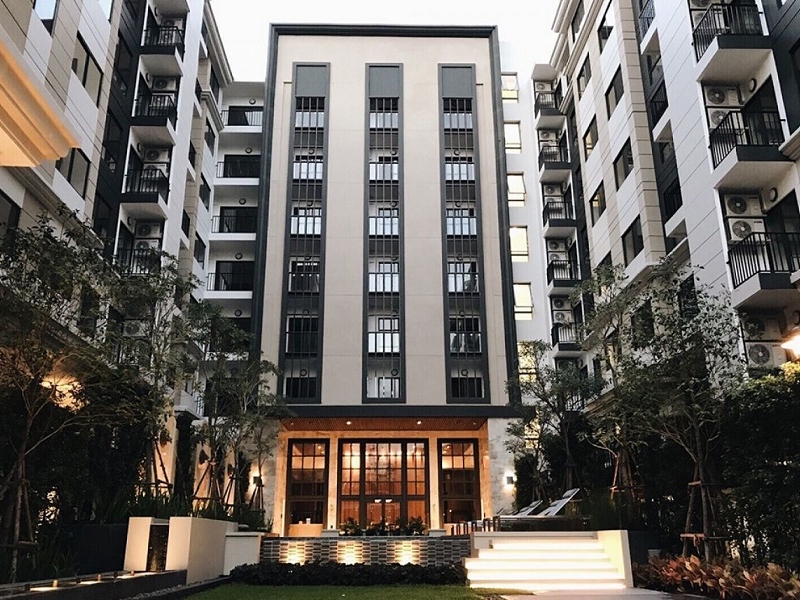
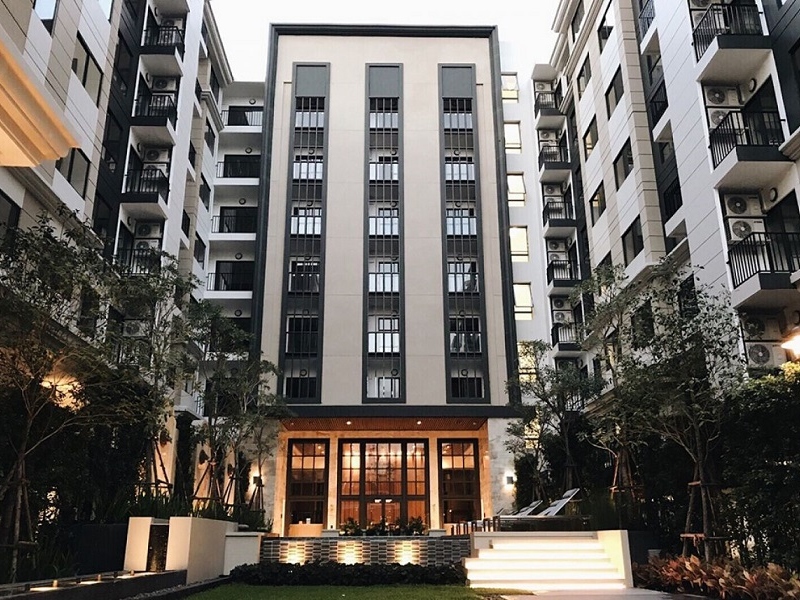
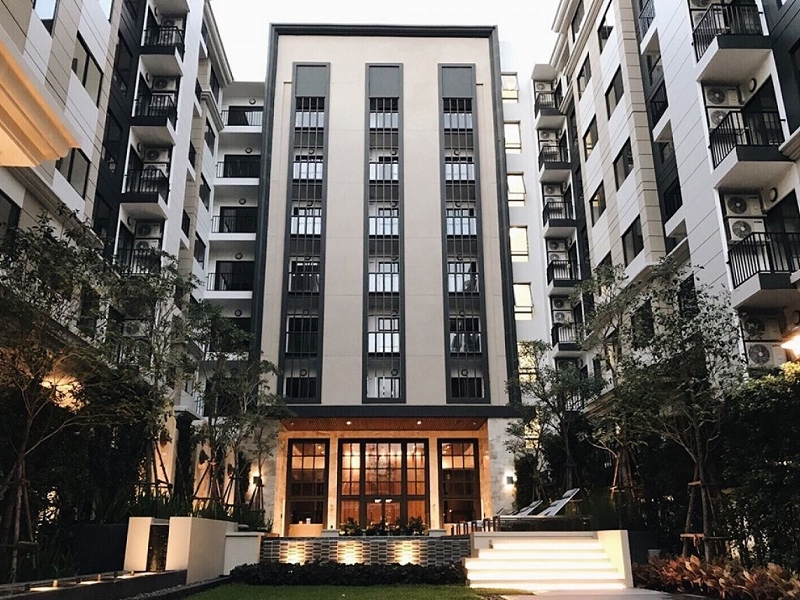
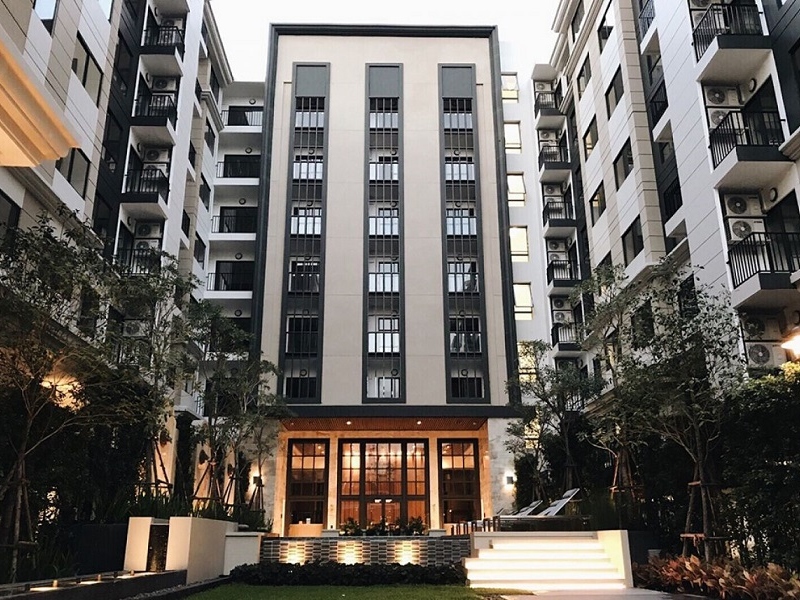
Bangkok condominium launches started 2026 cautiously. CBRE reported that the overall Bangkok condominium market had a slow start in the first quarter, with only 12 new project launches. For foreign buyers, that headline should not be read as a simple warning or a simple opportunity. It is a signal to become more selective. A restrained launch market can protect better completed buildings from future competition, but it can also show that developers are waiting for clearer demand before committing to new supply.
A slower launch market makes building and district selection more important for foreign buyers.
This matters because Bangkok remains one of Asia’s more accessible freehold condominium markets for overseas buyers, while local credit conditions, domestic purchasing power and developer launch discipline are all affecting the shape of supply. Foreign buyers who can fund a purchase cleanly may have negotiating leverage, but leverage is useful only when the selected unit has real tenant demand, a credible resale audience and a manageable ownership budget.
What 12 launches tell buyers
A low number of new launches tells buyers that developers are not throwing new stock at the market indiscriminately. That can be healthy if it helps reduce future oversupply in weaker segments. It can also mean that buyers will see fewer fresh choices in certain locations, especially if developers concentrate new launches in segments where they believe demand is strongest. The question is not whether launches are high or low. The question is where supply is being restrained and whether that restraint improves the position of the building you are considering.
Foreign buyers should compare the launch signal with completed inventory. If a district has many unsold completed units, low new launches do not remove near-term competition. If a prime district has limited new supply, strong occupier demand and few good resale alternatives, launch restraint can strengthen the case for a carefully chosen unit. The same statistic can mean different things in Sukhumvit, Sathorn, Rama IV, riverside submarkets and more fringe locations.
Luxury launches need a different test
CBRE’s wider 2026 outlook also pointed to more new launches in the luxury and super-luxury segments, supported by a high sales rate for existing supply. That does not mean every expensive unit is protected. It means the upper end of the market has its own demand logic. Buyers in this segment often compare Bangkok with Singapore, Hong Kong, Tokyo, Dubai and resort markets, so the decision is shaped by lifestyle, space, brand, park access, hotel service, schools, healthcare and regional travel convenience as much as by yield.
For a foreign buyer, the useful test is whether the luxury premium is attached to scarcity that another buyer will recognise later. A famous road, a park edge, a branded service model or a large-format layout may justify a premium if the resale audience is deep enough. A decorative lobby or generic luxury language does not. In a cautious market, the best projects should still be able to explain their pricing through location, design, management and owner profile.
Completed condominiums give buyers practical evidence beyond launch statistics.
Read tourism as support, not proof
CBRE also noted that Thailand received 9.3 million international arrivals in the first quarter of 2026, although arrivals were lower year on year. Tourism remains relevant to Bangkok property because it supports hotels, serviced apartments, retail, restaurants, healthcare, transport and short business trips. It also introduces many repeat visitors to Bangkok neighbourhoods before they become buyers.
However, tourism should be treated as a support signal rather than proof of a condo investment. A visitor count does not tell you whether a specific one-bedroom unit can find a tenant, whether a building allows the intended lease structure, or whether the owner can exit at a sensible price. The link between tourism and condominium demand is strongest in districts with repeat international usage, not in isolated buildings sold only on skyline images.
The practical buyer checklist
Check completed resale alternatives before reserving in a new launch.
Ask how many units have sold to cash buyers, Thai mortgage buyers and foreign buyers.
Model rent at a conservative level, including vacancy, common fees and furnishing.
Compare future supply within the same tenant catchment rather than only the same road.
Read foreign quota availability and transfer timing before paying a large deposit.
Test the exit audience: owner-occupier, landlord, expatriate tenant or future foreign buyer.
This checklist keeps the market story grounded. A cautious launch environment may create a better negotiation setting, but the owner still lives with the specific building. If common areas are poorly maintained, if the unit layout is awkward or if transport access is weaker than the sales presentation suggests, the macro story will not rescue the purchase.
The best purchase case links macro timing with unit-level fit, cost and exit demand.
Where buyers can still find strength
The stronger opportunity is likely to sit in buildings that solve daily life. Look for walking access to BTS or MRT, hospitals, schools, offices, premium retail, parks and reliable property management. In a slower launch market, these foundations matter even more because buyers and tenants become less forgiving. A unit that is easy to live in and easy to explain should hold attention better than a speculative location waiting for a future story to arrive.
Foreign buyers should also keep currency and holding period in the model. A good Bangkok purchase is rarely a quick flip. It usually needs a clear use case, a realistic rental plan, a medium-term hold and a disciplined entry price. The 2026 launch signal supports patient, evidence-led buying rather than aggressive speculation.
Buyer takeaway
Bangkok’s Q1 2026 launch restraint is a useful market signal because it shows caution and selectivity. It does not remove the need for due diligence. Foreign buyers should use the slower launch environment to negotiate carefully, compare completed buildings and choose assets with durable daily demand.
IBP can help overseas buyers compare launch stock, resale opportunities and district pipeline risk before committing funds. Review our Bangkok investment analysis or contact IBP Real Estate for a buyer shortlist.
Thailand’s push into film tourism is a useful confidence signal for Bangkok property buyers because it sits at the intersection of travel, creative industries, hospitality and global visibility. The Tourism Authority of Thailand hosted Amazing Thai Night in Cannes 2026 during the Cannes Film Festival, using the event to promote Thailand as both a film destination and a journey destination. For property investors, the point is not that a film event directly raises condo prices. The point is that Thailand is working to turn international attention into repeat travel and higher-value economic activity.
TAT used Amazing Thai Night in Cannes 2026 to position Thailand as a global film and travel destination.
TAT said the Cannes activity supported the “Amazing Location Thailand the Story Continues” campaign and the wider Thailand FILMAZING Year direction towards 2027. The agency also reported that Thailand welcomed 546 foreign productions with a combined value of more than 6 billion baht in 2025, while 218 productions generated 2.46 billion baht from January to April 2026. These figures matter because film production brings crews, hotels, local vendors, logistics, post-production services and destination exposure into the economy.
Why this matters beyond tourism
Film tourism is not only about visitors following a movie location. It can deepen a country’s brand among producers, streaming platforms, media teams, actors, creators and high-spending fans. That type of visibility supports Thailand’s wider soft-power strategy. Bangkok benefits because it is the country’s main international gateway, business base and hospitality hub even when filming or travel routes include beaches, heritage towns or national parks.
For foreign property buyers, this reinforces Bangkok’s role as a globally connected city. The strongest property markets are not supported by one demand channel. They draw from tourism, corporate relocation, education, healthcare, events, regional business and lifestyle appeal. Film tourism adds another layer to that mix by keeping Thailand present in international culture and media conversations.
Film tourism links creative-industry visibility with visitor demand and local economic activity.
The Bangkok property connection
A buyer should connect this signal to districts that already capture international movement. Areas near hotels, convention venues, embassies, hospitals, premium retail, BTS and MRT stations are better positioned than isolated buildings. If Thailand attracts more film-related travel, business events and media attention, Bangkok’s established central districts are likely to be the places where visitors stay, meet, shop and consider longer returns.
This does not make every central condominium a good investment. The property still has to pass the normal tests: sensible entry price, foreign quota, building management, tenant demand, common fees, furnishing cost and resale liquidity. The macro story can support confidence, but the unit must earn the purchase case locally.
The most relevant buyer response is to watch repeat-use districts rather than promotional headlines. If media, production and tourism campaigns keep bringing international visitors back through Bangkok, the advantage should be tested in buildings with proven daily convenience and professional management.
Quality travel over simple arrival numbers
TAT’s Cannes messaging also fits Thailand’s broader focus on value-led tourism. A film-production visitor, international media delegate or set-jetting traveller may spend differently from a mass-market tourist. They may use premium hotels, specialist services, private transport, restaurants, wellness venues and repeat Bangkok stopovers. That is more relevant to prime property districts than raw arrival numbers alone.
Foreign buyers should therefore watch how Thailand converts visibility into structured routes, business partnerships and repeat spending. A one-off event is less important than whether the country can keep attracting productions, crews, festivals, media campaigns and travel products over time.
Soft-power events can keep Thailand visible to international media, producers and high-value travellers.
Investor takeaway
Thailand’s film-tourism push is a positive soft-power signal, not a shortcut to property returns. It suggests that the country is competing for higher-value attention and creative-economy activity, both of which can support Bangkok’s long-term position as a liveable and internationally recognised base.
For buyers, the practical move is to keep macro confidence separate from unit selection. Use the country story to decide whether Bangkok deserves attention, then use building evidence to decide what to buy. IBP can help foreign buyers compare districts that benefit from tourism, business travel and premium lifestyle demand. Read our Thailand economy and investment news or contact IBP Real Estate for a Bangkok plan.
Bangkok’s condominium market is no longer a market where foreign buyers should read every new launch as automatic growth. The more useful signal in 2026 is supply discipline. Are developers slowing new projects in weaker segments? Are completed buildings clearing stock without damaging resale values? Are buyers choosing finished, well-managed buildings over speculative future supply? These questions matter because Bangkok remains attractive, but the opportunity is selective.
Supply discipline matters because Bangkok property performance is increasingly building-specific.
The Bank of Thailand’s latest monthly reporting on the real estate sector noted that the overall market had contracted from the previous year, with weaker demand and lower newly launched properties across low-rise housing and condominiums. It also noted that condominium prices had stabilised after an earlier decline. For a foreign buyer, that combination is important. It does not say Bangkok is closed for investment. It says buyers need to pay attention to where supply is being held back, where inventory is still heavy, and where pricing has already adjusted enough to create value.
Why supply discipline matters
Supply discipline means developers are not simply adding new units because land is available or because marketing language is optimistic. In a softer local credit environment, disciplined supply can help the market reset. Fewer launches can reduce pressure on completed stock, give developers time to sell remaining units, and make buyers compare real alternatives more carefully. That can be constructive for well-located buildings with credible demand.
Foreign buyers should avoid reading a slower launch market as only negative. A market with fewer weak launches can be healthier than a market full of aggressive pricing, shallow reservations and future resale competition. The key is to distinguish between a district that is pausing because demand is thin and a district where limited new supply protects strong completed buildings.
Read launch restraint alongside completed stock
A lower level of new launches is useful only if completed stock is also being absorbed in a sensible way. If developers are delaying launches but unsold completed units remain widespread, buyers still have negotiating power. If completed buildings are trading steadily, rents are supported and foreign quota is available, a restrained future pipeline can improve the case for a carefully chosen unit.
This is where foreign buyers should move from macro headlines to building evidence. A broad report can show market direction, but it cannot tell you whether a specific one-bedroom on Sukhumvit, a two-bedroom near a school, or a branded residence near Lumphini Park is priced correctly. Building-level comparison remains the real work.
Completed buildings give foreign buyers evidence that launch brochures cannot provide.
What to ask before reserving
How many comparable completed units are available in the same district?
Are developers discounting only weak layouts, or are good stacks also being repriced?
Is the project relying on local mortgage buyers, cash buyers or overseas demand?
How much future supply is scheduled within the same tenant catchment?
Do resale listings show realistic asking prices or stale owner expectations?
Would the unit still make sense if rent were lower for the first lease cycle?
These questions keep the buyer away from the common mistake of treating a discount as value. A reduced price is only attractive if the unit has a clear use case. If the layout is awkward, the walk to transport is weak, the juristic management is poor or the resale audience is thin, a discount may simply reflect risk that other buyers have already spotted.
Cash buyers have an advantage, but only with discipline
Foreign condominium buyers usually purchase with offshore funds rather than local mortgages. In a market where Thai household purchasing power and bank approvals are under pressure, that can give a genuine advantage. A cash-ready buyer may be able to negotiate more calmly, move faster on a strong resale unit and avoid the uncertainty that affects some local purchasers.
The advantage can disappear if the buyer uses cash to chase weak stock. Sellers and developers know that foreign buyers can transfer quickly, so the buyer still needs a walk-away price. The right question is not simply whether the seller will reduce the asking price. It is whether the final price is low enough to compensate for vacancy, fees, furnishing, tax, currency movement and resale timing.
The best purchase case still comes down to unit fit, holding cost and exit audience.
Where the signal is strongest
Supply discipline is most useful in districts with durable daily demand. Areas connected to BTS or MRT, hospitals, schools, offices, premium retail and established expatriate routines can benefit more from restrained launches than fringe locations where demand is speculative. A limited pipeline near real demand can support building performance. A limited pipeline in a weak location may simply show that developers are cautious.
Foreign buyers should therefore compare three layers. The first is macro: national credit, launch and price direction. The second is district: transport, rental depth, competing supply and resident profile. The third is unit: view, layout, floor, furnishing burden, common fees and likely exit buyer. A purchase only becomes attractive when all three layers point in the same direction.
Buyer takeaway
Bangkok remains compelling because foreign freehold condominium ownership is clear, the city is globally connected and prime districts offer a deep lifestyle base. But the market now asks for sharper selection. Supply discipline can help patient buyers, especially when it limits future competition and improves negotiation on completed stock. It should not be used as a blanket reason to buy.
IBP can help foreign buyers compare new launches, completed resales and district-level pipeline risk before committing. Review our Bangkok investment analysis or contact IBP Real Estate for a buyer shortlist.
The Tourism Authority of Thailand’s enhanced Amazing Thailand app is a small but useful signal for Bangkok property buyers. TAT announced that the upgraded platform would enter public rollout from 15 March 2026, developed with Mastercard and designed to combine inspiration, trip planning, on-ground discovery, spending, safety guidance and VAT refund information. For the property market, the app is not about one technology launch. It is about Thailand’s effort to make travel easier, more trusted and more commercially connected.
TAT and Mastercard positioned the enhanced app as part of Thailand’s digital tourism development.
Foreign buyers often judge Bangkok through repeated visits before they buy. They test neighbourhoods, hospitals, restaurants, malls, transport links, hotels and weekend routines. Anything that reduces visitor friction can improve confidence. A traveller who can plan more easily, discover local experiences, receive practical guidance and move through the city with fewer surprises is more likely to imagine Bangkok as a repeat-use base rather than a one-off holiday stop.
Why a tourism app matters to property demand
Tourism and property are not the same market, but they overlap in Bangkok. Many condo buyers first encounter the city as tourists, business travellers, medical visitors, event attendees or regional family visitors. A stronger visitor experience can widen the pool of people who understand Bangkok’s daily convenience. That matters for both owner-use buyers and landlords targeting short-to-medium executive or long-stay tenants within legal building rules.
TAT said the enhanced app aligns with the Amazing 5 Economy framework and is intended to support quality revenue, innovation and sustainable tourism growth. The platform includes an AI-powered chatbot, personalised recommendations, Mastercard Priceless experiences, itinerary tools and safety guidance. Those details point to a broader policy direction: Thailand wants visitor spending to be better distributed, more trusted and less dependent on simple arrival numbers.
Digital tourism tools are designed to support higher-quality visitor spending and travel confidence.
The Bangkok angle
Bangkok benefits when Thailand improves the full travel journey. The capital is often the arrival city, the business base, the medical hub and the shopping stop. Even travellers heading elsewhere frequently spend time in Bangkok before or after domestic trips. If digital tools help them discover places to stay, eat, shop and explore, the city’s premium districts become easier to navigate for new and returning visitors.
For foreign property buyers, that reinforces three practical themes. First, Bangkok’s global connectivity is not only about airports and flights; it is also about how easy the city is to use after arrival. Second, neighbourhoods with hotels, retail, transport and services can convert tourism familiarity into property interest. Third, landlords in visitor-facing districts should think carefully about legal, building-compliant rental positioning rather than relying on vague tourism demand.
What buyers should not overstate
The app does not guarantee condo price growth, rental yield or higher occupancy. It is one part of a wider tourism strategy, and property returns still depend on entry price, location, building management, tenant demand, legal compliance and exit liquidity. A foreign buyer should treat tourism technology as a confidence signal, not a valuation shortcut.
It is also worth separating visitor convenience from landlord permission. A better travel journey can introduce more people to Bangkok, but condominium owners still need to respect building regulations, lease terms and Thai law. The strongest property case is usually built around legitimate long-stay demand, repeat owner use and neighbourhood quality, not informal short-stay assumptions.
The more important question is whether a district captures repeat visitor behaviour. Areas near BTS, hospitals, premium retail, convention venues, embassies, offices and hotels are more likely to benefit from improved visitor confidence than isolated buildings with weak daily convenience. The app may help travellers discover Thailand more broadly, but property value remains local.
Trip-planning, safety guidance and discovery tools can make Thailand easier for repeat visitors and long-stay buyers.
Investor takeaway
The enhanced Amazing Thailand app supports a larger story: Thailand is competing for higher-quality tourism, trusted experiences and digitally assisted travel. That is constructive for Bangkok because the city’s property appeal depends partly on repeated, confident use by international visitors. Buyers should connect that macro signal to specific neighbourhoods rather than buying the headline.
For foreign buyers, the practical move is to use each Bangkok visit as due diligence. Test the commute, hospital access, dining, shopping, airport route and neighbourhood rhythm before buying. IBP can help convert those visits into a structured property shortlist. Read our Thailand economy and investment news or contact IBP Real Estate for a Bangkok buyer plan.
Bangkok’s condominium market in 2026 rewards buyers who can separate real absorption from launch-day theatre. A project can look busy during a preview weekend, yet still face slow contract conversion, heavy resale competition or discounting pressure later. For foreign buyers, the issue is not whether off-plan property is good or bad. The better question is whether the specific launch, unit type and district have enough genuine demand to support the entry price.
Off-plan demand should be tested at district, building and unit level before a reservation is paid.
Recent market outlooks from major property consultancies describe Thailand’s real estate market as more selective and differentiated, with stronger performance in certain prime or luxury pockets and more caution in price-sensitive segments. That makes absorption analysis more useful than broad optimism. A foreign buyer should not buy simply because a launch is marketed as scarce, nor reject it simply because the wider market is cautious. The work is to test whether the project is being absorbed by real end users, investors and future tenants.
What absorption tells a foreign buyer
Absorption is the pace at which launched units are sold and contracted. It is a useful signal because developers must eventually convert marketing interest into signed contracts, mortgage approvals, cash payments and transfer-ready buyers. A strong absorption rate can suggest that pricing, location, product and payment terms fit the market. Weak absorption can indicate that the launch price is ahead of demand, the unit mix is too narrow, or competing stock gives buyers better options.
For foreign buyers, absorption is also a risk-control tool. Many overseas buyers visit Bangkok for a short property trip and may feel pressure to reserve quickly. Absorption checks slow the process down. They ask whether the unit would still make sense if the launch promotion ended, if the exchange rate moved, if completion took longer than expected, or if resale buyers became more selective.
Look beyond the sales chart
A sales chart can be useful, but it is not enough. Buyers should ask which units are genuinely contracted, which are only reserved, which are allocated to agencies, and which remain available after cancellations. A project can show impressive early take-up while the best floors are held back, while less desirable stacks remain available, or while discounted agency inventory appears later.
The next question is who bought. A project absorbed mainly by domestic owner-occupiers will behave differently from a building sold mostly to small investors. A project with a strong regional buyer base may rely more on foreign quota, currency trends and rental management. A building positioned for executives or families should have layouts, parking, storage and services that fit that tenant pool.
A completed building gives buyers more evidence than a sales gallery, but both require disciplined comparison.
Compare the launch against completed alternatives
Off-plan pricing often includes a promise: new design, better amenities, improved engineering and a future neighbourhood story. Those advantages may be real, but they must be compared with completed buildings nearby. A completed resale unit gives the buyer evidence of actual common-area condition, resident profile, juristic management, rental history and resale listings. If the off-plan premium is large, the future product needs to justify it.
Foreign buyers should build a simple comparison set: three completed condominiums in the same district, two nearby launches, and at least one older building with proven rental demand. Compare price per square metre, usable layout, unit depth, view risk, walking route, building density, common fee and likely tenant. The best off-plan purchase usually survives this comparison without depending on vague capital-gain language.
The unit stack matters
Absorption at project level can hide weak unit selection. A popular one-bedroom stack may sell quickly while larger units lag. A corner two-bedroom may appeal to families but have a lower percentage yield. A high-floor unit may protect views but carry a price premium that tenants will not fully pay for. The buyer should not ask only whether the project is selling. The buyer should ask whether the exact unit type has a deep future market.
Check practical rental fit
Tenants pay for convenience, comfort and routine. That means natural light, storage, desk space, appliance quality, lift waiting time, parking, noise, walkability and nearby services all affect rental performance. A good-looking show unit can still be difficult to rent if the bedroom is cramped, the kitchen is poorly ventilated or the building is inconvenient after work.
Check resale fit
Future resale buyers will compare the unit against new launches, older completed stock and owner expectations. If the unit is too small for owner use but too expensive for rental yield, it can sit in an awkward middle. Buyers should model a realistic selling period and a conservative exit price, especially if they may need liquidity before the building matures.
Layout, furnishing cost and tenant fit can matter as much as headline launch pricing.
A practical absorption checklist
Ask how many units are reserved, contracted and cancelled after the first campaign period.
Separate Thai quota demand from foreign quota demand where possible.
Compare developer price lists with actual resale evidence nearby.
Check whether incentives are hiding the true net price.
Stress test rent, vacancy, furnishing cost and common fees before relying on projected yield.
Review the payment schedule against currency risk and completion timing.
This approach does not remove all risk. Bangkok property remains a local, building-specific market, and foreign buyers still need legal, quota, title and funds-transfer checks. But absorption analysis helps prevent the most common mistake: buying a launch narrative rather than a unit with a clear demand base.
Buyer takeaway
Bangkok remains attractive because it combines legal foreign condominium ownership, regional connectivity, strong lifestyle infrastructure and a wide range of entry prices. The opportunity is real, but it is selective. In 2026, off-plan buyers should be willing to walk away from projects where sales momentum is unclear, comparable completed buildings look better, or the exact unit has a thin rental and resale audience.
IBP can help foreign buyers compare off-plan launches with completed resale alternatives before they reserve. Review our Bangkok investment analysis or contact IBP Real Estate for a buyer shortlist.
Bangkok can look attractively priced beside many global gateway cities, but foreign buyers should still judge a condominium by the cash it will require after the transfer. A purchase price is only the entry point. The stronger investment decision is the one that also models common fees, sinking-fund demands, fit-out, vacancy, repairs, agent work, tax administration and the time it may take to resell.
Holding costs should be tested against the type of tenant demand a location can realistically support.
This matters because Bangkok is not a single rental market. A compact unit near a major office and rail node, a larger family apartment near schools and a riverfront residence aimed at long-stay executives will each have a different cost rhythm. The owner who understands those rhythms can hold through quieter periods without being forced into a weak lease or a rushed exit.
Start with the building, not only the room
Foreign buyers often focus on the view, furniture package and headline price per square metre. Those points are useful, but a long-term owner should also ask how the condominium juristic person is funded, whether common areas are being maintained, whether major repairs are expected, and how transparent the annual general meeting minutes are. A building that is underfunded can become expensive even if the unit itself looks clean.
Common-area fees should be treated as a recurring operating cost rather than a small administrative line. Ask whether charges are based on ownership ratio, whether parking carries separate costs, how arrears are handled, and whether any special assessments have been discussed. For older buildings, lift replacement, waterproofing, facade work, pool systems and fire-safety upgrades can be more relevant than showroom finishes.
Model fit-out, furniture and handover reserves
A ready-to-rent budget should include furniture, appliances, curtains, internet setup, minor repairs, deep cleaning, photography and replacement items after tenant turnover. Even in a well-managed new unit, the owner may need to spend before the first lease begins. In resale units, small defects can also appear only after a full inspection, so a reserve is more useful than an optimistic assumption.
Building age, management quality and common-area upkeep all affect the true cost of ownership.
The correct allowance depends on the asset plan. A tenant-facing unit needs durable furniture, easy-to-replace items and practical storage. A personal-use unit can be more bespoke, but future resale buyers may discount unusual layouts or expensive owner-specific upgrades. The safest approach is to spend enough to protect rental appeal without overcapitalising beyond the building and district ceiling.
Vacancy and leasing costs are part of yield
Gross rent is not yield. Foreign owners should reduce expected rent for vacancy, agent commission, small repairs, juristic paperwork, tax filing support, bank fees and exchange-rate friction if income is eventually remitted overseas. A good agent can reduce these frictions, but they should still be visible in the model before purchase.
Vacancy assumptions should be tied to tenant depth. A unit near employment clusters, hospitals, universities or lifestyle amenities may have broader demand than a unit that relies only on a view or a developer brand. That does not mean every central unit is safe. It means the owner should ask who the likely tenant is, how long that tenant normally stays, what competing supply looks like and what rent they would pay in a softer market.
Taxes, compliance and administration
Thailand property ownership is administratively manageable for many foreign buyers, but it is not hands-off. Owners may need to track rental income, coordinate withholding or personal tax advice, keep invoices, renew insurance, manage repair approvals and maintain accurate contact details with the juristic office. If the owner lives overseas, a reliable local representative becomes part of the holding-cost plan.
A realistic budget includes the unit, the building and the time needed to prepare it for occupancy or rent.
Transfer fees, specific business tax, stamp duty and withholding tax also matter on exit, although the split depends on the transaction and holding period. Buyers should not rely on a sales agent estimate alone. Before committing, ask a lawyer or tax adviser to explain likely transfer charges for both the acquisition and a future resale so the investment model does not assume a frictionless exit.
Build a conservative cash buffer
A sensible holding-cost model should test at least three cases: base rent, slower leasing and no rent for a period while repairs or resale marketing take place. The exact numbers will vary by unit, but the discipline is the same. If the investment only works when the unit is constantly occupied at an ambitious rent, the purchase is more fragile than the brochure suggests.
Foreign buyers should also think about currency. The baht cost base may be stable, but the buyer may earn or report wealth in another currency. That can affect comfort with common fees, renovation costs and the timing of resale proceeds. A buffer held in baht for predictable local costs can reduce avoidable pressure.
What to ask before signing
Before signing a reservation or sale and purchase agreement, ask for the latest common-fee schedule, sinking-fund position, juristic accounts, AGM minutes, house rules, insurance summary, renovation rules, pet rules if relevant, parking rights and any known upcoming works. For resale, confirm whether the unit has unpaid charges and whether the debt-free letter can be issued on time.
IBP can help foreign buyers compare Bangkok condominium options by total ownership cost, not only headline price. For a broader starting point, review the Investment Analysis articles and speak with the team before committing capital to a unit that has not been tested against holding reality.
Bangkok condominium buyers are entering a market that looks more disciplined than euphoric. That can be a positive setting for foreign buyers, provided they read the data correctly. Price stability does not mean every unit is good value, and a soft domestic credit cycle does not automatically make every resale a bargain. It means buyers have more room to compare finished buildings, negotiate carefully and ask whether the unit will remain easy to rent or resell when local demand is selective.
Price stability is useful only when buyers also test district supply, building quality and likely exit demand.
Why stability matters more than headline growth
The latest Bank of Thailand commentary on the real-estate sector described a market where demand remained weak across low-rise housing and condominiums, while temporary loan-to-value support gave some help. The same update noted that high-rise condominium mortgage lending had rebounded after earlier concerns, newly launched supply had fallen, and condominium prices had stabilised after a previous quarterly decline. For a foreign cash buyer, that combination is important: it points to a market where developers and sellers are cautious, but not necessarily forced into broad distress pricing.
In practical terms, stability gives the buyer time. A market driven by panic can hide defects behind urgency; a market driven by runaway optimism can make buyers accept thin yields and poor layouts. A steadier environment rewards methodical comparison. Buyers should look at completed resale units, developer inventory, rental listings in the same building and the gap between asking price and recent transaction evidence. The right question is not whether Bangkok is cheap or expensive in general. It is whether a particular unit is priced correctly for its age, floor, view, tenancy appeal and transfer readiness.
Supply discipline is a buyer signal
Lower new-launch activity can support the better parts of the market over time because fewer competing towers are chasing the same tenant pool. It can also mean developers are protecting cash flow and avoiding risky launches in districts where end-user demand is weak. Foreign buyers should welcome supply discipline, but they should not treat it as a blanket positive. A completed condominium in an oversupplied soi can still struggle, while a well-managed building near a genuine daily-use transport node can stay liquid even in a slower cycle.
Completed buildings let buyers compare real management, layout and resale evidence rather than relying only on launch pricing.
The most useful comparison is micro-local. Count the number of similar one-bedroom or two-bedroom units for rent in the same building and nearby buildings. Review whether furnished units actually move or remain online for months. Ask how many units are owner-occupied, how active the juristic office is, and whether common fees are sufficient for proper maintenance. These details explain the real investment case better than a broad market average.
Credit weakness changes bargaining power
Domestic purchasing power remains one of the main constraints in Thailand property. When local mortgage approval is selective, sellers who need a fast transfer may prefer a clean foreign buyer with documented funds. That gives foreign buyers a negotiation advantage, especially on resale units where the seller has already moved out or where the landlord wants to simplify a portfolio. The advantage is strongest when the buyer is ready with foreign exchange documents, passport copies, tax and transfer cost assumptions, and a lawyer or representative who can check the transfer file early.
This does not mean buyers should push only for the lowest possible price. A deeply discounted unit can be cheap for a reason: awkward layout, poor light, noise, weak management, high upcoming repairs or limited tenant appeal. A disciplined offer should connect price to evidence. If there are five similar units for rent in the building, ask why yours will rent first. If the resale price is close to a new launch nearby, ask what the completed-building proof is worth. If the seller wants speed, ask for documents before paying a large deposit.
What foreign buyers should test in 2026
Compare achieved rents, not only advertised rents, and allow for vacancy, agency fees, repairs and furnishing refreshes.
Check whether the foreign freehold quota is available before treating a unit as transferable to a non-Thai buyer.
Ask for juristic financial statements, sinking fund position and major repair history where available.
Walk the route to BTS, MRT, supermarket and hospital access at the times a tenant would actually use them.
Model a resale exit with conservative pricing, because liquidity matters as much as paper yield.
Districts are not all moving together
Bangkok property is increasingly a two-speed market. Prime and lifestyle districts with daily-use infrastructure can behave differently from speculative fringe locations. Sukhumvit, Rama 9, Silom-Sathorn and riverside addresses each have different tenant profiles and resale audiences. Even within Sukhumvit, Asok, Phrom Phong, Thonglor, Ekkamai and On Nut are not interchangeable. The stronger districts combine rail access, international services, shopping, healthcare and proven rental demand. The weaker cases depend too much on future promises.
Employment nodes, hospitals, schools and rail access can support rental depth in the better-located parts of Bangkok.
Foreign buyers should also separate owner-use logic from investment logic. A unit can be a good personal Bangkok base because it is quiet, pleasant and close to favourite amenities, even if the yield is average. A rental investment needs sharper evidence: tenant depth, manageable common fees, durable furnishing, and an exit price that makes sense against older and newer competition. Mixing the two goals often leads to overpaying for lifestyle or underestimating operating costs.
A sensible buyer approach
A stable condo market favours buyers who proceed in layers. Start with district fit, then building management, then unit economics, then legal transfer checks. Do not let a promotion, free furniture package or short booking deadline replace due diligence. In a slower market, the buyer’s best asset is patience.
Foreign buyers often ask a simple question before buying a Bangkok condominium: what yield can I expect? The better question is more disciplined: what yield remains after the optimistic assumptions have been removed?
Bangkok condo yields should be tested district by district, not assumed from headline rent.
A headline gross yield can be useful for comparing districts, but it is not an investment decision on its own. Gross yield normally divides annual rent by purchase price. It may ignore vacancy, agent fees, furnishing, repairs, sinking fund contributions, common area fees, withholding tax, personal income tax, bank transfer costs, insurance and resale friction. Those items are not theoretical. They are the difference between a condo that looks attractive in a brochure and a unit that performs sensibly over several years.
CBRE’s 2026 Thailand real estate outlook points to a more selective market. It highlights continued luxury and super-luxury condominium launches, strong sales rates for existing downtown luxury supply and upward pressure on asking prices in some prime segments. That context is useful for foreign buyers because it confirms that Bangkok is not one uniform market. Premium districts can remain competitive while weaker buildings, tired interiors or over-supplied micro-locations still require caution.
Start with a conservative rent
The first stress test is rent. Do not underwrite a unit using only the highest advertised rent for a similar room. Ask what has actually leased in the same building, the same size range and the same condition. A renovated corner unit with a clear view is not comparable with a darker unit on a low floor. A building with a direct covered walk to rail can behave differently from one that needs a motorcycle ride in heavy rain.
For a first pass, foreign buyers should test at least three rent cases: an optimistic rent, a realistic rent and a defensive rent. The defensive rent is not a forecast of disaster. It is a way to see whether the investment still makes sense if the tenant takes longer to find, negotiates harder or demands furniture upgrades. If the deal only works at the optimistic rent, the buyer is not investing; they are hoping.
Vacancy changes the result quickly
Bangkok rental demand is real in the right places, especially near business districts, hospitals, universities, embassies, lifestyle retail, MRT and BTS nodes. Still, every landlord should assume some vacancy. A one-month vacancy each year reduces annual rent by more than eight per cent before any other cost is counted. A two-month vacancy can turn a thin return into a poor one.
Vacancy risk is not only about the wider market. It also comes from product fit. A unit that is too personalised, too sparsely furnished or difficult to maintain can sit longer. A building with slow juristic response, tired common areas or awkward access can lose tenants to a newer competitor. This is why investors should view the lobby, lifts, corridors, parking, rubbish areas and management office with the same seriousness as the unit itself.
Building age, common fees and management quality can change the real return profile.
Count ownership costs before tax
Common area fees and sinking funds should be included from the start. Some buyers treat them as small monthly details, but they are recurring costs that reduce net yield. Older buildings may also require special maintenance contributions. Newer buildings may have attractive facilities but higher operating costs. Neither is automatically wrong; the point is to compare the fee level with the rent that the building can realistically support.
Furnishing also matters. Bangkok tenants often expect a move-in-ready unit. A low-cost furniture package may reduce upfront spending, but weak furniture can raise repair calls and make listing photos less competitive. A premium fit-out can improve marketability, but it should still be measured against achievable rent. The best investment fit-out is durable, neutral and easy to replace, not simply expensive.
Include tax, agency and management assumptions
Foreign landlords should discuss rental income tax and withholding mechanics with a qualified adviser before relying on a net figure. Agent commission, tenant-finding fees and property management fees should also be modelled. If the owner lives overseas, some management cost is usually sensible. The alternative is relying on informal help when a tenant needs repairs, a key handover or a renewal negotiation.
A useful underwriting sheet should show gross yield, net yield before tax and net yield after estimated recurring costs. It should also show cash needed after purchase: furniture, appliances, small renovations, transfer-related costs and a maintenance reserve. This avoids the common mistake of comparing rent only with the purchase price while ignoring the capital still needed to make the unit rentable.
Stress-test the exit, not only the rent
Yield is only one part of the return. Foreign buyers should also ask who may buy the unit later. A building with clear title, healthy foreign quota, good juristic management and a recognised location will usually have a deeper resale audience than a building with confusing ownership records or poor maintenance. Resale liquidity can be more important than chasing a small extra percentage point of rent.
Exit stress testing means asking what happens if the buyer needs to sell in a slower market. Would the unit still appeal to another foreign buyer? Is the layout efficient? Are there too many identical units for sale in the same building? Is the district improving through transport, retail or office demand, or is it depending on a single story that may not materialise?
Tenant demand is strongest when a unit matches a real employment, lifestyle or mobility pattern.
A practical yield checklist
Use achieved rents from the same building wherever possible.
Run optimistic, realistic and defensive rent cases.
Assume vacancy, even in popular districts.
Include common fees, sinking funds, repairs, insurance and management.
Separate gross yield from net yield after realistic costs.
Check whether the unit has a clear resale audience.
Foreign buyers do not need to avoid Bangkok because yields require work. They need to buy with a clear model. Bangkok remains attractive because it offers international connectivity, livability, healthcare, dining, transport, tourism demand and a wide range of freehold condominium options. The opportunity is strongest when the unit, district and financial assumptions all support each other.
Buyer takeaway
A sensible Bangkok condo investment is not the one with the most exciting advertised yield. It is the one that still looks defensible after rent is reduced, vacancy is added, ownership costs are counted and the resale path is checked.
Bangkok’s hotel market is a useful lens for foreign condo investors in 2026, not because hotel rooms and condominiums are the same product, but because they respond to overlapping demand. International arrivals, conferences, medical travel, executive visits and long-stay leisure all influence the way visitors experience the city. Some of those visitors become tenants, second-home buyers or repeat Bangkok users.
Travel demand is one part of Bangkok’s rental story, but investors still need building-level evidence.
CBRE’s 2026 Thailand Real Estate Market Outlook expects Bangkok to receive more than 4,300 new hotel keys in 2026, mainly in upscale and luxury segments. The same outlook projects hotel occupancy to rise by up to two percentage points and RevPAR by 3% to 4%, even as new supply raises competition. For condo buyers, the message is nuanced: demand is real, but it is also becoming more selective.
That selectivity matters. A strong tourism headline does not automatically support every rental unit. A studio in a weak building, an inconvenient soi or an oversupplied micro-location can still sit vacant. A well-managed one- or two-bedroom unit near business districts, hospitals, lifestyle retail or rail connections can benefit from a deeper pool of tenants who want a residential base rather than a hotel stay.
Why hotel supply matters to condo investors
Hotels are a visible expression of confidence in visitor demand. Developers and operators commit capital only when they believe Bangkok can attract guests at rates that make the project work. New upscale hotels can also improve a neighbourhood by adding restaurants, meeting rooms, wellness facilities and stronger street activity. Those additions may make nearby condos easier to understand for tenants and future buyers.
However, hotel growth also raises the service benchmark. Foreign condo landlords cannot assume that a furnished unit will compete well simply because hotels are busy. Tenants who arrive through business, medical or lifestyle channels often expect fast internet, clean management, practical kitchens, reliable air-conditioning, responsive juristic staff and easy access to food, transport and healthcare.
The demand pools to separate
Short business stays
A visitor attending meetings, trade events or regional management sessions may use a hotel for the first trip, then prefer a serviced apartment or condominium for longer assignments. Districts near Sukhumvit, Rama IV, Wireless Road, Sathorn, Phloen Chit, Asoke, Queen Sirikit National Convention Centre and major offices can benefit when the unit matches working routines.
Medical and wellness visitors
Bangkok’s private healthcare and wellness ecosystem brings repeat visitors who may need more space, privacy and routine than a hotel room provides. For this group, proximity to hospitals, pharmacies, supermarkets, taxis, food delivery and quiet building management can matter more than a fashionable address.
Lifestyle and second-home users
Some foreign buyers want a Bangkok base for part of the year. They may rent the unit when absent or hold it for personal use. Their decision is influenced by the same city strengths that support hotels: dining, retail, parks, healthcare, culture, airport connectivity and regional access.
Corporate travel, MICE activity and executive relocation can support rental depth in the right districts.
What this means for district selection
Hospitality-led demand usually concentrates around places that are easy for non-residents to use. Phrom Phong, Thong Lo, Asoke, Phloen Chit, Chit Lom, Sathorn, Silom, Rama IV and riverside pockets have different rental logic, but they all offer recognisable anchors. Buyers should map these anchors before comparing prices.
A district with a famous mall or hotel is not enough. The walking route, station access, pavement condition, taxi flow, lift waiting time, noise, flood risk, juristic standards and surrounding tenant mix all affect real rental performance. The building has to serve a weekly routine, not only look strong in a brochure.
How to test a rental assumption
Compare achieved rents in the building, not only advertised rents in the district.
Check whether competing units are furnished to a similar standard.
Estimate vacancy and agent fees before calculating net yield.
Ask who the tenant is likely to be and why that tenant would choose this unit.
Review building rules for leases, pets, parking, renovations and short-stay restrictions.
The most common mistake is to use a hotel recovery story as a blanket rental forecast. Hotels can be busy while individual condo landlords struggle. The bridge between the two is specific: a tenant needs a reason to choose residential accommodation in that location, at that rent, with that service level.
The best rental units connect visitor demand to daily resident convenience, transport and management quality.
Where foreign buyers should be cautious
Hotel supply can also create competition for daily spending and labour. If a neighbourhood receives many new hotel rooms but limited resident infrastructure, it may feel busy without becoming better for long-stay tenants. Foreign buyers should avoid confusing visitor footfall with residential quality.
Another caution is management intensity. A rental condo is not passive if the owner lives overseas. Repairs, cleaning, tenant handover, deposit handling, tax records, insurance and juristic communication all require a local process. A prime unit can underperform when the landlord has no operating plan.
Buyer takeaway
Bangkok’s 2026 hotel pipeline supports a constructive view of the city’s visitor economy, but foreign condo investors should use it as a signal, not a promise. The more useful question is whether a chosen unit can convert Bangkok’s travel, corporate and lifestyle appeal into stable residential demand.
A strong Bangkok rental asset is usually easy to explain: good building, usable layout, sensible rent, clear tenant pool, clean ownership documents and a district that works in daily life. IBP can help foreign buyers compare rental evidence, ownership structure and district fit before purchase. Start with our rental market guides or contact IBP Real Estate for a buyer brief.
Bangkok’s condominium market is not moving as one simple story in 2026. The broad market remains selective, with local purchasing power and mortgage conditions still shaping demand. At the same time, CBRE’s 2026 Thailand Real Estate Market Outlook points to a firmer luxury and super-luxury segment, supported by a 93% sales rate for existing supply and a forecast that downtown average asking prices could rise by up to 15% year on year.
Bangkok’s 2026 condominium market is becoming more selective by price point, location and buyer profile.
For foreign buyers, that split matters. A weak mass-market headline does not automatically mean all Bangkok condos are cheap. A strong luxury headline does not mean every premium project is safe. The market is becoming more segmented, which rewards buyers who can identify the exact demand pool for a unit: owner-occupiers, regional families, corporate tenants, medical visitors, retirees, executives or long-stay lifestyle buyers.
What the split really means
A segmented market means different assets can behave differently at the same time. A small investment unit in an oversupplied outer station may struggle to stand out, while a low-density luxury residence near a park, hospital, embassy district or established retail cluster may preserve pricing better. The difference is not just brand. It is the depth and durability of the future buyer and tenant audience.
This is particularly important in Bangkok because new supply, resale liquidity and tenant demand vary sharply between districts. Sukhumvit, Lumphini, Wireless Road, Sathorn, Rama IV, riverside neighbourhoods and emerging rail corridors each have different drivers. A foreign buyer should not rely on city-wide averages when the investment result will be determined by one building, one unit stack and one future resale pool.
Why luxury can stay resilient
Luxury and super-luxury buyers are less dependent on local mortgage approval than mass-market domestic buyers. They may use cash, overseas capital, family-office planning or long-term lifestyle budgets. That can make the upper end less exposed to local credit tightening. Bangkok also competes regionally on value: prime freehold condominium prices can still look accessible to buyers comparing Singapore, Hong Kong or central London, while daily living remains relatively convenient.
The city’s liveability base supports the argument. Private hospitals, international schools, restaurants, retail, hotels, parks, airports and regional business connectivity all help Bangkok function as more than a holiday market. For a buyer who wants a second home or a long-stay base, those daily-life advantages can justify a premium if the building is genuinely well located and well managed.
Luxury projects should be judged on building quality, service depth and resale audience, not only scarcity language.
Where buyers still need discipline
Premium positioning can also be overused. A project may describe itself as rare, iconic or branded, but the buyer still needs to check land title, foreign quota, construction status, unit planning, common fees, parking, service obligations and realistic comparable prices. Luxury language should never replace due diligence.
A second risk is assuming that asking-price growth equals achieved resale growth. Asking prices can rise because new launches are better specified, larger, branded or located on expensive land. That does not guarantee that every resale owner can exit at the same premium. Foreign buyers should compare actual resale evidence, not only developer price lists.
The questions that matter most
Who is the next buyer?
Every purchase should have a believable exit audience. A two-bedroom unit near a top school, hospital and park may appeal to different buyers than a branded penthouse or a compact unit near an office station. If the future buyer pool is narrow, the entry price should reflect that risk.
Who is the tenant?
Luxury rentals often depend on corporate budgets, families, diplomats, executives, medical visitors or long-stay regional residents. The unit should fit the tenant’s routine. A beautiful layout with poor storage, difficult access or weak building management can disappoint even in a prime district.
What does the common fee buy?
High-end buildings need maintenance, staff, security, air-conditioning, lifts, pools, gardens and hospitality-style service. A low common fee may look attractive at purchase but create under-maintenance later. A high common fee needs to be justified by real service quality and building preservation.
Foreign buyers should connect macro confidence to district-level rental and resale depth.
How to compare luxury and mainstream units
Use different yield assumptions for luxury units and compact investment units.
Check whether the project is bought mainly for living, renting, capital preservation or status.
Compare completed resale buildings as well as new launches.
Review the foreign quota and payment trail before reservation.
Price the holding period realistically, including common fees, furnishing refresh and vacancy.
A smaller unit may produce a higher percentage yield but have heavier competition. A larger luxury unit may produce lower yield but better personal utility and a clearer lifestyle case. Neither is automatically superior. The right choice depends on the buyer’s currency, time horizon, personal use, tenant strategy and exit plan.
Buyer takeaway
The Bangkok luxury condo market is attractive only when buyers respect the split. The city has real strengths: legal foreign condominium ownership, regional connectivity, healthcare, schools, hospitality, retail and a growing premium-living ecosystem. But those strengths do not rescue every unit.
For 2026, the better strategy is selective confidence. Foreign buyers can be constructive on prime Bangkok while remaining demanding about price, layout, management and resale depth. A strong building in a deep district can justify attention. A weak unit with luxury packaging should be left alone.
IBP can help foreign buyers compare premium projects, resale alternatives and district-level rental evidence before committing. Browse our investment analysis or contact IBP Real Estate for a buyer brief.
Bangkok condominium buyers are entering a market where patience and selectivity matter more than speed. Recent reporting from Nation Thailand on 6 May 2026 highlighted a cautious launch environment, with developers still facing weak domestic purchasing power and focusing heavily on inventory management. For foreign buyers, that does not mean Bangkok property has stopped being attractive. It means the bargaining conversation has changed.
A slower launch market can give disciplined buyers more time to compare completed supply.
A stock-clearance market can be favourable for overseas buyers who have cash, a clear brief and a realistic holding period. Developers may be more willing to offer furniture packages, fee support, staged payment terms or limited price adjustments. But an incentive is not the same as value. A unit can come with a promotion and still be overpriced for its building, view, layout or resale depth. The investor’s job is to separate useful concessions from marketing noise.
Why stock clearance matters in 2026
When developers slow new launches, the market often becomes more focused on completed or near-completed inventory. That has several implications. Buyers can inspect the real unit or a more advanced building, rather than relying only on renderings. The juristic management plan, common areas, lift systems, parking and neighbourhood access become easier to evaluate. Rental assumptions can also be tested against current listings rather than launch brochures.
For foreign buyers, this can reduce some pre-completion uncertainty. A completed unit may be easier to understand, easier to furnish and easier to rent quickly after transfer. It can also make financing less relevant if the buyer is using overseas cash. In a market where local mortgage approvals remain selective, cash buyers may have better negotiating power, provided they do not overpay for a weak asset.
The risk behind a discount
The main risk is assuming that a lower headline price automatically creates upside. Some stock exists because the unit type is less desirable, the view is compromised, the building is too far from transport, the project is priced above local demand, or many similar units are competing for tenants. A discount may simply bring the price closer to fair value. In some cases, it may still not be enough.
Buyers should ask why the unit remains available. If the answer is only “market conditions”, keep checking. Compare the unit against resale listings in the same building, nearby completed projects and older buildings with proven rental demand. If several owners are trying to sell similar layouts at lower prices, the developer’s promotion may not be the strongest deal in the building.
Developer incentives are useful only when the underlying building, layout and price also stand up.
How foreign buyers should compare offers
Look at total acquisition cost
The true entry price includes transfer costs, sinking fund, common fees, furniture, electrical appliances, minor renovation, insurance, legal checks and any agency or management costs. A furniture package may be convenient, but it is not free if the sale price already includes the cost. Ask for a cash-price comparison where possible.
Test rent with current evidence
Projected yields should be checked against real asking rents and recent leases in the same building or immediate district. In a slower domestic market, developers may use optimistic rental language to support sales. A prudent buyer should model a realistic rent, one month of vacancy, management fees, maintenance and periodic furnishing refresh.
Check the foreign quota position
Foreign freehold ownership is still the main clean legal route for most overseas buyers. Before placing a reservation, confirm that foreign quota is available for the specific unit and that the seller can support the Land Department transfer file. A discount is not useful if the ownership route is unclear.
Study building depth
A building with many unsold or unoccupied units can still be a good opportunity, but it deserves extra review. Ask about completed transfer numbers, juristic setup, common-area budget, developer after-sales support and whether future residents are mostly owner-occupiers, investors or corporate tenants.
Where the opportunity may be strongest
Stock-clearance opportunities are most interesting where the district already has multiple demand drivers. BTS or MRT access, hospitals, schools, parks, offices, international retail, embassies and dining clusters can all support tenant demand. The same is true for buildings with practical layouts, sensible common fees and a clear resale audience.
The opportunity is weaker where a project depends on one future catalyst or where units are too similar to dozens of competing alternatives. A large discount on an inconvenient unit may still leave the owner with a difficult rental and resale position. Foreign buyers should be especially careful with small layouts that look affordable but have limited liveability and heavy competition.
The best stock-clearance opportunity is still tied to a district with resilient tenant and resale demand.
Negotiation points to raise
Whether the developer can support transfer fees, sinking fund or common-fee prepayment.
Whether the price changes for cash payment, faster transfer or multiple-unit purchase.
Whether furniture, appliances and defects rectification are written into the sale documents.
Whether the exact unit, view and floor are confirmed before the reservation becomes binding.
Whether rental-management support is optional, transparent and realistic.
The tone should be commercial, not aggressive. Developers still need to protect project pricing and existing buyer confidence. But a well-prepared buyer with clean funds and a clear decision process can often have a more serious conversation than a casual bargain hunter.
The investor takeaway
Bangkok’s stock-clearance phase should be read as a due-diligence opportunity, not a blanket buying signal. The city remains attractive because it combines legal foreign condominium ownership, regional connectivity, healthcare, schools, lifestyle depth and a wide tenant base. But the correct response to a slower launch market is sharper selection.
The right unit should make sense without assuming quick capital appreciation. It should be liveable, rentable, legally clean and explainable to a future buyer. If an incentive improves an already strong purchase, it is valuable. If it distracts from weak fundamentals, it is just packaging.
IBP can help foreign buyers compare developer stock, completed resale units and district-level rental evidence before committing. Browse our investment analysis or contact IBP Real Estate for a unit-specific review.
A foreign buyer should decide how a Bangkok condominium can be resold before deciding whether it should be bought. That sounds defensive, but it is a practical investment discipline in 2026. The Bank of Thailand’s 29 April 2026 Monetary Policy Committee statement kept the policy rate at 1.00 percent, while also warning that credit growth is projected to remain subdued and that financial institutions are still cautious with higher-risk borrowers. For property investors, the message is clear: liquidity has value.
A slower credit market rewards buyers who think about resale before they buy.
Bangkok remains one of Thailand’s most understandable markets for foreign condominium ownership. It has depth, international services, major hospitals, schools, offices, transport infrastructure and a large tenant base. But a deep market is not the same as an easy market. When buyers face stricter finance, higher living costs and uncertain global conditions, they become more selective. Units that were easy to sell in a momentum market may need sharper pricing and a better story in a slower one.
Why resale strategy belongs at the start
Many overseas buyers focus first on view, discount, furniture package or projected rent. Those details matter, but they should sit inside a wider exit plan. A sensible resale plan answers three questions. Who is the likely next buyer? What evidence would persuade that buyer? How much time and price flexibility might be needed if the market is quiet?
In Bangkok, the next buyer may be a Thai end-user, a foreign investor, an expatriate already living in the city, a family buying for a student or relative, or an owner-occupier upgrading within a preferred district. A unit with only one possible buyer group is more fragile. A unit that can work for several groups has more ways out. That is especially important when domestic mortgage approvals are selective and some Thai buyers are slower to commit.
What the current credit backdrop changes
Lower policy rates do not automatically translate into easy property liquidity. The BOT statement specifically noted subdued credit growth and continued caution by financial institutions. That means foreign buyers should avoid assuming that a future domestic buyer will easily obtain finance at the price the seller wants. If local mortgage buyers are constrained, cash buyers and foreign buyers gain bargaining power, but sellers also need to be realistic.
For investors, this encourages conservative underwriting. Do not buy a unit that only works if the resale price rises quickly. Model a longer holding period, normal vacancy, furnishing refresh, agency fees, common fees, tax exposure and a negotiable resale price. If the purchase still makes sense, it is a stronger candidate. If it only works under optimistic appreciation, it is not really an investment plan.
Building depth, completed condition and realistic pricing matter more when lenders and buyers are cautious.
Five resale checks before buying
1. Comparable sales and listings
Ask how many similar units in the same building are listed and where they are priced. A single asking price proves little. A cluster of comparable units shows the seller competition a future owner may face. If many identical layouts are on the market, the buyer should demand a stronger entry price or a better unit position.
2. Tenant profile
A good resale unit normally has a rental story as well as an ownership story. Future buyers often ask what the unit can rent for, even if they intend to use it personally. Evidence from recent leases in the same building is more useful than district-wide yield claims.
3. Building management
Resale buyers notice ageing common areas quickly. Lobbies, lifts, corridors, pool decks, gyms, parking systems and juristic office responsiveness influence buyer confidence. A tired building can force the seller to discount even when the unit interior is attractive.
4. Layout durability
Fashionable finishes age, but good proportions last. Units with usable bedrooms, proper storage, sensible kitchens and flexible work space are easier to sell into different market cycles. Very small or awkward units need a clearer price advantage.
5. District demand
Resale value is supported when a district has multiple demand drivers: transport, offices, hospitals, schools, retail, green space, embassies or lifestyle depth. A single catalyst can disappoint; a layered district gives future buyers more reasons to consider the unit.
Where foreign buyers should be careful
The most common mistake is overpaying for a discount story. A launch discount, furniture promotion or guaranteed-looking rental projection can distract from weak resale depth. Buyers should also be careful with very large luxury units unless they understand the narrower buyer pool and longer selling period. High-end units can be excellent lifestyle assets, but they require patient capital and careful building selection.
Another risk is buying too deep into an emerging location before rental demand has caught up. Emerging districts can offer better entry pricing, but investors need to know what will support rent during the first few years. Transport promises, future malls and office pipelines should be treated as upside, not as the only reason the numbers work.
The best exit story is usually tied to a district with several sources of end-user and tenant demand.
A practical 2026 buyer framework
Start with the resale audience, then work backwards. If the future buyer is likely to be a Thai professional, check local finance affordability and building reputation. If the future buyer is likely to be another foreign investor, check foreign quota, rental evidence and whether the unit is easy to manage from overseas. If the future buyer is likely to be an end-user, prioritise liveability over maximum theoretical yield.
Bangkok property can still be attractive for foreign buyers, but the strongest purchases are specific rather than broad. They have a believable tenant, an explainable exit, a building that will age well and an entry price that leaves room for market noise. In a slower credit market, discipline is not pessimism. It is what gives the buyer optionality.
IBP can help overseas buyers compare resale evidence, rental demand and exit risk before committing to a Bangkok condo. Review our resale and exit strategy guides or contact IBP Real Estate for a unit-specific shortlist.