
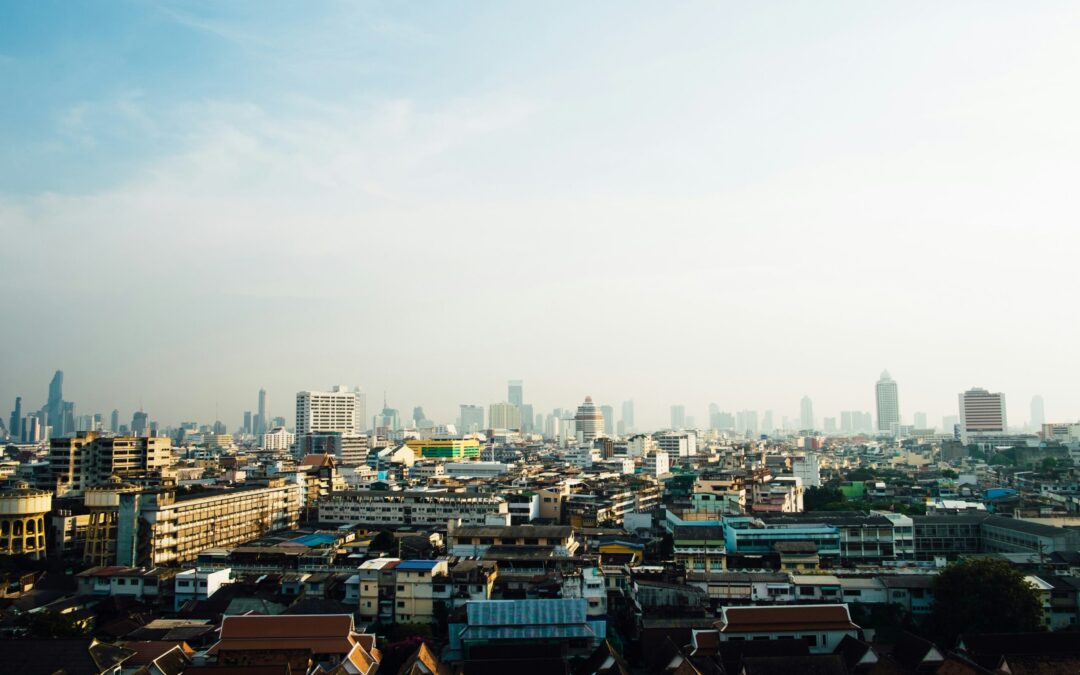
Bangkok condominium investors often begin with the residential market, but the city’s office cycle is now just as important to understand. When companies upgrade into better buildings, the surrounding rental catchments can change: some districts gain more weekday footfall, better retail, stronger expat routines and deeper demand for well-managed homes close to mass transit.
For foreign buyers in 2026, the useful question is not simply whether Bangkok has enough office space. It is whether the buildings, tenants and transport connections around a condo support long-term occupier demand. A unit beside a strong employment cluster can still underperform if the building is poorly managed, the walk is awkward or the room layout does not suit the tenant profile.
Why The Office Cycle Matters To Condo Buyers
CBRE’s 2026 Thailand outlook describes an office market where tenants continue to pursue quality, with many occupiers upgrading to newer or similar-grade buildings. For a condo investor, that shift matters because office decisions influence where professionals spend their weekdays, where they eat, how late they stay in the district and which residential locations feel practical without a car.
The most investable Bangkok condo locations are rarely judged by one demand source. They usually combine office access, rail connectivity, healthcare, retail, schools, parks and food options. Office upgrading adds another layer to that stack. A prime building that draws multinational, finance, technology, consulting or professional-services tenants can make nearby apartments more relevant to internationally mobile renters.
This does not mean every new office tower creates residential upside. Bangkok has many micro-markets, and tenants may be price-sensitive even when they want better premises. Foreign buyers should avoid broad assumptions and instead map the condo against actual commute behaviour: station exits, covered walkways, motorcycle-taxi dependence, traffic choke points and the after-work route home.
The Districts Where The Link Is Strongest
The office-to-condo relationship is clearest in Silom-Sathorn, Wireless-Lumphini, Rama IV, Phrom Phong, Asok, Ploenchit and selected parts of Ratchada-Rama IX. These areas already have a base of corporate demand, international amenities and completed or improving transport networks. They also have enough resale evidence for buyers to compare buildings more carefully.
In Silom-Sathorn and Wireless-Lumphini, the rental audience often includes executives, diplomats, regional office staff and long-stay professionals who value short commutes and mature amenities. In Asok and Phrom Phong, office demand overlaps with Japanese, European and regional expat lifestyle patterns. Around Rama IV and Queen Sirikit MRT, the appeal is increasingly mixed-use: convention, offices, parks, healthcare and new lifestyle projects.
A buyer should be cautious with districts promoted mainly on future office supply. If a location still lacks finished pedestrian links, daily retail, school access or established leasing agents, rental demand may take longer to materialise than the sales brochure suggests. Completed convenience is usually more bankable than a promised neighbourhood story.

What Flight-To-Quality Means For Building Choice
Office tenants upgrading their premises often want the same discipline from nearby housing: reliable security, clean common areas, fast lifts, practical parking, strong juristic management and a building that looks current when a tenant arrives for inspection. Older condos can still make excellent investments, but only if the common areas, maintenance budget and ownership profile support continued upkeep.
The risk for foreign buyers is buying a unit that looks attractive inside while the building quietly loses competitiveness. Tenants comparing several options will notice the lobby, corridors, lift waits, gym condition and noise control. In a market where office occupiers are moving toward better stock, residential buildings that feel tired may need deeper discounts to stay leased.
This is where a management-led due diligence process matters. Ask for common-fee levels, sinking fund history, recent capital works, occupancy, short-term rental rules and evidence of any major repairs. A strong office catchment cannot compensate for a weak building committee or a juristic office that is underfunded.
How To Model Rental Demand Without Overclaiming Yield
Foreign buyers should avoid yield claims that rely on best-case rent and perfect occupancy. A more useful model starts with three rent cases: conservative, current achievable and optimistic. Then apply realistic vacancy, maintenance, agency commission, common fees, insurance, withholding-tax administration and occasional repairs. The result may look less exciting, but it gives a more investable view.
The office upgrade story should feed into the demand side of the model, not replace it. If a condo is within a genuinely easy commute of several Grade A or Grade A-plus office clusters, the downside leasing case may be stronger. If it depends on one employer, one new tower or one speculative district narrative, the risk is higher.
For resale, investors should also check how many similar units are listed in the same building. Deep rental demand helps, but exit liquidity depends on how easily a buyer can differentiate the unit later. Corner layouts, protected views, sensible unit sizes and renovated bathrooms may matter more than decorative furniture packages.
A Practical Shortlist Framework
Start with the tenant profile before the building. A Japanese family, a single regional executive, a medical visitor, a hybrid-working entrepreneur and a finance professional may all prefer different layouts and districts. The office market can point to demand, but the final purchase should match a real renter segment.
Next, walk the commute at the times a tenant will actually use it. A five-minute map distance may feel very different in heat, rain or late evening traffic. Check whether the station access is intuitive, whether the pavement is usable, and whether nearby retail supports daily living rather than occasional shopping.
Finally, compare completed buildings with resale evidence before considering off-plan promises. New supply can be attractive, but foreign buyers need clarity on foreign quota, payment timing, handover quality, building management and likely resale competition. In 2026, the best Bangkok condo investments are likely to be selective, evidence-led and close to durable employment demand.
Buyer Takeaway
Office flight-to-quality is a useful signal, not a guarantee. For foreign buyers, the opportunity lies in matching central employment demand with a building that tenants will continue to choose after the first lease ends. IBP can help compare Bangkok districts, rental assumptions and resale risk before you commit to a purchase.