
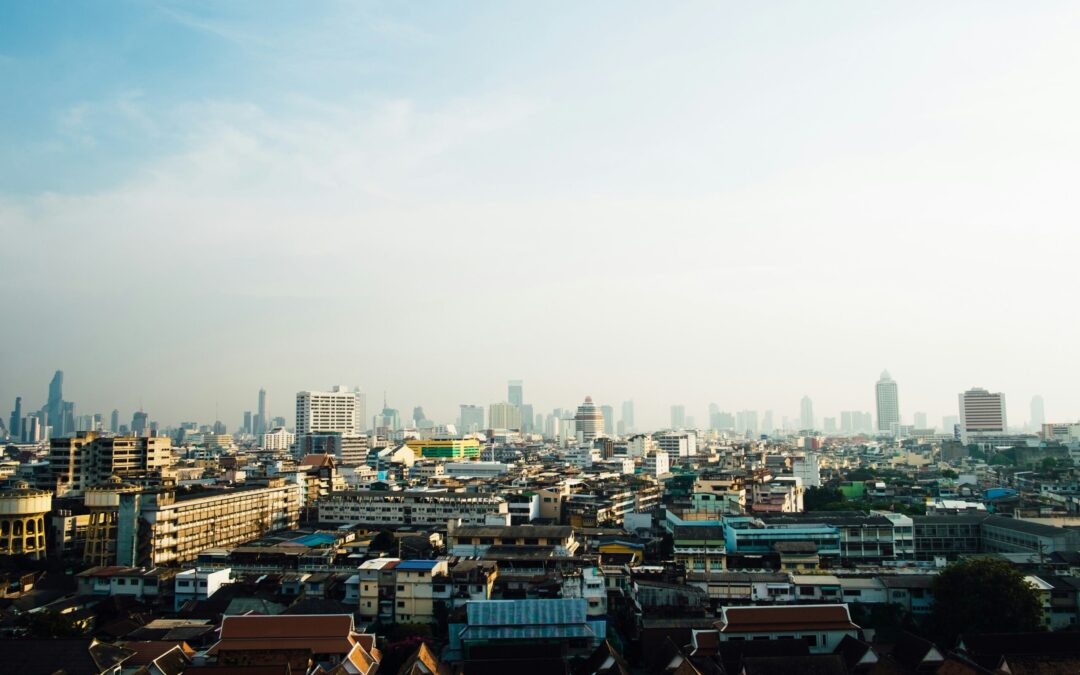
Thailand’s 2026 interest-rate backdrop gives Bangkok condo buyers a useful starting point, but it is not a complete investment answer. On 29 April 2026, the Bank of Thailand’s Monetary Policy Committee voted unanimously to keep the policy rate at 1.00 percent after cutting it in February. For foreign buyers, that matters because borrowing costs, developer pricing, Thai buyer sentiment and currency movements all feed into resale depth and rental demand.
A lower policy-rate environment can improve confidence, yet Bangkok remains a selective condominium market. Some completed buildings near BTS and MRT stations continue to attract long-stay tenants and overseas buyers. Other projects need discounts, longer marketing periods or better furniture packages to compete. A sensible investor should use the rate story as one input, then build a conservative unit-level model before paying a booking fee.
Why the 1.00 percent policy rate matters
A lower policy rate can reduce the reference point for domestic borrowing and make bank deposits less compelling. It may also give developers more room to offer payment plans or financing support. Yet the Bank of Thailand has also warned that credit growth remains subdued and financial institutions remain cautious with riskier borrowers. Cheaper money therefore does not automatically translate into easy mortgages for every local buyer.
Foreign freehold condo buyers often purchase with cash or offshore funding, so they may not rely on Thai mortgage availability. Even so, local credit conditions still matter. Thai end-users and domestic investors form part of the resale market, and their ability to buy affects liquidity. When local mortgage approvals are tight, foreign buyers should be more disciplined on price, building quality and exit assumptions.
Separate headline yield from usable yield
Gross yield is simple: annual rent divided by purchase price. Usable yield is more demanding. It includes common-area fees, sinking-fund contributions, agency fees, repair reserves, vacancy, withholding or income-tax planning, insurance, furniture replacement and currency conversion costs. A unit that looks attractive on a brochure yield can become ordinary after these deductions.
For example, a foreign owner planning to rent out a one-bedroom unit should model at least three cases: an optimistic rent with short vacancy, a base case using comparable listings in the same building, and a defensive case with a lower rent and a longer leasing period. If the investment only works in the optimistic case, the buyer is relying on market momentum rather than durable fundamentals.
Buildings matter more than districts
District selection is important, but two buildings on the same soi can produce very different outcomes. Investors should compare juristic management, lift waiting times, lobby condition, tenant mix, parking, maintenance history and the number of competing rental units. A well-managed older building in a proven location may outperform a newer project with weak maintenance or too many identical investor-owned units.
Foreign buyers should also check foreign freehold quota before they commit. If a building has limited remaining quota, it may affect negotiation power and future resale to overseas buyers. If a resale unit is already registered under foreign quota, confirm the title structure, transfer process and required foreign-exchange documentation early.
What rate cuts do not fix
Interest-rate support cannot fix an overpaid entry price. It cannot make an inconvenient soi more walkable, change a small bedroom into a practical long-stay layout, or create tenant demand in a building with weak transport access. It also cannot remove currency risk for buyers who earn in dollars, sterling, euros or Singapore dollars but hold an asset priced in baht.
That is why foreign investors should negotiate from evidence. Ask for actual achieved rents, recent resale transactions, current competing listings and the building fee schedule. Treat verbal rent projections as marketing unless they are supported by comparable leased units.
A practical 2026 yield checklist
Start with location, but finish with arithmetic. Is the unit within a realistic walk of mass transit, office demand, hospitals, schools or lifestyle anchors? Is the layout easy to rent to the target tenant profile? Are common fees proportionate to the amenities? Is the building popular with long-stay tenants rather than only short-stay visitors? Can a local agent show recent leases rather than asking prices?
Then stress-test exit. A foreign buyer should ask who the next buyer is likely to be. In a prime or completed building, the next buyer may be another foreign owner, a Thai professional, a retiree, or an investor seeking a ready rental asset. In a thin market, the next buyer may need a discount. Your investment model should allow for that possibility before you buy.
Where foreign buyers can still find value
Bangkok remains attractive because it combines freehold condominium access for foreigners, deep rental demand in selected districts, regional connectivity, strong healthcare and a relatively mature resale ecosystem. The best opportunities in 2026 are likely to be selective rather than broad. Completed buildings with transparent juristic management, walkable transport access and realistic sellers deserve more attention than speculative launches with aggressive promises.
For more buying basics, review IBP foreign buyer guides and investment analysis. Invest Bangkok Property can help you compare buildings, check documents and connect Bangkok market themes with unit-level due diligence before you commit capital.