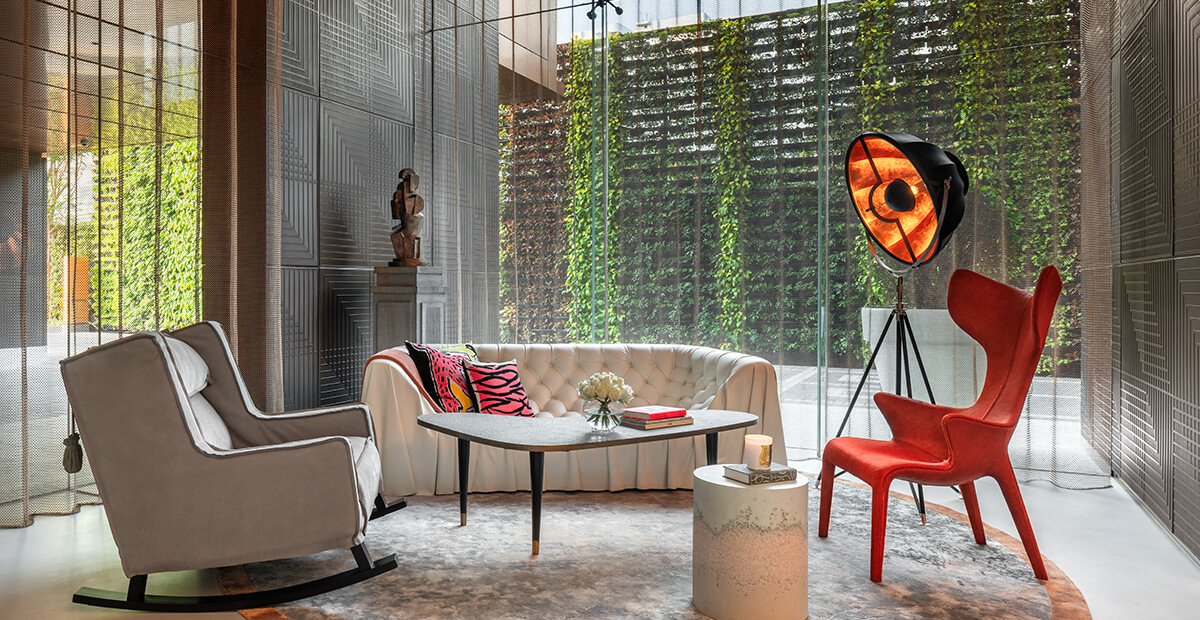
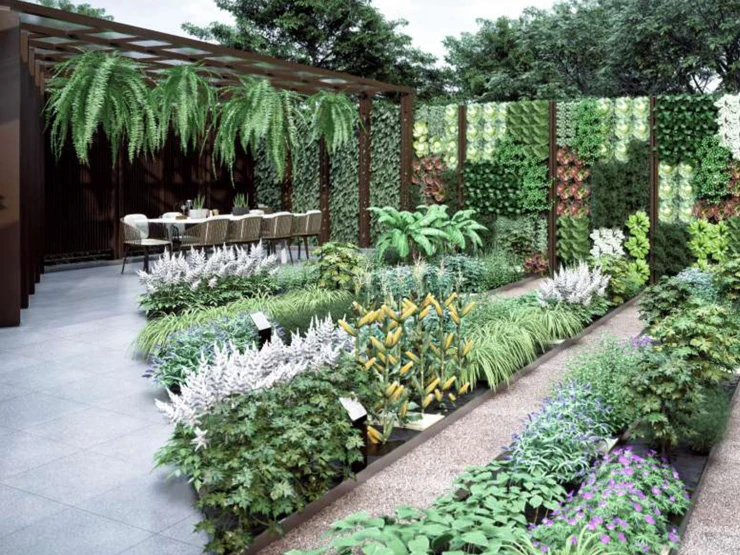
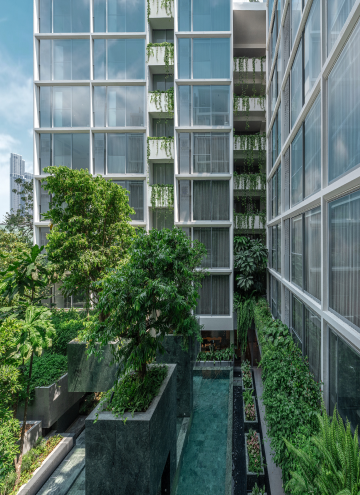
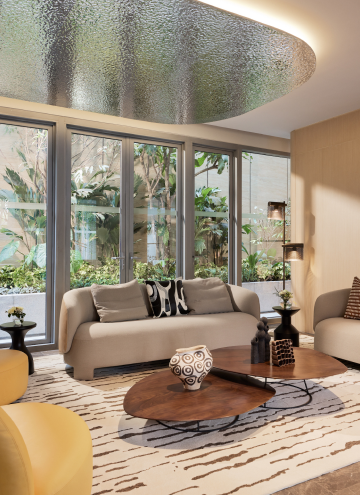
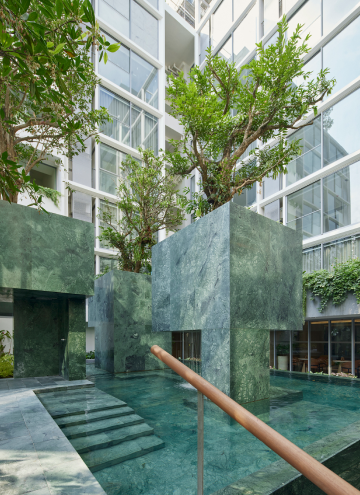
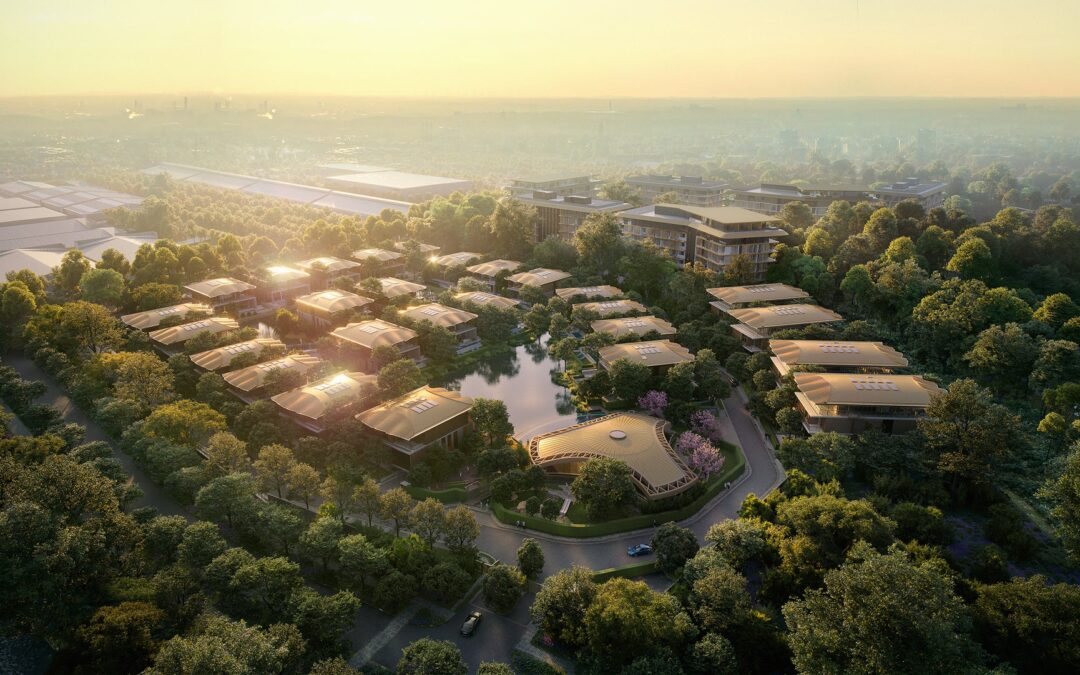
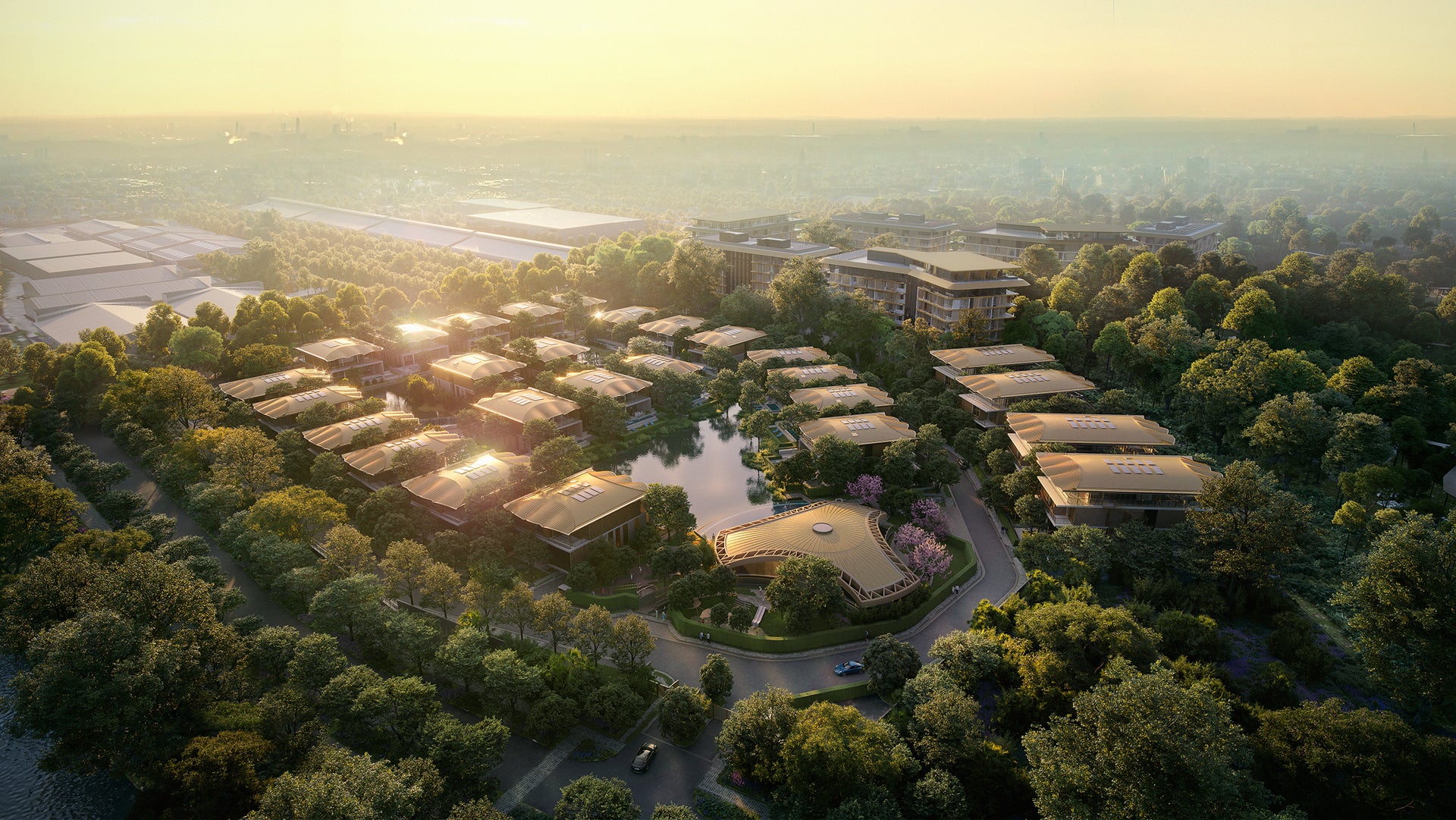
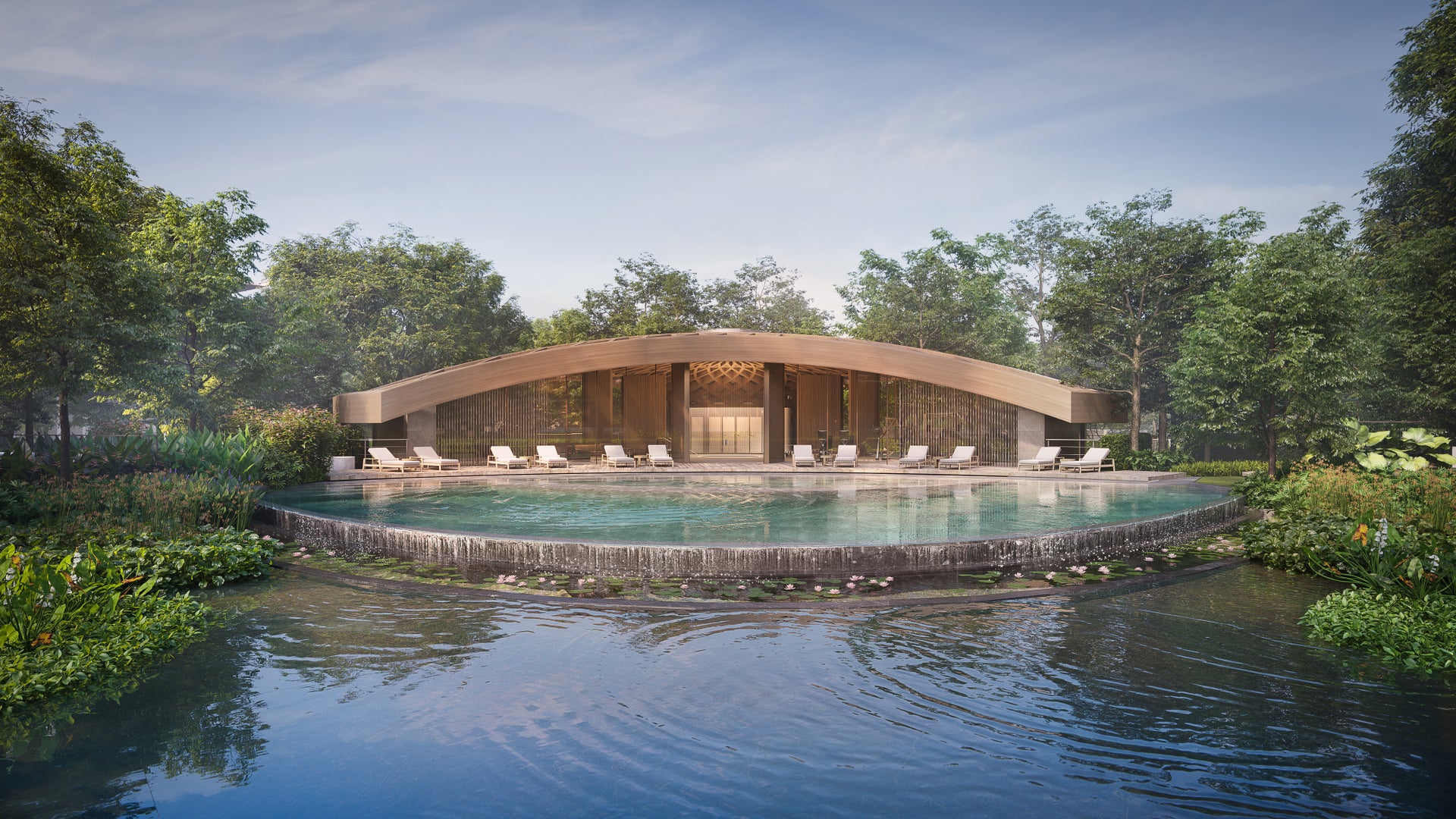
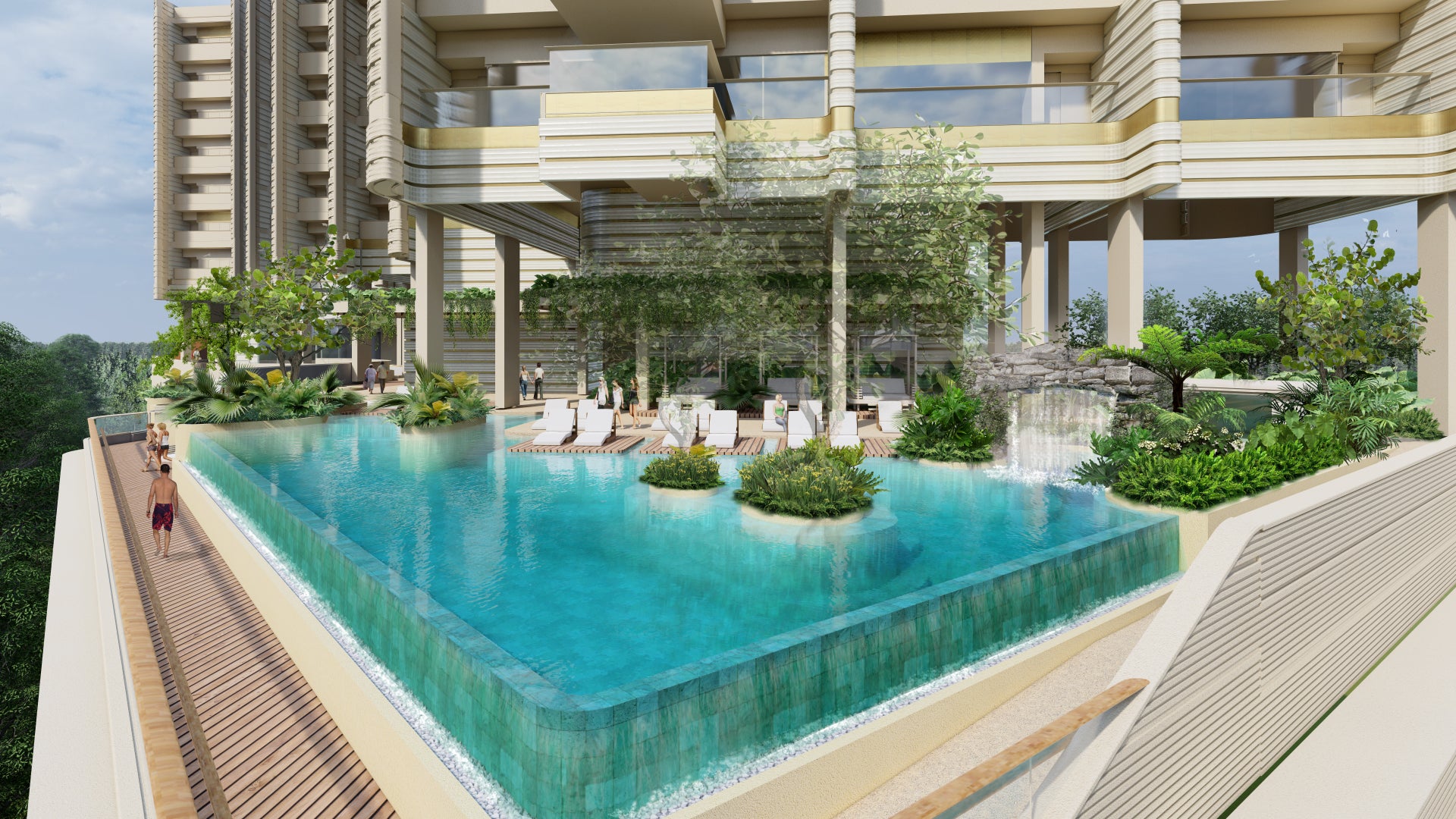
Branded residences and luxury condos in Bangkok can occupy the same premium streets, offer impressive amenities and target similar international buyers. The distinction is not simply that one carries a famous name. It lies in the operating model, service promise, contracts, ongoing cost and buyer audience.
A recognised hospitality brand can shape service expectations, but buyers still need to assess the residence as property.
A foreign buyer should compare both formats as long-term homes and assets rather than as showroom experiences. The stronger choice is the one whose location, unit, management and cost structure match the buyer’s actual use, holding period and exit strategy.
Define the product before comparing it
A branded residence usually operates under an agreement involving a hotel, hospitality, design or lifestyle brand. The brand may influence design standards, resident services, operating procedures and marketing. The exact role varies, so the name alone does not explain the product.
A luxury condominium can deliver premium architecture, large units, concierge-style staffing and extensive facilities without an international residential brand. Some are developed and managed by highly experienced Thai groups. Compare what is contractually and operationally provided rather than assuming one label guarantees superiority.
Understand who does what
Identify the developer, landowner, sales entity, condominium juristic person, property manager and brand operator. Ask how responsibilities change after completion and which organisation residents will deal with day to day. A strong launch team does not necessarily remain the long-term operating team.
For a branded project, have independent counsel review the agreements and disclosures relevant to the brand relationship. Understand its term, renewal arrangements, standards, fees and consequences if the relationship changes. Buyers should not assume a brand name remains attached forever under every circumstance.
Compare service you will actually use
Branded residences may offer hotel-informed concierge, housekeeping coordination, dining access, wellness support or other personalised services. Ask which services are included, which are charged separately, operating hours, booking rules and whether availability depends on an adjacent hotel.
A luxury condo may provide fewer named services but still offer efficient reception, security, engineering and resident support. For many owners, prompt maintenance and consistent management are more valuable than a long service menu. Rank services by realistic frequency of use.
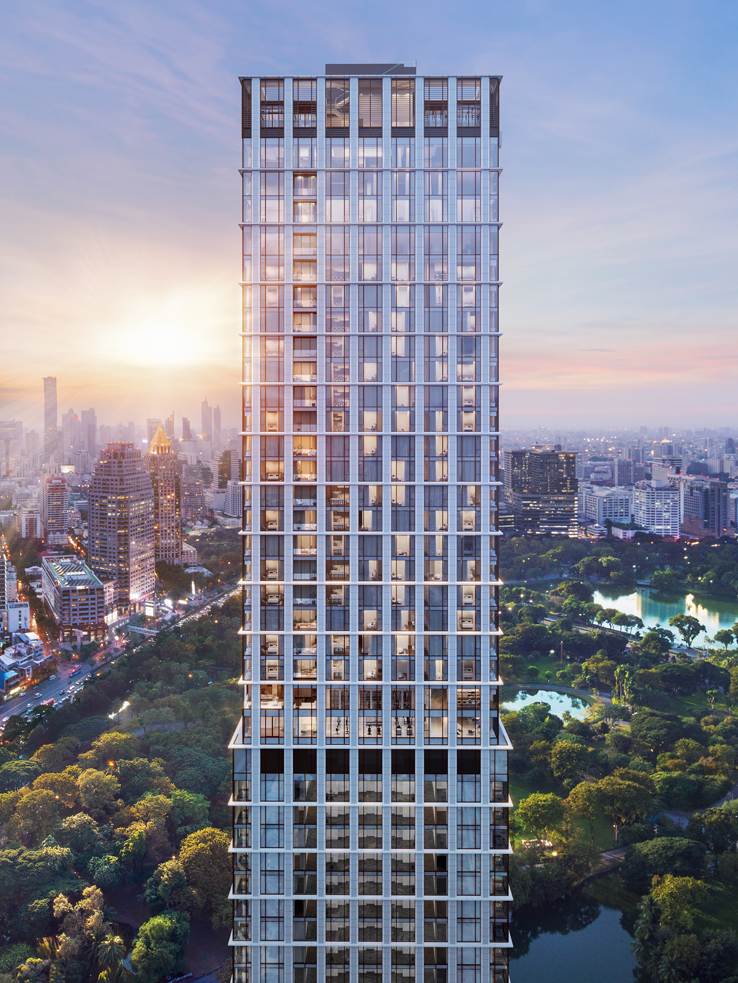
Location, outlook and mixed-use connections can be as important as the brand attached to a residence.
Analyse recurring cost, not just purchase price
Request a clear schedule of common charges, reserve or sinking-fund contributions, service fees and pay-per-use items. Check how budgets can change and which facilities the residence is responsible for maintaining. Mixed-use shared areas require particular clarity.
Compare cost per year and over the intended holding period. A higher operating charge may be reasonable where staffing and service genuinely support the owner’s lifestyle and preserve the building, but it reduces net rental income and affects the pool of future buyers.
Study the exact unit
Premium shared spaces cannot correct an unsuitable home. Measure room proportions, furniture walls, storage, kitchen function, privacy, service access, laundry, lift journey and parking. Test light, heat, noise and the likelihood that the view remains protected.
Large branded residences may target owner-occupiers and long stays, while smaller luxury units may serve a broader leasing market. These are tendencies, not rules. Compare the exact floor plan with the household or tenant profile rather than relying on project positioning.
Test hotel and mixed-use relationships
An adjacent hotel, retail centre, office or park can add dining, security, convenience and destination value. It can also create traffic, events, shared access and operating complexity. Walk all routes between the residence, arrival areas, parking and public realm.
Ask which facilities are exclusive, shared or merely nearby. A marketing illustration can make separate components appear seamlessly connected. Legal rights, access rules, hours and future operating decisions determine how the relationship works after purchase.
Model rental fit carefully
A recognised brand can help an overseas tenant understand service expectations, yet rent still depends on unit size, location, supply, lease rules and affordability. Do not convert a brand premium automatically into a yield premium.
Check minimum lease terms, management requirements, furnishing standards, pet rules and any restrictions on rental activity. Estimate agency costs, vacancy, service charges, maintenance and replacement before comparing net outcomes with an unbranded luxury condo.
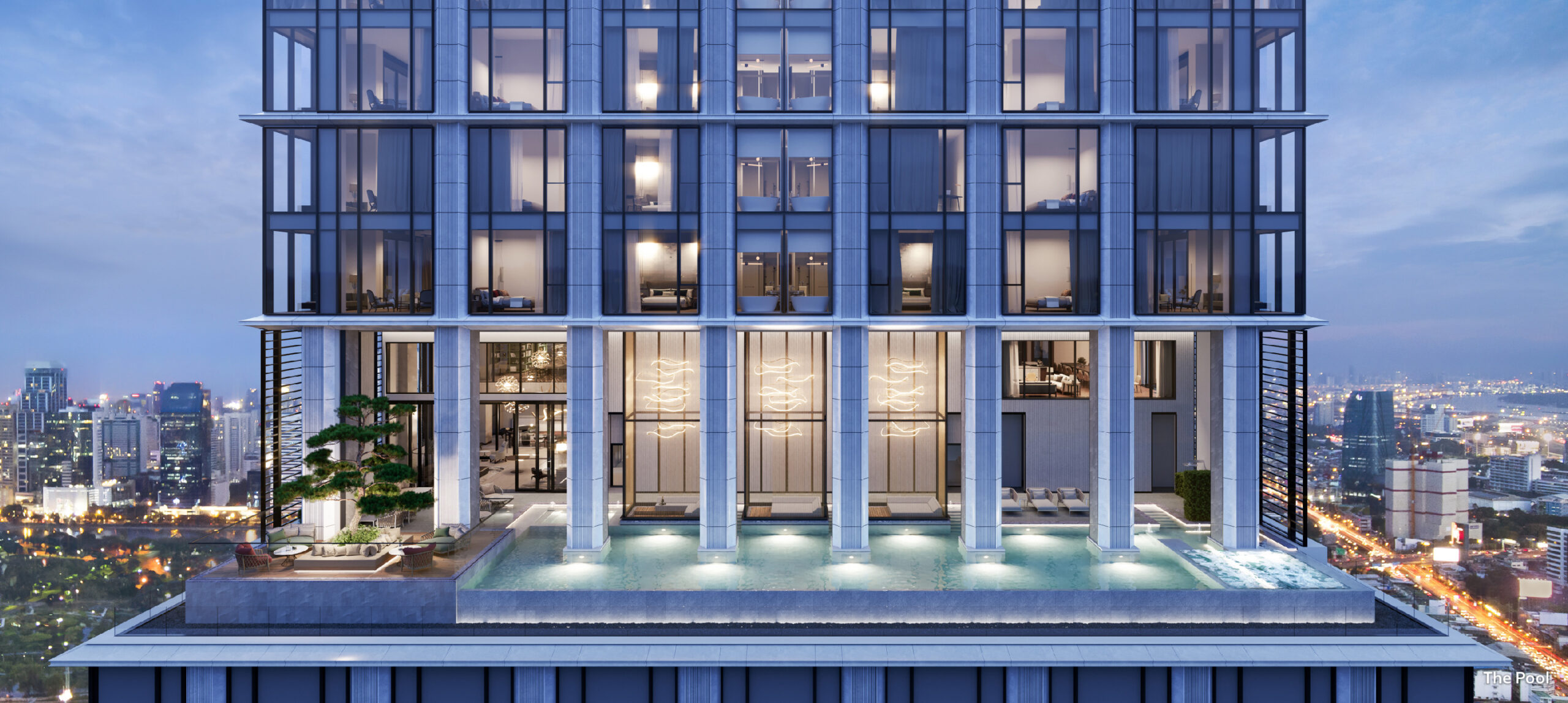
Wellness and hotel-style amenities need to be tested against actual use, operating cost and long-term maintenance.
Plan for resale from the start
Ask who is likely to buy the unit later. A distinctive branded residence may appeal to a focused international and domestic luxury audience, while a well-located luxury condo may have a broader pool. Neither is automatically more liquid.
Review competing inventory, developer-held units, future phases and the number of similar layouts. Consider how a buyer will judge the building after the launch period: management quality, condition, resident experience and transparent operating cost become more important than early publicity.
Review the brand and developer separately
The hospitality or lifestyle brand and the property developer contribute different capabilities. Research the developer’s completion record, build quality, defect handling and after-sales process. Separately, understand the brand’s experience in residences and the scope of its role in Bangkok.
Independent legal, tax, technical and financial review remains necessary in both formats. A global name does not replace title, foreign-quota, contract, remittance or physical checks, and an established local luxury developer should be assessed with the same discipline.
Comparison checklist
Identify every party and its long-term role.
Read the terms governing the brand relationship.
Price included and optional services separately.
Compare recurring charges over the full holding period.
Inspect the exact unit and access routes.
Clarify shared and exclusive mixed-use facilities.
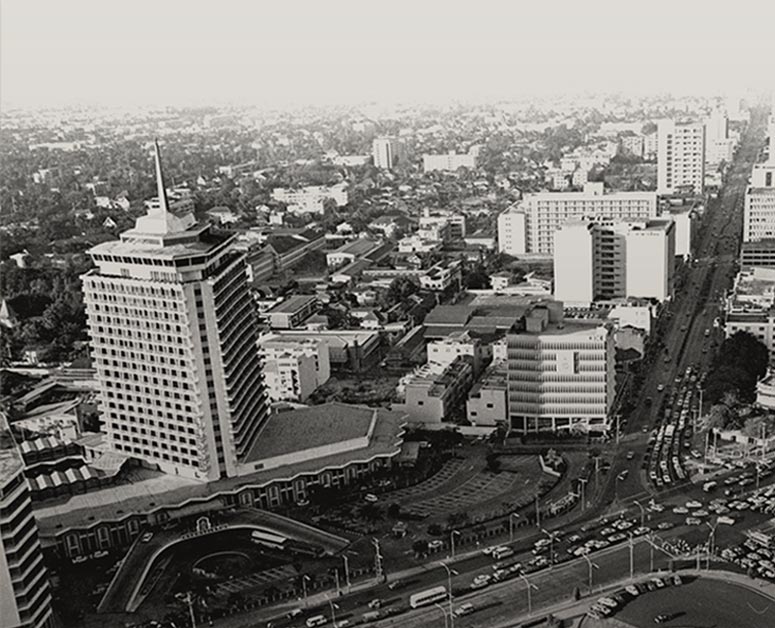
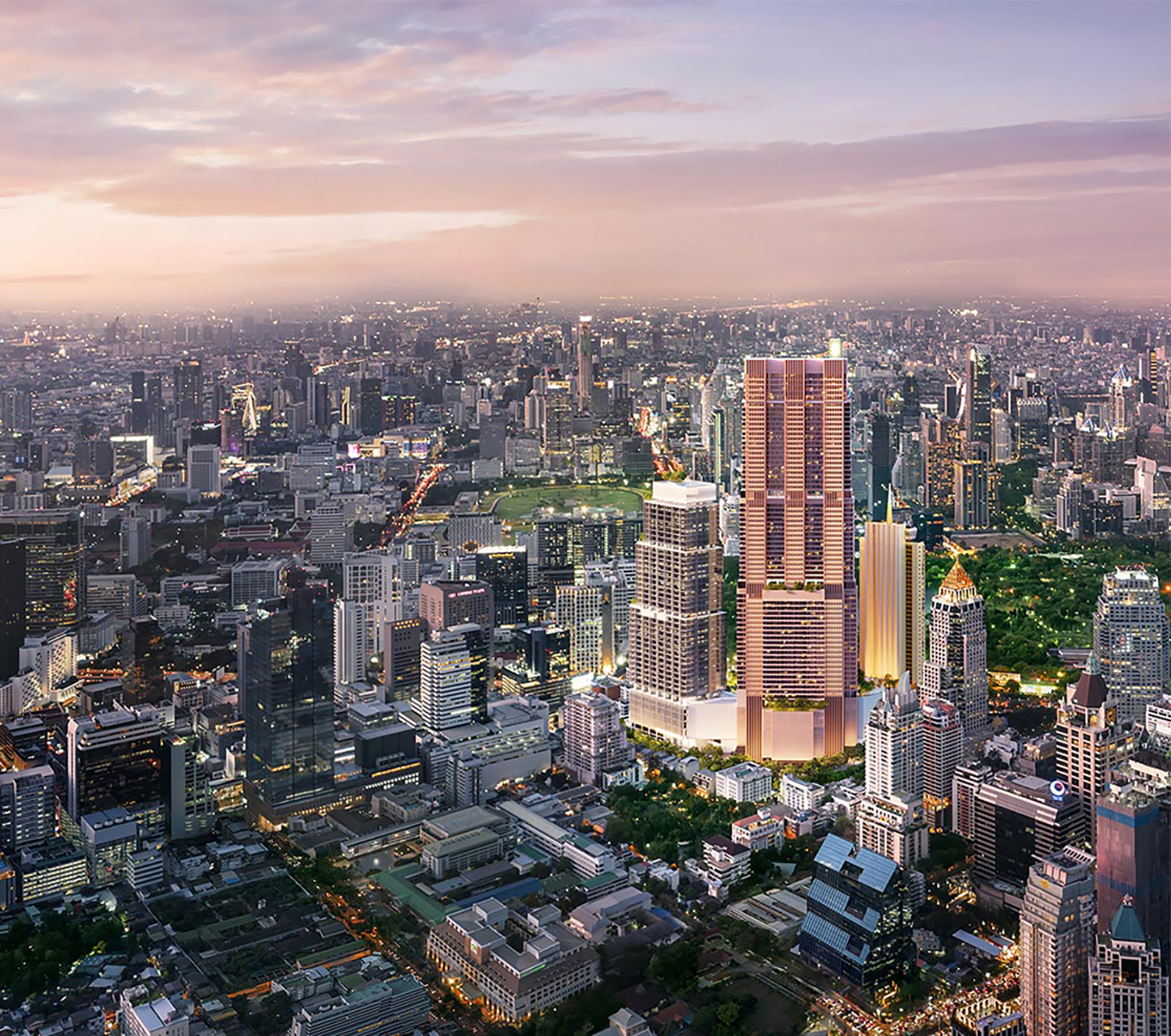
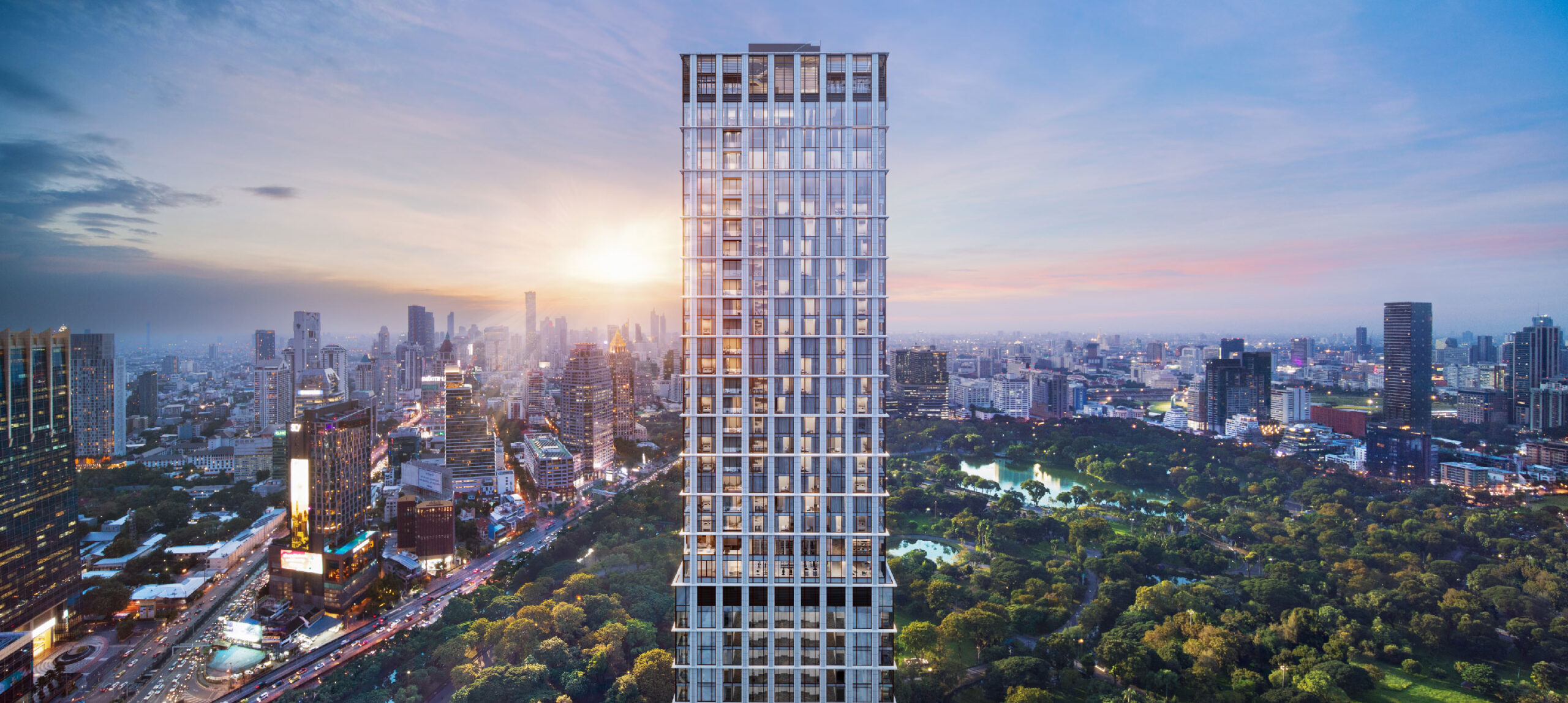
Dusit Central Park is one of Bangkok’s most visible mixed-use addresses, and that visibility is exactly why foreign buyers should approach it with both interest and discipline. The project occupies a rare central position beside Lumpini Park and within reach of Silom, Sathorn and Rama IV, combining hospitality heritage with residences, offices, retail and landscaped space.
Dusit Central Park brings hotel, residences, offices, retail and roof park elements into one central Bangkok site.
For overseas buyers, the appeal is clear: a recognised Thai hospitality name, a central business district setting, park adjacency and a mixed-use environment designed to support daily convenience. The investment question is more precise. Does the specific residence, price, tenure, service model and long-term holding cost fit the buyer’s own use case?
This note does not replace legal or project due diligence. It sets out the main questions foreign buyers should ask before treating a landmark address as a straightforward purchase.
Why the address matters
Central Bangkok has many luxury buildings, but few combine park frontage, business-district access and a major hospitality legacy in the same way. Dusit Central Park’s official material describes a landmark destination integrating urban vibrancy with park life, with elements including a hotel, ultra-luxury residences, premium offices, a shopping centre and a 7-rai roof park.
That combination can matter for buyers who want a Bangkok home that is easy to use, easy to explain and supported by amenities beyond the private residence. A foreign owner may value the ability to step from home to park, office, dining, retail, hotel services and transport without relying on a car for every journey.
The location also places the project near Bangkok’s established commercial spine. Silom and Sathorn remain important office, embassy, hotel and dining districts, while Lumpini Park provides one of the city’s strongest lifestyle anchors. For tenants and future buyers, those anchors make the address easier to understand.
The project’s location is framed by Lumpini Park and the Silom-Sathorn commercial district.
Mixed-use benefits and trade-offs
A well-run mixed-use project can offer convenience, security, brand recognition and a deeper amenity ecosystem. It can also create more complex management questions than a simpler standalone condominium. Foreign buyers should understand which facilities are residential-only, which are shared, how access is controlled and how operating costs are allocated.
The strongest mixed-use projects feel effortless because the legal and management structure is clear behind the scenes. The buyer should still ask how the residences interact with hotel, office, retail and park components. Are there separate juristic entities? Which costs are borne by residential owners? How are major repairs, shared systems and security managed?
These questions are not reasons to avoid a project. They are the correct way to understand what one is buying. Luxury is partly design and service, but it is also governance, predictability and clear rights.
Residences versus hotel-style expectations
Foreign buyers are often drawn to branded or hospitality-led residences because they expect hotel-level polish. That expectation should be tested against the actual residence documents. Ask what services are included, what services are optional, what fees apply, and whether service standards are contractual, operational or promotional.
A buyer who plans to live in the unit for part of the year may care about concierge support, maintenance coordination, storage, housekeeping options and arrival experience. A buyer focused on rental may care more about tenant profile, lease restrictions, furnishing standards and manager responsiveness.
It is important to avoid assuming that every hotel-adjacent residence operates like a hotel suite. The rights and responsibilities of an owner are still governed by the sale documents, condominium rules and service arrangements.
Park adjacency is valuable, but unit selection still matters
Lumpini Park adjacency is a major lifestyle advantage, especially in a dense central district. Park views, orientation, noise exposure, privacy, afternoon heat and neighbouring tower lines can vary considerably by stack and floor. A buyer should study the actual unit plan rather than relying only on the address.
For end use, morning routines, walking routes, shade, lift access and parking may be as important as the view. For investment, the question is whether the unit has a combination of size, layout and aspect that a future buyer or tenant can understand quickly.
A landmark building can still contain units that are easier or harder to resell. Foreign buyers should compare multiple stacks and understand why one unit commands a premium over another.
The official project material highlights park life and urban convenience as part of the residential proposition.
Due diligence questions for foreign buyers
Start with ownership eligibility and foreign quota. Confirm the specific unit’s foreign-freehold availability, payment route, funds remittance requirements and transfer process. For any non-freehold component or unusual structure, ask for written legal advice before paying a material sum.
Next, review the purchase agreement, construction and handover obligations, defect liability, fit-out rules, sinking fund, common fee, service charges and expected completion or operating milestones. If the buyer is overseas, clarify who can inspect on completion and how defects will be recorded.
Then test the rental and exit case. What tenant would pay a premium for this address? How many comparable luxury units will compete nearby? Is the likely buyer pool local, regional or global? Does the unit size match the strongest demand segment, or is it dependent on a narrow audience?
How to think about price
Landmark projects are rarely bought only on a bargain basis. The better question is whether the premium is justified by scarcity, location, brand, service, view, design and long-term demand. Buyers should compare against other central luxury freehold and branded residence options, but also adjust for the specific mixed-use environment.
A lower-priced alternative may lack the same park setting or brand recognition. A higher-priced alternative may offer a stronger view, larger unit or more private residential atmosphere. The decision should be based on the buyer’s intended use, not only on prestige.
Who may suit this project
Dusit Central Park is most likely to appeal to buyers who want a highly legible central Bangkok address, park-connected lifestyle and the convenience of mixed-use living. It may suit frequent visitors, regional executives, long-term Bangkok residents and buyers who value a hospitality-led identity.
It may be less suitable for buyers who prefer quiet low-rise living, a purely residential environment or the simplest possible operating structure. Foreign buyers should be honest about lifestyle fit before focusing on the brochure strengths.
IBP can help foreign buyers compare Dusit Central Park residences with other central luxury options and review documents before reservation. For additional context, see our Ploenchit luxury condo guide and our Bangkok investment analysis.
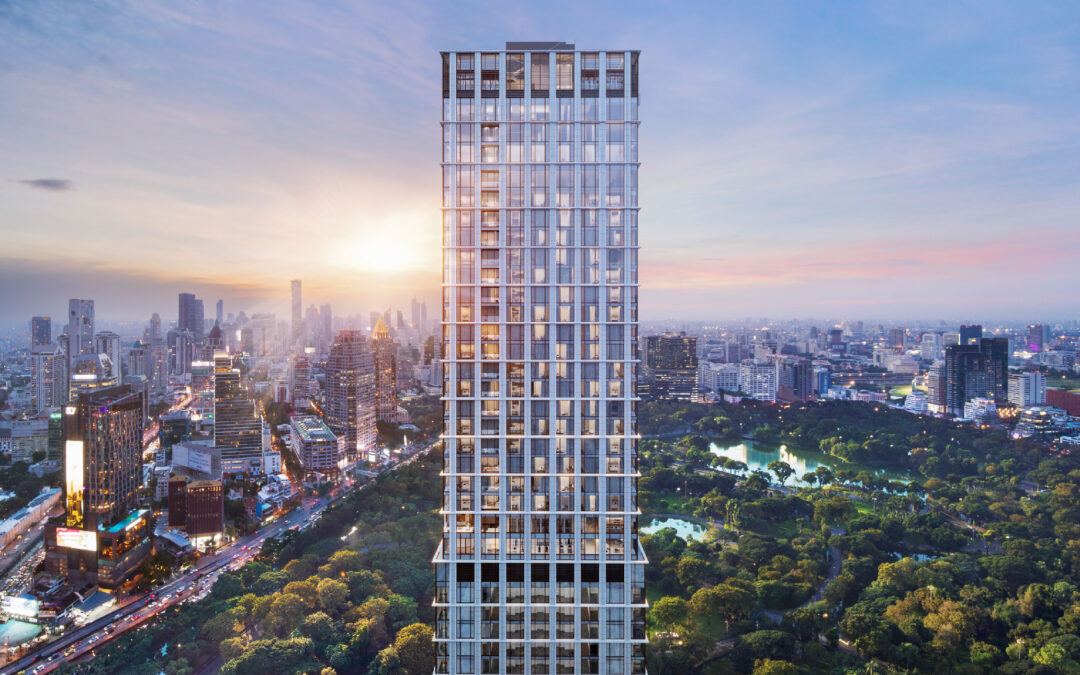
ONE89 Wireless is one of the clearest examples of how Bangkok’s premium condominium market is moving beyond a stand-alone tower story. It sits within One Bangkok, a large mixed-use district on Wireless Road, and is presented by the developer as part of a residential collection connected to offices, retail, hospitality, public space, culture and views towards Lumphini Park.
ONE89 Wireless is positioned around One Bangkok’s central mixed-use setting and Lumphini Park outlook.
For foreign buyers, that setting is the main point of interest. The question is not simply whether ONE89 Wireless looks luxurious. The more useful question is whether its location, ownership structure, amenity promise, mixed-use environment and resale audience fit the buyer’s long-term plan.
What the official project positioning says
One Bangkok’s residences page describes its residential offering as being in the heart of Bangkok with views of Lumphini Park and the city skyline. It lists ONE89 Wireless alongside EI8HTEEN SEVEN as part of the residence collection. The ONE89 Wireless page says the tower is designed by Skidmore, Owings & Merrill and will house 90 bespoke condominium residences with a focus on holistic quality of living and sustainable standards.
Those official points shape the buyer analysis. A low-density luxury tower within a major mixed-use district has a different appeal from a conventional high-rise on a side street. It may attract buyers who value address, architecture, services, park outlook, privacy and long-term district infrastructure more than maximum space per baht.
High-end amenities still need to be judged by usability, privacy, management and long-term maintenance.
Why mixed-use context matters
One Bangkok’s wider district gives ONE89 Wireless a strong context. Residents are not only buying a private unit. They are buying access to a planned urban environment with retail, hospitality, workplace, culture, green space and transport connections nearby. This can be valuable for owner-occupiers who want daily convenience without relying on long car journeys.
For investors, mixed-use context can help explain the property to a future tenant or resale buyer. A buyer can point to the surrounding district, park access and premium address rather than relying only on unit finishes. That does not remove investment risk, but it can make the asset easier to understand.
Check the ownership and leasehold details
Premium presentation should not distract from legal and commercial structure. Foreign buyers need to understand whether the interest being purchased is freehold or leasehold, the term, renewal assumptions, registration process, ongoing charges, transfer rules, foreign quota treatment where relevant, and the documentation required at the Land Office. These details should be checked with the developer, buyer’s lawyer and bank before any commitment.
This is especially important for high-value purchases because small wording differences can have large financial consequences. A buyer should not rely on brochure language alone. Ask for the contract pack, public disclosures, fee schedule, sinking fund details, management structure and any restrictions on resale or leasing.
Foreign buyers should connect the project’s design story with ownership structure, liquidity and exit audience.
Amenities should be judged by use, not render quality
ONE89 Wireless is visually positioned around high-end living, but serious buyers should ask practical questions. How private are the amenities? How many residences share them? What are the opening hours and guest rules? How will facilities be maintained? What services are included and what costs extra? How easy is it to move from the unit to retail, transport, parking, drop-off and delivery areas?
Luxury amenities create value only when they are well managed and actually used. A pool, lounge or wellness area can strengthen daily life and resale appeal, but it also needs staffing, maintenance and clear resident rules. Foreign buyers should ask how the juristic or management structure protects the experience over time.
Who is the likely buyer audience?
The likely audience for ONE89 Wireless is narrower than the audience for an ordinary central condo. It may include ultra-prime Thai buyers, internationally mobile families, regional executives, long-stay foreign owners, buyers who want park outlook and buyers who value a landmark mixed-use address. That can support prestige, but it also means liquidity depends on a smaller pool of qualified buyers.
Investors should be realistic. A premium asset may not rent or resell quickly if priced above the audience’s expectations. The unit needs a clear story: view, floor, layout, privacy, furnishing, services and ownership clarity. Without that, a famous address alone may not be enough.
Location strengths to test
Walking route to Lumphini Park, MRT access, retail and daily services.
Taxi, private-car and ride-hailing flow at peak times.
Privacy from nearby towers and future district activity.
Noise, heat and view durability from the exact unit stack.
Ease of explaining the address to future tenants or buyers.
Questions for foreign buyers
Does the contract structure match your intended holding period?
Are all recurring fees and service charges clear?
Is the unit suitable for personal use, investment, or both?
How does resale depth compare with other ultra-prime Bangkok options?
Would you still choose the unit without the broader One Bangkok story?
Buyer takeaway
ONE89 Wireless is a useful case study in Bangkok’s move towards district-led luxury living. Its appeal comes from the combination of a prime Wireless Road setting, One Bangkok’s mixed-use environment, park outlook, architecture and limited-residence positioning. Foreign buyers should match that appeal with careful checks on ownership structure, fees, unit fundamentals and resale audience.
IBP can help foreign buyers compare Bangkok luxury residences, branded living concepts and mixed-use districts with a practical investment lens. Explore our project reviews or contact IBP Real Estate for a confidential buyer brief.
Thailand’s semiconductor strategy is not a condo story in the narrow sense. It is a confidence story about where the country wants to sit in higher-value manufacturing, electronics, data infrastructure, electric vehicles, renewable energy and smart industry. For foreign buyers considering Bangkok property, that wider direction matters because long-term real estate demand depends partly on the depth of the economy around the capital.
Higher-value industry can support the corporate services ecosystem around Bangkok.
The Thailand Board of Investment said the national strategy is focused on power semiconductors, sensors, photonics, discrete devices and analog chips. These are segments linked to existing Thai strengths in electronics, automotive, energy, data centre and industrial supply chains. The strategy sets phased targets for 2030, 2040 and 2050 rather than promising an overnight transformation.
Why industrial strategy matters to Bangkok
Bangkok is not where every factory sits, but it is where many decisions are made. Corporate headquarters, regional management teams, banks, law firms, consultants, logistics providers, hotels, schools, hospitals and service businesses cluster in and around the capital. When Thailand attracts higher-value industry, Bangkok often becomes part of the executive, finance and services ecosystem that supports it.
For property buyers, the point is indirect but important. A deeper corporate base can support executive travel, expat assignments, serviced apartments, relocation demand and confidence in premium urban living. It does not mean every condominium will rise in value. It means the city has more reasons to remain relevant to international companies and mobile professionals.
Connectivity helps link industrial investment, executive mobility and Bangkok living demand.
The scale of the ambition
BOI said Thailand aims to attract more than 2.5 trillion baht, or about 79 billion US dollars, in semiconductor and advanced electronics investment by 2050. It also referred to a goal of developing more than 230,000 skilled workers and creating a more integrated semiconductor ecosystem. These are long-range targets, so buyers should read them as direction rather than immediate market data.
The release also noted that electronics and electrical products account for around one-quarter of Thailand’s total exports. In 2024, electronics exports reached 1.86 trillion baht, while semiconductor exports totalled 436 billion baht. Between 2018 and November 2025, electrical and electronics investment-promotion applications accounted for 1.17 trillion baht across 1,748 projects.
What foreign buyers should not overstate
Industrial growth does not automatically create demand for a particular luxury condominium. Many manufacturing projects are outside central Bangkok, and the workers they employ may not rent prime Sukhumvit or Riverside units. The relationship between investment policy and condo demand is filtered through job type, salary level, headquarters location, family relocation, school choice and transport patterns.
That is why buyers should avoid headline-led decisions. A semiconductor strategy can support national confidence, but a condo purchase still needs building-level evidence: rent comps, resale depth, management quality, legal readiness, common fees and realistic exit demand.
Foreign buyers should connect macro policy with building-level property evidence.
Where the property link is more plausible
The clearest Bangkok property link is through corporate services and skilled mobility. Senior engineers, managers, founders, consultants, investors and regional executives may need Bangkok access even when industrial sites are elsewhere. They may choose areas with airport links, international schools, hospitals, office access and lifestyle depth. That can support selected rental segments if the building and location match the tenant profile.
Districts with strong connectivity, good management and easy daily services are better placed than buildings that rely only on broad macro confidence. For example, a practical unit near a rail interchange may suit a regional commuter better than a larger but inconvenient unit. A well-managed central condo can appeal to a family relocating for a two-year assignment if schools and healthcare are manageable.
How to use this signal in a buyer brief
Treat semiconductor policy as one macro confidence factor, not a price forecast.
Prioritise buildings that suit mobile professionals and corporate tenants.
Check airport, office, school and hospital access rather than only district prestige.
Compare actual rent evidence with competing buildings in the same micro-market.
Be cautious with speculative areas that lack current tenant depth.
Buyer takeaway
Thailand’s semiconductor strategy strengthens the country’s long-term investment narrative and supports Bangkok’s role as a business, finance and services base. For foreign condo buyers, the correct response is measured confidence. The macro story is positive, but the purchase decision should still be made unit by unit, building by building and district by district.
IBP tracks how Thailand’s economy, infrastructure and corporate investment environment connect to Bangkok property decisions. Read more in Thailand economy and investment news or contact IBP Real Estate for a buyer strategy session.
KHUN by Yoo is a useful case study for foreign buyers who want Thonglor lifestyle, strong design identity and a smaller luxury-building feel. It is not a generic investment condo. The official Sansiri page positions it on Sukhumvit 55 Road, or Thong Lor, in Khlong Tan Nuea, Watthana, with one 27-storey building, 148 units, completion in 2020 and Sansiri PLC as developer.
That profile creates a clear buyer question. Does the project’s design-led character and Thonglor address support the price, running costs and resale case for your purpose? For some buyers, the answer may be yes because the building has personality and district depth. For others, the same character may feel too specialised if the purchase is purely yield-led.
KHUN by Yoo is a design-led Thonglor condominium with a low unit count for the district.
The Thonglor position
Thonglor remains one of Bangkok’s best-known lifestyle districts for affluent Thai residents, Japanese expatriates, regional executives, entrepreneurs and buyers who value dining, cafes, private clinics, salons, gyms and late-night convenience. It has a different rhythm from Sathorn or Asok. The appeal is not only office access, but the concentration of daily-life services around Sukhumvit 55 and nearby Ekkamai.
That can support rental and resale interest, but it does not remove the need to inspect the exact route. Buyers should test the walk or shuttle pattern to BTS Thong Lo, traffic conditions on Sukhumvit 55, access to schools or hospitals if relevant, and taxi availability at different times. Thonglor is desirable, but it can also be congested and price-sensitive.
For a foreign owner, the district story is strongest when the unit fits a clear resident profile. A compact one-bedroom may appeal to a lifestyle tenant or single professional. A larger unit may need a family, owner-occupier or high-budget tenant who values space and address enough to pay above mass-market rents.
Project scale and design identity
Sansiri lists the project as approximately 1 rai, with 148 units across one 27-storey building. In Thonglor, that low unit count can be attractive because it may feel more private than larger high-density towers. The trade-off is that shared costs and amenity upkeep need to be understood carefully. Fewer units can mean a stronger boutique feel, but it can also make each owner’s share of building economics more important.
The project is described by Sansiri as KHUN by Yoo inspired by Starck. Buyers should treat that as design positioning rather than a substitute for due diligence. Good design can strengthen identity, photography and emotional appeal, but the investment case still depends on unit price, view, layout, management, foreign quota and realistic demand.
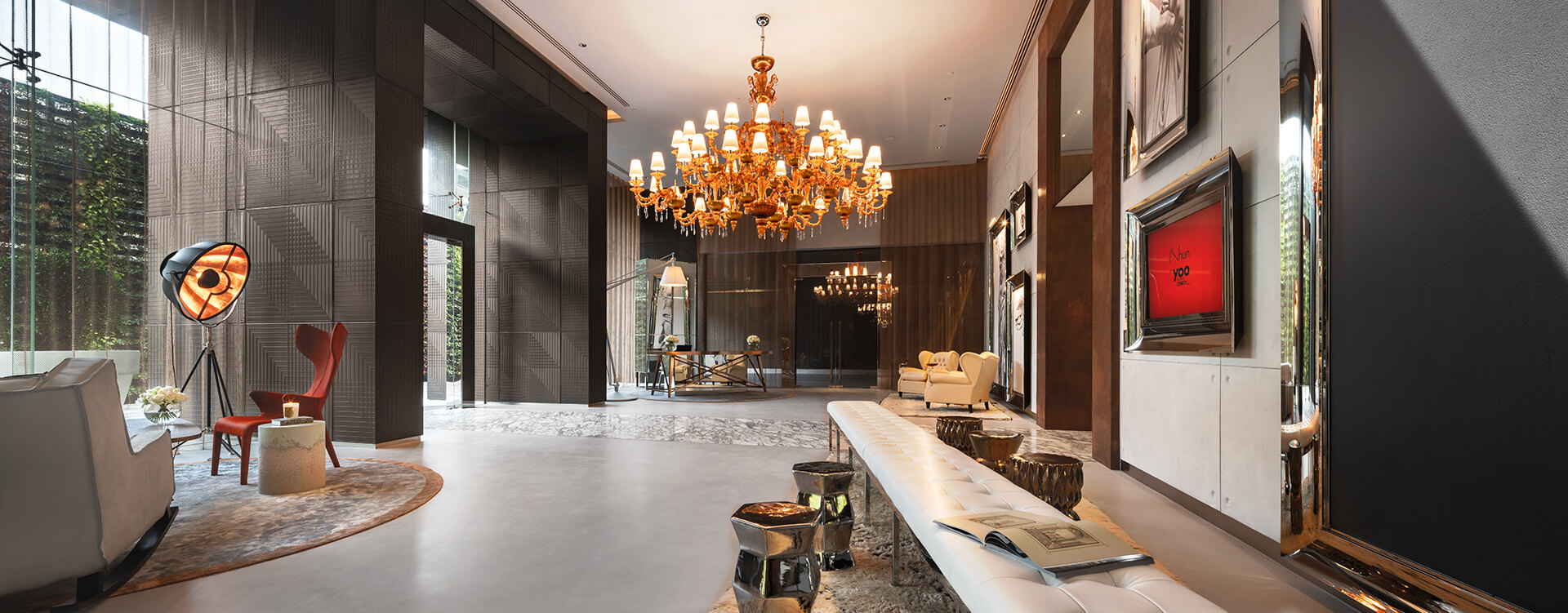
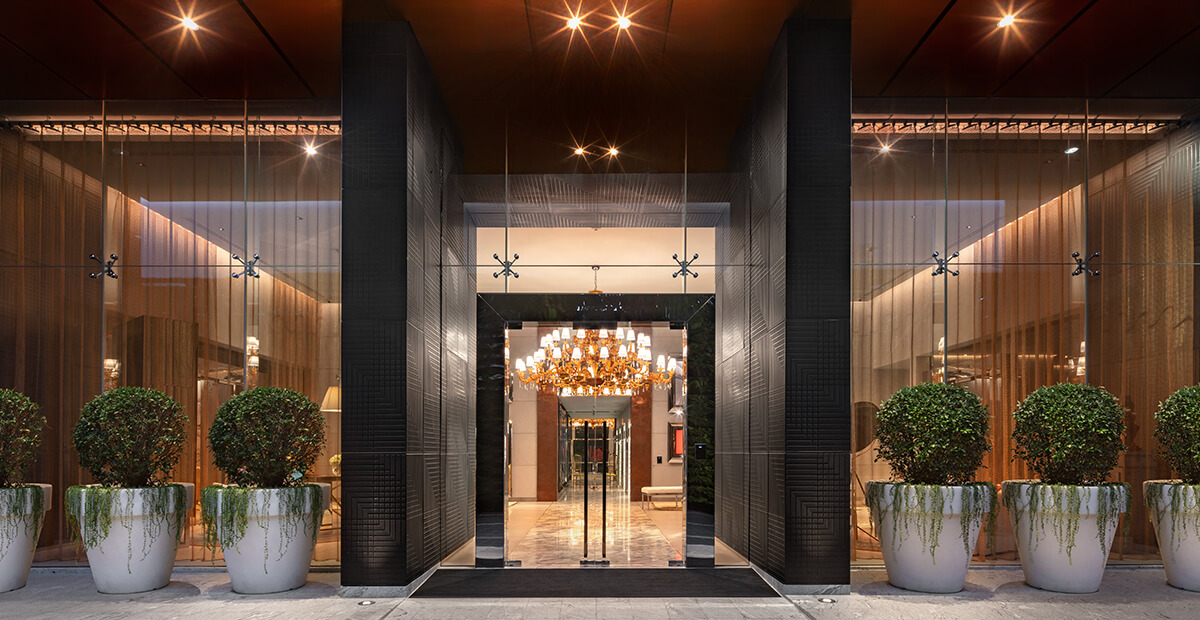
Arrival, lobby and building management shape the first impression for both owners and tenants.
Room sizes and buyer fit
The official project page lists room categories from one-bedroom units to penthouses, with stated size bands including 41.50-53.50 sq m for one-bedroom units, 82.00-97.75 sq m for two-bedroom units, 139.25-149.75 sq m for three-bedroom units and 294.00-302.75 sq m for penthouses. Those ranges mean buyers should not judge the project from a single floor plan.
A one-bedroom buyer should focus on storage, natural light, balcony usability, furniture fit and whether the rent can justify the premium over nearby alternatives. A larger-unit buyer should think more about family routines, parking, maid or service areas where applicable, privacy and whether future resale buyers will recognise the value of the exact layout.
For overseas owners, the practical question is management. A distinctive unit can perform well only if it is kept in strong condition. Furnishing, inspections, repairs, tenant handover and common-area quality need a local support plan.
Amenities are part of the luxury promise
The official gallery highlights arrival spaces and interior amenities, which are important in a lifestyle-led building. Luxury buyers often respond to the feeling of arrival, security, quiet, lighting, lift experience, lobby quality and how common areas age. These details can influence both rental showings and resale confidence.
At the same time, facilities should be tested against actual use. A beautiful pool, lounge or theatre room is valuable only if residents use it, management maintains it and costs remain sensible. Buyers should ask for current common fees, sinking fund position, recent minutes, arrears and planned works before treating amenity quality as durable value.
Amenity quality should be judged against common fees, resident profile and long-term upkeep.
Tenant and resale profile
KHUN by Yoo is likely to appeal most to tenants and buyers who already understand Thonglor and want a recognisable design address. That can be a strength because the product is memorable. It can also narrow the audience compared with a more neutral building. Investors should compare achieved rents in the building and nearby luxury projects rather than relying on broad Thonglor averages.
Resale depth should be assessed by unit type. Smaller units may compete with many newer lifestyle condos. Larger units compete with a more selective luxury buyer pool, where view, parking, privacy, building upkeep and price discipline matter. The more expensive the unit, the more important it is to understand who the next buyer could be.
Do not assume a famous district automatically protects exit value. It helps, but it does not fix overpricing, weak documentation, poor furnishing or a unit with compromised outlook. A buyer should walk away if the premium cannot be defended by the exact unit and building file.
Buyer takeaway
KHUN by Yoo can suit foreign buyers who want a completed, design-led Thonglor condominium with a strong lifestyle identity and relatively low unit count. It should be underwritten as a premium lifestyle hold with selective rental appeal, not as a simple yield product.
Before reserving, compare it with IBP’s project reviews, developer watch and district guides. IBP Real Estate can help test foreign quota, building records, rent evidence and resale depth before you commit.
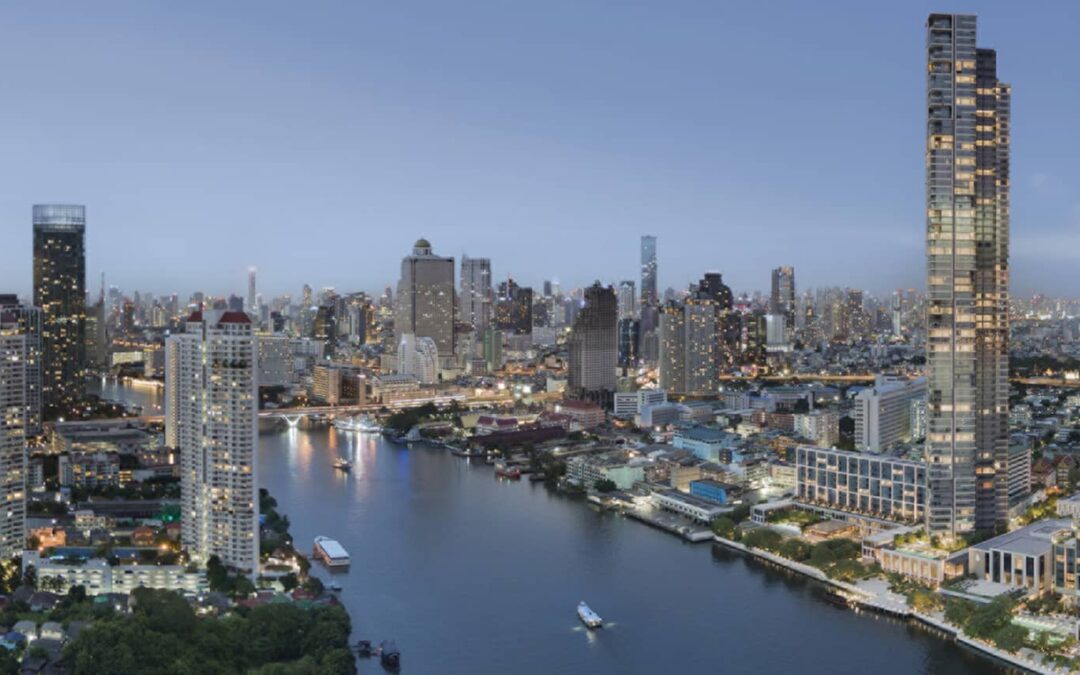
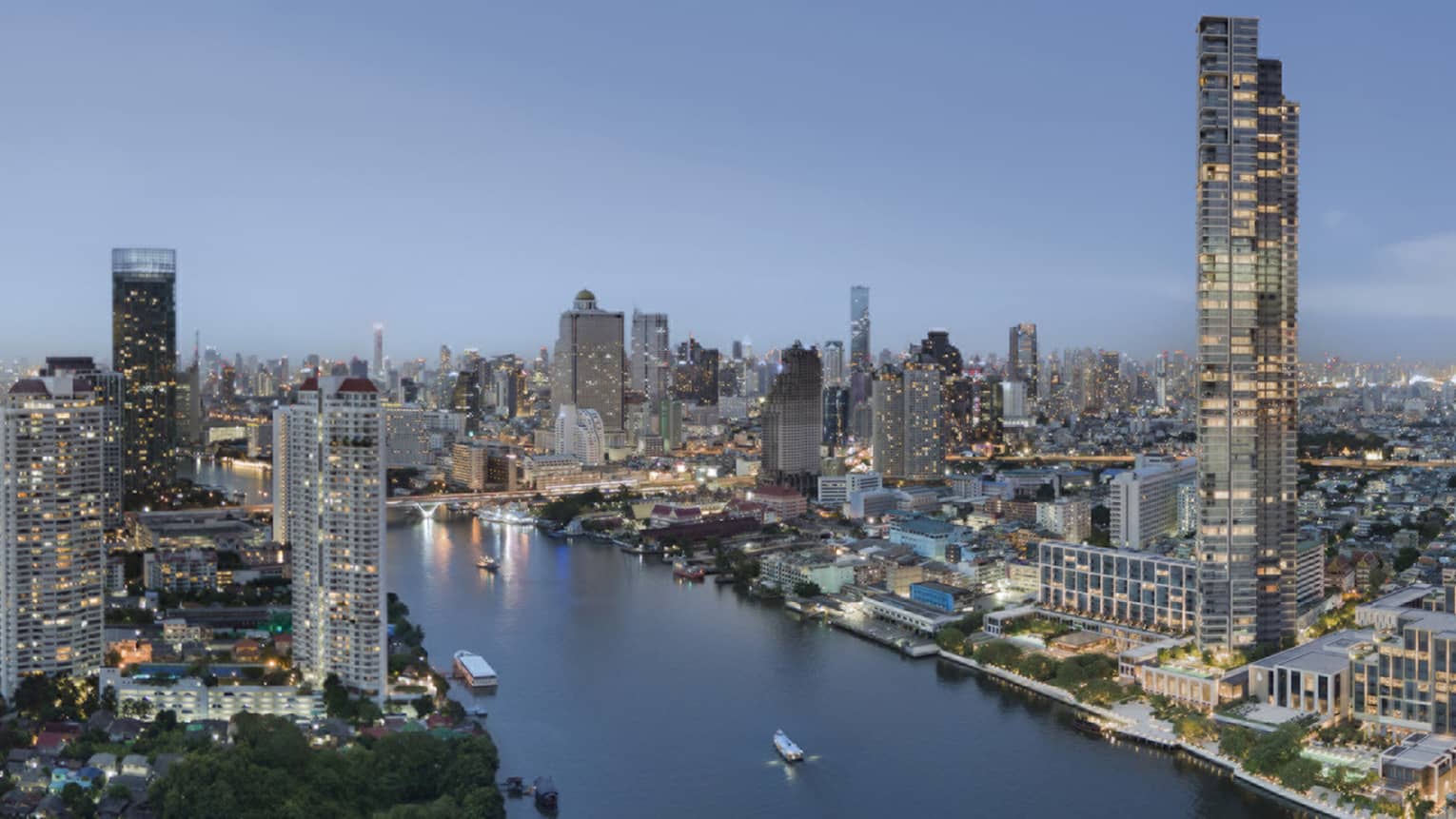
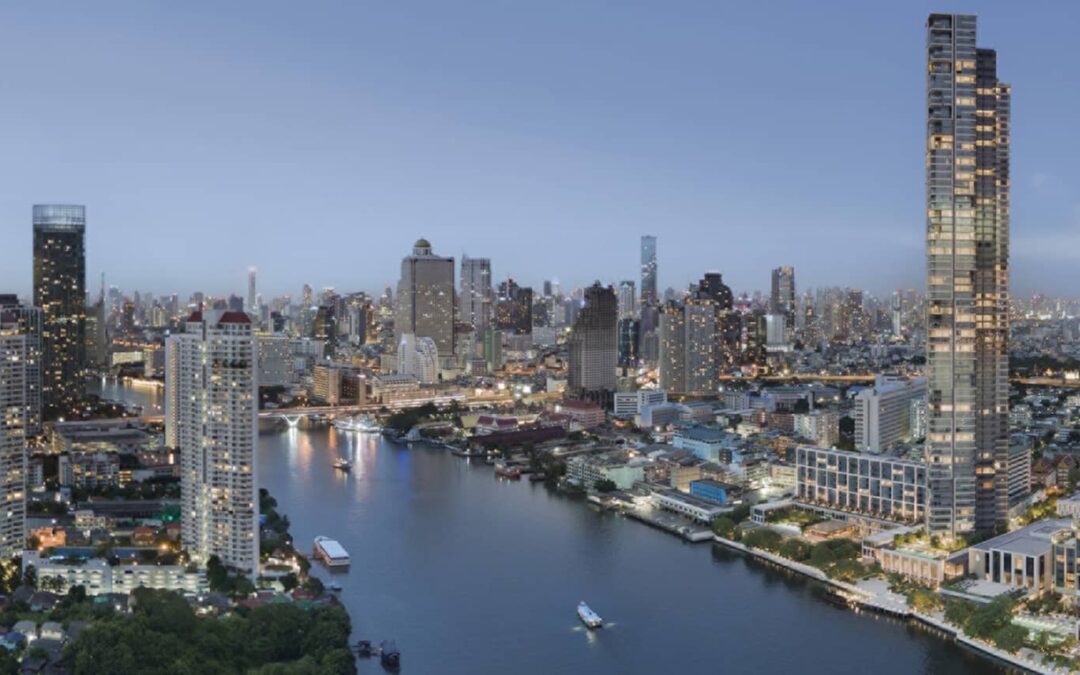
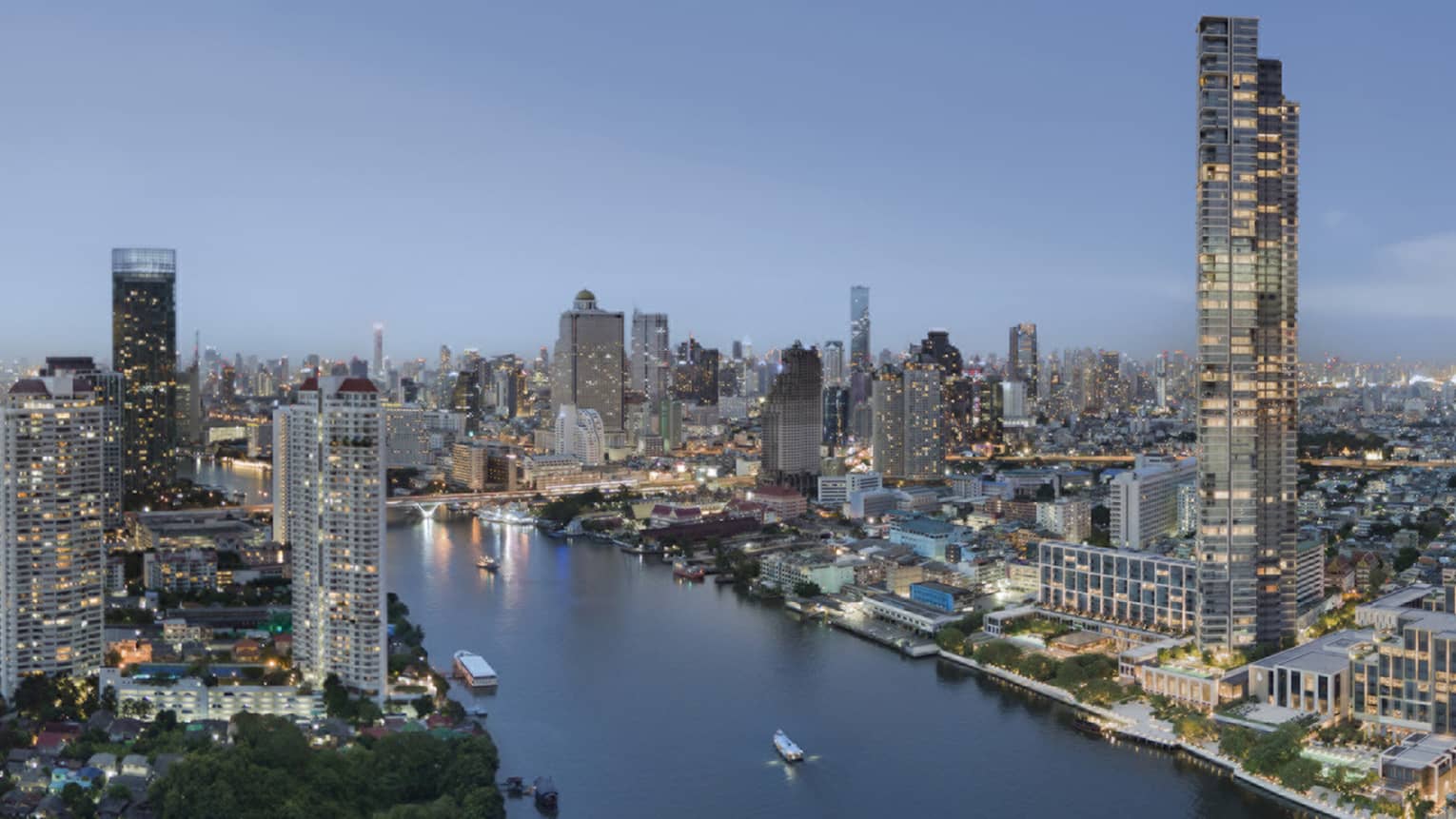
Four Seasons Private Residences Bangkok at Chao Phraya River is a useful benchmark for foreign buyers studying Bangkok’s branded riverfront segment. It is not a compact investment product built around a single BTS station. It is a high-rise, service-led residence proposition where the purchase decision depends on riverfront lifestyle, brand management, privacy, common costs and the depth of the luxury resale market.
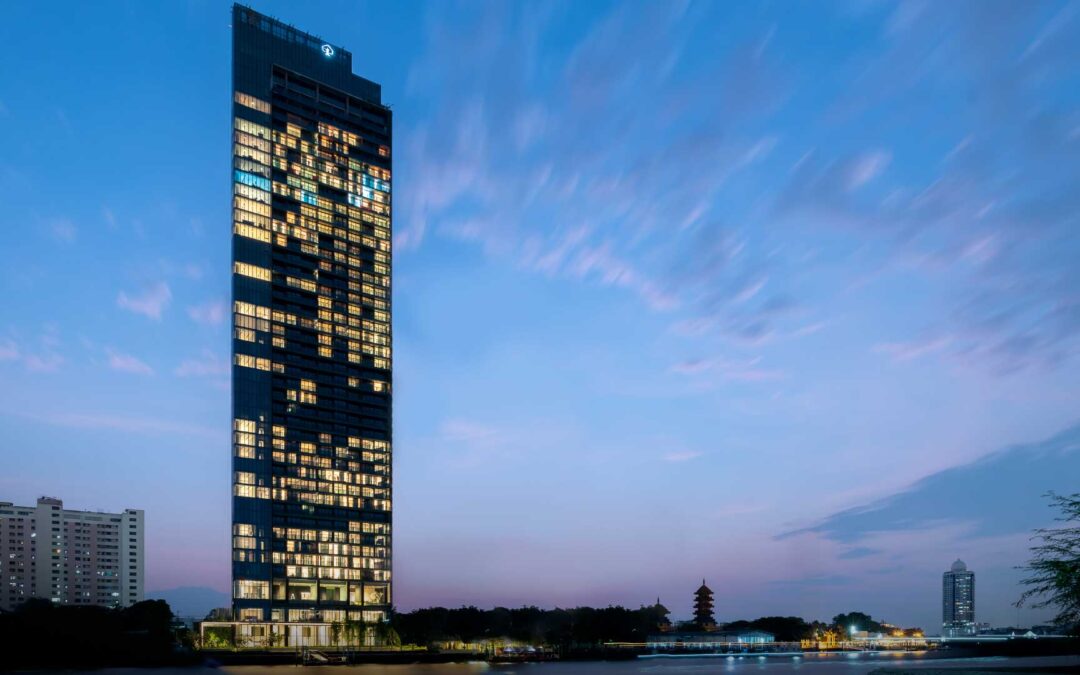
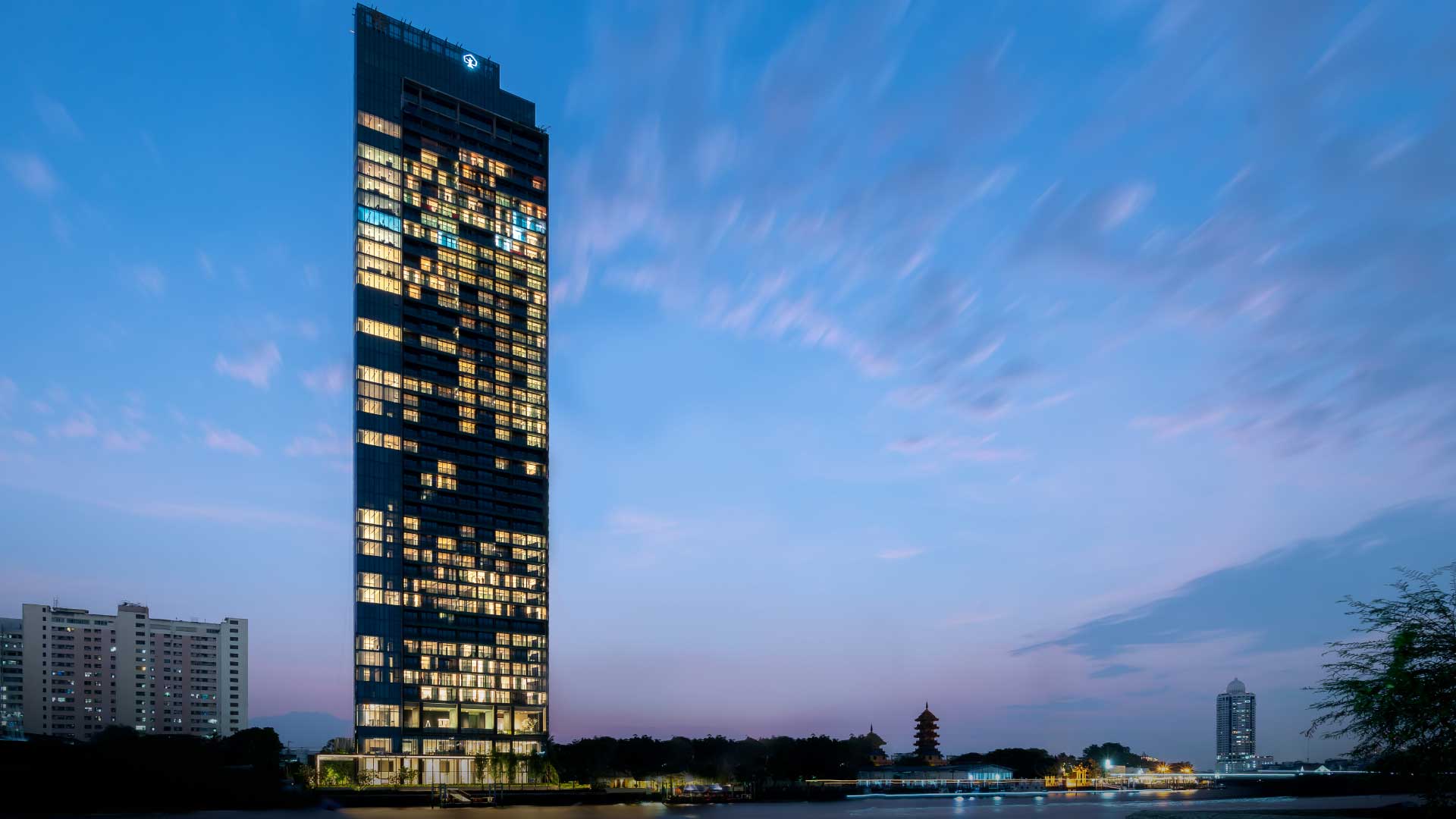
The official Four Seasons residence page describes a 73-floor residential tower on the Chao Phraya River, with 366 private residences, Country Group Development as developer, Hamiltons International as architect, and BAMO Inc with PIA Interior Co linked to interior design. It lists an opening date of 2020 and positions the property around waterfront living, panoramic views and resident amenities.
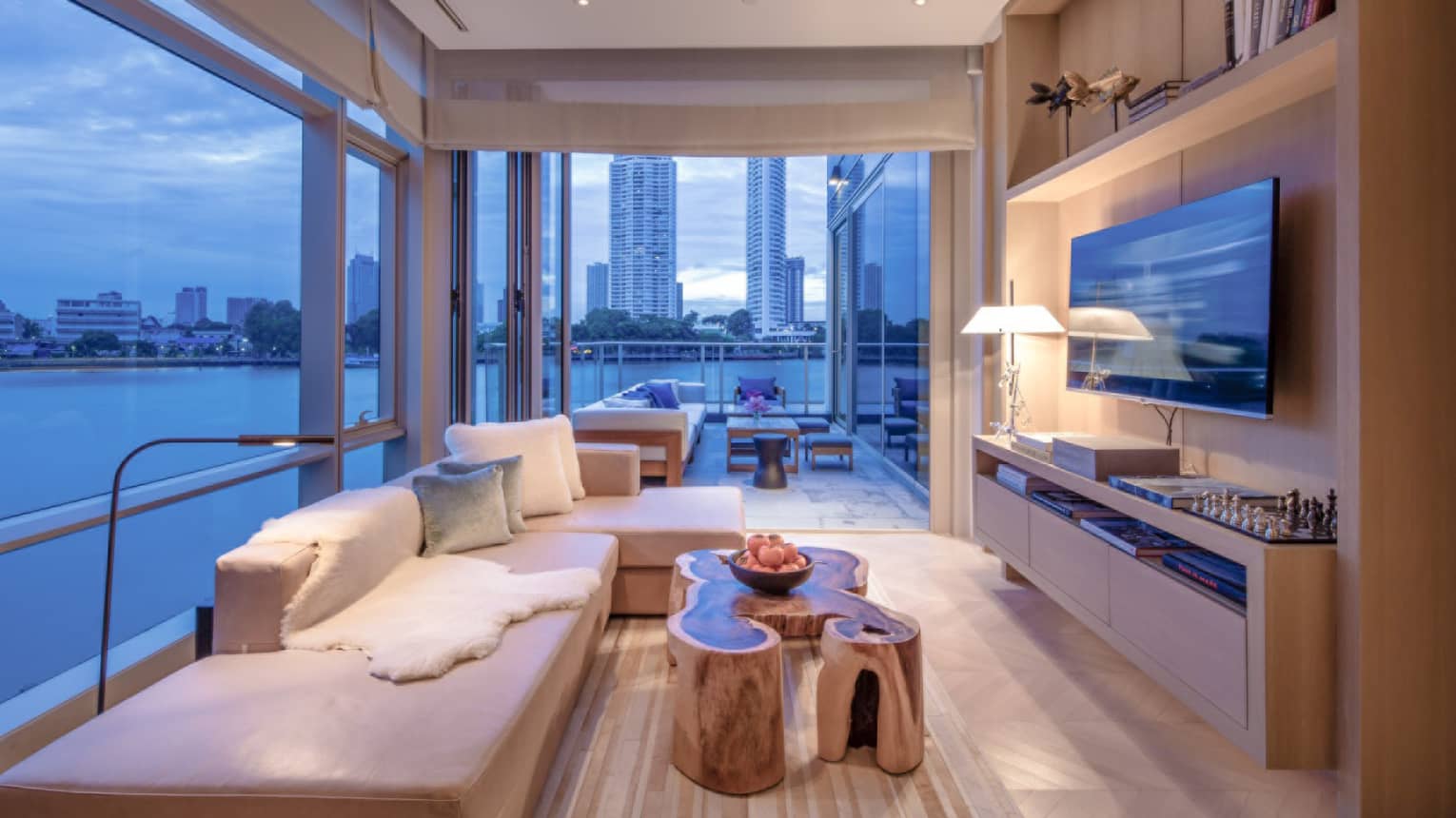
Four Seasons Private Residences Bangkok sits in the city’s branded riverfront luxury segment.
The riverfront proposition
Bangkok’s riverfront market is different from the inner Sukhumvit market. Buyers are often choosing view, space, privacy, hotel-style service and a quieter residential mood rather than pure walk-to-BTS convenience. The Chao Phraya River also gives a sense of permanence that many towers cannot create with interiors alone.
That does not mean every riverfront purchase is automatically liquid. The buyer should ask how the river access works in daily life. Is there a convenient boat connection? How reliable is road access at peak times? How do residents reach offices, schools, hospitals, airports and dining areas? A beautiful river view is strongest when the overall routine remains practical.
Brand value and service expectations
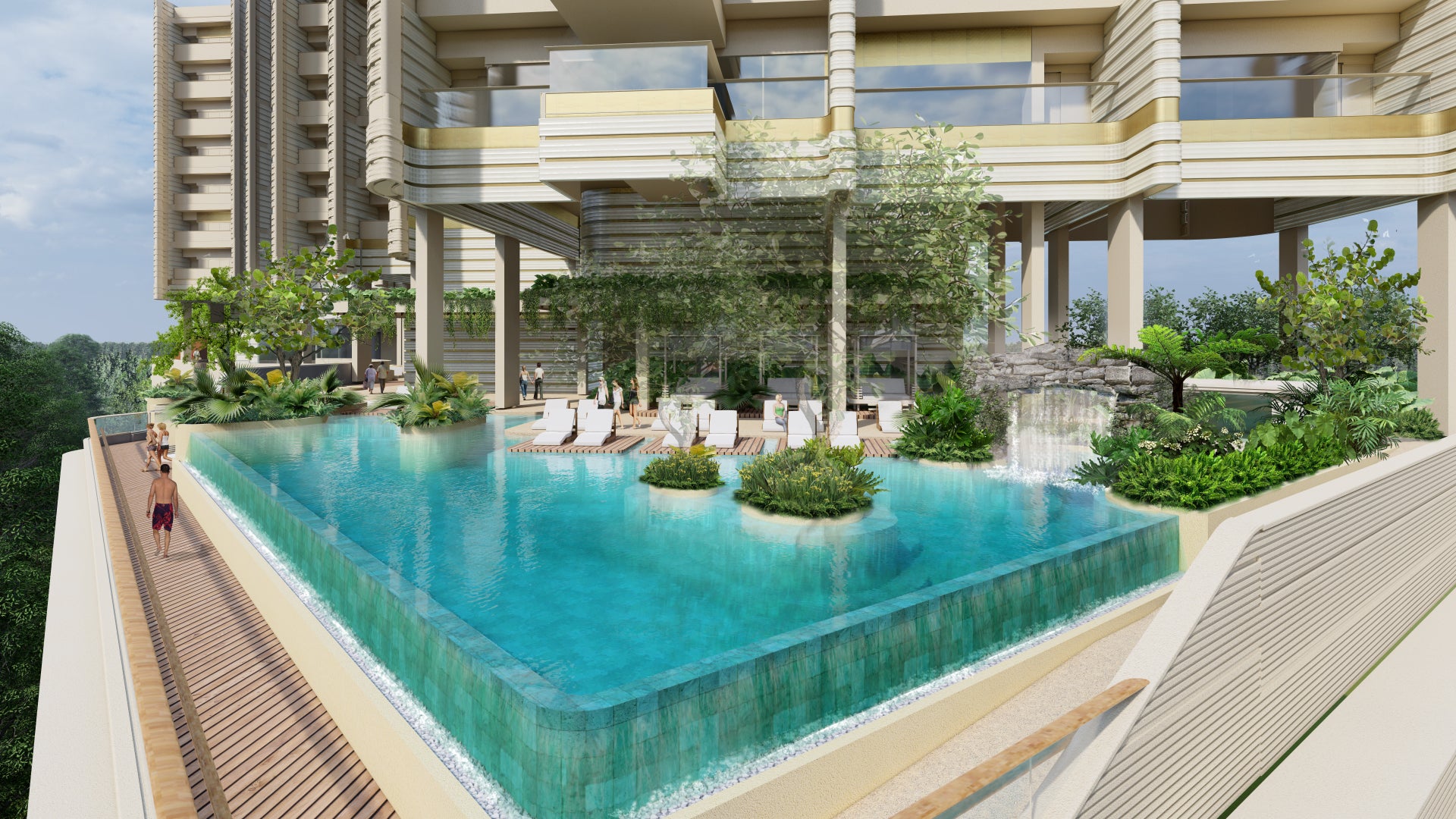
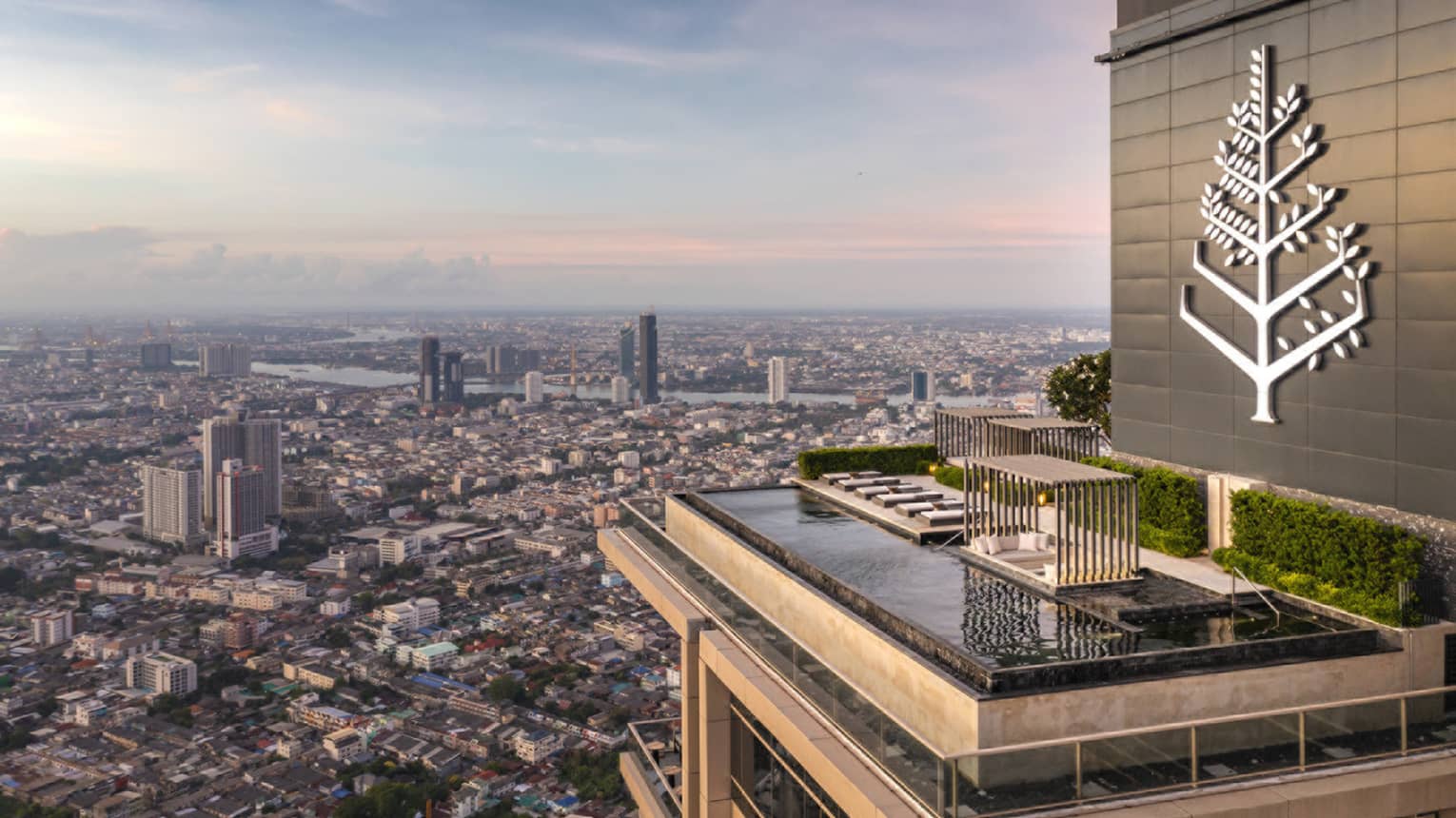
A branded residence carries expectations that go beyond a normal condominium. Buyers will expect lobby experience, staff training, privacy, maintenance standards and common-area presentation to support the brand promise. The official page highlights resident amenities including a residents amenity club, sky lounge and bar, sky pool, wine room, private dining room, screening room, teen lounge, music studio, sky fitness and yoga studio, and sky BBQ terrace.
Those amenities are valuable only when they are maintained and used in a way that fits residents. Before committing, buyers should understand common fees, operating rules, booking procedures, guest policies, repair planning and how the branded relationship affects management. A high-service building can justify higher running costs, but only if the service remains consistent.
The official residence page highlights a sky pool, residents club and private entertaining spaces.
Who is the likely buyer or tenant?
The target audience is narrower than for a standard one-bedroom near an interchange station. A Four Seasons buyer may be an owner-occupier, regional family, executive, second-home buyer, high-net-worth investor or resident who wants hotel-level convenience without living in a hotel room. That can create strong appeal among the right audience, but the resale pool is specialised.
Rental analysis should therefore be conservative. A large branded residence may attract premium tenants, but vacancies can be longer if the rent, furnishing package or lease terms do not match the market. Owners should compare similar large riverfront and branded units, not only smaller downtown apartments with faster tenant turnover.
Foreign-buyer checks
Confirm current availability, title status and foreign freehold quota before paying a deposit.
Review common fees, sinking fund obligations and any branded-service cost structure.
Check how river, road and school or office commutes work at real travel times.
Compare resale evidence for similar large-format branded or riverfront units.
Ask for building records, meeting notes and major maintenance planning where available.
Model an exit period that reflects a high-value, narrower buyer audience.
Layout matters more at luxury scale
At this price level, a buyer should not accept wasted area simply because the brand is strong. River orientation, ceiling height, window line, balcony use, kitchen function, maid’s area, storage, bedroom privacy and acoustic comfort all matter. A large unit that flows well can support family living and entertaining. A large unit with awkward circulation can be harder to furnish and harder to resell.
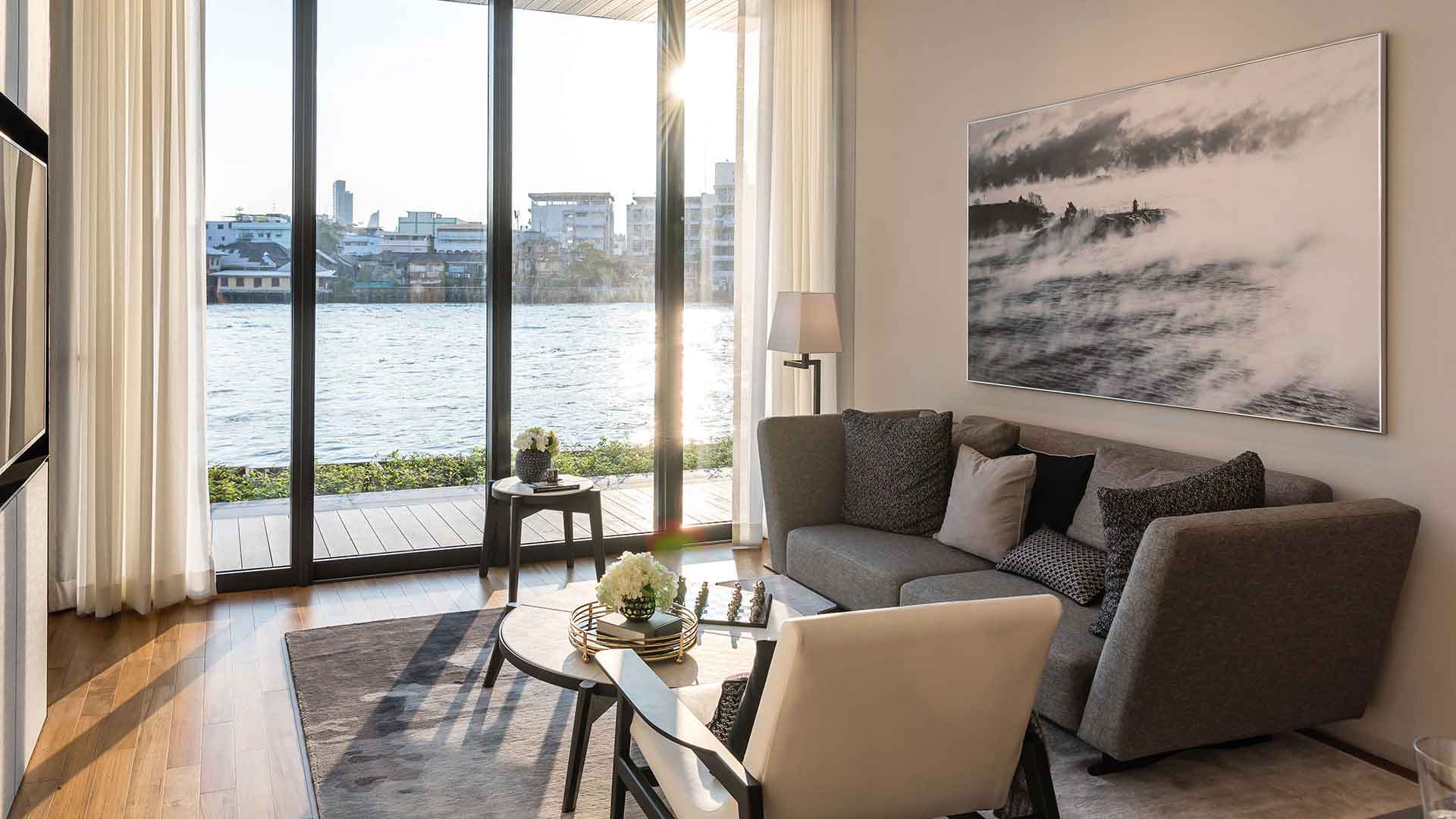
The official imagery shows calm interior styling and river-oriented living. Buyers should still inspect the exact unit, view corridor, neighbouring buildings, afternoon heat, noise, lift lobby position and parking allocation. Luxury due diligence is detailed because small compromises become expensive at high ticket sizes.
Large-format riverfront residences should be assessed by lifestyle fit, service quality and resale audience.
How it fits a Bangkok portfolio
Four Seasons Private Residences Bangkok may suit a buyer who wants a long-term personal base, a prestige asset or a riverfront residence with branded-service expectations. It may be less suitable for a buyer seeking the fastest possible rental turnover, the widest tenant pool or the lowest ownership cost. The opportunity is lifestyle-led and scarcity-led, not purely yield-led.
The strongest comparison set should include other prime riverfront towers, branded residences and central luxury condominiums with mature management. A buyer should compare not only price per square metre, but also view, service, common fees, privacy, building age, owner mix and exit audience.
Quota and transfer timing
Before paying a meaningful deposit, a foreign buyer should confirm the current foreign quota position, the exact unit title, transfer timetable and remittance-document requirements. A branded address may make the viewing easier to love, but the Department of Lands transfer still depends on ordinary documentary precision.
Buyer takeaway
Four Seasons Bangkok Residences is best understood as a branded riverfront ownership decision. The brand and river setting create strong first-impression value, but the purchase still needs ordinary discipline: quota, title, service costs, building records, tenant evidence and resale planning.
IBP Real Estate can help foreign buyers compare Bangkok branded residences and riverfront towers by lifestyle fit, legal safety and exit logic. Read more in our project review notes and district guides.
Banyan Tree Residences Riverside Bangkok is a useful project for foreign buyers who want to understand Bangkok’s branded riverfront segment. It is not a typical compact BTS investment unit. It is a low-unit-count, service-led riverfront condominium where the purchase decision depends on privacy, view, management quality, common fees, owner use and the depth of the luxury resale audience.
The official project materials position the residence on Soi Somdet Chaopraya 17 off Charoen Nakhon Road, with 45 storeys, 133 units and a maximum of four residences per floor. The concept is clearly about hotel-style calm on the Chao Phraya rather than high-density urban convenience. For the right buyer, that can be attractive. For the wrong buyer, it can be too specialised.
Banyan Tree Residences Riverside Bangkok is a branded riverfront condominium in the Charoen Nakhon and Khlong San area.
The riverfront proposition
Riverfront Bangkok is a distinct market. Buyers are not only paying for square metres. They are paying for outlook, quiet, hospitality, private arrival, dining, boat access and the feeling of being removed from the daily compression of central Sukhumvit or Sathorn. Banyan Tree’s brand association reinforces that lifestyle story.
The key due diligence question is whether the view and privacy of the exact unit justify the premium. River-facing units are not identical. Orientation, height, balcony usability, neighbouring towers, afternoon sun, bridge noise and future development risk can all change the lived experience. A buyer should inspect at different times of day, not only during a prepared showing.
Location: calmer, not isolated
Charoen Nakhon has changed substantially because of Iconsiam, the Gold Line, improved riverfront hospitality and the broader Khlong San revival. The district now offers a mix of luxury residences, hotels, restaurants, river transport and retail. That gives Banyan Tree Riverside a stronger lifestyle base than older river projects that depended almost entirely on private cars or hotel boats.
Still, this is not the same as living directly above BTS Asok or Phrom Phong. Buyers should test the daily journey to offices, schools, hospitals, airports and favourite restaurants. If the owner will use the unit for extended stays, river calm may be worth the extra travel planning. If the purchase is purely rental-led, the tenant pool must be checked carefully.
River-view layouts should be judged by privacy, orientation, usable space and long-term resale audience.
Who is the likely buyer or tenant?
The most natural buyer is someone who values a larger, quieter Bangkok base with hotel-style service and a strong sense of address. That may include regional executives, families who split time between countries, retirees, collectors, or owners who already know Bangkok and want a more settled residence than a short-stay hotel.
The rental audience is narrower than for small city-centre units, but potentially higher quality when matched well. A tenant who wants riverfront privacy, service and space may stay longer if the unit is furnished sensibly and building management is consistent. A tenant who prioritises daily BTS convenience may choose elsewhere at the same rent.
For owner-occupiers, the same logic applies. The project works best when the buyer expects to use the river, the service team and the quieter residential atmosphere often enough to justify the running costs. If the unit will be empty most of the year, management quality, inspection access and trusted local support become part of the purchase decision.
Branded services need financial discipline
The official materials describe concierge-style services, private shuttle-boat concepts and Banyan Tree lifestyle privileges. These can be meaningful for owners who actually use them. The buyer should still ask how services are delivered today, what is included, what is charged separately and whether the service level has remained consistent after completion.
Common fees and sinking fund planning matter in any luxury building, but they matter even more where staffing, facilities, water features, lifts, riverfront areas and branded expectations are central to value. A high-service building can justify higher running costs if management is strong. It can also disappoint if costs rise without visible quality.
Buyer checks before deposit
Confirm the exact foreign quota position for the unit before paying a meaningful deposit.
Review recent juristic-person budgets, minutes, arrears and repair planning.
Inspect the unit at different times for sun, river traffic, noise and privacy.
Compare net price with other luxury riverside and central branded-residence options.
Ask what services are included, what is optional and how service standards are monitored.
Model resale depth, not only rental yield, because the buyer pool is specialised.
Hotel-style facilities can strengthen owner enjoyment, but buyers still need to test fees, management and rental demand.
Resale and exit strategy
The resale case depends on scarcity, view, brand, condition and pricing discipline. A well-positioned riverfront branded residence can hold appeal because it offers something different from standard high-rise stock. However, the resale audience is selective. Buyers at this level compare Bangkok with other regional cities and compare riverfront lifestyle with central-business-district convenience.
The strongest exit file will show a clean title, clear foreign quota, well-managed common areas, service consistency, sensible fees, good unit condition and a price that reflects real comparable evidence. If the owner overpays for an average view or highly personalised renovation, resale flexibility narrows.
Buyer takeaway
Banyan Tree Residences Riverside Bangkok is most compelling for buyers who want riverfront calm, branded hospitality and a residence that feels distinct from the usual Sukhumvit investment unit. The project should be judged as a lifestyle-led luxury hold with rental potential, not as a simple yield product.
IBP Real Estate can compare Banyan Tree Riverside with other riverfront, Sathorn and luxury Sukhumvit options before you reserve. Continue with our project reviews, developer watch and district guides for shortlist context.
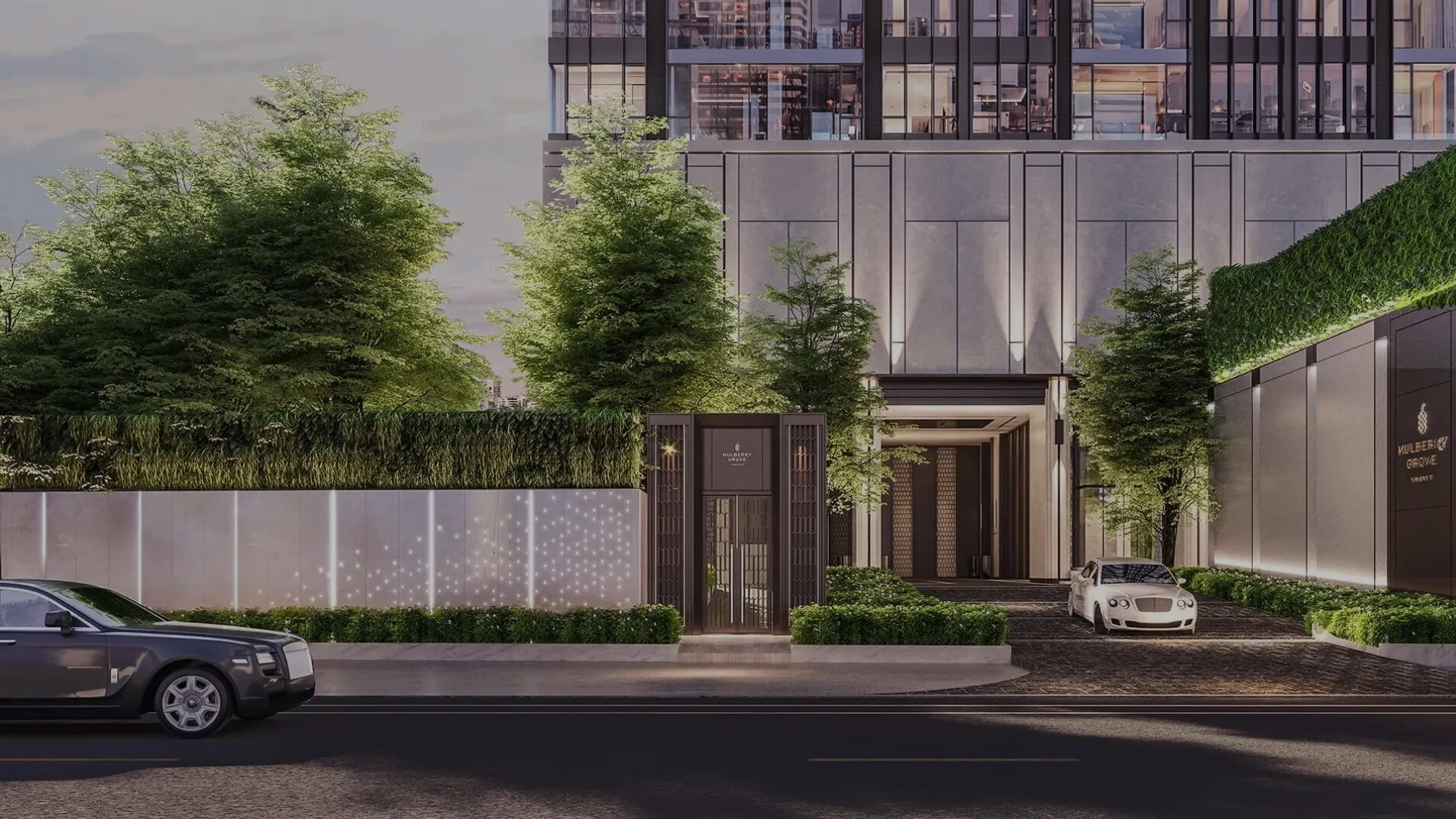
Mulberry Grove Sukhumvit is an interesting Bangkok condo study because it does not present itself as another compact investor tower. The official project story is built around multi-generational living, larger unit planning, wellness facilities and a location near BTS Ekkamai. For foreign buyers, that makes the project less about chasing the smallest ticket and more about whether the family-living proposition can translate into real use, rent and resale demand.
The project is by MQDC, a developer whose Bangkok portfolio often uses wellness, family and place-making narratives. Those themes can be attractive, but buyers should still test the basics: net price, completion status, foreign quota, exact layout, access, common fees, likely tenant profile and resale audience.
Mulberry Grove Sukhumvit is positioned as a family-oriented condominium near BTS Ekkamai.
Project snapshot
The official Mulberry Grove Sukhumvit page places the project around 250 metres from BTS Ekkamai. It lists one 37-storey residential tower with 287 units. Published unit types include one-bedroom layouts of around 47 to 56.5 sq m, two-bedroom layouts from around 87 to 135 sq m, three-bedroom layouts around 162 sq m, duplex penthouse space around 216.5 sq m and penthouse layouts around 180 to 241.5 sq m.
That unit mix is important. Larger two- and three-bedroom layouts can appeal to end users, expatriate families, buyers with children, buyers with elderly parents and long-stay owners who want Bangkok as a real home. They also require more careful pricing because the total ticket is higher and the resale pool can be narrower than for small one-bedroom units.
The Ekkamai buyer case
Ekkamai sits between Thonglor and Phra Khanong, giving buyers a mix of Sukhumvit prestige and slightly more residential breathing room. BTS Ekkamai, Gateway Ekkamai, Sukhumvit Hospital, international schools, restaurants and access toward Rama IV or the eastern corridor all contribute to the area’s practical appeal. For families, the neighbourhood can feel more manageable than the busiest parts of Phrom Phong or Thonglor while remaining central enough for daily city use.
The official project page highlights proximity to Gateway Ekkamai, Sukhumvit Hospital and St Andrews International School, among other local anchors. Buyers should verify real walking comfort, traffic patterns, school routes and taxi access. A 250-metre BTS reference is valuable only if the daily route feels safe, shaded and convenient in Bangkok weather.
The project’s facilities include lifestyle and wellness spaces aimed at different generations.
What the multi-generational concept means
The project materials repeatedly frame the residence around family connection and living across generations. In practical terms, buyers should look for evidence that the concept is more than branding: storage, kitchen usability, balcony function, bedroom privacy, senior-friendly movement, work-from-home corners, child-friendly common areas and enough lift, parking and delivery capacity for larger households.
Facilities on the official page include a sky pool and lounge, library and study space, multi-generational courtyard and wellness-oriented amenities. These can support end-user appeal, especially for households that want a building to serve more than one age group. For investors, the question is whether tenants will pay enough for those facilities to justify the entry price and common fees.
Completion and delivery checks
The official page displayed a construction-progress update dated 30 September 2025. Buyers should therefore ask the sales team for the latest construction, completion, inspection and transfer status before reserving. A project can be close to completion and still require careful checking on handover, defect rectification, title registration, foreign quota and the timing of final payments.
For foreign buyers, delivery timing should be coordinated with remittance evidence. If transfer is near, the buyer needs time for lawyer review, overseas funds, foreign-exchange documentation and any power-of-attorney process. If completion is still pending, the buyer needs to understand payment milestones, default clauses and what happens if the timetable changes.
The multi-generational concept is central to the project’s design and buyer positioning.
Due diligence questions for buyers
Is the exact unit available in foreign freehold quota, and when can this be confirmed?
What is the net price per square metre after incentives, furniture and transfer-cost allocation?
Does the layout genuinely suit a family, older parent, child or work-from-home routine?
How do achieved rents in Ekkamai compare for similar large units and newer luxury buildings?
What are the expected common fees, sinking fund and ongoing ownership costs?
What is the latest official construction, inspection and transfer timetable?
Rental and resale fit
Mulberry Grove Sukhumvit may fit a buyer who wants a Bangkok home base rather than a small pure-yield asset. The strongest tenant profile is likely to be households or long-stay residents who value Ekkamai access, larger layouts and a building with a family identity. That profile can be attractive, but it is not unlimited. Larger units can take longer to lease if rent expectations are too aggressive.
On resale, the buyer should ask whether the same story will remain clear: near BTS Ekkamai, larger family-oriented layouts, wellness and study facilities, MQDC branding and practical Sukhumvit access. If the unit’s total ticket is high, future buyers will compare it with Thonglor, Phrom Phong, older large units and other new luxury stock. The purchase price has to leave room for that comparison.
Buyer takeaway
Mulberry Grove Sukhumvit is most compelling for foreign buyers who want a livable Sukhumvit residence with family scale, not just a compact investment unit. Its strengths are Ekkamai access, larger layouts and a clear multi-generational concept. The main discipline is to test the exact unit against delivery status, foreign quota, rent evidence and resale depth.
IBP Real Estate can compare Mulberry Grove Sukhumvit with Ekkamai, Thonglor and Phrom Phong alternatives before you reserve. Continue with our project reviews, developer watch and district guides for shortlist context.
SCOPE Promsri gives foreign buyers a different Sukhumvit proposition from the larger high-rise towers around Phrom Phong and Thonglor. It is a low-rise, design-led condominium in Soi Promsri, Sukhumvit 49, positioned around compact one-bedroom living, furnished convenience and a quieter residential pocket between lifestyle, hospital and Japanese-community demand.
For a buyer, the question is not whether the project looks polished. The question is whether a compact premium low-rise fits the intended use: own stay, long-stay rental, part-time Bangkok base or resale hold. SCOPE Promsri can be interesting for buyers who value design, privacy and a serviced feel, but the unit economics need to be checked carefully.
SCOPE Promsri is positioned as an eight-storey luxury low-rise in Sukhumvit 49.
What the official project positioning says
The official SCOPE Collection page describes SCOPE Promsri as a low-rise residence in the heart of Sukhumvit’s lifestyle centre, inspired by the cenotes of the Yucatan Peninsula. It says the project has eight floors and 146 units, with world-class design collaboration and specifications. The page also highlights a furnished and serviced proposition, with references to Ligne Roset, Miele and Liebherr in its design and specification language.
The project page’s current sales messaging refers to one-bedroom units from 28 sq m. That compact format is important. It can suit a single professional, part-time owner, executive renter or Bangkok base buyer who wants design and location over large internal space. It may be less suitable for families, heavy work-from-home households or buyers who want long-term expansion space.
Location: the Promsri pocket
Soi Promsri sits in the residential fabric between Phrom Phong, Sukhumvit 49 and Thonglor. The official project page frames the neighbourhood around Phrom Phong, Klang and Thonglor, and lists nearby conveniences including TOPS Fine Food, UFM Fuji Promsri, Villa Market 49, J Avenue, The Commons, EmQuartier, The Racquet Club and Samitivej Hospital.
For foreign buyers, this pocket is strongest when the buyer values daily convenience over immediate main-road visibility. The area can work well for Japanese tenants, medical access, restaurant-led living, boutique fitness and Phrom Phong-Thonglor social routines. However, buyers should test the walk, traffic and taxi experience in person. A beautiful low-rise can lose appeal if the daily route feels awkward for the intended tenant.
Amenity presentation is central to the project, including the Ripple Lounge concept.
What to like
The low-rise scale is the first attraction. Some buyers prefer a smaller building because it feels less anonymous than a large tower. A compact building can also feel more residential, especially when common areas are carefully designed. SCOPE Promsri’s official materials emphasise the rooftop, Ripple Lounge, Cenote Court and an arrival experience built around the cenote concept.
The furnished and serviced positioning is also relevant. Foreign buyers often underestimate the friction of furnishing, repairs, appliance selection and tenant presentation from overseas. A project that starts from a stronger interior package can reduce that friction, although buyers still need to verify actual unit condition, included items, warranties and replacement costs.
What to check carefully
Compact units need precise pricing. A one-bedroom can lease well in Sukhumvit when the rent matches the tenant pool, but the ceiling is not unlimited. Buyers should compare rent and resale evidence against other compact premium units in Phrom Phong, Thonglor and Ekkamai, not only against broader luxury branding.
Foreign quota should also be checked directly before deposit. A project may be attractive to overseas buyers, but a foreign buyer still needs confirmation that the exact unit can transfer in foreign freehold. The title, juristic-person confirmation, payment evidence and transfer process should be reviewed by the buyer’s lawyer.
The project uses a cenote-inspired design language to frame common spaces and arrival.
Due diligence questions for SCOPE Promsri
What is the net price per square metre after any discount, furniture value and transfer terms?
Which directly comparable units have leased recently in Sukhumvit 49, Phrom Phong and Thonglor?
Is the exact unit in foreign quota, and when will the juristic-person confirmation be issued?
What furniture, appliances, services and warranties are included in writing?
How practical is the commute to BTS Phrom Phong, BTS Thong Lo, Samitivej, EmQuartier and daily groceries?
How many similar one-bedroom units are available for rent or resale in the same building and nearby projects?
Who may fit the project best
SCOPE Promsri may fit a buyer who wants a manageable Bangkok base rather than a large family home. It can suit an owner who visits often, wants central lifestyle access, and prefers a curated building with a quieter low-rise identity. It may also fit a landlord targeting single professionals or couples who want a furnished Sukhumvit lifestyle without the scale of a mega tower.
It is not automatically the best choice for every investor. Buyers chasing maximum gross yield may find cheaper units elsewhere. Buyers prioritising station doorstep access may prefer buildings closer to BTS exits. Buyers wanting larger layouts may compare older Phrom Phong and Thonglor stock. The attraction here is a mix of design, location, convenience and low-rise character.
Buyer takeaway
SCOPE Promsri is a useful reminder that Bangkok luxury is not only about height, river views or hotel branding. For some foreign buyers, a compact, furnished low-rise in a strong residential Sukhumvit pocket can be more practical than a larger statement unit. The investment case still depends on net price, tenant fit, foreign quota and resale depth.
IBP Real Estate can compare SCOPE Promsri with Phrom Phong, Thonglor and Ekkamai alternatives before you reserve. Continue with our project reviews, new project notes and district guides for shortlist context.
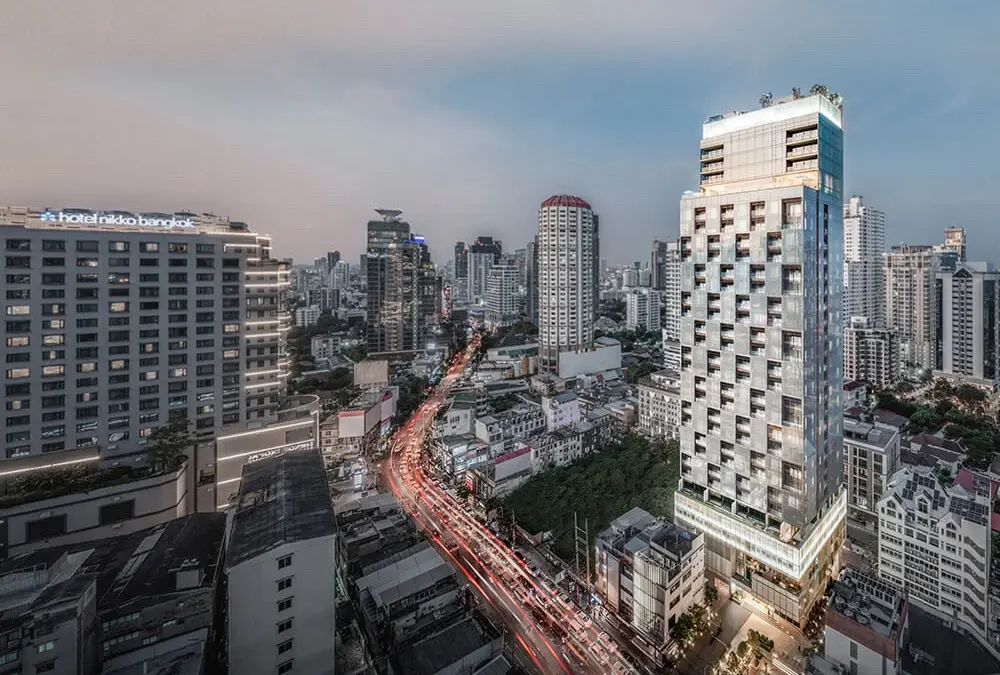
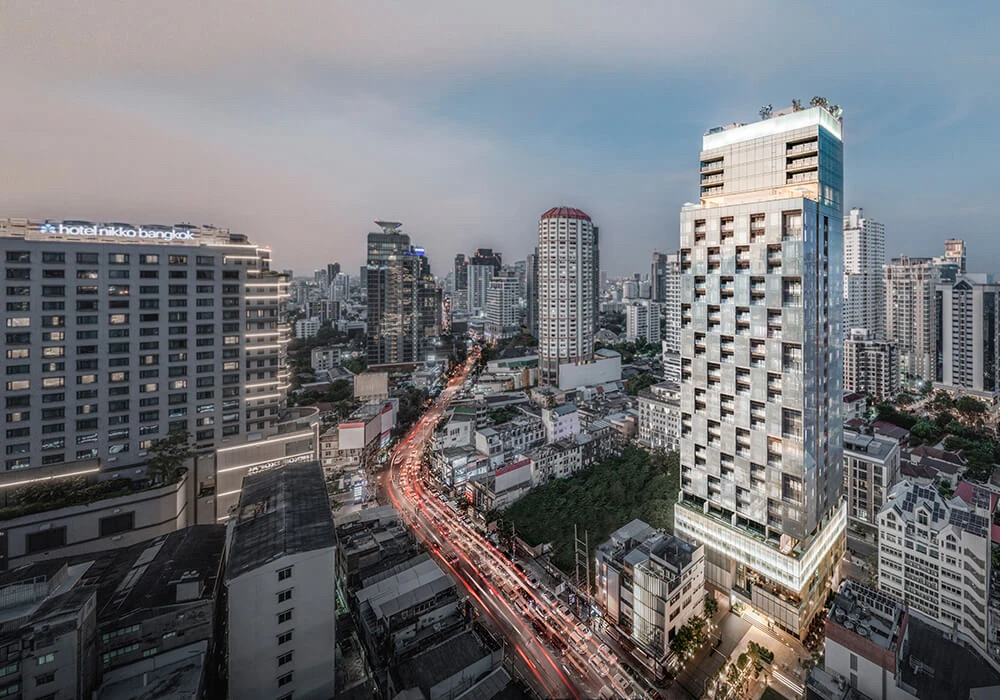
The Strand Thonglor is one of the clearer examples of why foreign buyers keep returning to Bangkok’s inner Sukhumvit market. It is not a large mass-market tower trying to borrow prestige from the district. It is a boutique, completed freehold condominium positioned at the front of Soi Thonglor, where daily life, BTS access and high-end neighbourhood identity meet in a very compact area.
For overseas buyers, the appeal is easy to understand: a recognisable address, a completed building, a small number of units, strong lifestyle infrastructure and immediate access to one of Bangkok’s most established expatriate and affluent Thai neighbourhoods. The due-diligence question is equally direct: does the purchase price still leave enough room for realistic rent, patient resale and ongoing ownership costs?
The Strand Thonglor is positioned as a boutique ultra-luxury condominium at the front of Soi Thonglor.
Project snapshot
The official project website describes The Strand as an ultra-luxury mixed-use condominium on Thonglor Road, Sukhumvit 55, with access from both Sukhumvit Soi 55 and 57. It states that the project is around one minute, or 30 metres, from BTS Thong Lo. For buyers who value walkable rail access, that is the core advantage: the building sits in Thonglor without making residents depend entirely on a car.
The published project details list a land area of 1-2-46 rai, or 2,584 sq m, with one 30-storey residential building and 188 freehold units. Unit types include one-bedroom, two-bedroom, duplex and penthouse layouts. Construction is shown as completed in Q4 2021, which means buyers can inspect the real building, real common areas and real resale market rather than relying on off-plan promises.
What makes the address useful
Thonglor is not only a nightlife label. For residents, it is a layered neighbourhood of restaurants, cafes, wellness, supermarkets, schools, clinics, offices and side-street residential pockets. The strongest buildings in the district tend to work because they combine lifestyle with practical exit routes: BTS access, Sukhumvit Road, Rama IV alternatives, Ekkamai, Phrom Phong and the wider Japanese and international tenant base.
The Strand’s front-of-Soi position is therefore significant. A buyer can access the BTS quickly, while still being connected to Thonglor’s deeper lifestyle corridor. That combination can suit executives who do not want a long walk in rainy season, part-time owners who need a simple address for visits, and tenants who compare Bangkok against other premium Asian city districts.
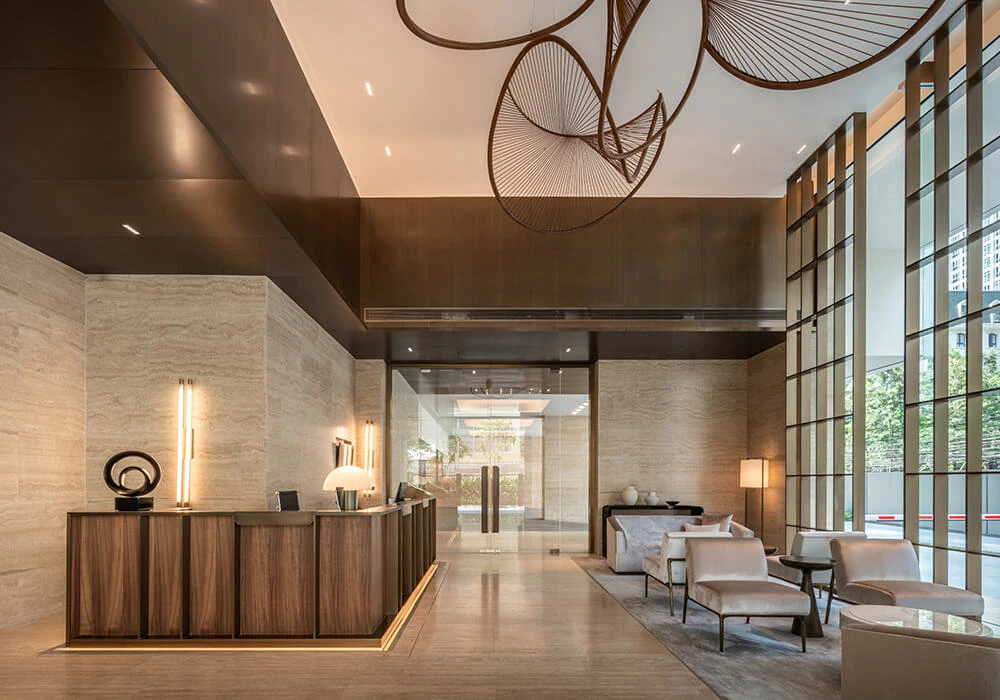
Service, lobby experience and arrival sequence are central to the project story.
Amenities and building positioning
The official project information highlights residential lobby space, a playroom, tutor room, clubhouse areas on the 27th floor and rooftop, a living room, swimming pool, children’s pool, putting green, fitness and meditation studio, changing rooms, sauna rooms and rooftop terrace. It also lists restaurants, a business lounge, working space and The Strand Park as commercial facilities.
Parking is presented as automated parking for 204 cars, or 103 per cent, with EV charging stations. In Bangkok’s luxury segment, parking and arrival experience matter because many high-end tenants and owners still use cars even when BTS access is excellent. A building that can serve both rail users and drivers has a broader lifestyle proposition.
Unit-level checks
The project’s in-unit highlights include home automation and concierge systems linked with an application, ERV circulation with a CO2 tracker, three-metre floor-to-ceiling height and fully fitted kitchens with built-in appliances. Those features support the luxury positioning, but buyers should still inspect the exact unit rather than buying the brochure description. Direction, view corridor, noise, furniture condition, appliance age and balcony practicality can vary meaningfully inside the same building.
Foreign buyers should also ask how the unit has been used since completion. A lightly used owner-occupied unit may have different maintenance needs from a heavily rented unit. For resale stock, review title documents, foreign quota, common-fee records, any outstanding building charges, included furniture, transfer cost sharing and the defect or repair list before paying a non-refundable deposit.
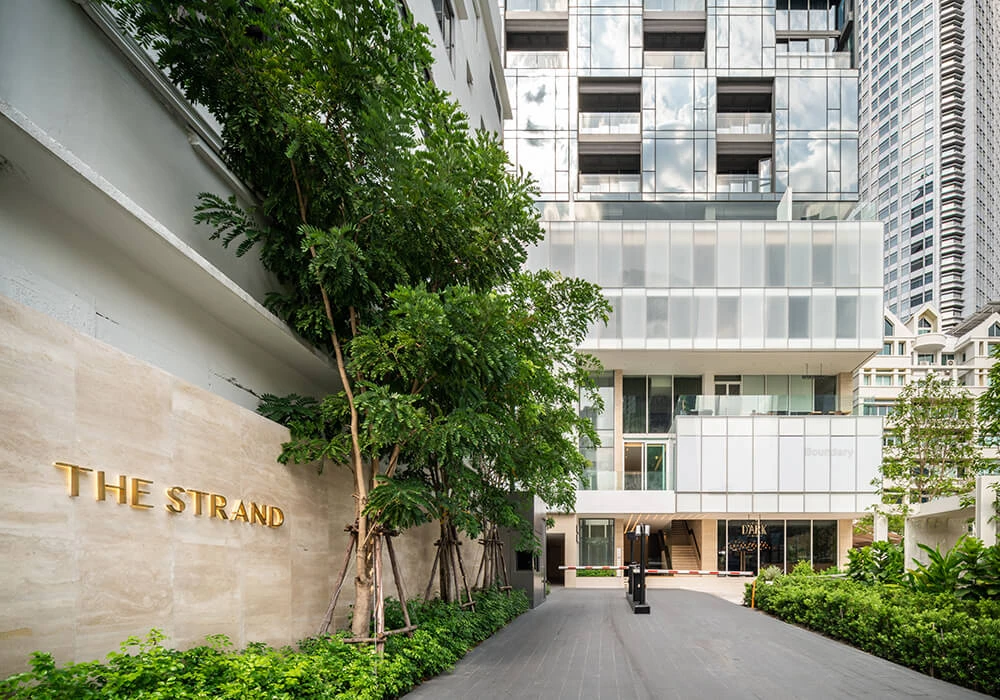
The location gives buyers immediate access to Thonglor while keeping BTS convenience in view.
Rental and resale logic
The Strand should not be assessed like a generic Sukhumvit one-bedroom tower. Its boutique scale, design positioning and location may support a premium, but the buyer still needs realistic comparables. Check achieved rents in the building, not only advertised rent. Compare with other luxury stock around Thonglor, Phrom Phong, Ekkamai and Chit Lom. Then test whether the target tenant would pay extra for this specific unit, floor and furnishing package.
On resale, boutique projects can benefit from scarcity, but scarcity only helps when there is a pool of buyers who understand the product. The most liquid unit may not be the largest or most dramatic. It may be the layout that has the widest tenant and resale audience at the most defensible total ticket.
Questions before making an offer
Is the unit in foreign freehold quota, and can this be confirmed before deposit?
How do achieved rents compare with similar luxury units near BTS Thong Lo?
Does the view, floor height and orientation justify any premium over competing units?
Are automated parking, EV charging and building services working smoothly in practice?
What furniture, appliances and smart-home items are included in the sale?
How patient must the owner be if resale or leasing takes longer than expected?
Buyer takeaway
The Strand Thonglor suits buyers who want a completed, boutique, premium Sukhumvit address with unusually direct BTS convenience. Its strengths are location, scale, lifestyle access and luxury positioning. The main discipline is price: a beautiful project still needs a conservative rental and resale model.
IBP Real Estate can prepare a unit-by-unit comparison across The Strand, other Thonglor luxury projects and nearby Phrom Phong alternatives. Continue with our project reviews and district guides before shortlisting.
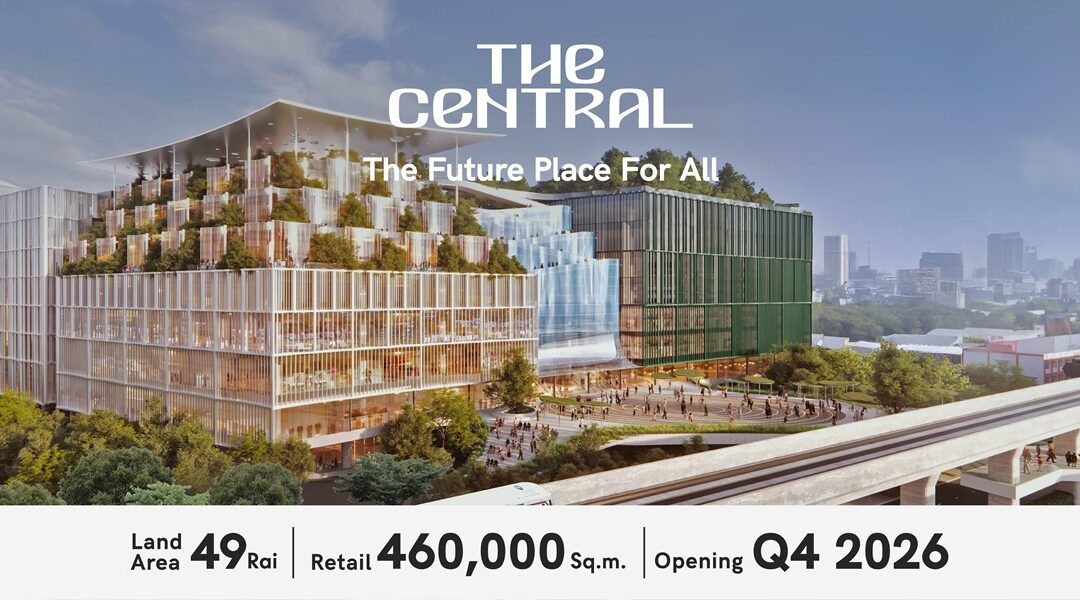
Central Pattana’s plans for The Central Phaholyothin are not only retail news. For foreign buyers watching Bangkok property, they are also a reminder that the city’s growth story is increasingly organised around large mixed-use districts rather than isolated shopping centres or single condominium towers.
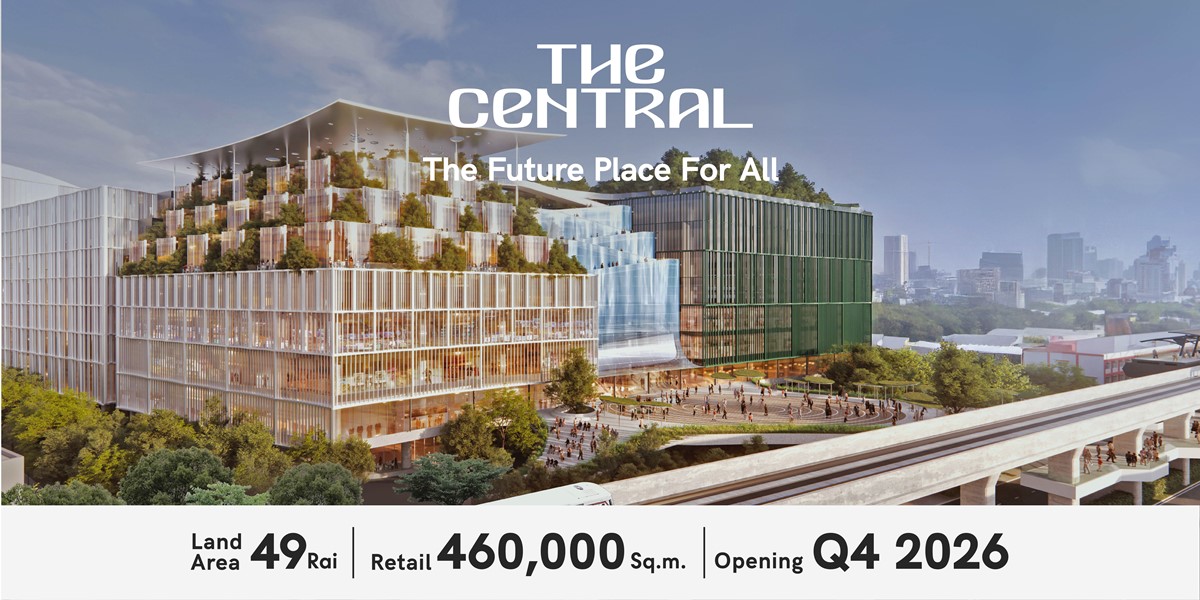
The official Central Pattana page describes The Central in the Phaholyothin area as a project on more than 49 rai of land, with retail gross building area of 460,000 sq m. It says the project is scheduled to open in the fourth quarter of 2026 and will grow alongside Central Ladprao, with global brands expected to open flagship stores as they enter the Thai market.
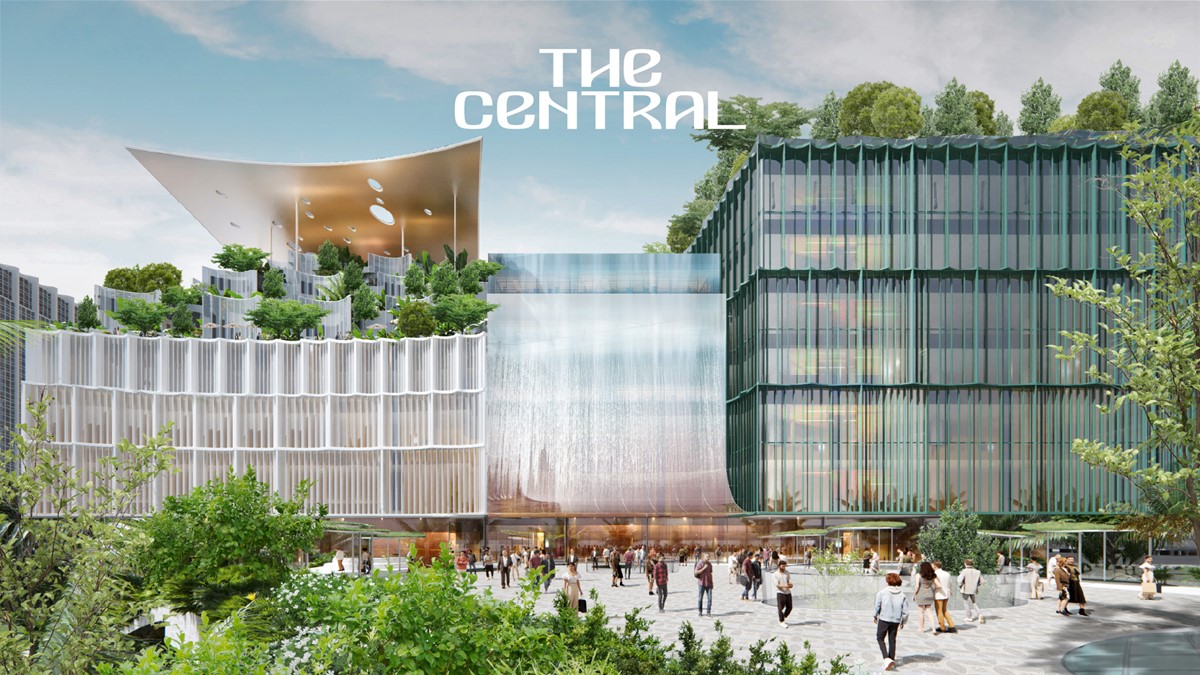
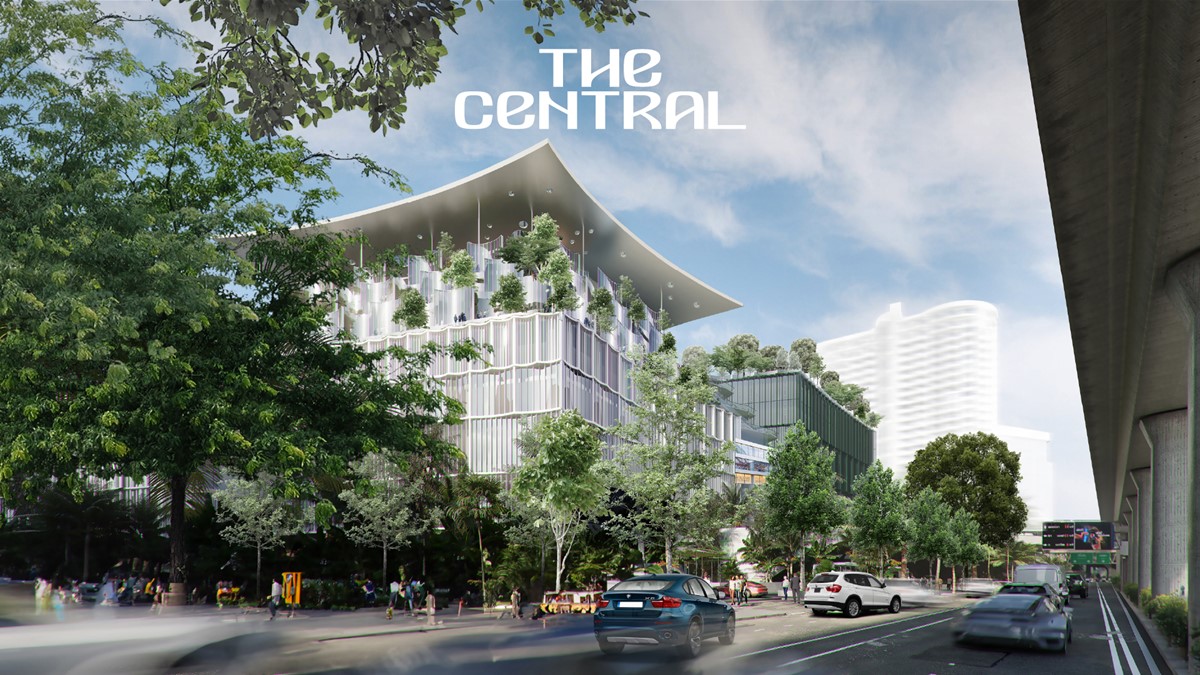
The Central Phaholyothin is positioned as a major retail-led landmark for north Bangkok.
Why this matters to property buyers
Large retail-led projects can influence property confidence in three practical ways. First, they make a district easier to live in by improving shopping, dining, services, entertainment and climate-controlled meeting places. Second, they support jobs and business traffic, which can deepen rental demand around transport nodes. Third, they help define how local buyers and overseas buyers describe a district. A clear district identity often matters when a condo is later rented or resold.
This does not mean every nearby condo automatically becomes a better investment. The benefit depends on walking routes, rail access, road congestion, competing supply, building quality and the price paid. Still, a major mixed-use anchor can give buyers a clearer framework for assessing long-term neighbourhood improvement.
Part of a broader five-year plan
Central Group’s 26 March 2026 corporate news release said Central Pattana is advancing a five-year investment plan for 2026 to 2030 valued at THB 110 billion, with an ambition to grow mixed-use developments to 33 projects by 2030. The same release framed the company’s strategy around mega-scale urban transformation projects, including north Bangkok, Rama 9 and the Ladprao-Phaholyothin corridor.
For Bangkok property, that breadth matters. It suggests that private-sector capital is still being deployed into urban districts, offices, hotels, residential projects and retail ecosystems even while parts of the housing market remain selective. Foreign buyers should read it as a confidence signal, not as a guarantee. Strong macro investment can support a district, but individual condo returns still depend on price, product and management.
Central Pattana says the project will grow alongside Central Ladprao and support the wider Ladprao-Phaholyothin district.
The Central District signal
The corporate update described The Central District as a collaboration to redefine Ladprao-Phaholyothin as a unified urban ecosystem. It said Central Ladprao and The Central Phaholyothin together span 96 rai, with combined gross building area of 770,000 sq m, comparable in scale to centralwOrld. That comparison is useful because centralwOrld is not just a mall in buyer perception; it is part of how Ratchaprasong is understood as a retail, hospitality and office hub.
North Bangkok has a different profile from the traditional foreign-buyer core. It is more local, more family-oriented in parts, and connected to universities, offices, transport corridors and Don Mueang access. The Central Phaholyothin could strengthen the area’s lifestyle proposition, but foreign buyers should still compare it against their actual tenant target. A tenant working around Ladprao, Ratchayothin, Kasetsart or Don Mueang may value the district differently from an expatriate working in Phrom Phong or Sathorn.
What to check around nearby condos
Whether the condo has a realistic walk, shuttle or rail route to the district’s key anchors.
Whether rental demand comes from local professionals, students, aviation-linked workers, office tenants or families.
Whether road congestion could reduce the practical benefit of new amenities.
Whether future residential supply may compete for the same tenant pool.
Whether the building’s management, common areas and unit layouts match the district’s expected buyer profile.
For condo buyers, the district signal matters most when it improves daily amenities, employment access and transport convenience.
Foreign-buyer takeaway
The Central Phaholyothin is a useful growth signal because it sits inside a larger shift: Bangkok’s major developers are still building mixed-use places that combine retail, work, hospitality, residence and daily services. For a foreign buyer, that supports confidence in Bangkok as a liveable and investable city, but it should not replace due diligence on a specific building.
The most practical approach is to map the project against completed condos and new launches within realistic travel distance, then compare tenant depth, resale evidence and total holding costs. District growth is helpful; overpaying for a weak unit because a landmark is coming nearby is still avoidable.
Six Senses Residences The Forestias gives Bangkok buyers a different version of luxury. Instead of a central-city tower beside a BTS station, the proposition is a limited branded residential community in Bangna, tied to wellness, greenery, privacy and an intergenerational mixed-use environment. For foreign buyers, that makes the project interesting, but also different to underwrite.
Six Senses Residences The Forestias is positioned around wellness, greenery and branded residential service.
The official Six Senses page describes the residences as part of The Forestias, a purpose-grown forest community within reach of Bangkok. It states that the Six Senses residences comprise 27 homes, set around a woodland lagoon, with three to five bedrooms and living areas from 8,514 to 15,931 square feet, or 791 to 1,480 square metres. Each residence is described as having a private pool, onsen and organic gardens.
Those details immediately place the product in a narrow luxury category. This is not a compact investment condominium for a standard tenant pool. It is a lifestyle-led, branded residence proposition for buyers who value space, privacy, wellness services and a nature-oriented setting within Greater Bangkok.
Why the positioning matters
Bangkok luxury buyers have become more segmented. Some want walkable central addresses such as Langsuan, Chit Lom, Phrom Phong, Sathorn or Riverside. Others want larger homes, green space, international-brand management and a quieter family environment. Six Senses Residences The Forestias sits closer to the second group.
The official material also says the residences connect to leisure and healthcare facilities via a treetop canopy walk through the central forest area, which is expected to host more than 500 species of plants and animal life. For buyers comparing Bangkok with Singapore, Hong Kong or major resort-led markets, this gives the project a clear story: low-density branded wellness living rather than conventional city-centre convenience.
The official materials emphasise a forest setting and residential amenity environment.
What foreign buyers should like
The strongest appeal is differentiation. A buyer can understand the product quickly: Six Senses brand association, limited residences, private pools, wellness facilities, greenery and a wider master-planned environment. That can be attractive for regional families, wellness-led buyers, executives who do not need to commute daily into the CBD, and owners who want Bangkok access without living inside the densest central districts.
The scale of each residence also matters. Many Bangkok condominiums compete in one-bedroom, two-bedroom and compact family layouts. A large branded residence can speak to buyers who are comparing landed homes, penthouses and resort residences. The potential advantage is scarcity. The potential risk is a smaller resale audience.
Access needs careful testing
Bangna can be practical for some owners and inconvenient for others. Buyers should test the real route to Suvarnabhumi Airport, central Sukhumvit, international schools, hospitals, offices, weekend retail, golf, family homes and any regular business destination. A project can feel calm and premium on arrival, but the investment decision still depends on weekly movement.
For foreign buyers who will use the residence as a seasonal base, airport and family access may matter more than daily CBD commuting. For full-time residents, school runs and road conditions may matter more. The buyer should test the property at different times of day, including rain and peak traffic, before deciding that the lifestyle trade-off works.
Brand and service questions
A branded residence should be assessed through its service model as well as its architecture. Buyers should ask what services are included, what services are chargeable, how residential privacy is protected, how maintenance is organised, how common expenses are budgeted and how the branded relationship is governed over time. The emotional appeal of an international name should be matched by clear operating documents.
The official Six Senses page refers to dining options, exclusive membership club access at Six Senses Place and a Six Senses Spa with wellness amenities and services. Buyers should confirm which facilities are available to residence owners, whether access is bundled or paid, and how rights are documented.
Foreign buyers should test the lifestyle appeal against access, costs and long-term resale audience.
Resale and rental logic
The resale audience for this type of product is likely to be specific. It may appeal to high-net-worth families, regional buyers, wellness-focused owners and people already familiar with the Six Senses brand. That can be a strength when the right buyer appears, but it can also mean longer selling periods than more standard central condominium stock.
Rental logic should also be conservative. A large branded residence may command interest from a premium tenant, but the tenant pool is not as broad as the market for central two-bedroom condos near mass transit. Owners should not buy only on the assumption of easy rental income. The purchase should work first as a lifestyle and long-hold asset.
Buyer checklist
Confirm the exact legal structure, ownership form and foreign eligibility for the chosen residence.
Review branded-service documents, common fees, sinking fund and chargeable service schedules.
Test travel times to airport, schools, hospitals, offices and central districts at realistic hours.
Compare the purchase with central penthouses, luxury villas and other branded residences.
Ask who the future resale buyer is and how quickly that buyer can be reached.
Treat wellness and brand appeal as value drivers, but verify every operating document.
Buyer takeaway
Six Senses Residences The Forestias is best understood as a specialised branded lifestyle asset rather than a conventional Bangkok condo investment. It may suit foreign buyers who value privacy, wellness, space and an internationally recognisable service concept. The key is to test the access, operating costs and resale audience with the same discipline used for any prime Bangkok purchase.
IBP can help overseas buyers compare branded residences, riverfront towers and central luxury condominiums by lifestyle fit, ownership checks and exit logic. Read our project review notes or contact IBP Real Estate for a private buyer consultation.