
Thailand’s semiconductor strategy is not a condo story in the narrow sense. It is a confidence story about where the country wants to sit in higher-value manufacturing, electronics, data infrastructure, electric vehicles, renewable energy and smart industry. For foreign buyers considering Bangkok property, that wider direction matters because long-term real estate demand depends partly on the depth of the economy around the capital.
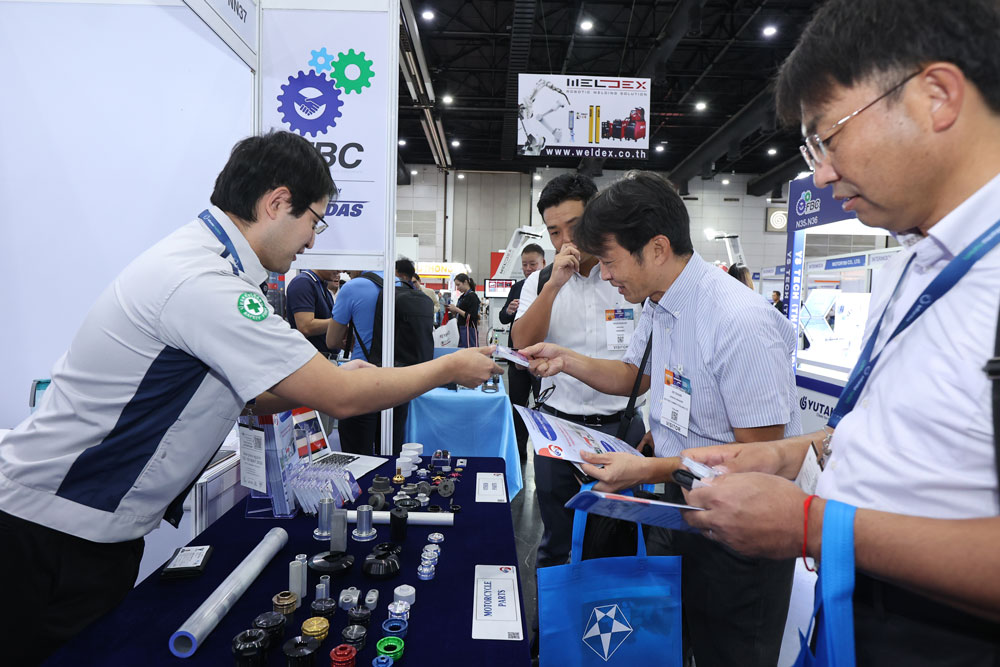
The Thailand Board of Investment said the national strategy is focused on power semiconductors, sensors, photonics, discrete devices and analog chips. These are segments linked to existing Thai strengths in electronics, automotive, energy, data centre and industrial supply chains. The strategy sets phased targets for 2030, 2040 and 2050 rather than promising an overnight transformation.
Why industrial strategy matters to Bangkok
Bangkok is not where every factory sits, but it is where many decisions are made. Corporate headquarters, regional management teams, banks, law firms, consultants, logistics providers, hotels, schools, hospitals and service businesses cluster in and around the capital. When Thailand attracts higher-value industry, Bangkok often becomes part of the executive, finance and services ecosystem that supports it.
For property buyers, the point is indirect but important. A deeper corporate base can support executive travel, expat assignments, serviced apartments, relocation demand and confidence in premium urban living. It does not mean every condominium will rise in value. It means the city has more reasons to remain relevant to international companies and mobile professionals.
The scale of the ambition
BOI said Thailand aims to attract more than 2.5 trillion baht, or about 79 billion US dollars, in semiconductor and advanced electronics investment by 2050. It also referred to a goal of developing more than 230,000 skilled workers and creating a more integrated semiconductor ecosystem. These are long-range targets, so buyers should read them as direction rather than immediate market data.
The release also noted that electronics and electrical products account for around one-quarter of Thailand’s total exports. In 2024, electronics exports reached 1.86 trillion baht, while semiconductor exports totalled 436 billion baht. Between 2018 and November 2025, electrical and electronics investment-promotion applications accounted for 1.17 trillion baht across 1,748 projects.
What foreign buyers should not overstate
Industrial growth does not automatically create demand for a particular luxury condominium. Many manufacturing projects are outside central Bangkok, and the workers they employ may not rent prime Sukhumvit or Riverside units. The relationship between investment policy and condo demand is filtered through job type, salary level, headquarters location, family relocation, school choice and transport patterns.
That is why buyers should avoid headline-led decisions. A semiconductor strategy can support national confidence, but a condo purchase still needs building-level evidence: rent comps, resale depth, management quality, legal readiness, common fees and realistic exit demand.

Where the property link is more plausible
The clearest Bangkok property link is through corporate services and skilled mobility. Senior engineers, managers, founders, consultants, investors and regional executives may need Bangkok access even when industrial sites are elsewhere. They may choose areas with airport links, international schools, hospitals, office access and lifestyle depth. That can support selected rental segments if the building and location match the tenant profile.
Districts with strong connectivity, good management and easy daily services are better placed than buildings that rely only on broad macro confidence. For example, a practical unit near a rail interchange may suit a regional commuter better than a larger but inconvenient unit. A well-managed central condo can appeal to a family relocating for a two-year assignment if schools and healthcare are manageable.
How to use this signal in a buyer brief
- Treat semiconductor policy as one macro confidence factor, not a price forecast.
- Prioritise buildings that suit mobile professionals and corporate tenants.
- Check airport, office, school and hospital access rather than only district prestige.
- Compare actual rent evidence with competing buildings in the same micro-market.
- Be cautious with speculative areas that lack current tenant depth.
Buyer takeaway
Thailand’s semiconductor strategy strengthens the country’s long-term investment narrative and supports Bangkok’s role as a business, finance and services base. For foreign condo buyers, the correct response is measured confidence. The macro story is positive, but the purchase decision should still be made unit by unit, building by building and district by district.
IBP tracks how Thailand’s economy, infrastructure and corporate investment environment connect to Bangkok property decisions. Read more in Thailand economy and investment news or contact IBP Real Estate for a buyer strategy session.