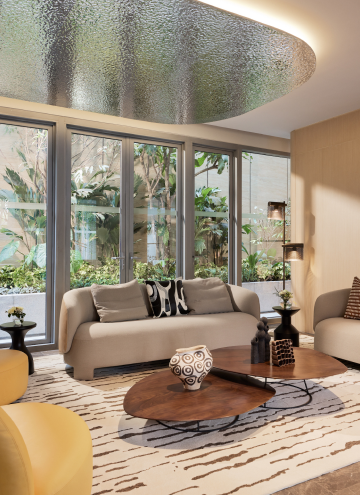
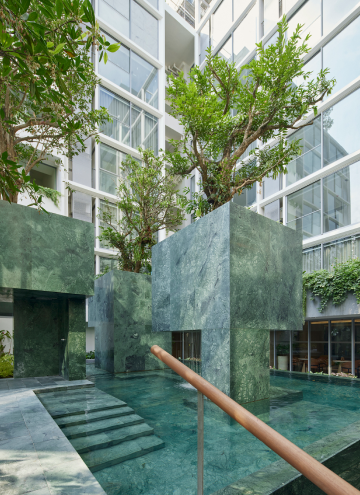
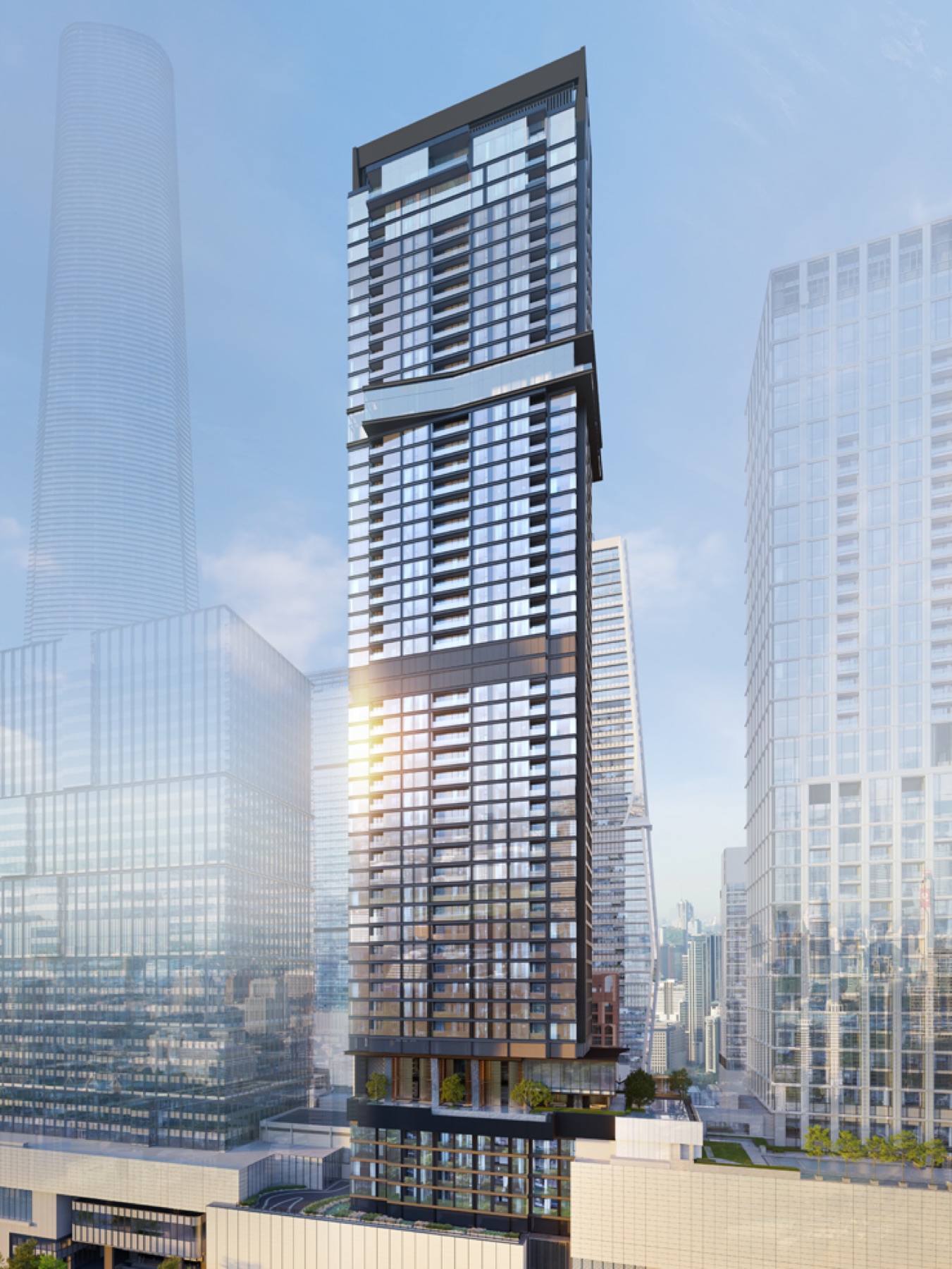
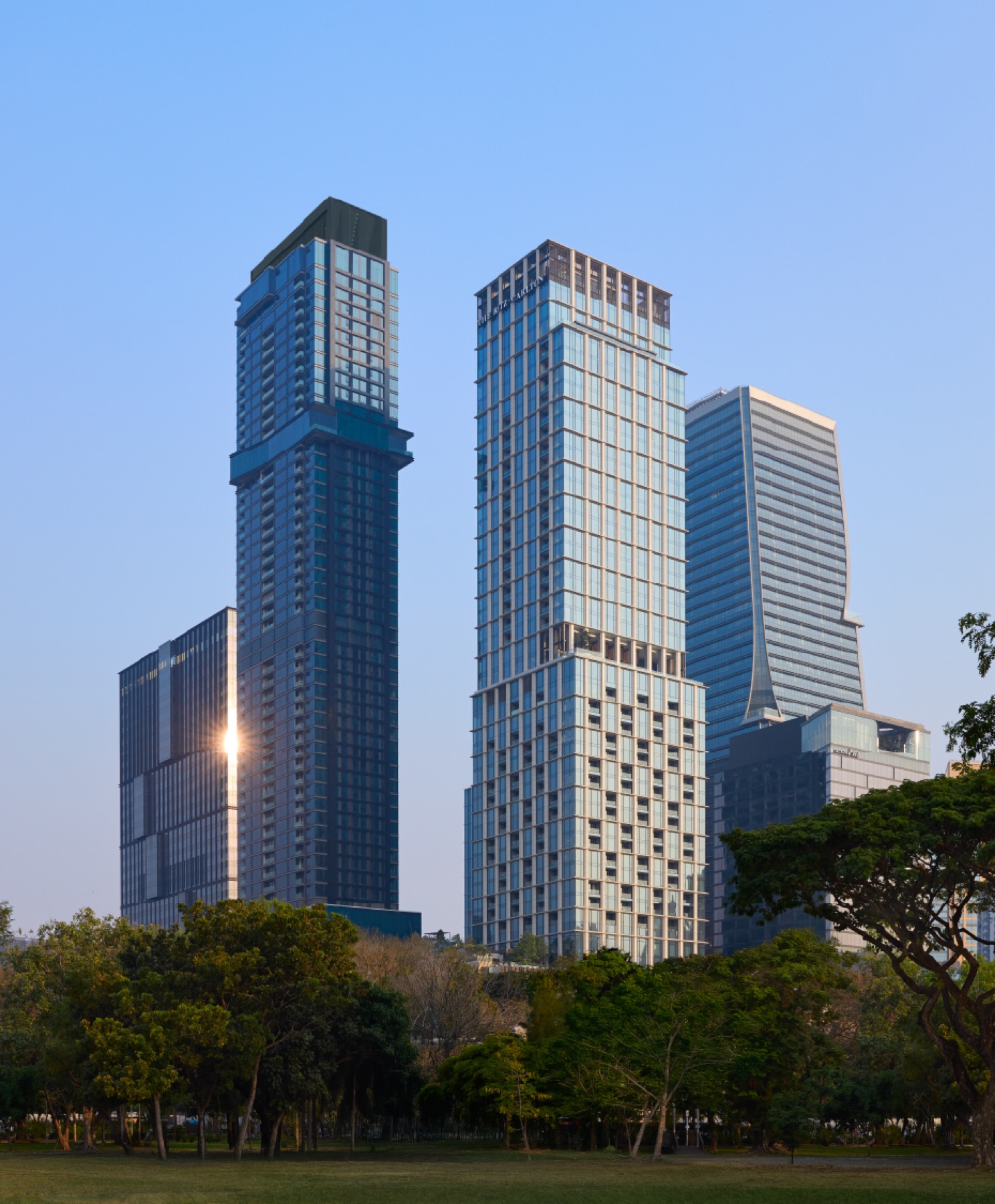
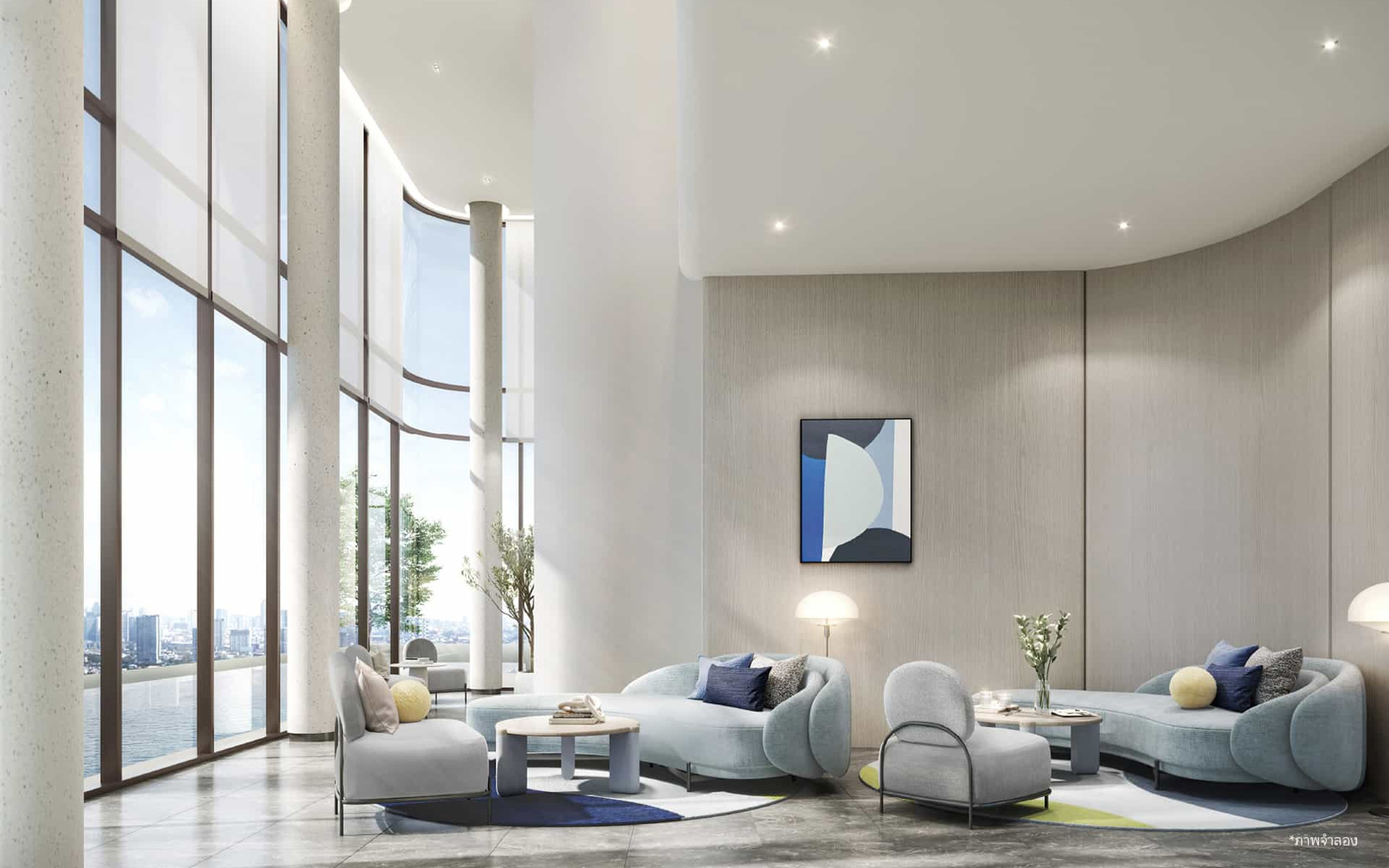
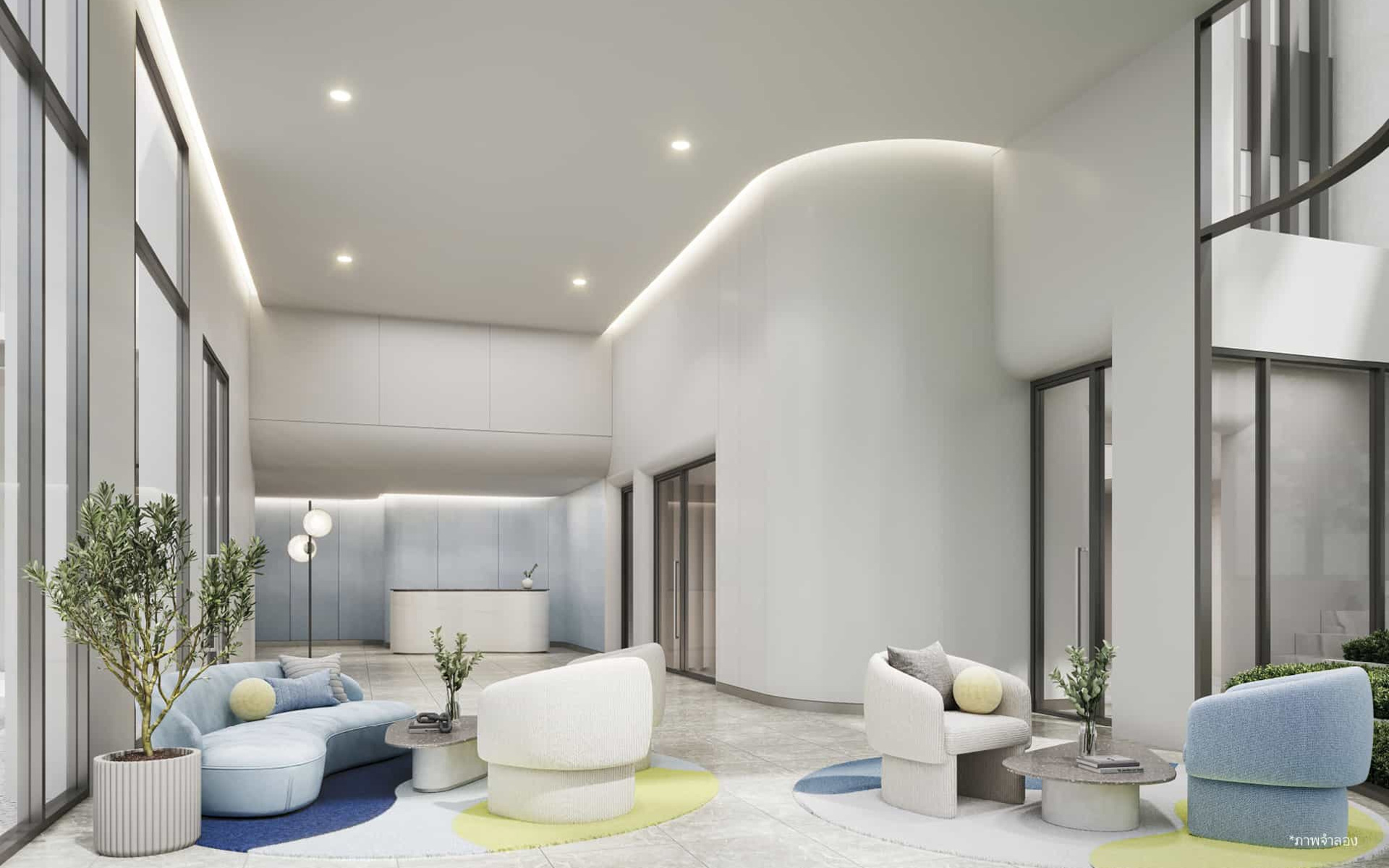
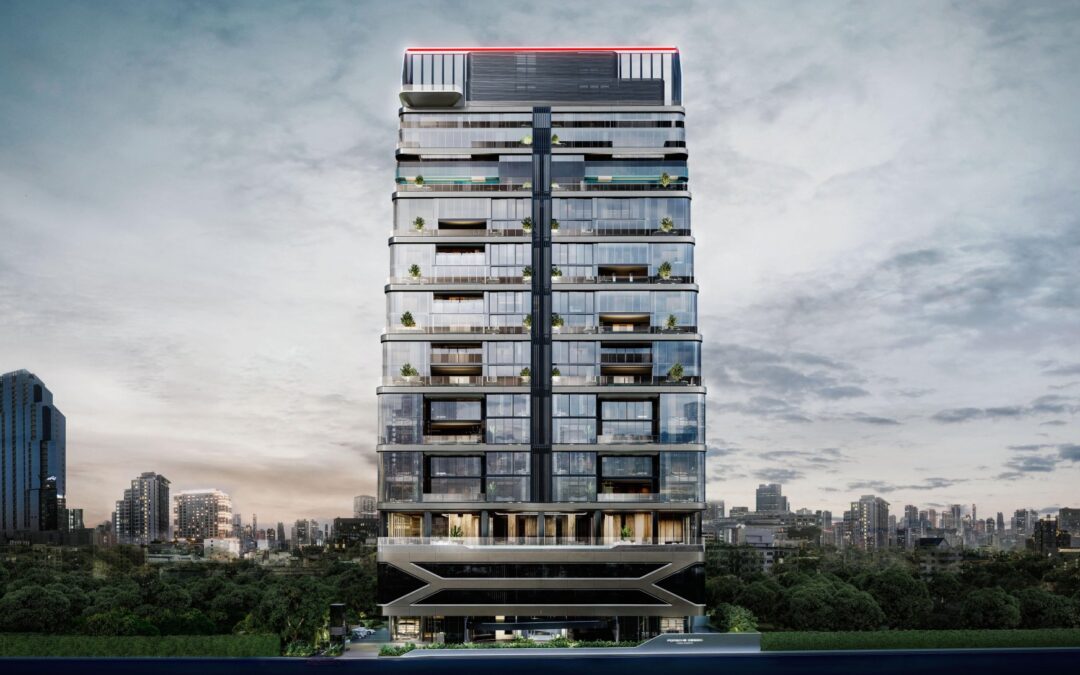
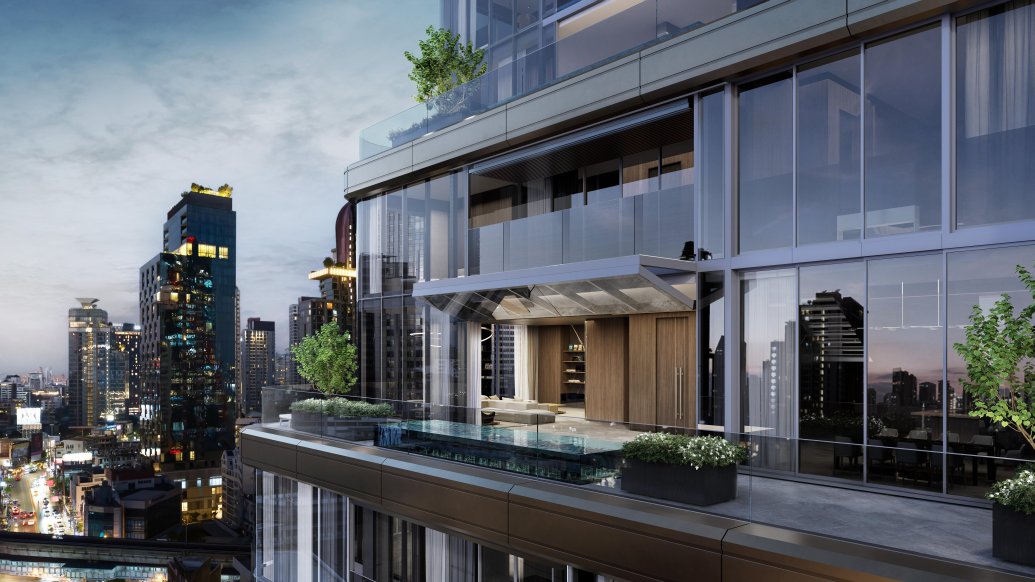
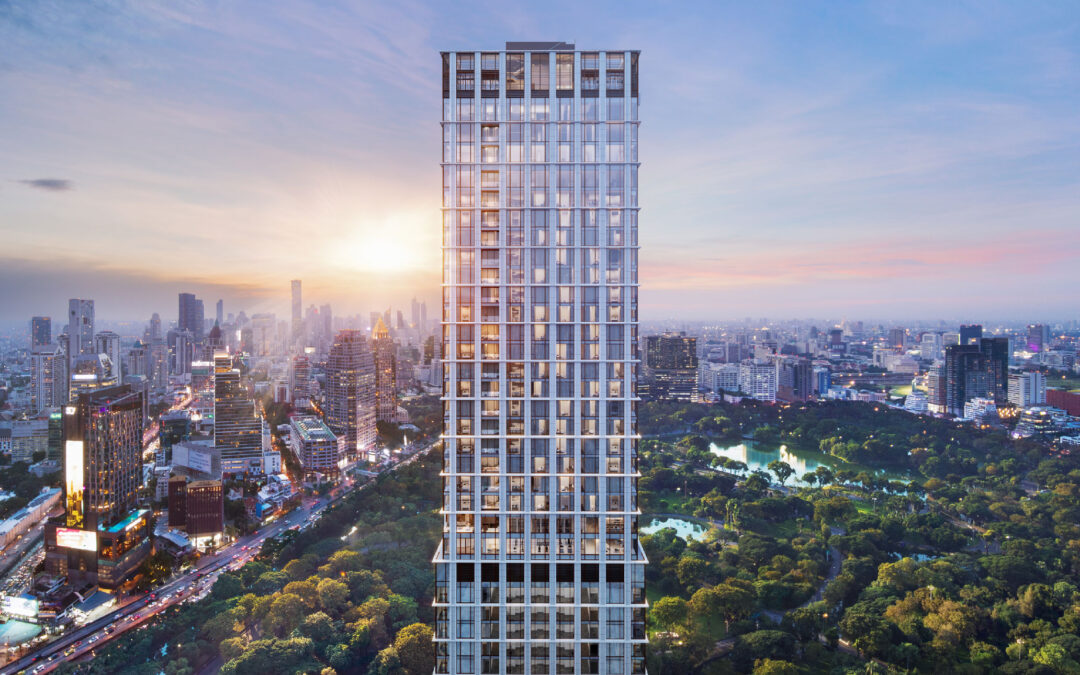
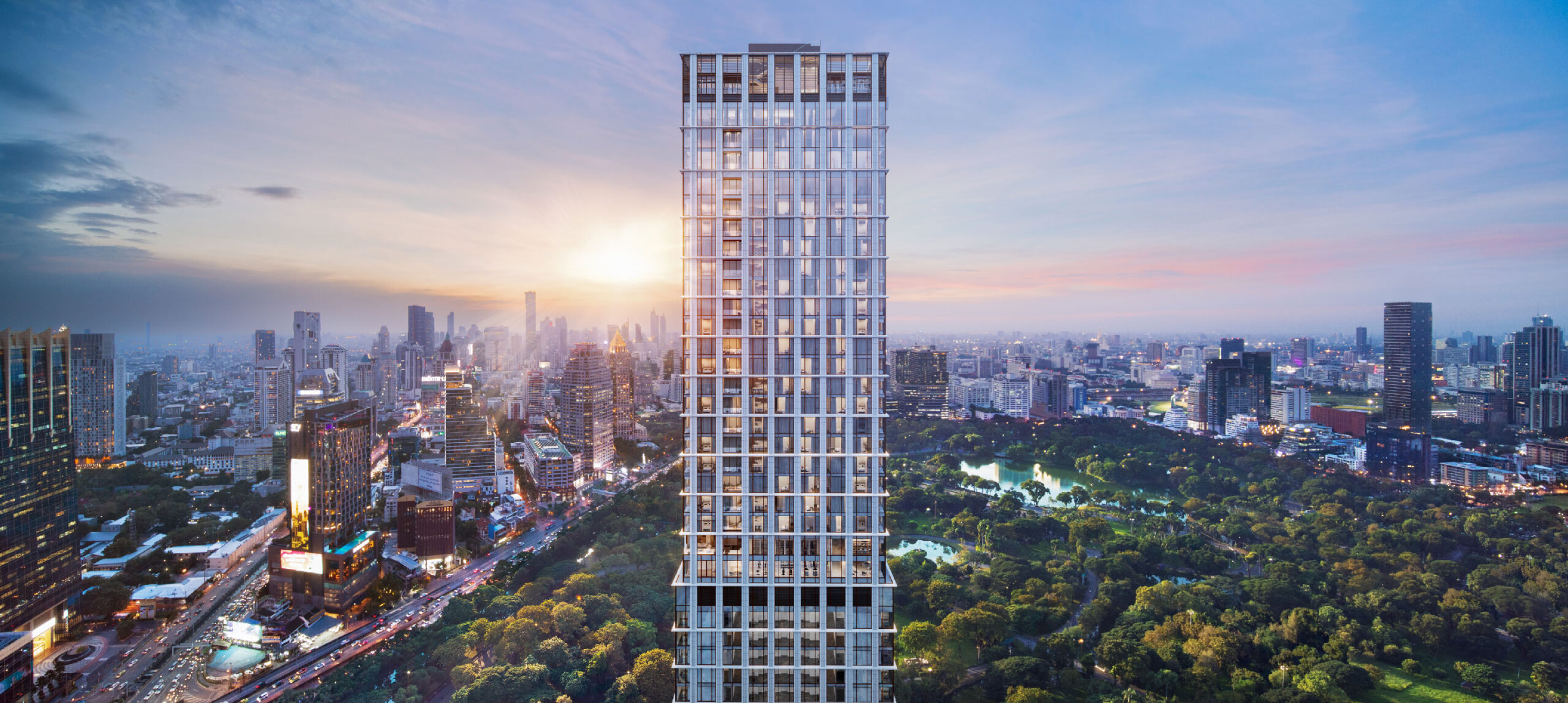
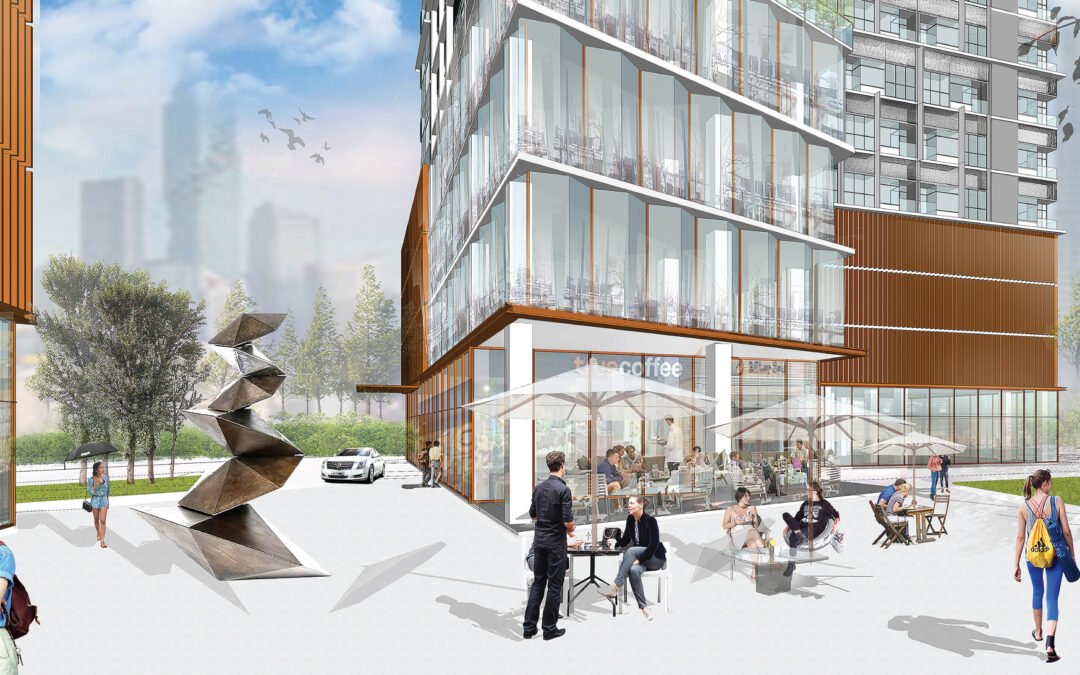
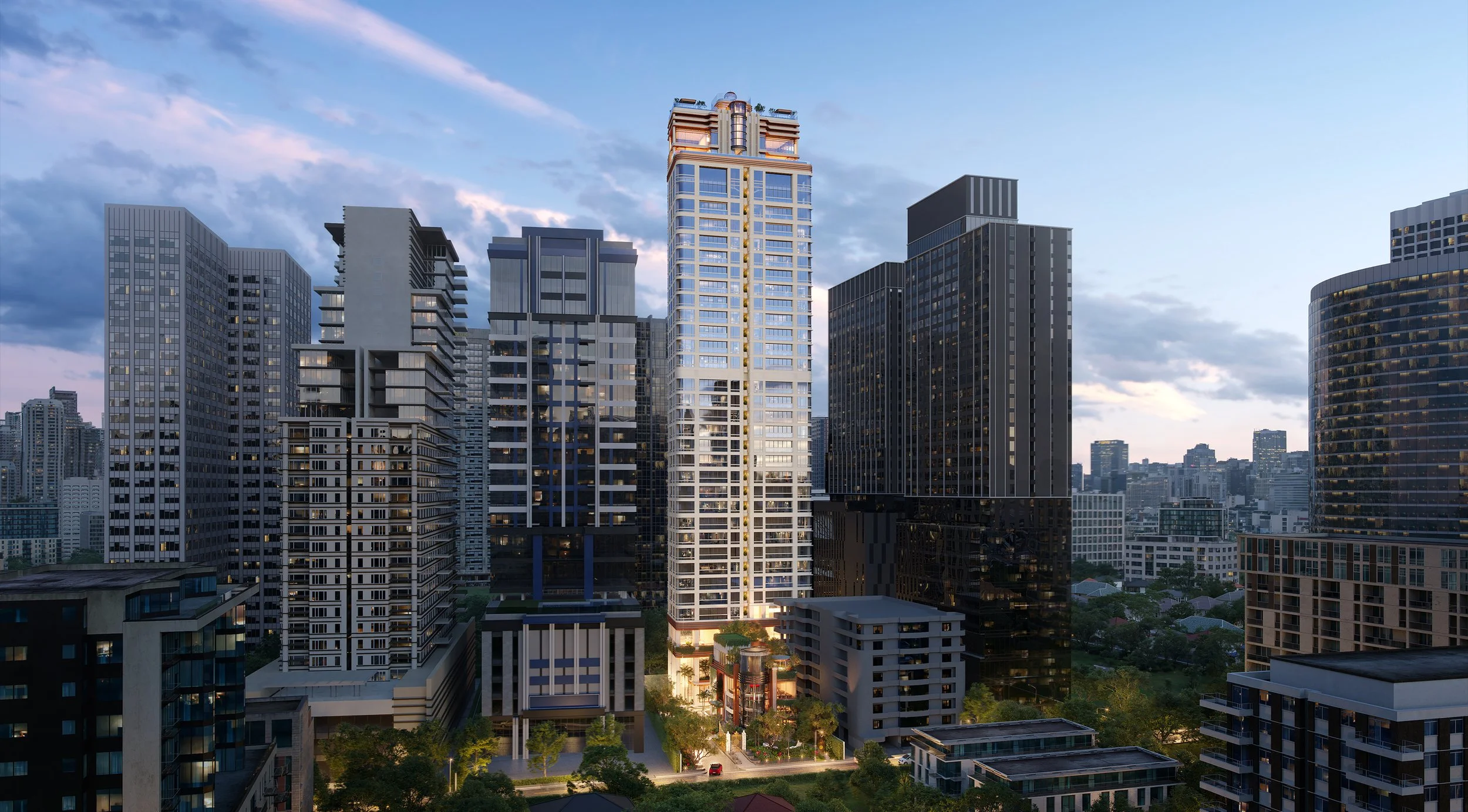
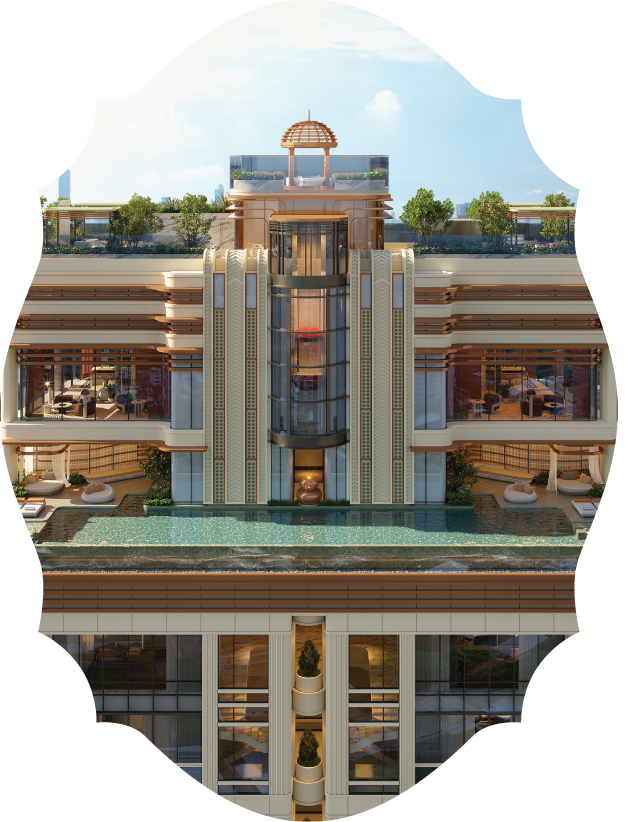
Dusit Central Park is one of Bangkok’s most visible mixed-use addresses, and that visibility is exactly why foreign buyers should approach it with both interest and discipline. The project occupies a rare central position beside Lumpini Park and within reach of Silom, Sathorn and Rama IV, combining hospitality heritage with residences, offices, retail and landscaped space.
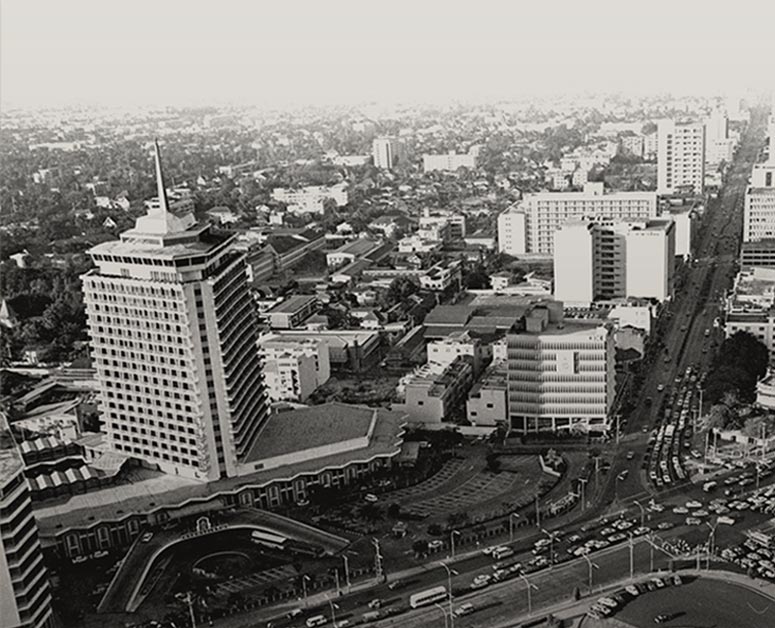
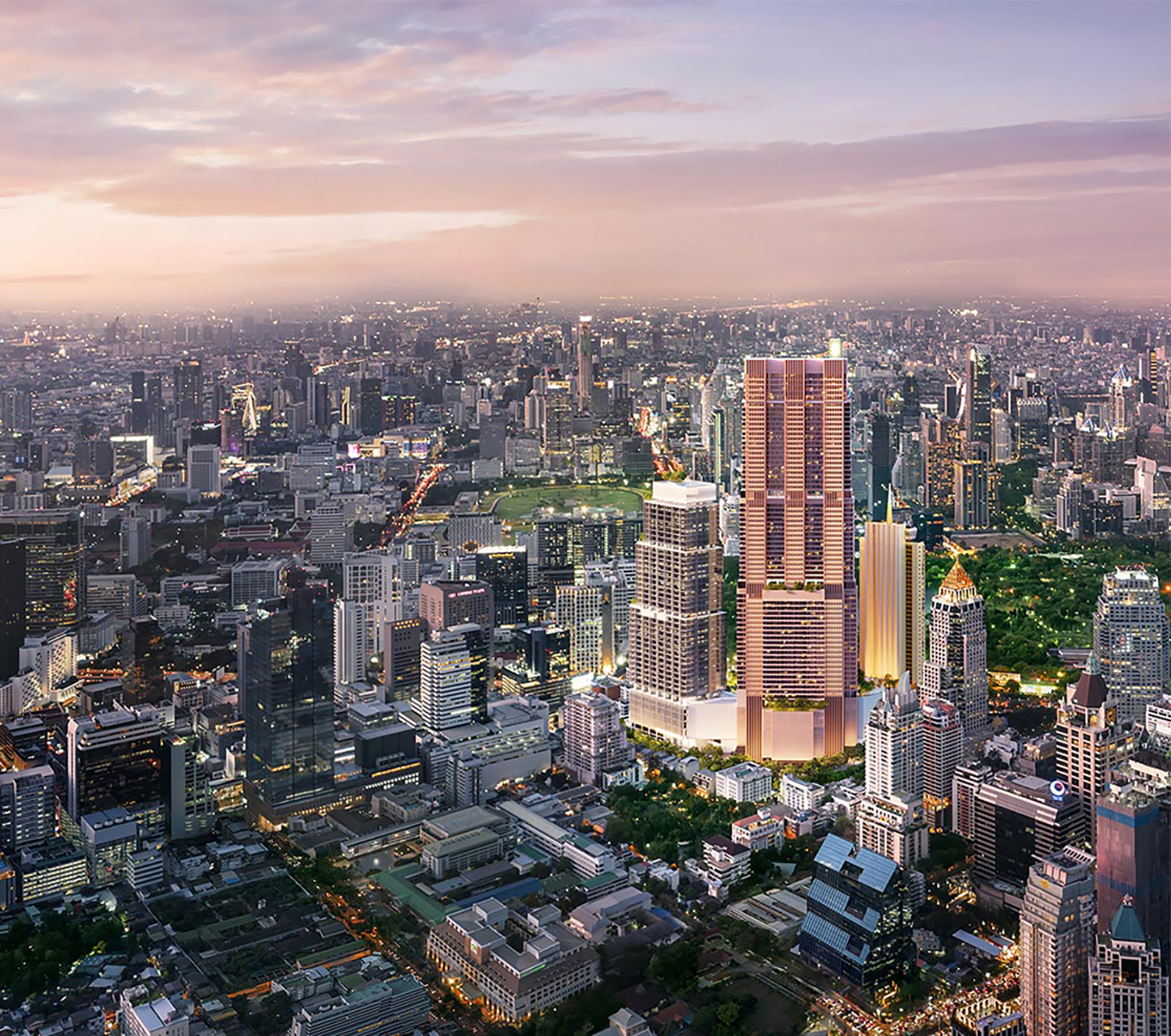
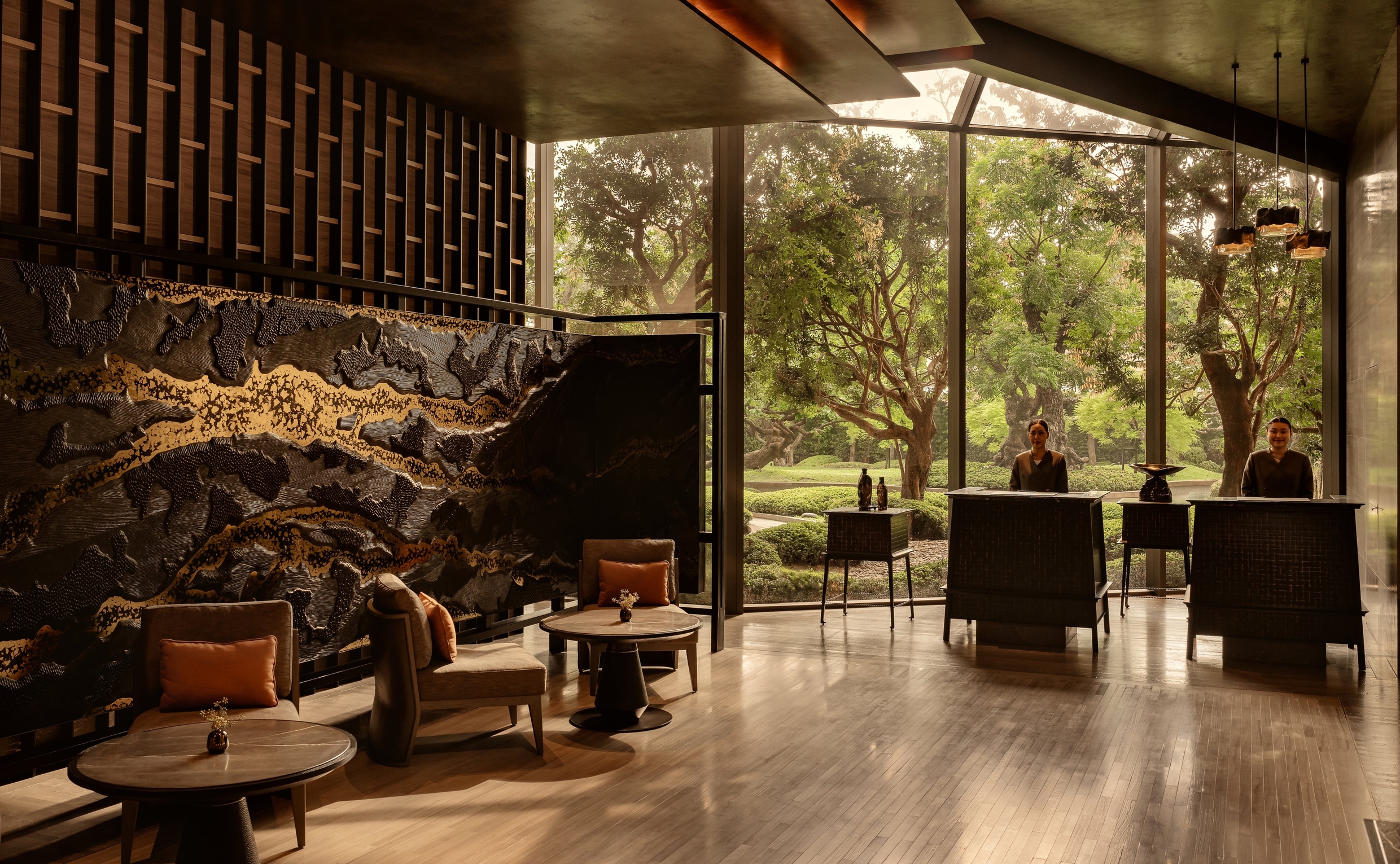
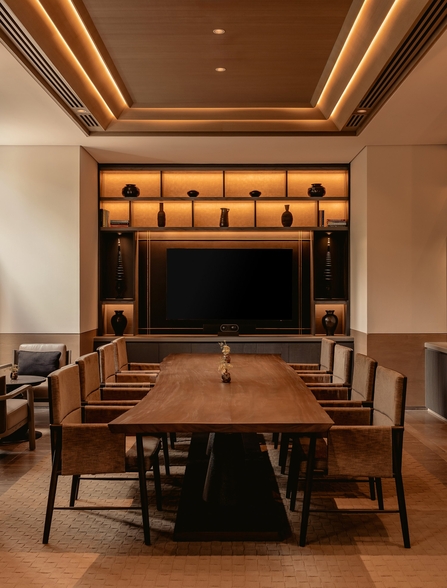
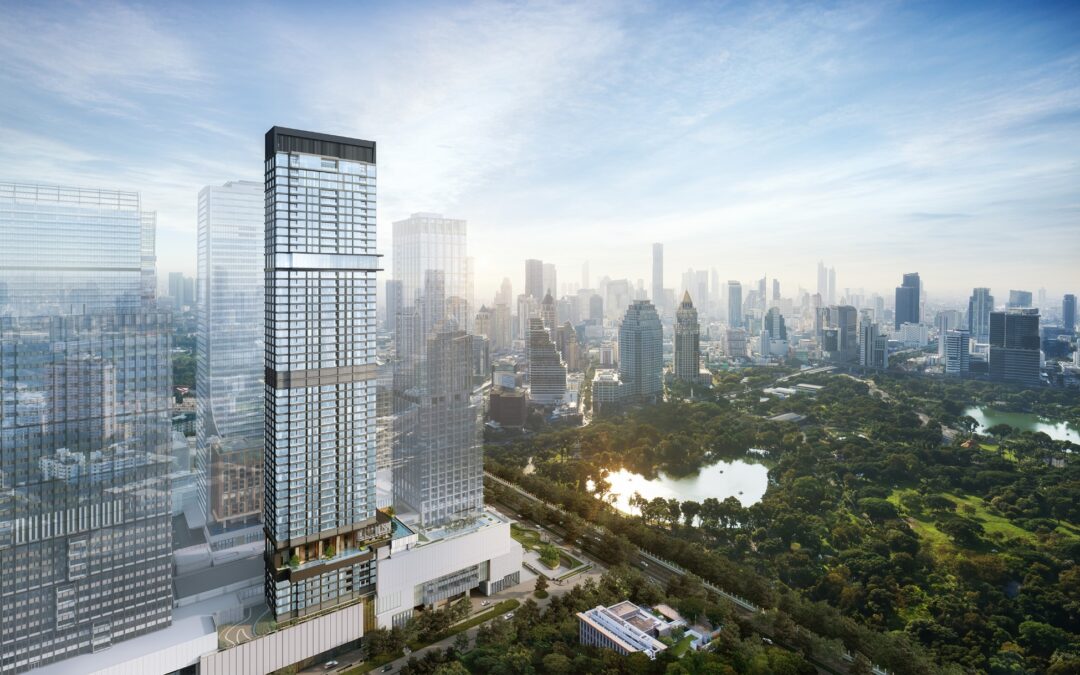
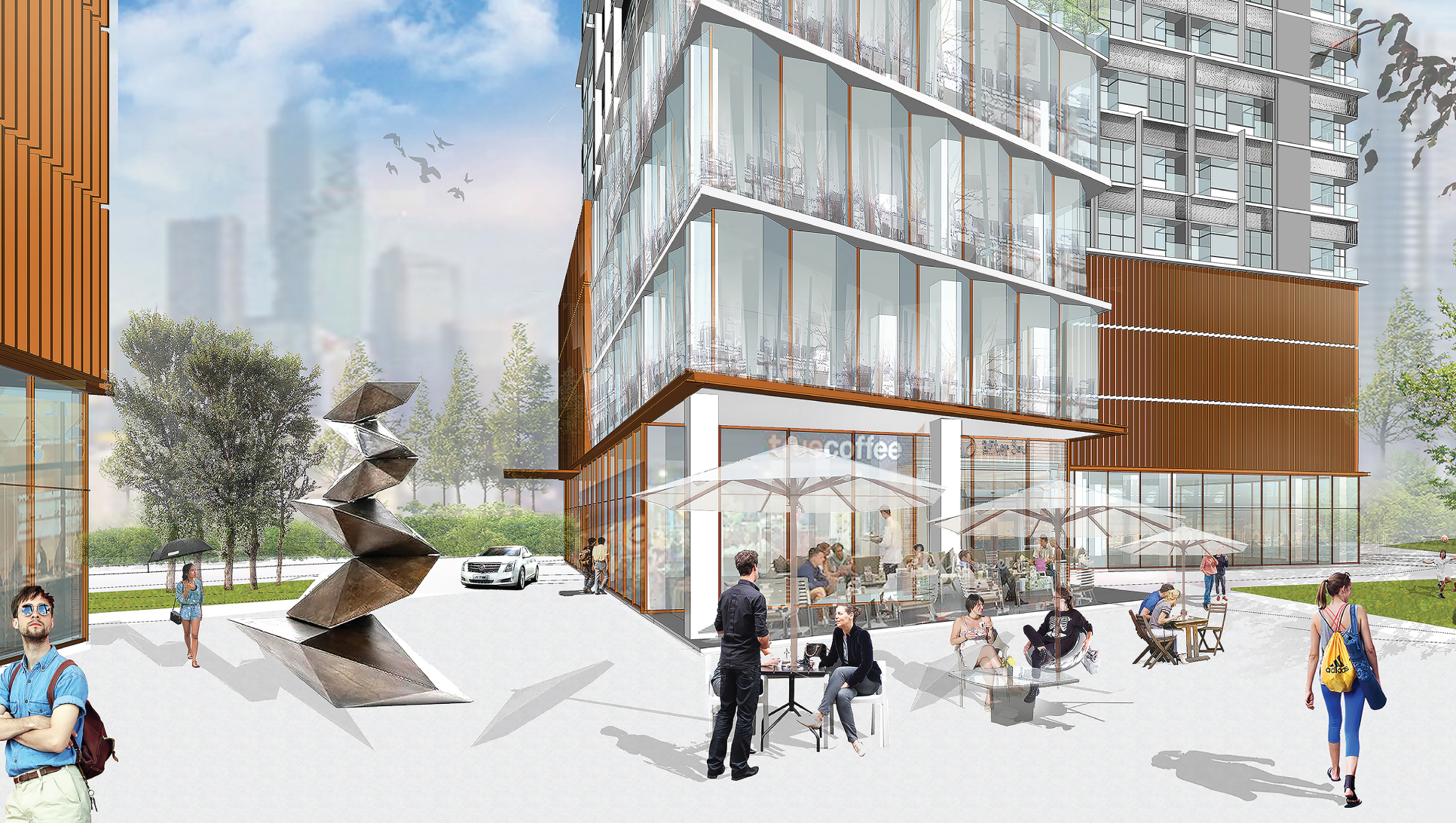
Dusit Central Park brings hotel, residences, offices, retail and roof park elements into one central Bangkok site.
For overseas buyers, the appeal is clear: a recognised Thai hospitality name, a central business district setting, park adjacency and a mixed-use environment designed to support daily convenience. The investment question is more precise. Does the specific residence, price, tenure, service model and long-term holding cost fit the buyer’s own use case?
This note does not replace legal or project due diligence. It sets out the main questions foreign buyers should ask before treating a landmark address as a straightforward purchase.
Why the address matters
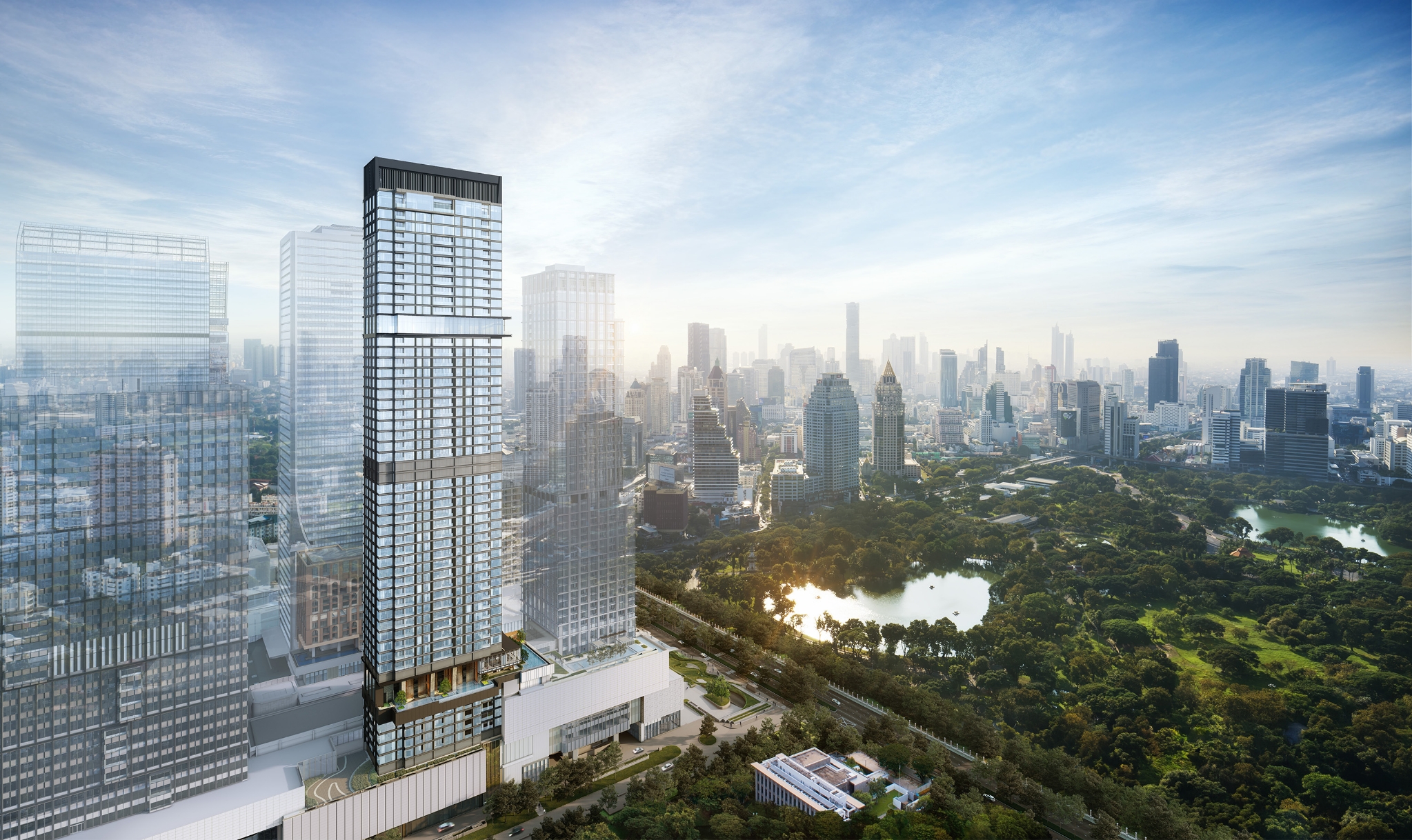
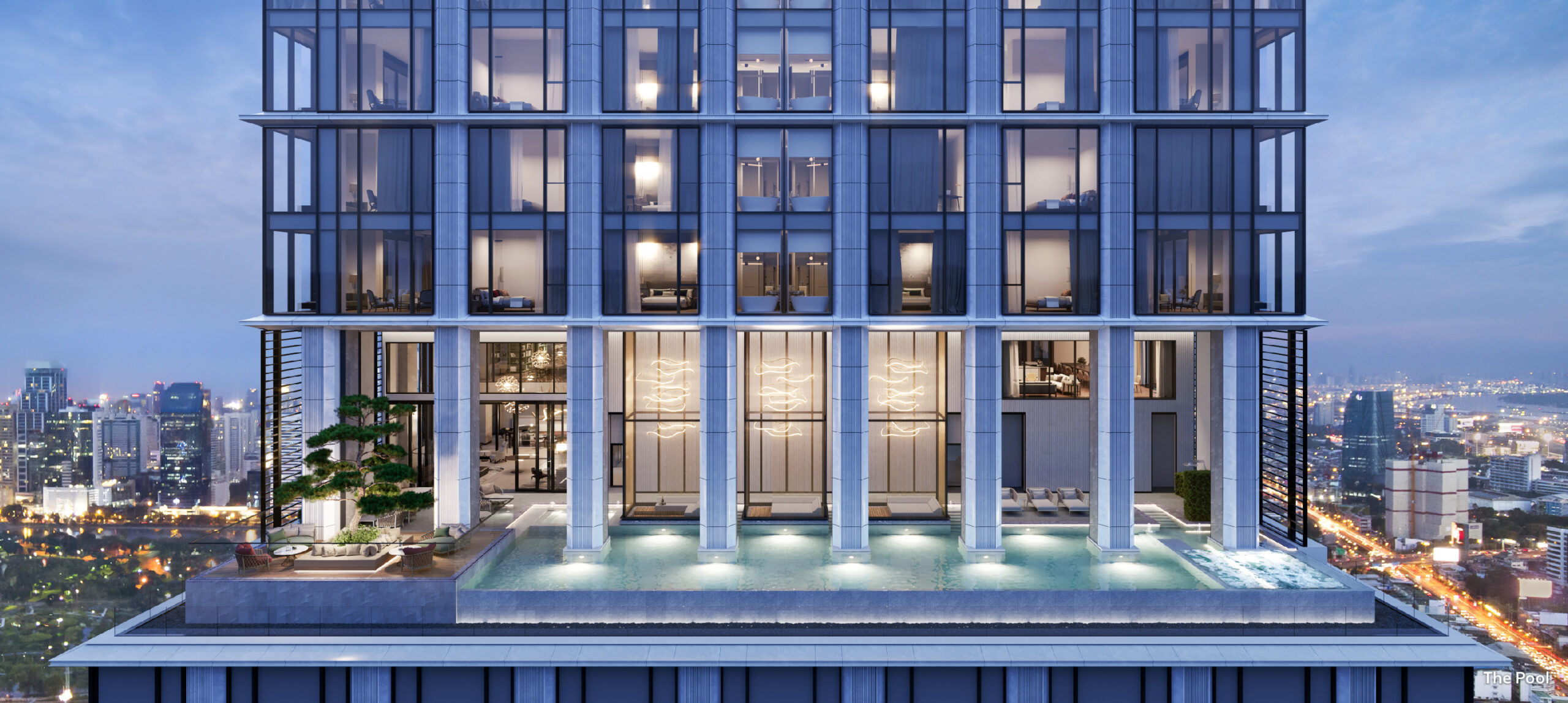
Central Bangkok has many luxury buildings, but few combine park frontage, business-district access and a major hospitality legacy in the same way. Dusit Central Park’s official material describes a landmark destination integrating urban vibrancy with park life, with elements including a hotel, ultra-luxury residences, premium offices, a shopping centre and a 7-rai roof park.
That combination can matter for buyers who want a Bangkok home that is easy to use, easy to explain and supported by amenities beyond the private residence. A foreign owner may value the ability to step from home to park, office, dining, retail, hotel services and transport without relying on a car for every journey.
The location also places the project near Bangkok’s established commercial spine. Silom and Sathorn remain important office, embassy, hotel and dining districts, while Lumpini Park provides one of the city’s strongest lifestyle anchors. For tenants and future buyers, those anchors make the address easier to understand.
The project’s location is framed by Lumpini Park and the Silom-Sathorn commercial district.
Mixed-use benefits and trade-offs
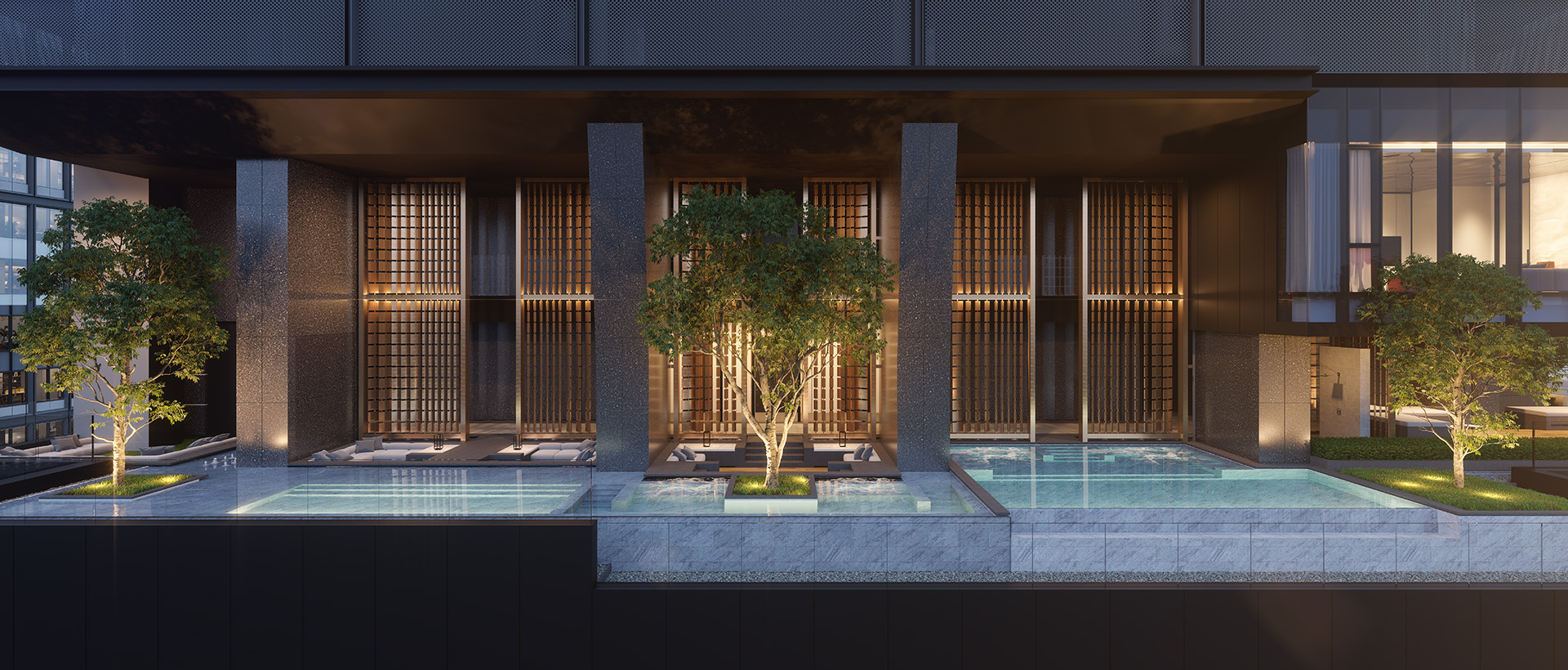
A well-run mixed-use project can offer convenience, security, brand recognition and a deeper amenity ecosystem. It can also create more complex management questions than a simpler standalone condominium. Foreign buyers should understand which facilities are residential-only, which are shared, how access is controlled and how operating costs are allocated.
The strongest mixed-use projects feel effortless because the legal and management structure is clear behind the scenes. The buyer should still ask how the residences interact with hotel, office, retail and park components. Are there separate juristic entities? Which costs are borne by residential owners? How are major repairs, shared systems and security managed?
These questions are not reasons to avoid a project. They are the correct way to understand what one is buying. Luxury is partly design and service, but it is also governance, predictability and clear rights.
Residences versus hotel-style expectations
Foreign buyers are often drawn to branded or hospitality-led residences because they expect hotel-level polish. That expectation should be tested against the actual residence documents. Ask what services are included, what services are optional, what fees apply, and whether service standards are contractual, operational or promotional.
A buyer who plans to live in the unit for part of the year may care about concierge support, maintenance coordination, storage, housekeeping options and arrival experience. A buyer focused on rental may care more about tenant profile, lease restrictions, furnishing standards and manager responsiveness.
It is important to avoid assuming that every hotel-adjacent residence operates like a hotel suite. The rights and responsibilities of an owner are still governed by the sale documents, condominium rules and service arrangements.
Park adjacency is valuable, but unit selection still matters
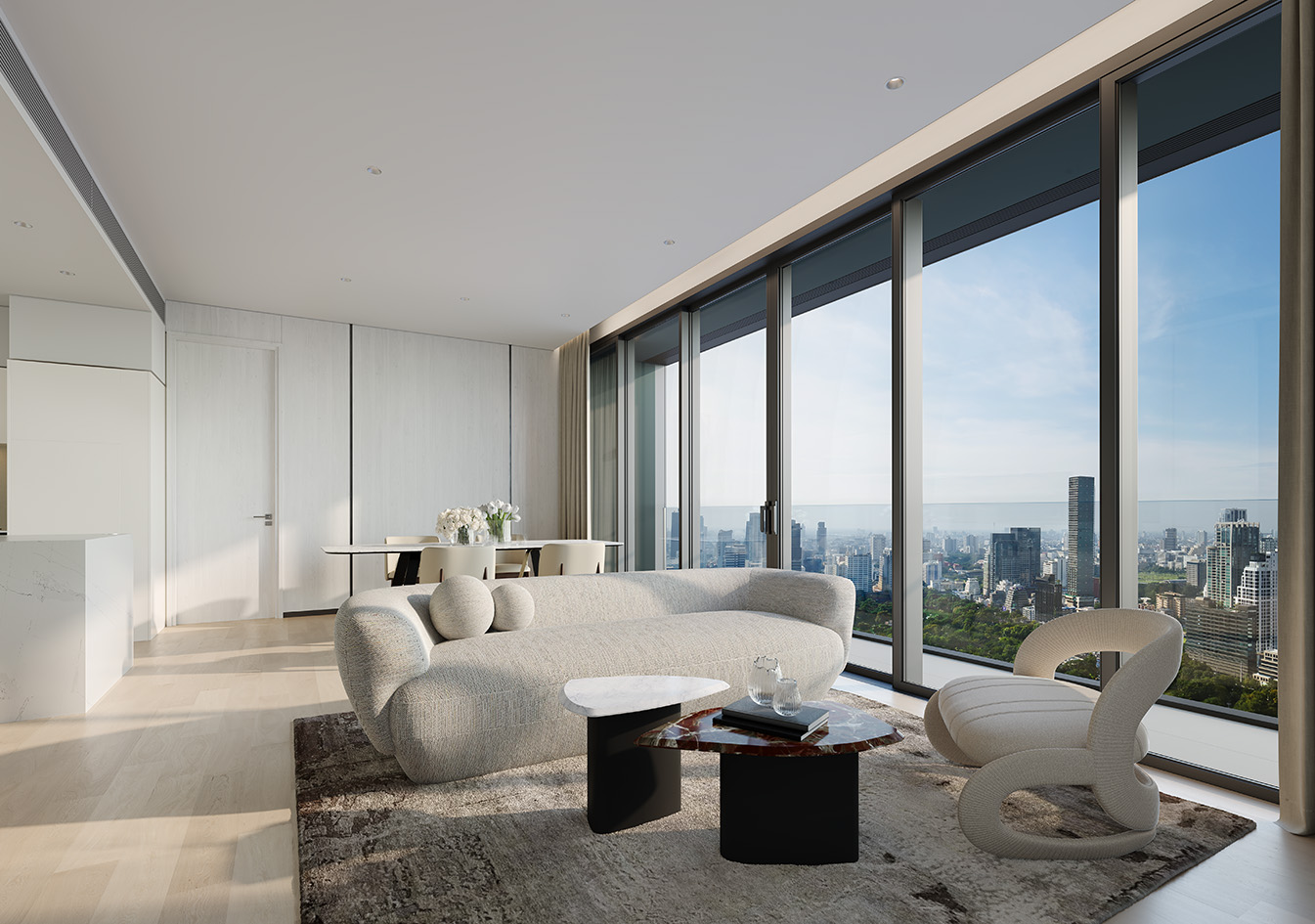
Lumpini Park adjacency is a major lifestyle advantage, especially in a dense central district. Park views, orientation, noise exposure, privacy, afternoon heat and neighbouring tower lines can vary considerably by stack and floor. A buyer should study the actual unit plan rather than relying only on the address.
For end use, morning routines, walking routes, shade, lift access and parking may be as important as the view. For investment, the question is whether the unit has a combination of size, layout and aspect that a future buyer or tenant can understand quickly.
A landmark building can still contain units that are easier or harder to resell. Foreign buyers should compare multiple stacks and understand why one unit commands a premium over another.
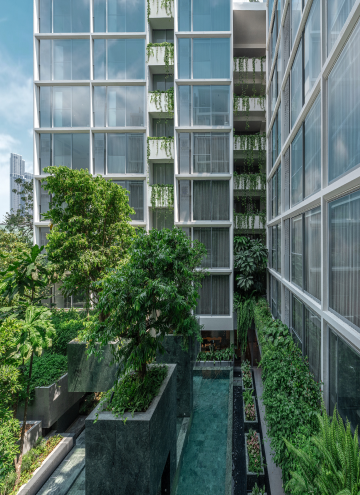
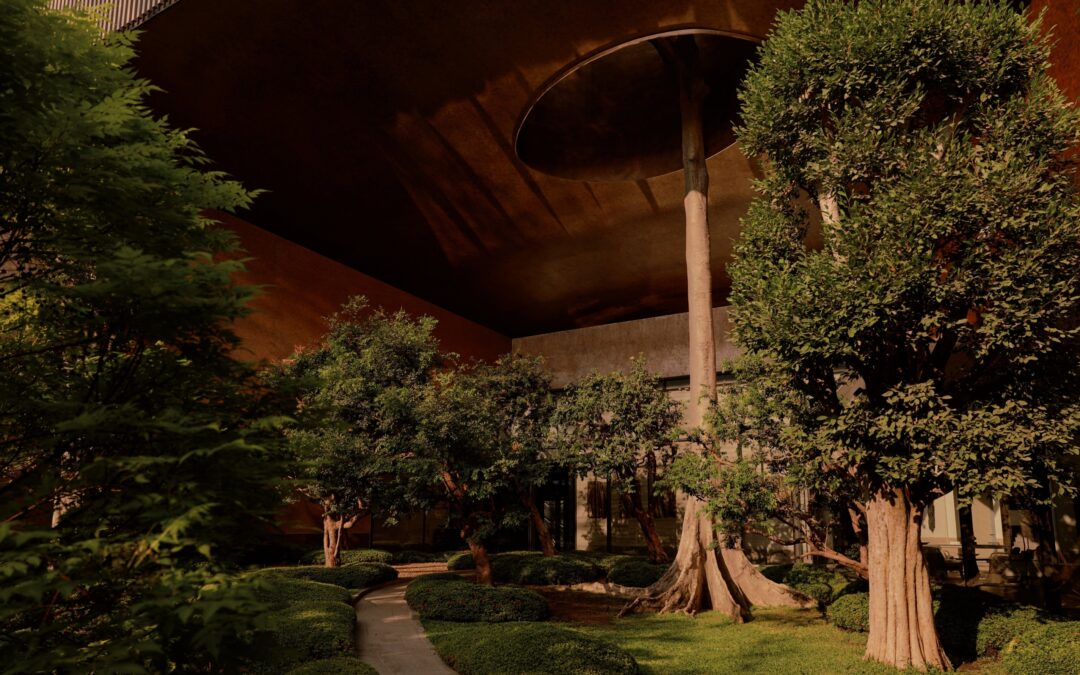
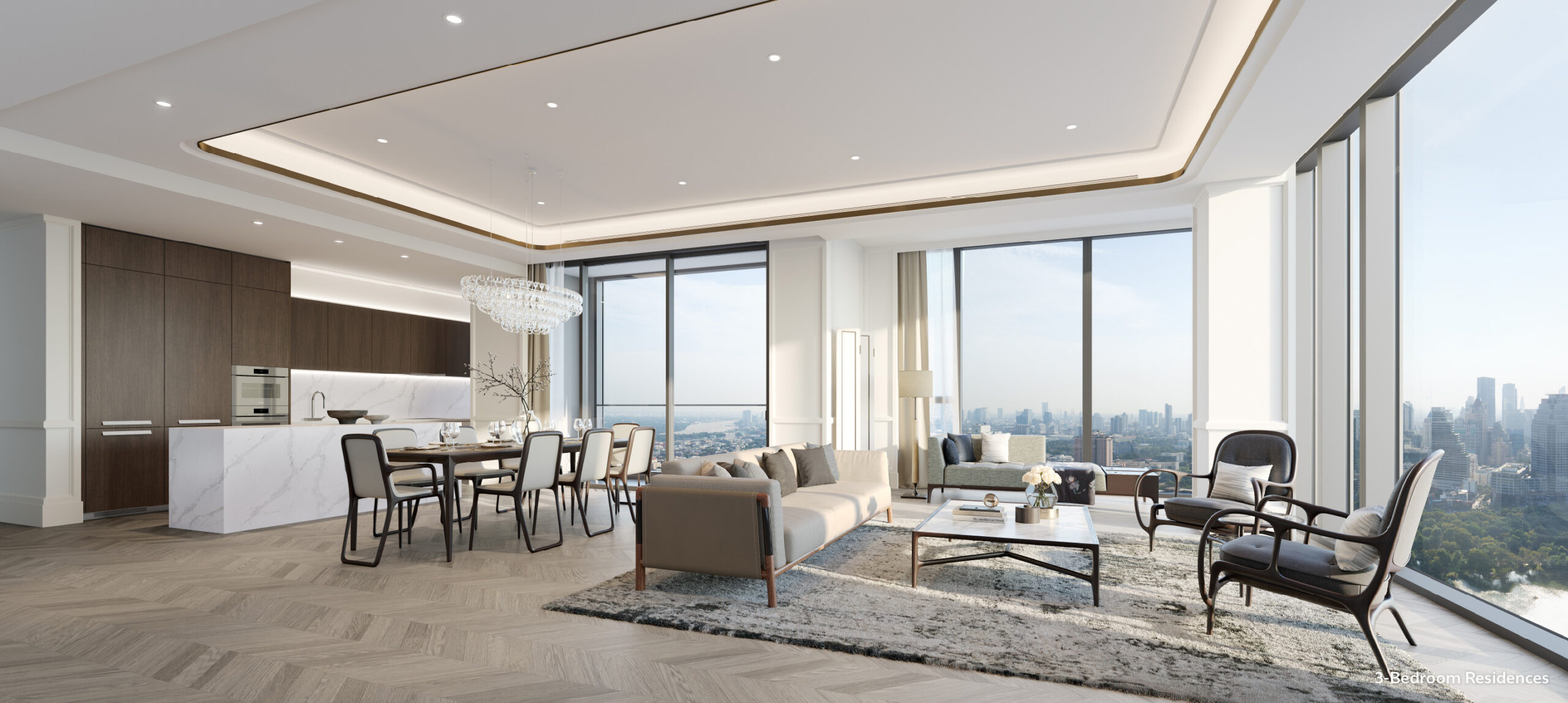
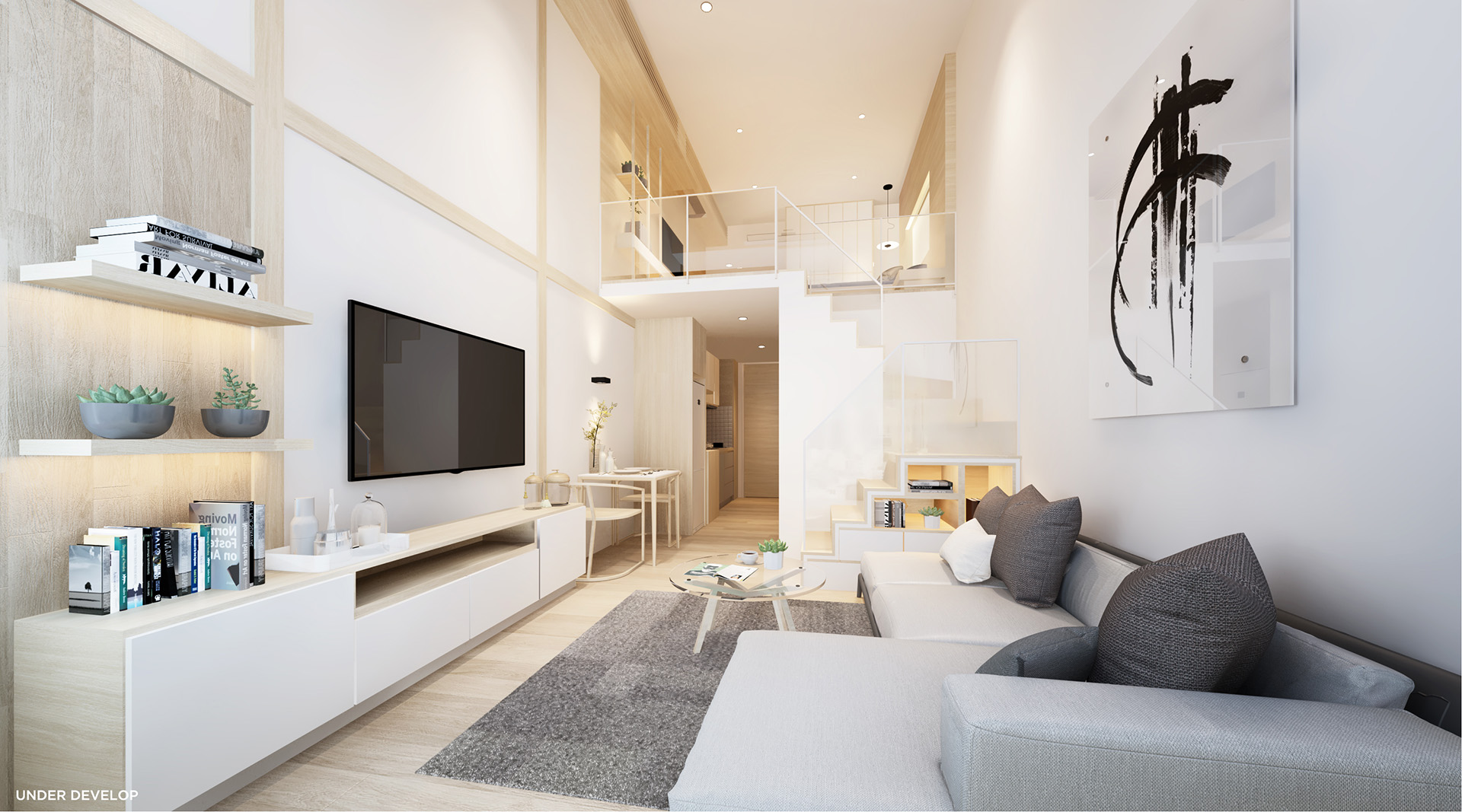
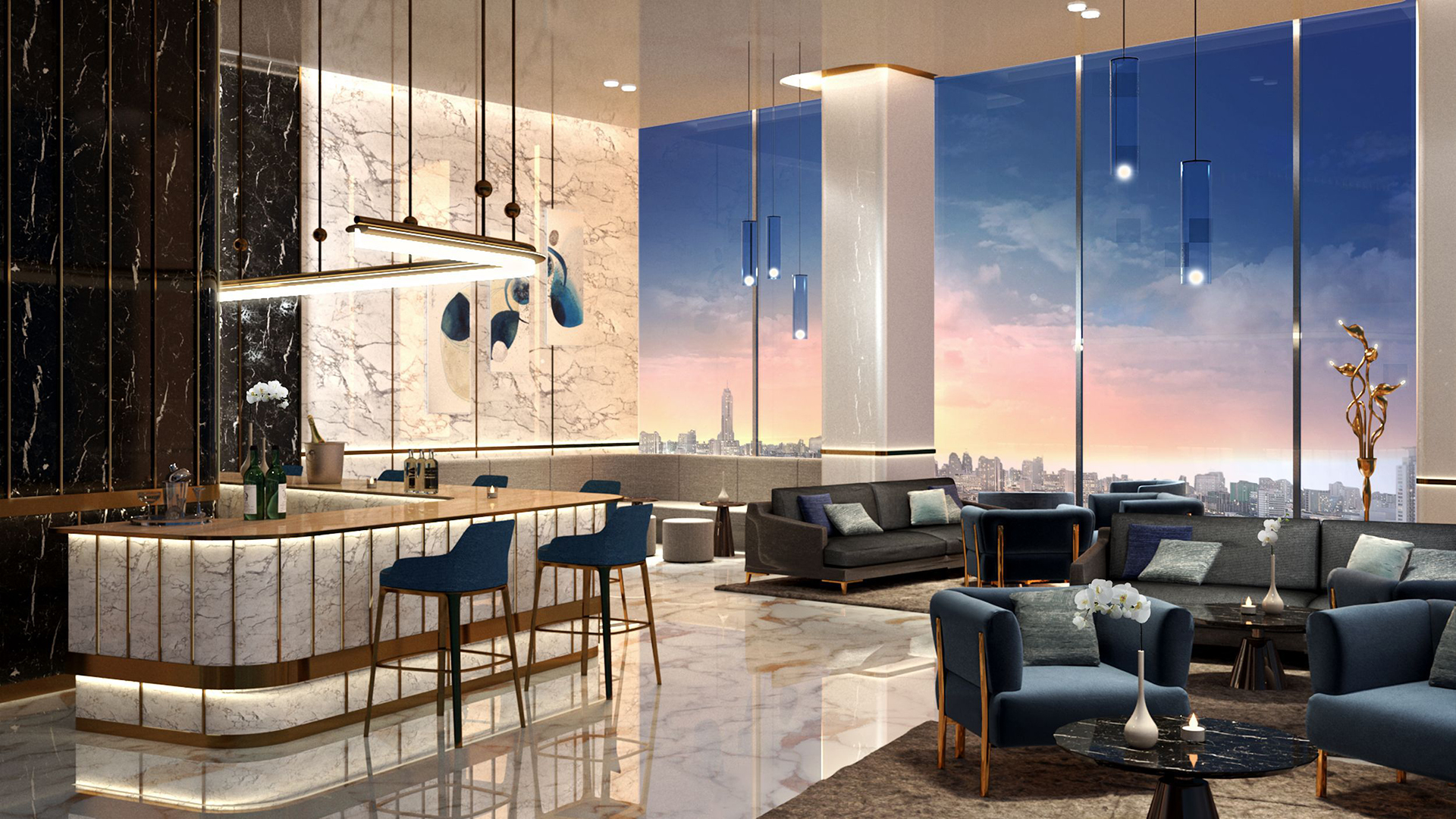
The official project material highlights park life and urban convenience as part of the residential proposition.
Due diligence questions for foreign buyers
Start with ownership eligibility and foreign quota. Confirm the specific unit’s foreign-freehold availability, payment route, funds remittance requirements and transfer process. For any non-freehold component or unusual structure, ask for written legal advice before paying a material sum.
Next, review the purchase agreement, construction and handover obligations, defect liability, fit-out rules, sinking fund, common fee, service charges and expected completion or operating milestones. If the buyer is overseas, clarify who can inspect on completion and how defects will be recorded.
Then test the rental and exit case. What tenant would pay a premium for this address? How many comparable luxury units will compete nearby? Is the likely buyer pool local, regional or global? Does the unit size match the strongest demand segment, or is it dependent on a narrow audience?
How to think about price
Landmark projects are rarely bought only on a bargain basis. The better question is whether the premium is justified by scarcity, location, brand, service, view, design and long-term demand. Buyers should compare against other central luxury freehold and branded residence options, but also adjust for the specific mixed-use environment.
A lower-priced alternative may lack the same park setting or brand recognition. A higher-priced alternative may offer a stronger view, larger unit or more private residential atmosphere. The decision should be based on the buyer’s intended use, not only on prestige.
Who may suit this project
Dusit Central Park is most likely to appeal to buyers who want a highly legible central Bangkok address, park-connected lifestyle and the convenience of mixed-use living. It may suit frequent visitors, regional executives, long-term Bangkok residents and buyers who value a hospitality-led identity.
It may be less suitable for buyers who prefer quiet low-rise living, a purely residential environment or the simplest possible operating structure. Foreign buyers should be honest about lifestyle fit before focusing on the brochure strengths.
IBP can help foreign buyers compare Dusit Central Park residences with other central luxury options and review documents before reservation. For additional context, see our Ploenchit luxury condo guide and our Bangkok investment analysis.
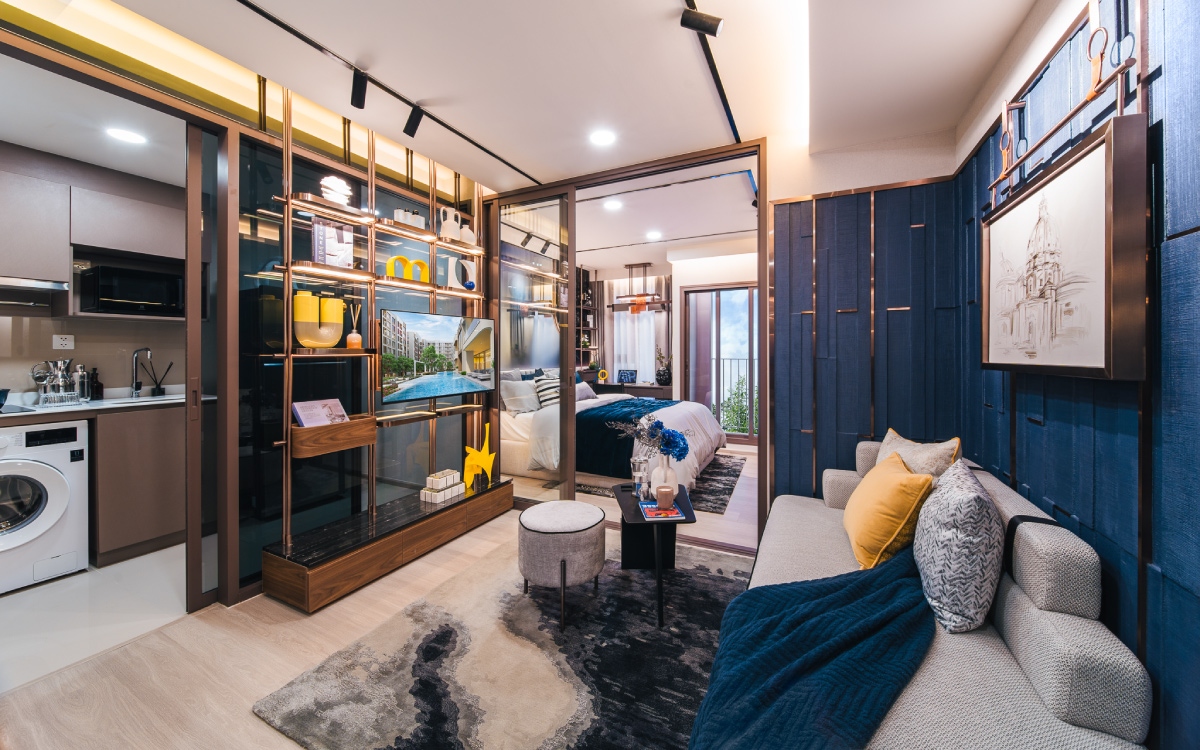
SCOPE Promsri gives foreign buyers a different Sukhumvit proposition from the larger high-rise towers around Phrom Phong and Thonglor. It is a low-rise, design-led condominium in Soi Promsri, Sukhumvit 49, positioned around compact one-bedroom living, furnished convenience and a quieter residential pocket between lifestyle, hospital and Japanese-community demand.
For a buyer, the question is not whether the project looks polished. The question is whether a compact premium low-rise fits the intended use: own stay, long-stay rental, part-time Bangkok base or resale hold. SCOPE Promsri can be interesting for buyers who value design, privacy and a serviced feel, but the unit economics need to be checked carefully.
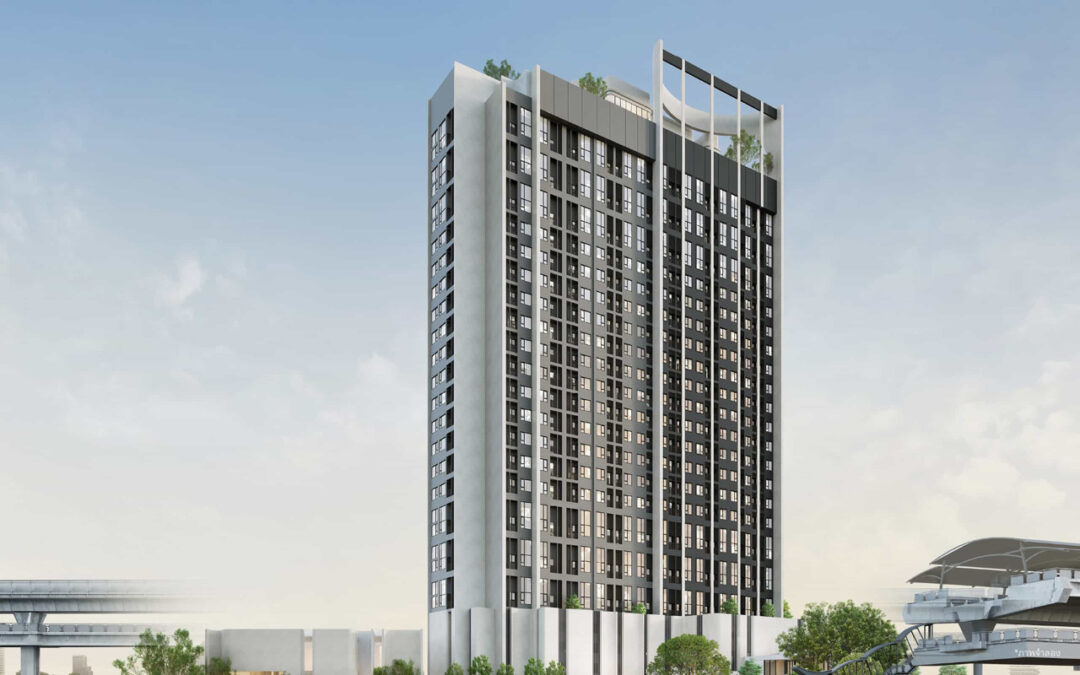
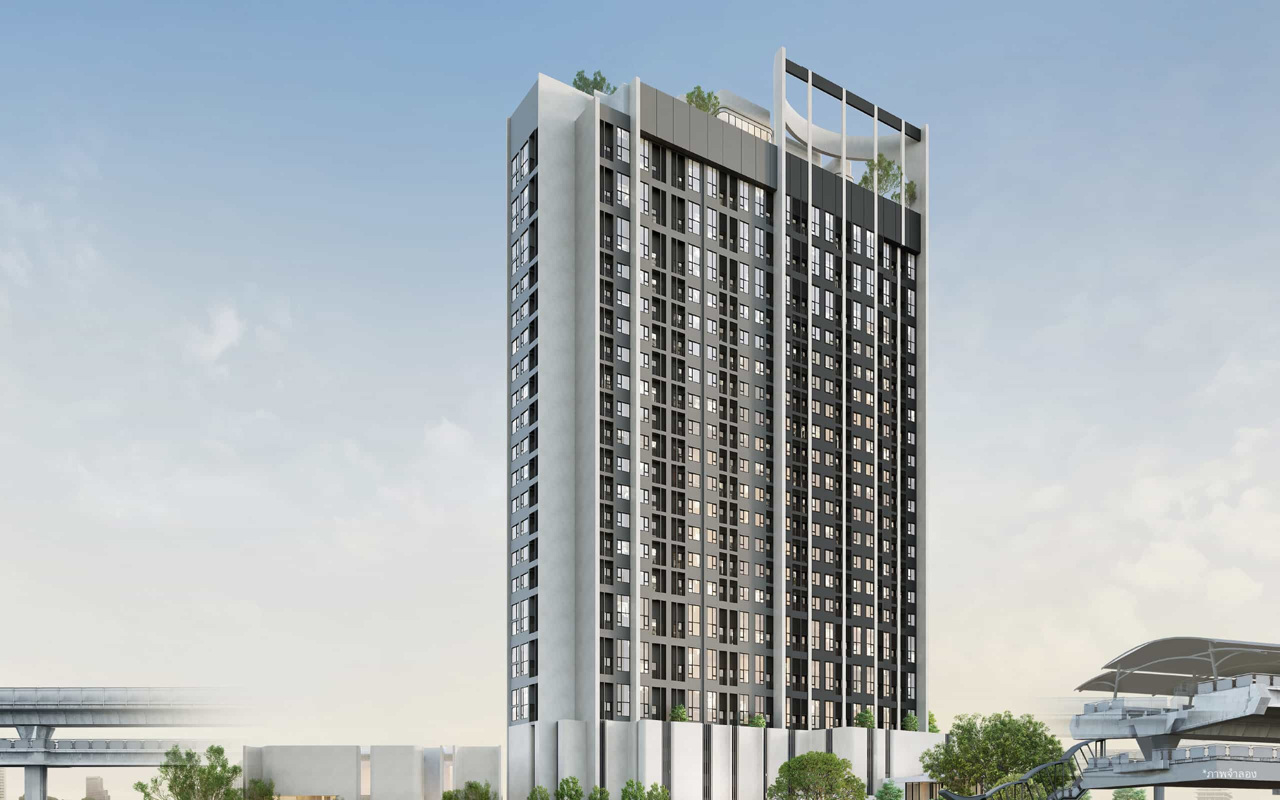
SCOPE Promsri is positioned as an eight-storey luxury low-rise in Sukhumvit 49.
What the official project positioning says
The official SCOPE Collection page describes SCOPE Promsri as a low-rise residence in the heart of Sukhumvit’s lifestyle centre, inspired by the cenotes of the Yucatan Peninsula. It says the project has eight floors and 146 units, with world-class design collaboration and specifications. The page also highlights a furnished and serviced proposition, with references to Ligne Roset, Miele and Liebherr in its design and specification language.
The project page’s current sales messaging refers to one-bedroom units from 28 sq m. That compact format is important. It can suit a single professional, part-time owner, executive renter or Bangkok base buyer who wants design and location over large internal space. It may be less suitable for families, heavy work-from-home households or buyers who want long-term expansion space.
Location: the Promsri pocket
Soi Promsri sits in the residential fabric between Phrom Phong, Sukhumvit 49 and Thonglor. The official project page frames the neighbourhood around Phrom Phong, Klang and Thonglor, and lists nearby conveniences including TOPS Fine Food, UFM Fuji Promsri, Villa Market 49, J Avenue, The Commons, EmQuartier, The Racquet Club and Samitivej Hospital.
For foreign buyers, this pocket is strongest when the buyer values daily convenience over immediate main-road visibility. The area can work well for Japanese tenants, medical access, restaurant-led living, boutique fitness and Phrom Phong-Thonglor social routines. However, buyers should test the walk, traffic and taxi experience in person. A beautiful low-rise can lose appeal if the daily route feels awkward for the intended tenant.
Amenity presentation is central to the project, including the Ripple Lounge concept.
What to like
The low-rise scale is the first attraction. Some buyers prefer a smaller building because it feels less anonymous than a large tower. A compact building can also feel more residential, especially when common areas are carefully designed. SCOPE Promsri’s official materials emphasise the rooftop, Ripple Lounge, Cenote Court and an arrival experience built around the cenote concept.
The furnished and serviced positioning is also relevant. Foreign buyers often underestimate the friction of furnishing, repairs, appliance selection and tenant presentation from overseas. A project that starts from a stronger interior package can reduce that friction, although buyers still need to verify actual unit condition, included items, warranties and replacement costs.
What to check carefully
Compact units need precise pricing. A one-bedroom can lease well in Sukhumvit when the rent matches the tenant pool, but the ceiling is not unlimited. Buyers should compare rent and resale evidence against other compact premium units in Phrom Phong, Thonglor and Ekkamai, not only against broader luxury branding.
Foreign quota should also be checked directly before deposit. A project may be attractive to overseas buyers, but a foreign buyer still needs confirmation that the exact unit can transfer in foreign freehold. The title, juristic-person confirmation, payment evidence and transfer process should be reviewed by the buyer’s lawyer.
The project uses a cenote-inspired design language to frame common spaces and arrival.
Due diligence questions for SCOPE Promsri
What is the net price per square metre after any discount, furniture value and transfer terms?
Which directly comparable units have leased recently in Sukhumvit 49, Phrom Phong and Thonglor?
Is the exact unit in foreign quota, and when will the juristic-person confirmation be issued?
What furniture, appliances, services and warranties are included in writing?
How practical is the commute to BTS Phrom Phong, BTS Thong Lo, Samitivej, EmQuartier and daily groceries?
How many similar one-bedroom units are available for rent or resale in the same building and nearby projects?
Who may fit the project best
SCOPE Promsri may fit a buyer who wants a manageable Bangkok base rather than a large family home. It can suit an owner who visits often, wants central lifestyle access, and prefers a curated building with a quieter low-rise identity. It may also fit a landlord targeting single professionals or couples who want a furnished Sukhumvit lifestyle without the scale of a mega tower.
It is not automatically the best choice for every investor. Buyers chasing maximum gross yield may find cheaper units elsewhere. Buyers prioritising station doorstep access may prefer buildings closer to BTS exits. Buyers wanting larger layouts may compare older Phrom Phong and Thonglor stock. The attraction here is a mix of design, location, convenience and low-rise character.
Buyer takeaway
SCOPE Promsri is a useful reminder that Bangkok luxury is not only about height, river views or hotel branding. For some foreign buyers, a compact, furnished low-rise in a strong residential Sukhumvit pocket can be more practical than a larger statement unit. The investment case still depends on net price, tenant fit, foreign quota and resale depth.
IBP Real Estate can compare SCOPE Promsri with Phrom Phong, Thonglor and Ekkamai alternatives before you reserve. Continue with our project reviews, new project notes and district guides for shortlist context.
Aroon Siriraj Triple Station gives foreign buyers a different Bangkok condo question from the familiar Sukhumvit or riverside search. Instead of leading with a hotel brand, skyline address or super-luxury amenity deck, the project leans into a medical-district location, low-rise privacy and proximity to Bang Khun Non’s rail interchange story.
For buyers who want a tenant-demand angle beyond the usual CBD executive pool, that is worth a closer look. For buyers who require immediate international recognition, deep resale liquidity or classic expatriate lifestyle amenities, the project also deserves a careful reality check.
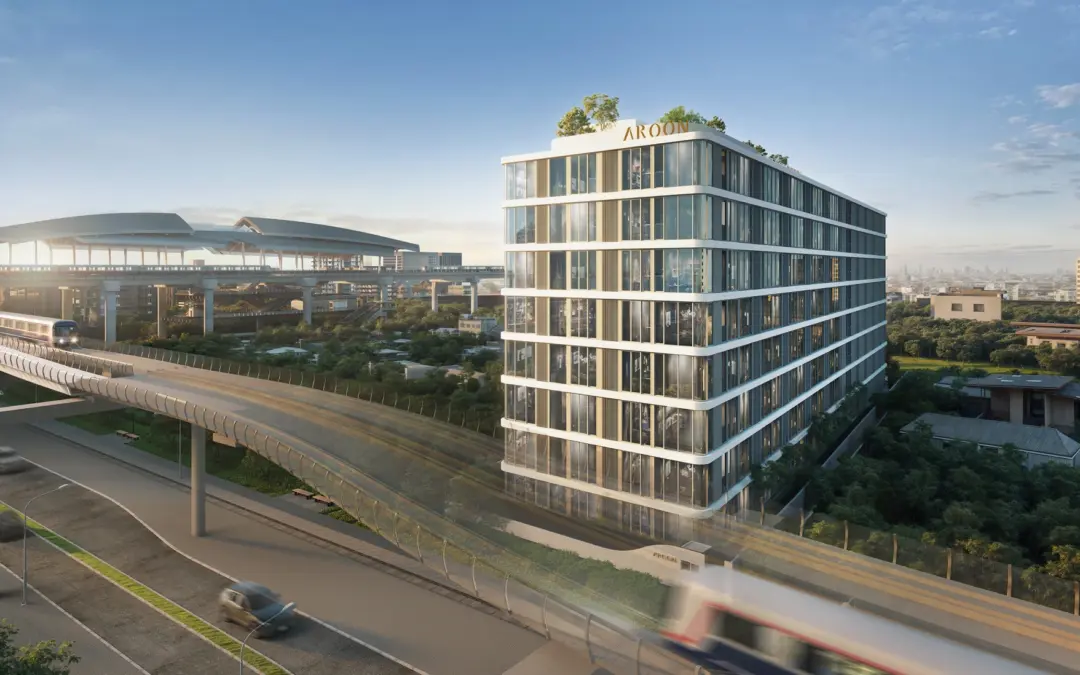
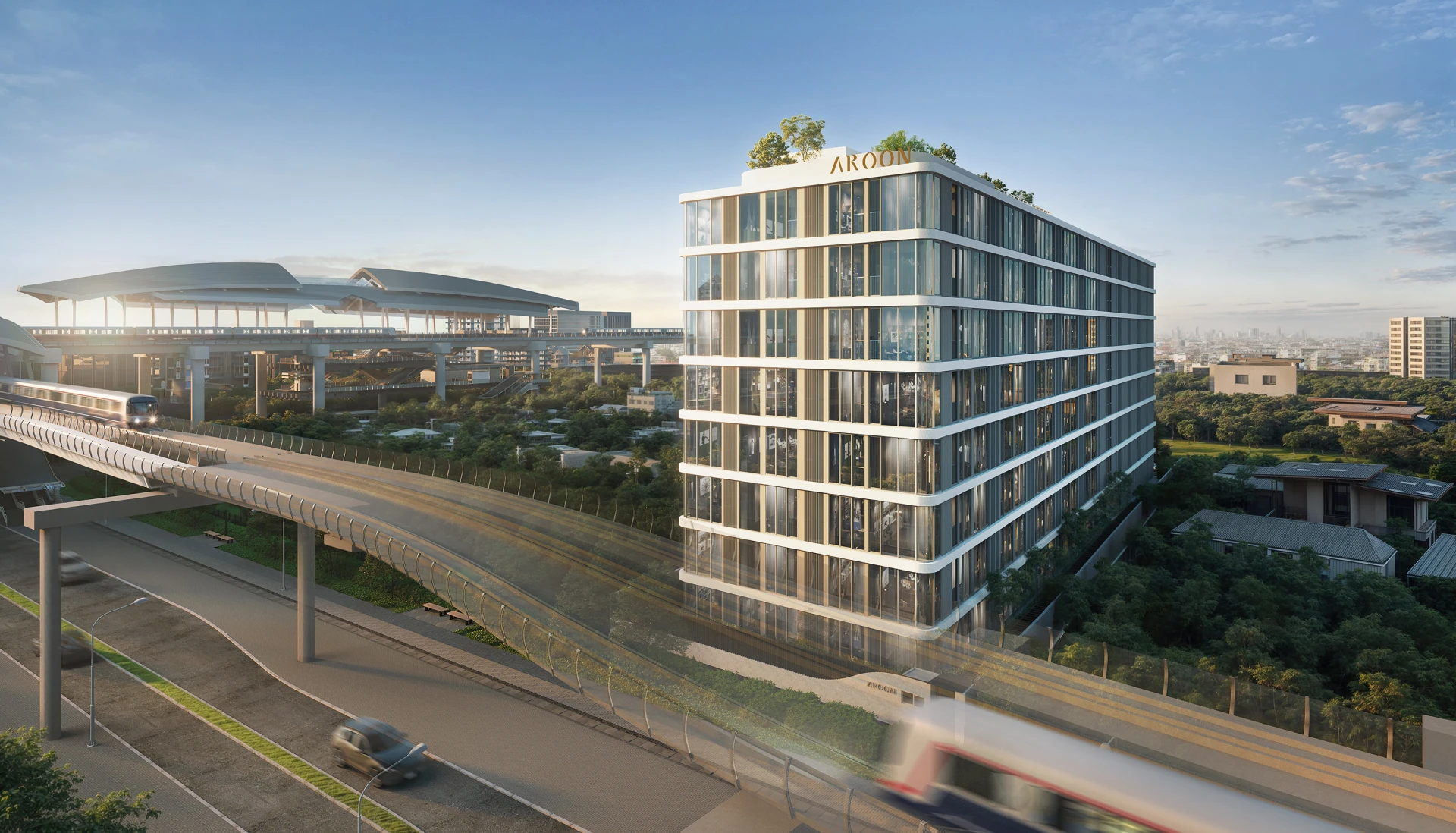
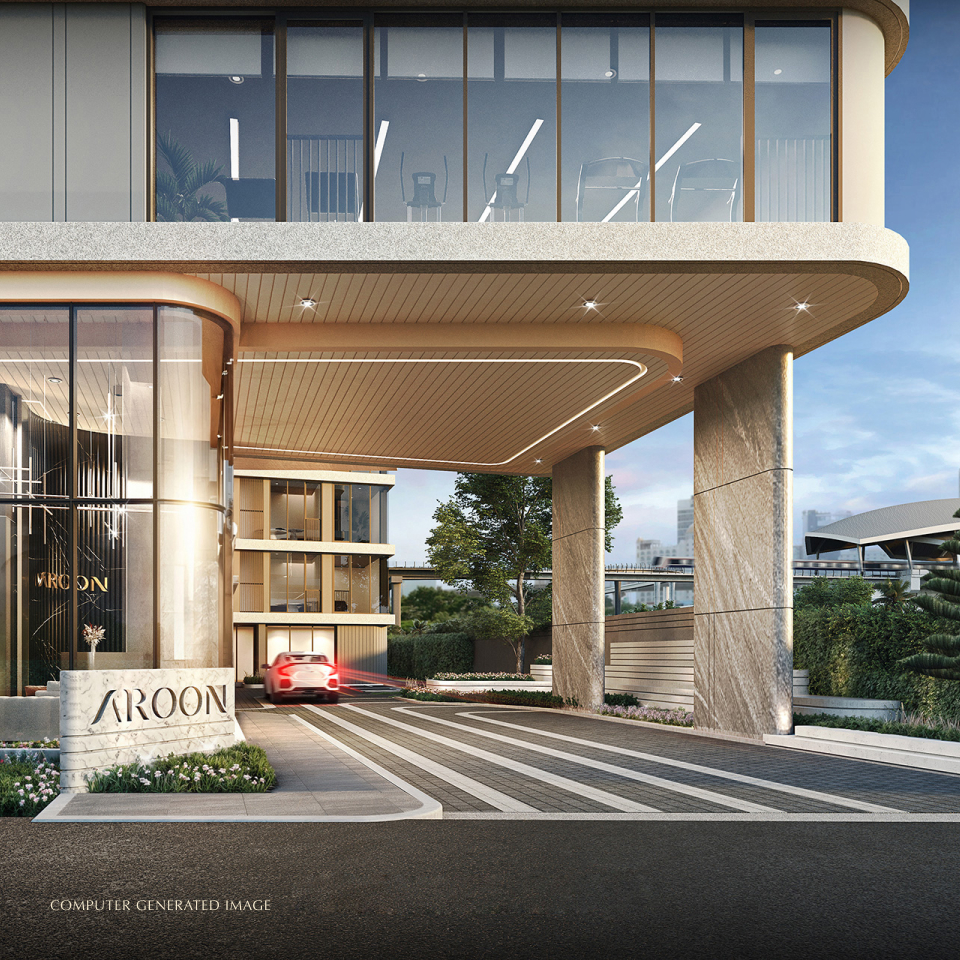
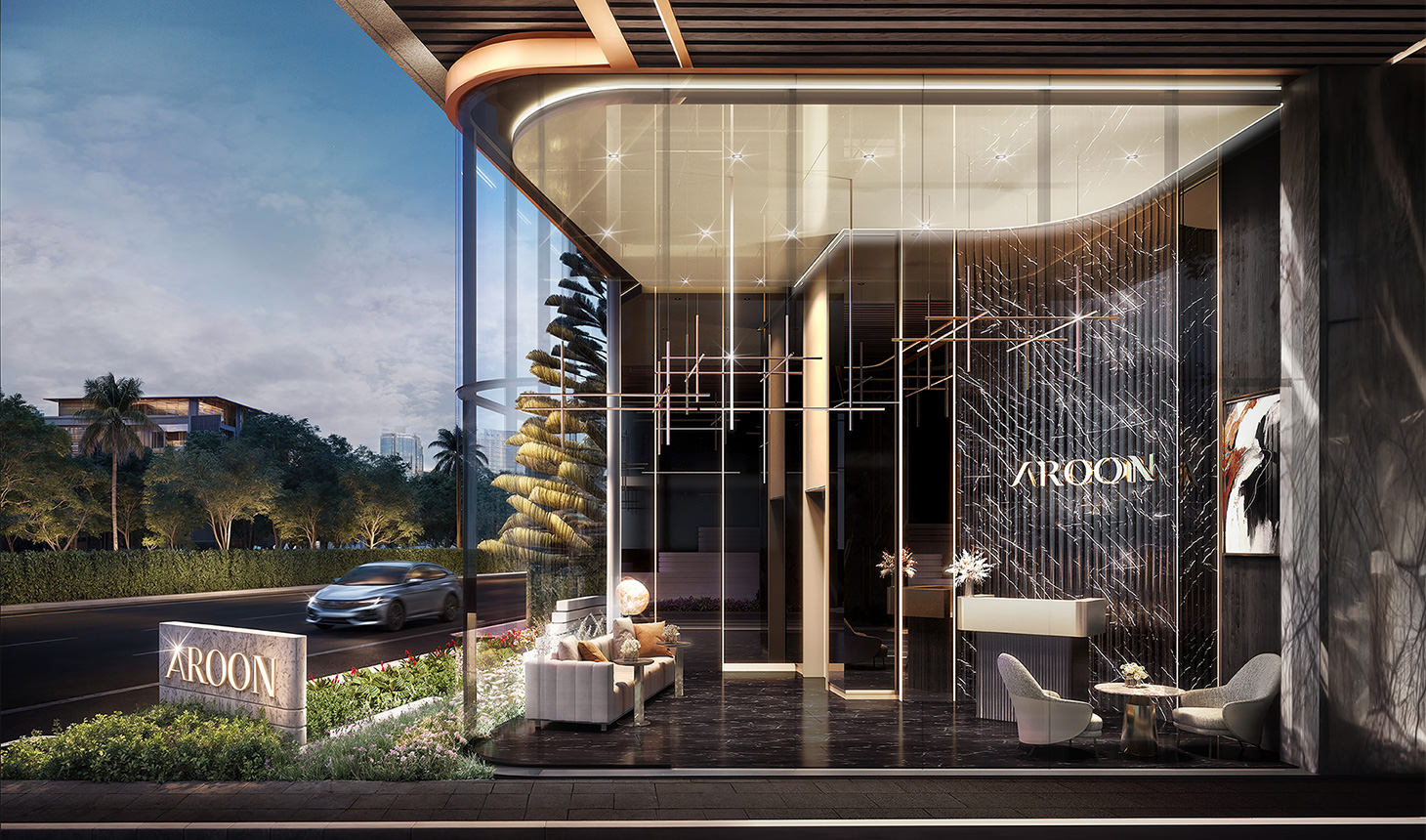
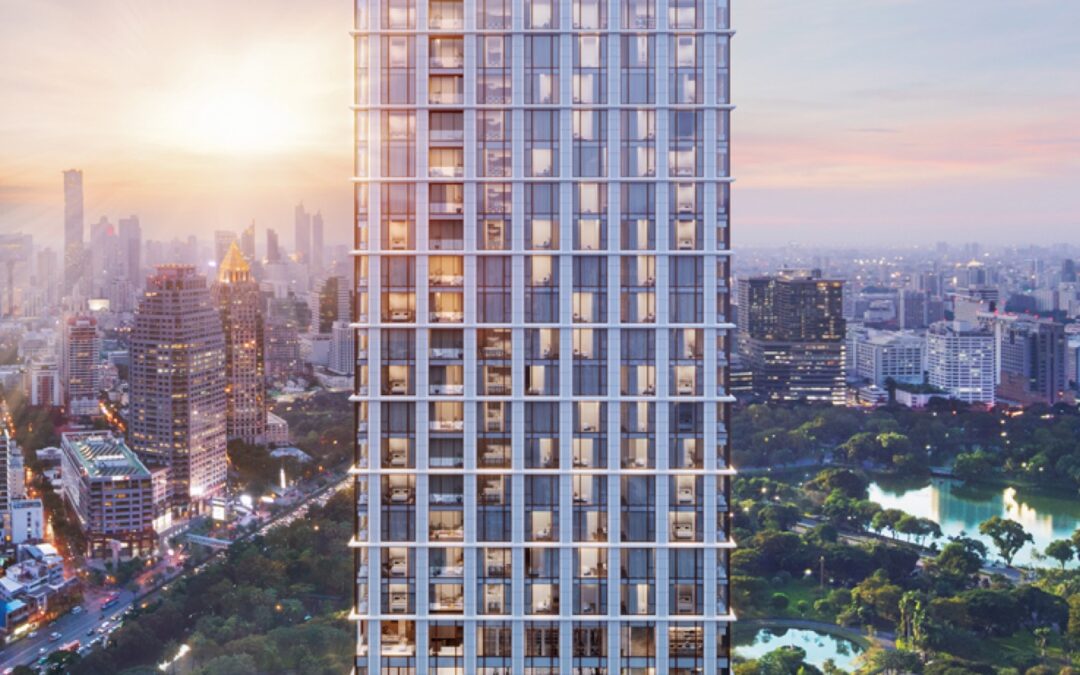
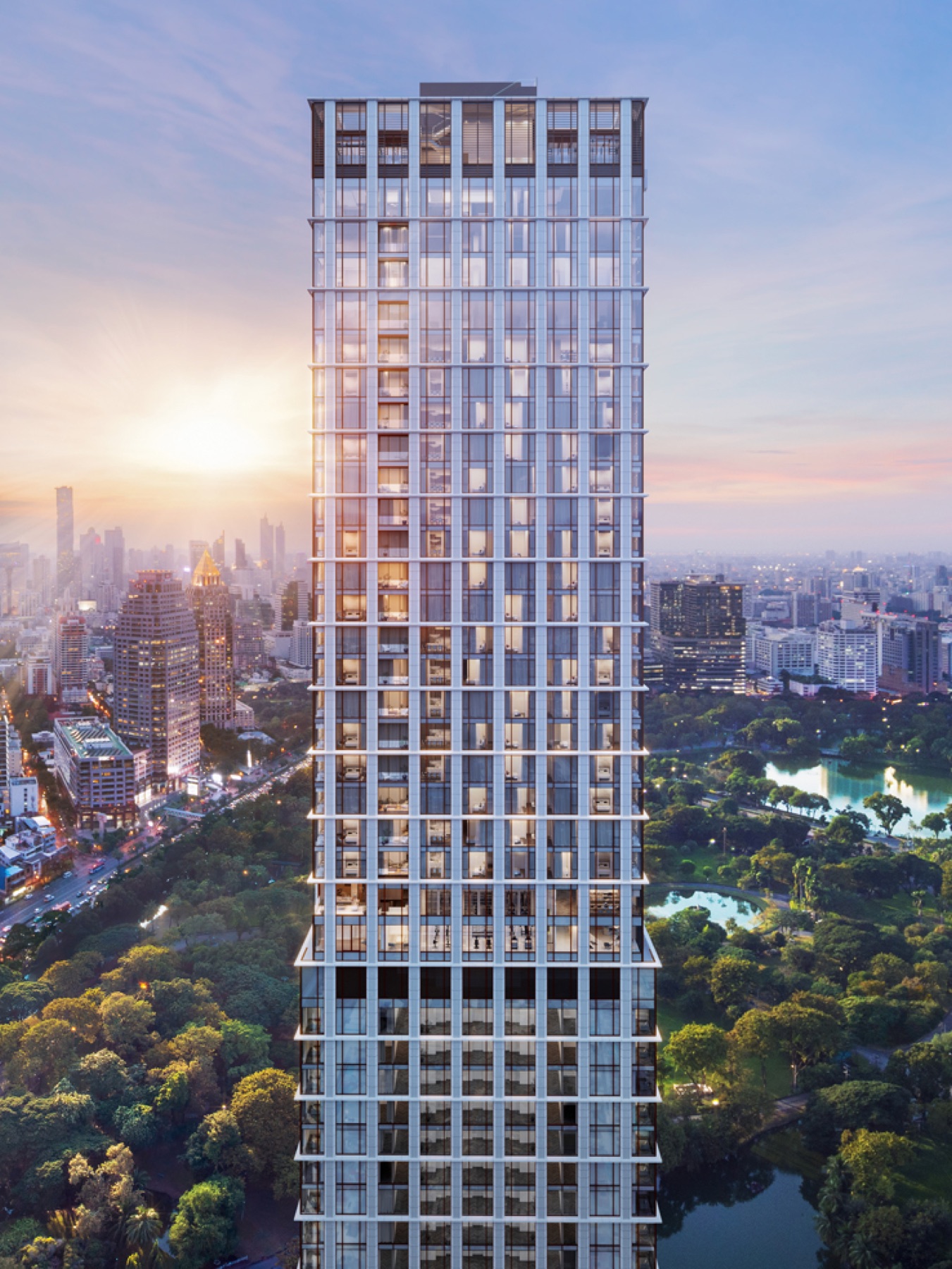
Aroon Siriraj Triple Station positions itself as a premium low-rise project near Siriraj.
What the project is
The official Aroon project website describes Aroon Siriraj Triple Station as a premium low-rise condominium on Charansanitwong 32, with 144 units on a site of 1-0-94.69 rai and 56 per cent parking. The listed unit mix includes one-bedroom, two-bedroom, two-bedroom-plus and three-bedroom formats, with unit sizes shown from 28.00 sq m to 103.80 sq m.
The project’s facility story is compact rather than resort-scale. The official website highlights a gym, co-working space, co-dining space, rooftop garden, pool, relaxation hub, smart locker and laundry drop-off service. For a foreign buyer, the immediate question is whether these facilities fit the likely tenant pool: medical professionals, students, hospital-linked families, local owner-occupiers and buyers who want access to the old-city side of Bangkok.
Recent project update
CBRE Thailand published a 22 May 2026 update stating that the project had obtained EIA approval, was scheduled to start construction in May 2026 and was expected to complete by June 2027. The same update described the project as having a value of more than THB 800 million, with prices starting from THB 3.9 million and developer-highlighted rental yields of 5 per cent to 6 per cent.
Buyers should treat any yield statement as a marketing assumption to be tested. The stronger use of that figure is not to accept it at face value, but to ask for the exact unit type, rent evidence, vacancy assumption, furnishing cost, common fees, agent fees and exit liquidity that would be needed to reach it.
The official project details highlight 144 units, low-rise scale and a Charansanitwong 32 address.
Why Siriraj matters
Siriraj is one of Bangkok’s most important medical anchors. A condo near a major hospital can appeal to doctors, healthcare workers, academics, students, patient families and local professionals who want shorter commutes. That demand is different from the expatriate executive demand seen around Phrom Phong, Thonglor, Chit Lom or Sathorn, but it can be resilient when the micro-location is convenient and the unit sizes match real users.
Aroon’s official nearby-amenities list includes Siriraj Hospital, Thonburi Hospital, Bang Khun Non Market, Bang Khun Sri Market, Makro Charan Sanit Wong, Lotus Pinklao, Central Pinklao, Wang Lang Market, The Sense Pinklao, the Faculty of Medicine Siriraj Hospital, Thammasat University Tha Phra Chan and Silpakorn University. This reads more like a practical daily-life and institutional-demand map than a luxury retail map.
The transport angle
The project’s marketing relies heavily on Bang Khun Non connectivity. CBRE’s update described the site as adjacent to MRT Bang Khun Non station on the Blue Line, with the station becoming a future interchange connecting the SRT Light Red Line and MRT Orange Line. It also referenced a 40-metre distance to the interchange station and road, rail and river connectivity.
Foreign buyers should verify the walking route, station access, future-line timing and actual daily convenience during a site visit. A map distance can look strong while the lived route feels different in heat, rain or evening traffic. For rental strategy, the relevant test is whether target tenants would genuinely pay a premium for the specific route, not whether the broader interchange story sounds impressive.
Who may fit this project
Aroon Siriraj is likely to be most interesting for buyers who understand Bangkok’s west-side and medical-district demand. It may suit an investor seeking a smaller-ticket freehold unit with a hospital-linked tenant story, a parent buying near educational or medical institutions, or a local/foreign household that values lower-rise density and the Charansanitwong-Bangkok Noi setting.
It may be less suitable for a buyer who wants a highly liquid international resale address, a large expatriate tenant pool, hotel-branded services, immediate BTS Sukhumvit lifestyle, or a building with many comparable foreign-buyer transactions. The project’s strength is specificity; the same specificity requires better due diligence.
Foreign buyers should compare the project’s hospital-linked demand story with resale depth in the wider area.
Due-diligence checklist
Ask for the latest EIA, construction, payment and completion documentation from the developer or selling agent.
Compare one-bedroom and two-bedroom rent evidence around Siriraj, Pinklao and Bang Khun Non rather than relying on CBD rent assumptions.
Check whether the selected unit is foreign-freehold eligible and how the foreign quota is tracked before transfer.
Model common fees, furnishing, vacancy, agent fees and likely maintenance after handover.
Visit the station route, hospital route, markets and main road access at different times of day.
Review resale competition in older nearby buildings and future supply around the interchange.
Buyer takeaway
Aroon Siriraj Triple Station is not trying to be another central-Sukhumvit trophy address. Its case is more localised: a compact low-rise project near Siriraj, with a transport-interchange story and a tenant base tied to healthcare, education and west-Bangkok daily life. That can be useful for a foreign investor who wants diversification, but only if the numbers are tested on local evidence.
Before reserving, ask IBP Real Estate to compare the project against completed alternatives in Bangkok Noi, Pinklao, Bang Khun Non and more central medical-demand locations. The right question is not whether the brochure is attractive; it is whether the unit, price and tenant pool work together after all holding costs.
One Bangkok Residences gives foreign buyers a useful case study in how Bangkok’s top-end condo market is changing. The pitch is not simply a tower in a good location. It is a residence within a large mixed-use district on Wireless Road, close to Lumphini Park, with retail, workplace, hospitality, art, green space and smart-city positioning built into the wider address. For a buyer, that combination needs both enthusiasm and discipline.
One Bangkok positions its residences around a central Wireless Road and Lumphini Park location.
What the official residence positioning tells buyers
One Bangkok describes its residences as being anchored in place, purpose and precision, with views towards Lumphini Park and the city skyline. Its official residence page presents two named residential offerings: ONE89 wireless and EI8HTEEN SEVEN. Those brand names matter less than the due diligence behind them. A foreign buyer should separate the district story from the individual unit, building, contract and long-term ownership experience.
The appeal is clear. Wireless Road and the Lumphini area sit within one of Bangkok’s most established high-end corridors. The location links embassies, business districts, hotels, retail, parks and mass-transit access in a way that few neighbourhoods can match. For residents who want central Bangkok without giving up green-space proximity, the setting is naturally compelling.
Why mixed-use context matters
Mixed-use development can improve daily convenience. A resident may be able to move between home, dining, services, cultural programming, meetings and outdoor space with less reliance on long cross-city journeys. This is particularly attractive for expats, regional executives and frequent travellers who value time, predictable amenities and a polished urban environment.
For investors, the mixed-use setting may also widen the tenant conversation. Potential tenants are not only comparing unit size and rent; they are considering commute patterns, nearby offices, dining, wellness, security, visitor experience and the feeling of the address. A coherent district can help a unit stand out, especially in the premium rental segment.
That does not mean every unit will automatically outperform. Rental depth depends on pricing, layout, furnishing, view, completion quality, competition and the tenant’s budget. Buyers should still use IBP’s Bangkok rental yield guide to test income assumptions rather than relying only on the reputation of the development.
The residence mix should be assessed by building, unit plan, view corridor and handover detail.
Foreign quota and contract checks
Foreign buyers should confirm the foreign freehold quota for the specific building and unit before paying a non-refundable booking amount. Large branded or mixed-use projects can have strong foreign demand, so quota availability should not be assumed from general marketing. Ask for written confirmation of tenure, quota status, payment schedule, transfer timing, sinking fund, common fee, fit-out inclusions and any restrictions affecting leasing or resale.
The sale agreement should also be reviewed in detail. Buyers need to understand what happens if handover timing changes, how defects are handled, what specifications are binding, how common areas are completed, whether furniture is included, and what remedies apply if delivered details differ from the sales material. For an overseas buyer, these points are more important because inspection and negotiation may need to happen remotely.
Views, orientation and liveability
Premium Bangkok buyers often focus on views, but views should be tested carefully. A Lumphini or skyline outlook can be valuable, yet the buyer should check orientation, glare, privacy, surrounding development risk and how the view is framed from the actual living area, not only from a show unit or rendering. Higher floors may command a premium, but layout efficiency and day-to-day comfort still matter.
Liveability also depends on small details: lift zoning, lobby flow, parking, motorcycle and delivery management, air-conditioning systems, storage, kitchen practicality, pet rules, visitor access and waste handling. In a high-profile district, the shared environment may be impressive, but the private unit still needs to work as a home.
Mixed-use surroundings can support daily convenience, but buyers still need project-level checks.
Common fees and district-level services
One Bangkok’s broader sustainability and smart-city positioning is part of its identity, and buyers should understand how that translates into owner obligations. Ask which services are funded through the residential common fee, which are part of the wider district, and which require separate membership, access charges or usage fees. Clarity on this point helps investors avoid overestimating what is included in the monthly cost.
The same applies to sinking funds and long-term maintenance. Large mixed-use projects can be sophisticated, but they can also involve complex operating structures. A buyer should know who manages the residential juristic person, how shared facilities are governed, how budgets are approved and how future upgrades are funded. The goal is not to challenge the concept; it is to understand the cost of preserving it.
Resale considerations
A trophy address can help resale, but liquidity still depends on entry price and buyer depth. Future purchasers will compare One Bangkok Residences with other central luxury and ultra-prime options across Wireless Road, Langsuan, Chit Lom, Sathorn, Riverside and Sukhumvit. They will ask whether the unit’s layout, view, floor, condition and asking price justify the premium.
Foreign owners should think about exit strategy from the beginning. Keep all transfer documents, payment evidence, specification lists, warranties, defect records and furnishing receipts. If the unit is rented, preserve lease records and maintenance logs. IBP’s Bangkok property exit strategy guide can help owners think through resale preparation before they need to sell.
Bottom line for foreign buyers
One Bangkok Residences is a serious central Bangkok proposition because it combines location, district planning and premium urban amenities. The right buyer will value the convenience and the long-term address story. The wrong buyer may overpay for brand context without testing the individual unit.
Before reserving, compare the unit against competing luxury condos, confirm foreign quota, review the contract, check fee exposure and test rental or resale assumptions. IBP can help foreign buyers assess whether a One Bangkok residence fits a broader Bangkok property strategy rather than treating it as a standalone trophy purchase.
Aman Nai Lert Bangkok Residences gives foreign buyers a very specific luxury question: is the value in the brand, the address, the park setting, the low density, or the way those elements work together? The project sits within Nai Lert Park on Wireless Road, one of Bangkok’s most recognisable prestige corridors, and is tied to an Aman hotel with a deeply private positioning.
Aman Nai Lert Bangkok combines a Wireless Road address with a rare park setting in the central city.
That combination is rare in Bangkok. Many high-end condominiums offer height, views and facilities. Fewer can point to a mature green estate in the central city, a hospitality brand with global recognition and a very limited residence count. For foreign buyers, the appeal is clear. The due diligence still needs to be precise.
What the official positioning tells buyers
Aman describes the residences as part of Aman Nai Lert Bangkok, set in the seven-acre green oasis of Nai Lert Park and alongside a 52-suite hotel. The residences are limited to no more than 34 homes over 18 floors. That is a different proposition from a large luxury tower with hundreds of units and a broader investor base.
The scale supports privacy, but it also narrows the market. A small ultra-luxury residence can feel exceptional for an owner-occupier and still require a more patient resale strategy. Buyers should not judge it like a standard rental-yield condominium. The case is more likely to sit around personal use, brand affinity, capital preservation, lifestyle utility and long-hold scarcity.
That distinction should shape the whole purchase process. A yield-led buyer may want the broadest tenant pool and fast leasing evidence. An Aman buyer may care more about privacy, service continuity, storage, staff movement, family use and whether the property remains emotionally compelling ten years later. Those are legitimate priorities, but they must be named honestly in the investment brief.
For branded residences, service culture and arrival experience are part of the buyer case.
Why Wireless Road and Nai Lert Park matter
Wireless Road is easy for international buyers to understand because it connects embassies, five-star hotels, office towers, Lumpini, Ploen Chit, Chit Lom and the wider central business area. It is also a corridor where security, arrival experience and address perception matter. For a buyer who wants a Bangkok base that feels private but central, the location has a clear story.
Nai Lert Park adds another layer. Mature green space in central Bangkok is difficult to recreate. A buyer here is not only comparing square metres with other branded residences. They are comparing the daily feeling of arriving through a quieter landscape, looking towards greenery and having hotel services nearby without living inside a conventional hotel tower.
Unit scale and buyer profile
Aman states that one-bedroom residences can be up to 127 square metres, while four-bedroom penthouses can reach up to 2,200 square metres. The official materials also refer to 3.2-metre ceilings, many private terraces and park or city views. Those specifications place the project in the ultra-luxury bracket, where buyers need to assess volume, privacy, staff movement, storage, parking, service access and maintenance cost as much as headline size.
The likely buyer pool is selective: Thai ultra-high-net-worth families, regional principals, returning Thai families, global Aman loyalists, family offices and foreign residents who want a private Bangkok home. That can support prestige, but it also means resale depth should be tested carefully. A smaller buyer universe can be strong, but it is not the same as broad liquidity.
Low-density luxury buyers should ask exactly which shared spaces, services and costs apply.
Branded-service questions
Branded residences are attractive because service standards are easier for overseas buyers to understand. But the service model must be checked in detail. Ask what is included in common fees, which services are optional, how residence and hotel areas are separated, how privacy is managed, and who controls standards after handover. The stronger the brand, the more important it is to understand the operating rules behind it. Buyers should also ask how the brand agreement is documented, how long it runs and what happens if service expectations change over time.
Buyers should also review how common facilities, concierge, wellness, dining access, housekeeping coordination, maintenance response and visitor management work in practice. A branded address can add value only if the experience remains consistent after the first marketing cycle.
Costs and exit planning
Ultra-luxury buyers should model total ownership cost before reservation. Common fees, sinking fund, furniture, fit-out, service charges, insurance, property management, tax, repairs and eventual resale costs can materially affect the real holding experience. If the unit will be rented, the tenant pool must be realistic. If the unit is mainly for family use, the financial model should say so clearly.
Exit planning is equally important. Compare Aman Nai Lert Bangkok Residences with other Wireless Road, Langsuan, Chit Lom, Lumphini, Sathorn and riverside luxury choices. A future buyer may compare by brand, view, tenure, age, service model, building density and monthly running cost. The strongest purchase is the one where the buyer understands both emotional value and practical resale logic.
Buyer takeaway
Aman Nai Lert Bangkok Residences deserves attention because it offers a rare combination of central Bangkok greenery, global hospitality identity and very low-density living. It is not a simple yield product. Foreign buyers should approach it as a long-hold luxury asset, then test the contract, service structure, ownership costs and future buyer depth with discipline.
IBP can help compare Aman Nai Lert Bangkok Residences with other Bangkok branded residences and ultra-luxury condominiums. Explore our project reviews or contact IBP Real Estate for a private shortlist.
COBE Kaset-Sripatum gives foreign buyers a useful case study in how to read a Bangkok condominium outside the most familiar central luxury zones. It is not a Wireless Road trophy address or a riverside branded residence. Its appeal is more practical: a new SC Asset project name, a north Bangkok education corridor, a commuter market and a price band that may sit within reach of buyers who want a smaller-ticket Bangkok holding.
COBE Kaset-Sripatum is positioned by SC Asset for the north Bangkok education and commuter corridor.
SC Asset’s official project page identifies COBE Kaset-Sripatum and shows a starting range from 3.19 to 12 million baht. That price signal is important because it places the project in a different decision set from ultra-prime freehold condos. Foreign buyers should not judge it by the same criteria as a luxury second home. They should ask whether the location, unit mix, building operations and rental audience make sense for the intended hold period.
The buyer question is therefore not simply whether the renderings look attractive. The real question is whether a foreign owner can explain the asset to the next tenant or buyer: near education demand, connected to north Bangkok routines, new enough to feel efficient, and priced with enough discipline to leave room for normal ownership costs.
Why the corridor deserves attention
The Kaset-Sripatum label points buyers towards a part of Bangkok where universities, offices, residential neighbourhoods, commuting routes and local retail overlap. That is a different demand profile from Phrom Phong or Sathorn. It may attract students’ families, younger professionals, local renters, university-linked households and buyers who want access to the northern side of the city without paying central-core prices.
For foreign buyers, this can be attractive if the target is yield discipline rather than prestige. However, the tenant pool needs to be checked carefully. Local demand can be deep, but it may also be price-sensitive. A compact unit can rent well only if the rent, furniture, commute and building condition match what local tenants can actually pay.
Amenity quality matters most when it supports a clear tenant or owner-occupier audience.
How to read the official imagery
The official gallery presents a contemporary building and lifestyle-led shared spaces. Renderings are useful for understanding the developer’s intent, but they are not due diligence. Buyers should ask what will be delivered at handover, whether the finish quality matches the images, how the amenities will be maintained, and what common fees are expected to cover.
This is particularly important in buildings where the purchase price is moderate. A strong amenity package can help leasing, but it also needs long-term funding. Swimming pools, lounges, gyms, garden decks and co-working spaces all require management. If common fees are too low to maintain the facilities, the building may age faster. If fees are too high, yield can be squeezed.
Questions for foreign buyers
Start with foreign quota. A buyer should ask how much of the freehold quota remains, whether the unit being offered is already allocated to the foreign quota, and how evidence of foreign-currency remittance will be handled. If buying off-plan, confirm the contract process, payment schedule, expected completion obligations and what happens if the buyer cannot obtain the required bank evidence on time.
Then check the unit itself. Compact units can be efficient, but they need enough storage, natural light, sensible furniture placement and a layout that tenants understand quickly. A narrow plan, awkward kitchen, weak view or poor air-conditioning placement can matter more than an extra decorative amenity downstairs.
Rental strategy should be conservative
A north Bangkok project should be stress-tested with local rents, not only developer projections. Buyers should compare nearby completed buildings, not just new launches. Ask what similar one-bedroom and studio units actually lease for, how long vacancies last, whether tenants prefer furnished or semi-furnished units, and whether agents see demand from students, staff, young professionals or families.
The safest underwriting assumes normal competition. If several new buildings deliver around the same time, tenants will compare rent, furniture packages, building age, shuttle convenience, parking, internet quality and the responsiveness of the juristic office. A unit that depends only on a launch story may struggle once more supply is available.
Buyers should compare the finished facilities, running costs and management standards at handover.
Developer and management checks
SC Asset is an established SET-listed developer, which gives buyers a recognisable counterparty. That does not remove the need to read the contract. Foreign buyers should still review defect-liability terms, area measurement, transfer-cost allocation, late-payment rules, cancellation terms, handover procedures and the process for appointing the first juristic management team.
After completion, management quality will shape the investment. The juristic office, maintenance schedule, security, lift performance, cleanliness and repair response all affect tenant satisfaction. Buyers who cannot visit often should choose buildings where management reporting is clear and an agent can monitor the unit properly.
Who might this suit
COBE Kaset-Sripatum may suit buyers who want a Bangkok asset with a practical price point, local demand logic and a new-building experience. It may be less suitable for buyers whose priority is international-school family living, embassy-area prestige, luxury resale scarcity or a personal pied-a-terre in the central core.
For foreign buyers comparing new launches outside the prime districts, the discipline is to match the asset to a realistic tenant. Review IBP’s project review notes and district guides before reserving, then verify the contract and foreign-quota position before sending funds.
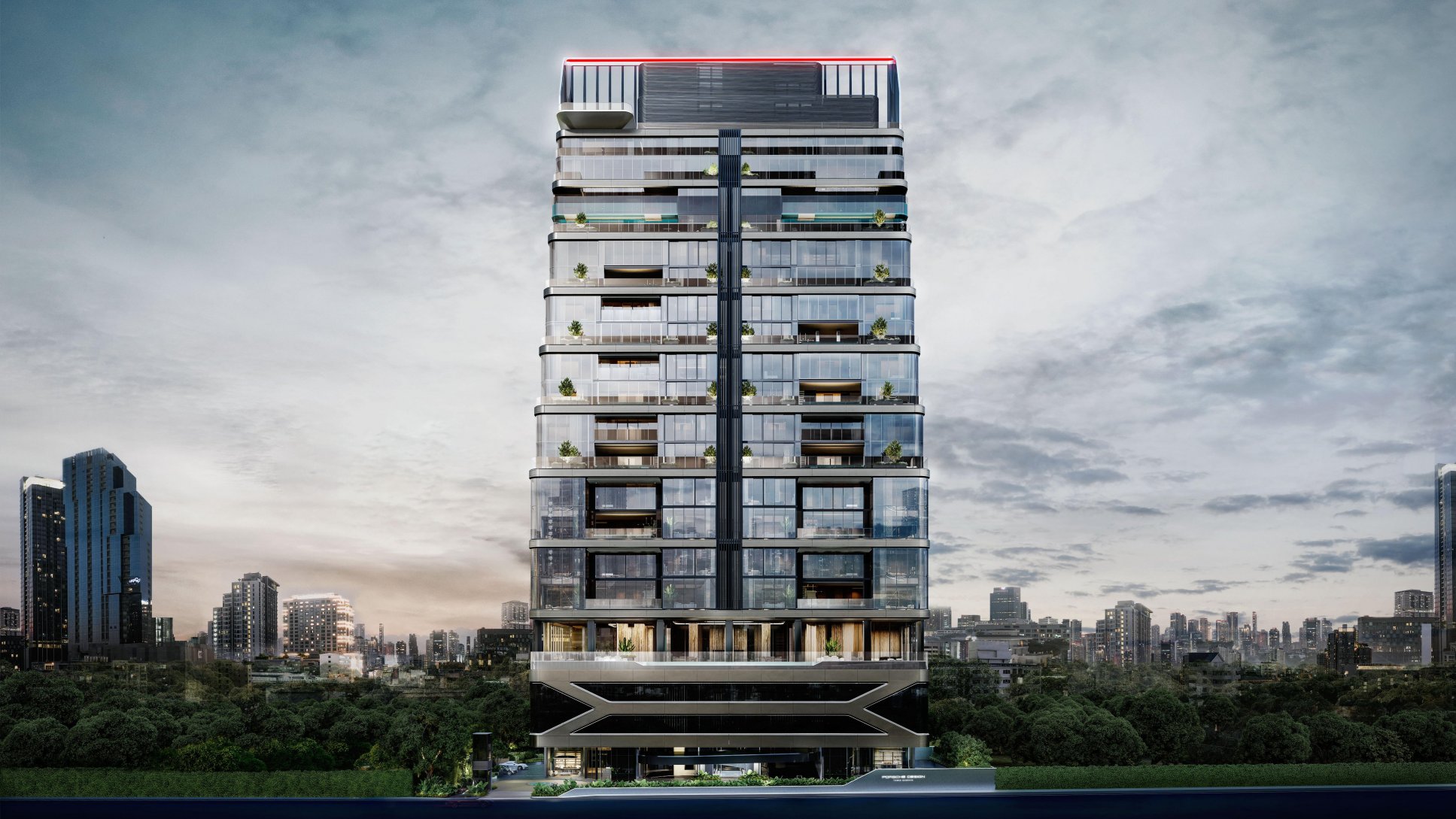
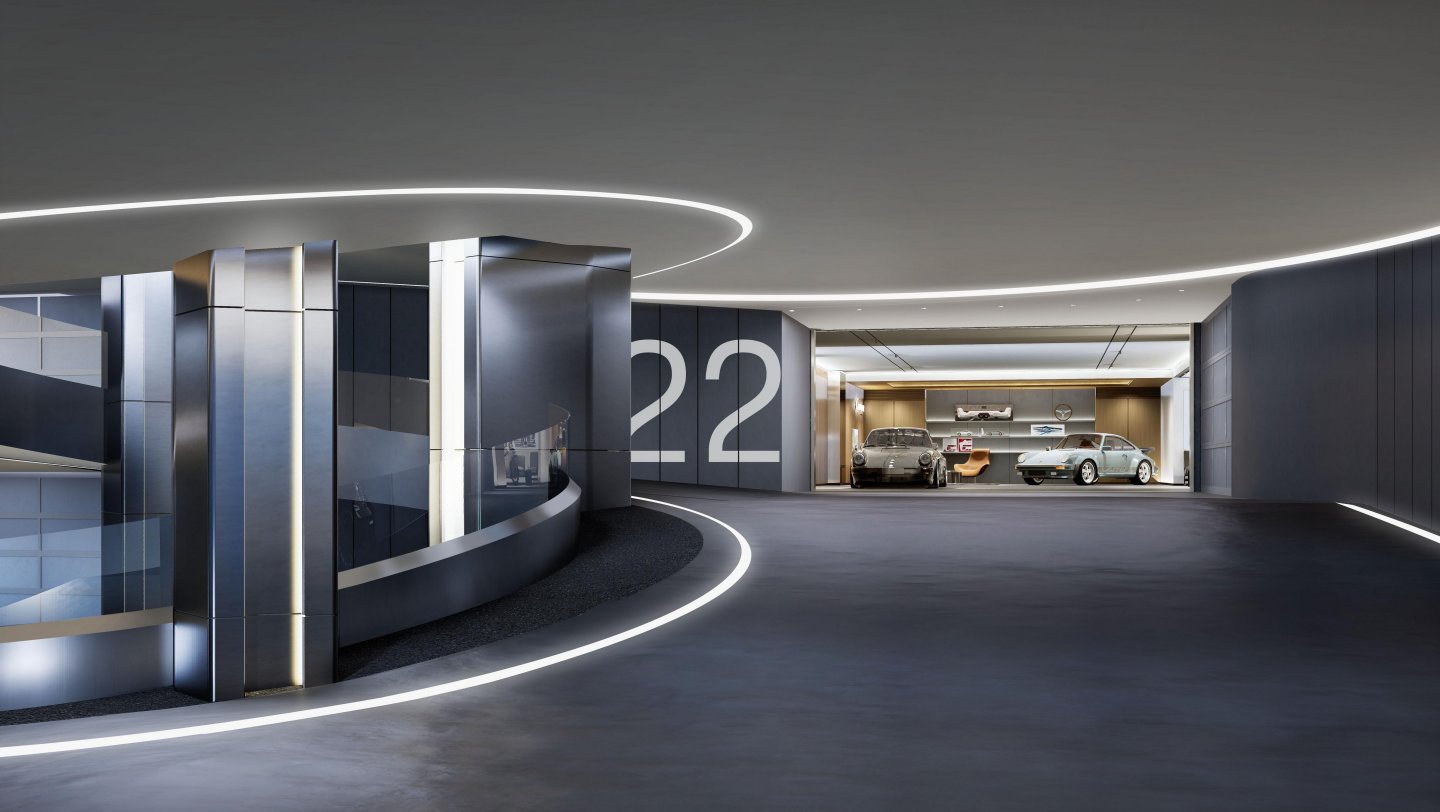
Porsche Design Tower Bangkok is not a conventional luxury condominium with a larger marketing budget. It is a small, ultra-prime branded residence aimed at buyers who want scarcity, design identity and a Thonglor address. For foreign buyers, that makes it interesting, but it also means the usual Bangkok condo checklist needs to be adjusted for a very different price band and buyer pool.
Porsche Design Tower Bangkok positions Thonglor at the ultra-prime branded-residence end of the market.
Porsche Design’s official material describes the project as Asia’s first Porsche Design Tower, developed with Ananda Development in Thonglor. The official Porsche Design Tower page lists a planned 95-metre, 21-level building with 22 residential units and construction starting in the first half of 2025. Porsche Newsroom describes 22 duplex and quadplex Sky Villas, with residences ranging from 525 to 1,135 square metres and completion targeted for the end of 2028.
Those details place the project in a tiny segment of Bangkok’s market. It is closer to a private villa-in-the-sky concept than a standard buy-to-let condominium. That does not make it better or worse for every buyer. It means the investment logic is about capital preservation, personal use, brand scarcity and long-horizon exit planning, not simple rental yield.
Buyers at this level should also think about governance. A building with only 22 residences can feel private and controlled, but it also concentrates common-area decisions among a small owner group. Before purchase, ask how the juristic budget, long-term maintenance, branded design standards and reserve planning will be handled after completion.
Why Thonglor matters
Thonglor is one of Bangkok’s most recognised premium lifestyle districts. It has restaurants, private clinics, cafes, Japanese services, nightlife, schools nearby, supermarkets and access to the wider Sukhumvit corridor. For ultra-prime buyers, Thonglor also offers a more residential atmosphere than some office-led parts of the CBD while still remaining connected to Phrom Phong, Ekkamai and Asoke.
The important point is micro-location. Thonglor can feel different from soi to soi. A buyer should test the route to BTS, traffic at peak hours, drop-off comfort, privacy, noise, nearby development sites and access to daily services. A branded tower can create destination appeal, but residents still live with the street network every day.
Branded residence appeal
The Porsche Design name gives the project an identity that many Bangkok luxury buildings cannot replicate. The appeal is not just a logo. It is the promise of design discipline, engineering cues, privacy and an ownership experience aligned with a global lifestyle brand. For some buyers, that emotional connection is part of the value.
Foreign buyers should still separate brand appeal from legal and financial checks. Confirm the condominium ownership structure, foreign quota availability, payment schedule, transfer costs, common fees, sinking fund, management scope and defect process. Branded design does not remove the need for Thai condominium due diligence.
The project uses a highly distinctive design language, but buyers still need ownership and liquidity discipline.
The scale changes the buyer pool
Residences above 500 square metres have a narrow market. They may suit ultra-high-net-worth owner-occupiers, family-office buyers, collectors, regional executives or buyers who want Bangkok as a lifestyle base. They are unlikely to behave like a 35 sq.m. one-bedroom unit near BTS. Rental yield may be less important than privacy, prestige and long-term capital positioning.
That narrow buyer pool can support scarcity, but it can also reduce exit speed. If a future seller needs to move quickly, the number of qualified buyers will be limited. This is why purchase motivation matters. A buyer who plans to use the residence for years may think differently from an investor who expects short-term resale liquidity.
Due diligence questions
Confirm whether the specific unit can be registered within the foreign quota.
Review the sale and purchase agreement with a Thai property lawyer before remitting major funds.
Ask for the full common fee, sinking fund and branded management obligations.
Understand parking, private access, lift zoning, security and service procedures.
Compare the project with other ultra-prime Bangkok residences by usable area, not only headline price.
Model resale against a very small buyer pool rather than the wider Thonglor condominium market.
The comparison set should include both branded and non-branded ultra-prime assets. Some buyers may prefer a globally recognised brand. Others may prefer larger established freehold buildings, completed stock, park adjacency or a more discreet address. The correct choice depends on personal-use requirements as much as investment analysis.
Very large residences need a different resale and holding-cost analysis from conventional luxury condos.
Rental logic is specialist
A unit of this scale may occasionally attract embassy, executive, family-office or private-client demand, but it should not be underwritten like a standard expatriate rental. Holding costs, furnishing standards, maintenance expectations and vacancy risk can be materially higher. Buyers should ask whether rental income is central to the thesis or simply a secondary option.
If rental is important, request evidence from comparable ultra-prime residences, not mass-market luxury buildings. Also consider whether the unit’s layout, staff areas, parking, privacy and management rules support the intended tenant. A trophy residence can be difficult to lease if the practical details do not match tenant expectations.
Buyer takeaway
Porsche Design Tower Bangkok is a rare project that speaks to Bangkok’s growing role in the regional ultra-prime branded-residence market. It may suit buyers who value design identity, scarcity and a Thonglor lifestyle base. It is less suited to buyers whose main goal is simple yield or fast resale liquidity.
IBP can help foreign buyers compare Porsche Design Tower Bangkok with other ultra-prime and branded residences before reservation. Browse our project reviews or contact IBP Real Estate for a private buyer shortlist.
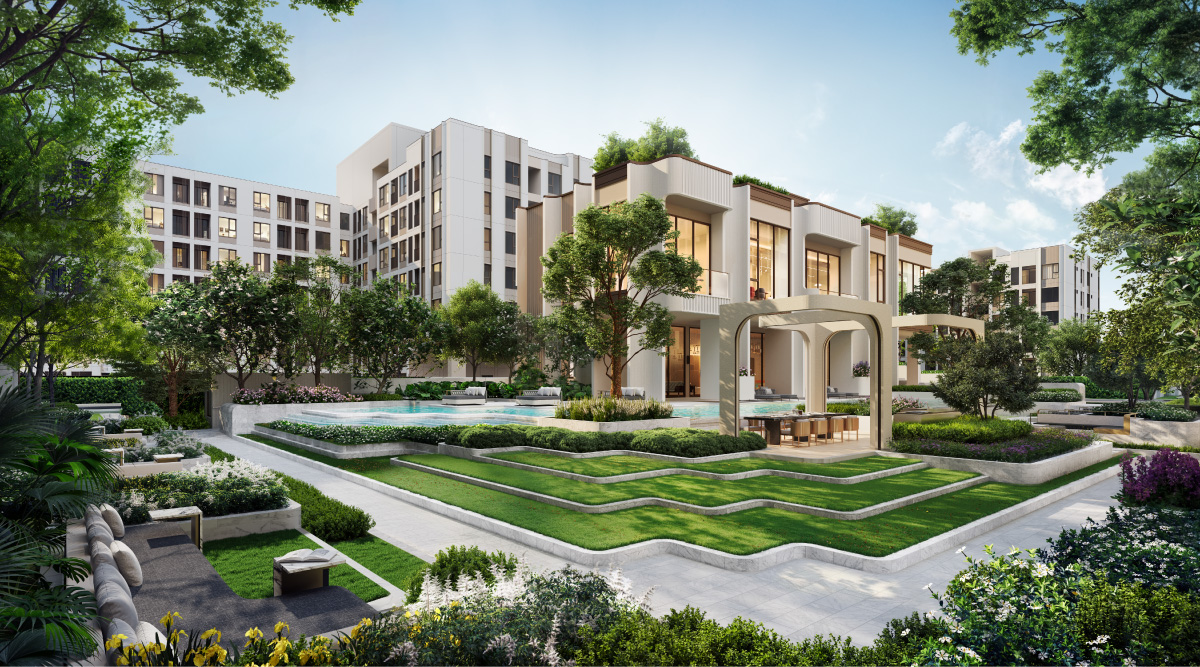
LIFE Ratchada-Rama 9 is a useful project for foreign buyers to study because it sits at the intersection of several Bangkok themes: Rama 9 office growth, MRT-led mobility, lower entry pricing than prime Sukhumvit, and a low-rise format that promises more residential calm than many high-rise investor towers. AP Thailand’s official project page lists prices from 3.49 million baht, 851 residential units plus one shop, five eight-storey buildings, 333 car parking spaces and unit sizes from 28 to 60 sq.m.
LIFE Ratchada-Rama 9 gives foreign buyers a low-rise alternative within the Rama 9 demand corridor.
The official project copy positions the address in the Ratchada-Rama 9 new CBD, with access to MRT Rama 9, Airport Rail Link Makkasan, two expressways, Grade A offices and retail hubs. AP’s launch announcement also described the project as a 3.6 billion baht low-rise condominium and highlighted a 95,000 baht per sq.m. starting reference for a furnished one-bedroom M-size unit at launch.
For buyers, those details are helpful but not enough. The project should be read as a decision framework: who will live here, how easy is the daily commute, how much competing supply exists, what does low-rise living add, and how realistic is the rental or resale plan after completion?
Why Rama 9 keeps attracting buyers
Rama 9 has moved beyond being only a cheaper alternative to Asoke. The wider corridor includes offices, retail, hospitals, hotels, cultural venues, the MRT Blue Line, Airport Rail Link access at Makkasan, expressway routes and connections towards Ratchada, Huai Khwang, Phetchaburi and Sukhumvit. For tenants who work in the area, a well-located condominium can offer shorter commutes than a prestige Sukhumvit address.
Foreign buyers should still be precise. Rama 9 is not one uniform market. Some buildings feel office-led, others feel more residential, and some depend heavily on road access. Walkability, pavement comfort, station distance, traffic at peak times and the route to daily shops can change the living experience significantly. The best unit is not always the closest to the biggest road.
The low-rise argument
LIFE Ratchada-Rama 9’s low-rise format is a point of difference in a district known for many taller condominium towers. A lower-rise project can feel calmer, with a more neighbourhood-like mood, but it can also mean buyers need to study views, privacy, building spacing, parking, lift distribution and how facilities are shared across blocks. The format is attractive only if the actual plan supports daily comfort.
The official project page refers to three rai of curated green space and an urban oasis concept. That can be meaningful for residents who want a softer return home after office hours. It is especially relevant for buyers comparing Rama 9 against more intense high-rise corridors. Still, foreign buyers should inspect the master plan carefully and ask which facilities are delivered, how they are maintained and how common fees are budgeted.
The project positioning leans on green space and a quieter low-rise setting near the new CBD.
Unit mix and tenant logic
The published usable area range of 28 to 60 sq.m. suggests a buyer audience centred on singles, couples, young professionals and compact urban households rather than large families. For rental investors, that means the unit must be efficient. A 28 sq.m. unit can work when storage, work-from-home space, kitchen layout, bathroom quality and natural light are sensible. A larger one-bedroom or compact two-bedroom may appeal to tenants who need more flexibility, but the rent must justify the higher purchase cost.
Foreign buyers should compare LIFE Ratchada-Rama 9 against completed alternatives nearby. Completed stock shows real rents, real tenants and actual building management. A new launch offers newness and payment structure, but it also asks the buyer to accept delivery and rental assumptions. Both can be valid. The choice depends on time horizon and risk tolerance.
Due diligence questions
Confirm the freehold condominium structure and foreign quota process before relying on availability.
Compare the net price after promotions, furniture, transfer costs and sinking fund.
Ask for expected common fees, facility-management scope and parking rules.
Check the walking route to MRT Rama 9 and nearby retail in daylight and evening conditions.
Model rent against completed Rama 9 and Ratchada buildings, not only against launch projections.
Review payment schedule, construction timeline, contract terms and defect process with an adviser.
These questions are especially important for overseas buyers who may not return often before handover. A new launch can look simple at reservation stage, but the ownership experience depends on documents, transfer timing, building management and how the unit competes when it is ready to lease or resell.
Facilities and unit planning should be tested against the likely tenant and resale audience.
Who may suit this project
LIFE Ratchada-Rama 9 may suit buyers who want exposure to the Rama 9-Ratchada work corridor without moving into a large high-rise tower, and who value a lower-rise environment with greenery. It may also suit investors seeking a more accessible price point than prime Sukhumvit while still staying connected to offices, retail and airport access.
It may be less suitable for buyers who require an established rental history before purchase, buyers who want large family layouts, or buyers who prioritise walking convenience above all else. In Bangkok, ten minutes on a map can feel different depending on pavement quality, heat, crossings and traffic. The viewing should include the surrounding route, not only the sales gallery.
Buyer takeaway
LIFE Ratchada-Rama 9 offers a clear low-rise story in a district with genuine office, retail and transport demand drivers. Foreign buyers should treat the project as a serious comparison candidate, while still checking quota, contract terms, net pricing, rental evidence and the practical route to daily amenities.
IBP can help buyers compare LIFE Ratchada-Rama 9 with completed Rama 9, Ratchada and Asoke alternatives. Browse our project reviews or contact IBP Real Estate for a buyer-focused shortlist.
EI8HTEEN SEVEN Wireless is one of the more visible luxury-residence stories for foreign buyers watching Bangkok’s premium core. The official project site places it within Residences at One Bangkok, describing an address in the heart of Bangkok, infused with arts and cultural programmes, and supported by an inclusive, people-centric ecosystem. For buyers, the appeal is not only the tower. It is the wider Wireless Road and One Bangkok context.
EI8HTEEN SEVEN sits within the wider One Bangkok address story on Wireless Road.
This buyer note looks at the project as a decision framework rather than a sales brochure. EI8HTEEN SEVEN may attract attention because of its design language, facilities and location, but foreign buyers still need to check ownership structure, contract terms, payment schedule, completion position, common-area obligations, ongoing costs and future resale audience before committing.
The project is also a useful case study in how Bangkok luxury is changing. Premium buyers are no longer comparing only address and unit size. They are comparing complete ecosystems: park access, cultural programming, retail, hospitality, offices, wellness, mobility and neighbourhood prestige. That can support demand, but it also means buyers should be clear about what they are paying for.
Why the One Bangkok setting matters
One Bangkok is designed as a large integrated district at Wireless Road and Rama IV, with residences, retail, workplaces, hospitality, green space, art and cultural components. For a foreign buyer, this means the district can offer daily convenience and a stronger sense of arrival than a standalone tower. It also gives the residence a broader identity that may be easier to explain to future tenants or buyers.
The location connects several Bangkok demand drivers. Lumphini Park, Wireless Road, Rama IV, embassies, offices, luxury hotels, retail, MRT and the wider Sukhumvit-Silom-Sathorn axis all matter to different buyer groups. A premium project in this setting is likely to appeal to owner-occupiers, executives, regional families, long-stay expatriates and buyers who value Bangkok as a second-home city.
Facilities should be judged by management
The EI8HTEEN SEVEN website highlights club and lifestyle facilities including a social table, bar, culinary studio, spa, kids’ playroom, gym and swimming pool with jacuzzi. These are meaningful only if management standards remain high after handover. In luxury condominiums, buyers should ask how facilities will be staffed, maintained, booked, funded and renewed as the building ages.
Amenities can help a building stand out, but they also create operating costs. Foreign buyers should review projected common fees, sinking fund arrangements, house rules and any service model carefully. A buyer who lives abroad needs confidence that the building can maintain standards without repeated owner friction or unexpected capital calls.
Interior planning should be tested against the buyer profile, not only against presentation quality.
Interior appeal and practical use
Luxury presentation images are useful for understanding tone, but the buyer’s own use case matters more. Is the unit intended as a second home, family base, rental asset or future retirement foothold? Each answer changes the due diligence. A family may care about storage, kitchen function, school routes and guest parking. A landlord may care about furnishing durability, tenant profile and maintenance access. An owner-occupier may care more about light, privacy and acoustics.
Buyers should compare layouts against real furniture placement and service access. Large-looking rooms can become awkward if columns, doors, air-conditioning placement or balcony proportions reduce usability. A high-quality address does not remove the need to test floor plan efficiency.
Questions foreign buyers should ask
What is the precise ownership and tenure structure for the selected unit?
What payments are due before transfer or handover, and what happens if timelines change?
How are common fees, sinking funds and special assessments calculated?
Which facilities are included for residents and which may carry separate usage rules?
What is the expected profile of residents, tenants and future resale buyers?
How does the selected unit compare with ONE89 Wireless and other top Wireless Road alternatives?
These questions are not hostile. They are normal luxury-buyer questions. A premium project should be able to answer them clearly. Foreign buyers should also review the contract with independent advice, especially where the project structure differs from a familiar freehold condominium purchase in another market.
Club-style facilities can support lifestyle appeal when long-term management quality is credible.
Investment logic, not just address prestige
Wireless Road prestige is real, but investment value still depends on entry price, holding cost and exit audience. A foreign buyer should decide whether the project is primarily a lifestyle purchase with capital preservation goals, a rental asset, or a long-term trophy holding. Those are different strategies. A trophy purchase may justify a lower yield if scarcity and personal use are central. A rental-led purchase must be more disciplined about net income.
The strongest case for EI8HTEEN SEVEN is likely to be the combination of district identity, integrated amenities and One Bangkok’s wider destination effect. The main risk is paying for a story without confirming the specific unit economics. Buyers should compare not only other new luxury stock, but also established buildings with proven resale records.
Buyer takeaway
EI8HTEEN SEVEN Wireless deserves attention because it sits at the intersection of luxury residential design, One Bangkok’s mixed-use district and the long-standing prestige of Wireless Road. For foreign buyers, the right approach is to treat it as a serious due-diligence exercise: understand the structure, inspect the unit logic, model the costs and compare the resale audience.
IBP can help overseas buyers compare EI8HTEEN SEVEN with other Wireless Road, Lumphini and Sukhumvit luxury options. Browse our project reviews or contact IBP Real Estate for a luxury-condo shortlist.
ONE89 Wireless gives foreign buyers a different luxury-condominium question from a typical stand-alone tower. It sits within One Bangkok, the large mixed-use district on Wireless Road and Rama IV Road, close to Lumphini Park, the Silom and Sathorn business areas, and the established embassy-led prestige of Wireless Road.
ONE89 Wireless is positioned within the wider One Bangkok district on Wireless Road.
That context is important. At the top end of Bangkok, buyers are not only comparing unit size and view. They are comparing privacy, arrival experience, daily convenience, district management, long-term placemaking and whether the surrounding environment can stay premium after handover. A residence within a managed mixed-use district may appeal to buyers who want the services and daily amenities of a broader urban setting without leaving the central core.
What the official positioning tells buyers
One Bangkok presents ONE89 Wireless as a 90-residence condominium designed by Skidmore, Owings & Merrill, with an emphasis on healthy and sustainable living. The limited residence count matters because ultra-prime buyers usually value privacy, lift efficiency, service consistency and a sense that the building is not being driven by mass-market turnover.
The sustainability message also deserves careful reading. Foreign buyers should ask how sustainability is translated into actual building systems: energy use, ventilation, water management, waste handling, landscaping, building certification, maintenance planning and long-term operating costs. A premium project should be able to explain those systems clearly and connect them to daily comfort, not only branding.
Location strengths for end users
Wireless Road remains one of Bangkoks strongest prestige corridors because it combines embassies, hotels, offices, Lumphini Park access and proximity to the CBD. For owners who will live in Bangkok part time, that can mean fewer compromises: restaurants, business meetings, medical appointments, retail and green space are all within a central radius.
The project is framed around privacy, limited residence count and a central Bangkok address.
The location may also suit regional executives and families who value a secure Bangkok base while travelling across Asia. The key is daily movement. Buyers should test how they will reach the BTS, MRT, offices, schools, hospitals and airport at the times they actually move. Luxury is partly about address, but in Bangkok it is also about the quality of the weekly routine.
Investor questions: depth, not just scarcity
Scarcity can support value, but it does not remove the need for rental and resale analysis. A very high-end unit has a narrower tenant pool than a mid-market condominium, even when the address is excellent. That tenant pool may include diplomats, senior executives, entrepreneurs, regional families and owner-occupiers who want a lock-up-and-leave city base.
Foreign investors should ask who the realistic tenant or future buyer is, what lease terms are common for this bracket, how many comparable ultra-prime units compete nearby and whether the project rules support the intended use. A project can be exceptional and still require patient leasing or resale timing. The investment case should be built around buyer depth, not only the idea that limited supply is always enough.
It is also worth separating personal prestige from financial resilience. Some buyers will accept lower rental efficiency because they value the address for their own use, privacy or family office needs. That is a valid lifestyle decision, but it should be labelled as such. If the purchase is being judged as an investment, the model should include conservative rent, realistic vacancy, furnishing standards, annual running costs and the possibility that resale may depend on a small pool of qualified buyers.
Due diligence before reservation
For an off-plan or newly completed luxury purchase, review the sale contract, payment schedule, completion obligations, defect process, foreign quota, sinking fund, common fees, parking rights, management structure and any branded-service obligations. Ask whether furniture is included, optional or separate, and how changes affect warranty, handover and resale presentation.
For foreign buyers, the appeal should be weighed against running costs, management standards and resale depth.
Buyers should also check how the broader One Bangkok district interfaces with the residence. Access routes, drop-off privacy, service entrances, visitor management, retail traffic, event programming and district construction phases can all affect the owner experience. These are not objections; they are the practical details that define whether a premium mixed-use address performs as expected.
How to compare ONE89 Wireless
The most useful comparison set is not every luxury tower in Bangkok. It is the small group of central freehold or long-life premium residences with credible management, strong arrival experience, protected outlooks, deep amenity access and a buyer pool that recognises the address. Compare Wireless Road, Langsuan, Lumpini, Sathorn, Chidlom and selected riverside projects by lifestyle use case, not only price per square metre.
Buyers should also compare the surrounding mixed-use environment. One Bangkok offers a district-level proposition, while some competing projects offer quieter residential streets, direct BTS convenience, river views or hotel-branded service. None of these is automatically better. The right choice depends on whether the buyer values a managed urban district, park proximity, privacy, walking access, hotel-style service, long-term convenience or a more discreet residential feel.
For buyers who want a rare central Bangkok address, ONE89 Wireless deserves attention. It should still be approached with disciplined questions about total cost, district management, ownership practicalities and future exit liquidity. IBP can help foreign buyers compare ONE89 Wireless with other premium Bangkok condominium choices through the Project Reviews & Site Visits archive and a tailored buying brief.
Cassia Residences Rama 9 Bangkok gives foreign buyers a useful case study in how branded residences are moving beyond the traditional riverside and Sukhumvit luxury addresses. The project combines a Bangkok new-CBD location, hotel-style service language and the Cassia brand under Banyan Group.
Cassia Residences Rama 9 positions branded living within Bangkok’s Rama 9 growth corridor.
The official Cassia Residences Rama 9 website describes the project as a collaboration between Siamese Asset PLC and Cassia, a brand associated with Banyan Group. The project material presents concierge service, residence management, room service, parking assistance and owner privileges as part of the branded residence proposition. For foreign buyers, the appeal is clear: a condo that feels easier to use, easier to explain to tenants and potentially more distinctive than a standard high-rise unit.
That does not mean every branded residence should be bought automatically. The brand is only one part of the investment case. Buyers still need to check title, foreign quota, payment terms, building management, unit layout, common fees, rental rules, transfer process and resale depth. A branded name can help attention, but it cannot replace due diligence.
Why Rama 9 matters
Rama 9 has developed as an office, retail, residential and transport corridor east of the traditional Asoke-Sukhumvit core. The area offers access to MRT Phra Ram 9, Central Rama 9, Fortune Town, office towers and hospital connections. It also sits within a wider Ratchada, Huai Khwang and Rama 9 catchment that can appeal to professionals, business travellers, medical visitors and long-stay residents who do not need to be directly on lower Sukhumvit.
For investors, the district story is important because branded residences often depend on a clear tenant or guest profile. Rama 9’s advantage is not old-money prestige. It is functional centrality: rail access, offices, retail, roads, healthcare and a growing stock of lifestyle services. Buyers should decide whether that practical profile matches their expected tenant better than a more expensive address in Phrom Phong, Thong Lo, Chidlom or riverside Bangkok.
What the Cassia positioning offers
Cassia is generally positioned around stylish, social and extended-stay living rather than ultra-formal luxury. The official Cassia Rama 9 hotel page describes loft-style accommodation, kitchens, connected living areas, fitness, kids facilities, wellness and a rooftop pool. For a condo buyer, that positioning may be useful if the target market includes long-stay guests, relocating professionals, regional visitors or owners who want a serviced-living feel when in Bangkok.
The buyer should still distinguish between marketing language and binding rights. Which services are included in common fees? Which are optional paid services? Are owners able to use the hotel-related benefits as expected? Are there rental programme rules, restrictions or revenue-sharing terms? These questions should be answered in writing before purchase.
Interior planning and furniture quality should be checked against the buyer’s rental or own-use plan.
Unit layout and rental fit
Branded residence buyers sometimes over-focus on the lobby and under-check the unit. Layout matters because Bangkok tenants compare usable space quickly. A compact unit can work well if storage, light, kitchen, bathroom and work areas are efficient. A larger duplex can appeal to families or longer stays, but only if the rent premium is realistic and the stairs do not reduce the tenant pool.
Foreign buyers should compare unit types against a real use case. Is the unit for personal stays, corporate tenants, medical visitors, students’ parents or short-to-medium stays? Does the building allow the intended rental pattern? Does the furniture package photograph well and withstand turnover? The investment logic should come from the likely occupier, not only from the brand deck.
Management quality is the real test
The long-term value of a branded residence depends heavily on management. A strong operator can maintain service standards, common areas and owner confidence. Weak execution can turn a branded promise into ordinary condominium living with higher costs. Buyers should ask how the residence side is governed, how juristic responsibilities interact with service operations and how future repairs are funded.
Common area fees should be reviewed against the facility package. A building with more service points may cost more to operate. That is acceptable if it supports higher rent, easier occupancy or stronger resale positioning. It is a problem if the costs rise without a matching benefit to owners or tenants.
Branded facilities can help positioning, but operating costs and management delivery matter.
Due diligence questions for foreign buyers
Is the unit available under foreign freehold quota?
What exact services are included, optional or separately charged?
Are rental programme terms available before signing?
How do common fees compare with nearby non-branded condos?
What is the developer’s delivery and after-sales record?
Who is the likely resale buyer in five to seven years?
Cassia Residences Rama 9 may suit buyers who want a branded, service-led product outside the most expensive Sukhumvit and riverside addresses. The project is especially interesting for buyers who believe Rama 9’s business and lifestyle ecosystem will continue to mature. But the right decision still depends on unit price, contract terms, foreign quota availability and the net rental plan.
Buyer takeaway
Branded residences can make Bangkok ownership feel more convenient and recognisable, particularly for overseas buyers. The disciplined approach is to value the brand only after the legal, financial and operational checks are complete.
SLS Residences Bangkok Sukhumvit 24 is one of the more interesting branded-residence stories for foreign buyers watching Bangkok’s 2026 launch cycle. The official project site describes a 36-storey luxury branded residential tower in Phrom Phong with 78 private residences, private lift access, limited units per floor and curated amenities. Ennismore’s announcement positions the project as the first SLS-branded residences in Asia-Pacific, developed by Valanti Group in partnership with Ennismore.
SLS Residences Bangkok Sukhumvit 24 brings the SLS branded-residence concept to Phrom Phong.
That combination gives the project immediate international visibility. But a recognisable brand is only the starting point. Foreign buyers should ask a harder question: does the unit, district, ownership route, service model and expected resale audience justify the premium? In Bangkok, branded residences can work well when the location and management story are real. They can disappoint when the label is stronger than the underlying asset.
Why Sukhumvit 24 matters
Sukhumvit 24 sits inside one of Bangkok’s most established international residential zones. Phrom Phong offers BTS access, luxury retail, Japanese and international dining, supermarkets, clinics, schools within practical reach and Benchasiri Park. The district is familiar to expatriates, regional families, corporate tenants and long-stay buyers who want a central address without needing to explain the neighbourhood from scratch.
That familiarity matters for resale. A future buyer from Singapore, Hong Kong, Japan, Europe or the Middle East may already understand Phrom Phong as a premium lifestyle district. This does not guarantee liquidity, but it makes the demand story easier to communicate than in a less established area.
What the SLS brand may add
SLS is a lifestyle hospitality brand, which means the buyer is not only buying a building. The expected promise is design personality, service, social energy and a more theatrical approach to luxury living. For some buyers, that difference is attractive because Bangkok already has many quiet high-end towers. A bolder brand can create a stronger emotional pull.
The risk is that a lifestyle brand can narrow the buyer pool as well as strengthen it. Not every luxury buyer wants spectacle. Some prefer discreet, traditional, hotel-style calm. The SLS concept may suit buyers who want a more expressive Bangkok home, but it still needs to be evaluated against personal use, family needs and tenant expectations.
The buyer case depends on Sukhumvit 24 access, low-density positioning and a believable long-term resale audience.
Low density and privacy
The official project communication highlights 78 private residences, limited units per floor and private lift access. Those features are important because privacy is one of the clearest ways a luxury condominium can separate itself from mass-market supply. In a city where many towers have hundreds of units, lower density can support a calmer arrival sequence, less lift pressure and a more exclusive resident profile.
Buyers should still review how privacy works in practice. Check lift configuration, parking access, visitor management, service corridors, delivery handling, common-area flow and whether amenities are sized sensibly for the number of residences. Privacy is not just a sales phrase; it is an operational design question.
Due diligence points
Completion and planning status
The project visuals include the usual development-stage caveats, and final details may be refined. Buyers should confirm planning approvals, construction timetable, payment schedule, contract terms, assignment rights and what protections apply if completion timing changes.
Service scope
Concierge and on-demand services can add genuine value, but the buyer should understand what is included in common fees, what is separately charged and how the branded standards will be monitored after handover.
Common fees and sinking fund
Luxury amenities can be expensive to maintain. A beautiful rooftop or wellness facility is valuable only if the long-term budget supports staffing, repairs, cleaning and replacement. Ask for fee assumptions early.
Unit planning
Check window line, storage, kitchen practicality, maid or service areas, parking allocation, ceiling height, acoustic separation and whether the layout suits the likely resident. A branded address cannot fix an awkward plan.
Luxury amenities need to translate into daily comfort, service quality and realistic common-fee value.
Who may suit this project
Regional buyers seeking a distinctive central Bangkok residence.
Owners who value Phrom Phong daily convenience and branded service.
Long-hold investors who prioritise scarcity and lifestyle utility over maximum yield.
Buyers comparing Bangkok branded residences with Singapore, Hong Kong or Dubai pricing.
Occasional residents who want a memorable Bangkok base with managed services.
It may be less suitable for buyers who want the highest percentage yield, a very conservative design language or the lowest possible common-fee burden. Luxury branded residences often make their strongest case through personal use, capital preservation and distinctive positioning rather than simple rental yield.
Buyer takeaway
SLS Residences Bangkok Sukhumvit 24 is a credible project to watch because it combines a recognised lifestyle brand, low-density positioning and one of Bangkok’s most understandable prime districts. The appeal is strongest for buyers who want a branded Bangkok home and can hold through the development cycle with a realistic view of costs and liquidity.
The correct approach is not to chase the brand blindly. Compare it with other Phrom Phong, Thonglor, Langsuan, Wireless Road and riverside luxury options. Study the service model, contract and resale audience. If those points align, SLS may deserve a place on a serious branded-residence shortlist.
IBP can help foreign buyers compare SLS Residences Bangkok Sukhumvit 24 with other Bangkok luxury and branded-residence projects. Explore our project reviews or contact IBP Real Estate for a curated shortlist.