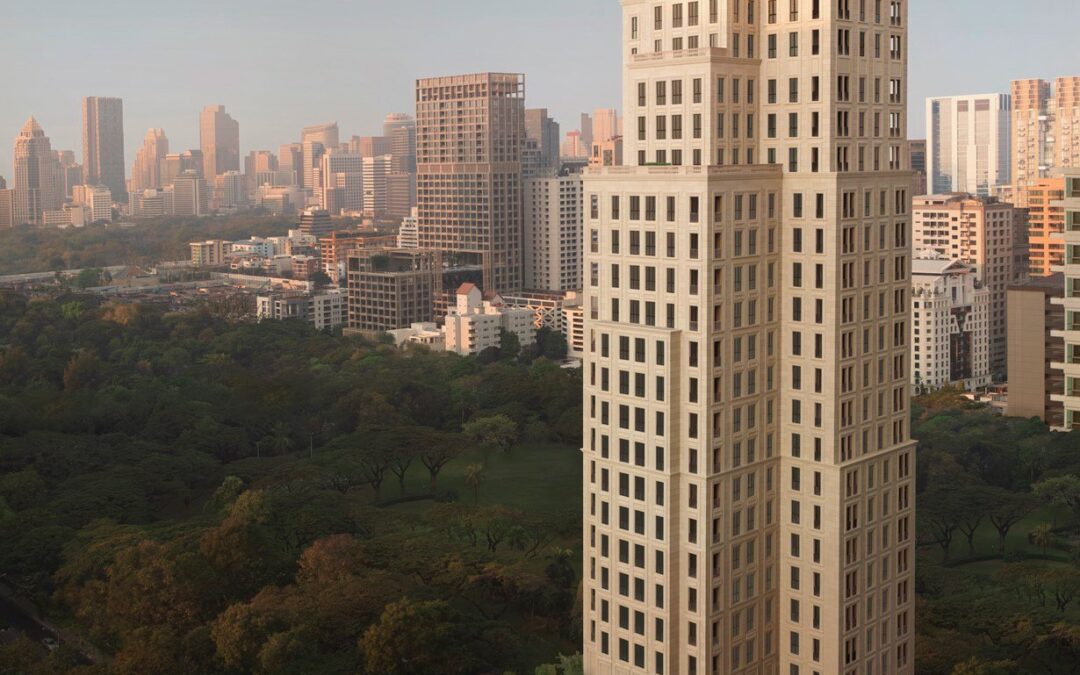
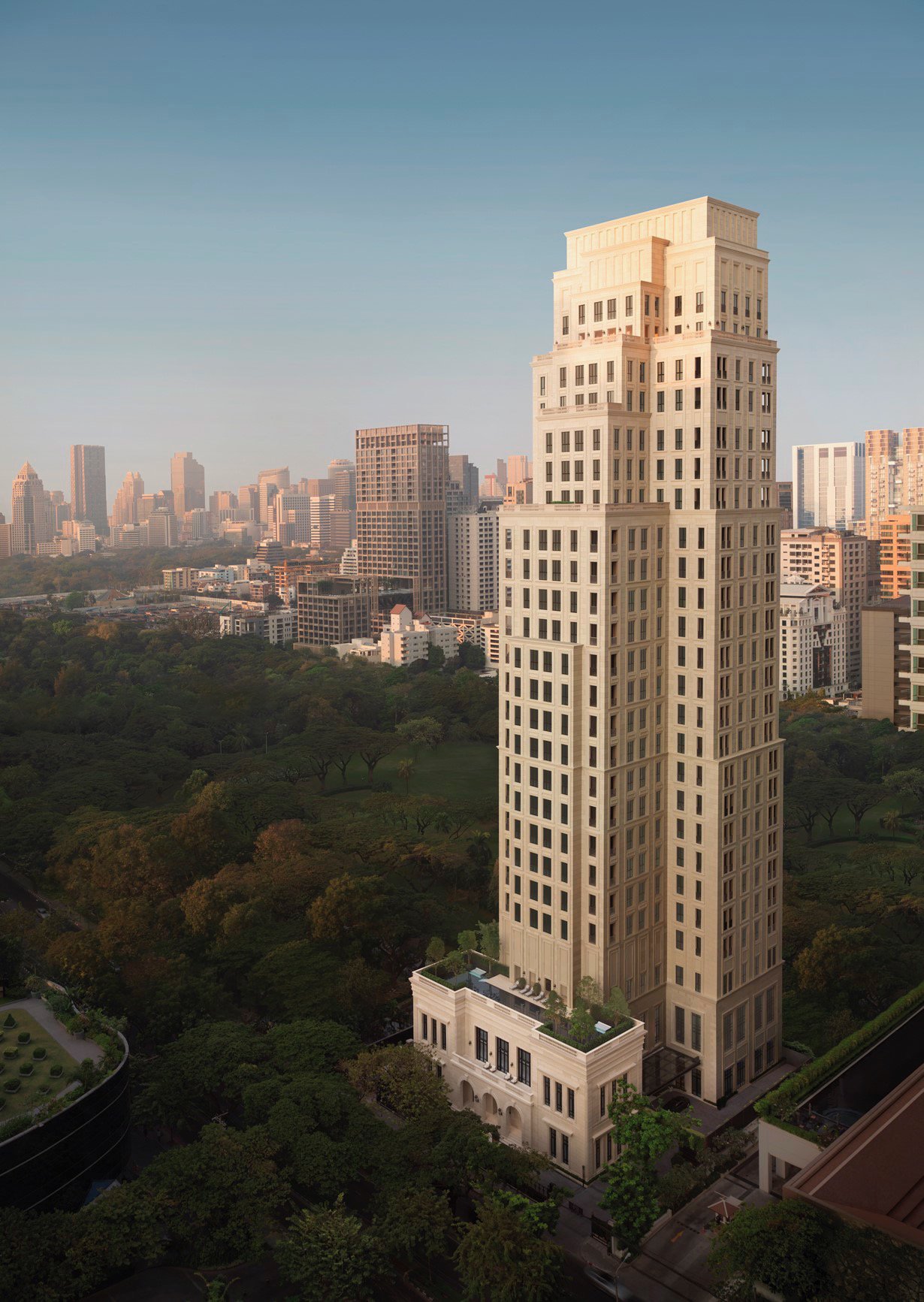
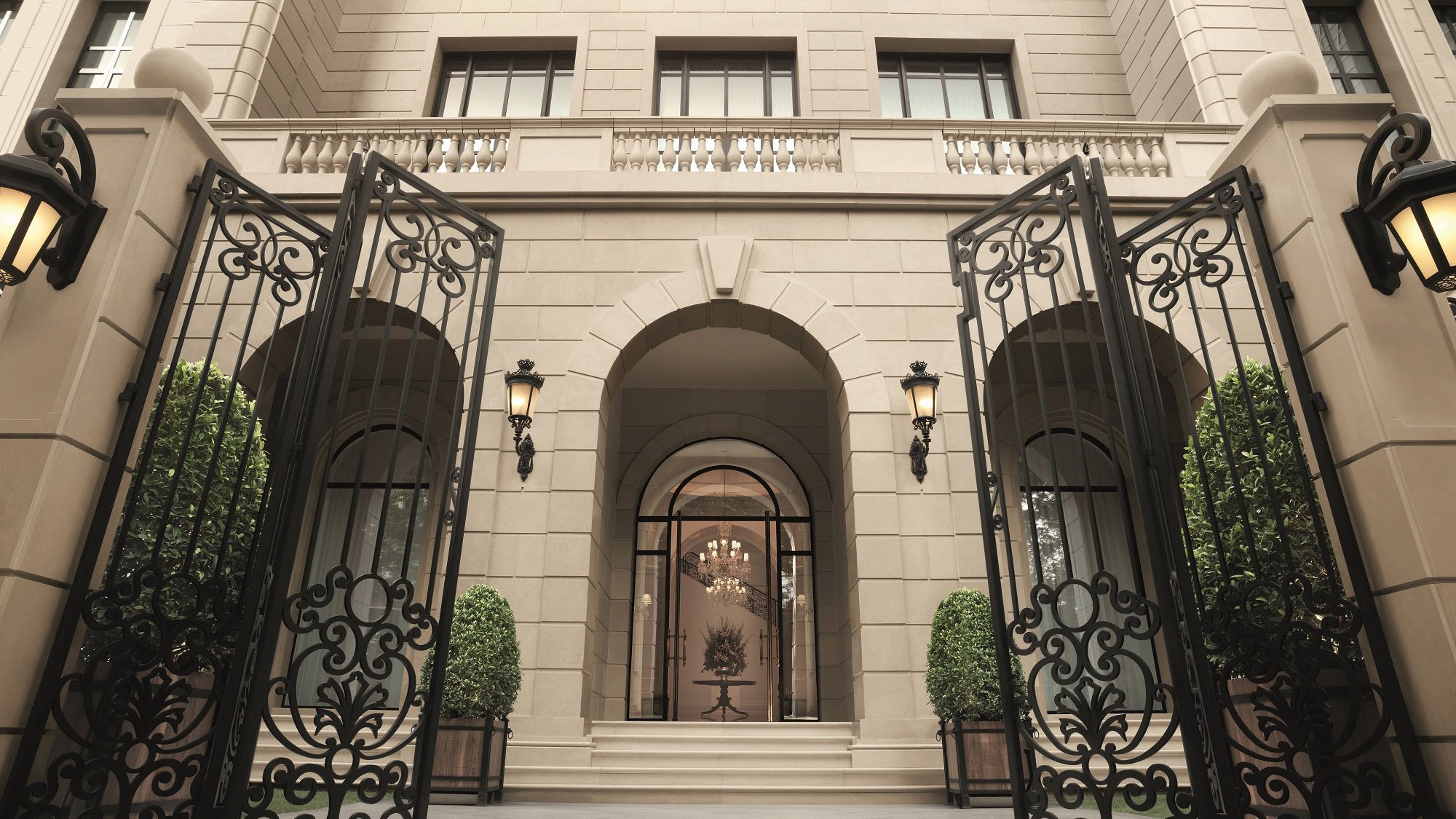
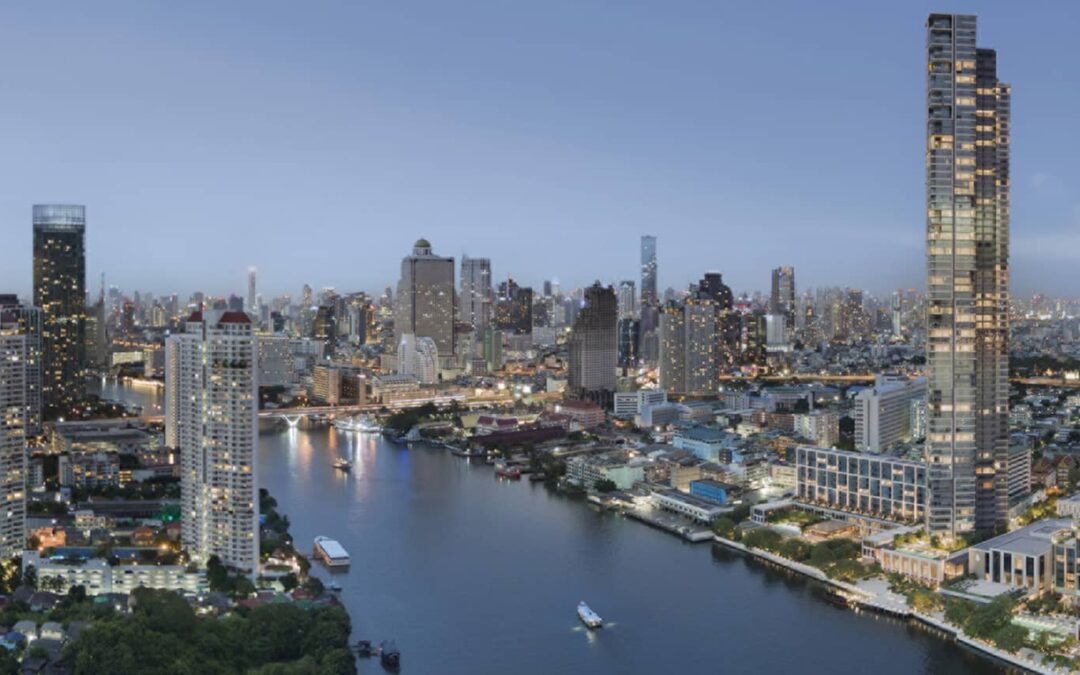
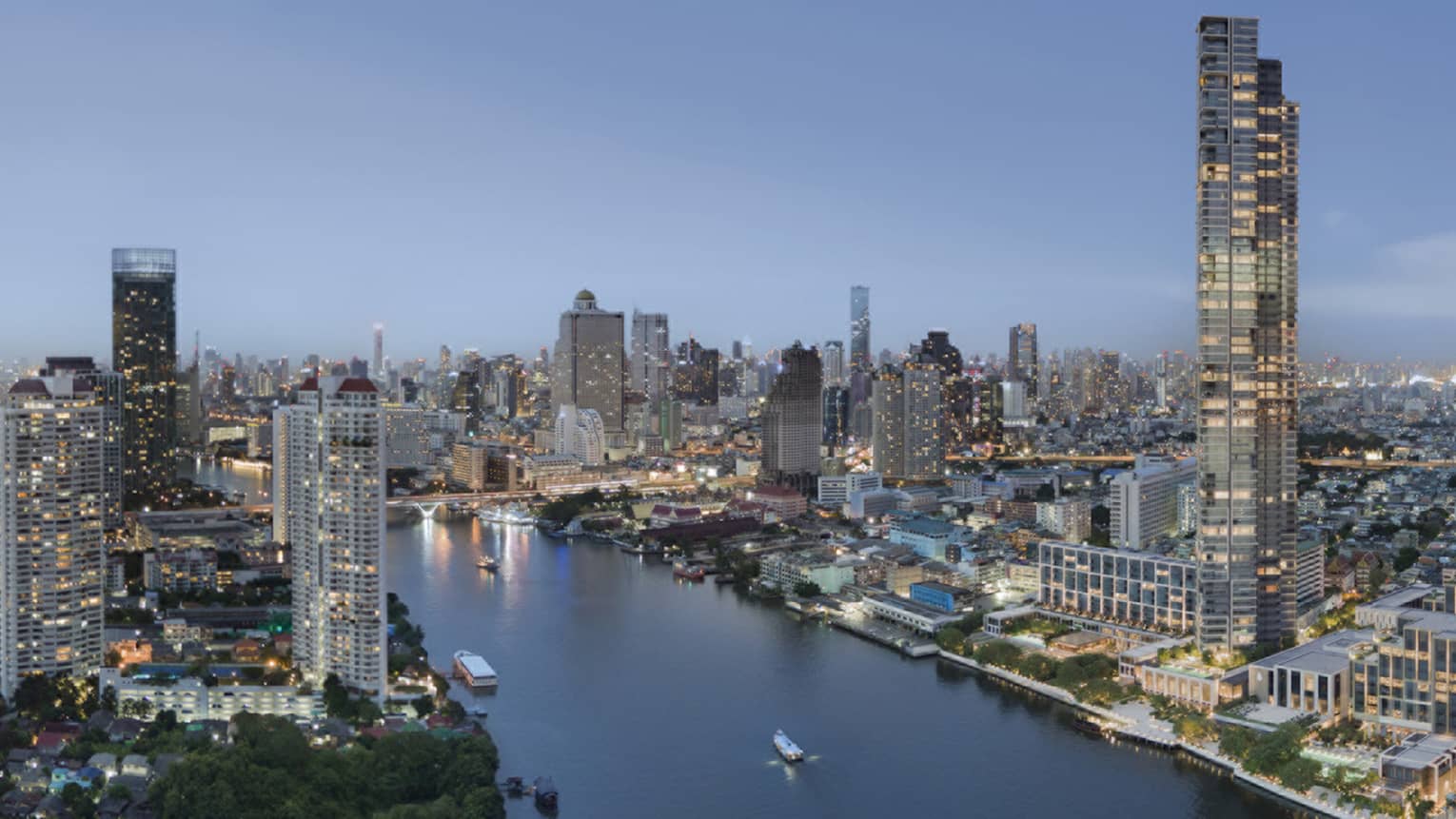
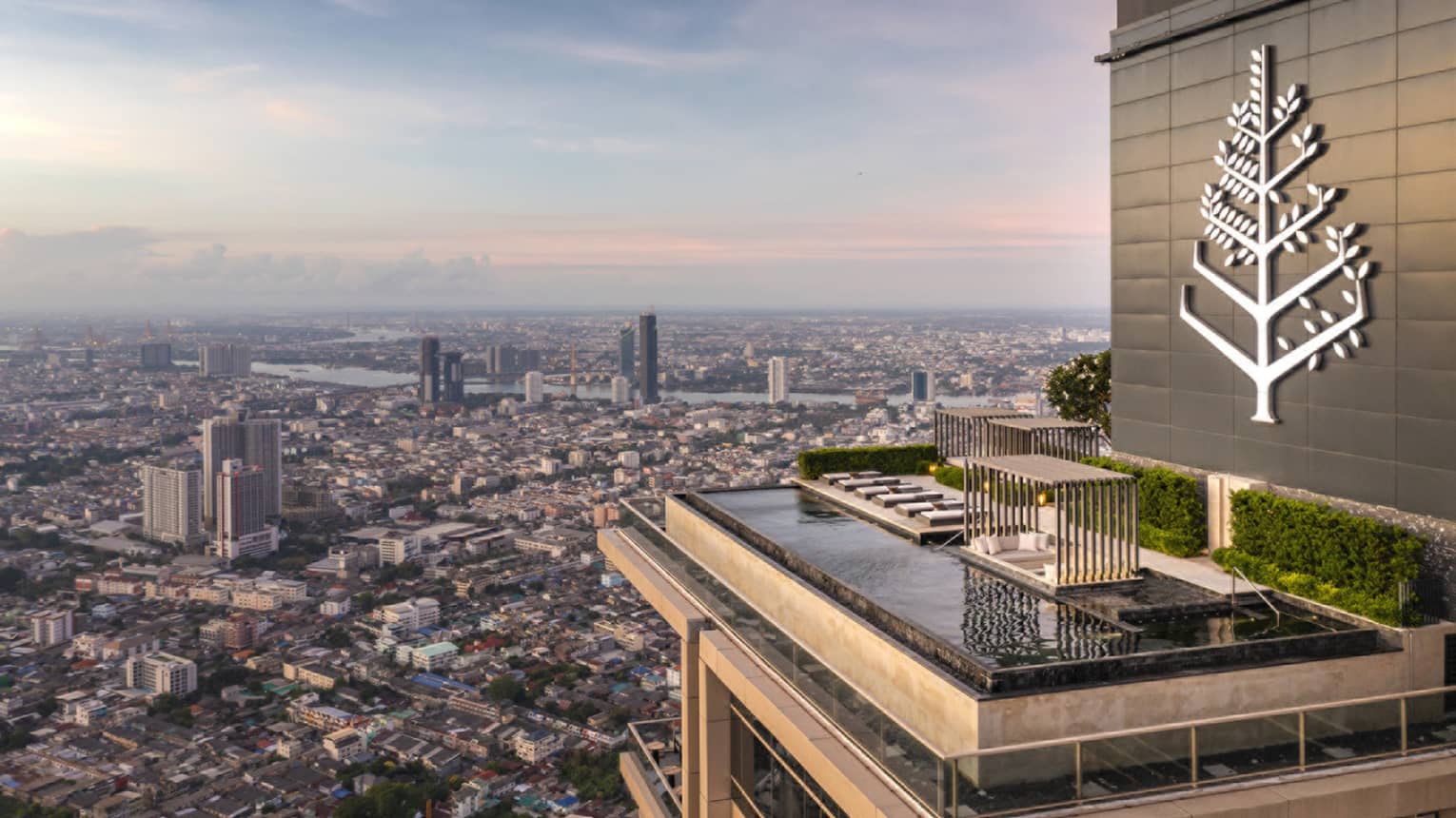
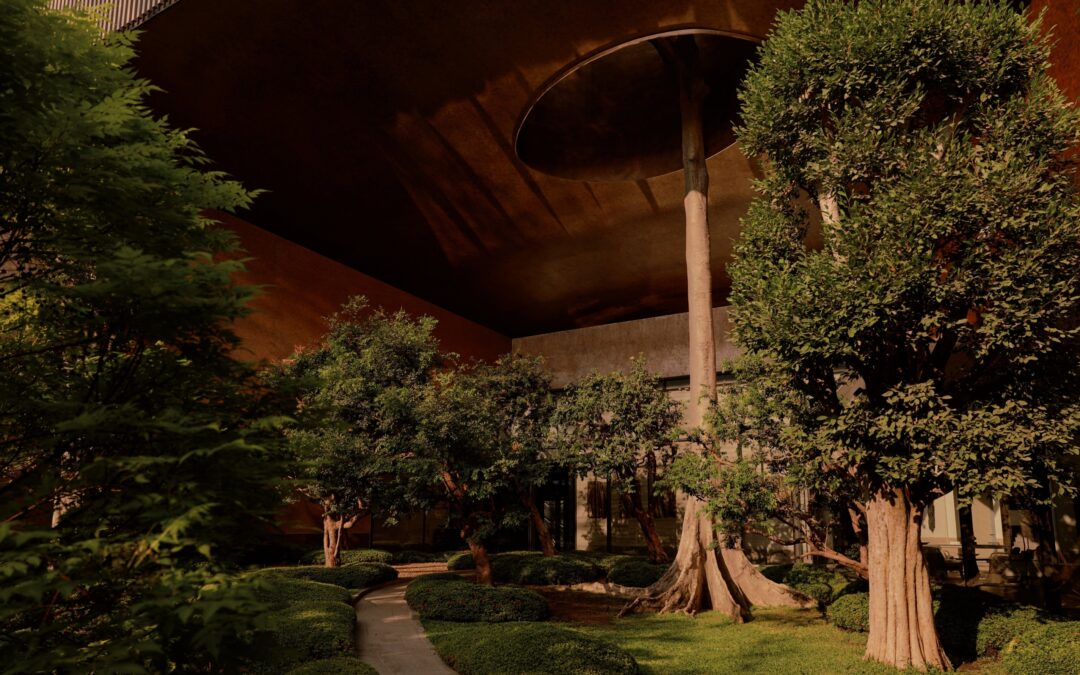
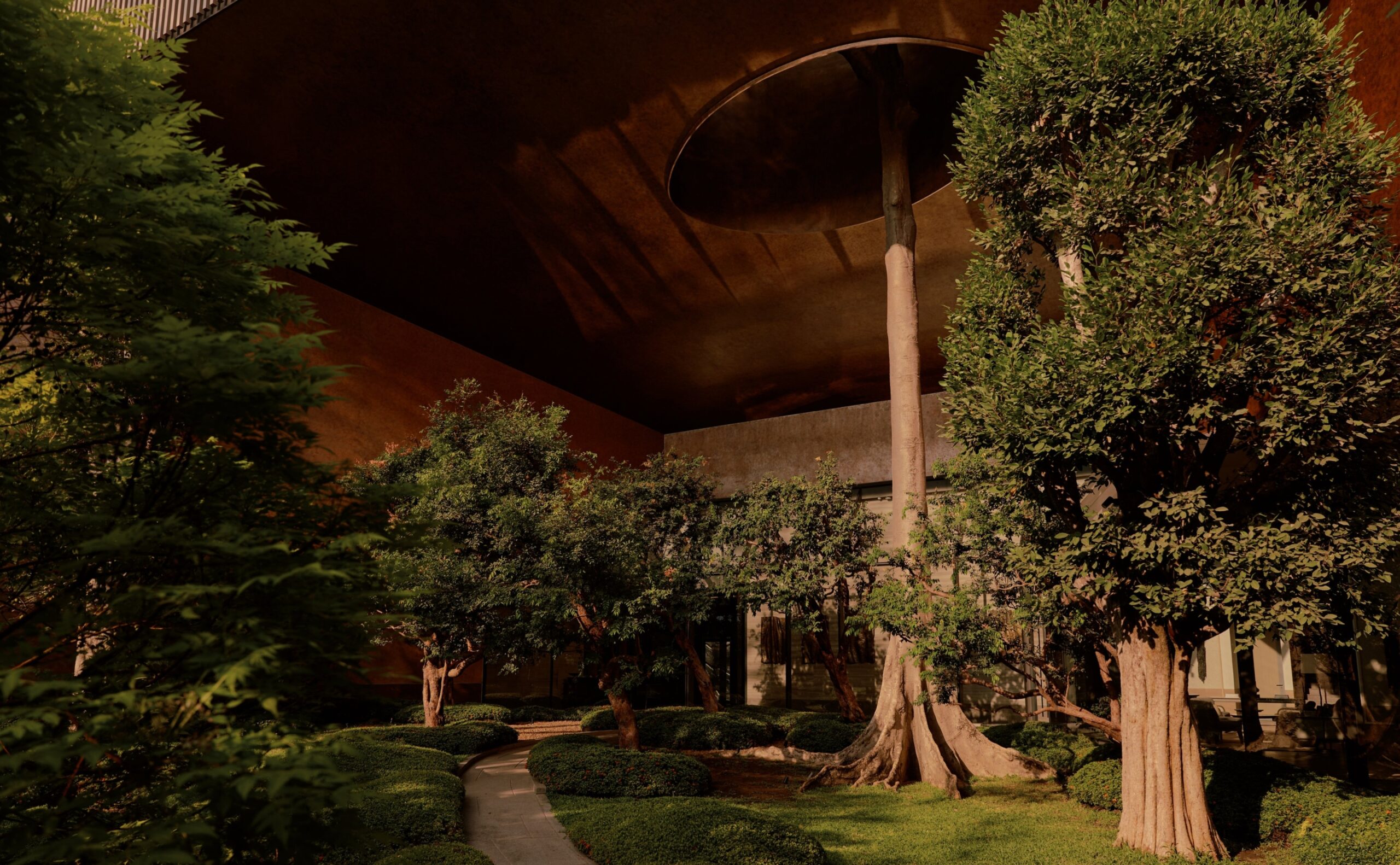
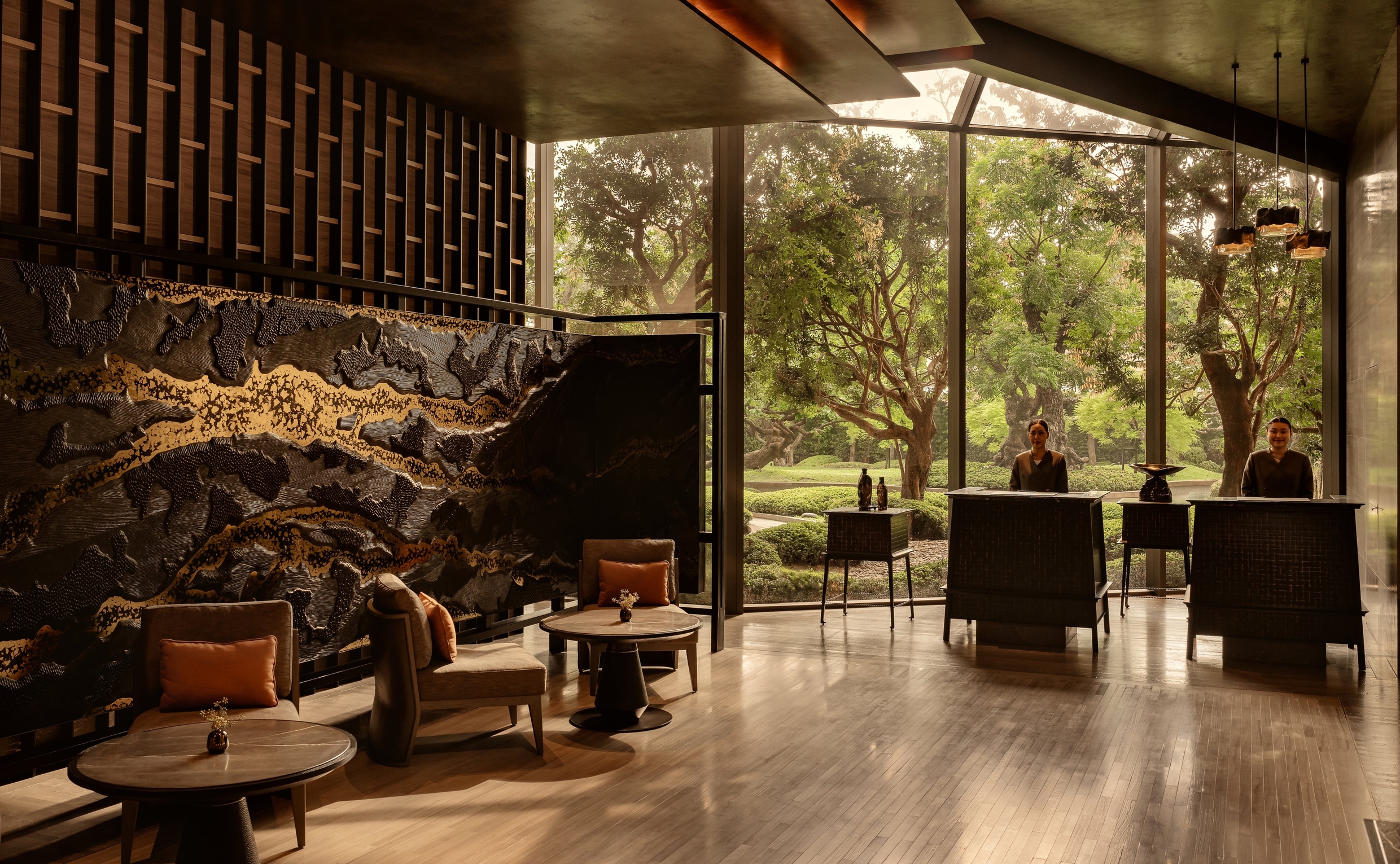
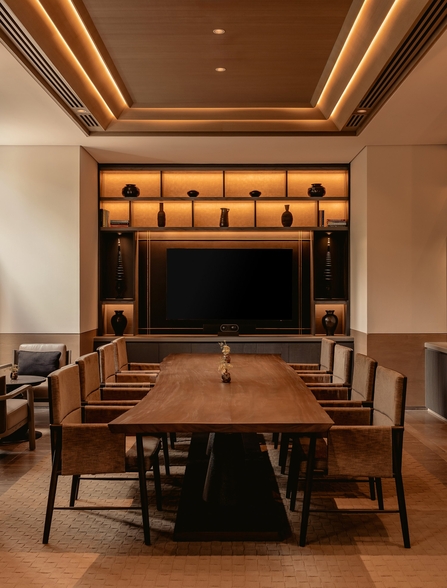
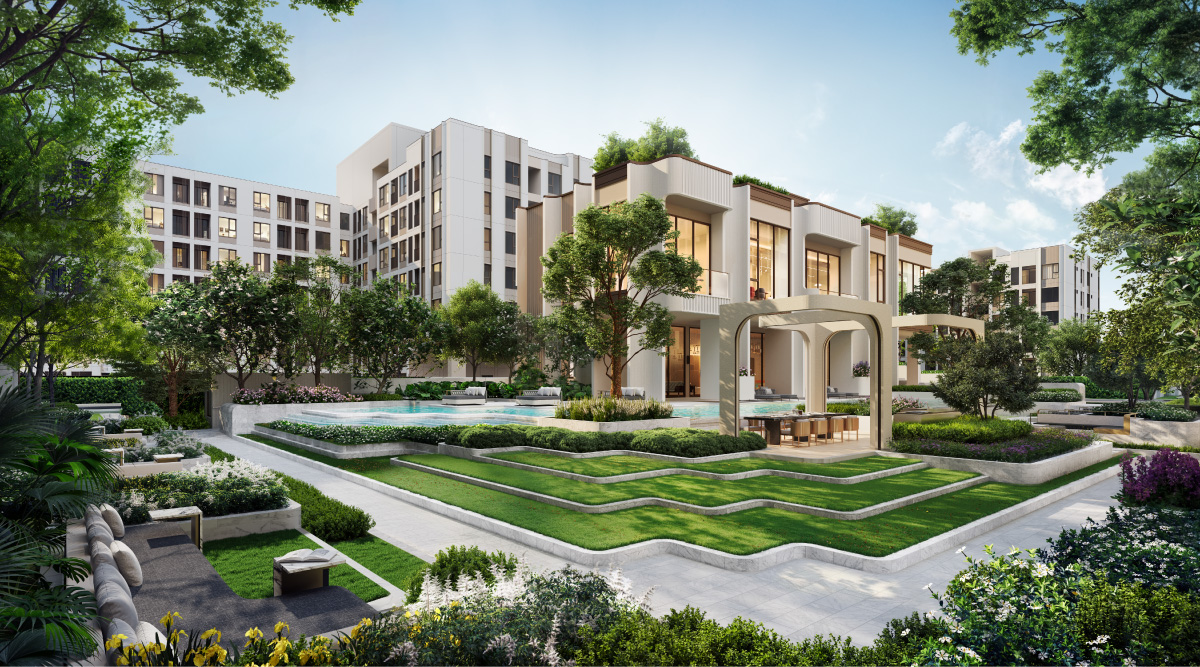
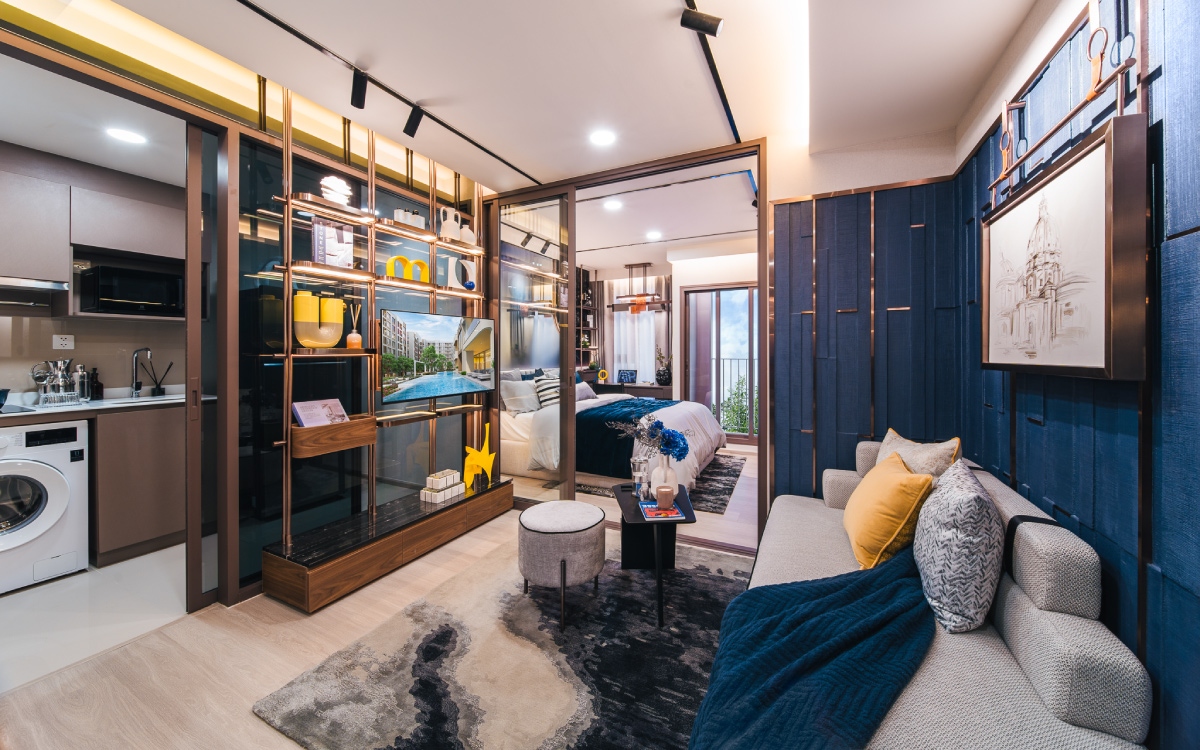
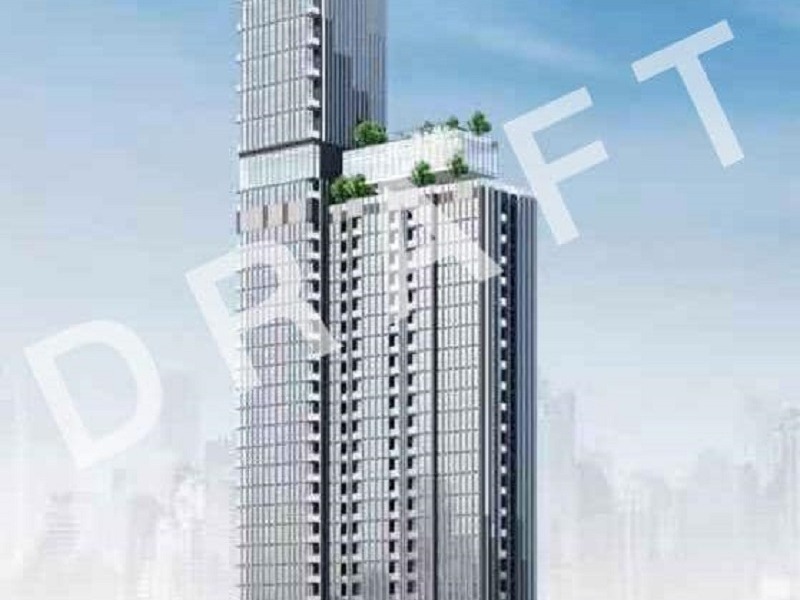
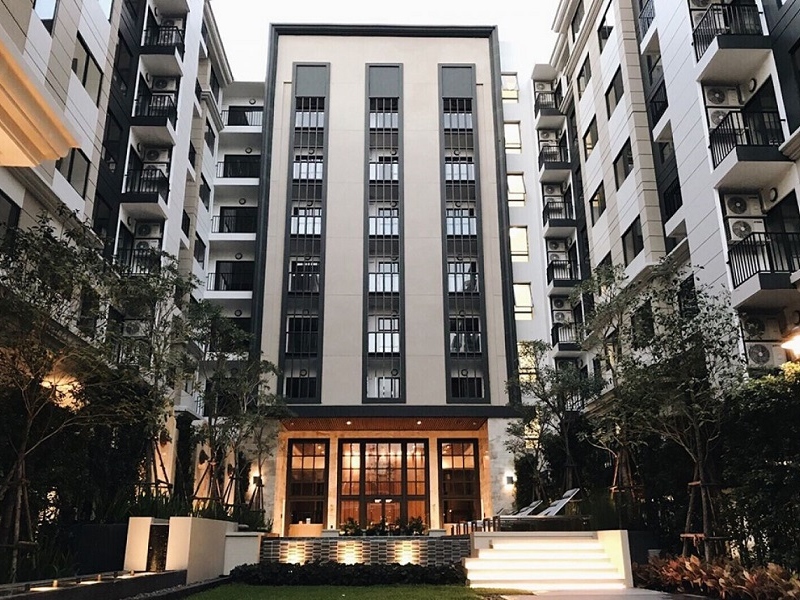
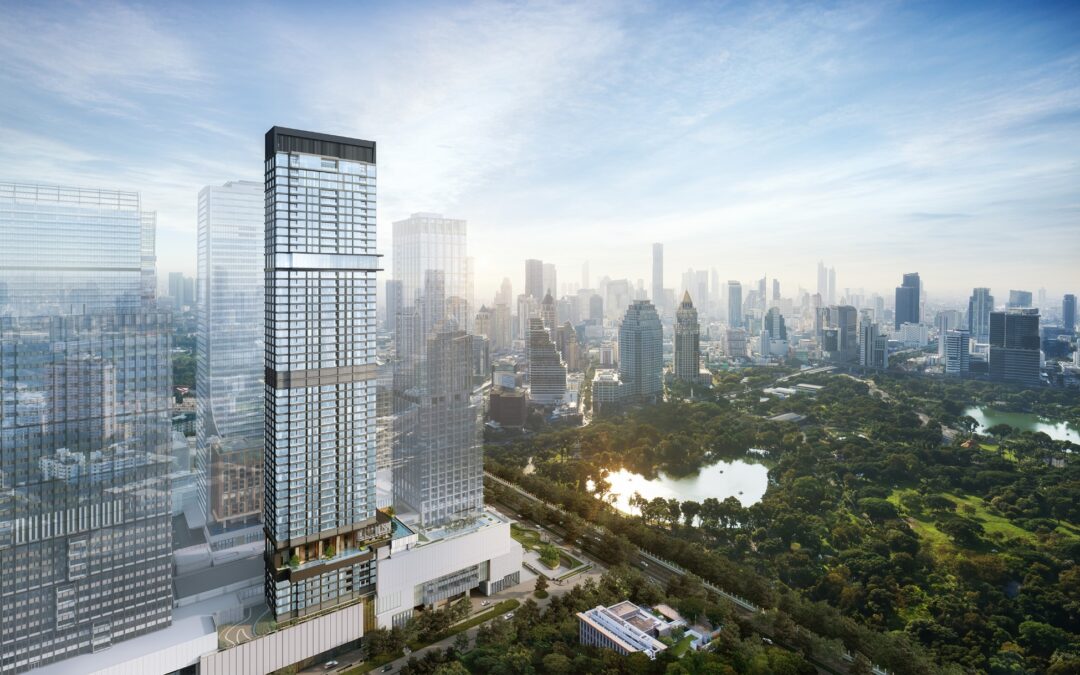
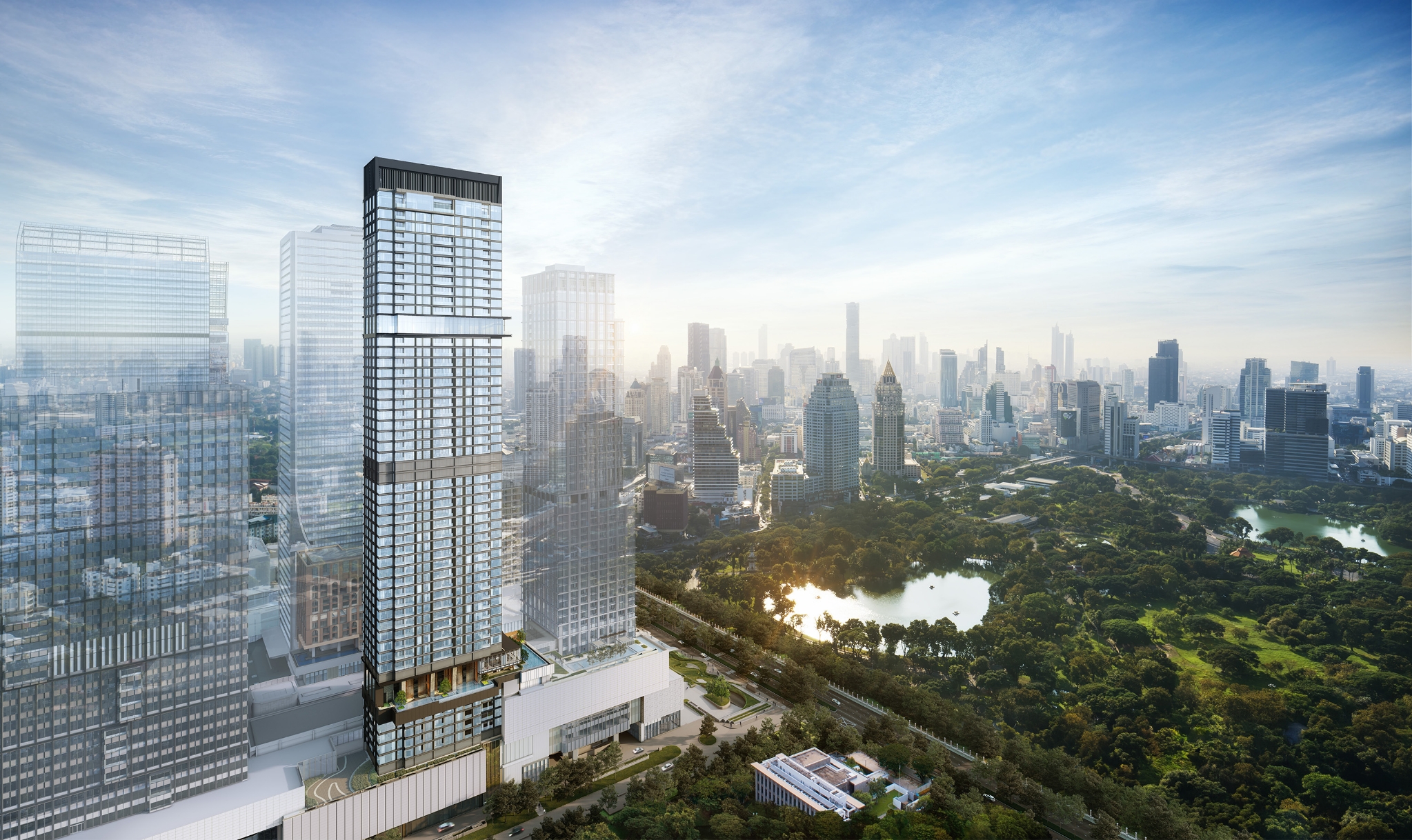
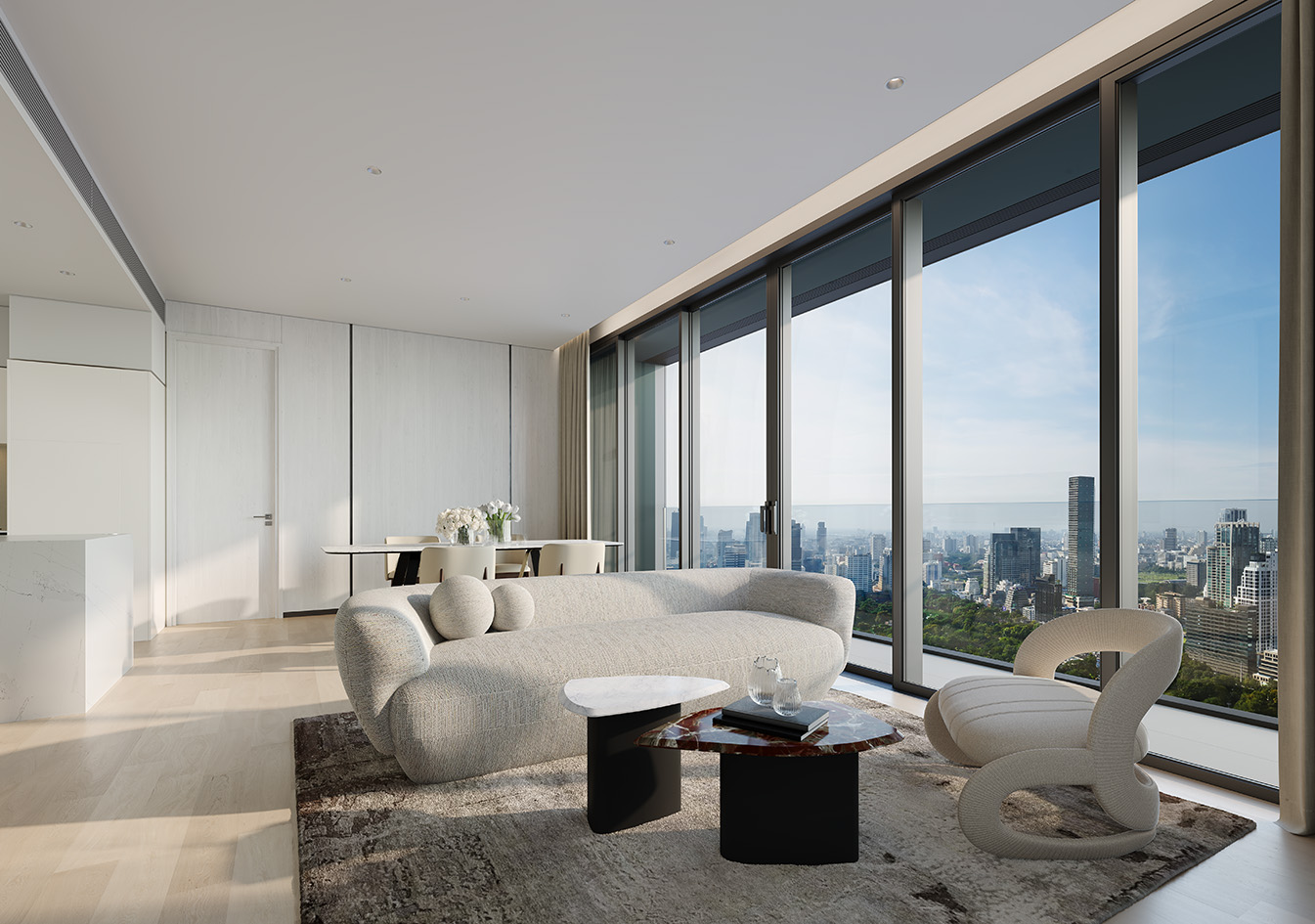
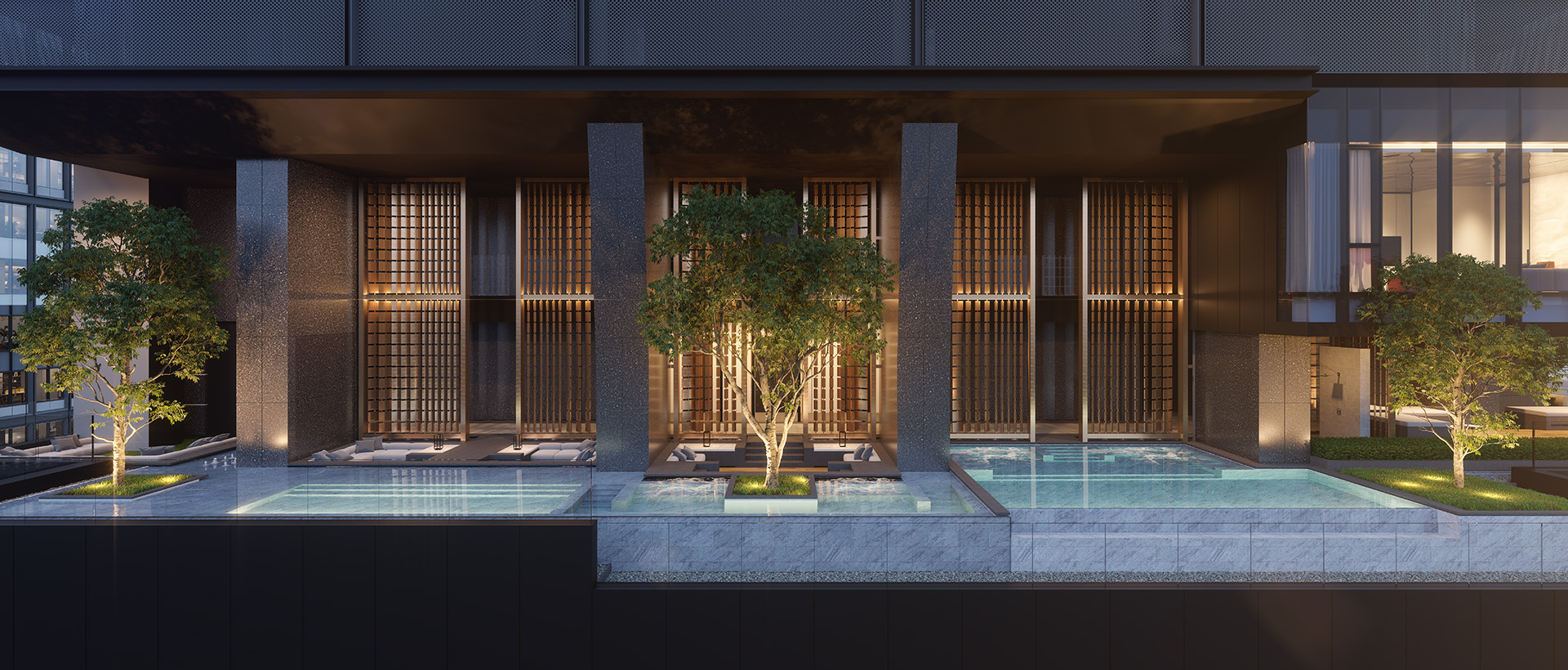
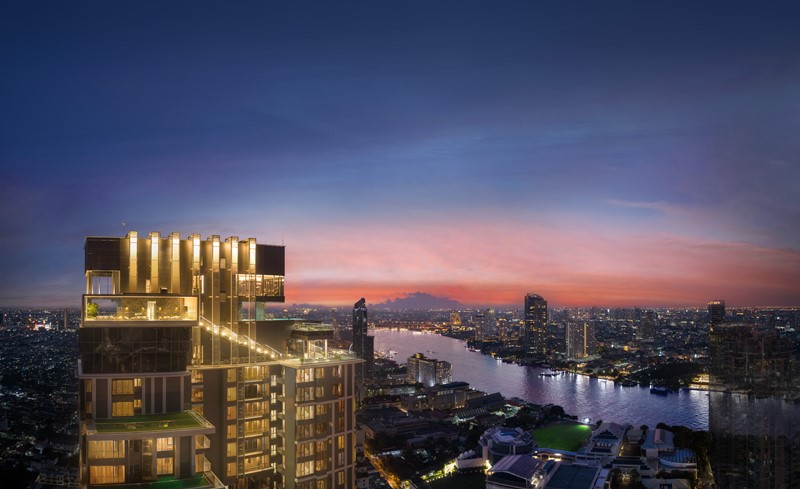
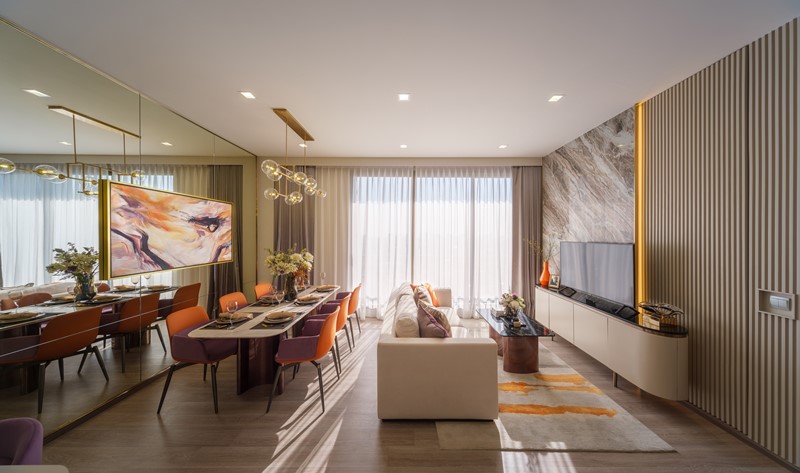
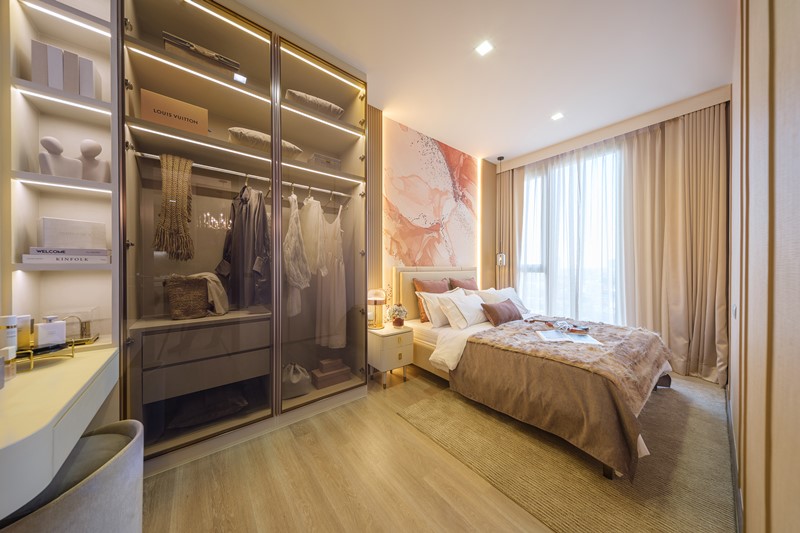
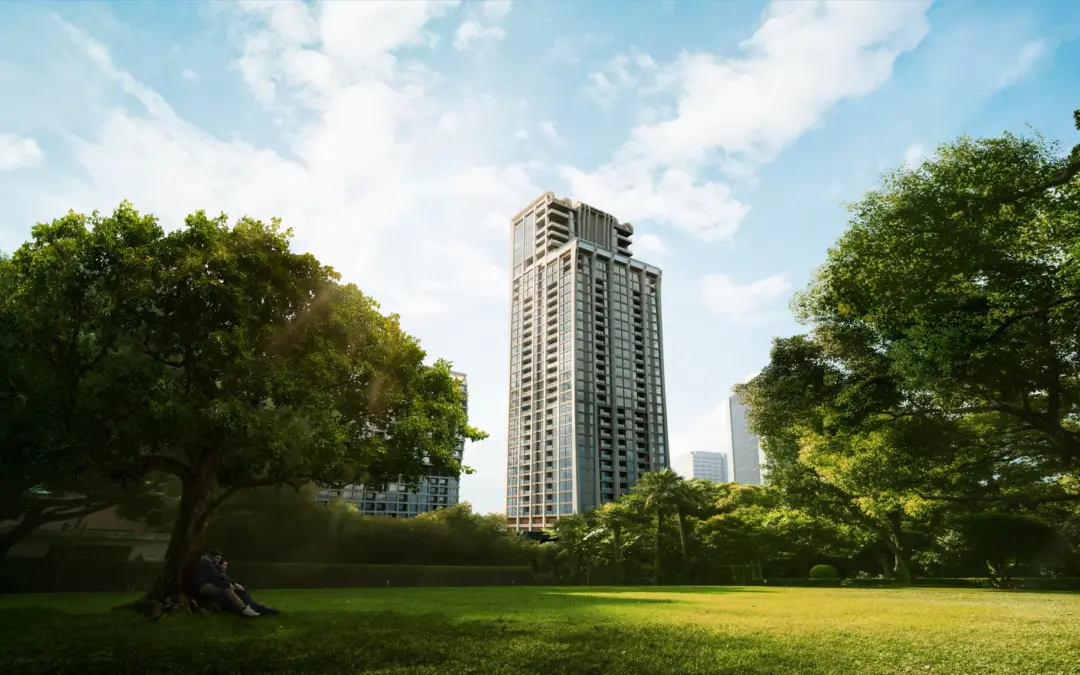
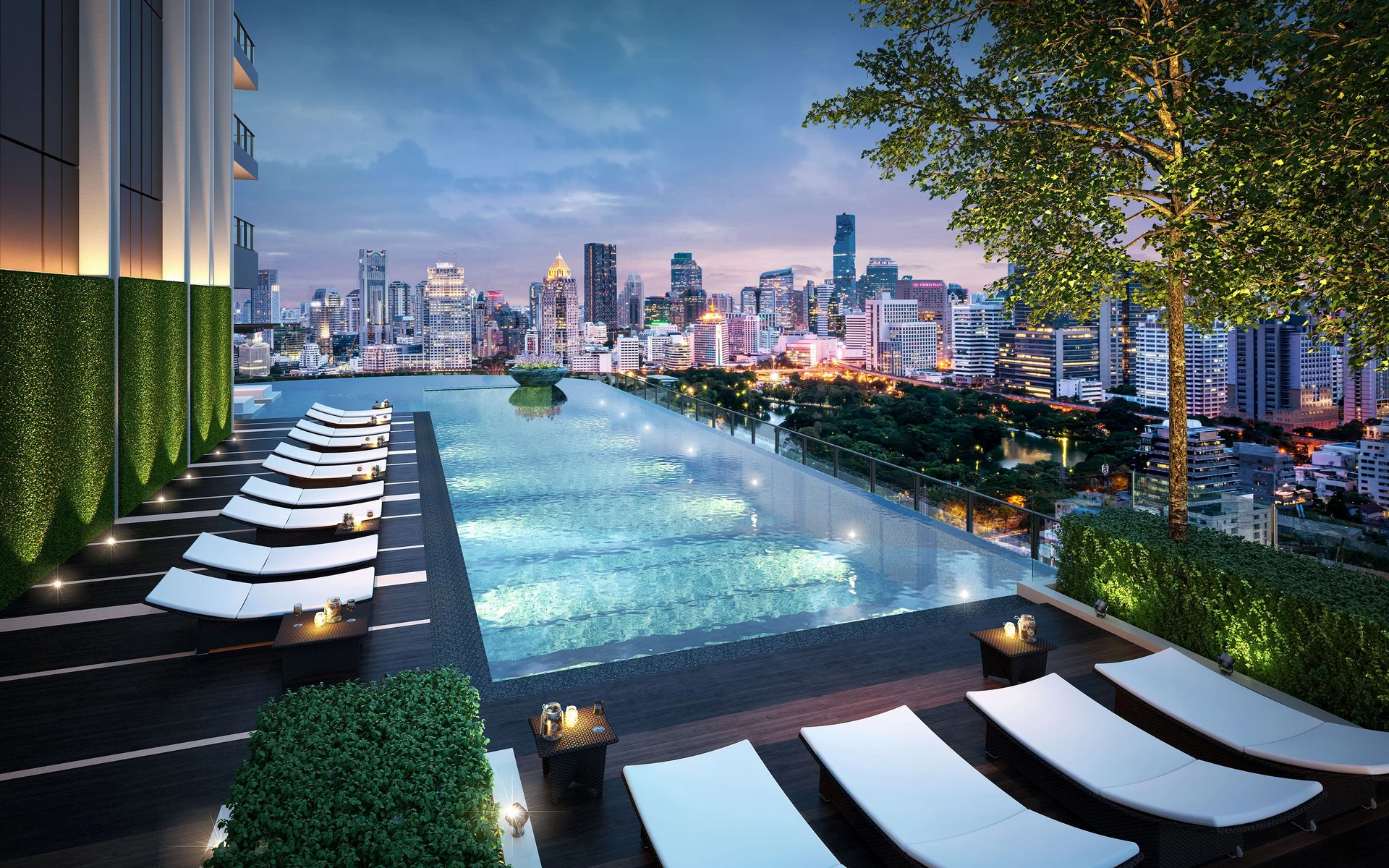
One Bangkok Residences gives foreign buyers a useful case study in how Bangkok’s top-end condo market is changing. The pitch is not simply a tower in a good location. It is a residence within a large mixed-use district on Wireless Road, close to Lumphini Park, with retail, workplace, hospitality, art, green space and smart-city positioning built into the wider address. For a buyer, that combination needs both enthusiasm and discipline.
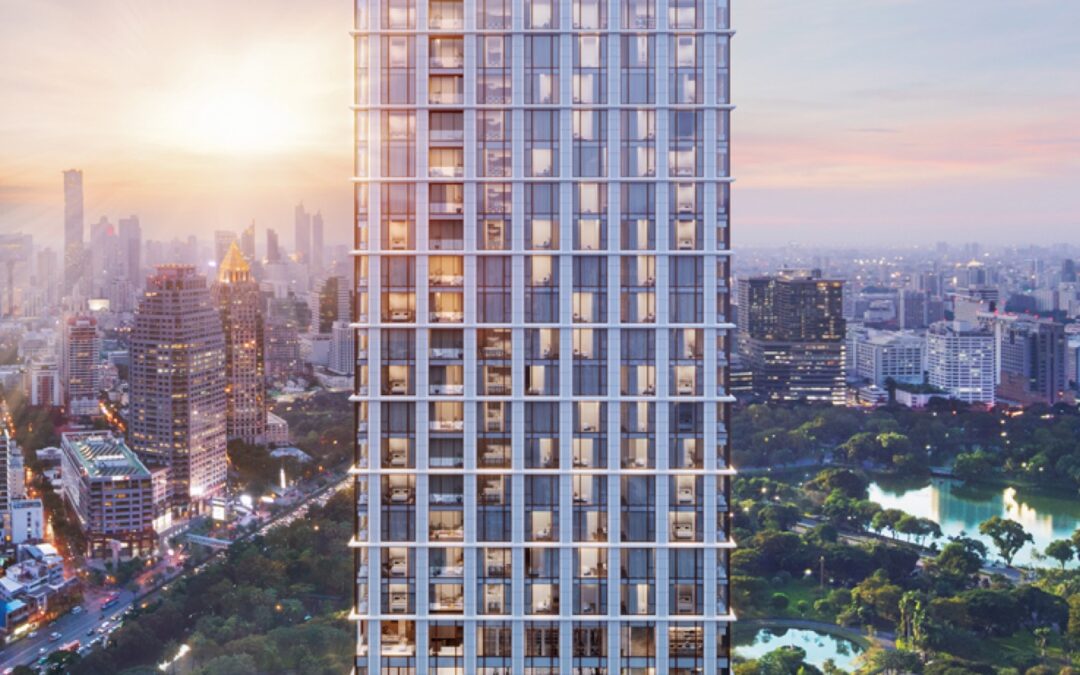
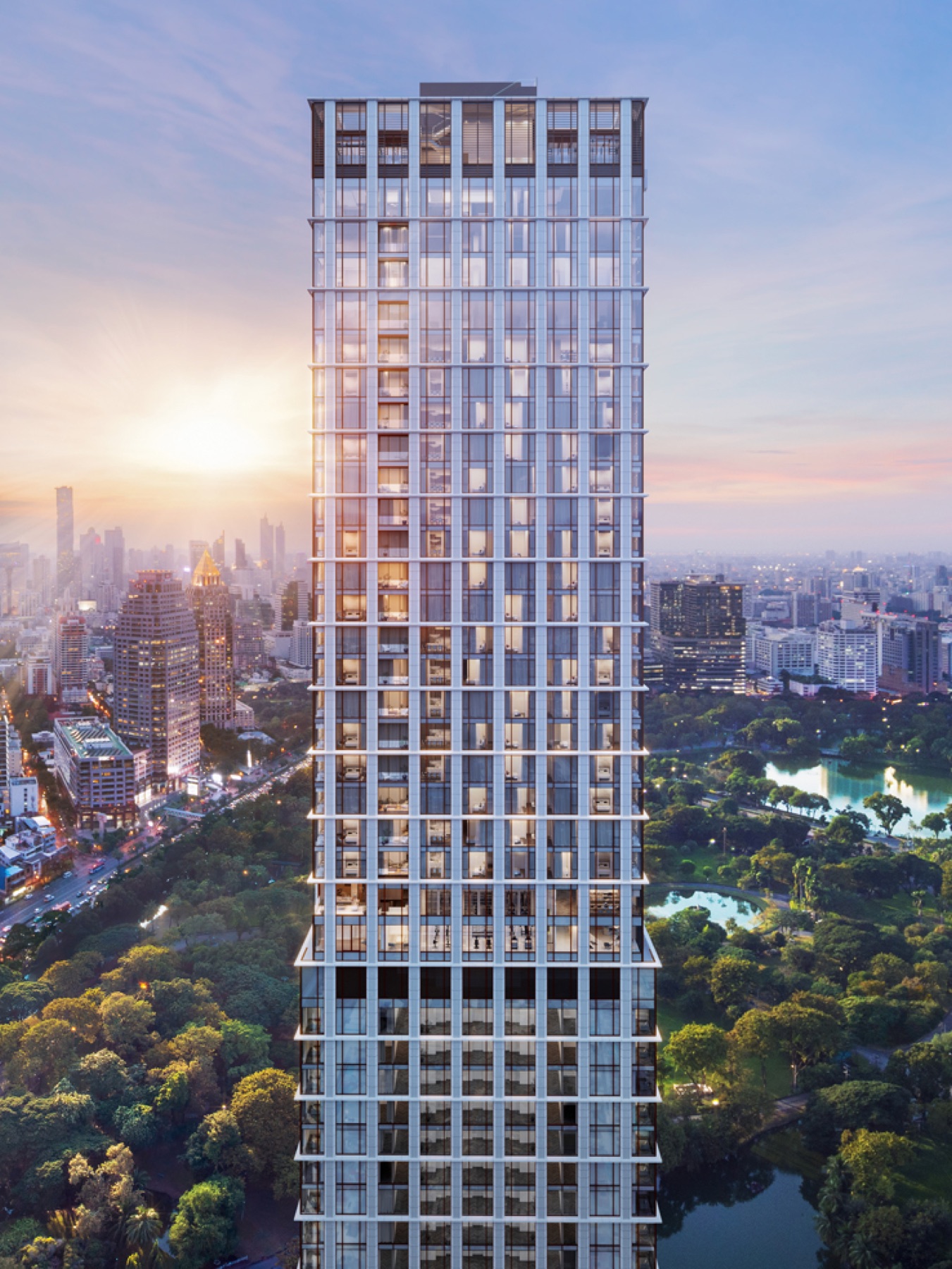
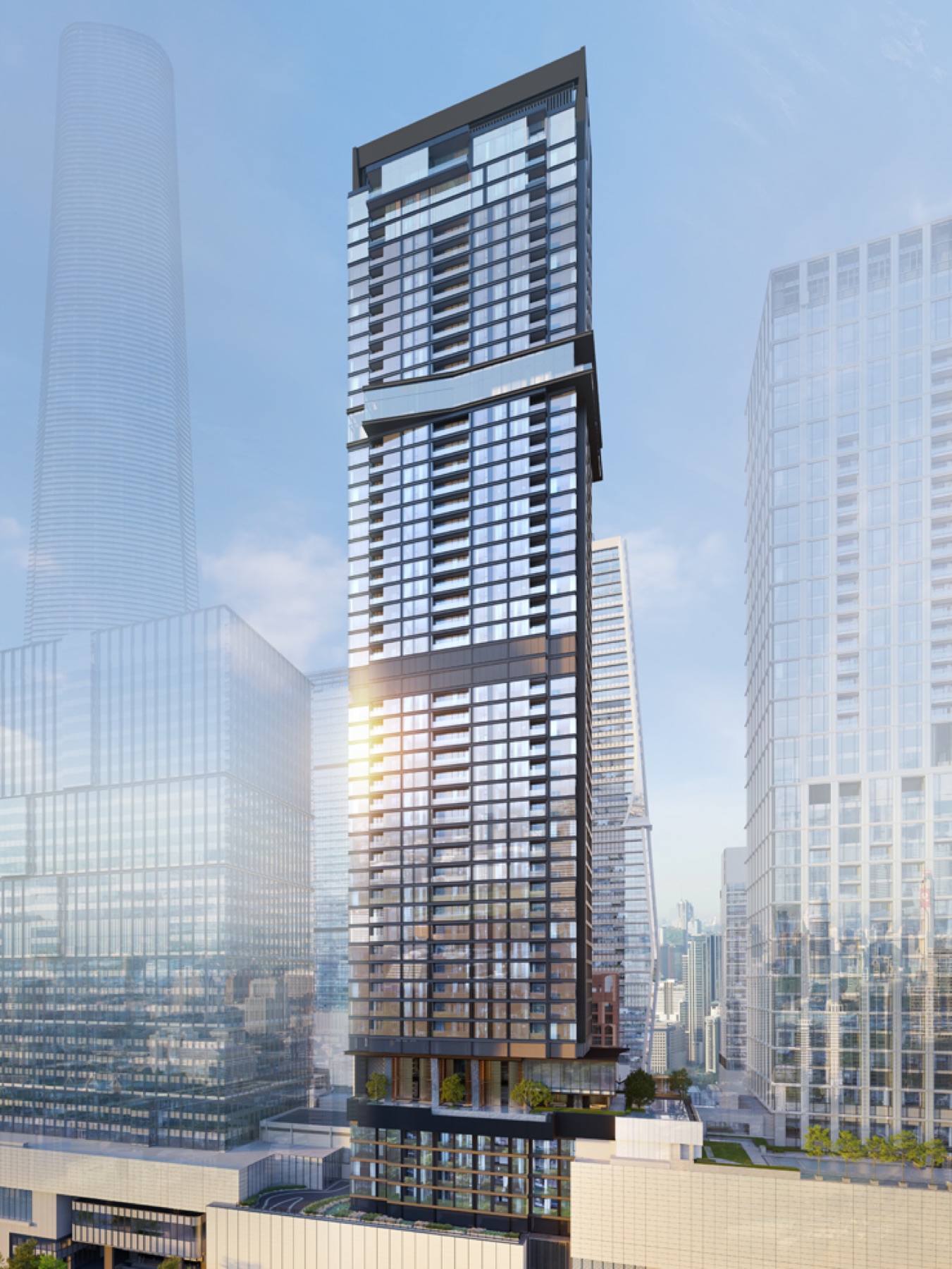
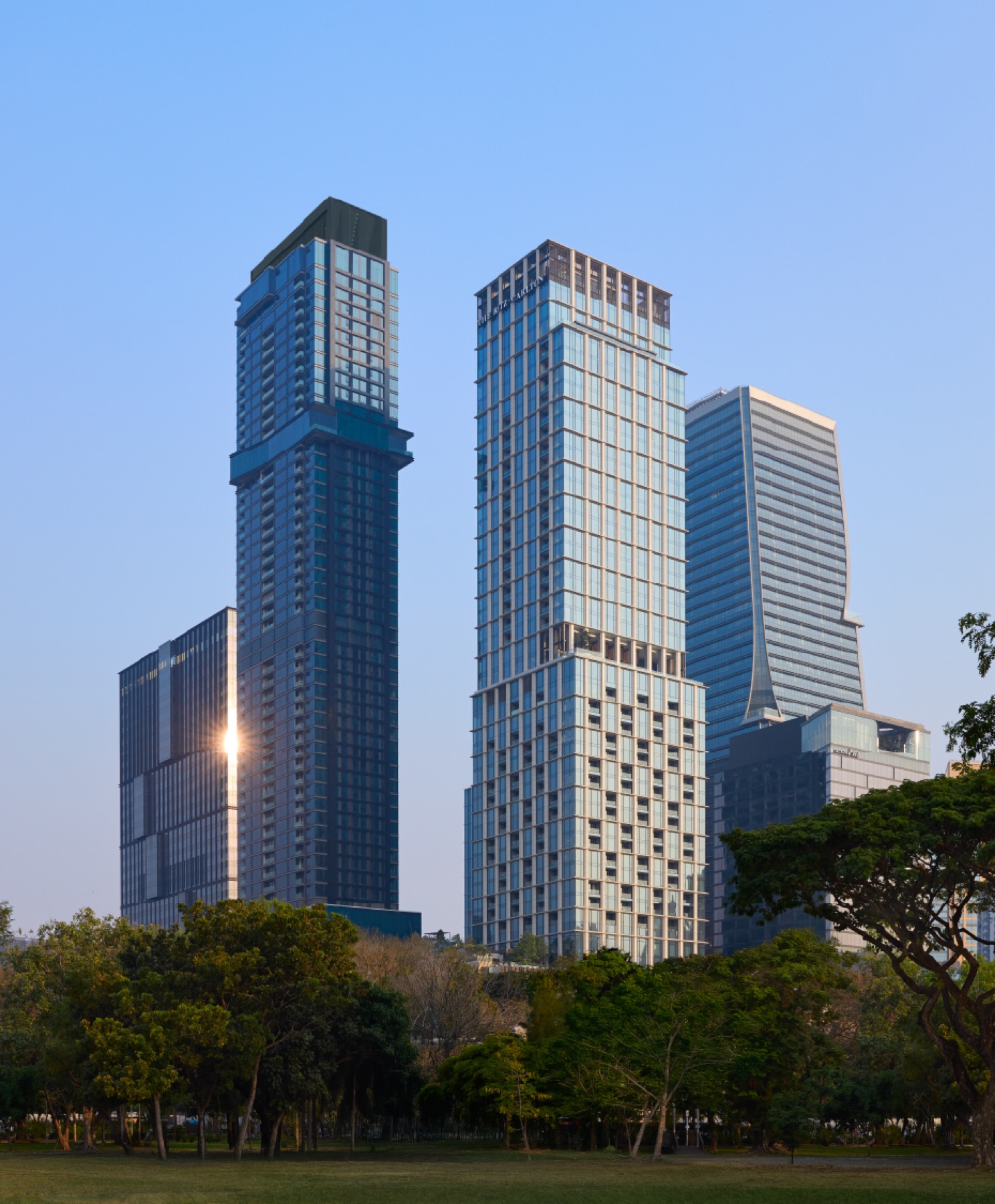
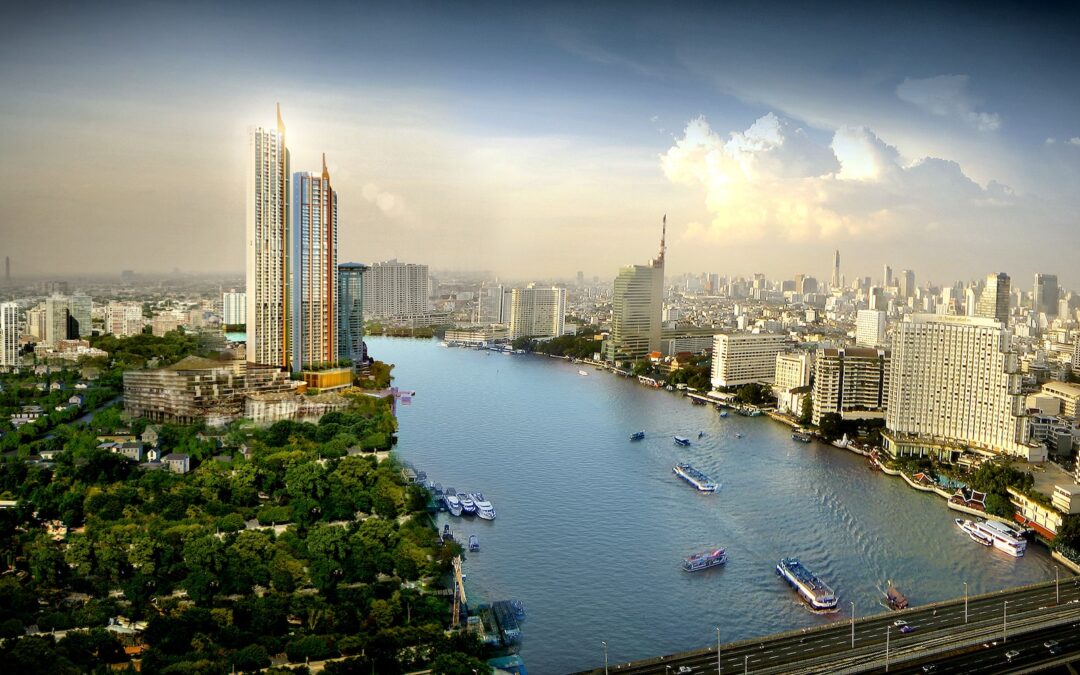
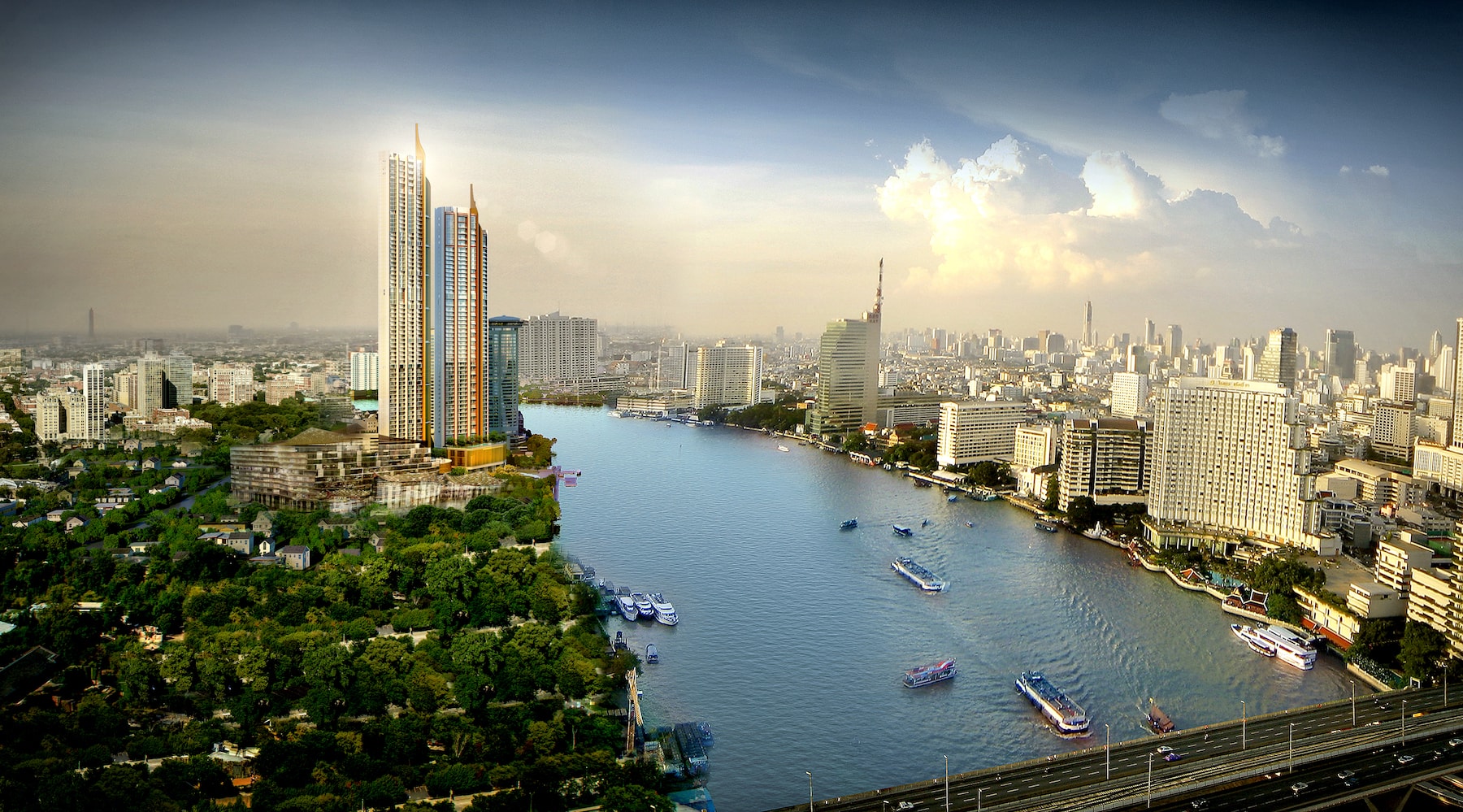
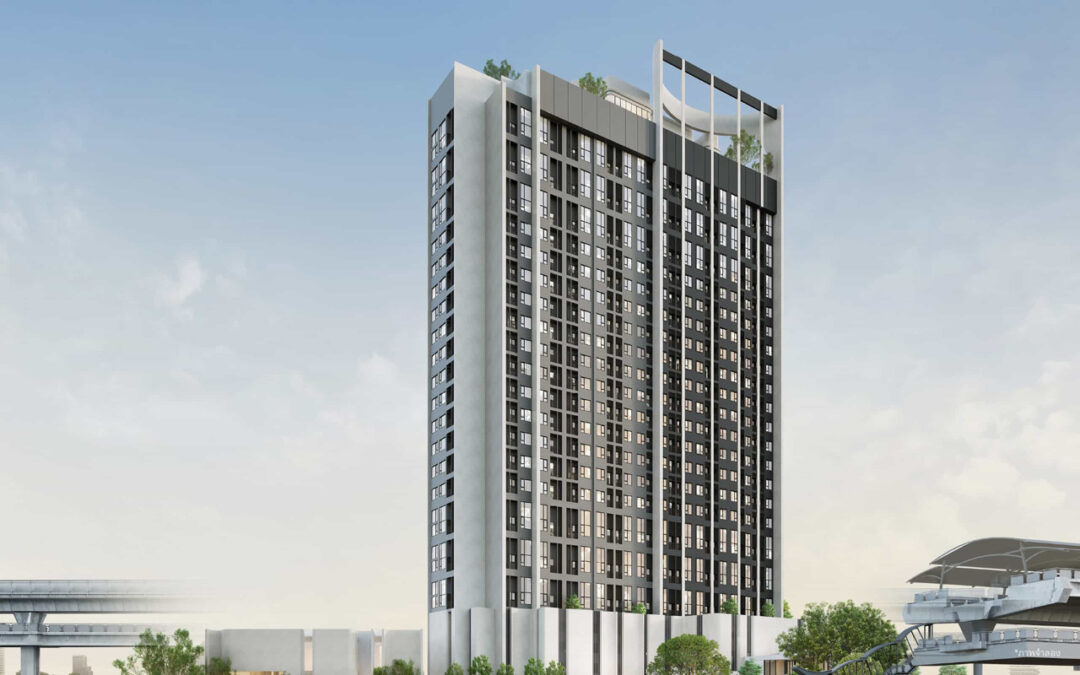
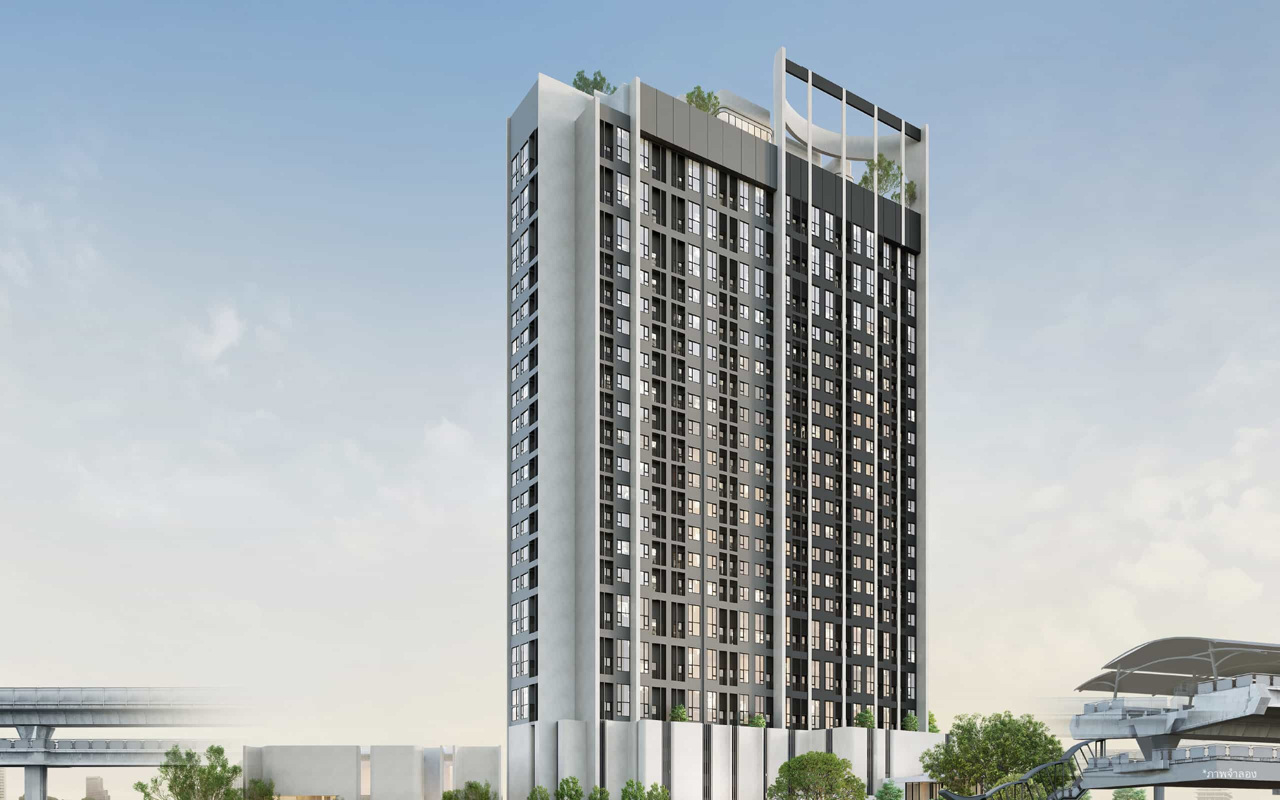
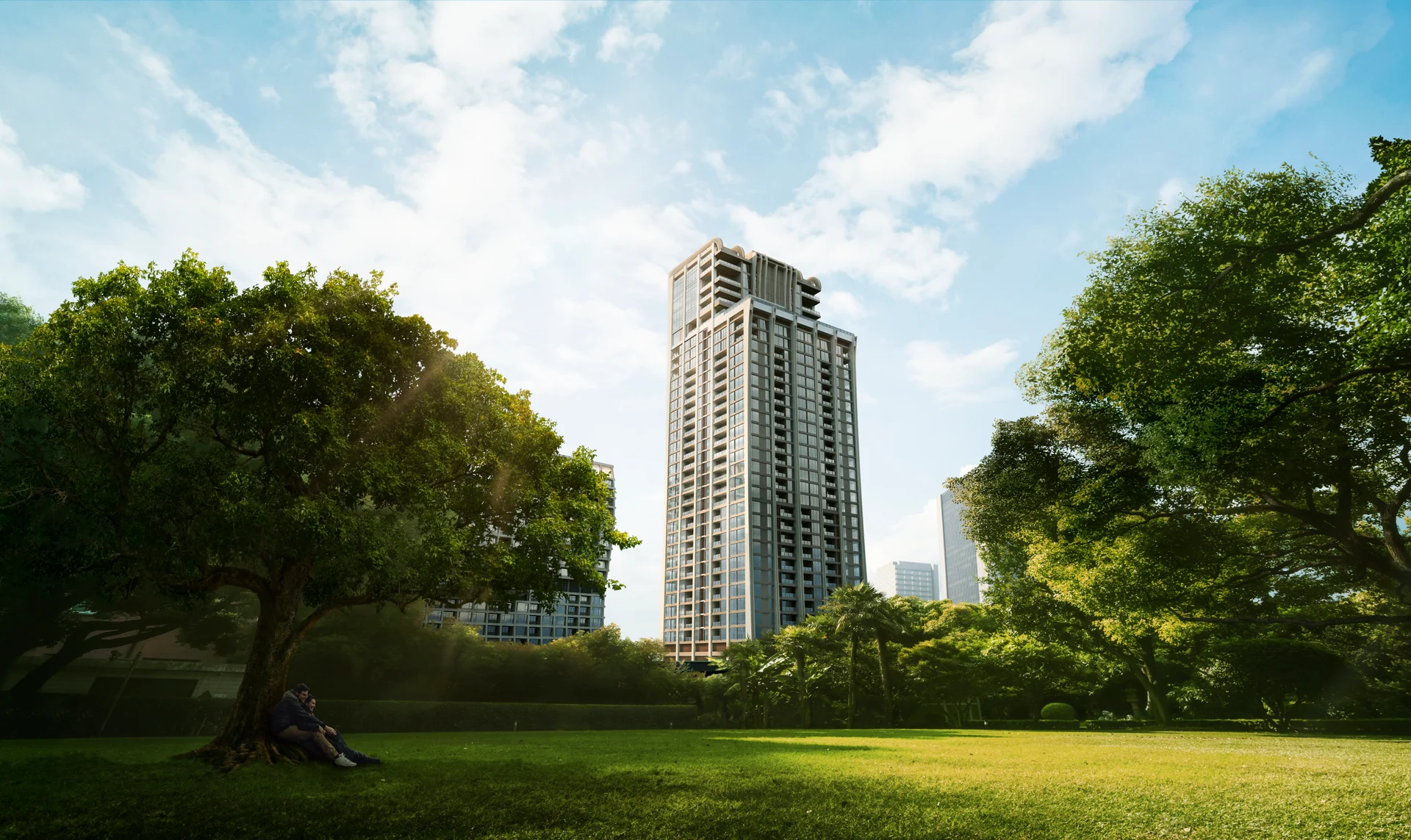
One Bangkok positions its residences around a central Wireless Road and Lumphini Park location.
What the official residence positioning tells buyers
One Bangkok describes its residences as being anchored in place, purpose and precision, with views towards Lumphini Park and the city skyline. Its official residence page presents two named residential offerings: ONE89 wireless and EI8HTEEN SEVEN. Those brand names matter less than the due diligence behind them. A foreign buyer should separate the district story from the individual unit, building, contract and long-term ownership experience.
The appeal is clear. Wireless Road and the Lumphini area sit within one of Bangkok’s most established high-end corridors. The location links embassies, business districts, hotels, retail, parks and mass-transit access in a way that few neighbourhoods can match. For residents who want central Bangkok without giving up green-space proximity, the setting is naturally compelling.
Why mixed-use context matters
Mixed-use development can improve daily convenience. A resident may be able to move between home, dining, services, cultural programming, meetings and outdoor space with less reliance on long cross-city journeys. This is particularly attractive for expats, regional executives and frequent travellers who value time, predictable amenities and a polished urban environment.
For investors, the mixed-use setting may also widen the tenant conversation. Potential tenants are not only comparing unit size and rent; they are considering commute patterns, nearby offices, dining, wellness, security, visitor experience and the feeling of the address. A coherent district can help a unit stand out, especially in the premium rental segment.
That does not mean every unit will automatically outperform. Rental depth depends on pricing, layout, furnishing, view, completion quality, competition and the tenant’s budget. Buyers should still use IBP’s Bangkok rental yield guide to test income assumptions rather than relying only on the reputation of the development.
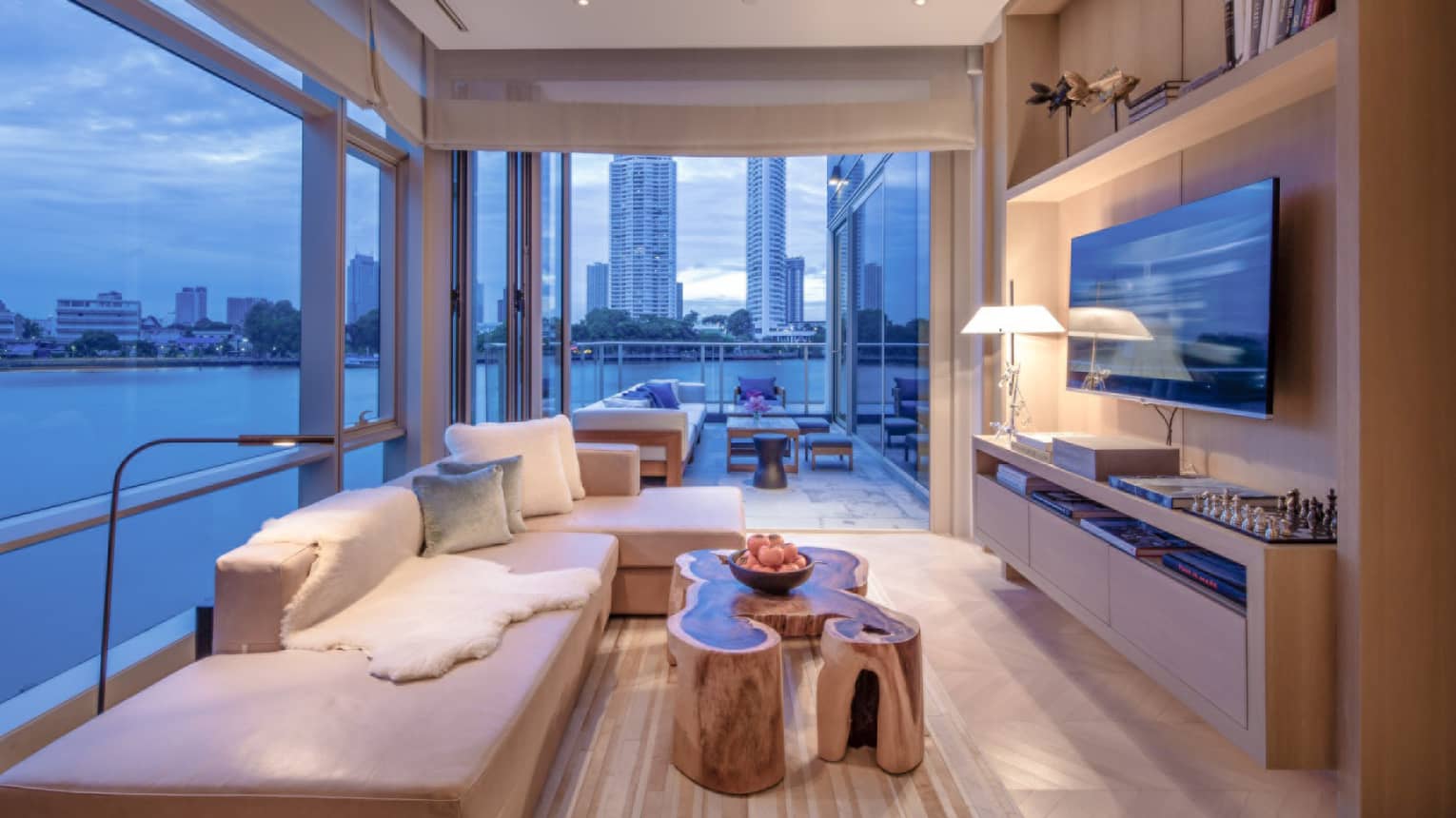
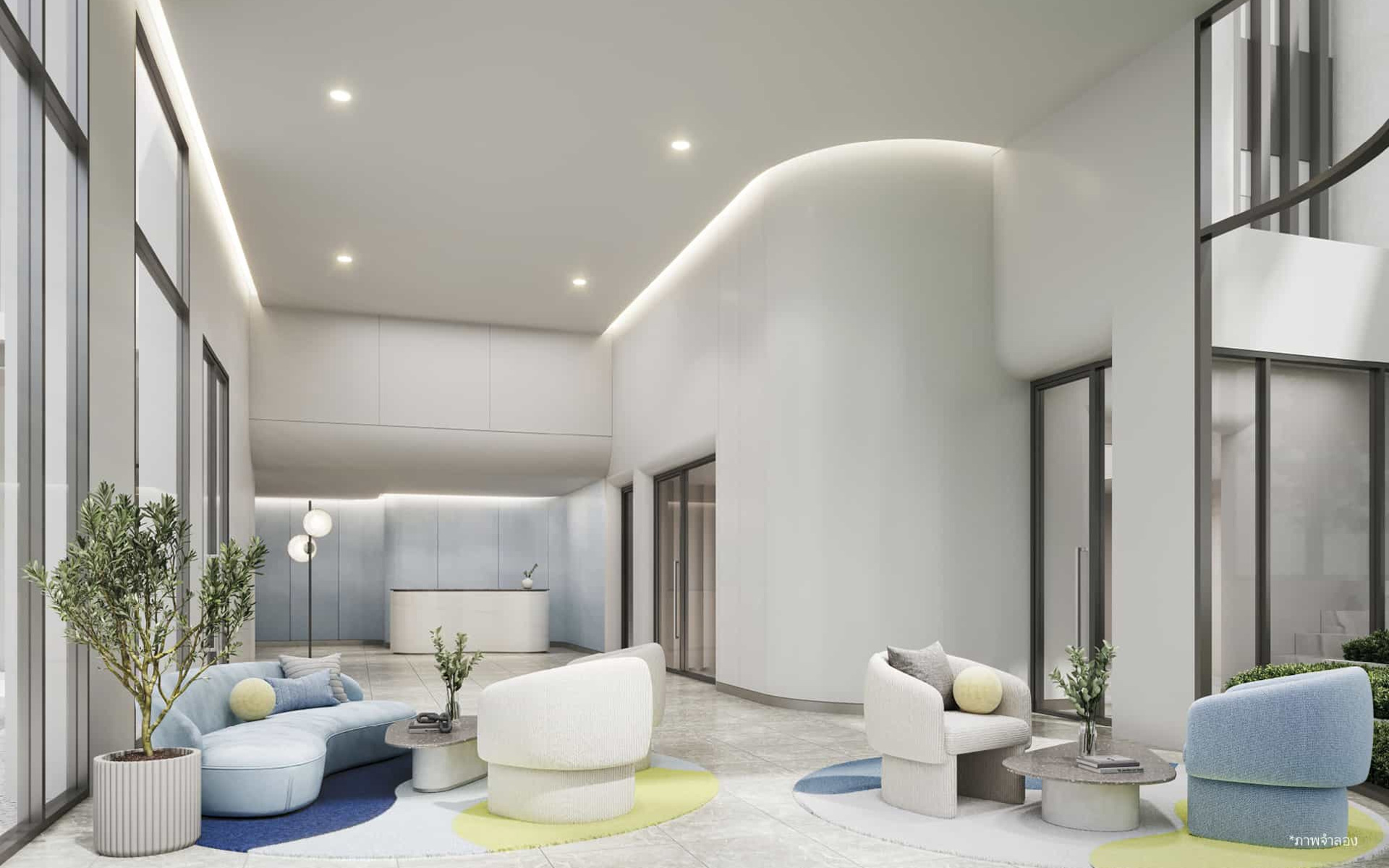
The residence mix should be assessed by building, unit plan, view corridor and handover detail.
Foreign quota and contract checks
Foreign buyers should confirm the foreign freehold quota for the specific building and unit before paying a non-refundable booking amount. Large branded or mixed-use projects can have strong foreign demand, so quota availability should not be assumed from general marketing. Ask for written confirmation of tenure, quota status, payment schedule, transfer timing, sinking fund, common fee, fit-out inclusions and any restrictions affecting leasing or resale.
The sale agreement should also be reviewed in detail. Buyers need to understand what happens if handover timing changes, how defects are handled, what specifications are binding, how common areas are completed, whether furniture is included, and what remedies apply if delivered details differ from the sales material. For an overseas buyer, these points are more important because inspection and negotiation may need to happen remotely.
Views, orientation and liveability
Premium Bangkok buyers often focus on views, but views should be tested carefully. A Lumphini or skyline outlook can be valuable, yet the buyer should check orientation, glare, privacy, surrounding development risk and how the view is framed from the actual living area, not only from a show unit or rendering. Higher floors may command a premium, but layout efficiency and day-to-day comfort still matter.
Liveability also depends on small details: lift zoning, lobby flow, parking, motorcycle and delivery management, air-conditioning systems, storage, kitchen practicality, pet rules, visitor access and waste handling. In a high-profile district, the shared environment may be impressive, but the private unit still needs to work as a home.
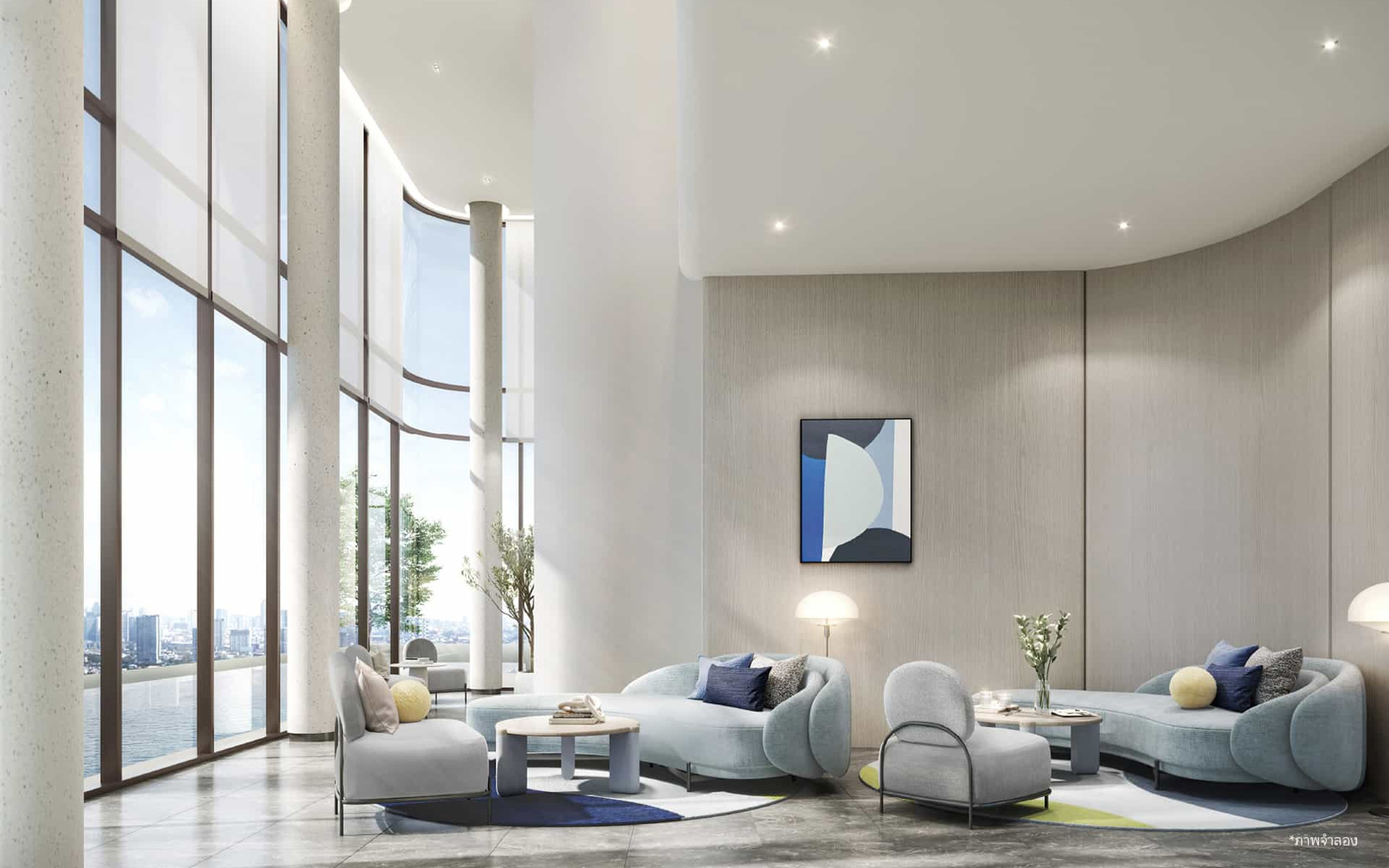
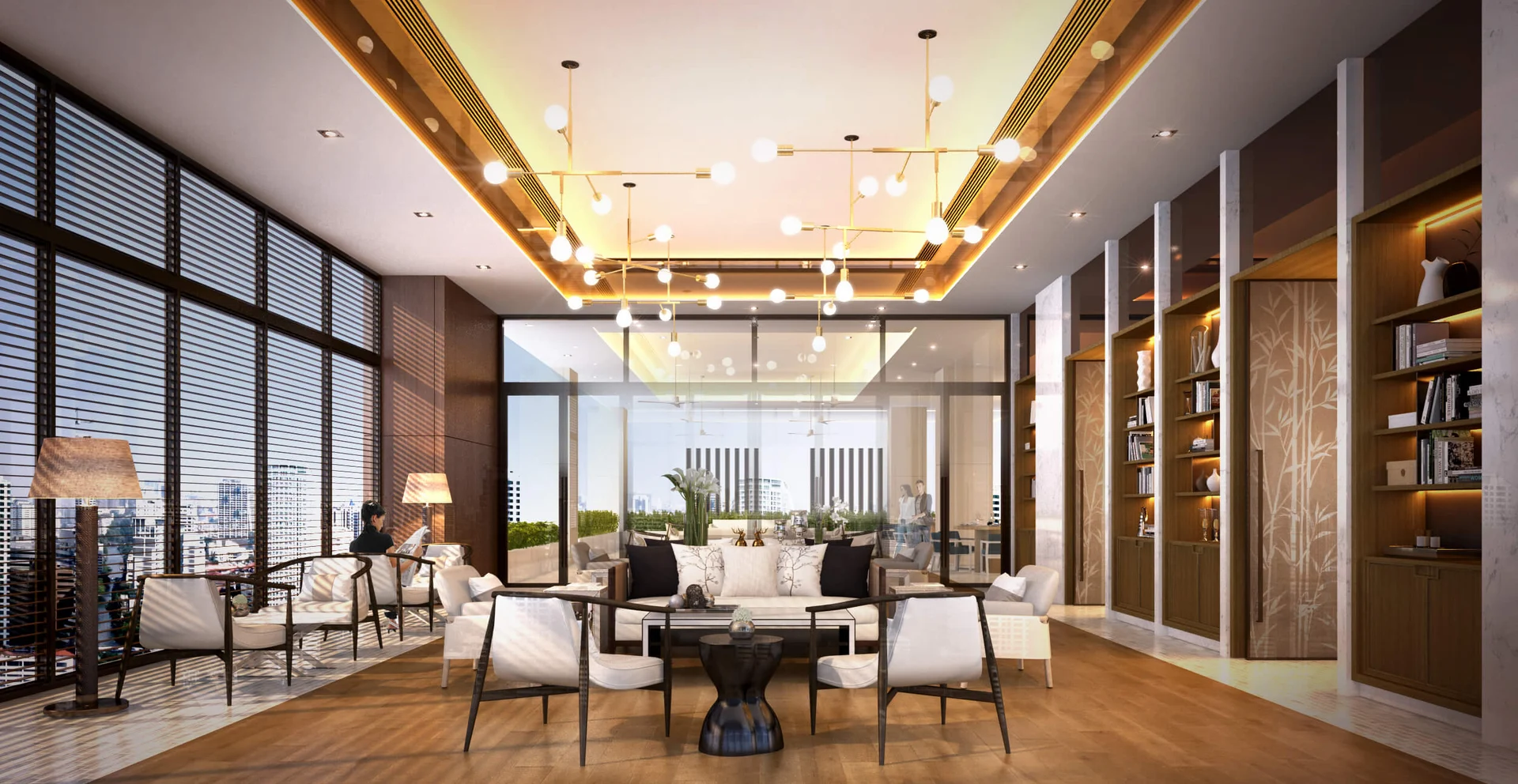
Mixed-use surroundings can support daily convenience, but buyers still need project-level checks.
Common fees and district-level services
One Bangkok’s broader sustainability and smart-city positioning is part of its identity, and buyers should understand how that translates into owner obligations. Ask which services are funded through the residential common fee, which are part of the wider district, and which require separate membership, access charges or usage fees. Clarity on this point helps investors avoid overestimating what is included in the monthly cost.
The same applies to sinking funds and long-term maintenance. Large mixed-use projects can be sophisticated, but they can also involve complex operating structures. A buyer should know who manages the residential juristic person, how shared facilities are governed, how budgets are approved and how future upgrades are funded. The goal is not to challenge the concept; it is to understand the cost of preserving it.
Resale considerations
A trophy address can help resale, but liquidity still depends on entry price and buyer depth. Future purchasers will compare One Bangkok Residences with other central luxury and ultra-prime options across Wireless Road, Langsuan, Chit Lom, Sathorn, Riverside and Sukhumvit. They will ask whether the unit’s layout, view, floor, condition and asking price justify the premium.
Foreign owners should think about exit strategy from the beginning. Keep all transfer documents, payment evidence, specification lists, warranties, defect records and furnishing receipts. If the unit is rented, preserve lease records and maintenance logs. IBP’s Bangkok property exit strategy guide can help owners think through resale preparation before they need to sell.
Bottom line for foreign buyers
One Bangkok Residences is a serious central Bangkok proposition because it combines location, district planning and premium urban amenities. The right buyer will value the convenience and the long-term address story. The wrong buyer may overpay for brand context without testing the individual unit.
Before reserving, compare the unit against competing luxury condos, confirm foreign quota, review the contract, check fee exposure and test rental or resale assumptions. IBP can help foreign buyers assess whether a One Bangkok residence fits a broader Bangkok property strategy rather than treating it as a standalone trophy purchase.
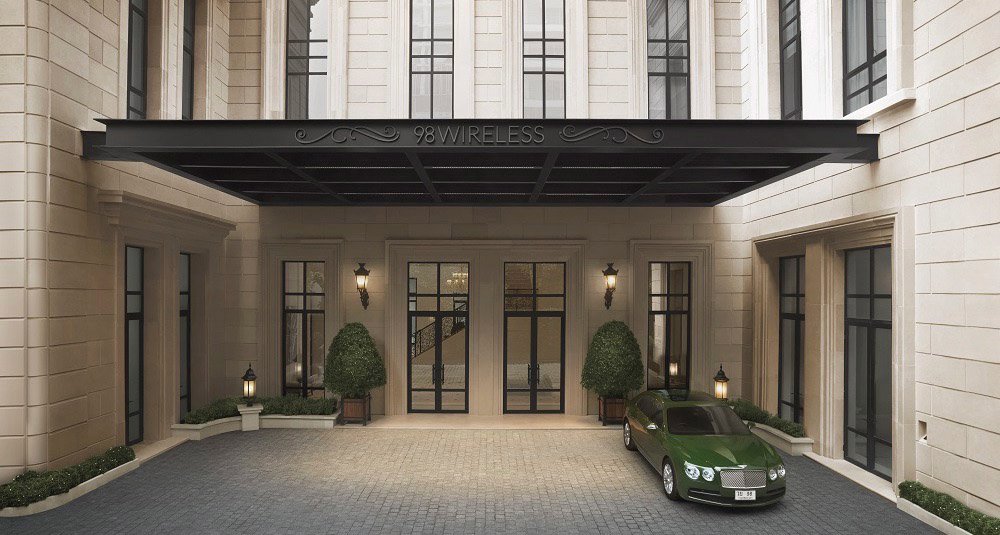
98 Wireless is one of Bangkok’s most recognisable ultra-luxury condominium addresses. For foreign buyers, its appeal is easy to understand: a completed freehold-style condominium product on Wireless Road, limited scale, strong developer branding and a location tied to embassies, Lumphini Park, Chit Lom, Ploenchit and Bangkok’s central business districts.
98 Wireless is a completed ultra-luxury address on Wireless Road, where scarcity and buyer fit matter more than generic luxury language.
The project is not a mass-market investment case. It sits in the discretionary, high-ticket part of the Bangkok market, where buyers are usually comparing privacy, address quality, build standard, services, long-term maintenance and resale audience. That makes the due diligence different from a typical one-bedroom rental-yield purchase.
Official project facts to anchor the review
Sansiri’s official 98 Wireless project page lists the address as 98 Wireless Road, Lumpini, Pathumwan, Bangkok 10330. It describes a single 25-storey residential building with five basement parking levels, around two rai of land, 77 total units and completion in 2017. The developer information is Sansiri Public Company Limited.
The same official page shows larger unit formats, from two-bedroom residences through larger three-bedroom, penthouse and prestige layouts. This matters because the building is not trying to compete for the broadest rental pool. It is a low-density, high-ticket proposition for buyers who value space, address and a more formal residential atmosphere.
Why Wireless Road matters
Wireless Road is a short but powerful Bangkok address. It connects Ploenchit and Rama IV, sits near Lumphini Park and carries an embassy, hotel and prime-office identity that is different from the more nightlife-led parts of Sukhumvit. For buyers who want a prestigious central address without the feel of a very dense retail street, that is part of the appeal.
The location also gives practical access to Chit Lom, Ploenchit, Langsuan, Ratchadamri, Lumphini, Sathorn and the central shopping spine. That does not mean every resident will walk everywhere. Buyers should still test BTS access, car routes, school commutes, hospital routes, supermarket routines and airport timing at the hours they will actually use the property.
The building story is built around privacy, arrival experience and Wireless Road prestige.
Who the building may suit
98 Wireless may suit buyers who want a Bangkok base with a strong address, generous space, formal design and long-term owner-use logic. It may also suit families, senior executives, regional owners, embassy-linked residents and buyers who see Bangkok as a lifestyle and capital-preservation base rather than a pure yield play.
It is less likely to suit buyers whose first priority is maximum rental yield, very low total ticket or frequent short-term tenant turnover. Large luxury units can rent, but the tenant audience is narrower and more demanding. Furnishing, maintenance, privacy, parking and management quality become central to the investment case.
Investment checks for foreign buyers
The first check is total ticket. A high-end building can look attractive compared with Singapore or Hong Kong, but the buyer still needs a Bangkok-specific rent and resale model. Ask what comparable units have actually rented for, how long vacancies last, what furniture standard tenants expect and whether the unit size fits the tenant profile in this part of the city.
The second check is resale depth. Future buyers for a 98 Wireless unit may be Thai high-net-worth buyers, foreign owner-occupiers, regional families or investors seeking trophy central Bangkok stock. The resale story should be clear: address, scarcity, condition, view, layout, management and price relative to competing luxury buildings.
The third check is building condition. Completed luxury buildings are easier to assess than off-plan promises, but they require a different inspection discipline. Review common areas, lift condition, facade maintenance, mechanical systems, parking, security, juristic office responsiveness, sinking fund position and any major upcoming repairs.
Foreign buyers should test the address against daily access, tenant profile and future resale depth.
Questions to ask before shortlisting
Is the unit in foreign quota and can the quota letter be issued for transfer?
Does the layout fit family use, owner occupation or the expected tenant profile?
How do rents compare with other Wireless, Langsuan, Chit Lom and Sathorn luxury buildings?
What is the recent resale evidence for similar size and view positions?
Are common fees, sinking fund obligations and upcoming repairs clear?
Would the unit still make sense if resale takes longer than expected?
Buyer takeaway
Viewing strategy for overseas buyers
Remote buyers should avoid treating 98 Wireless as a purchase that can be assessed from photographs alone. The exterior and address are part of the story, but the decision should include a real unit inspection, lift and lobby experience, parking movement, view orientation, natural light, nearby construction exposure and the feel of the surrounding streets at different times of day.
If the buyer is comparing several ultra-luxury buildings, ask the agent to present them in one matrix: total ticket, usable area, common fees, parking, age, view quality, furniture status, expected repair reserve, foreign quota position and realistic resale audience. This keeps the conversation focused on ownership logic rather than prestige alone.
98 Wireless is a serious Bangkok luxury address because its story is coherent: Wireless Road, limited units, completed product, Sansiri development and a central location that appeals to privacy-minded buyers. The right purchase still depends on unit selection, price, condition and exit audience.
IBP can help foreign buyers compare 98 Wireless with other high-end Bangkok condominiums across Wireless, Langsuan, Chit Lom, Sathorn, Sukhumvit and the riverside. Read our project review notes or contact IBP Real Estate for a luxury-condo shortlist.
Four Seasons Private Residences Bangkok is one of the most recognisable branded residences on the Chao Phraya River. For foreign buyers, its appeal is easy to understand: an international hospitality name, a completed riverside address, hotel-style service expectations and a luxury product that can be explained quickly to overseas family members, advisers or future buyers.
Four Seasons Private Residences Bangkok is positioned as a branded riverfront residence on the Chao Phraya.
The question for buyers is not whether the project is prestigious. It is whether the unit, price, view, service cost, holding plan and future resale audience fit the buyer’s goals. Branded residences can be excellent lifestyle assets, but the entry premium should be underwritten as carefully as any other Bangkok condominium purchase.
What the official project details say
The Four Seasons residential page describes the project as a 73-floor private residential tower on the banks of the Chao Phraya River in Bangkok. The same official page lists 366 private residences, Country Group Development as developer, BAMO Inc and PIA Interior Co as interior designers, Hamiltons International as architect, and 2020 as the opening date.
The official amenity list includes a Residents Amenity Club, Sky Lounge and Bar, Sky Pool, Wine Room, Private Dining Room, Screening Room, Teen Lounge, Music Studio, Sky Fitness and Yoga Studio, and Sky BBQ Terrace. For buyers, the value of this list depends on maintenance, access rules, resident density, privacy and how the service experience performs in ordinary weeks, not only during a viewing.
The official materials emphasise sky-level amenities and a luxury riverfront lifestyle.
Why the riverside position matters
The Chao Phraya riverfront gives the project a different profile from Sukhumvit, Wireless, Langsuan or Sathorn condominiums. Riverfront buyers are often seeking views, hotel access, a resort-like arrival, larger unit formats and a calmer sense of place. This can suit owner-occupiers, regional families, high-net-worth part-time residents and buyers who want Bangkok lifestyle value rather than only a simple yield play.
The trade-off is movement. Riverfront living can be deeply pleasant, but buyers must test daily routes. How long does it take to reach Sathorn, Silom, Sukhumvit, international schools, hospitals, airports and favourite dining districts at real travel times? Is boat access useful for the owner’s routine, or mainly a lifestyle extra? A strong purchase case should work on weekdays as well as weekends.
Who the project may suit
Four Seasons Private Residences Bangkok is likely to suit buyers who prioritise service, brand familiarity, views, privacy and long-term owner use. It may also appeal to buyers comparing Bangkok with other global branded residences, because the Four Seasons name is widely understood across markets.
It may be less suitable for a buyer whose main objective is a high gross rental yield or a low entry price. Large branded residences can command premium rents in the right circumstances, but the purchase price and holding costs usually require a longer and more lifestyle-led investment horizon. A buyer should be honest about whether the unit is primarily a home, a second residence, a family base, a trophy asset or an income property.
Unit-level checks before offering
The building name is only the starting point. Buyers should compare stack, height, river orientation, city view, afternoon sun, balcony usability, lift access, parking, furniture quality, kitchen practicality, storage and bathroom condition. In completed luxury buildings, two units with the same bedroom count can feel very different because view, layout and owner fit-out vary widely.
Ask for current common fees, sinking fund position, renovation rules, pet rules, leasing restrictions, management structure and recent resale evidence. If the unit is leased, review the lease terms, tenant quality and move-out obligations. If the purchase is for self-use, inspect at different times of day and test the arrival sequence from car, boat and lobby.
Interior planning, views and daily usability should be checked unit by unit.
Rental and resale considerations
The rental audience for a branded riverside residence can include senior executives, regional families, diplomats, lifestyle-focused expatriates and wealthy part-time residents. However, the tenant pool is narrower than for mid-market BTS condominiums. Rent assumptions should be based on comparable leases and realistic vacancy, not only on the Four Seasons brand.
For resale, the future buyer must value the brand, riverfront setting, unit size, service model and total ownership cost. That can be a strong story when entry pricing is disciplined and the unit has clear advantages. It can become difficult if the seller pays too much for an ordinary stack or a view that does not stand out.
Questions to ask
How does the asking price compare with recent completed transactions in the building?
What are the exact common fees, sinking fund obligations and likely major capital works?
Does the unit have a view, layout and furniture package that a future buyer will understand quickly?
How do weekday commute times work for the owner’s real routine?
What services are included, optional or charged separately?
Is foreign quota available and can transfer documents be completed on the buyer’s schedule?
Buyer takeaway
Four Seasons Private Residences Bangkok is a compelling option for foreign buyers who want a completed branded residence with a clear Chao Phraya lifestyle identity. The strongest purchase cases will pair that prestige with disciplined pricing, a superior unit and a realistic hold plan.
IBP can help buyers compare Bangkok branded residences by building evidence, foreign quota, service model and resale logic. Read our project review notes or contact IBP Real Estate for a private luxury-condo shortlist.
Bangkok branded residences are attractive to many foreign buyers because they combine recognisable names, managed living, strong design narratives and a sense of global familiarity. For an overseas investor, that can reduce uncertainty. A buyer who understands Mandarin Oriental, Ritz-Carlton, Porsche Design, Banyan Tree, Kempinski or similar hospitality-led brands may feel more comfortable evaluating a Bangkok residence than an unfamiliar standalone condominium.
A hotel or lifestyle brand can support buyer confidence, but the premium still needs unit-level underwriting.
The investment question is not whether a brand is impressive. It is whether the premium paid for that brand is supported by rent evidence, owner-use value, service quality, building scarcity and a believable resale audience. Bangkok has enough branded and ultra-luxury stock for buyers to compare rather than buy only from emotion.
JLL’s 2026 Thailand real estate outlook described a more selective market in which growth opportunities remain present but are increasingly concentrated in assets aligned with long-term demand drivers. That is a useful lens for branded residences. The best examples can sit inside that flight to quality, but the weakest investment cases can simply be expensive units with a strong logo.
What the premium is meant to buy
A branded residence premium usually reflects several layers. The first is location: most high-end branded projects are in central, riverside or embassy-adjacent districts where land is scarce and daily life is easy for international residents. The second is design and finishing, often with a stronger focus on lobbies, arrival experience, wellness, private lifts, concierge areas and view corridors.
The third layer is service. Depending on the project, this may include concierge support, housekeeping options, hotel privileges, owner events, valet, engineering support, food and beverage links or membership-style benefits. The fourth layer is identity. A globally recognised brand can make a property easier to explain to a foreign spouse, adviser, tenant or future buyer.
Those benefits matter, but they are not equal across every project. A genuine service platform with consistent delivery is different from a licence agreement that mostly appears in marketing. Buyers should ask exactly what the brand manages, what the juristic person manages, what is optional, what is included in common fees and what happens if brand standards change over time.
Branded residences should be compared by location, management, service model and future resale audience.
How to test rental value
Rental underwriting should start with the likely tenant. Some branded residences fit corporate executives, diplomatic families, high-net-worth retirees, regional business owners or buyers using the unit part-time. Others are more owner-occupier products where rental evidence may be thin. A strong rent story should be supported by comparable leases, not only by the assumption that a brand will automatically command more rent.
Foreign landlords should compare the branded unit against nearby luxury non-branded condominiums with similar size, view, furniture and transport access. If the branded premium is 25 percent but the achievable rent premium is only 10 percent, the buyer needs another reason to pay the difference. That reason might be personal use, scarcity, long holding horizon or confidence in resale, but it should be explicit.
Vacancy also deserves conservative modelling. Premium tenants can be selective and may wait for the right layout or view. A beautiful branded unit with awkward furniture, weak kitchen storage or limited parking can underperform a simpler building that better matches the tenant pool.
Service costs and common fees
The service layer that makes a branded residence feel premium can also increase holding costs. Buyers should review monthly common fees, sinking fund obligations, optional service charges, repair responsibilities, insurance, parking costs, hotel-benefit terms and any restrictions on leasing. A higher fee is not automatically negative if it preserves the building and tenant appeal, but it must be built into the yield and resale model.
Ask whether facilities are exclusive to residents, shared with a hotel, open to members or used for events. Shared facilities can be valuable if managed well, but they may also affect privacy, operating costs and the feel of daily living. Buyers should walk the building at different times and ask current residents or agents how the service experience works after handover, not only during a sales tour.
Resale depth matters more than the logo
The resale audience for a branded residence is usually narrower than for a well-priced mass luxury condominium. The next buyer must value the brand, the address, the size and the total ownership cost. That does not make resale weak, but it means pricing discipline at entry is essential. A buyer who overpays for a trophy address may need a long holding period before the market catches up.
Resale evidence should be checked by building and by competing district. Look at completed transaction history where available, asking-price reductions, time on market, foreign quota position, nearby new launches and whether brokers can identify active buyers for that exact price band. The more specialised the unit, the more important it is to know the exit audience before purchase.
The more distinctive the concept, the more carefully buyers should test long-term demand.
What to ask before paying the premium
What services are included, optional or subject to separate charges?
How does the common-fee level compare with nearby luxury buildings?
Is there evidence that tenants pay more for this brand in this location?
Does the unit layout suit the target tenant or future resale buyer?
How much of the premium is location, design, scarcity, brand, view or furniture?
What happens to owner privileges if the hotel or brand relationship changes?
Is foreign quota available and will it remain available at transfer?
Investor takeaway
Bangkok branded residences can be compelling assets for foreign buyers who value clarity, service and global positioning. The strongest cases combine a proven address, durable building management, practical layouts and a brand that genuinely improves daily life. The weakest cases rely on prestige without enough rent or resale support.
IBP can help buyers compare branded Bangkok residences against non-branded luxury alternatives by price, lease evidence and exit logic. Read our investment analysis articles or contact IBP Real Estate for a buyer-focused shortlist.
Aman Nai Lert Bangkok Residences gives foreign buyers a very specific luxury question: is the value in the brand, the address, the park setting, the low density, or the way those elements work together? The project sits within Nai Lert Park on Wireless Road, one of Bangkok’s most recognisable prestige corridors, and is tied to an Aman hotel with a deeply private positioning.
Aman Nai Lert Bangkok combines a Wireless Road address with a rare park setting in the central city.
That combination is rare in Bangkok. Many high-end condominiums offer height, views and facilities. Fewer can point to a mature green estate in the central city, a hospitality brand with global recognition and a very limited residence count. For foreign buyers, the appeal is clear. The due diligence still needs to be precise.
What the official positioning tells buyers
Aman describes the residences as part of Aman Nai Lert Bangkok, set in the seven-acre green oasis of Nai Lert Park and alongside a 52-suite hotel. The residences are limited to no more than 34 homes over 18 floors. That is a different proposition from a large luxury tower with hundreds of units and a broader investor base.
The scale supports privacy, but it also narrows the market. A small ultra-luxury residence can feel exceptional for an owner-occupier and still require a more patient resale strategy. Buyers should not judge it like a standard rental-yield condominium. The case is more likely to sit around personal use, brand affinity, capital preservation, lifestyle utility and long-hold scarcity.
That distinction should shape the whole purchase process. A yield-led buyer may want the broadest tenant pool and fast leasing evidence. An Aman buyer may care more about privacy, service continuity, storage, staff movement, family use and whether the property remains emotionally compelling ten years later. Those are legitimate priorities, but they must be named honestly in the investment brief.
For branded residences, service culture and arrival experience are part of the buyer case.
Why Wireless Road and Nai Lert Park matter
Wireless Road is easy for international buyers to understand because it connects embassies, five-star hotels, office towers, Lumpini, Ploen Chit, Chit Lom and the wider central business area. It is also a corridor where security, arrival experience and address perception matter. For a buyer who wants a Bangkok base that feels private but central, the location has a clear story.
Nai Lert Park adds another layer. Mature green space in central Bangkok is difficult to recreate. A buyer here is not only comparing square metres with other branded residences. They are comparing the daily feeling of arriving through a quieter landscape, looking towards greenery and having hotel services nearby without living inside a conventional hotel tower.
Unit scale and buyer profile
Aman states that one-bedroom residences can be up to 127 square metres, while four-bedroom penthouses can reach up to 2,200 square metres. The official materials also refer to 3.2-metre ceilings, many private terraces and park or city views. Those specifications place the project in the ultra-luxury bracket, where buyers need to assess volume, privacy, staff movement, storage, parking, service access and maintenance cost as much as headline size.
The likely buyer pool is selective: Thai ultra-high-net-worth families, regional principals, returning Thai families, global Aman loyalists, family offices and foreign residents who want a private Bangkok home. That can support prestige, but it also means resale depth should be tested carefully. A smaller buyer universe can be strong, but it is not the same as broad liquidity.
Low-density luxury buyers should ask exactly which shared spaces, services and costs apply.
Branded-service questions
Branded residences are attractive because service standards are easier for overseas buyers to understand. But the service model must be checked in detail. Ask what is included in common fees, which services are optional, how residence and hotel areas are separated, how privacy is managed, and who controls standards after handover. The stronger the brand, the more important it is to understand the operating rules behind it. Buyers should also ask how the brand agreement is documented, how long it runs and what happens if service expectations change over time.
Buyers should also review how common facilities, concierge, wellness, dining access, housekeeping coordination, maintenance response and visitor management work in practice. A branded address can add value only if the experience remains consistent after the first marketing cycle.
Costs and exit planning
Ultra-luxury buyers should model total ownership cost before reservation. Common fees, sinking fund, furniture, fit-out, service charges, insurance, property management, tax, repairs and eventual resale costs can materially affect the real holding experience. If the unit will be rented, the tenant pool must be realistic. If the unit is mainly for family use, the financial model should say so clearly.
Exit planning is equally important. Compare Aman Nai Lert Bangkok Residences with other Wireless Road, Langsuan, Chit Lom, Lumphini, Sathorn and riverside luxury choices. A future buyer may compare by brand, view, tenure, age, service model, building density and monthly running cost. The strongest purchase is the one where the buyer understands both emotional value and practical resale logic.
Buyer takeaway
Aman Nai Lert Bangkok Residences deserves attention because it offers a rare combination of central Bangkok greenery, global hospitality identity and very low-density living. It is not a simple yield product. Foreign buyers should approach it as a long-hold luxury asset, then test the contract, service structure, ownership costs and future buyer depth with discipline.
IBP can help compare Aman Nai Lert Bangkok Residences with other Bangkok branded residences and ultra-luxury condominiums. Explore our project reviews or contact IBP Real Estate for a private shortlist.
COBE Kaset-Sripatum gives foreign buyers a useful case study in how to read a Bangkok condominium outside the most familiar central luxury zones. It is not a Wireless Road trophy address or a riverside branded residence. Its appeal is more practical: a new SC Asset project name, a north Bangkok education corridor, a commuter market and a price band that may sit within reach of buyers who want a smaller-ticket Bangkok holding.
COBE Kaset-Sripatum is positioned by SC Asset for the north Bangkok education and commuter corridor.
SC Asset’s official project page identifies COBE Kaset-Sripatum and shows a starting range from 3.19 to 12 million baht. That price signal is important because it places the project in a different decision set from ultra-prime freehold condos. Foreign buyers should not judge it by the same criteria as a luxury second home. They should ask whether the location, unit mix, building operations and rental audience make sense for the intended hold period.
The buyer question is therefore not simply whether the renderings look attractive. The real question is whether a foreign owner can explain the asset to the next tenant or buyer: near education demand, connected to north Bangkok routines, new enough to feel efficient, and priced with enough discipline to leave room for normal ownership costs.
Why the corridor deserves attention
The Kaset-Sripatum label points buyers towards a part of Bangkok where universities, offices, residential neighbourhoods, commuting routes and local retail overlap. That is a different demand profile from Phrom Phong or Sathorn. It may attract students’ families, younger professionals, local renters, university-linked households and buyers who want access to the northern side of the city without paying central-core prices.
For foreign buyers, this can be attractive if the target is yield discipline rather than prestige. However, the tenant pool needs to be checked carefully. Local demand can be deep, but it may also be price-sensitive. A compact unit can rent well only if the rent, furniture, commute and building condition match what local tenants can actually pay.
Amenity quality matters most when it supports a clear tenant or owner-occupier audience.
How to read the official imagery
The official gallery presents a contemporary building and lifestyle-led shared spaces. Renderings are useful for understanding the developer’s intent, but they are not due diligence. Buyers should ask what will be delivered at handover, whether the finish quality matches the images, how the amenities will be maintained, and what common fees are expected to cover.
This is particularly important in buildings where the purchase price is moderate. A strong amenity package can help leasing, but it also needs long-term funding. Swimming pools, lounges, gyms, garden decks and co-working spaces all require management. If common fees are too low to maintain the facilities, the building may age faster. If fees are too high, yield can be squeezed.
Questions for foreign buyers
Start with foreign quota. A buyer should ask how much of the freehold quota remains, whether the unit being offered is already allocated to the foreign quota, and how evidence of foreign-currency remittance will be handled. If buying off-plan, confirm the contract process, payment schedule, expected completion obligations and what happens if the buyer cannot obtain the required bank evidence on time.
Then check the unit itself. Compact units can be efficient, but they need enough storage, natural light, sensible furniture placement and a layout that tenants understand quickly. A narrow plan, awkward kitchen, weak view or poor air-conditioning placement can matter more than an extra decorative amenity downstairs.
Rental strategy should be conservative
A north Bangkok project should be stress-tested with local rents, not only developer projections. Buyers should compare nearby completed buildings, not just new launches. Ask what similar one-bedroom and studio units actually lease for, how long vacancies last, whether tenants prefer furnished or semi-furnished units, and whether agents see demand from students, staff, young professionals or families.
The safest underwriting assumes normal competition. If several new buildings deliver around the same time, tenants will compare rent, furniture packages, building age, shuttle convenience, parking, internet quality and the responsiveness of the juristic office. A unit that depends only on a launch story may struggle once more supply is available.
Buyers should compare the finished facilities, running costs and management standards at handover.
Developer and management checks
SC Asset is an established SET-listed developer, which gives buyers a recognisable counterparty. That does not remove the need to read the contract. Foreign buyers should still review defect-liability terms, area measurement, transfer-cost allocation, late-payment rules, cancellation terms, handover procedures and the process for appointing the first juristic management team.
After completion, management quality will shape the investment. The juristic office, maintenance schedule, security, lift performance, cleanliness and repair response all affect tenant satisfaction. Buyers who cannot visit often should choose buildings where management reporting is clear and an agent can monitor the unit properly.
Who might this suit
COBE Kaset-Sripatum may suit buyers who want a Bangkok asset with a practical price point, local demand logic and a new-building experience. It may be less suitable for buyers whose priority is international-school family living, embassy-area prestige, luxury resale scarcity or a personal pied-a-terre in the central core.
For foreign buyers comparing new launches outside the prime districts, the discipline is to match the asset to a realistic tenant. Review IBP’s project review notes and district guides before reserving, then verify the contract and foreign-quota position before sending funds.
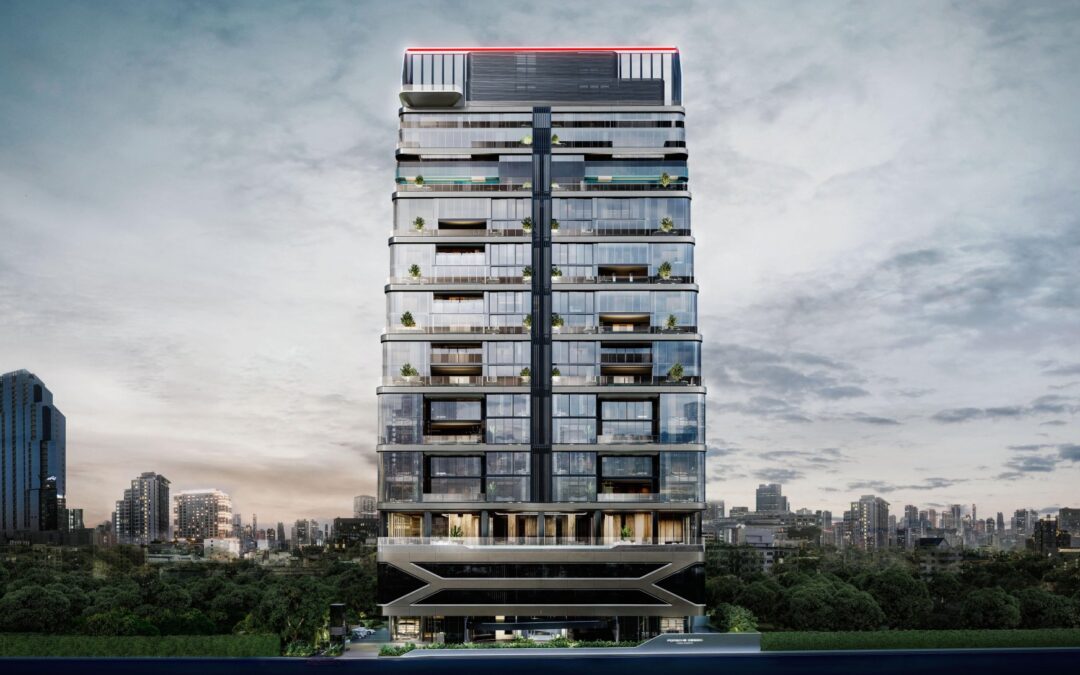
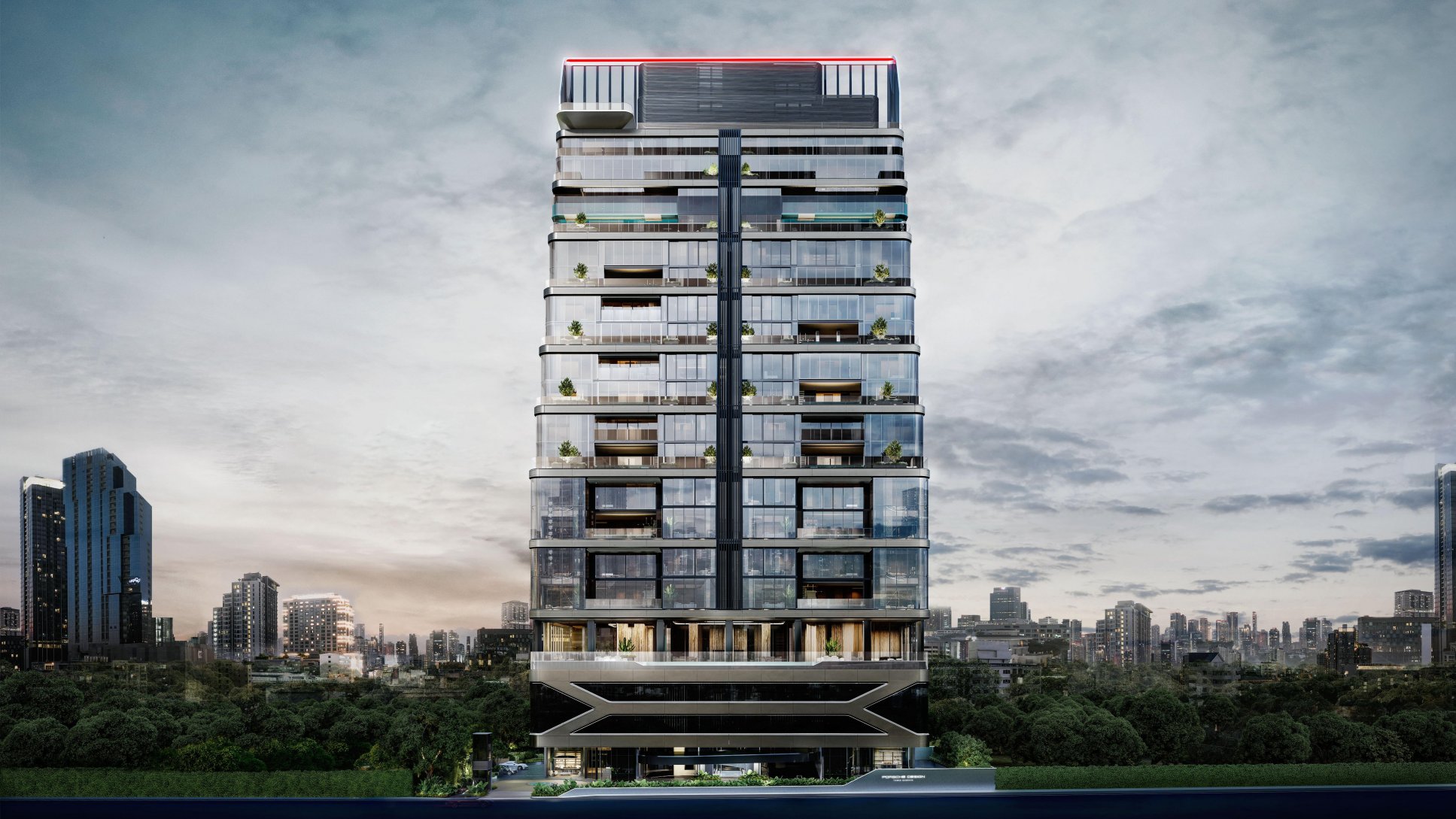
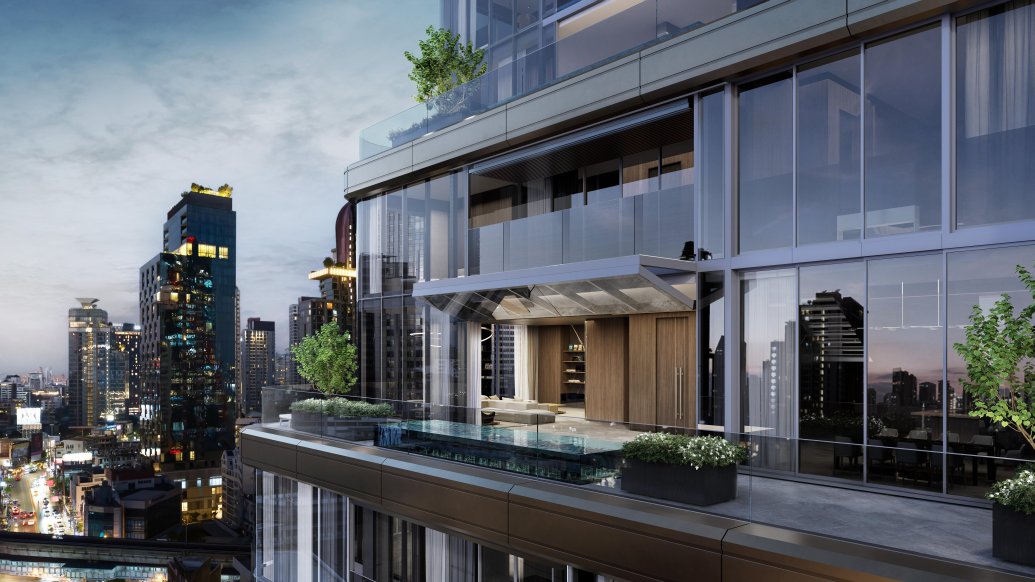
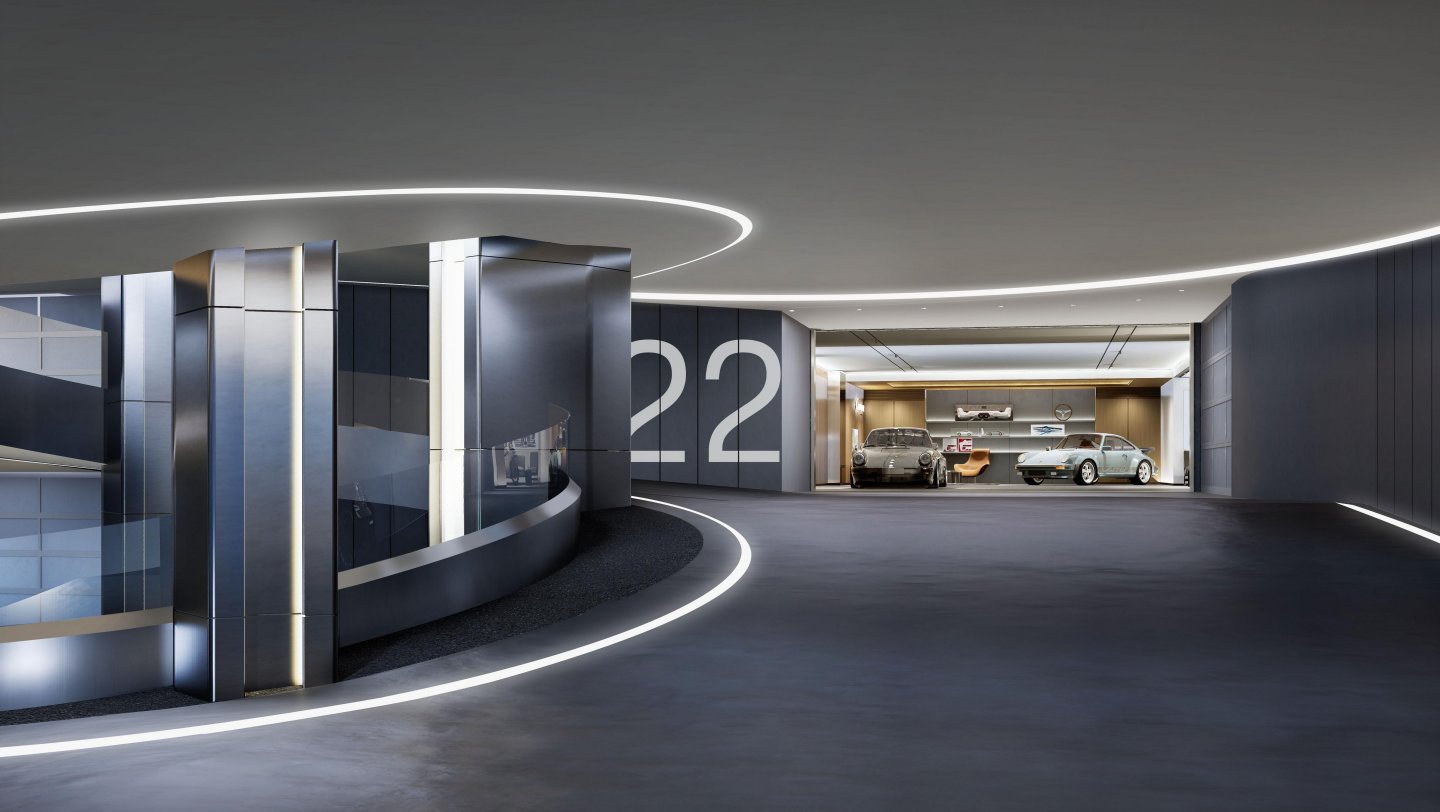
Porsche Design Tower Bangkok is not a conventional luxury condominium with a larger marketing budget. It is a small, ultra-prime branded residence aimed at buyers who want scarcity, design identity and a Thonglor address. For foreign buyers, that makes it interesting, but it also means the usual Bangkok condo checklist needs to be adjusted for a very different price band and buyer pool.
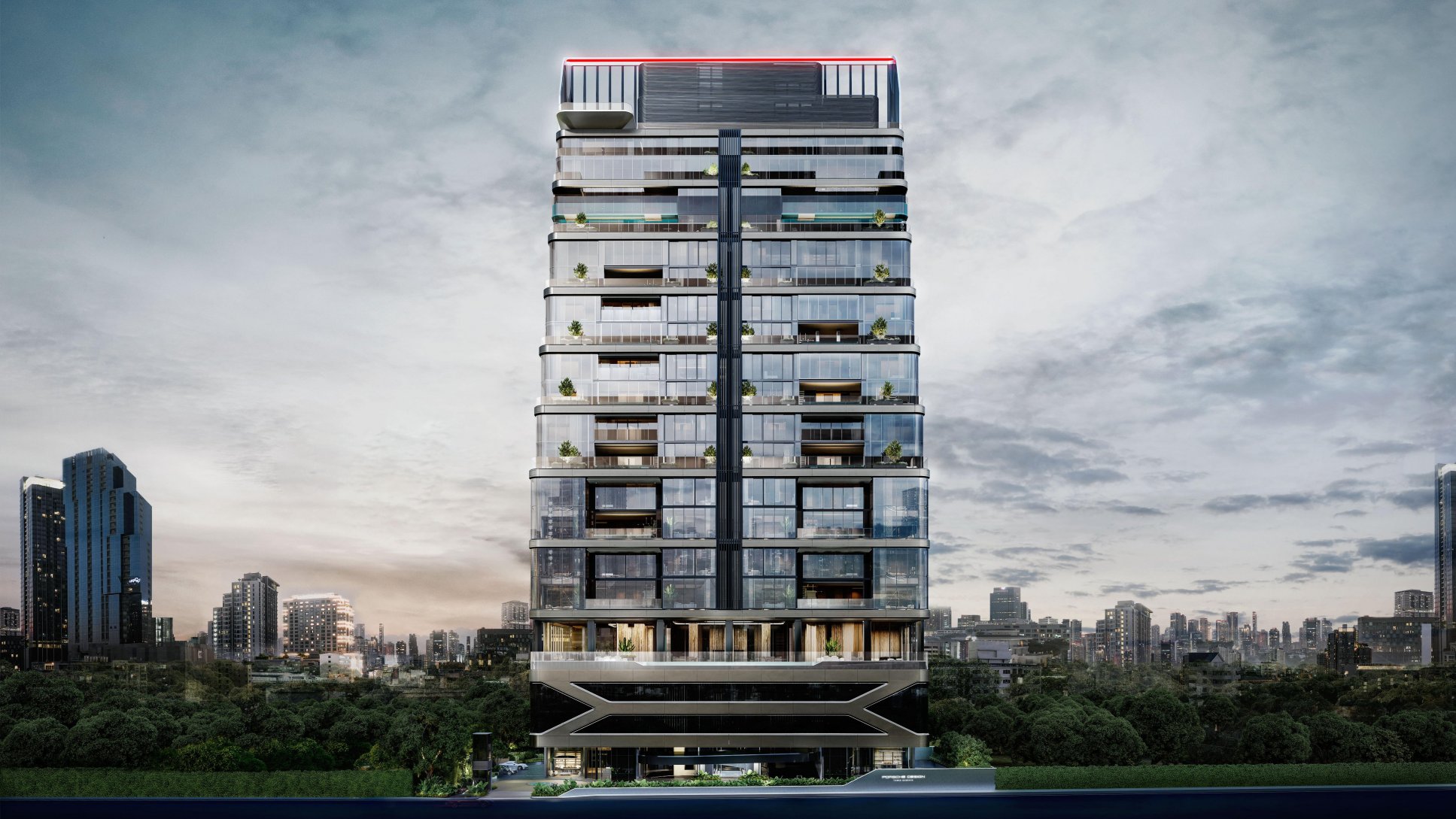
Porsche Design Tower Bangkok positions Thonglor at the ultra-prime branded-residence end of the market.
Porsche Design’s official material describes the project as Asia’s first Porsche Design Tower, developed with Ananda Development in Thonglor. The official Porsche Design Tower page lists a planned 95-metre, 21-level building with 22 residential units and construction starting in the first half of 2025. Porsche Newsroom describes 22 duplex and quadplex Sky Villas, with residences ranging from 525 to 1,135 square metres and completion targeted for the end of 2028.
Those details place the project in a tiny segment of Bangkok’s market. It is closer to a private villa-in-the-sky concept than a standard buy-to-let condominium. That does not make it better or worse for every buyer. It means the investment logic is about capital preservation, personal use, brand scarcity and long-horizon exit planning, not simple rental yield.
Buyers at this level should also think about governance. A building with only 22 residences can feel private and controlled, but it also concentrates common-area decisions among a small owner group. Before purchase, ask how the juristic budget, long-term maintenance, branded design standards and reserve planning will be handled after completion.
Why Thonglor matters
Thonglor is one of Bangkok’s most recognised premium lifestyle districts. It has restaurants, private clinics, cafes, Japanese services, nightlife, schools nearby, supermarkets and access to the wider Sukhumvit corridor. For ultra-prime buyers, Thonglor also offers a more residential atmosphere than some office-led parts of the CBD while still remaining connected to Phrom Phong, Ekkamai and Asoke.
The important point is micro-location. Thonglor can feel different from soi to soi. A buyer should test the route to BTS, traffic at peak hours, drop-off comfort, privacy, noise, nearby development sites and access to daily services. A branded tower can create destination appeal, but residents still live with the street network every day.
Branded residence appeal
The Porsche Design name gives the project an identity that many Bangkok luxury buildings cannot replicate. The appeal is not just a logo. It is the promise of design discipline, engineering cues, privacy and an ownership experience aligned with a global lifestyle brand. For some buyers, that emotional connection is part of the value.
Foreign buyers should still separate brand appeal from legal and financial checks. Confirm the condominium ownership structure, foreign quota availability, payment schedule, transfer costs, common fees, sinking fund, management scope and defect process. Branded design does not remove the need for Thai condominium due diligence.
The project uses a highly distinctive design language, but buyers still need ownership and liquidity discipline.
The scale changes the buyer pool
Residences above 500 square metres have a narrow market. They may suit ultra-high-net-worth owner-occupiers, family-office buyers, collectors, regional executives or buyers who want Bangkok as a lifestyle base. They are unlikely to behave like a 35 sq.m. one-bedroom unit near BTS. Rental yield may be less important than privacy, prestige and long-term capital positioning.
That narrow buyer pool can support scarcity, but it can also reduce exit speed. If a future seller needs to move quickly, the number of qualified buyers will be limited. This is why purchase motivation matters. A buyer who plans to use the residence for years may think differently from an investor who expects short-term resale liquidity.
Due diligence questions
Confirm whether the specific unit can be registered within the foreign quota.
Review the sale and purchase agreement with a Thai property lawyer before remitting major funds.
Ask for the full common fee, sinking fund and branded management obligations.
Understand parking, private access, lift zoning, security and service procedures.
Compare the project with other ultra-prime Bangkok residences by usable area, not only headline price.
Model resale against a very small buyer pool rather than the wider Thonglor condominium market.
The comparison set should include both branded and non-branded ultra-prime assets. Some buyers may prefer a globally recognised brand. Others may prefer larger established freehold buildings, completed stock, park adjacency or a more discreet address. The correct choice depends on personal-use requirements as much as investment analysis.
Very large residences need a different resale and holding-cost analysis from conventional luxury condos.
Rental logic is specialist
A unit of this scale may occasionally attract embassy, executive, family-office or private-client demand, but it should not be underwritten like a standard expatriate rental. Holding costs, furnishing standards, maintenance expectations and vacancy risk can be materially higher. Buyers should ask whether rental income is central to the thesis or simply a secondary option.
If rental is important, request evidence from comparable ultra-prime residences, not mass-market luxury buildings. Also consider whether the unit’s layout, staff areas, parking, privacy and management rules support the intended tenant. A trophy residence can be difficult to lease if the practical details do not match tenant expectations.
Buyer takeaway
Porsche Design Tower Bangkok is a rare project that speaks to Bangkok’s growing role in the regional ultra-prime branded-residence market. It may suit buyers who value design identity, scarcity and a Thonglor lifestyle base. It is less suited to buyers whose main goal is simple yield or fast resale liquidity.
IBP can help foreign buyers compare Porsche Design Tower Bangkok with other ultra-prime and branded residences before reservation. Browse our project reviews or contact IBP Real Estate for a private buyer shortlist.
LIFE Ratchada-Rama 9 is a useful project for foreign buyers to study because it sits at the intersection of several Bangkok themes: Rama 9 office growth, MRT-led mobility, lower entry pricing than prime Sukhumvit, and a low-rise format that promises more residential calm than many high-rise investor towers. AP Thailand’s official project page lists prices from 3.49 million baht, 851 residential units plus one shop, five eight-storey buildings, 333 car parking spaces and unit sizes from 28 to 60 sq.m.
LIFE Ratchada-Rama 9 gives foreign buyers a low-rise alternative within the Rama 9 demand corridor.
The official project copy positions the address in the Ratchada-Rama 9 new CBD, with access to MRT Rama 9, Airport Rail Link Makkasan, two expressways, Grade A offices and retail hubs. AP’s launch announcement also described the project as a 3.6 billion baht low-rise condominium and highlighted a 95,000 baht per sq.m. starting reference for a furnished one-bedroom M-size unit at launch.
For buyers, those details are helpful but not enough. The project should be read as a decision framework: who will live here, how easy is the daily commute, how much competing supply exists, what does low-rise living add, and how realistic is the rental or resale plan after completion?
Why Rama 9 keeps attracting buyers
Rama 9 has moved beyond being only a cheaper alternative to Asoke. The wider corridor includes offices, retail, hospitals, hotels, cultural venues, the MRT Blue Line, Airport Rail Link access at Makkasan, expressway routes and connections towards Ratchada, Huai Khwang, Phetchaburi and Sukhumvit. For tenants who work in the area, a well-located condominium can offer shorter commutes than a prestige Sukhumvit address.
Foreign buyers should still be precise. Rama 9 is not one uniform market. Some buildings feel office-led, others feel more residential, and some depend heavily on road access. Walkability, pavement comfort, station distance, traffic at peak times and the route to daily shops can change the living experience significantly. The best unit is not always the closest to the biggest road.
The low-rise argument
LIFE Ratchada-Rama 9’s low-rise format is a point of difference in a district known for many taller condominium towers. A lower-rise project can feel calmer, with a more neighbourhood-like mood, but it can also mean buyers need to study views, privacy, building spacing, parking, lift distribution and how facilities are shared across blocks. The format is attractive only if the actual plan supports daily comfort.
The official project page refers to three rai of curated green space and an urban oasis concept. That can be meaningful for residents who want a softer return home after office hours. It is especially relevant for buyers comparing Rama 9 against more intense high-rise corridors. Still, foreign buyers should inspect the master plan carefully and ask which facilities are delivered, how they are maintained and how common fees are budgeted.
The project positioning leans on green space and a quieter low-rise setting near the new CBD.
Unit mix and tenant logic
The published usable area range of 28 to 60 sq.m. suggests a buyer audience centred on singles, couples, young professionals and compact urban households rather than large families. For rental investors, that means the unit must be efficient. A 28 sq.m. unit can work when storage, work-from-home space, kitchen layout, bathroom quality and natural light are sensible. A larger one-bedroom or compact two-bedroom may appeal to tenants who need more flexibility, but the rent must justify the higher purchase cost.
Foreign buyers should compare LIFE Ratchada-Rama 9 against completed alternatives nearby. Completed stock shows real rents, real tenants and actual building management. A new launch offers newness and payment structure, but it also asks the buyer to accept delivery and rental assumptions. Both can be valid. The choice depends on time horizon and risk tolerance.
Due diligence questions
Confirm the freehold condominium structure and foreign quota process before relying on availability.
Compare the net price after promotions, furniture, transfer costs and sinking fund.
Ask for expected common fees, facility-management scope and parking rules.
Check the walking route to MRT Rama 9 and nearby retail in daylight and evening conditions.
Model rent against completed Rama 9 and Ratchada buildings, not only against launch projections.
Review payment schedule, construction timeline, contract terms and defect process with an adviser.
These questions are especially important for overseas buyers who may not return often before handover. A new launch can look simple at reservation stage, but the ownership experience depends on documents, transfer timing, building management and how the unit competes when it is ready to lease or resell.
Facilities and unit planning should be tested against the likely tenant and resale audience.
Who may suit this project
LIFE Ratchada-Rama 9 may suit buyers who want exposure to the Rama 9-Ratchada work corridor without moving into a large high-rise tower, and who value a lower-rise environment with greenery. It may also suit investors seeking a more accessible price point than prime Sukhumvit while still staying connected to offices, retail and airport access.
It may be less suitable for buyers who require an established rental history before purchase, buyers who want large family layouts, or buyers who prioritise walking convenience above all else. In Bangkok, ten minutes on a map can feel different depending on pavement quality, heat, crossings and traffic. The viewing should include the surrounding route, not only the sales gallery.
Buyer takeaway
LIFE Ratchada-Rama 9 offers a clear low-rise story in a district with genuine office, retail and transport demand drivers. Foreign buyers should treat the project as a serious comparison candidate, while still checking quota, contract terms, net pricing, rental evidence and the practical route to daily amenities.
IBP can help buyers compare LIFE Ratchada-Rama 9 with completed Rama 9, Ratchada and Asoke alternatives. Browse our project reviews or contact IBP Real Estate for a buyer-focused shortlist.
Bangkok condominium buyers often look first at a unit, a BTS station or a headline discount. In 2026, it is also worth reading the launch plans of listed developers. These plans show where major companies believe demand can still be created, how much new supply may enter the market, and which price bands are likely to compete for attention over the next twelve to eighteen months.
Developer launch plans are useful market signals, but buyers still need building-level discipline.
AP Thailand’s latest 1Q2026 company snapshot is a useful example of the type of signal foreign buyers can study. The company outlined a 2026 plan to launch 42 new projects worth 55 billion baht, including condominium projects worth 15.6 billion baht. It also reported that its new joint venture condominium, LIFE Ratchada-Rama 9, achieved a 28.1 percent take-up rate in the first quarter. Those figures do not tell a buyer which unit to purchase, but they do show that large developers are still selectively testing Bangkok demand.
For overseas investors, the right question is not simply whether launches are returning. The better question is whether the launch plan supports the specific building, district and exit strategy under review. A developer may have a strong brand and a credible sales campaign, while a particular unit still faces rent competition, traffic inconvenience, weak views or a narrow resale audience.
Why launch plans matter
Launch plans are a forward-looking view of supply. They indicate where developers are willing to commit land, marketing budgets, design work and construction capital. In a cautious domestic credit cycle, this is important because developers are unlikely to launch casually. When a listed company continues to bring projects forward, it usually believes there is a buyer segment, a location story or a pricing window that can work.
Foreign buyers can use this information to identify themes. Are developers focusing on low-rise suburban housing, mass-market condominiums, luxury towers, mixed-use districts or transit-led locations? Are they pushing ready-to-move inventory or pre-sale campaigns? Are new launches clustered around the same MRT extension, office hub or lifestyle corridor? The answers help buyers understand where competition may increase.
Pipeline is not the same as absorption
A project launch is only the start of the sales test. Absorption, transfers and post-handover occupancy matter more. The AP snapshot’s reference to a 28.1 percent take-up at LIFE Ratchada-Rama 9 is helpful because it gives a first-quarter demand marker, but buyers should not treat any initial take-up number as a complete investment case. They should ask how much of the demand is end-user, investor, Thai, foreign, cash-funded or dependent on domestic mortgage approval.
This distinction matters for foreign owners because resale liquidity may depend on the next buyer pool. If a building is mostly attractive to local mortgage-backed buyers, a tight credit environment can slow future exits. If it has a broader mix of owner-occupiers, renters, expatriates, parents, second-home buyers and foreign quota demand, the resale story may be more resilient.
A strong developer pipeline does not make every unit equally liquid or rentable.
How to read a developer plan as a buyer
Separate national launch value from the actual number of competing units in your target district.
Check whether the developer is launching new stock while still clearing completed inventory nearby.
Compare presale language with actual transfer evidence once projects complete.
Ask whether the target building has a clear tenant group beyond short-term investors.
Watch common area quality, parking ratios, unit mix and foreign quota rather than brand alone.
Use listed-company disclosures as context, then verify the project documents directly.
This framework keeps buyers from overreacting to headline numbers. A 55 billion baht launch plan can be a sign of market confidence, but it can also mean more choices and more competition. A disciplined foreign buyer should welcome more supply only when the specific unit remains easy to justify on rent, lifestyle use and future resale.
What it means for pricing
Developer launch plans can influence pricing in two ways. First, they set new benchmark prices in a district. If a new project asks a premium, completed resale units nearby may look better value, provided their building condition is strong. Second, they create comparison pressure. A seller of an older unit may need to explain why a buyer should choose an existing building over a newer project with fresh facilities and payment terms.
Foreign buyers should use this pressure carefully. A cheaper resale unit is not automatically better than a new launch. It may have better transfer certainty, an established juristic office and visible common areas. It may also carry older mechanical systems, dated layouts or weaker tenant appeal. The best comparison includes total cost, not only headline price.
District implications
Ratchada-Rama 9, Phrom Phong, Thonglor, Ari, Rama IV, Sathorn and selected riverside areas all have different supply dynamics. Some locations are driven by offices and retail. Others depend more on schools, hospitals, lifestyle streets or long-stay expatriates. A developer’s decision to launch in one district should prompt buyers to ask whether the surrounding demand is deep enough to absorb new stock without weakening rents.
In an active launch environment, completed buildings near daily-use infrastructure can become attractive if they are priced sensibly. Buyers can inspect real management, real noise, real lift wait times and real tenant profiles. New launches, by contrast, may offer cleaner design and payment schedules but require more patience and assumptions.
Foreign buyers should translate launch news into price, rent, quota and exit checks.
Buyer takeaway
Listed developer launch plans are useful evidence, not instructions. They show where capital and marketing energy are moving, but they do not replace unit-level due diligence. Foreign buyers should read them alongside completed supply, rental depth, foreign quota, building management and realistic resale audiences.
IBP can help overseas buyers compare new launches with completed stock in the same district before funds move. Read our Bangkok investment analysis or contact IBP Real Estate for a focused shortlist.
EI8HTEEN SEVEN Wireless is one of the more visible luxury-residence stories for foreign buyers watching Bangkok’s premium core. The official project site places it within Residences at One Bangkok, describing an address in the heart of Bangkok, infused with arts and cultural programmes, and supported by an inclusive, people-centric ecosystem. For buyers, the appeal is not only the tower. It is the wider Wireless Road and One Bangkok context.
EI8HTEEN SEVEN sits within the wider One Bangkok address story on Wireless Road.
This buyer note looks at the project as a decision framework rather than a sales brochure. EI8HTEEN SEVEN may attract attention because of its design language, facilities and location, but foreign buyers still need to check ownership structure, contract terms, payment schedule, completion position, common-area obligations, ongoing costs and future resale audience before committing.
The project is also a useful case study in how Bangkok luxury is changing. Premium buyers are no longer comparing only address and unit size. They are comparing complete ecosystems: park access, cultural programming, retail, hospitality, offices, wellness, mobility and neighbourhood prestige. That can support demand, but it also means buyers should be clear about what they are paying for.
Why the One Bangkok setting matters
One Bangkok is designed as a large integrated district at Wireless Road and Rama IV, with residences, retail, workplaces, hospitality, green space, art and cultural components. For a foreign buyer, this means the district can offer daily convenience and a stronger sense of arrival than a standalone tower. It also gives the residence a broader identity that may be easier to explain to future tenants or buyers.
The location connects several Bangkok demand drivers. Lumphini Park, Wireless Road, Rama IV, embassies, offices, luxury hotels, retail, MRT and the wider Sukhumvit-Silom-Sathorn axis all matter to different buyer groups. A premium project in this setting is likely to appeal to owner-occupiers, executives, regional families, long-stay expatriates and buyers who value Bangkok as a second-home city.
Facilities should be judged by management
The EI8HTEEN SEVEN website highlights club and lifestyle facilities including a social table, bar, culinary studio, spa, kids’ playroom, gym and swimming pool with jacuzzi. These are meaningful only if management standards remain high after handover. In luxury condominiums, buyers should ask how facilities will be staffed, maintained, booked, funded and renewed as the building ages.
Amenities can help a building stand out, but they also create operating costs. Foreign buyers should review projected common fees, sinking fund arrangements, house rules and any service model carefully. A buyer who lives abroad needs confidence that the building can maintain standards without repeated owner friction or unexpected capital calls.
Interior planning should be tested against the buyer profile, not only against presentation quality.
Interior appeal and practical use
Luxury presentation images are useful for understanding tone, but the buyer’s own use case matters more. Is the unit intended as a second home, family base, rental asset or future retirement foothold? Each answer changes the due diligence. A family may care about storage, kitchen function, school routes and guest parking. A landlord may care about furnishing durability, tenant profile and maintenance access. An owner-occupier may care more about light, privacy and acoustics.
Buyers should compare layouts against real furniture placement and service access. Large-looking rooms can become awkward if columns, doors, air-conditioning placement or balcony proportions reduce usability. A high-quality address does not remove the need to test floor plan efficiency.
Questions foreign buyers should ask
What is the precise ownership and tenure structure for the selected unit?
What payments are due before transfer or handover, and what happens if timelines change?
How are common fees, sinking funds and special assessments calculated?
Which facilities are included for residents and which may carry separate usage rules?
What is the expected profile of residents, tenants and future resale buyers?
How does the selected unit compare with ONE89 Wireless and other top Wireless Road alternatives?
These questions are not hostile. They are normal luxury-buyer questions. A premium project should be able to answer them clearly. Foreign buyers should also review the contract with independent advice, especially where the project structure differs from a familiar freehold condominium purchase in another market.
Club-style facilities can support lifestyle appeal when long-term management quality is credible.
Investment logic, not just address prestige
Wireless Road prestige is real, but investment value still depends on entry price, holding cost and exit audience. A foreign buyer should decide whether the project is primarily a lifestyle purchase with capital preservation goals, a rental asset, or a long-term trophy holding. Those are different strategies. A trophy purchase may justify a lower yield if scarcity and personal use are central. A rental-led purchase must be more disciplined about net income.
The strongest case for EI8HTEEN SEVEN is likely to be the combination of district identity, integrated amenities and One Bangkok’s wider destination effect. The main risk is paying for a story without confirming the specific unit economics. Buyers should compare not only other new luxury stock, but also established buildings with proven resale records.
Buyer takeaway
EI8HTEEN SEVEN Wireless deserves attention because it sits at the intersection of luxury residential design, One Bangkok’s mixed-use district and the long-standing prestige of Wireless Road. For foreign buyers, the right approach is to treat it as a serious due-diligence exercise: understand the structure, inspect the unit logic, model the costs and compare the resale audience.
IBP can help overseas buyers compare EI8HTEEN SEVEN with other Wireless Road, Lumphini and Sukhumvit luxury options. Browse our project reviews or contact IBP Real Estate for a luxury-condo shortlist.
RHYTHM Charoenkrung Pavillion gives foreign buyers a different Bangkok luxury question from the usual Sukhumvit or Lumphini comparison. AP Thailand presented the project as a ready-to-move-in luxury condominium at the heart of the city, overlooking the Chao Phraya river curve. For overseas buyers, the appeal is the combination of river identity, established Charoen Krung character, access into central Bangkok and a completed product that can be inspected before commitment.
RHYTHM Charoenkrung Pavillion positions itself around city access and Chao Phraya river views.
A completed or ready-to-move-in project can be attractive because the buyer can test what off-plan brochures cannot show. Light, noise, corridor feel, lift speed, lobby maintenance, parking, view angle, neighbouring buildings and route convenience can all be checked in person. That is useful in a market where buyers should be cautious about relying on future promises.
The project also lets buyers think about Bangkok’s riverside in a more precise way. The Chao Phraya is not one uniform market. Older hotel-led stretches, newer mixed-use zones, heritage streets and transport nodes all behave differently. A buyer considering this project should decide whether the river setting is for personal enjoyment, tenant appeal, future resale differentiation or a mix of all three.
Why Charoen Krung deserves attention
Charoen Krung has become one of Bangkok’s most interesting urban corridors because it blends heritage, dining, creative businesses, hotels, galleries, river access and central-city connections. It is not a simple office district or a mall-led residential zone. It has layers. That can make it attractive to buyers who want Bangkok to feel lived-in, cultural and distinctive rather than purely corporate.
The river adds another identity layer. Bangkok riverside properties often appeal to buyers who value view, atmosphere and a sense of place. The Chao Phraya is not just scenery. It influences hotel demand, dining, weekend routines, ferry connections and the emotional appeal of ownership. A river view can be meaningful, but buyers should still check whether the specific view is protected, how much noise reaches the unit and whether the building access works in daily life.
Ready-to-move-in is a real advantage
Foreign buyers sometimes underestimate the value of inspecting a finished building. A completed project reduces construction risk and lets the buyer compare the actual unit with competing resale stock. In Bangkok, this is especially useful for overseas buyers who may only have a short viewing trip. They can walk the area, test commuting routes, inspect the common areas and understand the building profile before wiring funds.
The advantage is not automatic. Ready-to-move-in stock may still be overpriced if the developer is protecting earlier selling levels or if remaining units are weaker stacks. Buyers should ask why a particular unit remains available, how its price compares with resales, and whether the developer or seller is offering terms that reflect the current market.
Interior practicality matters as much as branding when buyers compare ready-to-move-in stock.
What to check inside the unit
Luxury buyers should go beyond finishes. Test the kitchen layout, storage, air-conditioning placement, bathroom ventilation, balcony usability, appliance quality, power points, internet access, natural light and furniture plan. A beautiful show unit can hide the practical friction of daily living. A landlord should also consider durability, cleaning, repair access and tenant expectations.
For river-facing units, view quality can vary heavily by floor and angle. Some units may capture the curve of the river clearly, while others may face partial obstructions or stronger afternoon heat. Buyers should visit at different times of day if possible. The premium paid for a view should be visible, enjoyable and defensible to a future buyer.
Viewing questions for foreign buyers
How does the unit price compare with similar completed Bangkok riverside condos?
Is foreign freehold quota available for the specific unit being offered?
What are the common fees, sinking fund position and expected owner costs?
How practical is the route to BTS, expressway access, hotels, offices and hospitals?
What tenant profile would realistically pay for this location and unit size?
Are there nearby sites that could affect view, noise or future resale appeal?
These questions keep the project review buyer-focused. RHYTHM Charoenkrung Pavillion may suit an owner who wants riverside character and completed certainty. It may be less suitable for a buyer who needs the deepest expatriate rental pool or the shortest walk to a main Sukhumvit BTS station. Fit matters more than a generic ranking.
River-facing positioning should be checked against floor, outlook, heat, noise and resale audience.
Rental and resale positioning
The likely rental audience includes residents who value river atmosphere, creative neighbourhoods, hotel and dining access, and a less conventional Bangkok address. That can be attractive, but it is narrower than the mainstream Sukhumvit tenant pool. A landlord should be realistic about furnishing standard, lease length, pricing and management support.
For resale, the asset needs to be easy to explain. A strong river view, credible developer, completed condition and distinctive district story can help. Weak layouts, difficult access or an excessive entry price can weaken the exit. Foreign buyers should compare this project with both riverside competitors and central luxury alternatives so the final decision is not made in isolation.
Buyer takeaway
RHYTHM Charoenkrung Pavillion is best approached as a completed riverside lifestyle and investment option. Its strengths are Charoen Krung identity, river positioning and the ability to inspect the real building. The due diligence work is to verify quota, price, view quality, running costs, tenant depth and future resale audience.
IBP can help foreign buyers compare Bangkok riverside condominiums with Sukhumvit, Sathorn and Lumphini alternatives. Browse our project reviews or contact IBP Real Estate for a private shortlist.
The Residences at Sindhorn Kempinski Hotel Bangkok represent a specific type of luxury purchase: branded residential living in a quiet central setting. For foreign buyers, the appeal is easy to understand. The project connects hotel-style service expectations, landscaped surroundings, access to Lumphini Park, and the convenience of the wider Lang Suan and Wireless Road area. The investment question is more precise: does the branded premium match the buyer’s intended use, holding period and resale audience?
The Residences at Sindhorn Kempinski Hotel Bangkok sit within the wider Sindhorn Village setting.
Kempinski describes the residences as a collection of 231 units ranging from one to four bedrooms, with sizes stated from 50 to 500 square metres, and with access to facilities including a private residence lounge, lobby, swimming pool, fitness room, landscaped gardens, retail and restaurants within Sindhorn Village. Those facts help frame the product. This is not a mass-market investor building. It is a premium, lifestyle-led address where buyer fit matters more than headline yield.
The location case
The strongest location argument is calm centrality. Lang Suan and the surrounding Lumphini area are close to offices, embassies, hotels, hospitals, schools, retail and park space, but they feel less hectic than some parts of Sukhumvit. That is valuable for buyers who want Bangkok access without living directly above the busiest nightlife and tourist corridors.
For owner-occupiers, Lumphini Park access is a real daily-life advantage. Morning walks, wellness routines and outdoor space can make a central Bangkok unit feel more liveable over repeated stays. For investors, the park and hotel-led environment help define the future buyer or tenant profile: executives, families, long-stay residents and regional owners who value service, security and privacy.
What branded living adds
A branded residence can offer more than a name on the brochure. It can influence service standards, arrival experience, maintenance expectations, amenity quality and buyer confidence. In Bangkok, where building management varies widely, that can be meaningful. A foreign buyer who is abroad for long periods may value a project where the resident experience is professionally managed and easier to explain to future tenants or buyers.
The brand does not remove ordinary ownership risk. Buyers still need to check title, foreign quota, building rules, common fees, sinking fund, maintenance records, insurance arrangements and resale evidence. A brand can support confidence, but it does not replace due diligence. The unit still has to work on its own merits.
Private shared spaces are central to the branded-residence proposition.
Unit selection matters more at the top end
In a premium project, the spread between a good unit and a difficult unit can be large. Foreign buyers should compare outlook, privacy, natural light, ceiling feel, lift access, parking, storage, kitchen practicality, maid or service area, and noise exposure. Larger residences may appeal to owner-occupiers and families but can have a narrower rental audience. Smaller residences may be easier to lease but still carry premium running costs.
Buyers should also think about furniture and presentation. A branded residence usually needs a finish that matches the building. Under-furnishing can weaken rental appeal, while over-personalised decoration can narrow resale demand. The best strategy is often restrained, durable and consistent with the building’s service-led positioning.
Questions for a viewing
What services are included for residence owners and what costs extra?
How do common fees compare with similar premium buildings nearby?
How often are major shared facilities refurbished or maintained?
What restrictions apply to leasing, pets, renovations and short-stay use?
What resale evidence exists for similar unit sizes and floors?
How does the walking route feel to BTS, Lumphini Park, retail and hospitals?
These questions help separate emotional prestige from practical ownership. A branded residence should make daily life easier, not simply more expensive. If the services are not relevant to the buyer, the premium may be difficult to justify. If the buyer values privacy, wellness, park access and hotel-quality management, the premium may fit the use case.
Amenities should be judged by daily usability, maintenance quality and owner profile.
Resale and rental positioning
The likely exit audience is not the entire Bangkok market. It is a smaller group of buyers who want a central, high-service address and are willing to pay for a refined environment. That can support resilience, but it also means pricing must be realistic. If the owner needs a fast exit, the buyer pool may be thinner than for a lower-priced unit near a mass-market BTS station.
For rental, the building is more suited to quality long-stay demand than high-turnover assumptions. Corporate tenants, relocating executives and regional families may understand the value of service and location. The landlord still needs to check building rules, lease compliance and furnishing standards before projecting rent.
Foreign buyers should also compare the building with non-branded luxury alternatives nearby. A strong unbranded condominium may offer larger layouts or lower running costs, while the branded option may offer better service discipline and easier international recognition. The right answer depends on how the buyer will actually use the unit.
Buyer takeaway
Sindhorn Kempinski is best read as a lifestyle-led luxury ownership case, not a simple yield play. The project’s strengths are brand, calm central location, park access and a service environment. The due diligence work is to match those strengths with the buyer’s budget, holding period and future exit audience.
IBP can help foreign buyers compare Bangkok branded residences against completed luxury condominiums in Lumphini, Wireless Road, Sathorn and Sukhumvit. Browse our project reviews or contact IBP Real Estate for a private shortlist.