Hosting visiting family is a useful test of whether a Bangkok condominium supports real expat life. A unit may feel generous for one person or a couple, yet become difficult when parents, siblings or children arrive with luggage, different sleep schedules and unfamiliarity with the city. Buyers who expect regular visits should plan for that use before choosing the property.
Guest comfort depends on usable sleeping space, privacy, storage and a routine that works beyond the first night.
The aim is not to buy a permanently oversized condo for occasional guests. It is to understand which features reduce friction: flexible sleeping space, privacy, practical bathrooms, lift access, clear building rules, straightforward taxis and a neighbourhood where visitors can manage simple errands safely.
Match the unit to the likely guest
Start with who is most likely to visit. Older parents may care about step-free access, a proper bed, nearby bathrooms and short walking routes. Families with children may need safe windows, storage, laundry capacity and a quiet sleeping area. Adult siblings or friends may value privacy, workspace and easy independent transport.
A second bedroom is useful only if it functions as a bedroom. Check ventilation, curtains, storage, mattress size, access to a bathroom and noise from lifts or the living room. In a one-bedroom unit, decide whether a sofa bed can be used without blocking the household’s entire routine.
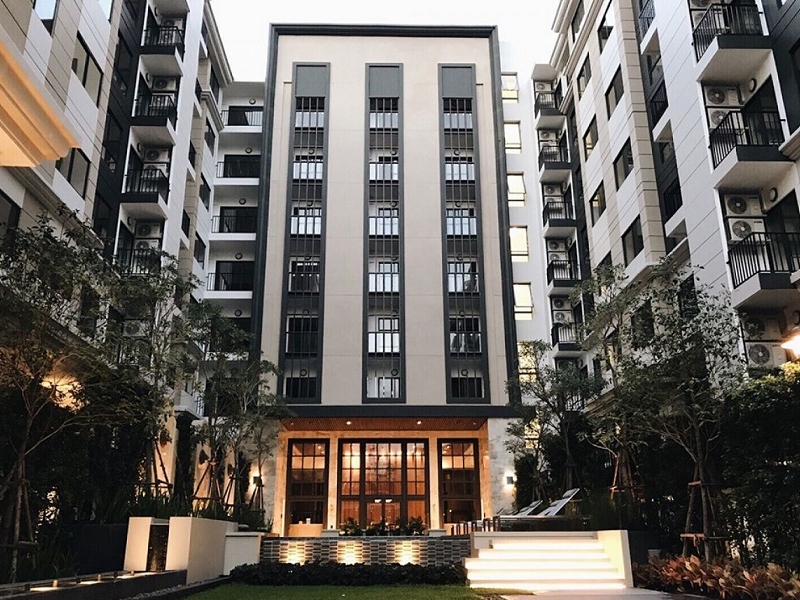
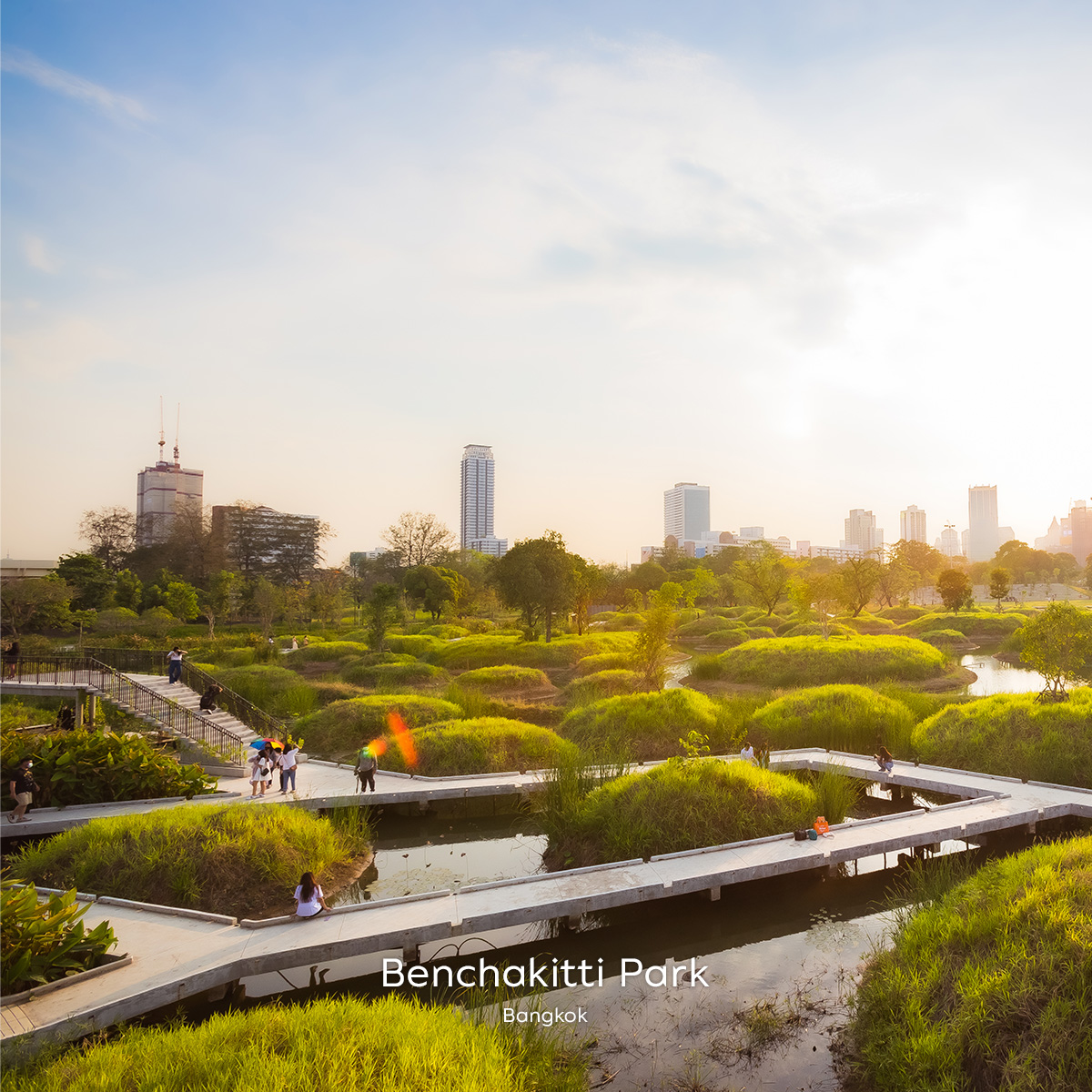
A guest-friendly neighbourhood makes meals, pharmacies, parks and simple outings easier to manage.
The neighbourhood should work for newcomers
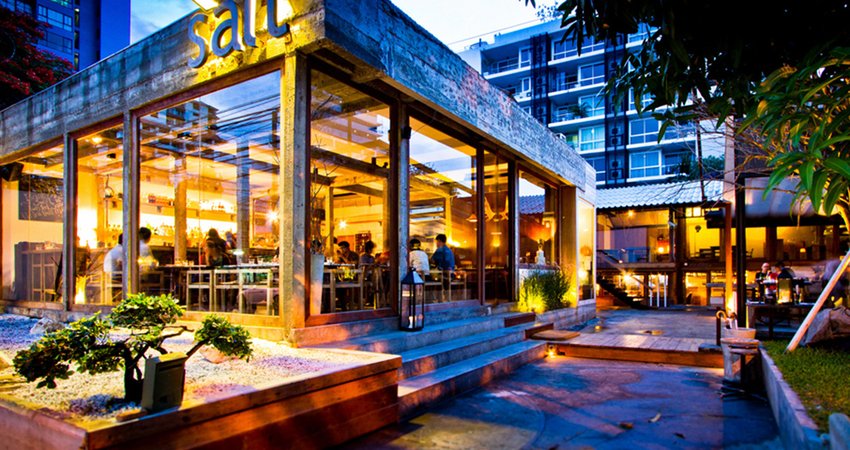
Long-term residents learn shortcuts, delivery apps and local habits. Visitors do not. A guest-friendly location has an address taxis can find, visible pickup space, nearby food, a pharmacy, simple grocery options and comfortable routes to rail or major destinations. Clear landmarks can be as valuable as a short map distance.
Think about the visit as a series of ordinary days. Can a guest get breakfast without assistance? Is there somewhere pleasant to walk or sit? Can they return from a mall, hospital or attraction without changing transport several times? A central address is not automatically simple if the final street is confusing or uncomfortable.
Check building rules before guests arrive
Condominiums have their own policies for access cards, visitors, parking, overnight guests and amenity use. Owners should confirm the current rules with the juristic office rather than assume that a guest can use every facility or receive an extra card. Security should know how visitors will be registered and whom to contact.
If family members will stay while the owner is away, written authorisation may be helpful. Provide building contacts, room instructions and emergency details without sharing unrestricted owner documents. Short-term letting rules are a separate matter; hosting genuine family should not be used as a reason to ignore building or legal restrictions on transient accommodation.
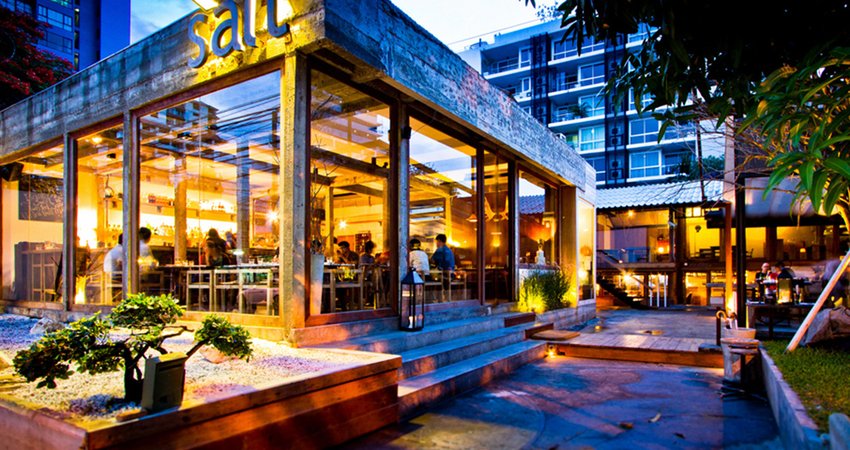
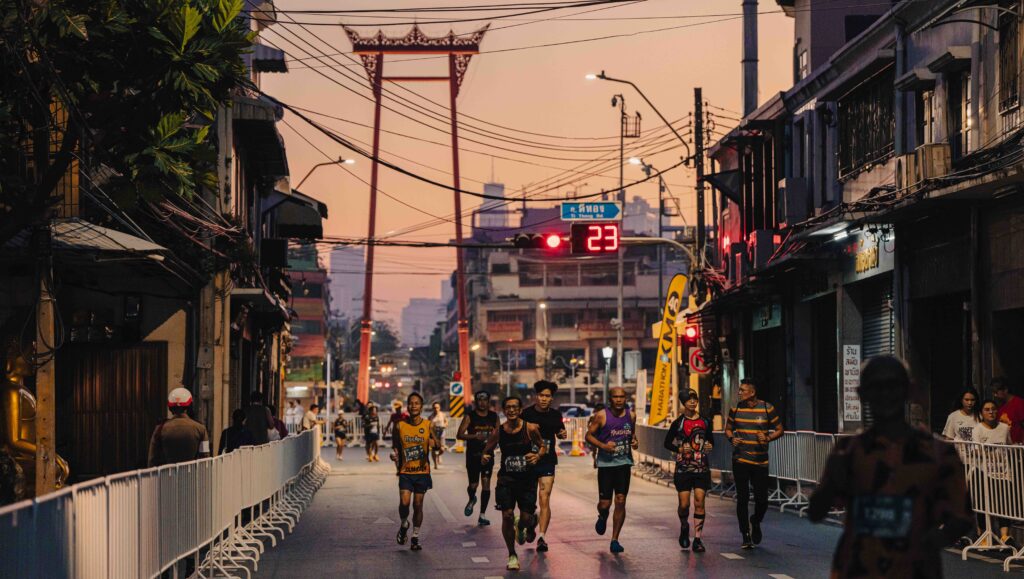
Visitors may judge location by taxi access, shelter, crossings and simple connections rather than commute speed alone.
Transport comfort changes with age and weather
A resident may happily walk ten minutes to the BTS every day. A visiting parent, young child or traveller carrying bags may not. Test shade, crossings, pavement condition, rain shelter, taxi availability and the building drop-off. Visitors often judge convenience by the hardest part of the route rather than the scheduled train time.
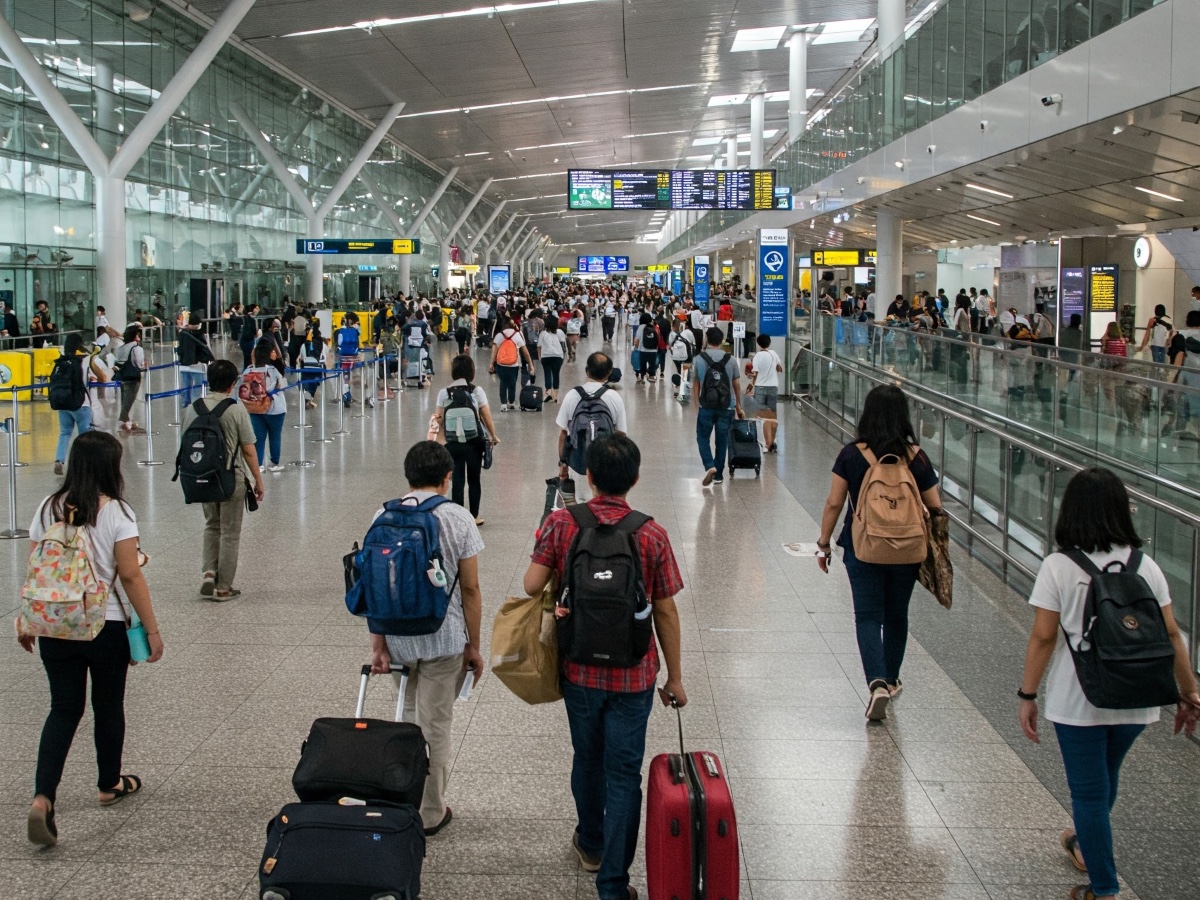
For airport days, check where a larger vehicle can wait and whether luggage moves easily through the lobby and lifts. For routine outings, give guests the address in Thai and English, the building phone number and a simple return plan. Small preparation makes Bangkok feel much more accessible.
Prepare the condo for a shared routine
Guests need more than a place to sleep. Clear a drawer or wardrobe area, provide charging points, explain hot water and air-conditioning, and label internet details. Check spare keys or cards, lighting, balcony locks and bathroom surfaces. Keep drinking water and basic household supplies available for the arrival day.
Privacy is equally important. Residents should still be able to work, rest and use the living area. A flexible room divider, good curtains or an agreed morning routine can matter more than decorative guest furniture. If visits are long, cleaning, laundry and food-storage capacity should be tested in advance.
Health and contingency planning
Visitors should know how to contact the owner, building security and emergency services. Keep relevant insurance details, medication and personal contacts accessible to the visitor, not displayed publicly in the unit. Identify a nearby pharmacy and a practical route to appropriate healthcare without making promises about providers or treatment.
Also plan for flight delays, lost keys, heavy rain and the owner being in a meeting. A trusted local contact or property manager can help, but their authority should be clear. The best guest setup is calm because ordinary problems have already been considered.
Rental and resale relevance
Even investors can learn from the guest test. Tenants often host relatives, and a unit that accommodates occasional visitors can feel more liveable. Useful features include a sensible second bathroom, flexible study, comfortable living room, storage and visitor-friendly access. These benefits can broaden appeal without relying on extravagant amenities.
At resale, buyers may value a home that works for visiting family, especially regional professionals, retirees and second-home owners. The feature should remain proportionate to the price; a rarely used guest room is not worth sacrificing the daily layout or investment budget.
Host checklist
Test the real sleeping space, privacy and bathroom access.
Confirm visitor, card, parking and amenity rules.
Make taxis, rail and the return address easy to understand.
Prepare storage, charging, internet and household basics.
Plan for mobility, weather, health and lost-access problems.
Keep guest space proportionate to everyday ownership needs.
Buyer takeaway
Hosting family in a Bangkok condo becomes easier when the unit, building and neighbourhood support unfamiliar visitors. Foreign buyers should test sleeping flexibility, privacy, access rules and simple transport before purchasing a home intended for regular family use. A guest-friendly condo is not necessarily large; it is predictable and practical.
IBP helps foreign buyers compare Bangkok condos by lifestyle, transport and long-stay practicality. Browse our expat living guides or contact IBP Real Estate for a lifestyle-focused shortlist.
Bangkok’s riverfront has become much more than a postcard view. For foreign condo buyers, the Chao Phraya corridor can offer a distinctive daily rhythm: morning water views, hotel dining, galleries, heritage streets, mall convenience, evening markets, ferries and a slower sense of space than many inner-city roads.
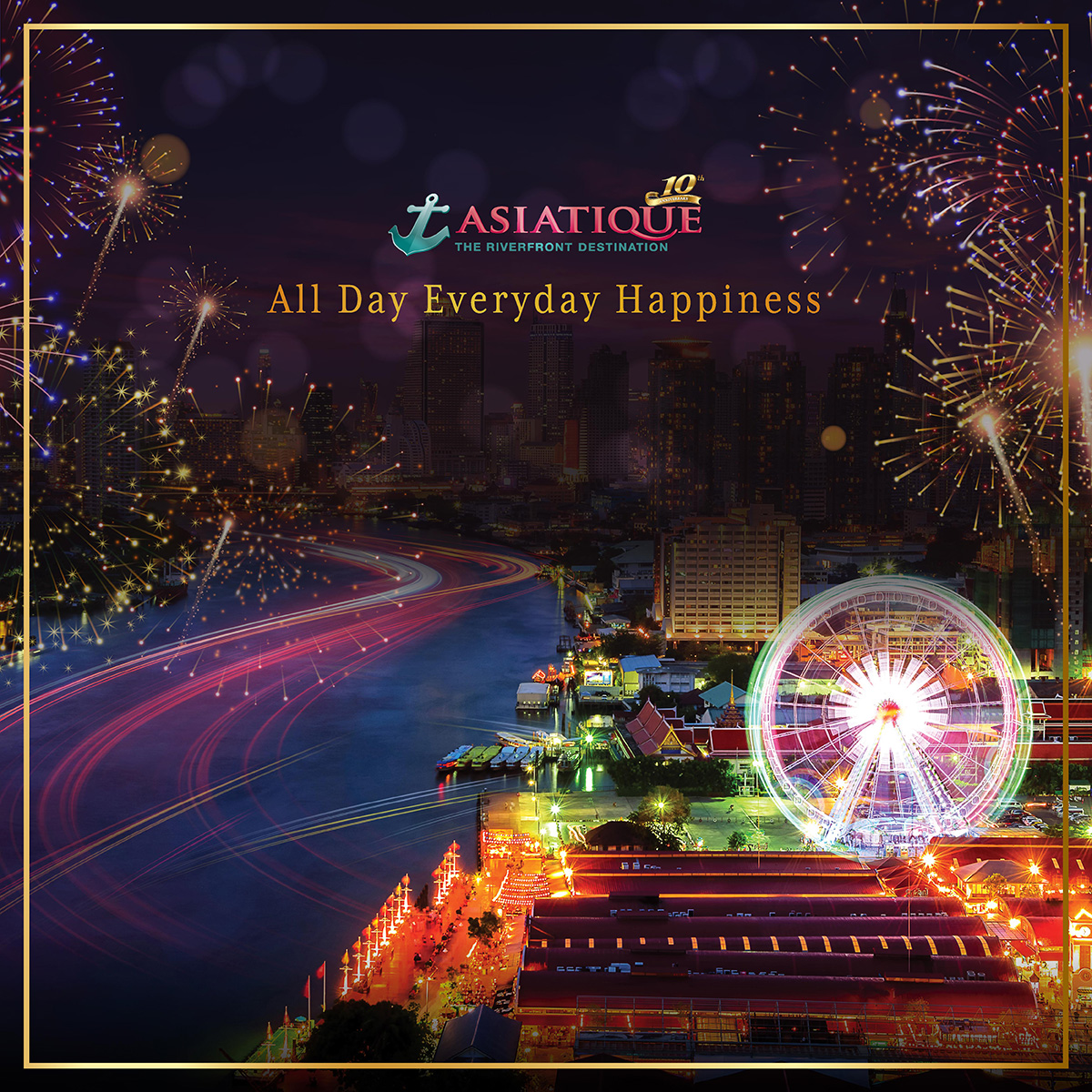
Asiatique anchors Bangkok’s evening riverfront lifestyle with dining, shows and family-friendly attractions.
The lifestyle is not right for everyone. Some buyers need the fastest BTS commute to an office district; others prefer a quiet lane off Sukhumvit. But for buyers who value atmosphere, dining, culture and weekend convenience, riverfront living deserves a closer look.
The key is to judge the riverfront as a practical neighbourhood, not just a view from the balcony. A strong river condo should make daily life easier, not only photograph well at sunset.
Why the riverfront appeals to foreign buyers
The Chao Phraya gives Bangkok something many fast-growing Asian cities work hard to create: a memorable waterfront with hotels, temples, shopping, dining and cultural routes already in place. For overseas buyers, that helps the city feel legible. Visitors can understand the river quickly, and residents can build routines around it.
Riverfront condos often appeal to buyers who want a softer lifestyle than the busiest central intersections. The view can be calming, the hotel and dining scene is strong, and weekend guests have obvious places to go. That matters for part-time residents who want their Bangkok home to feel like a usable base from day one.
It can also help rental appeal. A tenant choosing between similar units may remember the river view, ferry access, ICONSIAM, Asiatique, nearby hotels or heritage streets more clearly than another tower lobby in a denser district.
ICONSIAM and the convenience test
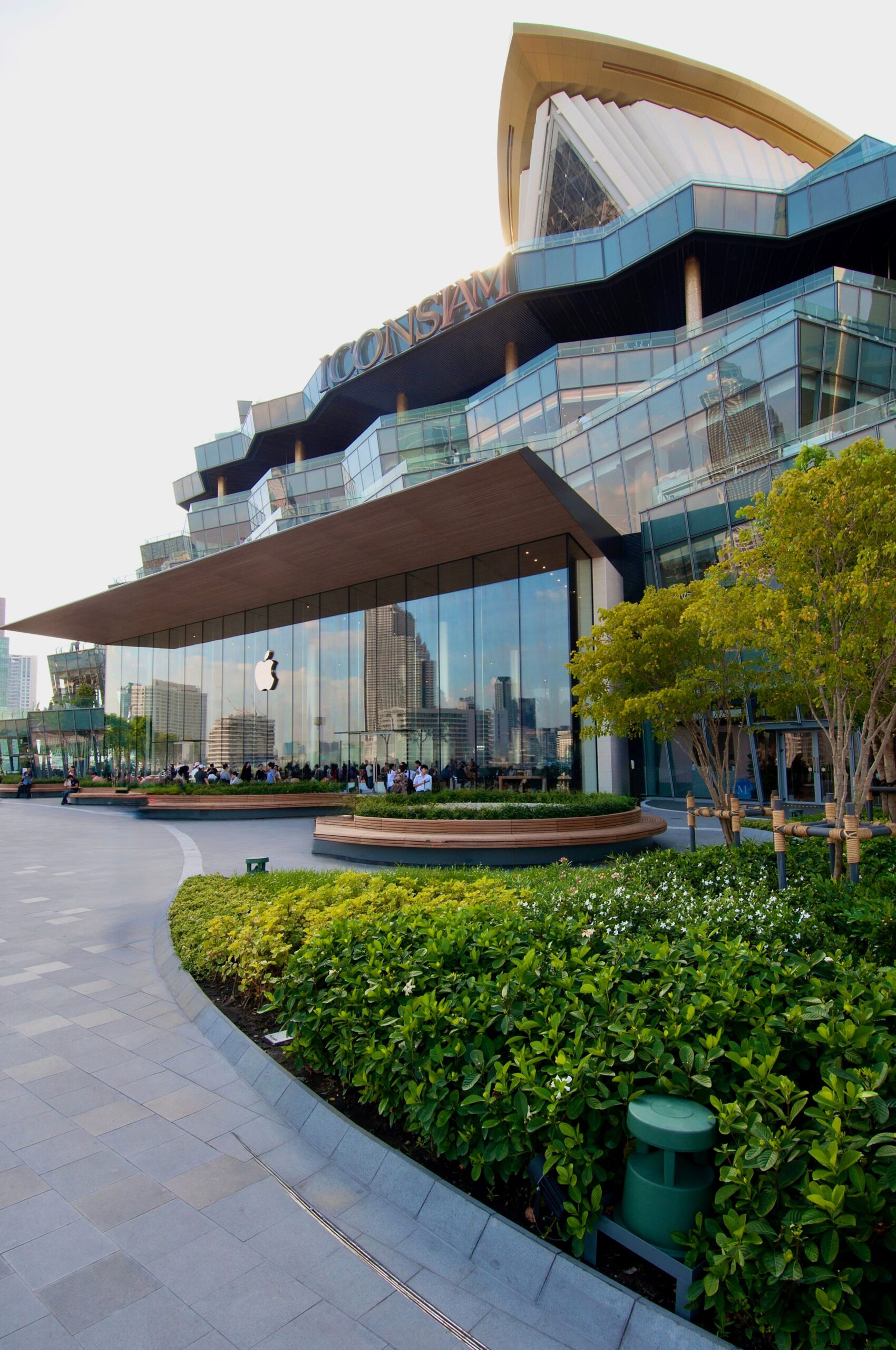
ICONSIAM is one of the clearest examples of how the riverfront has changed. Its official material presents shopping, dining, culture, attractions, event space and riverside experiences in one destination, with features such as SOOKSIAM, River Park, art and culture areas, dining and luxury retail.
For condo buyers, the question is not only whether ICONSIAM is impressive. The question is how easily the building connects to daily needs. Can residents reach groceries, restaurants, banking, transport, healthcare and schools without fighting traffic every time? Is there a safe walk, shuttle, ferry or rail connection that works in real life?
ICONSIAM adds retail, dining, culture and riverside public space to daily life on the Chao Phraya.
A riverfront condo near major amenities can feel very convenient. A tower with a beautiful view but poor access may feel isolated after the novelty fades. Buyers should test both weekday and weekend movement before deciding.
Asiatique and evening life
Asiatique The Riverfront shows another side of the corridor. The venue highlights restaurants, street food, a lifestyle market, shows and attractions, including Asiatique Sky, described by the venue as a 60-metre Ferris wheel. Its river promenade and evening format make it useful for families, visiting friends and casual dining.
This matters because liveability is partly about what happens after work. A condo may have a good gym and pool, but the surrounding district should also offer places to walk, eat and meet people. Riverfront venues can make Bangkok feel more social and less car-dependent, especially for newcomers.
Foreign buyers should still check noise, event traffic and weekend crowds. Living near a popular destination is different from visiting it. Some owners love the energy; others prefer to be one or two transport stops away.
Transport is the deciding factor
Riverfront living works best when transport options are layered. Look for practical access to BTS or MRT, reliable road routes, ferry piers, hotel boats, mall shuttles and ride-hailing pick-up points. A beautiful tower can become frustrating if every trip begins with a traffic bottleneck.
Also check how transport feels in rain, late at night and with luggage. A weekend ferry ride may be charming, while a weekday school run or airport transfer may require a different plan. Buyers who travel often should test the route to both Suvarnabhumi and Don Mueang airports during realistic traffic periods.
Riverfront living is strongest when evening dining, transport and everyday errands work together.
Which buyers may fit the riverfront
The riverfront can suit lifestyle buyers, frequent visitors, retirees, families who like weekend activities, hospitality-sector executives and tenants who want memorable surroundings. It may also suit buyers who value larger views and hotel-style neighbourhoods more than being directly in the CBD.
It may be less suitable for buyers whose daily life is concentrated around Asoke, Ploenchit, Ari or Rama 9. In those cases, a riverfront home can still work, but only if the commute is acceptable and the buyer genuinely values the lifestyle trade-off.
What to inspect before buying
Inspect the unit at different times of day. Watch boat traffic, road noise, afternoon heat, lift waiting times, parking flow and the view corridor. Ask whether any future project may affect the view. Check flood management, drainage, insurance, shuttle arrangements, juristic finances and how the building manages guests or short visits.
For rental investors, compare achievable rent against competing riverfront and inner-city units. A strong view can help, but tenants also compare commute, furnishing, building age and management quality. Do not pay for a river premium unless the unit can defend it through lifestyle and practical convenience.
A calm way to decide
Spend a full day in the district before reserving. Start with a normal morning errand, move through lunch, test the route to a key work or school destination, return during evening traffic and finish with dinner nearby. If the lifestyle still feels natural, the riverfront may be a strong fit.
IBP can help foreign buyers compare Bangkok riverfront condos with Sukhumvit, Silom-Sathorn and park-adjacent alternatives. For broader lifestyle planning, read our private hospital access guide and our Bangkok lifestyle articles.
Bangkok’s latest international business-event win is a useful signal for foreign property buyers watching the city’s global visibility. The Tourism Authority of Thailand said Flight Centre Global Gathering: Bangkok 2026 brought more than 2,000 high-performing travel professionals from Flight Centre Travel Group’s worldwide network to the capital from 10 to 12 July 2026.
Flight Centre Global Gathering Bangkok 2026 brought international travel professionals to the city.
For condo investors, the point is not that a single conference changes property values. It is that events of this scale demonstrate the infrastructure, hospitality, air connectivity and venue ecosystem that help Bangkok remain relevant to international travellers, companies and long-stay residents.
TAT said the gathering was projected to generate approximately 262 million baht in tourism revenue and strengthen Thailand’s visibility in long-haul markets, particularly Australia. That kind of exposure matters because overseas travel sellers influence where repeat visitors, premium travellers and event delegates go next.
Why MICE demand matters to property buyers
MICE demand – meetings, incentives, conferences and exhibitions – sits between tourism and corporate relocation. Delegates may visit for a short period, but the venues, hotels, dining areas and transport they use are the same urban systems that support expatriate living and prime condo demand.
When Bangkok hosts a large international programme, it puts districts such as Sukhumvit, Rama IV, Ratchaprasong, Sathorn, Riverside and Muang Thong Thani into practical use for global visitors. Delegates experience airport transfers, hotels, shopping centres, restaurants, event halls, riverfront venues and local tours. Some later return with family, clients or investment interest.
Property buyers should treat this as a confidence signal rather than a price forecast. A city that repeatedly handles large events is easier to explain to a foreign buyer than a market known only through holiday images.
What the event showed about Bangkok
TAT’s announcement highlighted several Bangkok strengths: air connectivity, event readiness, hospitality standards and an extensive tourism network. The programme used venues including Bangkok Marriott Marquis Queen’s Park, Hyatt Regency Bangkok Sukhumvit, UOB Live, Impact Arena and Asiatique The Riverfront.
That range is important. Bangkok is not dependent on one conference district. It can combine central hotels, large entertainment venues, riverfront spaces, cultural neighbourhoods and day tours. For property buyers, that supports the argument that Bangkok’s liveability and visitor economy are distributed across multiple high-demand zones.
Business-event readiness is part of Bangkok’s broader appeal to international markets.
Tourism quality over simple volume
TAT connected the gathering with its value-focused tourism direction and its “Healing is the New Luxury” approach. This language matters because Thailand is trying to move beyond simple visitor counts toward higher-value experiences such as wellness, culture, gastronomy, responsible travel and premium services.
For Bangkok property, higher-quality tourism can support demand for better-located residences, serviced apartments, branded residences and buildings near hospitals, wellness venues, restaurants and parks. It can also improve the city’s image among buyers who want a home base rather than a purely speculative asset.
Investors should still separate city confidence from unit selection. A strong tourism story does not make every condo a good purchase. Building quality, entry price, juristic management, tenant demand and exit liquidity remain decisive.
Long-haul visibility and the Australian link
The Flight Centre gathering is especially relevant because TAT noted the long-haul market visibility, particularly Australia. Australian visitors, executives and lifestyle buyers already understand Thailand as a holiday and retirement destination. A major travel-industry gathering deepens professional familiarity with Bangkok as an event and premium-experience city.
For property investors, long-haul confidence can support rental demand in areas used by corporate travellers, medical visitors, regional executives and lifestyle migrants. It can also increase the number of people who see Bangkok as a practical second-home city rather than a short-stay destination only.
Large travel-industry gatherings expose delegates to Bangkok venues, hospitality and urban lifestyle.
How foreign buyers should read the signal
The correct conclusion is measured optimism. Bangkok continues to attract international events, and those events use the same infrastructure that supports urban property demand. However, buyers should not use one announcement to justify overpaying or skipping due diligence.
A better response is to focus on buildings and districts that benefit from Bangkok’s global connectivity: easy airport access, strong hotel and office presence, transport links, dining, healthcare, retail and cultural amenities. These are the areas where tourism, business travel and resident liveability overlap.
Foreign buyers comparing Bangkok condos can use this news as one part of a wider confidence picture, alongside interest rates, rental evidence, project quality, legal checks and personal lifestyle fit. IBP can help shortlist buildings that align with that broader demand story. For practical next steps, explore our investment analysis and foreign buyer guides.
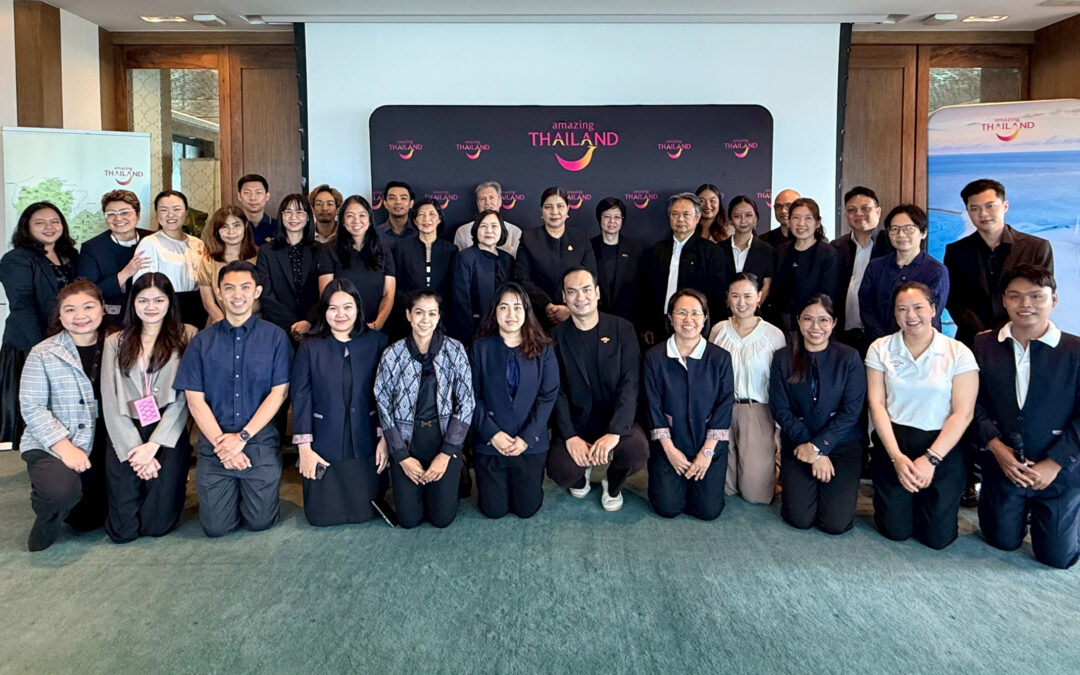
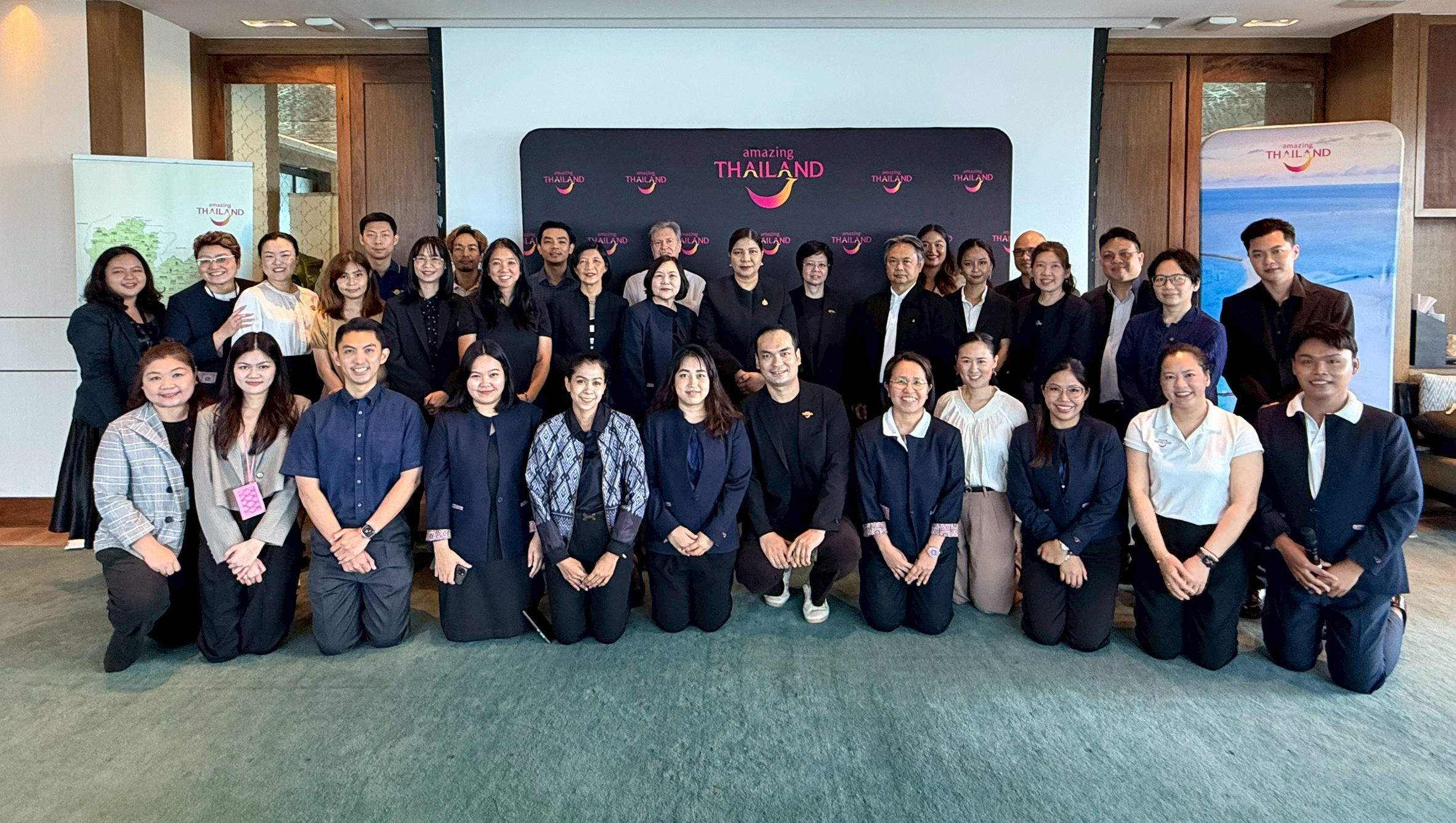
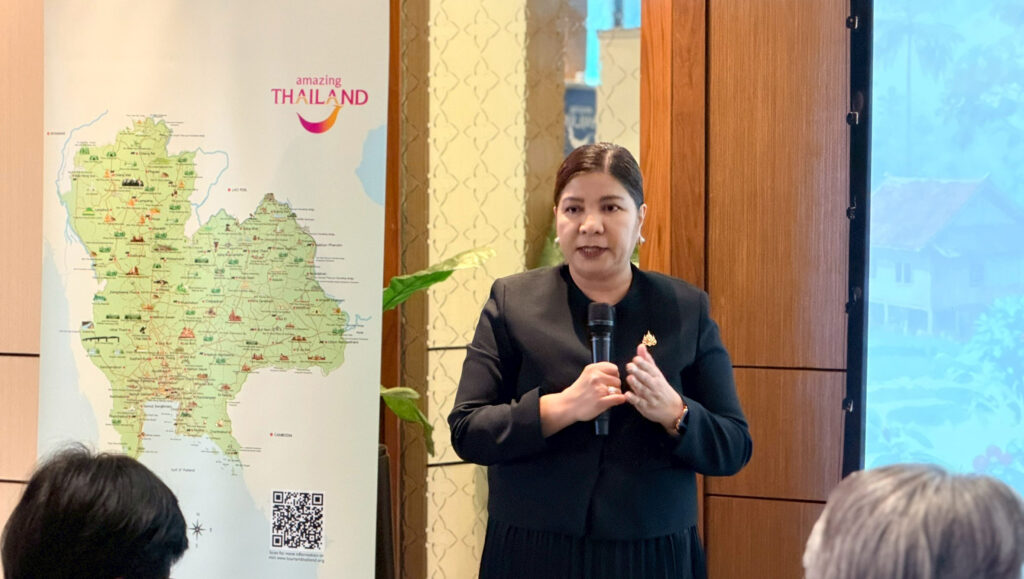
The Tourism Authority of Thailand organised “TAT x DMCs: Communities ConNext” on 2 July 2026 at Hyatt Regency Bangkok Sukhumvit, bringing destination management companies together around 55 community destinations for long-haul travel programmes. For a Bangkok condo buyer, this may sound far removed from unit selection. In practice, it says something useful about the kind of country Bangkok sits within.
Foreign buyers do not buy a condo only for four walls. They buy access to a city, and in Thailand that city is connected to food culture, craft, temples, weekend travel, community experiences, wellness, beaches, mountains and regional identities. When Thailand invests in packaging local experiences for international travellers, it strengthens the lifestyle case for using Bangkok as a home base.
TAT's Communities ConNext workshop highlighted local experiences for long-haul travel programmes.
What the TAT workshop signals
TAT’s July 2026 workshop focused on making community destinations more ready for long-haul markets, including Europe, the Americas, the Middle East and Africa. The programme connected public-sector teams, private travel partners and local tourism networks so that community routes can be better presented to international tour operators and travel agents.
The important phrase for property buyers is not just tourism. It is quality of experience. Thailand is trying to move beyond volume alone by highlighting responsible travel, local conservation, community lifestyles and meaningful spending. That direction supports Bangkok’s premium positioning because the capital becomes a gateway to a deeper, more varied country rather than a stand-alone stopover.
Local identity is becoming a more deliberate part of Thailand's visitor appeal.
Why local experiences matter to liveability
Bangkok can feel easy for foreigners because it has international hospitals, airports, shopping centres, English-speaking services, dining and mass transit. But the city becomes more liveable when residents also feel connected to Thai culture beyond the most familiar attractions. Weekend markets, old neighbourhoods, craft communities, temple districts, food routes and short domestic trips make ownership feel less transactional.
This matters for investors as well as lifestyle buyers. A tenant choosing between regional cities may value the ability to host family, explore Thailand and enjoy a distinctive cultural life. A future buyer may see Bangkok as more than a work posting if the city gives them access to the rest of the country. Local experiences add emotional depth to the practical case for living here.
Sukhumvit as a gateway, not the whole story
The TAT workshop took place in Sukhumvit, which is fitting. Sukhumvit is often where new residents first understand Bangkok: BTS access, hotels, restaurants, hospitals, international schools and serviced apartments. Yet the best version of Bangkok living usually expands outward. Residents use Sukhumvit for convenience, then explore riverside culture, old-town food, creative districts, parks, galleries, community markets and weekend trips.
A condo buyer should therefore judge location by both convenience and curiosity. Can the resident reach daily services easily? Can visitors move around without confusion? Is there enough neighbourhood character to make repeated stays enjoyable? Does the building make it easy to leave for the airport, a train station or a weekend route? The strongest Bangkok addresses support routine and discovery at the same time.
For condo owners, a richer visitor economy adds depth to Bangkok's lifestyle story.
What to check before buying for lifestyle use
Buyers who plan to use a Bangkok condo personally should test more than commute time. Stay in the district if possible. Walk in the morning and evening. Try the nearest supermarket, pharmacy, park, cafe, hospital route and BTS connection. Check whether the building feels comfortable after a long flight. Ask whether guests can find it easily and whether taxis or ride-hailing drivers understand the entrance.
For owners who may rent the unit, think about how the district reads to tenants. A foreign tenant often wants a simple story: close to work, easy for visitors, good food, reliable building, safe access and enough culture nearby to make Bangkok feel special. Local experiences nearby or within easy reach can help a district stand out from a purely functional rental location.
Bangkok as a base for a richer Thailand
Bangkok’s investment appeal is strongest when buyers see both sides of the city. It is a globally connected capital with airports, hospitals, finance, retail and professional services. It is also the most practical base for exploring Thailand’s regional identities. TAT’s Communities ConNext direction reinforces that second point by making local travel experiences easier to understand for long-haul audiences.
For foreign condo buyers, the lesson is straightforward. Choose a building that works operationally, then choose a district that keeps life interesting. IBP’s buying process guide and due diligence checklist can help balance lifestyle appeal with the paperwork, building and resale checks that make ownership safer.
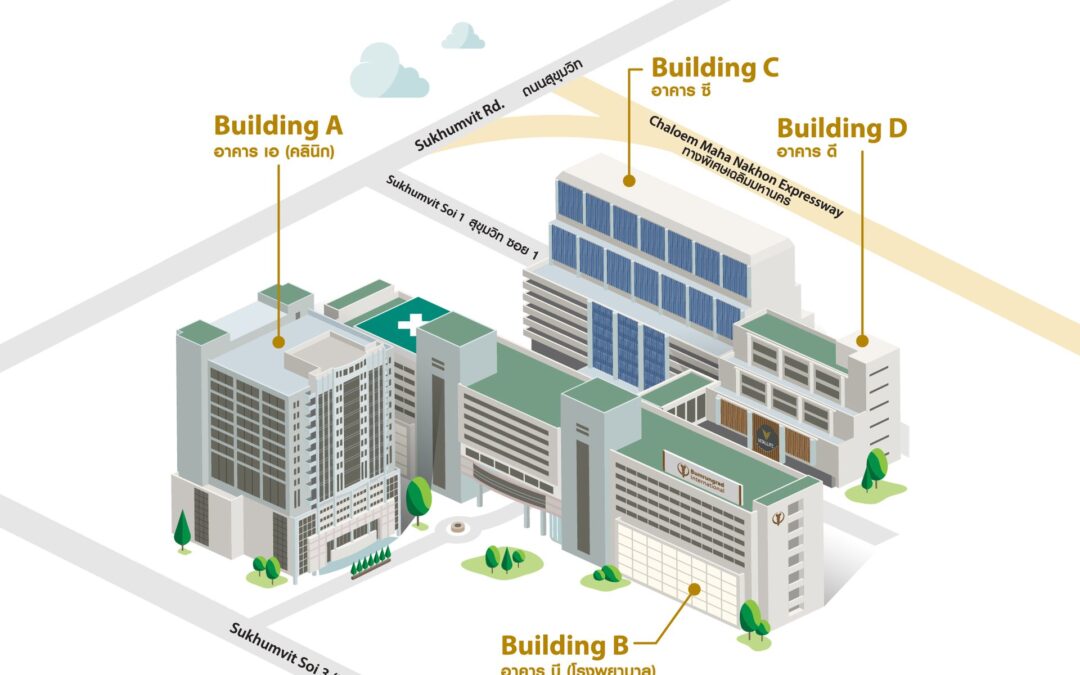
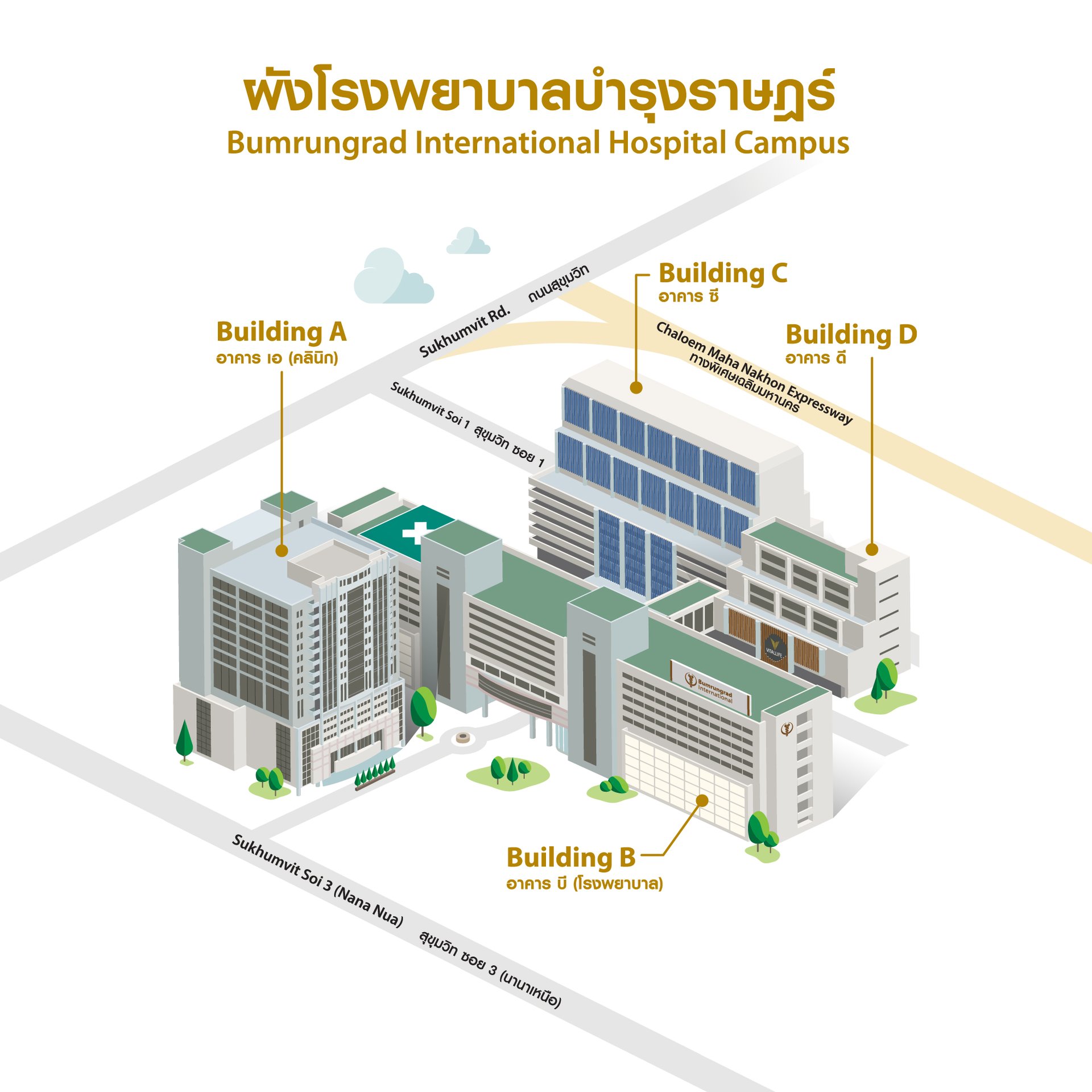
Private hospital access is one of Bangkok’s practical advantages for many foreign condo buyers. It may not be the first feature shown in a property brochure, but it often matters once a buyer thinks beyond the viewing day. Expats, retirees, families, frequent visitors and second-home owners all benefit from knowing how quickly they can reach reliable healthcare when needed.
Healthcare access is a practical liveability factor for expats, retirees, families and repeat visitors.
This is not a medical recommendation and it is not a ranking of hospitals. It is a liveability check. A Bangkok condo should be assessed by how it supports real life: routine appointments, prescriptions, health screenings, family needs, insurance paperwork, emergencies, follow-up visits and transport during traffic or rain.
Why healthcare access affects liveability
Foreign residents often choose Bangkok because it combines city convenience with international services. Hospital access can reduce anxiety for families with children, older residents, people with regular medication, frequent travellers and buyers planning longer stays. It also matters for visiting parents, guests or tenants who may need English-language support and clear appointment processes.
A condo does not need to sit beside a hospital to be practical. It does need a realistic route. Buyers should understand taxi times, rail access, traffic patterns, ambulance access, nearby clinics and how easily a resident can manage follow-up appointments without disrupting the whole day.
Routine appointments, follow-ups and pharmacy access should be considered alongside commute and lifestyle.
Match the district to the household
Different buyers need different healthcare routines. A young professional may care about quick access to clinics and pharmacies. A family may prioritise paediatric services, school proximity and weekend urgent-care options. Retirees may value specialist appointments, international patient support, easy taxis and calm building access. Investors may consider whether healthcare access broadens the tenant pool.
Districts such as Sukhumvit, Ploenchit, Chit Lom, Langsuan, Silom, Sathorn, Rama 9 and parts of the riverside can offer different healthcare routes. The correct choice depends on the buyer’s daily pattern, not only the name of the nearest hospital.
Transport matters during stressful moments
Healthcare access should be tested in practical terms. How long does the journey take in morning traffic? Can taxis find the lobby easily? Is there a sheltered drop-off? Is the route manageable during heavy rain? Is there a nearby BTS or MRT option for routine visits? Can a family member reach the hospital from work or school?
For older buyers or families with small children, the building itself also matters. Lifts, lobby seating, parking, ramp access, security responsiveness and clear address instructions can make appointments easier. A premium unit can feel less livable if the building is awkward during a health-related trip.
The best location is the one that works during normal weeks and during urgent health or family situations.
Insurance and paperwork planning
Foreign owners should keep health insurance, passport copies, emergency contacts, allergies, medication lists and hospital registration details organised. If the condo is used by family members or tenants, make sure important contacts are easy to find. Overseas owners should also decide who can help locally if they are not in Bangkok.
Landlords should avoid making medical promises to tenants, but they can still provide practical neighbourhood information: nearby clinics, pharmacies, transport options and emergency building contacts. This is part of professional property preparation, especially for expatriate tenants.
What to inspect around the condo
Taxi and ride-hailing access from lobby to hospital areas.
Nearby clinics, pharmacies and routine health services.
Traffic patterns at appointment times, not only weekends.
Rail options for non-urgent visits.
Building access for older residents, children and visitors.
Emergency contacts, address clarity and security desk communication.
Rental and resale angle
Healthcare access can support rental appeal, especially for families, retirees, international staff and long-stay tenants. It is rarely the only reason someone rents a unit, but it can strengthen the overall decision when combined with schools, transport, retail, parks and good building management.
At resale, buyers may value a location that feels safe and convenient for real life. A condo near strong services is easier to explain than one that depends only on lifestyle buzz. The strongest locations give residents confidence on ordinary days and during urgent ones.
Buyer takeaway
Bangkok private hospital access is a quiet but important liveability factor. Foreign buyers should test healthcare routes, building access and neighbourhood services before choosing a condo for long stays, family use or rental investment. The right property is not only attractive; it is practical when life becomes less predictable.
IBP helps foreign buyers compare Bangkok condos by healthcare access, transport, schools, amenities and daily liveability. Browse our expat living guides or contact IBP Real Estate for a lifestyle-focused shortlist.
Bangkok heritage walks can change how a foreign buyer understands the city. The most obvious condo checks are transport, price, rent and building quality, but liveability also depends on whether the surrounding city feels interesting, layered and easy to enjoy. Heritage streets, river routes, museums, galleries, temples, shopfronts and old communities can make a Bangkok base feel richer than a purely functional address.
Neighbourhood heritage gives residents a reason to explore Bangkok beyond malls and work commutes.
This does not mean every buyer should live in an old-town district. It means cultural access should be part of neighbourhood due diligence, especially for owner-occupiers, long-stay expats and investors targeting tenants who want more than a short commute. Bangkok’s strongest locations often combine daily convenience with a sense of place.
Why heritage access supports liveability
Foreign residents settle faster when they can build routines that include culture, food, walking, learning and weekend exploration. A condo near heritage districts or easy rail and river connections can offer more than a place to sleep. It gives residents somewhere to take guests, spend slow mornings, understand Thai history and feel connected to the city.
Heritage access can also make repeat visits more appealing. A buyer using a Bangkok condo as a second home may value neighbourhood character, not only square metres. The ability to walk through Talat Noi, visit riverside galleries, reach old markets or spend an afternoon around museums can make the property feel like a personal base rather than a hotel substitute.
The strongest cultural districts mix history, food, art, river access and ordinary daily services.
Look for ordinary services as well as atmosphere
Historic areas can be charming, but buyers still need practical daily life. A beautiful street is less useful if grocery access, taxis, pharmacies, hospitals, parking, rail links or drainage are difficult. When comparing cultural neighbourhoods, test both the weekend walk and the weekday routine.
Ask simple questions. Can you reach the area comfortably in heat or rain? Is there a safe route home after dinner? Are pavements manageable? Can visiting family use taxis easily? Are cafes, convenience stores and daily services nearby? Does the building itself provide the quiet, security and maintenance standard you need?
Heritage routes are wider than one district
Bangkok offers several versions of cultural liveability. Talat Noi and Charoen Krung mix street art, river history, cafes, galleries and old shopfronts. The old town offers temples, museums, government-era architecture and river piers. The riverside connects hotels, galleries, dining, ferry routes and landmark views. Siam and National Stadium offer art, museums and easy central rail access.
Foreign buyers should choose based on routine. Some want to live beside the heritage area. Others prefer a modern condo district with easy access for weekends. Both can work. The important point is whether the chosen building makes cultural life easy enough to be used regularly.
Cultural access can make a Bangkok base feel richer for residents, guests and repeat visitors.
Rental and resale angle
Heritage access can help a rental listing when it is paired with practical transport and a well-managed building. Tenants may respond to a neighbourhood story that includes cafes, galleries, river walks, museums and food. This is especially useful for residents who work remotely, host visitors or want Bangkok to feel distinctive.
However, atmosphere should not replace fundamentals. Investors still need evidence of rent demand, sensible pricing, layout quality, building maintenance and exit liquidity. A cultural neighbourhood can support appeal, but it cannot fix a weak unit or an inconvenient building.
Viewing checklist
Walk the route between the condo, rail, river pier and cultural streets.
Visit during the day and evening to test noise, lighting and comfort.
Check grocery, pharmacy, clinic, taxi and delivery practicality.
Assess whether heritage access is usable in rainy and hot months.
Compare the building’s quietness and security with the surrounding street energy.
Ask whether the neighbourhood story matches the likely tenant or owner profile.
Buyer takeaway
Bangkok heritage walks can strengthen condo liveability when they are connected to real daily routines. Foreign buyers should look for a balance: cultural richness, practical services, transport access and a building that remains comfortable after the weekend charm has worn off. The best locations make Bangkok’s history part of everyday life without making ownership harder.
IBP helps foreign buyers compare Bangkok condos by lifestyle fit, neighbourhood character and practical ownership risk. Browse our Bangkok lifestyle guides or contact IBP Real Estate for a liveability-focused shortlist.
Bangkok’s dining scene is one of the reasons foreign residents settle into the city quickly. It is convenient, varied, social and increasingly connected to wellness, sustainability and local sourcing. TAT Newsroom’s early July 2026 feature on Thailand’s gastronomic turn toward wellness is useful for property buyers because it explains why food is part of Bangkok liveability, not only tourism marketing.
The feature frames Thai dining through the idea of Healing is the New Luxury, linking food, wellness, regional identity and sustainability. For condo buyers, the lesson is practical. A good Bangkok neighbourhood should make healthy, enjoyable and culturally rich daily routines easy. Dining access can help a condo feel like a home base rather than just an investment unit.
Food as everyday infrastructure
Foreign buyers often ask about BTS access, hospitals, schools and malls. Dining should sit in the same liveability conversation. Residents use food networks every day: morning coffee, quick lunches, healthy delivery, family dinners, local markets, grocery access and weekend restaurants. A condo that sits near varied dining options is easier for new arrivals, guests and tenants to enjoy.
Bangkok is strong because it offers several dining layers at once. Street food, mall dining, chef-led restaurants, hotel restaurants, regional Thai kitchens, vegan cafes, wellness menus, Japanese counters and casual neighbourhood spots can coexist within a short journey. This variety helps residents build routines that match budget, health, work schedule and social life.
Food is part of everyday liveability, not only a visitor attraction.
Wellness dining supports long-stay comfort
TAT’s feature links Thai food with herbs, broths, balance and regional depth. Property buyers should not treat that as a medical claim. The useful point is that residents can access food that feels fresh, varied and rooted in place. For expats who travel often or work long hours, convenient good food can make Bangkok feel easier than cities where daily dining is either expensive or repetitive.
Wellness dining also supports family and retirement decisions. Buyers thinking about a second home often want to know whether daily life can be comfortable without constant planning. Nearby supermarkets, markets, clean casual restaurants, cafes, pharmacies and delivery coverage all contribute to that answer.
Neighbourhoods where dining matters
Dining access is not limited to one district. Phrom Phong, Thonglor, Ekkamai, Ari, Silom, Sathorn, Chit Lom, Siam, Langsuan, riverside areas, Rama 9 and parts of On Nut all offer different versions of food-led liveability. The right choice depends on the buyer’s routine. Some want fine dining and hotels. Others want family restaurants, markets, cafes or easy delivery after work.
When comparing condos, buyers should walk the area at breakfast, lunch and evening. A street that feels quiet at 2pm may be lively after work. A mall may solve rainy-day dining but not late-night convenience. A neighbourhood with excellent restaurants may still lack grocery access, parking or easy taxi pickup.
Dining access can help a Bangkok neighbourhood feel easier to understand for new arrivals.
Rental and resale angle
Food access can help leasing, especially for compact city units, expatriate tenants and owner-occupiers who do not cook every meal. It gives agents a simple lifestyle story. Tenants can imagine where they will eat, meet friends, buy groceries and order delivery. That can make a viewing feel more concrete.
However, dining access should not be exaggerated. A weak unit does not become a strong investment just because there are good restaurants nearby. Investors still need to check rent evidence, competing units, building quality, noise, layout, management and total costs. Dining is a supporting factor, not a substitute for fundamentals.
Buyer checklist
Walk to daily food options, not only destination restaurants.
Check delivery access, lobby handling and rider waiting areas.
Look for supermarkets, markets, cafes, pharmacies and casual meals.
Visit in the evening to test noise, traffic and atmosphere.
Ask whether dining options match the likely tenant or resident profile.
Balance lifestyle appeal with price, layout and building management.
Buyer takeaway
Bangkok wellness dining strengthens the city’s liveability story because it connects food, culture, convenience and daily comfort. Foreign buyers should treat dining access as part of neighbourhood due diligence. The strongest condo locations are not only close to famous restaurants. They make ordinary meals, errands and social routines easy across the week.
IBP helps expats and foreign buyers compare Bangkok condos by lifestyle fit, transport, services and neighbourhood rhythm. Browse our Bangkok lifestyle guides or contact IBP Real Estate for a liveability-focused shortlist.
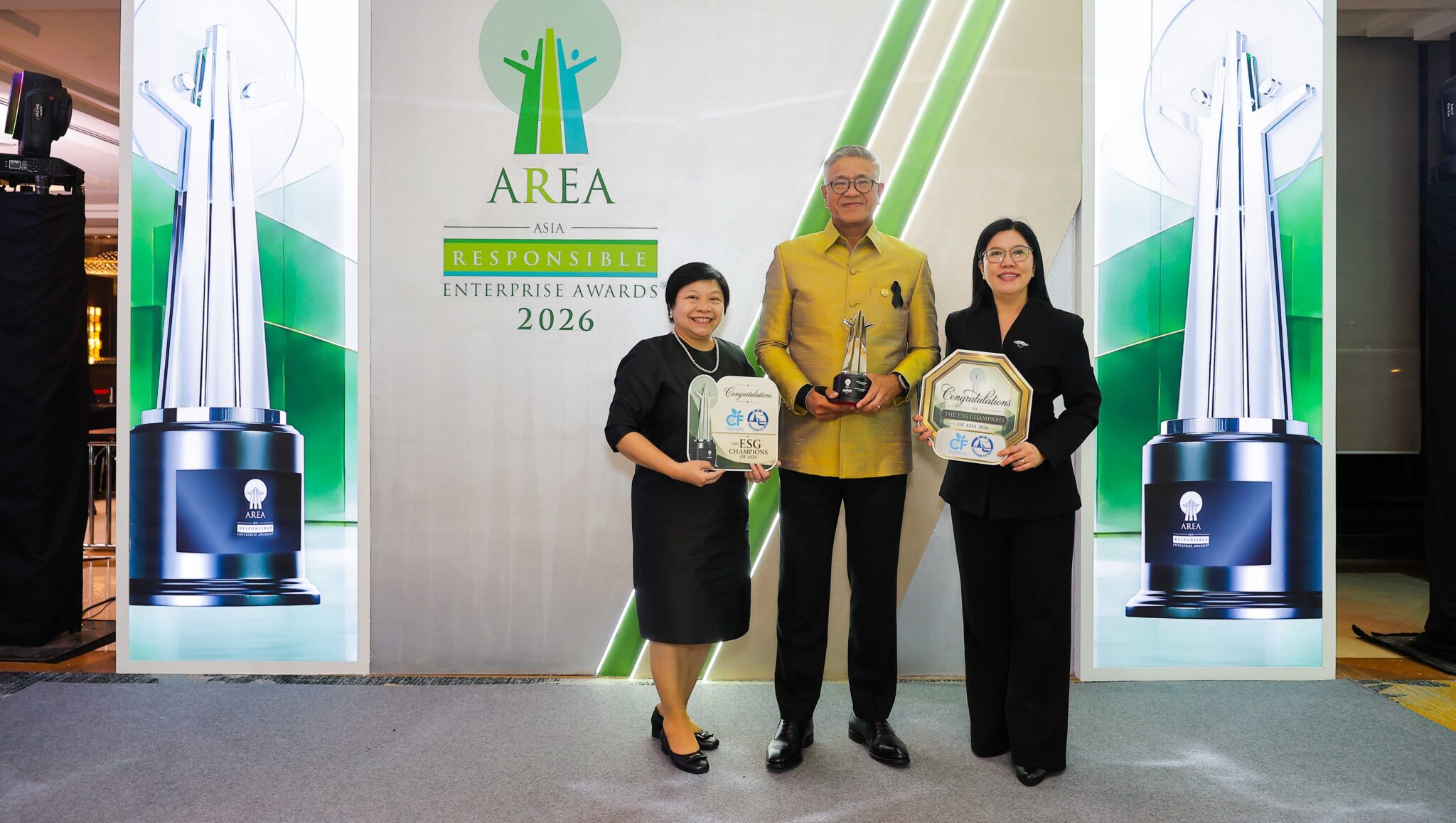
The Tourism Authority of Thailand’s CF-Hotels platform has won the Green Leadership category at the Asia Responsible Enterprise Awards 2026. For Bangkok property buyers, this is not a direct condo-market event. It is a confidence signal about the direction of Thailand’s tourism economy, hotel standards and sustainable service infrastructure.
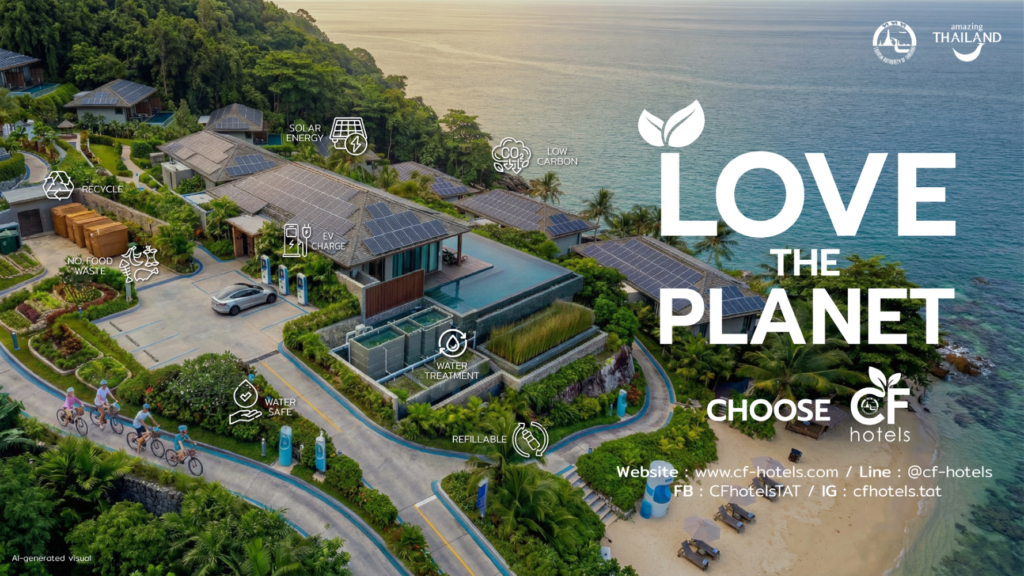
TAT framed CF-Hotels as a practical platform for measurable low-carbon tourism action.
TAT Newsroom reported from Bangkok on 2 July 2026 that the Carbon Footprint Hotels platform was recognised in Malaysia for turning low-carbon tourism policy into measurable hotel-sector action. The platform helps hotels and accommodation providers measure, manage and reduce greenhouse gas emissions through a standardised digital system.
Why sustainable tourism matters to property buyers
Foreign buyers often look at Bangkok property through transport, rent, lifestyle and price. They should also watch the quality of Thailand’s wider service economy. Tourism is one of the country’s global calling cards, and hotel-sector standards affect how international visitors, executives and long-stay residents perceive Bangkok and Thailand.
A credible low-carbon hotel programme does not make every condo a better investment. It does, however, show that Thailand is trying to compete on quality, data, sustainability and market access, not only on visitor numbers. That matters for buyers who want confidence in Bangkok’s long-term positioning as a sophisticated regional base.
The AREA 2026 recognition gives Thailand another sustainable tourism credibility signal.
What TAT reported
According to TAT, CF-Hotels gives accommodation businesses, particularly small and medium-sized enterprises, free access to internationally aligned tools for greenhouse gas data collection and assessment. The platform also connects environmental data with green finance opportunities through cooperation with the Bank of Thailand and nine commercial banks under the Financing the Transition initiative.
TAT said the platform has expanded from 21 pilot hotels to more than 900 registered hotel accounts nationwide since becoming publicly active in 2024. It also reported recorded greenhouse gas reductions of 16,838.79 tonnes of carbon dioxide equivalent and more than 29.3 million baht mobilised through the ThaiCI Fund to support low-carbon transition.
Bangkok’s indirect benefit
Bangkok benefits when Thailand’s hospitality sector becomes more professional, transparent and sustainability-aware. The city is the main arrival point for many visitors, a business hub, a meeting destination and a place where travellers often turn into repeat residents, tenants or buyers. Stronger tourism infrastructure helps Bangkok remain easy to explain to international audiences.
For premium property, sustainability is increasingly part of the conversation. Buyers may ask about energy efficiency, building management, air-conditioning performance, waste handling, water systems and transport access. They may not choose a condo only because of sustainability claims, but they often prefer buildings and districts that feel modern, well-run and aligned with global expectations.
For Bangkok property buyers, the relevance is confidence in Thailand’s service economy and hotel-sector standards.
What buyers should not overread
An award for a tourism platform is not a property-price forecast. It should not be used to justify overpaying, ignoring vacancy risk or accepting weak building documents. Bangkok condo performance still depends on entry price, unit layout, building management, tenant depth, ownership costs and resale liquidity.
The sensible reading is macro confidence. Thailand’s tourism agencies, financial institutions and hotel operators are being pushed toward measurable standards. That can strengthen the country’s reputation with visitors and investors, especially those who compare Bangkok with other Asian cities on livability, governance, services and long-term resilience.
How investors can use the signal
Investors can fold this news into a broader checklist. Is Thailand still improving the quality of its tourism offer? Are public agencies using data and sustainability language that international partners understand? Are hotels, banks and service businesses being linked into practical transition programmes? These points do not replace unit-level due diligence, but they help explain why Bangkok remains relevant.
Owner-occupiers can read the signal differently. A city supported by better hospitality standards, greener travel narratives and stronger service systems is easier to live in and easier to invite family, clients or colleagues to visit. Bangkok’s property appeal is partly financial, but it is also about confidence in the city experience.
Buyer takeaway
The CF-Hotels award supports Thailand’s quality-tourism and sustainability story. For Bangkok property buyers, the importance is not speculation. It is the evidence that Thailand is investing in the systems behind premium travel, hospitality and long-stay confidence. The property decision still needs to be made at building and unit level.
IBP helps foreign buyers connect Thailand economy and tourism signals with Bangkok property decisions. Read more in our Thailand economy and investment news archive or contact IBP Real Estate for a Bangkok property brief.
Bangkok is highly livable for many expats, but wet weather changes how a condo location works. A building that feels convenient on a dry viewing day may be less comfortable when pavements flood, taxis are scarce, deliveries slow down or the short walk to the station becomes exposed. Foreign buyers should test wet-weather living before treating a location as truly convenient.
Wet-weather comfort starts with the everyday route between lobby, transport, food and errands.
This does not mean avoiding Bangkok during the rainy months. It means judging buildings and neighbourhoods with realistic daily routines in mind. The best condos reduce friction when the weather is difficult, because residents can still reach transport, food, work, school, healthcare and errands without feeling trapped.
Start with the lobby-to-transport route
The first wet-weather test is simple: can a resident get from the lobby to BTS, MRT, a taxi point or main road without getting soaked or crossing unsafe waterlogged sections? A short uncovered walk may be fine in January and frustrating in July. Covered walkways, mall connections, shade structures, wide pavements and easy taxi access can change the daily experience.
Buyers should walk the route after rain if possible. Check drainage, slippery surfaces, puddles at crossings, motorcycle-taxi access and whether the building entrance becomes congested. A good location should work in ordinary bad weather, not only in brochure conditions.
Rainy months change how residents use parks, pavements, taxis, deliveries and nearby services.
Drop-off and delivery access matter
Wet weather increases reliance on taxis, ride-hailing, food delivery, parcel delivery and building staff. A condo with a clear covered drop-off, sensible loading area and responsive security team can feel far more comfortable than a building where cars block the road or riders wait in the rain.
For landlords, this affects tenant satisfaction. Tenants may tolerate a smaller unit if daily logistics are smooth. They may leave a larger unit if every rainy evening becomes difficult. Investors should observe how the building handles peak-hour arrivals, parcel storage and visitor flow.
Check building resilience
Rainy months can reveal building-management quality. Look for water stains, leaking windows, damp corridors, slippery car parks, lift issues, poor balcony drainage, blocked gutters and musty common areas. Ask how quickly the juristic team responds to leaks and whether common areas are inspected after heavy storms.
Inside the unit, check window seals, balcony slope, air-conditioning drainage, bathroom ventilation and whether storage areas remain dry. A small leak can become expensive if the owner is overseas and nobody notices it quickly.
Building shuttles, drop-off points and sheltered access can make daily life easier during heavy rain.
Neighbourhood convenience becomes more important
In wet weather, nearby services matter more. Residents value supermarkets, pharmacies, cafes, laundries, clinics, gyms and convenience stores that are easy to reach without a long exposed walk. A building with limited neighbourhood support may feel isolated when rain disrupts transport.
Families should also test school-bus pickup, pram routes and safe crossings. Older residents may need covered access, reliable taxis and fewer steps. Work-from-home residents may care about delivery reliability, internet stability and quiet interiors during storms.
Questions for buyers
Is there a covered or mostly sheltered route to transport?
Can taxis and deliveries reach the lobby easily during rain?
Does the building show signs of leaks, damp or poor drainage?
Are daily services close enough for a wet evening?
Does the balcony drain properly and remain usable?
Can an overseas owner arrange quick help if water enters the unit?
Rental and resale angle
Wet-weather comfort is not always visible in listing photos, but tenants feel it quickly. A building with good access, drainage and daily convenience can be easier to retain tenants in than a cheaper building with awkward logistics. For resale, buyers who have lived in Bangkok often ask practical questions about flooding, covered access and taxi availability.
Investors should treat these checks as part of liveability due diligence. The strongest rental units are not only attractive on a sunny viewing day. They work during the ordinary conditions residents face across the year.
Buyer takeaway
A wet-weather Bangkok condo is not defined by one feature. It is the combination of sheltered access, reliable transport options, sensible drop-off design, good building maintenance and nearby services. Foreign buyers should inspect with rain in mind before deciding whether a location is truly convenient.
IBP helps expats and foreign buyers compare Bangkok condos by lifestyle fit, transport, building management and daily comfort. Browse our Bangkok lifestyle guides or contact IBP Real Estate for a neighbourhood shortlist.
Thailand’s latest recognition in the Travel + Leisure Luxury Awards Asia Pacific 2026 gives Bangkok property buyers another useful confidence signal. According to TAT Newsroom, Ko Samui topped the Best Islands list, Phuket ranked sixth and Ko Chang tenth, while Bangkok ranked second in the Best Cities category and Chiang Mai tenth.
TAT said Bangkok ranked second in the Best Cities category of the Travel + Leisure Luxury Awards Asia Pacific 2026.
This is not a property-price forecast. Awards do not make a weak condo strong, and they should never replace building-level due diligence. But for foreign buyers trying to understand Bangkok’s long-term appeal, the recognition is relevant because it supports Thailand’s premium destination story across both city and resort markets.
Why Bangkok’s city ranking matters
Bangkok’s second-place city ranking is important because it reflects more than tourism volume. TAT framed Bangkok’s appeal around culture, dining, shopping, hospitality, creativity and urban travel. These are the same qualities that help international residents and investors explain why Bangkok can work as a second home, regional base or long-stay city.
Foreign property demand is often confidence-led. Buyers want to feel that a city is globally understood, easy to visit, commercially active and attractive beyond a narrow expatriate niche. A recognised destination brand does not guarantee returns, but it makes the city easier to explain to future tenants, guests, family members and resale buyers.
Ko Samui topped the Best Islands list, adding to Thailand’s premium destination signal.
Thailand’s wider premium signal
The award results were not limited to Bangkok. Ko Samui, Phuket, Ko Chang and Chiang Mai also appeared in the rankings. That matters because many foreign buyers judge Bangkok within the wider Thailand lifestyle proposition. They may live in Bangkok, spend weekends on islands, work regionally, or hold the condo as a base for repeated travel.
When Thailand performs across islands and cities, the country’s destination brand becomes more resilient. Bangkok benefits from being the capital, main transport hub, business centre and gateway to that broader lifestyle network. For property buyers, this helps explain why central, well-connected condos can retain attention even when buyers also love Thailand’s resort markets.
What buyers should not overread
Awards coverage can create excitement, but buyers should keep the analysis grounded. A city ranking does not justify overpaying for a poor layout, ignoring common fees, accepting unclear title documents or assuming easy resale. Property returns still depend on the individual unit, building management, location depth, rent evidence, entry price and exit plan.
The correct use of this news is macro context. It strengthens the case that Bangkok remains visible to affluent regional and global travellers. It does not remove the need to compare competing buildings, test tenant demand and negotiate with discipline.
Thailand’s recognition across cities and islands strengthens the wider lifestyle case behind Bangkok property.
District-level implications
Bangkok districts that connect culture, shopping, dining, parks, hotels, hospitals and rail access are best placed to benefit from premium destination recognition. This includes parts of Sukhumvit, Silom-Sathorn, Langsuan, Chit Lom, Ratchaprasong, riverside Bangkok and emerging mixed-use districts close to major transport.
However, buyers should avoid thinking only in brand-name districts. A strong district still requires a good building and a practical unit. Conversely, a less famous area can work well if it offers transport, daily services, realistic pricing and a clear tenant audience.
Why this matters for foreign buyers
Foreign buyers need confidence that Bangkok will remain relevant to visitors, tenants, employers and lifestyle-driven residents. Awards such as this help confirm that the city is not relying on one single demand source. Bangkok’s appeal combines business access, culture, hospitality, food, shopping, healthcare, regional connectivity and the wider Thailand travel network.
That mix is one reason the city continues to attract buyers who want more than a holiday apartment. They want a base in a livable Asian capital with strong international recognition and frequent reasons to return.
Buyer takeaway
The Travel + Leisure Luxury Awards Asia Pacific 2026 recognition is a positive destination signal for Thailand and Bangkok. It should support confidence, not speculation. Foreign buyers should use it as part of the macro story while still choosing condos through conservative pricing, building quality, location and exit checks.
IBP helps foreign buyers connect Thailand tourism and economy news with Bangkok property decisions. Read more in our Thailand economy and investment news archive or contact IBP Real Estate for a Bangkok property brief.
Fitness amenities are easy to admire during a Bangkok condo viewing and easy to overvalue. A gym, pool, yoga room, sauna or wellness lounge can support expat liveability, but only when residents use it regularly, management maintains it properly and the surrounding neighbourhood supports a real routine.
Fitness amenities should be judged by repeat use, maintenance and fit with the resident profile.
Foreign buyers should judge fitness amenities by ordinary weeks, not brochure photographs. A beautiful facility that is crowded, poorly ventilated, too small, badly equipped or awkward to access may add less value than a simpler gym that residents actually use. The goal is not the longest amenity list. It is a healthier daily life.
Start with repeat use
Ask when and how the facility would be used. A working professional may need early-morning or late-evening gym access. A family may care about a safe pool, changing areas and shaded outdoor space. A retiree may value low-impact exercise, clear walkways and easy lift access. A tenant may simply want a clean gym that makes a paid external membership unnecessary.
During a viewing, check opening hours, access rules, towel or locker arrangements, equipment variety, air-conditioning, lighting, noise and how busy the facility feels at peak times. If possible, ask residents or building staff when the gym and pool are most crowded. A facility that works only at quiet viewing times may disappoint later.
Outdoor routes and nearby parks can matter as much as the private gym inside the building.
Look outside the building too
Not every wellness routine happens inside the condominium. Parks, shaded streets, river walks, fitness studios, sports clubs, clinics, healthy food options and reliable transport can matter as much as a private amenity floor. For many expats, the best neighbourhood is one where exercise, food, work and errands fit together without a long trip.
Buyers should walk the nearby area at the times they would exercise. Is there a safe route before work? Are pavements usable after rain? Can residents reach a park, studio or gym without relying only on taxis? Is the building drop-off convenient after a late class? These small details shape whether the routine survives after the first month.
Maintenance tells the real story
Fitness amenities age quickly when management is weak. Check whether machines are working, pool tiles are clean, changing rooms are dry, mirrors and floors are maintained, air-conditioning feels fresh and rules are posted clearly. Strong facilities require budget, staff and resident discipline. If common areas already feel tired, a buyer should ask how future quality will be funded.
This matters for investors as well as owner-occupiers. Tenants may choose a building because the gym photographs well, but they renew because the facility is useful and clean. A poorly maintained amenity can damage the building’s reputation and make the unit compete harder on rent.
The best wellness routine connects the condo, streets, transport, food and daily services.
Match amenities to the resident profile
A compact investment unit near BTS may need a reliable gym and good food options more than a resort-style pool. A family unit may need a pool, outdoor space, safer routes and nearby sports activities. A premium second-home buyer may value privacy, spa-style facilities, hotel access or a calm wellness environment. The right amenity depends on the likely resident.
Buyers should avoid paying a premium for amenities they or their tenants will rarely use. A large pool, theatre room or elaborate lounge can increase common-area costs without improving daily life for every household. The better question is whether the facility supports the resident’s actual week.
Fitness amenity checklist
Visit the gym, pool and wellness areas at likely peak times.
Check equipment condition, air flow, cleanliness and safety rules.
Ask how repairs, pool maintenance and facility closures are communicated.
Walk to nearby parks, studios, clinics and healthy food options.
Compare the amenity package with common fees and building age.
Match facilities to the expected tenant or owner-occupier profile.
Buyer takeaway
Bangkok condo fitness amenities can add real liveability when they are practical, clean and connected to a wider neighbourhood routine. Foreign buyers should test how the facilities work in normal life, not only how they look in marketing. A useful wellness environment can support comfort, tenant retention and resale appeal.
IBP helps expats and foreign buyers compare Bangkok condos by amenities, neighbourhood services and daily liveability. Browse our Bangkok lifestyle guides or contact IBP Real Estate for a liveability-led shortlist.
Visa’s 2026 travel-intentions research gives Bangkok property buyers another useful confidence signal. TAT Newsroom reported on 2 July 2026 that the study ranked Thailand among the top five destinations visited by Asia Pacific travellers, alongside Japan, Australia, South Korea and Hong Kong.
TAT used Thailand destination imagery to frame regional travel demand and visitor confidence.
This is not a condo-price forecast. It is a demand and confidence indicator. Foreign buyers should read it as part of the wider story behind Bangkok property: Thailand remains familiar, accessible and experience-rich for regional travellers, while Bangkok is the country’s main gateway for flights, hotels, hospitals, shopping, events, business meetings and onward journeys.
What the study signal says
According to TAT, Visa’s 2026 Global Travel Intentions study covered more than 47,000 respondents worldwide, including over 17,000 in Asia Pacific markets. TAT said 63% of Asia-Pacific respondents travelled within the region, far ahead of other regions globally. Thailand’s top-five position therefore matters because it reflects regional familiarity, not only long-haul curiosity.
TAT also highlighted that 37% of Asia Pacific respondents plan trips around unique local experiences, especially food and culture. For Bangkok, that supports the city’s strongest liveability message: it is not only a transit point. It is a place where dining, heritage, shopping, healthcare, events and daily services create reasons for repeat visits and longer stays.
Bangkok’s events, transport and visitor infrastructure help convert tourism interest into repeat city familiarity.
Digital confidence is part of the property story
The release says nearly half of Asia Pacific respondents use AI tools to discover destinations and travel ideas. It also says 73% bring cards or mobile wallets on trips, with payment security and card acceptance among key considerations. This fits Thailand’s recent push to make visitor payments more convenient through cross-border QR readiness and wider digital travel services.
For property buyers, digital confidence matters because a city that is easier to plan, pay in and navigate is easier for repeat visitors to understand. A future tenant, second-home owner or investor may first experience Bangkok through a hotel booking, restaurant payment, clinic visit, shopping trip or event weekend. Smooth practical experiences make the city feel less foreign.
Why Bangkok benefits from travel familiarity
Bangkok is often the first and last stop in a Thailand trip. The city concentrates international flights, private hospitals, embassies, malls, hotels, serviced apartments, cultural sites, restaurants, schools, banks and professional advisers. When regional travellers remain confident about Thailand, Bangkok’s role as the practical entry point becomes more valuable.
This can support foreign-buyer confidence in selected districts. Areas with BTS or MRT access, airport routes, hospitals, premium retail, food, cultural venues and reliable building management are easier to explain to people who already know Thailand as a repeat destination. The strongest property cases connect that macro familiarity with a specific daily routine.
Cultural access is part of Bangkok’s long-stay and second-home appeal for foreign buyers.
What buyers should not overread
A travel study does not make every condominium a good investment. It does not remove foreign quota checks, title review, payment evidence, building due diligence, rent comparison or exit planning. A weak unit in a poor building remains weak even when Thailand’s travel brand is strong.
The sensible interpretation is confidence with discipline. Thailand’s regional travel appeal, food and culture demand, digital payment comfort and accommodation booking behaviour all support the broader case for Bangkok as a liveable, connected city. The property decision still needs to be made one building and one unit at a time.
That is why buyers should translate the tourism signal into local questions. Which district is easiest for repeat visitors to understand? Which building feels comfortable for a first month in Bangkok? Which unit can serve business trips, medical visits, family stays or a future tenant without complicated explanation? The macro signal is strongest when it leads to clearer micro decisions.
Buyer takeaway
Visa’s 2026 travel study reinforces Thailand’s position as a trusted regional destination and gives Bangkok property buyers useful context. The city benefits when travellers understand Thailand, spend confidently and return for food, culture, healthcare, business and lifestyle reasons. Foreign buyers should use that signal to shortlist better districts, not to skip due diligence.
IBP helps foreign buyers connect Thailand tourism and economy news with Bangkok property decisions. Read more in our Thailand economy and investment news archive or contact IBP Real Estate for a buyer brief.