
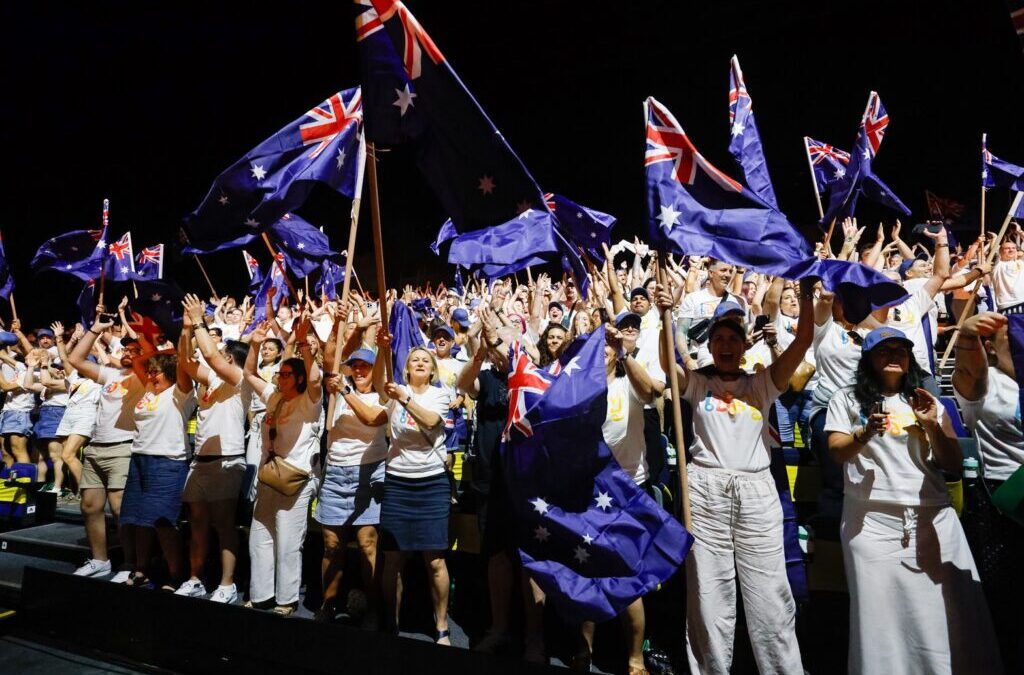
Bangkok’s latest international business-event win is a useful signal for foreign property buyers watching the city’s global visibility. The Tourism Authority of Thailand said Flight Centre Global Gathering: Bangkok 2026 brought more than 2,000 high-performing travel professionals from Flight Centre Travel Group’s worldwide network to the capital from 10 to 12 July 2026.
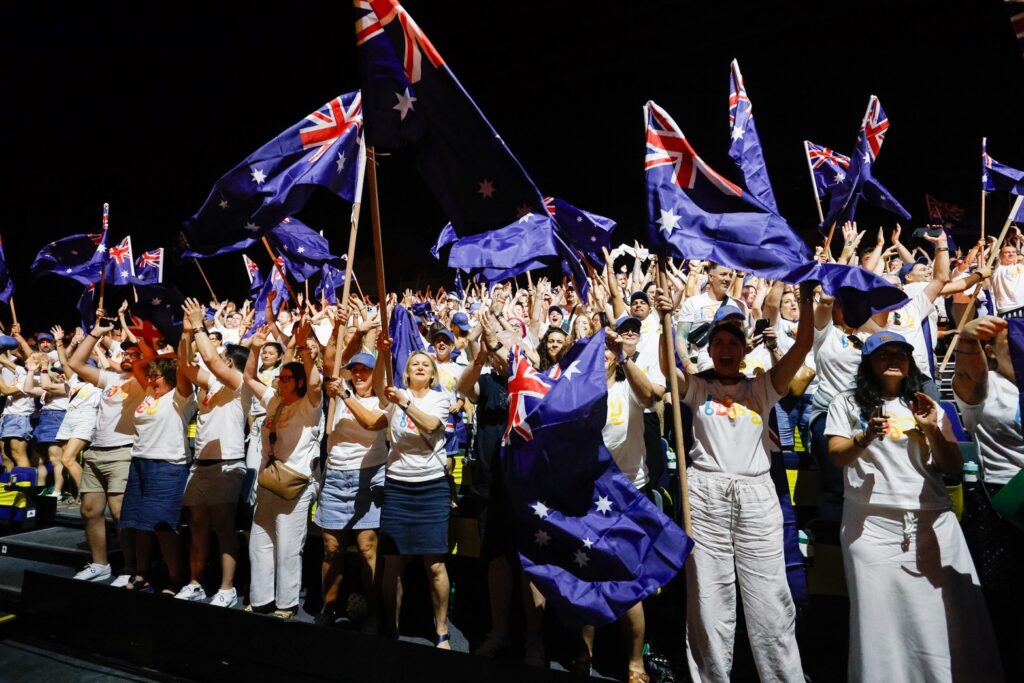
For condo investors, the point is not that a single conference changes property values. It is that events of this scale demonstrate the infrastructure, hospitality, air connectivity and venue ecosystem that help Bangkok remain relevant to international travellers, companies and long-stay residents.
TAT said the gathering was projected to generate approximately 262 million baht in tourism revenue and strengthen Thailand’s visibility in long-haul markets, particularly Australia. That kind of exposure matters because overseas travel sellers influence where repeat visitors, premium travellers and event delegates go next.
Why MICE demand matters to property buyers
MICE demand – meetings, incentives, conferences and exhibitions – sits between tourism and corporate relocation. Delegates may visit for a short period, but the venues, hotels, dining areas and transport they use are the same urban systems that support expatriate living and prime condo demand.
When Bangkok hosts a large international programme, it puts districts such as Sukhumvit, Rama IV, Ratchaprasong, Sathorn, Riverside and Muang Thong Thani into practical use for global visitors. Delegates experience airport transfers, hotels, shopping centres, restaurants, event halls, riverfront venues and local tours. Some later return with family, clients or investment interest.
Property buyers should treat this as a confidence signal rather than a price forecast. A city that repeatedly handles large events is easier to explain to a foreign buyer than a market known only through holiday images.
What the event showed about Bangkok
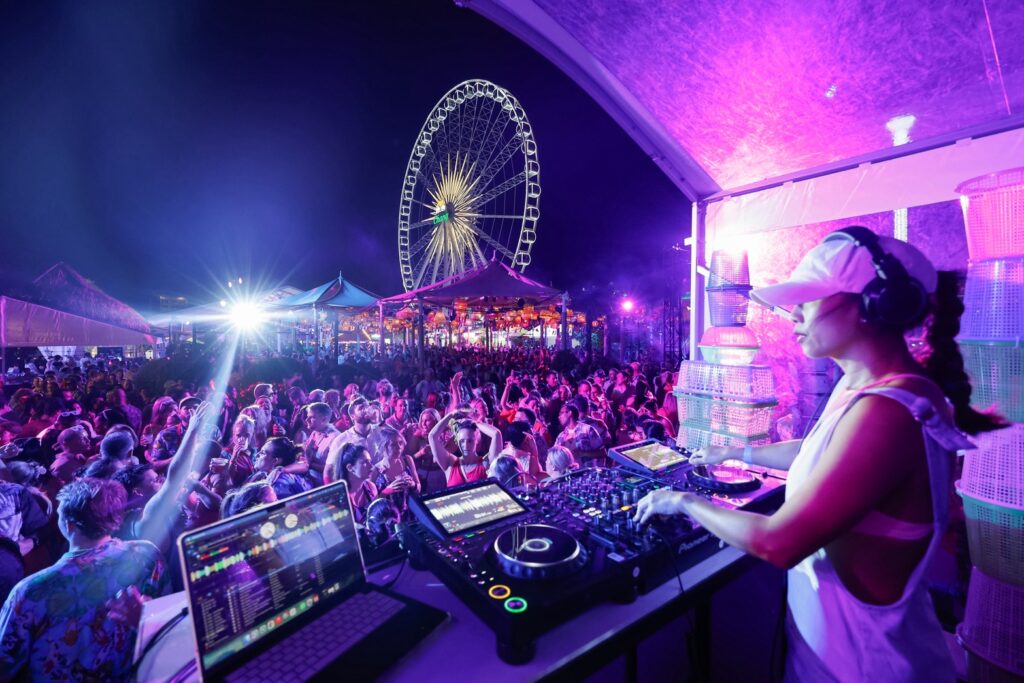
TAT’s announcement highlighted several Bangkok strengths: air connectivity, event readiness, hospitality standards and an extensive tourism network. The programme used venues including Bangkok Marriott Marquis Queen’s Park, Hyatt Regency Bangkok Sukhumvit, UOB Live, Impact Arena and Asiatique The Riverfront.
That range is important. Bangkok is not dependent on one conference district. It can combine central hotels, large entertainment venues, riverfront spaces, cultural neighbourhoods and day tours. For property buyers, that supports the argument that Bangkok’s liveability and visitor economy are distributed across multiple high-demand zones.
Tourism quality over simple volume
TAT connected the gathering with its value-focused tourism direction and its “Healing is the New Luxury” approach. This language matters because Thailand is trying to move beyond simple visitor counts toward higher-value experiences such as wellness, culture, gastronomy, responsible travel and premium services.
For Bangkok property, higher-quality tourism can support demand for better-located residences, serviced apartments, branded residences and buildings near hospitals, wellness venues, restaurants and parks. It can also improve the city’s image among buyers who want a home base rather than a purely speculative asset.
Investors should still separate city confidence from unit selection. A strong tourism story does not make every condo a good purchase. Building quality, entry price, juristic management, tenant demand and exit liquidity remain decisive.
Long-haul visibility and the Australian link
The Flight Centre gathering is especially relevant because TAT noted the long-haul market visibility, particularly Australia. Australian visitors, executives and lifestyle buyers already understand Thailand as a holiday and retirement destination. A major travel-industry gathering deepens professional familiarity with Bangkok as an event and premium-experience city.
For property investors, long-haul confidence can support rental demand in areas used by corporate travellers, medical visitors, regional executives and lifestyle migrants. It can also increase the number of people who see Bangkok as a practical second-home city rather than a short-stay destination only.

How foreign buyers should read the signal
The correct conclusion is measured optimism. Bangkok continues to attract international events, and those events use the same infrastructure that supports urban property demand. However, buyers should not use one announcement to justify overpaying or skipping due diligence.
A better response is to focus on buildings and districts that benefit from Bangkok’s global connectivity: easy airport access, strong hotel and office presence, transport links, dining, healthcare, retail and cultural amenities. These are the areas where tourism, business travel and resident liveability overlap.
Foreign buyers comparing Bangkok condos can use this news as one part of a wider confidence picture, alongside interest rates, rental evidence, project quality, legal checks and personal lifestyle fit. IBP can help shortlist buildings that align with that broader demand story. For practical next steps, explore our investment analysis and foreign buyer guides.