
Bangkok’s riverfront has become much more than a postcard view. For foreign condo buyers, the Chao Phraya corridor can offer a distinctive daily rhythm: morning water views, hotel dining, galleries, heritage streets, mall convenience, evening markets, ferries and a slower sense of space than many inner-city roads.
The lifestyle is not right for everyone. Some buyers need the fastest BTS commute to an office district; others prefer a quiet lane off Sukhumvit. But for buyers who value atmosphere, dining, culture and weekend convenience, riverfront living deserves a closer look.
The key is to judge the riverfront as a practical neighbourhood, not just a view from the balcony. A strong river condo should make daily life easier, not only photograph well at sunset.
Why the riverfront appeals to foreign buyers
The Chao Phraya gives Bangkok something many fast-growing Asian cities work hard to create: a memorable waterfront with hotels, temples, shopping, dining and cultural routes already in place. For overseas buyers, that helps the city feel legible. Visitors can understand the river quickly, and residents can build routines around it.
Riverfront condos often appeal to buyers who want a softer lifestyle than the busiest central intersections. The view can be calming, the hotel and dining scene is strong, and weekend guests have obvious places to go. That matters for part-time residents who want their Bangkok home to feel like a usable base from day one.
It can also help rental appeal. A tenant choosing between similar units may remember the river view, ferry access, ICONSIAM, Asiatique, nearby hotels or heritage streets more clearly than another tower lobby in a denser district.
ICONSIAM and the convenience test
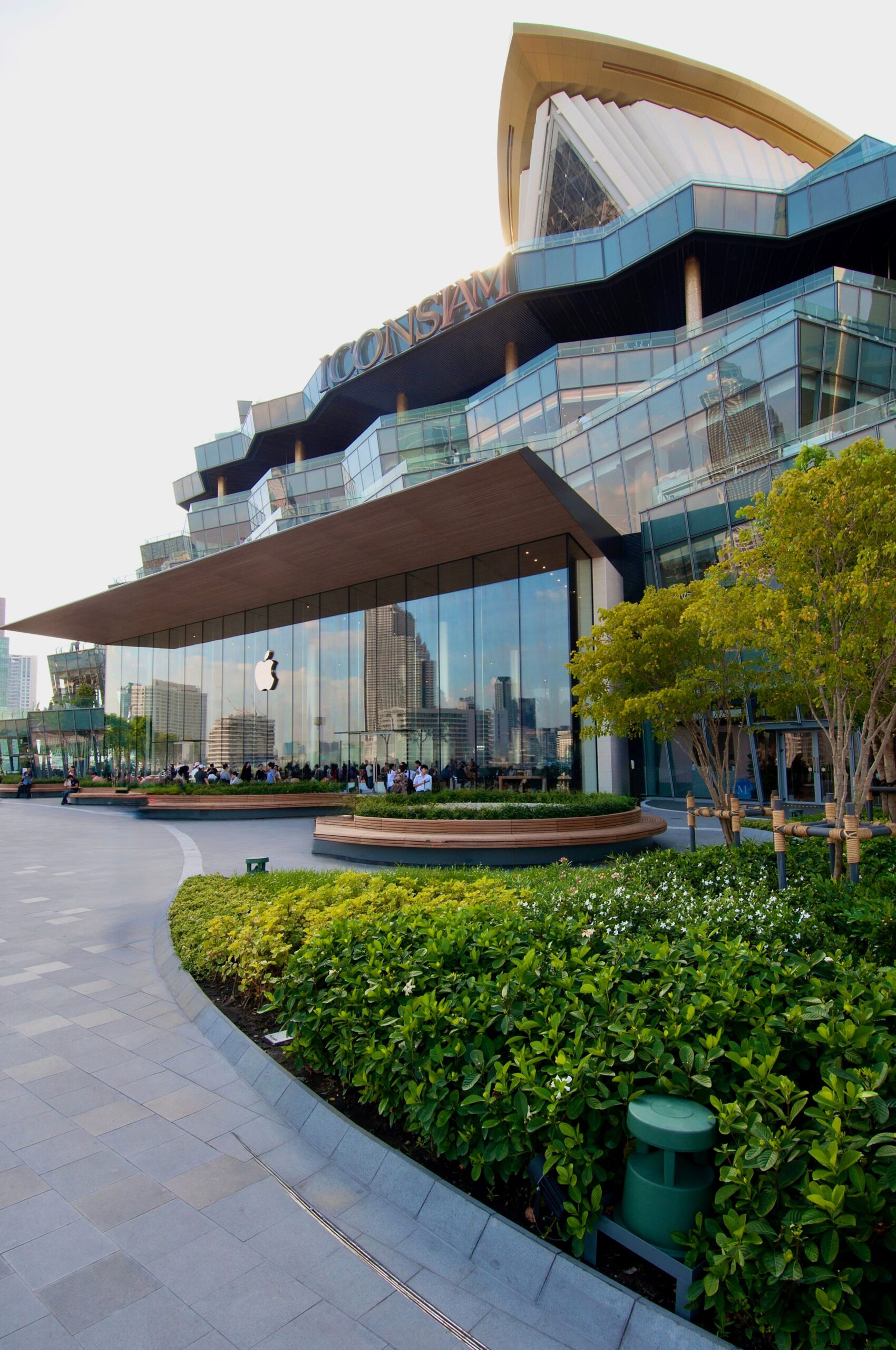
ICONSIAM is one of the clearest examples of how the riverfront has changed. Its official material presents shopping, dining, culture, attractions, event space and riverside experiences in one destination, with features such as SOOKSIAM, River Park, art and culture areas, dining and luxury retail.
For condo buyers, the question is not only whether ICONSIAM is impressive. The question is how easily the building connects to daily needs. Can residents reach groceries, restaurants, banking, transport, healthcare and schools without fighting traffic every time? Is there a safe walk, shuttle, ferry or rail connection that works in real life?
A riverfront condo near major amenities can feel very convenient. A tower with a beautiful view but poor access may feel isolated after the novelty fades. Buyers should test both weekday and weekend movement before deciding.
Asiatique and evening life
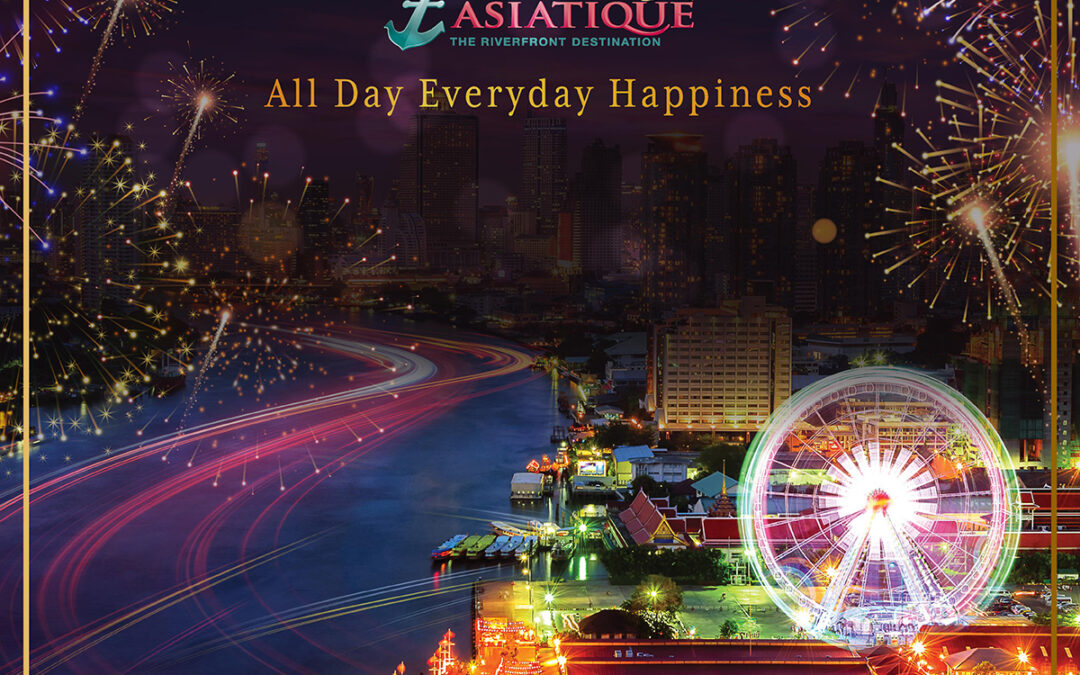
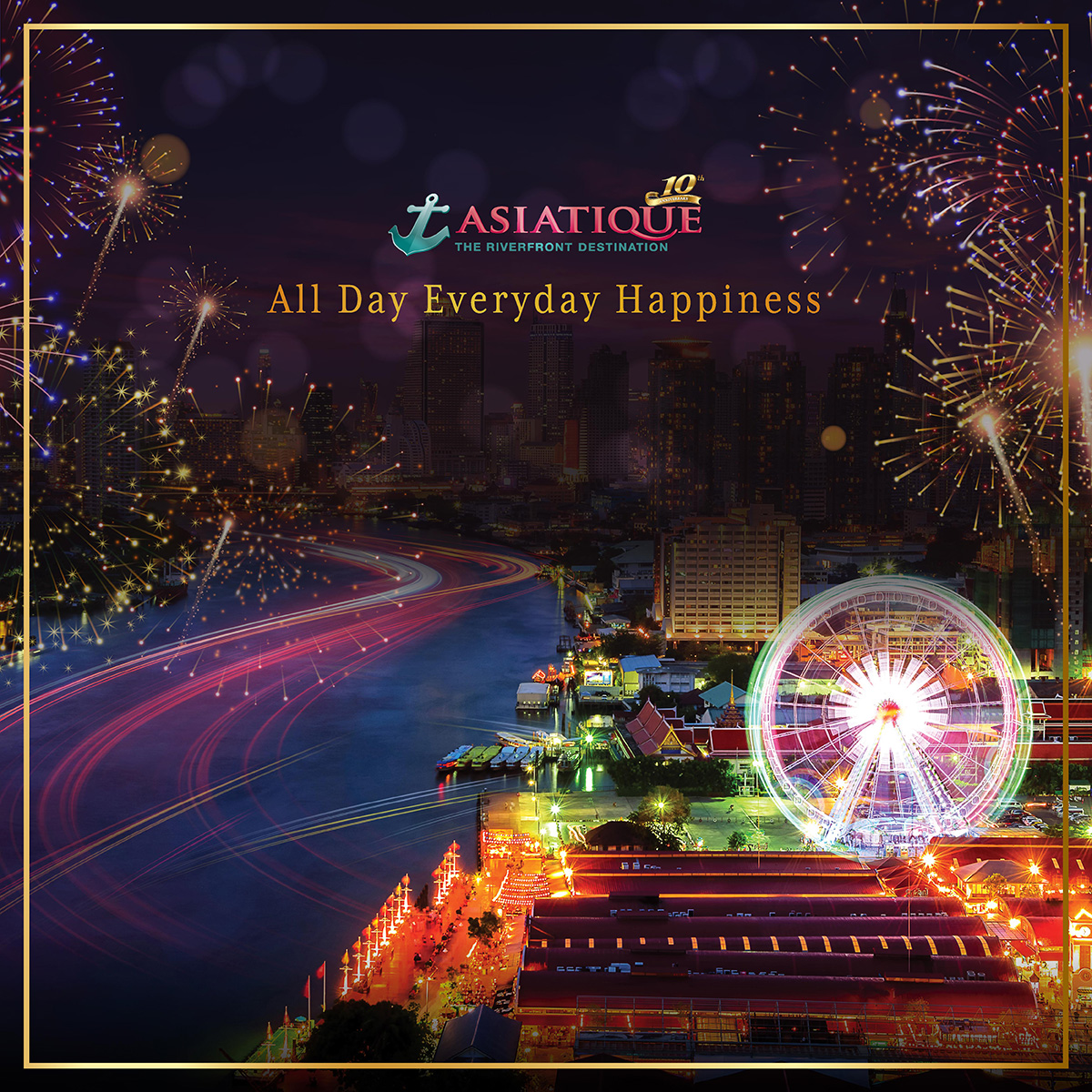
Asiatique The Riverfront shows another side of the corridor. The venue highlights restaurants, street food, a lifestyle market, shows and attractions, including Asiatique Sky, described by the venue as a 60-metre Ferris wheel. Its river promenade and evening format make it useful for families, visiting friends and casual dining.
This matters because liveability is partly about what happens after work. A condo may have a good gym and pool, but the surrounding district should also offer places to walk, eat and meet people. Riverfront venues can make Bangkok feel more social and less car-dependent, especially for newcomers.
Foreign buyers should still check noise, event traffic and weekend crowds. Living near a popular destination is different from visiting it. Some owners love the energy; others prefer to be one or two transport stops away.
Transport is the deciding factor
Riverfront living works best when transport options are layered. Look for practical access to BTS or MRT, reliable road routes, ferry piers, hotel boats, mall shuttles and ride-hailing pick-up points. A beautiful tower can become frustrating if every trip begins with a traffic bottleneck.
Also check how transport feels in rain, late at night and with luggage. A weekend ferry ride may be charming, while a weekday school run or airport transfer may require a different plan. Buyers who travel often should test the route to both Suvarnabhumi and Don Mueang airports during realistic traffic periods.

Which buyers may fit the riverfront
The riverfront can suit lifestyle buyers, frequent visitors, retirees, families who like weekend activities, hospitality-sector executives and tenants who want memorable surroundings. It may also suit buyers who value larger views and hotel-style neighbourhoods more than being directly in the CBD.
It may be less suitable for buyers whose daily life is concentrated around Asoke, Ploenchit, Ari or Rama 9. In those cases, a riverfront home can still work, but only if the commute is acceptable and the buyer genuinely values the lifestyle trade-off.
What to inspect before buying
Inspect the unit at different times of day. Watch boat traffic, road noise, afternoon heat, lift waiting times, parking flow and the view corridor. Ask whether any future project may affect the view. Check flood management, drainage, insurance, shuttle arrangements, juristic finances and how the building manages guests or short visits.
For rental investors, compare achievable rent against competing riverfront and inner-city units. A strong view can help, but tenants also compare commute, furnishing, building age and management quality. Do not pay for a river premium unless the unit can defend it through lifestyle and practical convenience.
A calm way to decide
Spend a full day in the district before reserving. Start with a normal morning errand, move through lunch, test the route to a key work or school destination, return during evening traffic and finish with dinner nearby. If the lifestyle still feels natural, the riverfront may be a strong fit.
IBP can help foreign buyers compare Bangkok riverfront condos with Sukhumvit, Silom-Sathorn and park-adjacent alternatives. For broader lifestyle planning, read our private hospital access guide and our Bangkok lifestyle articles.