Bangkok green space is not only a weekend amenity. For a long-stay resident, access to a park, shaded route or smaller pocket of planting can change how often it feels comfortable to walk, exercise, meet friends or take a break from a high-rise home. Foreign condo buyers should therefore assess green space as part of everyday liveability, not as a decorative map feature.
Major parks can add exercise, shade and a calmer rhythm to high-density city living.
Major parks such as Lumphini, Benchakitti and Suan Luang Rama IX offer distinctive experiences, but proximity alone does not settle the property decision. Entrances, crossings, opening times, heat, rain, traffic and the route from the lobby all affect whether a resident will actually use a space. A smaller local park reached easily may add more daily value than a famous park requiring an awkward journey.
Begin with the routine you want
Define what green space needs to do for you. A runner may value a continuous loop and early access. A family may look for play areas, toilets, seating and a route suitable for a pushchair. An older resident may prioritise shade, level paths and easy taxi pickup. A dog owner must check applicable rules rather than assume every open area is pet-friendly.
Write down frequency as well as purpose. A park used five mornings a week should be tested like a commute. A destination visited once a month can justify a longer trip. This distinction prevents buyers from paying a large location premium for an amenity that does not fit their real schedule.
Walk from the condo to the entrance
Property listings often measure distance to the edge of a park. Residents need an entrance they can use. Walk the complete route and note major roads, footbridges, junction waits, pavement condition, shade, lighting and drainage. Repeat the journey when traffic is busy and consider how it feels after dark.
Check whether the route works both ways when tired, carrying shopping or returning in rain. If a taxi or motorcycle ride is normally required, include that friction in the decision. The best green-space access is the one a resident can use consistently without turning a simple walk into a logistical exercise.
Usable access depends on entrances, crossings, opening times and the journey from the condominium.
Compare large parks with local greenery
Large parks can provide long routes, varied landscapes and a stronger sense of separation from the city. They may support running, cycling, group exercise and weekend gatherings. Their scale can also make nearby districts attractive to residents who want urban convenience without giving up outdoor time.
Local parks, canalside paths, landscaped setbacks and quiet tree-lined streets play a different role. They can support a short evening walk, children’s outdoor time or a calmer route to shops. Buyers should map several layers of green space rather than letting one landmark dominate the entire location assessment.
Inspect the condo’s own outdoor provision
A well-designed garden, terrace or pool deck can complement public space, especially during very hot or wet weather. Look at usable shade, seating, airflow, noise, maintenance and whether the area feels overcrowded at peak times. A photograph taken immediately after completion may not show how planting and surfaces have aged.
Ask how outdoor areas are maintained and whether major work is planned. Review common fees and the building’s financial position because extensive landscaping and water features require ongoing care. An attractive garden adds value only when management can sustain it.
Larger destination parks may reward a longer trip, while small local spaces can support daily routines.
Test comfort across Bangkok’s seasons
Green-space routines change with heat, heavy rain and air-quality conditions. Buyers should consider early-morning and evening access, sheltered alternatives and how the building supports indoor exercise when outdoor plans are uncomfortable. Keep expectations realistic: a nearby park does not remove the need to monitor conditions and adjust activity.
Observe water, mosquitoes, slippery surfaces and drainage after rain. Check the route during the season in which you are viewing, then ask how it changes at other times. A covered connection, convenient lift and practical lobby can be as important as the park itself when weather changes quickly.
Green space can widen the resident audience
For an investor, credible access to outdoor space may appeal to professionals, couples, families and longer-stay residents. It can make a compact unit feel more liveable because recreation is not limited to the condominium amenities. The benefit should be demonstrated through the actual route and neighbourhood rather than described with a vague claim of being near nature.
Do not assume a park view will remain open or that every tenant will pay a premium. Check orientation, heat, noise, surrounding land and competing units. A well-managed building with an easy entrance route may lease more defensibly than a higher-priced unit whose main selling point is a distant view.
Use green space to compare districts
When two condos meet the basic budget and transport brief, compare the complete liveability network: public parks, small open spaces, walkable errands, healthcare, food, culture and social life. Bangkok’s premium appeal comes from combining these choices, not from any single amenity.
A central buyer may value Lumphini or Benchakitti access alongside rail and office districts. A buyer farther east may prefer a larger home and planned trips to Suan Luang Rama IX. Neither is universally better. The right balance depends on how often the resident travels centrally, how much private space they need and what they enjoy doing outdoors.
Green-space viewing checklist
Identify the exact entrance and opening arrangements.
Walk the full route at the times you expect to use it.
Check crossings, shade, lighting and drainage.
Match facilities to running, family or mobility needs.
Assess smaller local spaces as well as major parks.
Inspect the condo’s gardens and maintenance quality.
Plan indoor alternatives for heat, rain and poor air.
Verify current rules directly before relying on a facility.
Green space rarely decides a purchase on its own, but it can make Bangkok condo life healthier, calmer and easier to sustain over many years. IBP helps foreign buyers compare homes by transport, neighbourhood and long-stay practicality. Browse our expat living guides and district guides, or contact IBP Real Estate for a lifestyle-focused shortlist.
Thailand has been identified by the International Monetary Fund as one of four leading exporters of hardware linked to artificial intelligence, alongside Korea, Malaysia and Taiwan Province of China. The finding appears in the IMF’s July 2026 World Economic Outlook Update and places Thailand inside a technology investment cycle that extends beyond consumer electronics.
Thailand’s government highlighted the country’s place in the IMF’s group of four leading AI-hardware exporters.
For foreign buyers of Bangkok property, the relevance is indirect but important. Advanced manufacturing, data infrastructure and technology services can support skilled employment, corporate activity and long-term demand for a well-connected capital. The ranking is not a promise of condo price growth, and buyers should resist turning a national trade signal into a guaranteed return for a particular building.
What the IMF classification means
The IMF groups Thailand with the other three economies using a defined set of trade codes covering computing equipment, storage and components used in semiconductor production and advanced electronics. In its July update, the IMF noted that economies closely integrated into the global technology value chain had received some support from strong AI-hardware exports.
This is a narrower statement than saying every Thai technology company is an AI business. It shows that Thailand participates materially in the physical supply chain enabling data centres, computing and related equipment. The distinction matters because durable economic benefit depends on how much value, expertise, local procurement and workforce development are built around that production.
Government policy is aimed at a deeper ecosystem
On 12 July 2026, Thailand’s Government Public Relations Department highlighted the IMF finding and linked it to work on digital and energy infrastructure, skills, research, innovation and investment facilitation. It also referred to the National Semiconductor Policy Committee and the aim of moving from an established electronics base towards higher-value AI and semiconductor activity.
The direction is credible only if implementation keeps pace with investment. Power availability, clean-energy access, water management, logistics, technical education and regulatory clarity are all part of the proposition. For property investors, these conditions matter more than a single promotional slogan because they influence whether projects become operating businesses with lasting jobs.
Recent BOI approvals show investment moving across data hosting and advanced-electronics supply chains.
Recent BOI approvals add practical detail
The Thailand Board of Investment said on 8 July that nine approved projects totalled USD 1.99 billion, or 66.3 billion baht, across AI, advanced electronics, aviation, clean energy and food. The technology approvals included GPU server infrastructure for data hosting in Bangkok and Pathum Thani, as well as materials used in printed circuit boards in Samut Prakan, Chonburi and Chachoengsao.
The same announcement described a strengthened screening framework for data-centre investment, with attention to resource use, environmental impact and clean-energy sourcing. This is significant. Technology investment can strengthen Thailand’s economy, but infrastructure-heavy projects need transparent resource planning if their benefits are to remain sustainable.
Why Bangkok remains central
Even when factories are located in surrounding provinces, Bangkok acts as a centre for management, finance, legal work, professional services, international education, healthcare and transport. Regional headquarters and senior teams often choose the capital because it offers depth across these functions and direct connections to the wider metropolitan economy.
The BOI announcement also names Bangkok and Pathum Thani for data-hosting investment, showing that the digital economy is not only an industrial-estate story. Over time, a broader technology cluster can support housing demand among engineers, managers, consultants and entrepreneurs. That demand will still be selective, favouring locations with reliable transport, liveability and buildings that suit long-stay residents.
The property relevance comes through durable employment and business formation, not a simple export-ranking headline.
What property buyers should monitor
First, track whether announced projects reach construction and operation. Approval value is not the same as completed investment. Second, watch the quality and location of jobs created. A project that develops technical capability and local management may influence housing demand differently from a highly automated facility with limited staffing.
Third, follow infrastructure constraints and responses, particularly electricity, clean-energy procurement and water. Fourth, look for business formation around the main investments: suppliers, professional services, training and regional offices. Finally, connect any economic thesis to the exact condo. Transport, building management, unit layout, purchase price and competing supply remain decisive.
A useful confidence signal, with limits
Thailand’s position in AI-related hardware exports adds evidence that the country is participating in an important global investment theme. Combined with recent advanced-electronics and data-infrastructure approvals, it supports a more diversified story than tourism or traditional manufacturing alone.
Yet the prudent conclusion is measured. Global technology cycles can change, trade policy can shift and large projects can be delayed. Foreign buyers should treat the news as one input into long-term confidence, not as a shortcut around property due diligence or a reason to accept an inflated price.
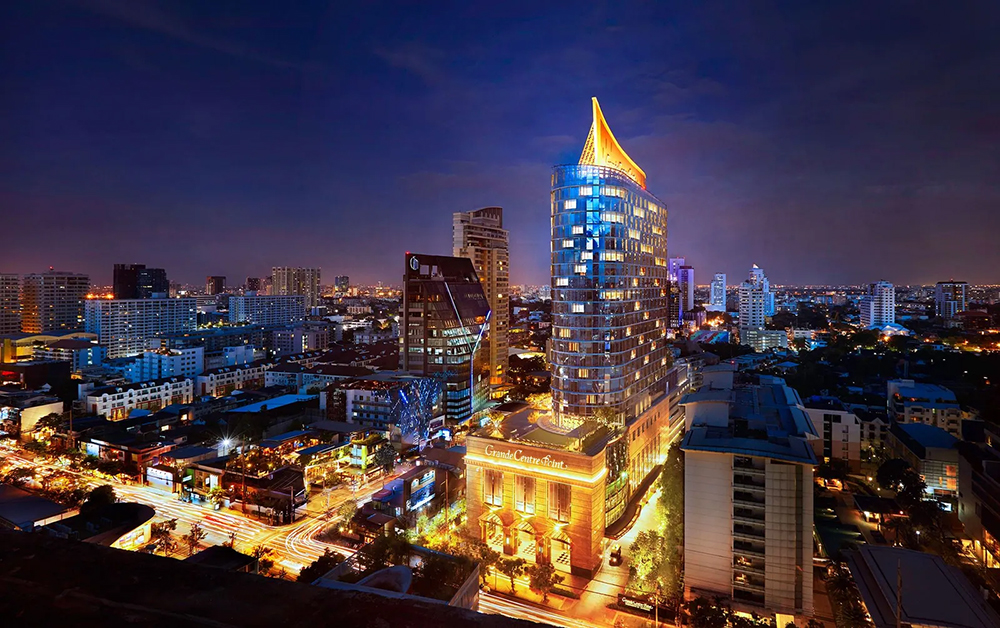
Phra Khanong sits on the Sukhumvit Line between Ekkamai and On Nut, giving foreign buyers a location that can feel connected to central Bangkok without copying the character or pricing of the most established prime districts. Its appeal is practical: rail access, a mixed local and international neighbourhood, everyday retail and a range of condominium ages and formats.
Buyers should walk the exact door-to-platform route at the times they expect to use it.
That variety also means buyers should avoid treating every Phra Khanong BTS condo as the same proposition. Walking route, side of Sukhumvit Road, building management, unit competition and the likely tenant or resale audience can differ substantially. The right choice starts with how the property will actually be used.
Define the Phra Khanong search area
Estate-agent descriptions can stretch neighbourhood names. Decide whether the priority is the immediate BTS catchment, a quieter residential lane, access towards Rama IV, or a position that also benefits from Ekkamai or On Nut. Mark the exact building entrance and walk the real route rather than relying on a straight-line map distance.
Buyers should also consider which side of Sukhumvit best fits their routine. Crossing a major road, using a footbridge, waiting for a lift or navigating an uneven pavement can change a short map distance into an inconvenient journey. Repeat the walk in daylight, after dark and, if possible, in wet weather.
Why the district can work for long-stay living
Phra Khanong offers access to the wider Sukhumvit corridor while retaining a more varied streetscape than some heavily branded central addresses. Residents can reach restaurants, local shops, supermarkets, services and neighbouring leisure areas without every trip becoming a destination outing.
For an owner-occupier, this can support a balanced routine: commute by BTS, shop locally and use Ekkamai or Thong Lo when a broader choice is wanted. For an investor, the same logic may appeal to tenants who value connectivity but do not need a trophy postcode. That audience should still be tested against the exact unit size, rent and competing stock.
Phra Khanong combines rail access with a varied lower-Sukhumvit streetscape and everyday services.
Check the complete transport journey
The BTS station is only one part of access. Time the route from the unit door to the platform, including lifts, crossings and station entry. Then map the destinations that matter: office, school, hospital, airport connection, shopping and social life. A buyer who changes lines every day may value a different building from someone who works along the same BTS corridor.
Road access also matters. Observe taxi pickup, ride-hailing collection, motorcycle-taxi points, parking entry and peak-hour congestion. If a buyer travels frequently, test airport journeys rather than assuming Sukhumvit proximity guarantees a simple trip. Transport decisions should reflect present operations and the buyer’s real timetable.
Compare new and established buildings carefully
Phra Khanong’s condominium stock includes different generations. A newer building may offer modern amenities, efficient systems and contemporary finishes, but could have compact layouts and many similar investor-owned units. An established building may provide more space or a mature residential atmosphere, while requiring closer review of maintenance and future capital work.
Inspect common areas, lifts, fire-safety provisions, parking, refuse handling, water systems and visible maintenance. Ask for juristic-person records relevant to common fees, sinking funds, major repairs and building rules. Age alone is not a verdict; management quality and the financial ability to maintain the property are more informative.
Building management, unit mix and maintenance can outweigh a small difference in walking distance.
Assess the unit against its likely audience
A studio or compact one-bedroom may suit a single professional who prioritises rail access. A larger one-bedroom with a real work area may appeal to a longer-stay tenant. Two-bedroom demand can depend more heavily on schools, parking, storage and family routines. Buyers should match the unit to a plausible audience instead of assuming every Sukhumvit tenant wants the same home.
Review layout efficiency, light, heat, noise, storage, kitchen ventilation, furniture and privacy. In a building with many identical units, condition and presentation can determine leasing speed. A higher floor or open view may help, but only if the premium remains sensible and the view is defensible.
Understand nearby competition
Phra Khanong competes with Ekkamai, On Nut and other lower-Sukhumvit locations. Compare total purchase cost, unit quality, actual station journey, building reputation and achieved rental evidence across more than one stop. A cheaper unit is not automatically better value if it faces weaker management or a narrower resale audience.
Within the same building, count comparable listings. Repeated layouts and furniture packages make it easy for tenants to compare. Ask how long units have been offered and whether asking rents have changed. For resale, review completed transactions where available and separate genuine evidence from optimistic listings that remain online.
Foreign-buyer due diligence remains essential
Confirm the title, seller authority, registered area, foreign-ownership position, remittance evidence and transfer requirements with a Thai lawyer and the relevant parties. Review the sale agreement, deposits, inventory and completion timetable before committing. If the unit is tenanted, examine the lease, deposit handling, payment history and vacant-possession position.
Also budget for common fees, sinking-fund contributions, insurance, repairs, furnishing, management, leasing and tax-related obligations. The correct investment comparison uses net cash flow and a realistic vacancy allowance, not a headline rent divided by purchase price.
Who may find Phra Khanong suitable?
The district may suit buyers who want Sukhumvit Line convenience, a lived-in neighbourhood and access to nearby premium districts without making a prime address the sole objective. It can also suit investors with a clearly defined professional or long-stay tenant profile.
It may be less suitable for a buyer seeking immediate prestige, a large expatriate enclave at the door or a unit whose value rests mainly on an unobstructed landmark view. The decision should be building-led and unit-led, not based on the station name alone.
Phra Khanong buyer checklist
Walk the exact route to BTS at several times.
Check road crossings, shade, drainage and taxi access.
Compare both newer and established buildings.
Identify the likely tenant and resale audience.
Measure comparable supply inside the building.
Review juristic, title and foreign-ownership evidence.
Model net income, vacancy and future maintenance.
IBP helps foreign buyers compare Bangkok locations at building and unit level. Browse our district and BTS/MRT guides, or contact IBP Real Estate for a Phra Khanong and lower-Sukhumvit shortlist.
A Bangkok condo viewing is most useful when it produces evidence for the next decision. Attractive staging, a bright view and a short walk from the station can create a strong first impression, but foreign buyers also need to understand the unit, the building, the ownership file and the practical route they would use every day.
A useful viewing records condition, measurements and unanswered questions instead of relying on first impressions.
This checklist is designed for an initial or second viewing. It does not replace a professional inspection, legal due diligence, title review, foreign-quota confirmation or advice on the buyer’s own structure and remittance. Its purpose is to help buyers ask better questions early and avoid spending time on a property that fails basic practical tests.
Prepare before arriving
Ask the agent for the unit number, floor, stated area, asking price, furnishing position, occupancy status and viewing arrangements. Request a floor plan if one is available. Confirm whether photographs show the actual unit or a representative room. If the property is tenanted, understand what can be inspected without disturbing the occupant.
Bring a phone or camera, notes, a tape measure or measuring app and a shortlist of non-negotiables. Decide in advance what matters most: a desk, separate kitchen, storage, quiet bedroom, accessible shower, balcony, parking or proximity to a particular workplace. A disciplined list makes comparison easier after several viewings.
Check the arrival route
Start observing before entering the lobby. Walk from the BTS or MRT station, or approach by the transport mode you expect to use. Look at pavements, crossings, shade, lighting, drainage, taxi pickup, motorcycle traffic and the final building entrance. A location described as near a station may feel very different in heat, rain or after dark.
Notice nearby construction, vacant land, nightlife, schools, places of worship, loading areas and major roads. Visit at more than one time if noise or traffic matters. Check everyday services such as food, groceries, pharmacy, laundry and a practical route for airport travel. These details influence both personal comfort and the future tenant or resale audience.
Usable space, storage, privacy and furniture clearances matter more than the stated floor area alone.
Test whether the layout is genuinely usable
Do not judge a unit by stated area alone. Walk the route from entrance to kitchen, bathroom, bedroom and balcony. Check where doors collide, whether curtains block storage, how a dining table fits and whether there is room to work without turning the bedroom into an office. Measure furniture clearances that matter to you.
Open wardrobes, drawers and kitchen cabinets with permission. Look for luggage storage, cleaning equipment space and a sensible place for shoes. Confirm appliance positions, ventilation and access for maintenance. A visually polished room can still be awkward if circulation consumes too much space or essential storage is missing.
Look, listen and smell
Spend a few quiet minutes in each room. Listen for road traffic, trains, lifts, pumps, neighbouring doors and mechanical equipment. Check natural light and orientation, while remembering that heat and glare can change through the day. Open and close windows and balcony doors where permitted.
Look for staining, cracked sealant, swollen cabinetry, uneven flooring, damaged ceilings, condensation and signs of repeated patching. Check water flow, drainage, hot water and air-conditioning operation when access allows. A viewing can identify questions, but hidden defects and technical condition require an appropriately qualified inspector.
Record exactly what is included
Ask which furniture, appliances, curtains, lighting and decorative items remain. Do not assume that everything in the photographs forms part of the sale. Note model numbers or visible condition for expensive appliances and built-ins. If the unit is sold furnished, the agreement should eventually identify the inventory clearly.
Also clarify whether a parking right, storage area or access cards are attached to the unit and how they are documented. Building practices differ. Any important inclusion should be checked against the ownership and contract documents rather than left as a verbal promise.
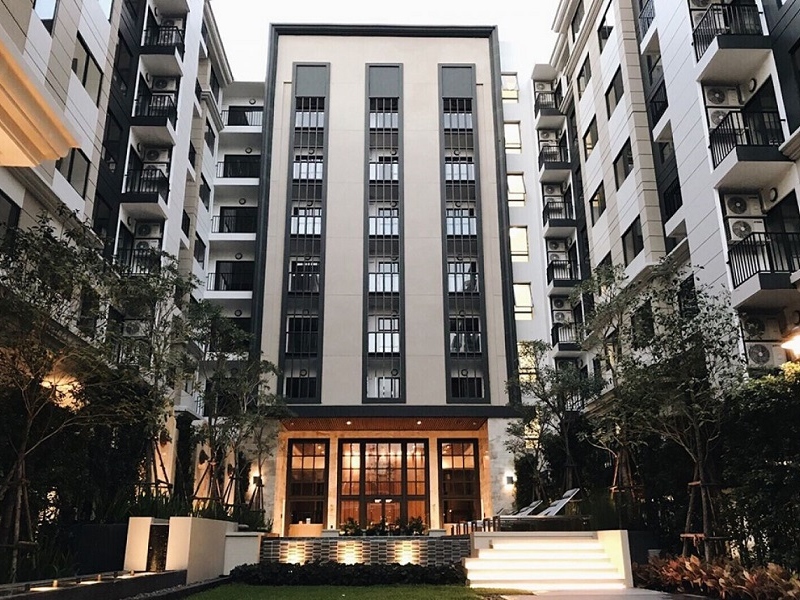
The inspection should extend from the unit to common areas, building management and the surrounding street.
Extend the viewing to the building
Inspect corridors, lifts, fire exits, refuse areas, mailboxes, parking access and amenities. Look for consistent maintenance rather than one impressive lobby. Ask how access control works, how visitors enter and whether deliveries create congestion. Observe whether common areas feel proportionate to the number of units.
Meet the condominium juristic office if possible. The viewing is a good time to identify which records and answers will be needed later: common fees, outstanding amounts, sinking-fund position, major planned work, house rules, renovation procedures, insurance arrangements and any restrictions relevant to ownership or letting. Formal review should follow through the buyer’s lawyer and advisers.
Ask about the sale context
Understand why the owner is selling, how long the property has been offered, whether it is occupied and what completion timing is expected. These answers are context, not proof. Ask for supporting documents rather than reading too much into a sales explanation.
Foreign buyers should confirm early that the unit can be transferred within the applicable foreign-ownership position and that the buyer can meet remittance and Land Office requirements. A viewing agent can flag the issue, but legal and documentary confirmation should come before a binding commitment.
Create a comparable viewing record
After leaving, score the property using the same categories as every other option: access, layout, condition, noise, light, building management, surrounding area, asking price and unresolved risk. Label photographs immediately so units are not confused. Write down claims that still need documents.
A simple traffic-light system is useful. Green items are evidenced and acceptable. Amber items need an answer, inspection or cost allowance. Red items conflict with the buying brief or present a risk the buyer is unwilling to carry. Do not let one beautiful feature erase several unresolved amber or red items.
Before making an offer
Revisit the route and unit at a different time if practical.
Confirm the actual unit, area and included inventory.
Arrange professional inspection where appropriate.
Give the lawyer the title and seller documents for review.
Check foreign ownership, remittance and transfer requirements.
Request relevant juristic-person evidence.
Price repairs, replacement items and ownership costs.
Vacancy is not an occasional surprise to add after buying a Bangkok condominium. It is a normal investment risk that should be budgeted before an offer is made. A unit can lose income between tenants, during repairs, while it is being marketed or when its asking rent no longer matches competing stock.
Vacancy risk should be assessed at building and unit level rather than inferred from a citywide headline.
For a foreign owner, the cash impact can feel larger because common fees, utilities, insurance, management and maintenance continue while rent stops. A realistic Bangkok condo vacancy budget therefore protects decision quality. It lets buyers compare units on a consistent basis and reduces the temptation to treat twelve months of headline rent as twelve months of collected income.
Start with the annual cash-flow model
List the gross rent a unit could reasonably achieve under a normal lease, then deduct a separate vacancy allowance before calculating net income. Keep common fees, leasing commission, management, repairs, insurance and tax-related costs on their own lines. Combining every uncertainty into one percentage makes it difficult to see which assumption is driving the result.
The vacancy allowance should represent lost rent, not every cost associated with changing tenants. Reletting commission, cleaning, inventory replacement and minor preparation deserve separate entries. This distinction helps an investor understand whether a weak result comes from time without a tenant, high turnover costs or an optimistic rent assumption.
Use unit-level evidence
A citywide figure is rarely precise enough for a purchase decision. Two units in the same district can face different leasing outcomes because of layout, view, floor, furniture, condition, management, parking, pet policy or walking route to transport. Ask for evidence from the same building and, where possible, the same unit type.
Useful questions include how many comparable units are currently offered, how long recent listings remained available, whether achieved rent differed from asking rent and how often tenants renewed. Treat agent estimates as working inputs to test, not guaranteed outcomes. A building with many near-identical investor units may require a larger buffer than one with a broader owner-occupier mix and scarce rental stock.
Layout, condition, furniture and pricing affect how quickly a particular unit can find the right tenant.
Model three vacancy cases
A single forecast can hide risk. Build a base case, a softer case and a stress case. The base case can reflect the evidence you consider most likely. The softer case might assume a longer marketing period or a lower renewal probability. The stress case should test what happens when vacancy coincides with an appliance replacement, repainting or a weaker rent.
The purpose is not to predict the exact number of empty days. It is to see whether the investment remains manageable when events are less favourable than planned. If the owner would be forced to accept the first tenant, defer necessary work or sell quickly after one weak leasing cycle, the purchase may be relying on too little liquidity.
Allow for the leasing calendar
Tenant demand can change through the year and by target audience. Corporate transfers, school calendars, project completions and local business activity can affect when suitable tenants search. A lease ending at an awkward time may take longer to replace than one aligned with stronger demand for that unit type.
Ask when the current lease expires and whether the owner has enough notice to photograph, prepare and market the unit. For an empty purchase, confirm how quickly ownership, furnishing, utility setup and building access can be completed. A theoretical tenant cannot move in while practical work remains unfinished.
Price discipline can shorten vacancy
Holding out for a higher headline rent is not always the best economic choice. Compare the value of the extra monthly rent with the income lost during additional vacancy. Also consider any incentives, agent fees or tenant-specific items needed to secure the higher figure.
This does not mean underpricing automatically. It means making a measured decision using competing listings, achieved evidence and the unit’s genuine advantages. Review the asking rent at agreed intervals instead of leaving a stale listing unchanged. Strong presentation, complete information and prompt responses can improve leasing speed without sacrificing price.
A defensible vacancy allowance considers the real tenant pool, leasing season and competing stock nearby.
Build a reserve that can survive turnover
A vacancy budget belongs in the forecast; a cash reserve belongs in the bank. The owner should be able to meet common fees, utilities, management and essential repairs while the unit produces no income. The appropriate reserve depends on the property, the owner’s other commitments and the time needed to transfer funds to Thailand.
Keep the reserve separate from money earmarked for tax, major capital work or personal spending. Overseas owners should also decide who can authorise ordinary preparation and how invoices will be approved. Delays caused by unclear authority can turn a short gap into a longer one.
Check vacancy before resale as well
Vacancy assumptions matter to a future buyer. A unit with clear leasing records, realistic rent evidence and organised cost history is easier to assess than one marketed only with a headline yield. Keep lease dates, rent receipts, repair invoices, listing history and move-in or move-out records together.
At resale, be transparent about whether the unit is tenanted, vacant or approaching lease expiry. Each position can suit a different buyer. An investor may value immediate income, while an owner-occupier may prefer vacant possession. The strongest exit plan recognises both audiences and does not depend on one perfect handover date.
Practical vacancy-budget checklist
Use achieved evidence from comparable units where available.
Separate lost rent from commission, cleaning and repairs.
Run base, softer and stress cases.
Test lease timing and preparation lead times.
Compare extra asking rent with the cost of waiting.
Hold a dedicated cash reserve.
Keep leasing records for the eventual resale.
A conservative allowance will not make a weak property strong, but it can expose an over-optimistic return before money is committed. IBP helps foreign buyers assess rental evidence, building competition and ownership costs. Explore our investment analysis and rental market guides, or contact IBP Real Estate for an investment-focused shortlist.