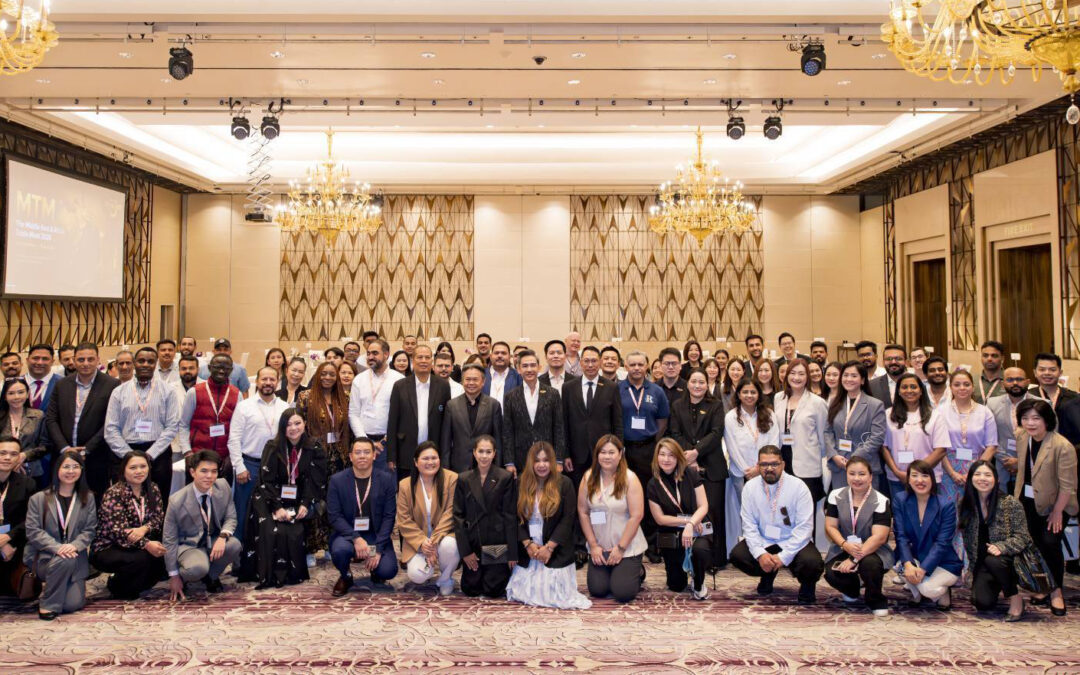
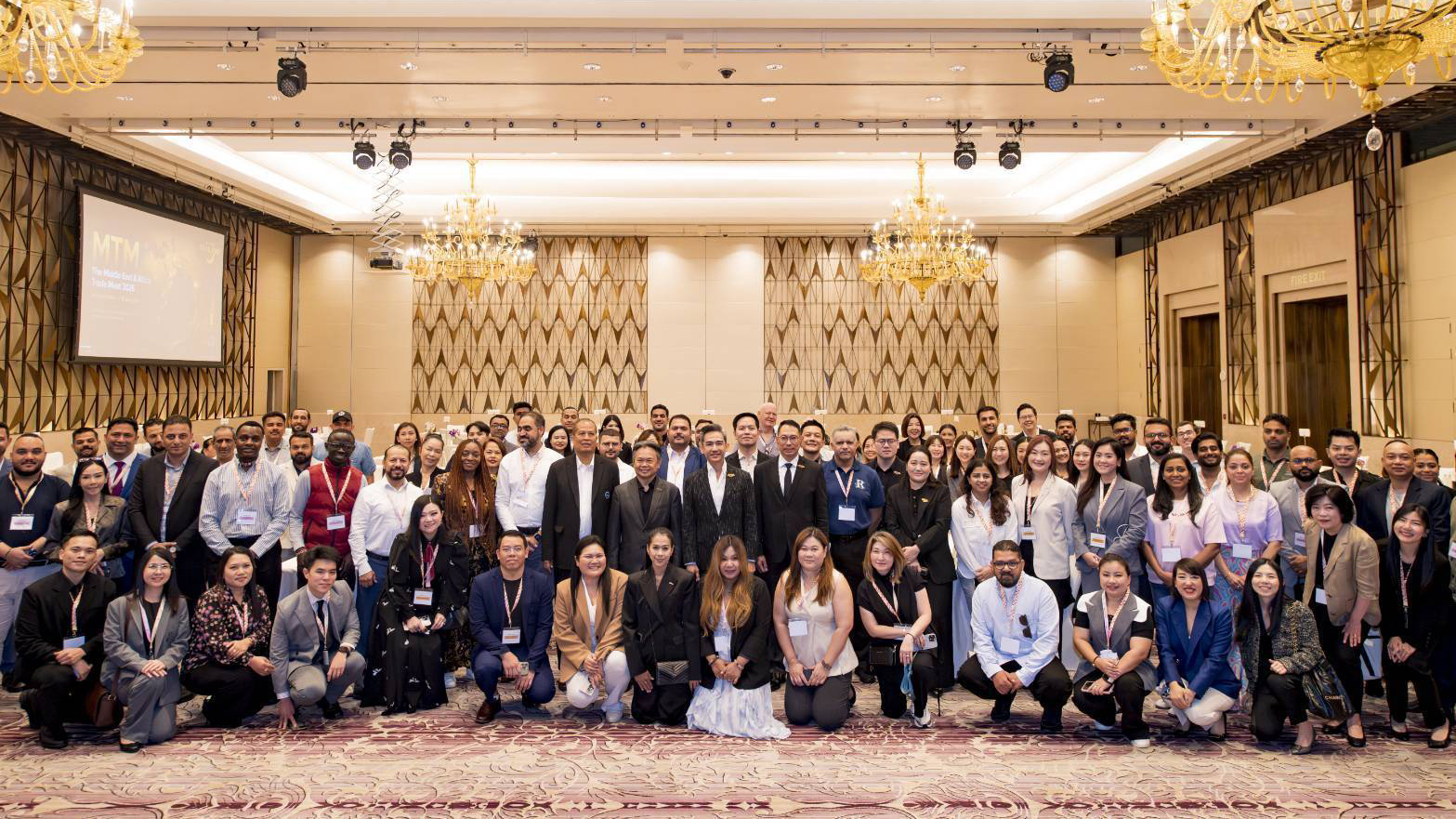
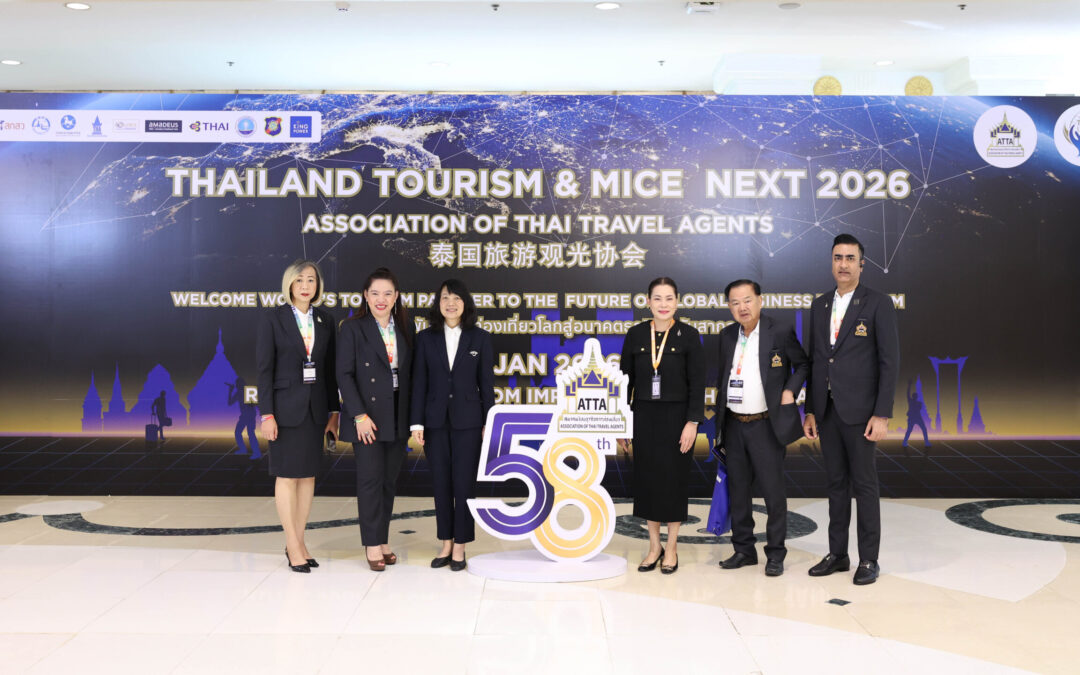
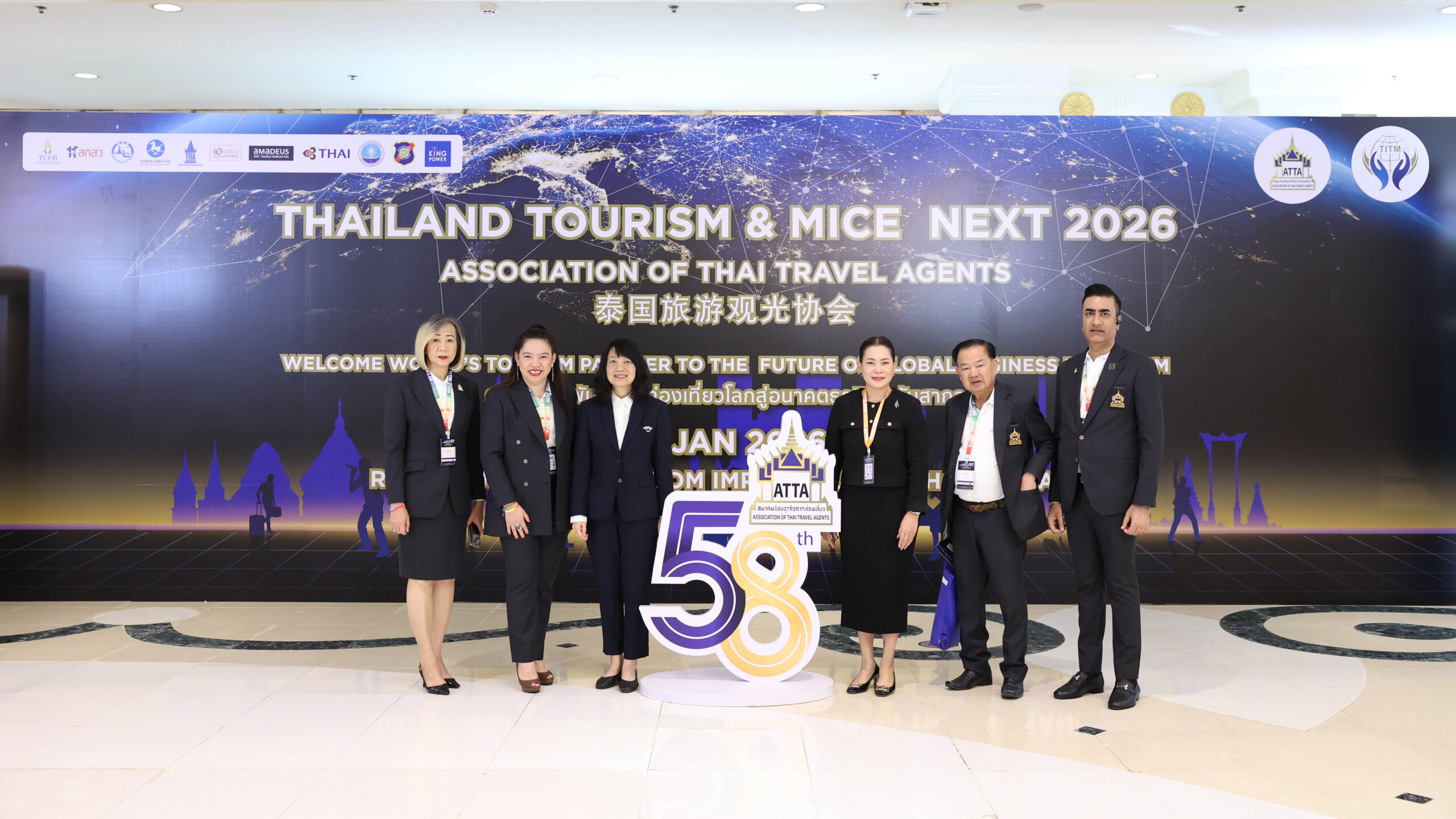
The Tourism Authority of Thailand’s Middle East and Africa Trade Meet 2026, or MTM 2026, gives Bangkok property buyers another useful tourism-confidence signal. TAT Newsroom reported that the Bangkok edition was held on 16 June 2026 at Siam Kempinski Hotel Bangkok, bringing regional travel buyers into direct discussion with Thai tourism suppliers.
MTM 2026 brought Middle East and Africa travel buyers together with Thai tourism suppliers in Bangkok.
For property buyers, the relevance is not that a trade meet changes condo prices. It does not. The relevance is that Thailand continues to build high-value visitor channels in markets that care about wellness, medical access, family travel, privacy, shopping, premium hospitality and year-round leisure. Bangkok is the main urban platform through which many of those experiences begin.
What TAT reported
TAT said 39 travel companies from the United Arab Emirates, Oman, Saudi Arabia, Qatar, Kenya, Nigeria and South Africa joined the Bangkok programme. Activities included a market briefing, Thailand Privilege Card presentation, B2B appointments and networking with Thai tourism suppliers. The aim was to deepen product knowledge and support future business from Middle East and Africa markets.
The Bangkok event followed a wider buyer programme linked to Thailand Travel Mart Plus 2026 in Pattaya, Chon Buri. TAT said 44 regional travel companies joined related TTM+ activities with support from Air Arabia and Oman Air, then experienced hospitality and product showcases before the Bangkok business-matching event.
TAT positioned MTM 2026 as a business platform for growth markets and quality-led tourism.
Why Middle East and Africa markets matter
The official release said Middle East and Africa markets generated more than one million visitor arrivals to Thailand in 2025 for the first time, up about 3% year-on-year. That is a tourism figure, not a property sales figure, but it helps explain why Thailand keeps investing in market-specific travel products.
For Middle Eastern travellers, TAT highlighted wellness, medical tourism, family travel, luxury experiences, privacy-led travel, premium hospitality and shopping. For African travellers, especially from South Africa, Kenya and Nigeria, it highlighted beach holidays, main tourism cities, shopping, nightlife, soft adventure, family attractions, gastronomy and value-led packages.
The Bangkok property angle
Bangkok benefits when Thailand’s visitor story becomes more diverse and higher value. The city offers airports, hospitals, hotels, malls, restaurants, serviced residences, private clubs, embassies, schools and business services. Those assets matter to frequent visitors and internationally mobile households who may later consider a Bangkok base.
This does not mean investors should buy any condo near a mall or hospital. The property decision still depends on entry price, legal due diligence, building management, rental evidence and resale depth. The correct interpretation is macro confidence: Thailand is working to keep premium travel demand broad, and Bangkok remains central to that effort.
It also reinforces why mixed-use districts and well-managed buildings remain easier to explain to foreign buyers. When a visitor can connect meetings, shopping, healthcare, dining and airport travel without friction, the idea of holding a Bangkok home becomes more practical.
Business matching supports Thailand’s wider travel, hospitality and visitor-readiness ecosystem.
What buyers should look for
Foreign buyers who want exposure to Bangkok’s premium positioning should still think at street and building level. A strong unit should connect easily to hospitals, retail, parks, rail, taxis, restaurants, hotels and airport routes. It should also have a layout and management standard that fit the target resident or tenant.
Middle East and Africa demand also reminds buyers not to view Bangkok only through one expat lens. Tenant and owner demand can come from many regions, each with different expectations around privacy, family space, food, healthcare, shopping and service. Buildings that handle these needs professionally may have a broader appeal.
Buyer takeaway
MTM 2026 supports the broader story of Thailand as a quality-led, globally connected travel market. For Bangkok property buyers, that is useful background confidence, not a reason to speculate. The right response is to choose condos where location, daily services, building quality and exit strategy align with Bangkok’s role as Thailand’s international base.
IBP helps foreign buyers connect Thailand tourism and economy news with practical Bangkok property decisions. Read more in our Thailand economy and investment news archive or contact IBP Real Estate for a Bangkok property brief.
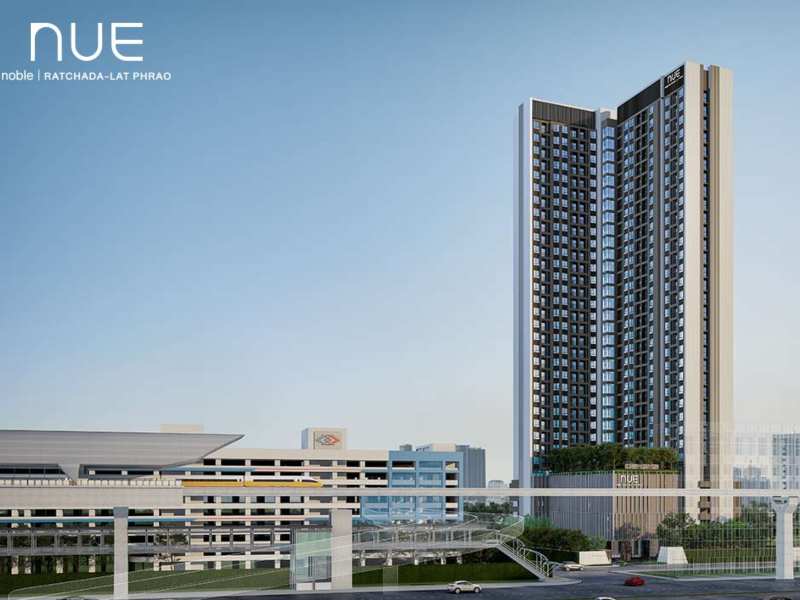
Lat Phrao is a practical north-central Bangkok district for foreign buyers who want MRT access, road connectivity, shopping, offices, local services and a different price conversation from prime Sukhumvit. It is not a simple one-station story. Buyers need to compare Lat Phrao MRT, Ratchadaphisek, Phahon Yothin, Ha Yaek Lat Phrao and nearby side streets as a connected but varied market.
Lat Phrao decisions should begin with the real door-to-station journey.
The district can suit investors and owner-occupiers, especially buyers who value rail, lifestyle convenience and access to northern Bangkok. It can also disappoint buyers who assume every Lat Phrao address has the same walkability or tenant depth. The correct decision depends on the exact route, building, unit type and resale audience.
Why foreign buyers look at Lat Phrao
Lat Phrao has a useful combination of MRT access, large retail anchors, local dining, offices, road links and neighbourhood services. It connects into the wider Ratchada, Chatuchak, Phahon Yothin and Central Ladprao areas. For residents who work across different parts of Bangkok, the district can offer more flexibility than a location tied to one lifestyle node.
Foreign buyers may consider Lat Phrao when central Sukhumvit feels expensive, when they want access to northern Bangkok, or when they see value in a rail-led district with established daily infrastructure. The appeal is practical rather than purely glamorous. That can be a strength if the unit is chosen carefully.
Rail convenience is most valuable when it supports daily work, errands and tenant routines.
Station access needs a real walking test
Listings often describe buildings as near MRT or interchange areas, but the actual journey matters. Buyers should walk from platform to lobby at normal commuting times. Check pavements, crossings, shade, lighting, traffic, construction barriers, motorcycle-taxi reliance and the final approach to the building.
Lat Phrao roads can be busy. A short map distance may feel less attractive if the walk is exposed or hard to cross. Conversely, a building slightly farther from the station may work well if it has shuttle support, a practical drop-off and useful services on the doorstep. The route should match the likely resident, not only the marketing map.
Compare MRT, BTS and road demand
The wider district benefits from multiple movement patterns. Some residents use MRT. Others connect to BTS, drive, use taxis, take buses or work around northern Bangkok. Investors should identify which demand group the unit is really serving. A compact unit near rail may target young professionals. A larger unit with parking may need a different story.
Rail access is helpful, but it should not be the only reason to buy. Building management, lift capacity, unit layout, noise, view, parking, furnishing and rent level still decide whether a tenant chooses the unit over nearby alternatives. A good location cannot fully rescue a weak building.
Lat Phrao and Ratchada-Lat Phrao choices should be compared by building, route and resale audience.
Retail and daily services are part of the value
Lat Phrao’s retail and service depth can support long-stay comfort. Supermarkets, casual dining, clinics, gyms, banks, schools, offices and transport options make the district more convenient for residents who do not want every errand to involve a long trip. That convenience can help both owner use and tenant retention.
Buyers should still inspect the immediate surroundings. A building near a major retail area may be convenient but busy. A quieter soi may be calmer but less walkable. A unit facing a main road may be easy to reach but noisier. The right trade-off depends on whether the buyer is investing, relocating or buying for occasional Bangkok use.
Building age and competition vary
Lat Phrao and nearby Ratchada include older condominiums, newer high-rise projects and mid-market buildings with different facility standards. Investors should compare common areas, lift performance, maintenance, parking, juristic responsiveness and the number of similar listings. If many comparable units are available, rent assumptions should be conservative.
Older buildings may offer larger layouts but require closer checks on repairs, common fees and resale liquidity. Newer buildings may have sharper facilities and smaller plans. Neither is automatically better. The best choice is the one where price, layout, management and demand line up.
Who should consider Lat Phrao
Lat Phrao can suit buyers who want a practical Bangkok base with rail access and a more local daily rhythm than prime tourist districts. It may also appeal to residents connected to northern Bangkok, Ratchada, Chatuchak, Kaset, Don Mueang routes or offices outside the Sukhumvit core.
It may be less suitable for buyers who need the most internationally recognised luxury address, direct riverside lifestyle, or the simplest possible expat arrival story. For those buyers, Phrom Phong, Asoke, Silom-Sathorn, Chit Lom or riverside locations may be easier to understand. Lat Phrao rewards buyers who are comfortable with a more practical, transport-led decision.
Buyer checklist
Walk the route to MRT, retail, taxis and daily services.
Check whether the building depends on a shuttle, car or motorcycle taxi.
Compare lift capacity, parking, common areas and juristic management.
Review competing rental and resale listings in nearby buildings.
Match the unit size to a real tenant or owner-occupier profile.
Test whether the resale story is clear against Ratchada, Chatuchak and Phahon Yothin alternatives.
Buyer takeaway
Lat Phrao MRT can be a sensible Bangkok condo district for foreign buyers who want rail-led convenience, daily services and a practical northern-city connection. It is not a shortcut to easy returns. Buy the route, building quality, layout and resale audience, not only the station name.
IBP helps foreign buyers compare Lat Phrao with other MRT and BTS-led districts. Browse our district guides or contact IBP Real Estate for a location-led shortlist.
A clear inventory is one of the simplest ways for foreign Bangkok condo landlords to reduce disputes. It records what was in the unit, what condition it was in, how many access items were issued, and what should be checked when the tenant leaves. Without that record, even a good tenancy can end with avoidable arguments about damage, wear, missing items or deposits.
A useful inventory file connects the lease, furniture list, photographs and repair history.
Inventory work is not only for large luxury units. It matters for compact one-bedroom condos, family apartments, serviced-style residences and older resale units. The more remote the owner is, the more important the record becomes. A landlord living outside Thailand needs a file that a property manager, agent or lawyer can understand without relying on memory.
Start before the tenant moves in
The best inventory is created before occupancy. Photograph the unit after cleaning and before the tenant’s belongings arrive. Capture every room from wide angles, then photograph important items closely. Include floors, walls, ceilings, windows, curtains, wardrobes, appliances, bathrooms, kitchen counters, balcony, air-conditioners, remote controls and any existing marks.
Do not rely only on attractive listing photos. Marketing photos are designed to secure viewings. Inventory photos are designed to record condition. They should be dated, systematic and easy to match to a written list. If an item is already scratched, stained or repaired, note it rather than hiding it.
Building rules, access cards and common-area responsibilities should be recorded before move-in.
List what the tenant receives
A Bangkok condo inventory should include furniture, appliances, loose items and access items. Record beds, mattresses, sofas, tables, chairs, lamps, televisions, washing machines, refrigerators, microwaves, water heaters, air-conditioning units, kitchenware if included, curtains, routers and any decorative items that remain in the unit.
Access items deserve special care. Count room keys, mailbox keys, parking stickers, lift cards, access cards, remotes and amenity cards. Ask the building what replacements cost and whether cards must be registered. Missing access items can create real security and cost issues at move-out.
Separate wear from damage
Landlords should be realistic. Normal use creates ordinary wear. The inventory is not a tool for blaming tenants for every minor change. Its purpose is to distinguish fair wear from damage, missing items, unauthorised alterations or neglect. A calm standard helps protect the landlord’s relationship with the tenant and supports a fair deposit conversation.
Examples should be specific. A small existing wall mark is different from a large new hole. An ageing sofa is different from a torn sofa. A working air-conditioner with service history is different from a blocked or damaged unit after poor use. The better the starting record, the easier these distinctions become.
Photographs taken before occupancy make later repair and deposit conversations easier.
Connect the inventory to the lease
The inventory should sit beside the lease, not in a separate forgotten folder. The lease can refer to the attached inventory, photo schedule, access-card count and rules for repairs or missing items. Landlords should ask their adviser or property manager to align the wording with the actual tenancy arrangement rather than copying a generic template without review.
Where the building has specific rules, add them to the tenant file. Move-in hours, rubbish disposal, balcony rules, smoking rules, pet rules, drilling restrictions, delivery procedures and amenity booking rules all affect how the unit is used. A tenant who receives clear rules at the start is less likely to create problems later.
Use the inventory during inspections
Inventory is not only a move-in and move-out document. It should guide periodic inspections, especially for overseas owners. A manager can check whether appliances work, filters are serviced, leaks are visible, walls are damaged, balcony drains are clear, and furniture remains in reasonable condition. Small problems can then be repaired before they become expensive.
Keep repair invoices and messages in the same file. If the owner replaces a mattress, fixes an air-conditioner or repaints a wall during the tenancy, update the record. A living inventory is more useful than a document created once and ignored for years.
Move-out should follow the same order
At move-out, inspect the same areas in the same order. Compare room by room with the starting photographs and written list. Record any missing items, damage, cleaning issues or utility balances. If deductions are proposed, explain them clearly and keep supporting photographs and invoices.
Foreign landlords should avoid emotional or rushed decisions. A structured process is easier to defend and usually easier for the tenant to accept. Where there is disagreement, a clear inventory gives the property manager a factual basis for discussion.
Landlord checklist
Create the inventory after cleaning and before tenant move-in.
Use wide room photographs and close-ups of important items.
Count all keys, cards, remotes, stickers and access items.
Record existing marks, stains, repairs and missing items honestly.
Attach the inventory to the lease and update it after repairs.
Use the same checklist for periodic inspections and move-out.
Buyer takeaway
A Bangkok condo inventory protects the landlord, tenant and property manager by replacing memory with evidence. For foreign owners, it is a practical control that supports smoother leasing, fairer deposits and better long-distance management.
IBP helps foreign buyers set up Bangkok rental units, owner files and property-management routines. Browse our rental market guides or contact IBP Real Estate for landlord support.
Bangkok condo investors often study rent, yield and entry price first. Those are important, but they are not the whole demand story. A unit that can also appeal to owner-occupiers may have a deeper resale audience, stronger building culture and more defensive long-term value than a unit bought only for a headline rental number.
Owner-occupier demand gives investors another way to test long-term resale depth.
Owner-occupier demand does not mean the buyer has to live in the property. It means future end-users can imagine living there. That matters because the exit market for a foreign investor may include Thai professionals, expatriate residents, families, retirees, regional executives and second-home buyers as well as other investors. The broader the credible buyer pool, the less fragile the resale plan can be.
Why owner-occupier demand matters
Rental-led investment can work well in Bangkok, especially near transport, offices and lifestyle districts. The risk is that an investor may buy a unit that appeals only at a low rent and has little emotional or practical appeal to someone choosing a home. If market conditions soften, that unit can become price-sensitive quickly.
Owner-occupiers usually look harder at details that affect daily life: light, noise, storage, lift waits, parking, lobby quality, air-conditioning, kitchen usability, bathroom condition, neighbour behaviour, maintenance and the walking route. Those details also affect tenants, but an owner-occupier may be willing to pay more for them because the property is not just a yield product.
A building that attracts real residents often has a different risk profile from a purely rental-led tower.
Start with the building culture
A building with a healthy mix of resident owners and responsible long-term tenants often feels different from a building dominated by short-term churn. Common areas are usually treated with more care, juristic-person communication can be steadier, and residents may be more willing to support practical improvements. This is not guaranteed, but it is worth observing.
Foreign buyers should ask who appears to live in the building. Are the lifts full of residents going to work and school, or mostly delivery riders and transient visitors? Are common areas used respectfully? Are notices clear? Does security recognise residents? Is the lobby calm at night? These observations help reveal whether the building functions as a real residential community.
Layout is more important than decoration
Owner-occupier demand is often won or lost inside the unit. A compact layout can work if it is efficient, bright and easy to furnish. A larger unit can disappoint if columns, corridors or awkward room proportions waste space. Buyers should test where a sofa, dining table, work desk, wardrobes, luggage and cleaning equipment would actually go.
Storage is a useful signal. Bangkok condos with practical storage, sensible kitchens, ventilated bathrooms and usable balconies can feel more comfortable for long stays. Decorative finishes can be changed later. A poor floor plan is much harder to fix.
Owner-occupiers scrutinise layout, storage, light and noise more closely than short-stay viewers.
Daily routes create the home feeling
Owner-occupiers are less forgiving about daily friction. A building may be near a BTS or MRT station on a map but still feel inconvenient if the pavement is difficult, the crossing is unsafe, the route lacks shade, or the lobby sits deep inside a congested soi. Walk the route at the times a resident would use it, not only during a quiet viewing.
Also check everyday services. Supermarkets, pharmacies, coffee, casual food, clinics, parks, laundry, parcel services, taxis and ride-hailing pickup points all support resident demand. A unit with strong daily convenience may hold interest even when newer buildings appear nearby.
Compare the resale audience
An investor should ask who will buy the unit in five or ten years. Another investor may focus on rent and yield. An owner-occupier will focus on comfort, management, noise, building age, common areas, neighbourhood and emotional fit. A unit that can answer both audiences has a better resale story.
This is especially relevant in buildings with many similar units. If several one-bedroom units are always available, the investor needs a reason the target unit will stand out. A better orientation, quieter stack, practical layout, stronger furnishing package or easier station route can help. Without a differentiator, resale may depend mainly on price.
Do not confuse luxury with owner demand
Luxury branding can attract owner-occupiers, but it is not the same as owner-occupier demand. Some high-end units are beautifully presented but awkward for real daily use. Conversely, a modest building in a practical location may attract loyal residents because it works well for everyday life.
Buyers should therefore test the living logic, not just the marketing language. Is the lobby easy for guests and deliveries? Are lifts adequate at busy times? Is parking usable? Are pets allowed if that matters to the target buyer? Are school, hospital, park or office routes sensible? These questions reveal demand more clearly than adjectives.
Investor checklist
Observe whether the building feels resident-led or transient.
Check layout, storage, light, noise and long-stay comfort.
Walk the daily route to rail, shops, taxis and services.
Compare the unit with similar listings in the same building.
Ask who would buy the unit if rent demand weakened.
Do not pay for decoration unless the underlying plan works.
Buyer takeaway
Bangkok condo owner-occupier demand gives foreign investors a useful second lens. A unit should not only rent on paper; it should make sense as a place someone would choose to live. When layout, building culture, daily convenience and resale audience all support that answer, the investment case is usually more resilient.
IBP helps foreign buyers compare Bangkok condos by tenant demand, owner-occupier appeal and exit strategy. Read more in our investment analysis archive or contact IBP Real Estate for a buyer shortlist.
Bangkok condo walkability is not just a lifestyle preference. For foreign buyers, it affects daily comfort, tenant demand, resale appeal and how easy the unit is to use during short visits. A building can look close to a station, mall or park on a map, yet feel awkward in real life because of crossings, heat, rain, traffic, pavement quality or the final approach to the lobby.
Walkability is about the real daily route, not only the distance shown on a map.
The best way to judge walkability is to test the actual route. Do not rely only on distance. A five-minute walk with shade, a safe crossing and useful shops can be more valuable than a shorter route along a busy road with poor pavements. Buyers should inspect how the location works during normal weekday routines, not only during a quiet viewing.
Walk the routes that matter
Start with the routes a resident will use most: station, supermarket, coffee, pharmacy, gym, school pickup point, office shuttle, park, clinic, mall, taxi stand and food delivery area. If the condo is intended as a rental, walk the route as a tenant would. If it is for personal use, walk it with luggage, family members or the errands you expect to do in Bangkok.
Check both directions. A route that feels easy in the morning may be unpleasant at night. A crossing that seems manageable on Sunday may be difficult during office traffic. A pavement that works in dry weather may become uncomfortable in heavy rain.
Shade, crossings, traffic, dust and rainy-season comfort all affect how often residents walk.
Shade and weather change the decision
Bangkok’s heat and rainy season make shade, drainage and covered links important. A condo with trees, awnings, mall connections or short sheltered sections can feel more liveable than one with a completely exposed route. Buyers should also check whether puddles, uneven pavements or construction barriers make the route difficult after rain.
For older residents, children or frequent visitors, these details matter even more. A route that a young professional accepts may not suit parents, guests or tenants with mobility concerns. Good walkability broadens the potential resident pool.
Transport access is more than station distance
Being near BTS or MRT is helpful, but Bangkok residents often combine rail, taxi, motorcycle taxi, ride-hailing, ferries, airport links and walking. A strong location gives residents options. Check whether taxis can stop safely, whether ride-hailing cars can find the lobby, whether motorcycle taxis wait nearby, and whether the building has a practical drop-off during rain.
Investors should be realistic when a building depends on one inconvenient link. If tenants need to rely on a shuttle or motorcycle taxi for every journey, the rent should reflect that friction unless the unit offers other clear advantages.
The best condo locations make errands, transit and weekend routines feel simple.
Daily services create long-stay comfort
Walkability is strongest when useful services sit close together. A resident should be able to handle ordinary errands without turning every task into a car journey. Groceries, pharmacies, laundry, parcel drop-off, casual food, coffee, bank services, clinics and basic household shops all support long-stay comfort.
Foreign buyers should also check noise, smell, street lighting, nightlife, school traffic, construction and delivery activity. A lively street can be convenient, but it may affect sleep or privacy. A quiet street can feel calm, but it may be less comfortable after dark. The correct balance depends on the intended user.
How walkability affects resale
Future buyers and tenants make quick judgements. If the route from station to lobby feels obvious and comfortable, the condo is easier to explain. If the route needs a long caveat, the unit may be harder to market. Walkability can therefore support resale, especially when competing buildings offer similar layouts and facilities.
It also protects owner use. A foreign owner visiting Bangkok for short stays will notice daily friction quickly. A location that makes breakfast, transport, errands and evening plans simple is more likely to be used regularly and maintained well.
Buyer checklist
Walk the actual route to station, shops and daily services.
Test the area at peak hour, evening and after rain where possible.
Check crossings, shade, lighting, pavements and construction barriers.
Observe taxi, ride-hailing, delivery and drop-off routines.
Listen for traffic, nightlife, school and construction noise.
Ask whether the route suits the intended tenant, family or owner use.
Buyer takeaway
Bangkok walkability is a practical ownership filter. Foreign buyers should test the routes that define daily life, not only the distance shown online. The strongest condo locations make transport, errands and weekend routines feel natural, which supports liveability, rental appeal and resale confidence.
IBP helps foreign buyers compare Bangkok condos by district, walking route, transport access and lifestyle fit. Browse our Bangkok lifestyle guides or contact IBP Real Estate for a location shortlist.