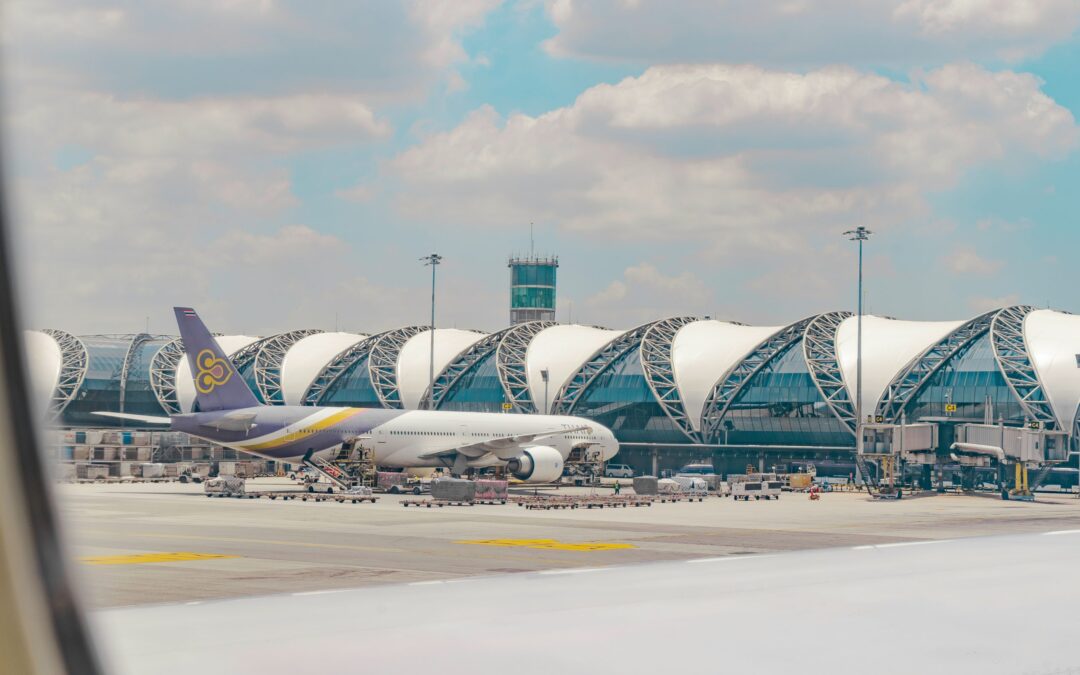
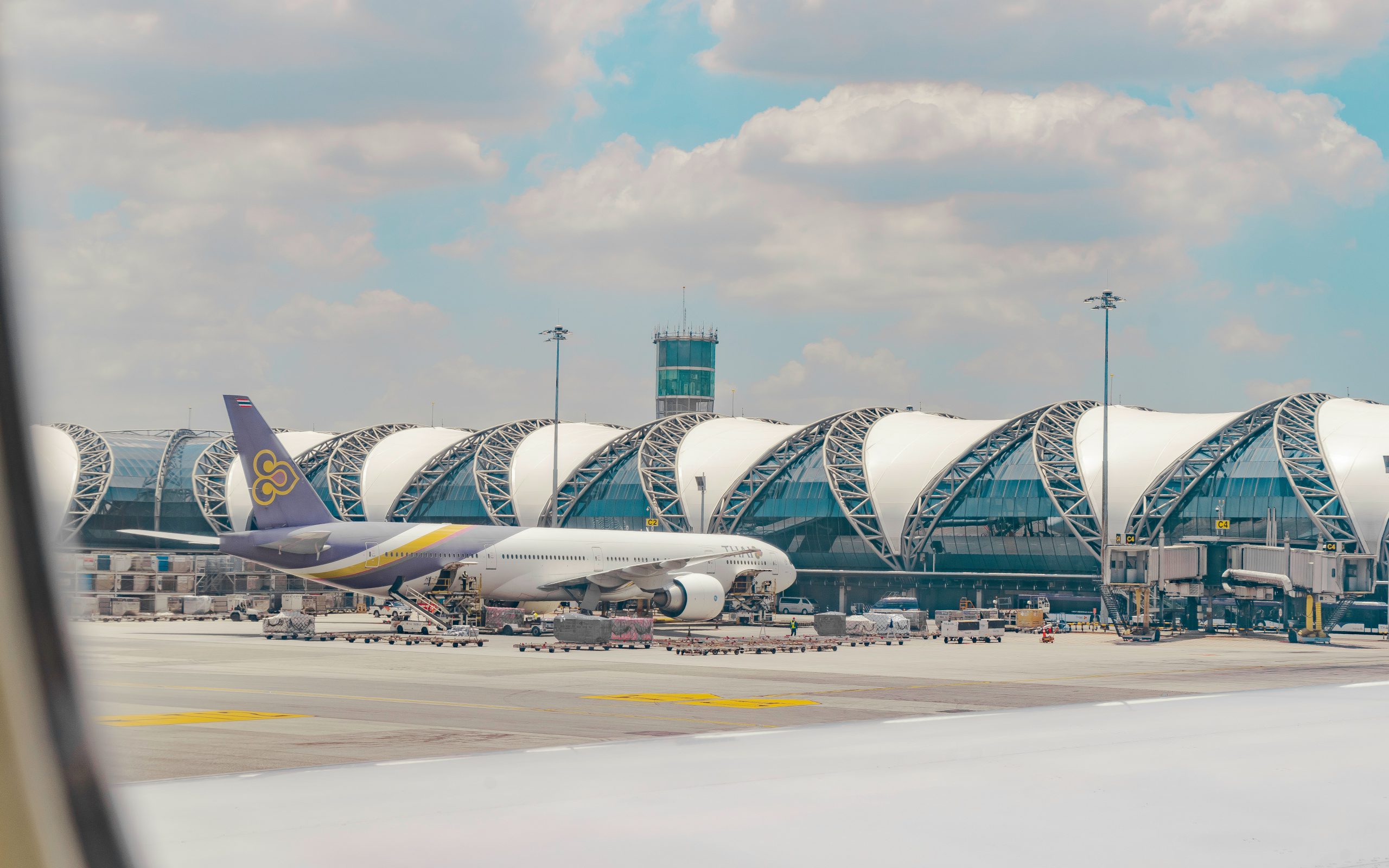
EVA Air’s new Washington DC-Taipei service gives Thailand another useful long-haul access signal. TAT Newsroom reported that the Tourism Authority of Thailand welcomed the scheduled route because it strengthens one-stop travel from North America to Bangkok and destinations across the kingdom.
New long-haul access can strengthen the practical travel case for Bangkok as a property base.
For Bangkok property buyers, the point is not that one route changes condo values by itself. The more useful lesson is connectivity. Bangkok’s appeal to foreign residents and investors depends partly on how easy Thailand is to reach, how well regional travel works, and whether global visitors can imagine the city as a practical base rather than a remote holiday destination.
What changed
The Washington DC-Taipei service started on 26 June 2026 and operates four times weekly. TAT described it as an additional North American gateway for travellers connecting through Taipei to Thailand. The route is operated with a Boeing 787-9 Dreamliner, and Washington DC joins EVA Air’s wider North American network.
The same TAT update noted EVA Air’s existing Thailand-Taiwan connectivity, including Bangkok-Taipei services during the airline’s Summer 2026 schedule and onward access to Chiang Mai and Phuket. That network context matters because Thailand’s tourism and property appeal are not built around a single city pair. They depend on repeatable, multi-city access.
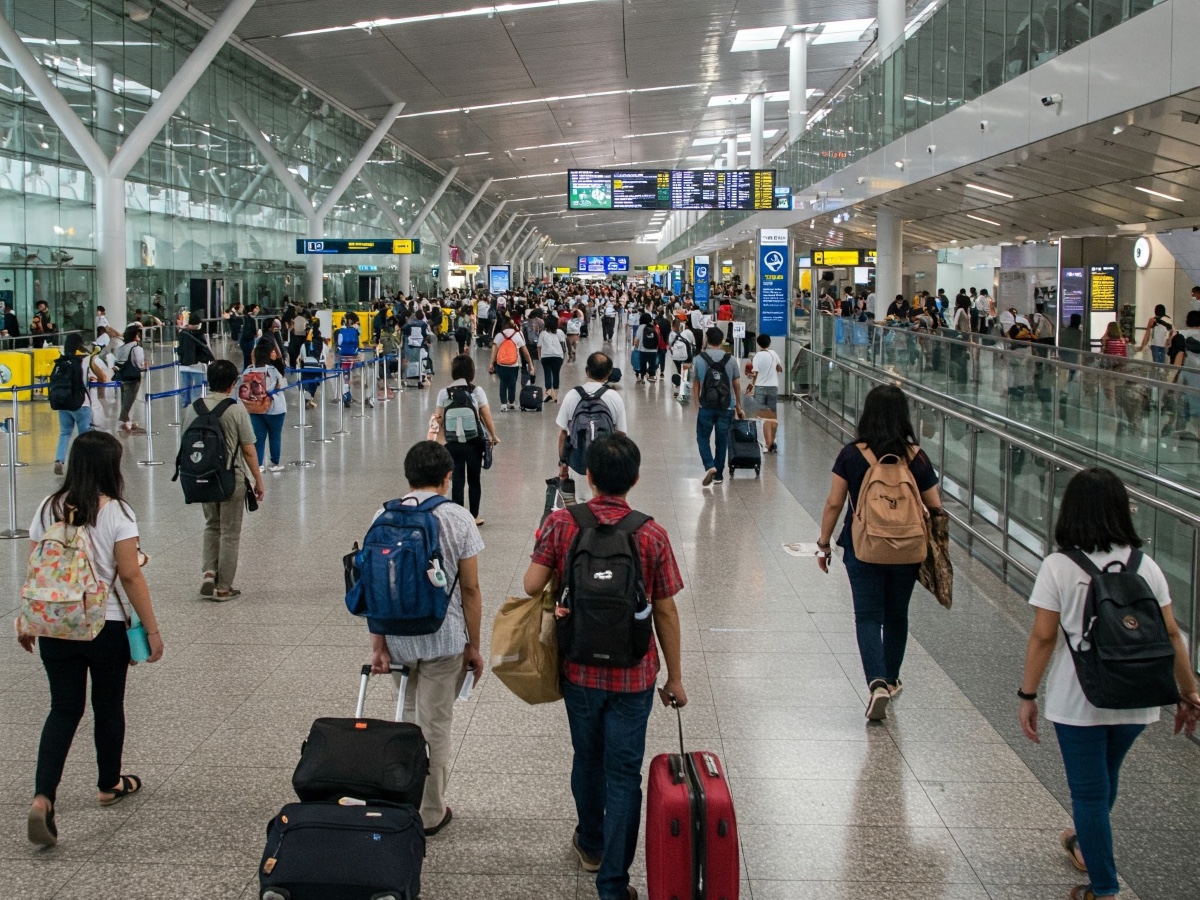
Air connectivity supports Bangkok’s role as a regional base for visitors, residents and investors.
Why North America access matters
North America is a long-haul market. Travellers need confidence that Thailand is reachable without excessive friction, especially if they are planning longer stays, wellness trips, family visits, business travel or exploratory property trips. More gateway options can make Thailand easier to include in a resident or investor’s travel pattern.
For Bangkok, this supports the city’s role as the arrival point, service hub and decision centre for many foreign buyers. A property tour, hospital visit, school search, business meeting or relocation trip often begins with flight convenience. Better one-stop access does not replace due diligence, but it can reduce practical barriers.
Connectivity is a property confidence factor
Foreign buyers often compare Bangkok with other regional cities. Air access is part of that comparison. A globally connected city is easier for owners to visit, easier for tenants to reach, and easier to explain to future buyers. This is especially relevant for second-home owners, regional executives, consultants, retirees and families who travel regularly.
Airport convenience also affects district choice inside Bangkok. A buyer who flies often may value direct road access, Airport Rail Link connections, expressway routes, luggage-friendly lobbies and buildings that can support lock-up-and-leave ownership. The macro connectivity signal should eventually translate into practical neighbourhood questions.
Foreign buyers should connect airport access with district choice, daily routines and resale positioning.
What buyers should not overread
An airline route is not an investment guarantee. Buyers should not pay more for a weak condo because a new service exists, and they should not assume tourism headlines automatically produce higher rent. Property still depends on entry price, tenant profile, building management, unit condition, ownership costs and exit liquidity.
The better reading is confidence-based. Thailand continues to promote long-haul access, quality travel and destination depth. Bangkok benefits when the wider travel system supports repeat visits, longer stays and easier exploration. Investors should use that context to support, not replace, building-level due diligence.
How to use the signal
Buyers can treat connectivity news as one part of a wider checklist. Is Bangkok becoming easier to reach from the buyer’s home region? Does the chosen district make airport travel practical? Can the building support overseas ownership? Is the unit attractive to tenants who travel often or work regionally? Those questions connect the headline to an actual property decision.
For North American buyers, the Washington DC-Taipei route may be another option to reach Thailand. For other foreign buyers, the principle is the same: Bangkok property is strongest when the city remains globally connected, regionally useful and easy to revisit.
Buyer takeaway
EVA Air’s Washington service is a positive connectivity signal for Thailand’s long-haul travel market. For Bangkok property, it reinforces the city’s role as a reachable, service-rich base for foreign residents and investors. The right response is disciplined: connect air-access confidence with district choice, ownership planning and careful unit selection.
IBP helps foreign buyers translate Thailand tourism, infrastructure and economy news into Bangkok property decisions. Read more in our Thailand economy and investment news archive or contact IBP Real Estate for a market brief.
Nana BTS is one of Bangkok’s most internationally recognisable Sukhumvit locations. It sits between Phloen Chit and Asoke, with hotels, serviced apartments, restaurants, nightlife, offices, medical access, embassies and rail links all close by. For foreign buyers, that visibility can be useful, but it also means the condo choice needs discipline.
Nana and Sukhumvit 11 need careful checks on access, noise, hotel activity and tenant fit.
The best Nana-area purchases are not simply the nearest units to the station. Buyers should compare street character, lobby control, noise, building age, tenant profile, unit orientation, parking, foot traffic and resale audience. Nana can work for rental investors and owner-occupiers, but the location rewards precise selection rather than generic confidence in central Sukhumvit.
Why foreign buyers consider Nana
Nana offers centrality. Residents can move quickly along the BTS Sukhumvit Line, reach Asoke’s MRT interchange, access Phloen Chit and Chit Lom, and use taxis or ride-hailing for hospitals, embassies, malls and offices. For visitors and new arrivals, the area is easy to understand because it is close to hotels, dining and daily services.
That accessibility can support rental demand from short- and medium-term expatriates, consultants, regional workers and tenants who want a central base without committing to the most family-oriented parts of Sukhumvit. However, demand is not automatic. Tenants will still compare the building, furniture, lift speed, security and street feel.
Side-street position can change the feel of a Nana-area condo as much as the BTS distance.
Street-by-street checks matter
Nana is not one uniform district. Sukhumvit 11, Sukhumvit 8, Sukhumvit 12 and smaller connecting streets can feel very different. Some routes are active late into the evening. Others are quieter or more residential. A buyer should walk the exact route from BTS to lobby during the day, after work and at night, not only during a scheduled viewing.
Check pavements, lighting, noise, traffic, motorcycle-taxi points, hotel entrances, bar frontage, construction and pickup areas. A building that is convenient for one tenant type may feel too busy for another. Matching the route to the target occupier is part of the investment decision.
Noise and privacy need careful testing
Central Sukhumvit can be lively, and Nana is no exception. Buyers should open windows and balcony doors during inspection, listen for road noise, music, generators, nearby venues, construction and elevated rail exposure. Higher floors can help, but they do not solve every sound issue.
Privacy also matters. Some units look toward hotels, serviced apartments, office buildings or neighbouring towers. If residents keep curtains closed most of the time, the unit may feel less spacious than the floor plan suggests. Orientation, window position and distance to adjacent buildings should be checked alongside the view.
Building management, lobby control and unit orientation are central to the Nana investment case.
Building management can decide the outcome
In an active district, building management is especially important. Lobby control, visitor registration, lift security, delivery procedures, parking access and common-area cleanliness all affect resident confidence. A condo can be centrally located but still underperform if the building feels loose, tired or poorly managed.
Investors should ask how the building handles tenants, contractors and visitors. Owner-occupiers should pay attention to the lobby atmosphere and common areas at different times. The more active the neighbourhood, the more the building itself needs to create calm and predictability.
Tenant profile and unit choice
Compact one-bedroom units may appeal to single professionals, consultants and residents who value central transport more than large internal space. Larger units need a clearer story, because families may prefer quieter streets, school access or parks. A two-bedroom Nana unit can work, but only if it solves a real resident need and is priced against nearby alternatives.
Furniture quality is also important. In a district with hotels and serviced apartments nearby, tenants compare convenience and presentation quickly. A tired unit may need to compete on price. A well-kept unit with good storage, practical appliances and a calm outlook can stand out.
Resale positioning
Nana’s resale story is central location, BTS access and international recognition. The risk is that buyers may discount units affected by noise, poor access, weak management or overly busy surroundings. Foreign investors should ask whether the unit would be easy to explain to a future buyer who is comparing Asoke, Phloen Chit, Chit Lom, Ekkamai and Thong Lo.
A strong resale unit should have a defensible building, a tolerable route, a layout that makes sense and a price that reflects both convenience and friction. Paying only for the station name can leave too little margin for the area’s practical trade-offs.
Buyer checklist
Walk the exact BTS-to-lobby route at several times.
Check night-time noise, hotel activity and venue exposure.
Assess lobby control, lift security and visitor procedures.
Match the unit size and furniture level to a realistic tenant profile.
Compare resale logic with Asoke, Phloen Chit and other Sukhumvit options.
Price any convenience premium against the building’s actual strengths.
Buyer takeaway
Nana BTS can be a useful Bangkok condo location for foreign buyers who want central Sukhumvit access and an internationally familiar rental story. The right unit needs more than proximity to the station. It needs a manageable street route, controlled building environment, realistic tenant fit and a clear resale case.
IBP helps foreign buyers compare Bangkok districts by transport, tenant demand, building quality and lifestyle fit. Browse our district guides or contact IBP Real Estate for a Sukhumvit shortlist.
Common fees are easy to overlook when a Bangkok condo looks affordable at the purchase stage. For foreign buyers, they deserve closer attention. These charges support the building’s daily operation, staffing, cleaning, security, lift maintenance, pool, gym, gardens, insurance arrangements, accounting and long-term upkeep. If the fee system is weak, the owner’s experience can suffer even when the private unit is attractive.
Common fee checks should sit beside title, quota and transfer documents in the buyer’s file.
The objective is not to find the cheapest building. A very low fee can be a warning if it leaves the juristic office unable to maintain common areas properly. A higher fee can be reasonable if the building is complex, well staffed and transparent. The buyer’s task is to understand what is being paid, what remains unpaid and whether the building’s budget supports long-term value.
Ask what the common fee covers
Before buying, request the current fee basis and what it covers. Some costs may be handled through the building’s regular common area fee. Others may sit outside it, such as parking charges, access card replacement, move-in deposits, renovation deposits, waste removal, special repairs or specific utility arrangements. Buyers should not assume that every operating cost is included.
Foreign owners should also ask how invoices are issued and paid. A building that can communicate clearly, accept practical payment methods and confirm receipts reduces friction for overseas owners. If notices are only posted in the lobby, the owner needs a representative or property manager to monitor them.
The payment rhythm also matters. Some buildings expect prompt settlement within a short window, while others issue periodic statements. Buyers should ask what happens if a notice is missed, whether late charges apply, and whether receipts can be obtained without visiting the office in person. A small administrative gap can become annoying when the owner is outside Thailand.
A well-managed building usually has clearer budgeting, fee collection and owner communication.
Check arrears before transfer
Common fee arrears can create transfer-day stress. Buyers should confirm whether the seller has paid all amounts due to the juristic person and whether any clearance document is needed. If the unit has unpaid fees, late charges or unresolved building costs, the buyer should know before funds are transferred.
This is a practical due-diligence issue, not only a negotiation point. A clean fee position helps the transfer proceed smoothly and gives the new owner a clear starting point. Ask the agent, lawyer and juristic office how clearance is normally confirmed for that building.
Understand the sinking fund
A sinking fund is intended to help with larger building works and long-term maintenance. Buyers should ask whether a sinking fund exists, how contributions are calculated, what it has been used for and whether future special contributions have been discussed. A building with ageing lifts, facade issues, pipe works or major common-area upgrades may need more than its ordinary fee income.
Do not treat a sinking fund as a guarantee that every future cost is covered. The key question is whether the building is planning responsibly. Meeting minutes, owner notices and juristic-office explanations can help buyers understand the pattern.
If the building is older, ask whether major systems have already been renewed or are still pending. Lifts, pumps, facade works, car-park systems and common-area air-conditioning can all affect owner contributions. The issue is not to avoid every building with future works; it is to know whether the likely costs have been discussed openly and priced into the purchase decision.
Before transfer, buyers should confirm what has been paid and what will remain their responsibility.
Review the building budget culture
Foreign buyers should look beyond the unit and ask how the condominium is run. Does the lobby feel maintained? Are lifts reliable? Are common areas clean? Do security staff appear organised? Are repairs handled promptly? Physical condition often tells you whether fee collection and budgeting are working.
Where possible, ask for recent juristic records, annual meeting notes or a summary of major works. The goal is not to become an accountant for the building. It is to spot obvious gaps, disputes or deferred maintenance before buying into them.
Landlords need to separate owner and tenant costs
For rental investors, common fees affect net yield. Some expenses remain with the owner even when the tenant pays electricity, water or internet. If the investment calculation ignores owner-paid building costs, the return will look cleaner than reality. Buyers should build a simple annual cost schedule before relying on a headline rent figure.
Landlords should also decide who will receive juristic notices, pay recurring charges and respond to building requests. A tenant may report a problem late or misunderstand an invoice. Overseas owners need a clear management routine so small items do not become penalties or disputes.
For owner-occupiers, the same check affects comfort. A building that collects fees well and spends them sensibly is more likely to keep common areas pleasant, staff motivated and facilities usable. Those details influence daily life and eventual resale confidence, even when they are less visible than the private unit’s view or furniture.
Questions to ask before committing
What is the current common fee basis and payment cycle?
Are there seller arrears, late fees or pending building charges?
What is the sinking fund position and recent major-work history?
Are any special assessments or large repairs being discussed?
How are invoices, receipts and owner notices handled?
Who will monitor and pay fees if the owner is overseas?
Buyer takeaway
Thai condo common fee checks help foreign buyers understand whether a building is financially and operationally healthy. A good unit in a poorly managed building can become difficult to rent, hold or sell. Before transfer, confirm the fee position, review the building’s maintenance culture and include owner-paid costs in the investment plan.
IBP helps foreign buyers coordinate due diligence, transfer planning and ownership routines. Explore our foreign buyer guides or contact IBP Real Estate for practical support.
A Bangkok condo can look sensible on paper and still feel uncomfortable if the owner has no reserve for ordinary holding costs. Foreign investors should not treat a cash reserve as a pessimistic add-on. It is part of owning property across borders, especially when rent, repairs, common fees, tax filings, insurance, currency conversion and resale timing may not line up neatly.
A cash reserve helps foreign investors hold a Bangkok condo through vacancy, repairs and timing surprises.
The purpose of a reserve is not to predict every cost. It is to prevent a manageable issue from becoming a forced decision. A landlord with cash available in Thailand can approve repairs, cover short vacancy, pay building charges and keep the unit presentable without rushing an international transfer or accepting a weak tenant simply because the next payment is due.
Why a reserve belongs in the investment case
Many buyers focus on purchase price, expected rent and potential resale value. Those figures matter, but they do not show the liquidity needed during ownership. A condo still has common fees, utility arrangements, insurance, cleaning, maintenance and management tasks when it is vacant. If the owner lives overseas, each small item can take longer to solve.
A reserve also gives the owner negotiating room. If a strong tenant asks for a minor improvement before signing, the landlord can decide based on return and retention, not immediate cash pressure. If a resale buyer asks for repairs, the owner can choose whether the request is reasonable. Cash flexibility protects decision quality.
Building age, management quality and maintenance rhythm shape the reserve a landlord should keep.
Start with fixed local costs
The first layer is predictable. Common area fees, sinking fund obligations, internet, basic utilities, insurance, accounting support, property management and periodic cleaning should be listed before the purchase is finalised. The buyer should ask which costs are monthly, quarterly or annual, which can be paid online, and who will monitor notices from the juristic office.
Do not rely on a vague estimate. A foreign buyer should request current building information, recent invoices where available and clear handover notes from the seller or developer. If the condo will be rented, separate owner costs from tenant costs so the net return is not overstated.
Vacancy needs its own allowance
Even a good unit can sit empty between tenants. Cleaning, small repairs, repainting, marketing, viewings and price adjustment may be needed before the next lease. If the landlord expects every month to be occupied, the investment case is too fragile. A reserve should allow the owner to wait for a suitable tenant instead of accepting a poor fit.
Vacancy planning is especially important in buildings with many similar units. When tenants have choice, owners may need to refresh furniture, improve photography, adjust rent or respond faster than competing landlords. A small reserve can help the unit stay competitive without changing the whole investment thesis.
Foreign owners should decide which costs will be covered locally and which may require overseas transfers.
Repairs are not always dramatic
Reserve planning should include modest repairs as well as larger surprises. Air-conditioning servicing, appliance replacement, leaking fittings, door hardware, curtains, mattress wear, paint touch-ups and balcony issues are normal parts of ownership. None is unusual, but each can disrupt leasing if the owner has no budget or no authorised representative.
Buyers should also consider the building’s age and maintenance culture. A newer building may still need warranty follow-up and fit-out correction. An older building may have more predictable routines but more wear. Either can work, provided the reserve matches the property rather than a generic assumption.
Currency timing can create pressure
Foreign owners often think in a home currency but pay Bangkok costs in Thai baht. If funds must be transferred from overseas each time a cost appears, the owner is exposed to timing, bank process and exchange-rate discomfort. A Thai baht reserve can reduce that friction. It also keeps property decisions separate from short-term currency movements.
The owner should decide how much rent will remain in Thailand and how much will be converted or remitted. A landlord who converts every payment immediately may later need to send money back for a repair. A landlord who keeps a sensible local balance can run the unit more smoothly.
Stress-test before buying
Before committing, test a simple downside case. Assume a period without rent, a repair bill, one furnishing refresh, management costs and a slower resale process. Then ask whether the investment still feels manageable. If the answer depends on perfect occupancy and no unexpected costs, the purchase may be too tight for an overseas owner.
This exercise should be done before signing, not after the first vacancy. The best time to plan a reserve is when the buyer still has the option to choose a different unit, lower the bid, increase the budget or delay the purchase.
Investor checklist
List fixed building, utility, insurance and management costs.
Allow for vacancy, cleaning and marketing between tenants.
Keep a practical repair and furnishing reserve in Thai baht.
Confirm who can approve urgent works while the owner is overseas.
Separate home-currency return expectations from local cash needs.
Retest the reserve before resale, when repairs and presentation may matter.
Buyer takeaway
A Bangkok condo cash reserve is not wasted capital. It is the buffer that lets a foreign owner make calm decisions while renting, holding or selling. The strongest investment case is one where the unit still works after realistic vacancy, maintenance and currency timing are included.
IBP helps foreign buyers compare Bangkok condos by net return, tenant demand, building quality and exit strategy. Read more in our investment analysis archive or contact IBP Real Estate for a buyer brief.
Bangkok is becoming easier for pet-owning residents to navigate, but a pet-friendly condo still needs careful checking. A building may allow pets in principle while limiting size, breeds, lift access, lobby movement, common-area use or noise tolerance. Foreign buyers should confirm the rules before they fall in love with a unit.
Pet-friendly living depends on outdoor routes, shade and practical places to pause near the building.
Pet-friendly living is not only about permission. It is about whether daily routines work: morning walks, rainy-season toilet breaks, lift etiquette, visitor arrivals, vet access, grooming, cleaning, waste disposal, taxi pickup and neighbours. A condo that fails these small tests can become stressful for both owner and pet.
Start with written building rules
Ask the juristic office for the current pet policy in writing. Confirm whether pets are allowed for owners, tenants or both. Check size limits, weight limits, breed restrictions, registration requirements, vaccination records, deposits, cleaning rules, lift rules and whether pets can use any common areas. Do not rely only on a listing description or a casual comment from a salesperson.
Some buildings tolerate pets quietly even if rules are unclear. That can be risky for a foreign buyer. A written policy gives the owner a stronger basis for living there, renting the unit or reselling to another pet owner. If the policy is uncertain, treat that uncertainty as part of the purchase risk.
Nearby parks and quiet streets can matter as much as the building’s written pet policy.
Inspect the route outside
A pet-friendly unit needs a practical outdoor route. Check whether the lobby exit is calm, whether the pavement is safe, whether there is shade, whether traffic is heavy and whether there are nearby green spaces or quiet side streets. In Bangkok’s heat and rain, the route matters as much as the distance.
Owners should walk the route at the times they would actually use it. Early morning, late evening and rainy afternoons can feel very different. A building with a nice park nearby may still be awkward if the crossing is difficult or if the pavement is broken.
Lifts, lobbies and neighbours
Lift etiquette can decide whether a building feels genuinely pet-friendly. Ask whether pets must use a service lift, be carried through the lobby or avoid certain entrances. In a high-rise building, long lift waits can be frustrating for residents and pets. If many residents have pets, the building also needs clear expectations on cleanliness and noise.
Buyers should look at the lobby, corridors and lift signage. A building that communicates rules calmly is easier to live in than one where every pet issue becomes an argument. Good management matters because pet living affects neighbours as well as owners.
Foreign buyers should confirm lift, lobby, pet-size and common-area rules before assuming a building is pet-friendly.
Unit layout and surfaces
Inside the unit, check flooring, balcony safety, door thresholds, ventilation, storage and cleaning practicality. Glossy finishes may look premium but be slippery. Timber floors may scratch. Balconies need safe doors and sensible supervision. A compact unit can work for one resident and a small pet, but it may not work for larger animals or people who travel frequently.
Landlords should decide whether they will accept tenants with pets and under what conditions. The lease should address cleaning, damage, odour, noise, pest treatment, furniture protection and inspection procedures. Pet-friendly rentals can attract committed tenants, but only if the rules are clear.
Neighbourhood support
Pet owners should check nearby vets, grooming shops, pet supply stores, taxi access, delivery services and weekend walking options. Some Bangkok districts have stronger pet ecosystems than others. A building near a mall or park may still be inconvenient if pets are not welcome on the most useful route.
Also think about travel. If the owner spends time overseas, who will care for the pet? Can a sitter access the building easily? Are there reliable boarding options nearby? A foreign buyer should design the routine before purchase, not after the first problem.
Buyer checklist
Request the current pet policy from the juristic office.
Check size, breed, registration, deposit and lift rules.
Walk the outdoor route in heat, rain and evening conditions.
Assess lobby, lift and neighbour tolerance in daily use.
Review flooring, balcony safety, ventilation and cleaning needs.
Check nearby vets, grooming, supplies and pet-friendly transport options.
Buyer takeaway
A Bangkok pet-friendly condo is defined by rules, routes and routines. Foreign buyers should verify the written policy, inspect the real outdoor journey, test building management and make sure the unit can handle daily pet care. When those pieces align, pet ownership can become part of Bangkok’s liveable expat appeal rather than an ongoing friction point.
IBP helps foreign buyers compare Bangkok condos by lifestyle, building rules and practical neighbourhood fit. Browse our expat living guides or contact IBP Real Estate for a pet-aware shortlist.