Thailand’s wellness positioning is becoming part of the wider confidence story foreign property buyers watch. The Tourism Authority of Thailand marked Global Wellness Day 2026 on 14 June with Thai wellness experiences nationwide, including Bangkok activity on the Chao Phraya River.
This is not a direct condo-price signal. It is a softer but useful indicator of how Thailand presents itself to higher-value visitors, long-stay residents and internationally mobile households: hospitable, health-aware, culturally rooted and lifestyle-led.
TAT used Global Wellness Day 2026 to reinforce Thailand's wellness tourism positioning.
What TAT Highlighted
TAT said Global Wellness Day 2026 was held under the #JoyMagenta theme and used the occasion to present Thailand as a leading destination for wellness and hospitality. The agency supported activities in Ko Samui and Bangkok, while hotels and wellness operators across the country also joined the movement.
In Bangkok, TAT supported activities at Anantara Riverside Bangkok Resort on 13 June. The programme centred on Eastern wisdom and joyful living, with Thai and international participants exploring traditional healing knowledge, Thai botanicals, mindful movement and modern longevity practices in a riverside setting.
The Bangkok activities included herbal tea blending, selected Thai botanical ingredients, Muay Thai, Tai Chi, yoga and sound healing. For property buyers, the important point is the positioning: Bangkok is not only a business and retail city, but also a place where hospitality, healthcare and wellness routines are part of the urban offer.
Bangkok's wellness positioning is strongest when it connects hospitality, healthcare, river access and daily liveability.
Why Wellness Tourism Matters To Bangkok
Wellness tourism connects several Bangkok strengths. The city has international hospitals, hotels, spas, riverfront resorts, premium retail, restaurants, private clinics, fitness studios and serviced residences. These are not all property demand drivers by themselves, but together they make Bangkok easier to understand as a long-stay and repeat-visit city.
Foreign buyers often move from visitor to resident gradually. A first trip may be for leisure, medical care, business, school research or a family visit. If the city feels comfortable, service-led and easy to navigate, some buyers later consider a rental base, second home or investment condo.
The wellness story also supports districts that offer real daily convenience. A building near healthcare, parks, river access, gyms, restaurants and transport can turn a national tourism theme into a practical resident experience.
Thai wellness, botanicals and mindful movement add to the wider lifestyle story foreign residents consider.
What Investors Should Not Assume
Wellness branding does not make every condo a good investment. Buyers should avoid turning a tourism theme into a blanket price assumption. A weak building, poor management, awkward route or overpriced unit will not be saved by national marketing.
The correct use of the signal is contextual. It can support confidence in Bangkok’s long-term lifestyle appeal, but the purchase still depends on title, foreign quota, building quality, common fees, rent evidence, tenant profile and resale depth.
Investors should also separate hotel and resort demand from residential demand. A wellness traveller may book a hotel or serviced apartment, while a condo tenant may need a very different package: privacy, transport, work space, internet, storage and practical management.
District Implications For Buyers
Districts with strong wellness relevance include riverside areas, central hospital corridors, park-adjacent neighbourhoods and mixed-use locations with reliable retail and dining. The strongest condos make these amenities easy to use without complicated travel.
For owner occupiers, the question is whether the district supports the life they want after the first few weeks. Can they reach healthcare, exercise, quiet space, food, transport and social routines comfortably? For investors, the question is whether the same features broaden the tenant pool and improve renewal prospects.
A buyer should therefore test the lifestyle in person. Visit the area in the morning, evening and weekend. Check routes to hospitals, parks, river piers, BTS or MRT, gyms and supermarkets. Wellness value is practical when it reduces friction in daily life.
Buyer Takeaway
TAT’s Global Wellness Day 2026 activity reinforces the direction Thailand wants to project: quality, hospitality, health and experience. For Bangkok property, that is a confidence backdrop rather than a purchase instruction.
Foreign buyers should use the signal to ask better questions. Which buildings actually benefit from Bangkok’s wellness and healthcare ecosystem? Which districts make healthy daily routines easy? Which units are priced as though a lifestyle premium is guaranteed when the evidence is still thin?
IBP tracks how tourism, infrastructure and lifestyle positioning connect to property decisions. Read more in our Thailand economy and investment news section or contact IBP for a buyer strategy session.
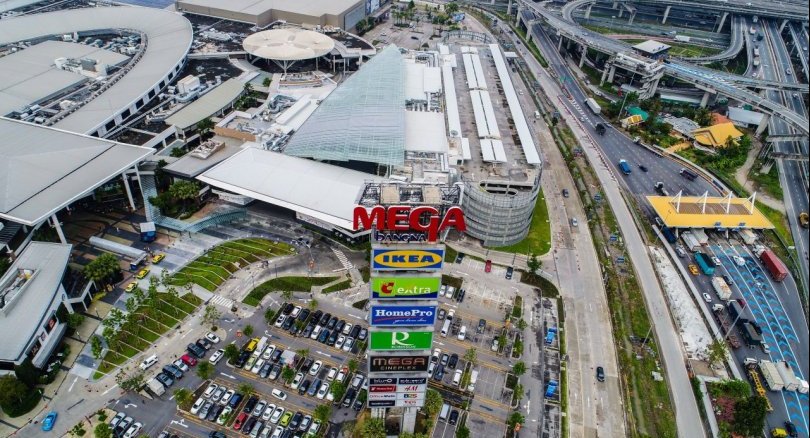
Bang Na is not a classic central-Bangkok luxury address, and that is exactly why some foreign buyers study it. The district can offer lower entry prices than prime Sukhumvit, access to the eastern side of Bangkok, retail convenience, exhibition activity, airport routes and a different tenant profile from the inner-city market.
The opportunity is selective. Bang Na works best when the buyer understands the exact commute, the relationship to BTS or road access, the quality of the building and the likely tenant. It should not be bought only because it looks cheaper than Phrom Phong, Thonglor or Asoke.
Bang Na is best judged as a value, connectivity and eastern-Bangkok convenience corridor.
What Bang Na Offers
Bang Na sits on the eastern side of Bangkok and appeals to buyers who value connectivity beyond the inner Sukhumvit core. The district can suit residents who need access to business parks, international schools, industrial estates, the eastern seaboard, Suvarnabhumi Airport routes or large-format retail. It can also suit buyers who want more practical space for the budget.
The area has a different rhythm from central luxury districts. It is more car-oriented in parts, more spread out, and more dependent on the exact route from the building to transport and services. That makes location selection more important, not less.
For foreign investors, Bang Na can be interesting when the price reflects this trade-off. A well-managed project with strong access and sensible unit layouts may offer a clearer value story than a weak unit in a more famous address.
The real buyer test is not only distance from central Bangkok, but how the route works on normal weekdays.
BTS And Road Access Need Real Testing
BTS access is useful, but buyers should not rely only on a station name. Walk or drive the route from the lobby to the station, check shade, crossings, pavement condition, traffic and how the trip feels in rain or heat. A short map distance can still be tiring if the route is uncomfortable.
Road access also matters in Bang Na. Some residents will drive to schools, offices, hospitals, retail or airport routes. Check morning and evening traffic, drop-off design, parking rights, taxi availability and whether the building sits on a convenient side of the road for the intended commute.
If the target tenant is a professional working in eastern Bangkok, the route may be stronger than an inner-city commute. If the tenant works near Asoke, Silom or Chit Lom, the comparison changes. The district only works when the daily journey is honest.
Retail and daily-service access can support liveability when the building, commute and tenant profile also fit.
Retail, Events And Daily Services
Bang Na’s lifestyle argument is practical rather than glamorous. Large retail centres, food halls, supermarkets, home stores and event venues can make daily life easier for residents who want convenience without central-Bangkok pricing. This can matter for families, long-stay tenants and owner occupiers who use cars.
BITEC and surrounding commercial activity can also support short bursts of demand from events, exhibitions and business travel. Investors should treat that as one part of the story, not the whole strategy. A condo still needs stable long-stay demand, sensible management and a unit that photographs well.
Daily services should be checked in person. Supermarkets, clinics, gyms, schools, pet services and restaurants may be close by road but awkward on foot. Bang Na rewards buyers who understand real routes rather than brochure convenience.
Tenant Profiles To Consider
The likely tenant may be different from prime Sukhumvit. Bang Na can attract corporate staff, teachers, families, entrepreneurs, airport-linked workers, exhibition visitors converting into longer stays, and residents who need eastern-Bangkok mobility. Some tenants may prioritise space, parking and access over prestige.
That profile affects unit choice. A compact one-bedroom near BTS may compete on budget and convenience. A larger unit needs stronger family logic: bedrooms, storage, parking, school routes and neighbourhood comfort. Buyers should not assume that every central-Bangkok rental habit applies.
Furnishing should match the audience. Durable furniture, a good work area, storage, reliable internet setup and practical appliances may matter more than decorative luxury. The best Bang Na rental product usually feels easy to live in.
Investment Risks
The main risk is buying a weak building because the total price looks accessible. Lower entry cost does not help if the condo has poor management, too many similar investor units, limited rent evidence or an inconvenient route. The buyer should compare time on market as carefully as price.
Resale depth also needs attention. A future buyer pool may be more local and value-conscious than in prime districts. That can be positive if the purchase price is disciplined, but it leaves less room for emotional overpayment. The exit story should be clear before purchase.
Supply competition can be another issue. If several buildings offer similar sizes, facilities and rents, the owner may need better furnishing, pricing and property management to stand out. A generic unit in a generic building is hard to defend.
Buyer Takeaway
Bang Na is a practical district for selected buyers, not a universal substitute for central Bangkok. It can work when the building, route, price, tenant profile and resale plan are aligned. It is weaker when the buyer relies only on low price or a broad eastern-growth story.
Foreign buyers should inspect routes at normal commuting times, compare completed rents, study building management and test whether the target tenant is real. If those checks are positive, Bang Na can add useful diversity to a Bangkok property search.
IBP can help compare Bang Na with On Nut, Udom Suk, Punnawithi, Phrom Phong and Rama 9. Browse our district and BTS guides or contact IBP for a practical shortlist.
Fire safety is not the most visible part of a Bangkok condo viewing, but it should be part of every serious purchase check. A polished lobby, attractive pool and renovated unit do not answer basic questions about alarms, escape routes, emergency lighting, resident behaviour or building management.
Foreign buyers do not need to become engineers. They do need to know what to look for, what to ask, and when to bring in a qualified inspector or lawyer. The purpose is simple: understand whether the building is managed carefully enough for ownership, rental and future resale.
Fire-safety questions should sit inside the wider building, juristic-person and maintenance file.
Start With The Whole Building
A unit-level inspection is not enough. Fire safety depends on shared systems and resident behaviour across the whole condominium. Walk the lobby, lift lobby, corridor, emergency stairs, car park, service areas and relevant facility floors. Look for clear routes, working lights, obvious equipment locations and whether exits are kept free from storage.
Emergency stairs are especially important. Buyers should check whether stair doors are easy to identify, whether they appear usable, and whether residents have blocked landings with boxes, furniture or cleaning equipment. A building that allows blocked escape routes may also be weak in other management areas.
Car parks, electrical rooms and rubbish areas deserve attention because they show how the juristic person manages practical risk. A clean, organised service area is not proof of perfect safety, but disorder can be a warning sign.
Buyers should look beyond the unit and understand escape routes, alarms, equipment access and management practice.
Ask About Records And Maintenance
The juristic office should be able to explain how the building maintains alarms, extinguishers, pumps, emergency lighting, exit signage and other shared systems. The buyer can ask when equipment was most recently inspected, who handles maintenance, and how residents are informed about drills, renovation rules and emergency procedures.
If the building team cannot answer basic questions, the buyer should slow down. A vague answer does not automatically mean the building is unsafe, but it does mean the buyer needs better evidence before paying a deposit. Where the purchase is material, a professional inspection can be worth the cost and may help identify repair items before the offer becomes difficult to change.
Minutes and management records may also reveal problems indirectly. Repeated complaints about blocked corridors, renovation debris, electrical repairs, water pressure or lift issues can indicate wider building discipline. Fire-safety questions should therefore sit beside normal due diligence on common fees, capital works and juristic-person governance.
A careful inspection records visible systems, resident behaviour and the questions that need formal answers.
Check The Unit And Renovation History
Inside the unit, look for modified electrical work, overloaded sockets, old air-conditioning wiring, blocked ventilation, damaged doors, poorly installed appliances and signs of amateur renovation. A beautiful interior can hide risky work if previous owners cut corners.
Ask whether renovations were approved by the building and whether electrical, air-conditioning or kitchen changes were done by qualified contractors. If the seller cannot explain major works, the buyer should request documents or inspection before settlement. This is particularly important for older resale units and heavily renovated apartments.
Furniture and tenant use also matter. A landlord should avoid placing wardrobes, shelves or decorative items where they block exits, smoke detectors, sprinkler heads or electrical panels. Practical furnishing is part of safe ownership.
Rental Owners Need A Clear Handover File
Foreign landlords should think beyond the purchase date. A tenant needs clear instructions for alarms, emergency numbers, exits, building rules, appliance use and reporting problems. If the owner is overseas, the property manager should know who to call and how to reach the juristic office quickly.
The handover file should include building contacts, insurance details, appliance manuals, renovation approvals where available, photographs of equipment and a record of any inspection issues. This file helps future leasing, maintenance and resale conversations.
A tenant should not be expected to discover safety rules during an incident. Clear building communication and practical owner management reduce risk for everyone.
How To Price Fire-Safety Concerns
Some issues are minor and correctable. A missing instruction sheet, unclear appliance manual or loose power strip can be fixed. Other issues affect the entire building and are harder for one owner to control. Blocked stairs, poor records, repeated electrical problems or weak enforcement of renovation rules should influence the buyer’s offer or decision to walk away.
Investors should also consider resale. Future buyers and lenders may become more demanding about building safety and documentation over time. A building with clean records and visible management discipline is easier to defend than one where every question needs reassurance.
Do not let urgency weaken the check. If the agent says another buyer is ready, the answer is still to inspect properly. Fire-safety due diligence is not a decorative preference; it is part of responsible ownership.
Buyer Takeaway
The best fire-safety review is practical and proportionate. Walk the shared areas, inspect the unit, ask the juristic office clear questions, read the building file and use a professional inspector where the risk or purchase price justifies it.
This check should sit beside title, foreign quota, contract, debt-free letter, common fees and handover condition. IBP’s foreign buyer guides and legal and due diligence sections cover the wider purchase process.
If you are comparing an older resale building with a newer project, contact IBP before paying a deposit so the inspection brief covers the unit and the building.
Bangkok condo buyers often start with price per square metre, but the better investor question is how much of that area is genuinely useful. A larger unit can underperform if the plan wastes space in corridors, awkward corners, deep dark rooms or a balcony that does not suit the target tenant. A smaller unit can compete well when it feels simple, bright and easy to furnish.
Layout efficiency matters because foreign buyers pay for every registered square metre, while tenants and future buyers respond to daily usability. The aim is not to buy the smallest unit. It is to buy a plan that converts paid area into comfort, rentability and resale clarity.
Layout efficiency should be tested against the way tenants and future buyers actually use the space.
Why Layout Efficiency Affects Returns
A rental decision is usually made quickly. Tenants compare the bedroom, living area, work space, storage, kitchen, bathroom, light and route to the lift. If those elements feel clear, the unit is easier to understand and easier to show. If the plan feels cramped or confusing, the listing may need a discount even when the building and district are strong.
The resale effect is similar. A future buyer does not pay only for area on a title document. They ask whether the living room can take normal furniture, whether the bedroom can fit a proper bed, whether there is a place to work, and whether the view and light make the space feel better than competing units. Efficient plans help the next buyer see value quickly.
For foreign investors, layout efficiency also protects against management friction. A practical unit is easier to furnish, photograph, clean, repair and re-let. The wrong layout can turn every tenant change into a small negotiation about missing storage, weak work space or furniture that never quite fits.
The same square metre count can perform very differently across buildings, floor plans and tenant groups.
Do Not Let Size Hide A Weak Plan
A large headline area can hide wasted space. Long entry corridors, oversized bathrooms, columns in difficult places, narrow kitchens and odd corners may look acceptable in a plan but disappoint in person. Buyers should walk through the unit and ask what each square metre actually does.
Balcony size deserves a separate check. Some Bangkok buyers like a generous balcony for drying clothes, plants or river views. Others prefer more internal space because heat, rain, road noise or building rules limit balcony use. An investor should not assume that outdoor area has the same value as indoor living space.
Ceiling height and window placement also change how area feels. A compact unit with good ceiling height, natural light and sensible furniture walls may feel better than a larger unit with poor proportions. The lived experience is what tenants and future buyers remember.
Match The Plan To The Tenant Profile
Layout should be judged against the likely tenant. A young professional near BTS may value a desk zone, easy kitchen, laundry space and quick access to daily services. A couple may need a larger wardrobe, better living room and more privacy between bed and work areas. A family may prioritise bedrooms, storage, schools, parking and noise control.
A unit near hospitals or universities may need different furnishing from a unit in a finance or embassy district. A short commute can attract tenants, but the unit still has to support their actual routine. The strongest investment plans make the target tenant obvious.
Avoid buying a plan that requires too many explanations. If an agent has to justify why a dining table cannot fit, why the bedroom door clashes with the wardrobe, or why the kitchen is hidden in a corridor, the future resale conversation may be just as difficult.
Good layouts turn paid area into usable rooms, storage, work space and a clearer resale story.
How To Compare Layouts Fairly
Compare the target unit with at least three alternatives in the same price band. Use the same questions each time: usable living area, bedroom function, storage, light, kitchen practicality, bathroom ventilation, furniture walls, balcony usefulness, laundry position and privacy. A simple scorecard reduces the risk of being influenced by one attractive photo.
Then compare the plan with listings in the same building. If many identical units are available, the buyer needs price discipline because the layout is not scarce. If the plan is genuinely better than typical alternatives, it may deserve a premium, but only when rent and resale evidence support it.
Investors should also look at furnishing cost. A weak layout may need custom furniture, which increases upfront spending and can be harder to repair. A standard, efficient plan may be less dramatic, but it is often easier to manage from overseas.
Red Flags During A Viewing
Watch for beds pushed against walls with no walking space, sofas that block balcony doors, dining tables removed for photography, wardrobes that cannot open fully, air-conditioning units aimed at uncomfortable angles, and kitchens with poor work surfaces. These are not cosmetic details. They show whether the unit works in daily life.
Also check how the plan handles noise and light. A bedroom beside the corridor or lift lobby may need a discount. A living room that faces a hot west exposure may require better curtains and air-conditioning. A unit with windows only on one side may feel darker and less flexible.
If the unit is tenanted, ask what furniture belongs to the owner and what belongs to the tenant. The layout may look better because the current resident has adapted it in ways that will not transfer with the sale.
Buyer Takeaway
Layout efficiency is a quiet investment factor, but it affects rent, vacancy, furnishing cost and resale depth. A foreign buyer should not pay simply for square metres. The stronger approach is to pay for usable rooms, a clear tenant story and a plan that future buyers can understand without persuasion.
Before bidding, model the unit as if no layout premium appears. If the deal still works, a strong plan gives extra resilience. If the numbers only work because the buyer assumes a high rent for a difficult layout, the margin is thin.
Chatuchak is often introduced through the weekend market, but foreign condo buyers should look beyond the postcard version. The area combines markets, parks, BTS and MRT access, government and office activity, schools, casual dining and northern-Bangkok connectivity. That mix can make it more liveable than buyers expect if the exact building and route are chosen carefully.
The district is not a substitute for prime Sukhumvit or Riverside living. Its appeal is different: practical, local, green in parts, well connected and busy on weekends. For buyers who value real Bangkok routines as much as polished luxury, Chatuchak deserves a measured look.
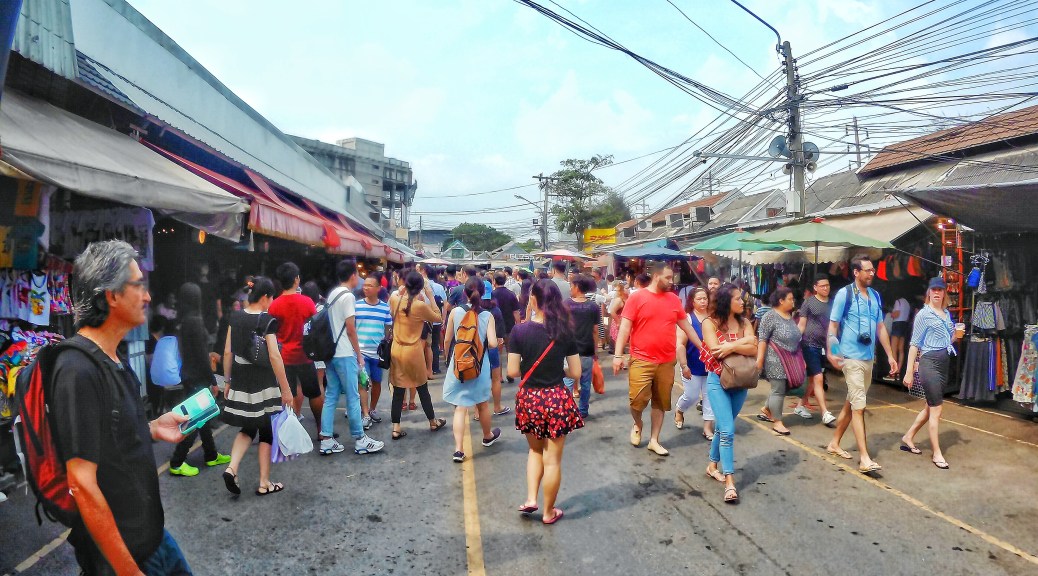
Weekend market access can add texture to Bangkok living when the weekday routine also works.
Why Chatuchak Has A Distinct Lifestyle
Chatuchak Weekend Market gives the area an identity that is easy for foreigners to remember. It brings food, plants, design, antiques, clothes, homeware and a sense of Bangkok street culture into one large district experience. For residents, that can make weekends feel full without needing to cross the city.
The wider area also benefits from green space and rail connections. Chatuchak Park, Queen Sirikit Park and nearby public areas create a different rhythm from dense tower districts. Residents can combine market visits, park walks, casual food and transport access in a way that feels more local than hotel-led.
This lifestyle can appeal to long-stay residents, creatives, students, remote workers and buyers who prefer a practical neighbourhood base. It may be less suitable for buyers who want luxury hotel services, river views or immediate access to the central embassy and premium retail districts.
That distinction keeps expectations realistic.
Chatuchak's appeal is strongest when it is paired with rail access, parks and manageable daily routes.
Transport Is The Main Strength
Chatuchak’s transport story is one of its strongest buyer arguments. BTS and MRT connections around Mo Chit, Chatuchak Park and nearby stations make it easier to reach central areas, northern Bangkok and transport interchanges. That can support tenants who work across several districts rather than in one fixed office corridor.
Foreign buyers should still test the actual route from the condo lobby. A building can be close to a station on a map but awkward because of crossings, heat, event crowds, pavement quality or traffic. Weekend market activity can also change the feel of the district. Visit both busy and ordinary periods.
If airport access, school routes or office commutes matter, test them separately. Chatuchak can be convenient for some routines and less convenient for others. The district should be chosen for the life the buyer will actually lead.
Condo choices around Chatuchak should be compared by station access, building condition and tenant fit.
What To Check In The Building
Because Chatuchak is busy and mixed, building quality matters. Check lifts, security, parking, parcel handling, common areas, gym, pool, juristic management, noise control and short-stay rules. A well-managed building can turn the district’s energy into a positive lifestyle. A weak building can make the same energy feel tiring.
Unit orientation is important. Some units may face roads, rail, construction, market traffic or open green space. Visit at different times so you understand noise, light and privacy. A park or city view can be valuable, but only if the unit remains comfortable during heat, rain and weekend crowds.
Investors should compare rent evidence with Ari, Phahon Yothin, Lat Phrao and Ratchayothin alternatives. The tenant who chooses Chatuchak may be more value-conscious than the tenant choosing Phrom Phong or Chit Lom. Pricing and furnishing should match that audience.
Buyer Takeaway
Chatuchak is attractive when the buyer wants Bangkok to feel accessible, varied and lived-in. The market and parks create weekend appeal, while rail links and daily services can support practical routines. The opportunity is not about buying the market name. It is about finding a building that makes the area easy to use.
Foreign buyers should test weekday convenience, weekend crowd patterns, station access, noise, building management and resale evidence before committing. If those checks are strong, Chatuchak can be a credible alternative to more expensive central districts.
IBP can help compare Chatuchak with Ari, Phahon Yothin, Lat Phrao and central Sukhumvit options. Explore our Bangkok lifestyle guides or contact IBP for a practical location shortlist.