Queen Sirikit National Convention Centre is more than an event venue. For foreign buyers looking at Rama IV, Asoke, Khlong Toei, Phrom Phong, One Bangkok and nearby Sukhumvit addresses, QSNCC helps explain how Bangkok’s central districts are becoming more usable outside normal office hours. The centre brings exhibitions, cultural festivals, business events, food showcases and public programming into an MRT-connected location.
Large public events at QSNCC show how Bangkok mixes culture, transport and city-centre convenience.
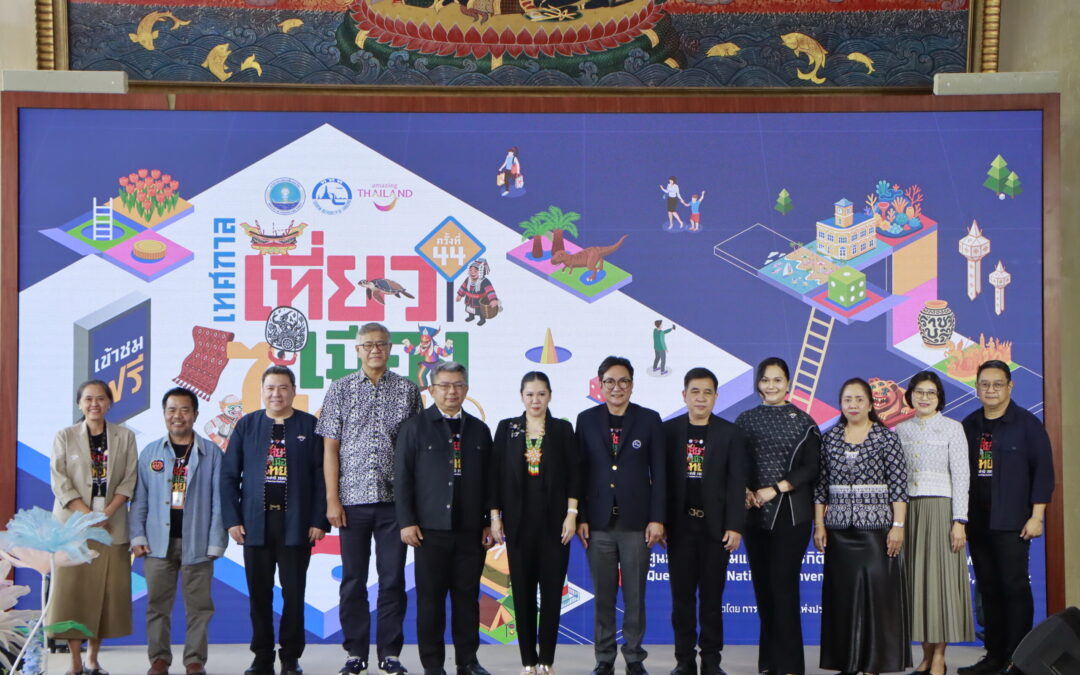
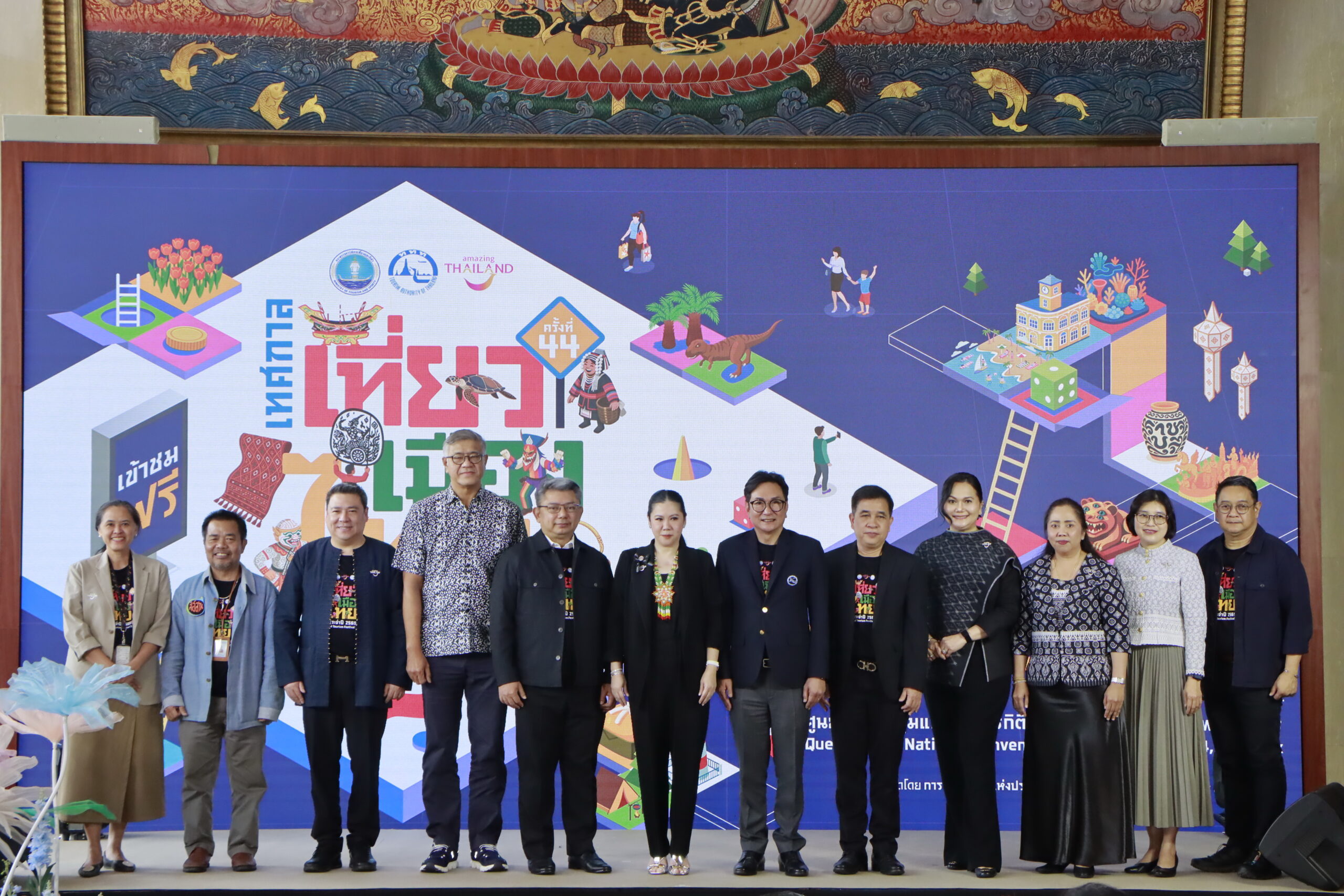
The Thailand Tourism Festival 2026 is a clear example. TAT announced the 44th edition at QSNCC from 25 to 29 March 2026, with nine zones built around regional culture, food, crafts, performances, sustainability and travel inspiration. TAT also noted that the venue is directly accessible by MRT Queen Sirikit National Convention Centre Station on the Blue Line.
For property buyers, this is not just an events listing. It is liveability evidence. A condominium becomes more attractive when the surrounding area gives residents reasons to use the city: exhibitions, restaurants, parks, wellness facilities, transport, hotels, offices and cultural events. QSNCC strengthens that mix for the Rama IV and Sukhumvit edge.
Why event venues matter to residents
Foreign buyers often assess a district by commute time and price per square metre. Those are important, but they miss the rhythm of daily life. A strong event venue can add weekend activity, visitor flow, dining demand, hotel demand and public transport use. It can also make a neighbourhood feel more international because residents regularly encounter business travellers, trade shows, cultural festivals and regional showcases.
QSNCC is especially useful because it sits near several liveability anchors: Benjakitti Park, MRT Blue Line access, Sukhumvit, Asoke, Rama IV, hospitals, offices and hotels. Residents can use the area for exercise, events, dining and meetings without relying on a car for every trip. That matters to tenants and owners who want Bangkok convenience without being limited to one mall or one office tower.
Cultural programming adds depth to the liveability case for nearby central districts.
The Rama IV lifestyle shift
Rama IV has become one of Bangkok’s most interesting corridors because it links older city fabric with newer mixed-use investment. It connects Khlong Toei, QSNCC, Benjakitti, One Bangkok, Lumphini, Silom and the lower Sukhumvit edge. For buyers, the corridor should be judged by access rather than prestige labels alone. A building that connects easily to MRT, parks and daily services may be more useful than a nominally prime address with weak walking conditions.
Events at QSNCC also help buyers test crowd management and transport comfort. Visit the area during a major event and on a normal weekday. Check MRT queues, taxi access, pedestrian routes, evening lighting, convenience stores, supermarkets, cafes and the route back to the condominium. Good liveability holds up when the district is busy and when it is quiet.
What TTF 2026 says about Bangkok living
The Thailand Tourism Festival brought together food, regional culture, crafts, sustainability features, performances and public engagement. TAT highlighted the 5 Must Do in Thailand concept: Must Taste, Must Try, Must Buy, Must Seek and Must See. For a resident, these themes show why Bangkok is attractive beyond simple nightlife or shopping. The city can act as a national cultural gateway, letting residents experience the country from a central, transport-linked venue.
This is valuable for foreign owners who use Bangkok as a base. A second-home buyer may want culture and convenience. A relocating family may want weekend activities. A tenant may value easy access to exhibitions, work events and parks. The stronger the surrounding lifestyle ecosystem, the easier it is for a condominium to feel useful year after year.
Food, craft and regional showcases make Bangkok a richer long-stay city for foreign residents.
How buyers should apply the signal
Compare walking and MRT access to QSNCC, Benjakitti Park and daily shops.
Visit during both event and non-event periods to understand traffic and crowd patterns.
Check whether the building suits long-stay residents, not only short viewing trips.
Balance lifestyle access with noise, road exposure and building management quality.
Model rent using real comparable units in the same micro-location.
The strongest property decisions translate lifestyle into practical demand. A venue can make an area more interesting, but the unit still needs sensible layout, good management, fair pricing and a realistic tenant group. Buyers should avoid paying only for the idea of a district and instead test how daily life actually works.
Buyer takeaway
QSNCC events add weight to the liveability case for Bangkok’s Rama IV and lower Sukhumvit edge. They show an area with culture, transport, parks and international activity, all of which can support resident satisfaction and tenant appeal when matched with the right building.
IBP can help overseas buyers compare Rama IV, Asoke, Phrom Phong and nearby lifestyle-led districts by commute, event access, park access and rental logic. Browse our Bangkok lifestyle guides or contact IBP Real Estate for a neighbourhood-led shortlist.
Bangkok property confidence is not built only inside condominium sales galleries. It is also shaped by how easily people, capital and companies can reach the city. Thai Airways’ latest investor materials give foreign buyers a useful aviation signal: Thailand’s flag carrier remains profitable, is modernising its fleet, and continues to operate a broad international network from Bangkok.
Modern fleet investment supports Bangkok’s role as a regional gateway for residents and investors.
In its Management’s Discussion and Analysis for the first quarter of 2026, Thai Airways reported total revenues excluding one-time items of 51.029 billion baht and net profit of 10.107 billion baht. The airline carried 4.18 million passengers, operated 80 aircraft as of 31 March 2026, and reported a cabin factor of 83.1 percent. The same document said Thailand’s six main airports handled 36.8 million passengers in the quarter, up 5.8 percent year-on-year, with 22.4 million international passengers.
For property buyers, these are not direct rent forecasts. They are confidence indicators. A city that remains accessible to executives, tourists, students, medical visitors and long-stay residents has a stronger foundation than a city dependent on one local demand source.
Why airline performance matters to property
Foreign buyers often compare Bangkok with Singapore, Kuala Lumpur, Ho Chi Minh City, Tokyo, Seoul and Dubai. Airport access and airline networks are part of that comparison. Bangkok’s appeal improves when travellers can reach the city reliably for viewing trips, medical appointments, school visits, regional work, family use and future resale inspections.
Thai Airways’ route network is not the only measure of connectivity, but it is symbolically important. A stronger national carrier supports Thailand’s positioning as a regional hub, while Suvarnabhumi and Don Mueang give the Bangkok metropolitan area a broad airport platform. That matters to buyers who may live between countries or manage a Bangkok property from overseas.
Short- and medium-haul connectivity is part of the practical liveability case for Bangkok.
The A321neo signal
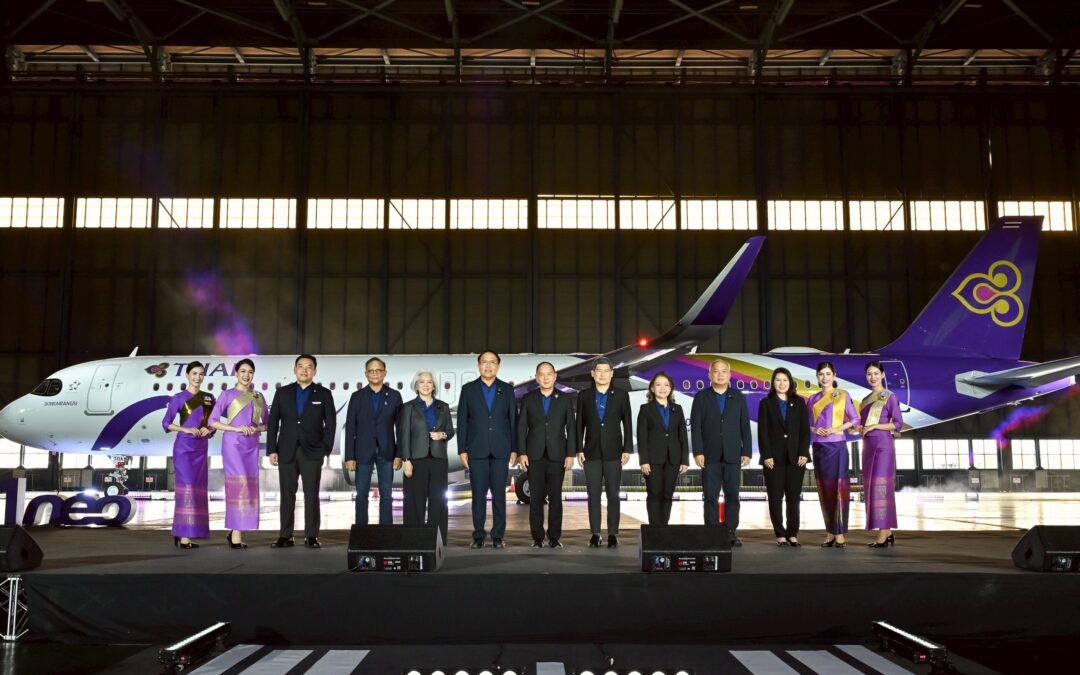
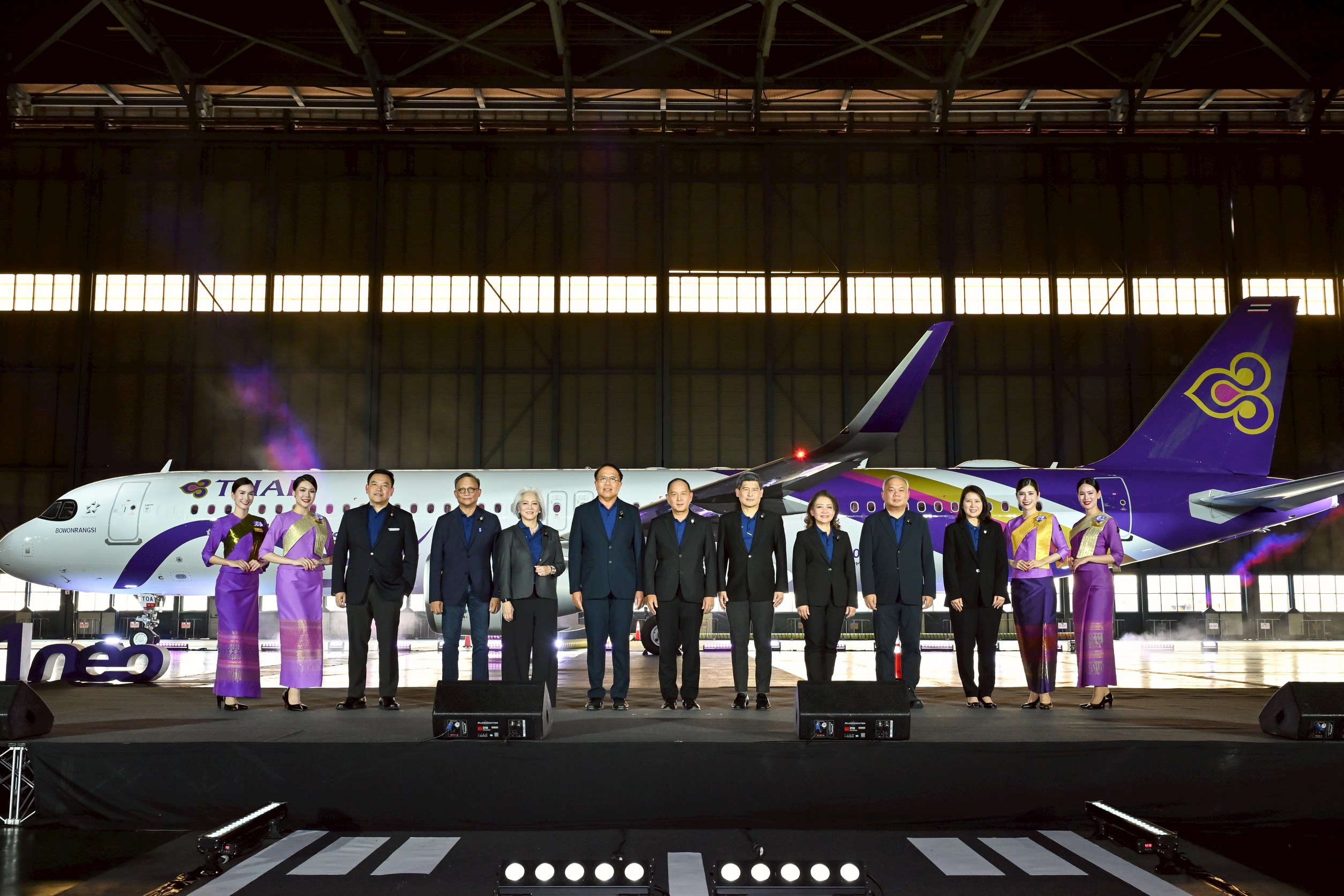
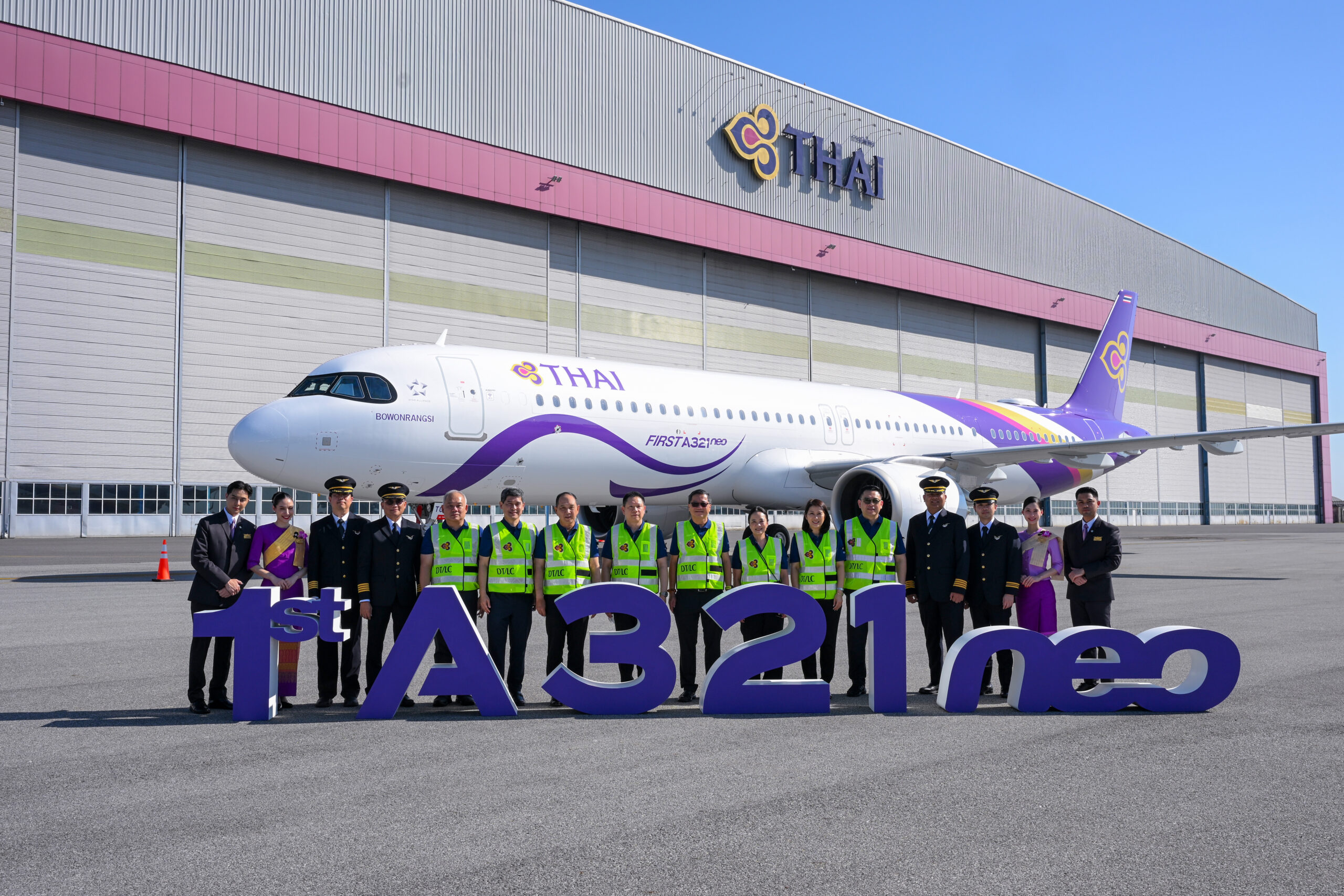
Thai Airways introduced its first Airbus A321neo in January 2026 for short- and medium-haul operations. The company described the aircraft as part of its fleet modernisation plan, with improved fuel efficiency, lower noise and an upgraded cabin. The aircraft was scheduled for Bangkok-Singapore, Bangkok-Phuket and Bangkok-Delhi services during its initial operating period.
This type of fleet investment matters because Bangkok’s property demand is tied to regional movement. Singapore, India, Phuket and other Asia-Pacific routes are not abstract aviation data points. They connect buyers, tenants, corporate travellers, families and tourists to the city. Better regional connectivity can make Bangkok easier to use as a second home, work base or investment inspection point.
Read the signal carefully
Buyers should not turn one airline result into a property-buying thesis. Thai Airways also reported that total revenue was slightly lower year-on-year and that passenger numbers decreased by 3.5 percent from the same period last year. The value of the aviation signal is not that every metric is perfect. It is that Bangkok remains a deep, active transport market even in a more uncertain global setting.
The sensible interpretation is selective confidence. International passenger movement, profitable airline operations and fleet renewal support the long-term case for Bangkok as a connected city. They do not rescue a weak unit, an inconvenient building or an unrealistic rent assumption.
A stronger national carrier can reinforce confidence in Bangkok as a globally connected base.
Property districts most connected to the theme
Sukhumvit and Phrom Phong for expatriate services, retail, hospitals and BTS access.
Rama 9 and Makkasan for Airport Rail Link connectivity and office growth.
Silom, Sathorn and Wireless for corporate, embassy and hotel demand.
Riverside and old-city fringe areas for hospitality, culture and long-stay lifestyle use.
Bang Na and eastern Bangkok for airport-side business, schools and industrial access.
The common thread is not simply distance to an airport. It is the combination of daily transport, healthcare, retail, schools, offices and reliable building management. A buyer who travels frequently should test the full route: airport to building, building to work or school, and building to daily services.
Investor takeaway
Thai Airways’ Q1 2026 performance and A321neo deployment add to the broader Bangkok connectivity story. Foreign buyers can read this as a positive city-level signal, especially when combined with airport passenger growth and Bangkok’s established role in tourism, business travel and regional living.
LIFE Ratchada-Rama 9 is a useful project for foreign buyers to study because it sits at the intersection of several Bangkok themes: Rama 9 office growth, MRT-led mobility, lower entry pricing than prime Sukhumvit, and a low-rise format that promises more residential calm than many high-rise investor towers. AP Thailand’s official project page lists prices from 3.49 million baht, 851 residential units plus one shop, five eight-storey buildings, 333 car parking spaces and unit sizes from 28 to 60 sq.m.
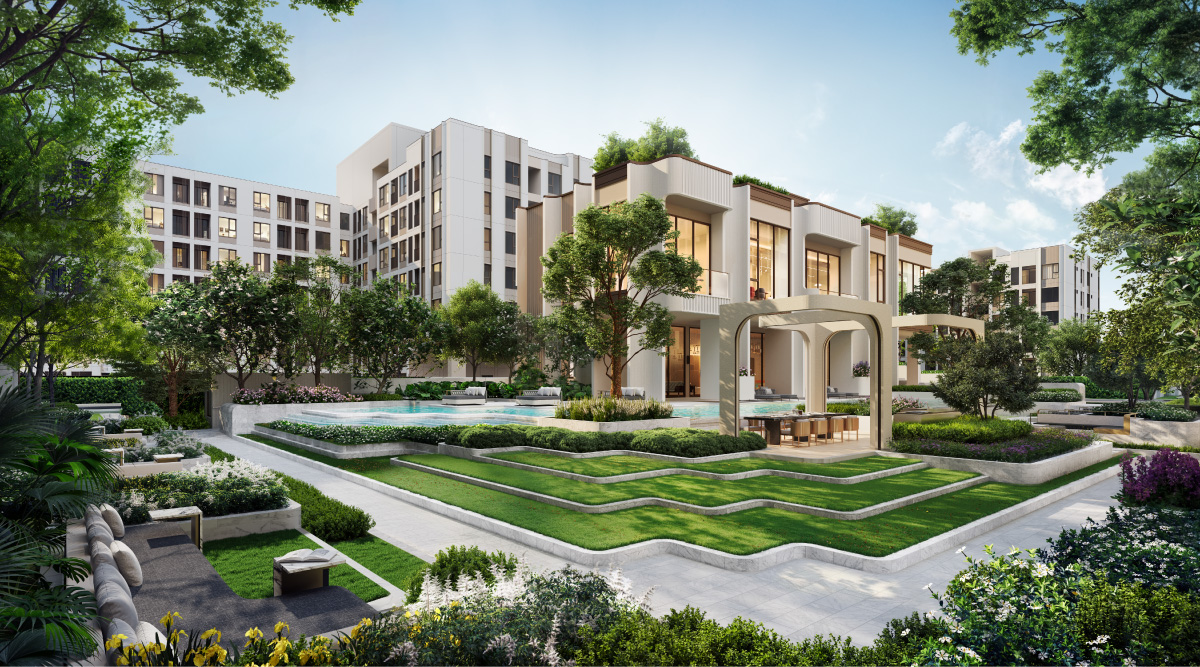
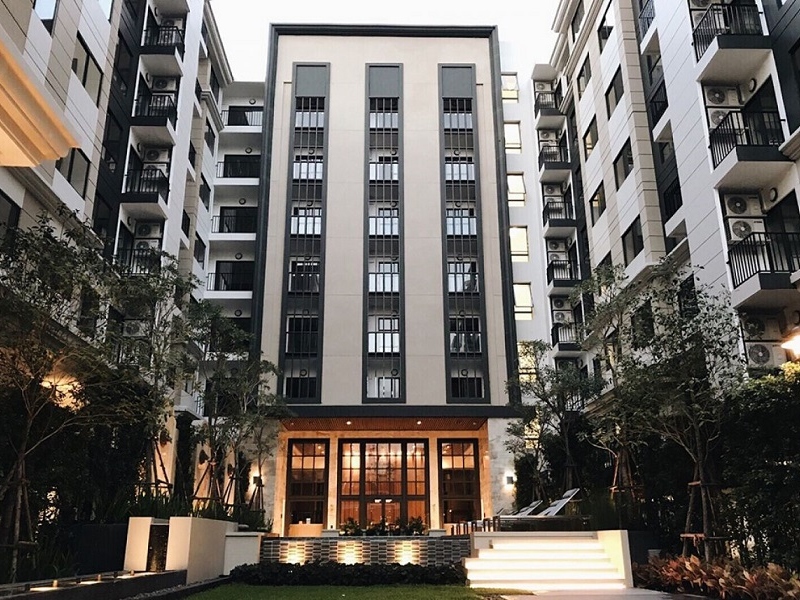
LIFE Ratchada-Rama 9 gives foreign buyers a low-rise alternative within the Rama 9 demand corridor.
The official project copy positions the address in the Ratchada-Rama 9 new CBD, with access to MRT Rama 9, Airport Rail Link Makkasan, two expressways, Grade A offices and retail hubs. AP’s launch announcement also described the project as a 3.6 billion baht low-rise condominium and highlighted a 95,000 baht per sq.m. starting reference for a furnished one-bedroom M-size unit at launch.
For buyers, those details are helpful but not enough. The project should be read as a decision framework: who will live here, how easy is the daily commute, how much competing supply exists, what does low-rise living add, and how realistic is the rental or resale plan after completion?
Why Rama 9 keeps attracting buyers
Rama 9 has moved beyond being only a cheaper alternative to Asoke. The wider corridor includes offices, retail, hospitals, hotels, cultural venues, the MRT Blue Line, Airport Rail Link access at Makkasan, expressway routes and connections towards Ratchada, Huai Khwang, Phetchaburi and Sukhumvit. For tenants who work in the area, a well-located condominium can offer shorter commutes than a prestige Sukhumvit address.
Foreign buyers should still be precise. Rama 9 is not one uniform market. Some buildings feel office-led, others feel more residential, and some depend heavily on road access. Walkability, pavement comfort, station distance, traffic at peak times and the route to daily shops can change the living experience significantly. The best unit is not always the closest to the biggest road.
The low-rise argument
LIFE Ratchada-Rama 9’s low-rise format is a point of difference in a district known for many taller condominium towers. A lower-rise project can feel calmer, with a more neighbourhood-like mood, but it can also mean buyers need to study views, privacy, building spacing, parking, lift distribution and how facilities are shared across blocks. The format is attractive only if the actual plan supports daily comfort.
The official project page refers to three rai of curated green space and an urban oasis concept. That can be meaningful for residents who want a softer return home after office hours. It is especially relevant for buyers comparing Rama 9 against more intense high-rise corridors. Still, foreign buyers should inspect the master plan carefully and ask which facilities are delivered, how they are maintained and how common fees are budgeted.
The project positioning leans on green space and a quieter low-rise setting near the new CBD.
Unit mix and tenant logic
The published usable area range of 28 to 60 sq.m. suggests a buyer audience centred on singles, couples, young professionals and compact urban households rather than large families. For rental investors, that means the unit must be efficient. A 28 sq.m. unit can work when storage, work-from-home space, kitchen layout, bathroom quality and natural light are sensible. A larger one-bedroom or compact two-bedroom may appeal to tenants who need more flexibility, but the rent must justify the higher purchase cost.
Foreign buyers should compare LIFE Ratchada-Rama 9 against completed alternatives nearby. Completed stock shows real rents, real tenants and actual building management. A new launch offers newness and payment structure, but it also asks the buyer to accept delivery and rental assumptions. Both can be valid. The choice depends on time horizon and risk tolerance.
Due diligence questions
Confirm the freehold condominium structure and foreign quota process before relying on availability.
Compare the net price after promotions, furniture, transfer costs and sinking fund.
Ask for expected common fees, facility-management scope and parking rules.
Check the walking route to MRT Rama 9 and nearby retail in daylight and evening conditions.
Model rent against completed Rama 9 and Ratchada buildings, not only against launch projections.
Review payment schedule, construction timeline, contract terms and defect process with an adviser.
These questions are especially important for overseas buyers who may not return often before handover. A new launch can look simple at reservation stage, but the ownership experience depends on documents, transfer timing, building management and how the unit competes when it is ready to lease or resell.
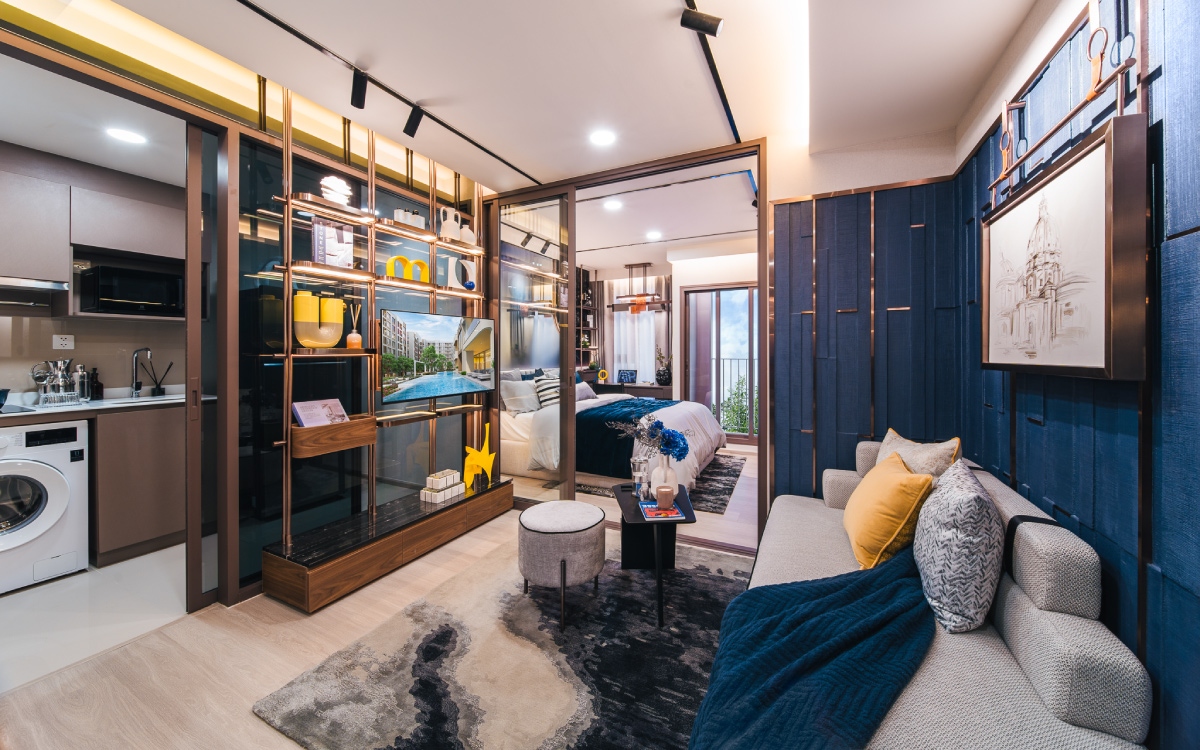
Facilities and unit planning should be tested against the likely tenant and resale audience.
Who may suit this project
LIFE Ratchada-Rama 9 may suit buyers who want exposure to the Rama 9-Ratchada work corridor without moving into a large high-rise tower, and who value a lower-rise environment with greenery. It may also suit investors seeking a more accessible price point than prime Sukhumvit while still staying connected to offices, retail and airport access.
It may be less suitable for buyers who require an established rental history before purchase, buyers who want large family layouts, or buyers who prioritise walking convenience above all else. In Bangkok, ten minutes on a map can feel different depending on pavement quality, heat, crossings and traffic. The viewing should include the surrounding route, not only the sales gallery.
Buyer takeaway
LIFE Ratchada-Rama 9 offers a clear low-rise story in a district with genuine office, retail and transport demand drivers. Foreign buyers should treat the project as a serious comparison candidate, while still checking quota, contract terms, net pricing, rental evidence and the practical route to daily amenities.
IBP can help buyers compare LIFE Ratchada-Rama 9 with completed Rama 9, Ratchada and Asoke alternatives. Browse our project reviews or contact IBP Real Estate for a buyer-focused shortlist.
Many foreign buyers think the hard part ends on transfer day. In practice, the first renovation or furnishing period can decide whether a Bangkok condominium becomes an easy asset or a source of avoidable disputes. Even a simple upgrade – curtains, lighting, built-in storage, appliances, painting or furniture delivery – needs to respect building rules, contractor access, noise limits and common-area protection.
Renovation planning should start with the juristic rules before any contractor enters the unit.
This guide is for foreign owners who have just bought a Bangkok condo, or who are preparing a resale unit for rental. It is not a substitute for legal advice or the specific rules of a particular condominium. It is a practical framework for asking the right questions before paying deposits, booking contractors or promising a tenant a move-in date.
The key point is simple: the unit belongs to the owner, but the building is shared. Renovation work can affect neighbours, lifts, fire systems, drainage, structure, waterproofing, corridors and the reputation of the juristic office. Good buildings usually have clear procedures. Owners should treat those procedures as part of asset protection, not as an inconvenience.
Start with the juristic office
Before appointing a contractor, ask the juristic office for the renovation rules in writing. These may cover working hours, noisy-work windows, lift booking, contractor registration, worker ID cards, refundable deposits, waste removal, protection boards, loading-bay access, prohibited works and penalties for damage. In some buildings, even furniture delivery needs advance booking.
Foreign owners who are overseas should not leave this entirely to a contractor. The contractor may understand construction, but the owner carries the consequences if the building fines the unit, refuses access or claims damage to common areas. Ask for translated summaries where available, and have your agent or property manager confirm the process with the juristic team before work begins.
Know what work is sensitive
Cosmetic work is usually simpler than structural, plumbing or electrical changes. Painting, loose furniture, curtains and standard appliances may be straightforward. Built-in cabinetry, kitchen alterations, bathroom work, flooring, air-conditioning relocation, wall drilling and changes near wet areas require more care. Any work that can affect waterproofing, drainage, load, fire safety or shared systems should be treated as sensitive until the building confirms otherwise.
Foreign buyers should be particularly cautious with older resale units. A contractor may propose opening floors, moving drains or changing bathroom layouts to modernise the unit. Those ideas can create hidden risk if waterproofing fails later or if the building does not permit the change. A cheaper renovation can become expensive when it causes a leak into a lower unit.
Building management controls protect common areas, lifts, neighbours and future rental value.
Protect the common areas
A professional renovation plan includes common-area protection. Lifts may need padding. Corridors may need boards. Deliveries may need a service lift and loading bay. Waste must be removed properly, not left near fire exits or refuse rooms. Contractors should not store materials in corridors or block emergency access.
This is not only about manners. Common-area damage can create claims against the unit owner. Scratched lift panels, broken tiles, stained carpets and damaged walls can be charged to the owner even if the contractor caused the problem. Owners should photograph corridors, lift interiors and the unit entrance before work starts, then again after completion.
Contractor controls that matter
Require a written scope of work with materials, brands, colours and dimensions.
Avoid large upfront payments before access approval is confirmed.
Set a payment schedule linked to visible completion stages.
Ask who supervises workers when the owner is not in Bangkok.
Confirm insurance or responsibility for damage to the unit and common areas.
Keep copies of worker registration, lift bookings and building approvals.
The best contractor is not always the cheapest. For a foreign owner, reliability, communication and building-rule discipline are often more valuable than a small saving. Delays can cost rent, and poor workmanship can hurt resale value. If the unit will be rented, use durable materials and standard fittings that can be repaired easily.
Plan around rental timing
Owners preparing a unit for rent should avoid promising handover before the renovation is fully complete, cleaned and tested. Air-conditioning, hot water, washing machines, hob, extractor, internet, curtains, door locks and bathroom seals should be checked before marketing photos are taken. A beautiful unit with unresolved defects can lead to tenant complaints within the first week.
If a tenant is already lined up, build in time for final cleaning, snagging and replacement parts. Bangkok contractors can move quickly, but imported appliances, custom furniture and building access restrictions may create delays. A cautious timeline is better than a rushed move-in that damages the owner’s relationship with the tenant.
A room-by-room condition record helps owners separate renovation scope from handover defects.
Special issues for overseas owners
If you are not in Thailand, appoint one accountable person to coordinate the work. This may be a trusted agent, property manager or representative. Avoid a situation where the contractor, juristic office, furniture supplier and tenant all receive different instructions from different people. Keep one written channel for decisions and approvals.
Overseas owners should also keep payment evidence, invoices and before-and-after photos. These records help with future resale, insurance, tax discussions and warranty claims. They also help an adviser understand what has been changed if a leak, electrical fault or appliance problem appears later.
What not to do
Do not assume that because another unit made a change, your unit can do the same. Do not let a contractor start drilling before approval. Do not alter shared systems without written confirmation. Do not ignore neighbour complaints. Do not accept vague promises that a deposit will be refunded without understanding the conditions. And do not buy oversized furniture before measuring lift, corridor and door access.
The safest owners treat renovation as part of due diligence. They check the building rules, document the unit, appoint reliable contractors, protect common areas and keep the work aligned with the intended use. A rental unit needs durability and easy maintenance. A personal residence can justify more custom work, but still needs to respect the building.
Buyer takeaway
Bangkok condo renovation is manageable when owners treat the juristic rules as the starting point. For foreign buyers, the goal is not simply to make the unit look better. It is to improve rental appeal, protect resale value and avoid disputes with the building or neighbours.
IBP can help overseas owners prepare renovation, furnishing and rental-readiness checklists after transfer. Read our foreign buyer guides or contact IBP Real Estate for practical ownership support.
Bangkok condominium buyers often look first at a unit, a BTS station or a headline discount. In 2026, it is also worth reading the launch plans of listed developers. These plans show where major companies believe demand can still be created, how much new supply may enter the market, and which price bands are likely to compete for attention over the next twelve to eighteen months.
Developer launch plans are useful market signals, but buyers still need building-level discipline.
AP Thailand’s latest 1Q2026 company snapshot is a useful example of the type of signal foreign buyers can study. The company outlined a 2026 plan to launch 42 new projects worth 55 billion baht, including condominium projects worth 15.6 billion baht. It also reported that its new joint venture condominium, LIFE Ratchada-Rama 9, achieved a 28.1 percent take-up rate in the first quarter. Those figures do not tell a buyer which unit to purchase, but they do show that large developers are still selectively testing Bangkok demand.
For overseas investors, the right question is not simply whether launches are returning. The better question is whether the launch plan supports the specific building, district and exit strategy under review. A developer may have a strong brand and a credible sales campaign, while a particular unit still faces rent competition, traffic inconvenience, weak views or a narrow resale audience.
Why launch plans matter
Launch plans are a forward-looking view of supply. They indicate where developers are willing to commit land, marketing budgets, design work and construction capital. In a cautious domestic credit cycle, this is important because developers are unlikely to launch casually. When a listed company continues to bring projects forward, it usually believes there is a buyer segment, a location story or a pricing window that can work.
Foreign buyers can use this information to identify themes. Are developers focusing on low-rise suburban housing, mass-market condominiums, luxury towers, mixed-use districts or transit-led locations? Are they pushing ready-to-move inventory or pre-sale campaigns? Are new launches clustered around the same MRT extension, office hub or lifestyle corridor? The answers help buyers understand where competition may increase.
Pipeline is not the same as absorption
A project launch is only the start of the sales test. Absorption, transfers and post-handover occupancy matter more. The AP snapshot’s reference to a 28.1 percent take-up at LIFE Ratchada-Rama 9 is helpful because it gives a first-quarter demand marker, but buyers should not treat any initial take-up number as a complete investment case. They should ask how much of the demand is end-user, investor, Thai, foreign, cash-funded or dependent on domestic mortgage approval.
This distinction matters for foreign owners because resale liquidity may depend on the next buyer pool. If a building is mostly attractive to local mortgage-backed buyers, a tight credit environment can slow future exits. If it has a broader mix of owner-occupiers, renters, expatriates, parents, second-home buyers and foreign quota demand, the resale story may be more resilient.
A strong developer pipeline does not make every unit equally liquid or rentable.
How to read a developer plan as a buyer
Separate national launch value from the actual number of competing units in your target district.
Check whether the developer is launching new stock while still clearing completed inventory nearby.
Compare presale language with actual transfer evidence once projects complete.
Ask whether the target building has a clear tenant group beyond short-term investors.
Watch common area quality, parking ratios, unit mix and foreign quota rather than brand alone.
Use listed-company disclosures as context, then verify the project documents directly.
This framework keeps buyers from overreacting to headline numbers. A 55 billion baht launch plan can be a sign of market confidence, but it can also mean more choices and more competition. A disciplined foreign buyer should welcome more supply only when the specific unit remains easy to justify on rent, lifestyle use and future resale.
What it means for pricing
Developer launch plans can influence pricing in two ways. First, they set new benchmark prices in a district. If a new project asks a premium, completed resale units nearby may look better value, provided their building condition is strong. Second, they create comparison pressure. A seller of an older unit may need to explain why a buyer should choose an existing building over a newer project with fresh facilities and payment terms.
Foreign buyers should use this pressure carefully. A cheaper resale unit is not automatically better than a new launch. It may have better transfer certainty, an established juristic office and visible common areas. It may also carry older mechanical systems, dated layouts or weaker tenant appeal. The best comparison includes total cost, not only headline price.
District implications
Ratchada-Rama 9, Phrom Phong, Thonglor, Ari, Rama IV, Sathorn and selected riverside areas all have different supply dynamics. Some locations are driven by offices and retail. Others depend more on schools, hospitals, lifestyle streets or long-stay expatriates. A developer’s decision to launch in one district should prompt buyers to ask whether the surrounding demand is deep enough to absorb new stock without weakening rents.
In an active launch environment, completed buildings near daily-use infrastructure can become attractive if they are priced sensibly. Buyers can inspect real management, real noise, real lift wait times and real tenant profiles. New launches, by contrast, may offer cleaner design and payment schedules but require more patience and assumptions.
Foreign buyers should translate launch news into price, rent, quota and exit checks.
Buyer takeaway
Listed developer launch plans are useful evidence, not instructions. They show where capital and marketing energy are moving, but they do not replace unit-level due diligence. Foreign buyers should read them alongside completed supply, rental depth, foreign quota, building management and realistic resale audiences.
IBP can help overseas buyers compare new launches with completed stock in the same district before funds move. Read our Bangkok investment analysis or contact IBP Real Estate for a focused shortlist.