Foreign buyers often compare Bangkok condominiums by BTS distance, view, price per square metre and building age. Those checks are important, but daily life usually depends on a quieter question: how easy is it to buy food, collect medicine, receive deliveries and handle small errands without turning every weekday into a trip across town?
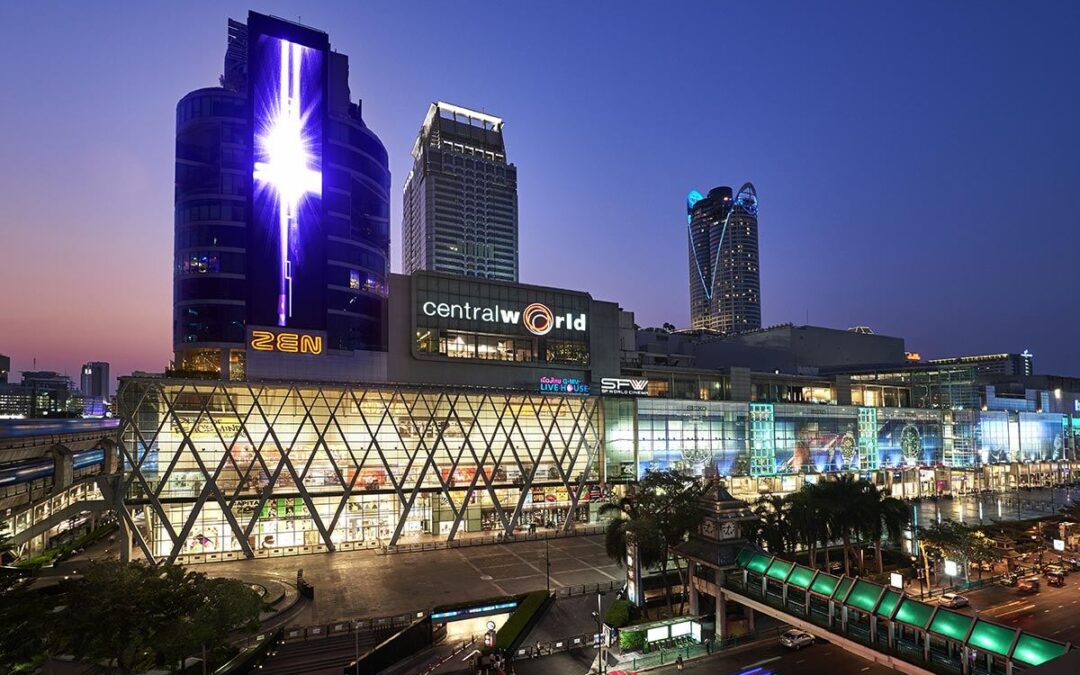
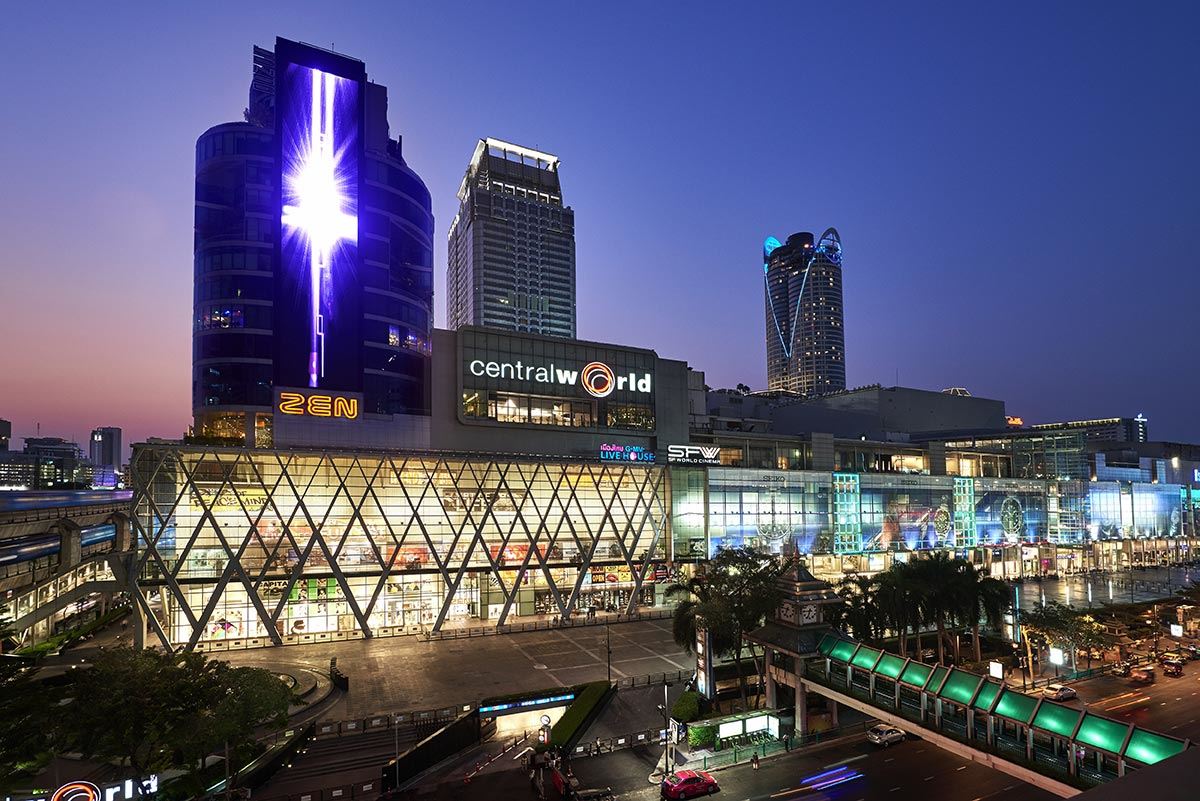
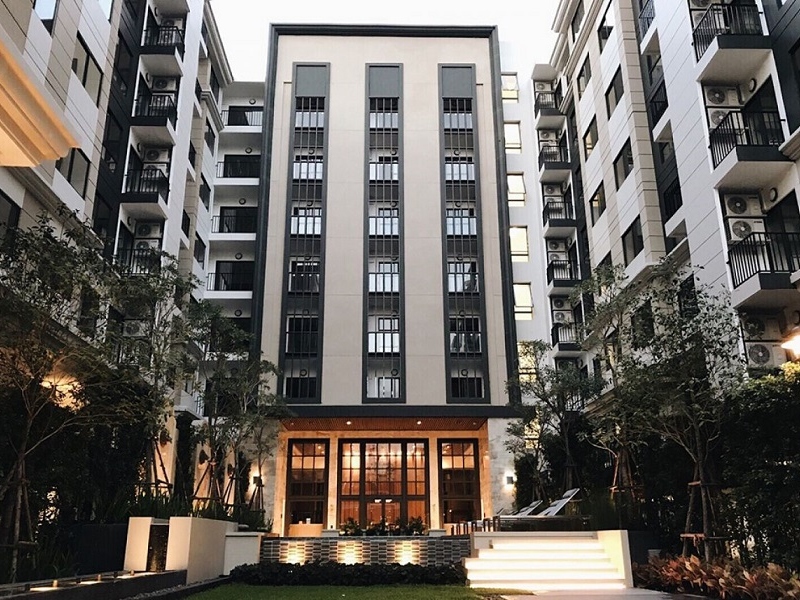
Retail depth matters because residents need food, pharmacy, banking and daily services, not only restaurants.
Grocery access is one of the most practical liveability signals in Bangkok. It affects owner use, tenant satisfaction, family routines, ageing-in-place comfort and resale appeal. A condominium can be beautiful, but if the nearest supermarket is awkward to reach in heavy rain or evening traffic, the location may feel less convenient after the first month.
For foreign buyers, this is especially relevant because Bangkok living is often built around routines: school runs, gym visits, healthcare appointments, work commutes, delivery windows, weekend meals and airport trips. A good condo address should make those routines easy, not merely look impressive during a viewing.
Think beyond the nearest mall
A large mall nearby can be useful, but it is not the whole answer. Buyers should check whether there is a supermarket that suits the household’s actual diet, a pharmacy that stays open late, a convenience store for small items, cafes for quick meetings, dry cleaning, parcel handling and a reliable route for food deliveries. The most liveable areas offer layers of service at different price points.
This is where districts such as Phrom Phong, Thonglor, Ekkamai, Chit Lom, Ari, Sathorn, Silom, Rama 9 and selected riverside pockets can differ sharply from building to building. A unit may be in a recognised district but still sit on a soi that is difficult for walking, taxis or delivery riders. The detail matters more than the district label.
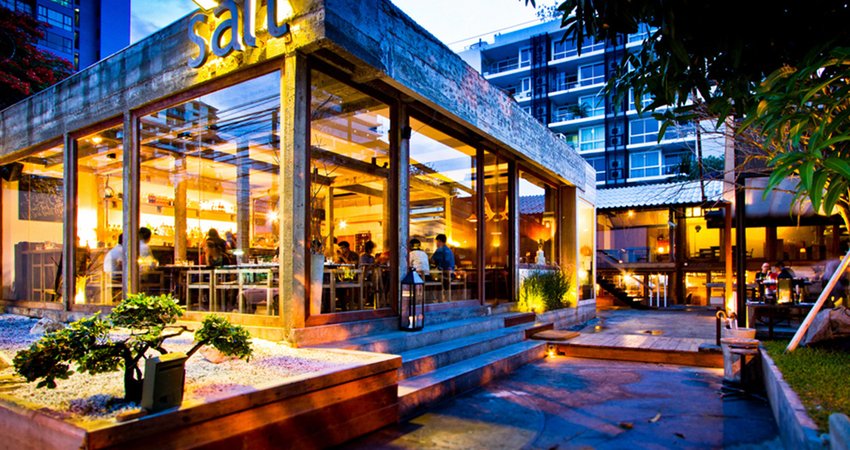
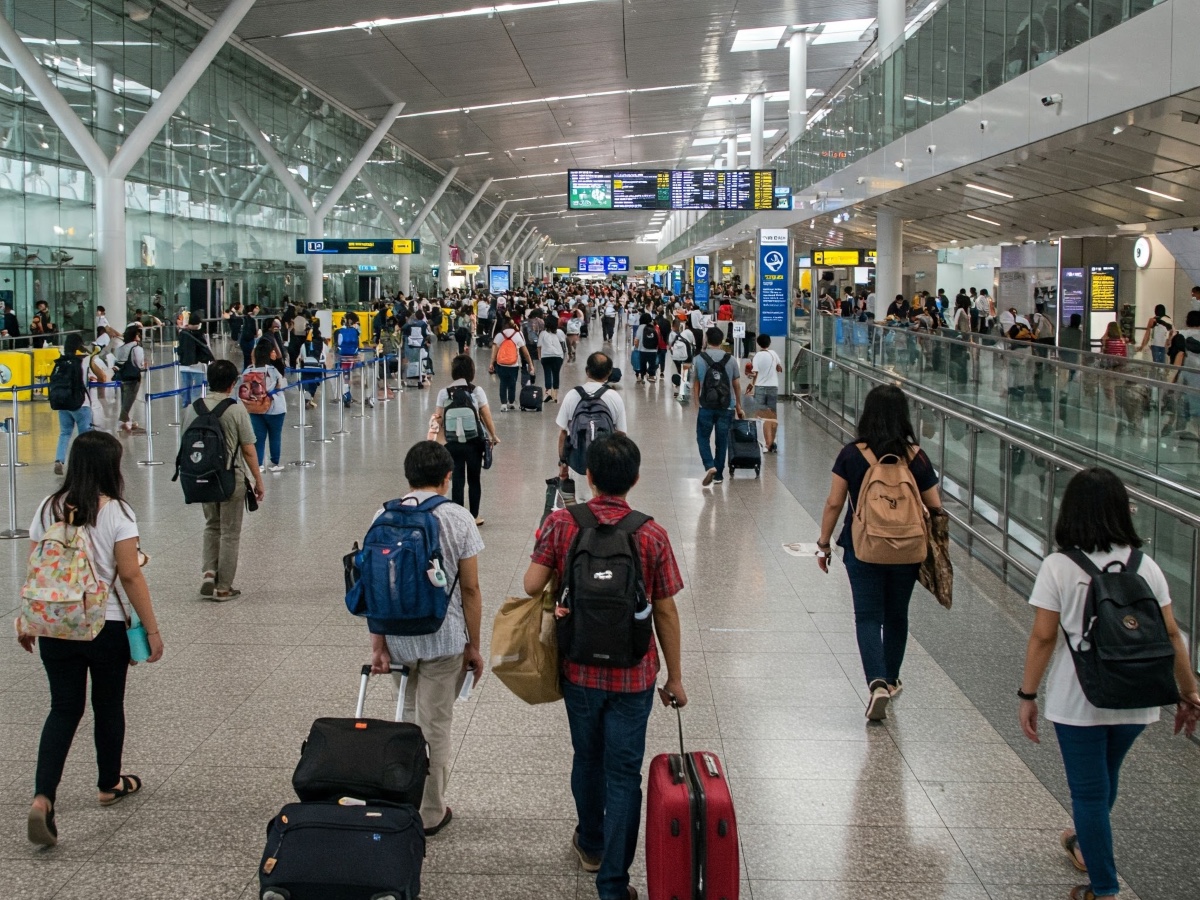
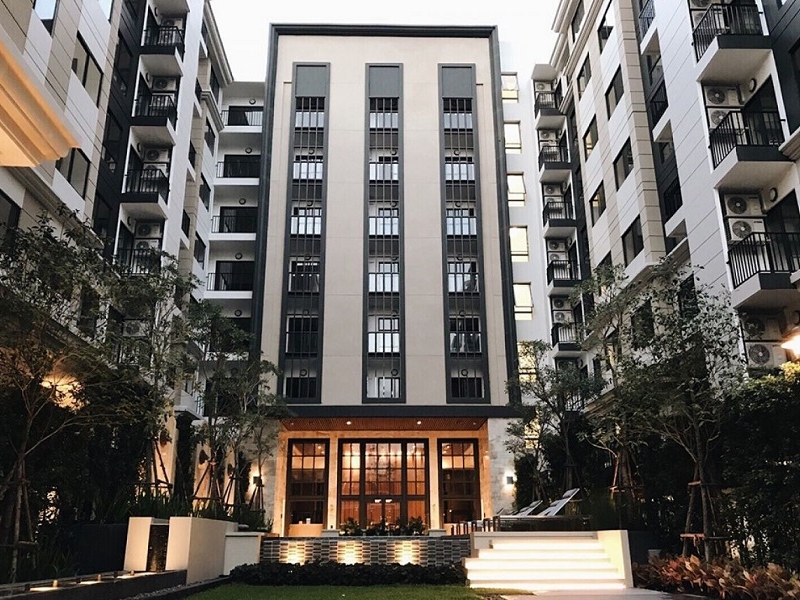
A good condo location makes weekday errands simple in heat, rain and evening traffic.
How grocery access affects rental demand
Tenants may not mention grocery access first, but they feel it quickly. A professional tenant wants to get home, eat, exercise and rest without losing time. A family wants predictable supermarkets and pharmacies near schools or hospitals. A second-home owner wants the unit to be usable immediately after landing in Bangkok. Daily convenience can help tenants renew because the location fits their life.
Foreign landlords should also think about furnishing and storage. If the building is near supermarkets and delivery services, tenants may cook more often and value a practical kitchen, full-height fridge, storage, washing machine and durable surfaces. A small unit can still feel liveable if the surrounding services reduce friction.
View the area like a resident
Walk from the building to the nearest supermarket in daytime and after dark.
Check whether the route works in heat, rain and peak traffic.
Look for pharmacies, convenience stores, banks, parcel services and dry cleaning.
Test delivery app coverage and whether riders can access the lobby efficiently.
Ask the juristic office about food delivery, parcel storage and visitor procedures.
Compare the routine for car owners, BTS or MRT users and residents who rely on taxis.
A viewing at 11 a.m. on a quiet weekday can hide the real experience. Try the location at the time a resident would actually shop, commute or return from dinner. Watch traffic at the soi entrance, pedestrian crossings, motorcycle flow, pavement condition and lighting. Bangkok rewards buyers who test the ordinary details.
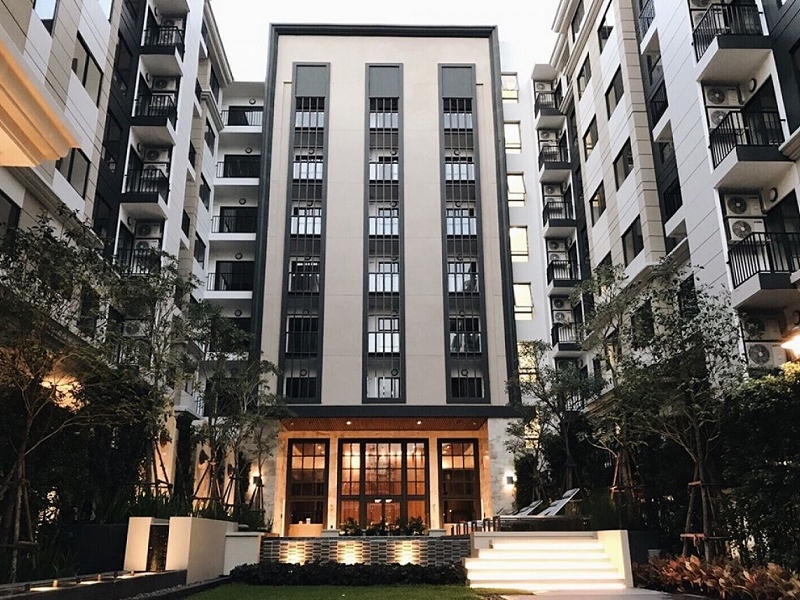
The best liveability decisions match the building to a resident’s weekly routine.
Not every buyer needs the same pattern
A single executive may prioritise a high-quality supermarket, BTS access and quick food delivery. A family may need a larger grocery shop, international school route, paediatric clinic and car-friendly parking. A retiree or long-stay owner may care more about pharmacies, quiet walking routes, healthcare access and nearby cafes. The right condo depends on the intended resident, not on a universal lifestyle formula.
This is why foreign buyers should write a weekly routine before choosing a district. Where will the resident buy breakfast, refill medicine, receive parcels, exercise, shop for groceries and meet friends? If the answers are all easy within a small radius, the condominium has a stronger liveability base.
Buyer takeaway
Bangkok grocery access may sound ordinary, but it is one of the clearest tests of whether a condominium will work after transfer. Foreign buyers should judge daily services, delivery access, walkability and building procedures alongside price, view and facilities.
IBP can help buyers compare Bangkok districts by real living routines, not only headline addresses. Browse our Bangkok lifestyle guides or contact IBP Real Estate for neighbourhood-led advice.
Thailand’s first-quarter GDP data gives foreign property buyers a useful, measured confidence signal. It does not replace project due diligence or rental evidence, but it helps explain whether the wider economy is expanding, where demand is coming from, and how Bangkok’s property market fits into the national story.
GDP data is a macro signal; buyers still need to connect it to districts, tenants and building quality.
NESDC’s official Q1 2026 release reported that the Thai economy expanded by 2.8 percent year-on-year, accelerating from 2.5 percent in the fourth quarter of 2025. After seasonal adjustment, the economy grew by 0.7 percent from the previous quarter. The report also noted favourable private consumption growth, stronger investment, accelerated exports of goods and a return to expansion in exports of services.
For Bangkok property buyers, this matters because the city sits at the centre of many of those demand channels. Corporate investment, services, tourism, business travel, healthcare, retail and education all feed into the practical reasons people live in, rent in or revisit Bangkok. A growing economy can support confidence, but it should be interpreted with discipline.
Investment was the standout signal
NESDC reported that total investment expanded by 9.9 percent in Q1 2026, accelerating from 8.1 percent in the previous quarter and marking the strongest growth in 44 quarters. Private investment grew by 10.1 percent, while public investment also expanded. For foreign buyers, this is relevant because investment spending can support jobs, infrastructure use and corporate activity in Bangkok.
The property implication is not that every condominium will rise in value. The better reading is that Bangkok remains connected to a wider investment cycle. Districts with offices, transport, hospitals, universities, logistics access and retail depth are more likely to convert macro activity into resident demand than locations that depend only on speculative buying.
Consumption, investment and travel activity all influence how foreign buyers read Bangkok’s resilience.
Consumption and services still matter
Private consumption grew by 3.2 percent in the quarter, according to NESDC. Services spending slowed from the previous quarter but hotels and restaurants improved, while exports of services returned to expansion. Those details are important for Bangkok because property demand is not only office-led. It is also linked to dining, medical travel, education, shopping, events, hospitality and long-stay living.
A foreign owner who wants to rent out a unit should look for districts where consumption and services are visible in daily life. Good buildings near supermarkets, transport, hospitals, parks and restaurants can appeal to residents even when the wider economy is uneven. The data supports the city-level case, while the micro-location decides the owner result.
Confidence does not remove caution
The same official release kept the 2026 outlook within a range rather than a single bullish story. That is the correct tone for property buyers too. Thailand’s growth is positive, but households, credit, geopolitics and global trade can still affect demand. Buyers should avoid using GDP as a reason to skip title checks, quota checks, rental comparisons or exit planning.
In practice, foreign buyers should use GDP data as a starting point. It can justify continued interest in Bangkok as a regional base, but it should lead to more specific questions: which district benefits from investment, which tenant group can afford the rent, and what would make the unit easy to resell?
A stronger national economy supports confidence, but individual condo selection remains decisive.
How to apply the data
Connect investment growth to real employment corridors rather than broad optimism.
Use consumption data to assess retail, dining, healthcare and lifestyle-led districts.
Compare new launches with completed resale units where rents are visible.
Stress-test rental income against vacancy, furnishing replacement and common fees.
Treat economic expansion as supportive context, not a substitute for due diligence.
For many overseas buyers, Bangkok remains attractive because it combines relative affordability, regional connectivity, healthcare access, lifestyle depth and a clear legal route for foreign condominium ownership. The Q1 GDP data adds support to that city-level case, especially because investment and consumption both remained positive.
Investor takeaway
Thailand’s Q1 2026 GDP expansion is a constructive confidence signal for Bangkok property, but it is not a blanket buy signal. Foreign buyers should translate macro growth into district, building and tenant evidence before making a purchase.
Porsche Design Tower Bangkok is not a conventional luxury condominium with a larger marketing budget. It is a small, ultra-prime branded residence aimed at buyers who want scarcity, design identity and a Thonglor address. For foreign buyers, that makes it interesting, but it also means the usual Bangkok condo checklist needs to be adjusted for a very different price band and buyer pool.
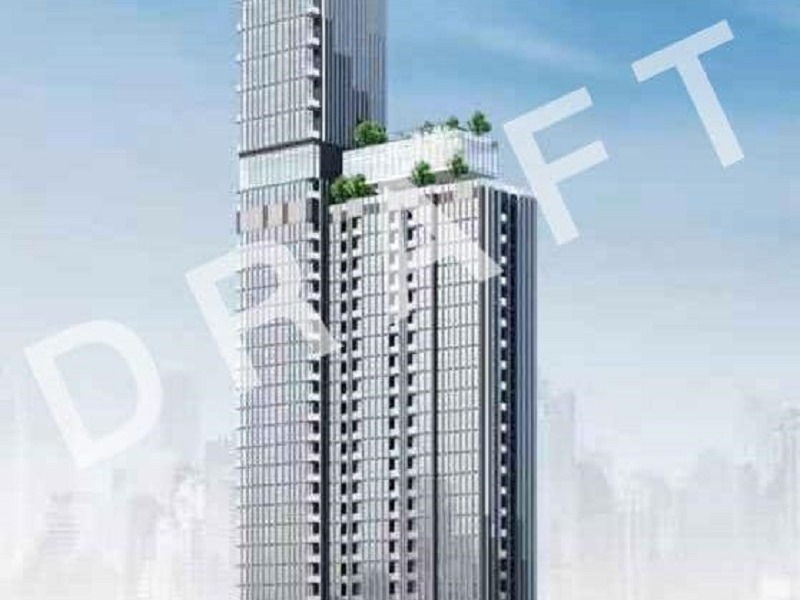
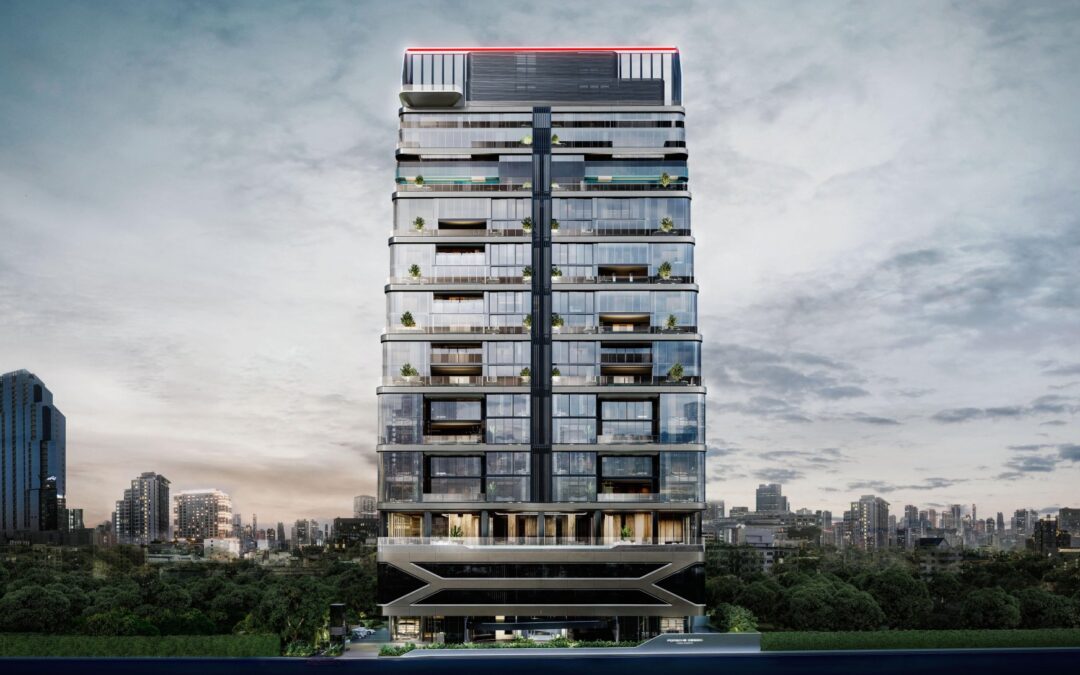
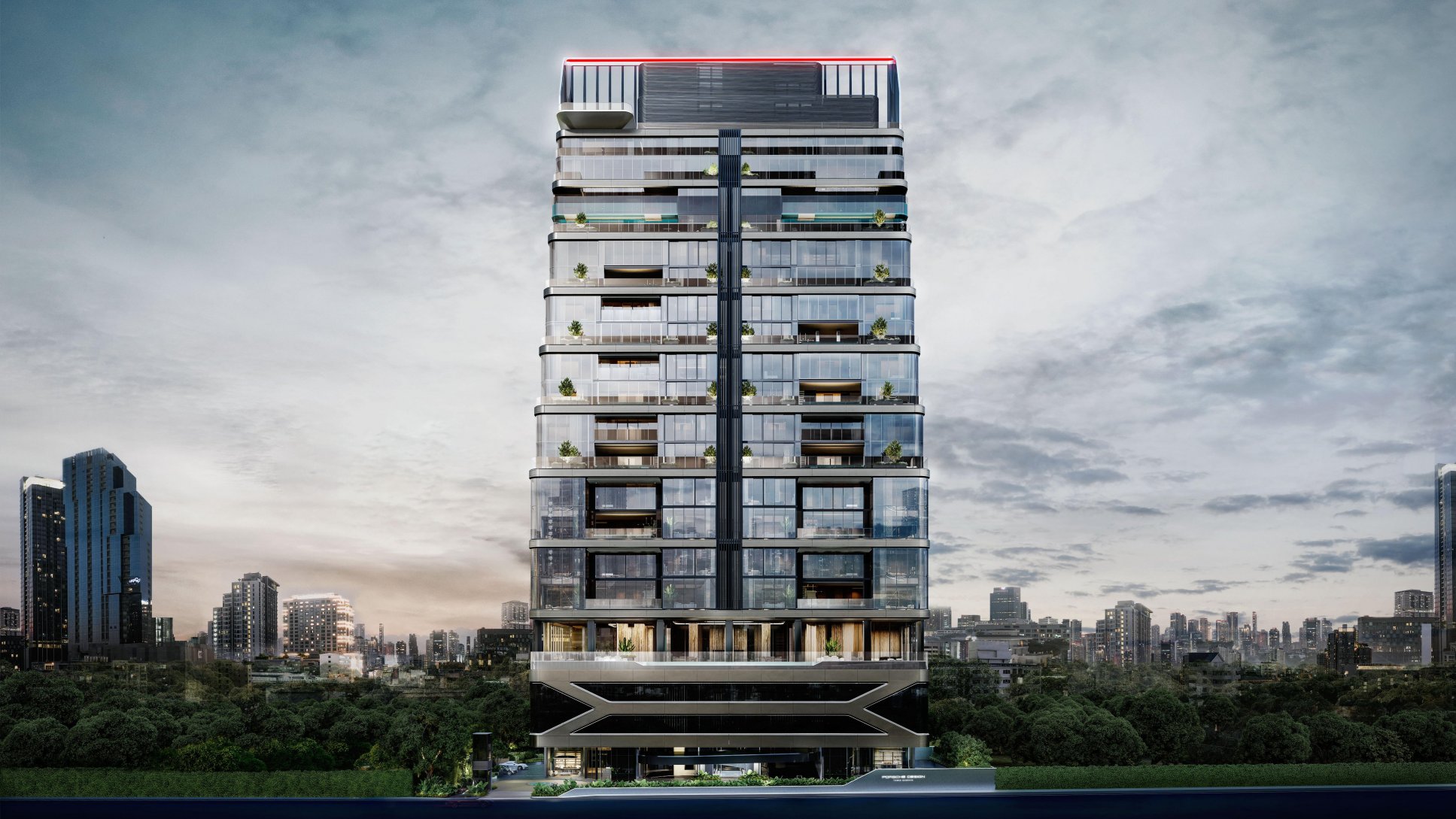
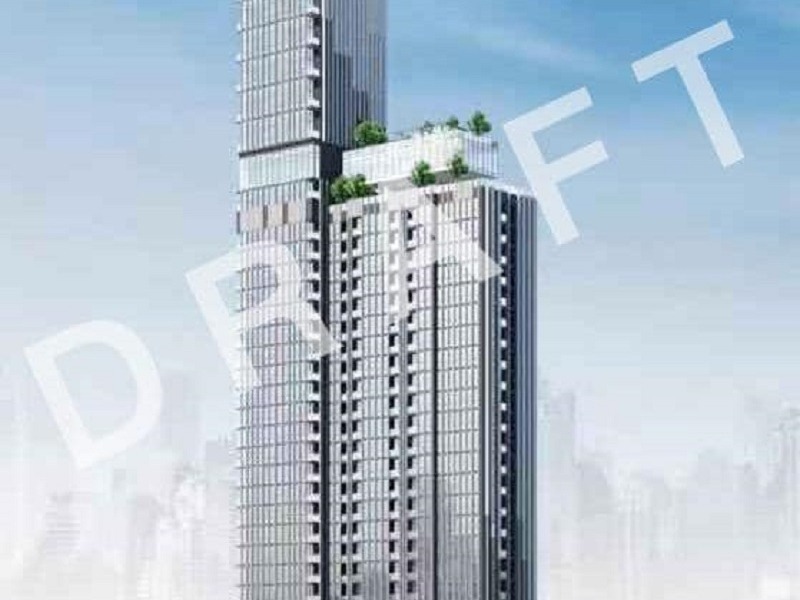
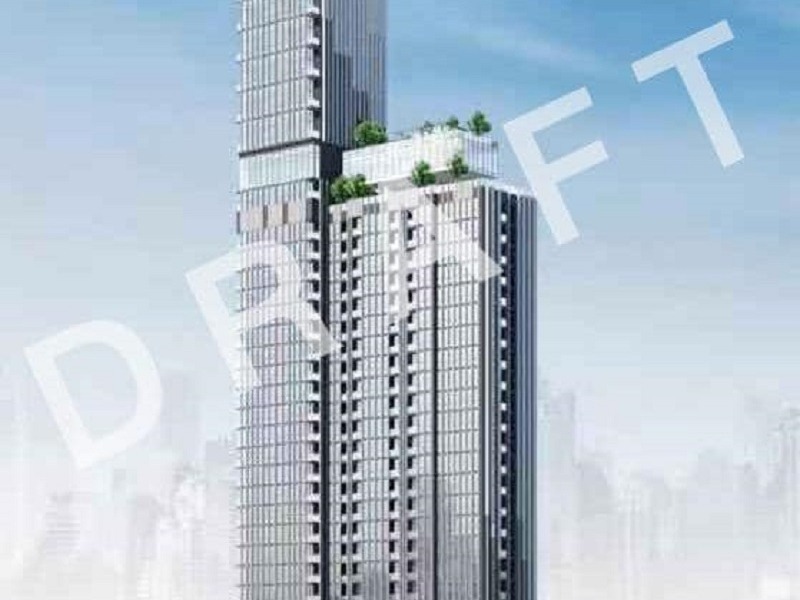
Porsche Design Tower Bangkok positions Thonglor at the ultra-prime branded-residence end of the market.
Porsche Design’s official material describes the project as Asia’s first Porsche Design Tower, developed with Ananda Development in Thonglor. The official Porsche Design Tower page lists a planned 95-metre, 21-level building with 22 residential units and construction starting in the first half of 2025. Porsche Newsroom describes 22 duplex and quadplex Sky Villas, with residences ranging from 525 to 1,135 square metres and completion targeted for the end of 2028.
Those details place the project in a tiny segment of Bangkok’s market. It is closer to a private villa-in-the-sky concept than a standard buy-to-let condominium. That does not make it better or worse for every buyer. It means the investment logic is about capital preservation, personal use, brand scarcity and long-horizon exit planning, not simple rental yield.
Buyers at this level should also think about governance. A building with only 22 residences can feel private and controlled, but it also concentrates common-area decisions among a small owner group. Before purchase, ask how the juristic budget, long-term maintenance, branded design standards and reserve planning will be handled after completion.
Why Thonglor matters
Thonglor is one of Bangkok’s most recognised premium lifestyle districts. It has restaurants, private clinics, cafes, Japanese services, nightlife, schools nearby, supermarkets and access to the wider Sukhumvit corridor. For ultra-prime buyers, Thonglor also offers a more residential atmosphere than some office-led parts of the CBD while still remaining connected to Phrom Phong, Ekkamai and Asoke.
The important point is micro-location. Thonglor can feel different from soi to soi. A buyer should test the route to BTS, traffic at peak hours, drop-off comfort, privacy, noise, nearby development sites and access to daily services. A branded tower can create destination appeal, but residents still live with the street network every day.
Branded residence appeal
The Porsche Design name gives the project an identity that many Bangkok luxury buildings cannot replicate. The appeal is not just a logo. It is the promise of design discipline, engineering cues, privacy and an ownership experience aligned with a global lifestyle brand. For some buyers, that emotional connection is part of the value.
Foreign buyers should still separate brand appeal from legal and financial checks. Confirm the condominium ownership structure, foreign quota availability, payment schedule, transfer costs, common fees, sinking fund, management scope and defect process. Branded design does not remove the need for Thai condominium due diligence.
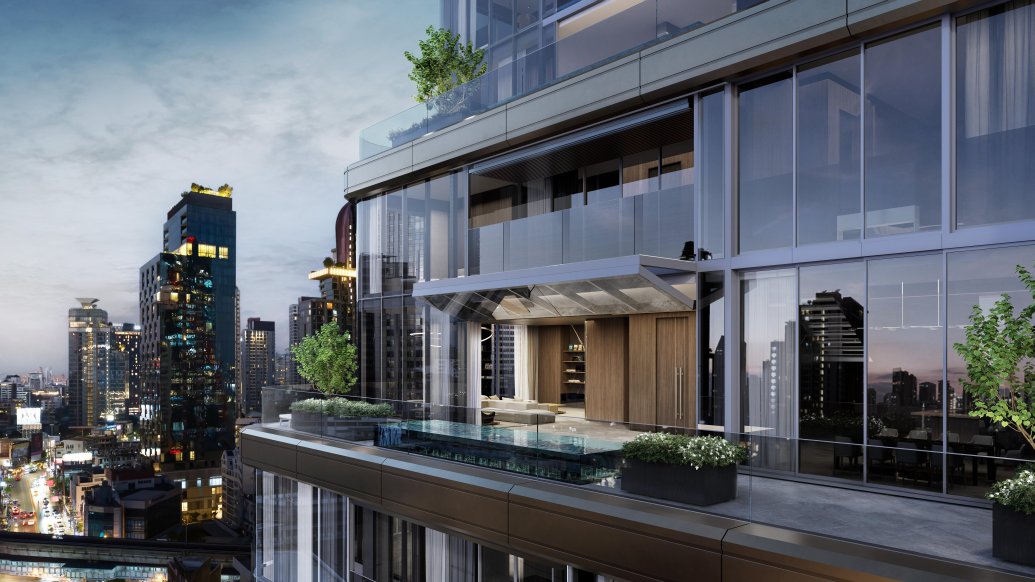
The project uses a highly distinctive design language, but buyers still need ownership and liquidity discipline.
The scale changes the buyer pool
Residences above 500 square metres have a narrow market. They may suit ultra-high-net-worth owner-occupiers, family-office buyers, collectors, regional executives or buyers who want Bangkok as a lifestyle base. They are unlikely to behave like a 35 sq.m. one-bedroom unit near BTS. Rental yield may be less important than privacy, prestige and long-term capital positioning.
That narrow buyer pool can support scarcity, but it can also reduce exit speed. If a future seller needs to move quickly, the number of qualified buyers will be limited. This is why purchase motivation matters. A buyer who plans to use the residence for years may think differently from an investor who expects short-term resale liquidity.
Due diligence questions
Confirm whether the specific unit can be registered within the foreign quota.
Review the sale and purchase agreement with a Thai property lawyer before remitting major funds.
Ask for the full common fee, sinking fund and branded management obligations.
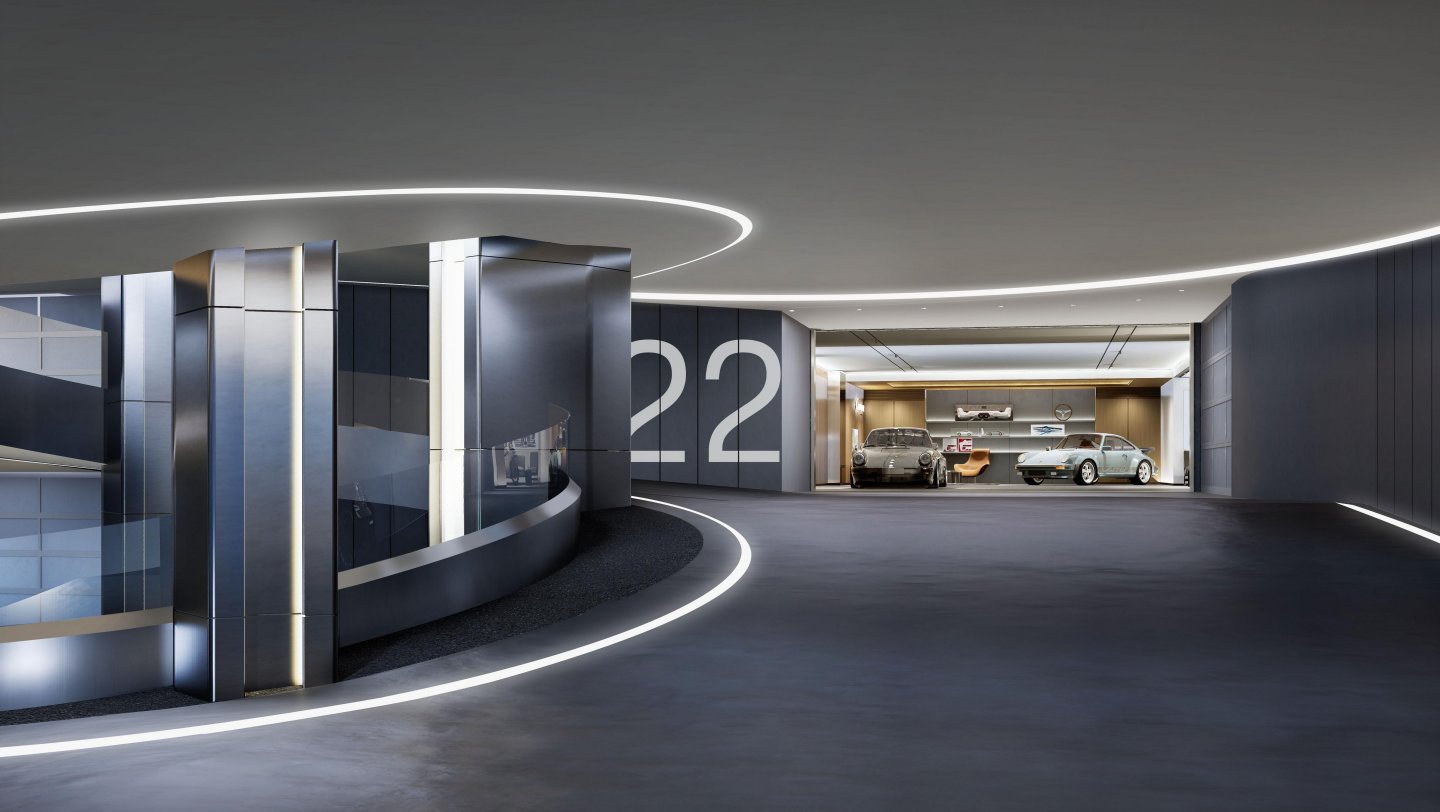
Understand parking, private access, lift zoning, security and service procedures.
Compare the project with other ultra-prime Bangkok residences by usable area, not only headline price.
Model resale against a very small buyer pool rather than the wider Thonglor condominium market.
The comparison set should include both branded and non-branded ultra-prime assets. Some buyers may prefer a globally recognised brand. Others may prefer larger established freehold buildings, completed stock, park adjacency or a more discreet address. The correct choice depends on personal-use requirements as much as investment analysis.
Very large residences need a different resale and holding-cost analysis from conventional luxury condos.
Rental logic is specialist
A unit of this scale may occasionally attract embassy, executive, family-office or private-client demand, but it should not be underwritten like a standard expatriate rental. Holding costs, furnishing standards, maintenance expectations and vacancy risk can be materially higher. Buyers should ask whether rental income is central to the thesis or simply a secondary option.
If rental is important, request evidence from comparable ultra-prime residences, not mass-market luxury buildings. Also consider whether the unit’s layout, staff areas, parking, privacy and management rules support the intended tenant. A trophy residence can be difficult to lease if the practical details do not match tenant expectations.
Buyer takeaway
Porsche Design Tower Bangkok is a rare project that speaks to Bangkok’s growing role in the regional ultra-prime branded-residence market. It may suit buyers who value design identity, scarcity and a Thonglor lifestyle base. It is less suited to buyers whose main goal is simple yield or fast resale liquidity.
IBP can help foreign buyers compare Porsche Design Tower Bangkok with other ultra-prime and branded residences before reservation. Browse our project reviews or contact IBP Real Estate for a private buyer shortlist.
For many foreign buyers, Bangkok condominium handover is the moment when a purchase becomes real. The sales gallery, reservation form and payment schedule are behind you. Now the questions are practical: is the unit complete, are the documents ready, have utilities been transferred, are keys controlled, and can the property be occupied, furnished or rented without avoidable friction?
Handover should be treated as a document, payment and physical-condition checkpoint.
This guide is written for overseas buyers who may not be in Bangkok for every step. It is not legal advice and it does not replace the specific contract, juristic rules or developer handover process for your building. It is a working checklist to help you avoid accepting a unit too casually, missing a document, or losing weeks before the property can be used.
The safest approach is to treat handover as three connected checks: paperwork, physical condition and operating readiness. A unit can look attractive and still have unresolved administrative issues. It can also have correct paperwork but poor defects management. Both matter because they affect rental timing, resale evidence and the owner’s relationship with the building.
Confirm the transfer and payment position
Before handover day, confirm the final payment schedule, transfer fees, sinking fund, common-area fee advance, meter deposits and any developer promotions that are supposed to be delivered. Foreign buyers should also confirm that foreign exchange transfer evidence has been handled correctly where required for condominium ownership registration.
Ask for a written list of documents the developer, seller or juristic office will provide. Depending on whether the purchase is new launch or resale, this may include title-related documents, house registration copies, debt-free confirmation, foreign quota evidence, receipts, tax invoices, warranties, meter documents, access cards and juristic forms. Keep digital copies in a permanent folder.
Inspect before accepting the unit
A handover inspection should be systematic, not emotional. Start with the entrance door, lock, frame and access cards. Then move through ceilings, walls, floors, windows, balcony drainage, bathrooms, kitchen fittings, appliances, air-conditioning, electrical points, lighting, water pressure and cabinet alignment. Photograph every defect with a close-up and a wider shot that shows location.
New units may have paint marks, uneven silicone, loose handles, minor scratches or appliance issues. Resale units may have wear, leaks, mould, old air-conditioners or furniture damage. The key is to distinguish cosmetic defects from functional problems. Water leaks, drainage failure, electrical faults, door security problems and air-conditioning defects should be escalated quickly.
A careful snagging inspection helps separate minor defects from issues that should delay acceptance.
Use a clear snagging record
Do not rely on verbal promises. Create a snagging record with item number, room, description, photo, responsible party and target completion date. If the developer has its own form, use it, but keep your own copy as well. For overseas buyers, appoint one person to follow up and prevent instructions being spread across the agent, developer, contractor and property manager.
If the unit will be rented, check items that affect tenant satisfaction first. Air-conditioning should cool properly. Hot water should be stable. Wardrobe doors should slide or close cleanly. Curtains should fit. Internet installation should be possible. Washing machines should drain. A beautiful unit with small unresolved problems can produce a poor first tenant experience.
Check utilities and building access
Electricity and water meter details, deposits and payment channels.
Access cards, keys, mailbox key, parking card and remote controls.
Juristic registration forms and owner contact details.
Move-in, renovation and furniture-delivery rules.
Common-area fee payment schedule and penalties.
Internet provider options and installation rules.
These details matter because a foreign owner may leave Thailand soon after transfer. If a payment account is not set up or the juristic office cannot reach the owner, small issues can become late fees, access delays or missed notices. Ask your representative to test every card and key before handover is considered complete.
Building management, utilities and access rules matter immediately after transfer.
New launch versus resale handover
New launch handover usually focuses on defects, warranties, meters and developer obligations. Resale handover often focuses more on what is included in the sale, whether the seller has removed personal items, whether appliances still work, whether common fees are cleared and whether the condition matches what was agreed. A resale buyer should check the inventory against the sale agreement before accepting keys.
For new launches, ask how long defect rectification normally takes and whether access can be granted to a property manager during the process. For resale, inspect as close as possible to transfer day, because the unit condition may have changed since the first viewing. If a tenant was occupying the unit, obtain a clear handover from tenant to seller and from seller to buyer.
Rental readiness after handover
A rental-ready unit is not simply a transferred unit. It needs clean photos, functioning appliances, working air-conditioning, curtains, internet readiness, sensible furniture, clear house rules and a practical move-in process. If the handover is rushed, the first rental campaign may begin with weak photos or incomplete repairs, which can reduce negotiating power.
Foreign landlords should plan the handover, furnishing and listing calendar together. If the target tenant is an expatriate professional, the unit should feel easy from the first viewing. If it is a family unit, storage, washing facilities, blackout curtains and school-route convenience may matter more than decorative furniture.
Buyer takeaway
Bangkok condo handover is a risk-control step, not a ceremony. Foreign buyers should confirm documents, inspect the unit, record defects, set up utilities and prepare the property for its intended use before assuming the purchase is finished.
IBP can help overseas buyers manage transfer, snagging and rental-readiness steps with local coordination. Read our foreign buyer guides or contact IBP Real Estate for handover support.
Bangkok’s office market rarely receives as much attention from condominium buyers as new launch prices or BTS proximity. It should. Office demand shapes where expatriates, executives, Thai professionals and regional teams spend their working week. For foreign buyers who plan to rent out a Bangkok condo, office movement is one of the practical signals behind tenant demand.
Office demand is a city-level signal, but foreign buyers still need district and building discipline.
CBRE Thailand’s 25 May 2026 market release for the first quarter of 2026 reported that overall Bangkok office occupancy rose to 79.3 percent, the second straight quarterly increase. Net take-up exceeded 11,000 square metres, extending the market’s run of positive net take-up to eight consecutive quarters. CBRE also said no new office supply was completed during the quarter, while demand remained strongest for Grade A+ space in the CBD and Grade A buildings in non-CBD locations.
Those numbers do not mean every office district condo becomes a strong rental asset. They do suggest that occupiers are still active, especially where buildings offer better quality, value and workplace experience. For a condo buyer, the useful question is whether the target building sits near the type of office demand that converts into stable residential demand.
Why office take-up matters to condo buyers
Office take-up measures occupied space, not simply buildings opened or marketing claims made. When it stays positive, it implies that companies are moving into more space than they are giving back. In Bangkok, that can support rental demand in districts where employees value short commutes, MRT or BTS access, restaurants, gyms, supermarkets, schools and healthcare.
Foreign landlords should read the signal carefully. An office-market improvement is not a guarantee of rent growth. It is a confidence marker for selected locations. A weak unit with poor layout, difficult walking access or tired common areas can still underperform even when the surrounding office market is improving.
Flight to quality has a residential version
CBRE’s release highlighted the continued flight-to-quality trend among office occupiers. Residential tenants often behave in a similar way. They may accept a smaller unit or a slightly higher rent if the building is cleaner, safer, better managed and easier for daily life. The office market shows how employers are using quality to attract staff. The condo market rewards landlords who think the same way about tenants.
This is why a foreign buyer should not focus only on price per square metre. A cheaper unit in an older building may have a better gross yield on paper, but the tenant pool can be thinner if lifts are slow, juristic management is weak, the gym is dated or the route to transport is uncomfortable. Conversely, a newer or well-renovated building near offices may command a rent premium if the unit is easy to live in.
Condominiums near real employment and transport nodes can benefit when occupiers keep moving towards quality space.
Districts to watch without overpaying
The clearest beneficiaries are not always the most expensive postcodes. Sathorn, Silom, Wireless, Asoke, Phrom Phong, Rama 9, Ratchada, Ari and parts of Bang Na all have different office and residential demand profiles. A buyer should map the office base, transport links and tenant lifestyle before deciding whether a premium is justified.
For example, a compact unit near Asoke may appeal to a tenant who wants MRT and BTS interchange access. A larger unit near Phrom Phong may suit a professional couple who values retail, parks and restaurants. A Rama 9 unit may compete on value and MRT access to newer office supply. A Bang Na unit may depend more on schools, industrial estates, airport routes and suburban office demand.
What to check before buying
Identify the main office clusters within a realistic commute, not only the nearest tower.
Compare rents in completed buildings, not only developer rental estimates.
Check weekday and evening walking routes to BTS, MRT, supermarkets and restaurants.
Ask whether the likely tenant is single, couple, family, corporate lease or student.
Test common-area quality against the building age and monthly common fee.
Model vacancy and furnishing replacement, because office demand does not remove operating costs.
A foreign buyer should also compare new launches with completed resale stock. Newer projects can offer modern facilities and more efficient layouts, but completed buildings show real tenant behaviour. In an office-led district, that evidence matters. Ask which units rent fastest, which floor plans are avoided, and whether tenants renew or move after one contract.
Rental assumptions should connect office demand with the exact tenant profile a unit can serve.
Risks in the signal
The office market is improving gradually, not uniformly. CBRE noted that rental-rate gaps are widening between stronger buildings and older or less competitive stock. That matters for condo owners because tenant preferences can also split. Buildings with poor maintenance, weak amenities or awkward locations may be left behind while better-managed assets keep demand.
There is another risk: relocation does not always mean expansion. Some companies move to better offices without hiring heavily. For residential investors, that means office take-up should be combined with evidence from leasing agents, comparable rents, expatriate services and district footfall. Treat it as one part of the due diligence pack, not the whole pack.
Buyer takeaway
Bangkok’s Q1 2026 office take-up is a constructive signal for foreign condo buyers, especially in districts where employment, transport and daily services reinforce each other. The best use of the data is selective. Buy the unit that fits a real tenant group, in a building that is easy to maintain and resell.
IBP can help foreign buyers compare office-led districts with completed rental evidence before committing funds. Read our Bangkok investment analysis or contact IBP Real Estate for a rental-focused shortlist.