Pet-friendly condo living is becoming a serious liveability question for Bangkok expats. For some foreign buyers and tenants, a home is not practical unless the building can accommodate a dog or cat, nearby services are easy to reach, and daily routines do not create friction with neighbours. The decision should therefore start before the viewing, not after a favourite unit appears.
The neighbourhood routine matters as much as the building rulebook for pet-owning residents.
Bangkok has pet-friendly residences, but buyers should not assume that a green lobby, large balcony or friendly agent means pets are allowed. Condominium rules vary by building, and some buildings that tolerate pets informally may still have restrictions in the juristic rules. For a foreign owner, uncertainty can affect personal use, tenant demand and future resale.
A pet-friendly search also overlaps with investment logic. If a building has clear pet rules and the surrounding area supports daily care, it may appeal to a more specific tenant pool. That can be useful. It can also limit the audience if the building is poorly managed or if noise, lift use and common-area rules create complaints. The goal is not simply to find a building that says yes. The goal is to find one where the arrangement works.
Start with written rules
Ask for the building’s written pet policy before making an offer. The policy should explain whether pets are allowed, whether there are size or breed restrictions, how many pets can live in a unit, which lifts or entrances should be used, whether common areas are restricted, and whether owners must register animals with the juristic office. If the policy is vague, ask for written confirmation from the juristic person or developer.
This protects both owner-occupiers and landlords. A buyer who plans to rent out the unit should know whether the tenant can legally keep a pet, whether deposits can reflect possible damage, and whether the lease should include cleaning, odour, noise and repair obligations. A pet-friendly label is not enough without operational detail.
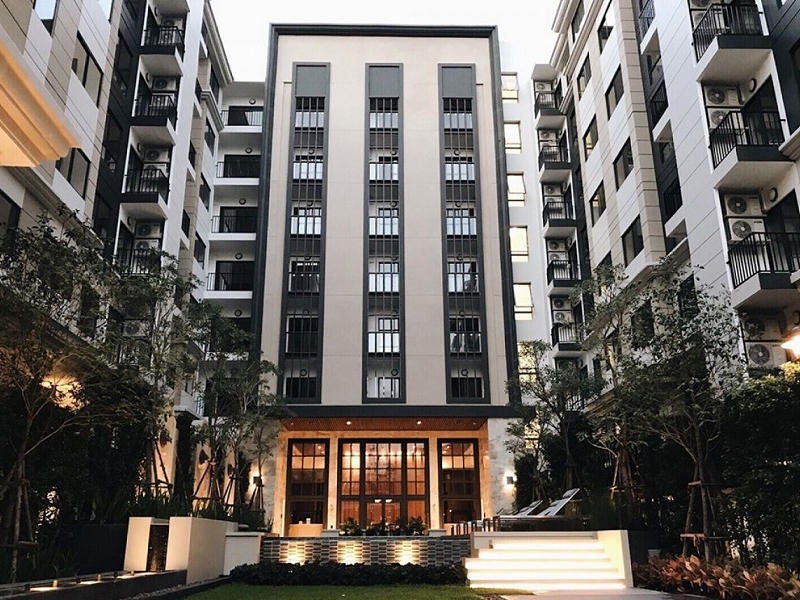
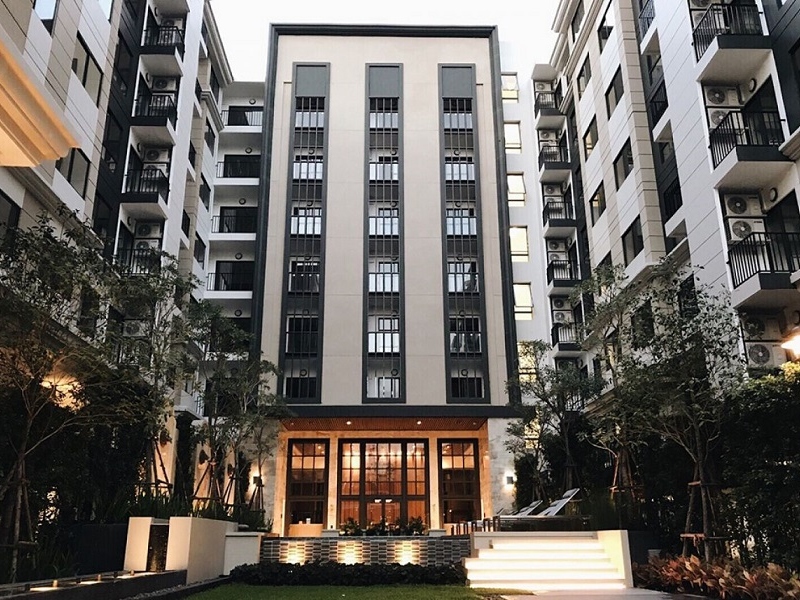
Pet-friendly living starts with written building rules, sensible layouts and considerate management.
Check the unit layout
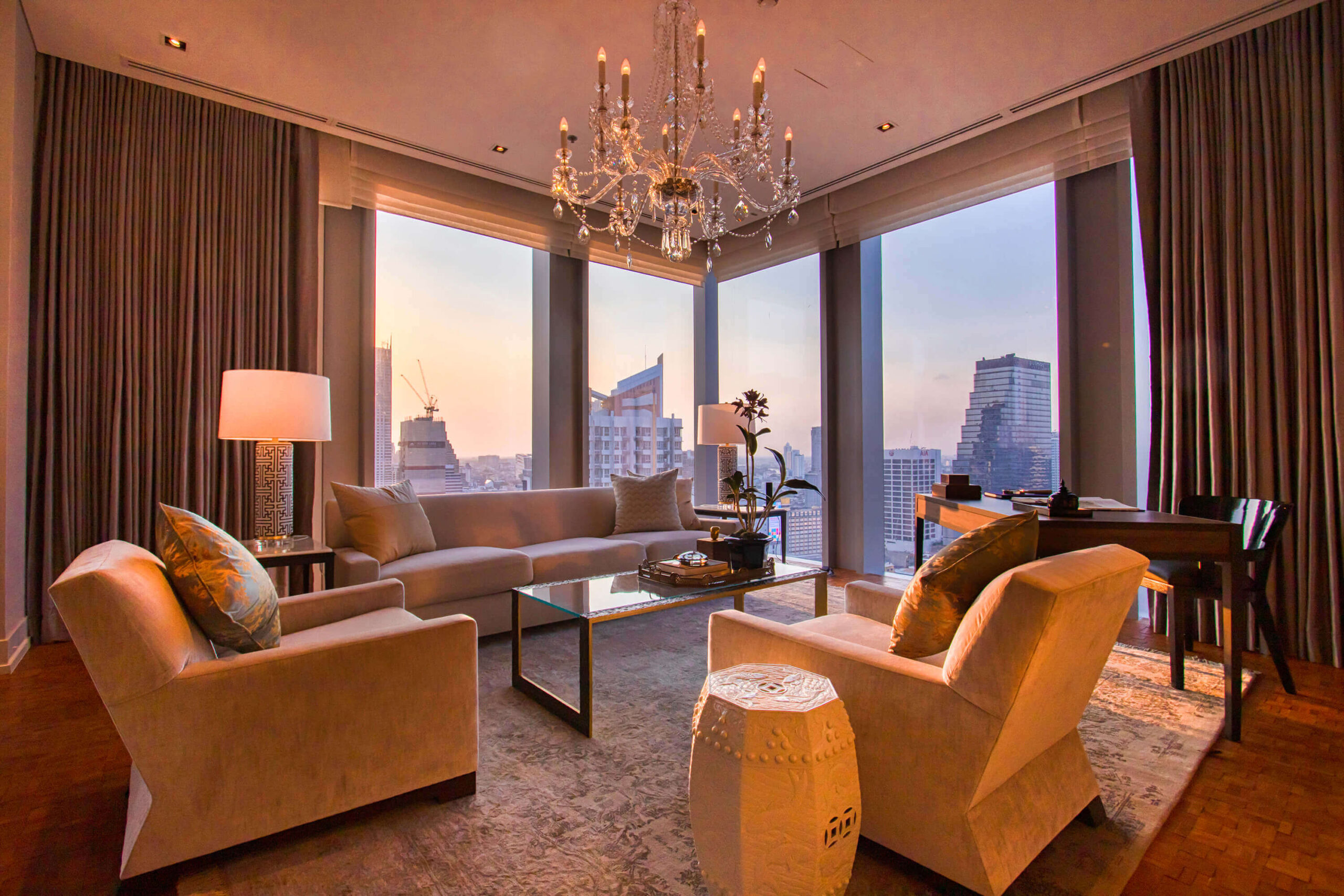
The unit itself should support daily life. Flooring should be durable, balcony safety should be reviewed carefully, ventilation should be practical, and there should be enough storage for cleaning supplies, food and travel carriers. Smaller units can work, but they need efficient routines. Larger units can fail if the lift access is awkward or if the building has strict movement rules.
Noise is another important point. Dogs left alone during long workdays can create complaints, especially in compact buildings with thin walls or busy corridors. Buyers who plan to rent should consider whether the tenant profile is likely to work with the building culture. A quiet, well-managed pet-friendly building is usually more valuable than a building where rules exist but are ignored.
Test the neighbourhood routine
A good pet-friendly address needs more than permission inside the building. Residents need safe walking routes, shaded streets, nearby parks or open spaces where allowed, reliable taxis or ride-hailing options, vets, grooming services, pet shops, cleaning providers and delivery access. The best test is simple: walk the route at the times a resident would actually use it.
Neighbourhoods near large parks, quieter side streets, community malls and established expat services can feel more practical. Very central locations can still work, but buyers should check pavement quality, traffic, heat, crossing points and late-evening access. A building may be luxurious, yet inconvenient for daily pet care.
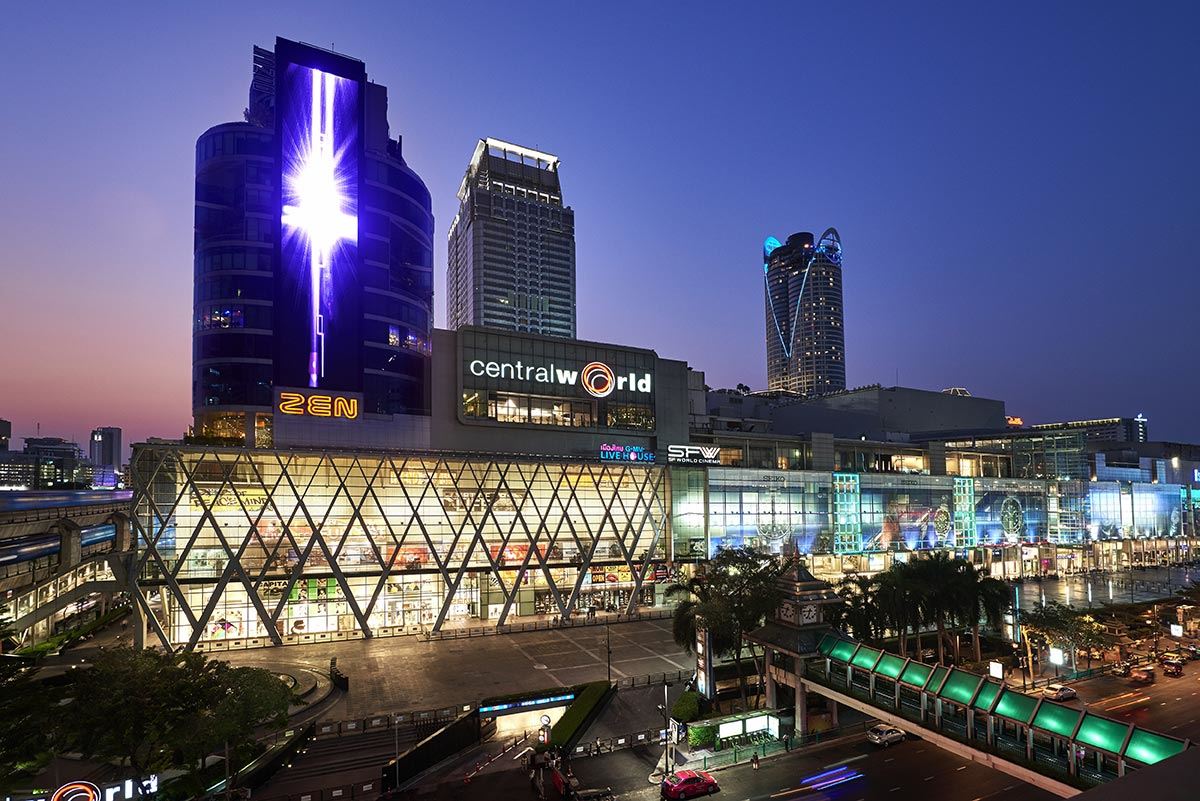
Daily convenience, vets, grooming, delivery and transport all influence long-term comfort.
Landlord considerations
For landlords, pet-friendly demand can be attractive because some tenants have fewer suitable options. However, the lease should be clear. Include professional cleaning, damage responsibility, pest control, noise rules, balcony safety, common-area compliance and move-out inspection standards. The deposit should match the risk and Thai lease practice, with advice where needed.
Landlords should also think about furnishing. Expensive soft furnishings, delicate rugs and hard-to-replace items may not suit pet-friendly rental. Durable materials, washable curtains, sensible sofa choices and easy maintenance can protect the asset while still making the unit comfortable.
A practical viewing checklist
Request the written pet policy before viewing seriously.
Ask the juristic office how pet registration and complaints are handled.
Check lift rules, entrance rules and cleaning expectations.
Walk the nearest daily route during morning or evening heat.
Identify vets, grooming, food supply and emergency transport options.
Review balcony safety, flooring, ventilation and noise risk.
Use a lease that clearly allocates cleaning, damage and rule-compliance duties.
Buyer takeaway
Pet-friendly Bangkok condo living can make the city more comfortable and attractive for expat residents, but it needs proper due diligence. The strongest options combine written building rules, practical layouts, considerate management and neighbourhood routines that work in real life.
IBP can help foreign buyers and landlords compare Bangkok buildings by lifestyle fit, rental audience and practical ownership risk. Read our expat living guides or contact IBP Real Estate for a neighbourhood-led shortlist.
Thailand’s April export data gives foreign buyers another reason to watch the wider economy behind Bangkok property. Reports citing the Trade Policy and Strategy Office under the Ministry of Commerce said exports in April 2026 were worth US$31.583 billion, or THB1.022354 trillion, up 23.1 percent year on year and marking a 22nd consecutive month of growth. That is a strong headline, but property buyers should read it carefully rather than automatically.
Export momentum supports confidence most when it connects to jobs, services and corporate activity.
Exports matter because they support company revenue, employment, logistics, business services and investor confidence. Bangkok is not an export factory city in a narrow sense, but it is the centre for headquarters, banks, legal advisers, logistics managers, consultants, retail groups, hospitals, hospitality companies and regional decision-makers. When trade is resilient, those service layers can support residential demand in selected districts.
At the same time, exports are only one part of the story. Xinhua’s report on the same official data noted that imports rose faster in the first four months of 2026, creating a trade deficit. For property buyers, the balanced reading is that Thailand still has external demand strengths, while costs, supply chains and currency conditions need monitoring.
Why export strength is relevant to Bangkok property
Foreign buyers often focus on tourism, infrastructure and condo prices. Export performance adds another lens. A country that sells goods and services into global markets can build deeper business confidence than one relying only on visitor spending. Stronger trade can support logistics, banking, industrial estates, business travel, serviced apartments and professional hiring.
Bangkok benefits indirectly from that activity. Executives may not live beside factories or ports, but they often base themselves near offices, schools, hospitals, embassies, retail and airports. That is why areas with strong transport and daily convenience can remain relevant even when the economic news is national rather than local.
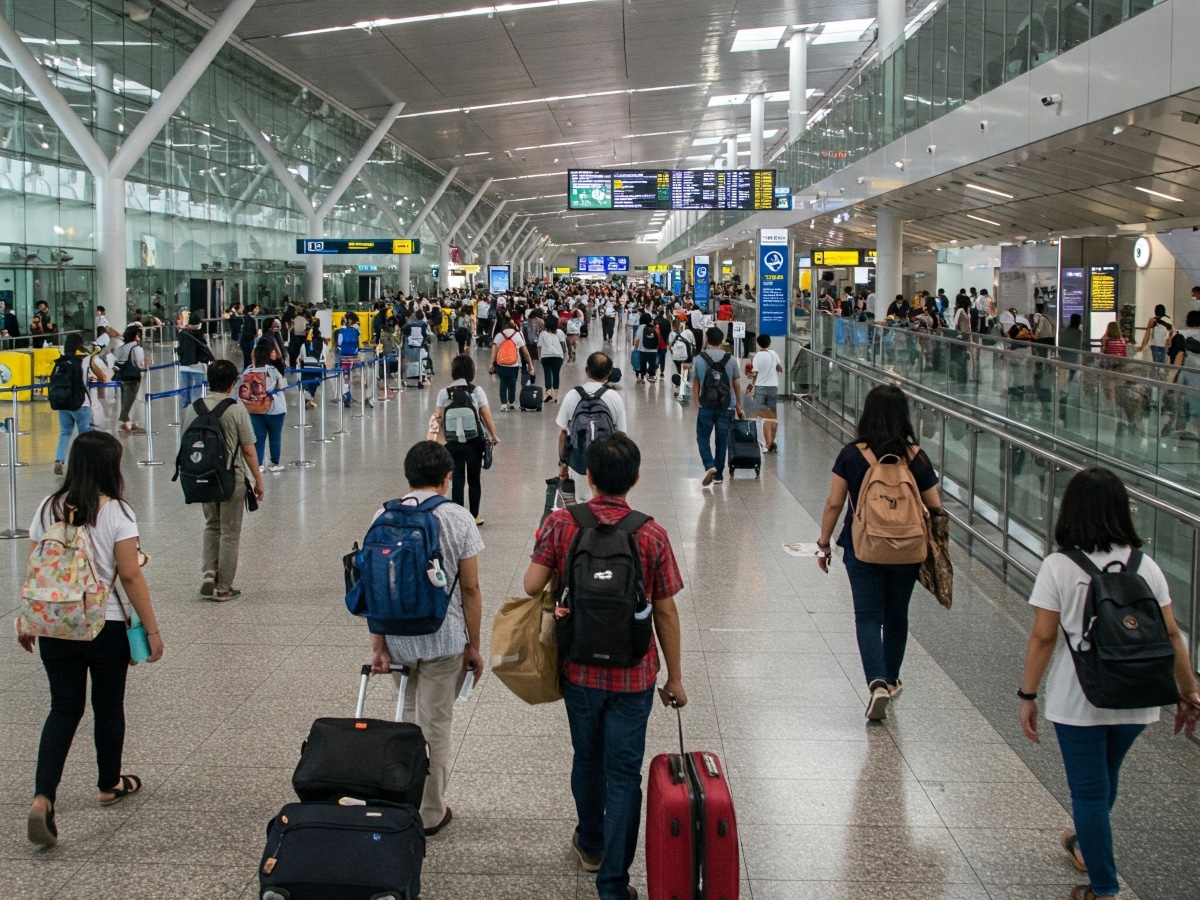
Trade, travel and logistics all reinforce Bangkok’s role as Thailand’s international gateway.
What drove the latest attention
The April data drew attention because the growth rate was high and because the expansion extended a long monthly run. The Government Public Relations Department also reported that agricultural exports rebounded in April 2026 after eight months of decline, with fruit exports up 17.9 percent and durian, rambutan and lychee showing particularly strong increases. That adds a useful reminder that Thailand’s economy is not only tourism and property; it has food, agriculture, manufacturing and trade channels that foreign investors should understand.
For Bangkok property, the point is confidence and diversity. A buyer choosing a long-term Bangkok asset should prefer a city supported by several demand engines: tourism, healthcare, education, trade, finance, retail, technology, embassies and regional services. Export momentum can contribute to that broader platform.
Where the property link is strongest
The export-property link is strongest in districts that serve professionals, regional managers and internationally mobile households. Sathorn, Silom, Rama IV, Phrom Phong, Asoke, Ploenchit, Chit Lom, Bang Na and selected riverside areas can all benefit from different parts of the business ecosystem. The right district depends on whether the tenant base is office-led, school-led, healthcare-led, logistics-linked or lifestyle-led.
Buyers should avoid turning macro data into a blanket purchase signal. A weak building does not become strong because exports grew in one month. The unit still needs a realistic rent, good management, sensible common fees, credible resale demand and a price that can be defended against comparable options.
Macro confidence should still be translated into building-level rental and resale checks.
A practical buyer reading
Treat export growth as a confidence signal, not a guarantee of condo appreciation.
Watch whether trade momentum supports hiring, office demand and business travel.
Focus on districts with transport, schools, healthcare, retail and airport access.
Model rent after vacancy, fees and furnishing, even when the macro backdrop looks positive.
Track import costs and inflation pressure because they can affect household budgets and business margins.
Investor takeaway
Thailand’s April export performance supports a constructive view of the country’s economic base, especially when combined with Bangkok’s role as the national business and services hub. For foreign property buyers, the message is selective confidence: use the macro signal to frame the market, then let district evidence and building quality decide the purchase.
IBP can help foreign buyers connect Thailand economy news with Bangkok district and condominium selection. Read our Thailand economy and investment updates or contact IBP Real Estate for a buyer-focused market discussion.
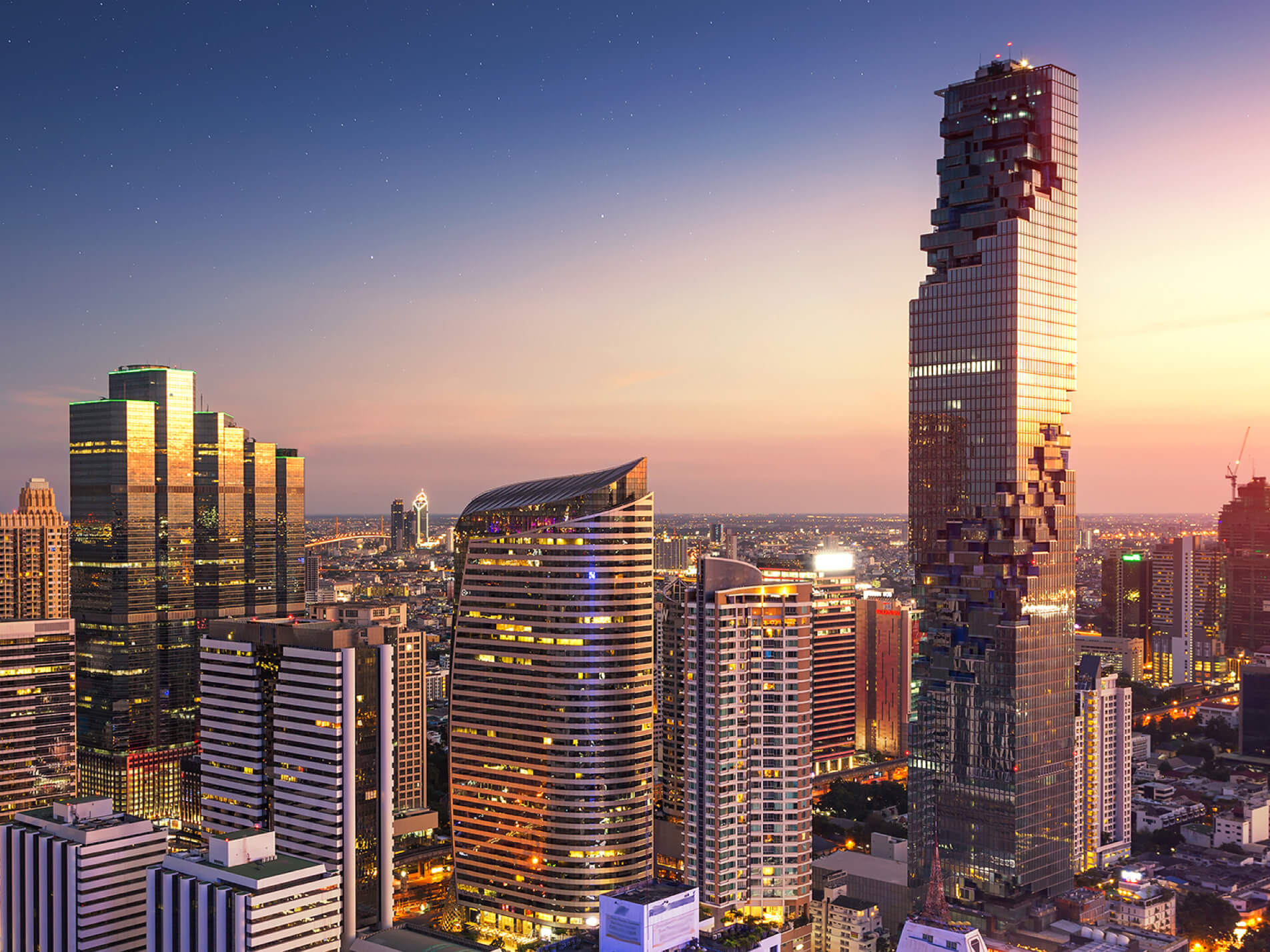
Ritz-Carlton Residences Bangkok remains one of the clearest examples of branded high-rise living in the Bangkok market. The residences sit within King Power Mahanakhon, the pixelated landmark at Chong Nonsi in the Sathorn CBD. For foreign buyers, the appeal is easy to understand: freehold branded residences, direct city identity, BTS access and a mixed-use environment that combines residences, hotel, retail and sky-high visitor attractions.
King Power Mahanakhon gives the residences a recognisable Sathorn landmark setting.
A strong brand and a landmark address do not remove the need for due diligence. They change the questions. Buyers should ask whether the unit’s size, level, view, service expectations, running costs and resale audience support the price being asked. In a premium building, the details matter because future buyers will compare not only with other condos, but with other branded residences and hotel-style homes across Bangkok.
The official King Power Mahanakhon residences site describes freehold ownership in the heart of Sathorn’s CBD, connection to Chong Nonsi BTS, panoramic views, bespoke interiors and facilities such as a residential club lounge, cinema room and pet-friendly features. Those are useful starting points, but the buyer decision should still be based on evidence inside the specific unit and building documents.
Why the address still matters
Sathorn has a different character from the newer lifestyle-led corridors of Phrom Phong, Thonglor or Wireless Road. It is more finance, embassy, office and business-travel driven, with strong access to Silom, Rama IV, riverside hotels and the BTS network. That makes it relevant for buyers who want a Bangkok base with corporate connectivity rather than a purely resort-style address.
King Power Mahanakhon’s architecture also gives the building instant recognition. In resale, recognisability can help. Future buyers, agents and tenants can identify the tower quickly. This does not guarantee liquidity, but it gives the asset a simple first line: a branded residence in an iconic Sathorn landmark. The buyer then needs to prove that the specific unit supports that headline.
What to test inside the unit
In a luxury tower, buyers should go beyond finishes. View direction, privacy, lift access, storage, kitchen practicality, air-conditioning, acoustic comfort, bathroom condition, service access and furniture quality all affect long-term ownership. A unit with a better view and cleaner plan may justify a different price from another unit in the same tower. A buyer should not average the building too broadly.
The official site shows room-type examples and large residences, but every available resale or developer-held unit needs its own review. Foreign buyers should request the title details, usable area, quota status, common fees, sinking fund information, renovation history, included furniture, service rules and any restrictions that affect leasing or owner use.
Branded residence buyers should test service, privacy and layout against their own holding plan.
Service model and holding costs
Branded residences usually carry a different ownership expectation from standard condominiums. Owners may value concierge-style support, privacy, presentation, housekeeping coordination, security and the assurance of a recognised name. Those benefits can support premium positioning, but they also need sustainable operating costs and clear management documents.
Before committing, buyers should understand what services are included, what costs extra, how common fees are calculated, how capital repairs are funded, how owner requests are handled and whether the service model has remained consistent over time. A buyer who lives abroad needs confidence that the building can manage standards without constant owner intervention.
Rental and resale logic
The rental audience for a branded landmark residence is narrower than for a mainstream one-bedroom near mass transit. That is not necessarily negative. Premium assets can work when the target tenant values space, service, views and address identity. The risk comes when the rent expectation assumes an unlimited luxury tenant pool. Buyers should review actual comparable rents, vacancy assumptions and agent feedback before relying on income.
Resale logic should also be tested. A future buyer may be a Bangkok-based executive, an overseas owner seeking a trophy address, a regional family wanting a city base or an investor comparing branded alternatives. Each buyer type will care about different details. The common thread is confidence: building standards, clean documents, recognisable address, strong view and a price supported by comparables.
Views, floor level and building identity are central to the resale story in landmark residences.
A buyer checklist
Confirm foreign quota and title status before negotiation becomes advanced.
Compare the specific view, floor and layout with other available units in the tower.
Review common fees, sinking fund obligations and any service charges.
Ask for evidence of recent comparable resales and rentals.
Check renovation permissions, furniture inclusions and handover condition.
Understand the building rules for pets, leasing, guests and owner services.
Model a longer resale period because the premium buyer pool is more selective.
Buyers should also compare the residence with newer luxury launches, not only with older Sathorn stock. Newer projects may offer fresh facilities, larger wellness areas or different branded-service concepts, while Mahanakhon offers completed-building evidence and a landmark identity that is already visible in the city. The right choice depends on whether the buyer values certainty, address recognition, service culture, space, future handover timing or a newer design language.
Buyer takeaway
Ritz-Carlton Residences Bangkok offers a clear branded-residence proposition: freehold ownership, Sathorn CBD positioning, BTS access and landmark identity within King Power Mahanakhon. For foreign buyers, the opportunity is strongest when the specific unit’s view, plan, condition and cost base support the premium story.
IBP can help buyers compare Ritz-Carlton Residences Bangkok with other luxury and branded residences by location, service model, rental evidence and resale logic. Browse our project review notes or contact IBP Real Estate for a private shortlist.
Foreign buyers can legally own freehold condominium units in Thailand within the foreign ownership quota, but the banking evidence matters. A buyer should not treat the money transfer as a simple last-minute payment. The receiving bank, the currency route, the stated purpose and the documentary trail can affect whether the transfer can proceed smoothly at the Land Office.
Bank evidence should be planned before money moves, not after the transfer date is booked.
The practical issue is straightforward: the purchase funds for a foreign freehold condominium normally need to be shown as foreign currency remitted into Thailand for the purpose of buying the condominium. Official Thai government guidance explains that foreigners purchasing a condominium should transfer money from abroad in foreign currency and obtain the relevant foreign-currency transaction evidence from the processing bank for presentation to the Land Department.
This article is a planning guide rather than legal advice. Requirements can vary by facts, bank process, Land Office practice and buyer status. The safest approach is to confirm the exact evidence with the receiving bank, the developer or seller, and the buyer’s lawyer before funds are sent.
Why the evidence matters
A Bangkok condo transfer is not completed only because the buyer has enough cash. The officials and banks need to see that the funds match the foreign-ownership route. If the money arrives in the wrong form, with unclear sender details, without a property purchase purpose or through a route that the bank cannot document properly, the buyer may face delays just when the seller expects completion.
The evidence is also useful later. A clean remittance record can help when selling the unit, explaining the purchase trail, arranging future outward remittance and answering tax or banking questions. Foreign buyers who keep every bank certificate, credit advice, SWIFT record, contract, receipt and Land Office document in one file save themselves trouble years later.
Speak to the receiving bank before sending funds
The receiving Thai bank is the key operational contact. Ask what currency should be sent, whose name should appear as sender and receiver, what wording should be placed in the transfer purpose field, which branch will issue the document, how long issuance takes, and whether staged payments can be consolidated or must be evidenced separately. Do this before sending the first reservation or contract payment if that payment forms part of the purchase price.
Buyers should be careful with transfer services that convert funds before the money reaches Thailand. The problem is not that every service is unsuitable. The problem is that the receiving bank must be able to document the incoming foreign currency in a way accepted for the condominium transfer. If the funds arrive as domestic Thai baht from an intermediary, the evidence may be harder or impossible to produce.
Transfer evidence sits beside practical checks such as inspection, title review and fee confirmation.
Use clear transfer wording
The transfer purpose should be specific and consistent. A buyer should normally state that the funds are for the purchase of the named condominium unit, using the buyer’s passport name and the project or unit reference where possible. Avoid vague wording such as investment, personal transfer or family support if the money is for the condominium purchase. The goal is to make the bank evidence easy to match with the sale and purchase documents.
If several payments are being made, keep the wording consistent across each payment. This is especially important for off-plan units where deposits, instalments and final transfer payments may be spread over time. The buyer should maintain a schedule showing date, amount, currency, sender, receiver, bank reference and which contract milestone the payment relates to.
Check the amount and timing
The evidence should cover the purchase price that needs to be shown for the transfer. Buyers should therefore avoid sending only the final balance correctly while earlier payments are poorly documented. If a developer or seller requires reservation money, ask whether that amount must also be supported by foreign-exchange evidence and how it will be reflected at completion.
Timing also matters. Banks may need time to issue the foreign-currency transaction document or bank certificate. Public holidays, branch procedures, compliance reviews and name mismatches can slow the process. A buyer planning to fly into Bangkok for transfer should not assume that evidence can be corrected in one morning.
A buyer checklist before remittance
Confirm foreign quota and transfer eligibility before sending major funds.
Ask the receiving bank what exact evidence it will issue for the transfer.
Send funds in foreign currency where required and keep the sender name consistent with the buyer.
Use a specific property purchase purpose in the payment instruction.
Keep SWIFT records, bank certificates, receipts, contract pages and exchange records together.
Check whether each staged payment needs separate evidence.
Have a lawyer or experienced adviser review the process before the final transfer date.
A clean banking trail helps the Land Office transfer match the foreign freehold purchase plan.
Common avoidable problems
Problems often begin when buyers send money from an account that does not match the buyer name, use a payment provider that changes the transfer trail, omit the purchase purpose, send funds to a third party without advice, or assume that a bank statement is the same as transfer evidence. These issues can sometimes be solved, but solving them under transfer pressure is stressful and may weaken the buyer’s negotiating position.
Another common problem is treating the agent as the only source of banking instructions. Agents can coordinate, but the buyer should still confirm with the bank and legal adviser. A property purchase is too important to rely on informal messages if a simple pre-transfer call can reduce risk.
Buyer takeaway
Foreign-exchange evidence is one of the practical foundations of a Bangkok condominium transfer. It should be planned from the first payment, with clear bank instructions, consistent names, proper transfer purpose wording and a complete document file. A smooth transfer is usually the result of boring preparation done early.
IBP can help foreign buyers coordinate viewing, foreign quota checks, bank evidence questions and transfer planning with the right professional support. Read our legal, tax and due diligence guides or contact IBP Real Estate before sending purchase funds.
Foreign buyers often enter Bangkok with a purchase question: which condominium should I buy? A safer starting point is the exit question: who is likely to buy or rent this unit from me later, and why would they choose it over the alternatives? That is resale liquidity. It does not mean a unit will sell instantly. It means the asset has a credible future audience, enough comparable evidence and a story that remains clear when market conditions are less forgiving.
Resale liquidity starts with a location that future buyers can understand quickly.
Bangkok has many attractive condominium buildings, but not all are equally easy to exit. Some units look strong in a presentation but depend on a narrow buyer group. Others are less dramatic but sit in districts with proven transport, office, healthcare, school, retail or lifestyle demand. For overseas owners, liquidity deserves special attention because they may not be in Bangkok to manage a long resale campaign, repeated viewings or difficult negotiations.
The discipline is to judge a unit from the next buyer’s perspective. A foreign investor may accept a longer holding period, but the eventual buyer will still ask practical questions about price, building age, view, maintenance, foreign quota, transfer costs, rentability and daily convenience. The more easily those questions can be answered, the stronger the resale case becomes.
What liquidity means in Bangkok condos
Liquidity is not only about discounting. A cheap unit in a weak building can remain illiquid if buyers worry about maintenance, location, oversupply or poor layouts. A premium unit can be liquid if the buyer pool is deep enough and the price is supported by recent evidence. In Bangkok, liquidity is usually strongest where several demand groups overlap: Thai owner-occupiers, foreign buyers, local investors, expatriate tenants and corporate tenants.
That overlap is why central mass-transit districts, hospital corridors, international-school routes, office clusters and established lifestyle zones often remain easier to explain. A buyer does not need every demand driver in one address, but the unit should not depend on only one fragile reason. If the only story is future capital gain, the resale case is too thin.
Start with the future buyer pool
Before reserving a unit, list the realistic buyer groups. A compact one-bedroom near a BTS station may appeal to landlords and younger professionals. A larger family unit may need school access, parking, storage and a quieter building. A branded residence may appeal to high-net-worth buyers who value service and scarcity, but the common fees and service model must match that audience. A riverside unit may need a buyer who values views and destination living more than a short walk to office towers.
This exercise prevents a common mistake: buying a unit because it suits the first buyer’s holiday pattern but not the next buyer’s daily routine. The stronger test is whether the future audience can see the value in less than ten minutes. If the agent must explain too many compromises, liquidity is weaker.
Completed buildings reveal management quality, maintenance standards and actual buyer depth.
Compare the building, not only the district
District quality can support resale, but the building still matters. Buyers should check lobby condition, lift waiting times, common-area upkeep, parking, access control, juristic communication, sinking fund history, owner mix and rules on short stays or pets where relevant. These details affect tenant satisfaction and buyer confidence after the first impression fades.
Completed buildings give the clearest evidence. A buyer can inspect corridors, noise, views, facilities, repairs and tenant profile. Off-plan purchases require more caution because the future building condition is still an assumption. For off-plan units, buyers should focus on developer track record, payment schedule, foreign quota, construction progress, comparable completed projects and how many similar units may compete at completion.
Read comparable evidence carefully
A resale asking price is not the same as a resale value. Buyers should ask for recent transactions where available, competing listings in the same building, nearby alternatives and rental evidence after vacancy and agent fees. The most useful comparisons are similar unit sizes, floors, views, furnishing quality and transfer status. A high-floor corner unit should not be judged against a lower-floor unit with a blocked view unless the price difference is clear.
Foreign buyers should also check whether the building has an active resale market or only a few stale listings. A building with many owners trying to exit at similar prices can create negotiation pressure. A building with almost no comparable evidence can be attractive, but it also makes valuation harder. The right answer depends on why supply is available and whether demand is visible.
A practical liquidity checklist
Can the location be explained through transport, work, healthcare, school, retail or lifestyle demand?
Does the unit plan suit a clear buyer or tenant group?
Are there credible comparable sales or rentals rather than only asking prices?
Is the building well maintained and easy to inspect?
Will common fees, sinking funds and transfer costs be acceptable to the future buyer pool?
Is foreign quota available now, and likely to be relevant at resale?
Could the unit still compete if rent or resale pricing softens?
A strong exit case is usually built at purchase, before the buyer signs the contract.
Where buyers make liquidity harder
The biggest liquidity errors are usually made at purchase. Buyers overpay for furniture, choose an awkward layout, ignore a weak view, accept an inconvenient walk, buy in a building with poor upkeep or assume that a future infrastructure story will solve every issue. These errors may not matter during a holiday stay, but they matter when a tenant compares alternatives or a resale buyer asks for a discount.
Another error is buying too personally. Bangkok can be highly liveable, and personal enjoyment is a valid reason to own. But if the property is also an investment, personal preference should be balanced against future market logic. A unit can be beautiful and still have a narrow resale audience. A unit can be understated and still be easier to exit.
Buyer takeaway
Resale liquidity is a practical risk-control tool for foreign buyers. It forces the purchase decision to account for the next buyer, the next tenant and the next market cycle. In Bangkok, the best liquidity cases combine clear location logic, credible building management, usable layouts, comparable evidence and conservative pricing.
IBP can help overseas buyers compare Bangkok condos by exit demand, rental evidence and building-level risk before they reserve. Read our resale and exit strategy guides or contact IBP Real Estate for a disciplined buyer shortlist.