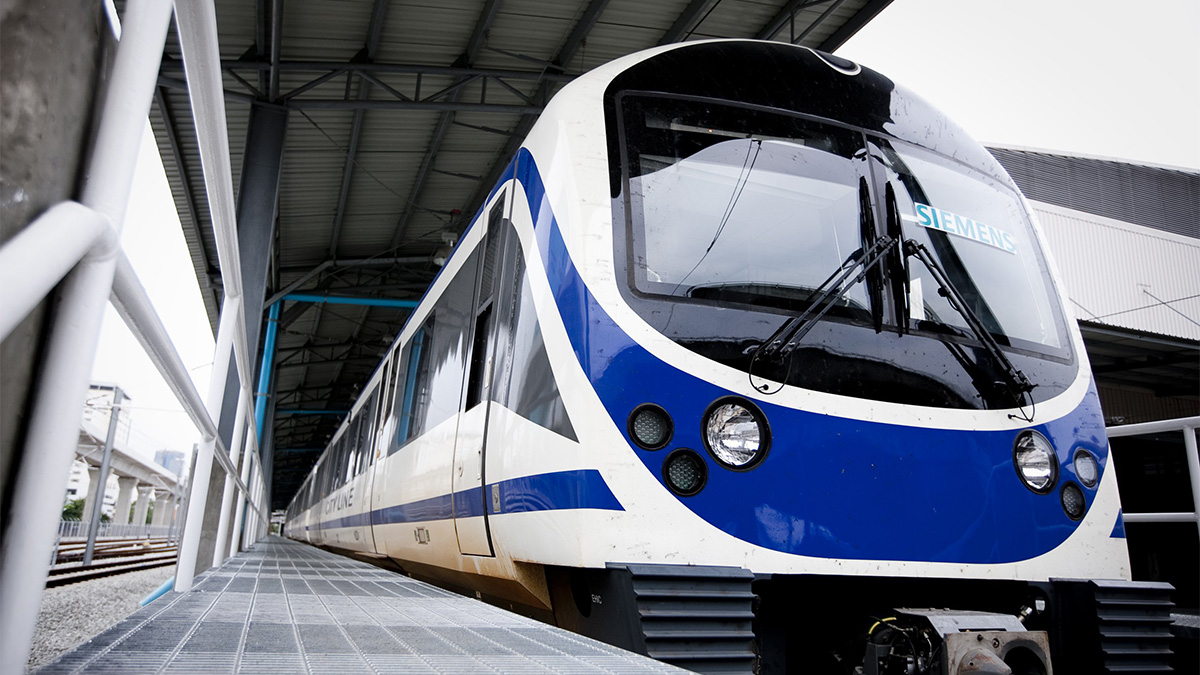
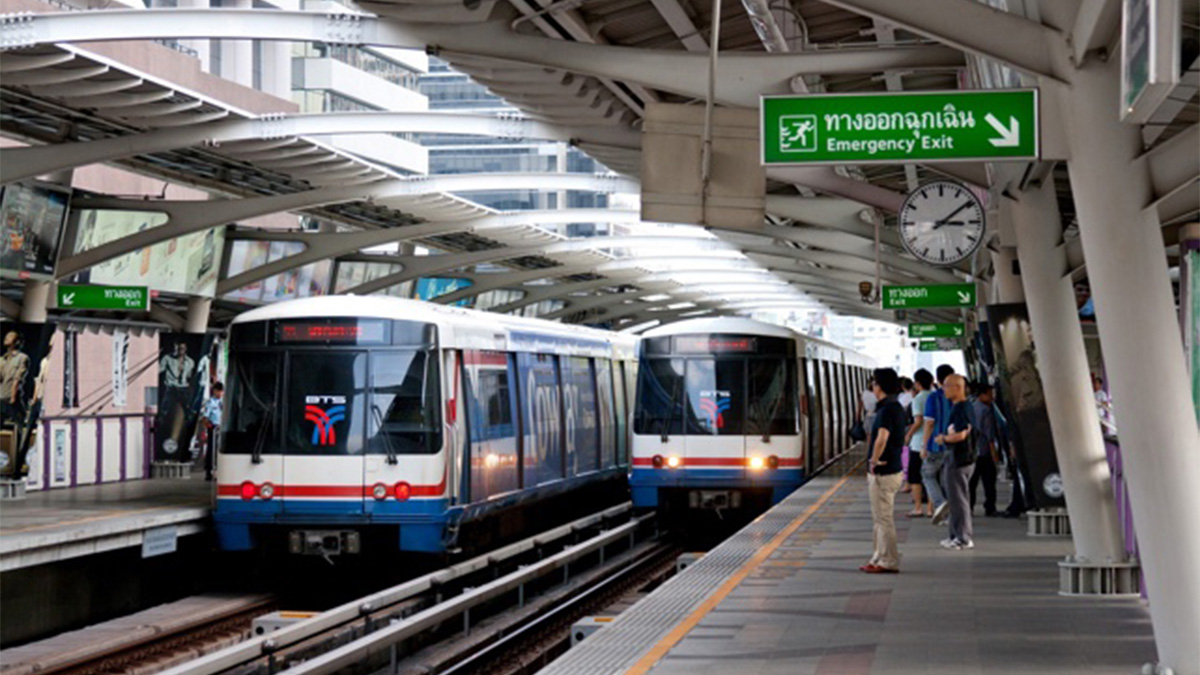
Bangkok’s rainy season is part of normal city life, but foreign condo buyers should not ignore it. A building that feels easy on a dry viewing day can feel very different when heavy rain arrives at school pick-up time, during an airport transfer or just before a tenant’s office commute. The best rainy season condo choices are not necessarily the highest or newest buildings. They are the ones with practical access, good management and routines that still work in wet weather.
Rainy season living is mostly about routines, access and building management rather than dramatic weather.
In May 2026, the Bangkok Metropolitan Administration said it was preparing for the season with drainage-pipe work, canal clearing and pumping readiness. That city-level preparation matters, but it does not replace building-level due diligence. A buyer still needs to ask how the street outside the condo behaves, whether the entrance floods, how residents reach transit, and how the juristic team manages leaks, lifts and car-park access during storms.
Rainy season should be treated as a liveability test. If a unit is intended for personal use, wet-weather routines will shape daily comfort. If it is intended for rental, tenants will judge the building by how easily they can get to work, receive deliveries, use ride-hailing, keep shoes and laundry dry, and avoid repeated inconvenience.
Start outside the lobby
A polished lobby tells only part of the story. Walk the route from the building to the nearest BTS, MRT, pier, office shuttle, supermarket or main road. Check whether the pavement is level, whether there is shelter, whether puddles collect at the entrance, and whether cars can safely stop without blocking traffic. During rainy season, a five-minute walk with no shelter can feel much longer.
Foreign buyers should also check the approach road. Some Bangkok sois drain quickly. Others hold water after heavy rain. The difference affects taxi access, food delivery, school runs and tenant satisfaction. Ask the juristic office and nearby shop staff what happens after a downpour. Local answers are often more useful than a dry-season map.
City drainage preparation is a reminder to check each building’s own flood and access management.
Read city preparation as context
BMA’s May 2026 update described a shift from reactive flood response to more coordinated preparation, including drainage-pipe clearing, canal work and pumping-station readiness. For residents, this is encouraging because it shows the city is treating intense rain as an operational issue. For buyers, it is a reminder to check the micro-location rather than assuming the city can solve every access problem equally.
A building near a major road, rail station, canal, park or underpass can experience rain differently from another building only a few blocks away. The safest due diligence includes visiting after rain if possible, asking for building incident history, and checking whether the car park, basement, generator room, electrical rooms and lift lobbies are protected.
Covered access can be more valuable than a longer facility list
Some of Bangkok’s most comfortable rainy season addresses are not the most dramatic. They have sheltered drop-off points, practical taxi circulation, covered links to retail, a short route to rail, good parcel handling and reliable maintenance. These features are easy to underestimate in a sales gallery because they are not as photogenic as a pool deck. Tenants notice them quickly.
For families, covered access to schools, supermarkets and clinics can matter. For executives, the ability to move between condo, car and office without disruption can support a higher rent. For older residents, step-free access and safe pavements become part of the property’s liveability value.
Check the building envelope
Inside the unit, rainy season checks should include window seals, balcony drainage, air-conditioning condensate, bathroom ventilation, ceiling stains, swollen timber, musty smells and evidence of past leaks. In high-rise units, wind-driven rain can reveal problems that are invisible during normal viewings. In older buildings, small leaks may have been patched repeatedly rather than repaired properly.
Ask when the facade, roof, balconies and drainage pipes were last inspected. For resale units, request repair records if there has been water ingress. A beautiful view is less valuable if the balcony drains poorly or the window frame lets water in during heavy storms.
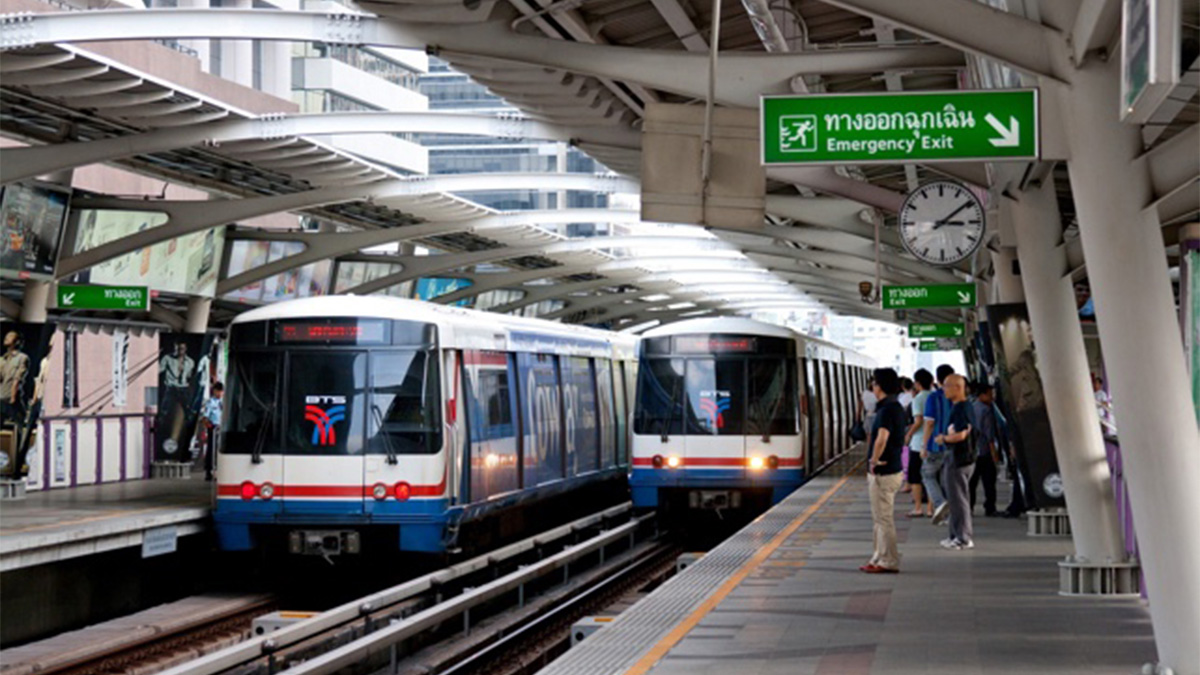
Covered links, short walks and reliable transport matter more during wet-season commutes.
Think about tenant routines
A rainy season rental strategy should be practical. Tenants may ask about washing machines, dryers, shoe storage, parcel areas, ride-hailing pick-up points, parking, building apps and how quickly maintenance requests are handled. Small details can make a unit feel easier to live in. A landlord who provides dehumidifying habits, clear air-conditioning servicing and sensible storage may reduce complaints.
If the target tenant is a foreign executive, the commute matters. If the target is a family, school and clinic routes matter. If the unit is near a lifestyle district, sheltered access to malls, grocers and restaurants matters. Rain does not make Bangkok less liveable; it makes convenience more visible.
When rainy season can be an advantage
Viewing during wet weather can help buyers negotiate and choose better. It reveals which buildings function well, which streets drain quickly and which lobbies manage traffic calmly. A buyer who only inspects in perfect weather may miss operational weaknesses that local tenants already understand.
Rainy season also highlights why Bangkok remains attractive. The city has dense retail, food delivery, transport options, private healthcare, serviced residences and neighbourhood amenities that keep daily life moving. Buyers who select the right building can enjoy that depth without treating every storm as a disruption.
Practical buying takeaway
Before committing, test the walking route, ask about flooding history, inspect the unit for water marks, confirm basement and car-park protection, check lift and generator maintenance, and understand how the juristic team communicates during storms. These checks are simple, but they can protect comfort, rentability and resale value.
For buyers relocating to Bangkok or choosing a rental investment, rainy season is a useful reality check. IBP’s expat living guides can help connect lifestyle needs with building-level due diligence before a purchase decision is made.
Thailand’s latest tourism safety and quality push is not only a travel-industry story. It is also a confidence signal for Bangkok property buyers. On 25 May 2026, the TAT Newsroom reported a national drive to improve tourism safety and quality standards under the Trusted Thailand direction. For foreign buyers, the important question is how such policy attention affects Bangkok’s role as a place to visit, work, rent and live.
Tourism confidence is part of Bangkok’s wider appeal to foreign residents, investors and repeat visitors.
Property demand is rarely created by one campaign. It comes from repeated signals: air access, stable services, reliable transport, healthcare, schools, retail, hotels, culture, corporate activity and a city environment that visitors are willing to return to. Tourism safety and quality sit inside that larger confidence framework. When Thailand treats visitor trust as a national priority, Bangkok’s residential market can benefit indirectly.
This should be read carefully. A safety drive does not guarantee condo price growth or rental yield. It does, however, reinforce a theme that matters to foreign owners: Bangkok competes not only on price, but on ease of use. Buyers want a city where tenants arrive smoothly, families feel comfortable, business visitors can navigate services, and repeat travellers can imagine a longer stay.
Why tourism standards matter to property
Bangkok is a residential city, a business centre and a visitor gateway at the same time. Many foreign condo buyers first encounter the city as tourists or business travellers. Their first impressions are practical: airport arrival, hotel quality, street-level safety, transport, shopping, medical access, restaurant standards and how quickly problems are handled. Those impressions influence whether Bangkok feels investable.
A stronger tourism-quality agenda can also support the ecosystem around property. Hotels, malls, hospitals, wellness providers, restaurants, event venues, private transport operators and serviced apartments all depend on visitor confidence. When these sectors perform well, they help sustain employment, business travel and rental demand in the districts foreign buyers already watch.
Safety, service standards and coordination shape how international visitors judge Thailand.
The foreign-buyer lens
Foreign buyers should not treat tourism as separate from property. In Bangkok, tourism and residential demand overlap. A visitor may become a repeat renter, a remote worker, a retiree, a parent assessing schools, or an investor looking for a long-term base. Even if a buyer never plans short-term rental activity, the city’s visitor economy supports the amenities that make condominium living attractive.
This is particularly true in central and lifestyle districts. Sukhumvit, Silom-Sathorn, Rama IV, Chit Lom, Phloen Chit, Riverside and emerging mixed-use nodes all rely on a blend of local residents, expatriates, business travellers and tourists. Better visitor confidence can keep these districts active beyond office hours and support the retail and service depth that tenants value.
What buyers should watch next
The useful indicators are not slogans. Buyers should monitor arrival quality, airline connectivity, hotel occupancy, MICE activity, retail footfall, healthcare tourism, event calendars and the consistency of local services. If these indicators improve together, Bangkok’s liveability story becomes easier to explain. If one area weakens, buyers should ask whether the chosen district still has enough independent demand drivers.
For example, a condo near a hospital corridor may be supported by healthcare demand and family visits. A unit near a major mall may benefit from retail, dining and transport. A property near the CBD may depend more on office leasing and business travel. Tourism quality helps the whole city, but each asset still needs its own demand logic.
Confidence is built through coordination
Tourism safety is not only about policing. It involves information, complaint handling, transport reliability, standards, communication, hospitality training and coordination between public agencies and private operators. This matters to Bangkok property because the city is experienced through many small interactions. A foreign resident or tenant notices whether taxis, airports, clinics, malls, hotels and public spaces feel organised.
When those systems improve, Bangkok’s premium positioning becomes more credible. The city can offer more than affordability: it can offer connected urban living with strong private services and a deep lifestyle base. That is one reason foreign buyers compare Bangkok not only with other Thai cities, but with regional alternatives such as Singapore, Kuala Lumpur and Ho Chi Minh City.
A stronger visitor experience can reinforce Bangkok’s positioning as a liveable regional base.
What this does not change
Buyers still need discipline. A national tourism push does not make every condominium a good investment. Overpriced units, weak layouts, poor management, unclear foreign quota and unrealistic rental assumptions remain risks. A property should be judged by building quality, management, location, pricing, tenant audience and exit route.
The positive reading is broader. Thailand is continuing to invest policy attention in visitor trust, and Bangkok is the main gateway that translates that trust into residential, retail, healthcare and business demand. For a foreign buyer, that supports confidence in the city, but not blind confidence in any single asset.
How to use the signal
Use tourism-confidence news as part of a dashboard. Pair it with economic data, infrastructure delivery, district supply, developer behaviour and rent evidence. If several indicators point in the same direction, a buyer can underwrite with more conviction. If the only argument is a national campaign, the purchase case is incomplete.
Bangkok’s best property opportunities are usually found where macro confidence meets practical daily demand. IBP’s Thailand economy and investment news helps foreign buyers connect national signals to district-level property decisions before they commit capital.
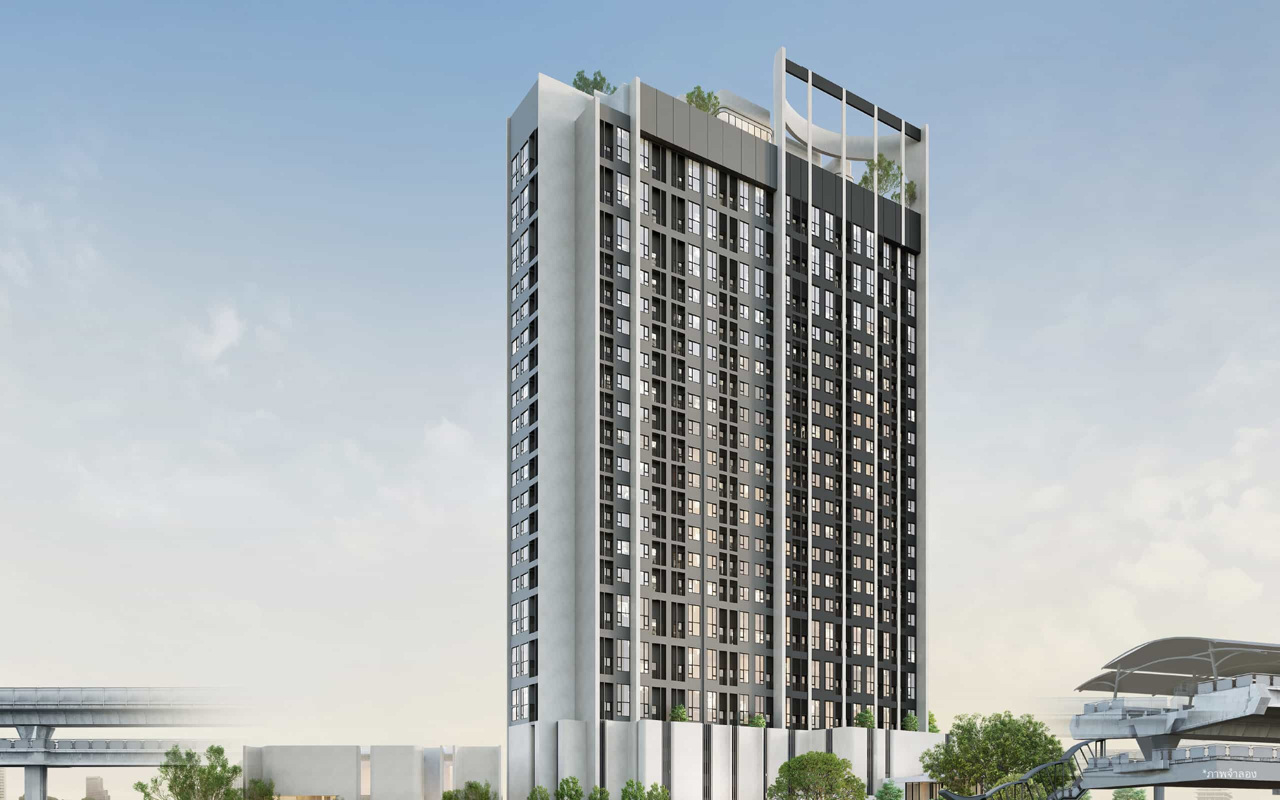
COBE Kaset-Sripatum gives foreign buyers a useful case study in how to read a Bangkok condominium outside the most familiar central luxury zones. It is not a Wireless Road trophy address or a riverside branded residence. Its appeal is more practical: a new SC Asset project name, a north Bangkok education corridor, a commuter market and a price band that may sit within reach of buyers who want a smaller-ticket Bangkok holding.
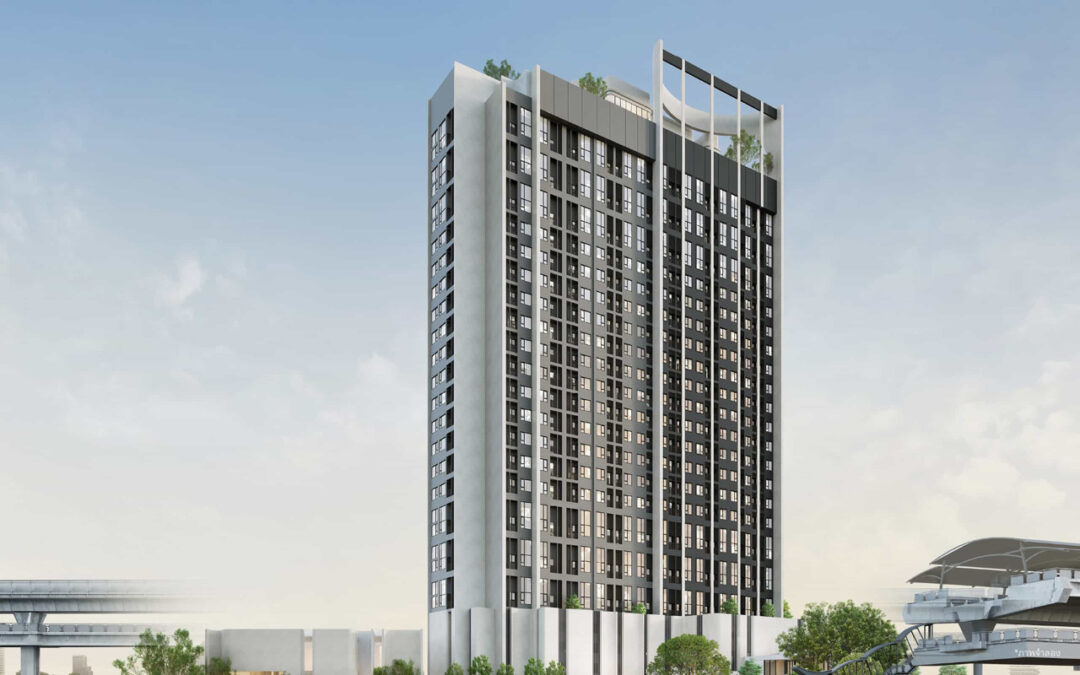
COBE Kaset-Sripatum is positioned by SC Asset for the north Bangkok education and commuter corridor.
SC Asset’s official project page identifies COBE Kaset-Sripatum and shows a starting range from 3.19 to 12 million baht. That price signal is important because it places the project in a different decision set from ultra-prime freehold condos. Foreign buyers should not judge it by the same criteria as a luxury second home. They should ask whether the location, unit mix, building operations and rental audience make sense for the intended hold period.
The buyer question is therefore not simply whether the renderings look attractive. The real question is whether a foreign owner can explain the asset to the next tenant or buyer: near education demand, connected to north Bangkok routines, new enough to feel efficient, and priced with enough discipline to leave room for normal ownership costs.
Why the corridor deserves attention
The Kaset-Sripatum label points buyers towards a part of Bangkok where universities, offices, residential neighbourhoods, commuting routes and local retail overlap. That is a different demand profile from Phrom Phong or Sathorn. It may attract students’ families, younger professionals, local renters, university-linked households and buyers who want access to the northern side of the city without paying central-core prices.
For foreign buyers, this can be attractive if the target is yield discipline rather than prestige. However, the tenant pool needs to be checked carefully. Local demand can be deep, but it may also be price-sensitive. A compact unit can rent well only if the rent, furniture, commute and building condition match what local tenants can actually pay.
Amenity quality matters most when it supports a clear tenant or owner-occupier audience.
How to read the official imagery
The official gallery presents a contemporary building and lifestyle-led shared spaces. Renderings are useful for understanding the developer’s intent, but they are not due diligence. Buyers should ask what will be delivered at handover, whether the finish quality matches the images, how the amenities will be maintained, and what common fees are expected to cover.
This is particularly important in buildings where the purchase price is moderate. A strong amenity package can help leasing, but it also needs long-term funding. Swimming pools, lounges, gyms, garden decks and co-working spaces all require management. If common fees are too low to maintain the facilities, the building may age faster. If fees are too high, yield can be squeezed.
Questions for foreign buyers
Start with foreign quota. A buyer should ask how much of the freehold quota remains, whether the unit being offered is already allocated to the foreign quota, and how evidence of foreign-currency remittance will be handled. If buying off-plan, confirm the contract process, payment schedule, expected completion obligations and what happens if the buyer cannot obtain the required bank evidence on time.
Then check the unit itself. Compact units can be efficient, but they need enough storage, natural light, sensible furniture placement and a layout that tenants understand quickly. A narrow plan, awkward kitchen, weak view or poor air-conditioning placement can matter more than an extra decorative amenity downstairs.
Rental strategy should be conservative
A north Bangkok project should be stress-tested with local rents, not only developer projections. Buyers should compare nearby completed buildings, not just new launches. Ask what similar one-bedroom and studio units actually lease for, how long vacancies last, whether tenants prefer furnished or semi-furnished units, and whether agents see demand from students, staff, young professionals or families.
The safest underwriting assumes normal competition. If several new buildings deliver around the same time, tenants will compare rent, furniture packages, building age, shuttle convenience, parking, internet quality and the responsiveness of the juristic office. A unit that depends only on a launch story may struggle once more supply is available.
Buyers should compare the finished facilities, running costs and management standards at handover.
Developer and management checks
SC Asset is an established SET-listed developer, which gives buyers a recognisable counterparty. That does not remove the need to read the contract. Foreign buyers should still review defect-liability terms, area measurement, transfer-cost allocation, late-payment rules, cancellation terms, handover procedures and the process for appointing the first juristic management team.
After completion, management quality will shape the investment. The juristic office, maintenance schedule, security, lift performance, cleanliness and repair response all affect tenant satisfaction. Buyers who cannot visit often should choose buildings where management reporting is clear and an agent can monitor the unit properly.
Who might this suit
COBE Kaset-Sripatum may suit buyers who want a Bangkok asset with a practical price point, local demand logic and a new-building experience. It may be less suitable for buyers whose priority is international-school family living, embassy-area prestige, luxury resale scarcity or a personal pied-a-terre in the central core.
For foreign buyers comparing new launches outside the prime districts, the discipline is to match the asset to a realistic tenant. Review IBP’s project review notes and district guides before reserving, then verify the contract and foreign-quota position before sending funds.
A Thai bank account is not always the first topic foreign buyers ask about when buying a Bangkok condominium. They usually start with foreign quota, reservation contracts, transfer tax, rental yield and location. Banking comes later. That is a mistake. The bank account question affects how smoothly funds move, how evidence is produced, how common fees are paid and how the owner manages the unit after completion.
Banking preparation should be handled before transfer day, not after completion.
This guide is not a promise that every foreign buyer can open an account at every branch. Bank policies, compliance checks, visa status, residency documents and internal procedures vary. The practical point is simpler: buyers should plan the banking route early enough that they are not solving it during the last week before transfer.
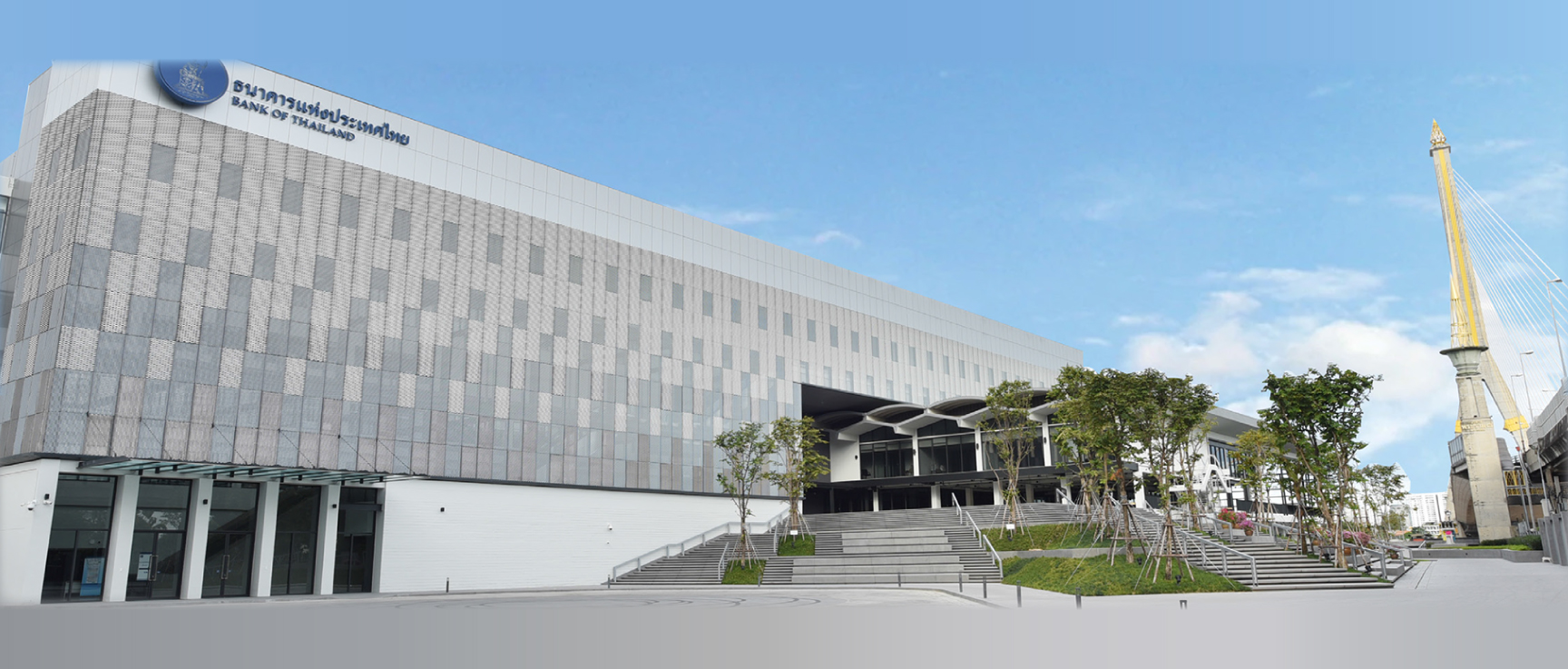
Foreign freehold condominium purchases also have a separate evidence issue. Official Thai guidance and Bank of Thailand exchange-control material make the foreign-currency trail important. A buyer should confirm with the receiving bank, lawyer and developer or seller which documents will be required before sending funds. The account used for daily ownership may not be the same operational question as the account used to receive purchase funds and issue foreign-exchange evidence.
Separate purchase funds from ownership operations
The purchase transfer and the ownership account solve different problems. Purchase funds usually need to show that money came from overseas in a form that supports foreign condominium ownership. The buyer needs evidence from the bank, often linked to the remittance purpose and amount. Day-to-day ownership requires a way to pay common fees, utilities, repairs, insurance, taxes where relevant and agent or juristic charges.
Some buyers can complete a purchase without holding a Thai bank account in their own name if the payment trail is correctly handled through the receiving bank. Others prefer to open an account for convenience, especially if they will rent the unit, keep funds in Thailand, visit often or pay recurring building costs directly. The right answer depends on the buyer’s status and the bank’s documentation requirements.
Ask the bank before sending money
The receiving bank should confirm the currency route, sender name, beneficiary name, transfer purpose wording, processing branch, document-issuance timeline and whether staged payments can each be evidenced. Buyers using transfer platforms should be especially careful. If the money is converted before it reaches Thailand, or if the sender name does not match the buyer clearly, the bank may not be able to issue the evidence expected at the Land Office.
The safest sequence is to ask first, send second and document everything. Keep SWIFT records, bank credit advices, foreign-exchange forms where issued, receipts, the sale and purchase agreement, reservation evidence, passport copies used by the bank, and any lawyer or developer instructions. A clean file can also matter years later if the owner sells and wants to explain the original purchase trail.
Foreign buyers should understand which bank documents support the condo ownership trail.
Opening an account as a non-resident
Thai banks apply know-your-customer and compliance requirements. A branch may ask for a passport, visa or entry status, proof of address, employment or income information, a reference letter, a work permit, a long-stay visa, a condominium purchase document or other supporting papers. Requirements can differ between banks and even between branches of the same bank.
Foreign buyers should avoid assuming that a short visit is enough. If account opening is important to the transaction, schedule time in Bangkok, ask the bank what documents are needed, and bring originals as well as copies. If the buyer will not be in Thailand, ask a lawyer whether a power of attorney can assist with specific banking steps. Do not assume it can; banks may still require in-person identification.
For landlords, banking affects rent collection
A landlord account can simplify rent collection and expense payment. It helps separate property income from personal travel funds and makes it easier to track common fees, repair costs and agent commissions. If a tenant pays into a Thai account, the owner should still keep proper records and ask an adviser about tax obligations. A bank statement is useful evidence; it is not a tax plan.
Owners who live overseas should decide who monitors the account. Some will use online banking. Others will appoint a property manager to coordinate bills and send reports. The lease should make payment dates, bank details, late-payment rules and deposit handling clear. Poor rent administration can damage a perfectly good investment.
Watch common-fee and utility payment deadlines
After transfer, the juristic office will expect common fees, sinking-fund balances where relevant, utility reimbursements and administrative charges to be paid on time. Owners should ask whether invoices are sent by email, app, post or in person. They should also confirm which payment channels are accepted and whether receipts are issued digitally.
Late payment can create unnecessary friction. It may also complicate resale if outstanding balances need to be cleared before a debt-free letter is issued. A foreign owner who visits Bangkok only occasionally should automate reminders and keep enough funds available for predictable costs.
A clear banking file helps owners manage common fees, rent income and later resale paperwork.
Do not mix nominee or informal arrangements
A Thai friend’s account, an agent’s account or a company account may look convenient, but informal banking arrangements can create ownership, tax, compliance and trust problems. The buyer should avoid arrangements that obscure who paid, who owns, who receives rent or who controls the money. If another person must assist, the role should be documented properly and reviewed by a qualified adviser.
This is particularly important where a buyer is already dealing with foreign quota, source-of-funds checks or future outward remittance. Convenience at the start can become a problem at resale if the money trail is unclear.
What to prepare before a buying trip
Before travelling to Bangkok, ask the chosen bank and lawyer for a document list. Prepare passport copies, proof of residential address, tax identification details if requested, employment or business evidence, visa documents, reservation or sale documents, and contact details for the developer or seller. Ask whether documents need to be translated, certified or recently dated.
Foreign buyers who want a smoother transaction should treat banking as part of due diligence, not administration. IBP’s foreign buyer guides cover related transfer and ownership checks, and the team can help buyers map the document questions before funds move.
EV charging is no longer a novelty question for Bangkok condominium buyers. It is becoming part of the broader test of whether a building can remain practical for residents, tenants and future buyers as car ownership patterns change. Foreign buyers do not need to predict how quickly every tenant will switch to an electric vehicle. They do need to know whether the building has a clear process, safe electrical capacity and sensible rules before they treat charging as an investment advantage.
Mobility choices, parking access and charging readiness can all affect a condo’s rental audience.
The point is not that every Bangkok condo must have chargers today. Many central buyers will still value BTS or MRT access more than parking. The point is that an electric-vehicle claim can be vague. A sales brochure may show green mobility language, while the juristic office may have no approved procedure for private chargers, shared charging bays or electricity billing. If a buyer wants a unit to appeal to long-stay executives, families or owner-occupiers with cars, those details deserve early checking.
MEA’s official public-service material is useful context because it shows how urban electricity services are moving beyond ordinary household supply. Its service menu includes EV and solar-cell items, requests for electricity supply to EV charging stations, and charger inspection and certification services. For a foreign buyer, that does not mean every condo is ready. It means the questions should be operational rather than decorative.
Why EV readiness matters to yield
Rental demand in Bangkok is still driven first by location, rent, transport, building condition and lifestyle convenience. EV readiness sits underneath those larger drivers. It can matter most in buildings where residents are likely to own cars: larger family units, low-density luxury buildings, branded residences, suburban fringe condos with strong road access, and buildings near hospitals, international schools or office clusters where tenants may use a car every day.
The investment logic is similar to parking ratios or storage. A feature does not create demand by itself, but it can reduce friction for a specific tenant group. If two buildings have comparable rent, access and condition, the one with clearer charging rules may be easier to explain to an EV-owning tenant. If charging is impossible, informal or disputed, the same feature can become a complaint risk.
Start with the building rulebook
Before reserving a unit, ask whether EV charging is allowed by the condominium juristic person. The answer should be written. Buyers should look for rules covering who can apply, where chargers may be installed, which contractors are approved, how electrical work is inspected, how common-area cabling is protected, how electricity is metered, who pays for upgrades, and whether the arrangement can be transferred to a future owner or tenant.
A loose verbal answer is not enough. A condo may have one charger in the car park for shared use, yet still prohibit private chargers at individual spaces. Another building may allow private charging but only after an engineering inspection and committee approval. A third may be willing in principle but unable to allocate capacity without electrical upgrades. Those differences affect budget, timing and tenant promises.
Foreign buyers should judge EV charging alongside rail access, road access and daily convenience.
Check parking rights before charging rights
Charging is meaningless if the parking space itself is uncertain. Many Bangkok condominiums do not allocate one fixed space to every unit. Some have automatic parking systems, rotational spaces, limited visitor bays or a mix of fixed and unassigned parking. Buyers should confirm whether the unit has a fixed space, whether the space is part of the title or a building allocation, and whether the location can physically support a charger.
This is especially important for resale units. A seller may advertise parking access, but the buyer should confirm the exact right with the juristic office and review the building rules. If the car space cannot be identified or is subject to annual reassignment, private charger installation may be impractical even when the building allows EV charging generally.
Budget for electrical work, not only the charger
A charger is only one part of the cost. The building may need an inspection, cabling, protective equipment, metering, fire-safety measures, contractor approval and ongoing maintenance. The buyer should ask whether the cost sits with the individual owner, the building, or a shared pool of users. If capacity upgrades are required later, the committee may need owner approval and a budget vote.
For landlords, the lease should also be clear. Will the tenant pay all charging electricity? Who is responsible if the charger is damaged? Can the tenant install their own equipment? Must the owner remove the charger at lease end? These questions are not glamorous, but they prevent a mobility feature from becoming a dispute.
Do not overpay for a weak claim
EV readiness can support a buying decision; it should not replace valuation discipline. A unit still needs a sensible price per square metre, usable layout, manageable common fees, credible rental demand and a realistic resale audience. In some central locations, a smaller unit with excellent rail access may rent better than a car-focused unit with a charger. In other locations, the opposite may be true.
The best way to treat EV charging is as a due-diligence layer. It can strengthen a building’s future-proofing story when the underlying location and management already work. It is weaker when used to distract from poor access, oversupply, ageing facilities or vague juristic processes.
A practical building checklist helps buyers separate durable demand from presentation-room convenience.
Buyer checklist
Ask for the written EV policy, parking allocation evidence, recent committee minutes if relevant, electrical-capacity confirmation, approved contractor requirements, estimated installation cost and billing process. If buying off-plan, ask the developer which charging provisions will be delivered at handover and which will depend on the future juristic committee.
Foreign buyers should also think about exit. A future buyer may ask whether the charging right is linked to the unit, the parking bay or a personal approval that needs to be repeated. Clean paperwork can make the resale conversation easier. Unclear paperwork can turn a useful feature into another negotiation point.
What this means for foreign buyers
Bangkok property remains attractive because it combines relative affordability, deep lifestyle infrastructure and strong international connectivity. EV charging is one more sign that building operations matter as much as glossy facilities. Buyers who test the practical details are better placed to choose assets that can adapt to tenant expectations over a long hold.
If you are comparing buildings by rental audience, parking rules or future resale story, review IBP’s Bangkok investment analysis and speak with the team before making a reservation. The safest purchase is usually the one whose daily operations are already clear.